When a successful person hears the word simplicity, a specific fear surfaces — usually unspoken. It sounds like a demand to give things up, to live with less, to romanticize scarcity. For someone who has worked hard to build security, this sounds less like wisdom and more like an insult. The fear is understandable, and it is entirely misplaced. Simplicity and poverty are not related concepts. Confusing them is the single most common misunderstanding of what the Inka Method proposes.
Poverty Is the Absence of Choice
Poverty is a condition of constraint. It means lacking the resources to meet genuine needs, and — crucially — having no say in the matter. A person in poverty does not choose to live with less; the choice is made for them. Their relationship to their circumstances is one of powerlessness.
Poverty is having no choice. Simplicity is choosing with total clarity about what actually matters. They are opposites, not neighbors.
Simplicity is the reverse in every respect. It begins with a question — what is genuinely necessary to live in accordance with the conditions that sustain life? — and the asking of that question is itself an act of agency. Simplicity is chosen, examined, and directed. It is not a constraint but a decision.
It Is Not About the Quantity of Things
Here is the sharpest distinction. Simplicity, as the Inka Method understands it, is not about owning less at all. That is minimalism — a different idea, addressing a different problem, with different results.
Simplicity concerns the quality of a person’s relationship with life: direct rather than mediated, engaged rather than dependent, understood rather than abstract. A person practicing simplicity might own a great deal or very little. The quantity is beside the point. What matters is whether they have recovered the capacity to engage directly with what sustains them.
Not Rejecting What Modernity Offers
Simplicity does not ask anyone to abandon modern medicine, modern knowledge, or modern comfort. These offer genuine benefits, and rejecting them would be foolish. The Inka Method is explicit on this: the aim is recovery, not renunciation.
Nothing about simplicity requires giving up what modernity genuinely offers. It requires recovering what modernity quietly took.
What simplicity asks is different: that a person recover the capacities and the direct relationship with life that dependence erased — while keeping everything modernity provides that genuinely serves them. This is addition, not subtraction. A person who can produce even a small part of what they need, who moves their body, who reads their environment, has gained something. They have not lost their comfort.
The Civilización Inka Was Not Poor
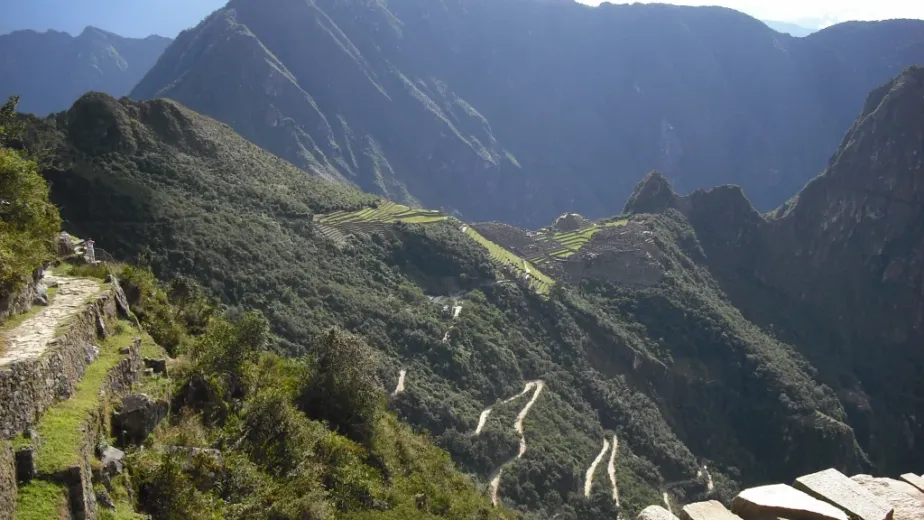
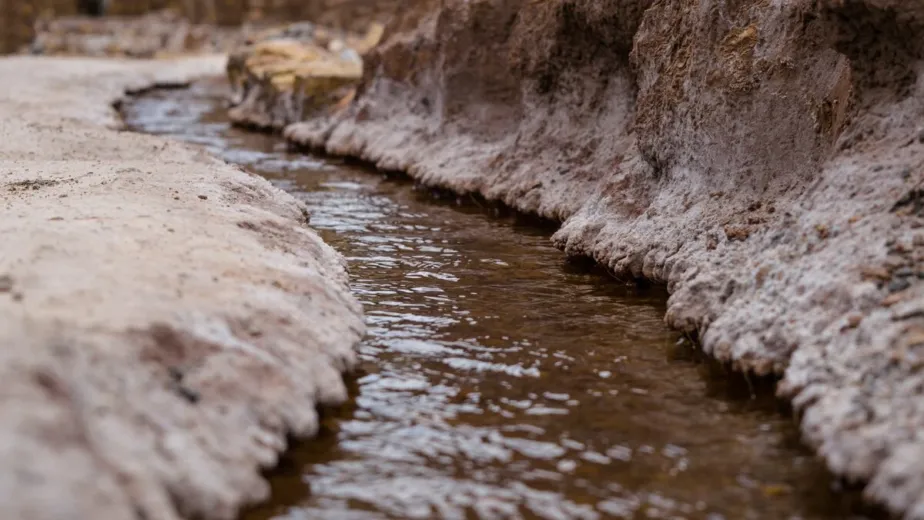
The evidence stands in stone. The civilización inka built agricultural terraces that engineers still study, hydraulic systems that function centuries later, thirty thousand kilometers of road across impossible terrain, and architecture that survives earthquakes which topple modern buildings.
This was a society of extraordinary abundance and sophistication — and it was organized around exactly the principles simplicity describes: direct relationship with the environment, mastery of what sustains life, sustainable use of resources. Simplicity was not their poverty. It was the foundation of their wealth.
What Simplicity Actually Produces
The outcome of simplicity is not a smaller life. It is a clearer, more capable, and more autonomous one. A person who recovers direct engagement with what sustains them gains vitality through movement, clarity through reduced abstraction, and a form of freedom that no amount of purchasing can provide: the knowledge that they are not entirely at the mercy of systems they do not understand.
This is why simplicity should hold no fear for a person who has built something. It threatens nothing they have earned. It offers something their success could not buy — and that is precisely why so many people who have everything still find themselves looking for it.
Simplicity does not make you poorer. It gives you the one thing achievement cannot purchase: a life you actually understand.