
This Is Not Immersion. This Is Membership.
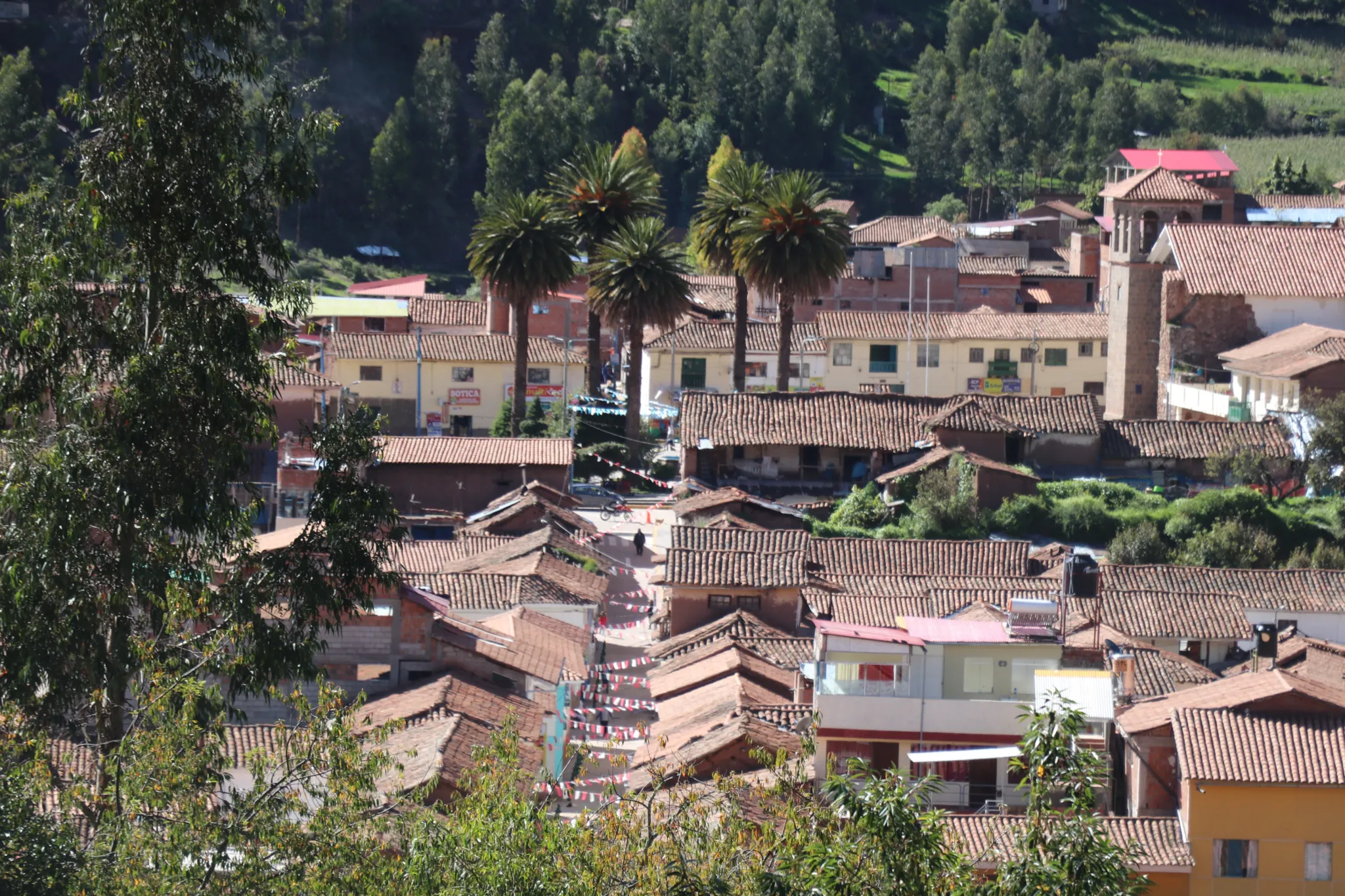
There is a version of Andean tourism where you observe. There is a version where you participate. And then there is this — where you belong, at least for thirty days, to a community that has been living the same way since before the concept of a tourist existed.
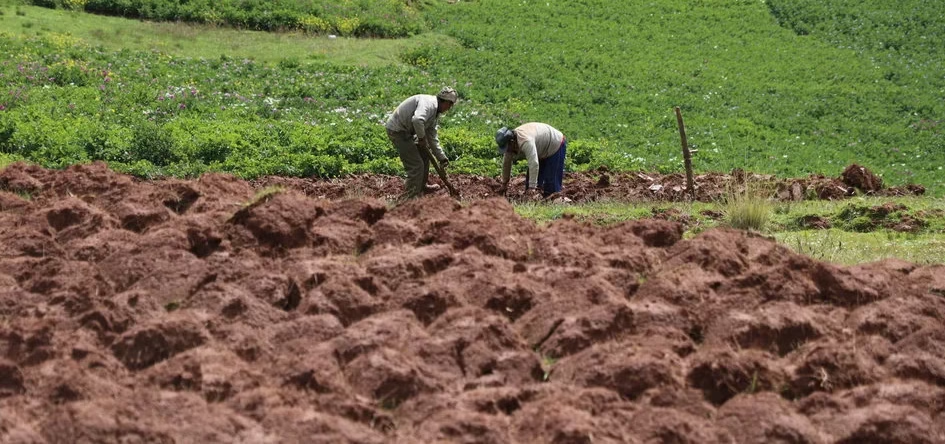
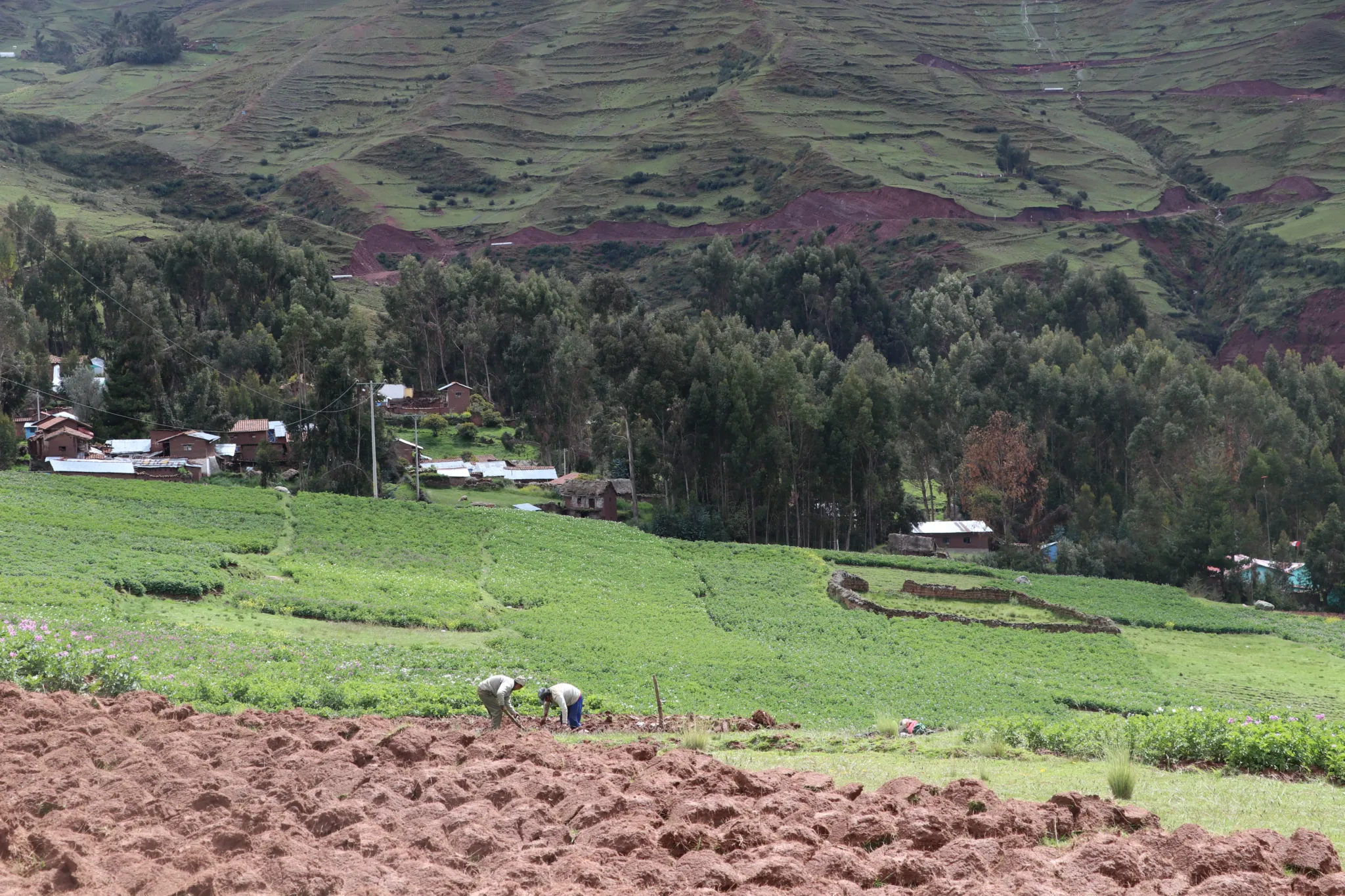
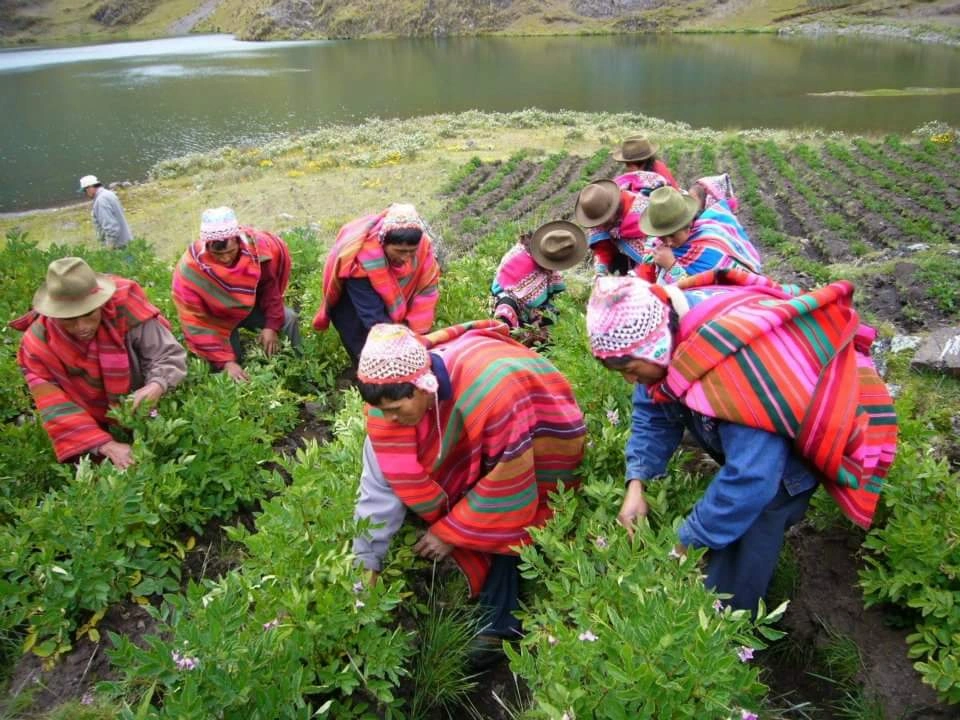
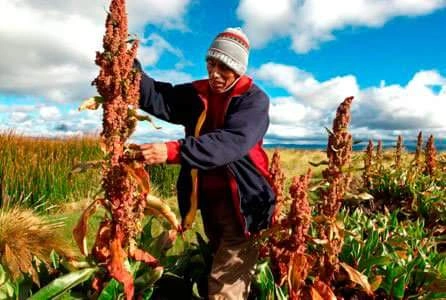
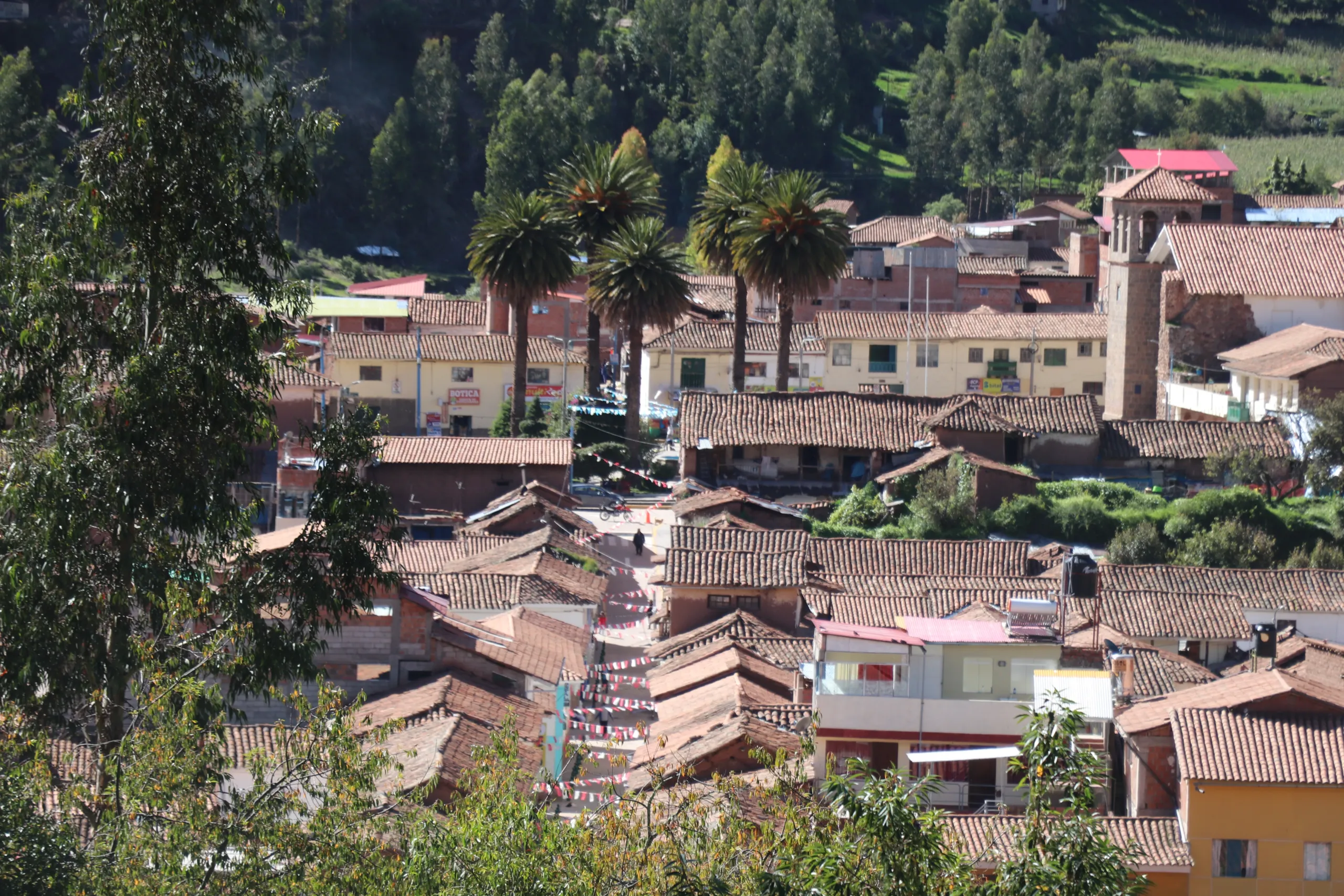
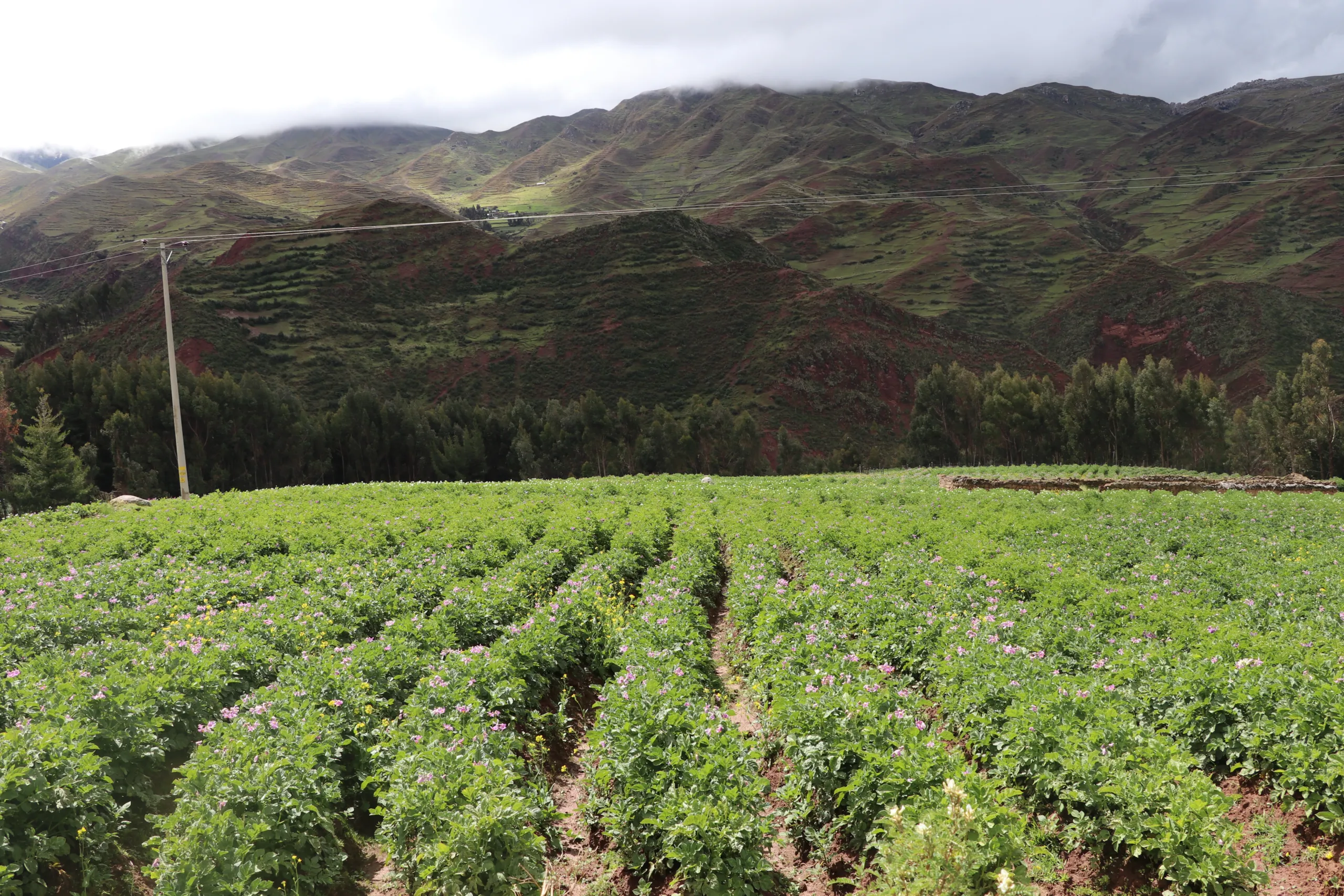
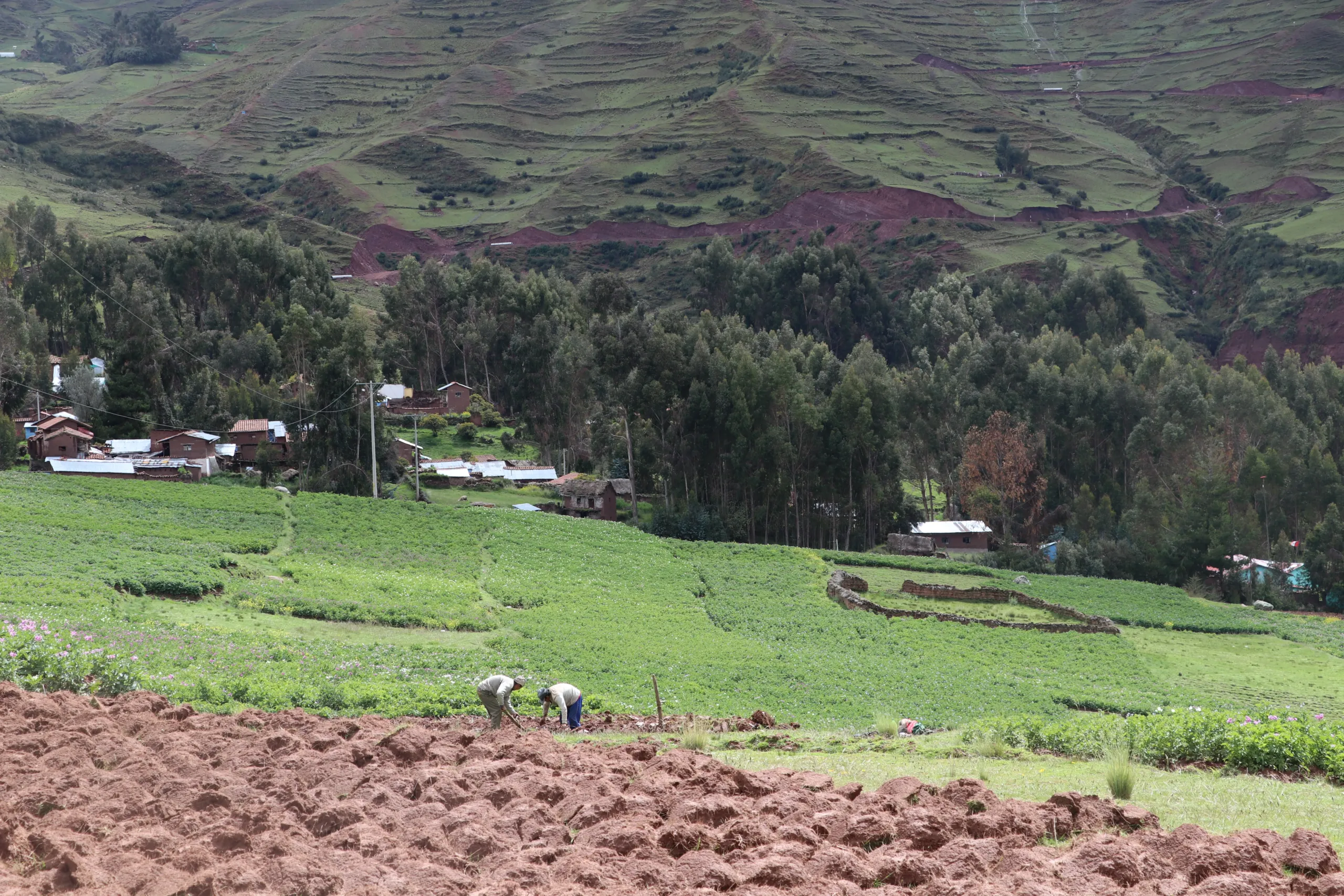
Facing the Andes is not a program designed around your comfort or your learning curve. It is an invitation to dissolve, as completely as a foreigner can, into the daily life of a Peruvian Andean community — working the land, tending animals, building walls, cooking over fire, and doing all of it within a social world where the primary language is not Spanish but Runasimi, the living tongue of the Inka civilization, still spoken daily in the highlands of Cusco.
Thirty days. No performance of experience. No curated highlights. Just life — in one of the most geographically extreme, historically layered, and humanly revealing places on earth.
Re-discover your self

What the Altitude Does That the Gym Cannot
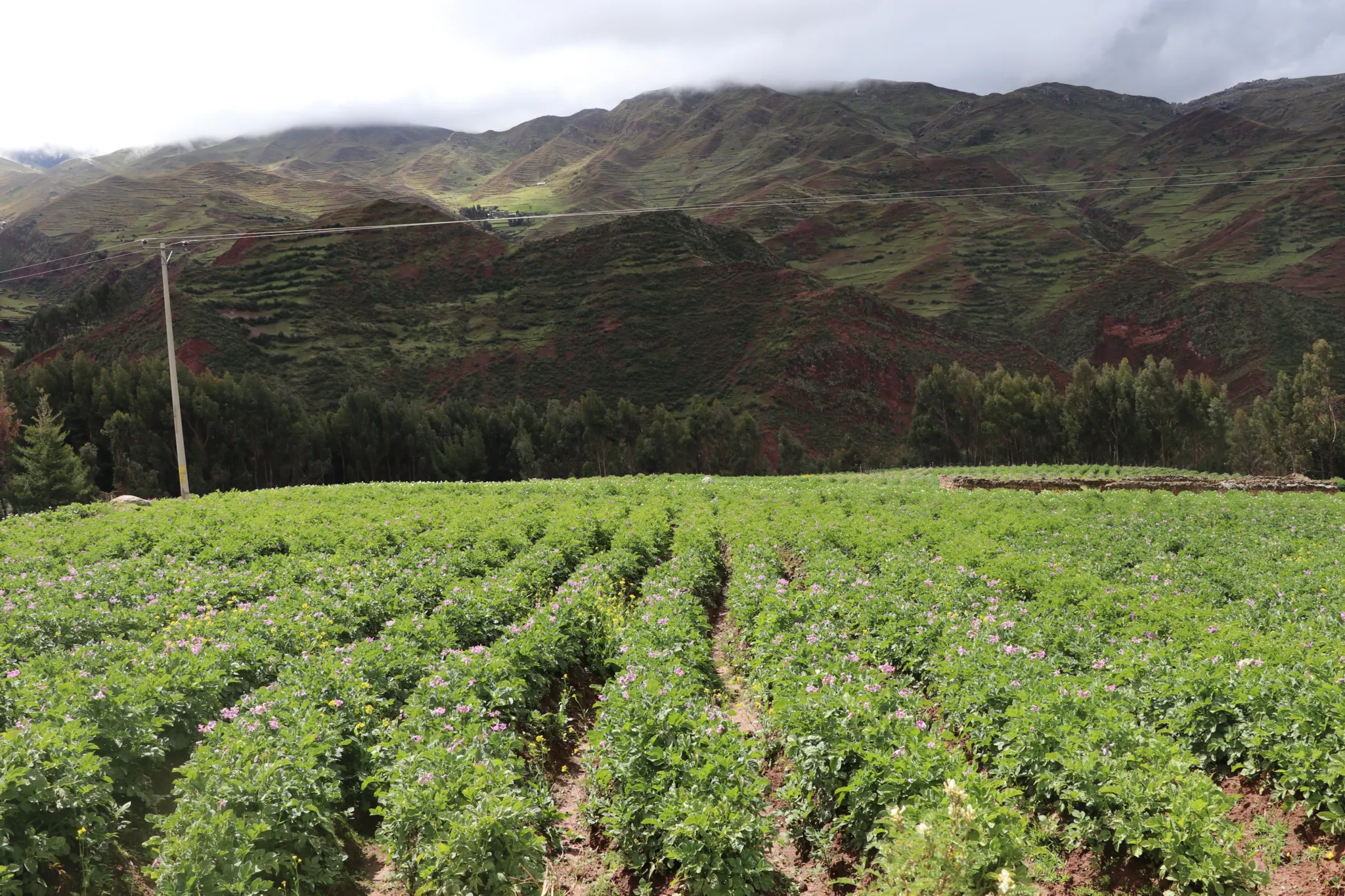
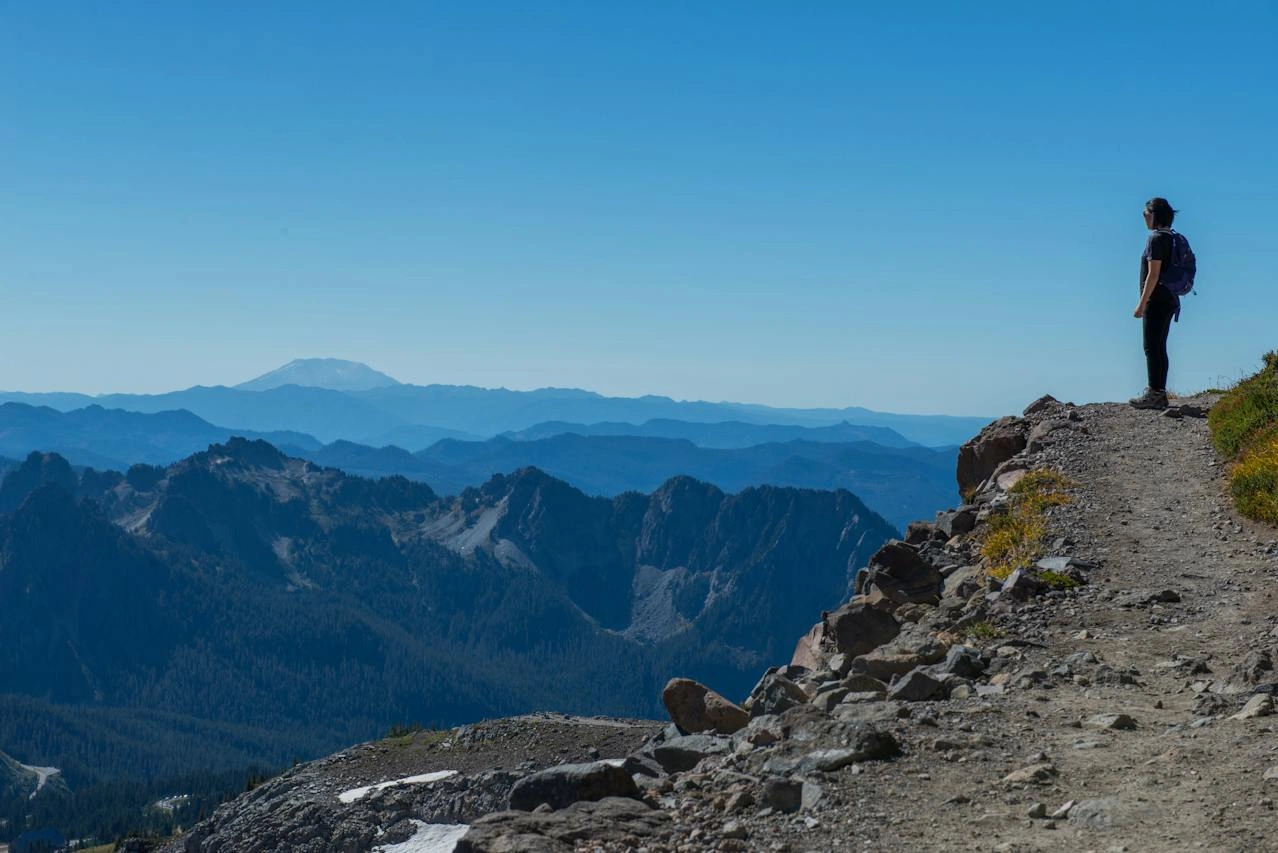
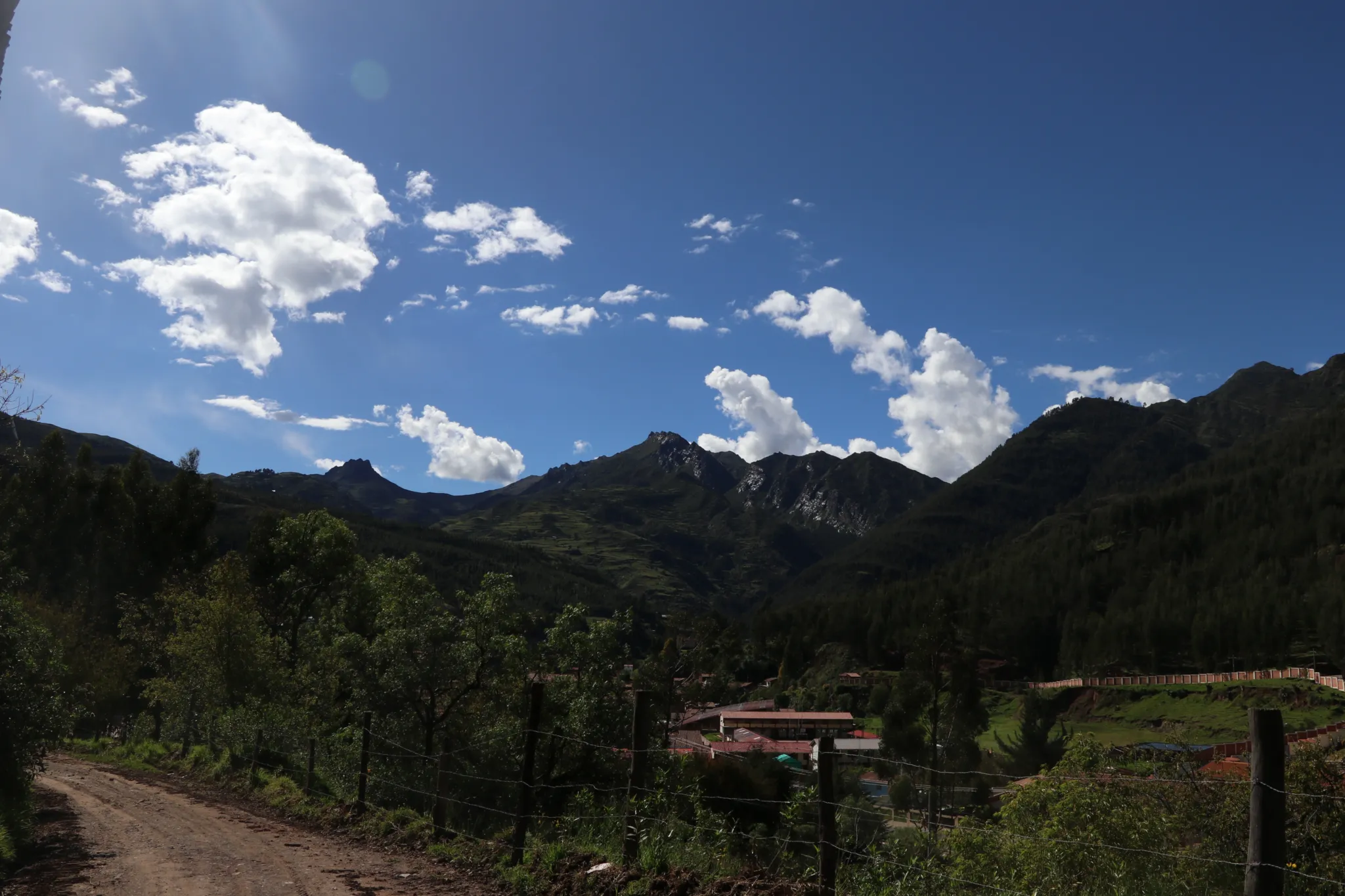
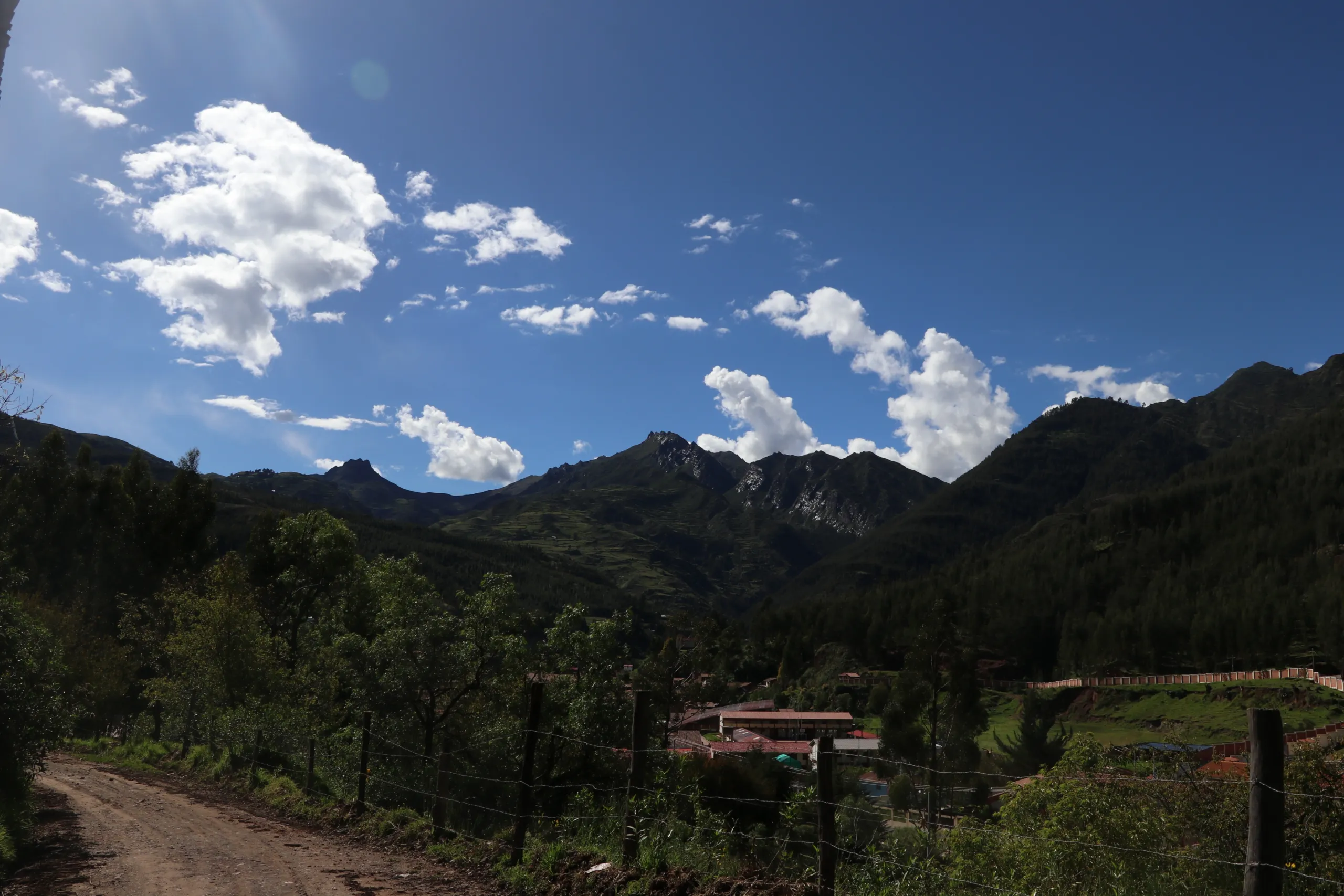
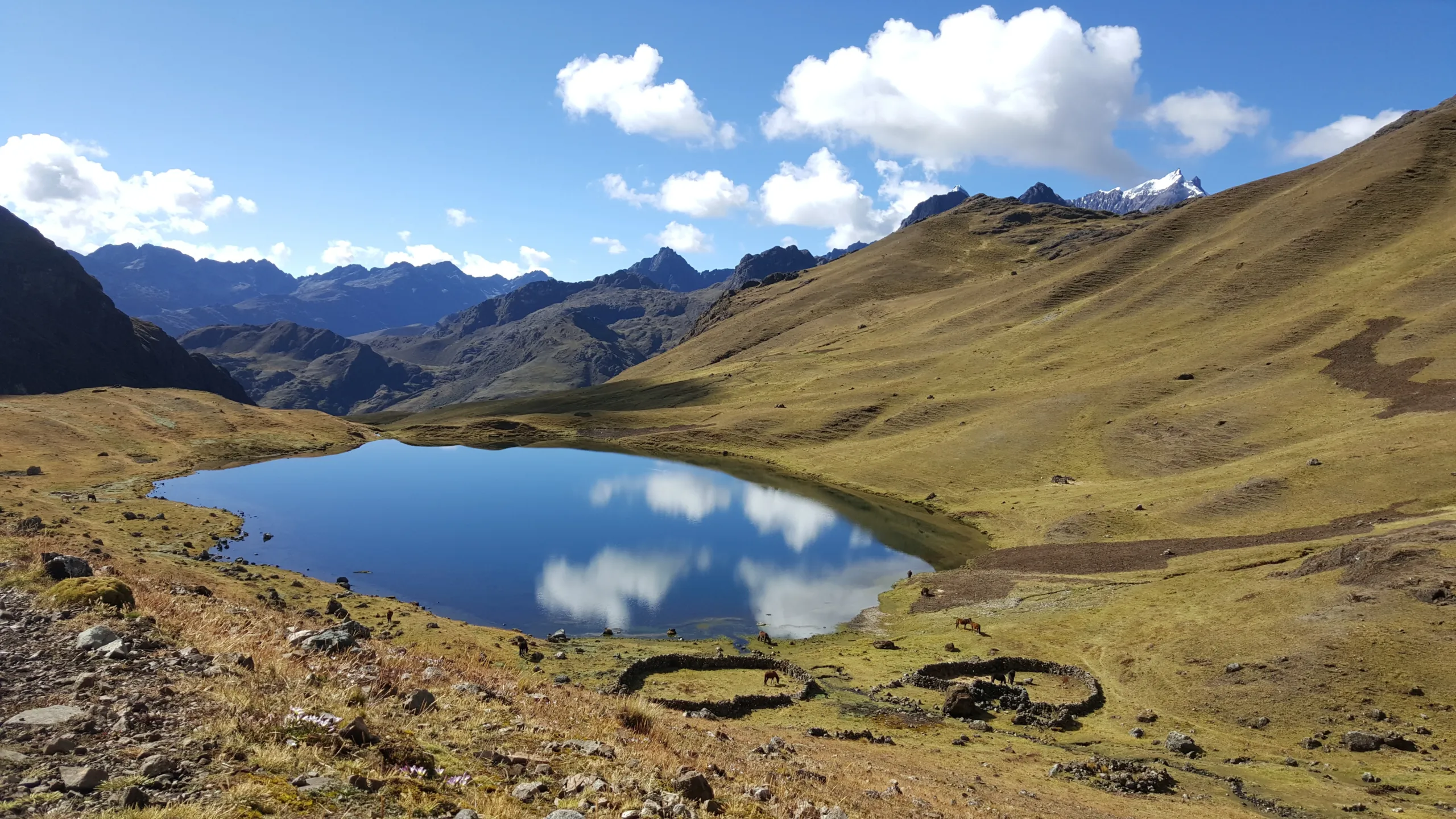
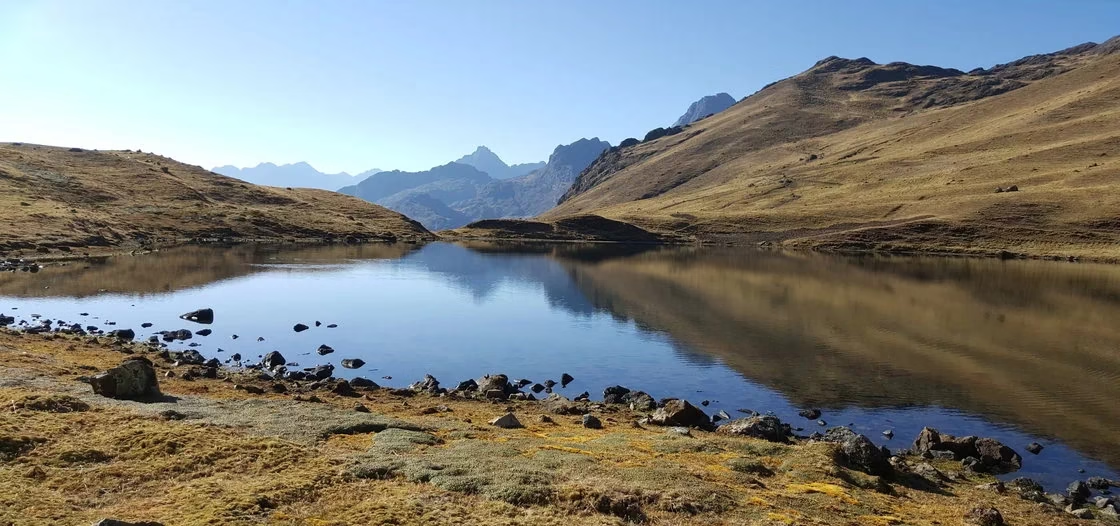
The Andes is not hospitable terrain. It is demanding at the physiological level from the first breath — typically at 3,500 to 4,000m / 13,123ft, where the air is thin enough to humble any fitness level and clear enough to recalibrate the nervous system in ways that lower altitudes simply cannot replicate.
The ancient science of breathing — now trending in wellness circles under various modern names — is not a technique here. It is a daily negotiation with the environment. Your lungs will learn. Your body will adapt. And somewhere in that adaptation, something else shifts — a mental quieting, a physical groundedness, a sharpened presence that no gym, no breathwork class, and no supplement has ever reliably produced.
Physical activity in the field is categorically different from physical activity in a controlled environment. The work here has consequence. The ground is uneven. The loads are real. The altitude adds weight to everything. And the result — by week three, for almost everyone — is a body that feels more like a body than it has in years.
The Language That Changes Everything
The community speaks Runasimi as their primary language. Spanish is available but secondary. If you arrive with little or no Spanish — and especially if neither language is accessible to you — you will encounter something that very few modern travelers ever experience: genuine linguistic isolation within a living culture.
This is not a problem to be solved. It is the experience itself.
Without language as your primary tool, you will navigate through gesture, observation, mimicry, and a kind of creative attentiveness that most adults have entirely forgotten. You will discover that communication predates vocabulary. You will watch yourself try to explain something and fail, and then try again differently, and eventually succeed — and the satisfaction of that success will be unlike anything a translated conversation can produce.
The mental chatter that occupies most people in the first week — why do they do it that way, I would do it differently, this seems inefficient — quiets naturally by the second week. Not because the judgments stop, but because they stop mattering. What replaces them is more interesting, and more personal.


Reviews
There are no reviews yet.