Highlands Tour

Price

From: $550.00

Duration

1 day

Max People

10

Tour Type

Day trips

Attractions

3

Activities

8

Min Age

none


Overview


Above the Valley, the Real Laboratory Begins

Most travelers in the Sacred Valley look up at the high plateau and keep driving. The Highlands Tour goes there.

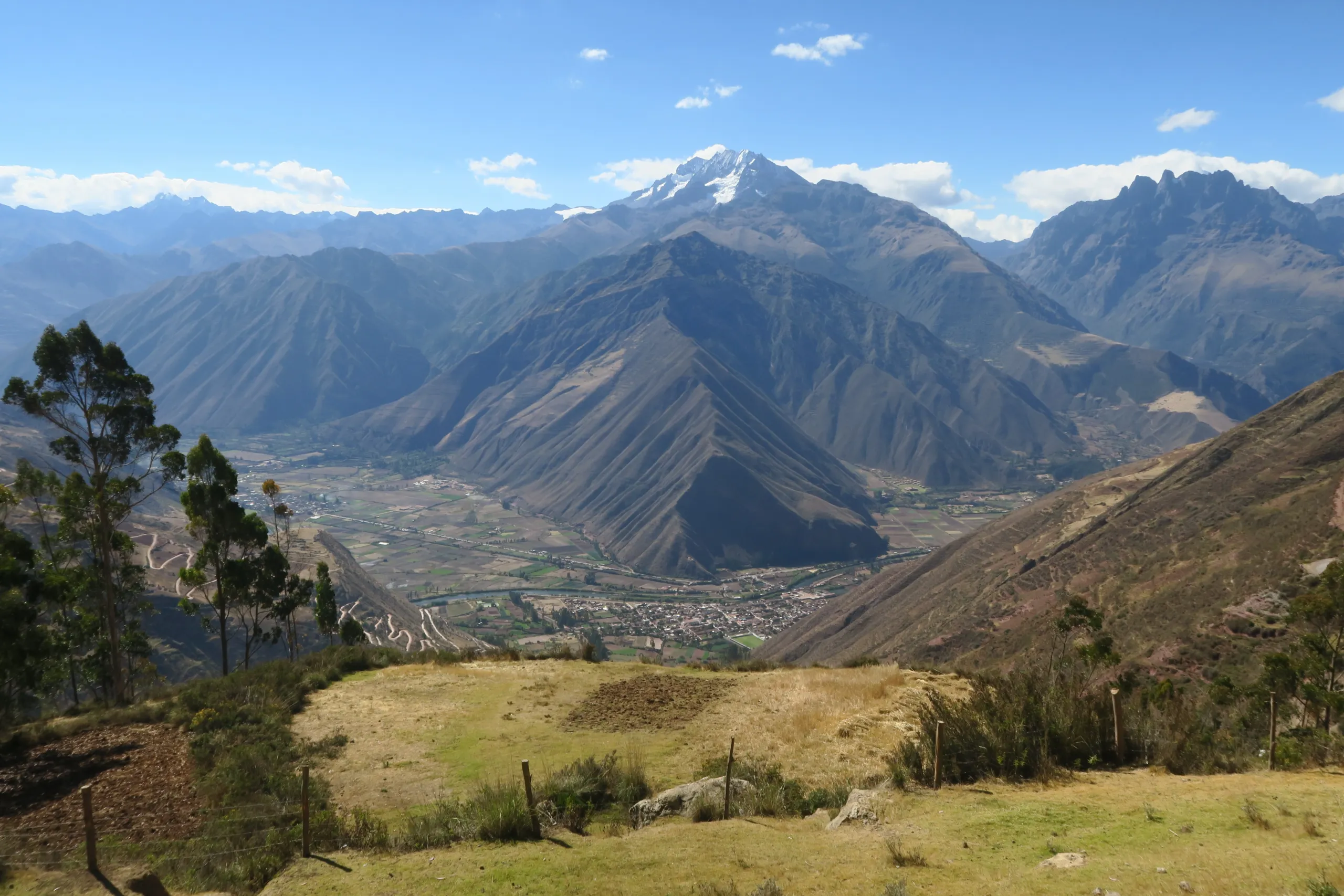
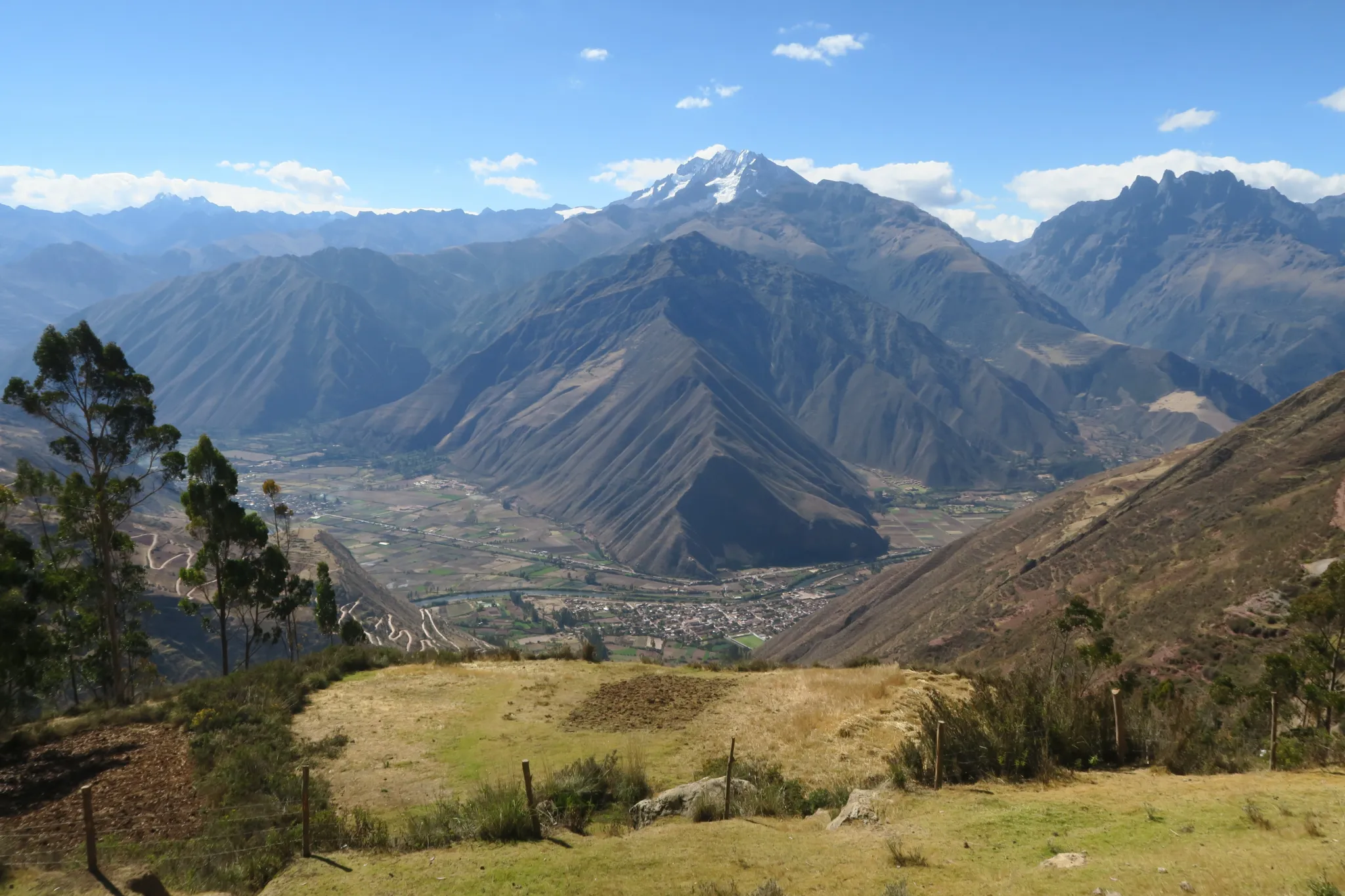
At 3,700 m / 12,139 ft — above the valley floor, above the tourist circuit, above the altitude where most day trips are designed to operate — the Inka built three of their most quietly extraordinary achievements: a highland community whose textile tradition has never been interrupted, a salt mine still managed by the same community system established before the conquest, and an agricultural laboratory whose concentric circular terraces replicate the full range of Andean altitude zones in a single structure.

None of these sites are dramatic in the way that Machu Picchu or Ollantaytambo are dramatic. Their extraordinary quality is subtler — the kind that reveals itself only to those who arrive with the right framework and enough time to let the sites speak. The Inka method guide provides both.


4 best attractions

# Chinchero

# Maras

# Andes mountain range

# Moray

# Sacred Valley


Highlands Tour


This is traditionally known as the Maras and Moray tour. What Therapeutic Tourism brings to it is the interpretive thread that connects the three sites as a unified expression of Andean intelligence — the textile tradition, the mineral extraction, and the agricultural science all demonstrating the same underlying principle: that a civilization which understands its environment deeply enough can work with it rather than against it, and build systems that outlast everything imposed upon them.

Embrace a transformative holiday, embracing therapeutic tourism to awaken the light of consciousness, for the well-being of our world.
 

Chinchero — The Textile Tradition That Outlasted the Conquest

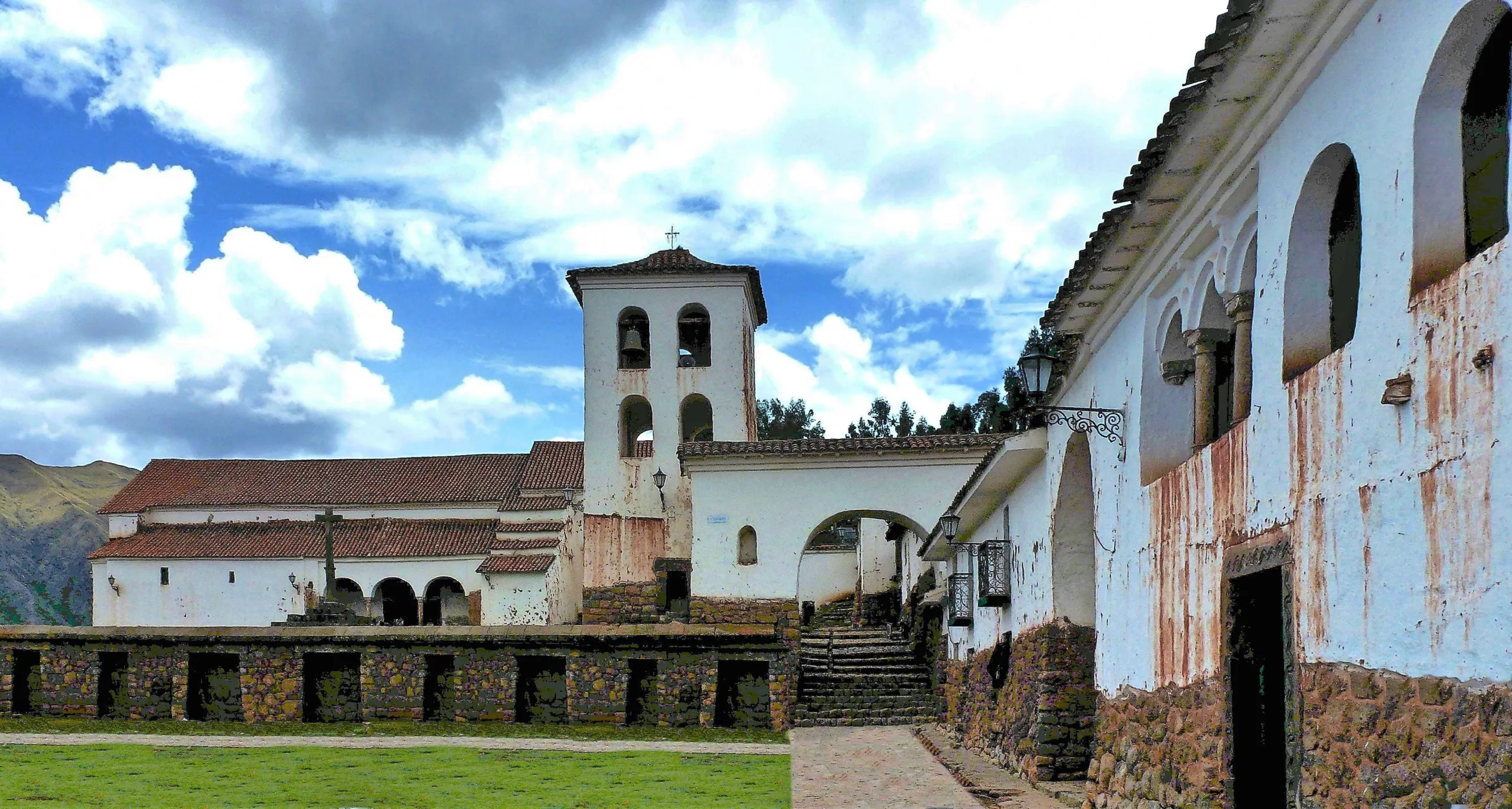
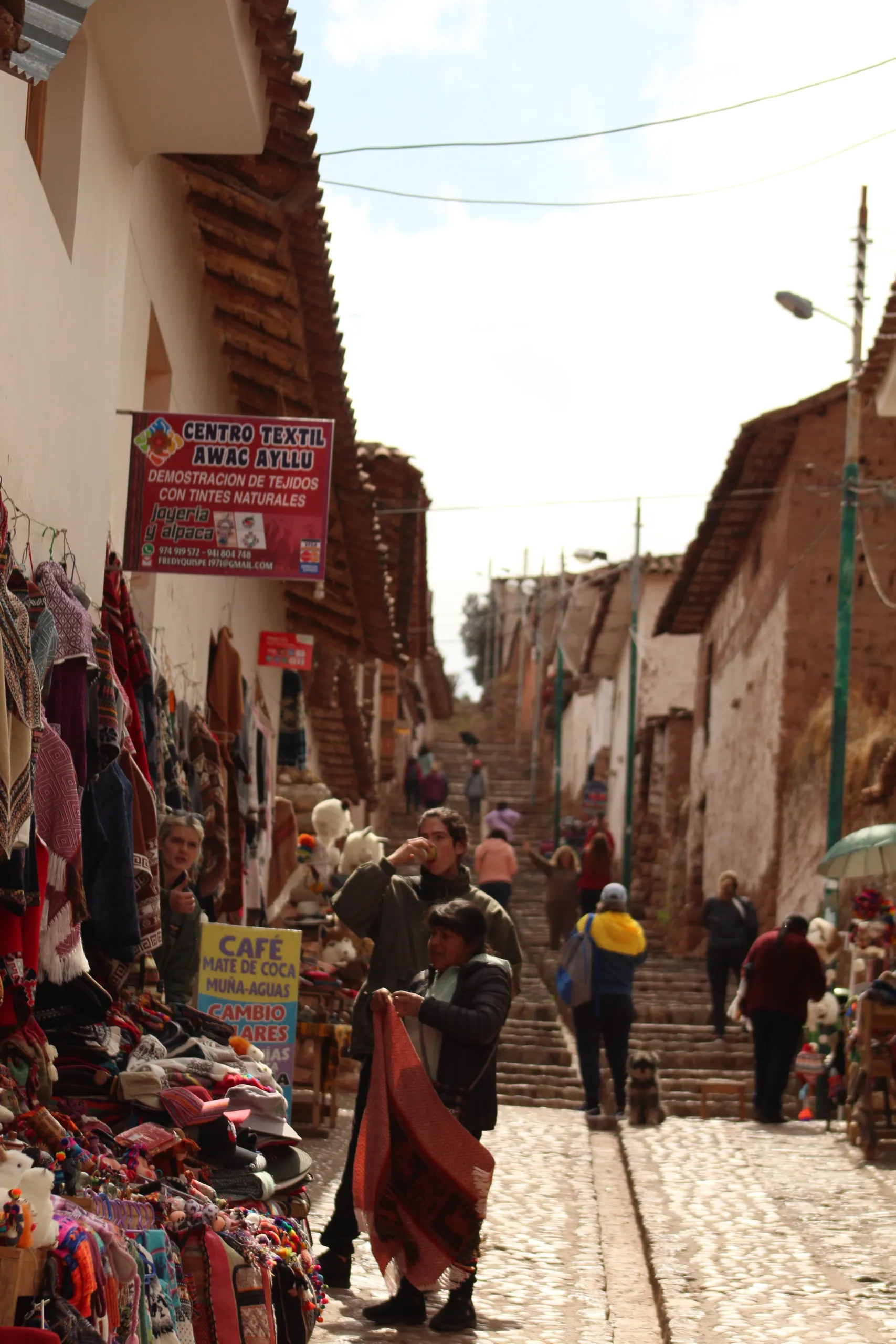
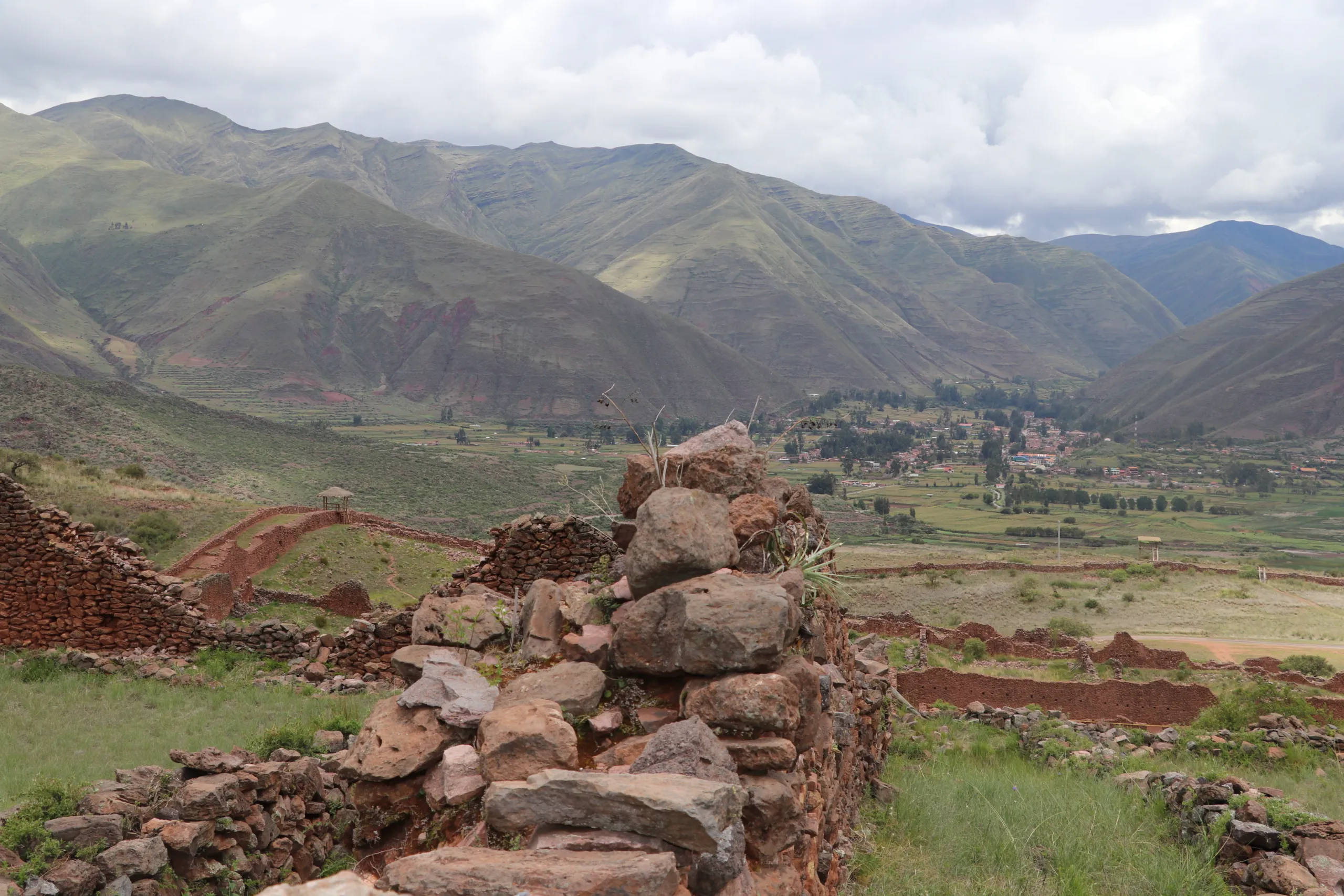
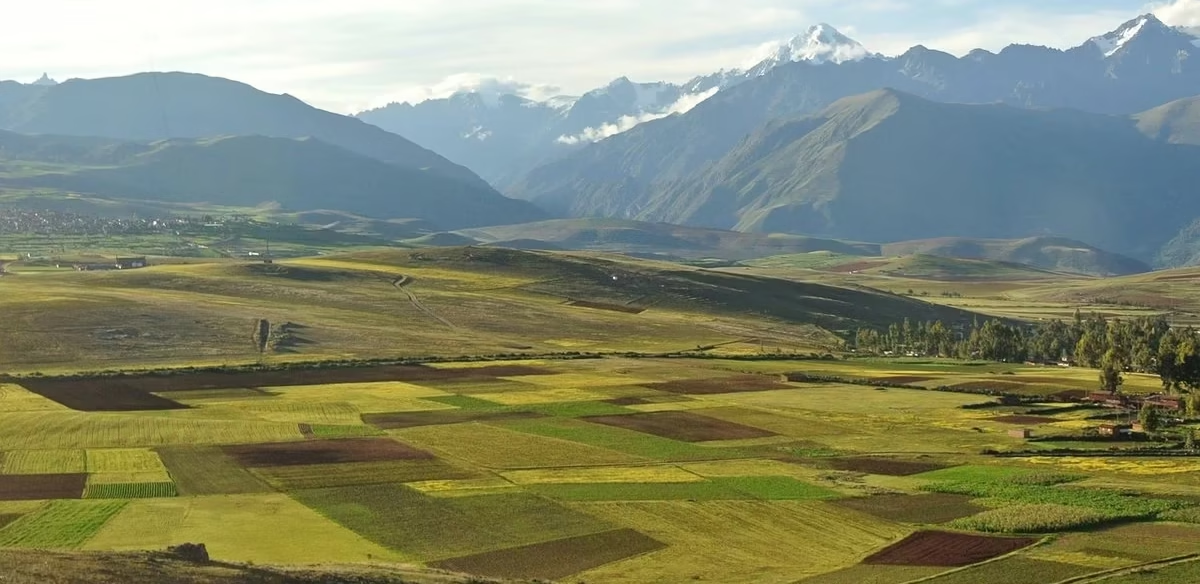
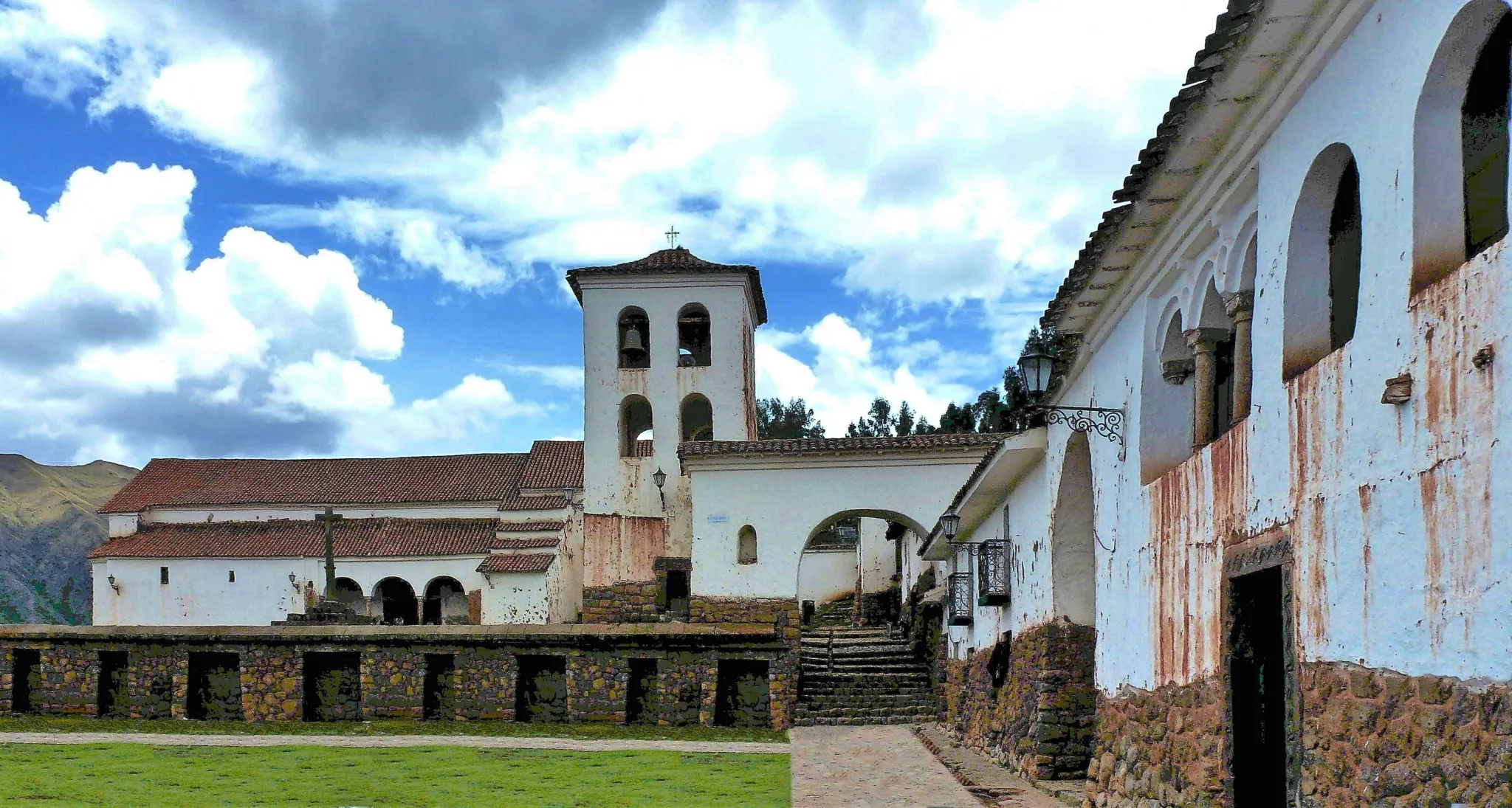
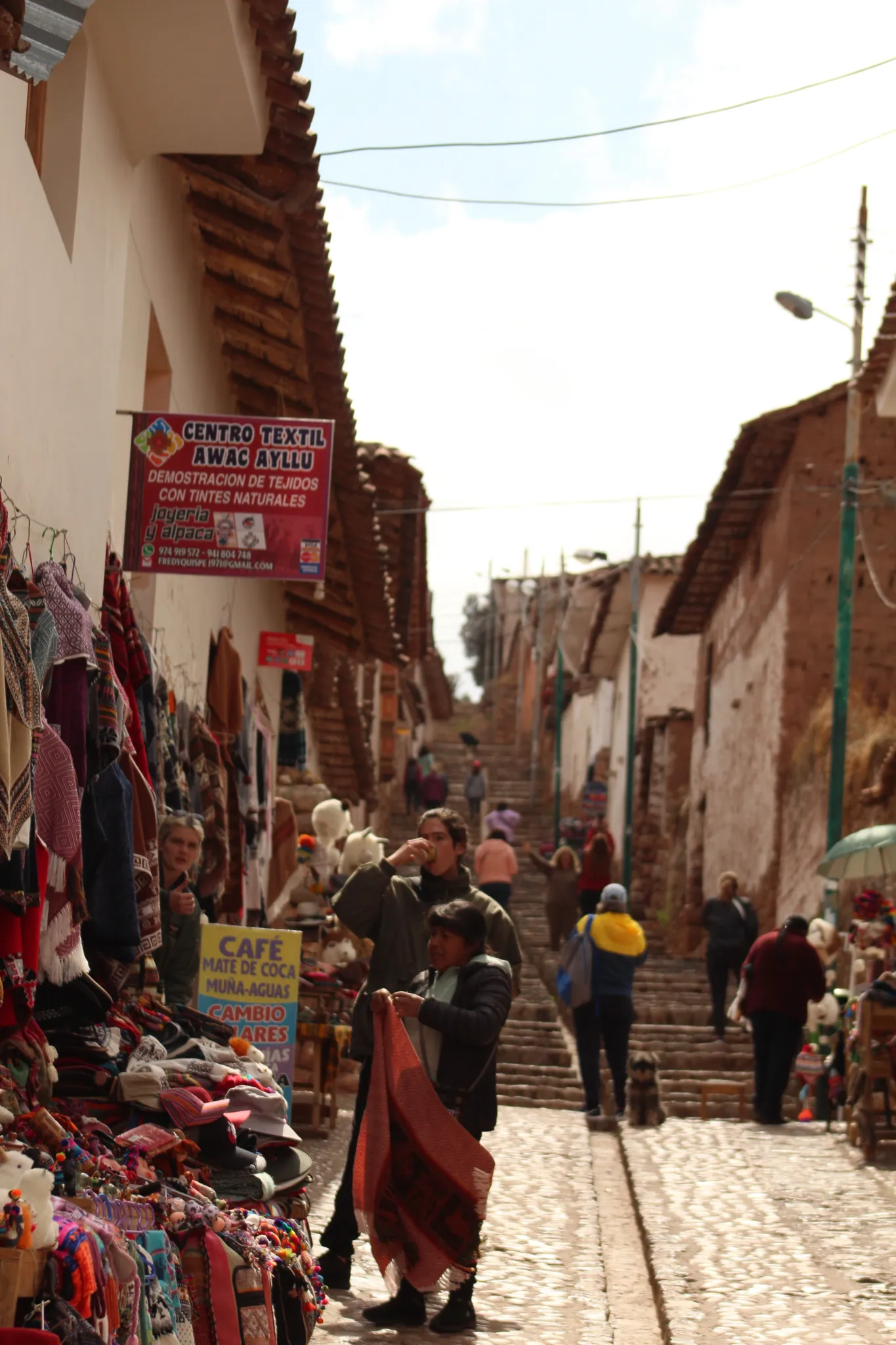
The highland community of Chinchero at 3,700 m / 12,139 ft sits at the highest point of the day’s journey — a town built on Inka foundations, its original street grid still intact beneath and alongside the colonial structures that were built to replace what the conquest found there. The wide agricultural terraces that cascade from the town are maintained by the same community that has worked them for generations.

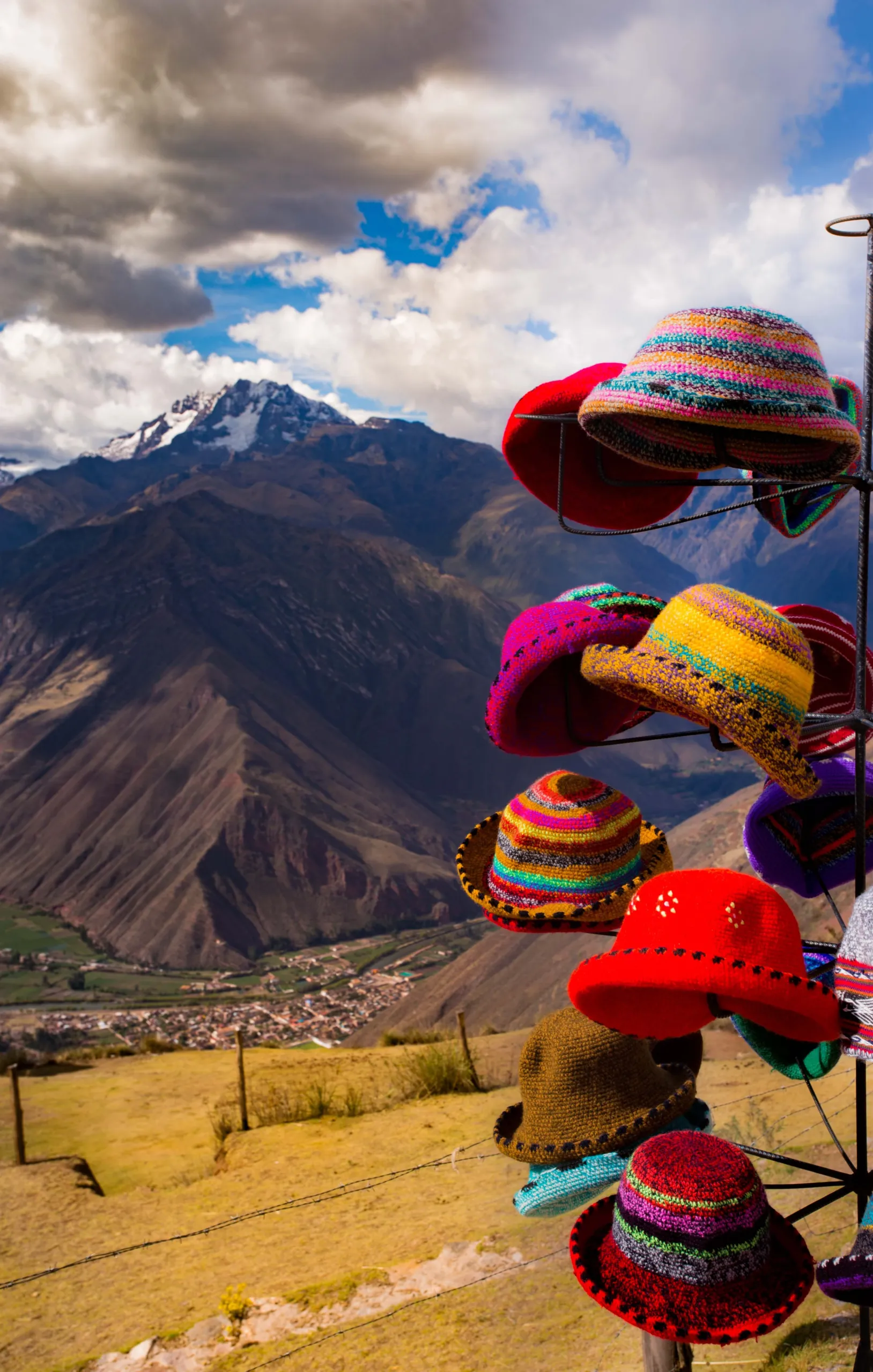
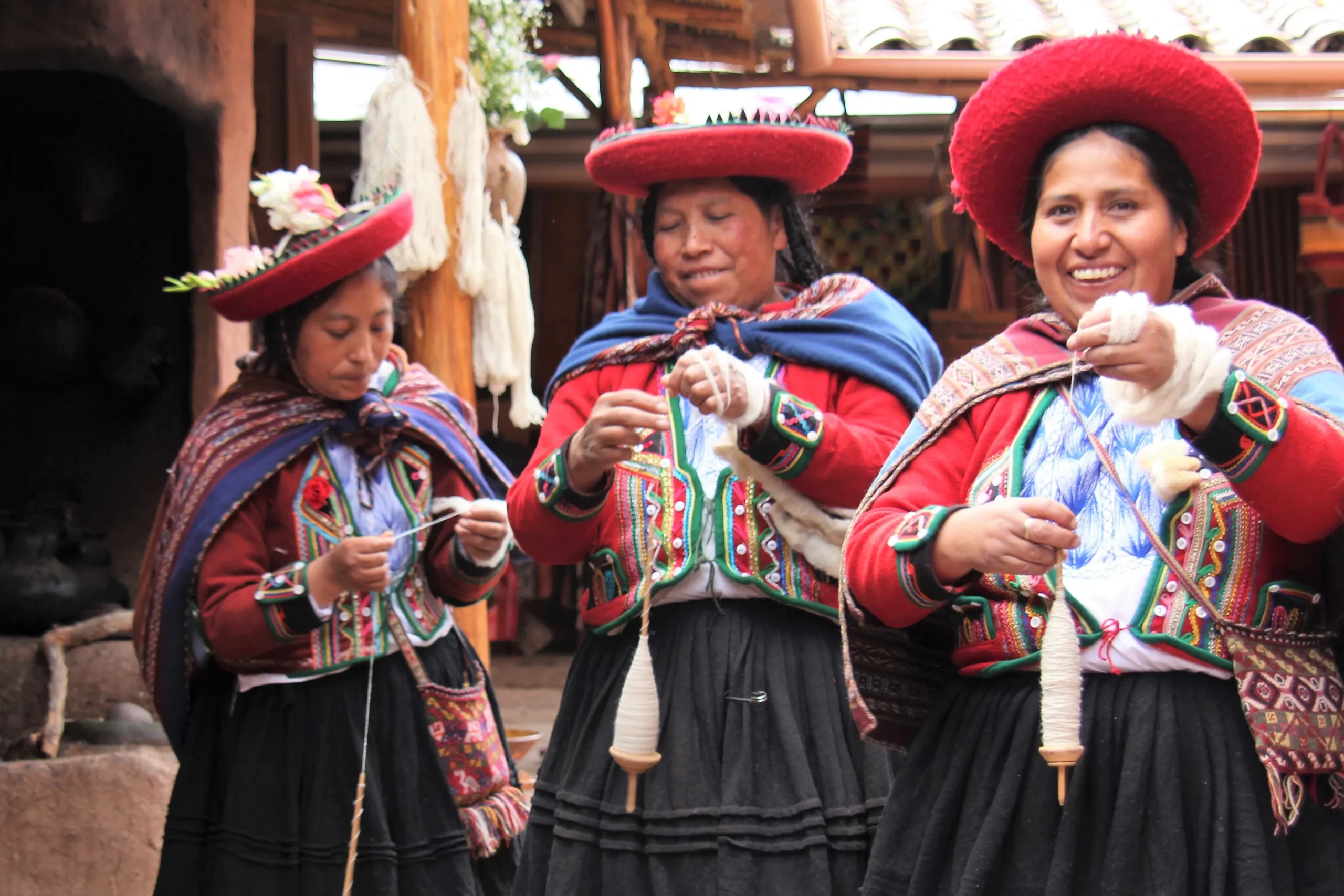
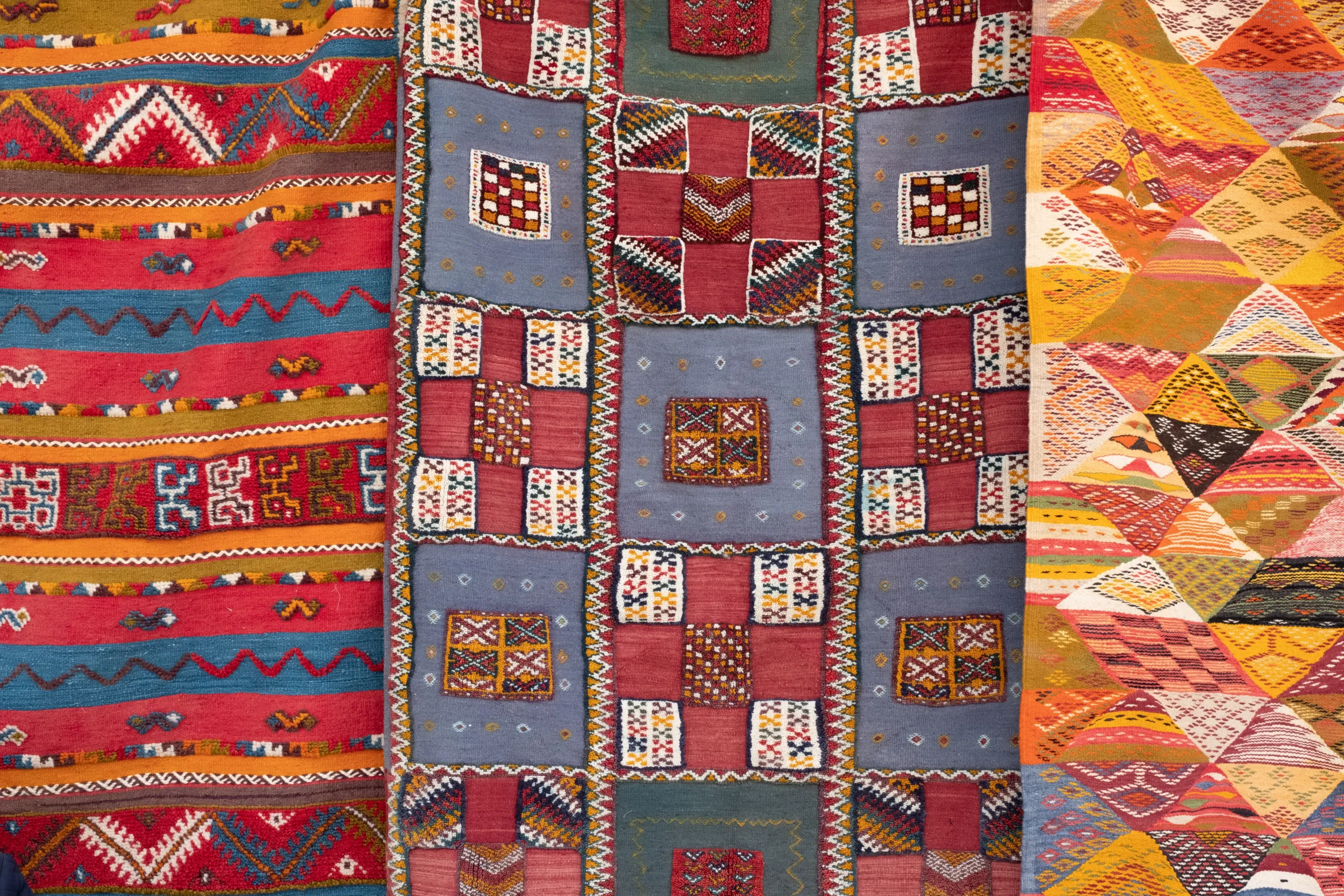
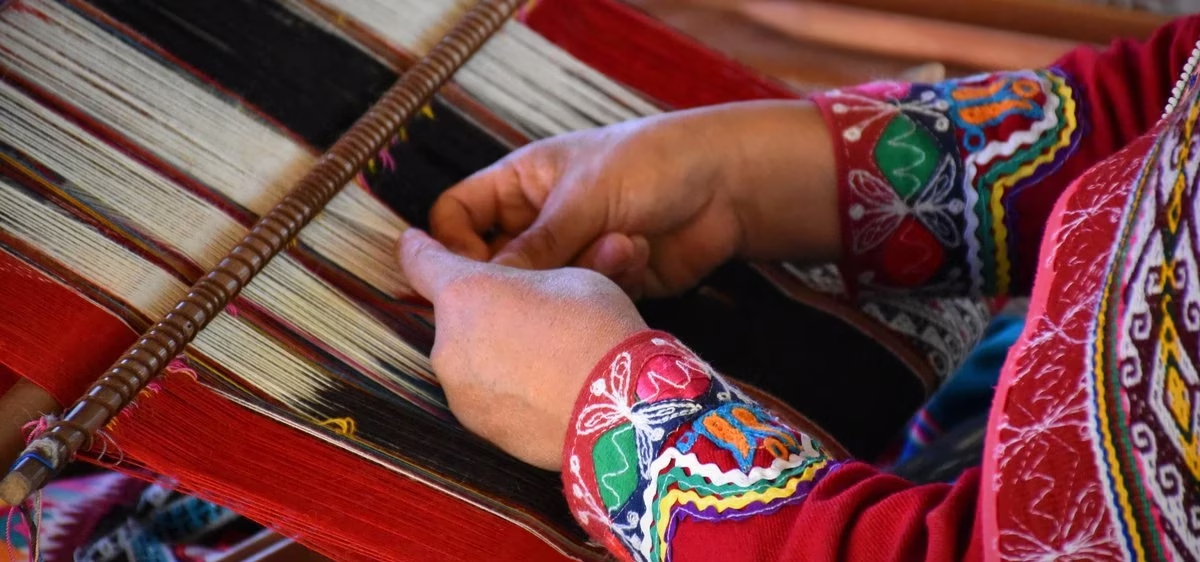
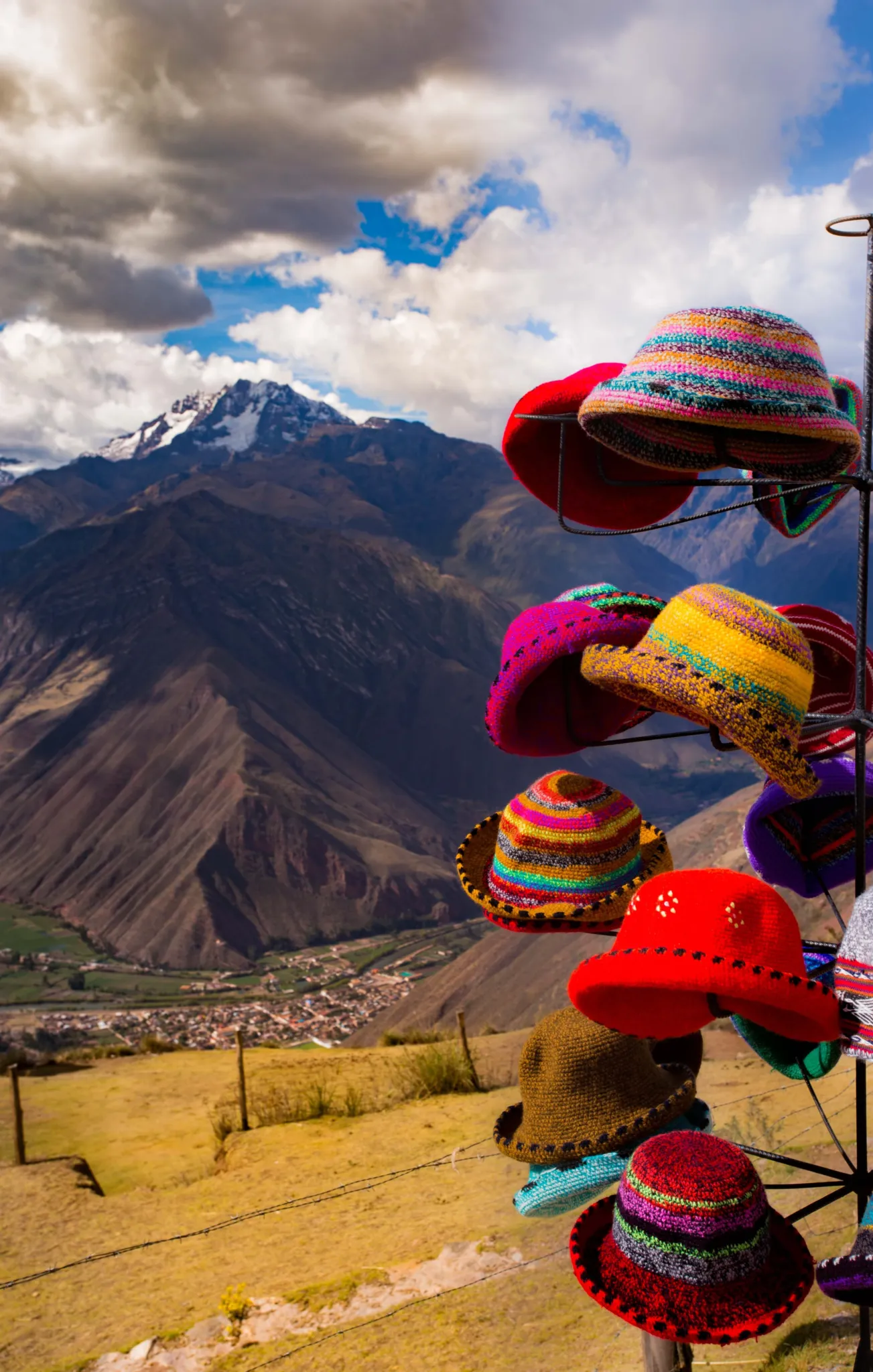
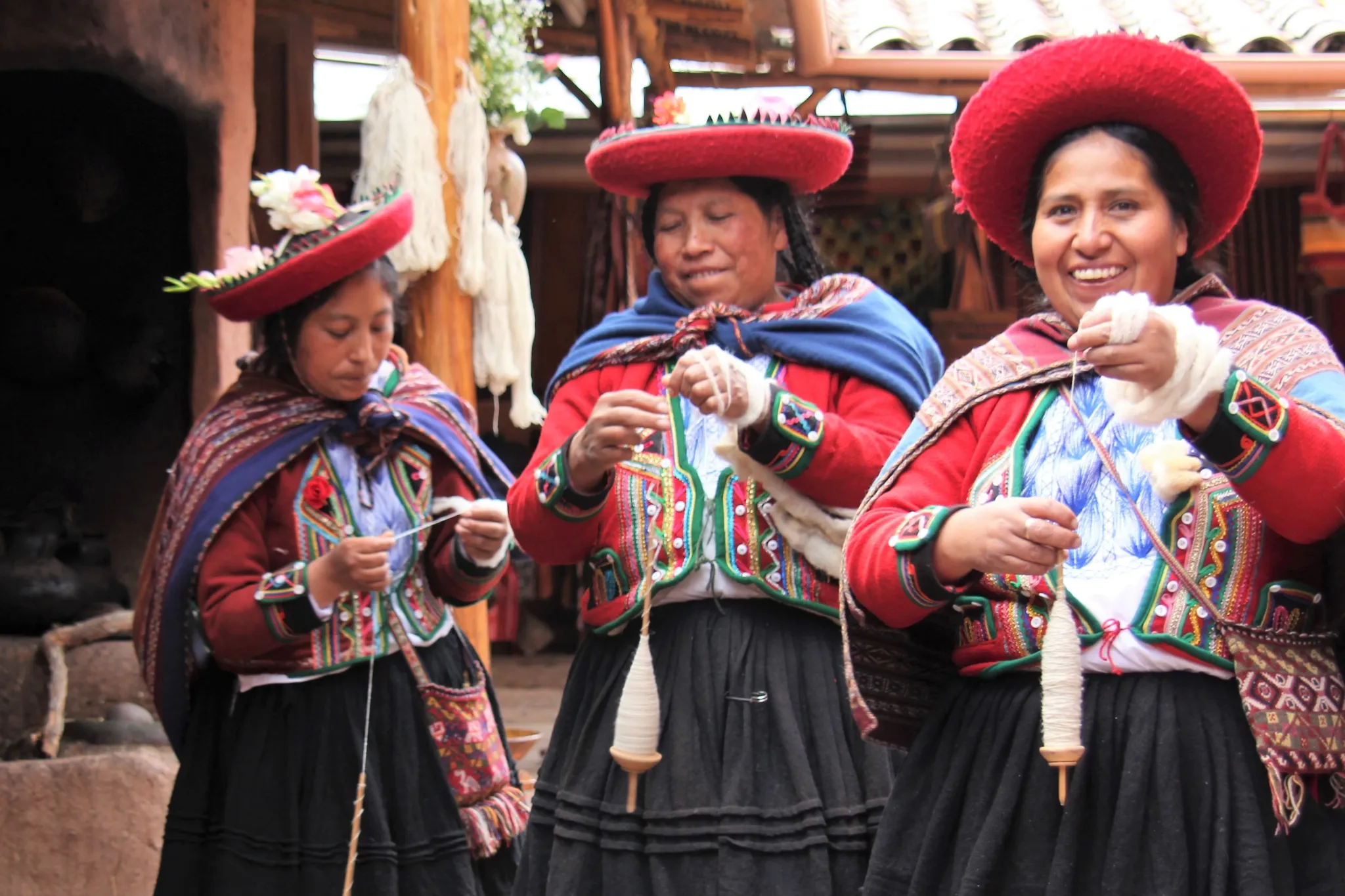
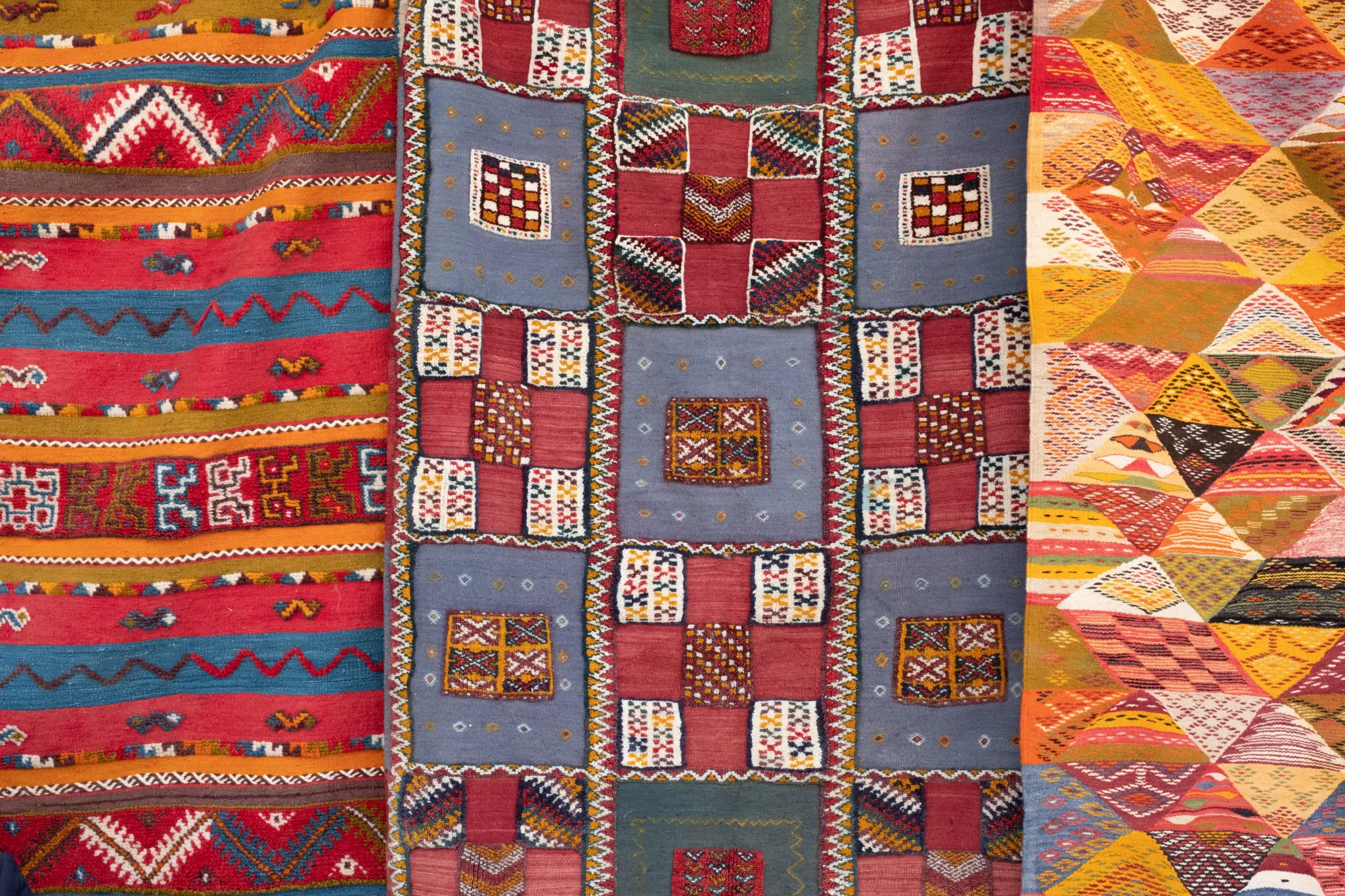
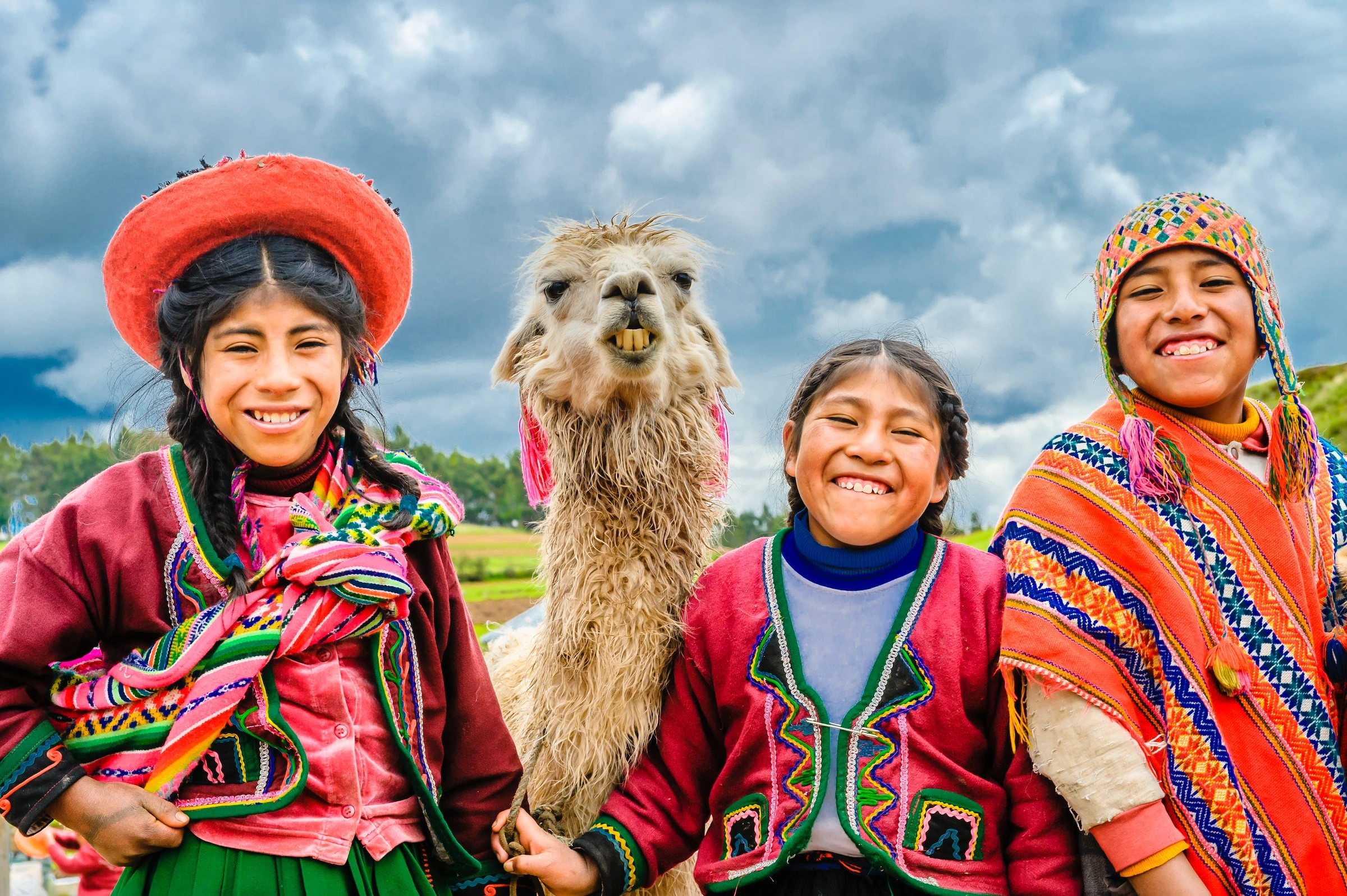
The natural dye tradition practiced here is the day’s most intimate encounter with living Andean knowledge. Women whose hands carry generations of accumulated understanding demonstrate the full process — from plant and mineral sources to finished textile — in a setting that is not a cultural show but the actual practice of a tradition that has never stopped. The colors produced without synthetic chemistry, the patterns encoding cosmological information that the weaving carries intact through five centuries — this is what cultural continuity looks like when it has not been museumified.

The Inka streets and colonial church of Chinchero’s main square carry the same layered history visible at Qoricancha — the two cosmological systems occupying the same space, the Inka foundations outlasting the colonial additions above them. Your guide reads the town as a document before the journey continues to the plateau.


Maras — The Salt Mine That Has Never Stopped

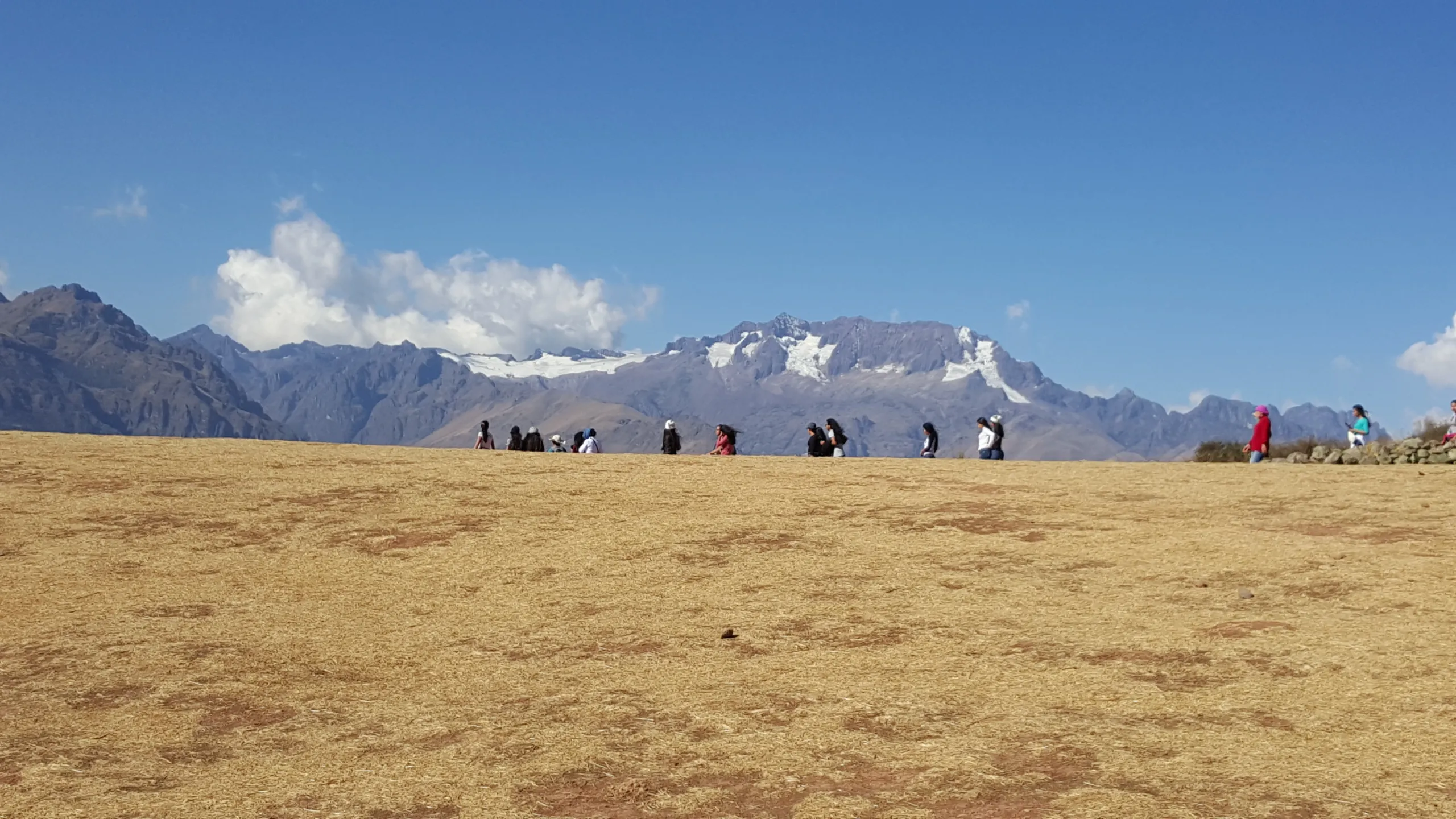
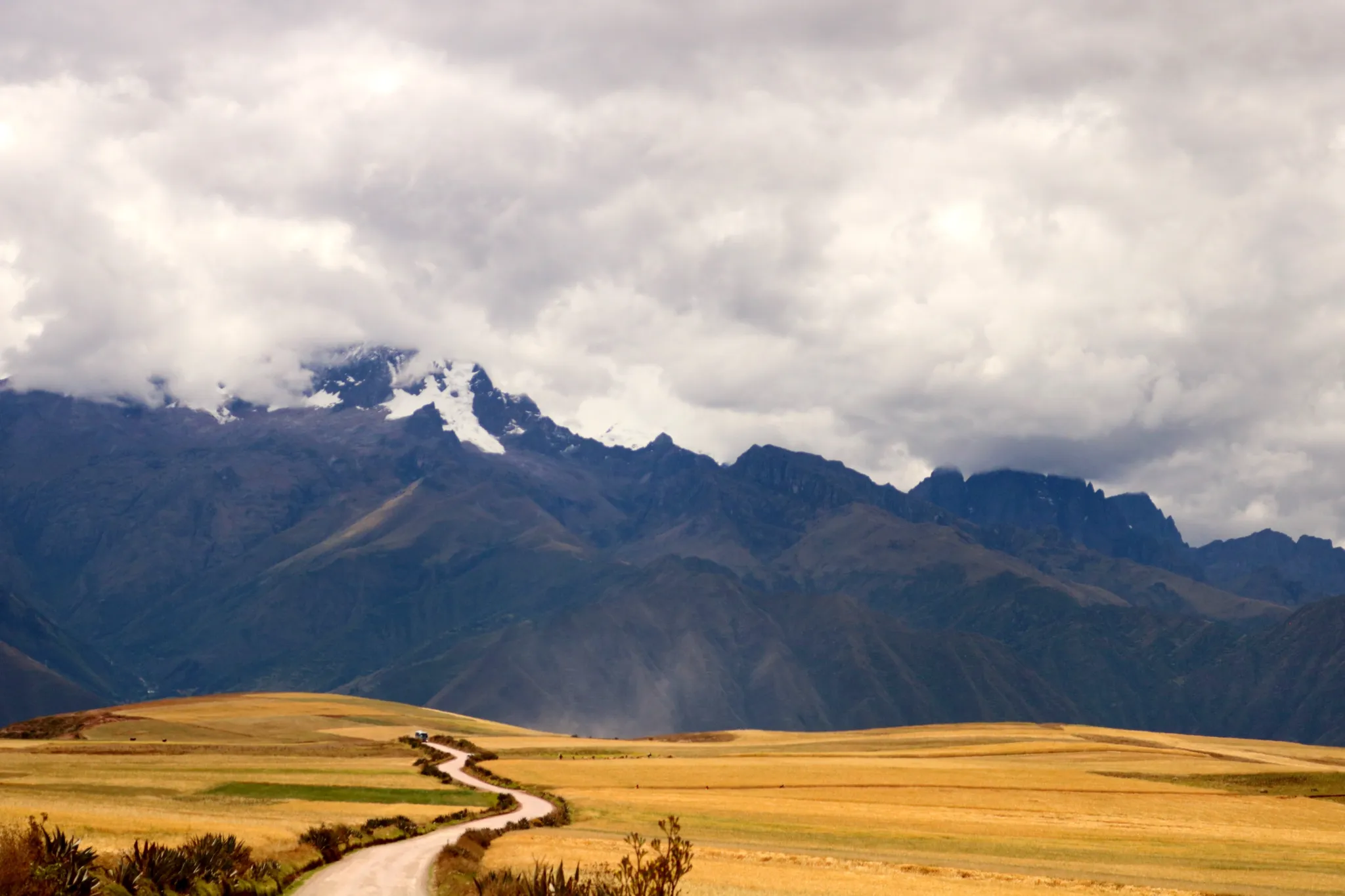
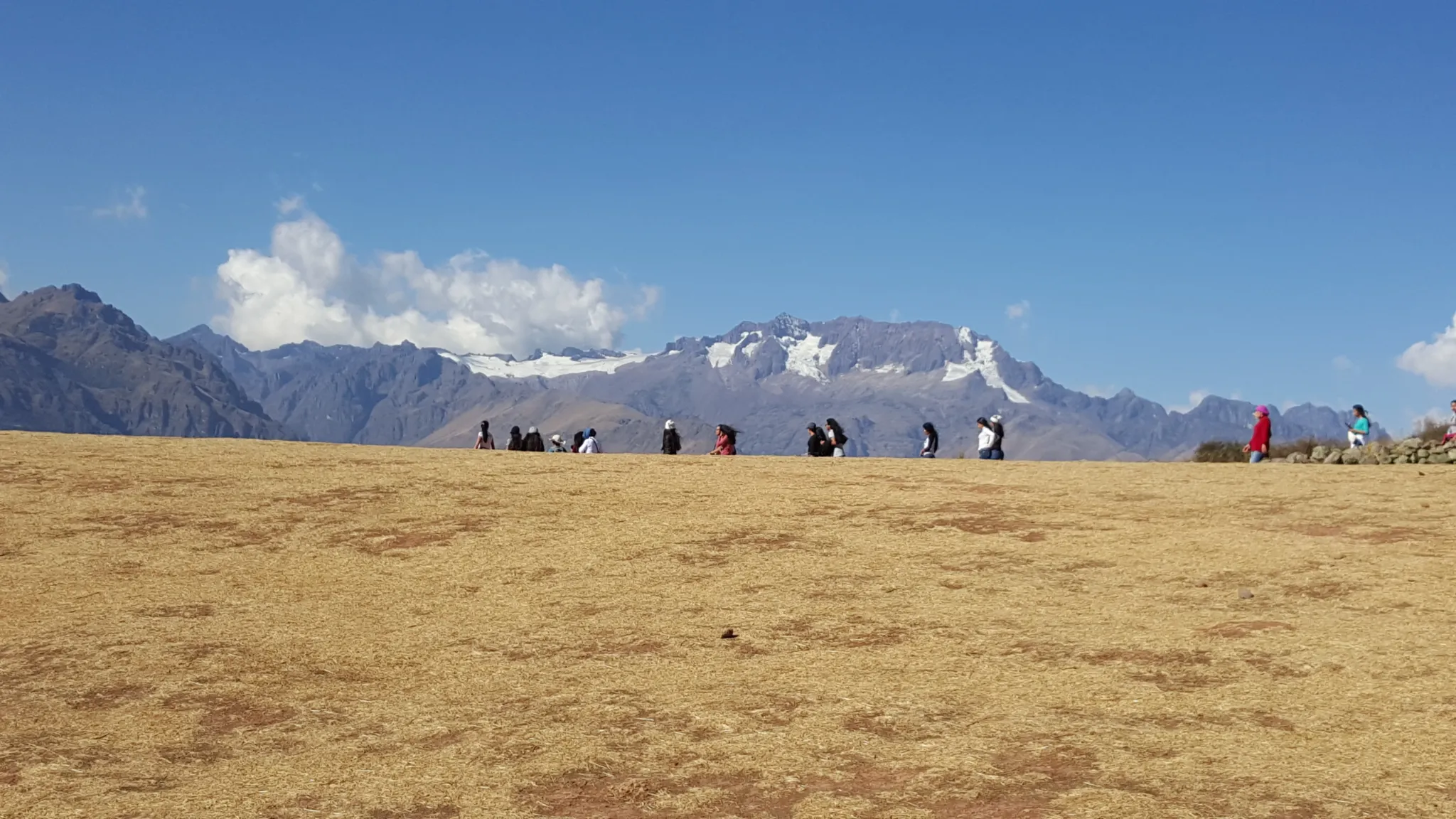
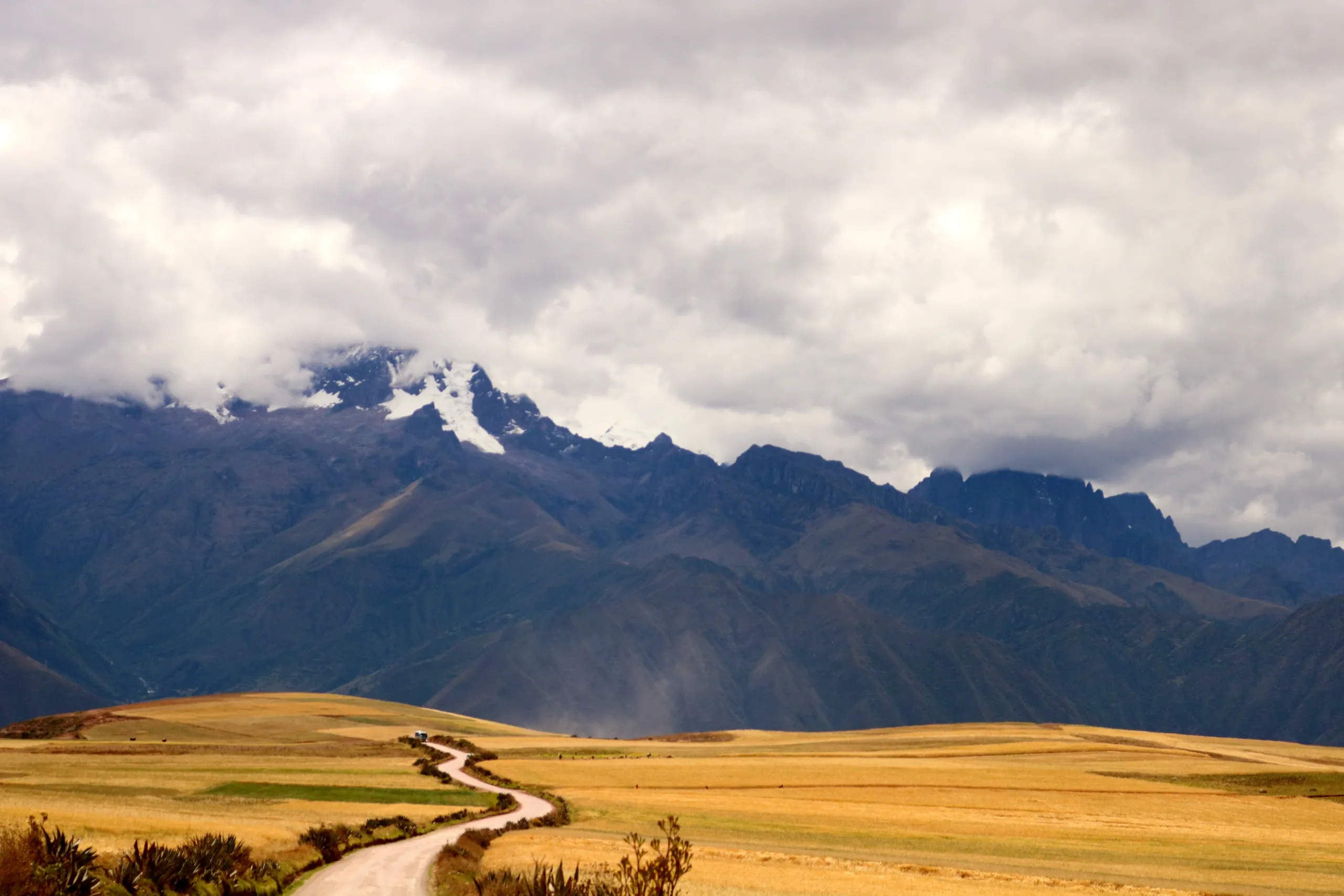
The drive from Chinchero to Maras at 3,380 m / 11,089 ft crosses the high Andean plain — a landscape of a quality and openness that the valley below cannot offer, the mountains visible in every direction at the distance that gives them their full scale.

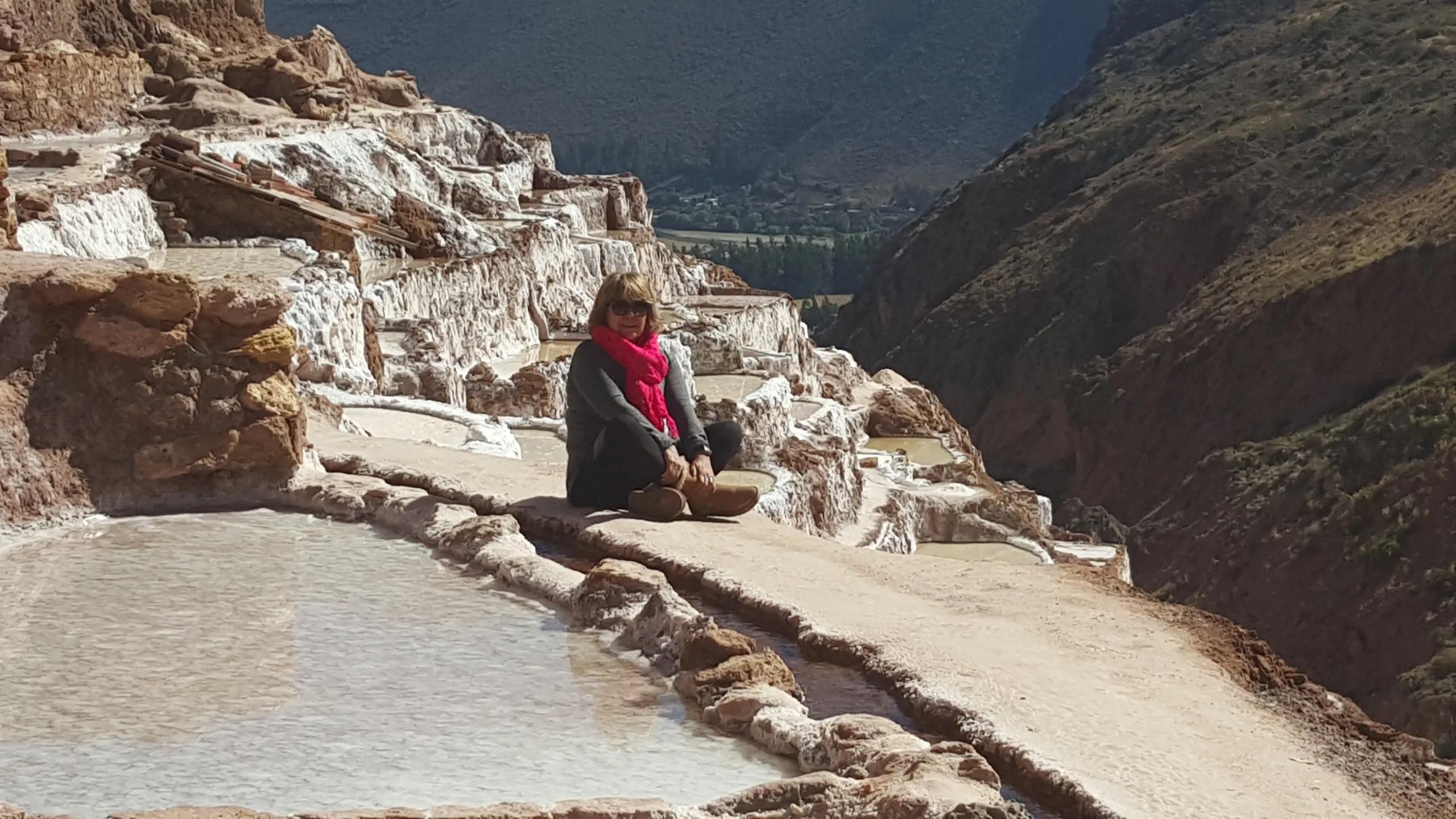
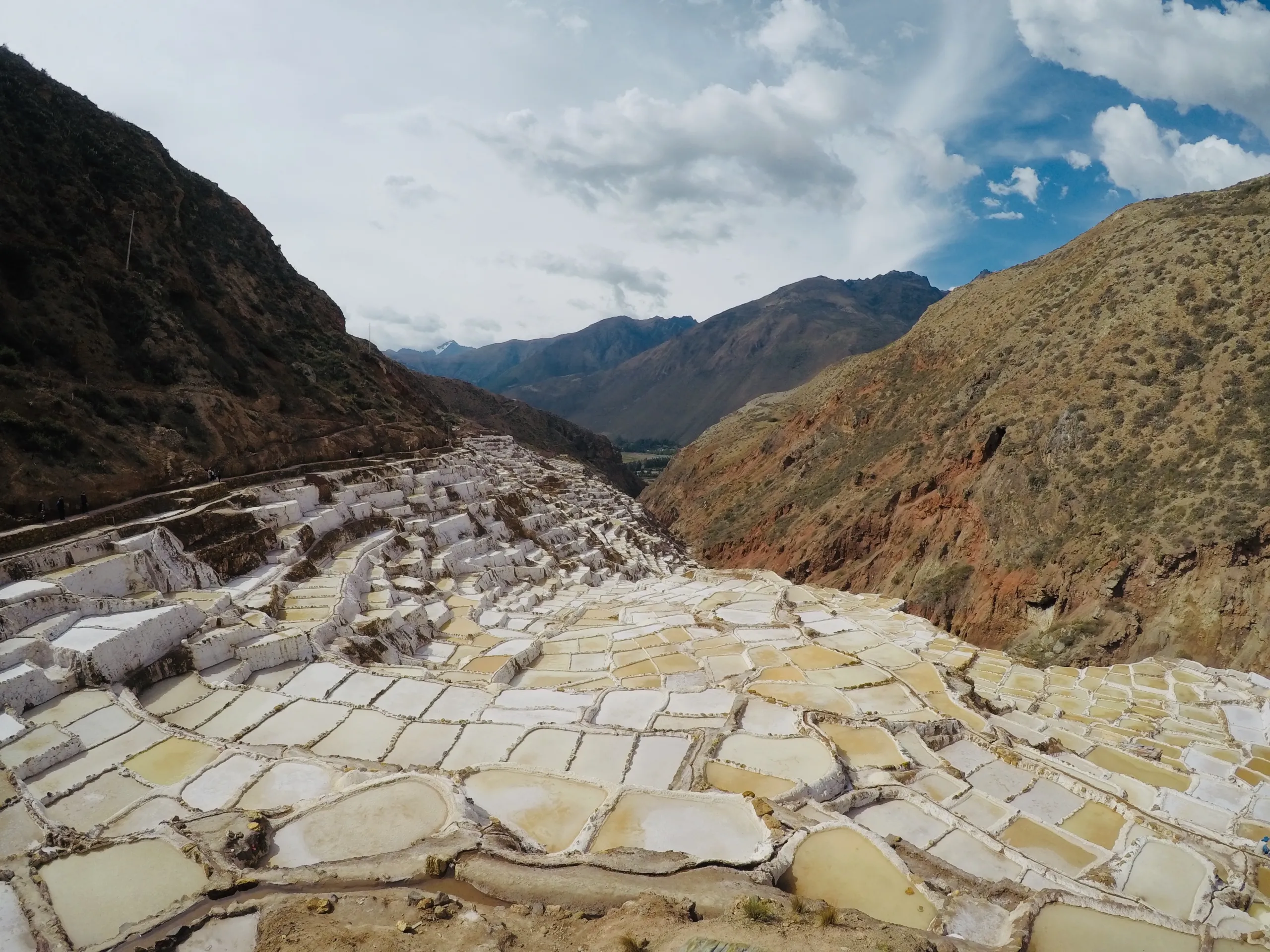
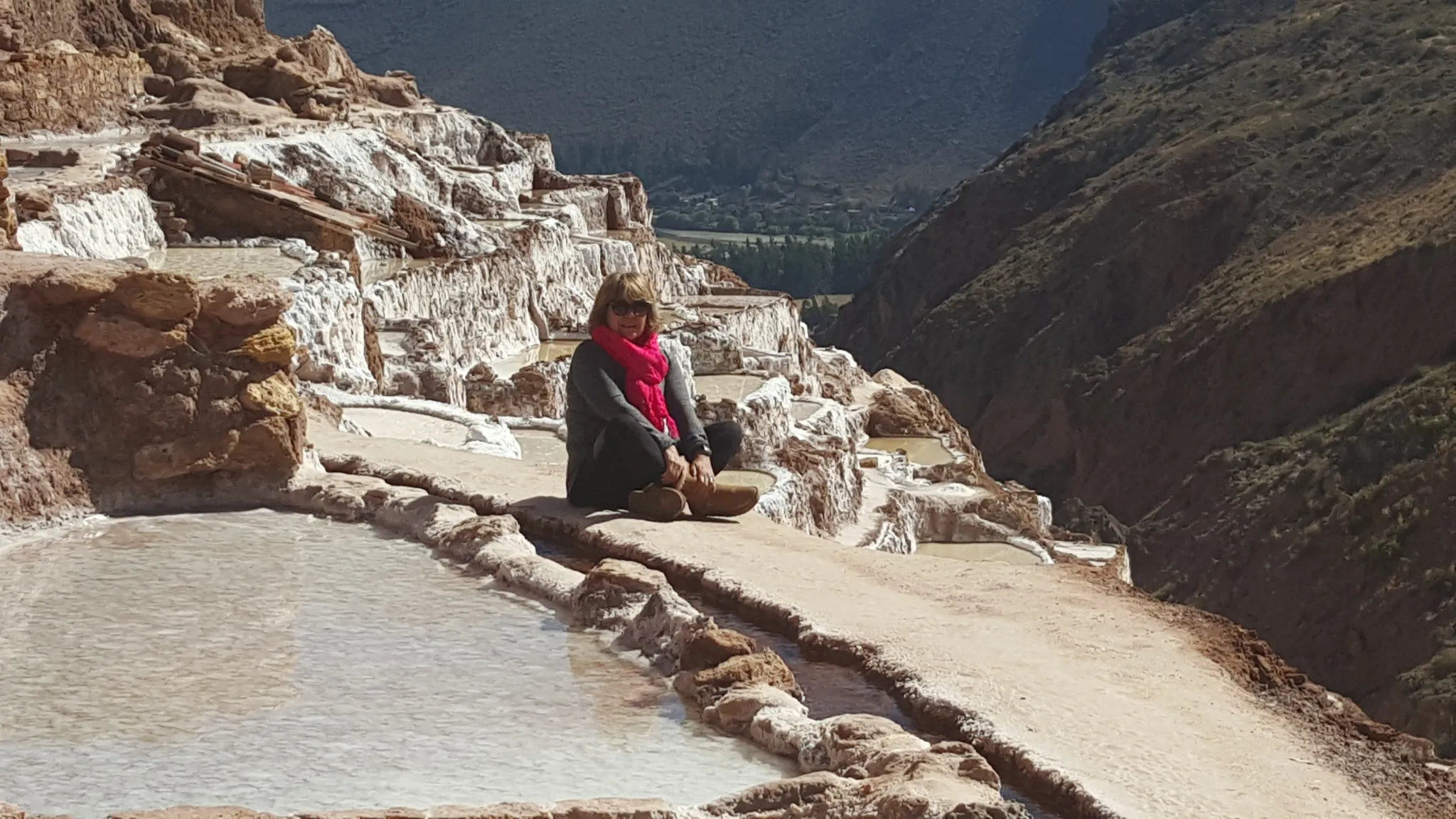
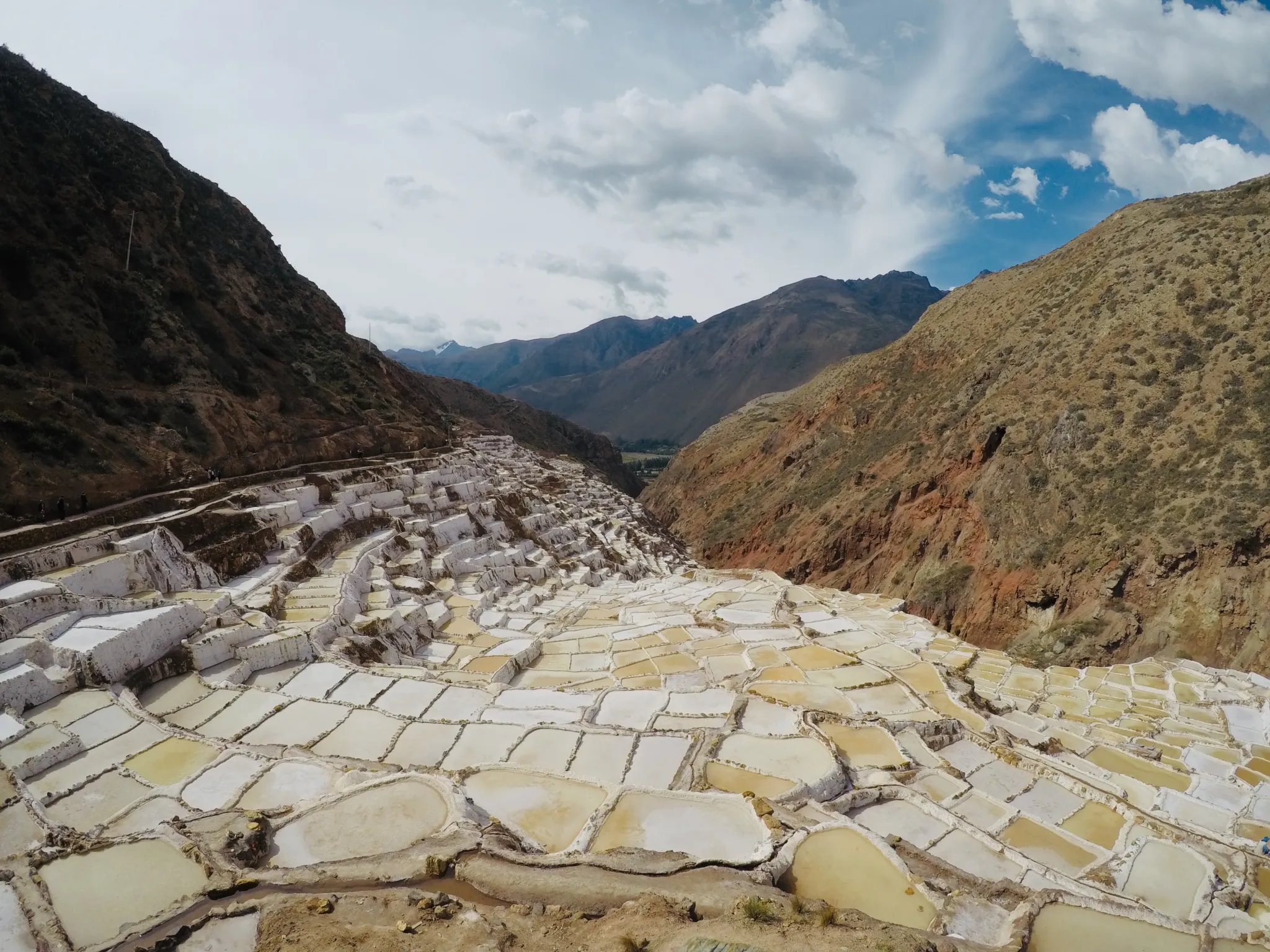
Maras salt mine descends a hillside in thousands of individual pans fed by a single saltwater spring whose source the Inka identified and managed with their characteristic hydrological precision. The community system that governs the mine’s operation — each family responsible for their own pans, the spring’s flow shared according to principles of reciprocity that predate the Inka — has operated continuously since before the conquest and has not required redesign.

From the hillside above, the descending pattern of white pans against the ochre terrain is one of the most visually extraordinary landscapes in the Cusco region — the kind that photographs attempt and consistently underperform. The combination of the visual scale and the knowledge that this system has been self-sustaining for centuries produces an encounter with Andean practical intelligence that the more famous sites, for all their grandeur, do not always deliver as directly.


Moray — The World’s First Agricultural Research Station

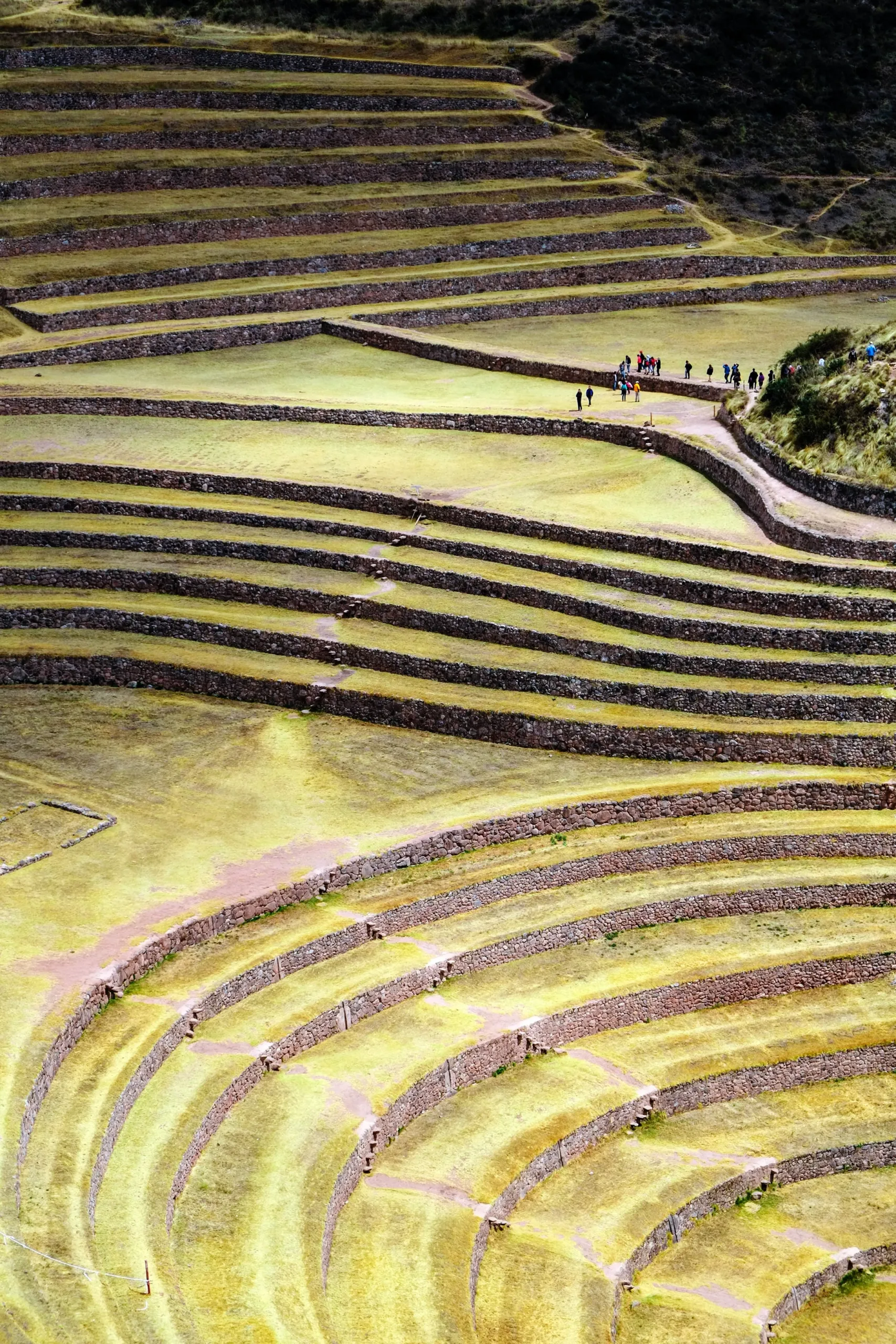
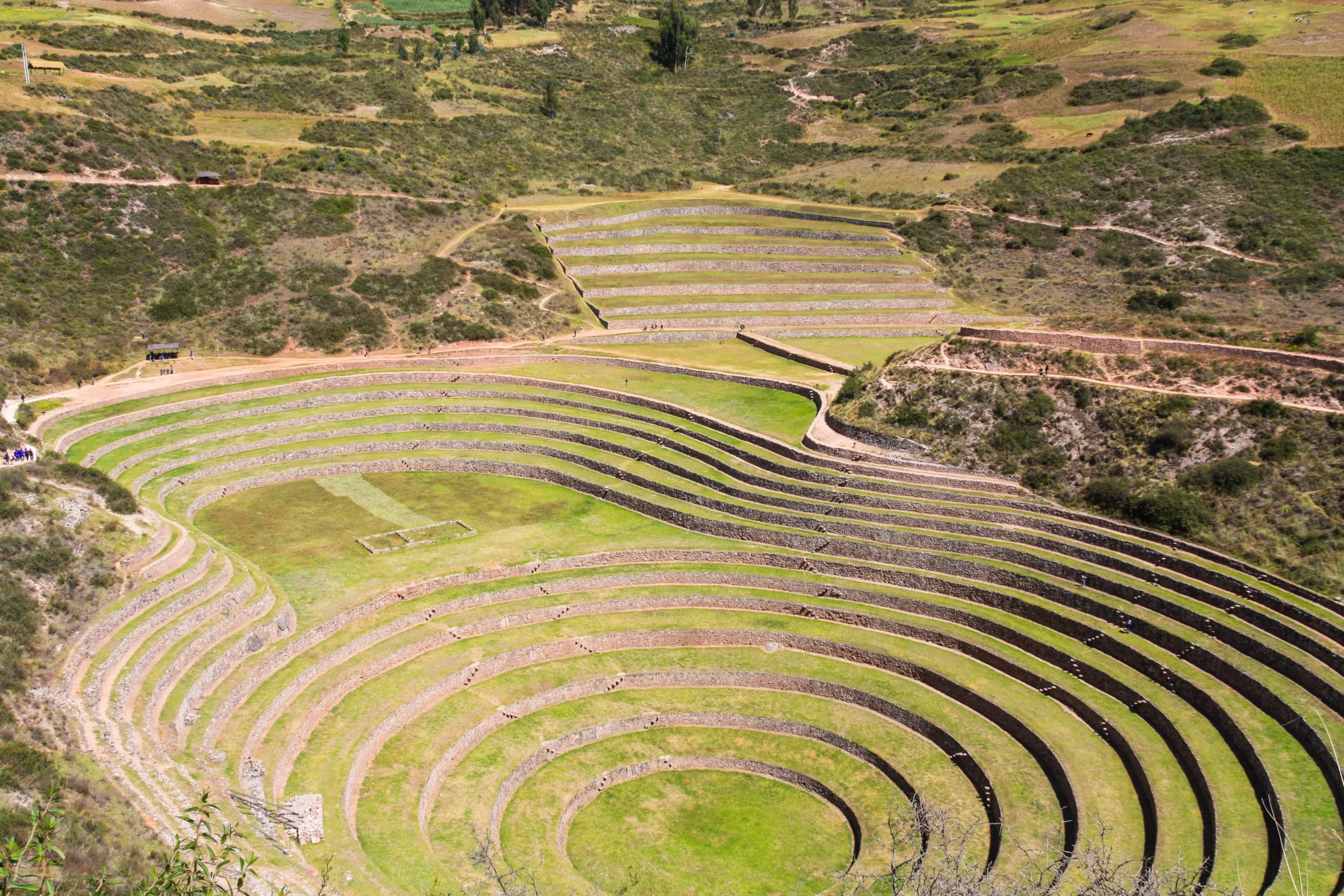
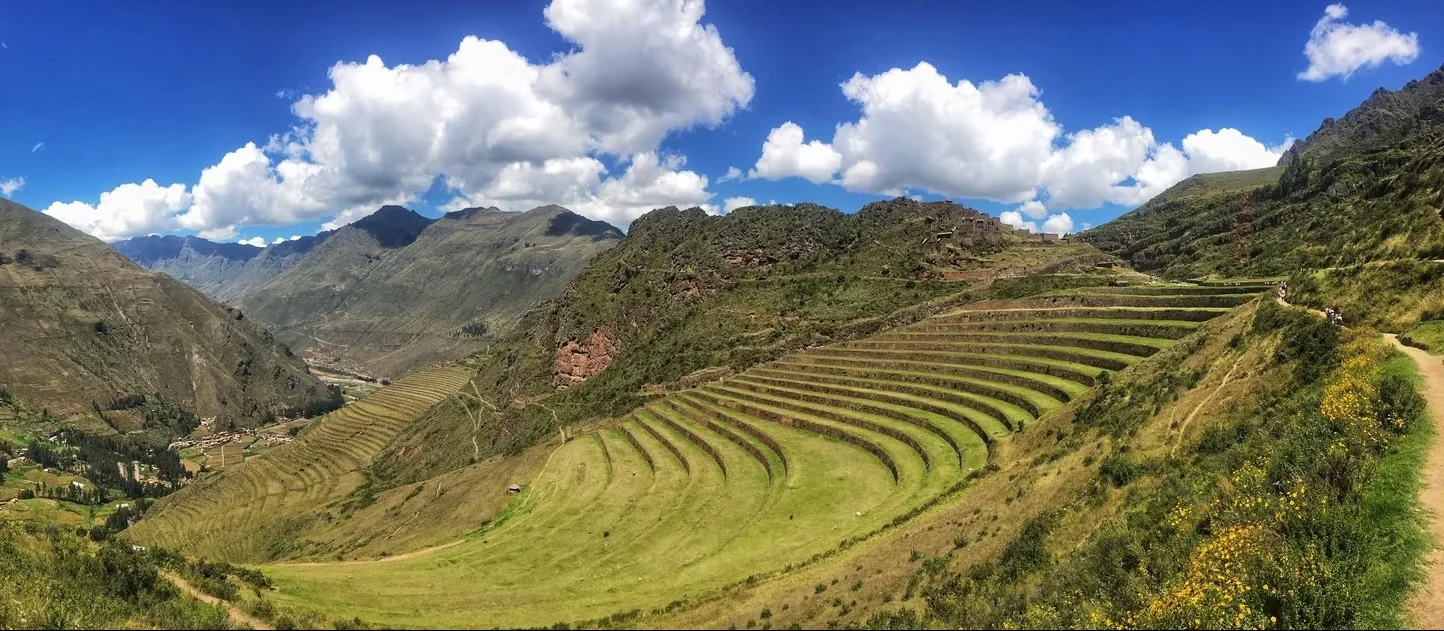
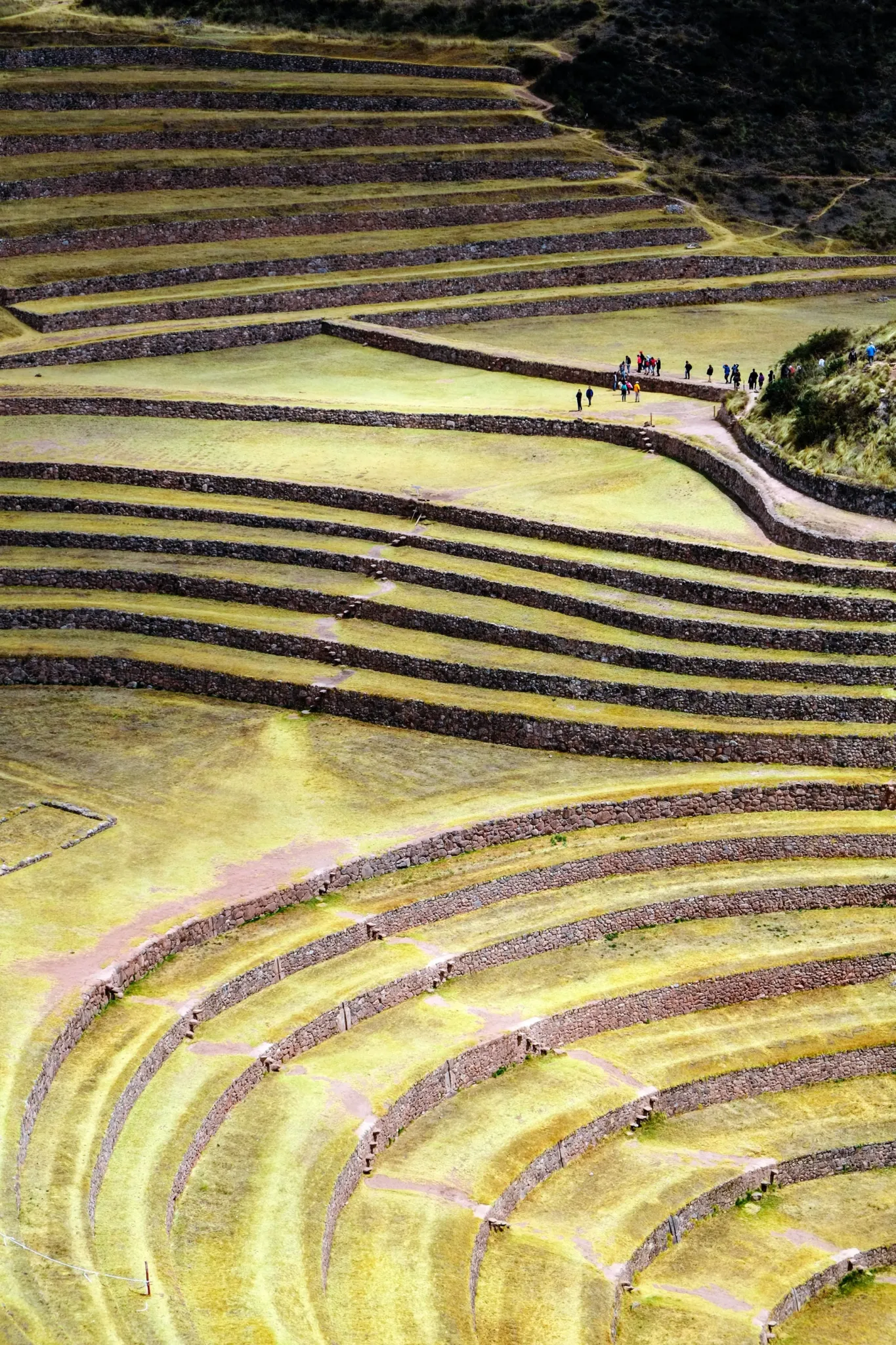
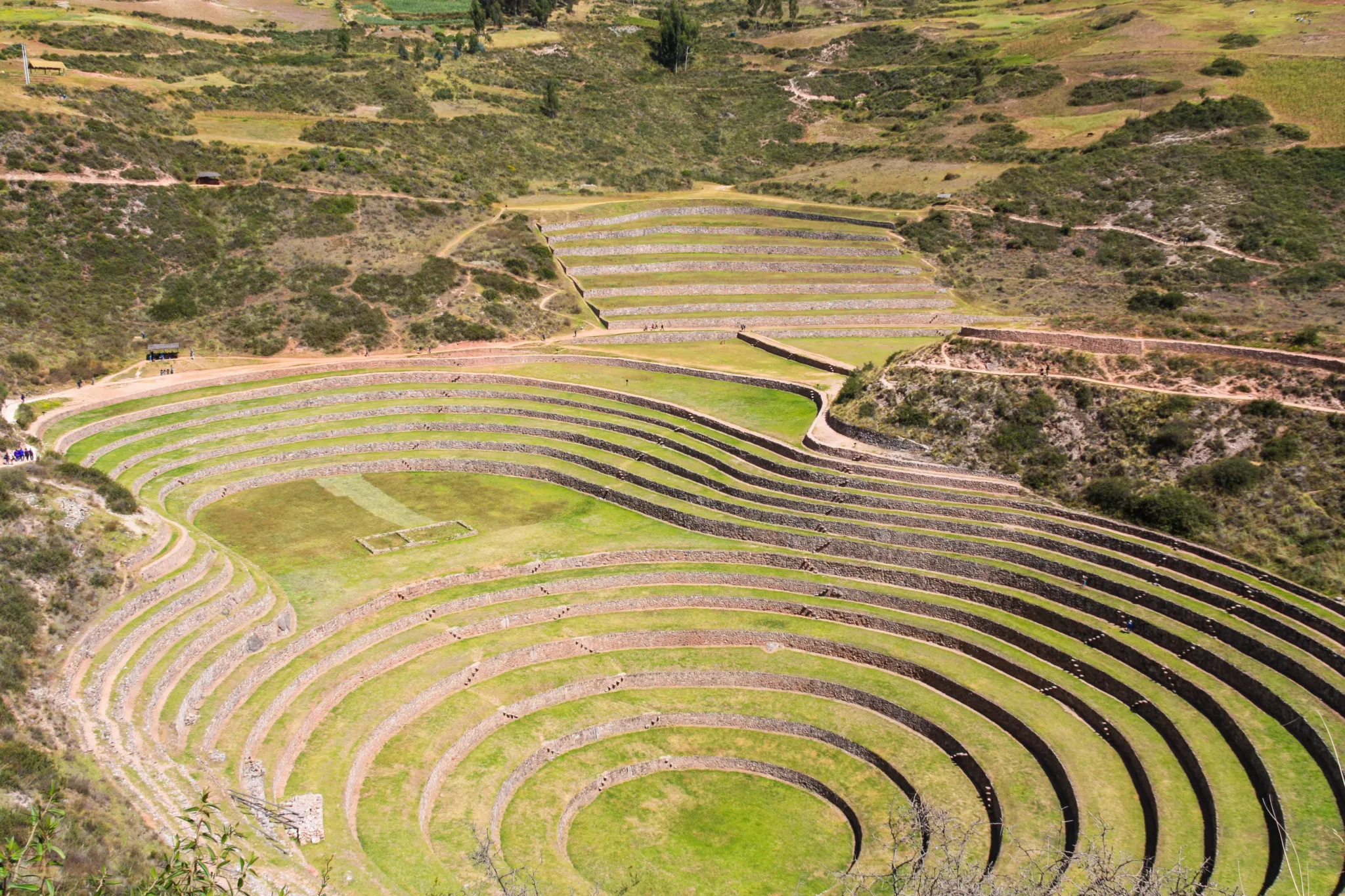
In the middle of the high Andean plain, a natural depression in the earth contains something that requires a moment to fully register: concentric circular terraces descending to the bottom of the bowl in a sequence whose engineering logic becomes clear only when the temperature differential between the highest and lowest rings is understood.

Moray at approximately 3,500 m / 11,483 ft replicates the full range of Andean altitude zones in a single structure — each ring maintaining a different microclimate from the one above it, the temperature differential between top and bottom sufficient to simulate the growing conditions from the valley floor to the high puna. The Inka used it to develop and test crop varieties adapted to different elevations — a controlled agricultural research environment of extraordinary sophistication built centuries before the concept of agricultural science existed as a formal discipline.

Modern permaculture researchers visit Moray to study it. What they find is a working demonstration of the Inka’s understanding of vertical ecology — the same intelligence that produced the Sacred Valley’s terracing system, the Maras salt mine’s spring management, and the agricultural calendar encoded into Machu Picchu’s astronomical alignments — expressed here in its most concentrated and immediately legible form.

The Inka method session at Moray works with this site specifically — the concentric rings as a physical expression of the Andean cosmological principle that every system, natural or human, operates through layers of relationship rather than in isolation. Standing at the center of Moray’s lowest ring with the terraces rising around you in every direction, that principle stops being abstract.


Details

– Distance: 92 km driving

– Maximum altitude: 3700 m Chinchero during the tour

– Minimum altitude: 3380 m Maras

– Feasibility: Transportation

– Difficulty: Easy

– Activities: Scenic, Cultural, Historical, Archaeological: Chinchero, Moray and views of the salt mines.

Chinchero - Maras & Moray tour

Reviews

Reviews

There are no reviews yet.

Be the first to review “Highlands Tour”

Your email address will not be published. Required fields are marked *

Included/Excluded

  • Incluido All transportation.
  • Incluido Guide service.
  • Incluido Lunch.
  • Incluido Entrance fees and permits for the detailed visit sites.
  • Incluido Boiled or purified water.
  • No Included Bottle of water or sports drink.
  • No Included Tipping for staff.
  • No Included Travel ensurance.
  • No Included Flight tickets.

Attractions

Chinchero, Maras & Moray, Sacred valley

Activities

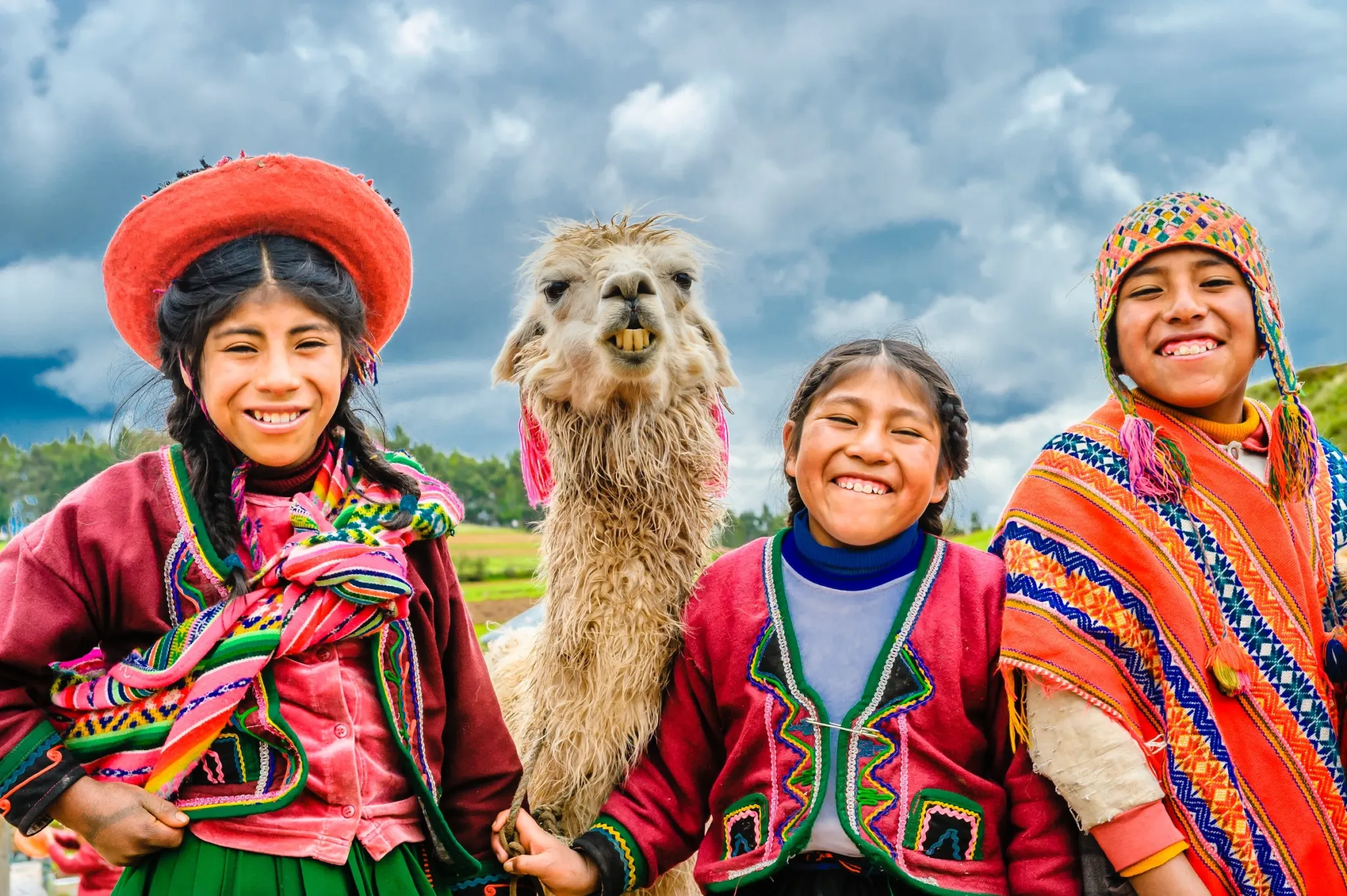
Culinary, Discoveries, Experiential tourism, Full nature, Glaciers, Hiking, Lama experience, Picnic

FAQs

Nothing to show, please go to blogs.

Application Process

Contexto personal
Estado mental actua
Preferencias y límites
Datos de contacto

Book This Tour

Top Trending

You may like

Cart0
Cart0