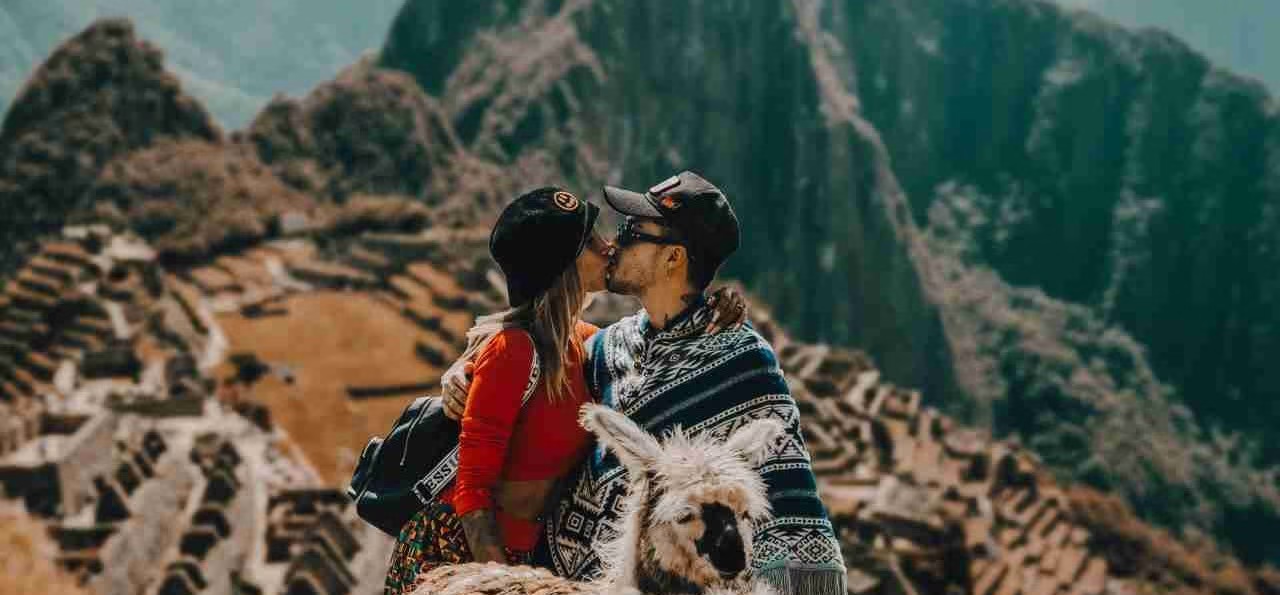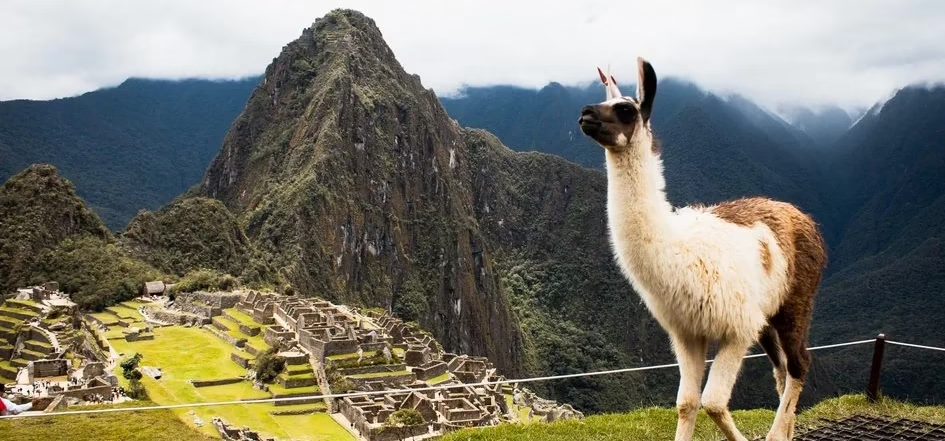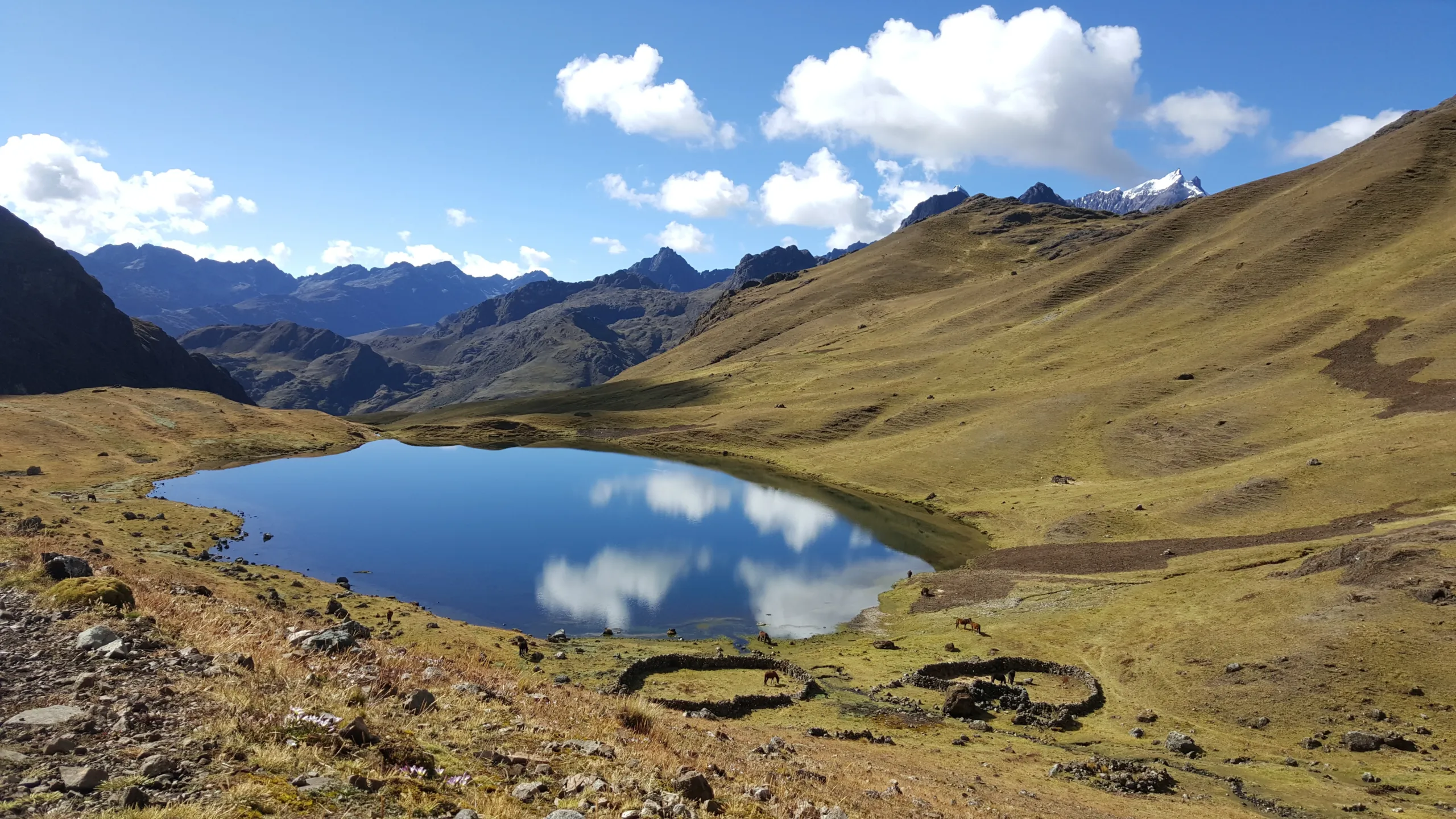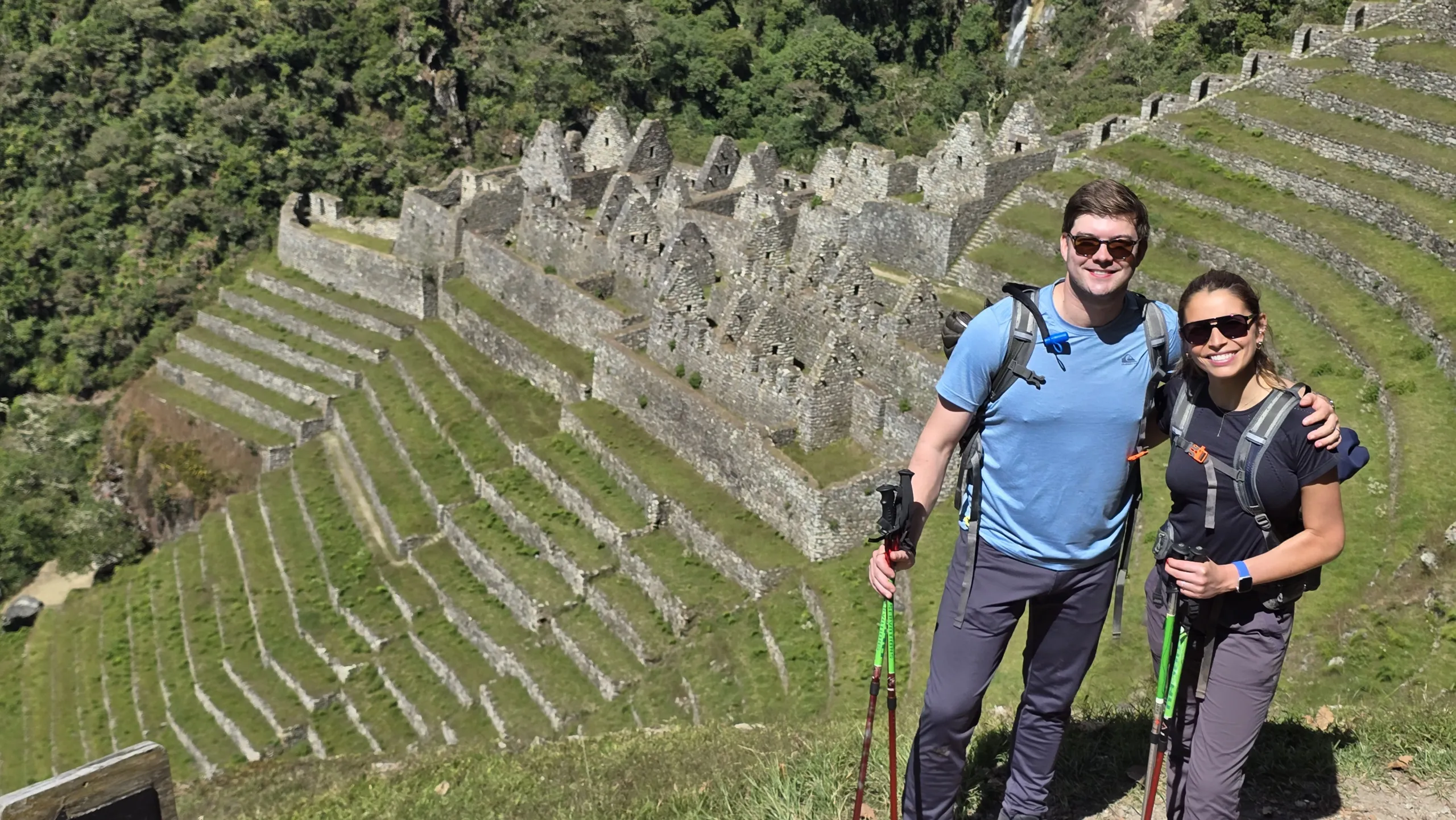
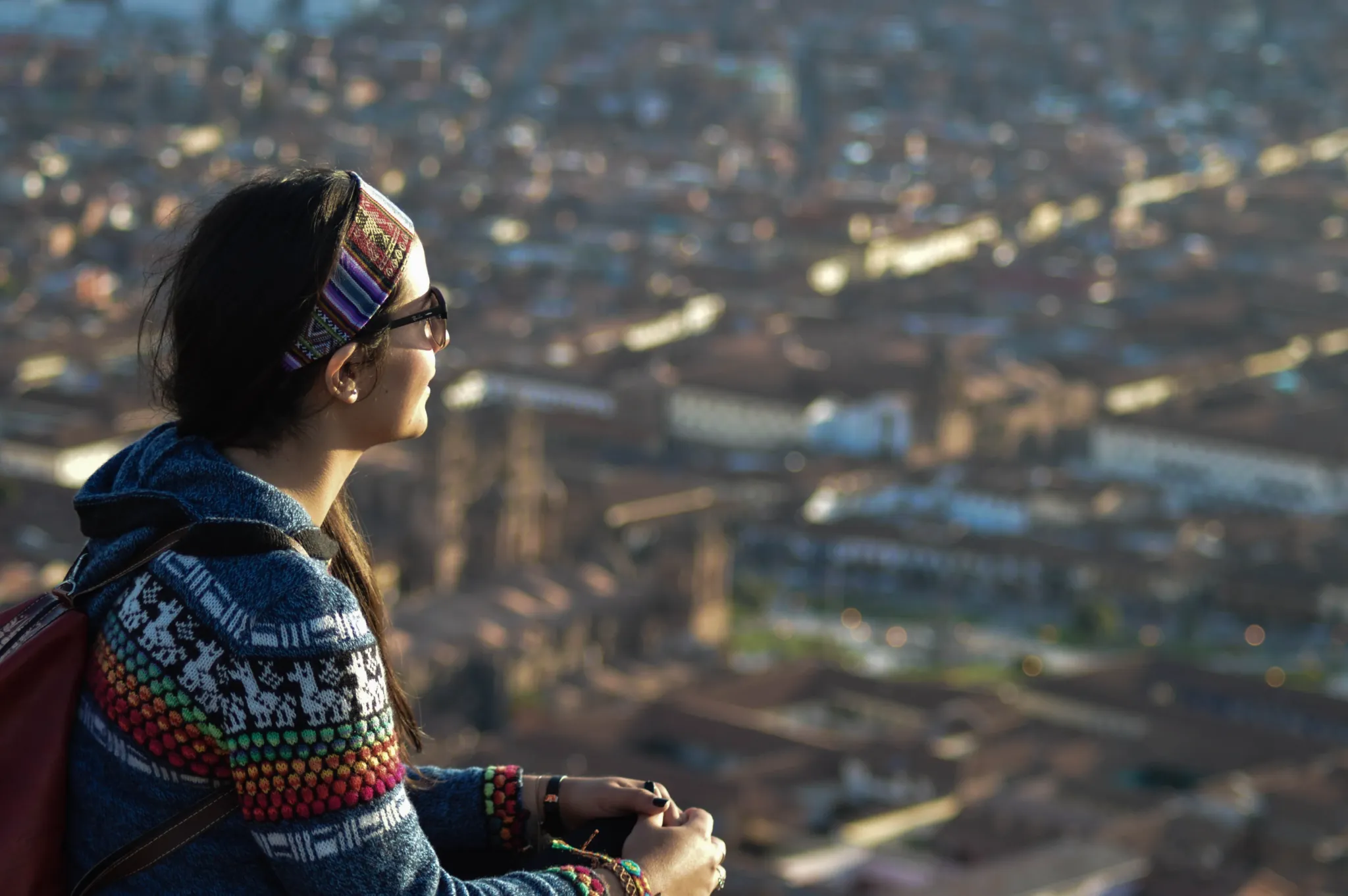
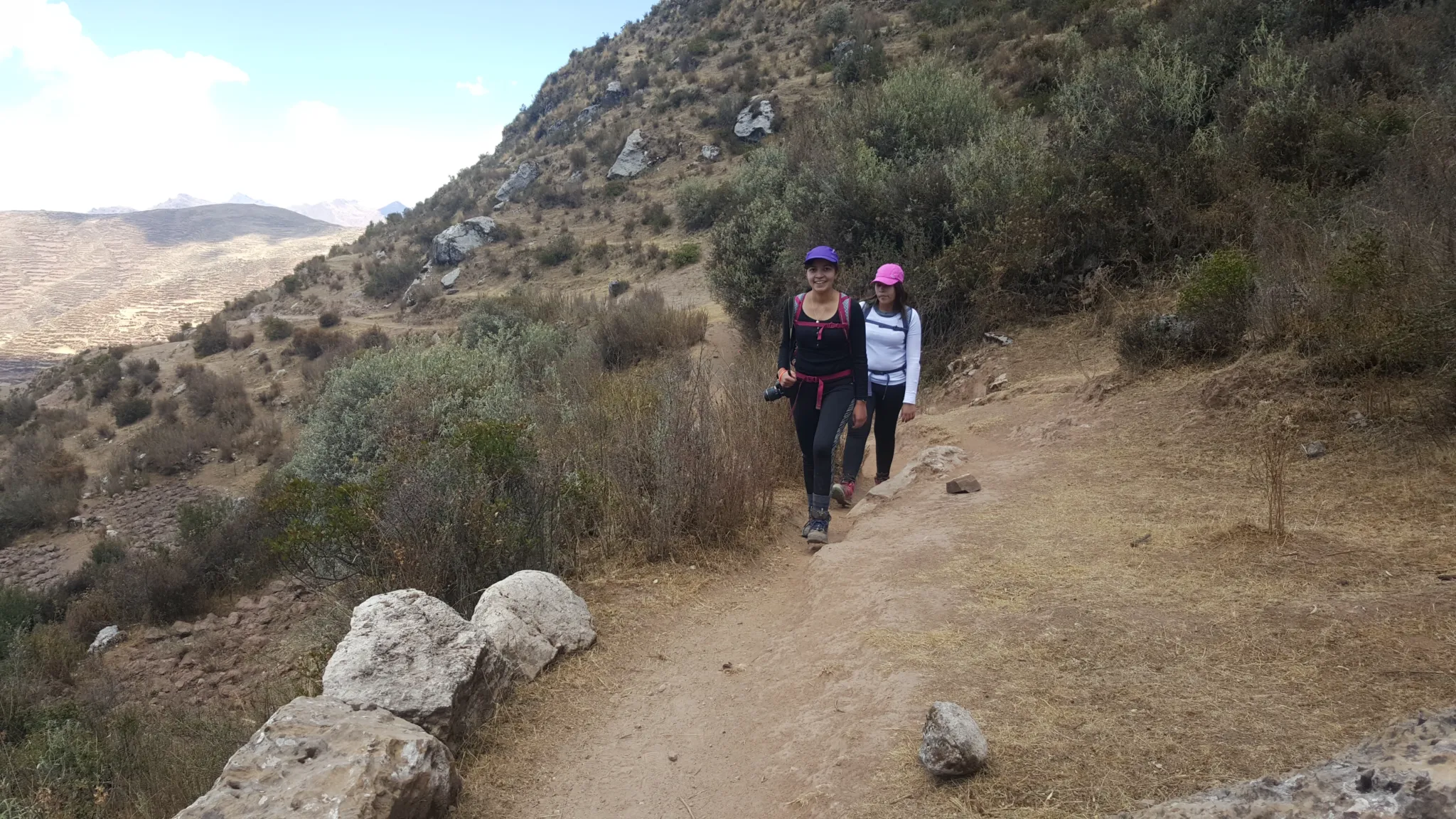
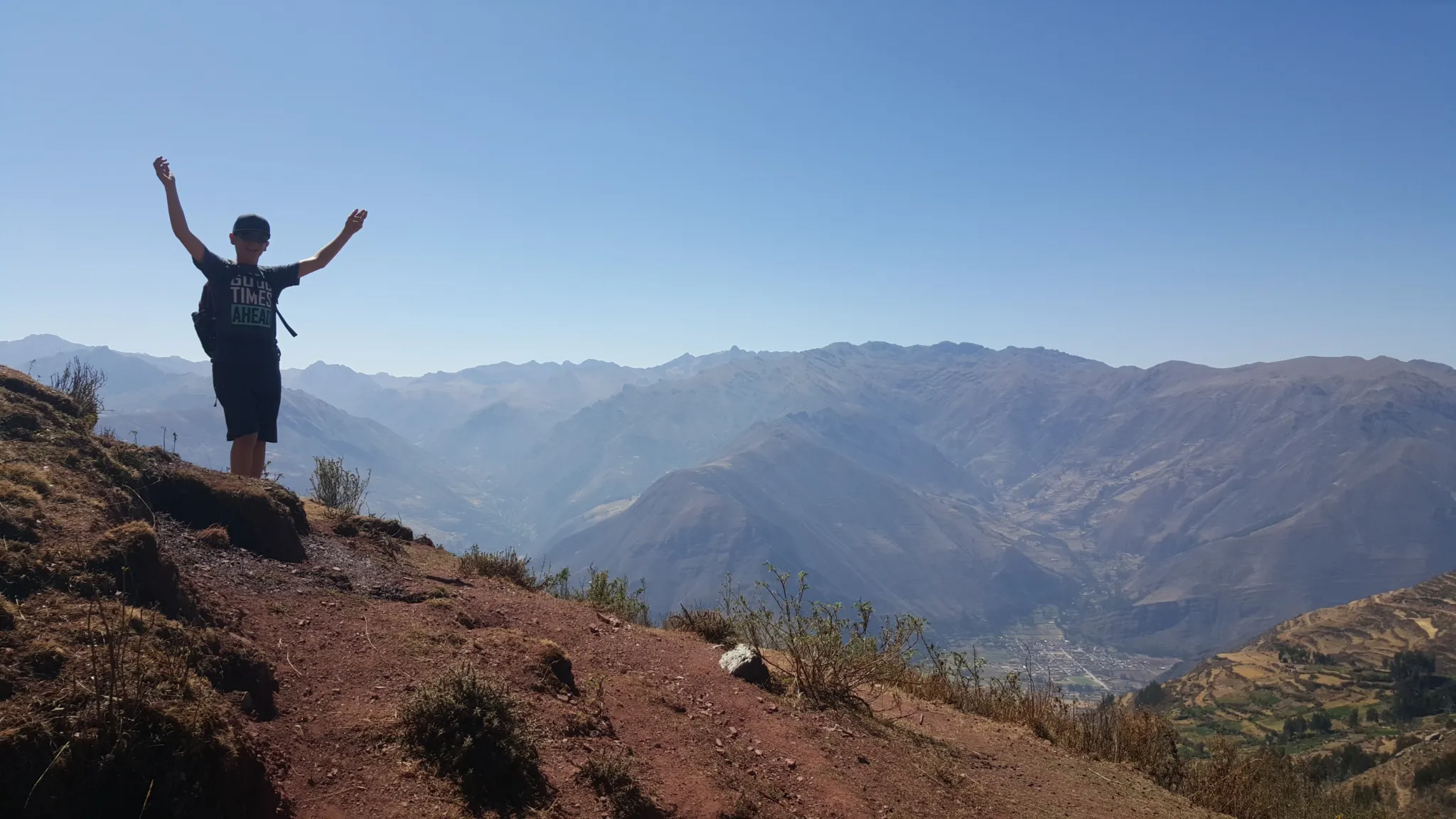
Discover Inspiration

Price

From: $15,700.00

Duration

12 days

Max People

10

Tour Type

Packages

Attractions

17

Activities

12

Min Age

12


Overview


The Inka Left Their Solutions in Plain Sight. Most People Walk Past Them.

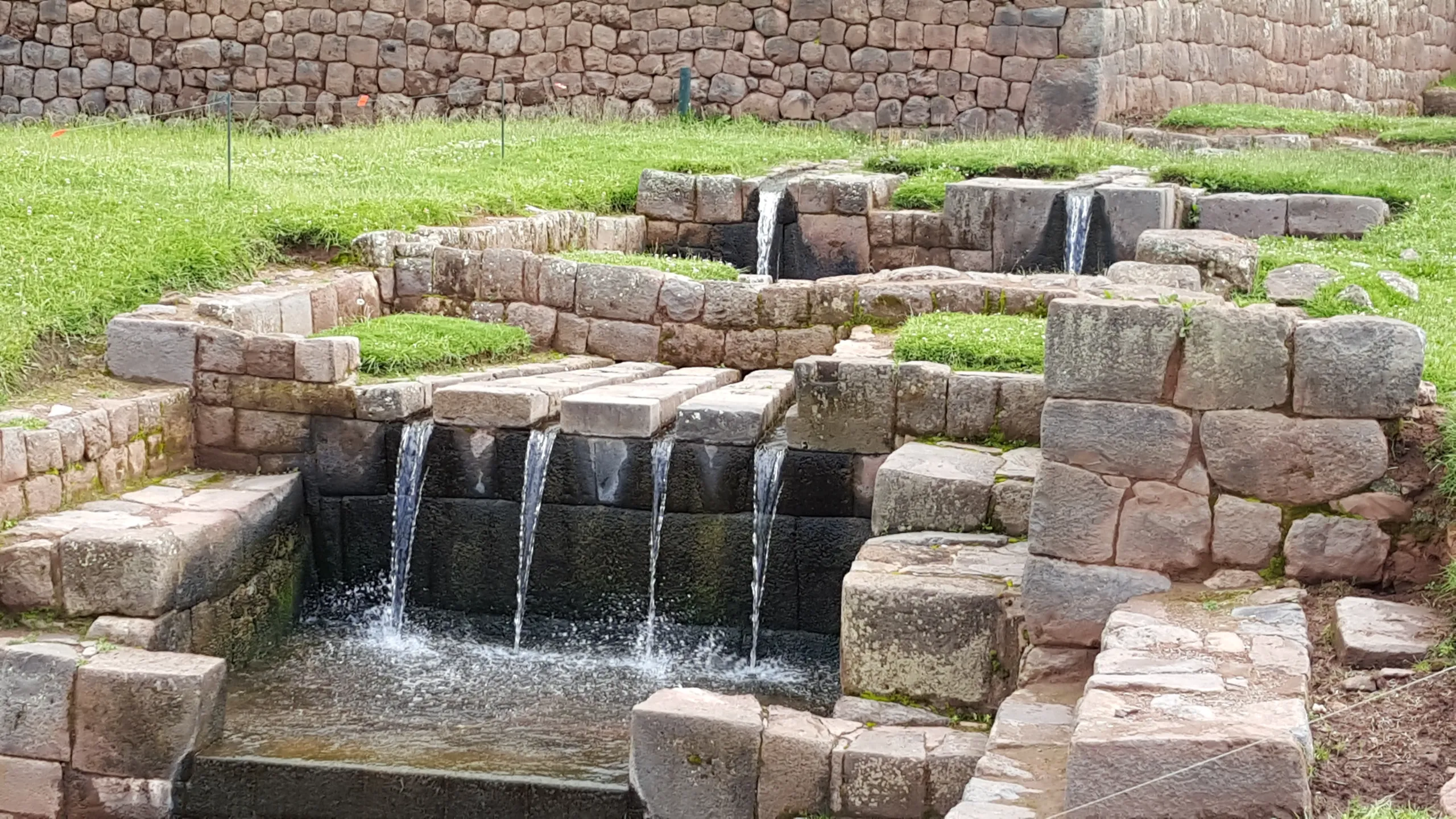
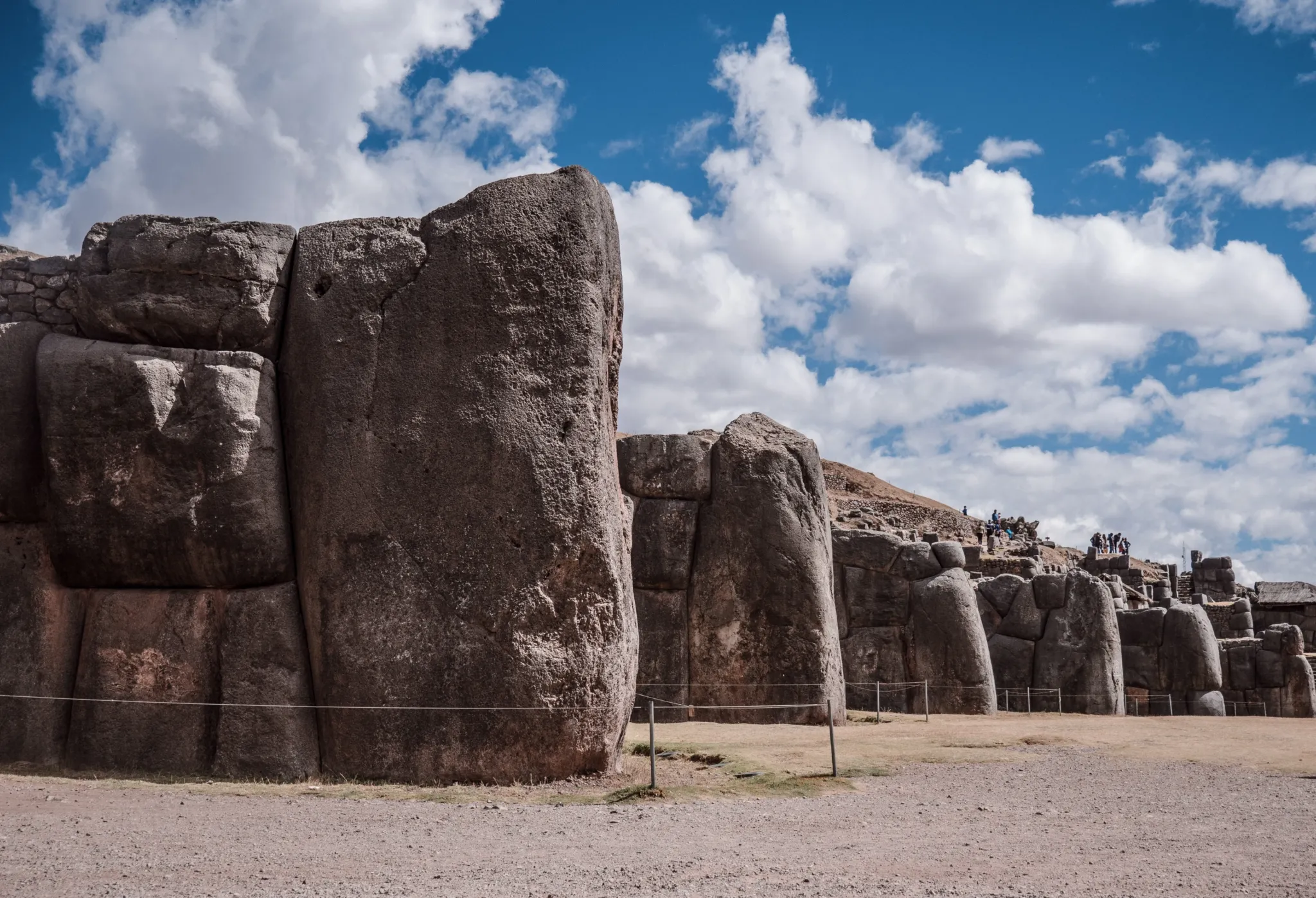
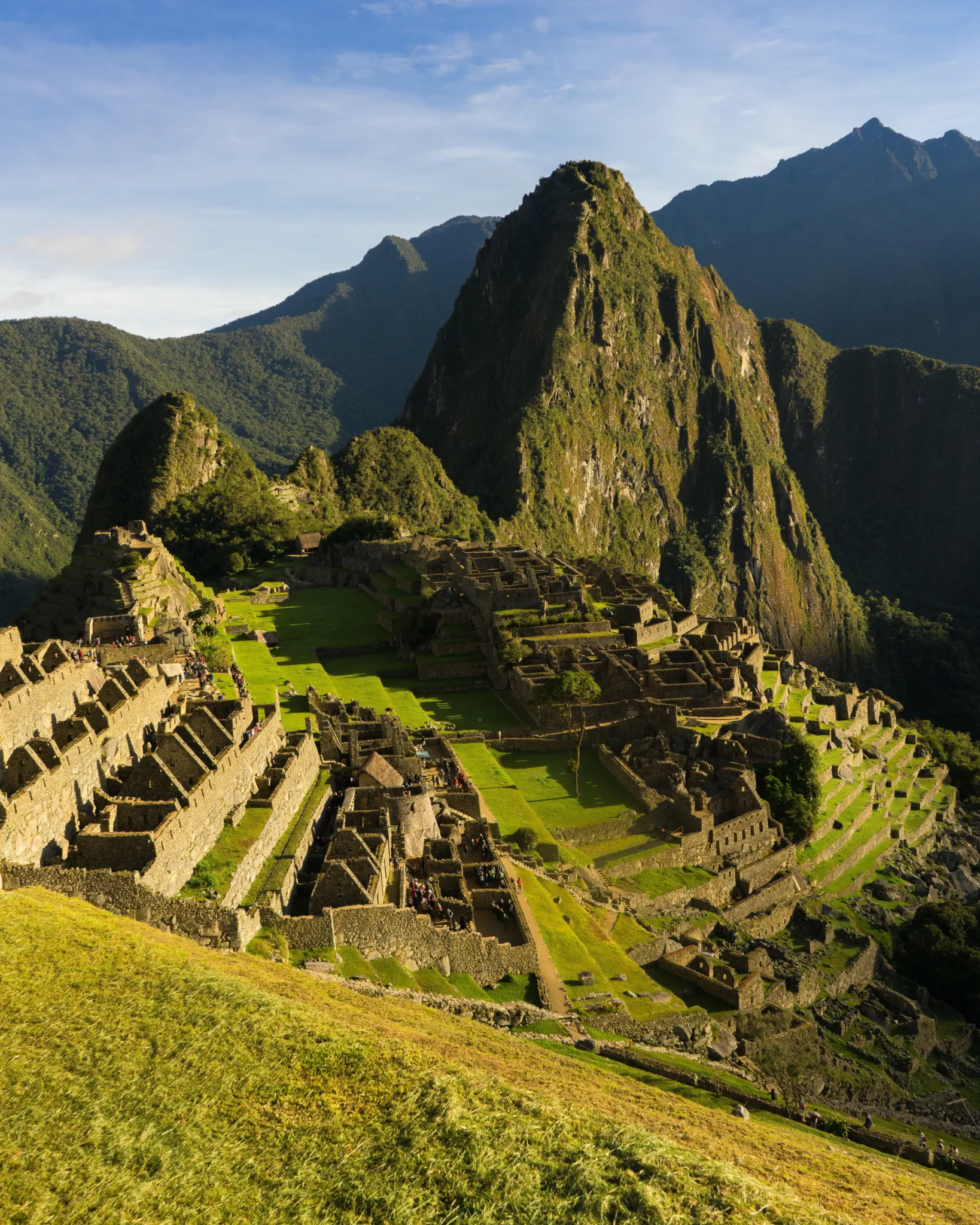
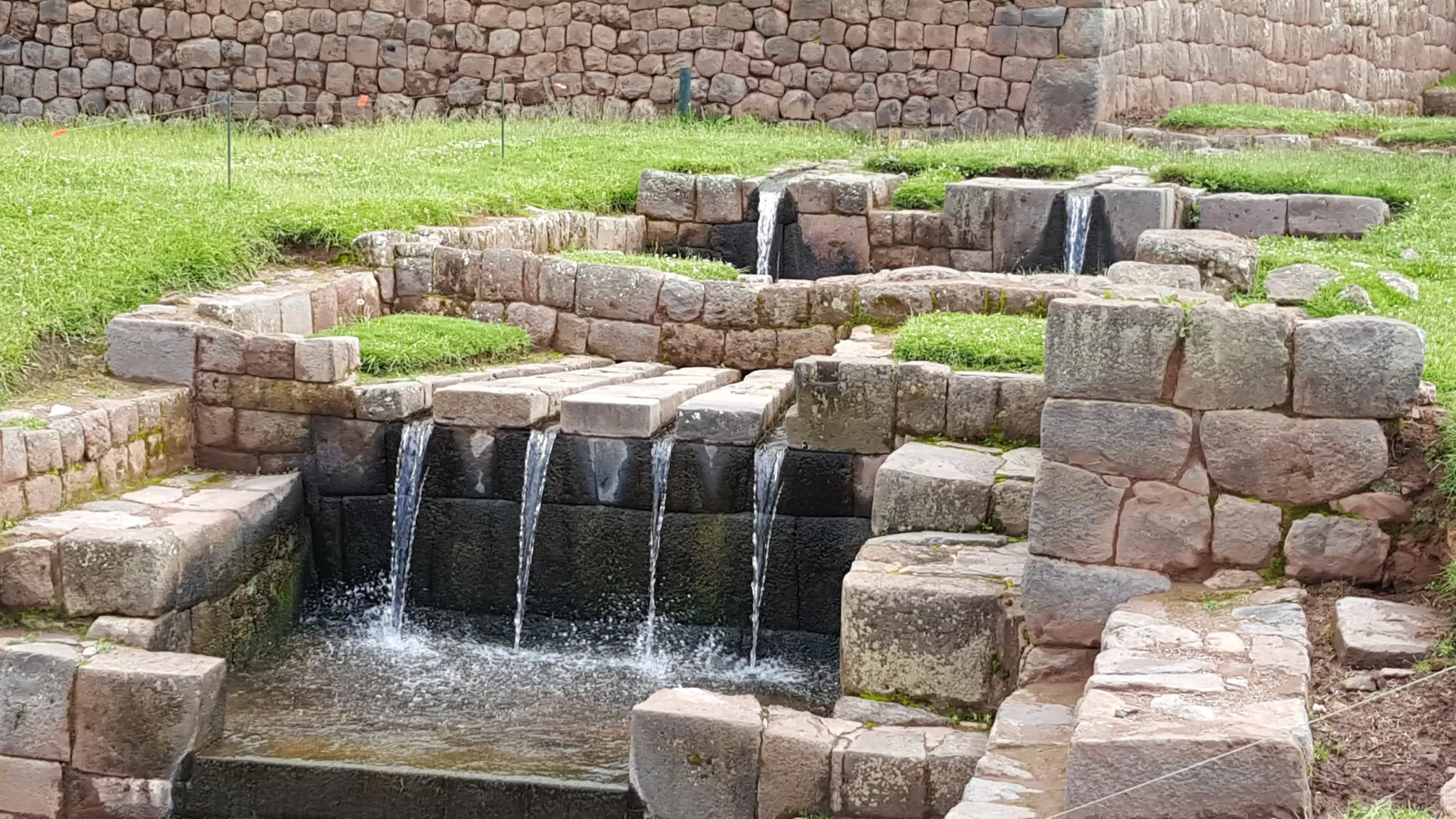
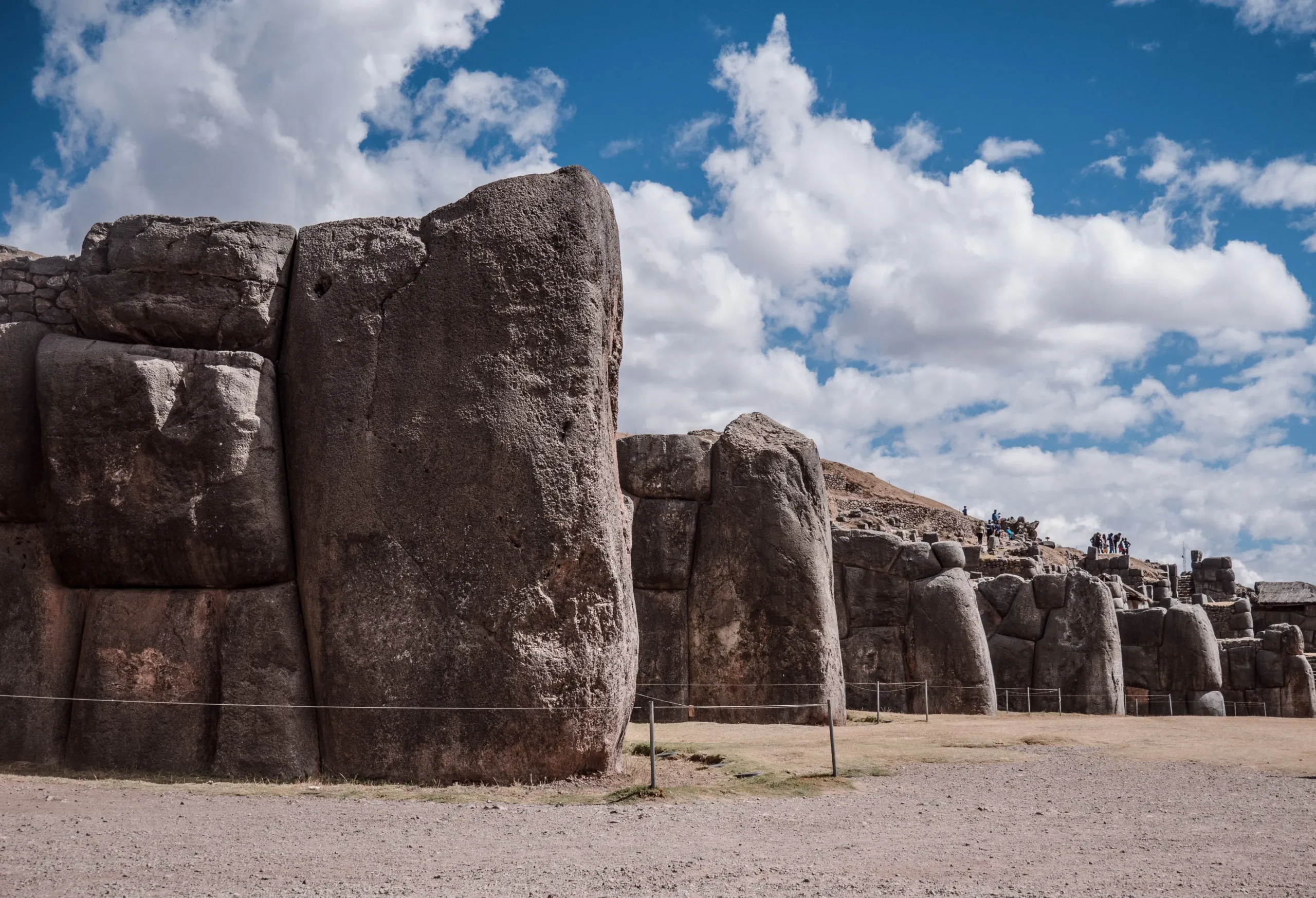
Sacsayhuaman’s interlocking megaliths have outlasted every earthquake since their construction — not by accident but by a specific understanding of seismic forces that modern engineering has only recently begun to replicate. Tipon’s water channels have functioned without maintenance for six centuries. Moray’s concentric terraces engineered microclimates that modern permaculture is still learning to reproduce. Ollantaytambo is a living city whose infrastructure has not required redesign since the fifteenth century. Machu Picchu’s structures align with solstices and sacred peaks through calculations made without instruments.

These are not ancient curiosities. They are working solutions to problems that contemporary civilization is still trying to solve — food security, water management, seismic resilience, sustainable urban planning, and the relationship between human construction and natural systems. The Inka encoded their answers into stone and landscape and left them at altitude, waiting for visitors who arrive with the right question.


7 best wonders of Cusco


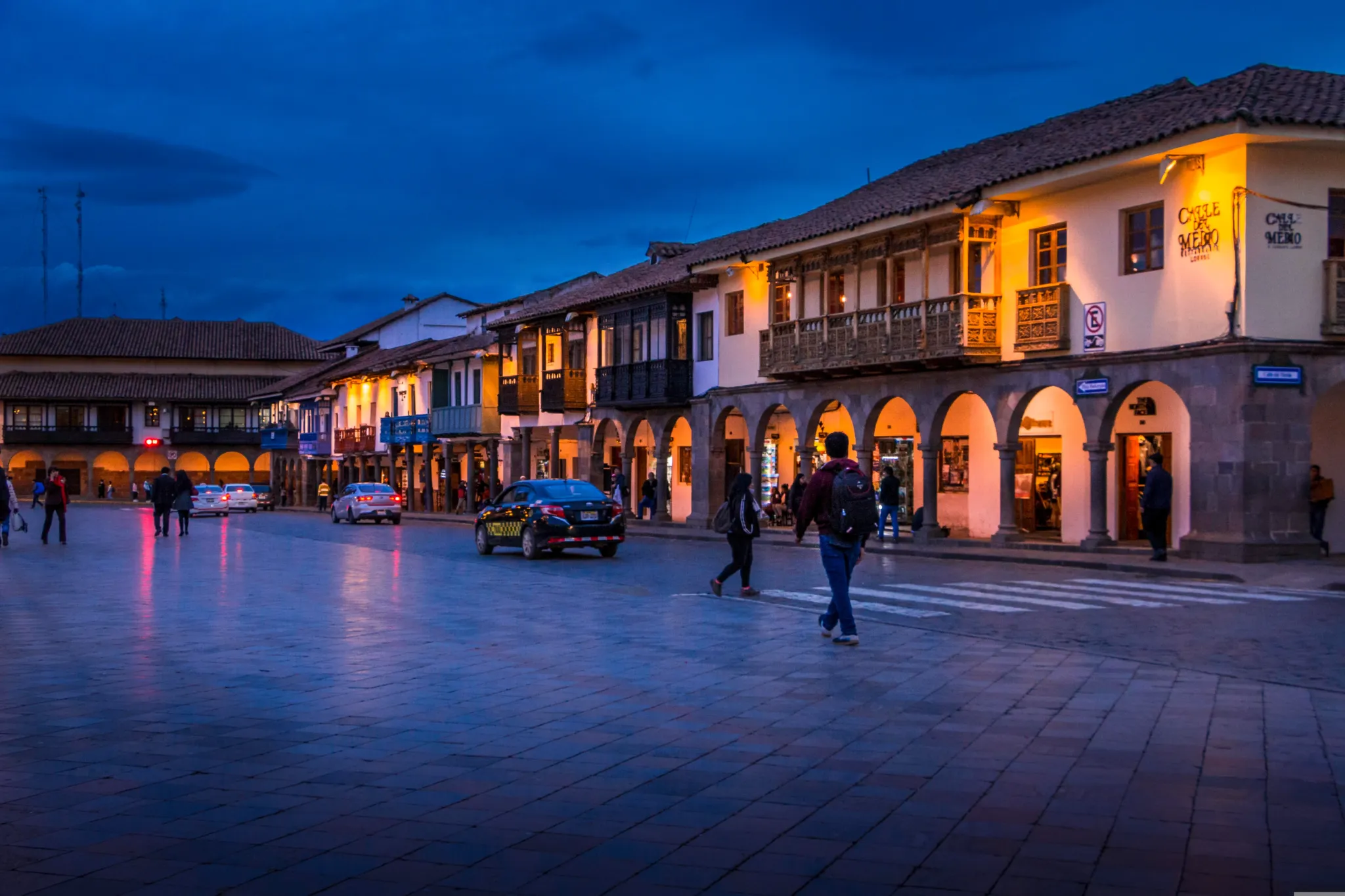
  • Cusco City’s seamless fusion of Inca stonework and Spanish architecture conceals sophisticated urban planning principles.
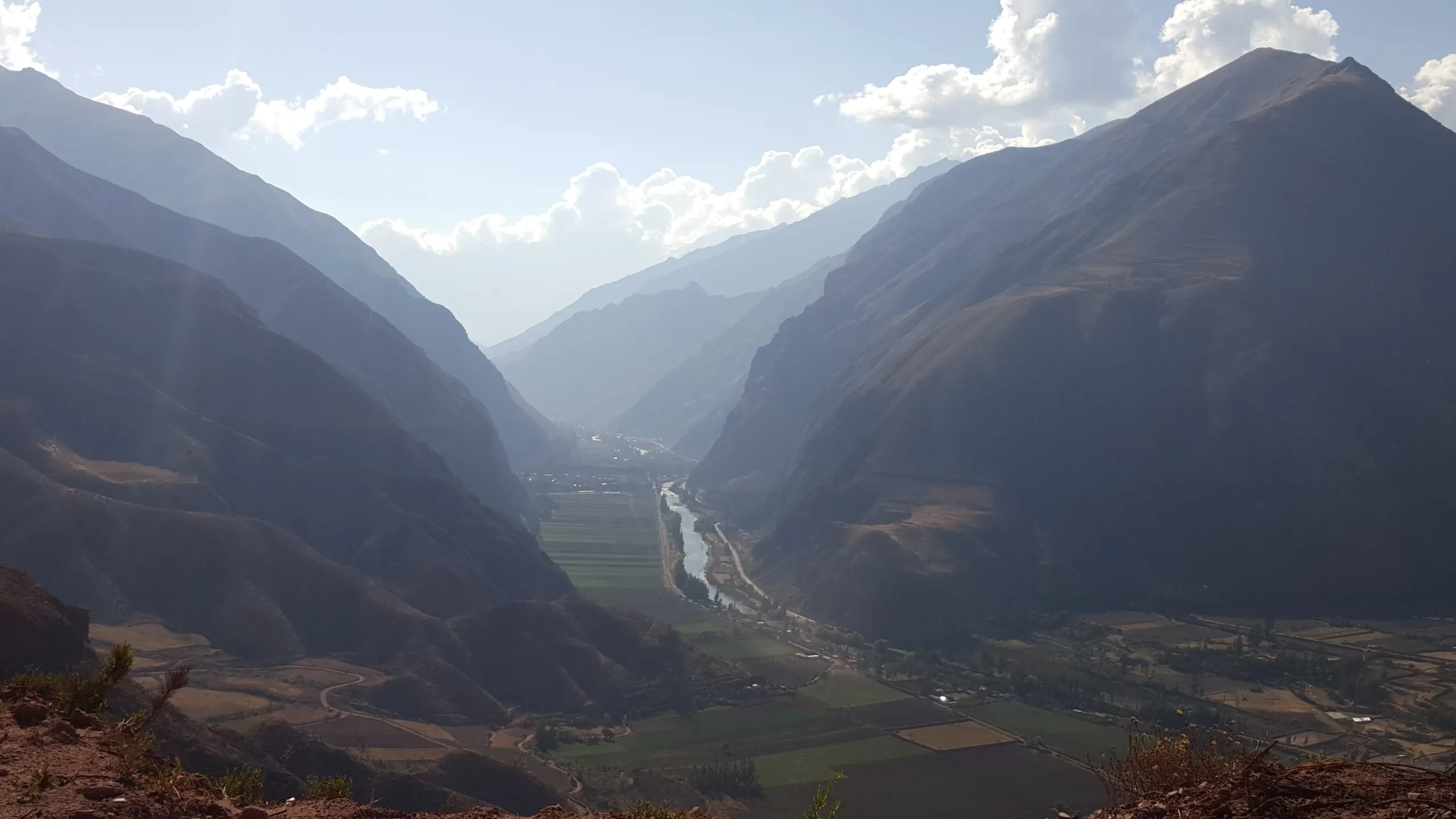
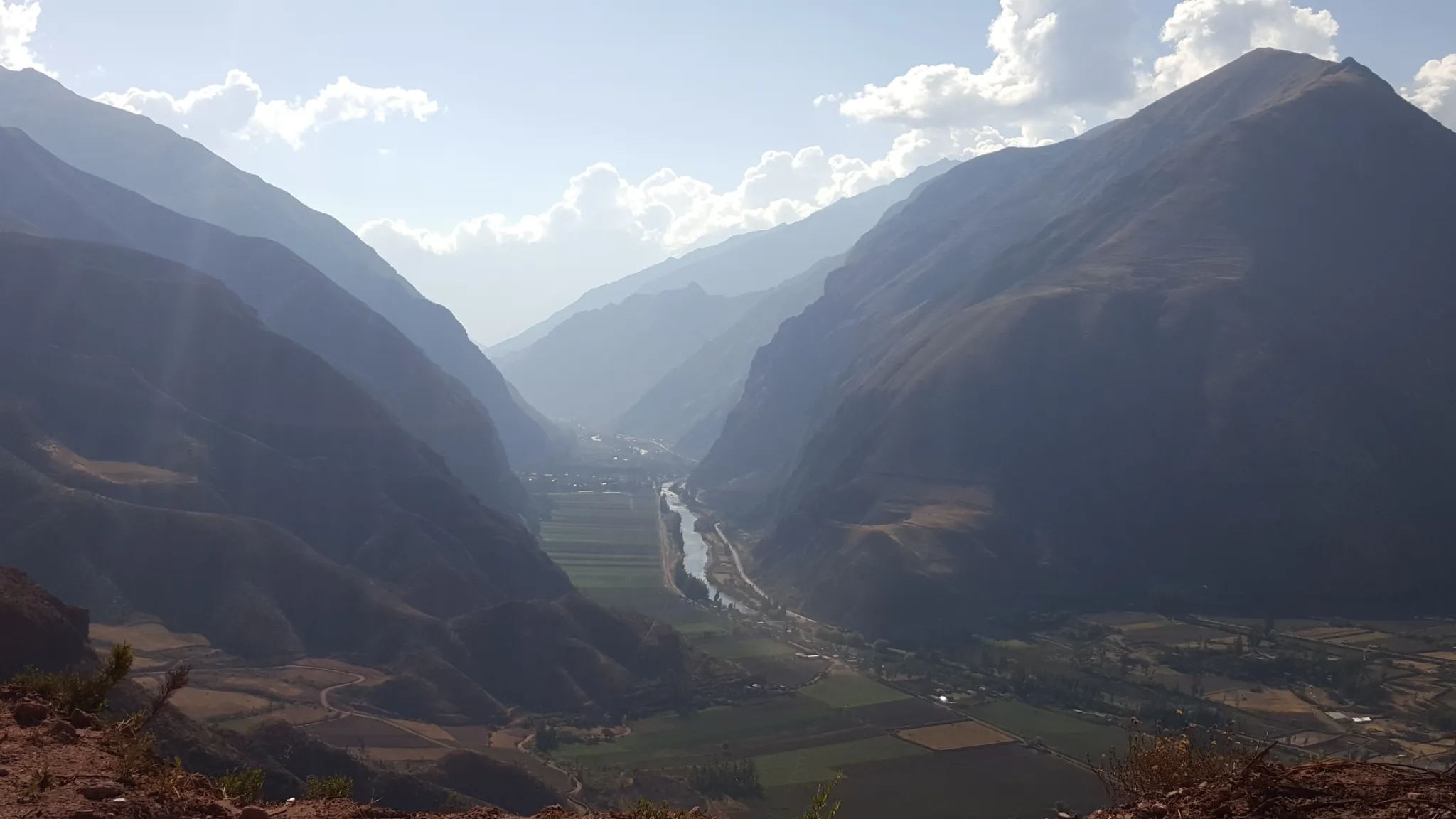
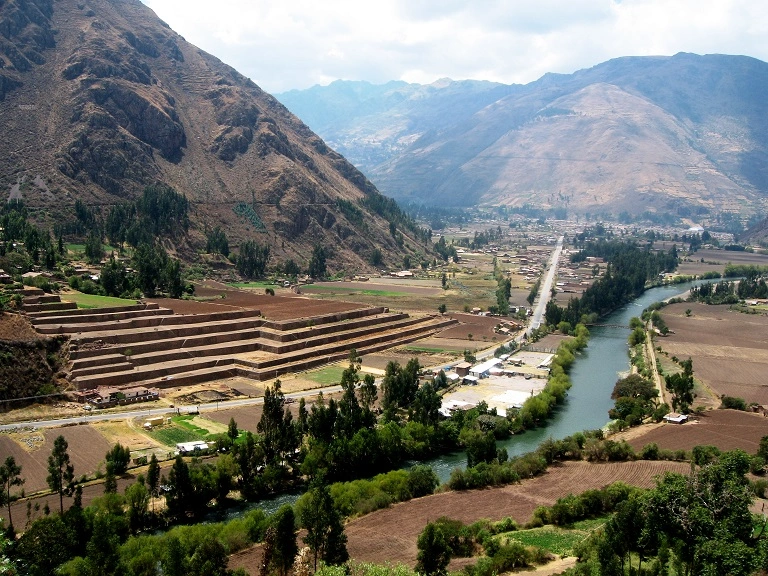
  • The Sacred Valley’s patchwork of microclimates and terraces reveals advanced ecological understanding.
  • Ollantaytambo’s fortress-temple showcases construction techniques that still inspire engineers.
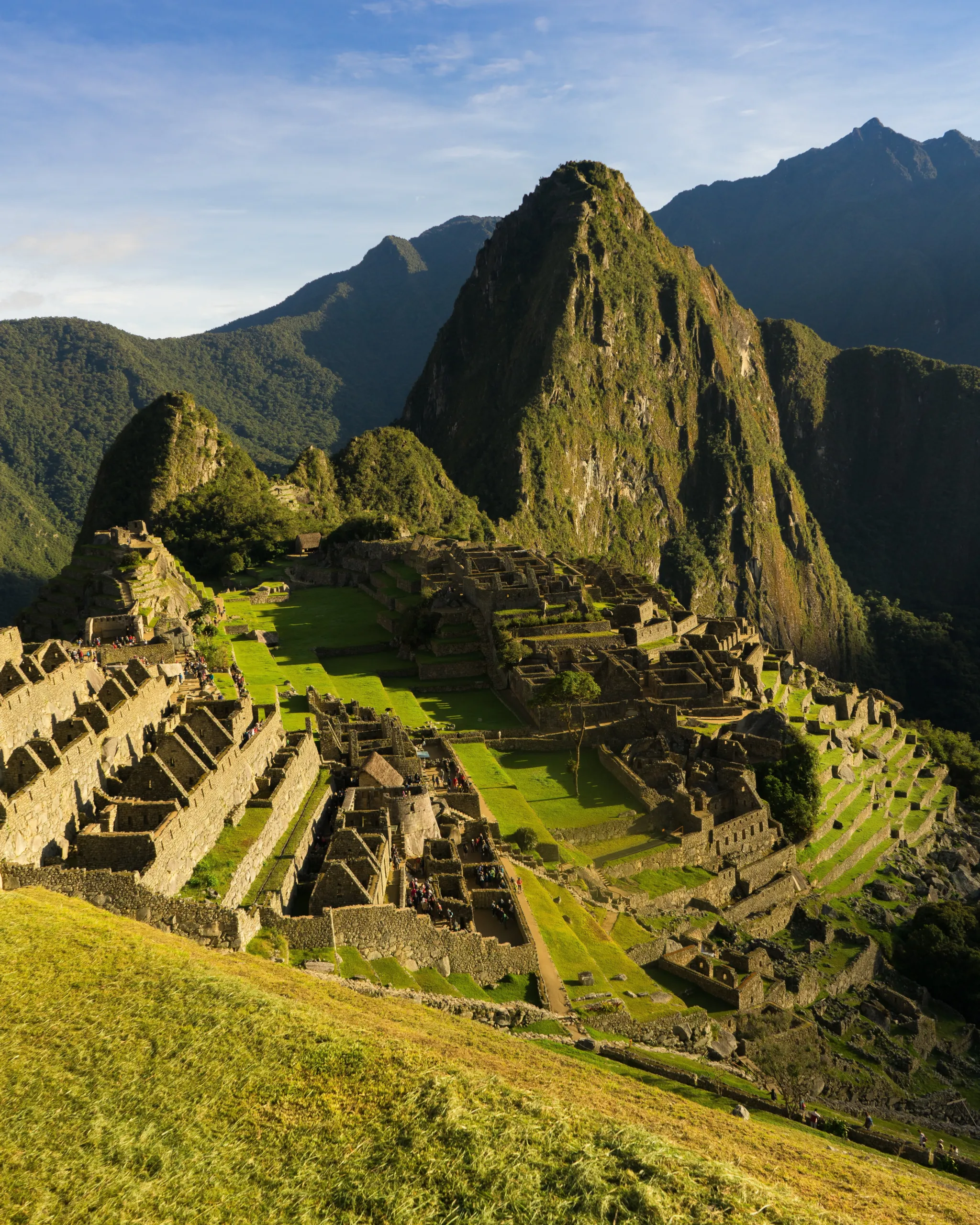
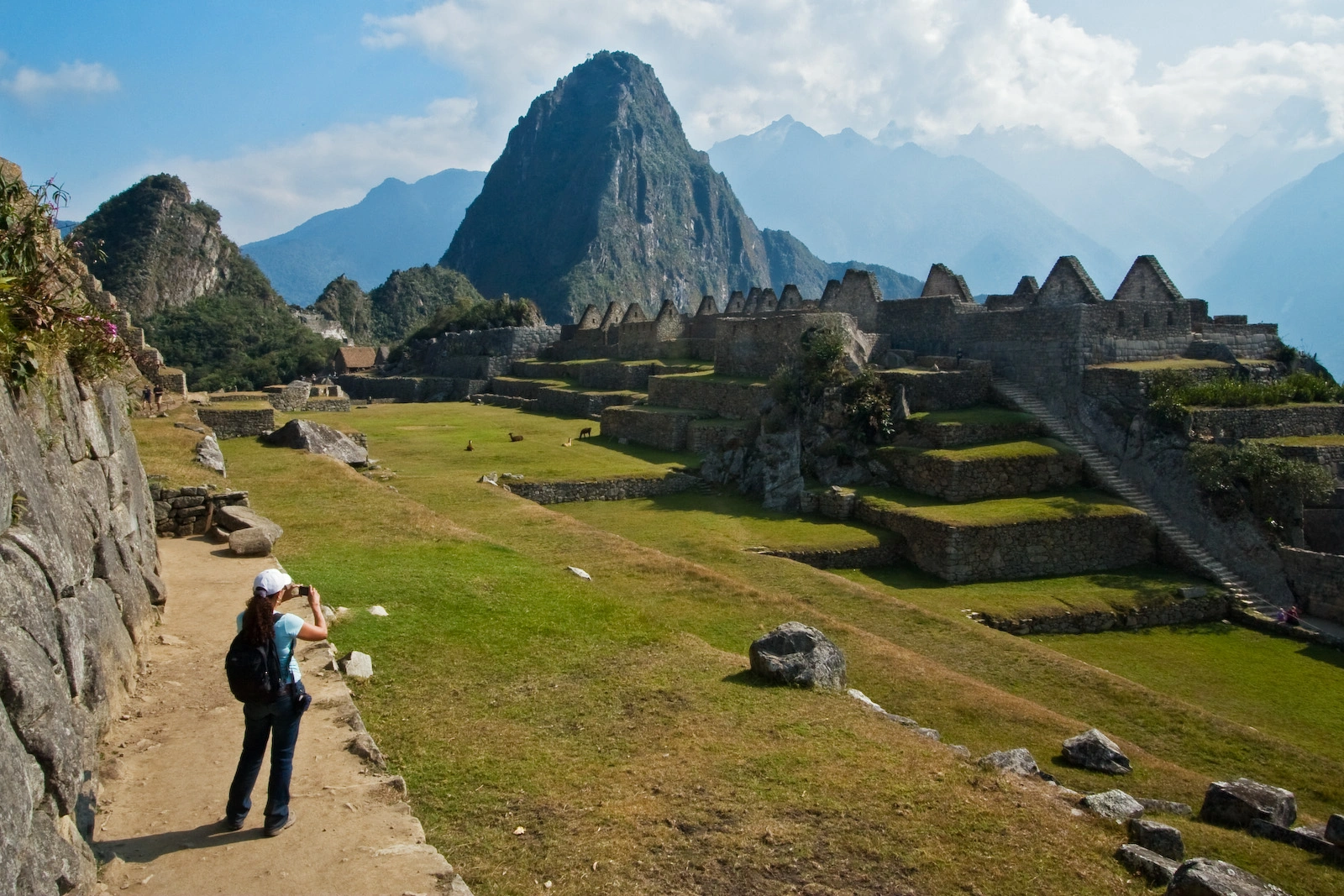
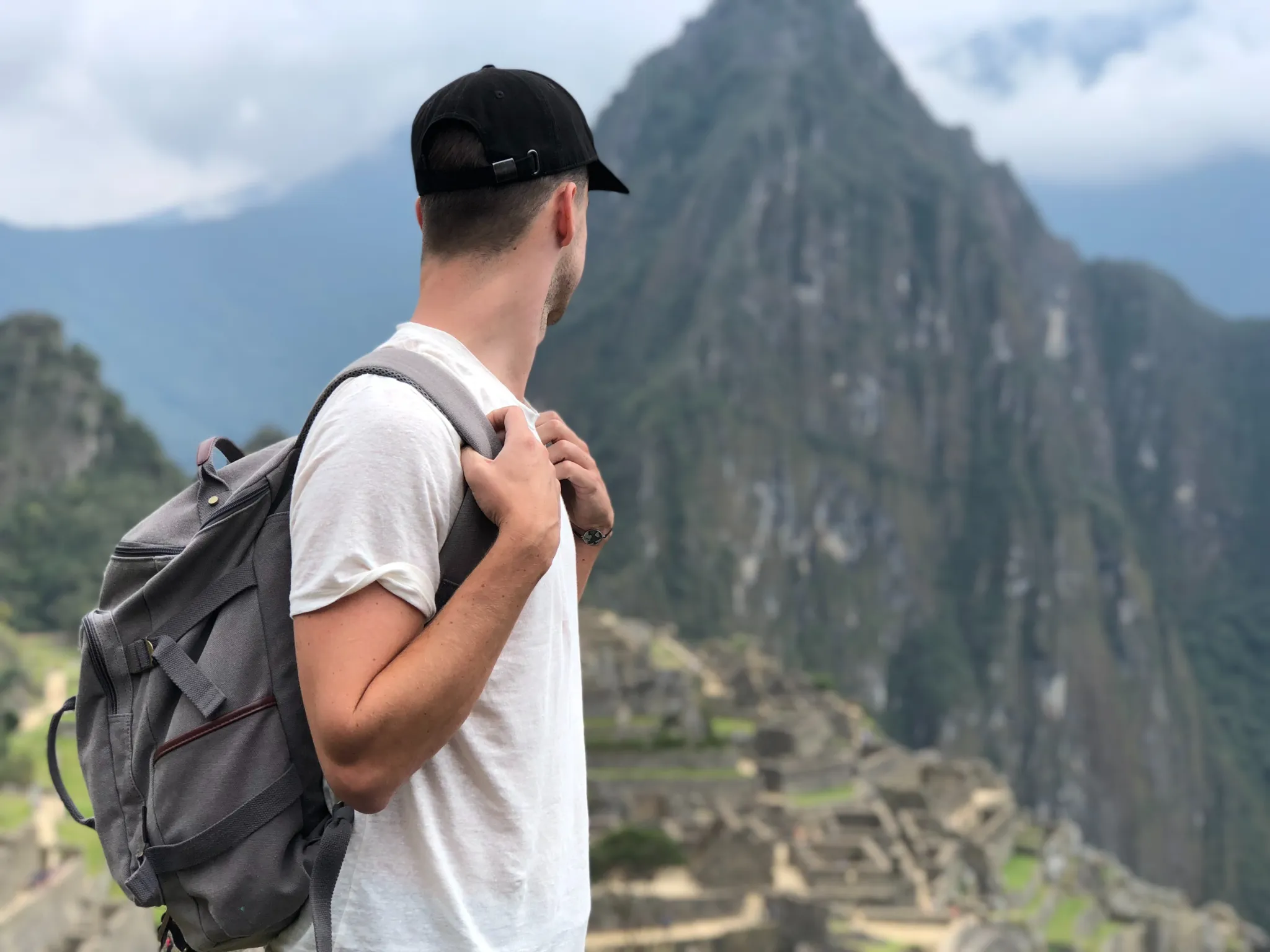
  • Machu Picchu’s mountain integration represents peak harmony between nature and design.
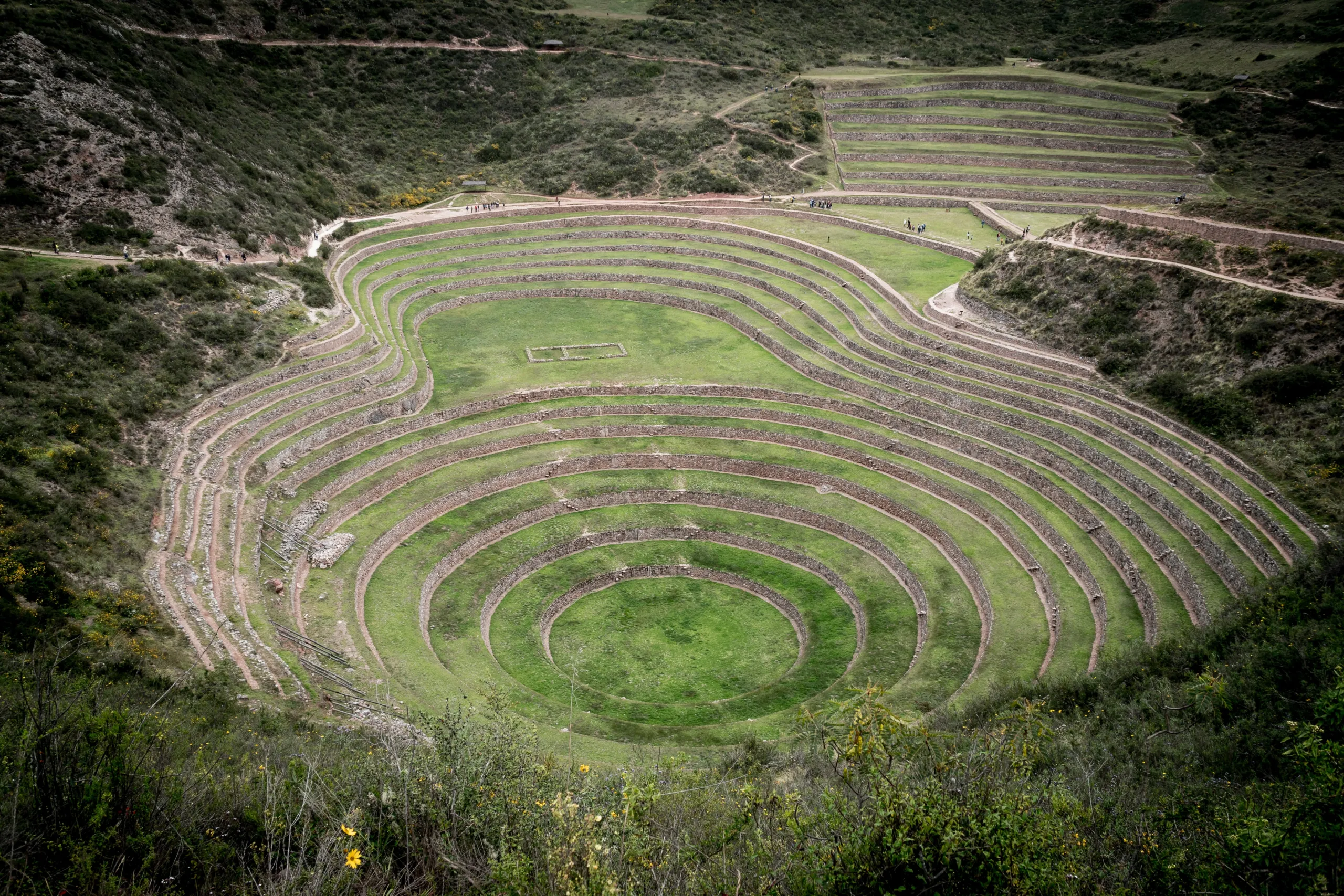
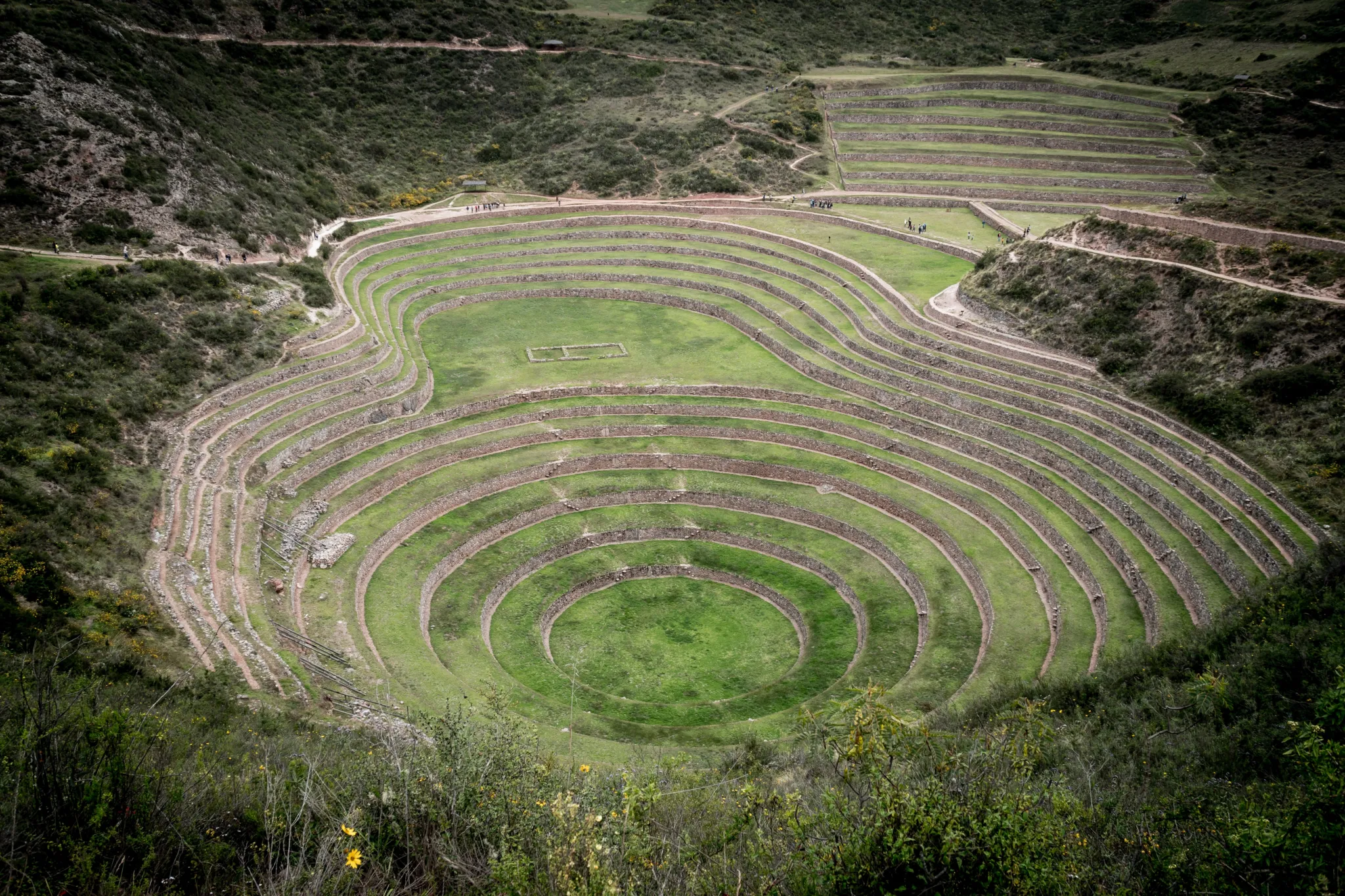
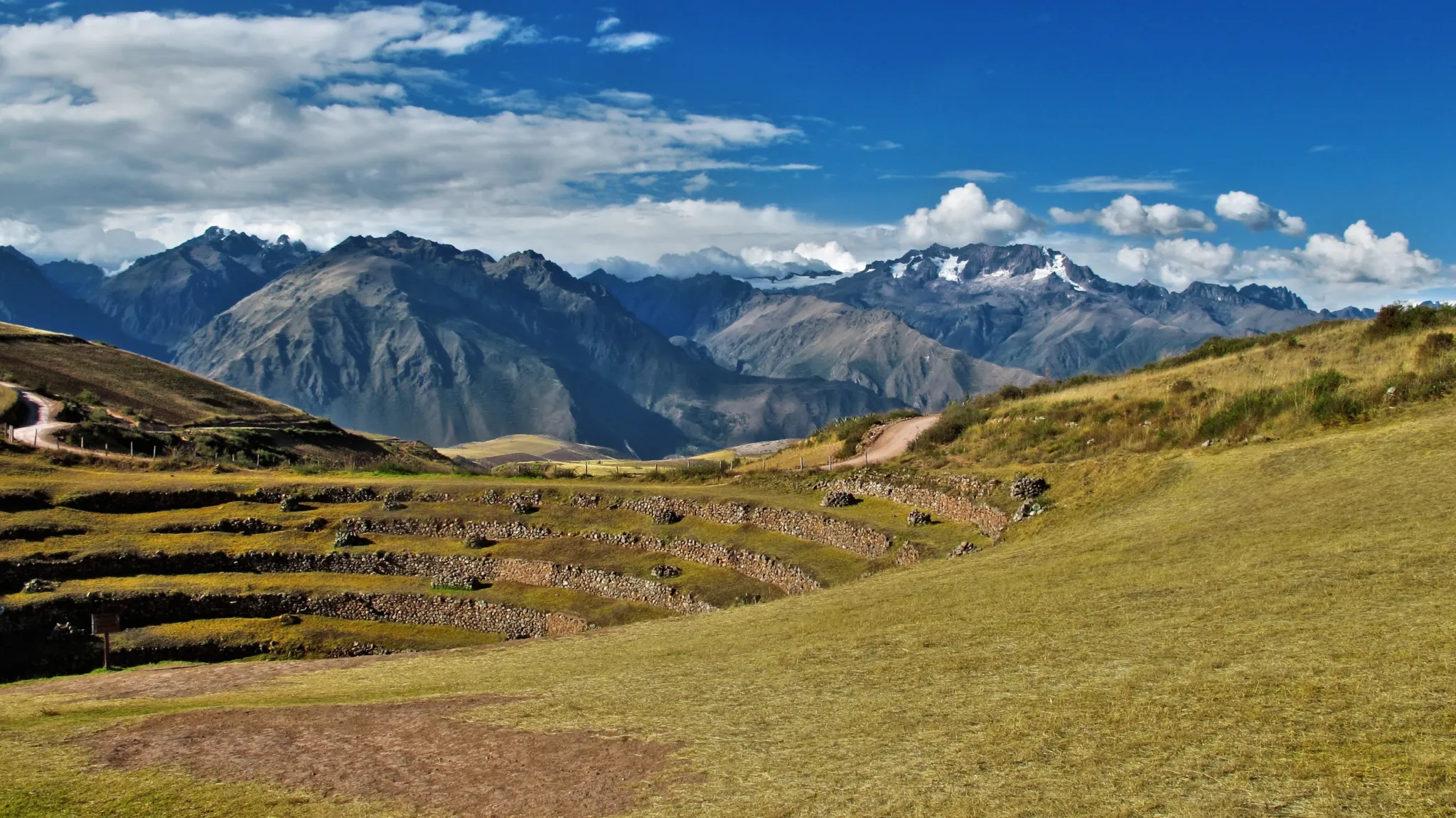
  • Maras & Moray’s concentric circles form an open-air laboratory of environmental adaptation.
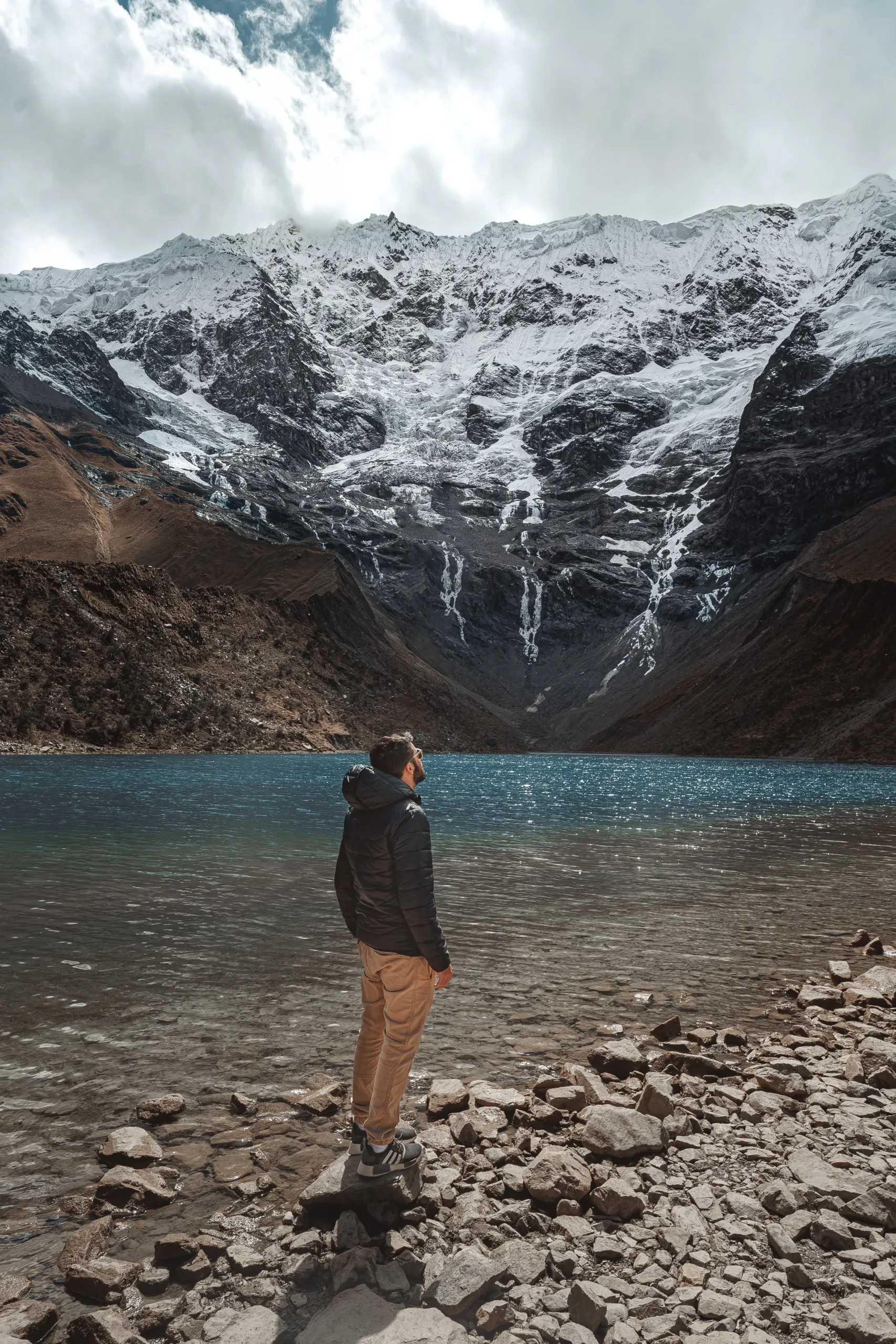
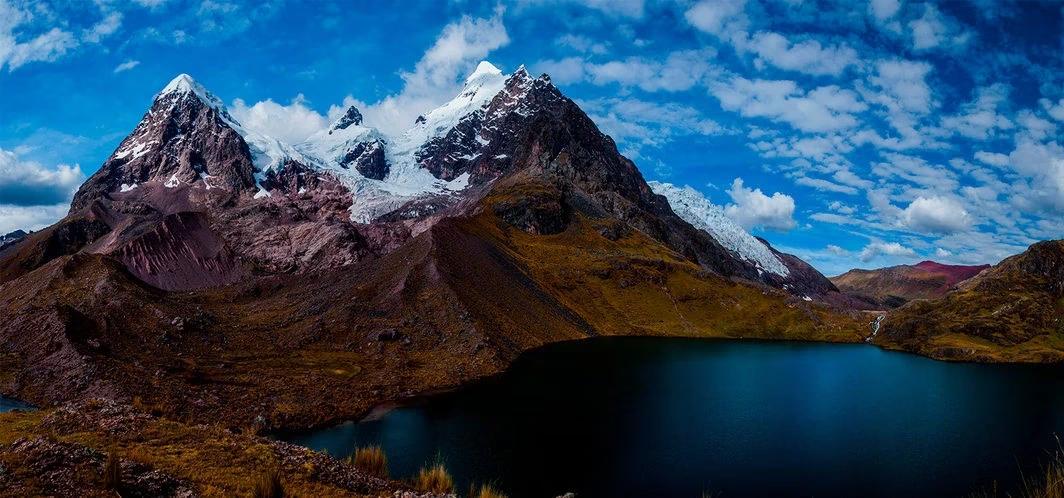
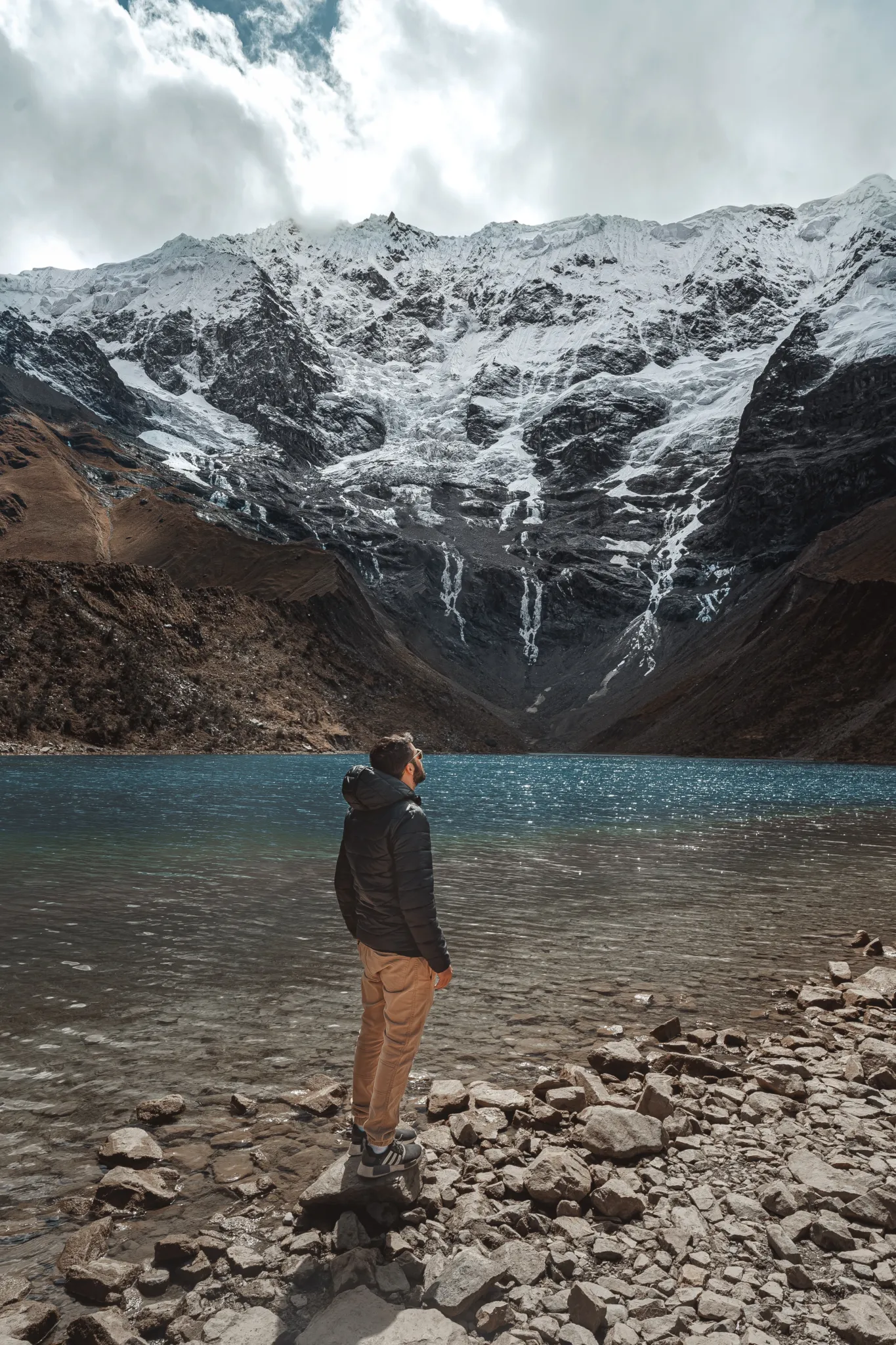
  • Humantay Lake’s glacial waters mirror the sky with perfect clarity.
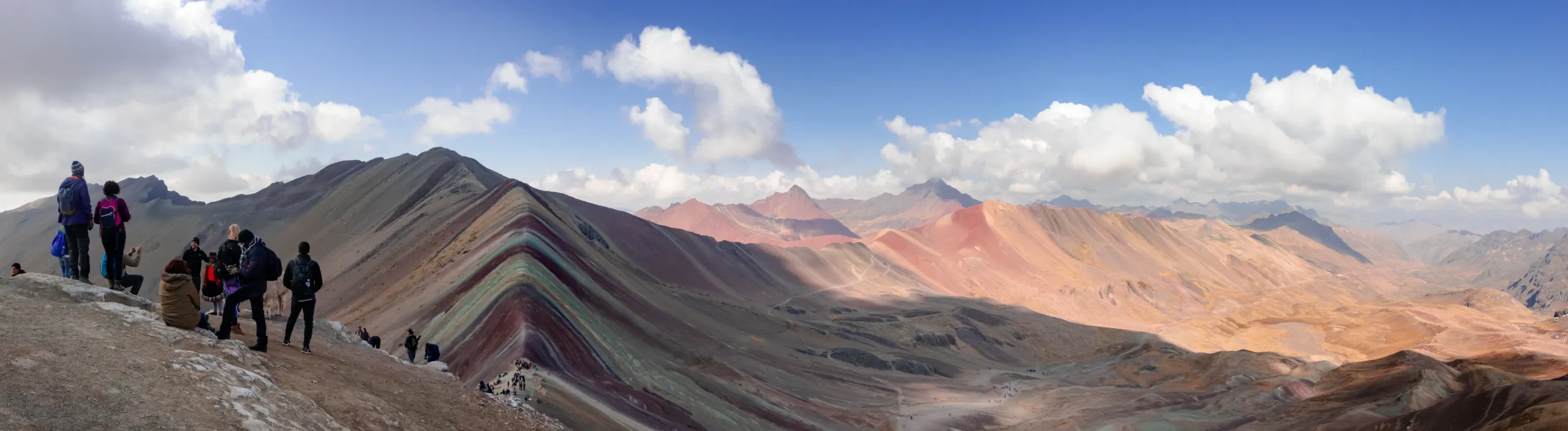
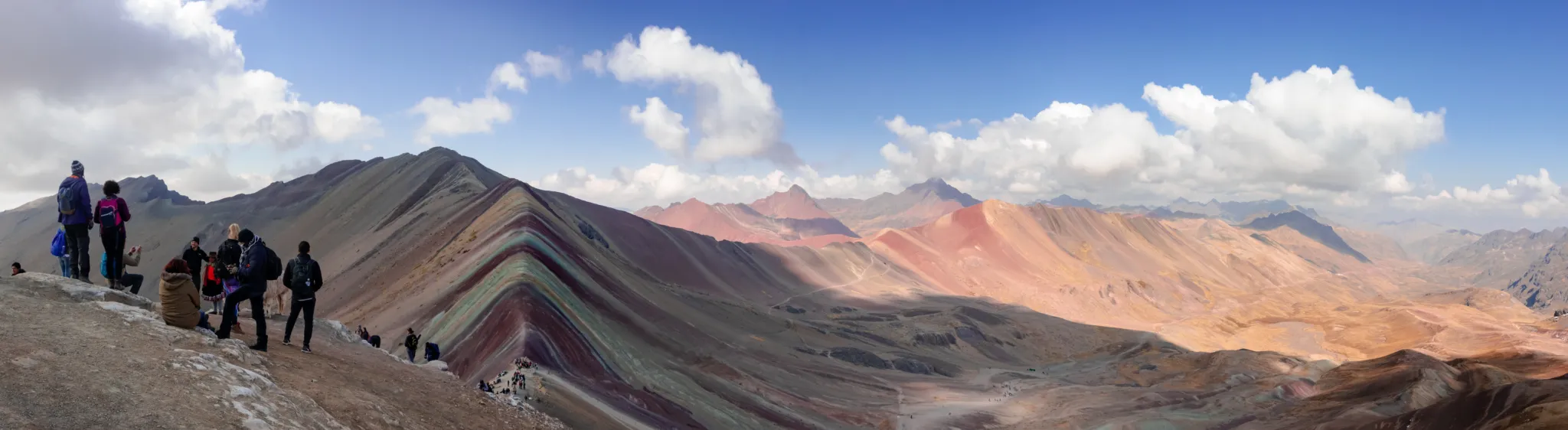
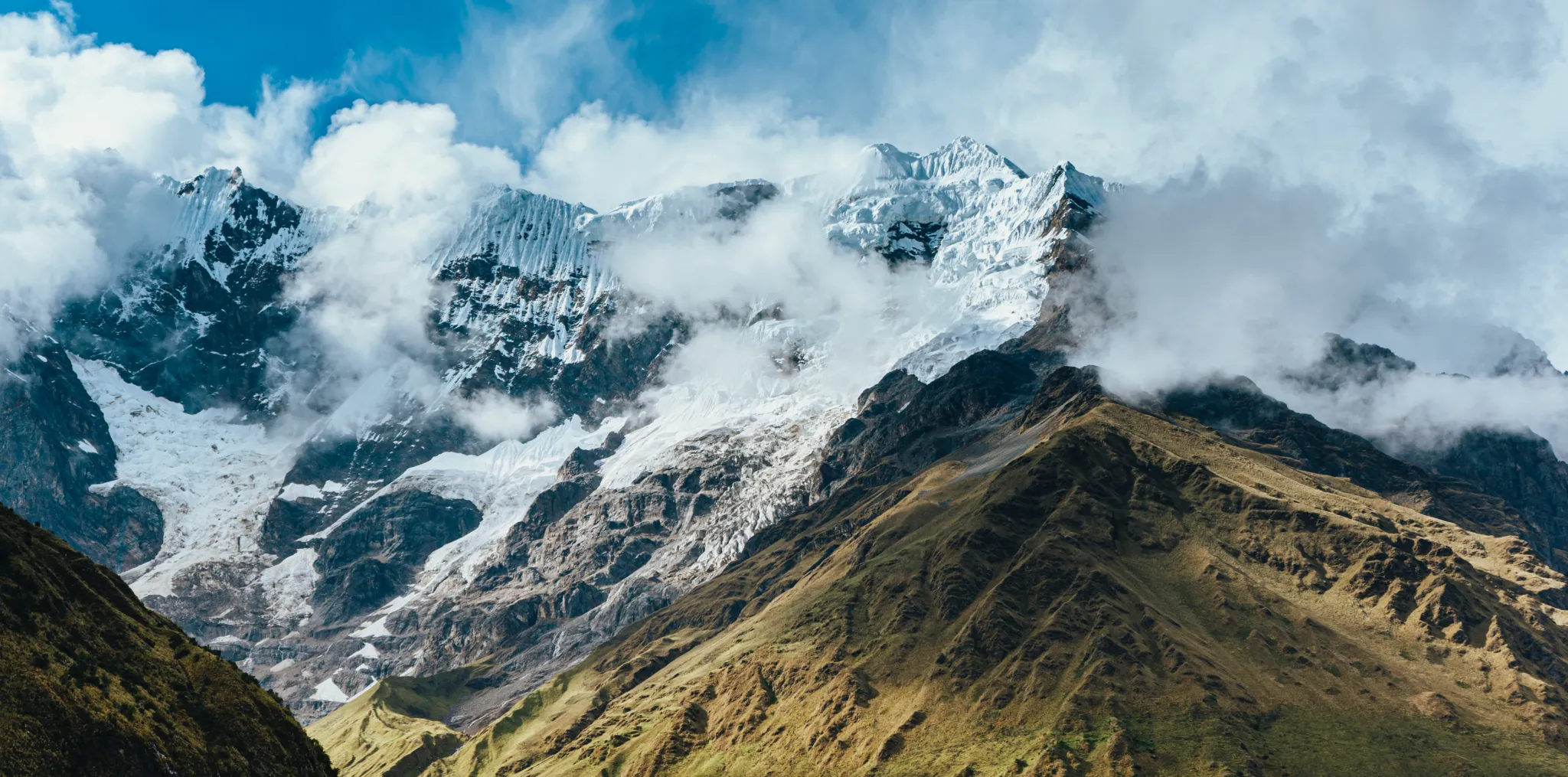
  • Rainbow Mountain’s mineral stripes paint a geological masterpiece across the high Andes.


Discover Inspiration


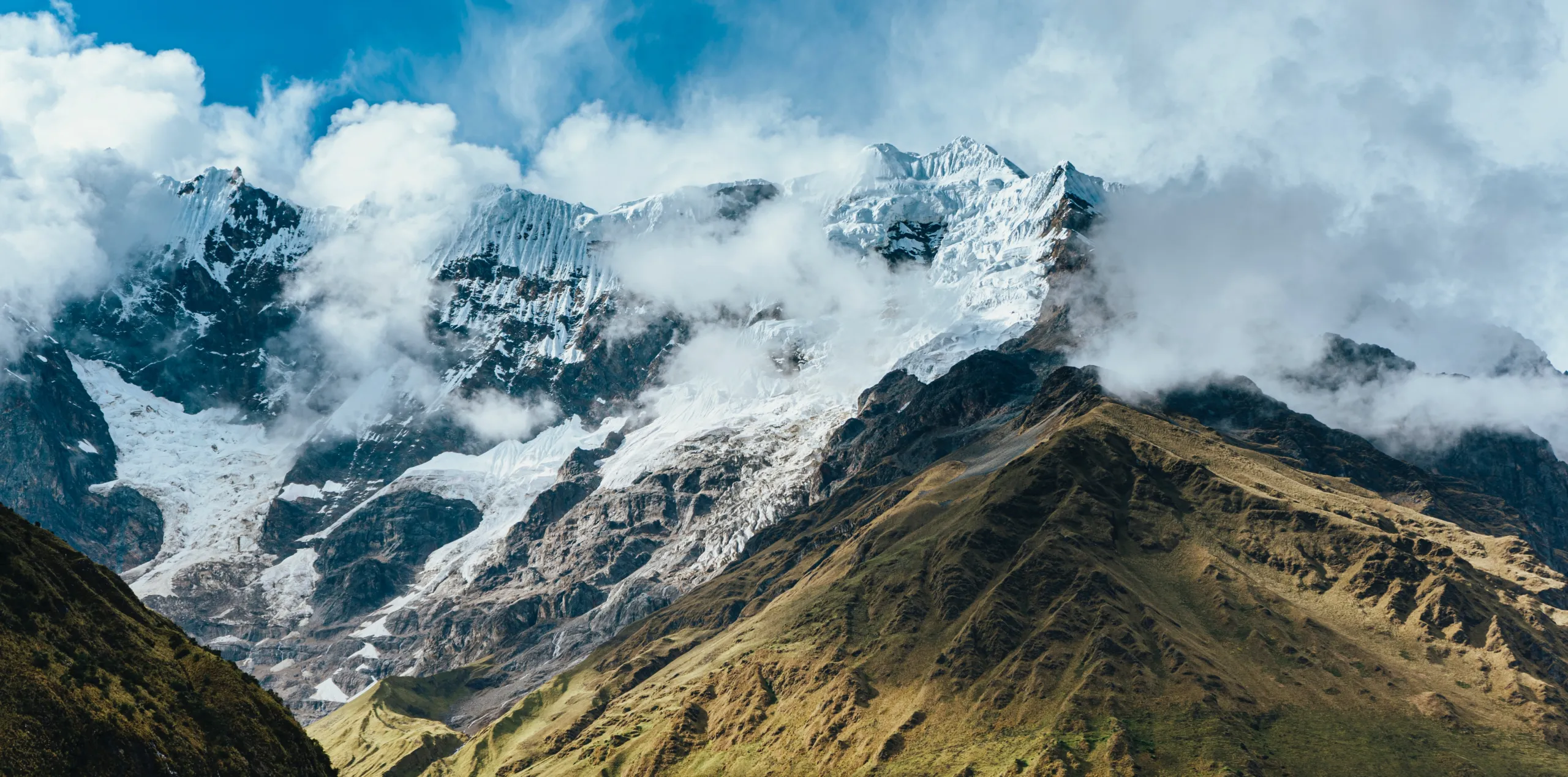
Discover Inspiration is eleven days of asking that question — across the Sacred Valley, Huchuy Qosqo, the Inka Trail, Machu Picchu, the southern valley, Rainbow Mountain, the Salkantay glacier, and Humantay Lake — with the Inka method framework providing the interpretive lens that transforms archaeological tourism into genuine cognitive archaeology.

The true souvenir is not a photograph. It is a recalibrated understanding of what human intelligence is capable of — encoded in your DNA long before anyone told you otherwise.
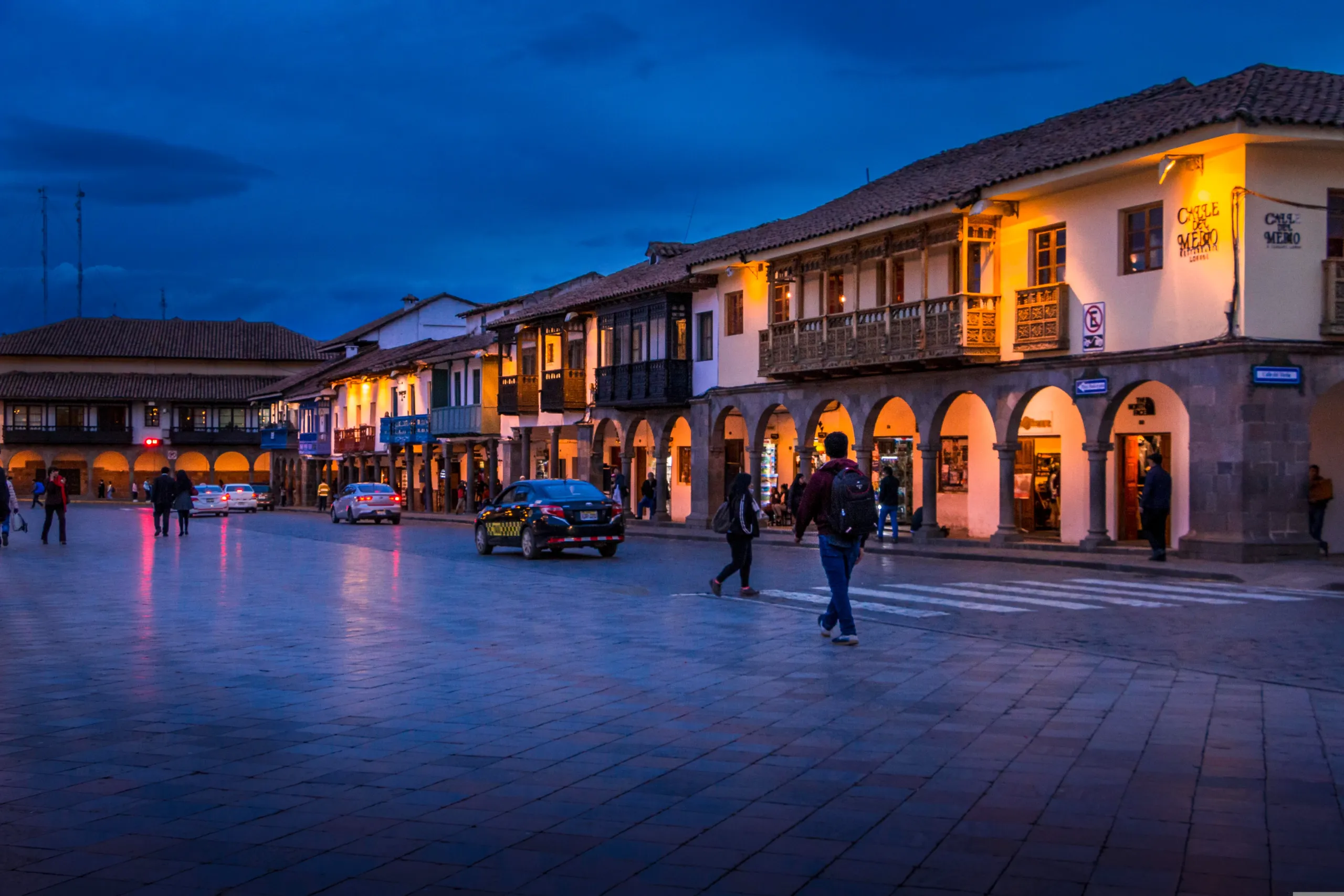
Airport → Sacred Valley → Camelid Center → Pisac → Overnight Sacred Valley | Easy

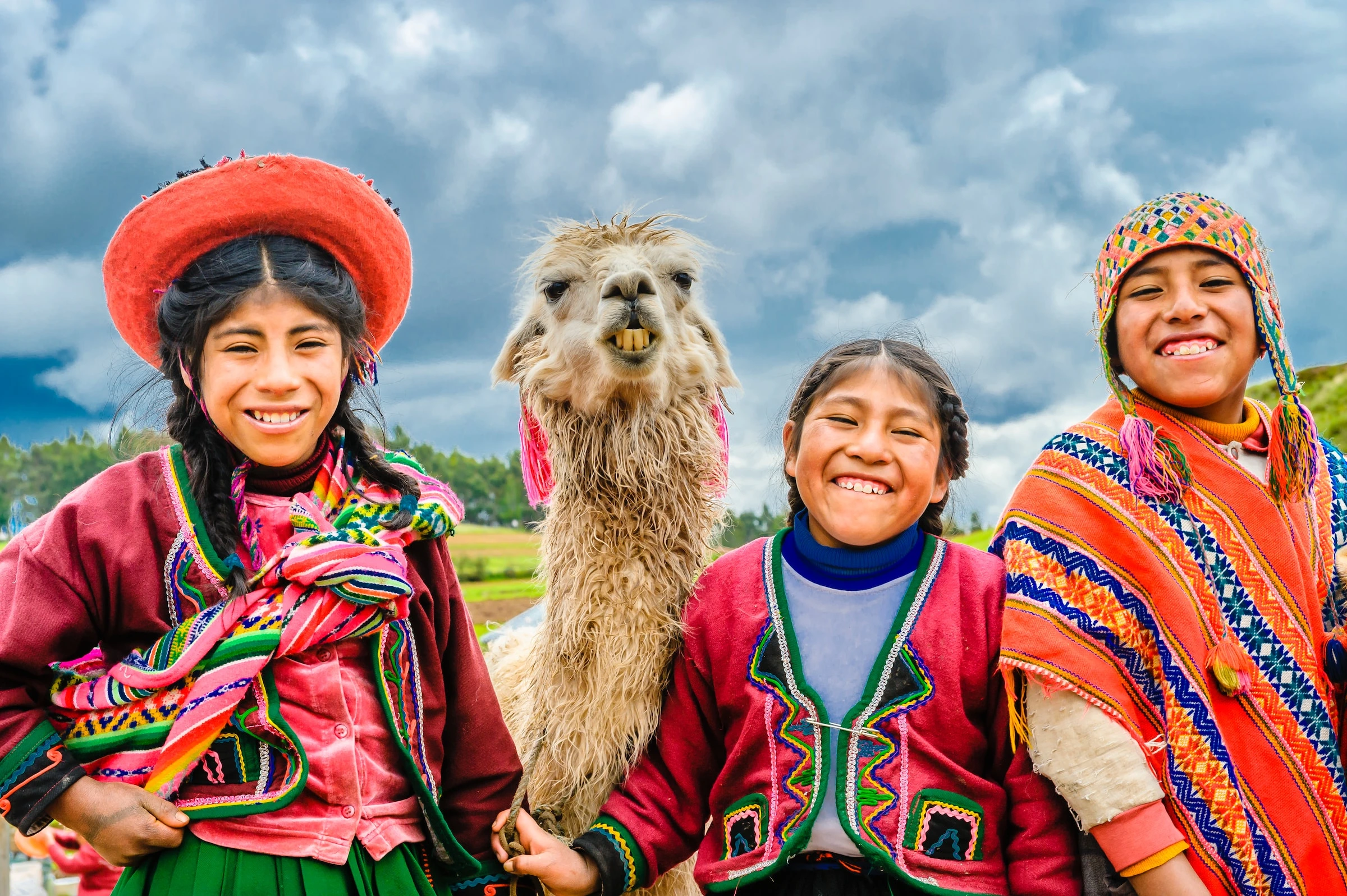
The arrival moves directly into the Sacred Valley at 2,900 m / 9,514 ft — the altitude beginning gently, the mountains opening around the route, the Inka heartland establishing itself in the first afternoon. The camelid center introduces the four Andean species whose roles in Inka civilization extended far beyond the decorative — transport, fiber, ceremony, the wool that the textile tradition encoded with the same cosmological knowledge as the architecture. Pisac at 3,399 m / 11,151 ft — the archaeological complex above the market town, the program’s first layer of context laid unhurriedly before the more demanding days ahead.

  • Distance: 33 km by road
  • Altitude range: 2,900 m / 9,514 ft – 3,399 m / 11,151 ft
  • Overnight: Hotel in the Sacred Valley

Sacred Valley → Ollantaytambo → Moray → Maras → Sacred Valley | Easy

Three sites that together reveal the full range of Inka scientific and technical application — each one a different working solution to a different problem.

Ollantaytambo at 2,792 m / 9,160 ft: a living Inka town whose street grid has not been modified since the fifteenth century, whose unfinished fortress reveals the construction process frozen at the moment of the conquest. The massive stone blocks of the temple, transported from a quarry across the valley by methods that engineering analysis has not fully resolved, demonstrate the Inka’s command of logistics, labor organization, and material science simultaneously.

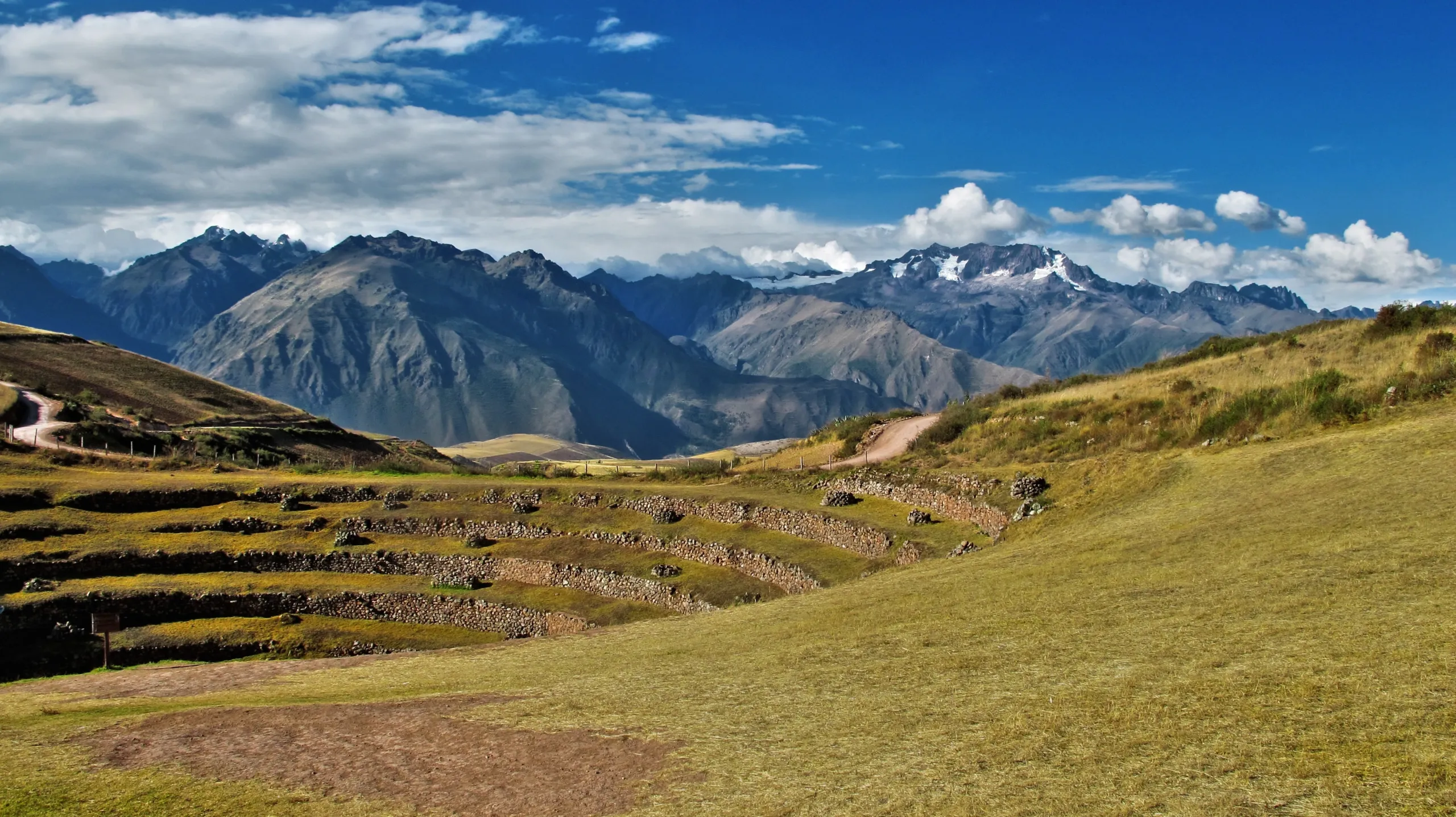
Moray at 3,500 m / 11,483 ft: the agricultural research station whose concentric circular terraces replicate the full range of Andean altitude zones in a single structure — each ring a different microclimate, the whole system a controlled environment for developing crops adapted to different elevations. The world’s first agricultural laboratory, built centuries before the concept existed.

Maras at 3,300 m / 10,827 ft: the salt mine still fed by the same spring, still managed by the same community system the Inka established. A resource extraction operation of extraordinary elegance — sustainable, community-governed, and unchanged in six centuries.

  • Distance: 159 km by road
  • Altitude range: 2,792 m / 9,160 ft – 3,500 m / 11,483 ft
  • Overnight: Hotel in the Sacred Valley

Sacred Valley → Ciwar → Pumapunku Canyon → Huchuy Qosqo (3,600 m / 11,811 ft) → Bike Descent → Ollantaytambo | Moderate to Difficult

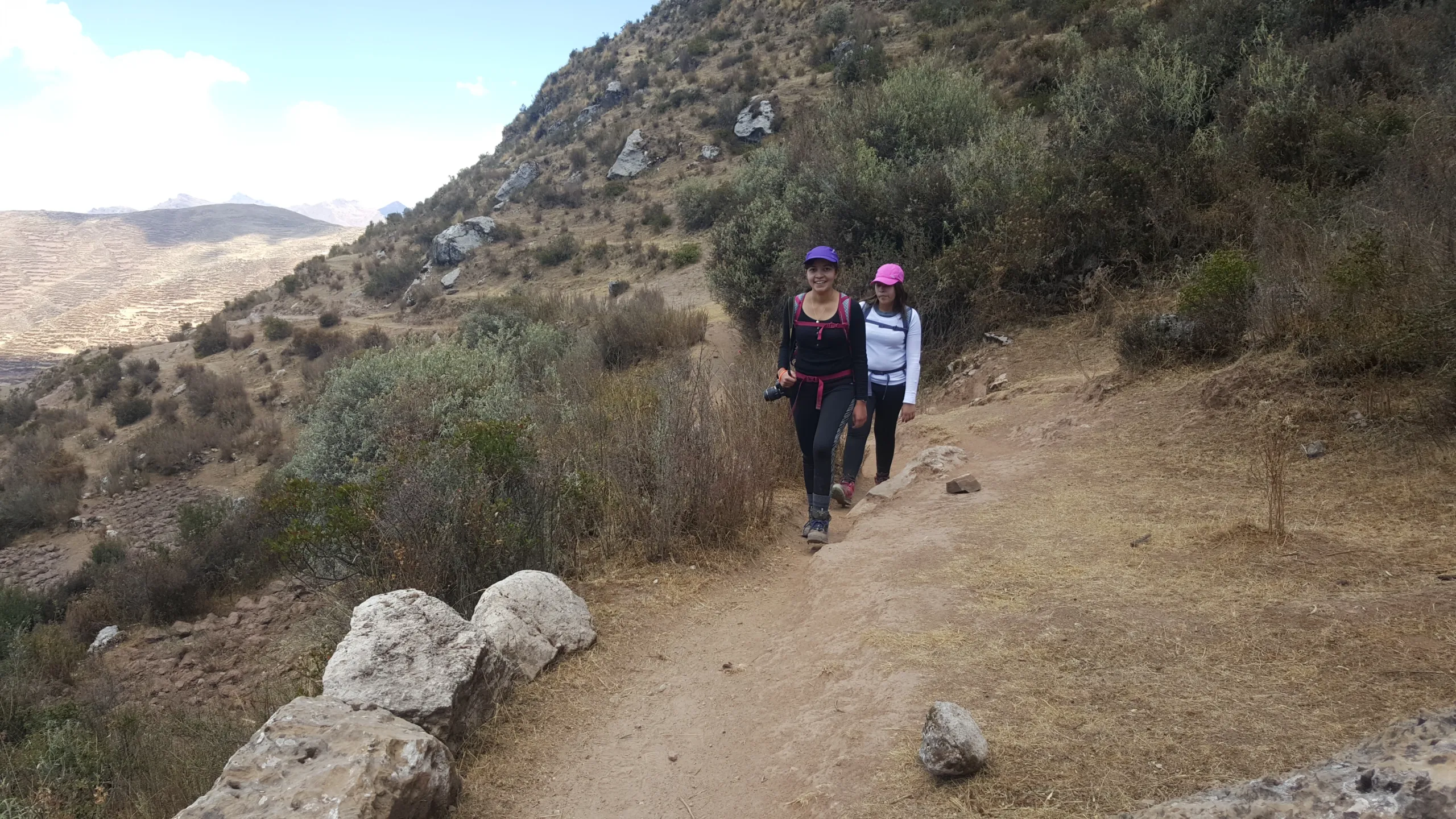
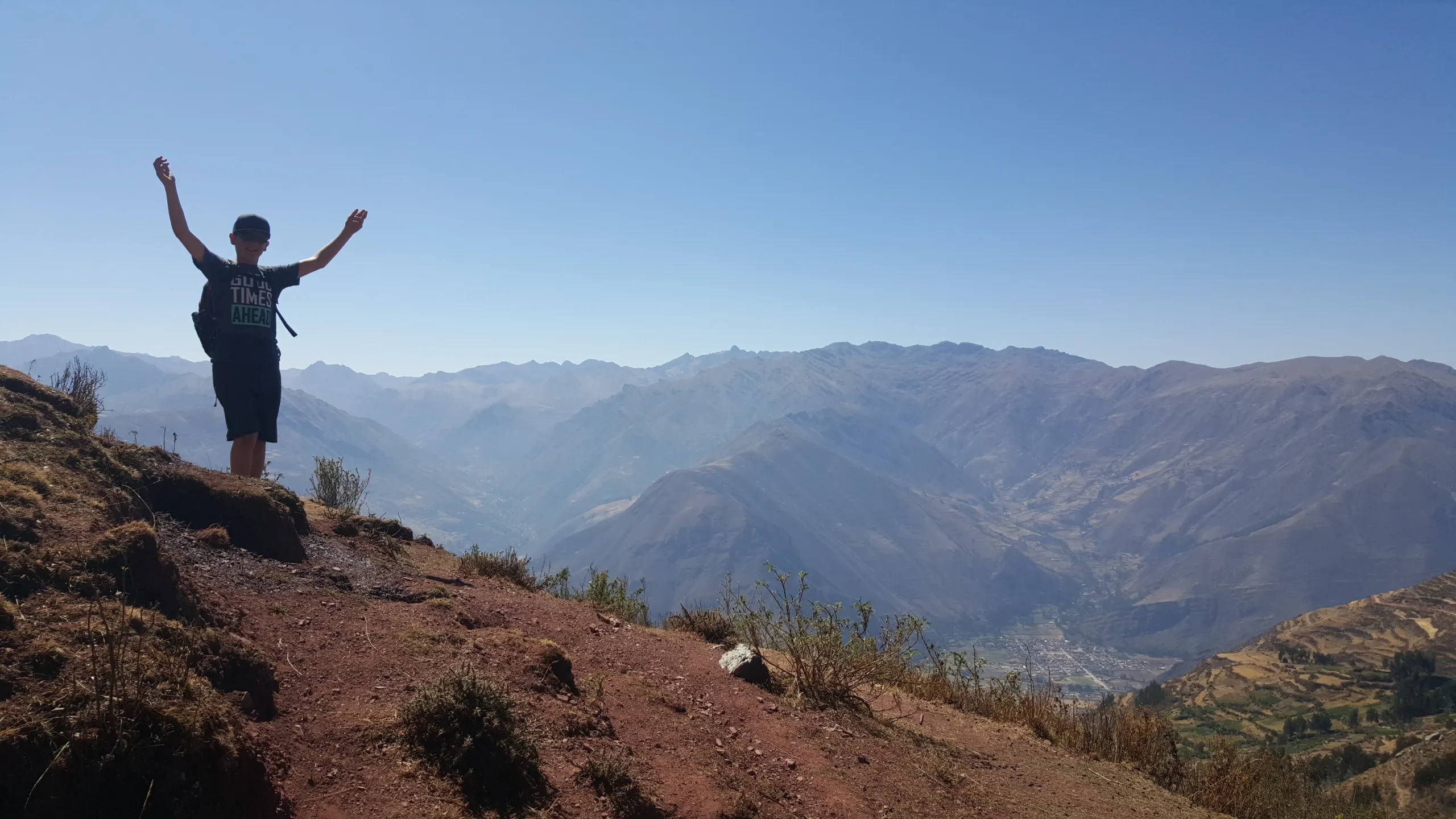
The trek from Ciwar enters the Pumapunku Canyon — the Door of the Puma — following a stream through terrain that most visitors to Cusco never reach, to Huchuy Qosqo at 4,200 m / 13,780 ft pass. Little Cusco: a plateau above the Sacred Valley with the full administrative and cosmological intelligence of the empire encoded into its structures, in complete solitude. Your guide decodes it as a working document of Inka governance — how the empire managed resources, organized labor, and maintained community coherence across the length of the Andes without money, markets, or the administrative infrastructure that modern states take for granted.

The optional mountain bike descent to Calca at 2,926 m / 9,600 ft closes the day before transportation carries the group to Ollantaytambo for the evening.

  • Distance: 82 km by road + 8 km hiking + 10 km biking
  • Altitude range: 2,792 m / 9,160 ft – 4,200 m / 13,780 ft
  • Overnight: Hotel in Ollantaytambo

Ollantaytambo → Train → KM 104 → Chachabamba → Wiñayhuayna (2,650 m / 8,694 ft) → Intipunku (2,720 m / 8,924 ft) → Aguas Calientes | Moderate

The train to KM 104 — the checkpoint where the Inka Trail begins. The suspension bridge crossing over the Urubamba at 2,040 m / 6,693 ft marks the threshold between the accessible world and the one this day inhabits.

The path climbs through cloud forest past Chachabamba to Wiñayhuayna — a cascading complex of temples, terraces, and ritual baths built into a near-vertical mountainside. The engineering of its water management system, drawing from the mountain above and distributing through the complex with gravity-fed precision, is a concentrated demonstration of the Inka hydraulic intelligence that Tipon will complete on Day Seven.

Intipunku — the Sun Gate at 2,720 m / 8,924 ft — delivers Machu Picchu below in the valley exactly as the Inka designed it to be first seen: framed by the mountains that the site was built in deliberate relationship to, at the elevation and angle that reveals the celestial alignments encoded into its orientation.

  • Distance: 36 km by train + 11 km on foot
  • Altitude range: 2,040 m / 6,693 ft – 2,720 m / 8,924 ft
  • Overnight: Hotel in Aguas Calientes

Aguas Calientes → Machu Picchu (2,430 m / 7,972 ft) → Train → Cusco | Easy

Four days of accumulated context — the agricultural laboratory of Moray, the governance intelligence of Huchuy Qosqo, the hydraulic precision of Wiñayhuayna’s water channels, the ceremonial approach through Intipunku — make Machu Picchu a different place from the one that unprepared visitors encounter. The Inka method guide moves through the citadel decoding the seismic engineering of its stone joints, the astronomical alignments of the Temple of the Sun and the Intihuatana stone, and the water management system that has functioned without maintenance since the fifteenth century.

The most visited site in South America, received with the knowledge that makes it legible. Lunch beside the sanctuary. The train back to Cusco at 3,399 m / 11,151 ft in the afternoon.

  • Maximum altitude: 2,430 m / 7,972 ft
  • Overnight: Hotel in Cusco

Cusco — Guided Discovery Afternoon | Easy

A morning of genuine rest — rare in a program of this depth, and placed here deliberately. The body at Day 6 needs what the itinerary cannot always provide: unscheduled time in a city that rewards wandering.

The afternoon brings guided discovery — a selection of Cusco’s less-visited spaces, chosen by your guide based on what the previous five days have produced. The Inka streets on foot. A specific wall, a particular alignment, a market stall, a viewpoint. The kind of encounter that no itinerary can pre-program but that every city this layered makes available to those who arrive with enough context to receive it.

  • Altitude: 3,399 m / 11,151 ft
  • Overnight: Hotel in Cusco

Cusco → Qoricancha → Tipon → Huacarpay Lake → Andahuaylillas → Oropesa → Pitumarka | Easy

The day moves through the southern valley — a corridor that most Cusco itineraries never enter, containing sites whose sophistication completes the picture that the northern Sacred Valley sites began.

Qoricancha at 3,399 m / 11,151 ft: the spiritual and intellectual axis of the empire, its stonework the most refined in the Americas. The colonial church built on top of it now visibly cracking and shifting while the Inka walls beneath remain perfectly intact — the clearest single image the Cusco region offers of what happened here in the sixteenth century.

Tipon at 3,260 m / 10,696 ft: the Inka hydraulic engineering center whose water channels have functioned without maintenance for six centuries. The same intelligence visible in Wiñayhuayna’s ritual baths, here demonstrated at agricultural and community scale — water managed with a precision that modern hydraulic engineers find genuinely remarkable.

Traditional lunch beside Huacarpay Lake at 3,020 m / 9,908 ft. Andahuaylillas — the colonial church whose gold interior earned it the name the Sistine Chapel of the Americas. Oropesa — the traditional bread-baking village where chuta is prepared in stone ovens using methods unchanged for generations.

Overnight in a local house in Pitumarka — the community closest to tomorrow’s trailhead, and the program’s most human encounter with rural Andean life.

  • Distance: 83 km by road
  • Altitude range: 3,020 m / 9,908 ft – 3,399 m / 11,151 ft
  • Overnight: Local house in Pitumarka

Pitumarka → Rainbow Mountain (5,200 m / 17,060 ft) → Red Valley → Cusco | Moderate

From Pitumarka, the trailhead is approximately one hour away — eliminating the three-hour drive from Cusco that standard day trips require. Seven days of Inka cosmological and scientific context give the mountain’s mineral striations a significance that geology alone cannot provide. The rainbow in Andean cosmology is the representation of universal harmony — a decomposition of light revealing the photons that constitute every living thing. Standing before it at 5,200 m / 17,060 ft with that framework in mind is a different experience from standing before it as a trending geological attraction.

The Red Valley adjacent to the summit extends the day’s chromatic landscape before the descent and return to Cusco at 3,390 m / 11,122 ft.

  • Distance: 110 km by road + 7 km on foot
  • Maximum altitude: 5,200 m / 17,060 ft
  • Overnight: Hotel in Cusco

Cusco → Chonta Condor Viewpoint (3,400 m / 11,155 ft) → Killarumilloq (3,500 m / 11,483 ft) → Tarawasi (2,654 m / 8,707 ft) → Soraypampa (3,900 m / 12,795 ft) | Easy to Moderate

The day moves through three sites before reaching the base camp — each one a different dimension of the Salkantay territory that tomorrow’s lake will complete.

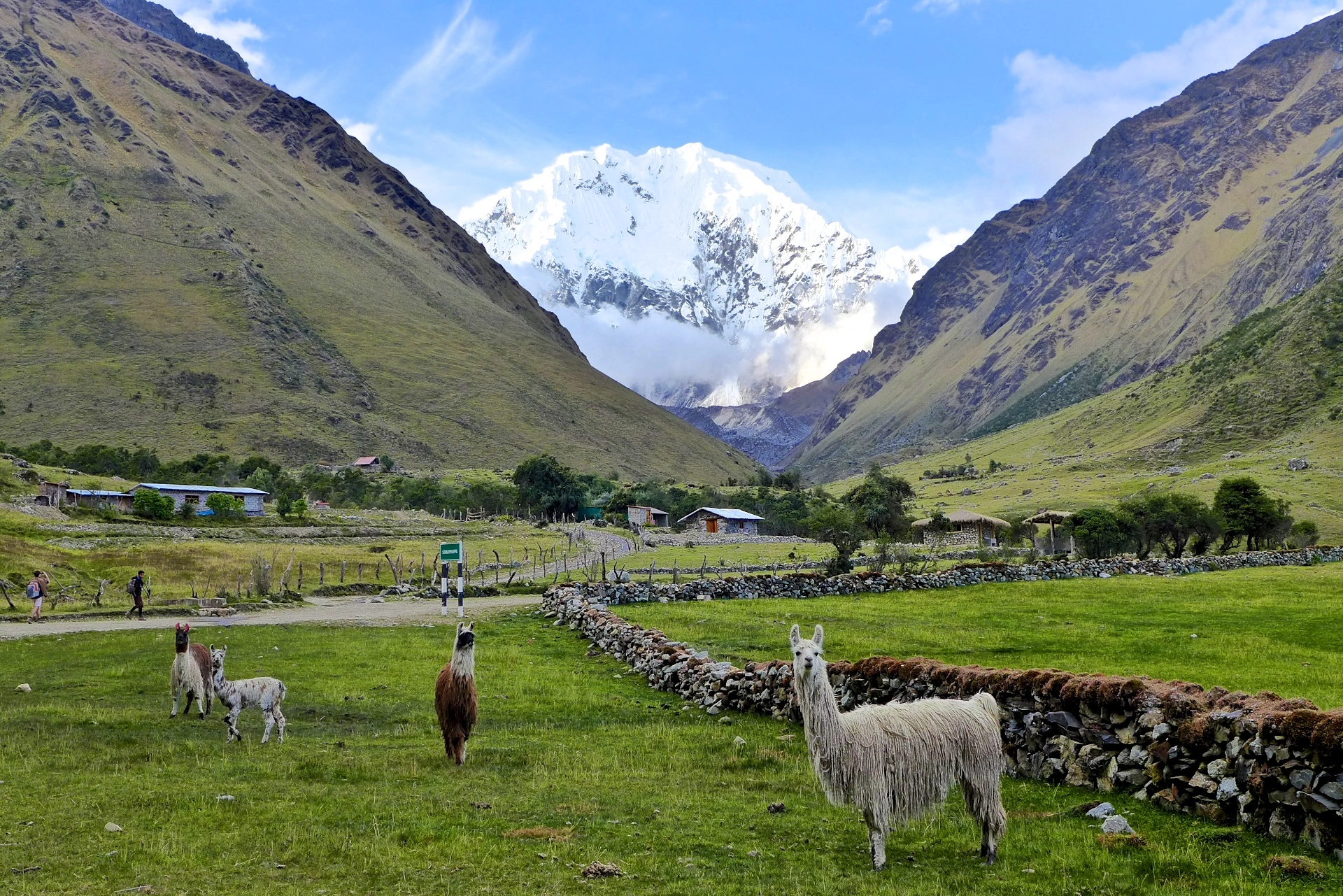
Chonta at 3,400 m / 11,155 ft: the condor viewpoint where the thermal columns carry the birds at eye level — sustained encounters with South America’s largest raptor in its primary flight corridor. Killarumilloq — Stone Moon — at 3,500 m / 11,483 ft: an archaeological complex named for its relationship to lunar cycles, adding the astronomical dimension to a day that moves between geological, biological, and ancestral knowledge. Tarawasi at 2,654 m / 8,707 ft: the House of Tara, an Inka complex in the warm valley below the glacier system.

Camp at Soraypampa at 3,900 m / 12,795 ft as evening arrives, the Humantay glacier visible above, the Milky Way unobstructed by light pollution, the program’s penultimate day settling into a night that belongs entirely to the mountain.

  • Distance: 152 km by road + 7 km on foot
  • Altitude range: 2,654 m / 8,707 ft – 3,900 m / 12,795 ft
  • Overnight: Camp at Soraypampa

Soraypampa → Humantay Lake (4,200 m / 13,780 ft) → Mysterious Stop → Cusco | Moderate to Difficult

The ascent from Soraypampa to Humantay Lake is the program’s most concentrated physical demand — a sustained climb of approximately 300 vertical meters to the glacial lake at 4,200 m / 13,780 ft. Nine days of acclimatization make it achievable. The lake consistently defies photographic capture — its turquoise shifts with the light and the angle, the Humantay glacier reflected above in a combination that most people describe as the most beautiful single thing they encountered in Peru.

The return passes through a site your guide has chosen for its particular relationship to what the eleven days have built — a final encounter with the ancestral landscape before the capital closes the program.

Transportation returns to Cusco at 3,399 m / 11,151 ft by afternoon.

  • Distance: 7 km on foot + road to Cusco
  • Maximum altitude: 4,200 m / 13,780 ft
  • Overnight: Hotel in Cusco

Cusco → Sacsayhuaman → Q’enqo → Pucapucara → Qoricancha | Easy

Ten days of accumulated context make the capital’s archaeological ring speak in a language it cannot offer to visitors who arrive without preparation.

Sacsayhuaman at 3,701 m / 12,143 ft — the seismic engineering demonstration that began Day Two’s conversation about Inka structural intelligence, now encountered with the full weight of eleven days of context. The interlocking megalith joints that have outlasted every earthquake since construction are not impressive engineering. They are a specific, transmissible solution to a problem that contemporary construction still struggles with.

Q’enqo — tunnels carved into living rock encoding Andean knowledge of the relationship between the world above and the one below it. Pucapucara at 3,700 m / 12,139 ft — the Red Fort with the mountain guardians of Cusco visible in every direction. Qoricancha at 3,399 m / 11,151 ft — the empire’s spiritual and intellectual center, revisited on the final day with everything the program has built. The colonial church cracking above. The Inka walls intact below. The contrast speaks for itself.

  • Distance: 45 km by road
  • Altitude range: 3,399 m / 11,151 ft – 3,700 m / 12,139 ft
  • Overnight: Hotel in Cusco

Cusco → Airport

Transfer to the airport. Eleven days. The complete arc of what the Inka built, decoded as a unified system of working solutions — in stone, water, soil, and sky. What travels with you is not a collection of experiences. It is a recalibrated understanding of what human intelligence can produce when it operates in genuine relationship with the natural world.

The Andes encoded that understanding in your DNA long before anyone told you it was there. Eleven days was enough to begin reading it.

Hikes Around Machupicchu

Reviews

Reviews

There are no reviews yet.

Be the first to review “Discover Inspiration”

Your email address will not be published. Required fields are marked *

Included/Excluded

  • Incluido All transportation.
  • Incluido Guide service.
  • Incluido Food as described (breackfast=B, Lunch=L, dinner=D).
  • Incluido Entrance fees and permits for the detailed visit sites.
  • Incluido Round trip train tickets.
  • Incluido Bus to Machupiccu round trip.
  • Incluido Chef for the hikes.
  • Incluido Round trip train tickets.
  • Incluido Cooking equipement.
  • Incluido Camping equipement.
  • Incluido Local house overnight.
  • Incluido Biking equipement.
  • Incluido Accomodation 5 stars hotel, as described.
  • Incluido Boiled or purified water.
  • No Included Entrance fees to Waynapicchu Mountain and Machupicchu Mountain and others are optional.
  • No Included Bottle of water or sports drink.
  • No Included Tipping for staff.
  • No Included Travel ensurance
  • No Included Flight tickets
  • No Included Sleeping bag

Attractions

Andahuaylillas, Chinchero, Coricancha, Cusco, Huchuyqosqo, Humantay Lake, Inca Trail, Inti Punku, Maras & Moray, Ollantaytambo, Pisac, Pucapucara, Quillarumiyoc, Rainbow mountain, Sacred Valley, Sacsayhuaman, Tambomachay

Activities

Biking, Camping, Culinary, Discoveries, Experiential tourism, Full nature, Glaciers, Hiking, Lakes, Lama experience, Picnic, Viewpoint of Condors

FAQs

Nothing to show, please go to blogs.

Application Process

Contexto personal
Estado mental actua
Preferencias y límites
Datos de contacto

Book This Tour

Top Trending

You may like

Cart0
Cart0