
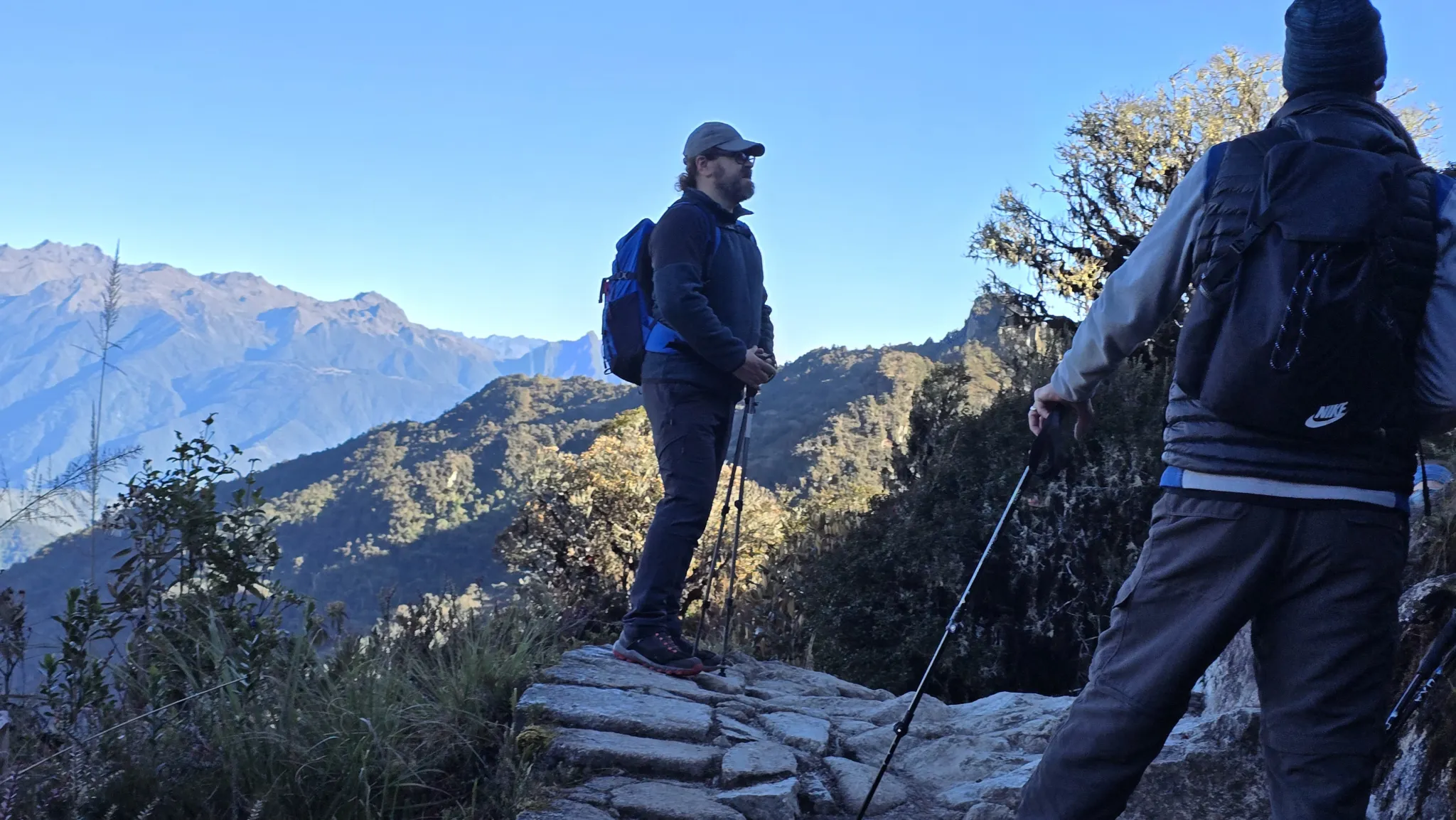
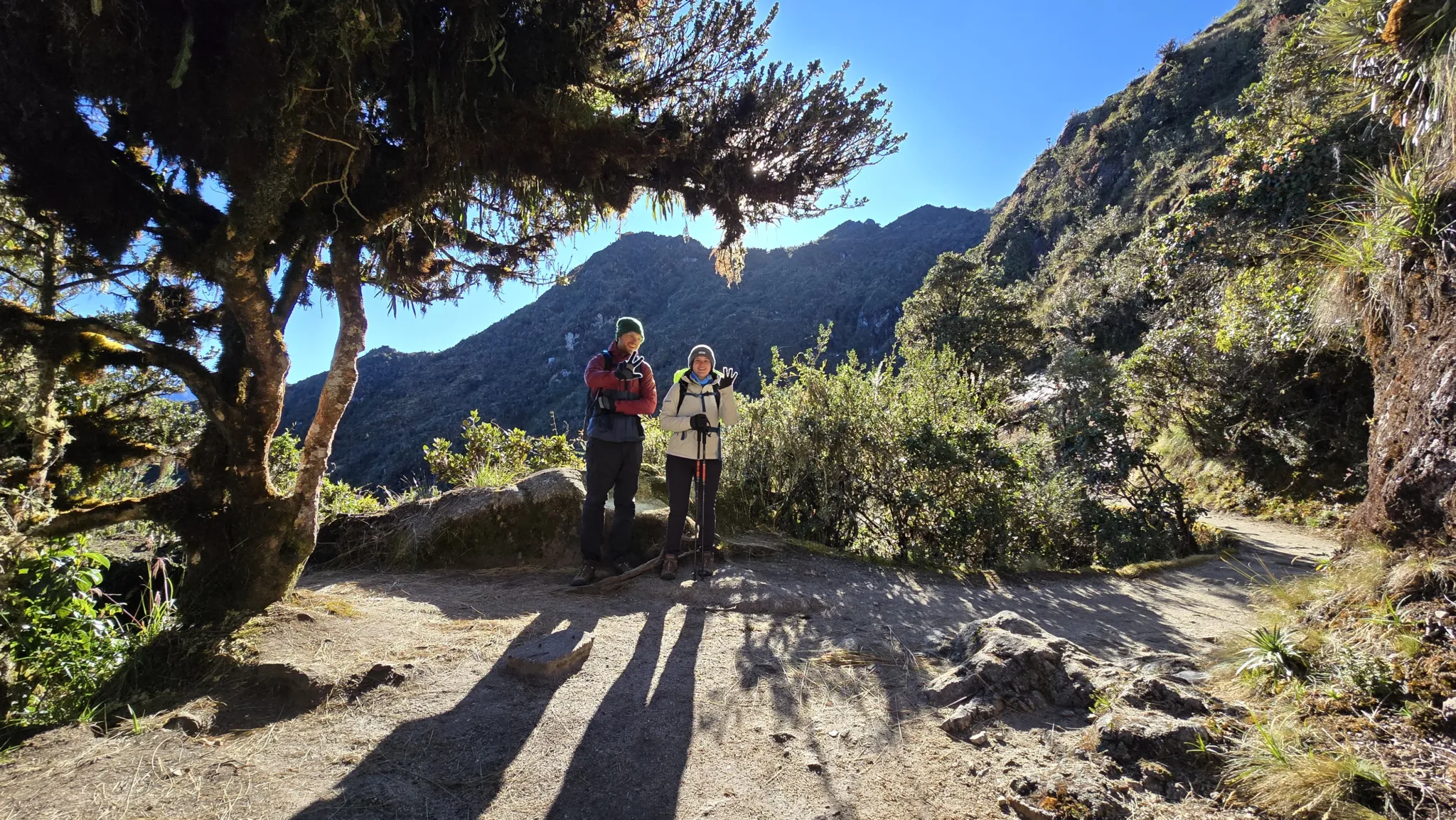
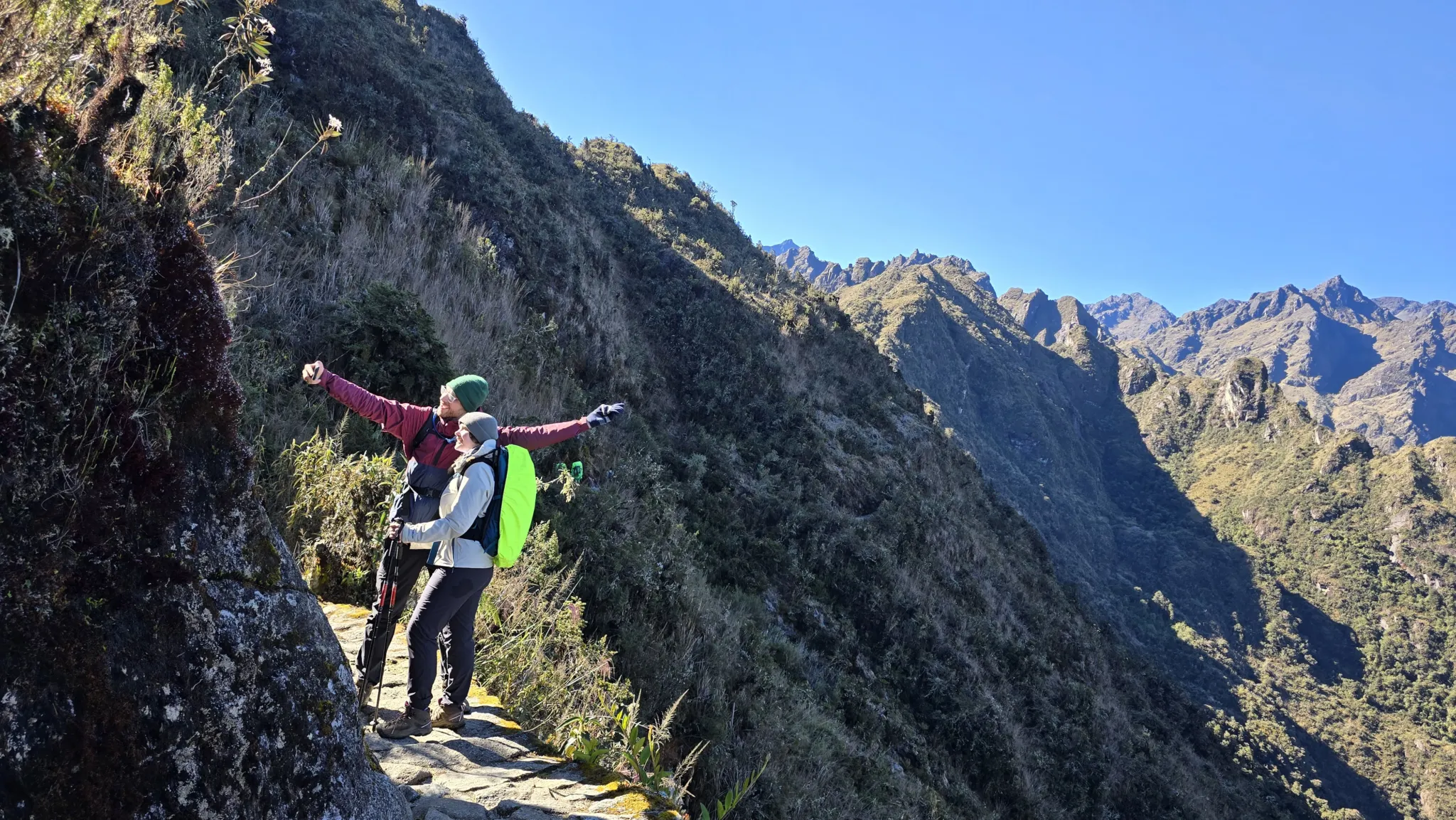
The Stones Are Still Speaking. Most People Walk Past Them.
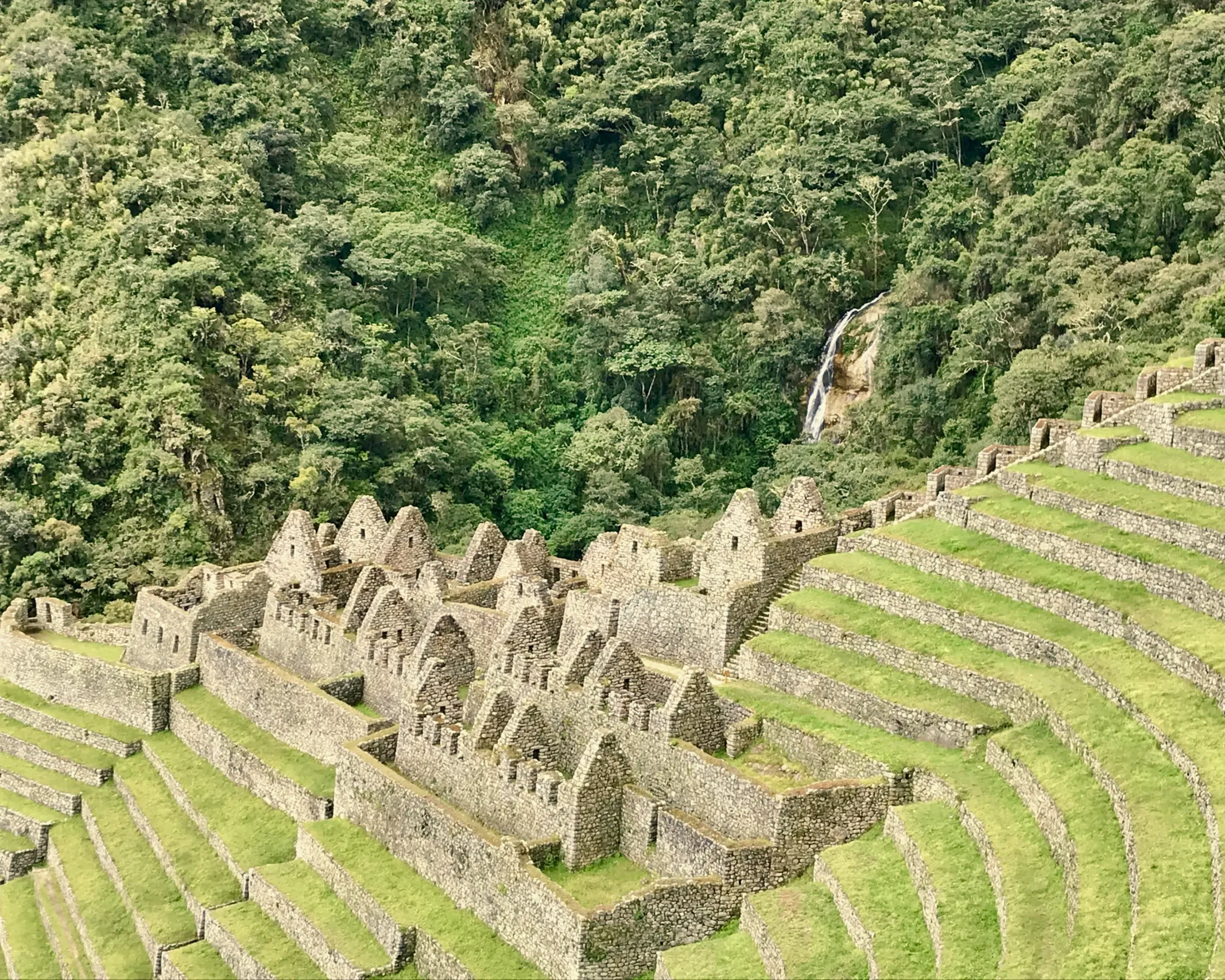
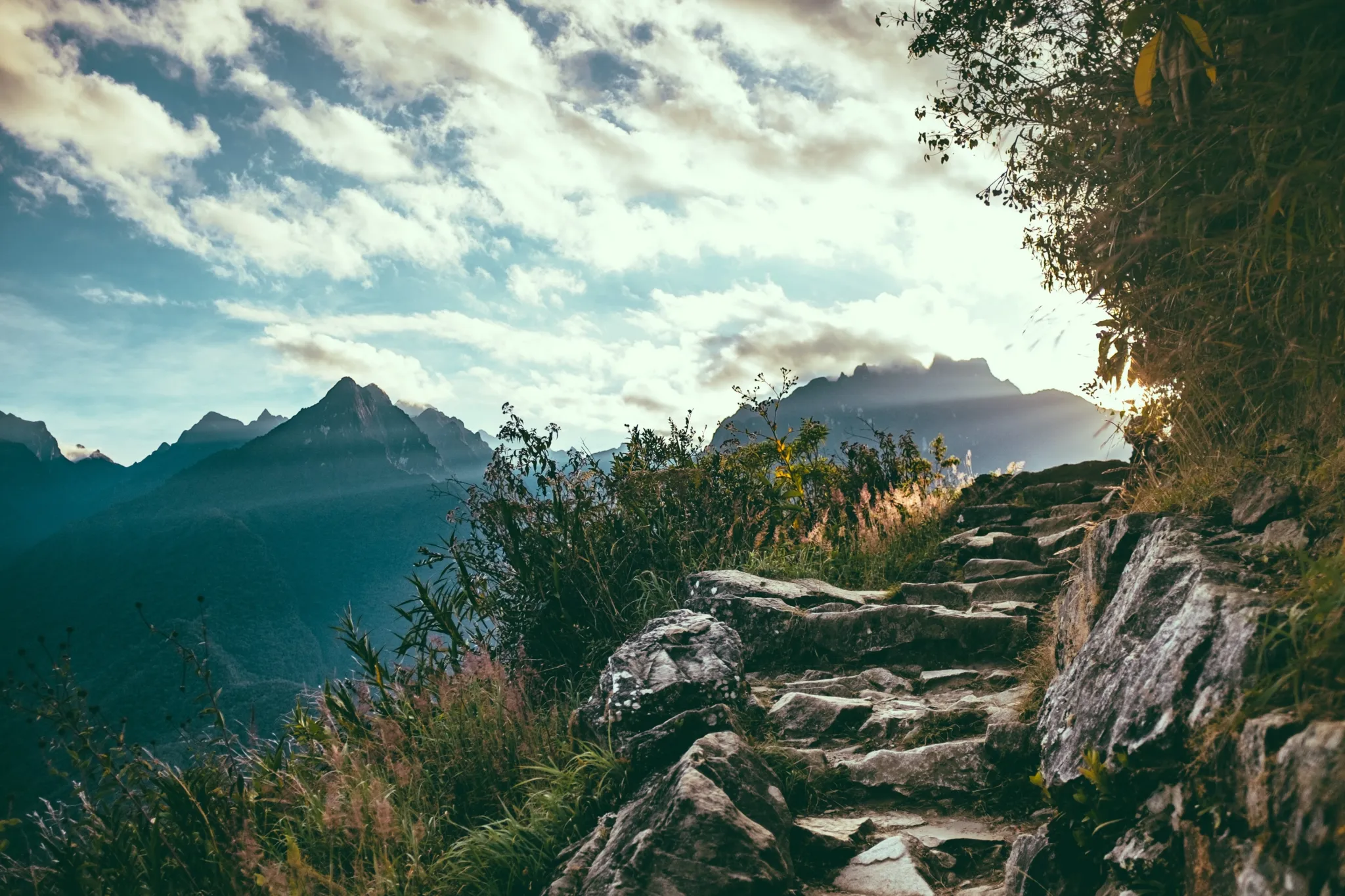
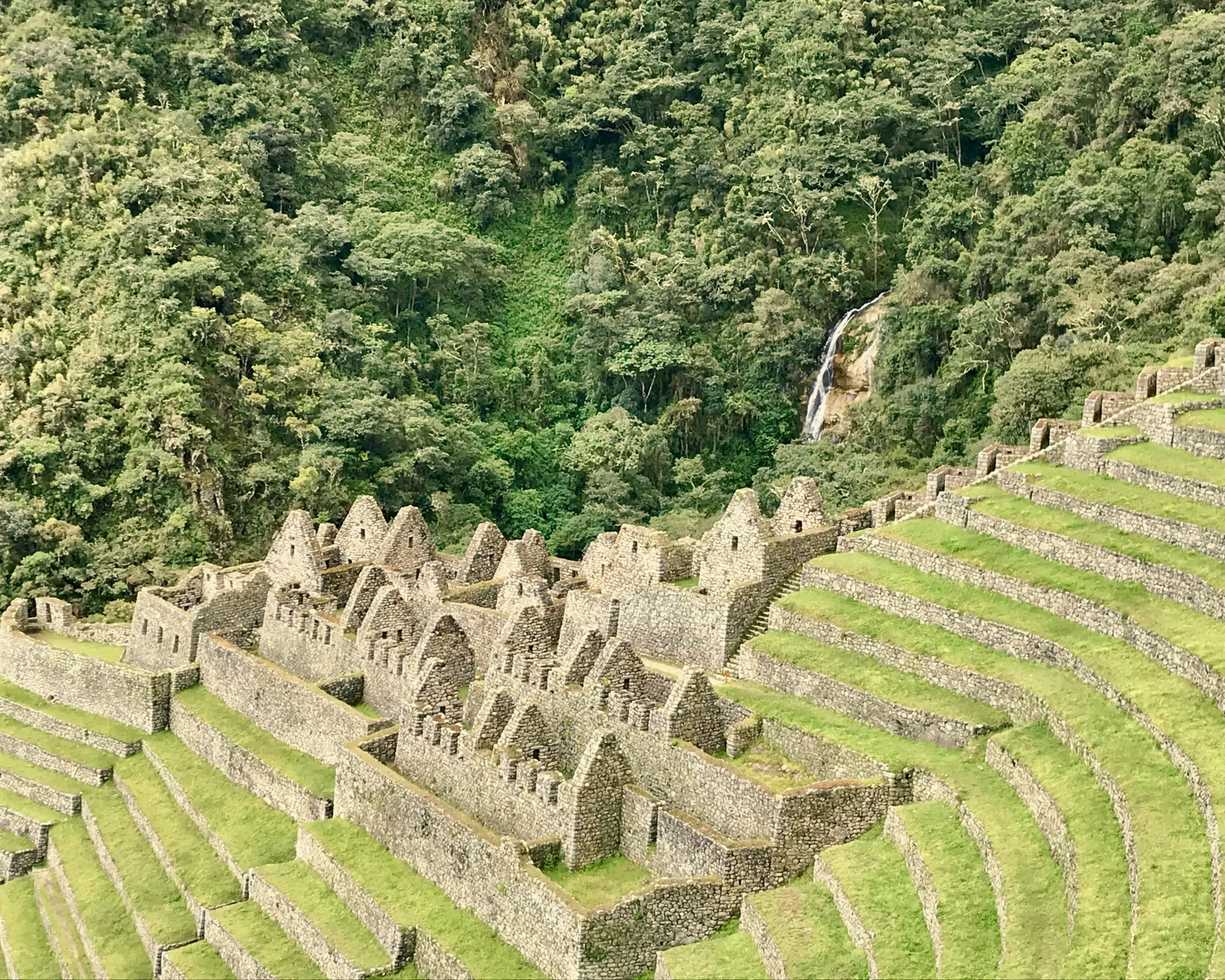
The classic Inca Trail is one of the most walked paths on earth. It is also one of the least understood. Millions of boots have crossed Warmiwañusca — the Pass of the Dead Woman — without knowing what the name means or why the Inka chose that particular saddle in the Andes to build the highest point of their imperial highway. Millions of eyes have landed on Wiñayhuayna without grasping that its terraces were not agricultural but ceremonial — a choreographed approach to the sacred that began days before Machu Picchu itself came into view.
This five-day expedition is designed for the traveler who wants to walk the same path and arrive somewhere completely different.
Not different in destination. Different in comprehension. Different in what the body carries back.
The Inca Trail was the civilization’s neural network — a road that encoded astronomical knowledge, engineering genius, and cosmological intention into every stone placement, every elevation choice, every site along its length. Five days is enough time to begin reading it. The right guide makes it possible to read it fluently.
7 Astonishing Inka sites
- Ollantaytambo’s megalithic masterpiece reveals anti-seismic secrets at golden hour.
- Patallacta’s ceremonial plaza emerges from morning mist for your private contemplation.
- The circular wisdom of Runkurakay unfolds through our architect’s laser scans.
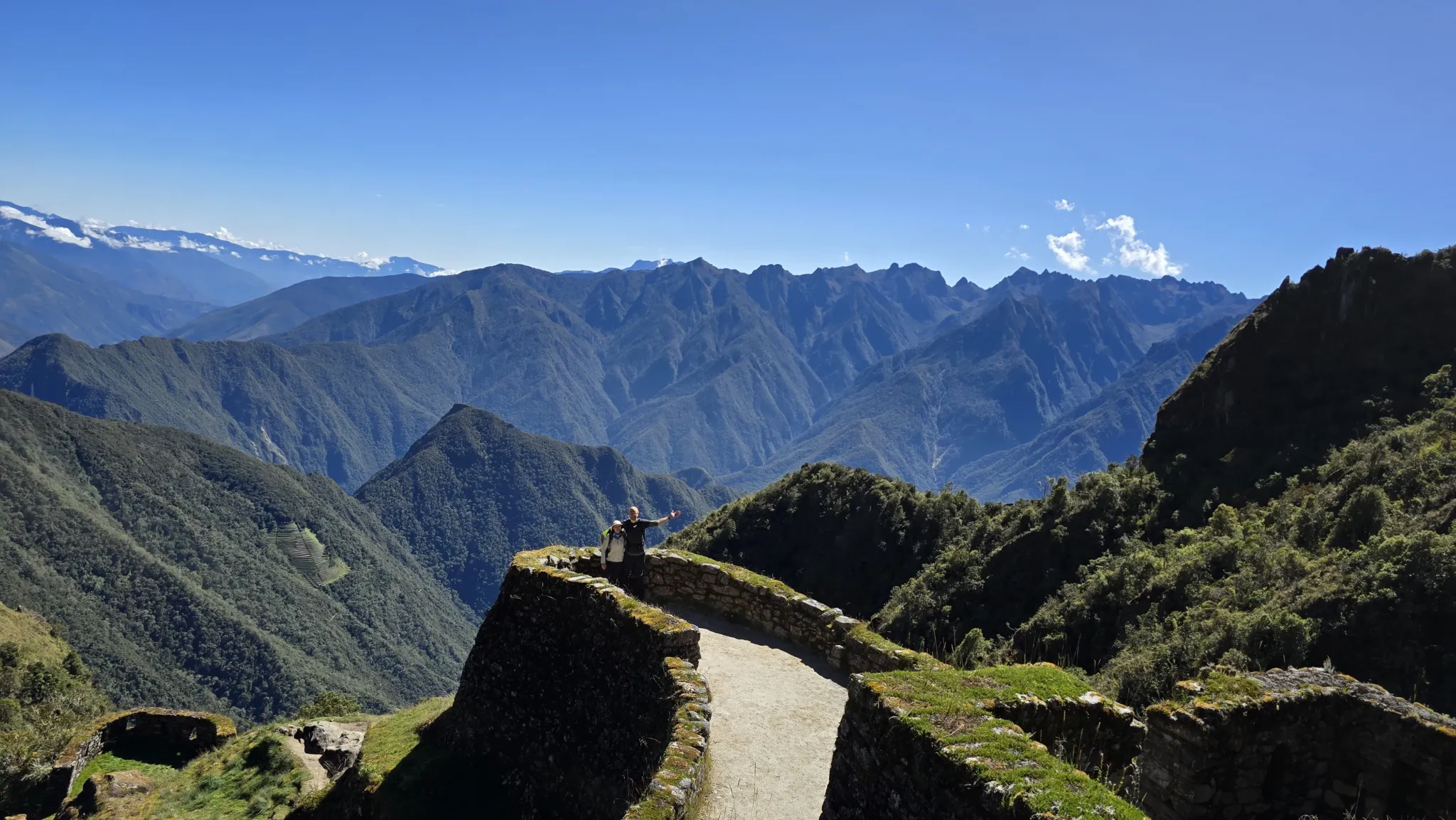
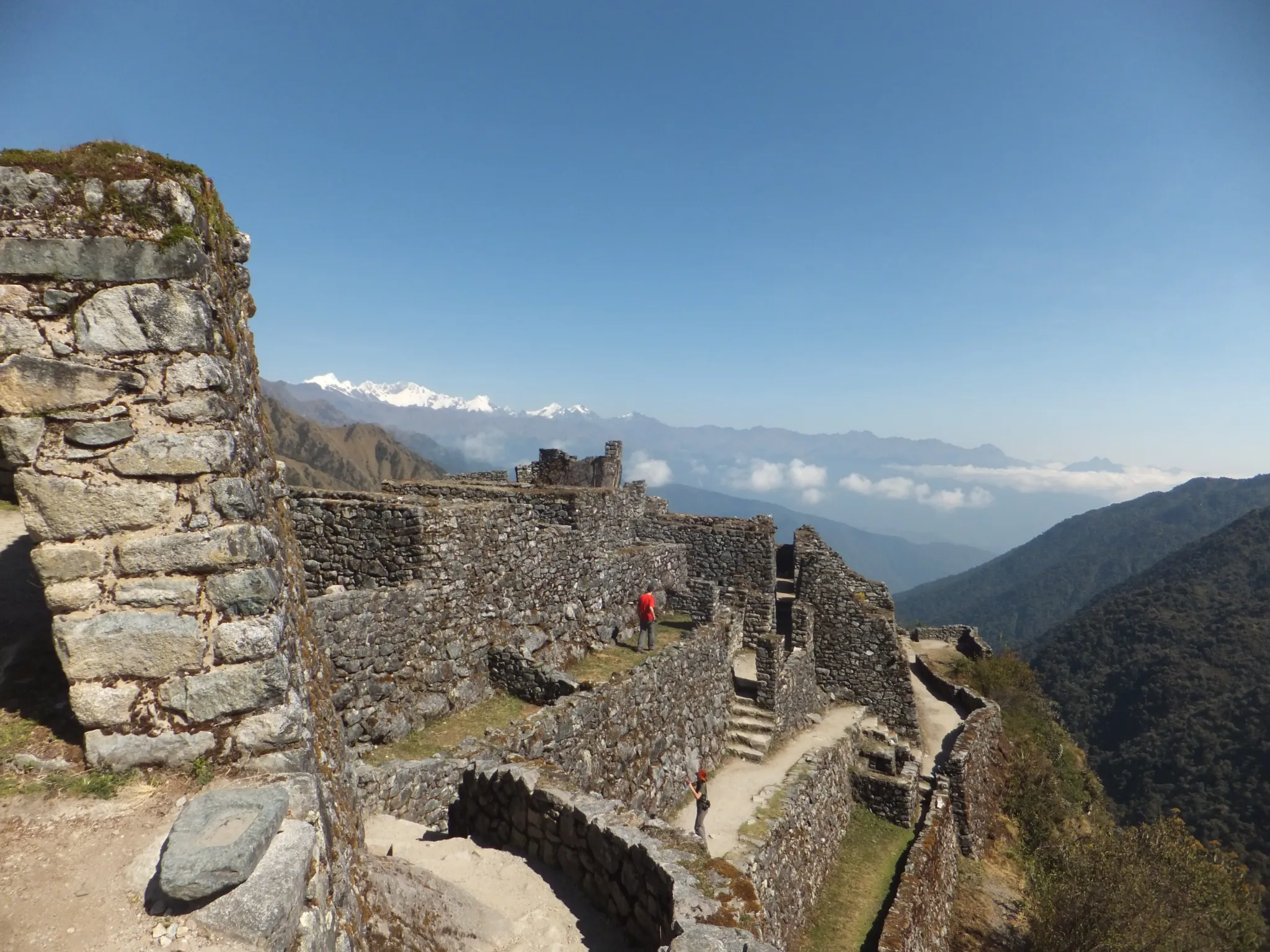
- Sayacmarka’s strategic overlook becomes your personal observatory.
- At Phuyupatamarka’s sacred baths, witness the Inka’s remarkable hydraulic engineering — five ritual water channels still flowing after six centuries.
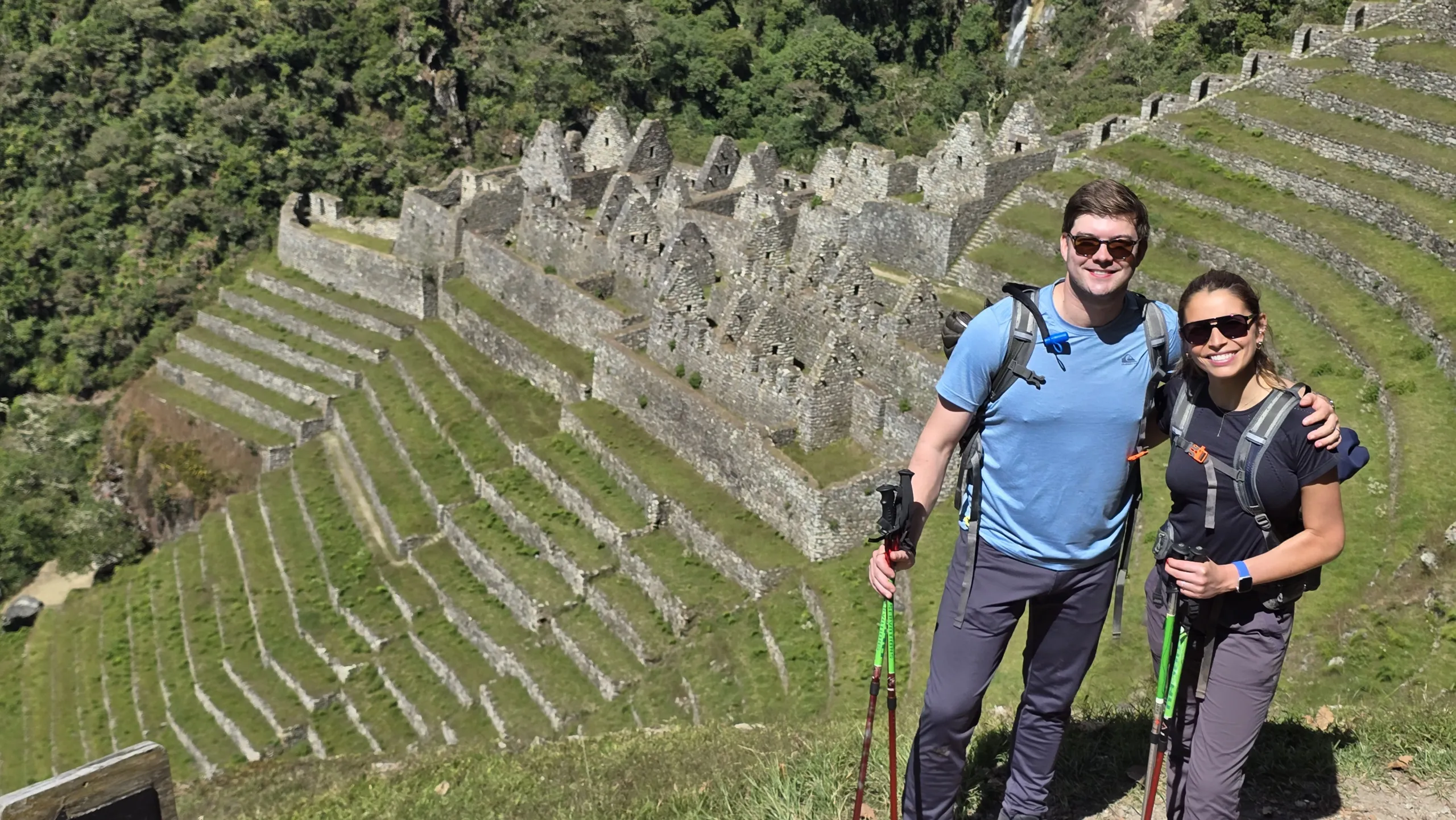
- Wiñayhuayna’s perfect terraces host your private sunset reflection.
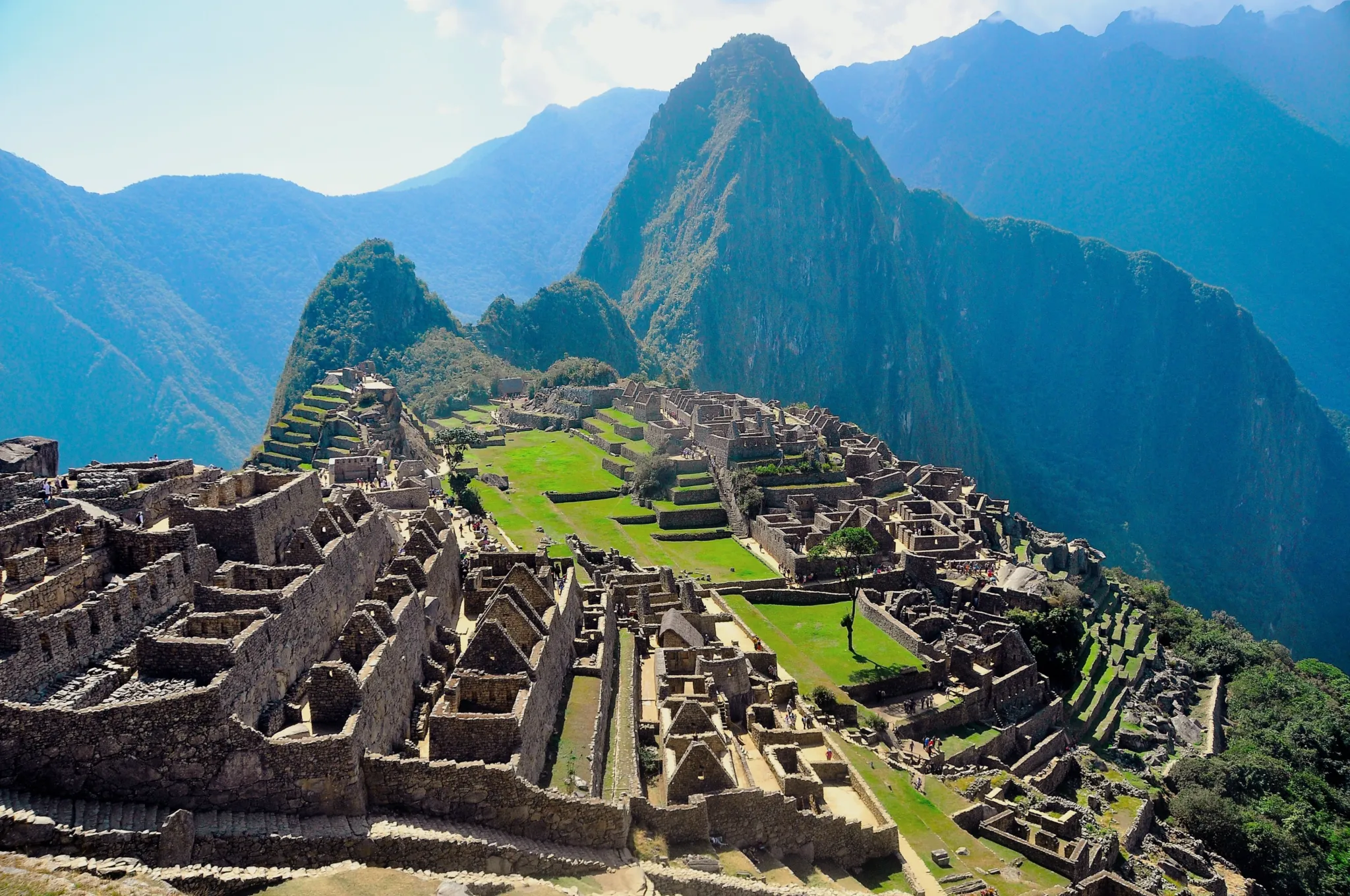
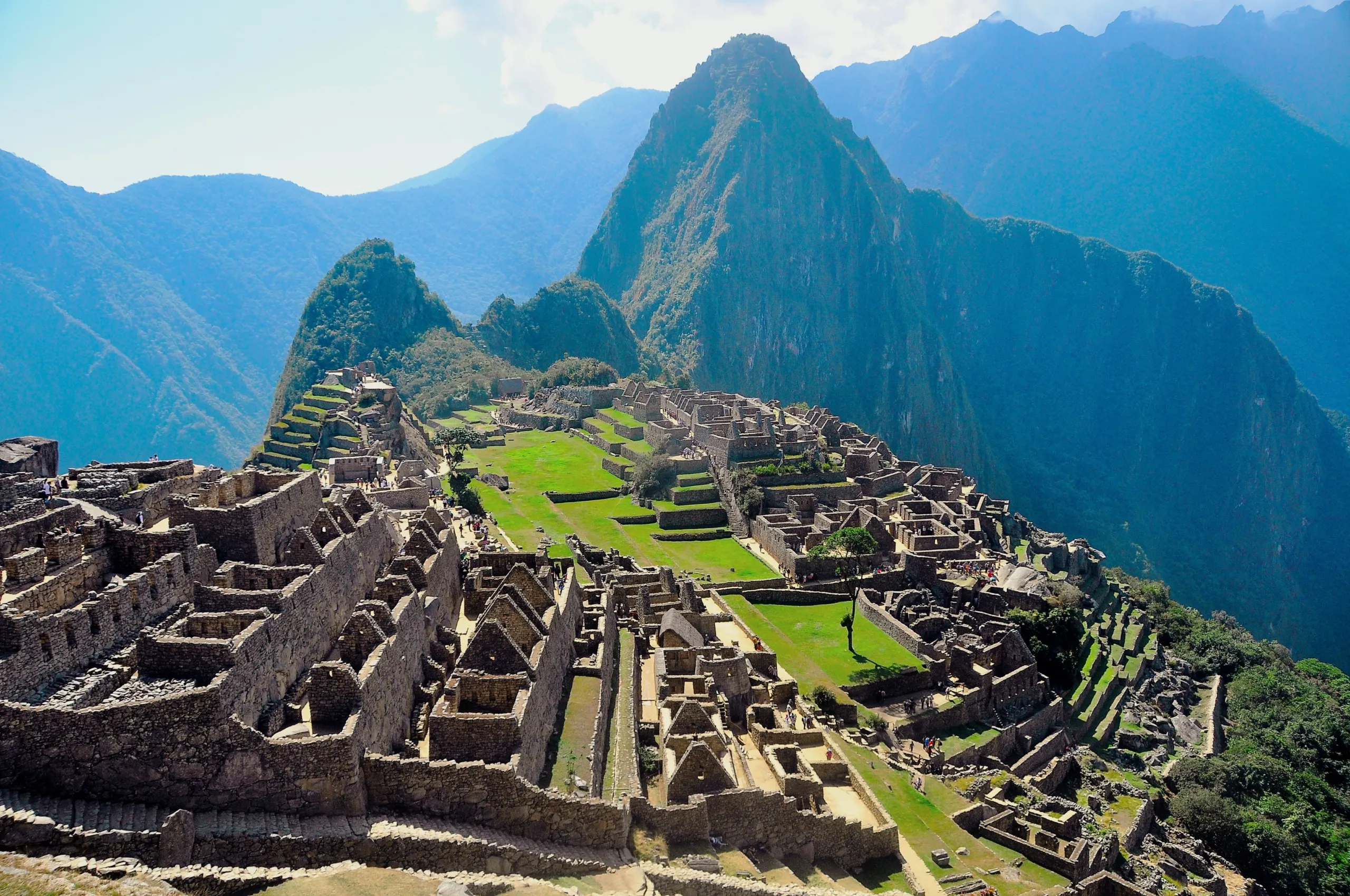
- Machu Picchu awaits your dawn arrival – alone with the citadel’s first light.
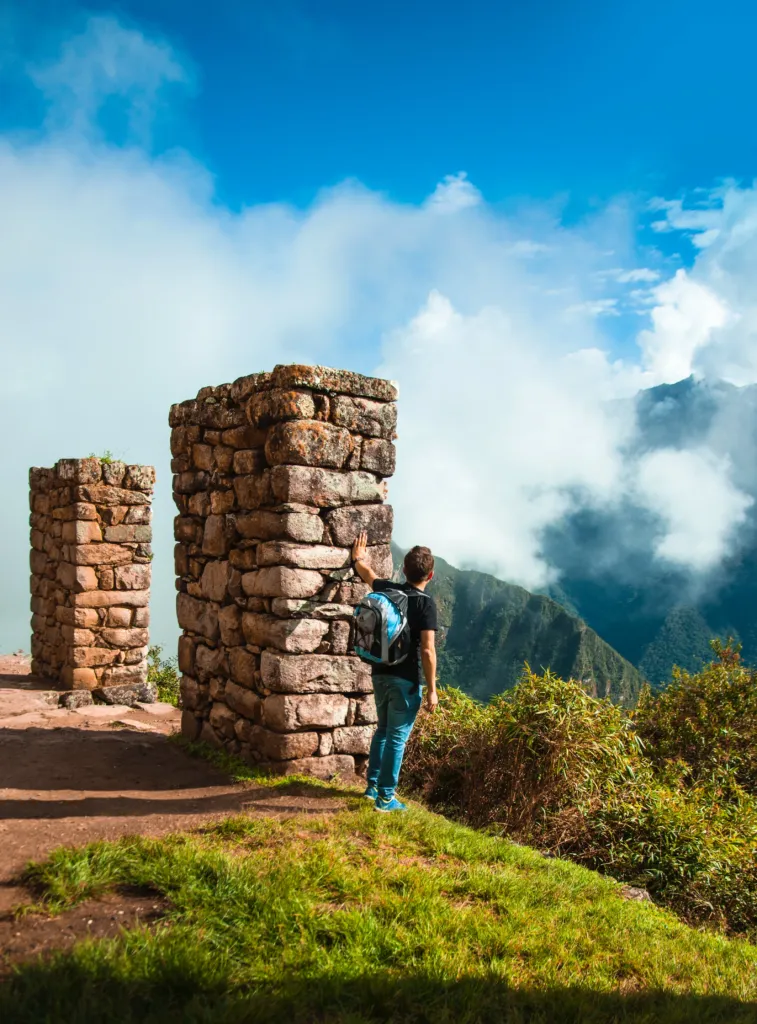
Inka trail
How This Expedition Is Different
Permits on the Inca Trail are strictly limited. Within that limit, the difference between experiences is entirely in how they are held.
Every archaeological site on this route has a window — early morning, before the bulk of the day’s trekkers arrive — when the place breathes differently. This expedition is structured around those windows. Patallacta in morning mist. Sayacmarca as a private observatory above the cloud line. Wiñayhuayna at the hour when the terraces catch the last light and the valley below disappears into shadow. Intipunku — the Sun Gate — in the late afternoon, when the morning crowds have already descended and Machu Picchu below you holds a quality of silence that the first-bus visitors experience.
The five-day format is itself a crowd strategy — spreading the distance across an additional day means lighter daily loads, better acclimatization, and the ability to move at the pace the trail deserves rather than the pace the permit deadline demands. Where the four-day version rushes, this one lingers. That lingering is where the experience lives.
Chef-prepared meals at altitude feature Andean superfoods chosen for their physiological effects at elevation. Portable oxygen and altitude therapy are integrated into the journey — not as emergency measures but as intelligent care for a body working at 4,200m / 13,780ft.
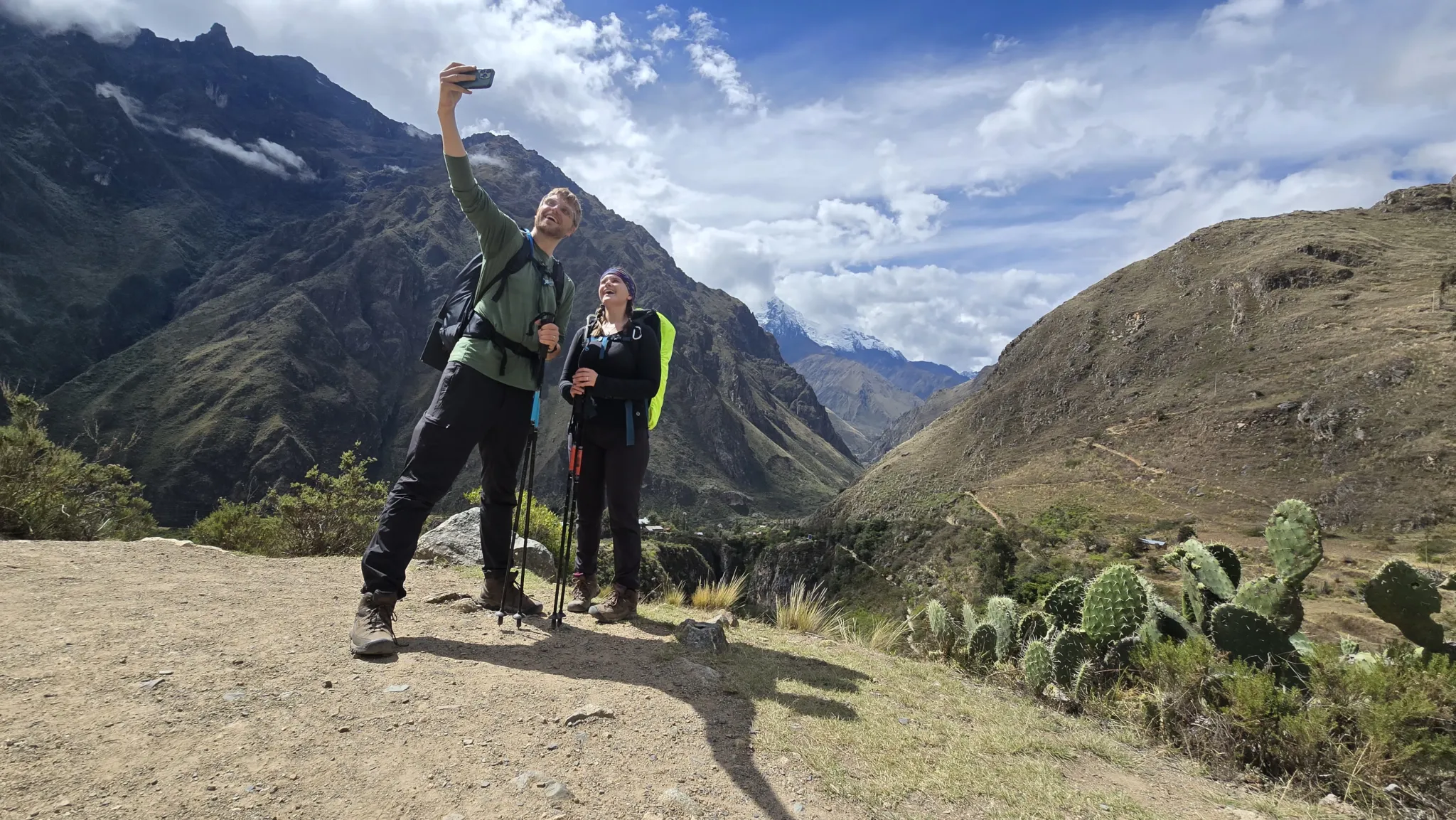
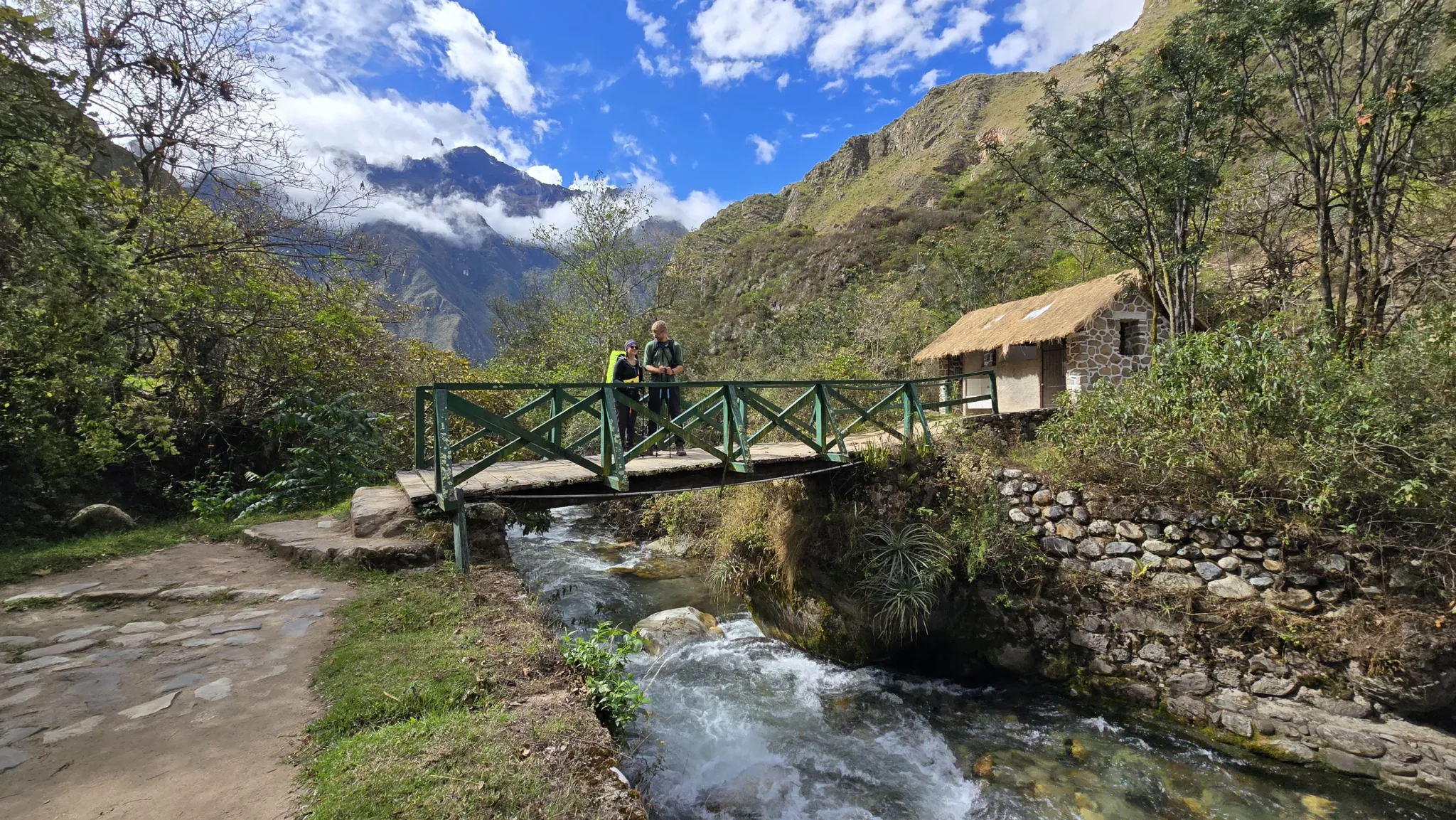
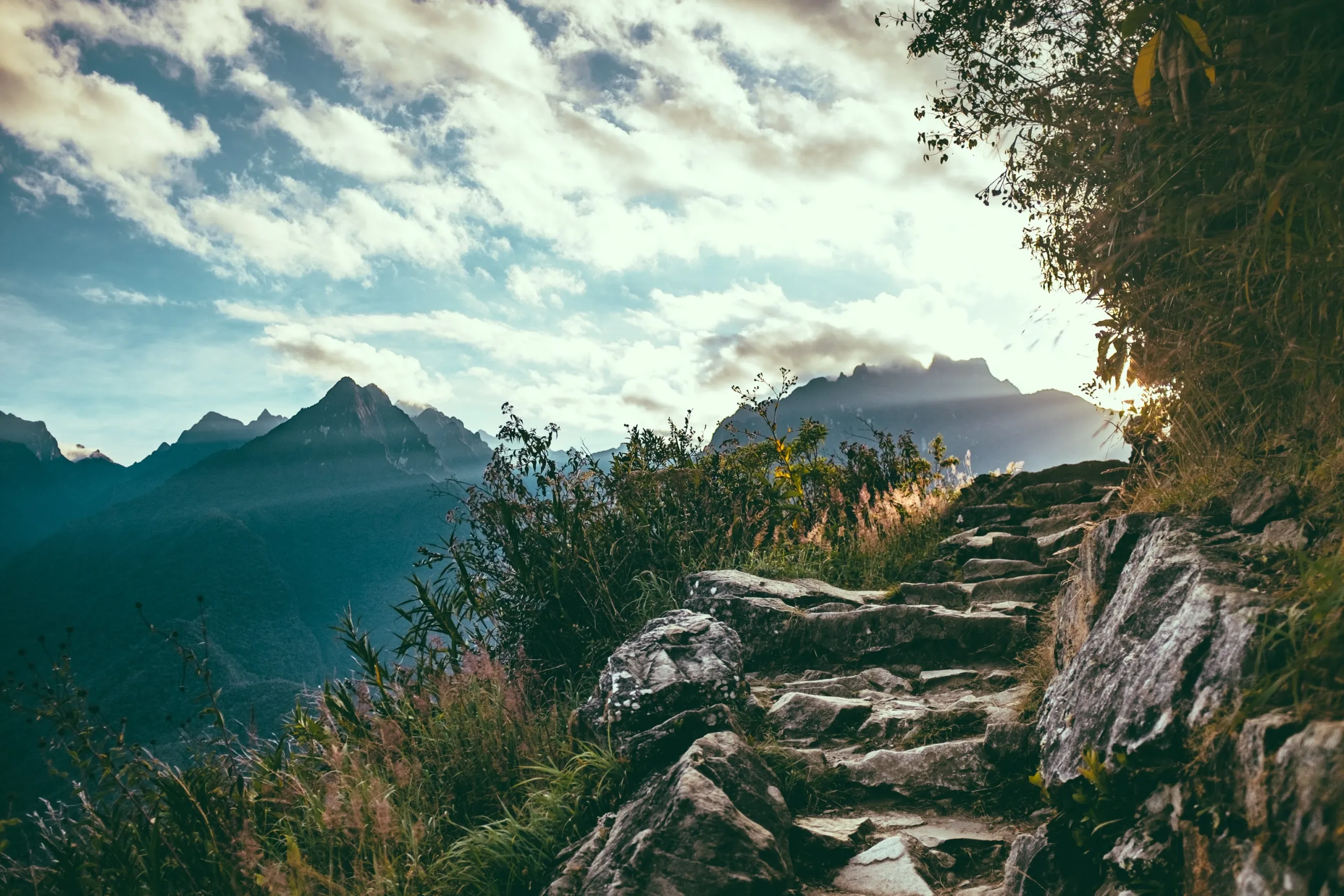
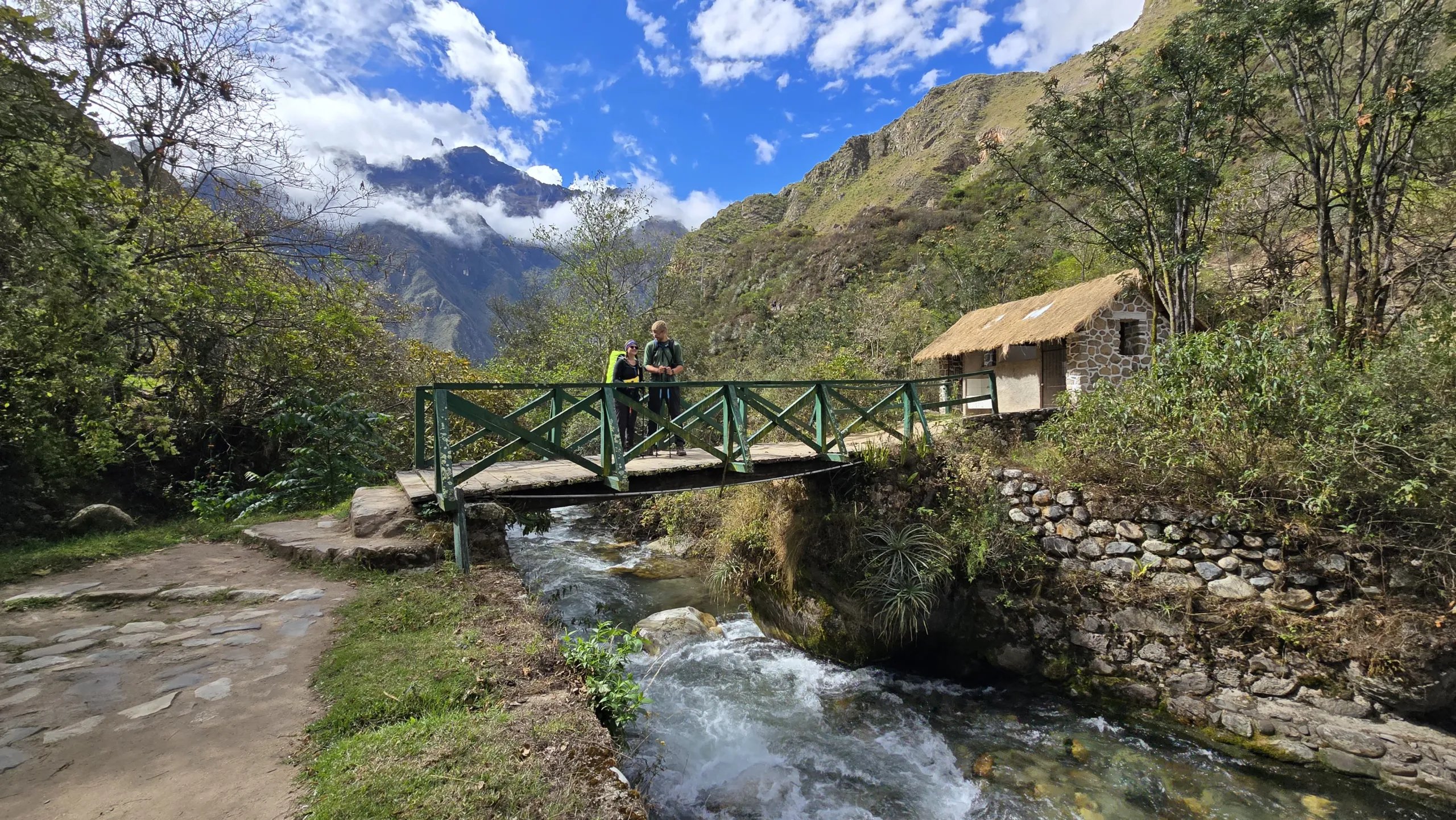
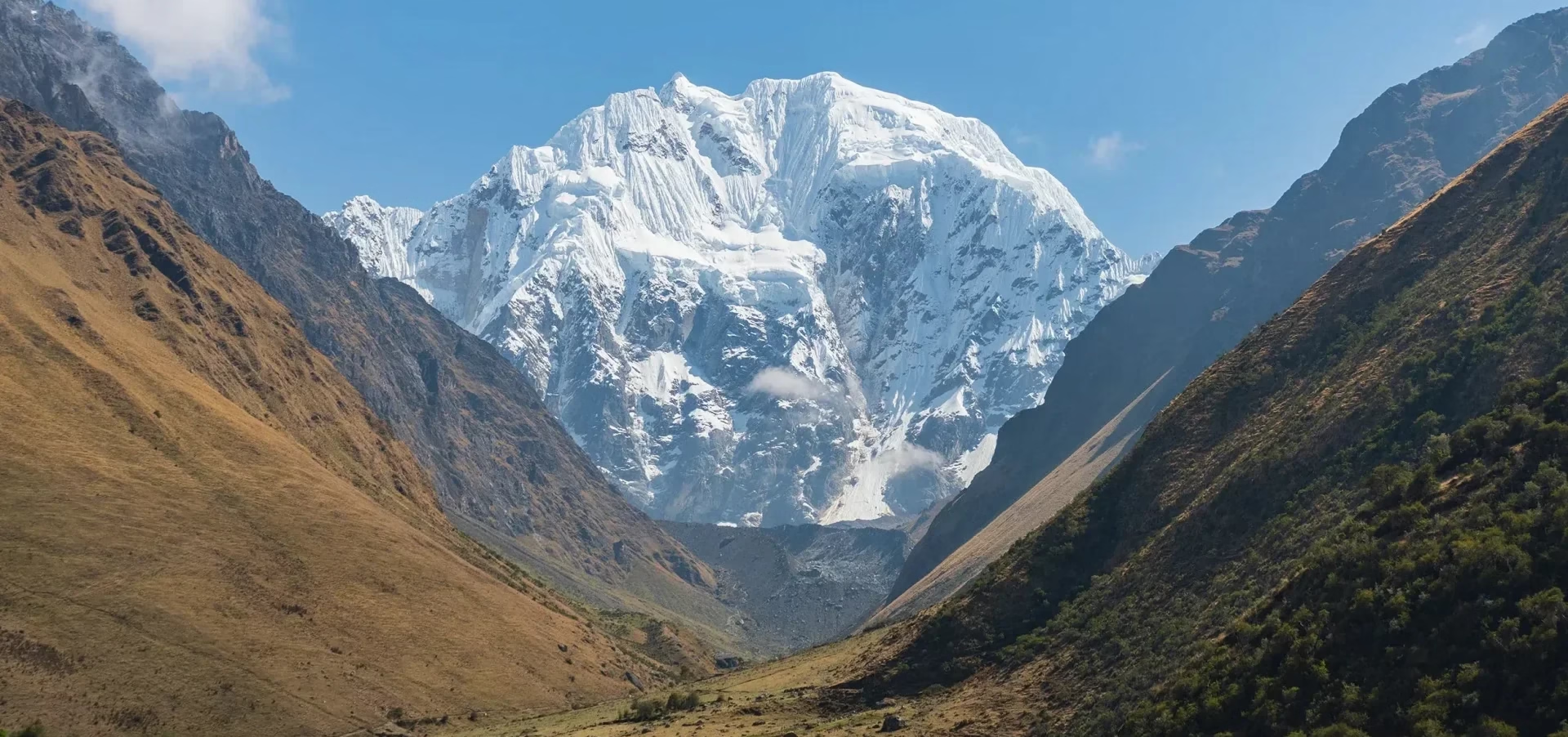
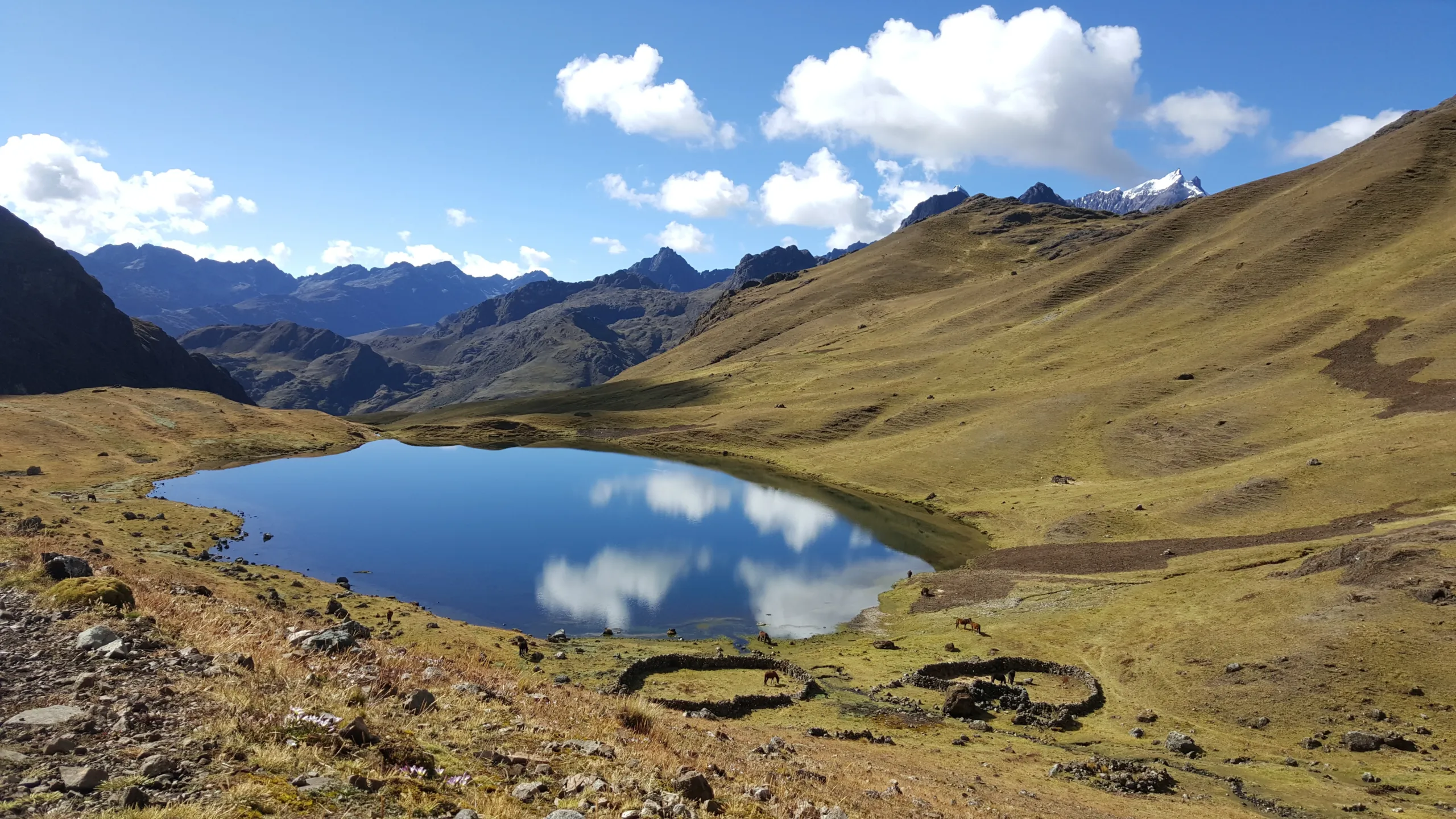
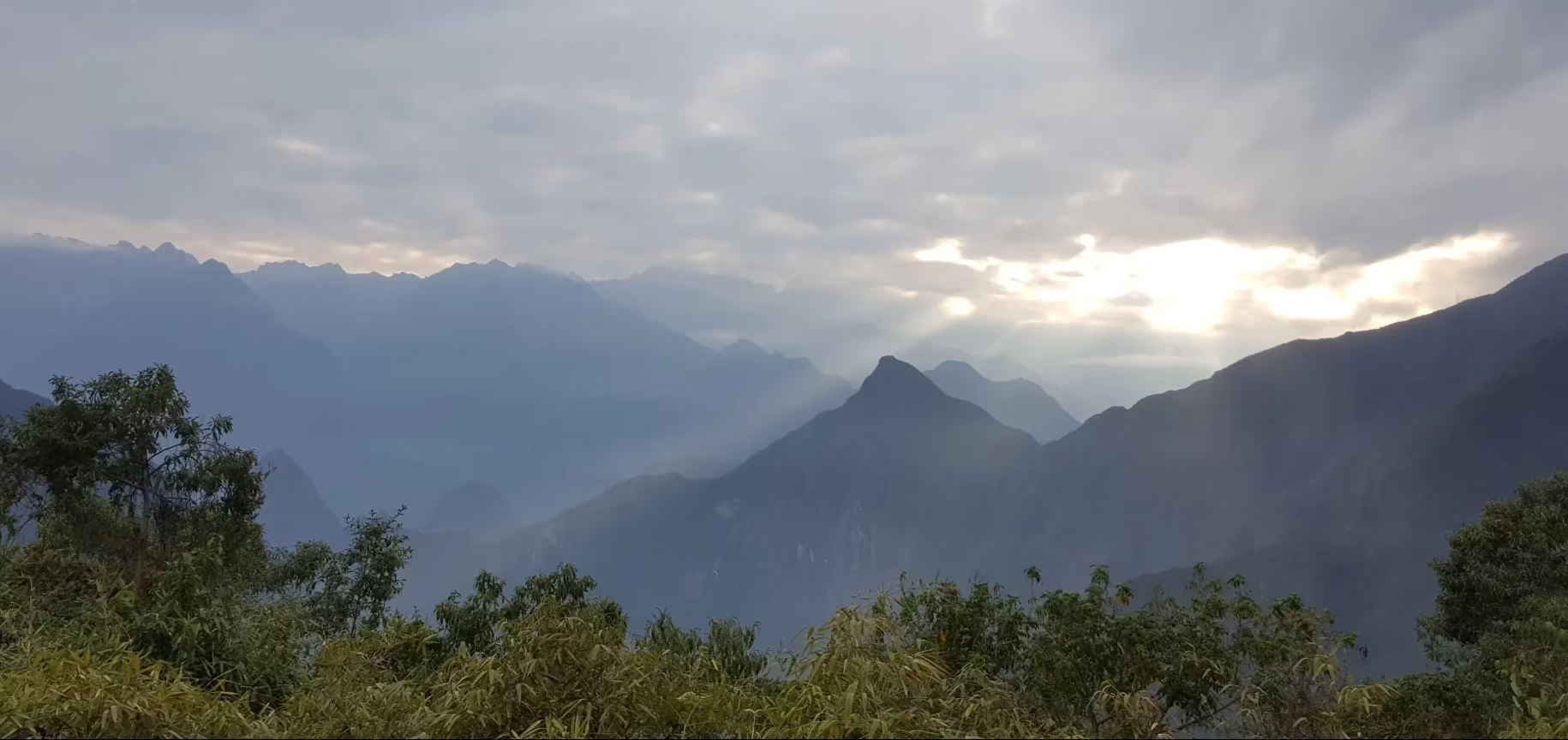
The therapeutic dimension of this trail is not metaphorical. Walking 43 kilometers of imperial road at altitude, through landscapes that shift from subtropical cloud forest to alpine tundra to the cloud-forest sanctuary of Machu Picchu, does something measurable to the nervous system, the sense of human capacity, and the relationship between effort and meaning. The Inka method framework applied throughout by your guide ensures that what happens to you on this trail is understood, integrated, and carried home.


Reviews
There are no reviews yet.