Cusco Travel

Price

From: $3,275.00

Duration

4 days

Max People

10

Tour Type

Packages

Attractions

14

Activities

8

Min Age

none


Overview


Cusco Is Not a City. It Is a Document.

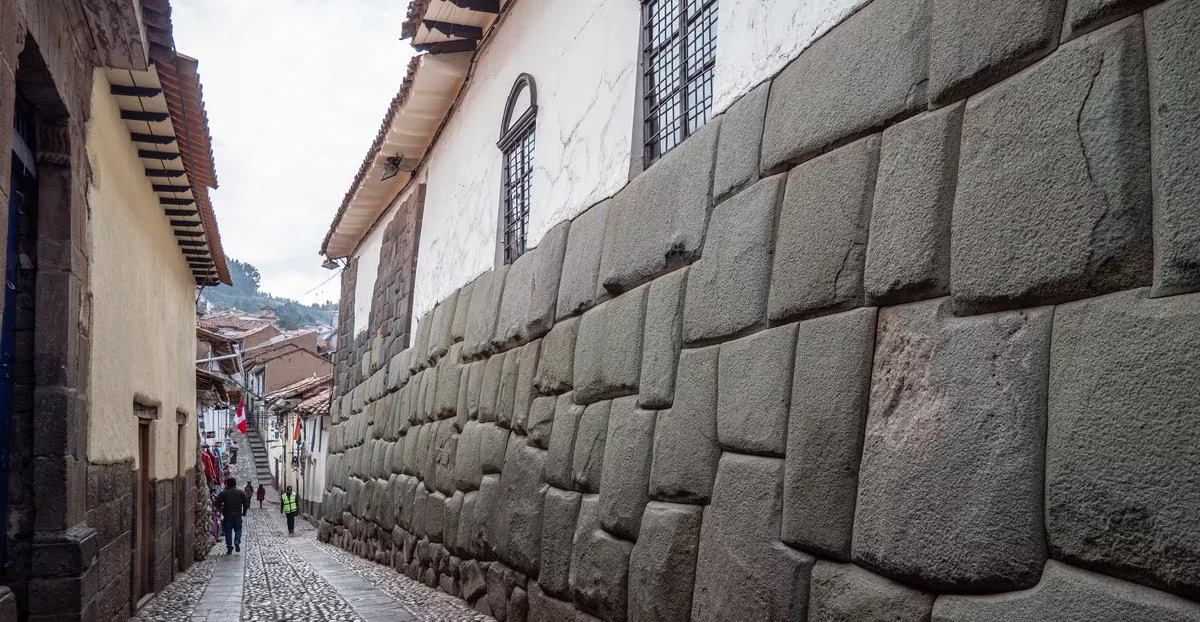
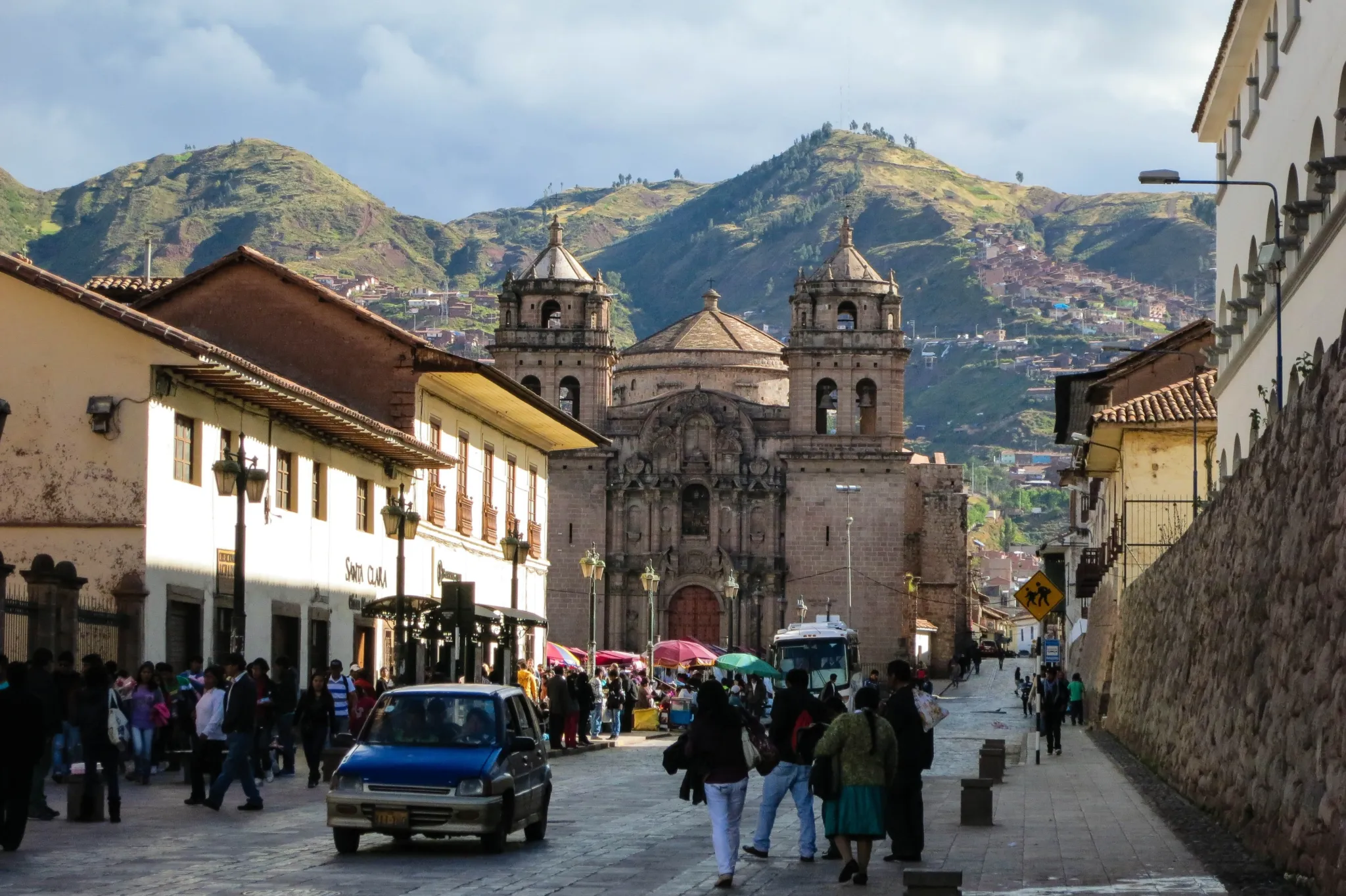
Every stone in Cusco was placed with intention. The street grid follows cosmological principles. The walls that colonial builders used as foundations for their churches were built to earthquake specifications that modern engineers still study. The city the Spanish conquered was not a capital in the conventional sense — it was a living model of Andean cosmology, a physical map of the Inka understanding of the universe, built at 3,400 meters in the heart of the Andes and designed to last indefinitely.

Four days is not enough to read all of it. It is enough to understand how to read it — which changes everything about what the stones say afterward.


5 best wonders of Cusco


  • Cusco City’s seamless blend of Inca and colonial architecture conceals sophisticated urban planning.
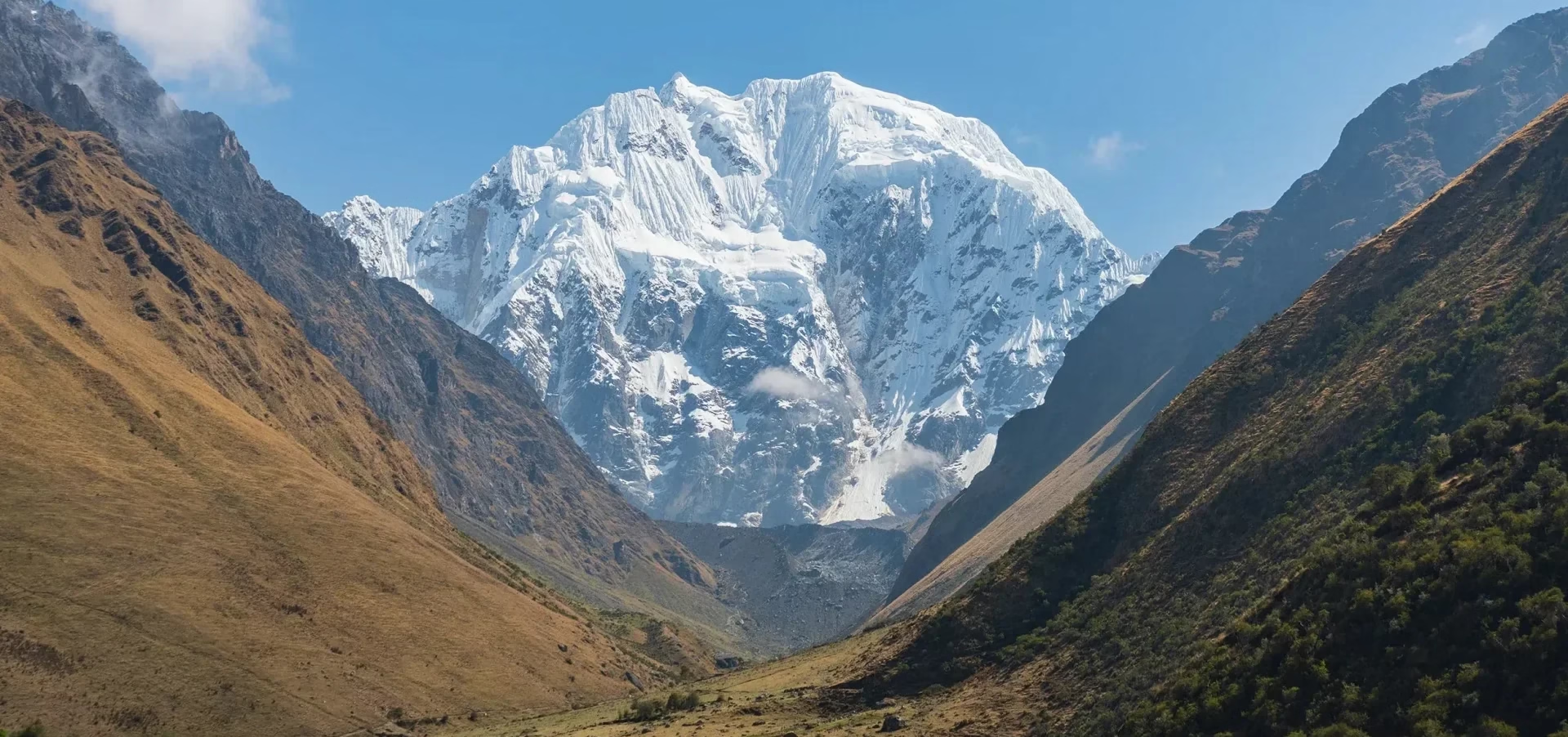
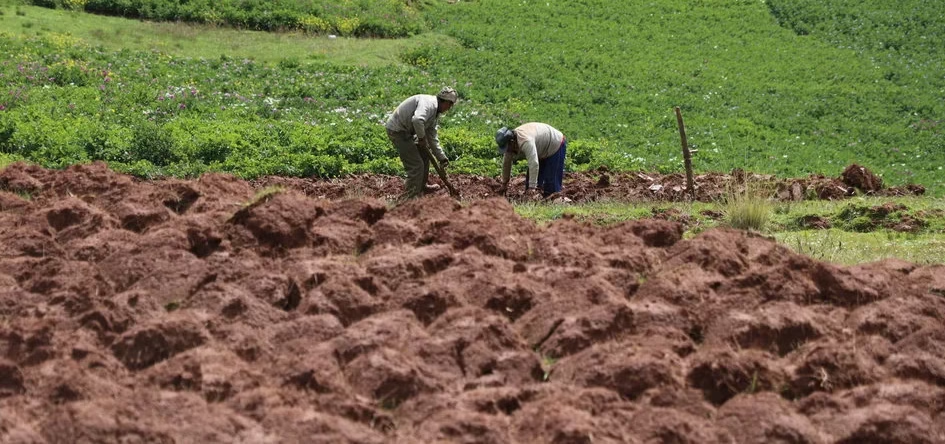
  • The Sacred Valley’s microclimates and terraces demonstrate advanced agricultural understanding.
  • Ollantaytambo’s unfinished temple reveals construction techniques still studied by engineers today.
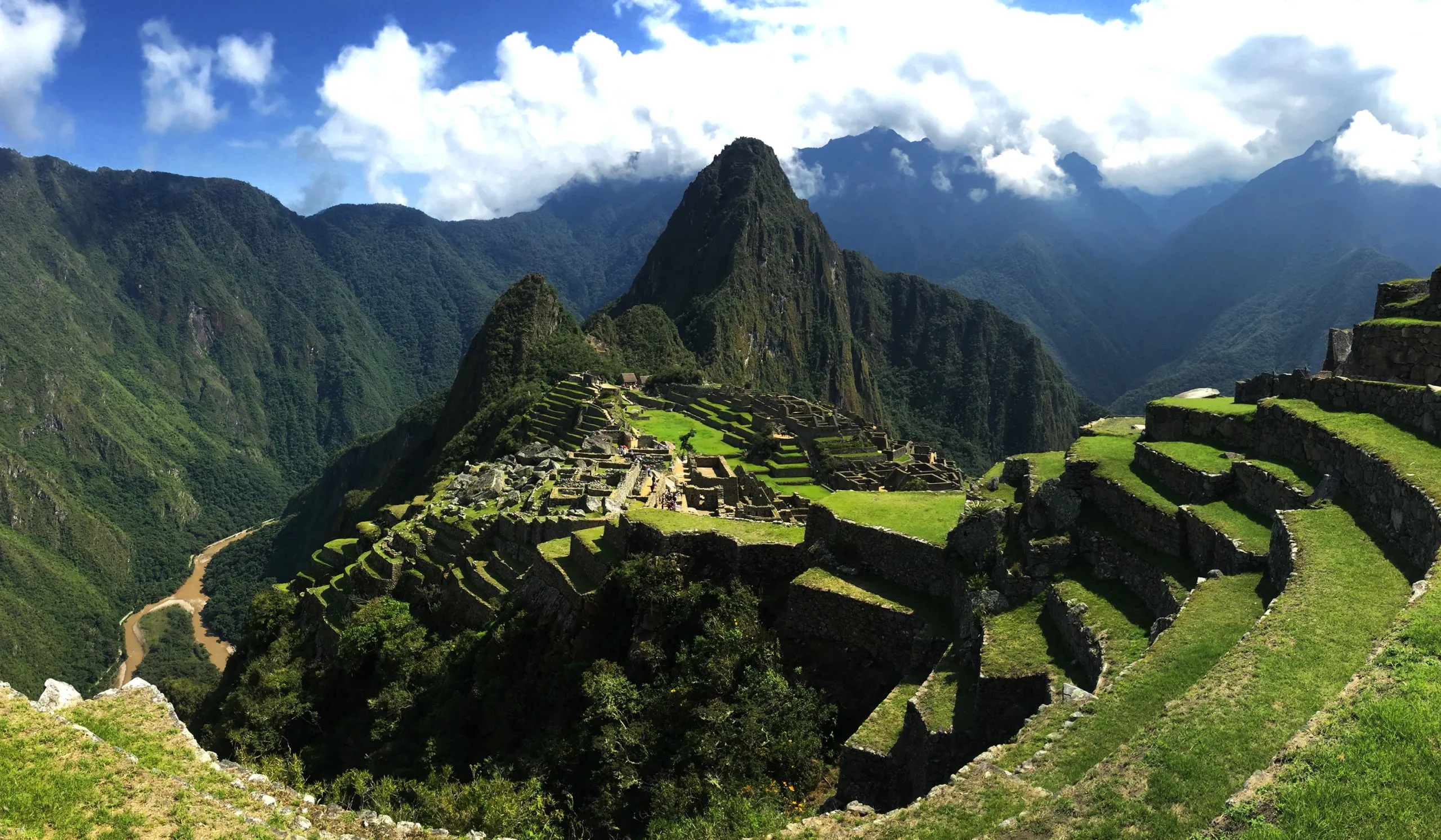
  • Machu Picchu’s celestial alignments and water systems showcase scientific mastery.
  • Maras & Moray’s concentric circles form a living laboratory of environmental adaptation.


Cusco Travel & More


This journey begins with thoughtful acclimatization in the Sacred Valley’s gentler altitudes.
Each day combines exploration with fantastic revelation – understanding how Inka stonemasons achieved earthquake-resistant architecture, how terrace systems prevented erosion while maximizing yields, and how an empire managed resources without money or markets.

The therapeutic value emerges through insight rather than ritual.
As you walk original Inca trails and touch mortarless walls that have endured centuries, you’ll gain more than knowledge – you’ll develop a new framework for understanding sustainability, resilience, and our place within natural systems.
This is travel that doesn’t just show you history, but lets you feel its relevance to our modern world.

Travel and colours


Cusco Travel


This program moves through the Cusco region not as a sightseeing circuit but as a progressive decoding — each site building on the previous one, each day adding a layer of understanding that makes the next more legible. The Sacred Valley on Day 1 establishes the agricultural and cosmological framework. Ollantaytambo and Machu Picchu on Day 2 demonstrate that framework at its most ambitious scale. Moray, Maras, Chinchero, and Qoricancha on Day 3 reveal its scientific and spiritual foundations. The hike through the archaeological sites above Cusco on Day 4 closes the circuit in the most literal sense — walking the ground of the empire’s capital with four days of accumulated context.

By the time the airport receives you on the afternoon of Day 4, Cusco will have given you something that no amount of reading about it could have produced.
Airport → Cusco Historic Center → Camelid Breeding → Pisac → Ollantaytambo | Easy

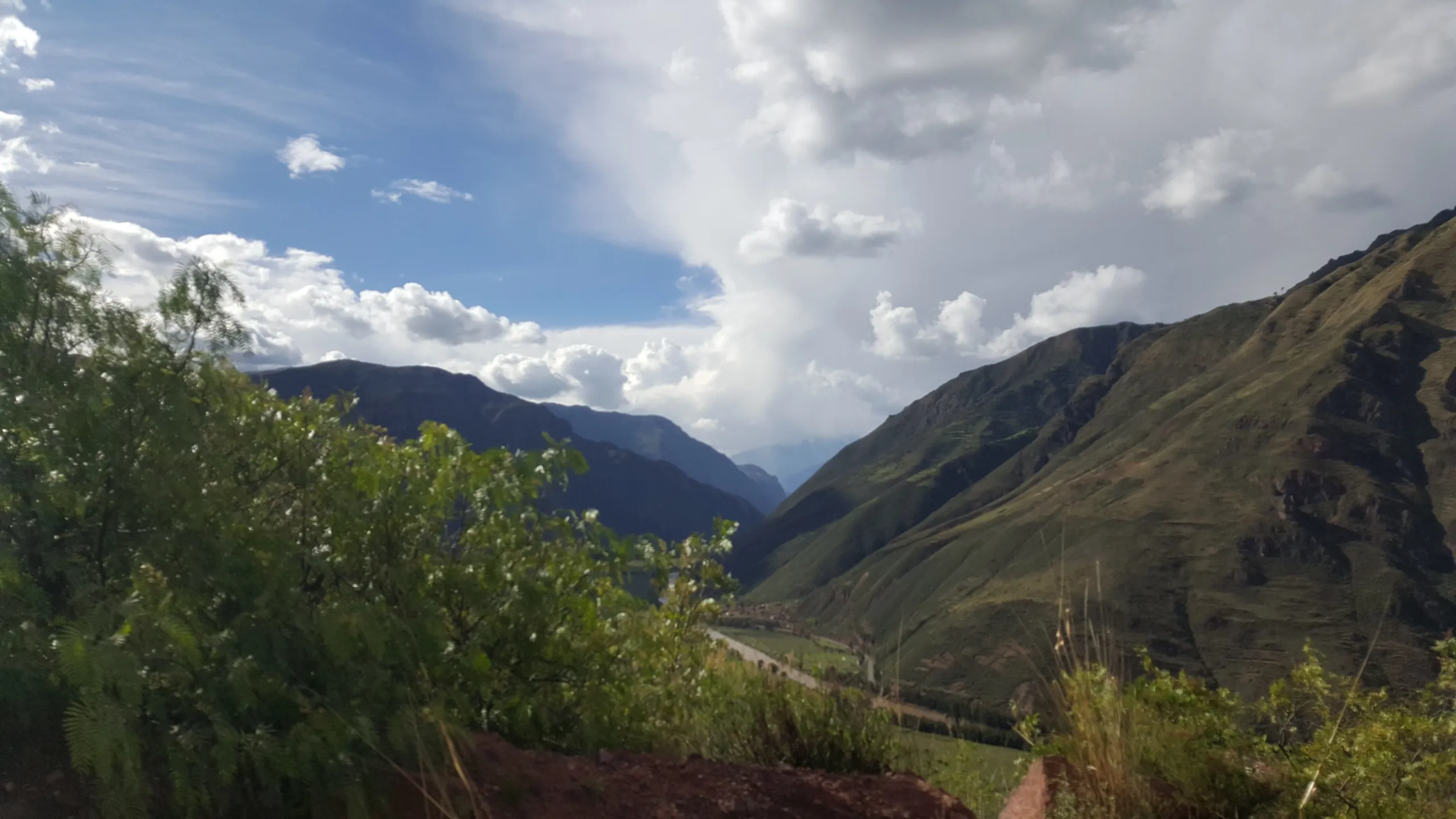
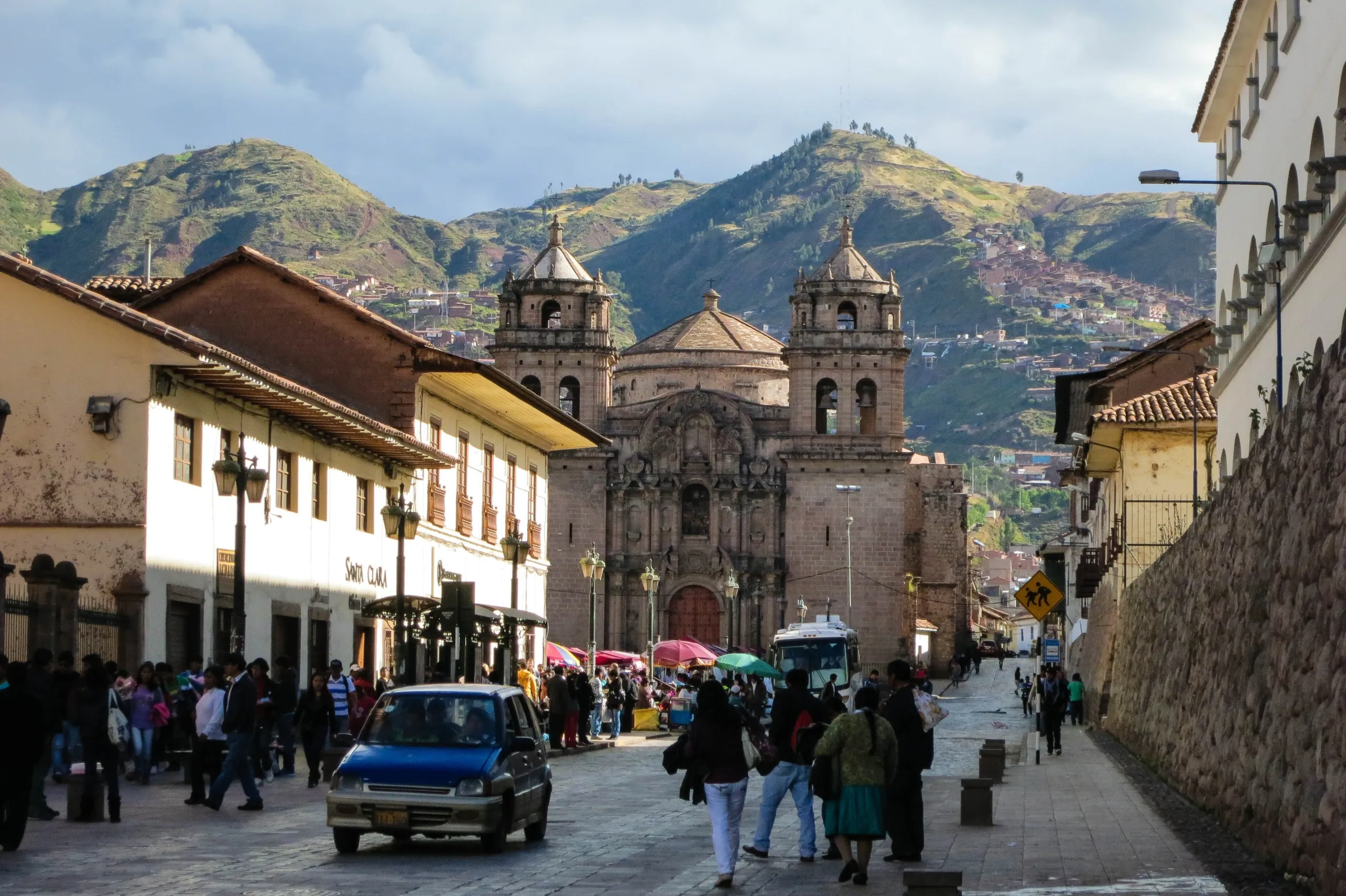
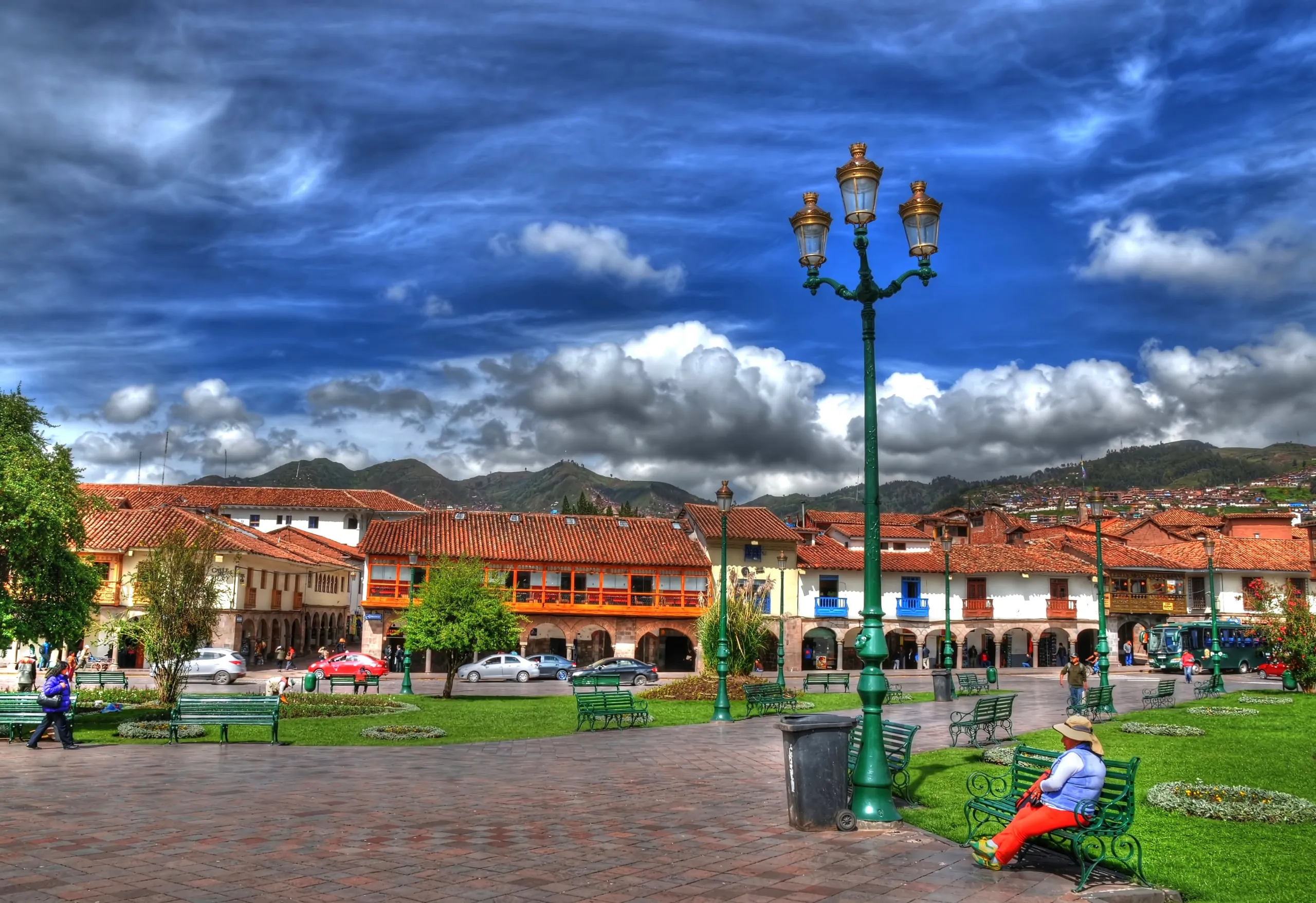
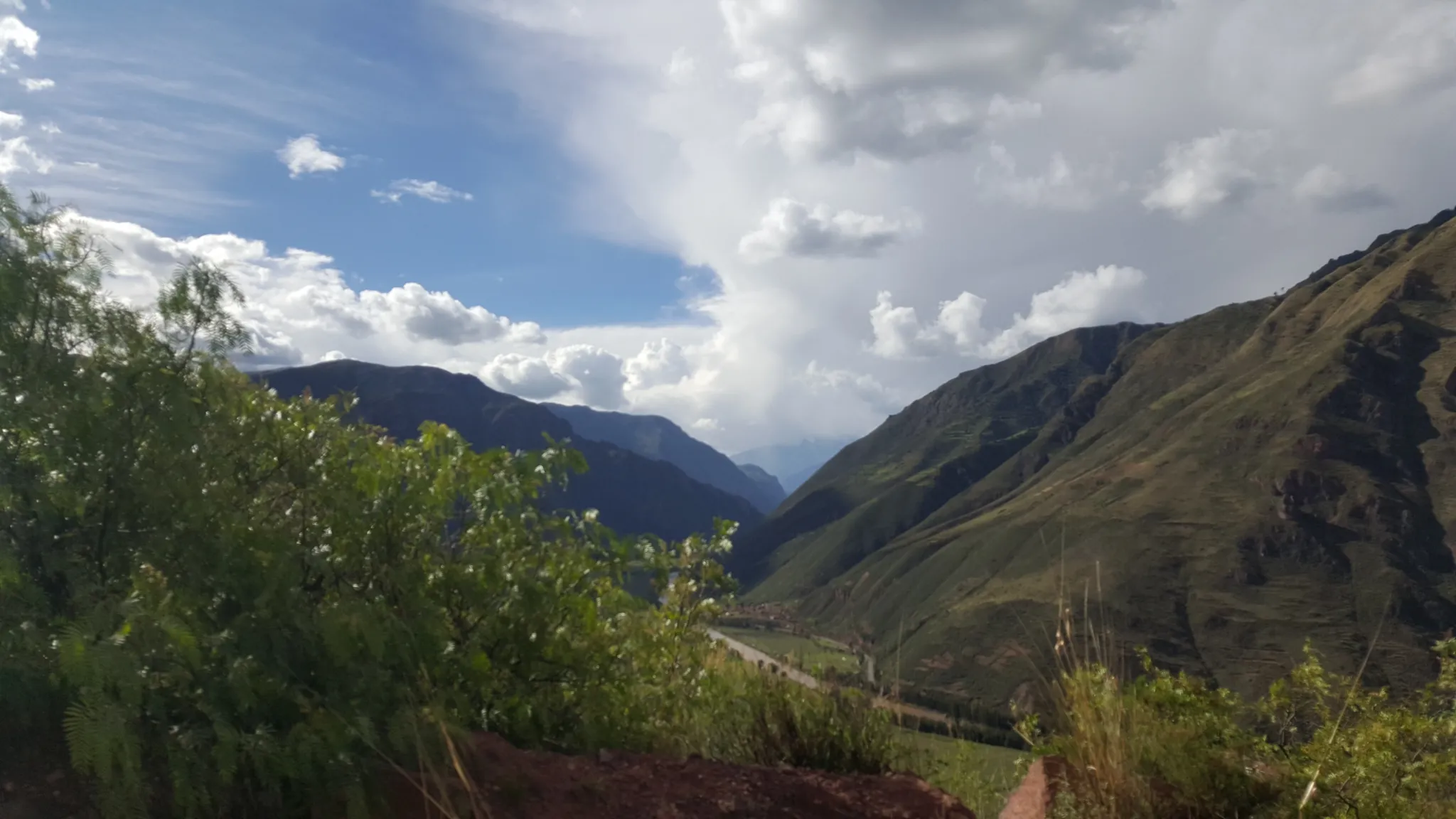
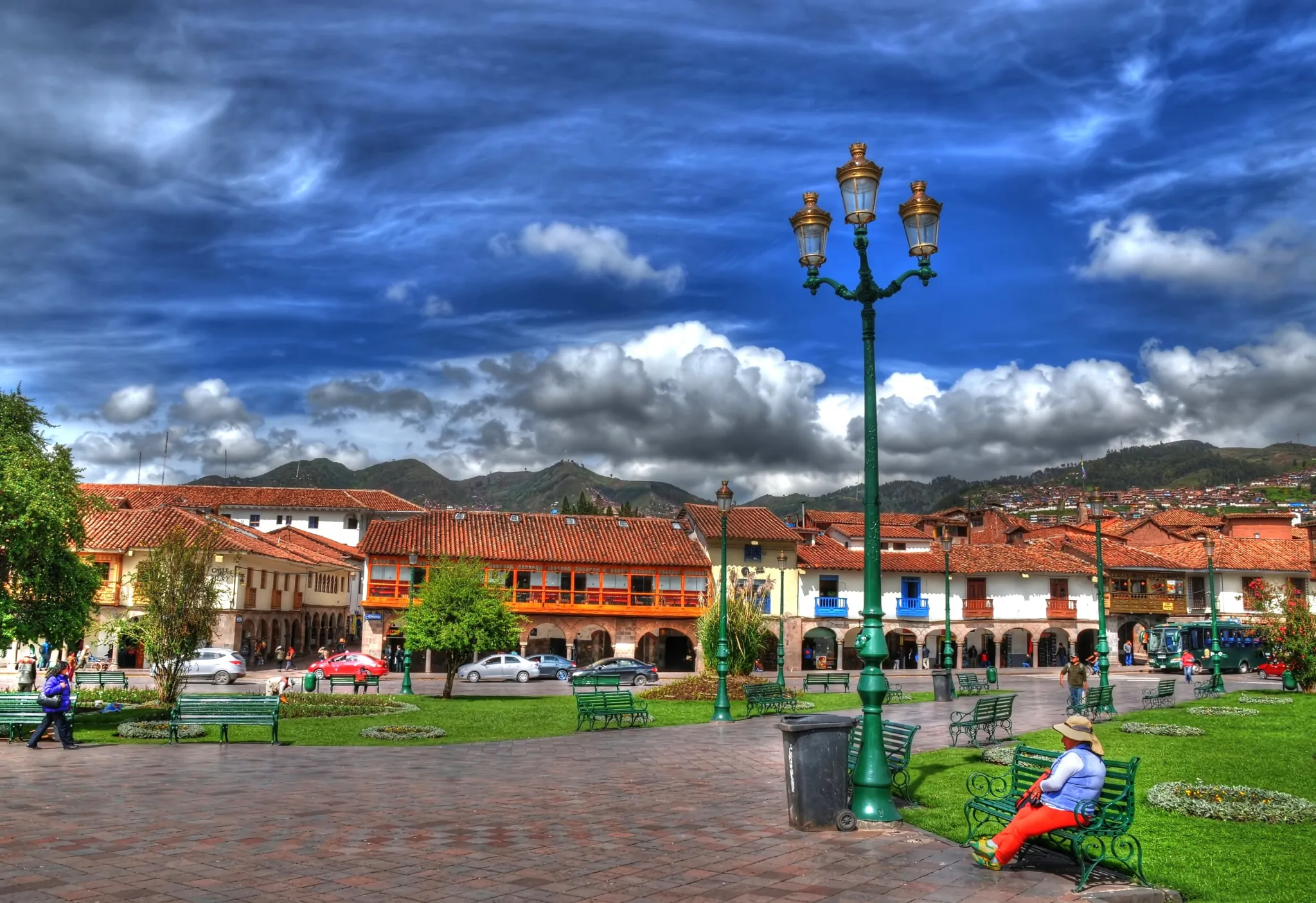
Arrival from the airport moves through the historic center of Cusco — a brief orientation to the layered city before the route drops into the Sacred Valley, where the altitude eases and the scale of the Inka agricultural achievement becomes immediately visible. The valley was chosen deliberately: its microclimate, its river, and its orientation relative to the surrounding mountains made it the most productive agricultural corridor in the Andes, and the Inka engineered it further — terracing the hillsides, managing the water systems, domesticating plants at the agricultural center of Moray — to produce yields that fed an empire without markets, money, or the logistical infrastructure that modern food systems take for granted.

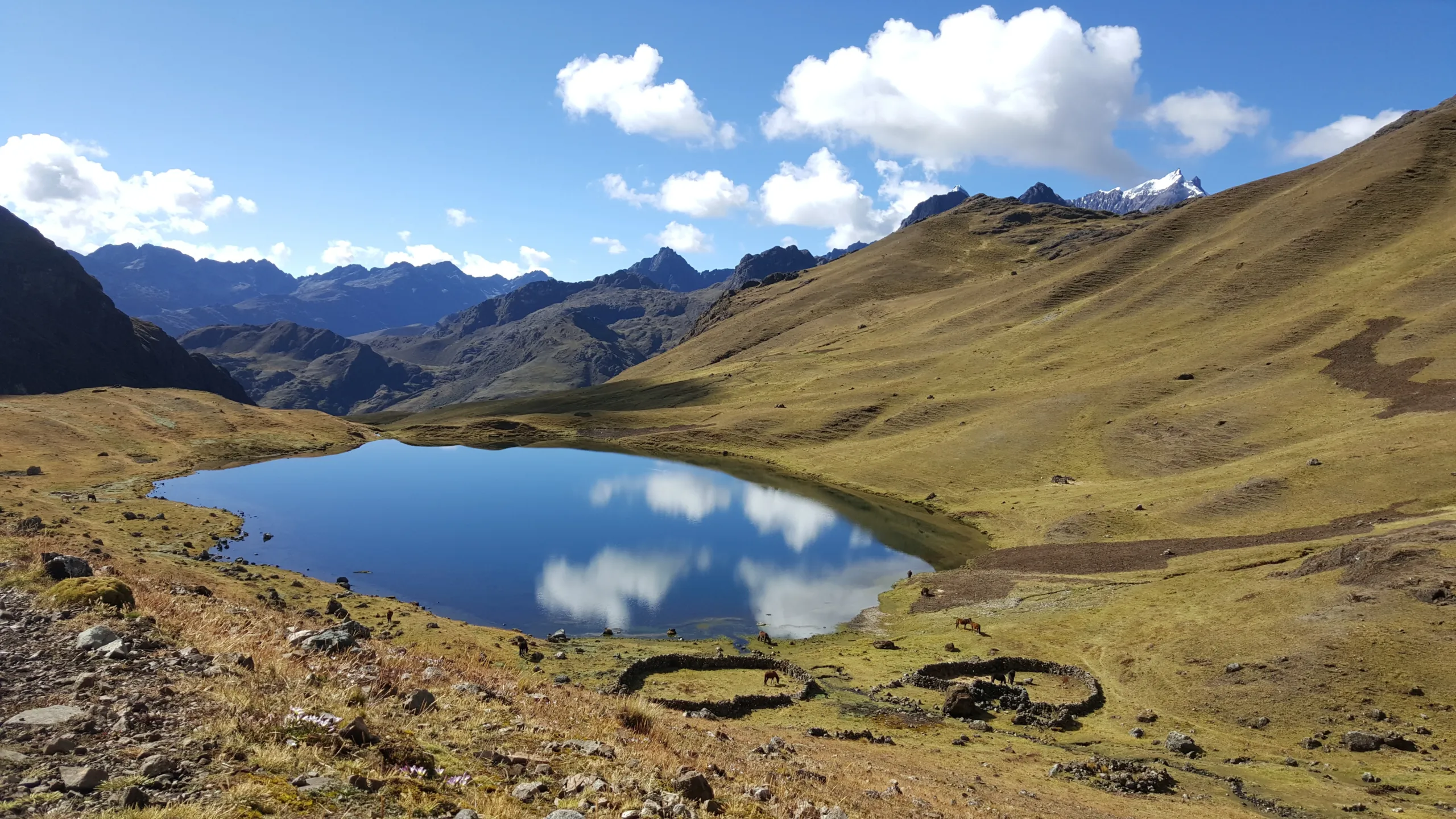
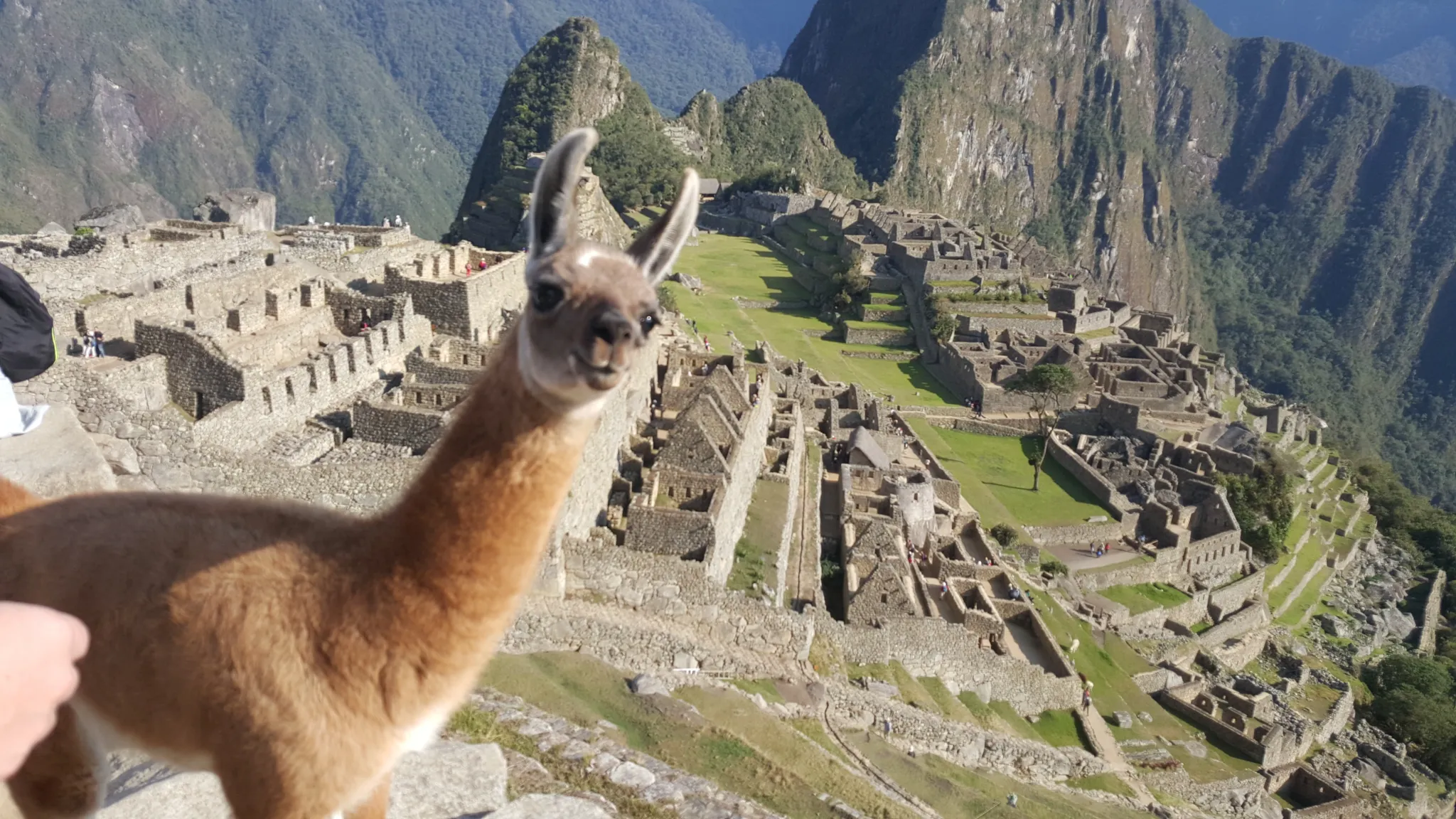
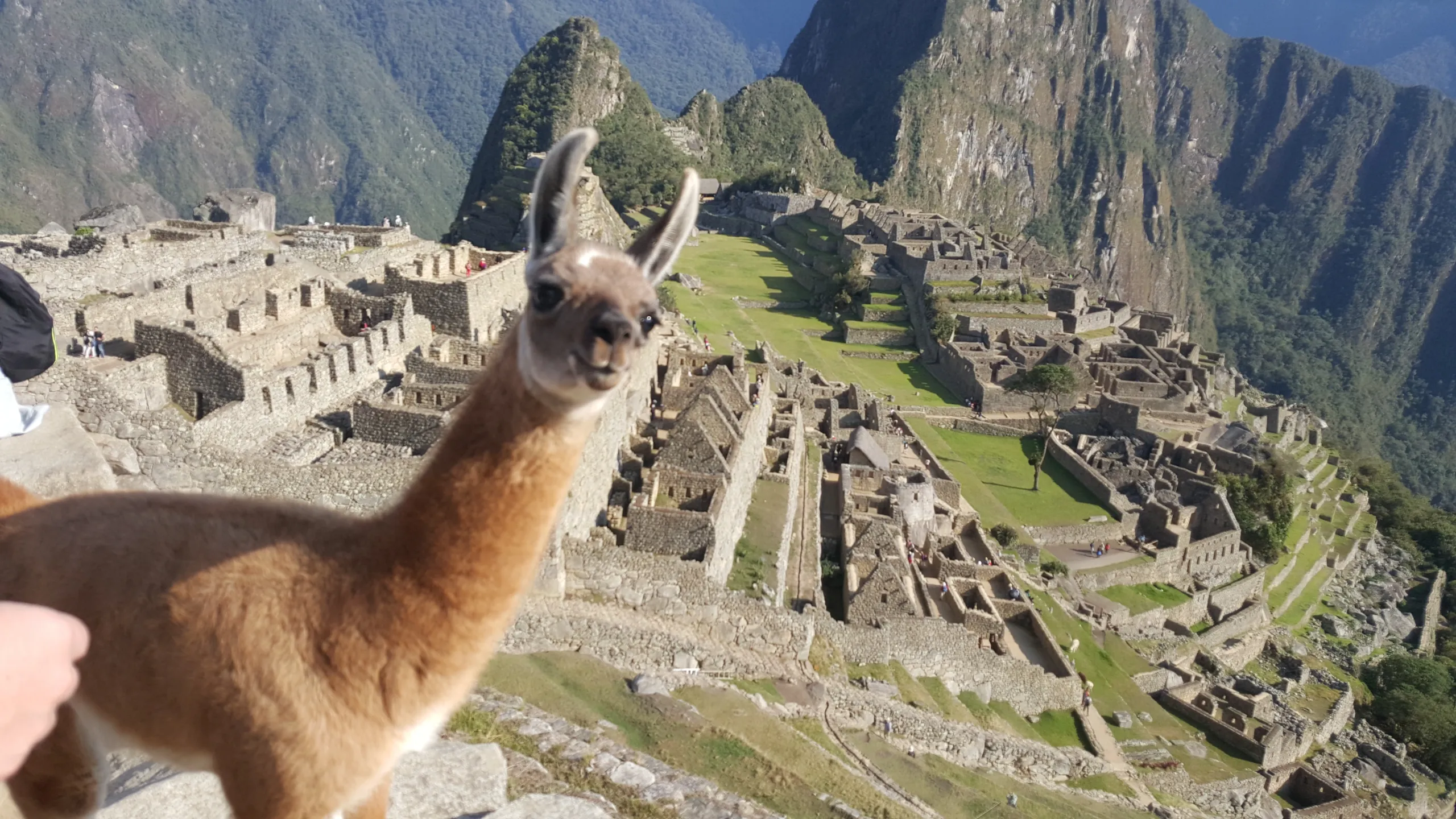
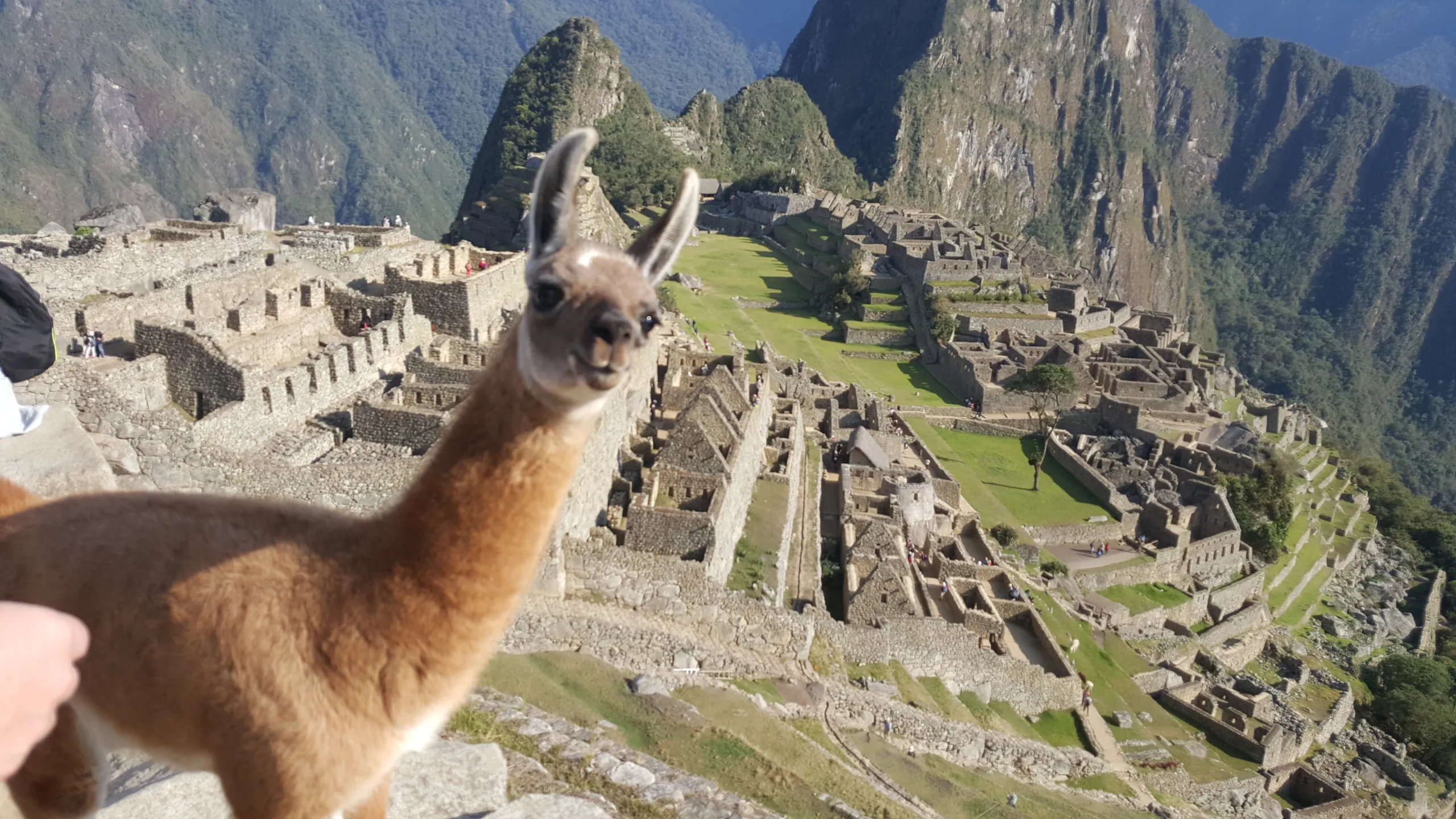
A visit to the Andean camelid breeding center introduces llamas, alpacas, vicuñas, and huanacos — the four camelid species whose roles in Inka civilization ranged from textile production to ceremonial use to the transportation network that connected the empire without wheeled vehicles.

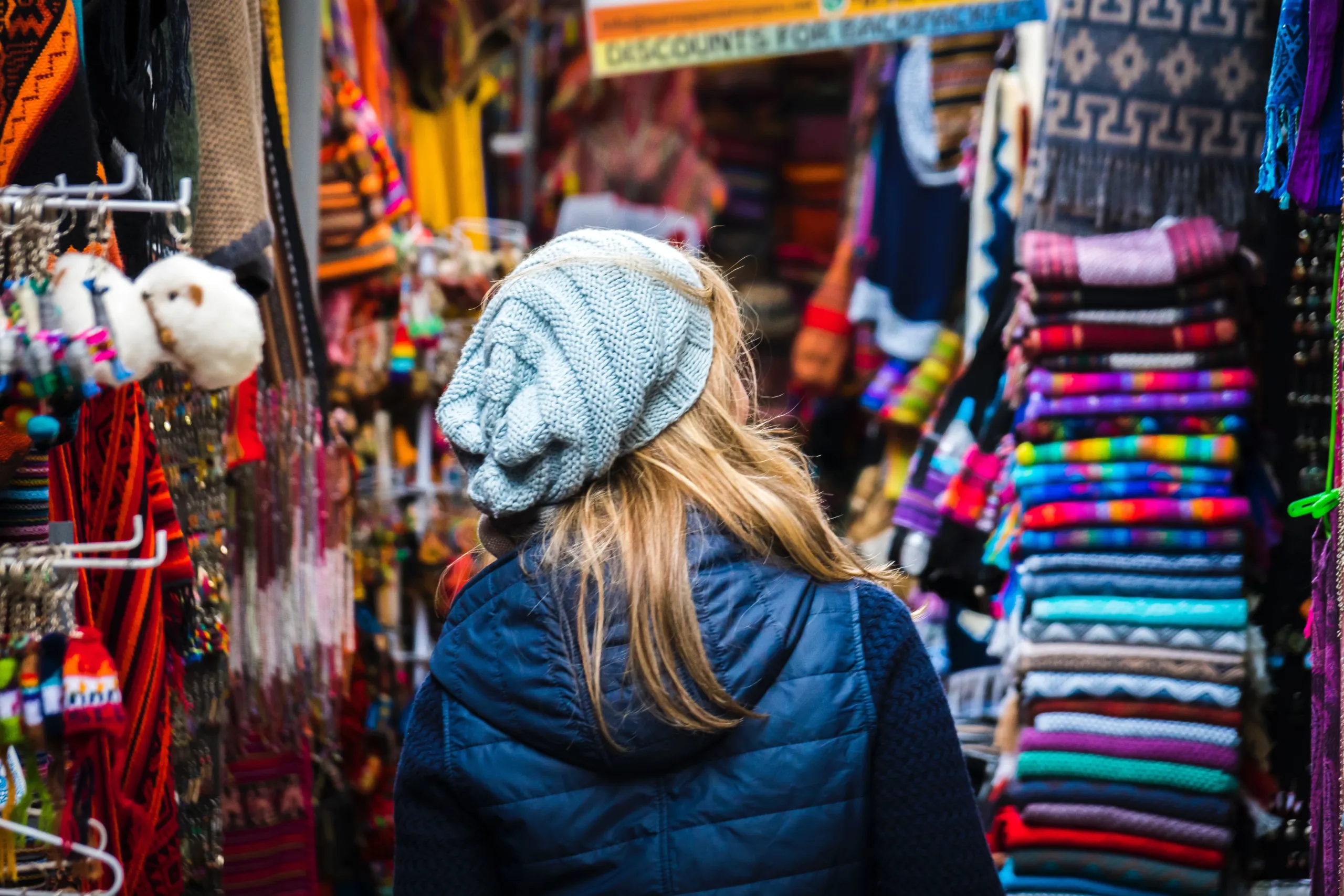
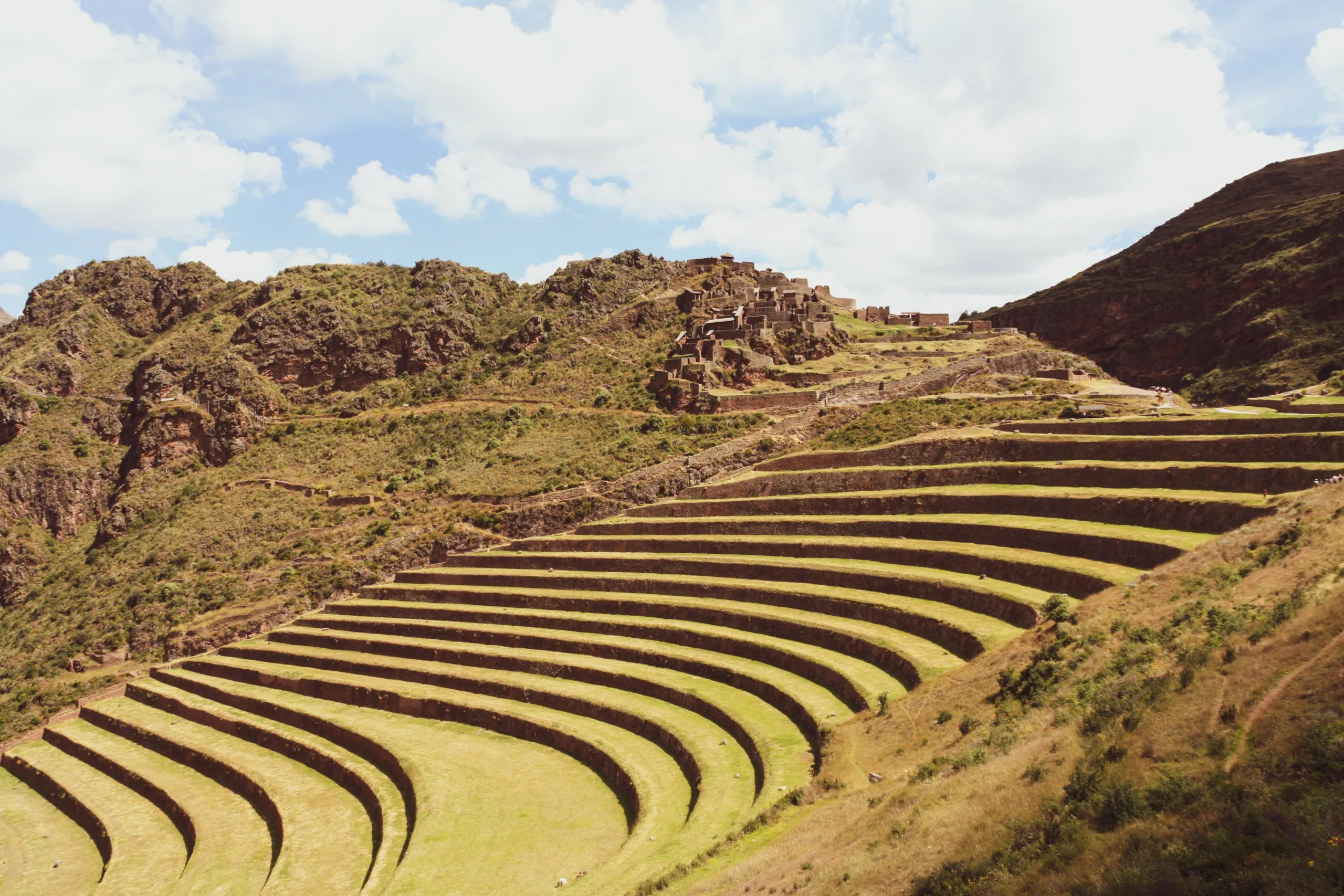
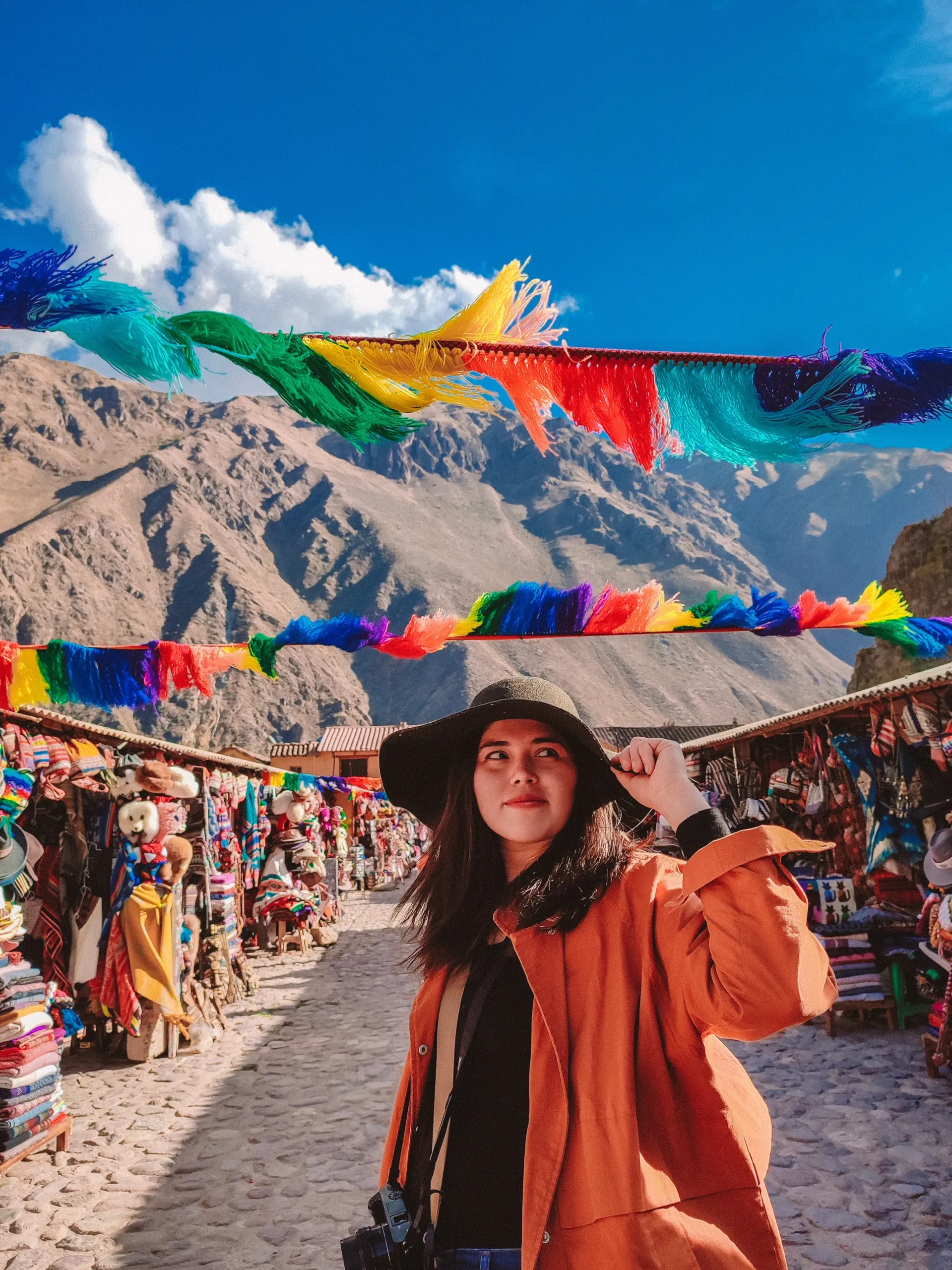
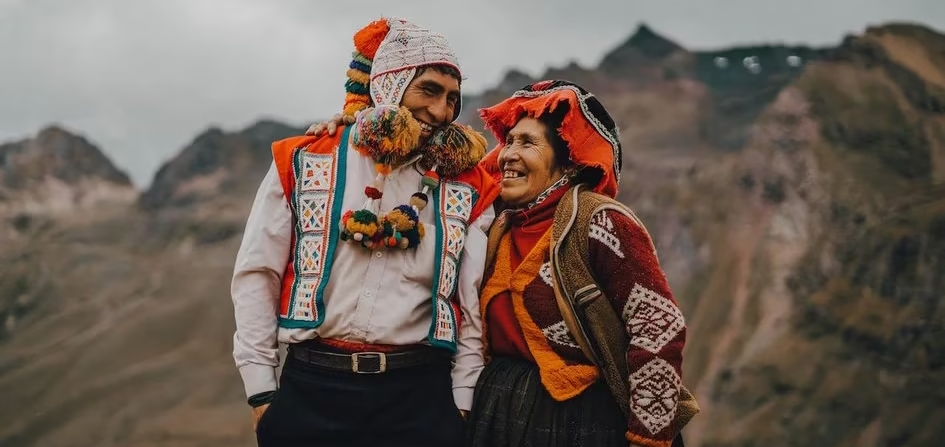
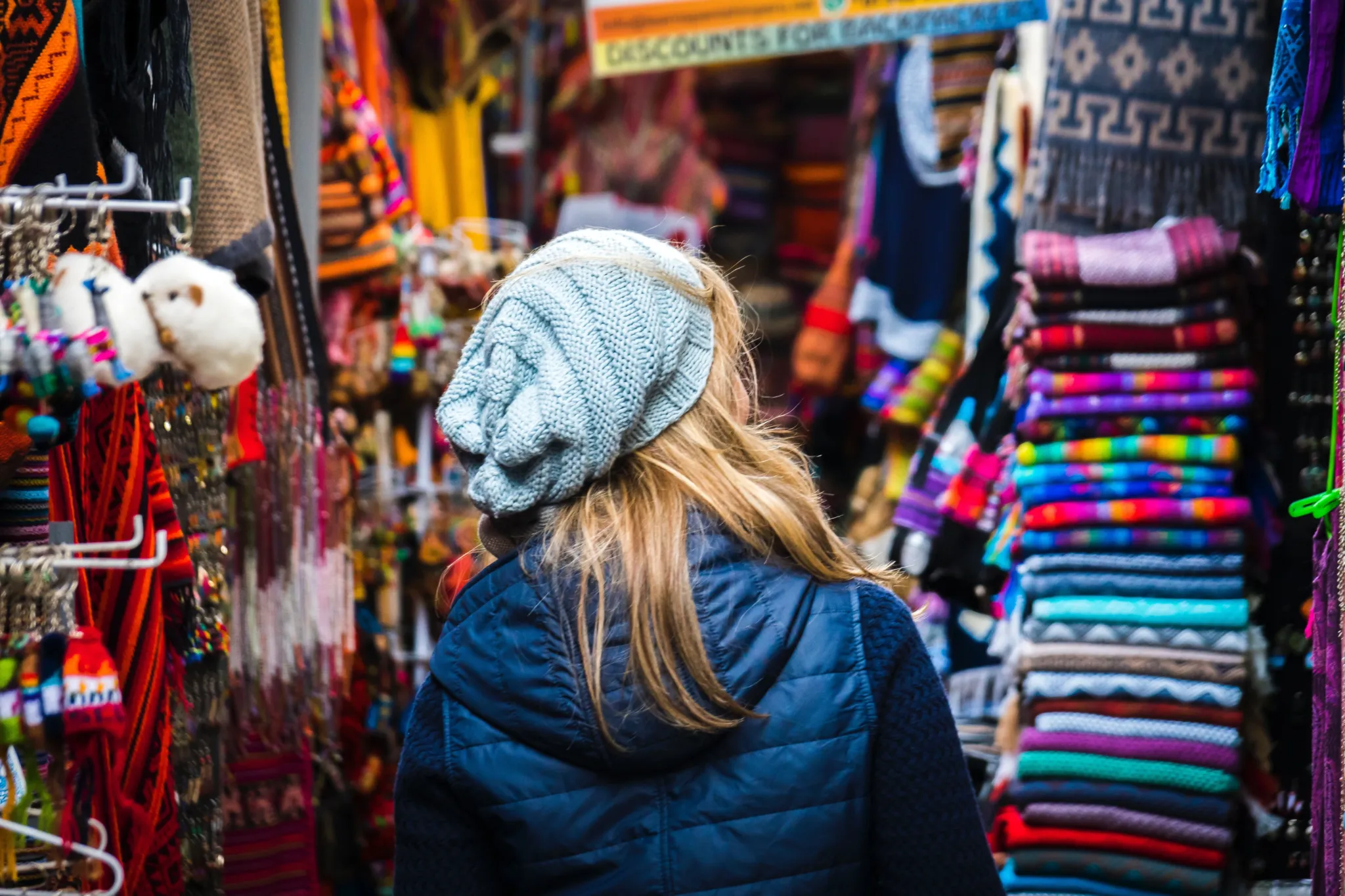
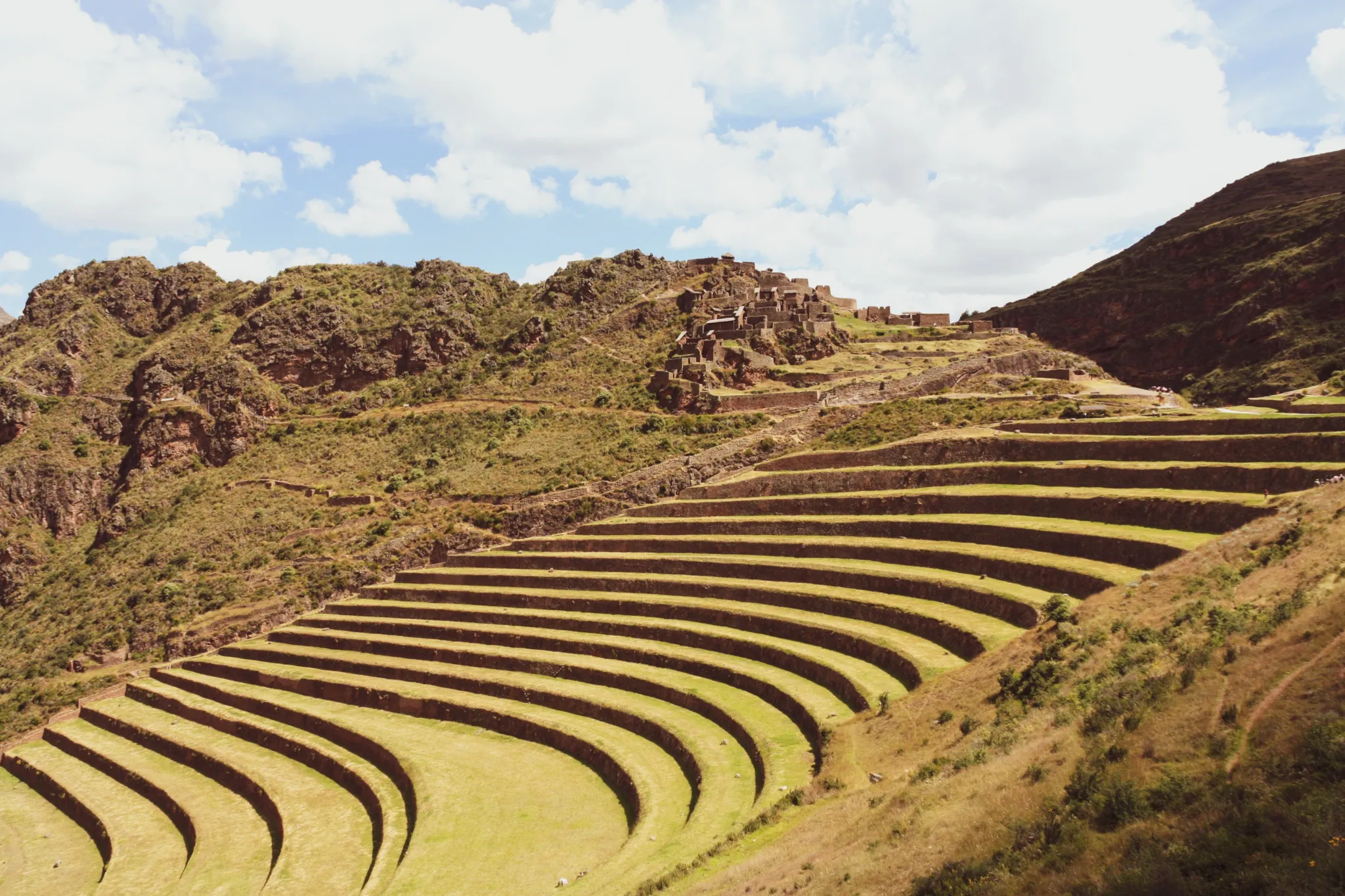
Pisac: the archaeological complex above the market town, with its terracing and temple structures overlooking the valley, and the traditional market below where textile traditions that encode the same cosmological knowledge as the architecture are practiced and sold by the same families that have maintained them for generations.

Overnight in Ollantaytambo — itself a living Inka town where the street grid has not changed since the fifteenth century.

  • Distance: 33 km by road
  • Altitude range: 2,780 m – 3,399 m
  • Overnight: Hotel in the Sacred Valley

Ollantaytambo → Train → Aguas Calientes → Machu Picchu → Sacred Valley | Easy

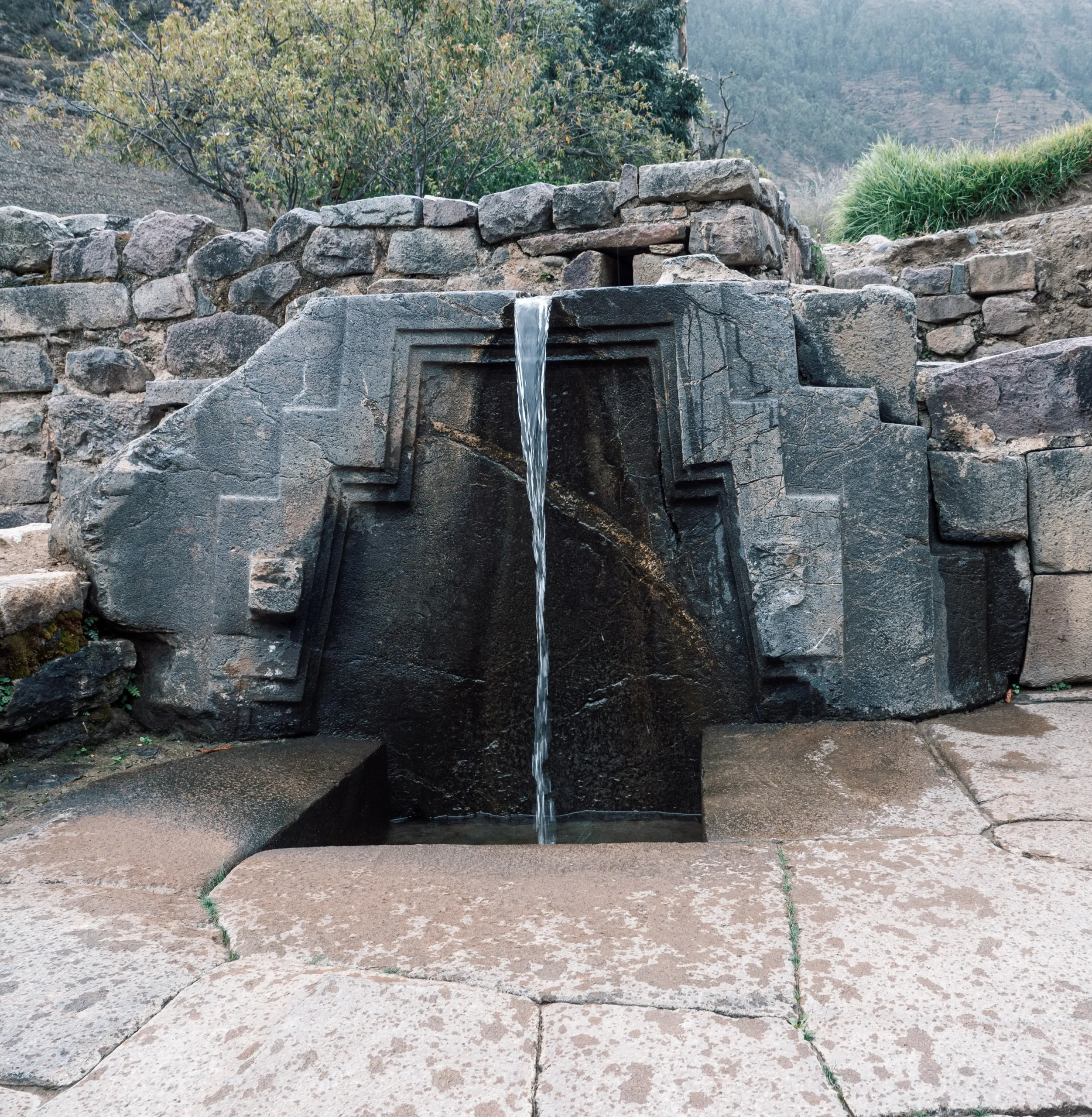
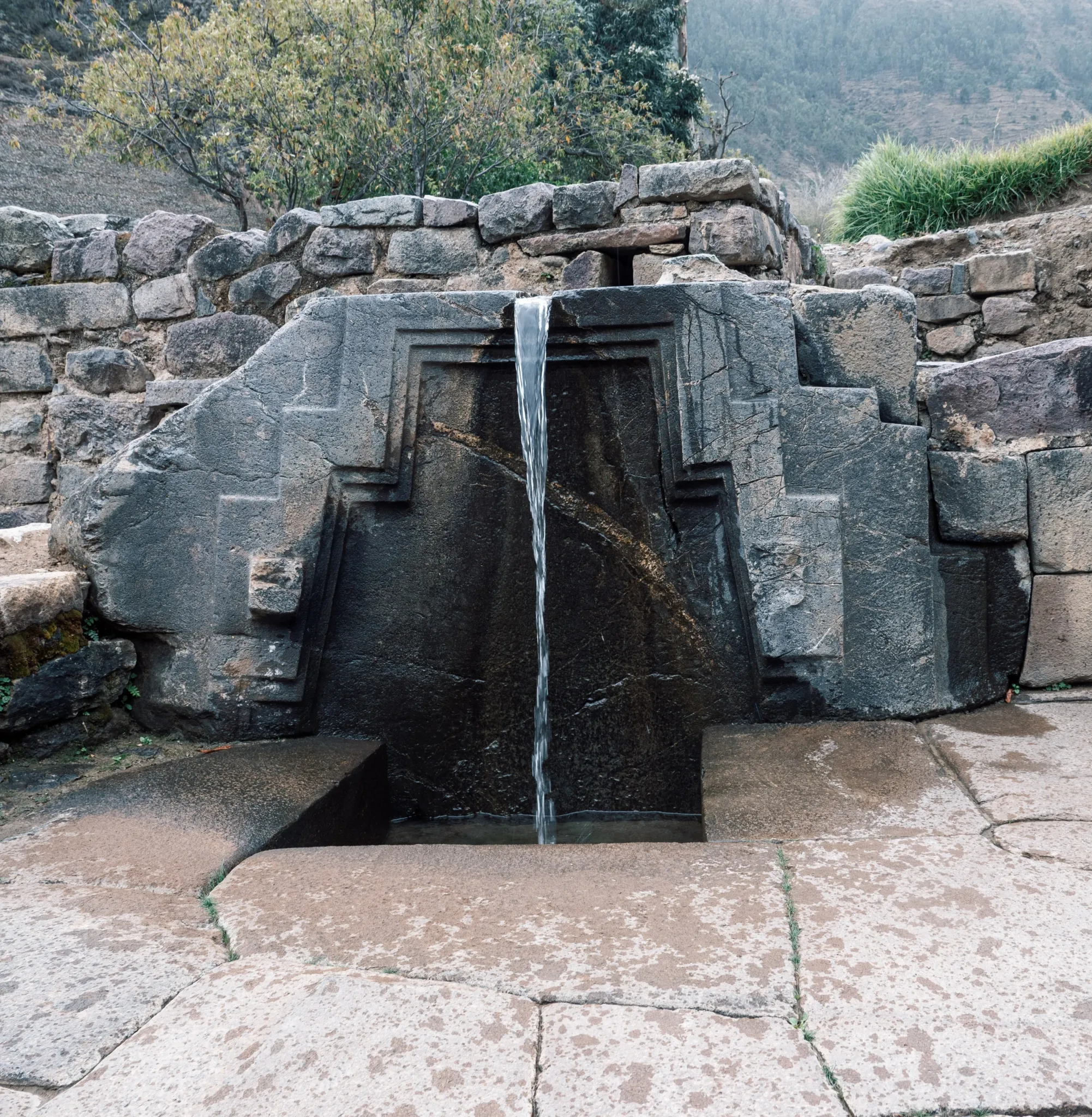
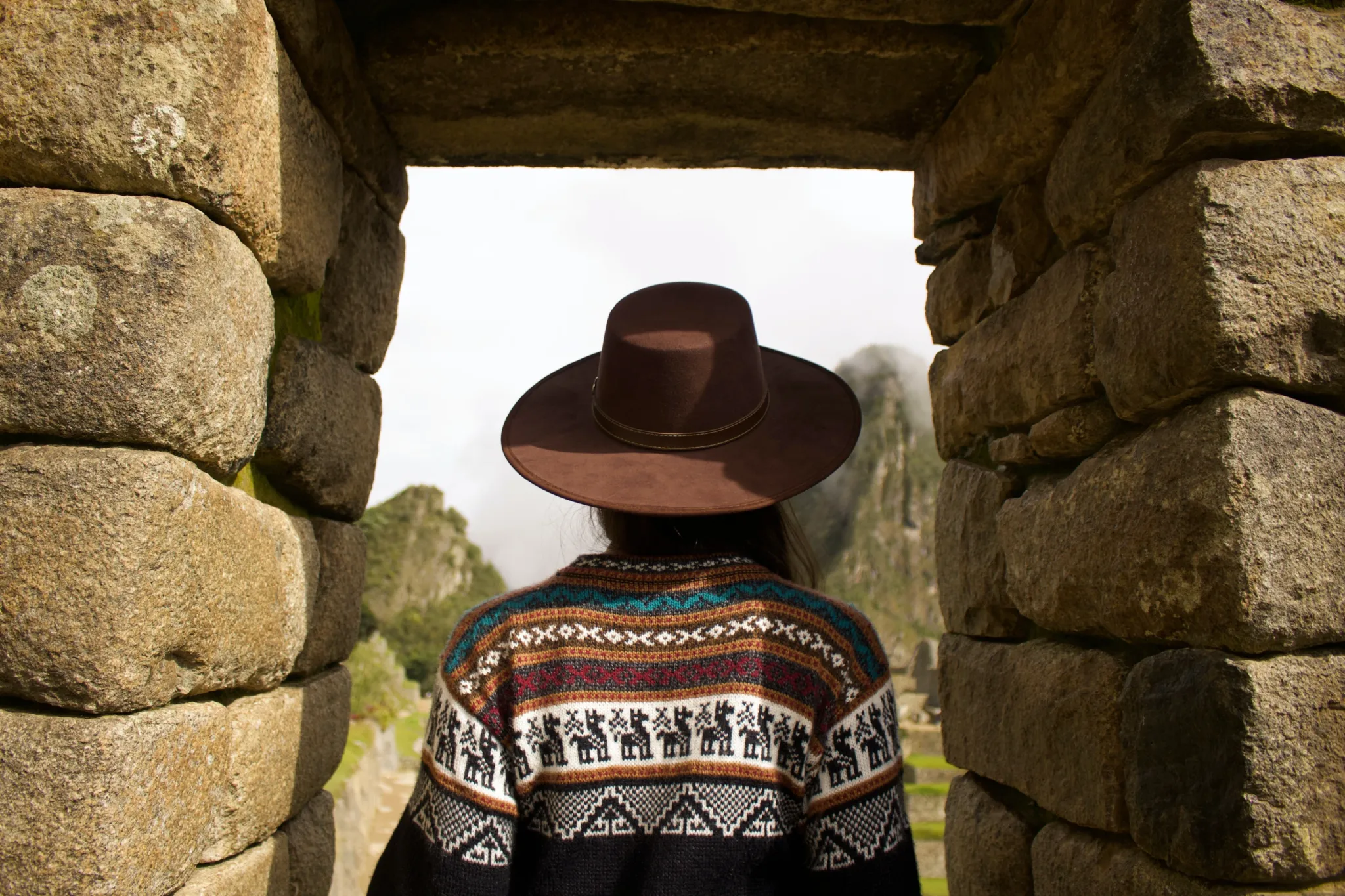
The morning begins inside Ollantaytambo itself — a fortress and ceremonial complex whose construction was interrupted by the Spanish conquest, leaving it in a state that reveals the Inka building process more clearly than any finished site. The massive stone blocks of the Temple of the Sun were transported from a quarry across the valley and up the mountain face by methods that engineering analyses have not fully explained. The unfinished sections show the construction sequence. Your guide reads the site as a working document of Inka technical knowledge rather than a ruin.

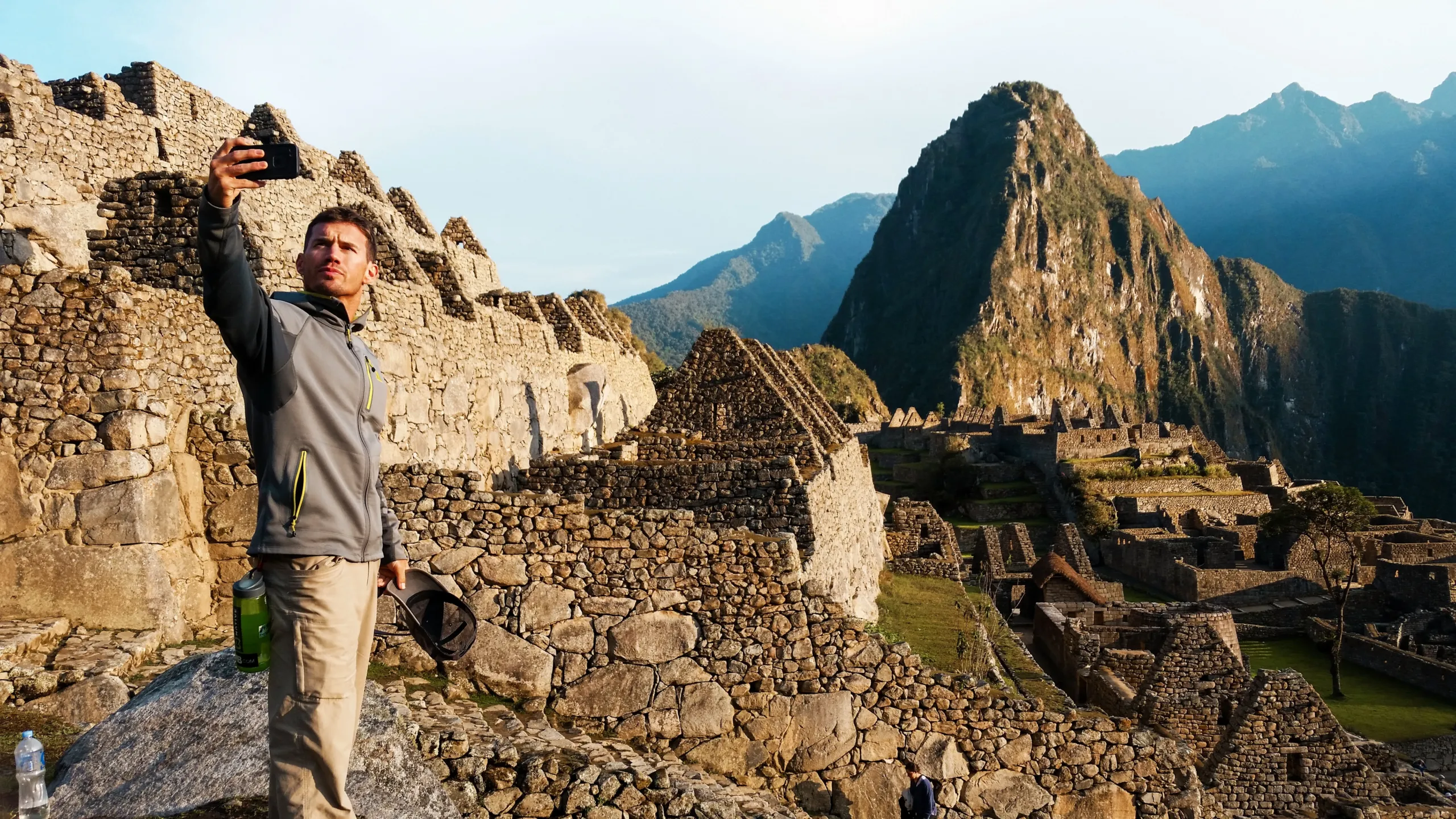
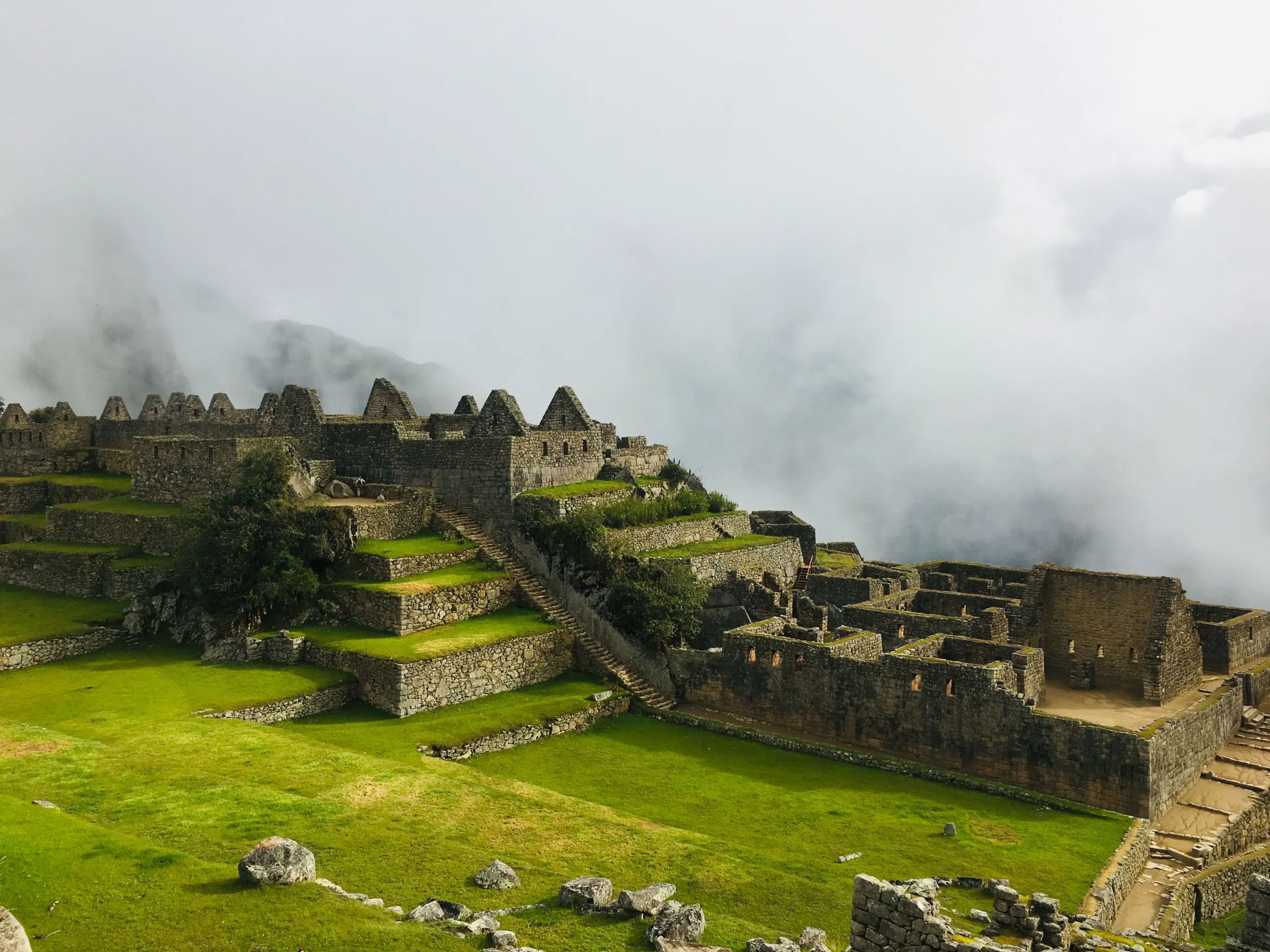
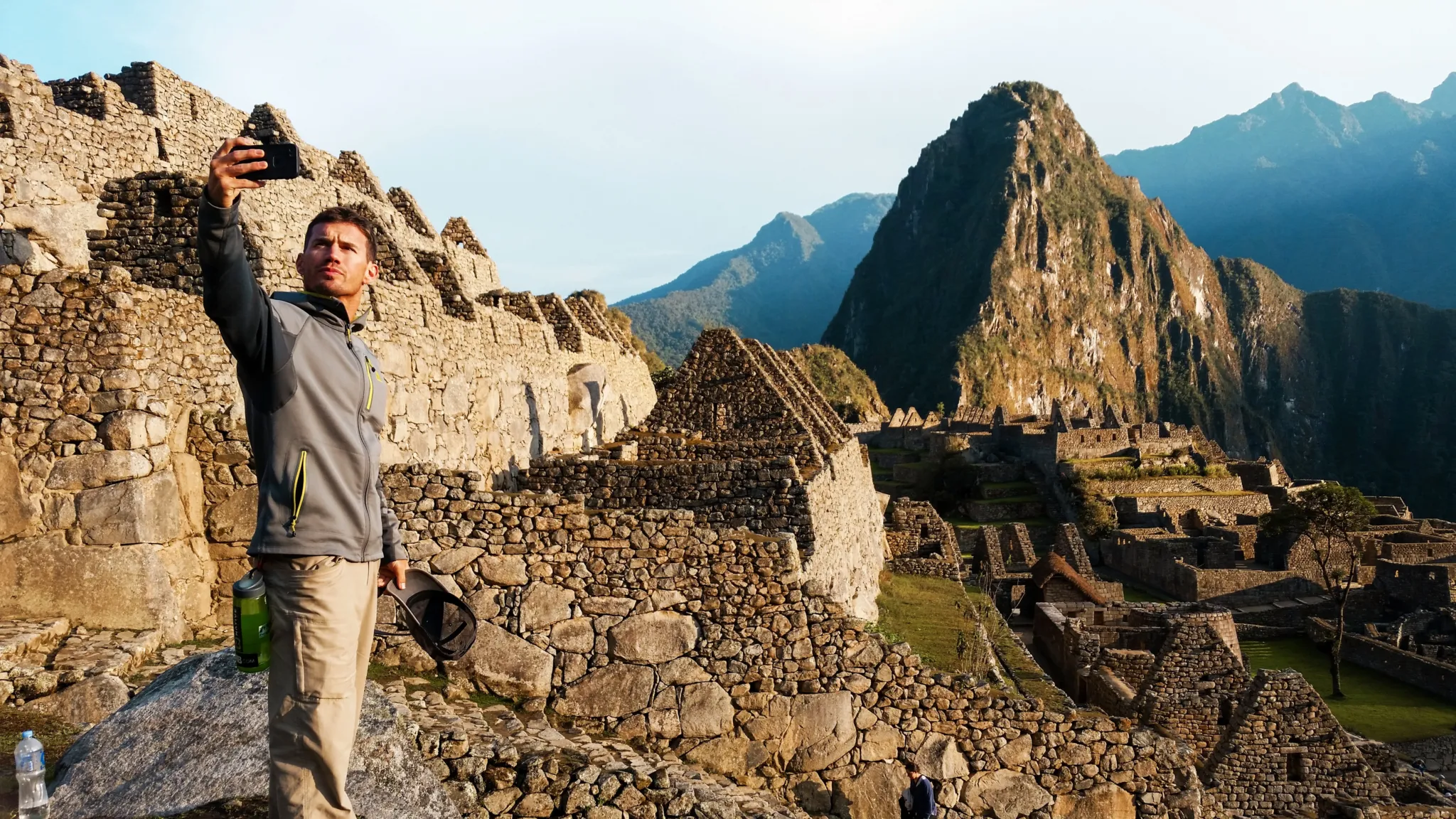
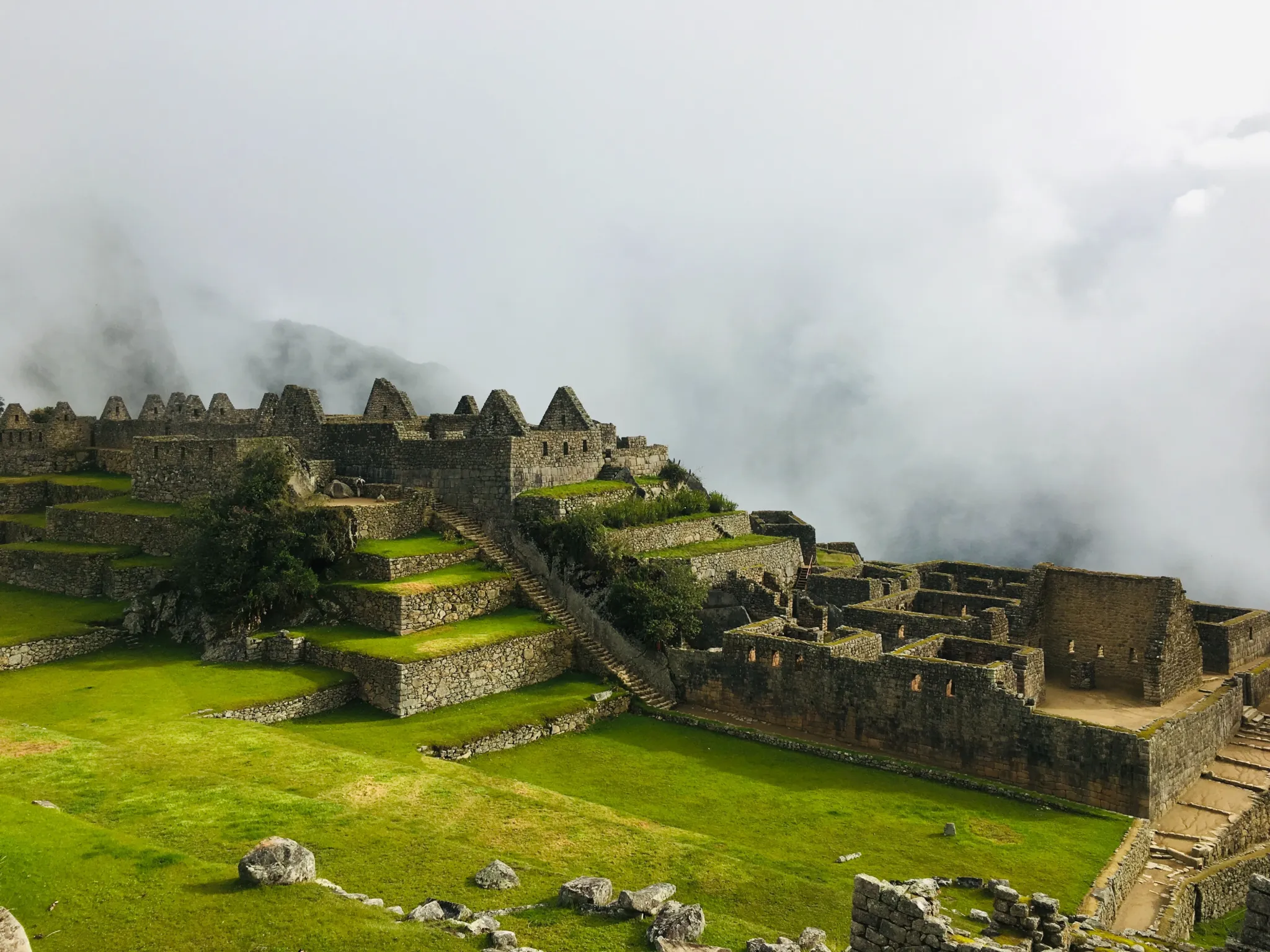
The train to Aguas Calientes follows — the Sacred Valley narrowing into cloud forest, the Urubamba accelerating, the vegetation becoming increasingly extraordinary as the altitude drops. Machu Picchu by bus from Aguas Calientes, with the full depth of the previous day and morning’s context making the citadel’s astronomical alignments, water management systems, and architectural logic legible in ways they are not to visitors arriving without that preparation.

The train returns to Ollantaytambo in the evening.

  • Distance: 20 km by road + 104 km by train
  • Altitude range: 2,040 m – 3,399 m
  • Overnight: Hotel in the Sacred Valley

Sacred Valley → Moray → Maras → Chinchero → Qoricancha → Cusco | Easy

Moray: concentric circular terraces descending into a natural depression in the earth, each ring maintaining a different microclimate from the one above it. The temperature differential between the highest and lowest rings is sufficient to replicate the full range of Andean altitude zones in a single structure — a controlled agricultural laboratory where the Inka developed and tested crop varieties adapted to different elevations. Modern permaculture researchers study it. The Inka built it centuries before the word existed.

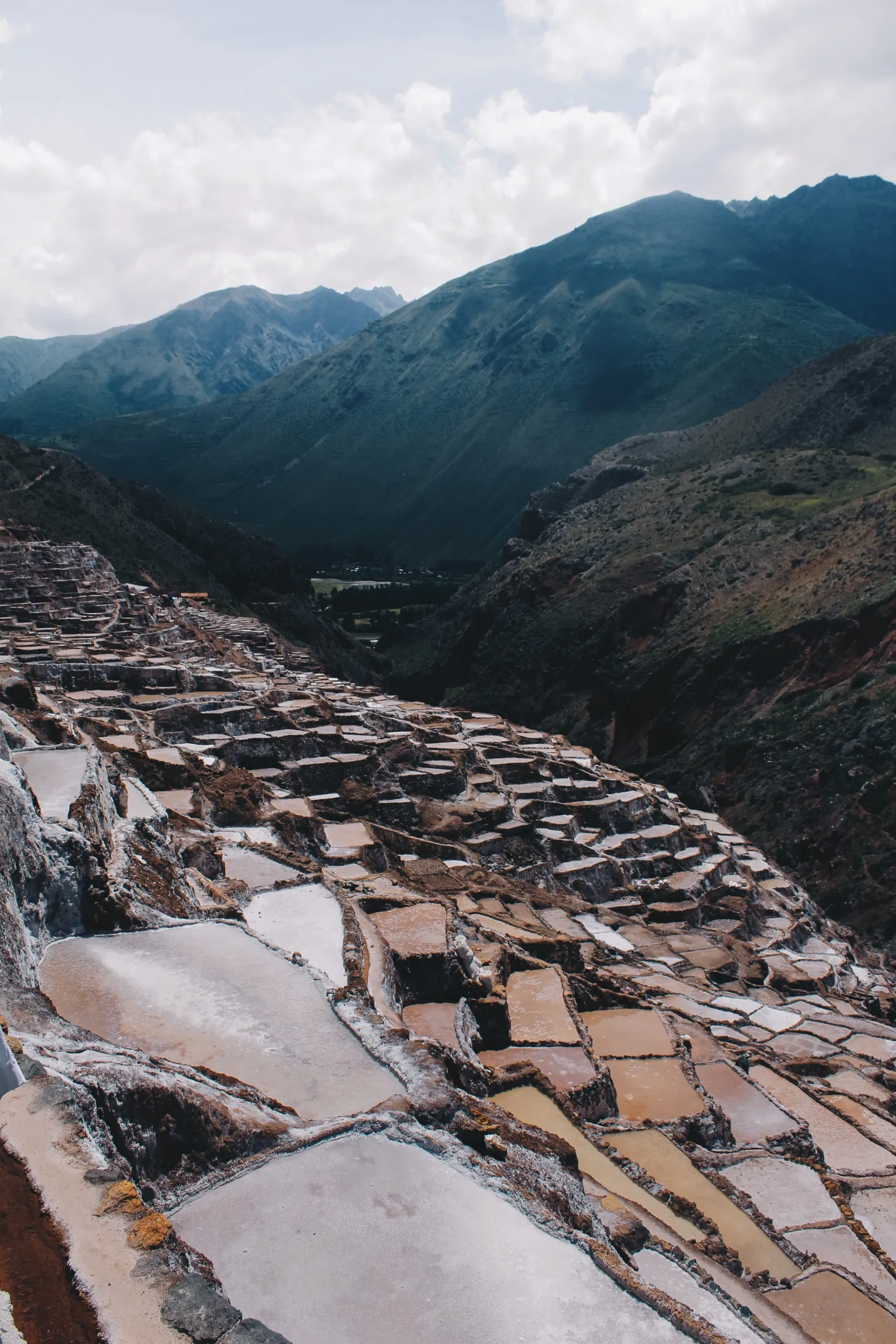
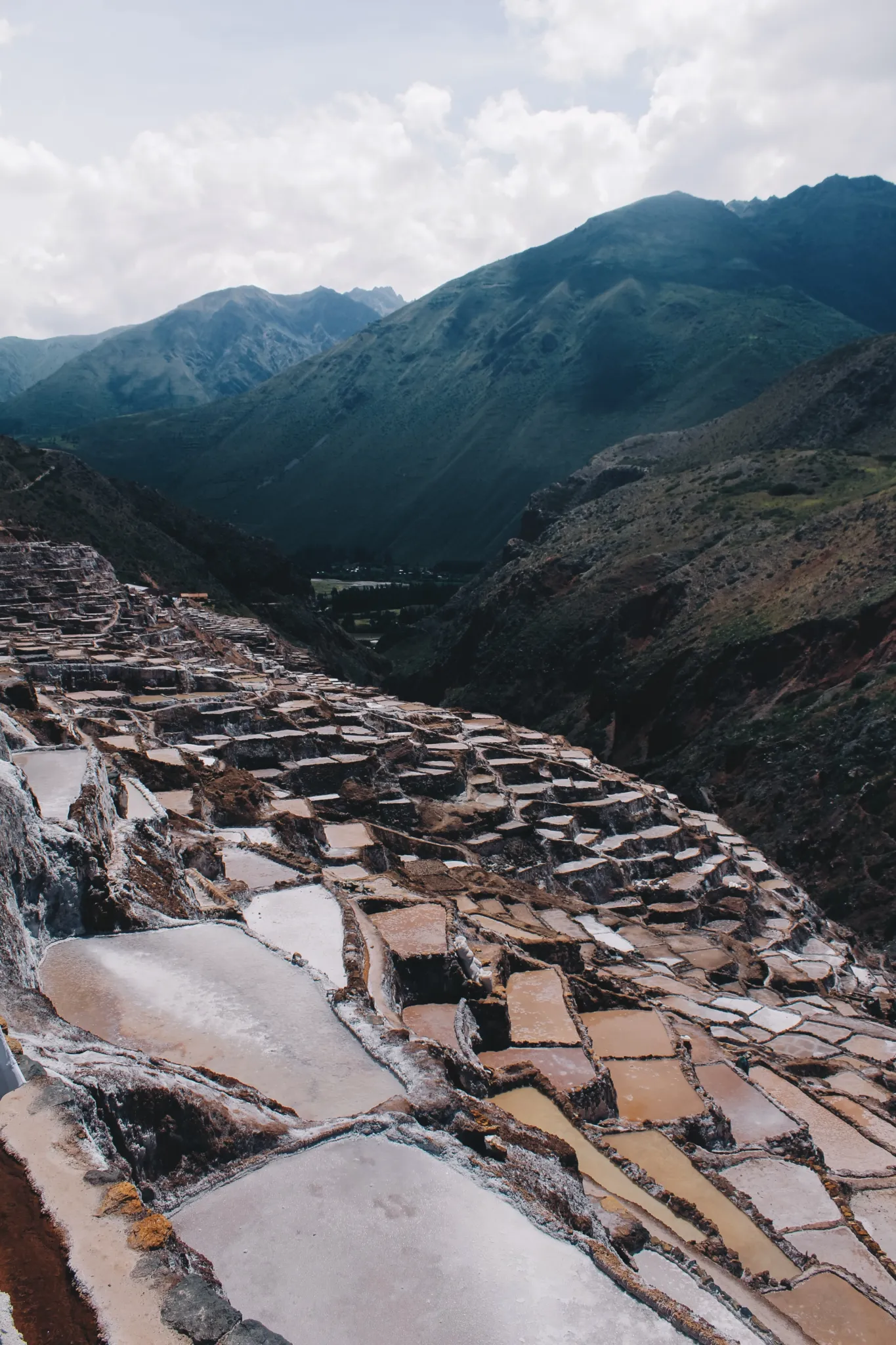
Maras: an Inka salt mine still in operation, its thousands of individual salt pans fed by a single saltwater spring and managed by the same community system that the Inka established. From above, the terraced pans descend the hillside in a pattern that is simultaneously practical and visually extraordinary.

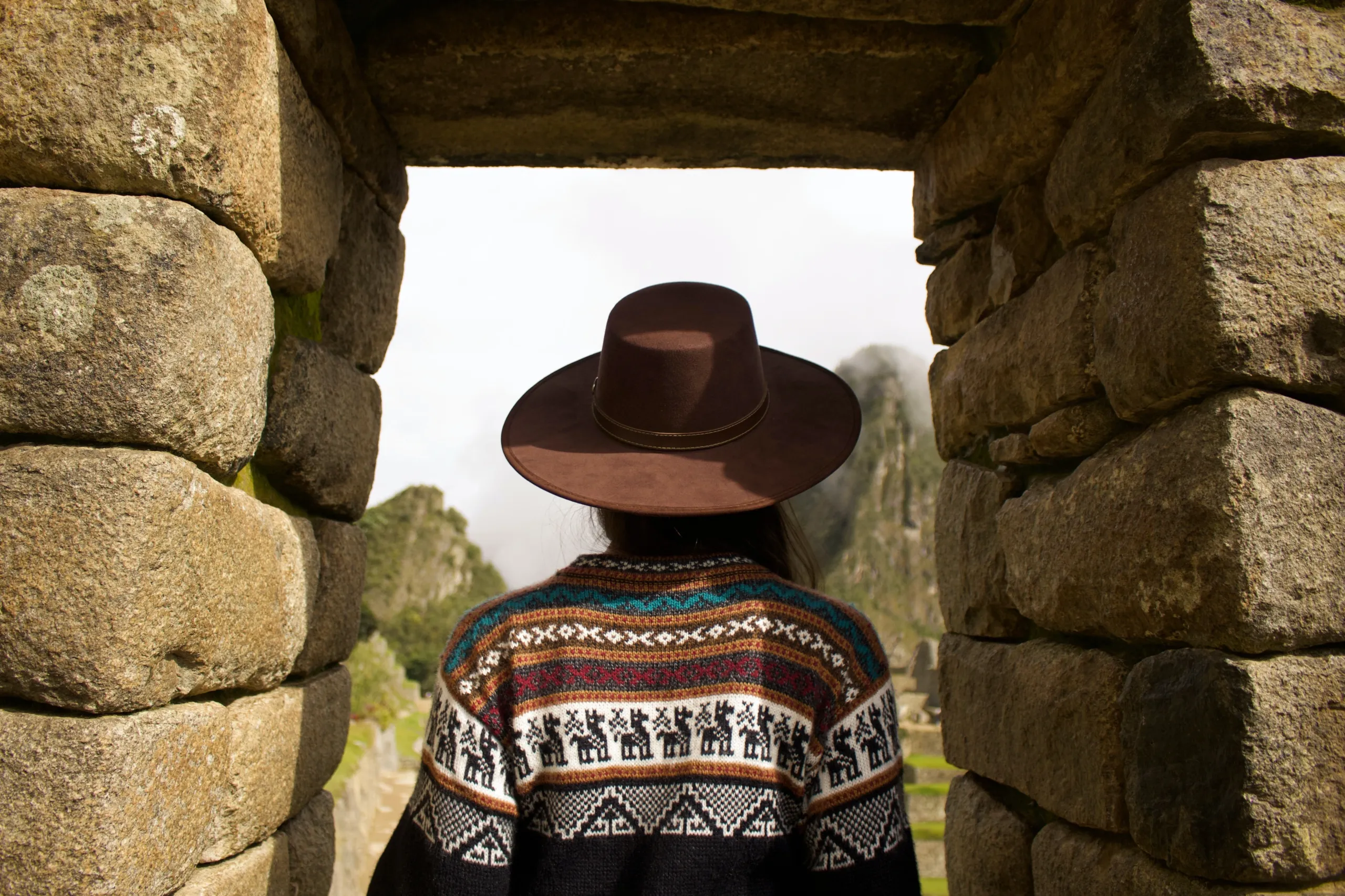
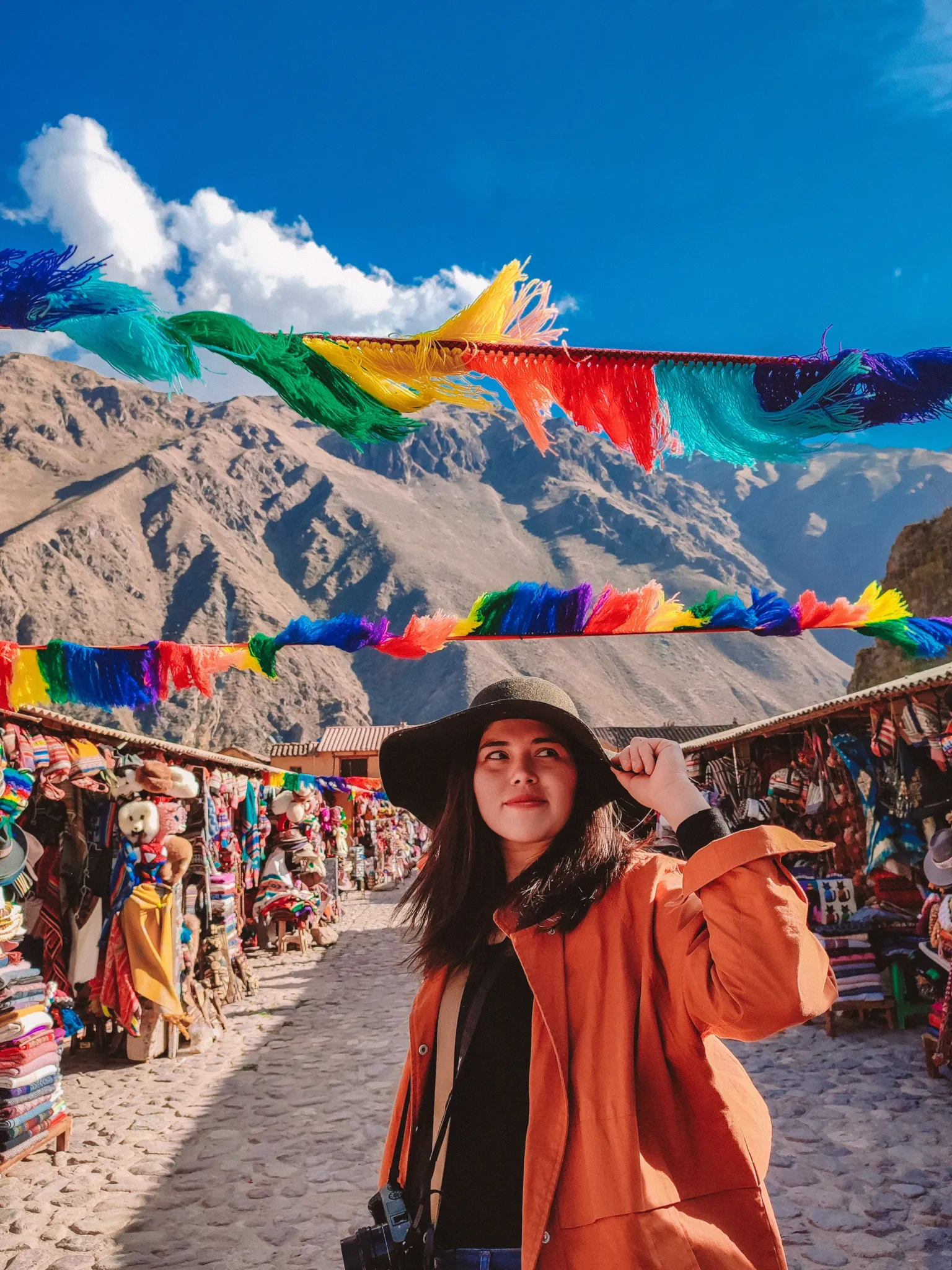
Chinchero: a highland village where the natural dye techniques for Andean textiles are still practiced from plant and mineral sources, the color range achieved without synthetic chemistry matching anything industrial production can offer.

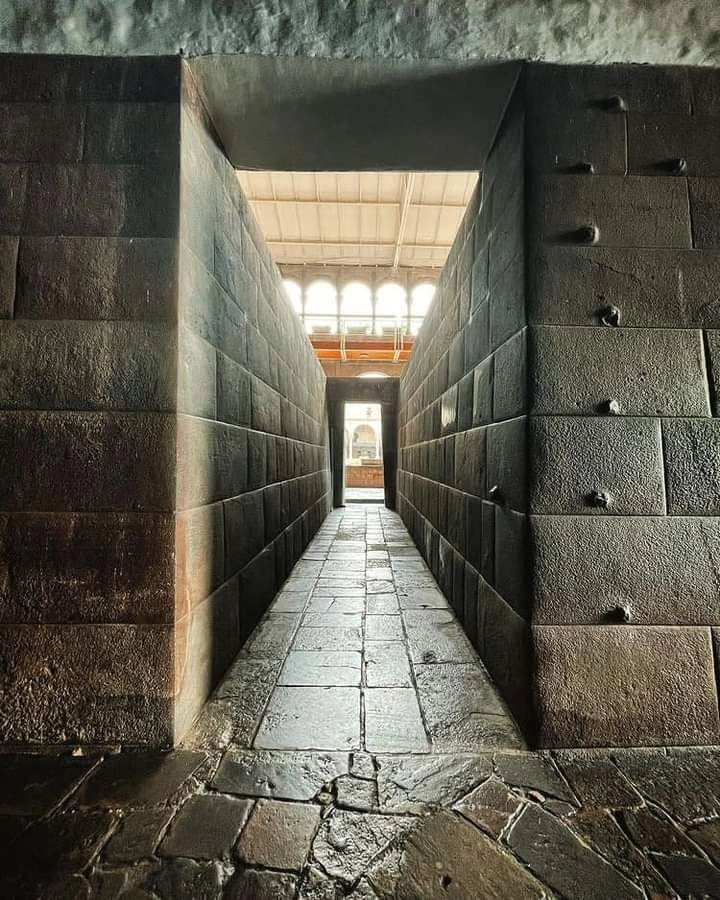
Qoricancha in Cusco: the most important spiritual and intellectual center of the Inka empire, built with the most refined stone masonry in the Americas, its walls once covered in gold panels that the Spanish melted into coins. The colonial church built on top of it cannot obscure the Inka foundations — the contrast between the two construction philosophies, visible in a single building, is one of the most instructive moments of the entire program.

San Pedro market closes the afternoon — the traditional market of Cusco where the full sensory range of Andean agricultural production is present in one place.

  • Distance: 91 km by road
  • Altitude range: 2,900 m – 3,700 m
  • Overnight: Hotel in Cusco

Cusco → Sacsayhuaman → Pucapucara → Archaeological Trek → Airport | 11 km walk | Easy

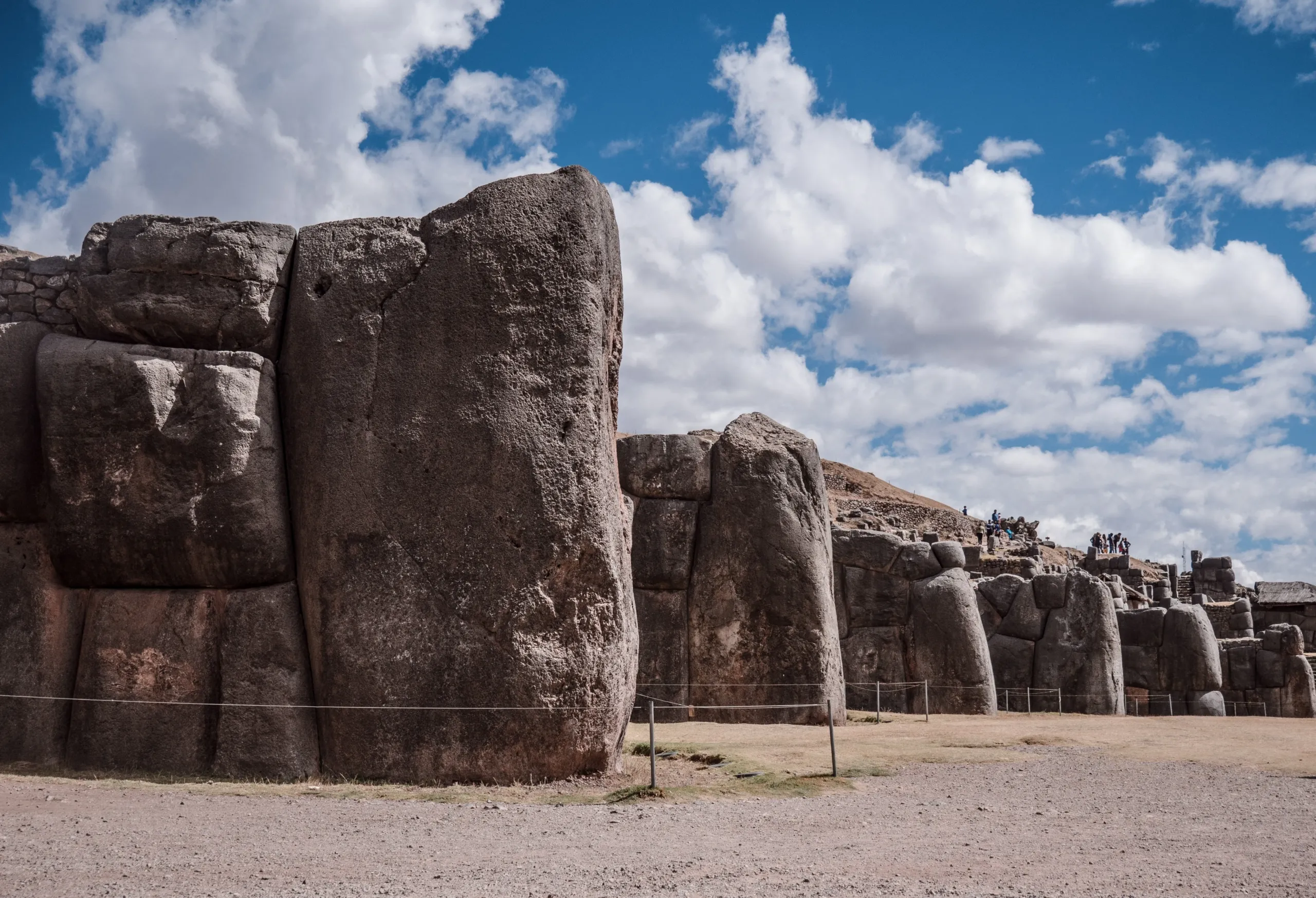
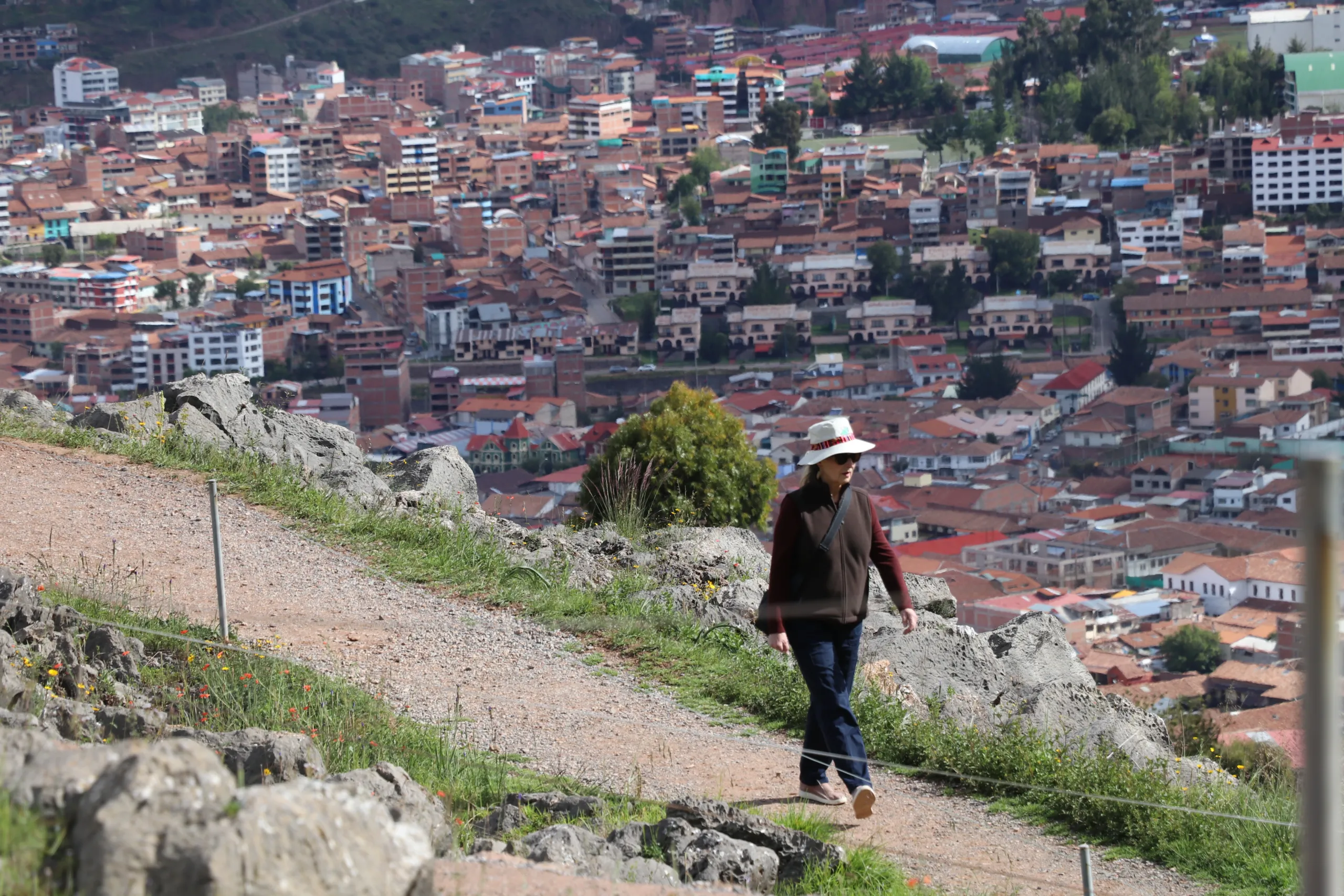
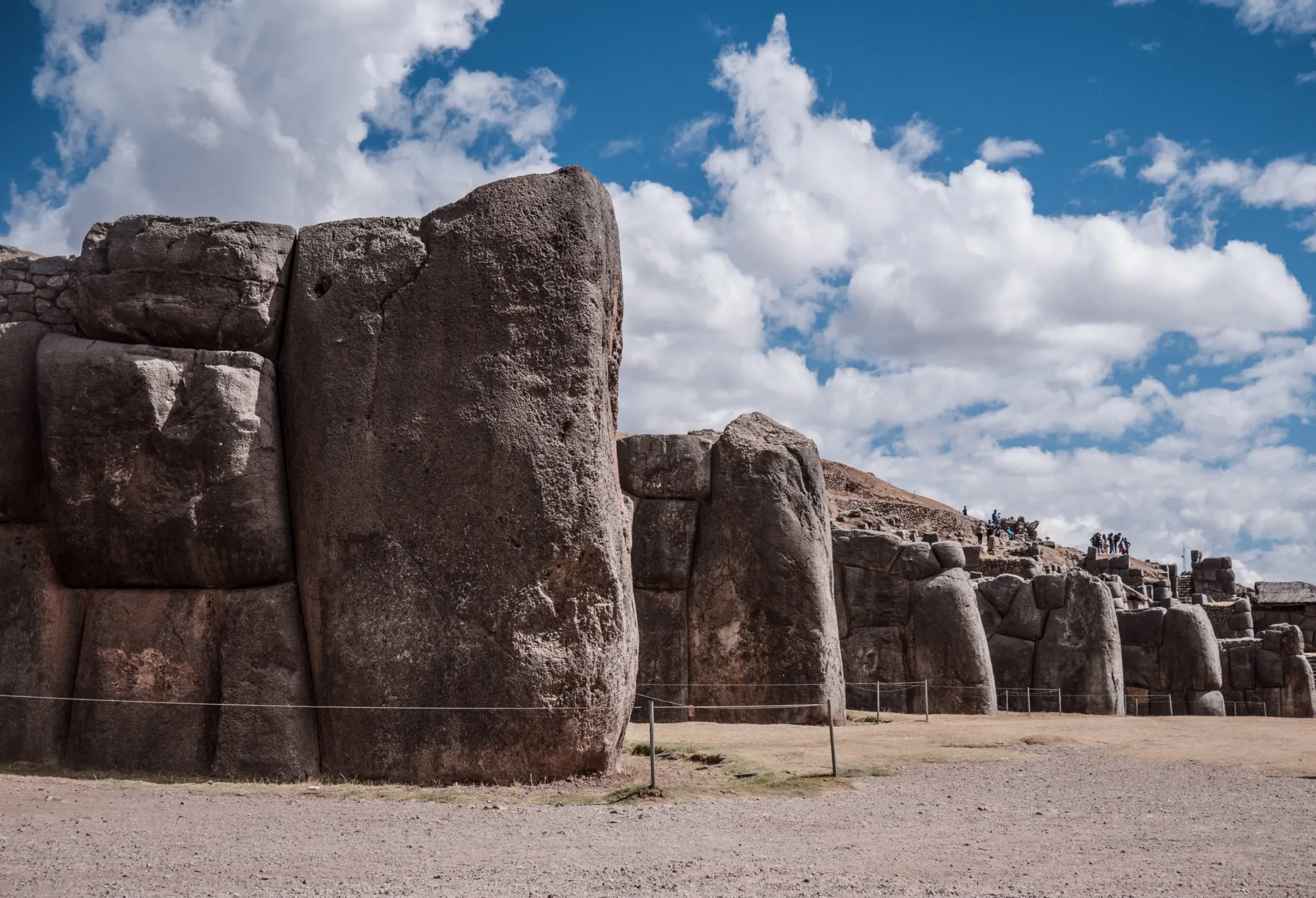
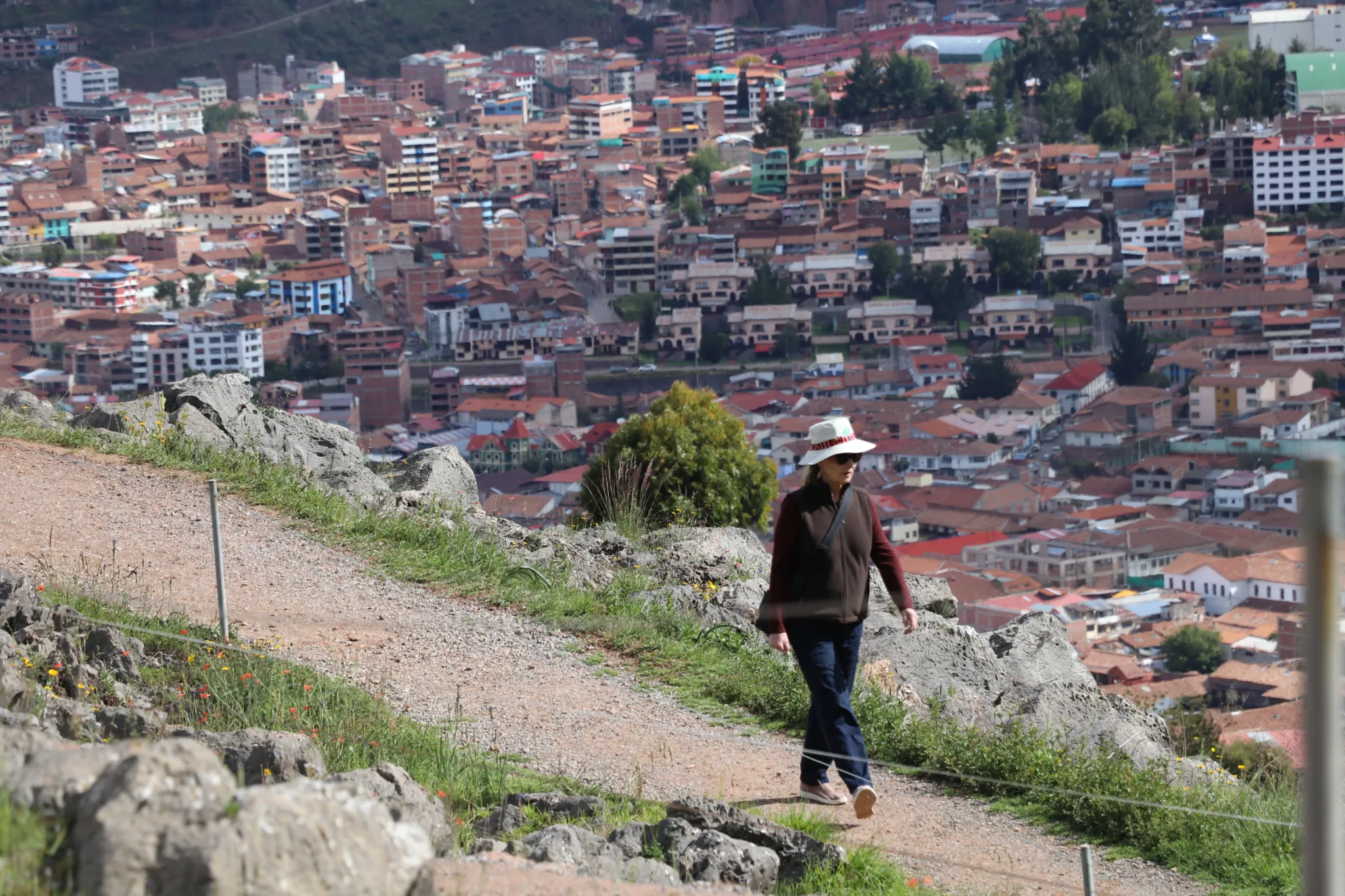
The final morning moves through the archaeological sites above Cusco on foot — beginning at Sacsayhuaman, whose massive limestone blocks have been analyzed by engineers who cannot determine how they were moved, fitted, or lifted into position with the precision that the walls still display after five centuries of earthquakes. The site is typically understood as a fortress. The Inka understood it as a ceremonial center — the head of Cusco’s puma-shaped urban plan.

The trail continues through Pucapucara — the Red Fort, positioned above the valley with views across the full extent of the Inka capital — and through lesser-known archaeological sites that the tourist circuit does not include, partially reclaimed by vegetation, returning something of the quality of genuine discovery that the major sites’ infrastructure has made difficult to access.

The afternoon transfer to the airport closes the program.

  • Distance: 11 km by road + 11 km on foot
  • Altitude range: 3,399 m – 3,700 m
Cusco

Reviews

Reviews

There are no reviews yet.

Be the first to review “Cusco Travel”

Your email address will not be published. Required fields are marked *

Included/Excluded

  • Incluido All transportation.
  • Incluido Guide service.
  • Incluido Food as described (breackfast=B, Lunch=L, dinner=D).
  • Incluido Entrance fees and permits for the detailed visit sites.
  • Incluido Round trip train tickets.
  • Incluido Chef for the hike.
  • Incluido Cooking equipement.
  • Incluido Accomodation as described.
  • Incluido Boiled or purified water.
  • No Included Entrance fees to Waynapicchu Mountain and Machupicchu Mountain and others are optional.
  • No Included Bottle of water or sports drink.
  • No Included Tipping for staff.
  • No Included Travel ensurance
  • No Included Flight tickets

Attractions

Chinchero, Coricancha, Cusco, Inca Trail, Inkiltambo, Machu Picchu, Maras & Moray, Ollantaytambo, Pisac, Pucapucara, Q’enqo, Sacred Valley, Sacsayhuaman, Tambomachay

Activities

Culinary, Discoveries, Experiential tourism, Full nature, Hiking, Lama experience, Picnic, Planetarium

FAQs

Nothing to show, please go to blogs.

Application Process

Contexto personal
Estado mental actua
Preferencias y límites
Datos de contacto

Book This Tour

Top Trending

You may like

Cart0
Cart0