Choquequiraw Trek

Price

From: $1,862.00

Duration

5 days

Max People

10

Tour Type

Expeditions

Attractions

2

Activities

10

Min Age

12

Overview


The Inka Built Two Masterpieces. The World Only Found One.

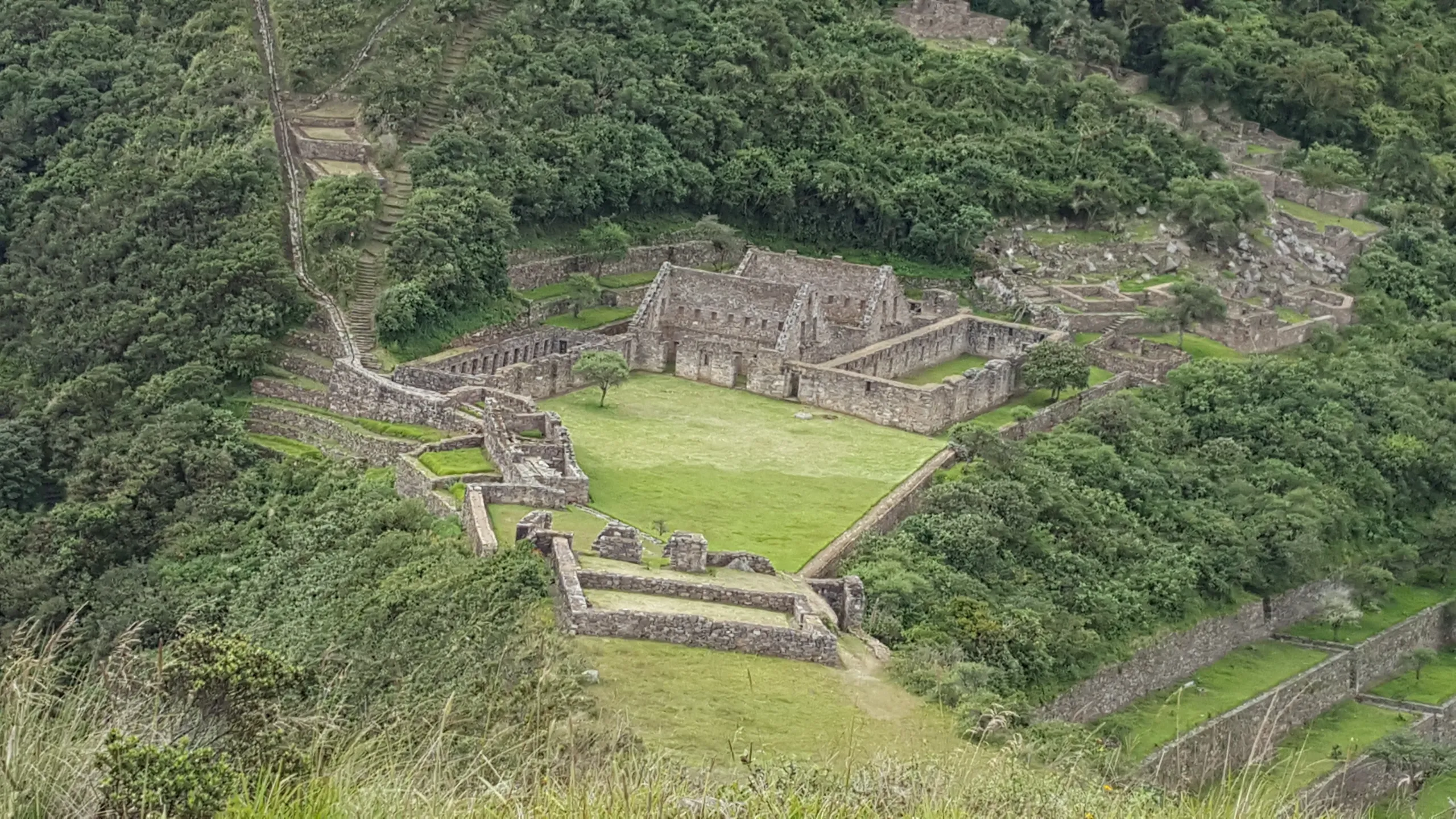
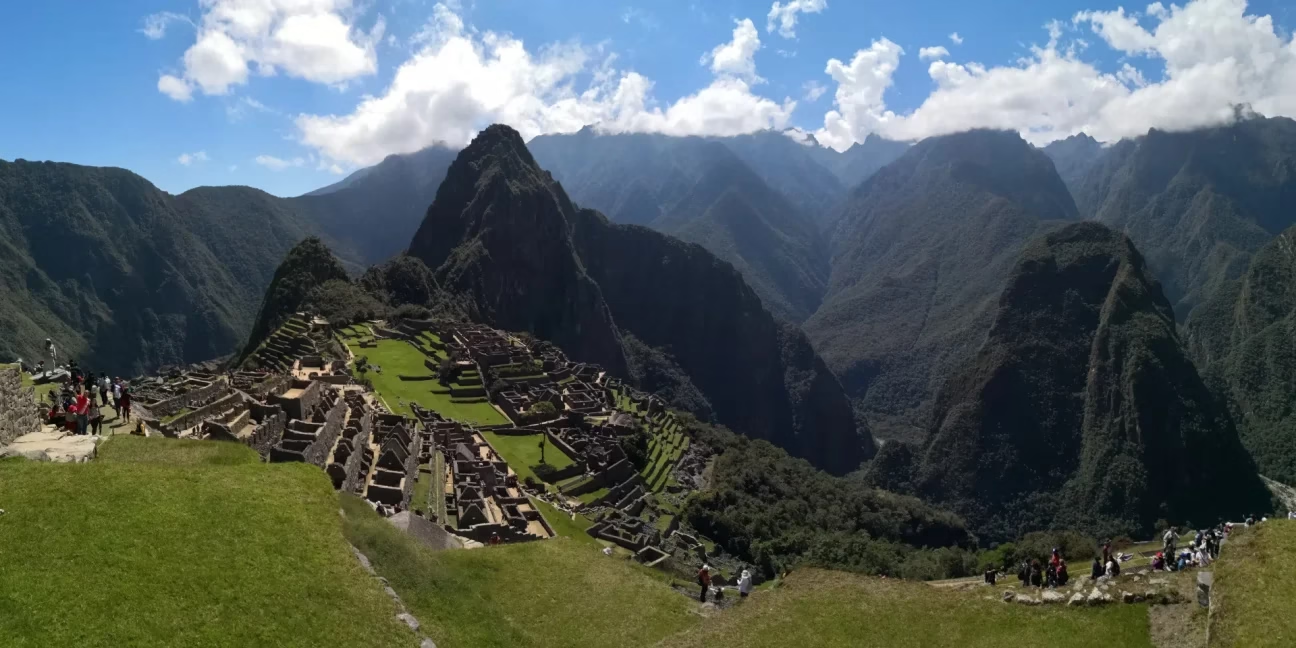
Machu Picchu was rediscovered in 1911 and has spent the century since being loved, photographed, and visited by millions. Choquequirao — larger, higher, and considerably more remote — has spent the same century quietly waiting.

Eighty percent of it remains unexcavated. What has been uncovered and opened to the public represents only a fraction of a citadel that archaeologists believe rivals Machu Picchu in scale and surpasses it in mystery. The local communities of the Apurímac Canyon have always known it was there. They have stories about it that no academic paper has fully accounted for.

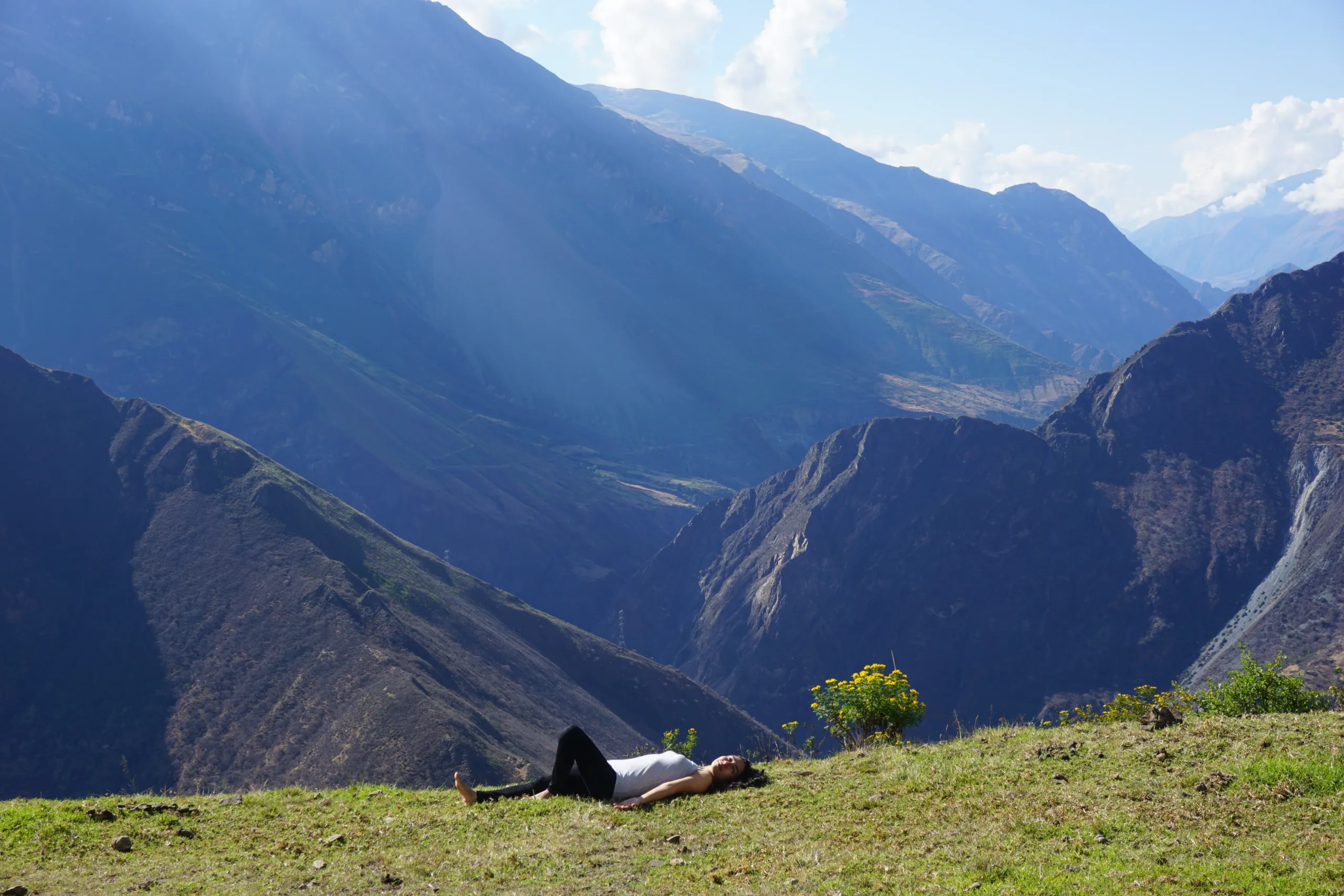
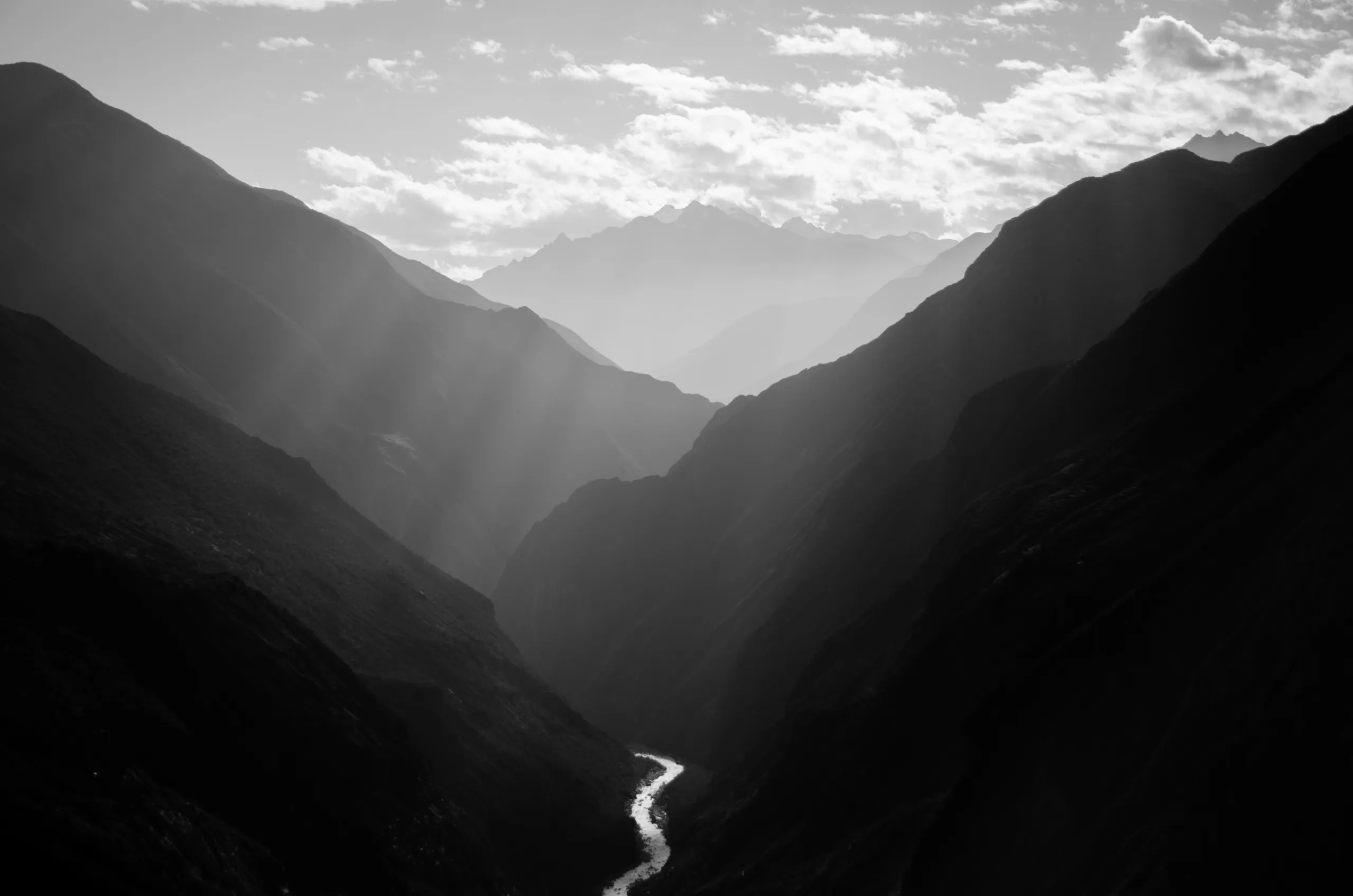
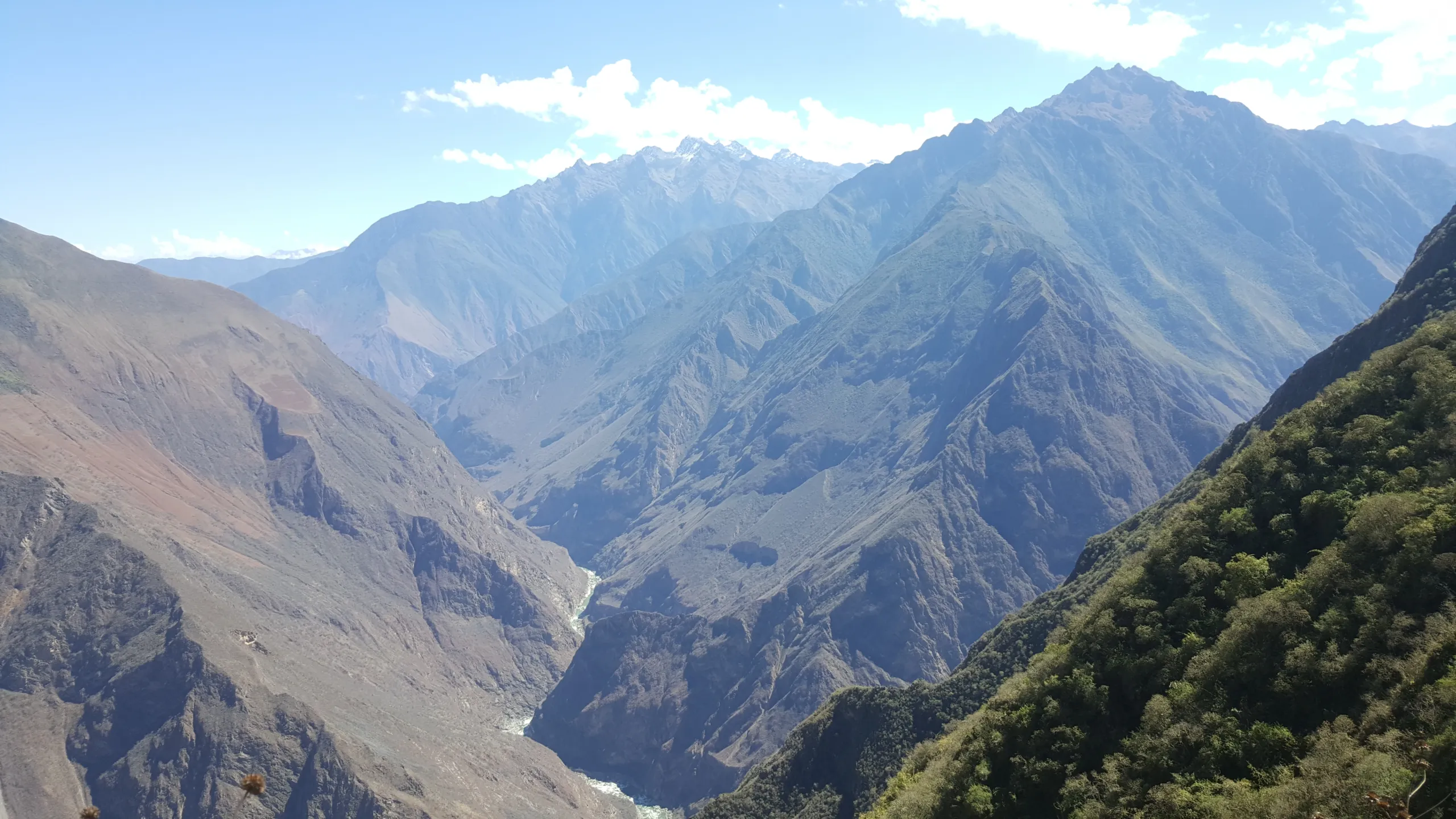
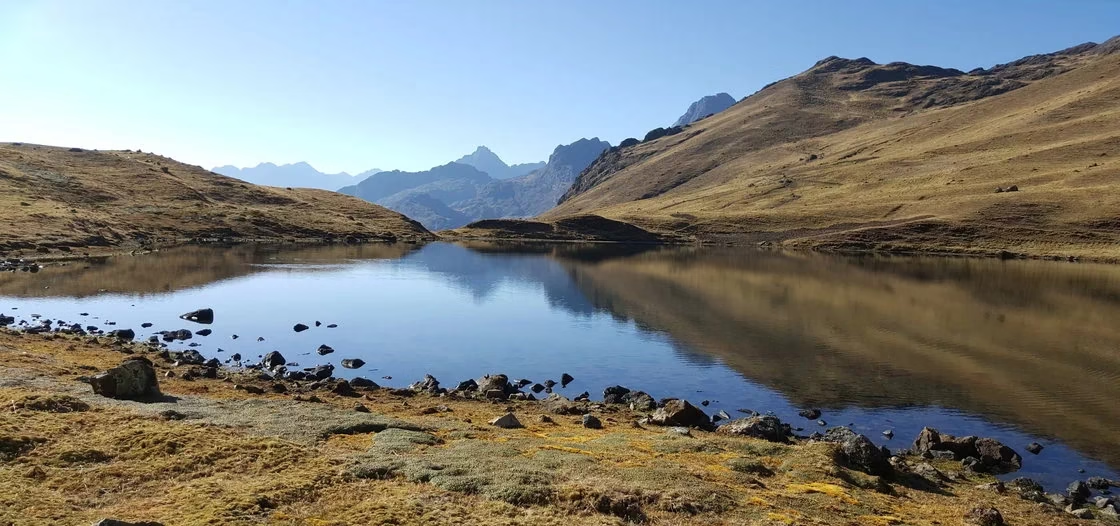
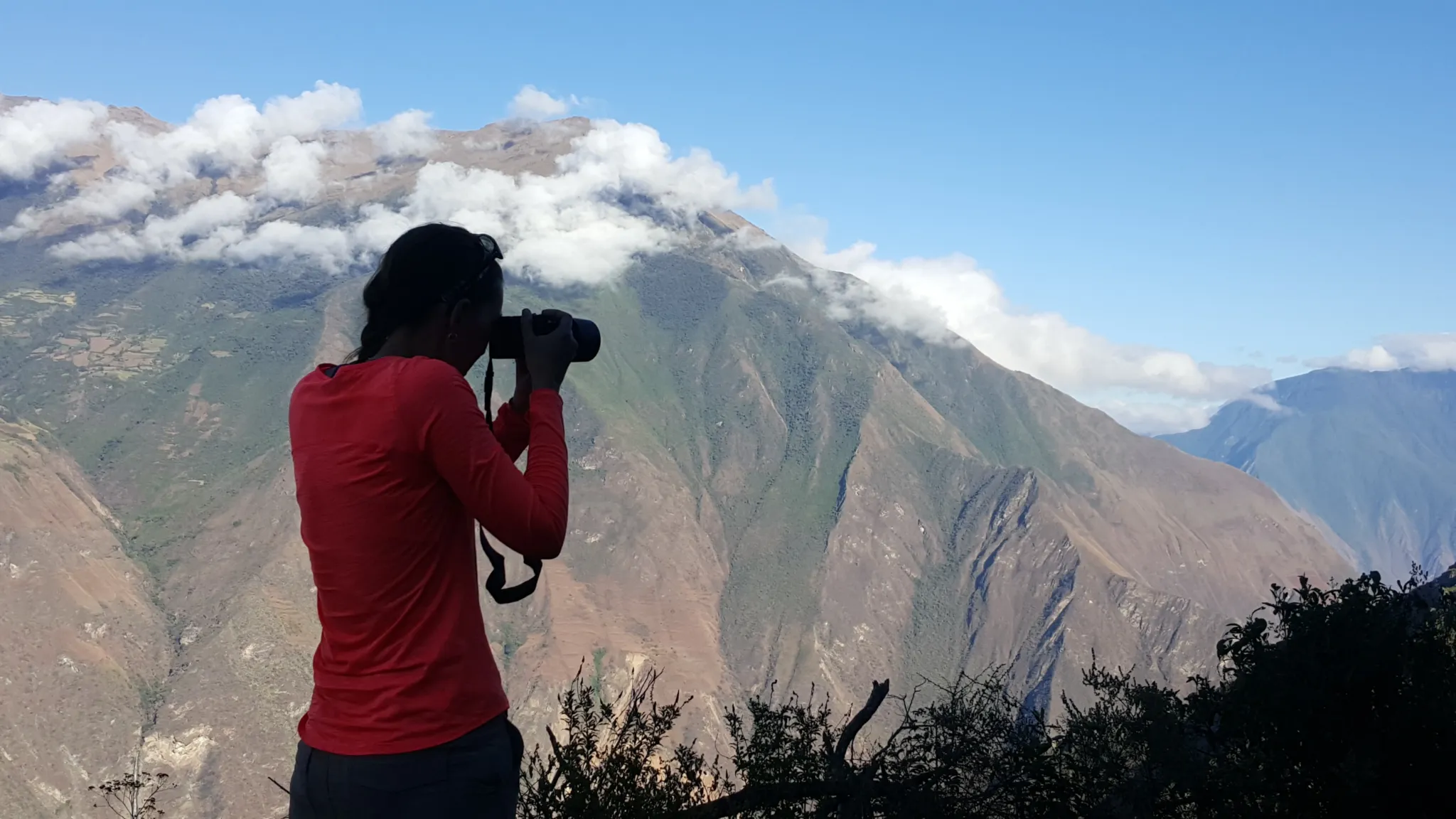
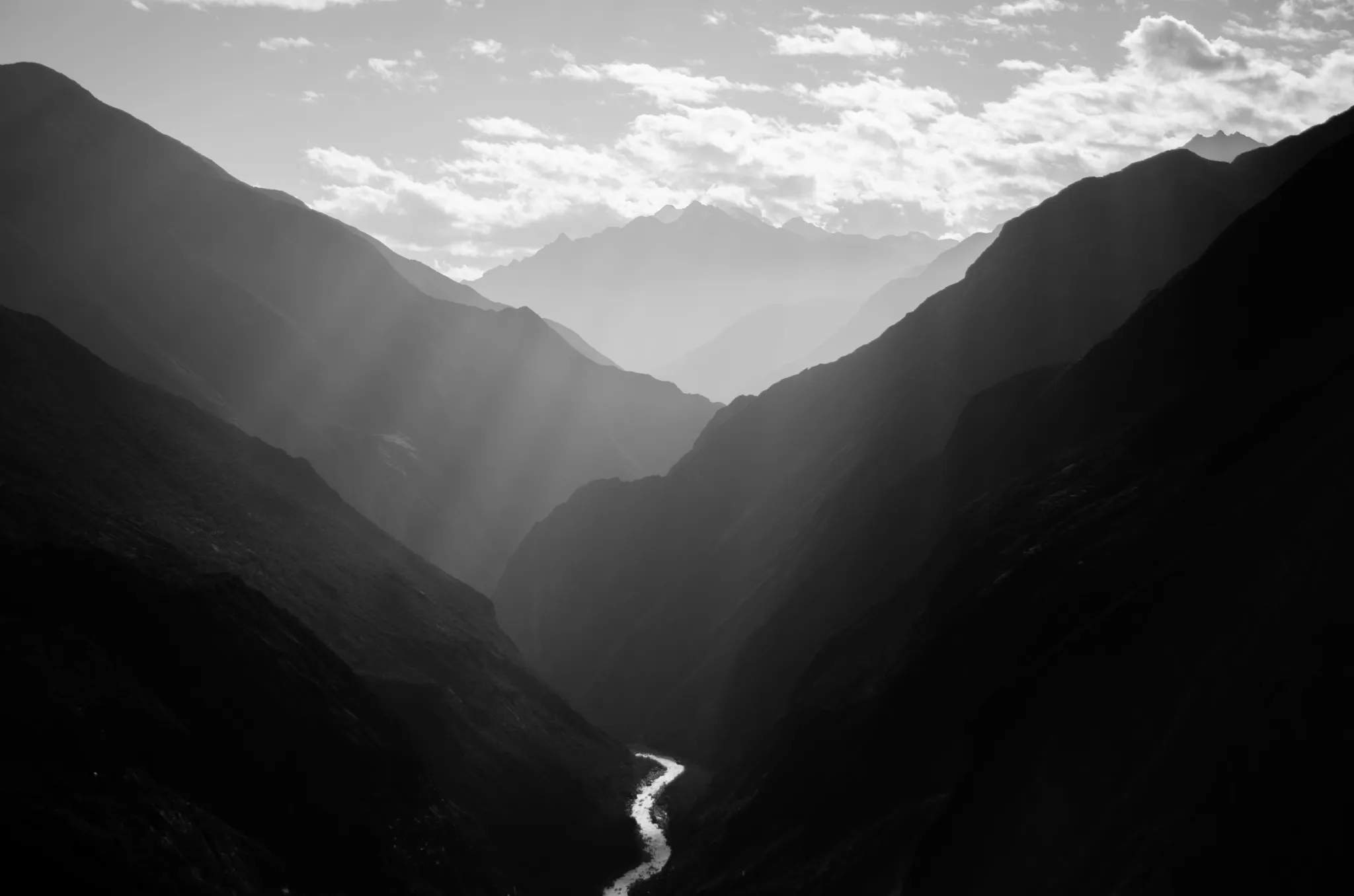
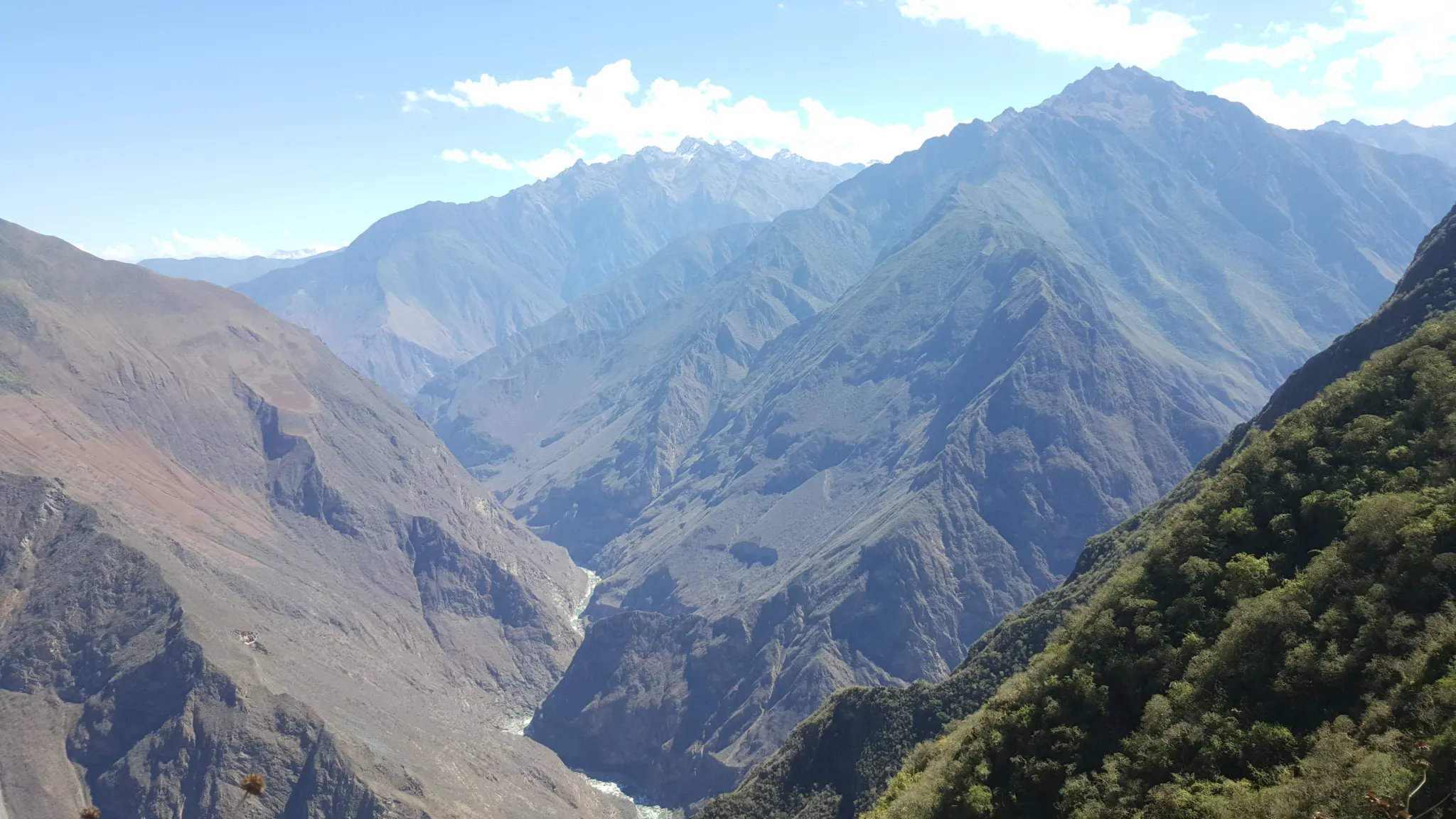
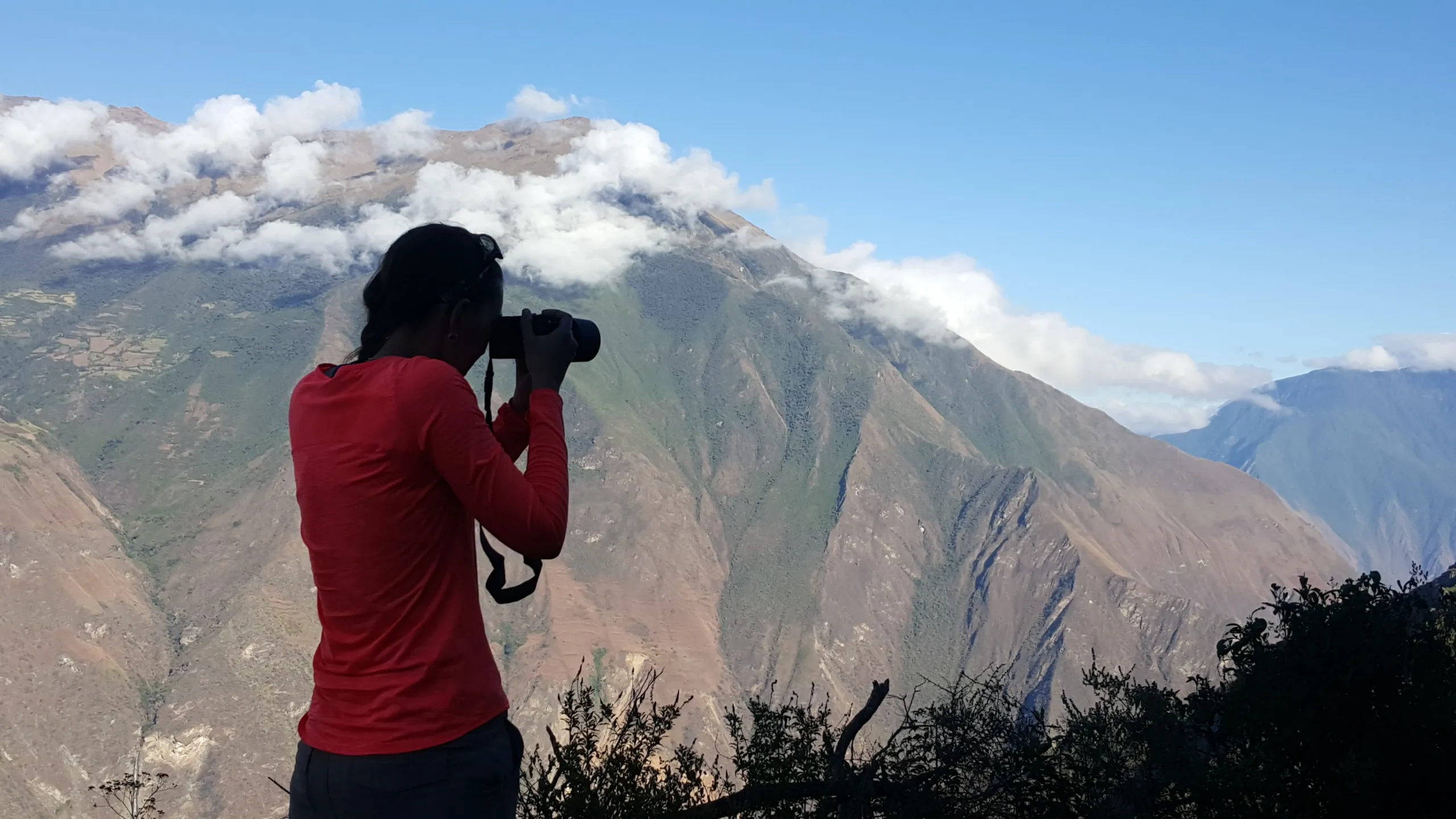
Getting there requires crossing the Apurímac Canyon — deeper than the Grand Canyon, crossed by a suspension bridge at the bottom where the river that named itself the god who speaks runs fast and loud between walls of rock that rise more than 1,500 meters on both sides. The climb out the other side, through cloud forest and along cliff-edge trails with glacier views that extend to the horizon, is among the most physically demanding approaches to any archaeological site in the Americas.

There are no buses. There is no train. There is no shortcut.

That inaccessibility is the point — and the preservation. On the day you stand in Choquequirao’s main plaza, the number of other people present will be countable. On most days, it will be zero.


4 Choquequiraw trek highlights 


  • The Apurímac Crossing: A suspended bridge over 1,500m canyon depths, testing nerve and rewarding with condor-eye views.
  • Choquequirao’s Sunrise Revelation: Private access to the citadel’s main plaza at dawn.
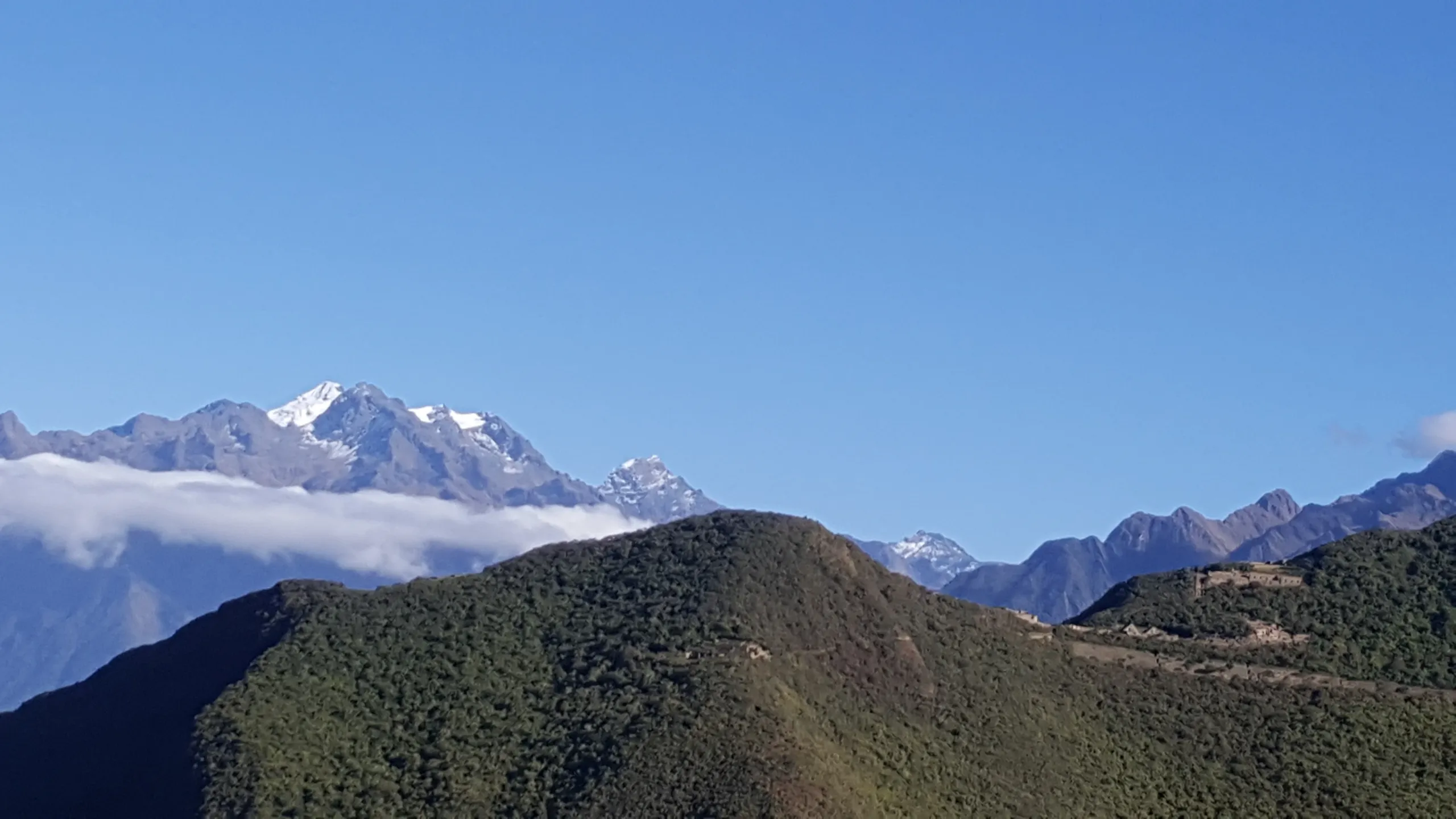
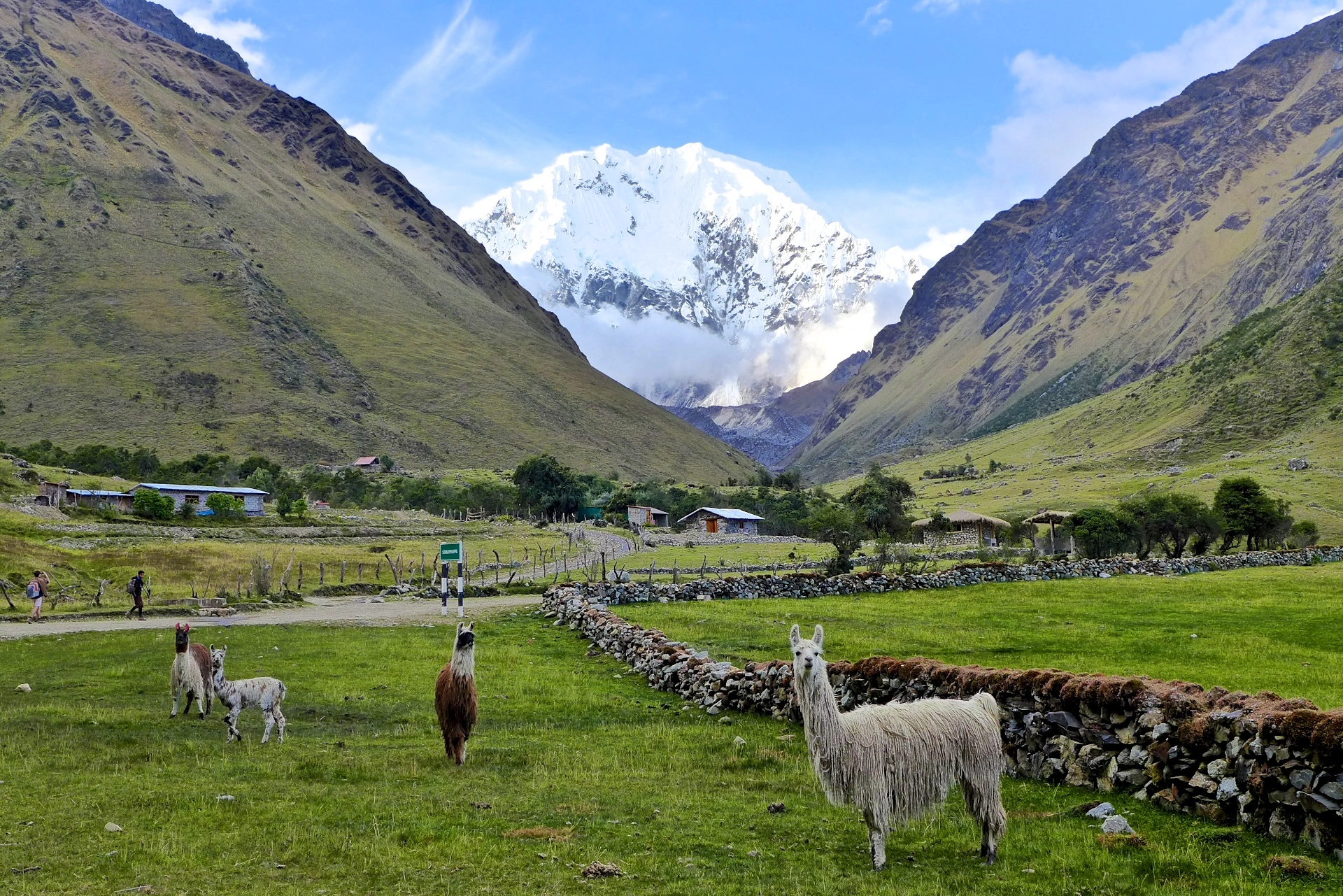
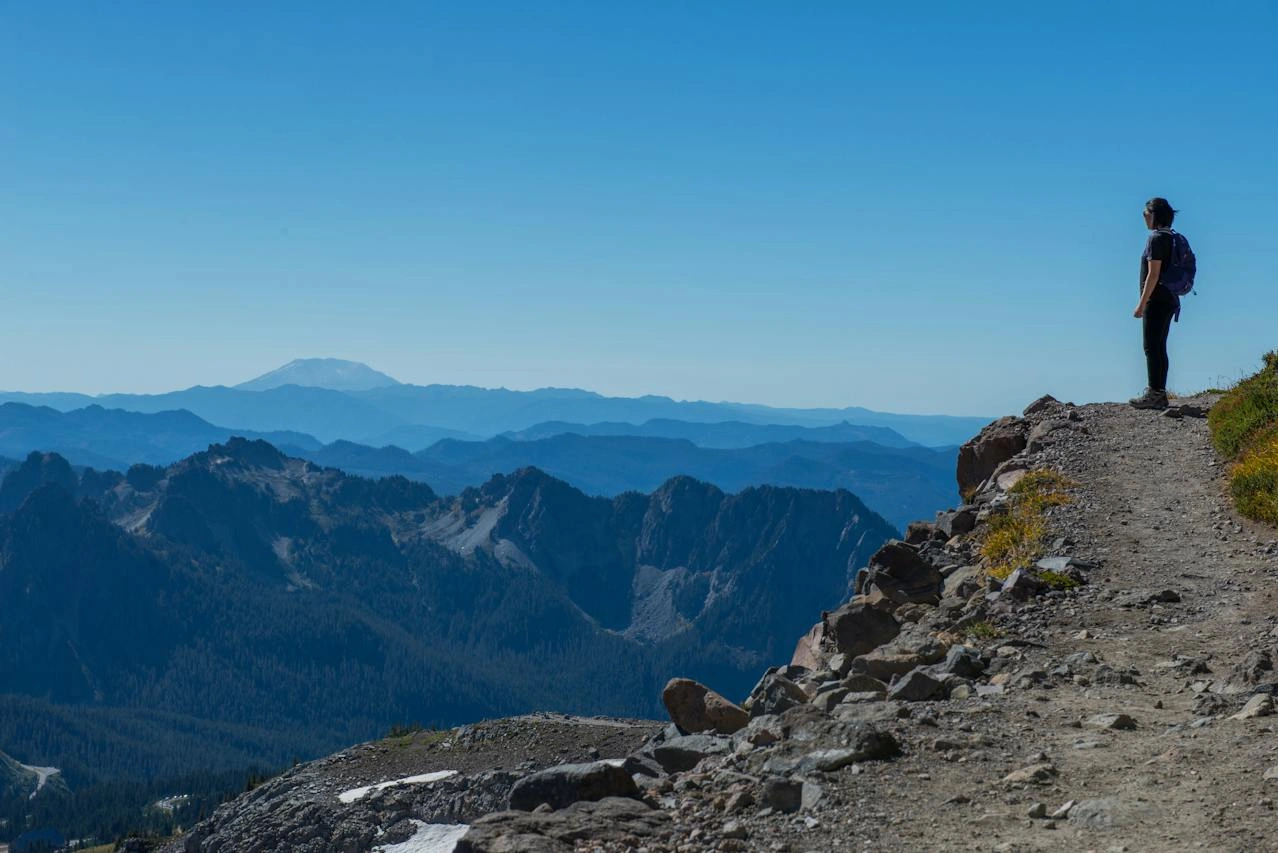
  • The Marampata: the trail along the cliffs with infinite victas of the andes and glaciers.
  • The Condor Corridor: Guaranteed wildlife encounter with South America’s largest raptors.
Choquequiraw
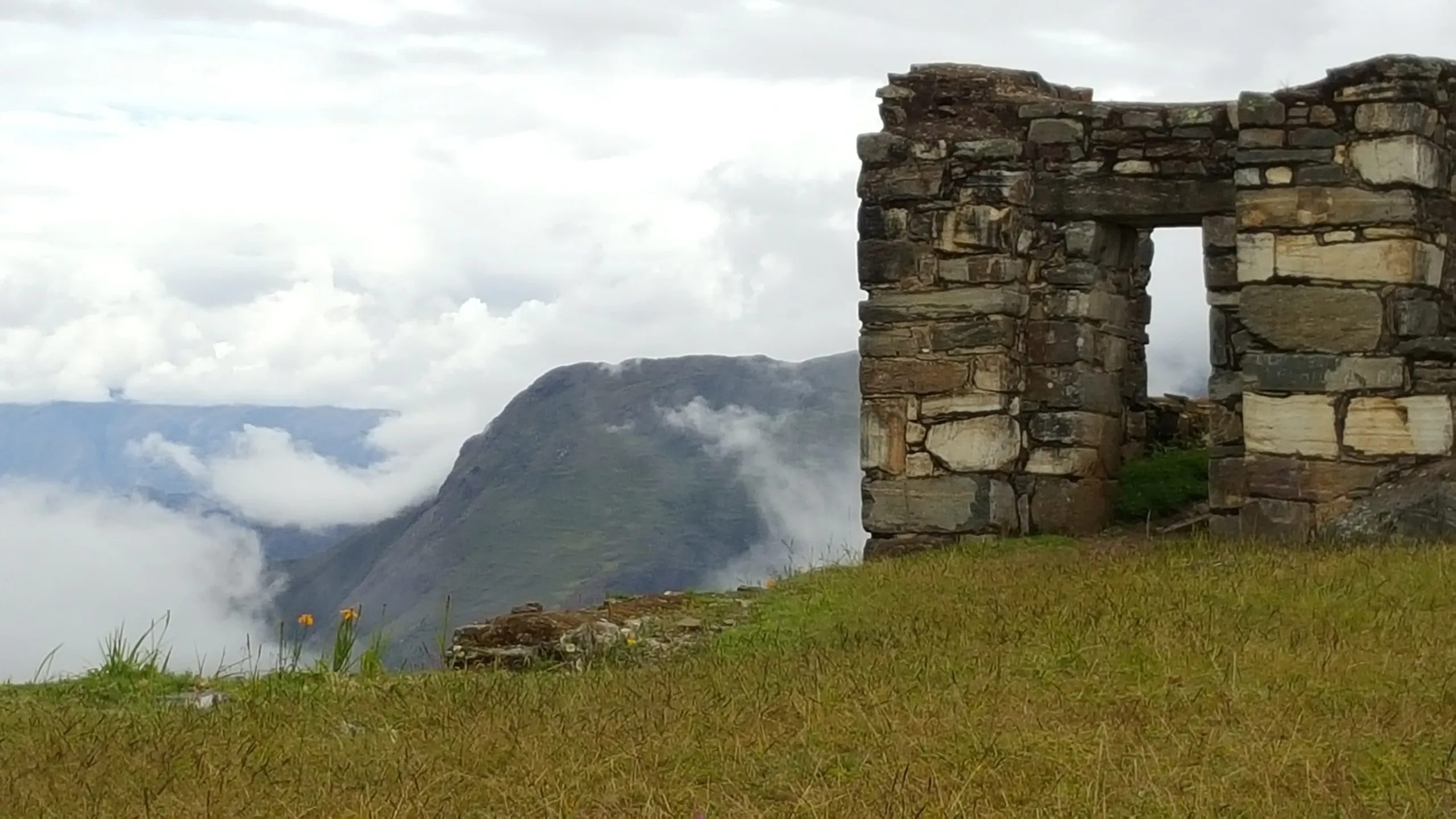
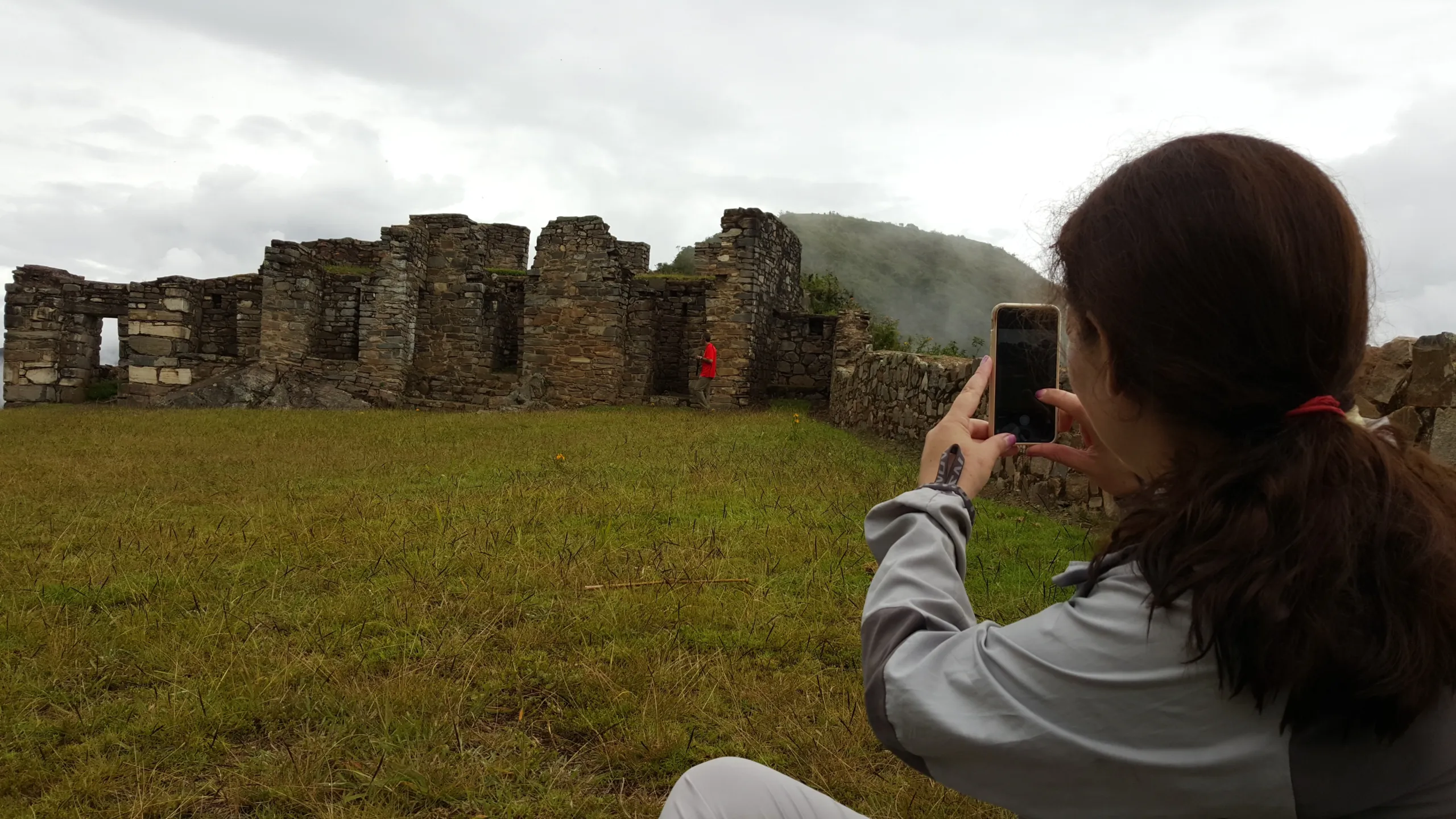
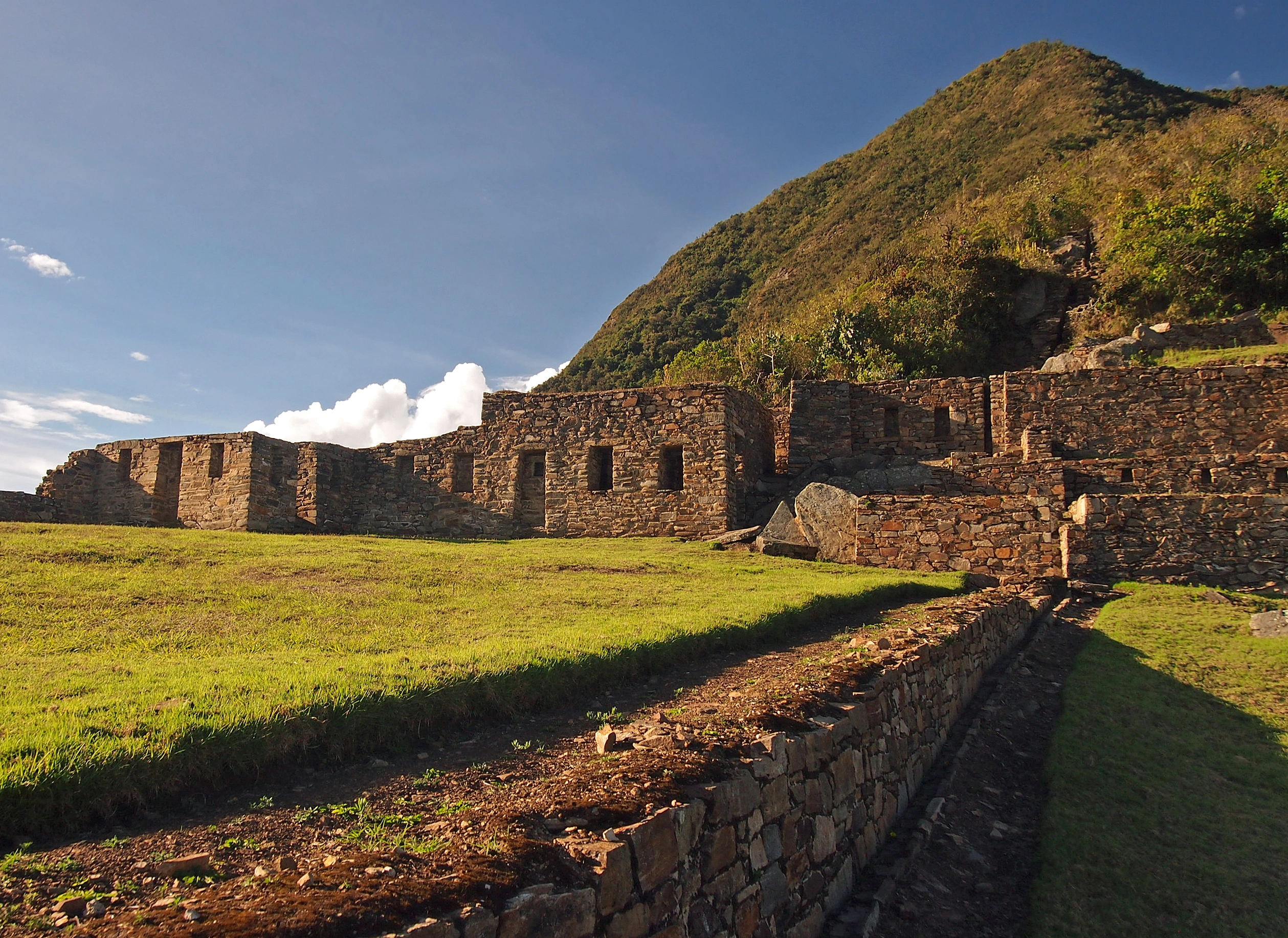
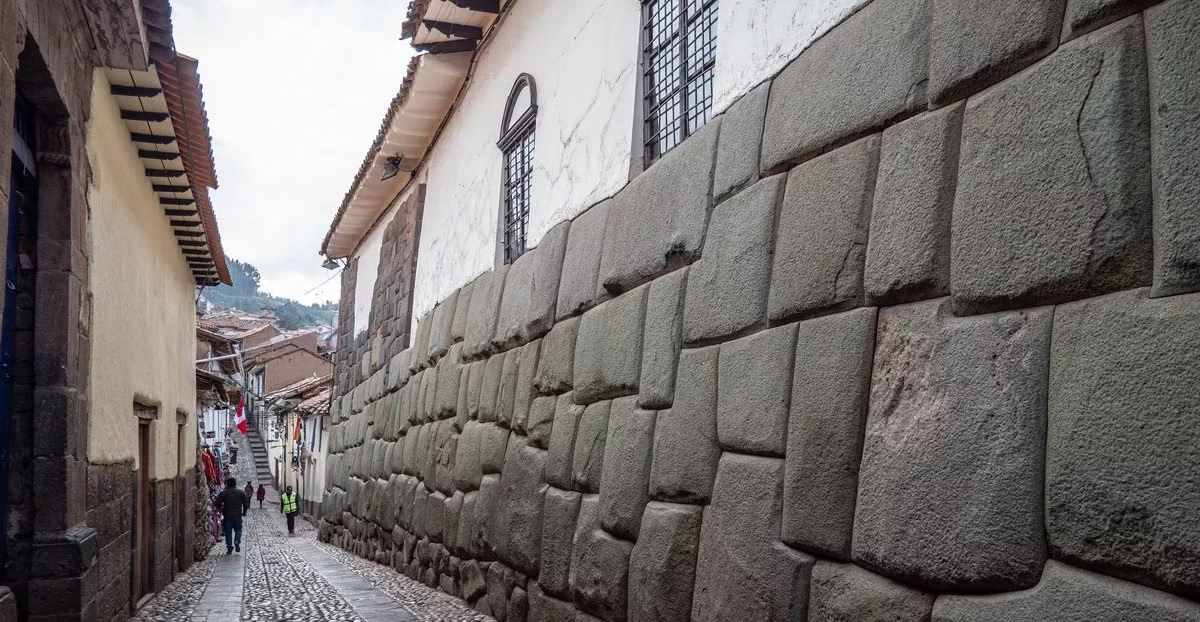
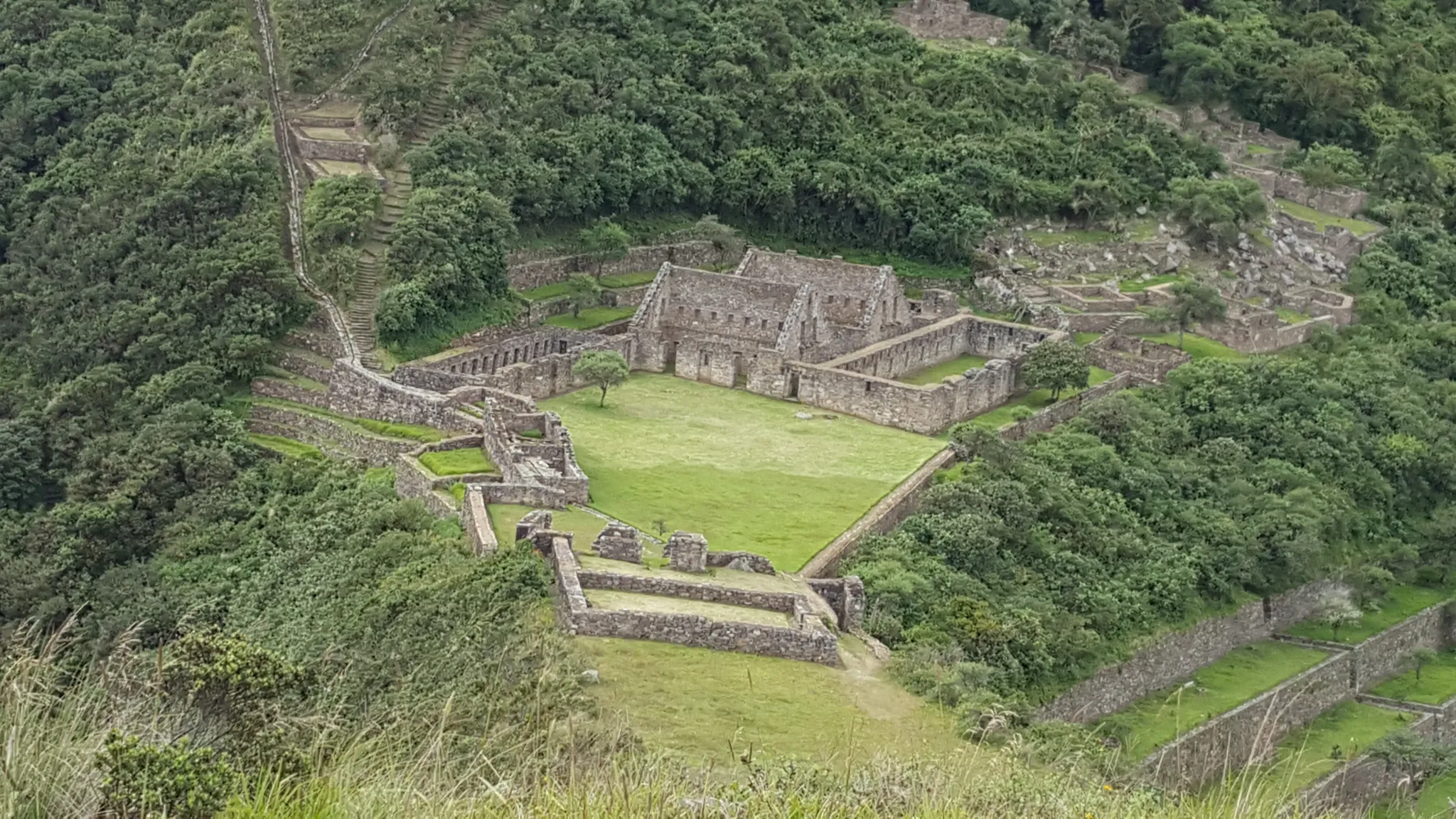
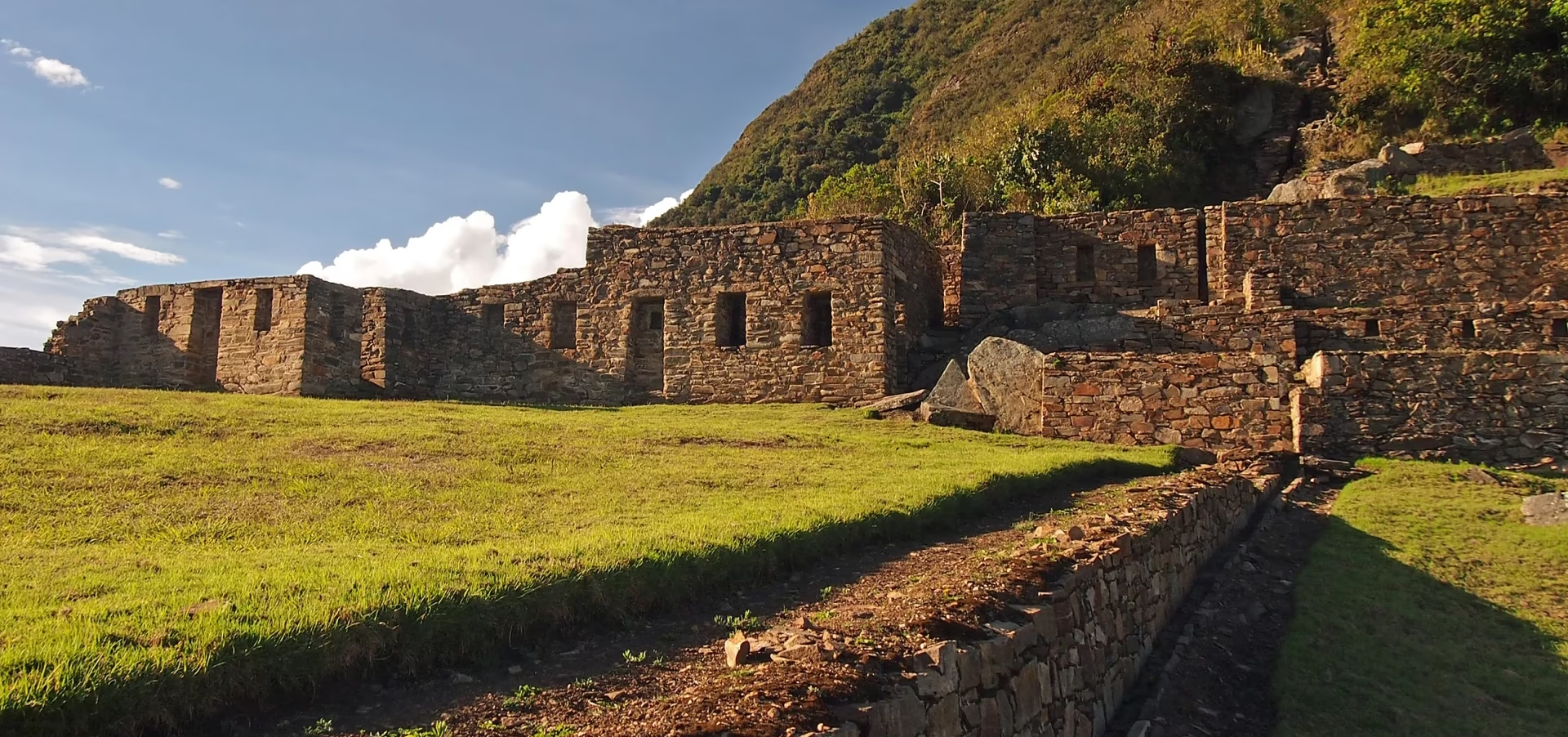
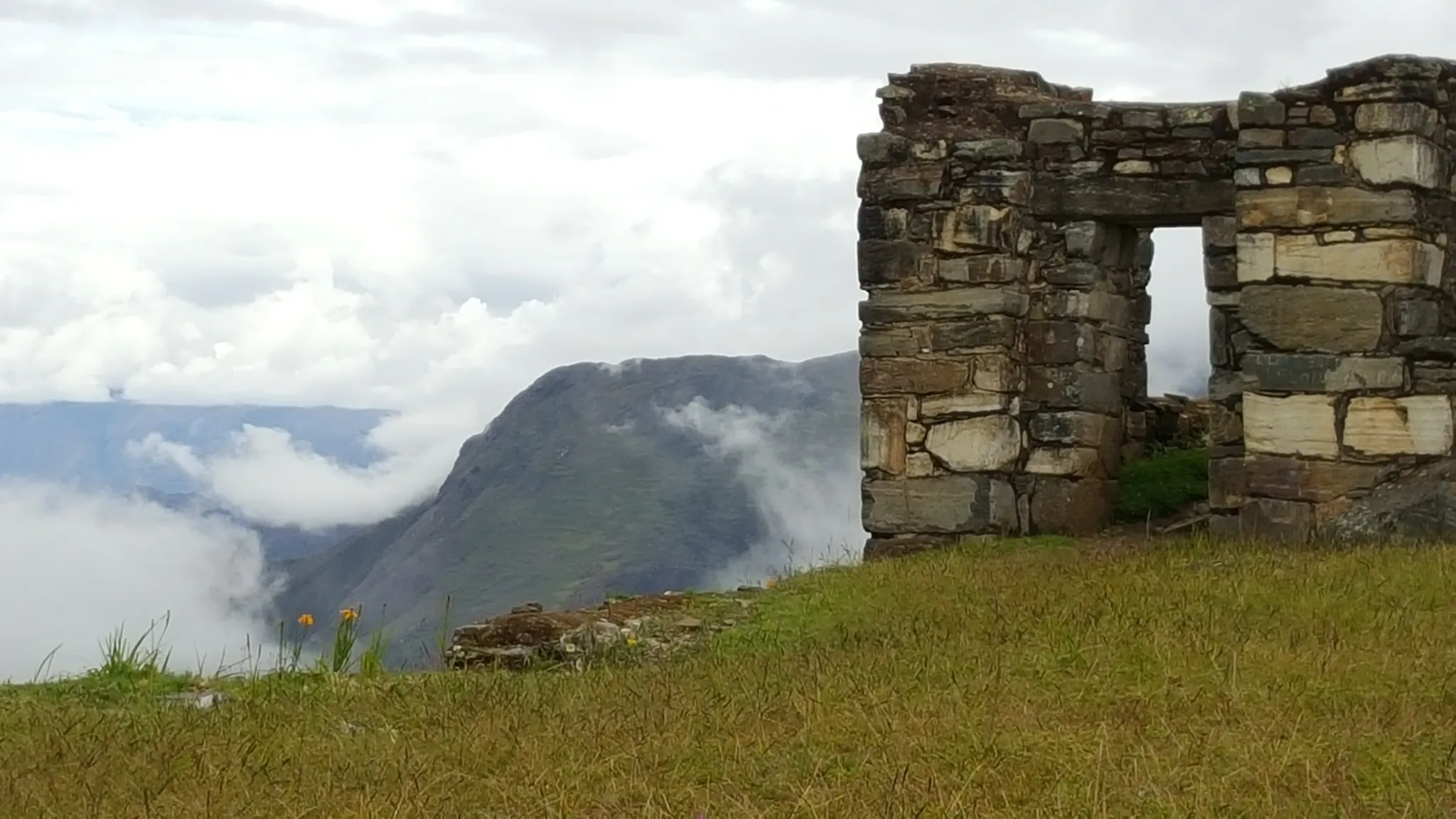
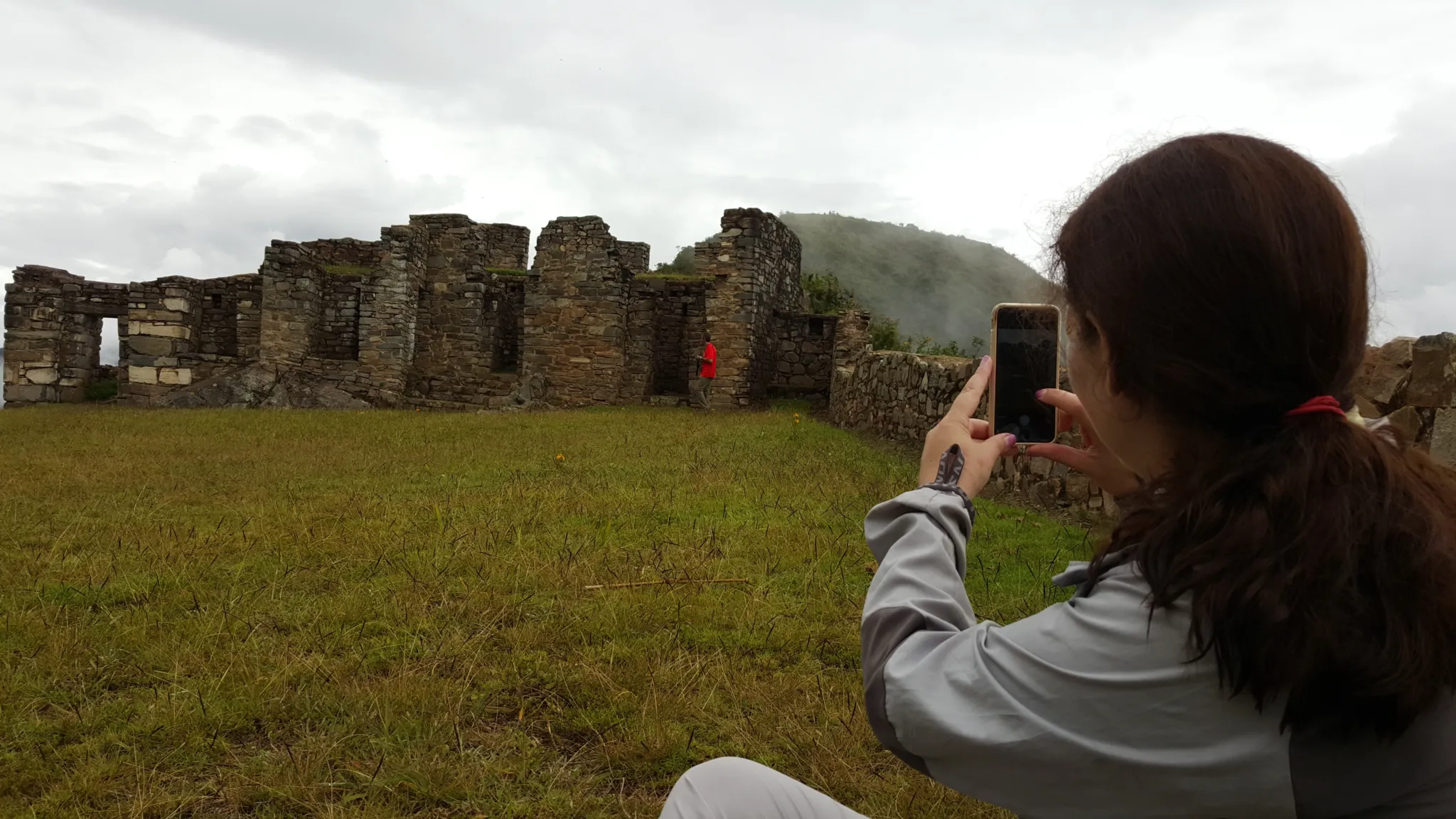
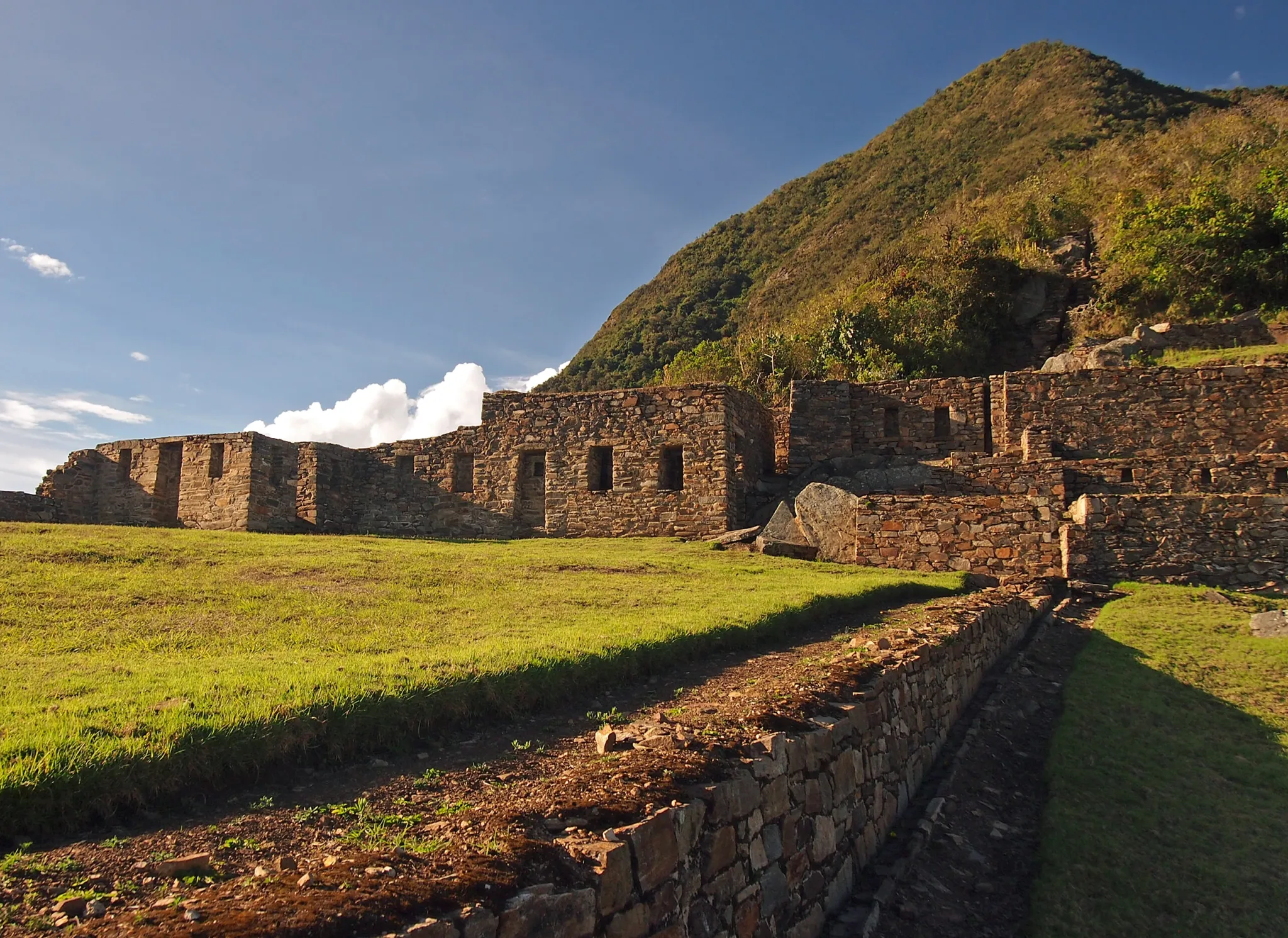
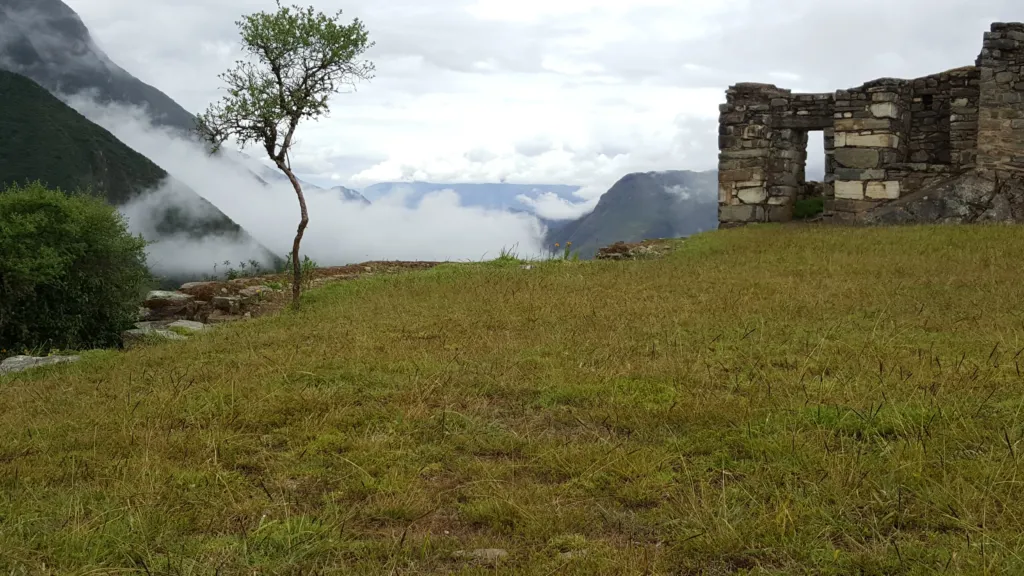
Gate to the main place of Choquequiraw

Choquequiraw trek


What Five Days in the Apurímac Does to a Person

The therapeutic logic of this trek is not subtle. The Apurímac Canyon is one of the most extreme landscapes in South America — a place where the scale of the natural world becomes impossible to ignore and the scale of ordinary human concern becomes proportionally reduced. Two days of descent and ascent through that canyon, followed by a full day inside one of the least-visited sacred sites on earth, followed by two days of return through the same landscape with a completely different internal state — this is a particular kind of recalibration that no wellness program has ever replicated in a controlled environment.

The Inka method framework applied throughout by your guide reads the canyon, the trail, and the citadel as a therapeutic sequence — each day building on the previous one, the physical demand and the ancestral knowledge working together rather than separately. By Day 3, inside Choquequirao with the morning light on stones that 80% of the world has never seen, most people find that whatever they came carrying has been considerably rearranged.
Cusco → Capulilloq → Apurímac River → Santa Rosa | 12 km | Moderate to Difficult

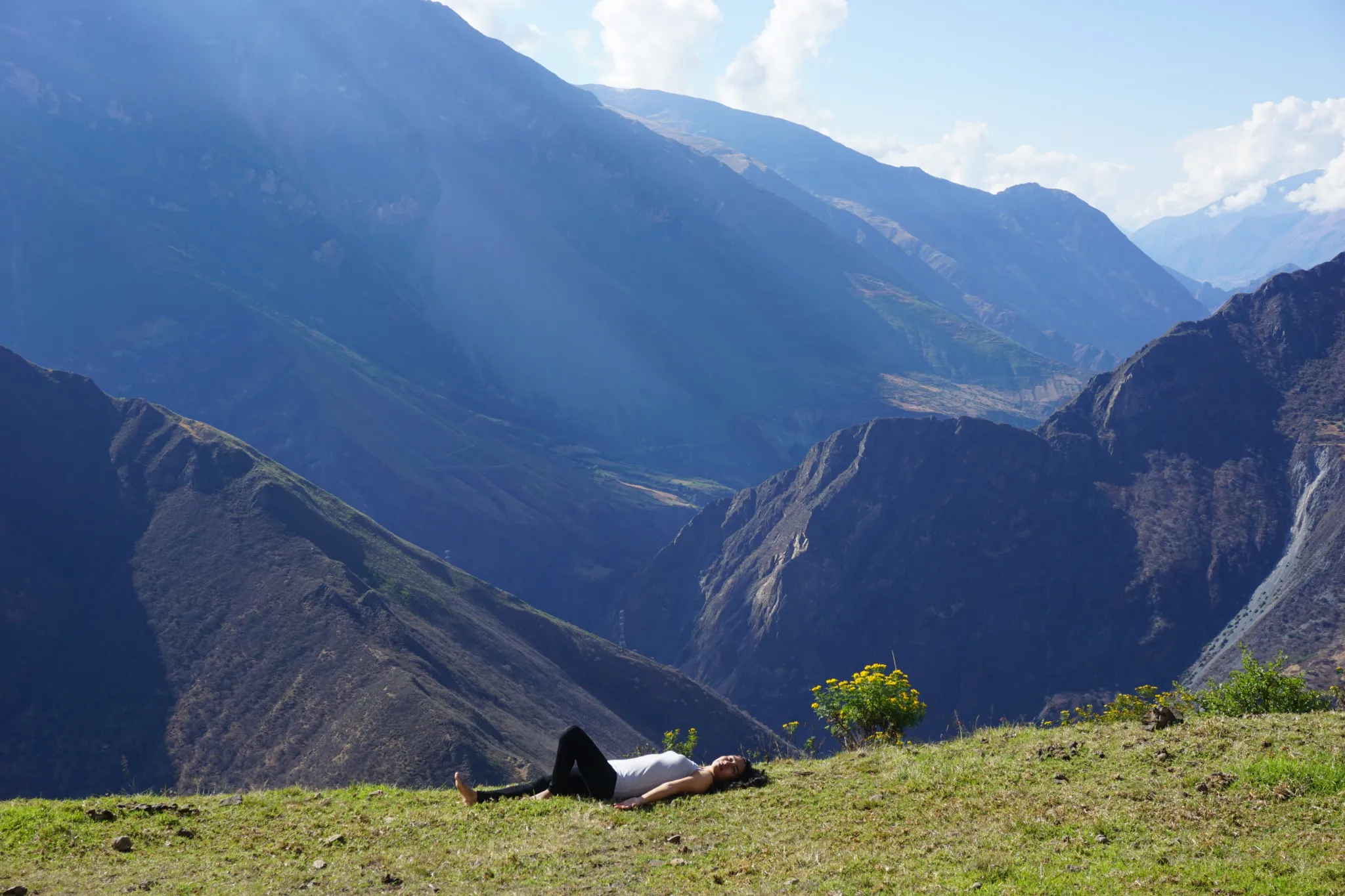
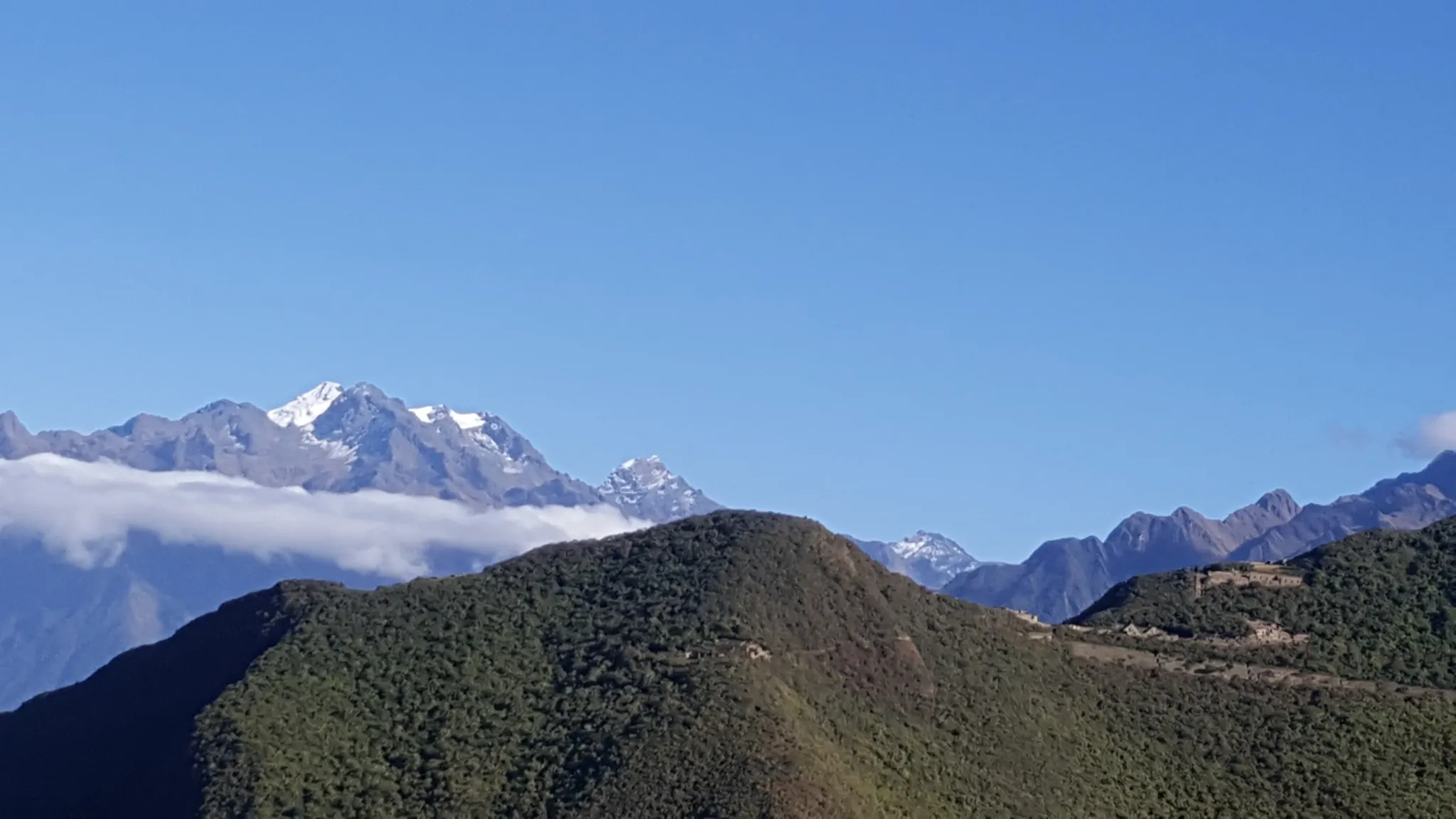
Five hours from Cusco by road to Capulilloq — the trek’s entry checkpoint, perched at 2,850 meters where the Apurímac Canyon reveals itself without warning or preparation. Glaciers on the horizon. Choquequirao visible in the distance as a series of terraces cut into a forested ridge. Condors, with reasonable frequency, riding the thermal columns above the canyon walls.

The descent to the Apurímac River is long, hot, and dry — the canyon creates its own climate, and the temperature at the river base bears no relationship to the altitude that produced it. The suspension bridge crossing is the day’s defining moment: a few meters of wire and wood above 1,500 meters of canyon, the river loud below, the walls rising on both sides into cloud.

The ascent to Santa Rosa camp begins immediately after the crossing. The Milky Way over the Apurímac Canyon, from a campsite with no light pollution for a hundred kilometers in any direction, closes the day.

  • Distance: 12 km
  • Altitude range: 1,550 m – 2,850 m
  • Overnight: Camp at Santa Rosa


Santa Rosa → Marampata → Choquequirao | 12 km | Difficult to Moderate

The morning climb from Santa Rosa is the hardest sustained ascent of the trek — through increasingly humid cloud forest, the vegetation thickening and greening as the altitude rises, the canyon views expanding behind you with every switchback. Marampata arrives like a reward: a small village on a cliff edge with a panorama of the Andes that stretches to glaciers in three directions, and the knowledge that the worst of the climbing is finished.

From Marampata the trail continues through a landscape of ups and downs that reveals Choquequirao from multiple angles before delivering it — the terraces emerging from the cloud forest, the main plaza taking shape, the scale of it becoming clear in a way that the distant view from Day 1 did not prepare you for.

Camp inside Choquequirao. The citadel at night, with no other visitors and the canyon below holding its particular darkness, is something that exists almost nowhere else on earth.

  • Distance: 12 km
  • Altitude range: 2,100 m – 3,000 m
  • Overnight: Camp at Choquequirao

Choquequirao — Full Day Exploration | Moderate

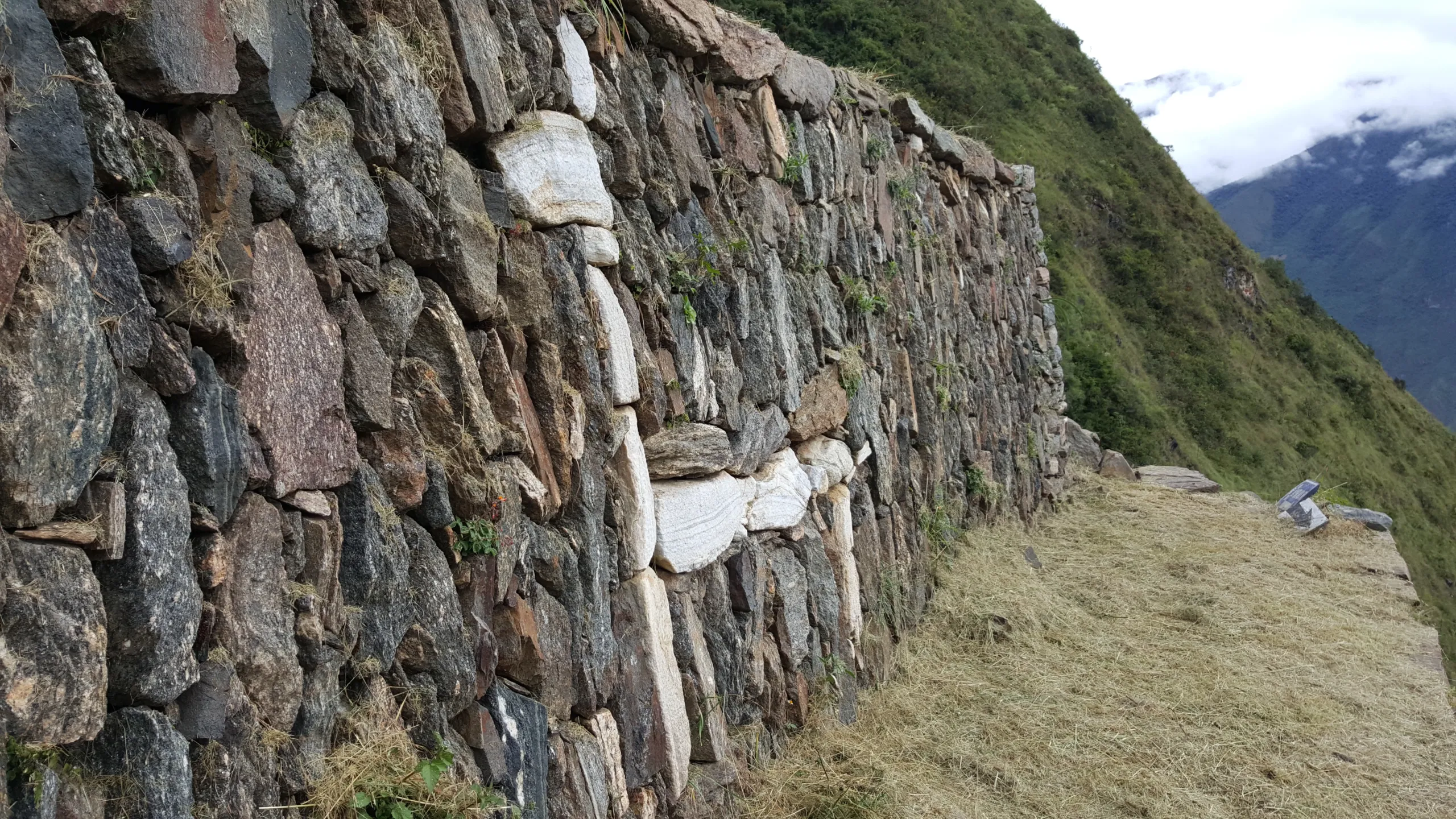
A full day inside a citadel that is three times the size of Machu Picchu, 80% unexcavated, and receiving fewer visitors in a week than Machu Picchu receives in an hour.

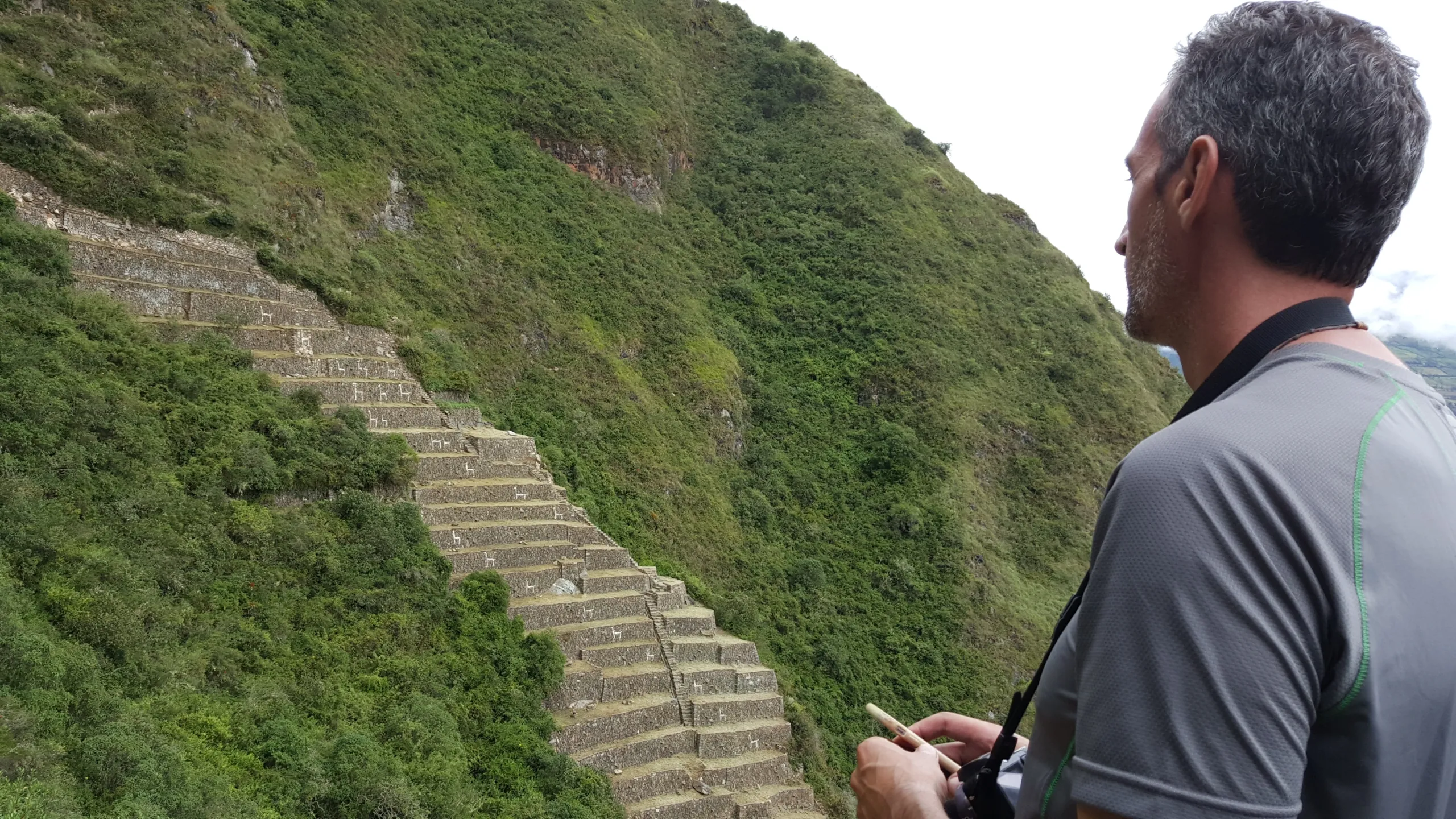
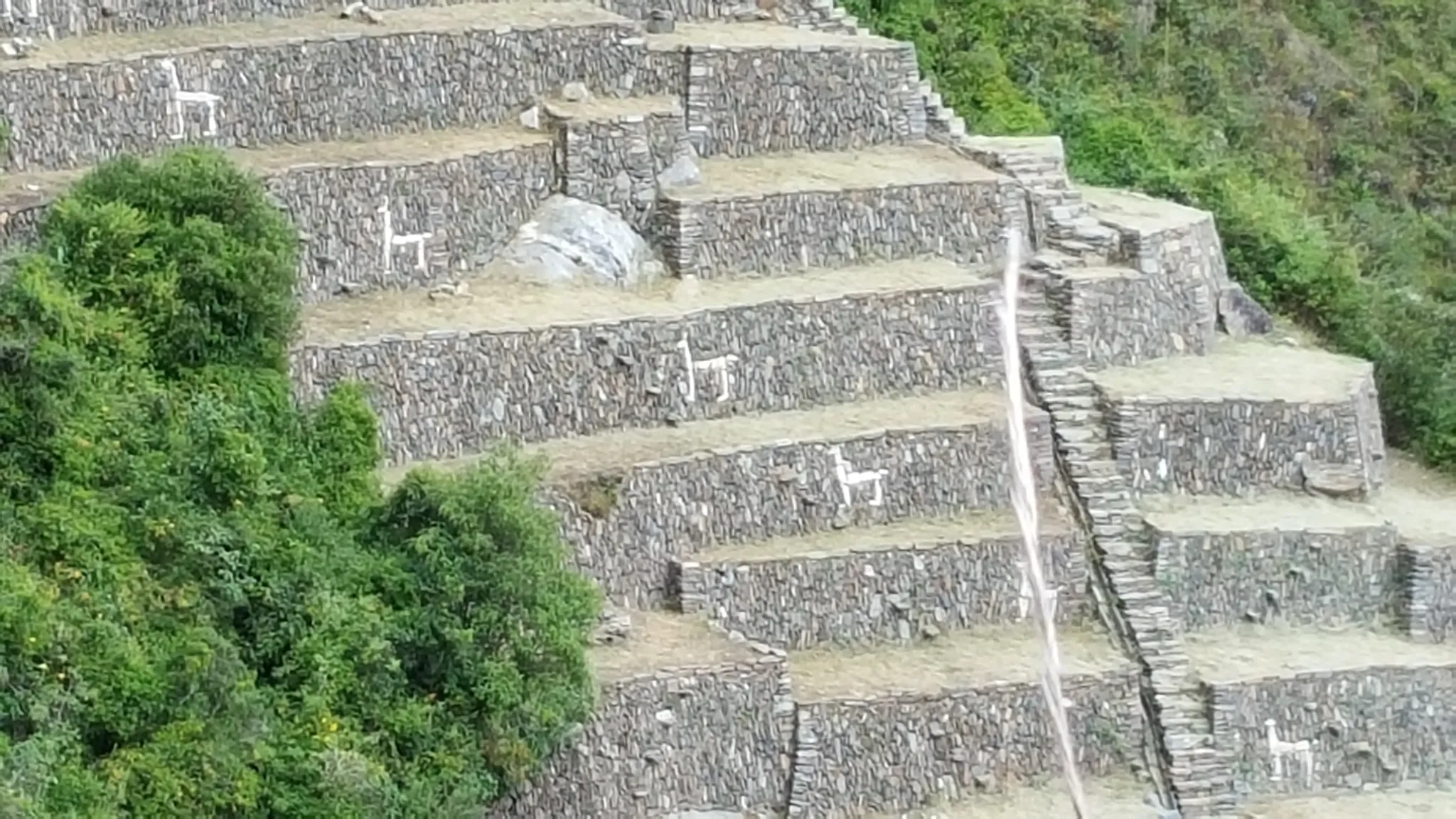
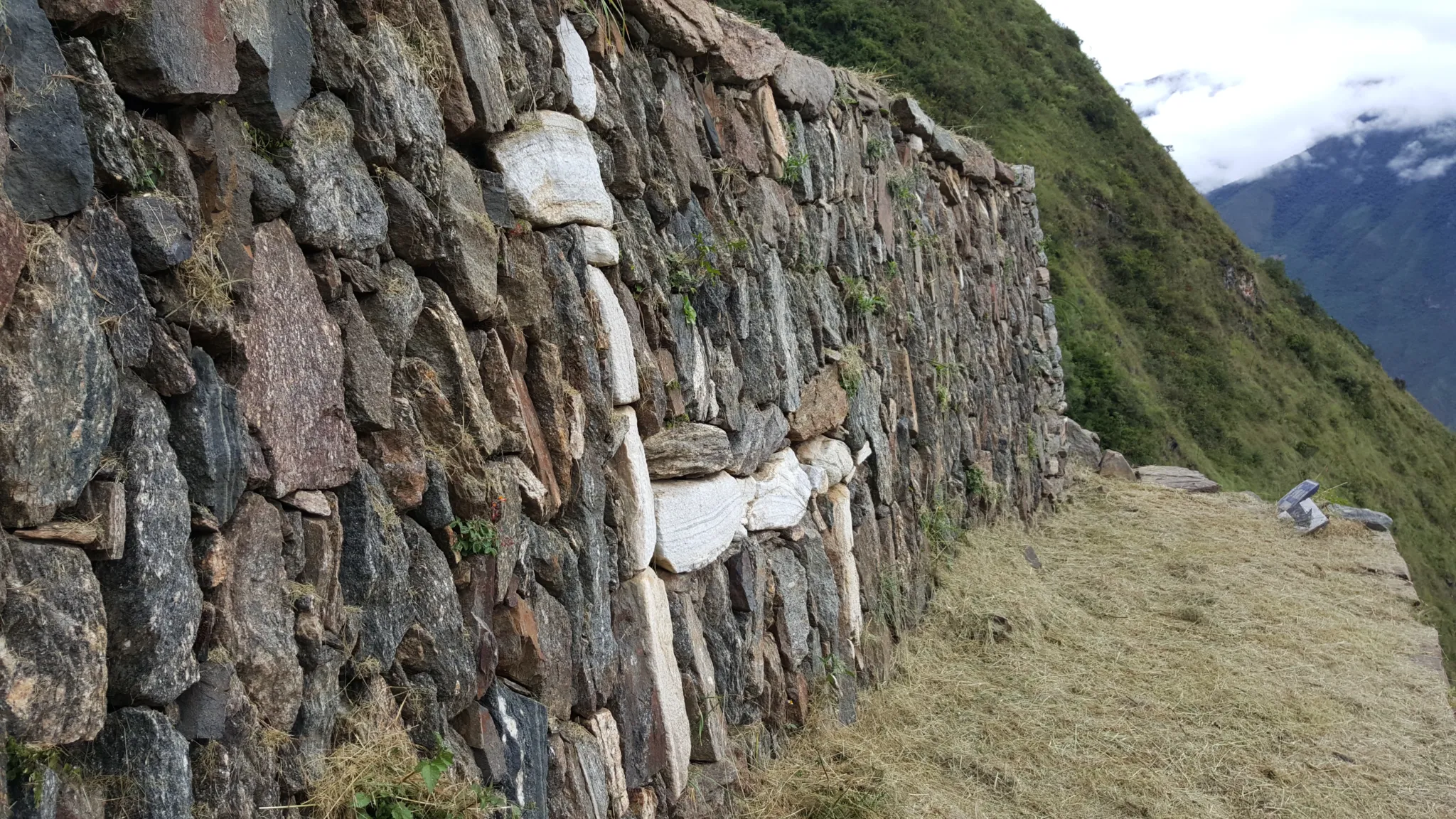
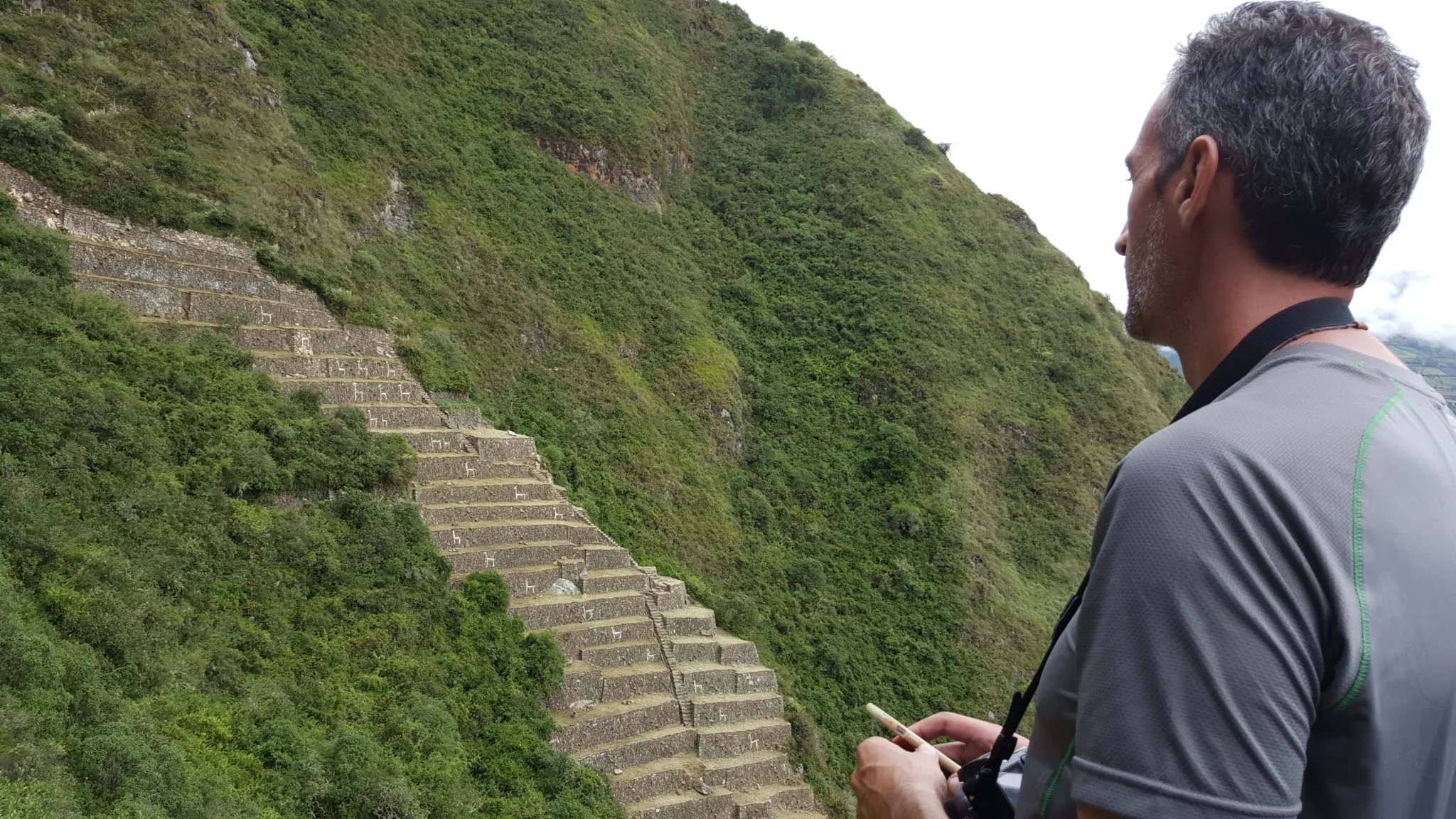
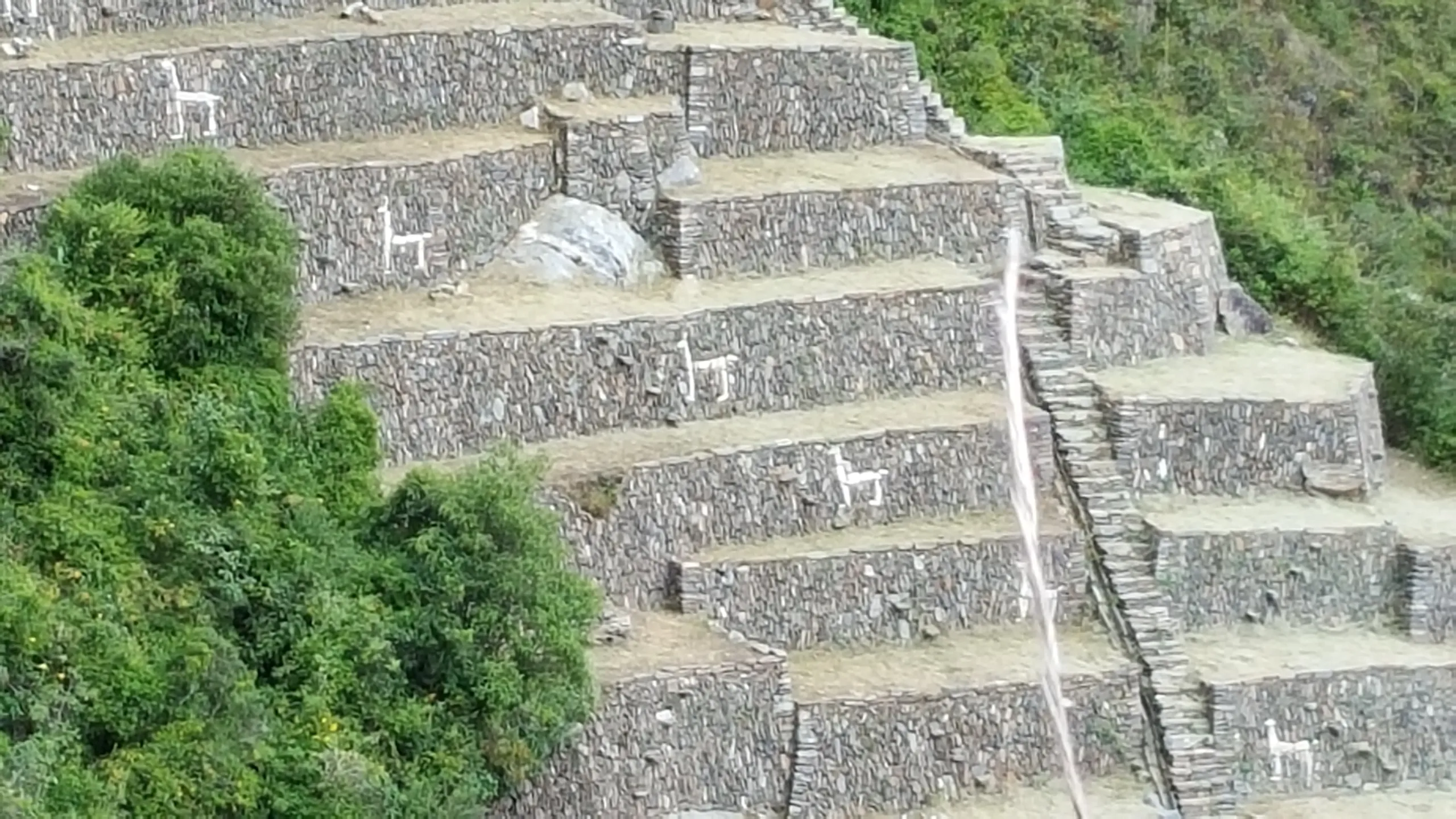
The known sections — the main plaza, the agricultural terraces, the ceremonial platforms, the llama terraces with their distinctive stone reliefs — are explored with the depth that a full day and an unhurried guide make possible. The Inka method framework moves through the site not as a tour but as a reading — the architectural choices, the astronomical alignments, the relationship between the citadel and the canyon it commands, the stories that the local communities of the Apurímac have carried about this place through five centuries of deliberate obscurity.

The afternoon moves to Marampata camp — a short walk with the full weight of the day’s exploration settling into the body and the canyon views holding the light until it finally disappears.

  • Distance: Free exploration + 4 km
  • Altitude range: 2,880 m – 3,050 m
  • Overnight: Camp at Marampata

Marampata → Apurímac River → Chiquisca | 13 km | Moderate to Difficult

The return descends through the camp of Day 1, back to the Apurímac River and the suspension bridge, then climbs to Chiquisca on the far side. The route is familiar but the internal state is not — the canyon that felt overwhelming on Day 1 now feels navigable, the distances that seemed impossible now feel measurable. That shift is itself therapeutic, and your guide will name it.

  • Distance: 13 km
  • Altitude range: 1,550 m – 3,000 m
  • Overnight: Camp at Chiquisca

Chiquisca → Capulilloq → Cusco | 7 km + 176 km by road | Difficult

The final climb to Capulilloq is the steepest of the return — a morning of sustained effort that ends at the checkpoint where the canyon first revealed itself five days ago. The view from that point, with the full knowledge of what lies below and beyond it, is categorically different from the view on Day 1.

The drive back to Cusco takes five hours through the Andean landscape. Most people sleep for most of it.

  • Distance: 7 km on foot + 176 km by road
  • Maximum altitude: 2,850 m
Choquequiraw Archaeological Park

Reviews

Reviews

There are no reviews yet.

Be the first to review “Choquequiraw Trek”

Your email address will not be published. Required fields are marked *

Included/Excluded

  • Incluido All transportation.
  • Incluido Guide service.
  • Incluido Food as described (breackfast=B, Lunch=L, dinner=D).
  • Incluido Entrance fees and permits for the detailed visit sites.
  • Incluido Chef for the trek.
  • Incluido Cooking equipement.
  • Incluido Camping equipement.
  • Incluido Transport mules.
  • Incluido Horseman – mule driver.
  • Incluido Boiled or purified water.
  • No Included Bottle of water or sports drink.
  • No Included Tipping for staff.
  • No Included Travel ensurance
  • No Included Flight tickets
  • No Included Sleeping bag

Attractions

Choquequiraw

Activities

Camping, Culinary, Discoveries, Experiential tourism, Full nature, Lama experience, Picnic, Rural house, Trekking, Viewpoint of Condors

FAQs

Nothing to show, please go to blogs.

Application Process

Contexto personal
Estado mental actua
Preferencias y límites
Datos de contacto

Book This Tour

Top Trending

You may like

Cart0
Cart0