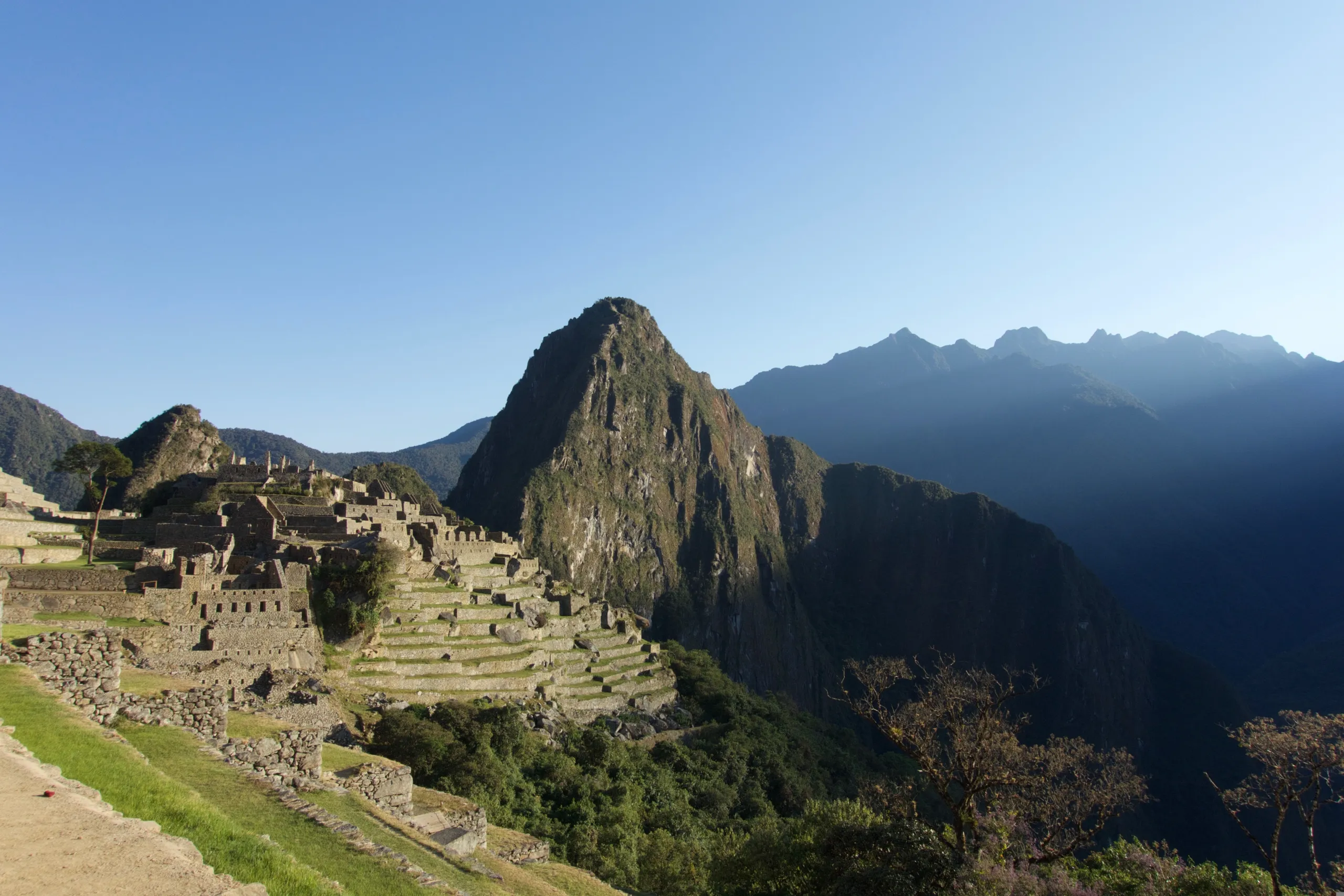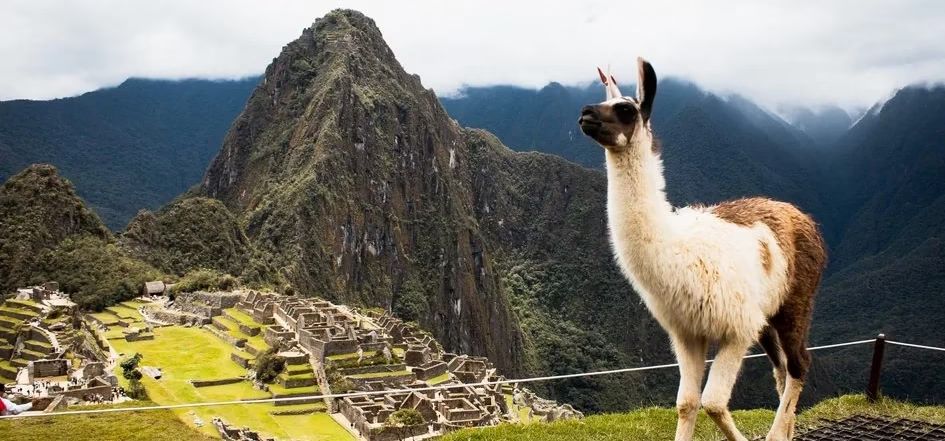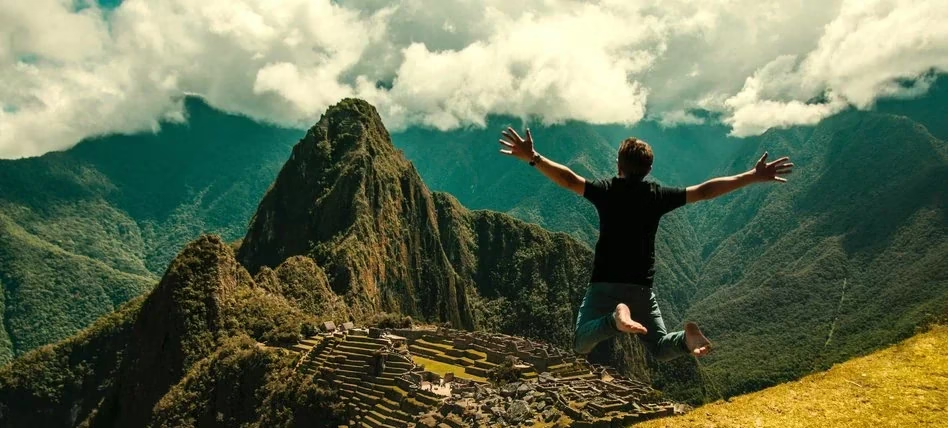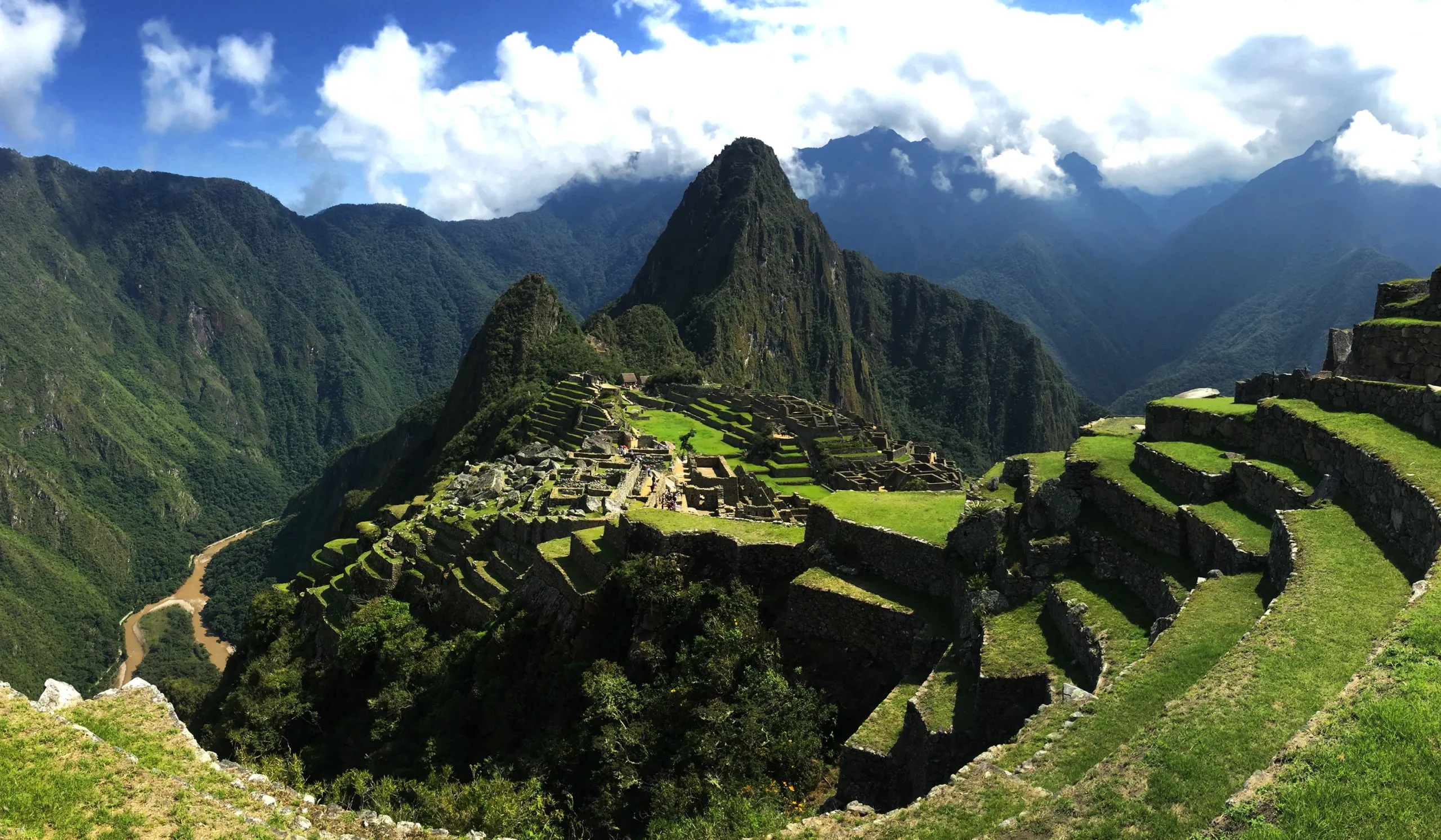
Picchu Machu Picchu

Price

From: $10,269.00

Duration

13 Days

Max People

10

Tour Type

Packages

Attractions

19

Activities

16

Min Age

12


Overview


Picchu Is Not a Place. It Is a Presence.

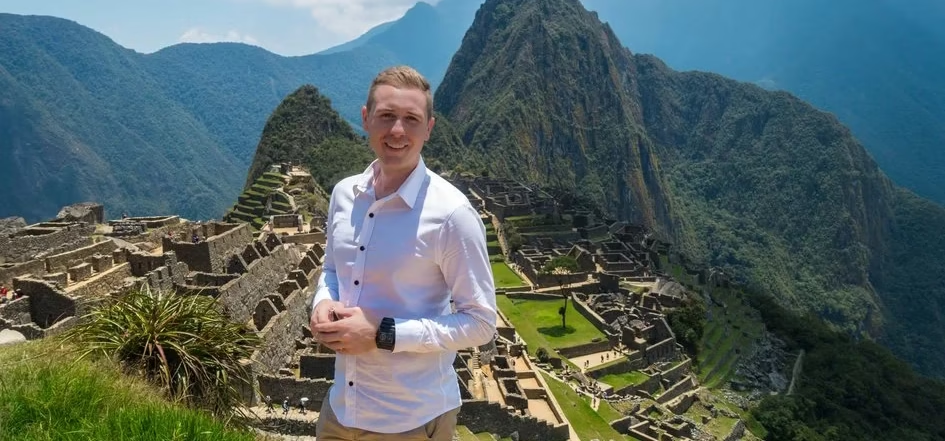
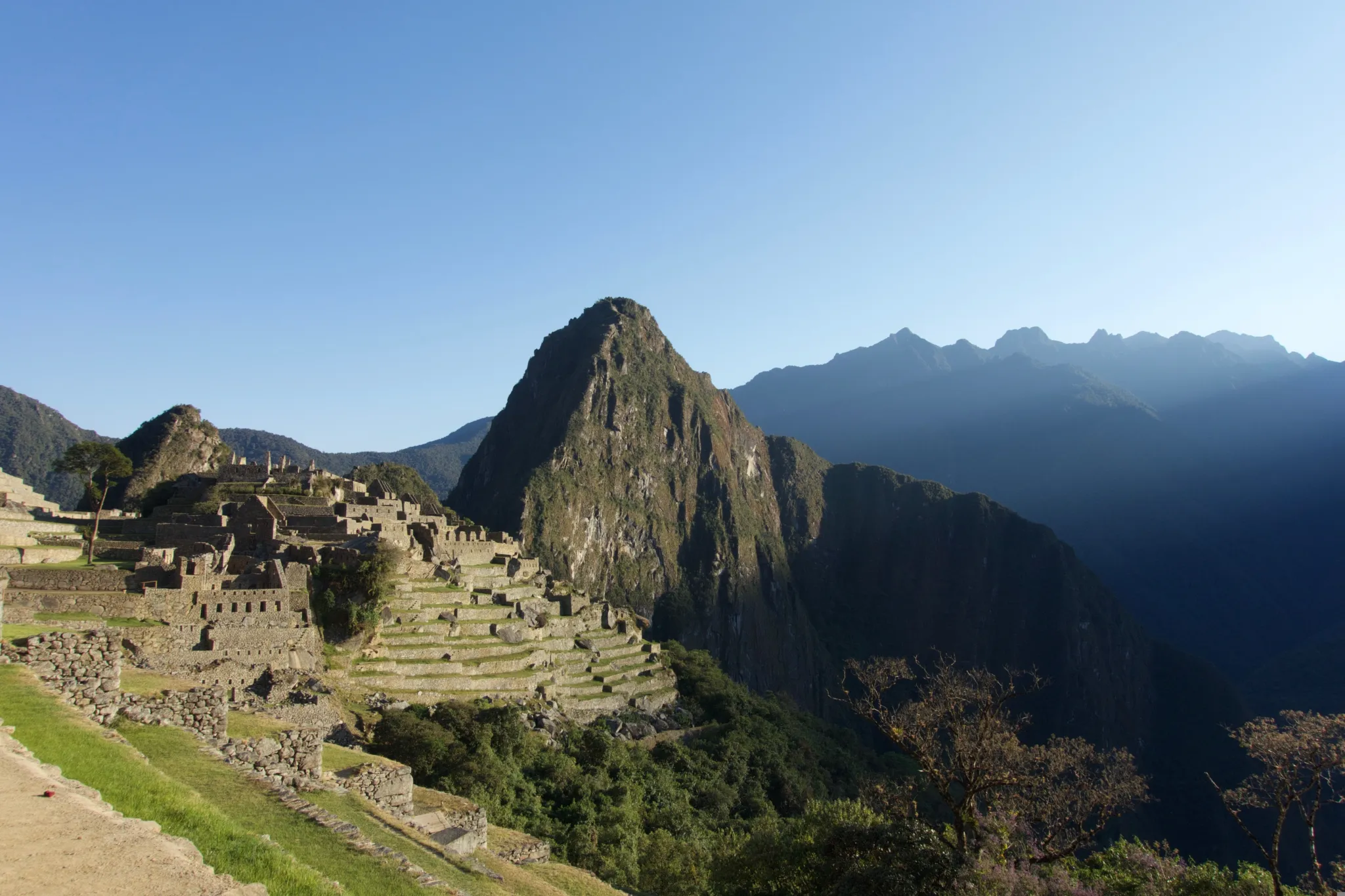
Machu Picchu — old mountain — is the most famous of them. But this program does not go to Machu Picchu directly. It earns it — through the Salkantay massif, through the glacier pass at 4,630 m / 15,190 ft, through cloud forest and subtropical valley and zip-line canyon and coffee plantation, arriving at the citadel from the Llactapata ceremonial viewpoint where it appears across the valley before you ever set foot inside it.

Thirteen days. The complete preparation that Machu Picchu deserves — followed by the southern valley’s hidden intelligence, Rainbow Mountain, and the capital’s outer ring of stone. A journey ambitious enough to require mental preparation, and designed to provide exactly that from the first afternoon in the Sacred Valley.

The mountains are ready to speak. Thirteen days is enough time to learn to listen.


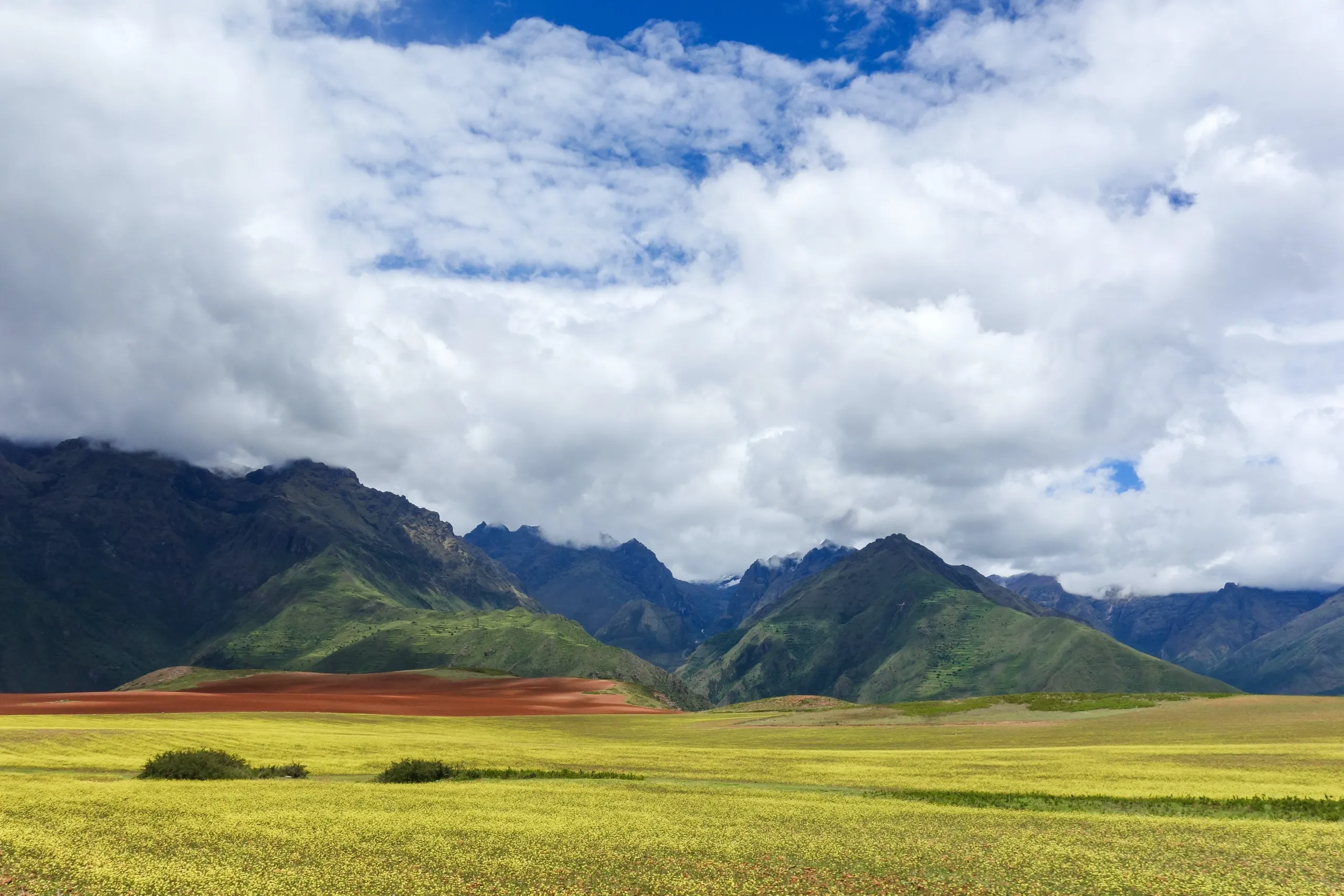
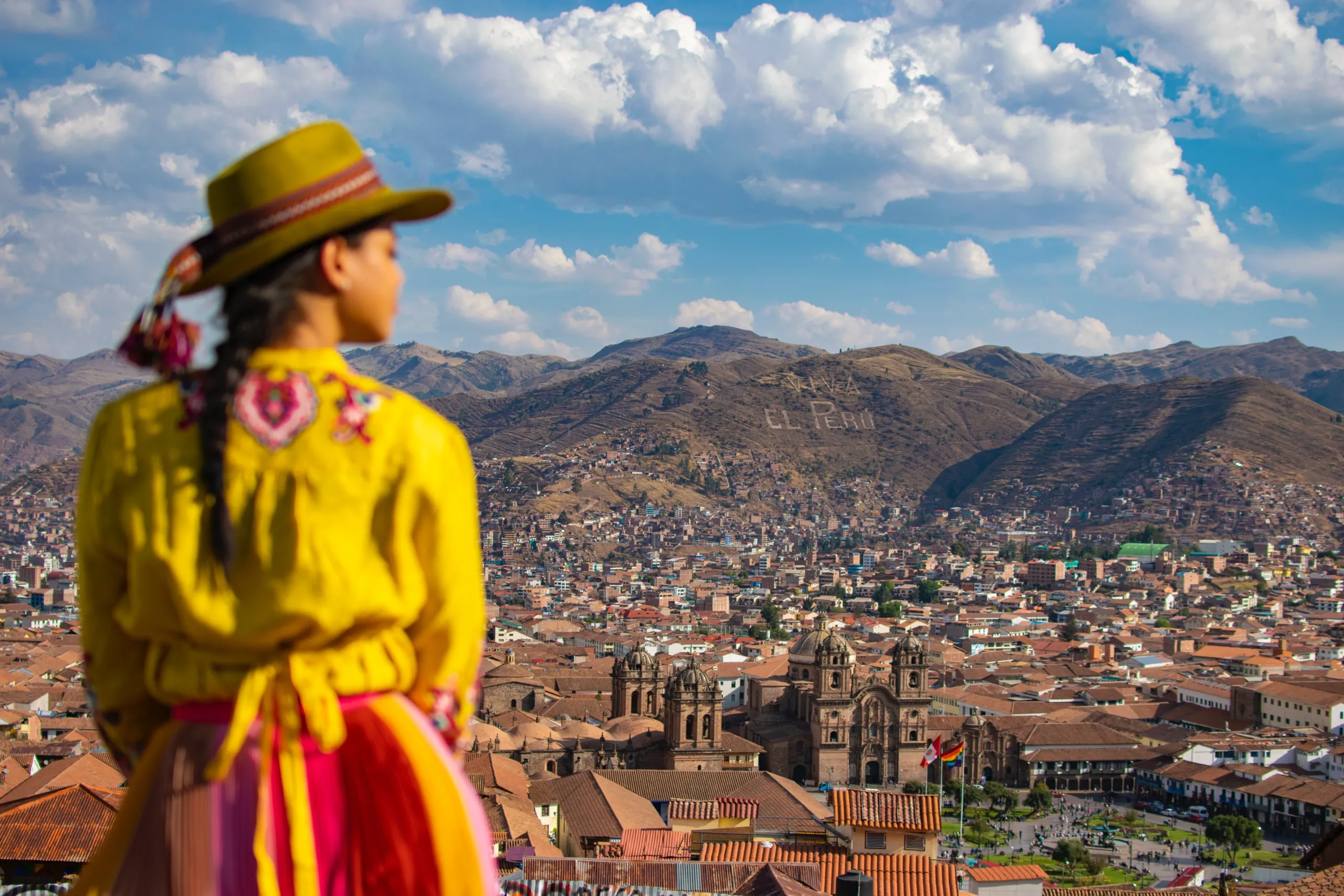
7 best wonders of Cusco

# Cusco city

# Sacred valley

# Ollantaytambo

# Machupicchu

# Maras & Moray

# Rainbow mountain

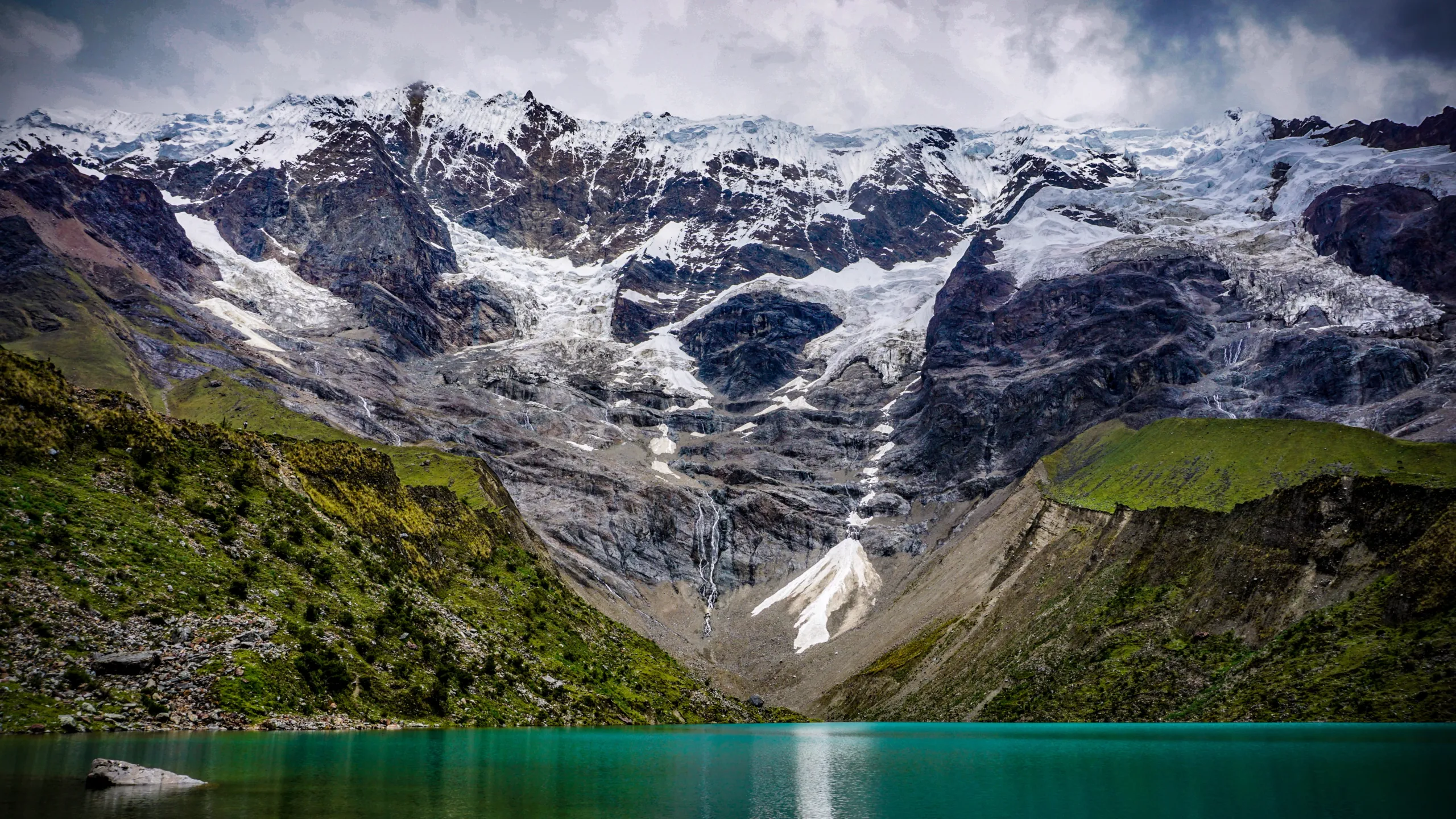
# Lake Humantay


About Picchu

Picchu means mountain in the inka language (runasimi), culturally each mountain has a name, such as Machu Picchu (old mountain) but in the Inka language the word Picchu is used very little and is replaced by Apu as a nickname in honor of the Apu Huamani is a very important divinity and to better understand him, he is the equivalent of the Scandinavian god Thor. The energy of Apu Huamani is in all the mountains.

The purpose of therapeutic tourism goes beyond creating unforgettable journey. The purpose is to contribute with solutions for the world through therapeutic tourism, using ancestral knowledge to recover the identity at the root of humanity and thereby recover the human capacity that surpasses all attempts of imitation made by metaphysics. Then dare to do something different, this time give your holiday a purpose, if you don’t need therapy, do it to learn something different (for your brain), knowledge is power and learning your super power, dare to get to know us.

Picchu Machu Picchu and all our expeditions are committed to nature, differentiating ourselves from traditional methods, providing real experiences to recover the knowledge of your DNA and relearn about life.


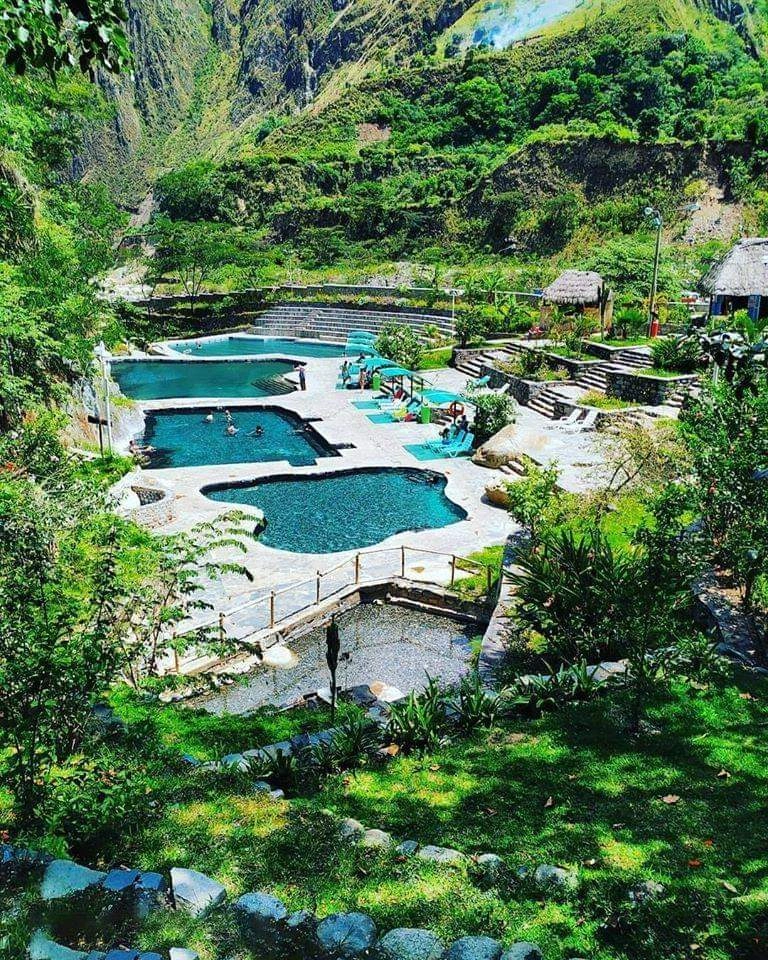
Cocalmayo hot springs are the best of Peru.

Picchu Machu Picchu

This package is very ambitious and requires mental preparation, and
we take care of it.

Your journey begins with intelligent acclimatization – descending into the Sacred Valley where oxygen-rich air eases your transition.
As we ascend through ecosystems, you’ll witness: .

Nature is a sanctuary of life and our cultural preparation will teach you it is within yourself, facing nature at Salkantay trek with challenges and it’s benefits. It will be quite a training to verify the benefits of simplicity (not extreme) to understand the wonder of the world: Machu Picchu.

We are therapeutic tourism – where journeys don’t just show you places, but change how you see the world. The mountains are ready to speak. Are you prepared to listen?
 

Airport → Sacred Valley → Camelid Center → Pisac → Overnight Sacred Valley | Easy

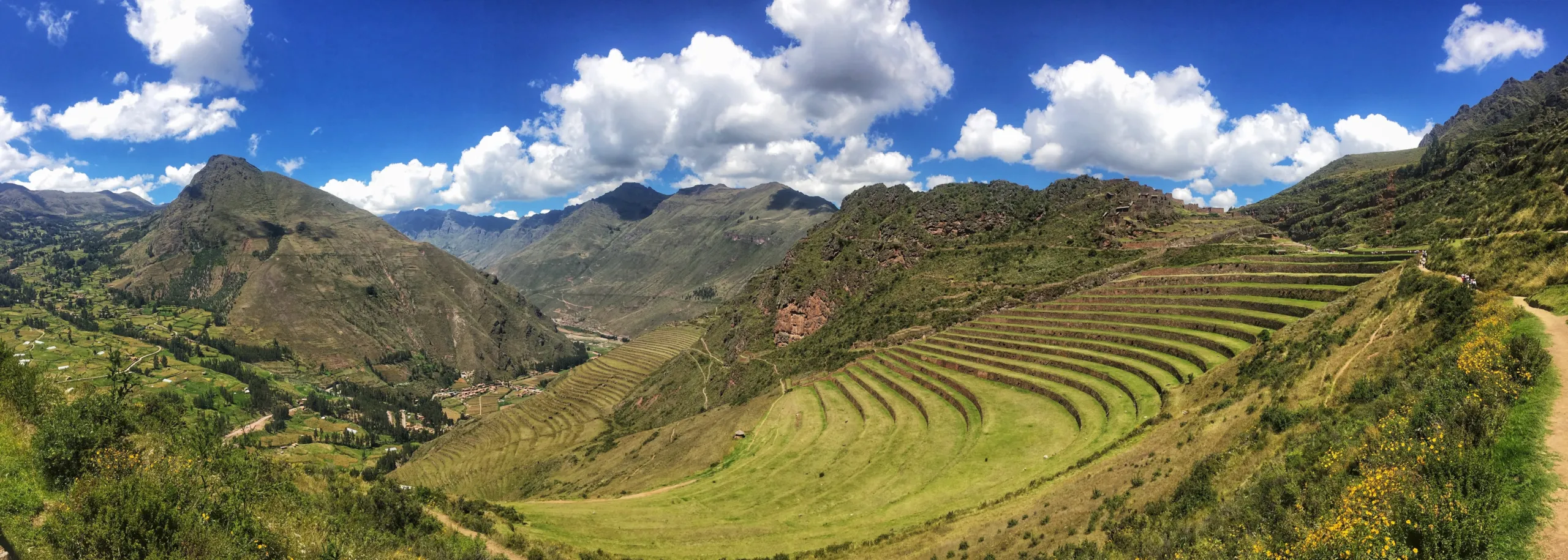
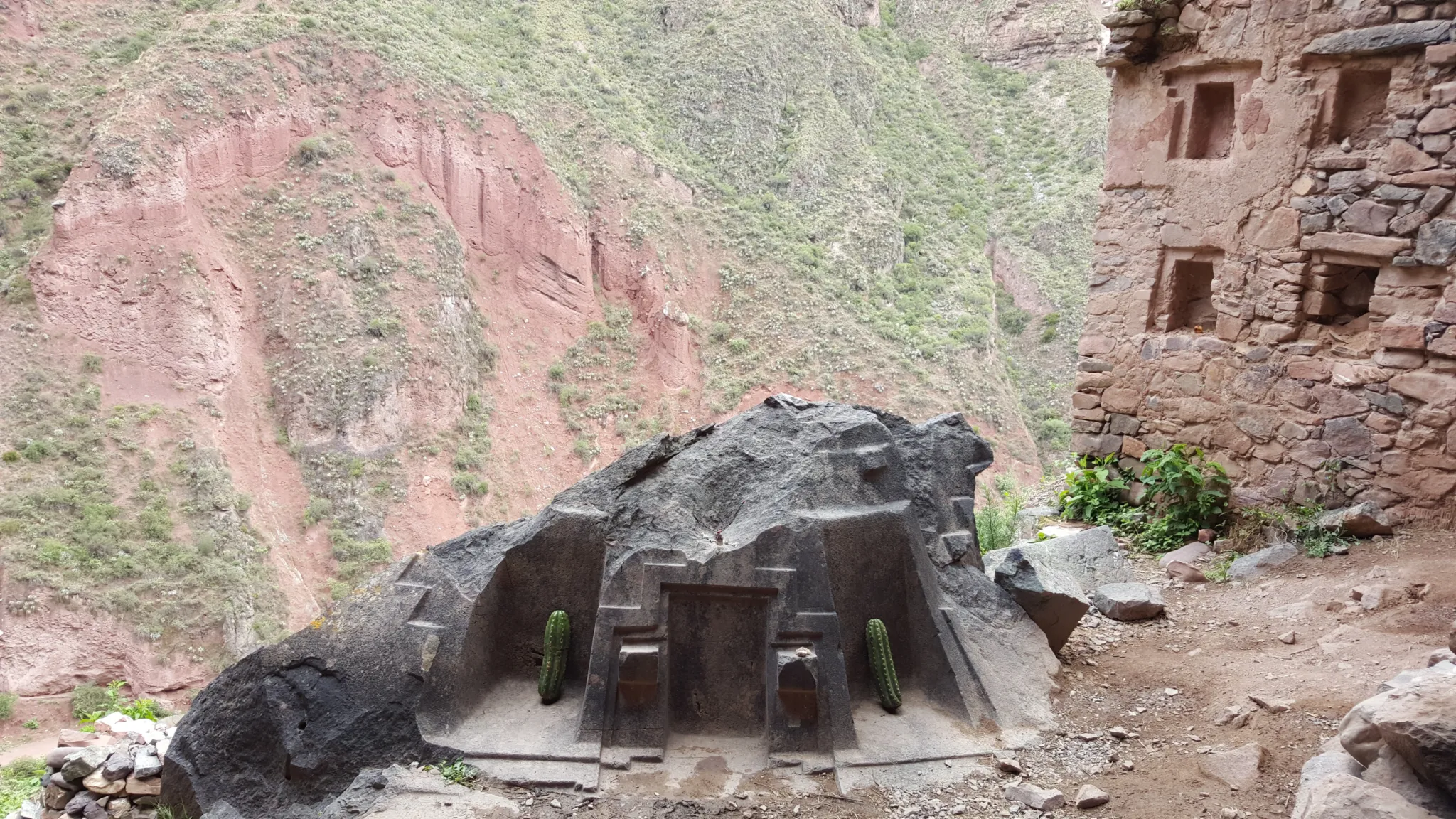
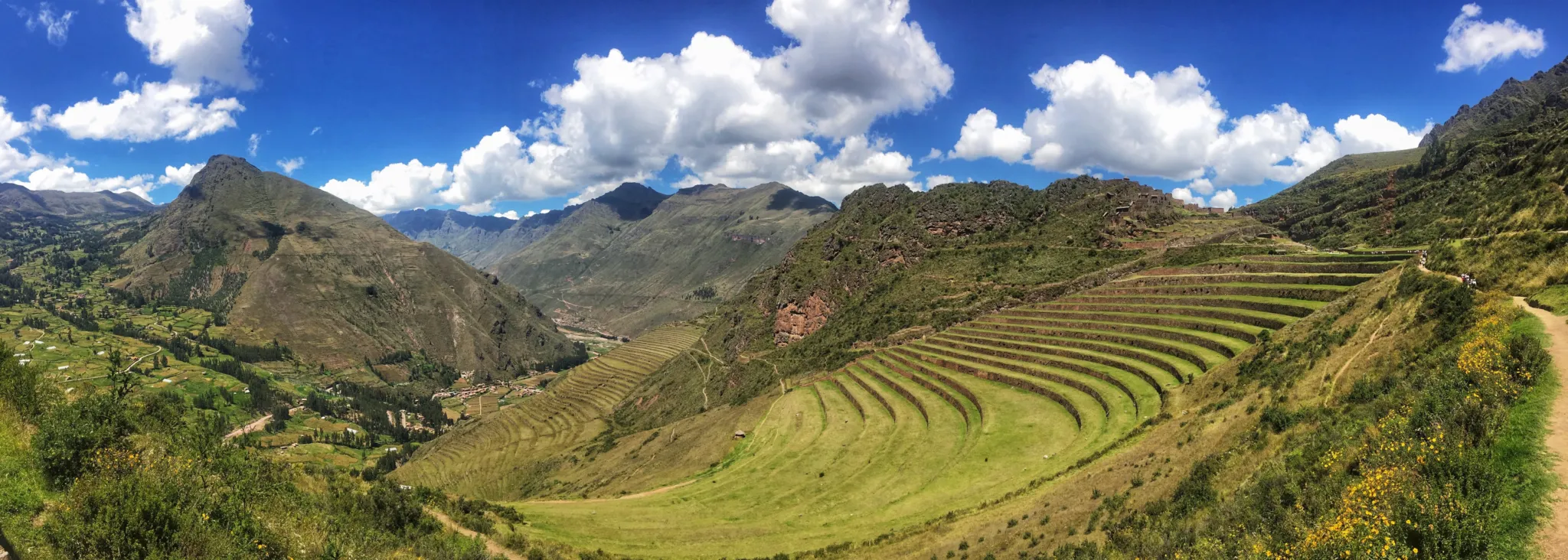
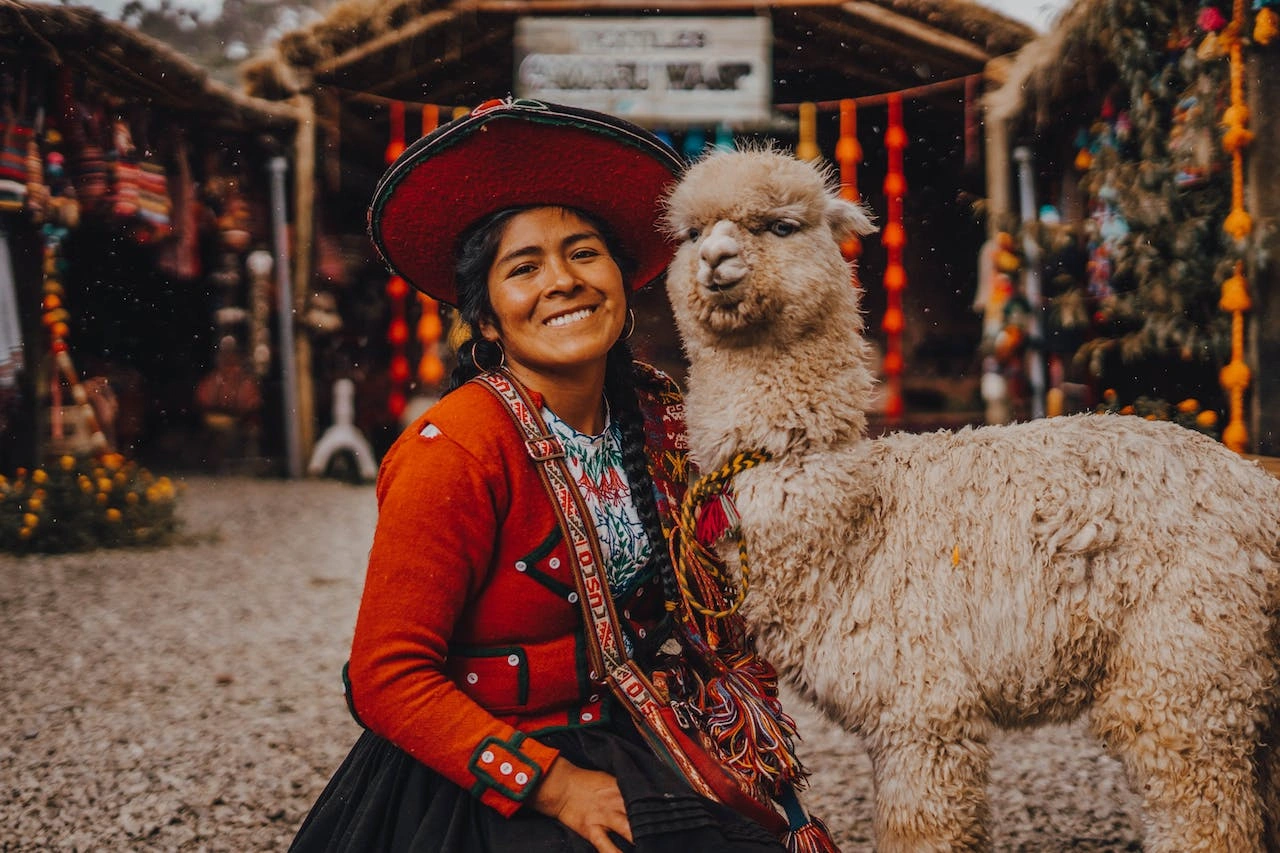
The arrival moves directly into the Sacred Valley at 2,900 m / 9,514 ft — the altitude beginning gently, the mountains opening around the route. The camelid center introduces the four Andean species whose relationship to the Inka civilization extended from textile to transport to ceremony. Pisac at 3,399 m / 11,151 ft — the archaeological complex above the market town, the program’s first encounter with the engineering intelligence that the Salkantay trek will develop in its most physical form.

  • Distance: 33 km by road
  • Altitude range: 2,900 m / 9,514 ft – 3,399 m / 11,151 ft
  • Overnight: Hotel in the Sacred Valley

Sacred Valley → Chinchero → Moray → Maras → Ollantaytambo → Cusco | Easy

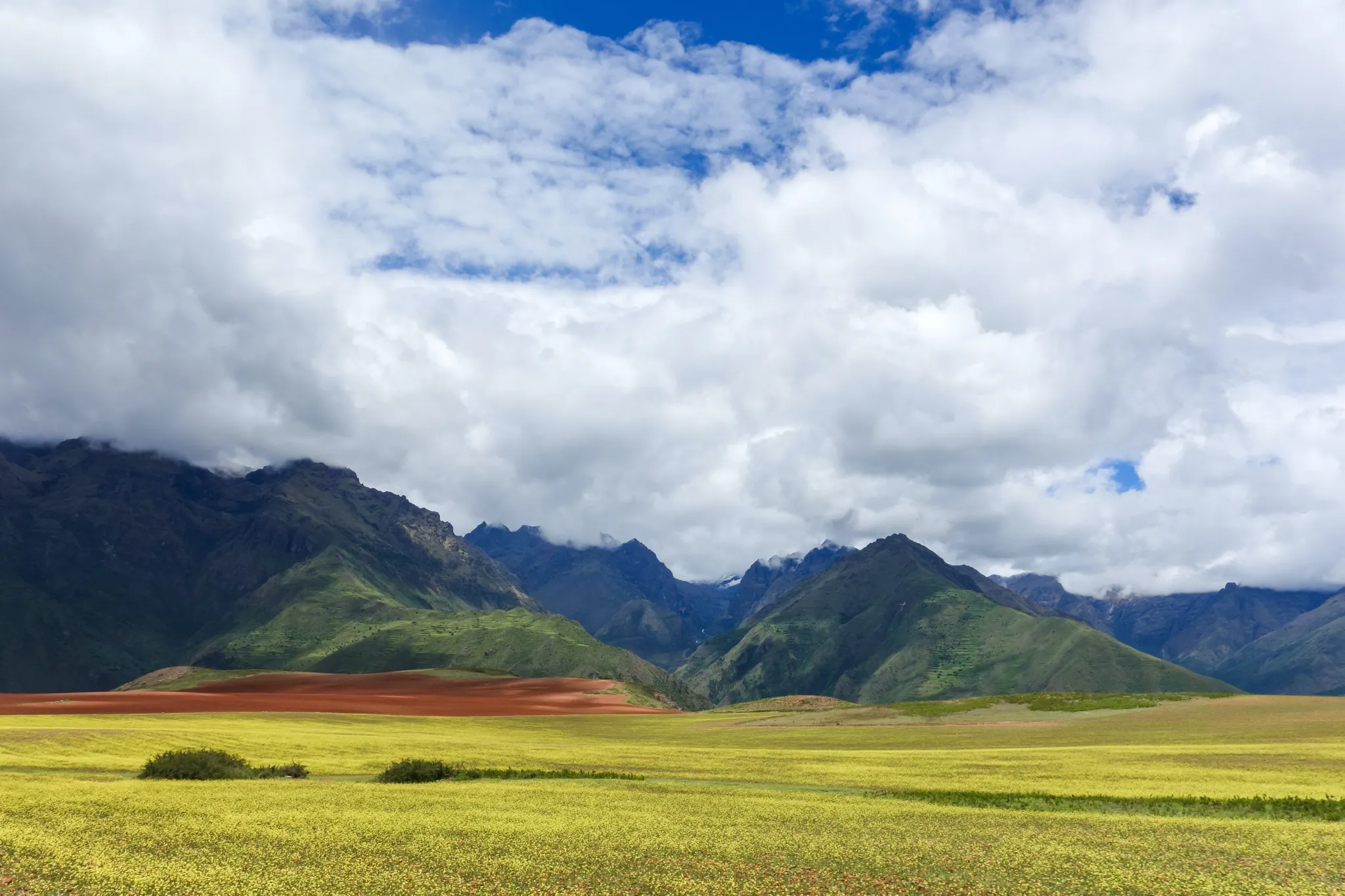
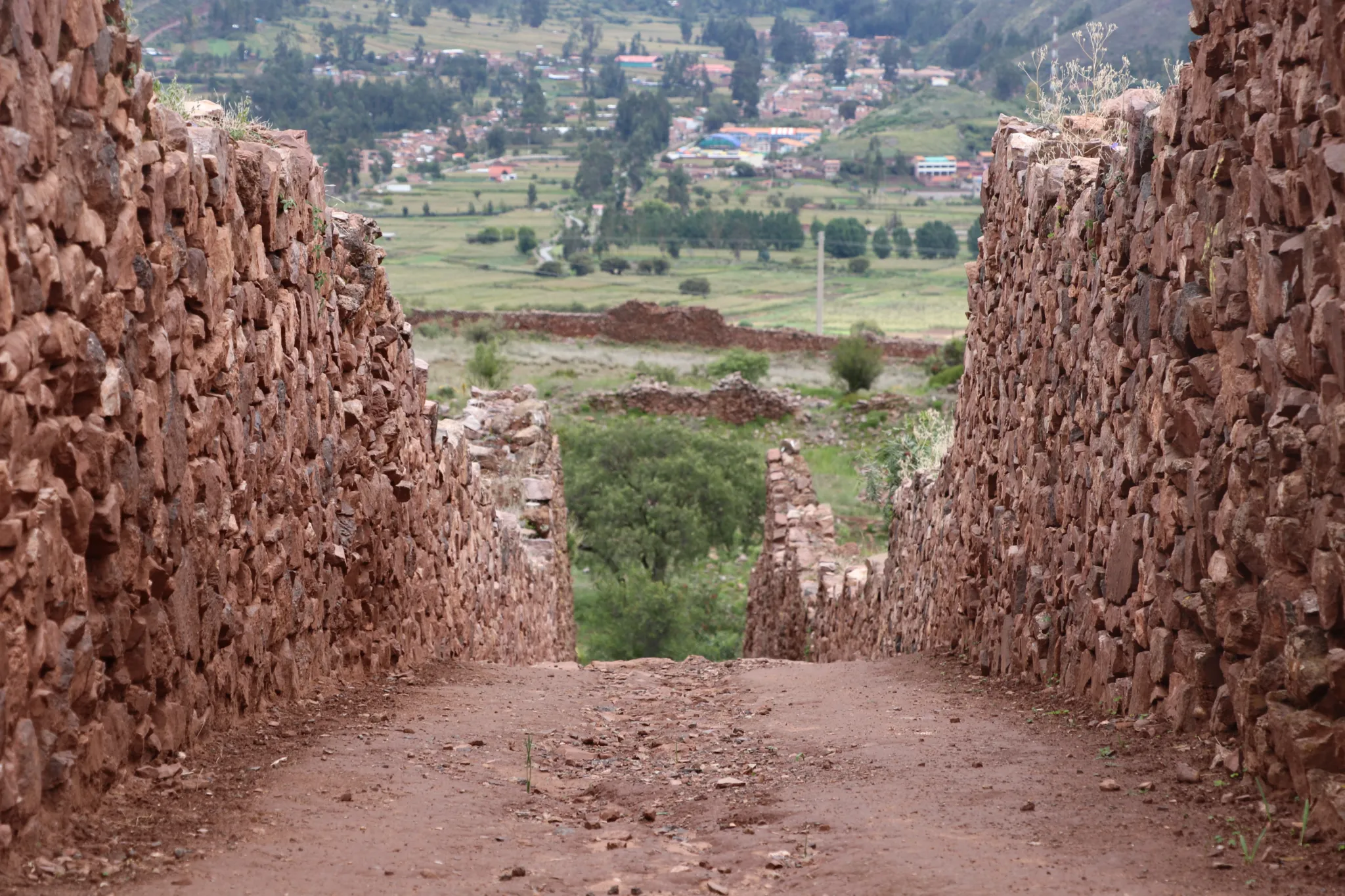
Chinchero at 3,700 m / 12,139 ft — the highland community where natural dye techniques for Andean textiles are practiced from plant and mineral sources, the colors and patterns encoding cosmological knowledge that the weaving tradition has carried intact through five centuries. Moray at 3,500 m / 11,483 ft — the agricultural laboratory whose concentric circular terraces replicate the full range of Andean altitude zones in a single structure. Maras at 3,300 m / 10,827 ft — the salt mine still fed by the same spring, still managed by the same community system the Inka established.

Ollantaytambo at 2,792 m / 9,160 ft closes the day — the living Inka town and its unfinished fortress, the construction process frozen at the moment of the conquest, the massive stone blocks whose transportation engineering analysis has not fully resolved. Cusco at 3,399 m / 11,151 ft by evening — the capital, encountered for the first time with two days of context already built.

  • Distance: 138 km by road
  • Altitude range: 2,792 m / 9,160 ft – 3,700 m / 12,139 ft
  • Overnight: Hotel in Cusco

Cusco → Archaeological Trek → Upper Sites | Moderate

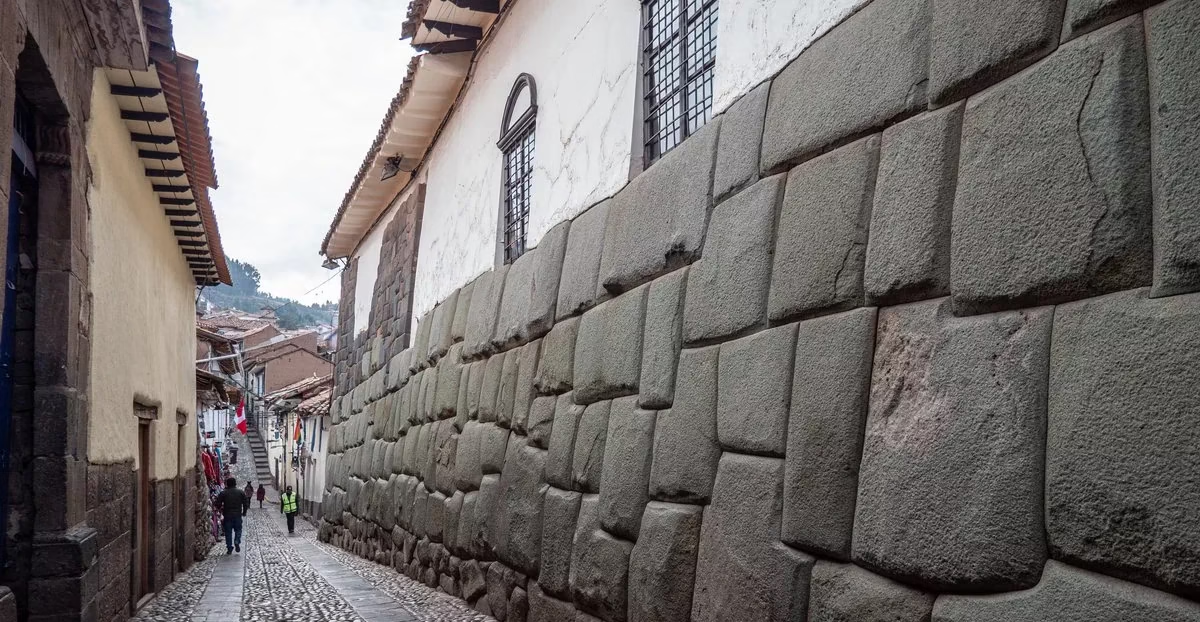
A morning in the historic streets of Cusco — the city’s cosmological grid readable on foot, the Inka foundations visible beneath every colonial building in the center. Then transportation to the upper archaeological sites above the city for the day’s preparatory hike — a physical and psychological calibration before the Salkantay trek begins tomorrow. The sites encountered on this hike will be revisited on Day Twelve with the full weight of the journey accumulated. The difference between those two encounters is itself part of the program.

  • Distance: 45 km by road + 7 km on foot
  • Altitude range: 3,399 m / 11,151 ft – 3,700 m / 12,139 ft
  • Overnight: Hotel in Cusco

Cusco → Chonta Condor Viewpoint (3,400 m / 11,155 ft) → Killarumilloq (3,500 m / 11,483 ft) → Tarawasi (2,654 m / 8,707 ft) → Soraypampa (3,900 m / 12,795 ft) | Easy to Moderate

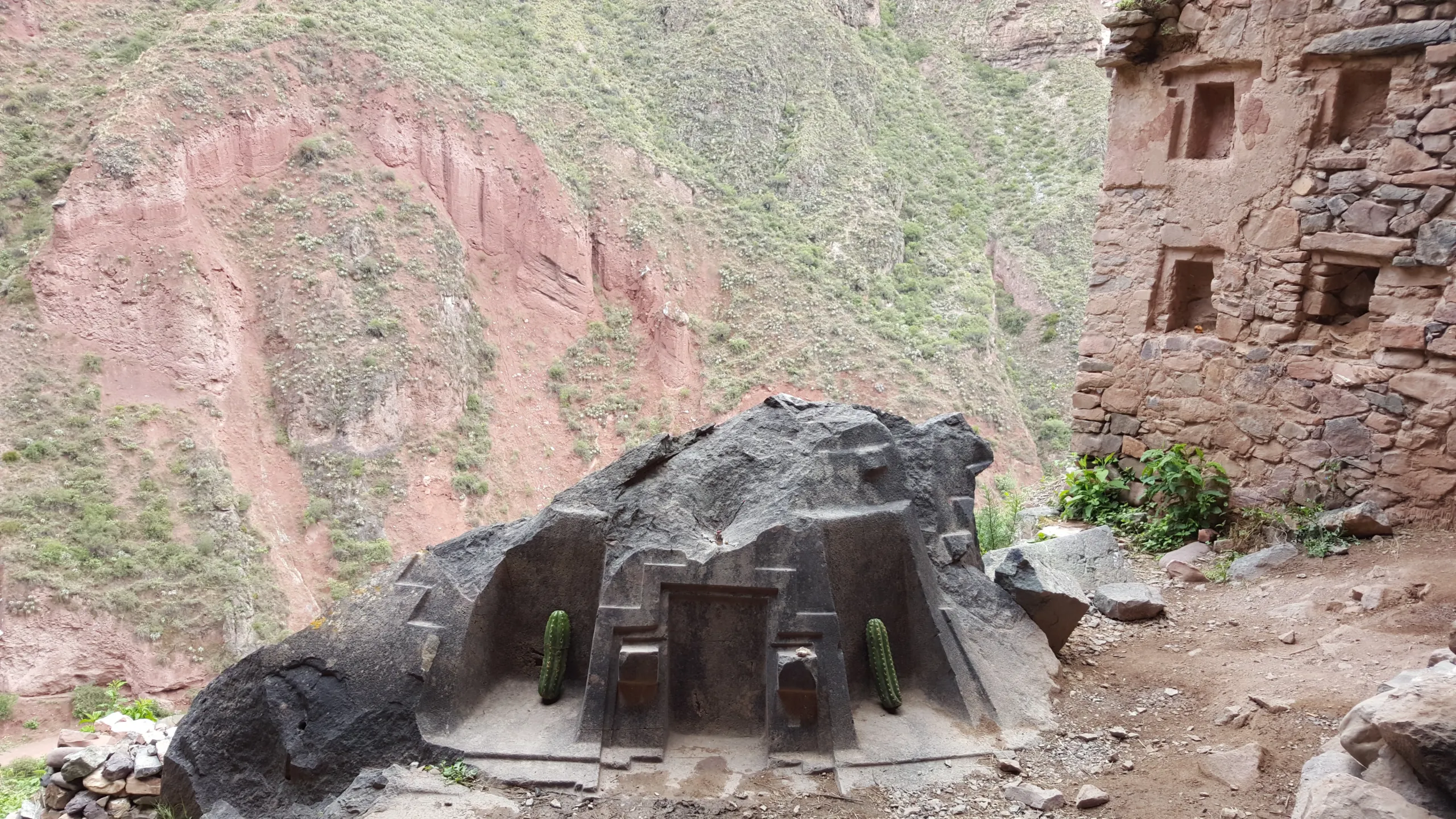
Three sites before the base camp — each one a different dimension of the Salkantay territory. Chonta at 3,400 m / 11,155 ft: the condor viewpoint where the thermal columns carry South America’s largest raptor at eye level. Killarumilloq — Stone Moon — at 3,500 m / 11,483 ft: an archaeological complex named for its lunar relationship. Tarawasi at 2,654 m / 8,707 ft: the House of Tara, an Inka complex in the warm valley below the glacier system.

Camp at Soraypampa at 3,900 m / 12,795 ft as evening arrives, the Humantay glacier visible above, the Salkantay massif establishing its presence for the days ahead.

  • Distance: 152 km by road + 7 km on foot
  • Altitude range: 2,654 m / 8,707 ft – 3,900 m / 12,795 ft
  • Overnight: Camp at Soraypampa

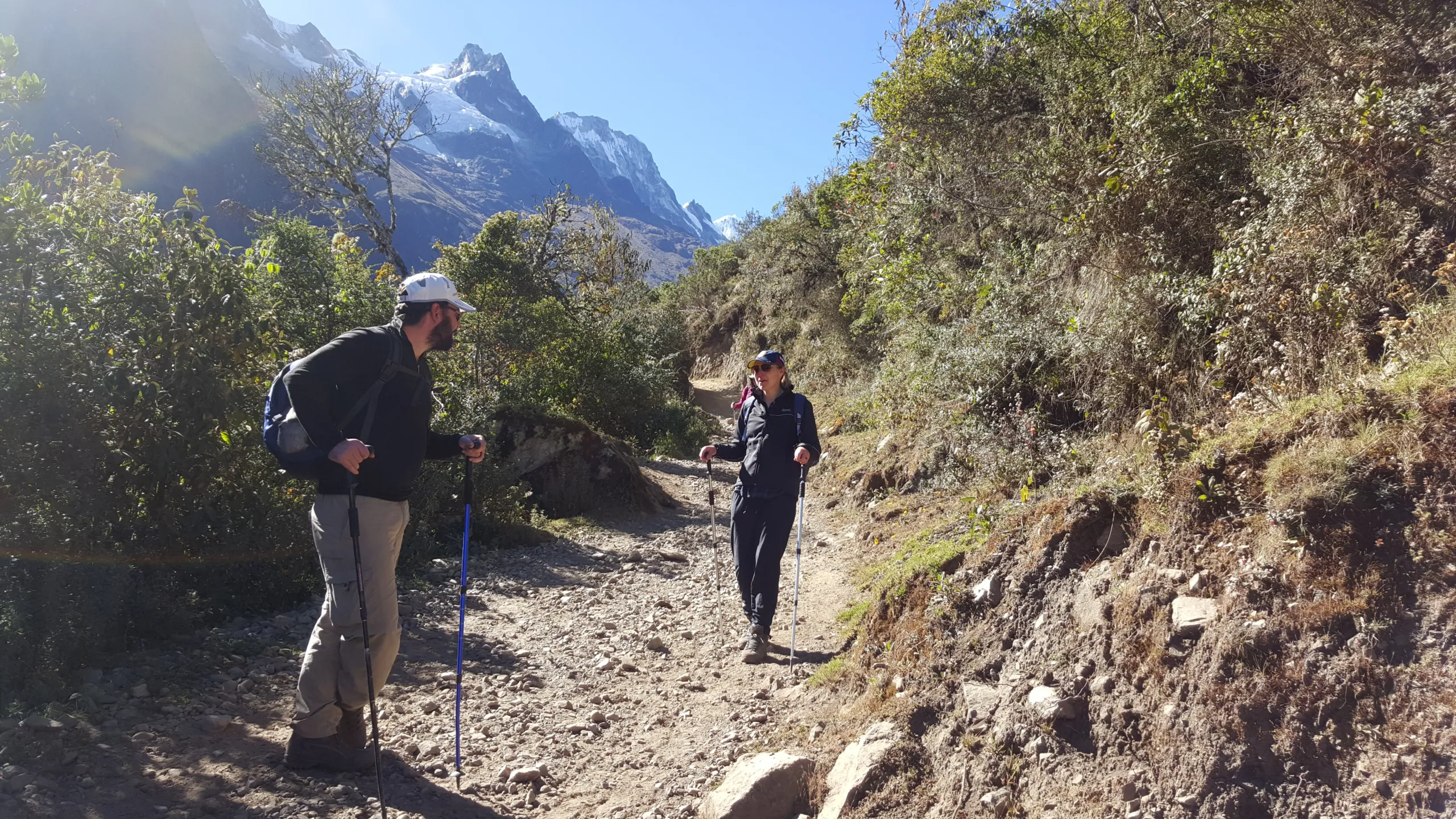
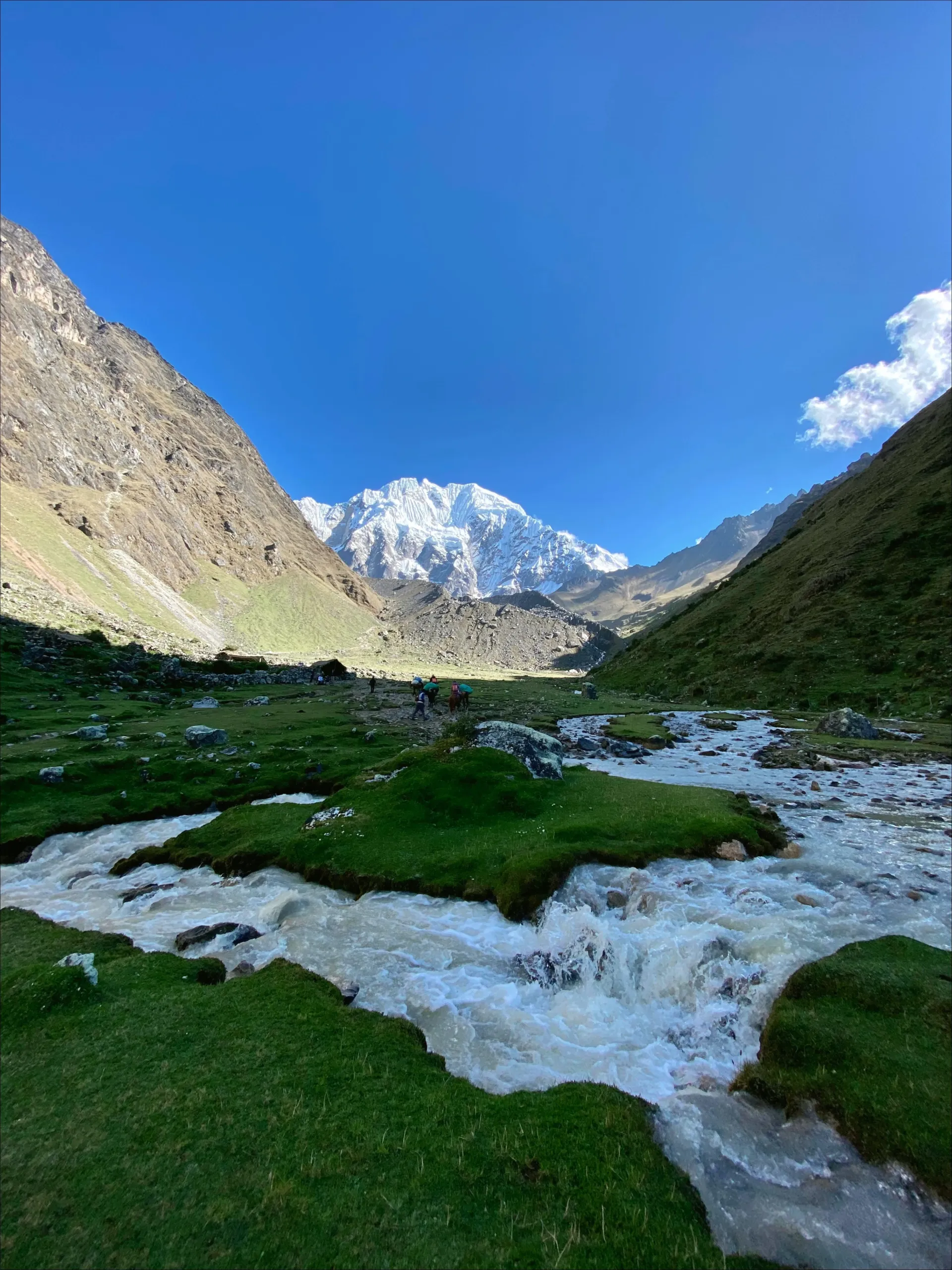
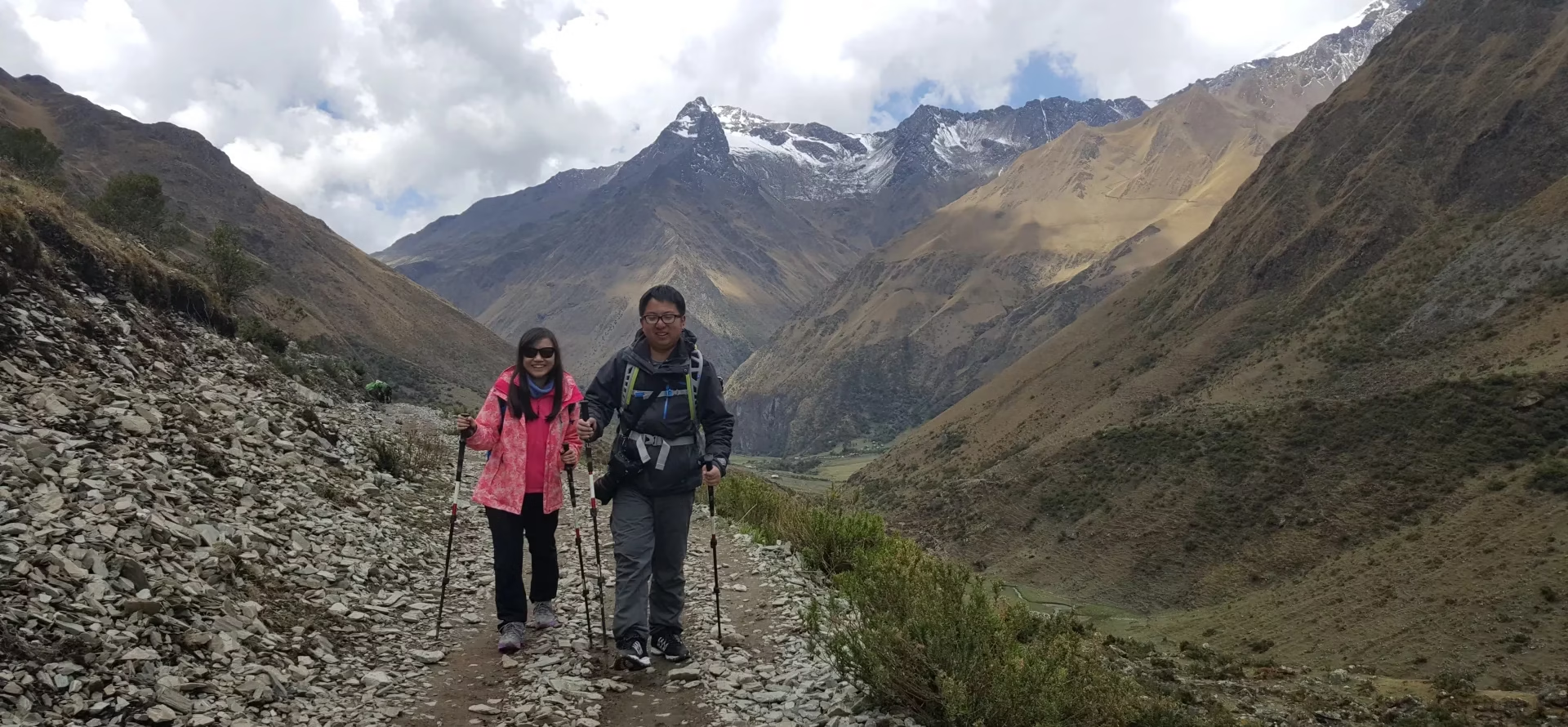
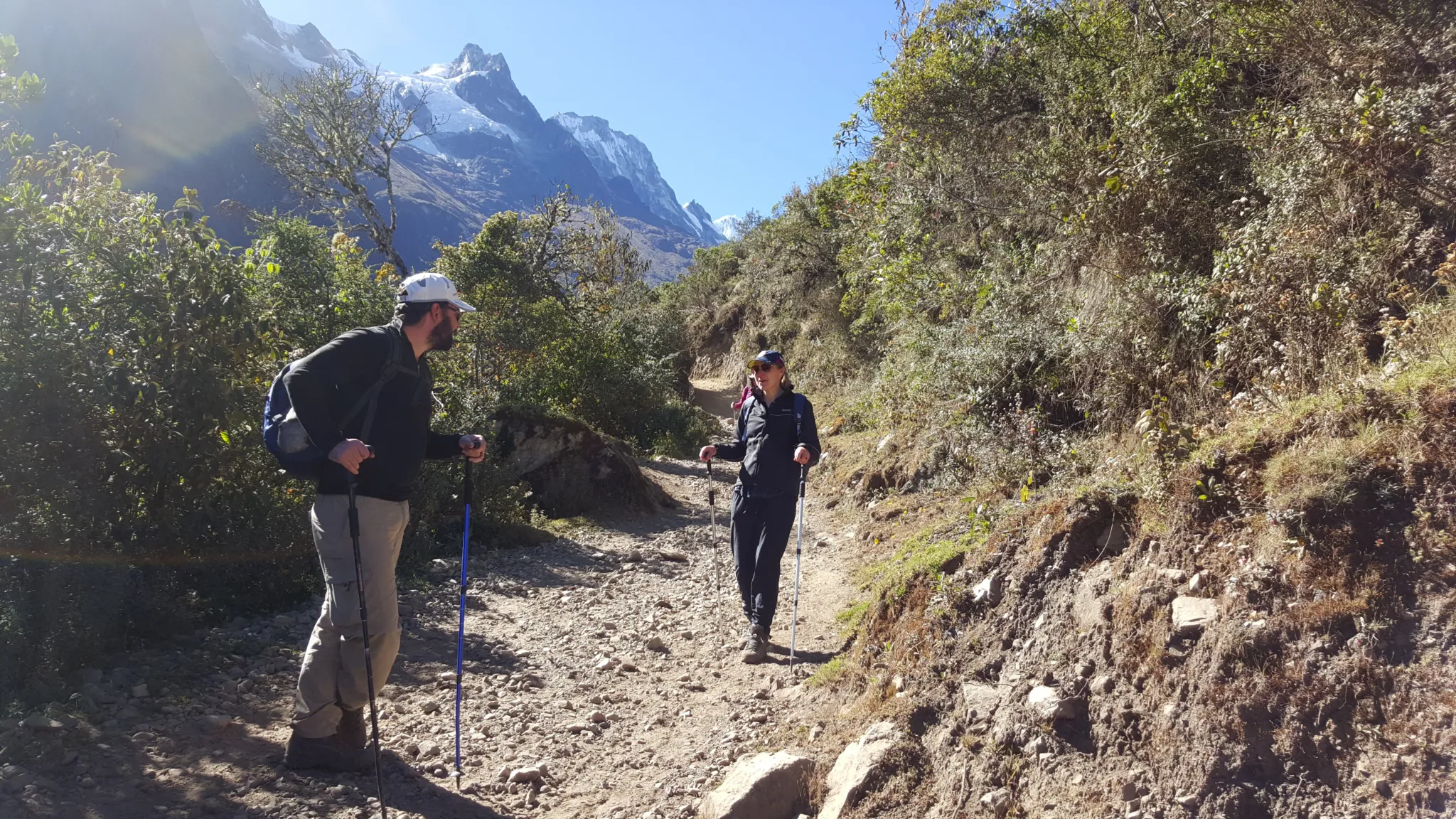
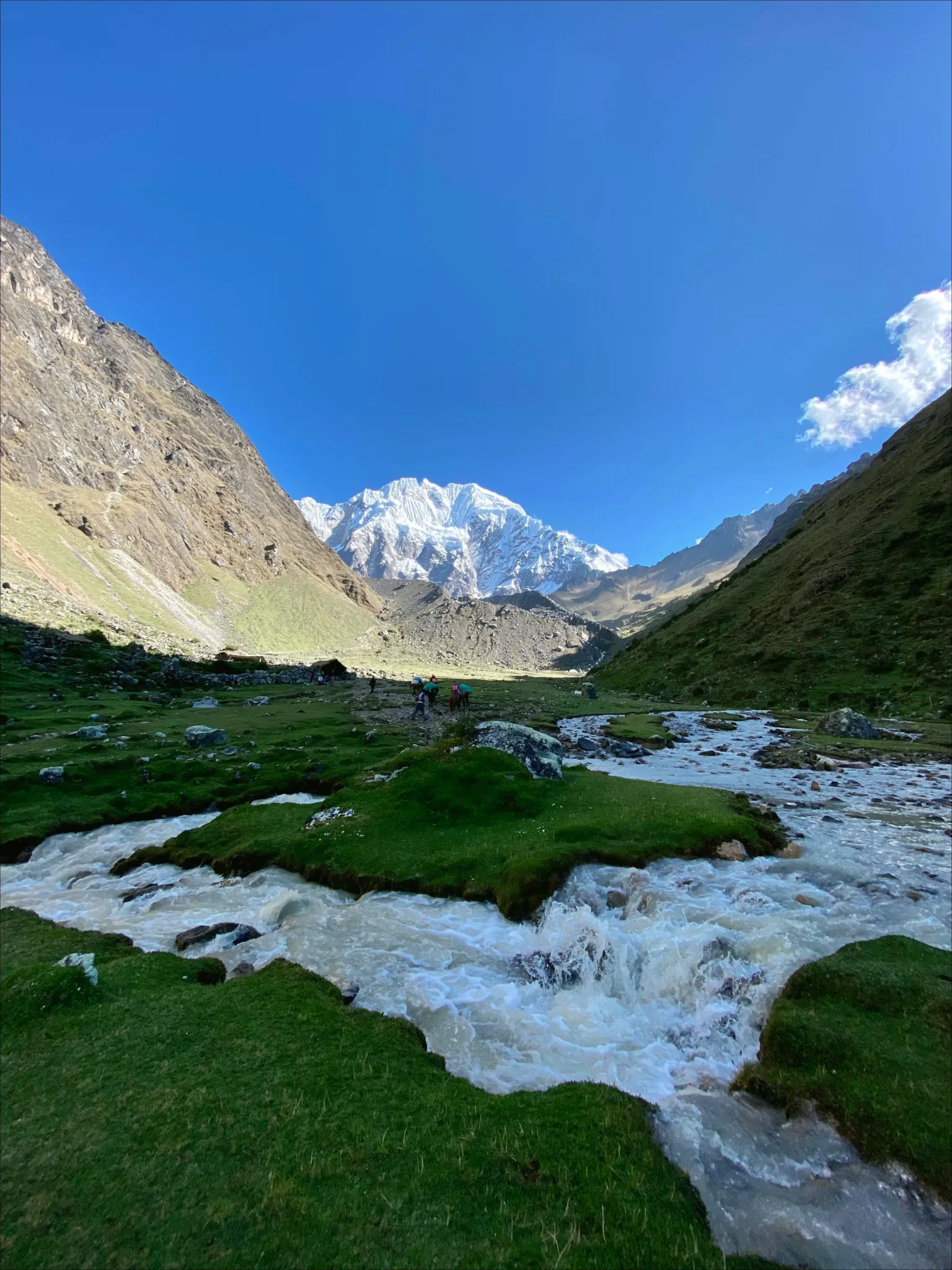
Soraypampa → Humantay Lake (4,200 m / 13,780 ft) → Salkantay Pass (4,630 m / 15,190 ft) → Huayracmachay | 18 km | Moderate to Difficult

The hardest day and the most extraordinary. The morning ascent to Humantay Lake delivers the glacial turquoise that consistently defies photographic capture — the color shifting with the light, the Humantay glacier reflected above in a combination that most people describe as the most beautiful single thing they encountered in Peru.

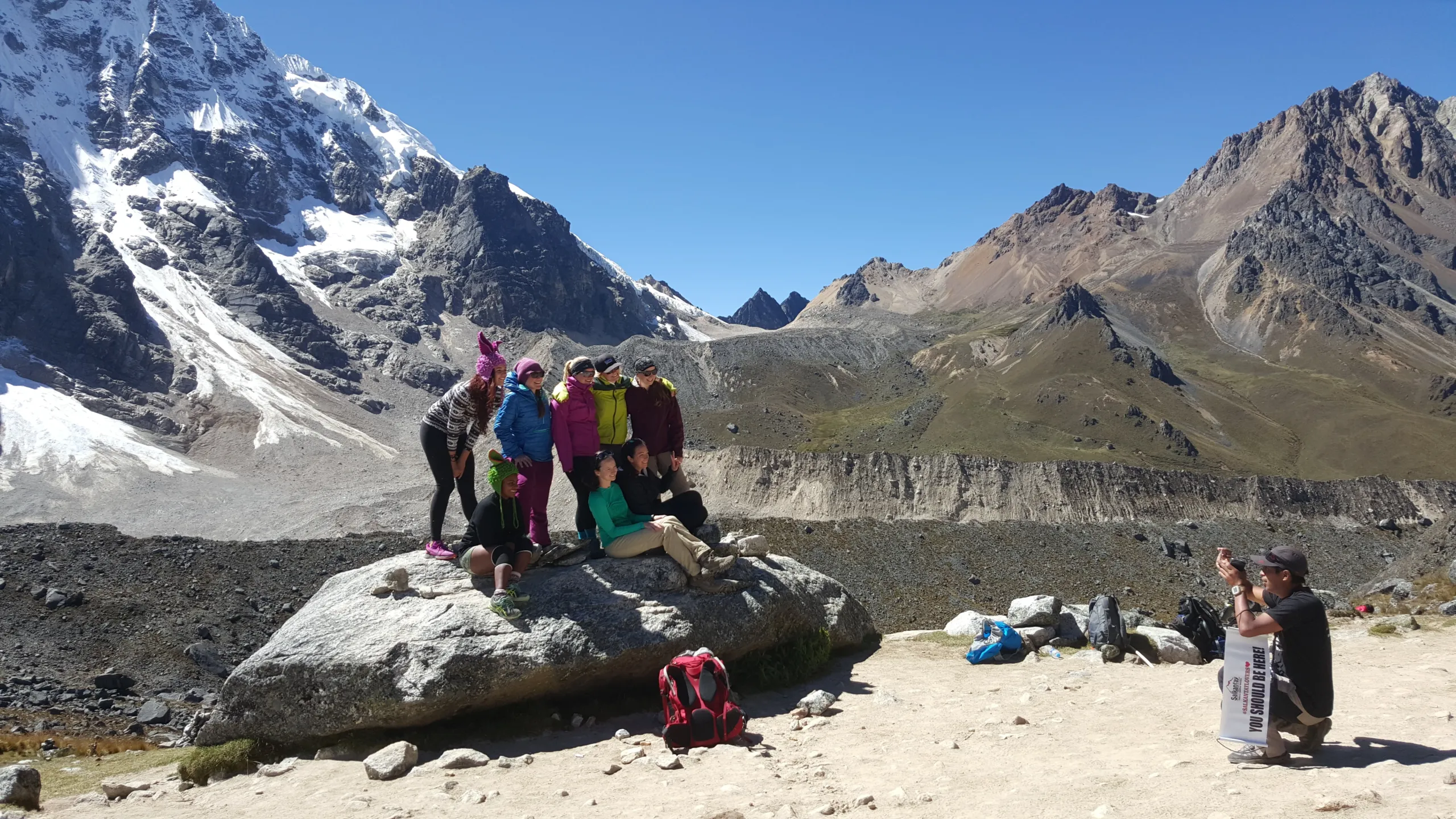
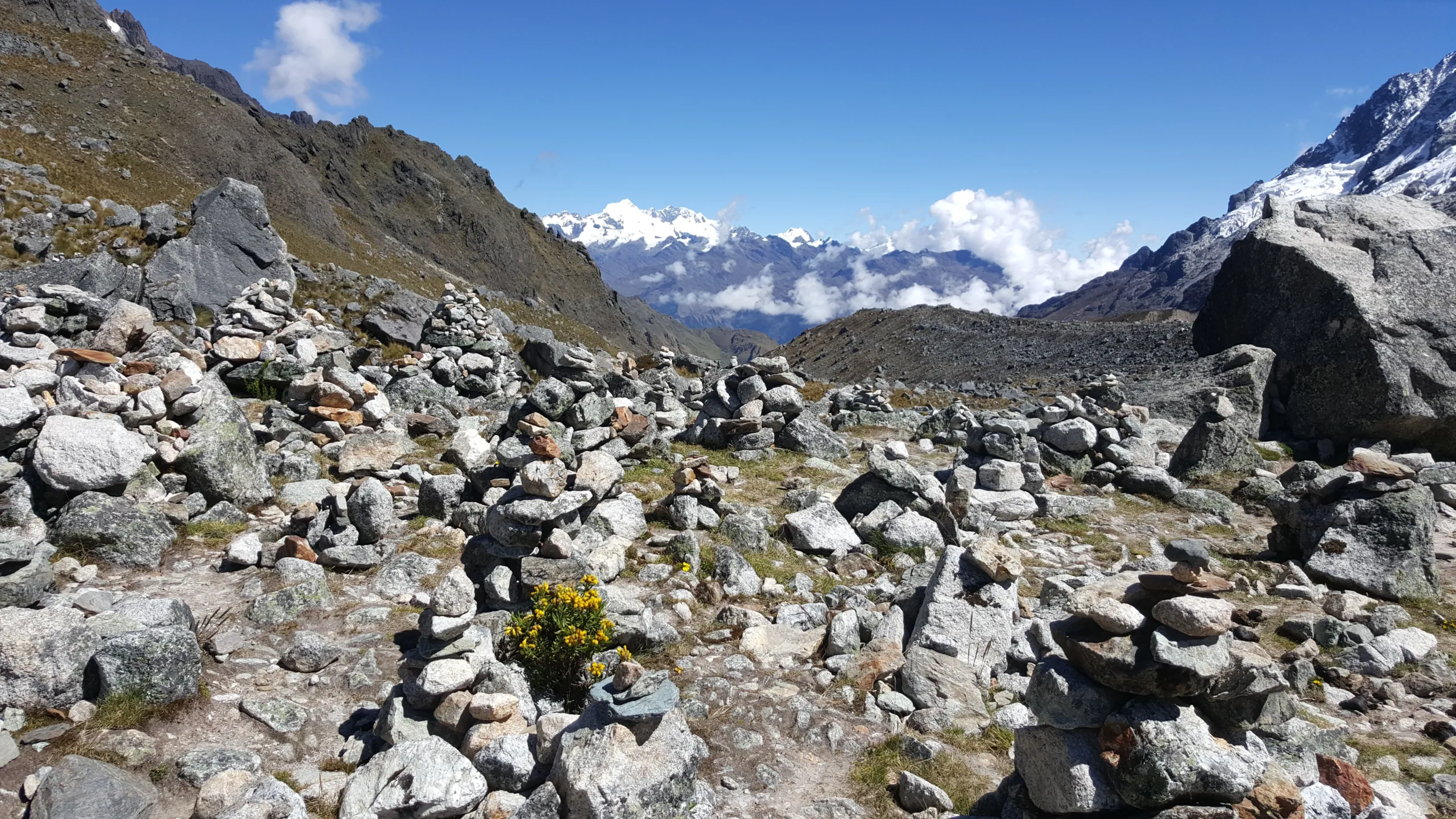
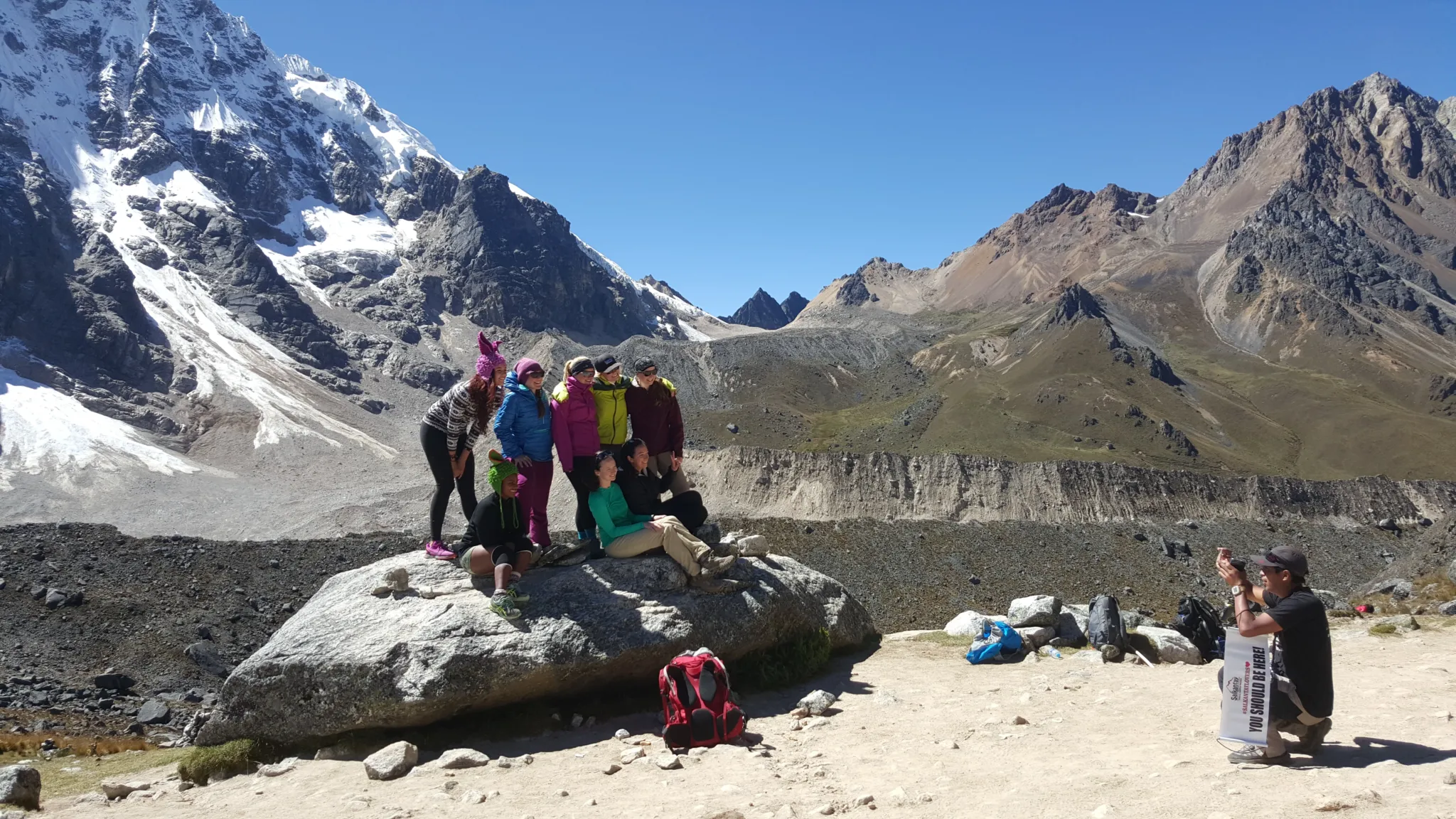
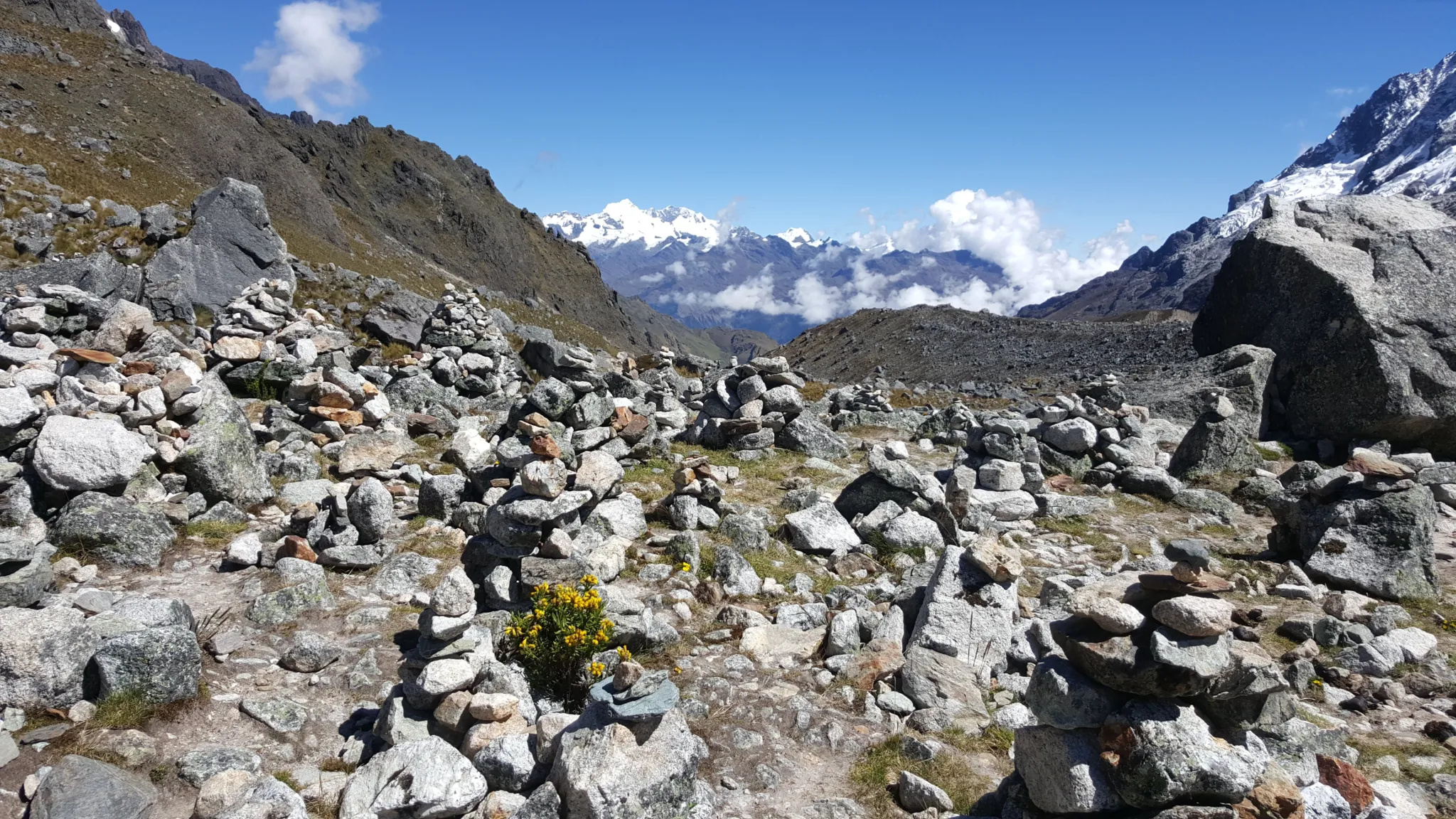
The return to the main trail leads to the Salkantay Pass at 4,630 m / 15,190 ft — the highest point of the trek and one of the most significant geographical thresholds in the Andes. The Inka considered this pass a portal between the world above and the world below. Standing at the top with the glacier immediately above and the cloud forest valley beginning its descent below, that cosmological interpretation becomes, however briefly, accessible.

The descent to Huayracmachay camp at 3,860 m / 12,664 ft moves through a landscape in rapid transition — the vegetation changing with every hundred meters of altitude lost.

  • Distance: 18 km
  • Maximum altitude: 4,630 m / 15,190 ft at Salkantay Pass
  • Overnight: Camp at Huayracmachay

Huayracmachay → Cloud Forest → Santa Teresa → Cocalmayo Springs | 19 km + transport | Moderate to Difficult

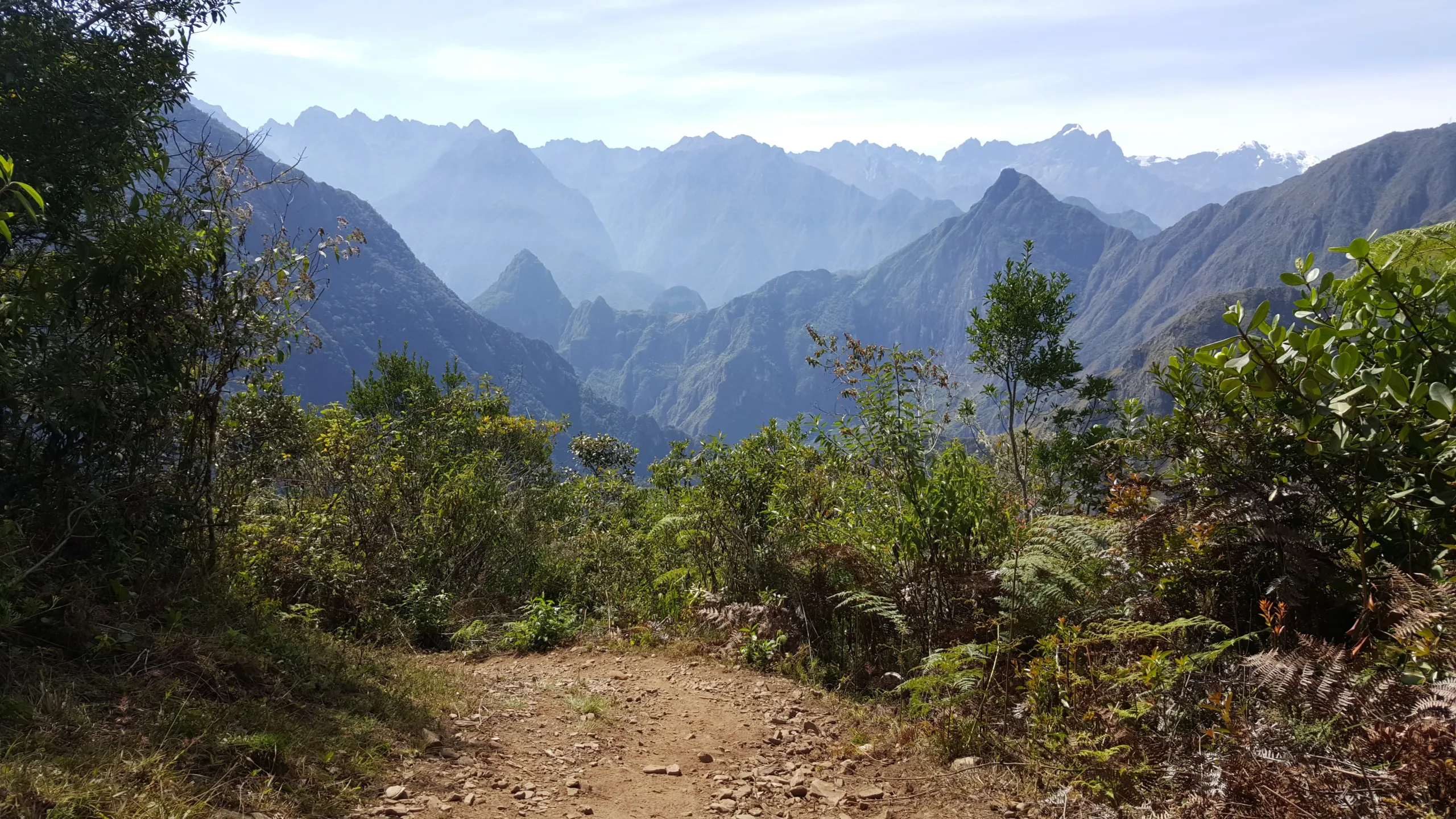
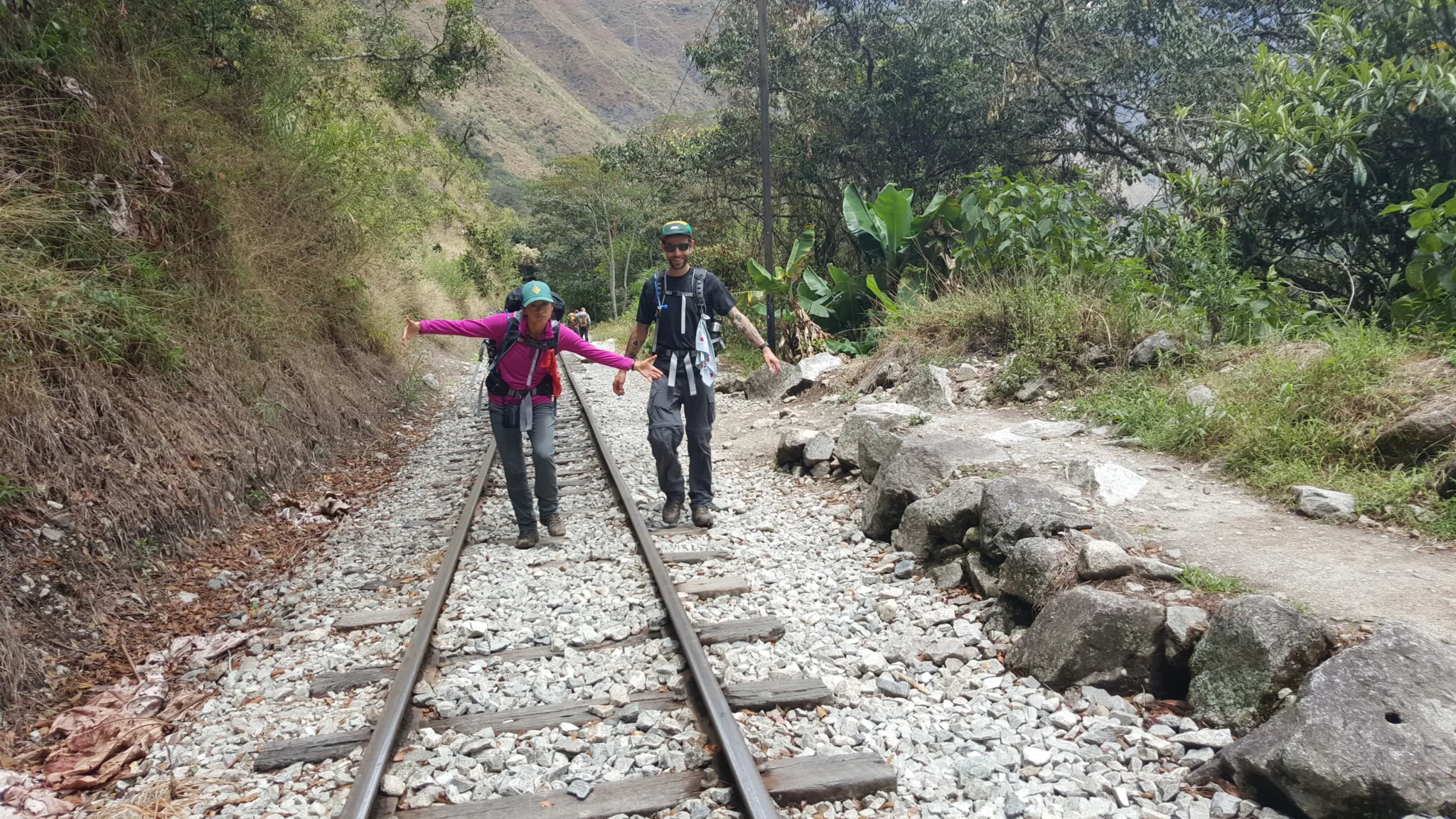
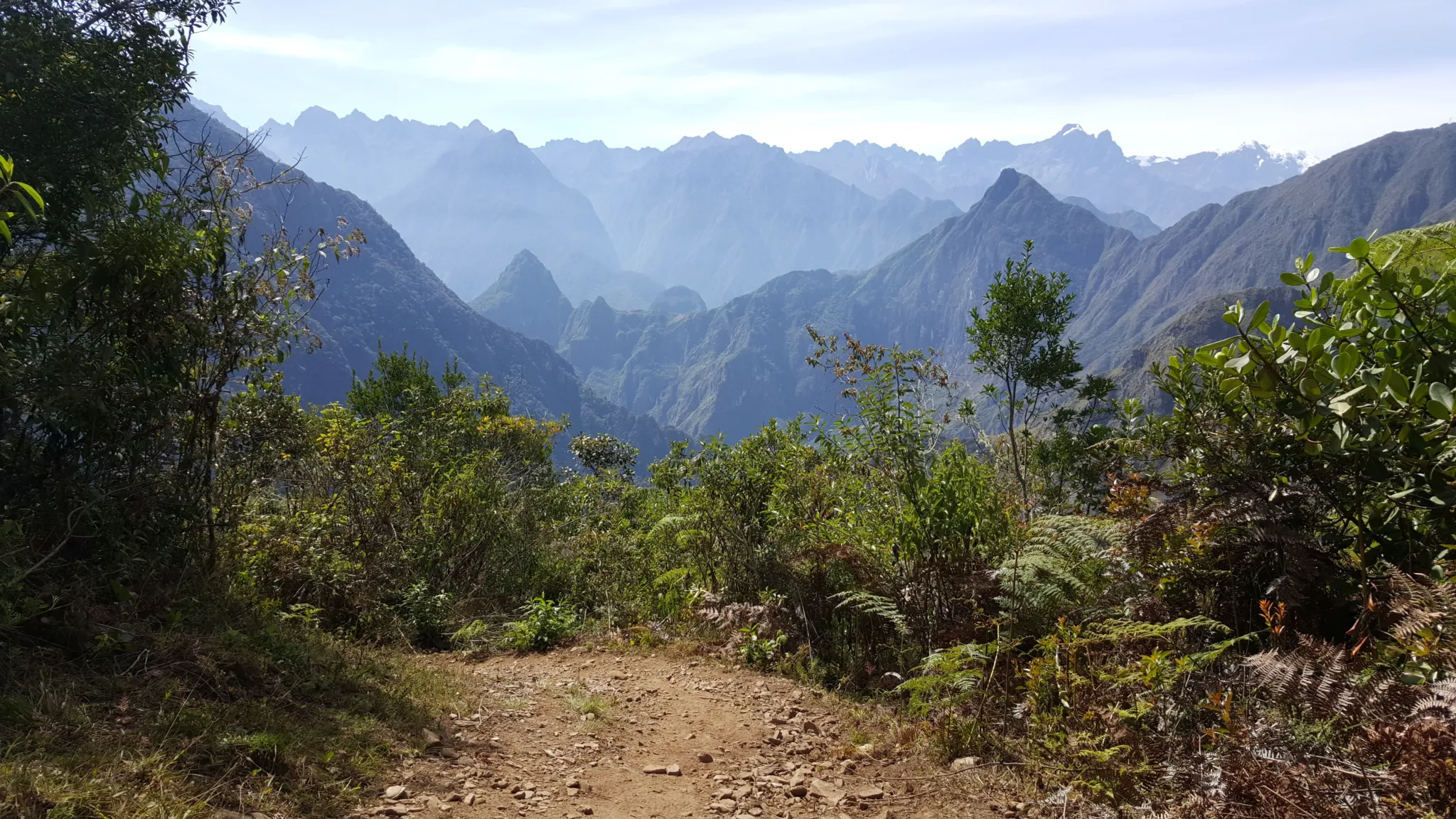
A sunrise between glaciers opens a day that covers more ecological ground than most people traverse in a year of ordinary life. The descent from Huayracmachay moves continuously through cloud forest into subtropical vegetation into tropical rainforest — the air warming and moistening with every kilometer, exotic fruits appearing on the trail depending on the season.

The thermal springs of Cocalmayo at 1,433 m / 4,701 ft close the day — mineral-rich water fed by the same geological forces that produced the Salkantay massif above. The contrast between the Salkantay Pass at 4,630 m / 15,190 ft yesterday morning and hot springs in the valley tonight is not incidental. It is the experience.

  • Distance: 19 km on foot + 16 km by transport
  • Altitude range: 1,433 m / 4,701 ft – 3,860 m / 12,664 ft
  • Overnight: Camp at Santa Teresa

Santa Teresa → Zip-line → Lucmabamba (2,000 m / 6,562 ft) → Llactapata (2,740 m / 8,989 ft) | 8 km | Moderate to Difficult

The zip-line crossing opens the morning — a flight above the cloud forest canyon with the Urubamba audible below and the mountains of the Machu Picchu sanctuary visible ahead. Then Lucmabamba at 2,000 m / 6,562 ft: the coffee valley where the beans are harvested and prepared using methods that the Inka agricultural system established. You will make your own cup. Six days of physical effort and altitude give it a flavor that cannot be replicated at sea level.

The afternoon ascent to Llactapata delivers the program’s most anticipated moment — Machu Picchu appearing across the valley from the ceremonial site where the Inka positioned it to be first seen. Seven days of physical and cultural preparation have been building toward this view. The citadel visible in the distance, the cloud forest below catching the last light, is the night that all of it was building toward.

  • Distance: 8 km
  • Altitude range: 1,550 m / 5,085 ft – 2,740 m / 8,989 ft
  • Overnight: Lodge at Llactapata

Llactapata → Aobamba River → Aguas Calientes | 14 km | Moderate

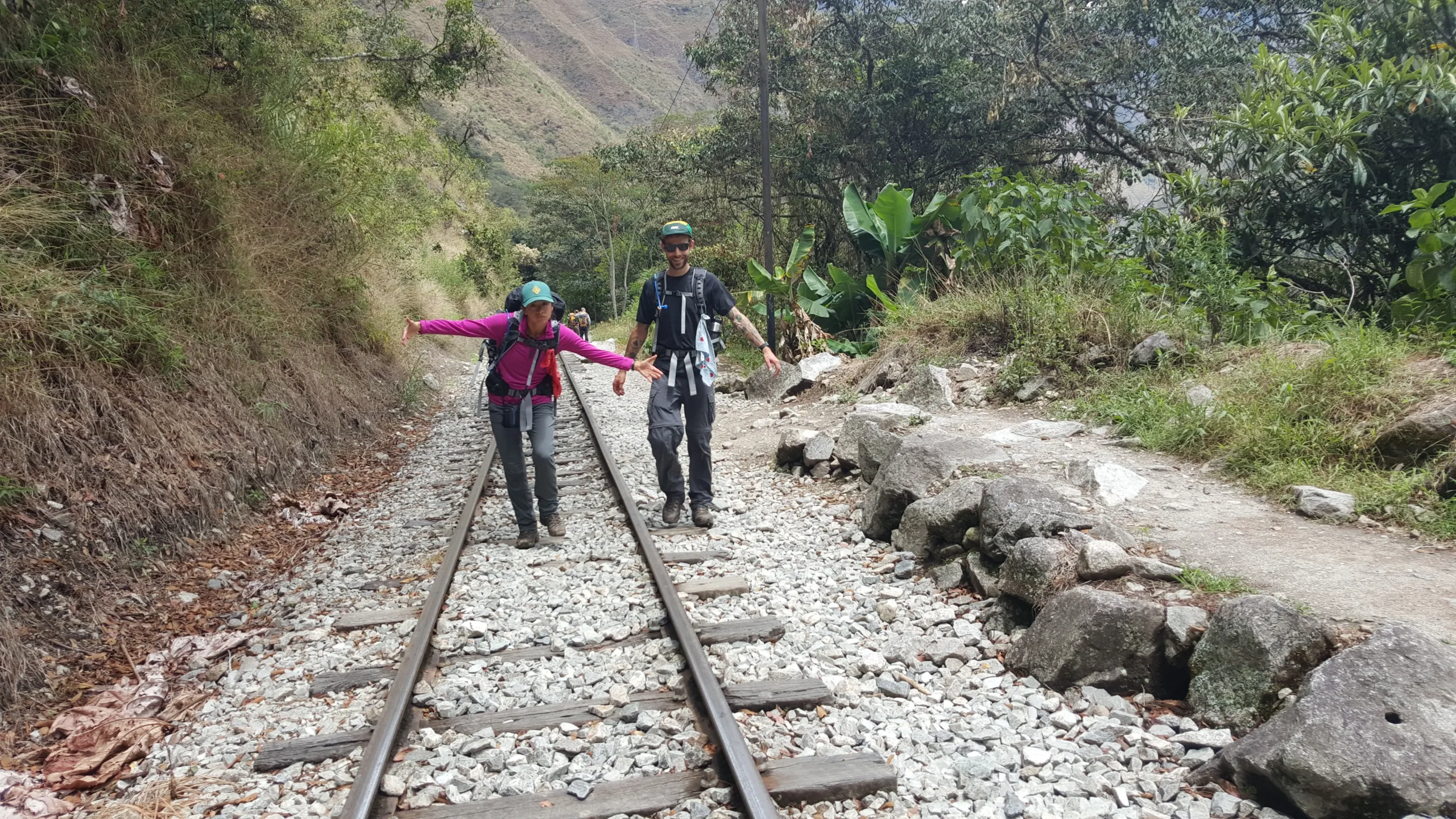
A gradual descent through cloud forest following the Aobamba River as it joins the Urubamba and the trail borders the base of Machu Picchu mountain itself. The walking is unhurried — a physical decompression after four demanding days, the body moving easily through a landscape it has learned to read. Machu Picchu is directly above for most of the descent. Tomorrow it receives you.

  • Distance: 14 km
  • Altitude range: 1,800 m / 5,906 ft – 2,650 m / 8,694 ft
  • Overnight: Hotel in Aguas Calientes

Aguas Calientes → Machu Picchu (2,430 m / 7,972 ft) → Train → Cusco | Easy

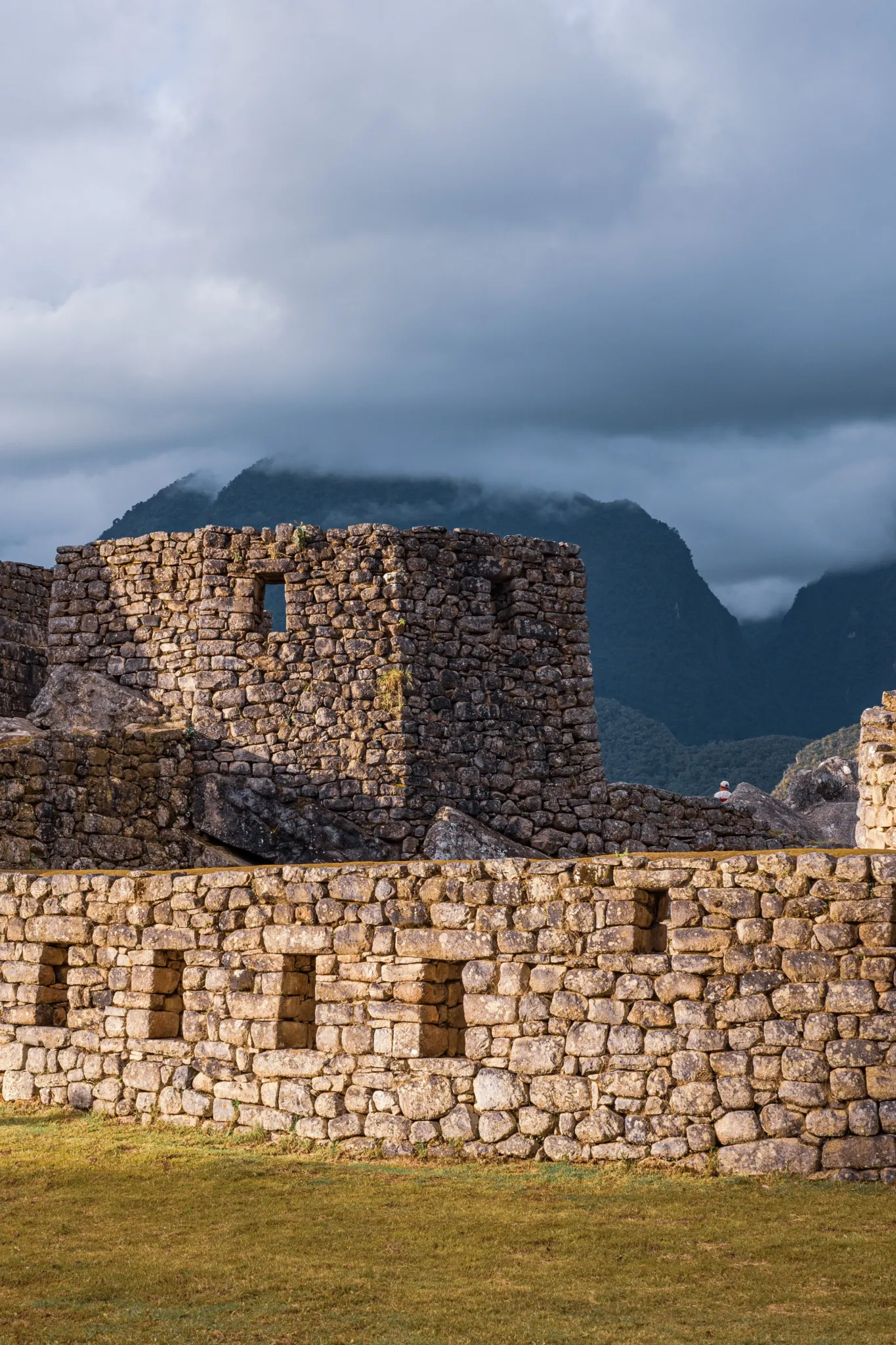
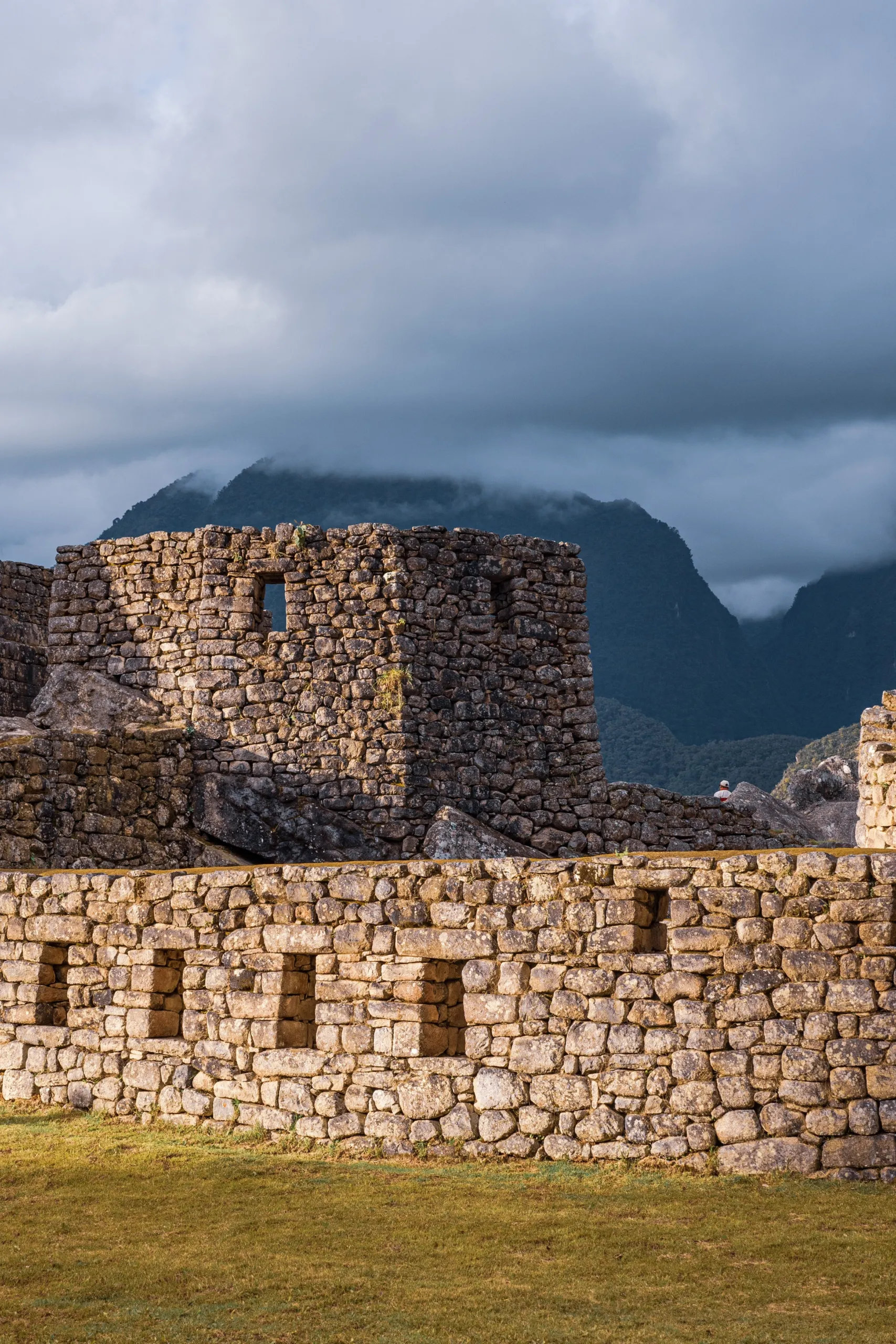
Eight days of physical and cultural preparation — the Sacred Valley’s agricultural intelligence, the Salkantay glacier, the cloud forest descent, the coffee valley, the zip-line crossing, the Llactapata approach — have prepared you for Machu Picchu in ways that a direct arrival cannot produce. The Inka method guide moves through the citadel completing a conversation that began at Pisac eight days ago.

Lunch beside the sanctuary. The train back to Cusco in the afternoon.

  • Maximum altitude: 2,430 m / 7,972 ft
  • Overnight: Hotel in Cusco

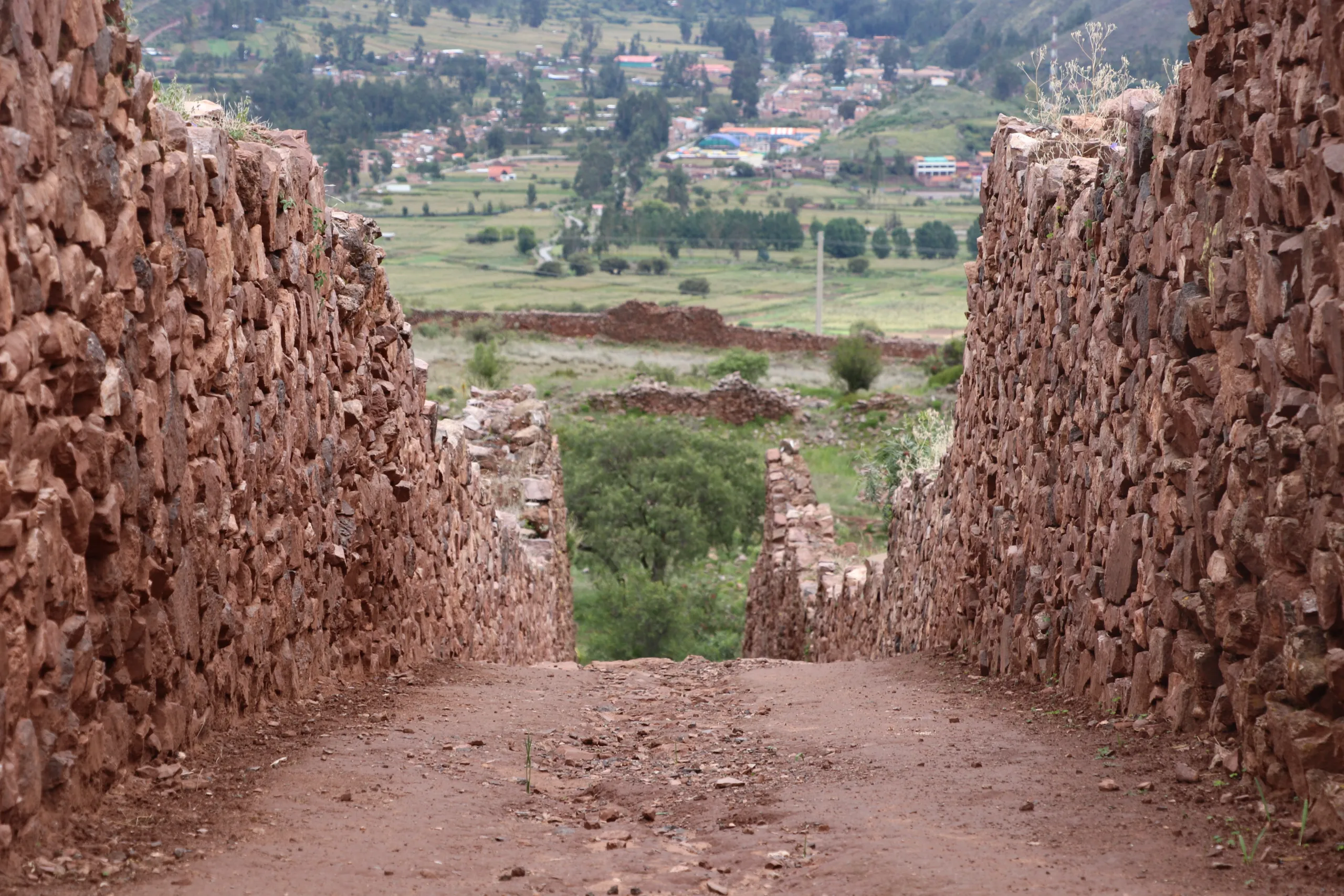
Cusco → Qoricancha → Tipon → Huacarpay Lake → Andahuaylillas → Oropesa → Pitumarka | Easy

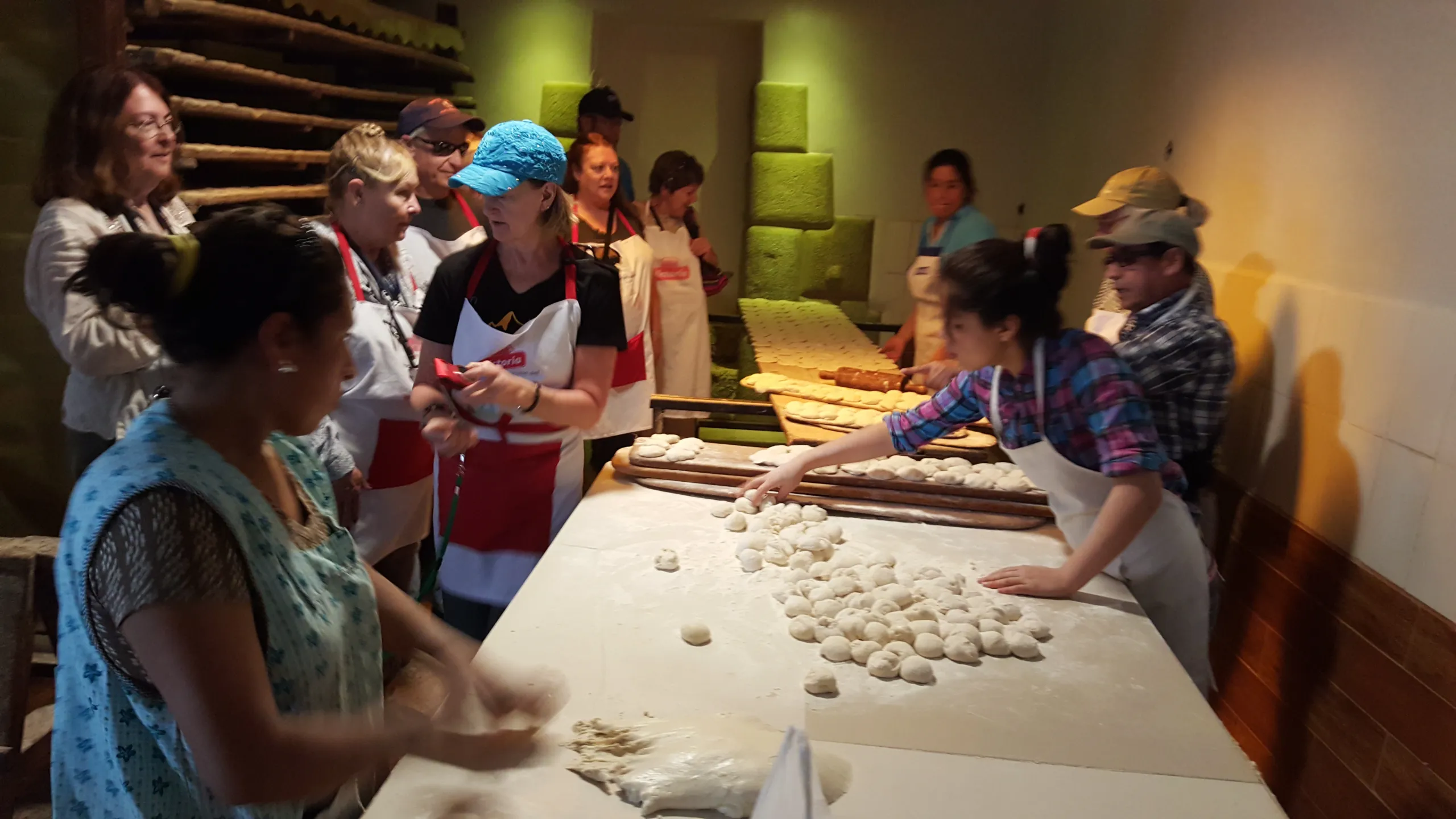
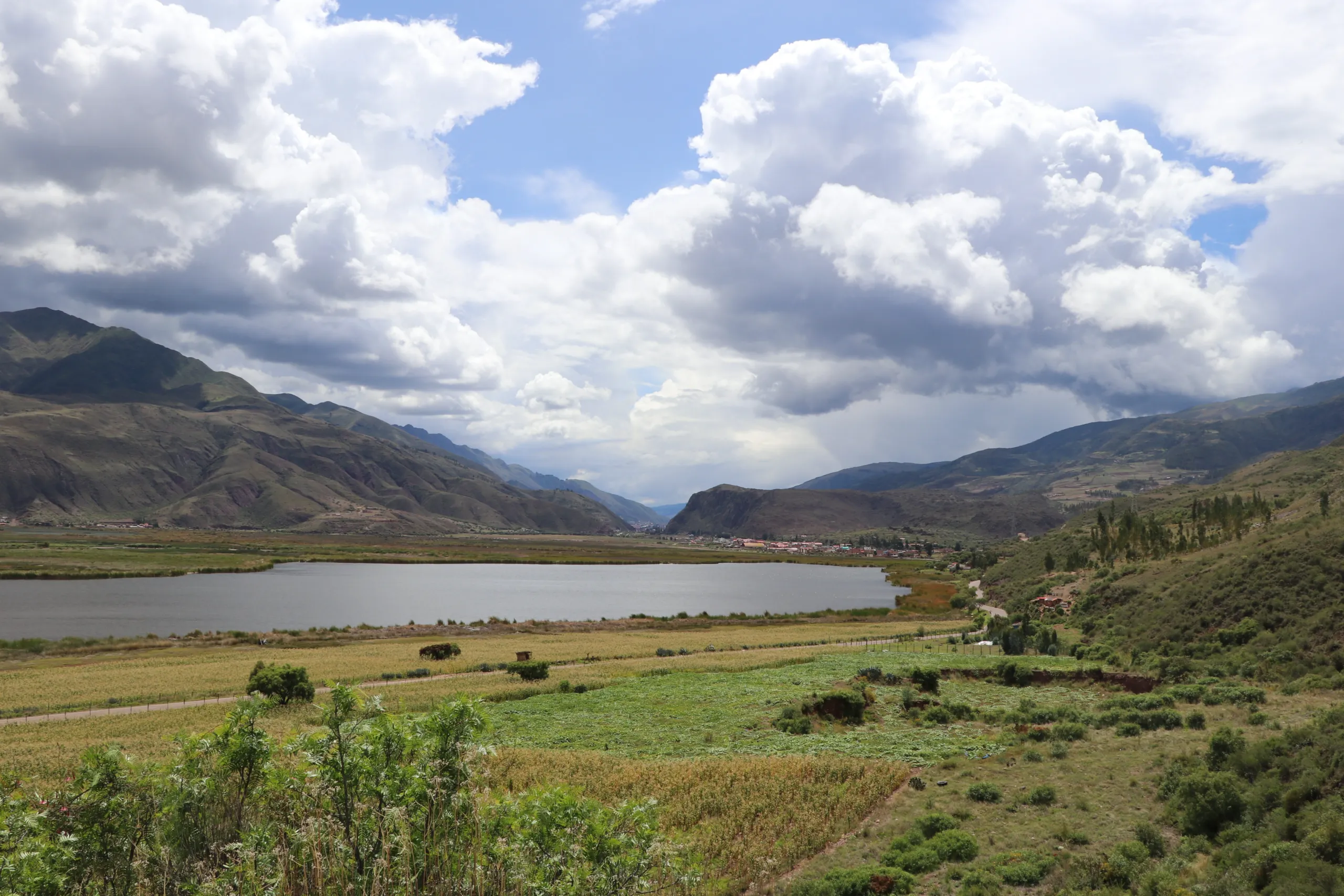
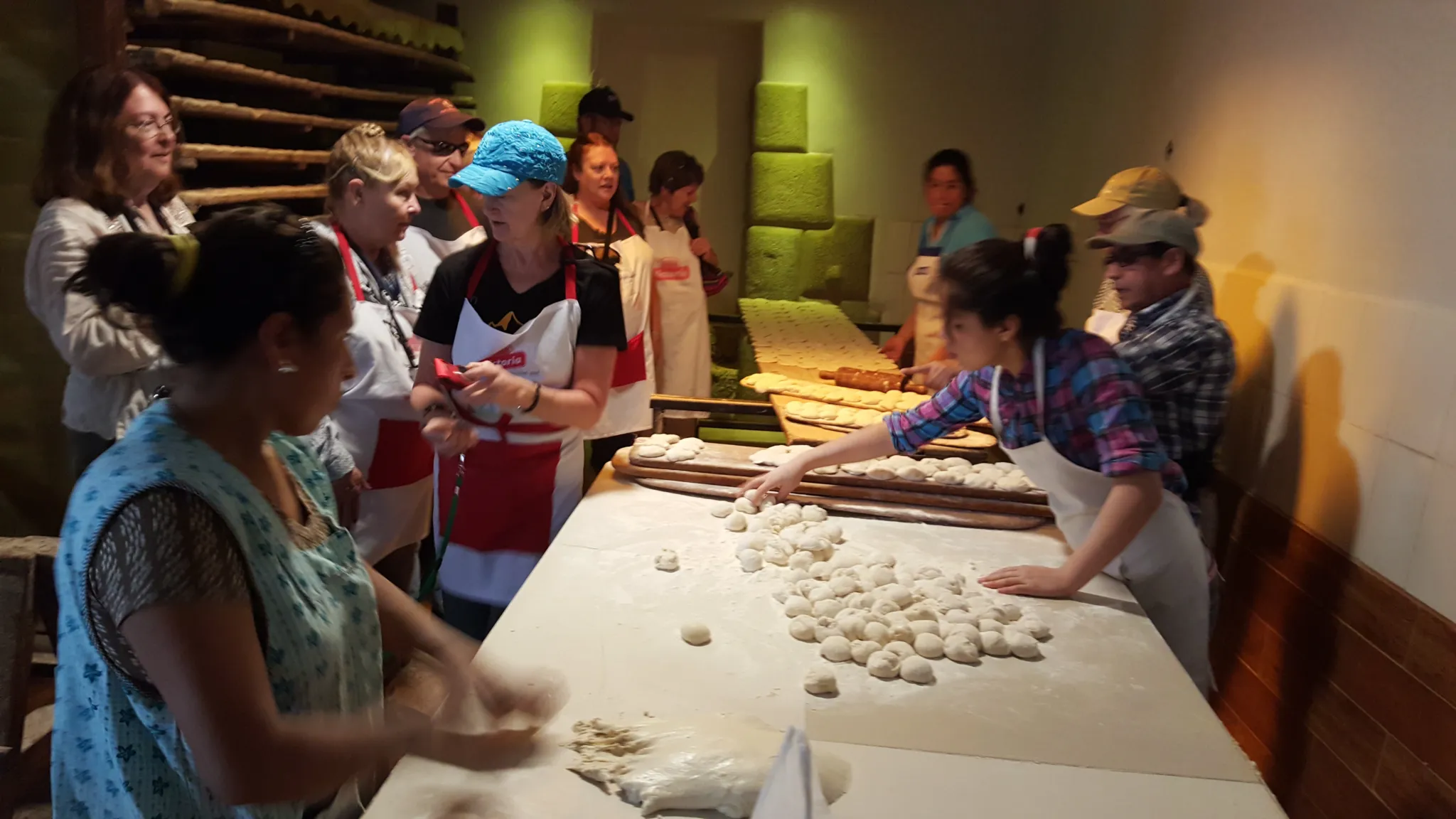
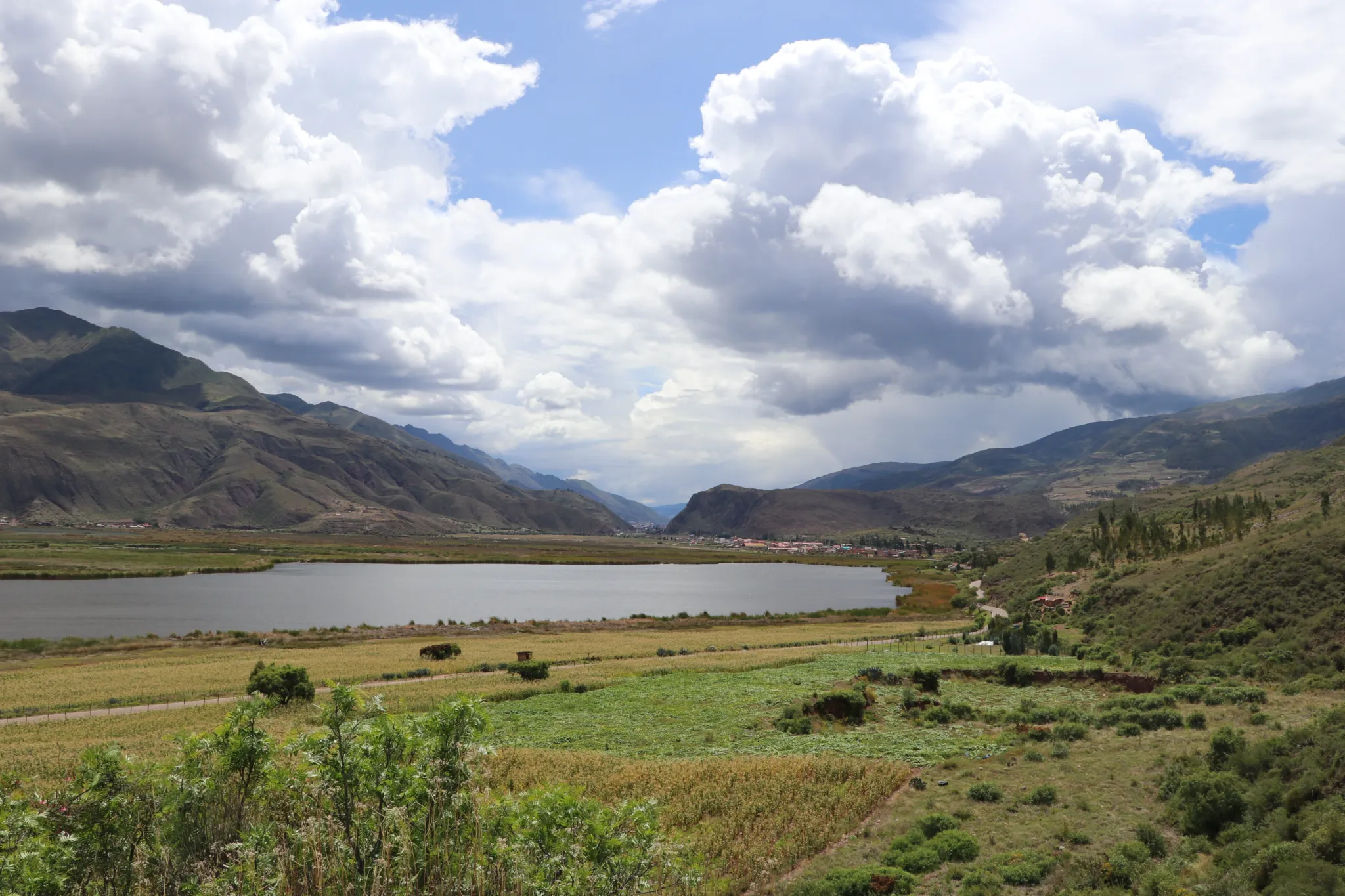
Qoricancha at 3,399 m / 11,151 ft — the spiritual axis of the empire, its stonework the most refined in the Americas, the colonial church built on top of it cracking and shifting while the Inka walls beneath remain perfectly intact. Tipon at 3,260 m / 10,696 ft — the hydraulic engineering center whose water channels have functioned without maintenance for six centuries. Traditional lunch beside Huacarpay Lake at 3,020 m / 9,908 ft. Andahuaylillas — the Sistine Chapel of the Americas. Oropesa — traditional bread in stone ovens.

Overnight in a local house in Pitumarka — the community closest to tomorrow’s trailhead, and the program’s most human encounter with rural Andean life.

  • Distance: 83 km by road
  • Altitude range: 3,020 m / 9,908 ft – 3,399 m / 11,151 ft
  • Overnight: Local house in Pitumarka

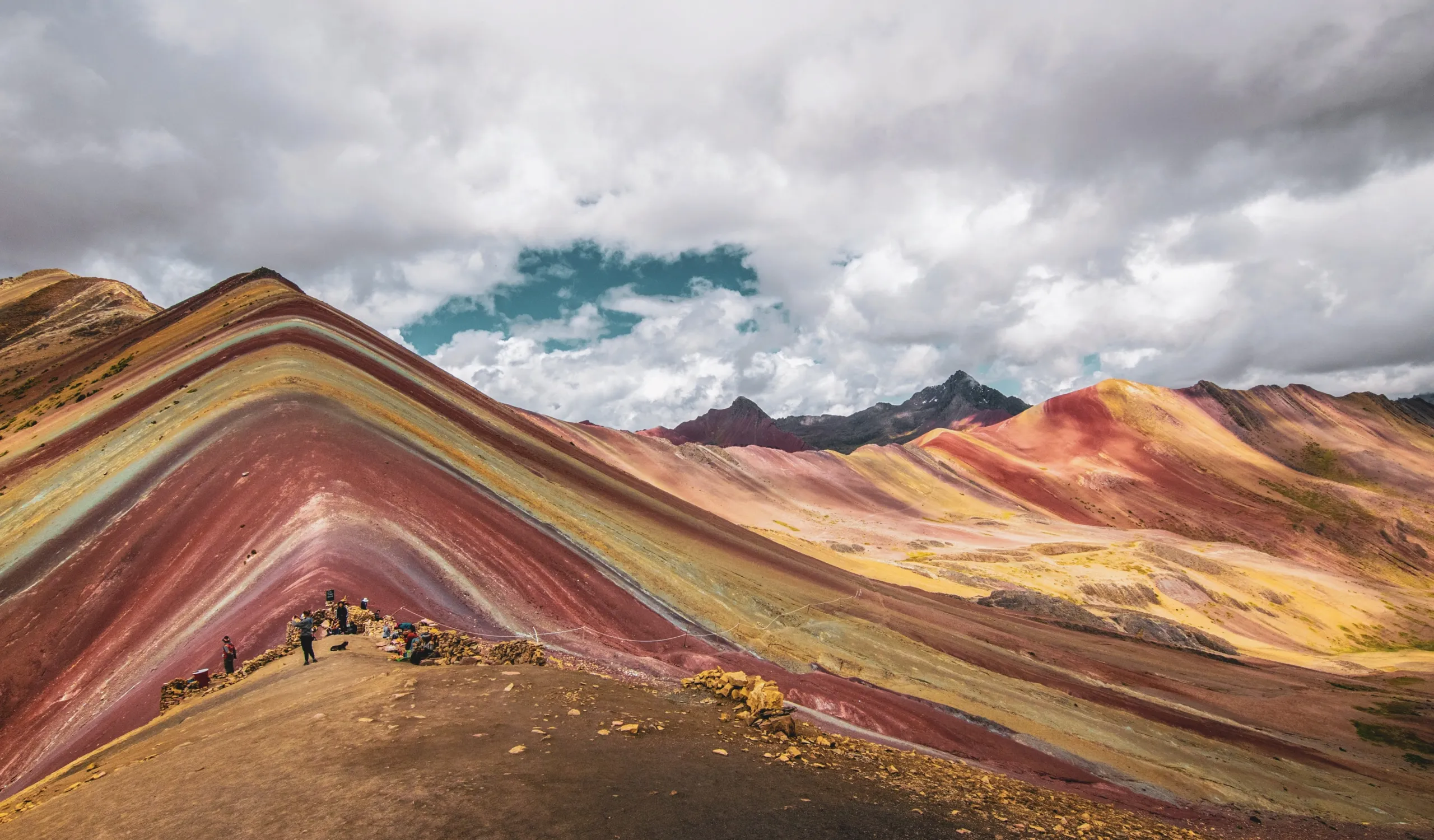
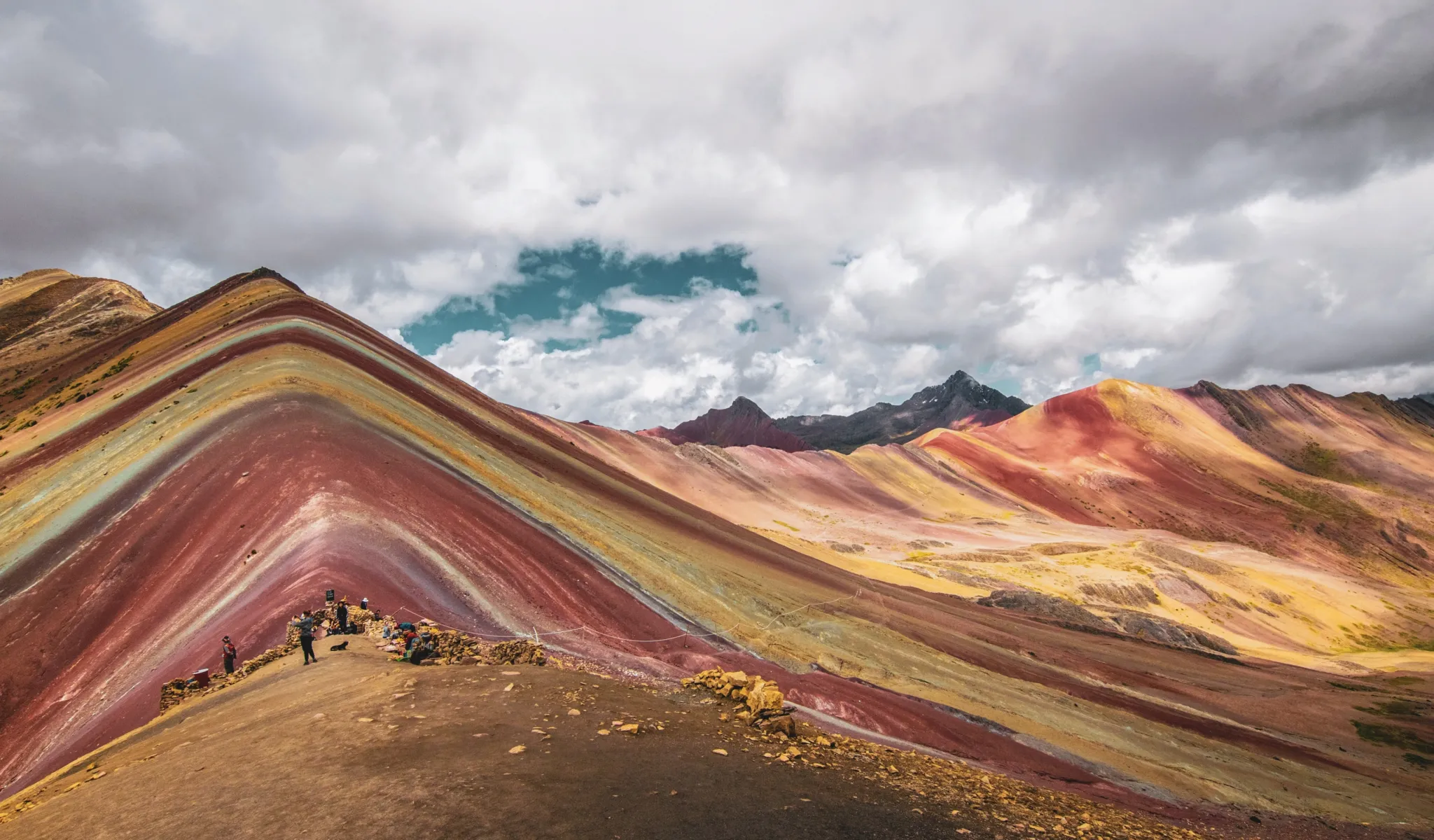
Pitumarka → Rainbow Mountain (5,200 m / 17,060 ft) → Red Valley → Cusco | Moderate

From Pitumarka, the trailhead is approximately one hour away. Nine days of Inka cosmological context give the mountain’s mineral striations a significance that geology alone cannot provide — the rainbow as the Andean representation of universal harmony, a decomposition of light revealing the photons that constitute every living thing.

The Red Valley adjacent to the summit extends the day’s chromatic landscape before the descent and return to Cusco at 3,390 m / 11,122 ft.

  • Distance: 110 km by road + 7 km on foot
  • Maximum altitude: 5,200 m / 17,060 ft
  • Overnight: Hotel in Cusco

Cusco → Sacsayhuaman → Q’enqo → Pucapucara → Tambomachay | Easy

The same sites visited on Day Three’s preparatory hike — now encountered with eleven days of physical journey, ancestral knowledge, and accumulated comprehension between those two visits. Sacsayhuaman at 3,701 m / 12,143 ft. Q’enqo’s tunnels carved into living rock. Pucapucara at 3,580 m / 11,745 ft. Tambomachay’s water channels still flowing.

The difference between the person who walked these sites on Day Three and the person who walks them today is the program. That difference is the point.

A morning in Cusco closes the journey — the Inka streets, the San Pedro market, the capital receiving its final day of attention before the airport takes you back.

  • Distance: 45 km by road
  • Altitude range: 3,399 m / 11,151 ft – 3,701 m / 12,143 ft
  • Overnight: Hotel in Cusco

Cusco → Airport

Transfer to the airport. Twelve days. The mountain spoke. The journey listened.

Puyca

Reviews

Reviews

There are no reviews yet.

Be the first to review “Picchu Machu Picchu”

Your email address will not be published. Required fields are marked *

Included/Excluded

  • Incluido All transportation.
  • Incluido Guide service.
  • Incluido Food as described (breackfast=B, Lunch=L, dinner=D).
  • Incluido Entrance fees and permits for the detailed visit sites.
  • Incluido Round trip train tickets.
  • Incluido Round trip Machupicchu bus tickets.
  • Incluido Chef for the trek.
  • Incluido Cooking equipement.
  • Incluido Camping equipement.
  • Incluido Transport mules.
  • Incluido Horseman – mule driver.
  • Incluido Zip-line.
  • Incluido Hot spring.
  • Incluido Accomodation 5 stars hotel as described.
  • Incluido Boiled or purified water.
  • No Included Entrance fees to Waynapicchu Mountain and Machupicchu Mountain and others are optional.
  • No Included Bottle of water or sports drink.
  • No Included Tipping for staff.
  • No Included Travel ensurance.
  • No Included Flight tickets.
  • No Included Sleeping bag.

Attractions

Andahuaylillas, Chinchero, Cusco, Humantay Lake, Inca Trail, Inkiltambo, Machu Picchu, Maras & Moray, Ollantaytambo, Pachar, Pisac, Pucapucara, Q’enqo, Quillarumiyoc, Rainbow mountain, Sacred Valley, Sacsayhuaman, Salkantay, Tambomachay

Activities

Camping, Cooking classes, Culinary, Discoveries, Experiential tourism, Full nature, Hiking, Hot springs, Lakes, Lama experience, Picnic, Planetarium, Rural house, Trekking, Viewpoint of Condors, Zipline

FAQs

Nothing to show, please go to blogs.

Application Process

Contexto personal
Estado mental actua
Preferencias y límites
Datos de contacto

Book This Tour

Top Trending

You may like

Cart0
Cart0