Hiram Bingham Plus

Duration

2 days

Max People

10

Attractions

1

Activities

4

Environment

Composed Landscapes

Min Age

none

Overview


The Difference Between Visiting Machu Picchu and Receiving It

Most people arrive at Machu Picchu with half a day. They walk the main circuit, take the photograph from the agricultural terrace, and leave on the afternoon bus. The site has been seen. The site has not been understood.

This program begins differently — aboard the Hiram Bingham, the legendary Orient Express train that moves through the Sacred Valley and into the cloud forest with a quality of unhurried luxury that sets the internal register before the destination arrives. The journey is not transit. It is preparation — the landscapes of the Inka heartland unfolding outside polished windows, the Sacred Valley deepening into cloud forest, the Urubamba River following the route that has connected Cusco to Machu Picchu since before the Spanish knew either place existed.

What awaits is two full days inside one of the most extraordinary human constructions on earth — not as a sightseeing circuit but as a genuine inquiry, guided by someone who carries ancestral knowledge of this place that no university has catalogued and no guidebook has published.


Machupicchu Wonder of the World


Beyond its celebrated UNESCO designation lies a living masterclass in resilient design and ancestral ingenuity. While casual visitors admire panoramic vistas, our executive program unveils:

  • The Temple of the Sun’s sophisticated seismic reinforcement techniques, revealing the Inka’s mastery of earthquake-resistant construction.
  • The ingenious agricultural terracing system, a testament to sustainable practices that continue to inform modern permaculture techniques.
  • The Intihuatana stone’s dual function as an astronomical calendar and subtle instrument of geopolitical power.
  • The strategically aligned sightlines that connect Machu Picchu to the vast network of sacred sites throughout the Sacred Valley.


As a descendant of the Inkas, I will tell you some some unique facts about Machupicchu:
The location has a lot to do with the Van Allen belt, satellite images show circles of mountain ranges and Machupicchu in the middle and everything is related to the small pyramid in the middle of Machupicchu,
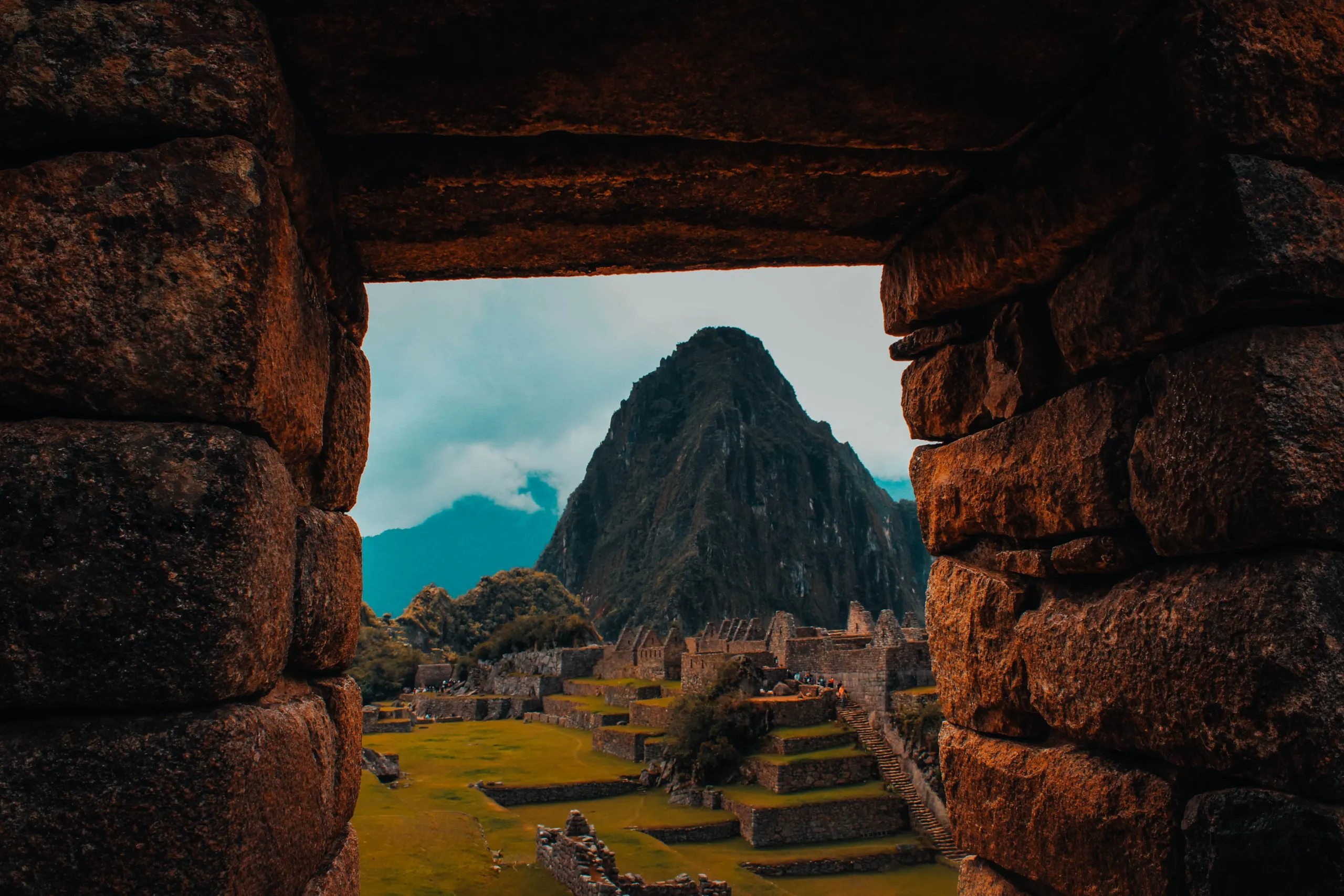
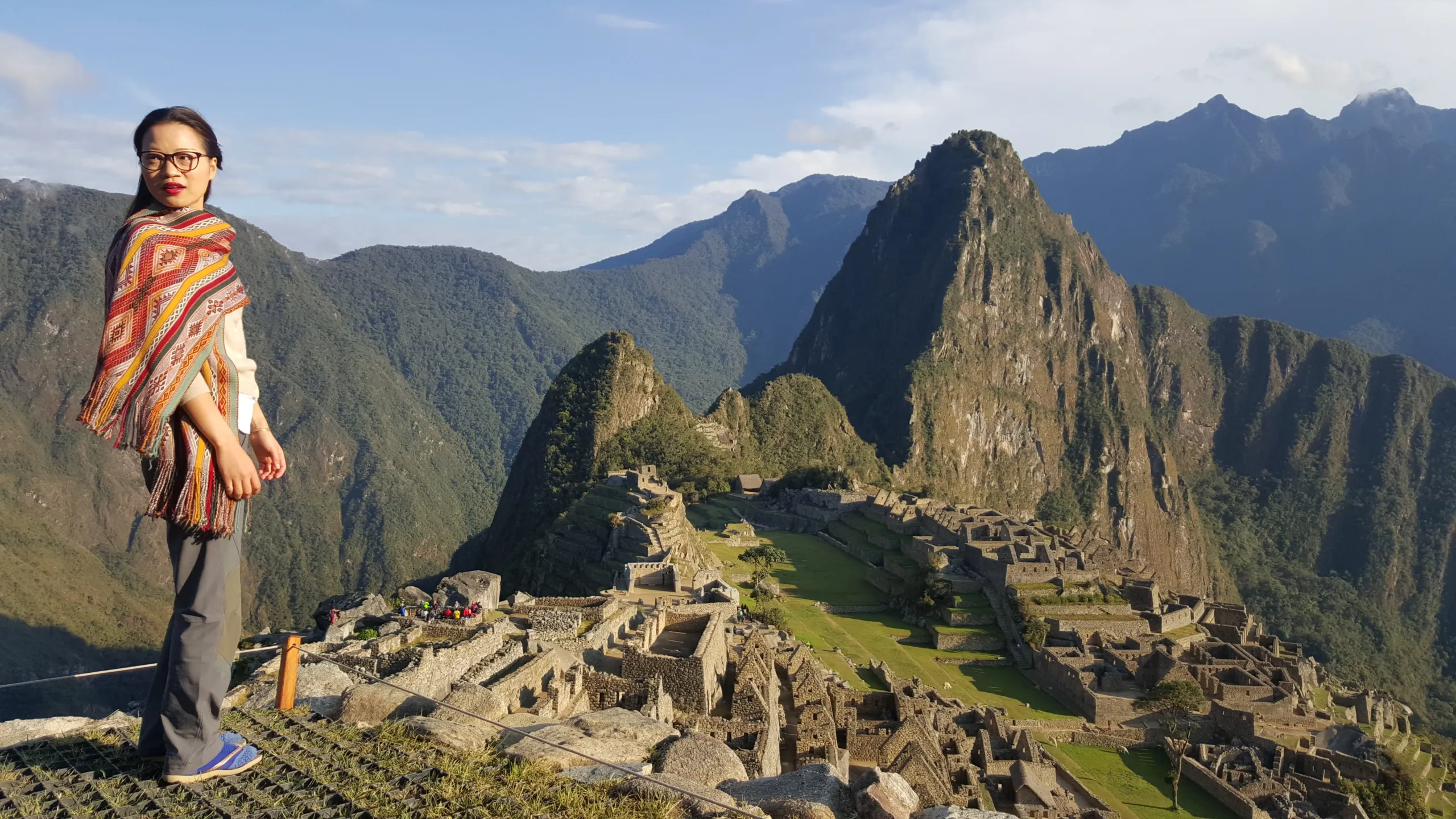
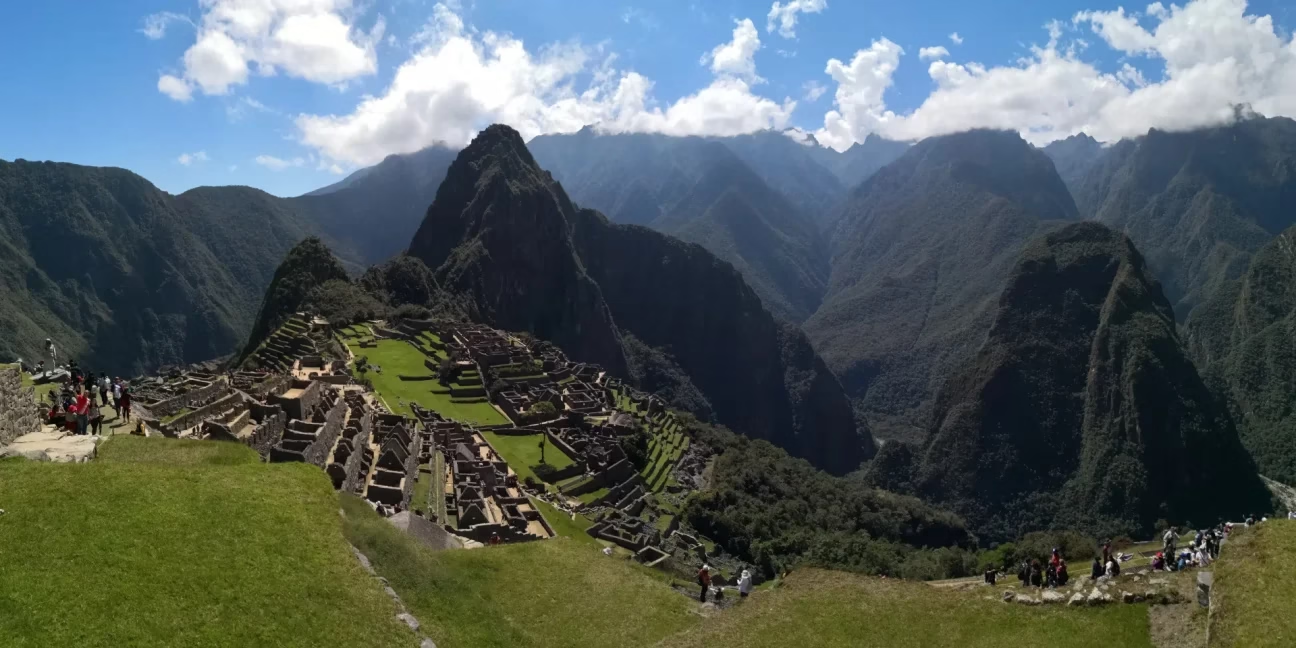
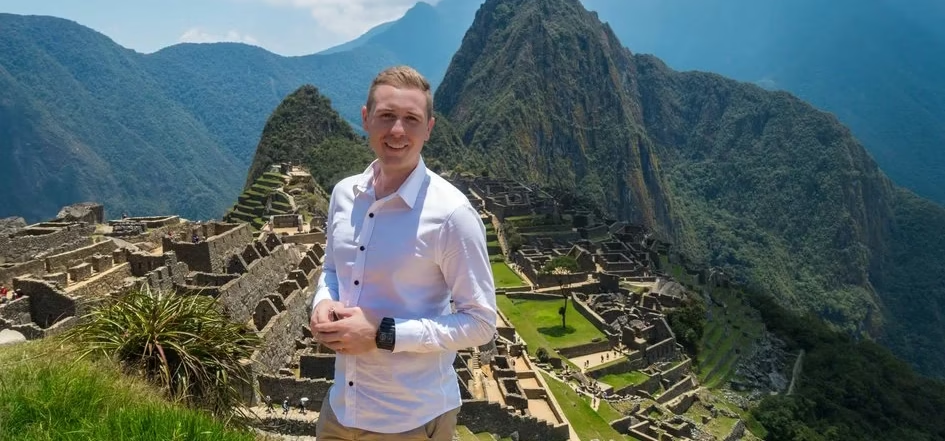
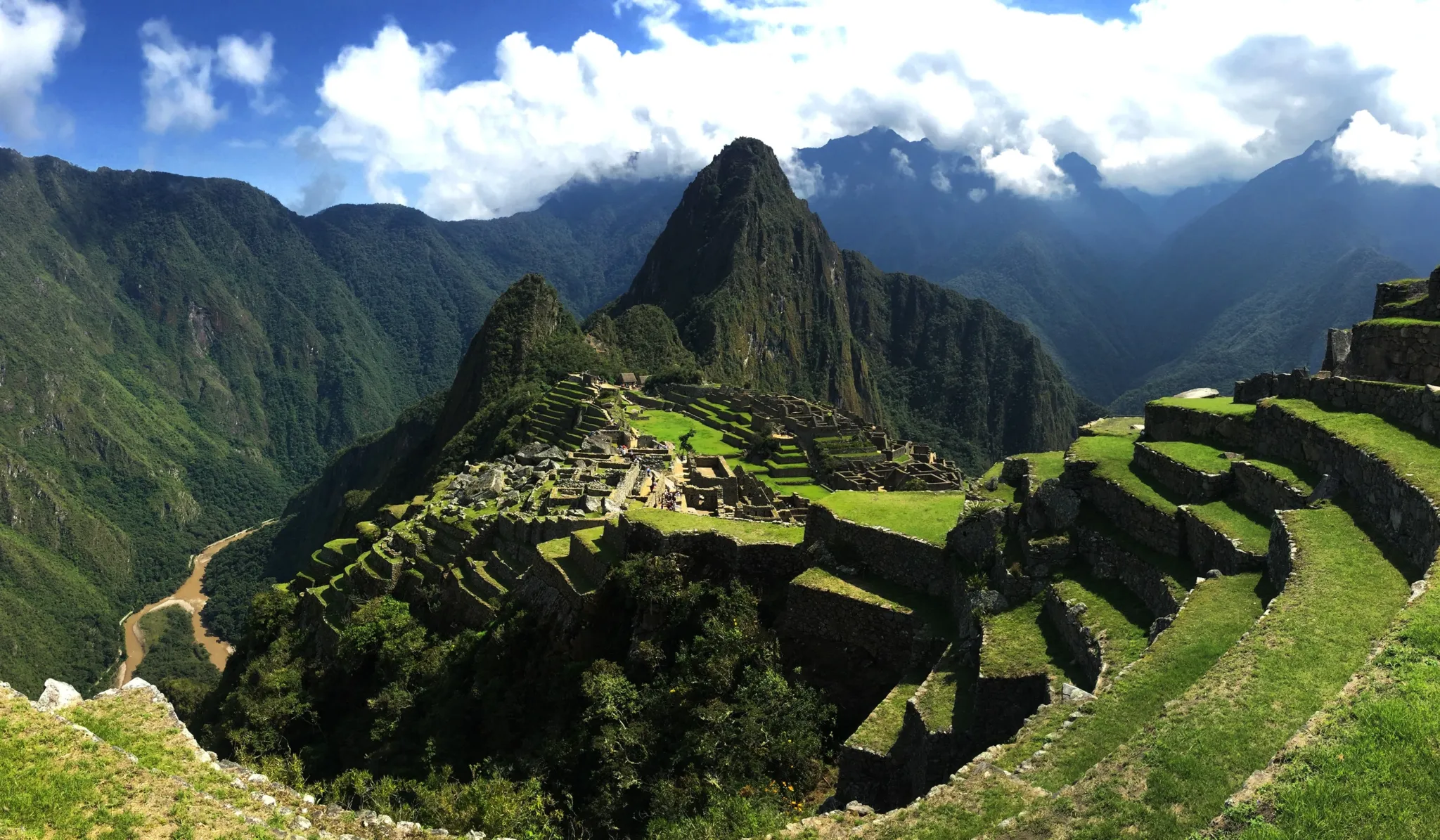
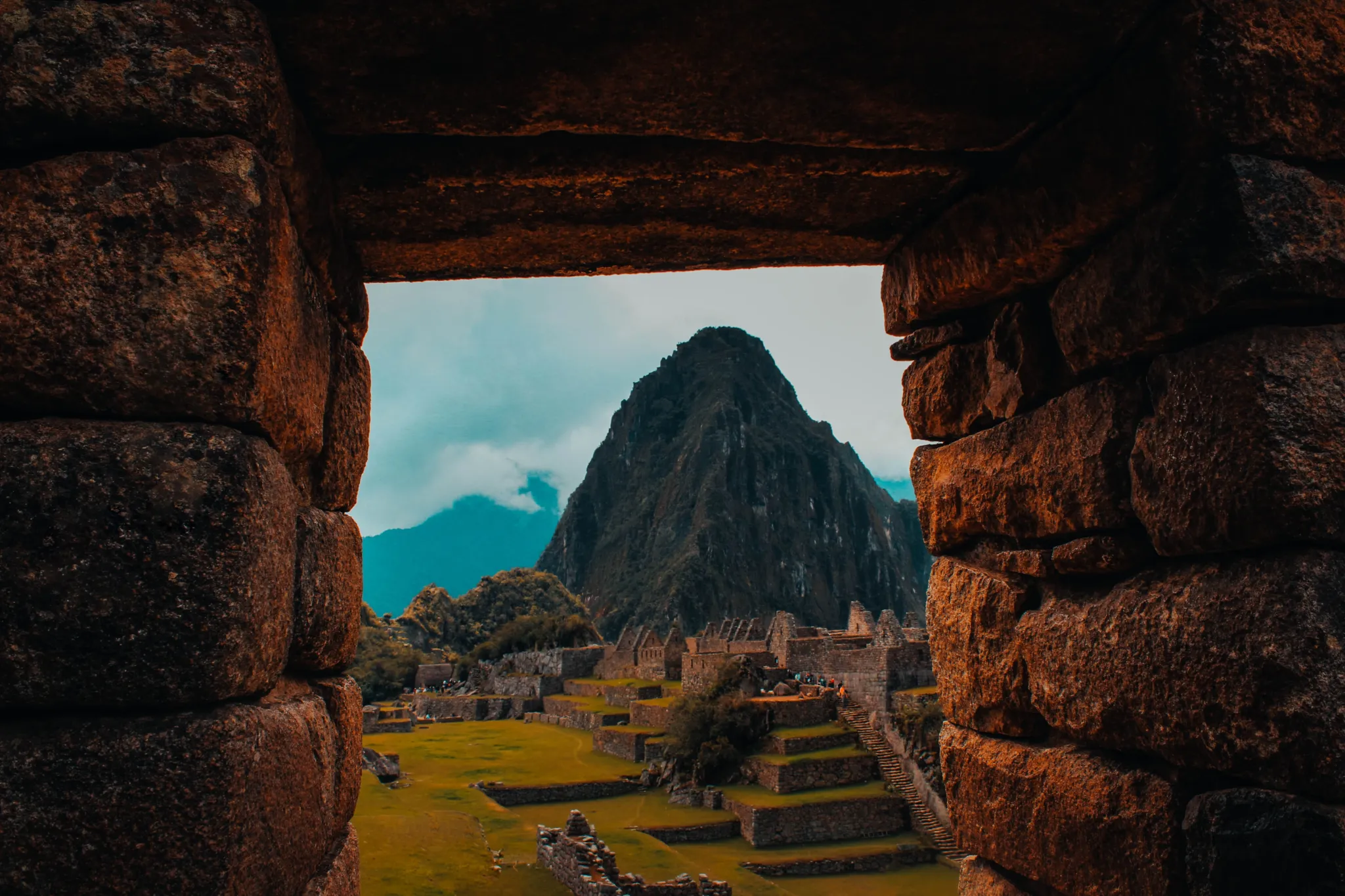
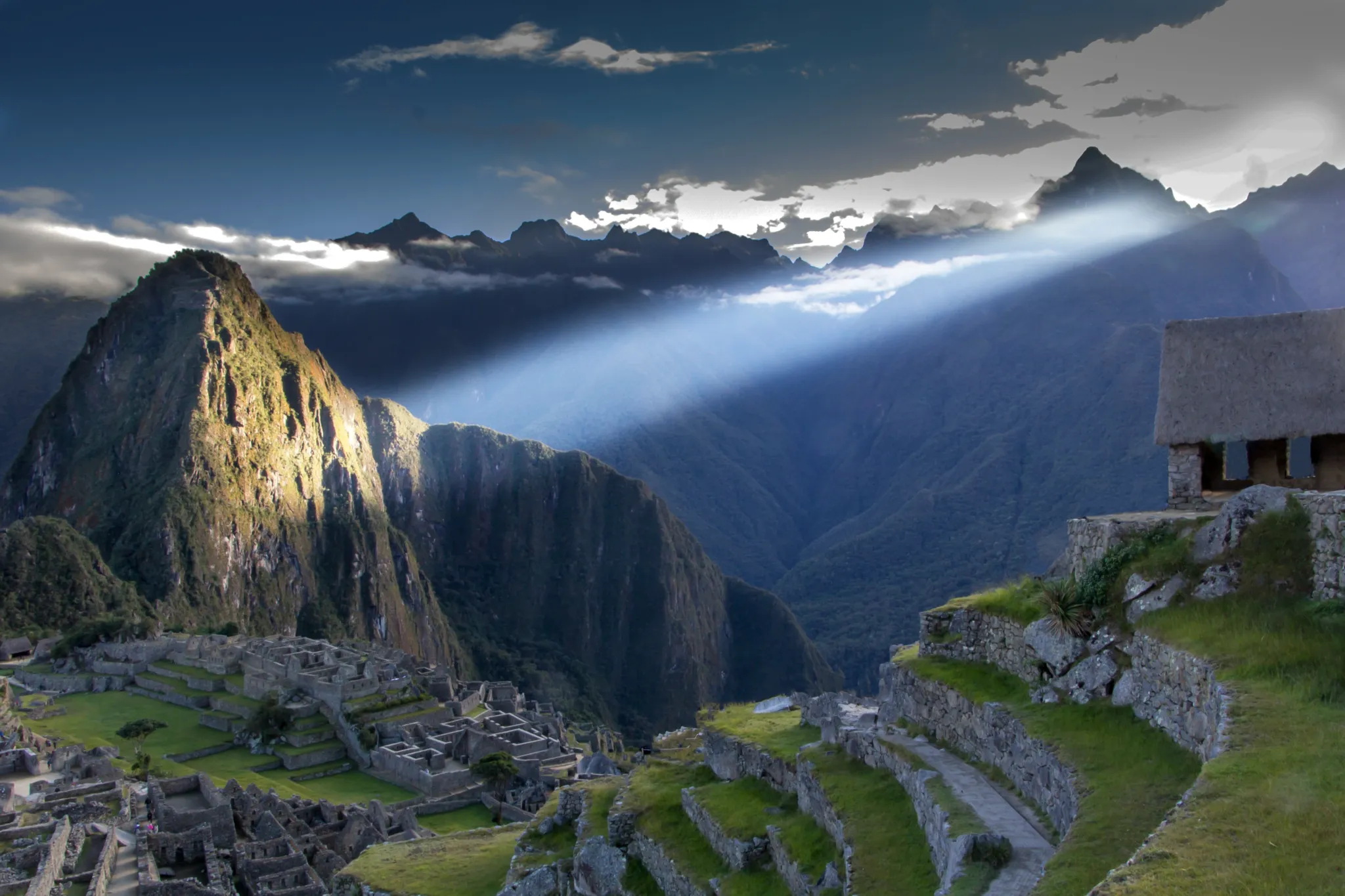
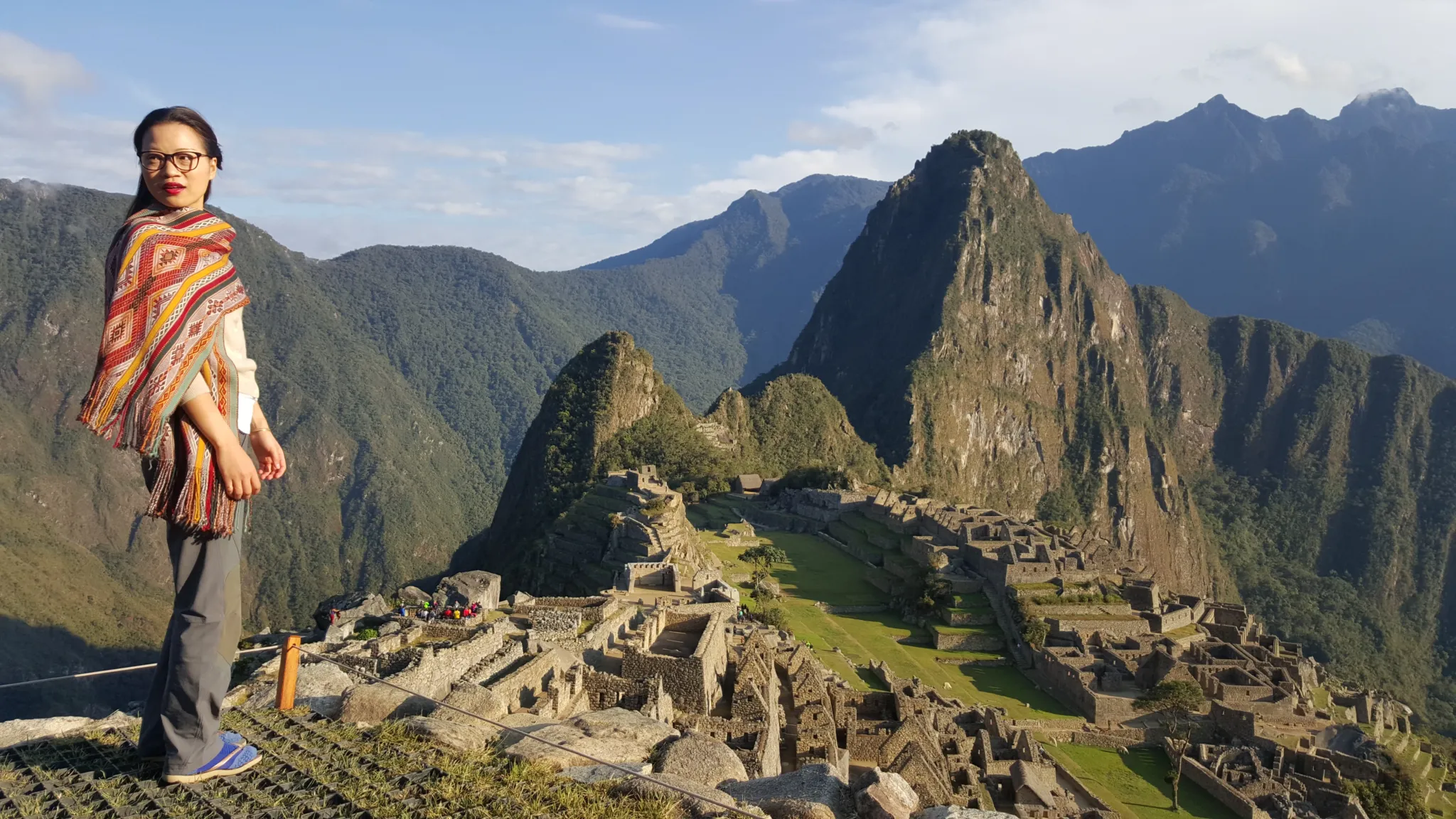
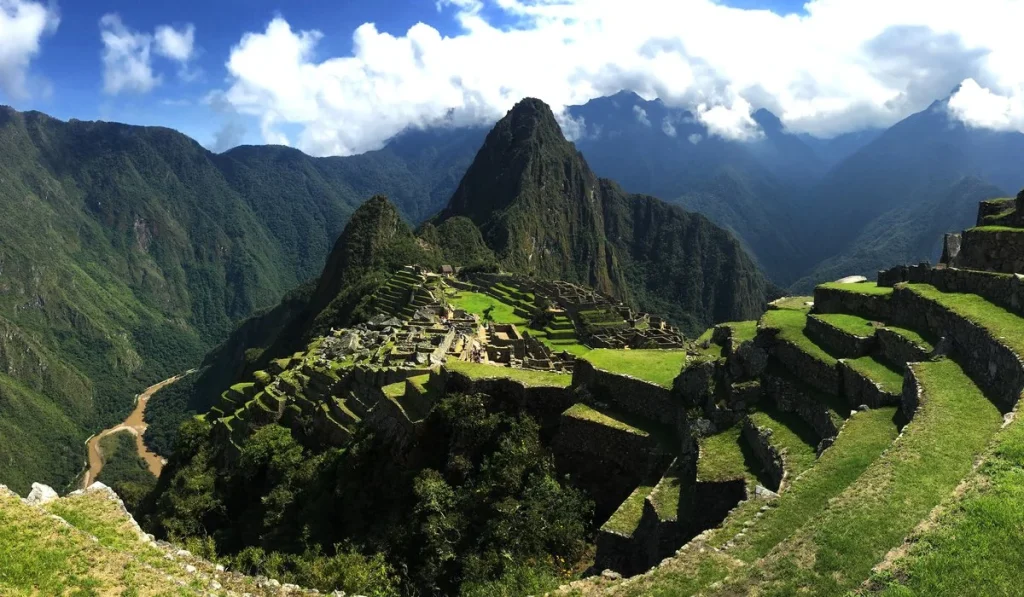
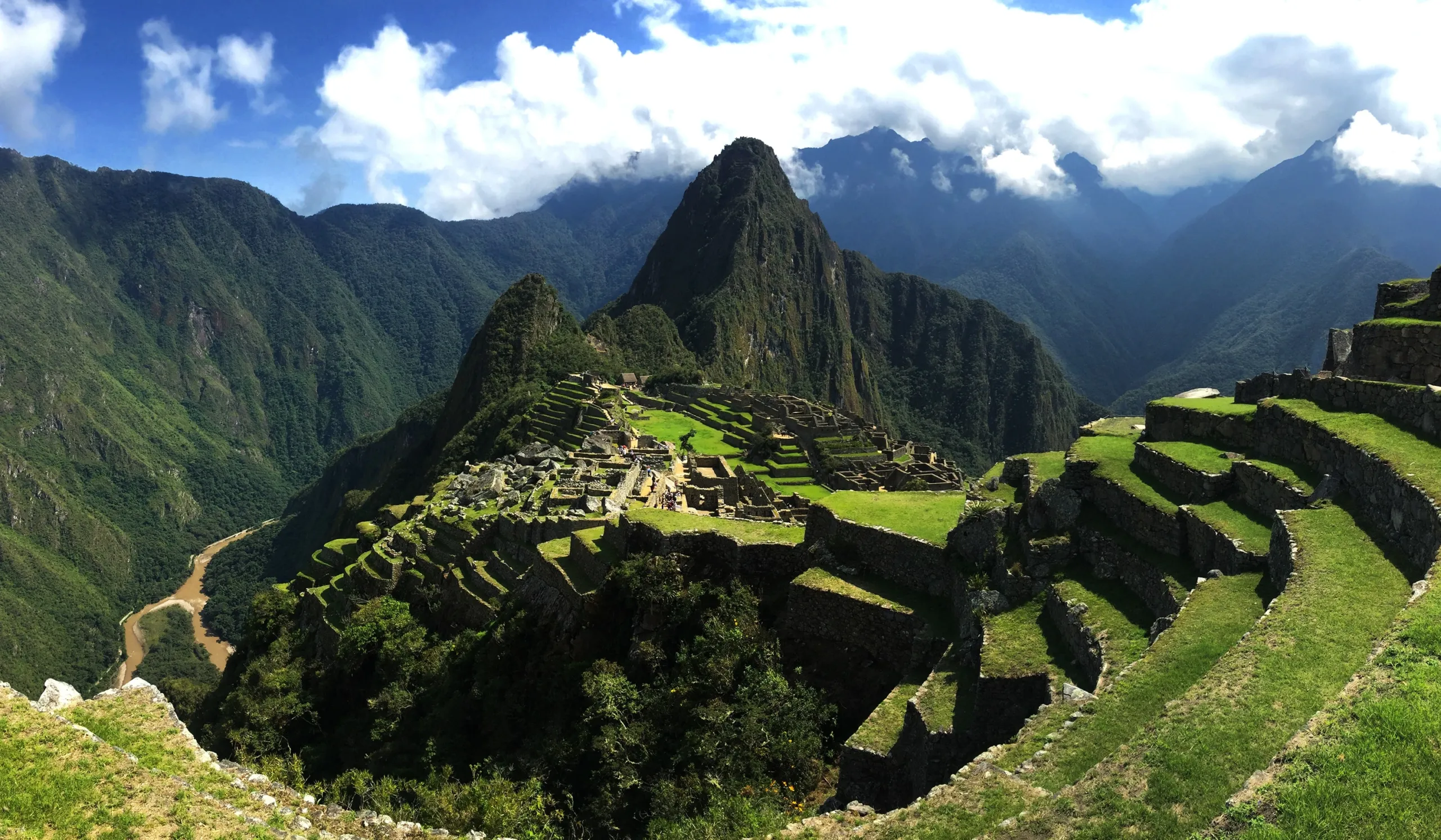
the mountain you see is Huaynapicchu (young mountain) there is another bigger one called Machupicchu (old mountain) which is behind the one who took the picture,
the Inkas left a very famous message with the name of these two mountains: the young must learn from the old.

These facts are unknown even to anthropologists, if you are looking for different, unique or purposeful experiences, get to know us and dare to raise the level of your human experience.


What the Guidebooks Don’t Carry

As a descendant of the Inka, your guide brings a relationship to Machu Picchu that academic archaeology has not fully accessed. Some of what follows is unknown even to the anthropologists who have studied this site for decades.

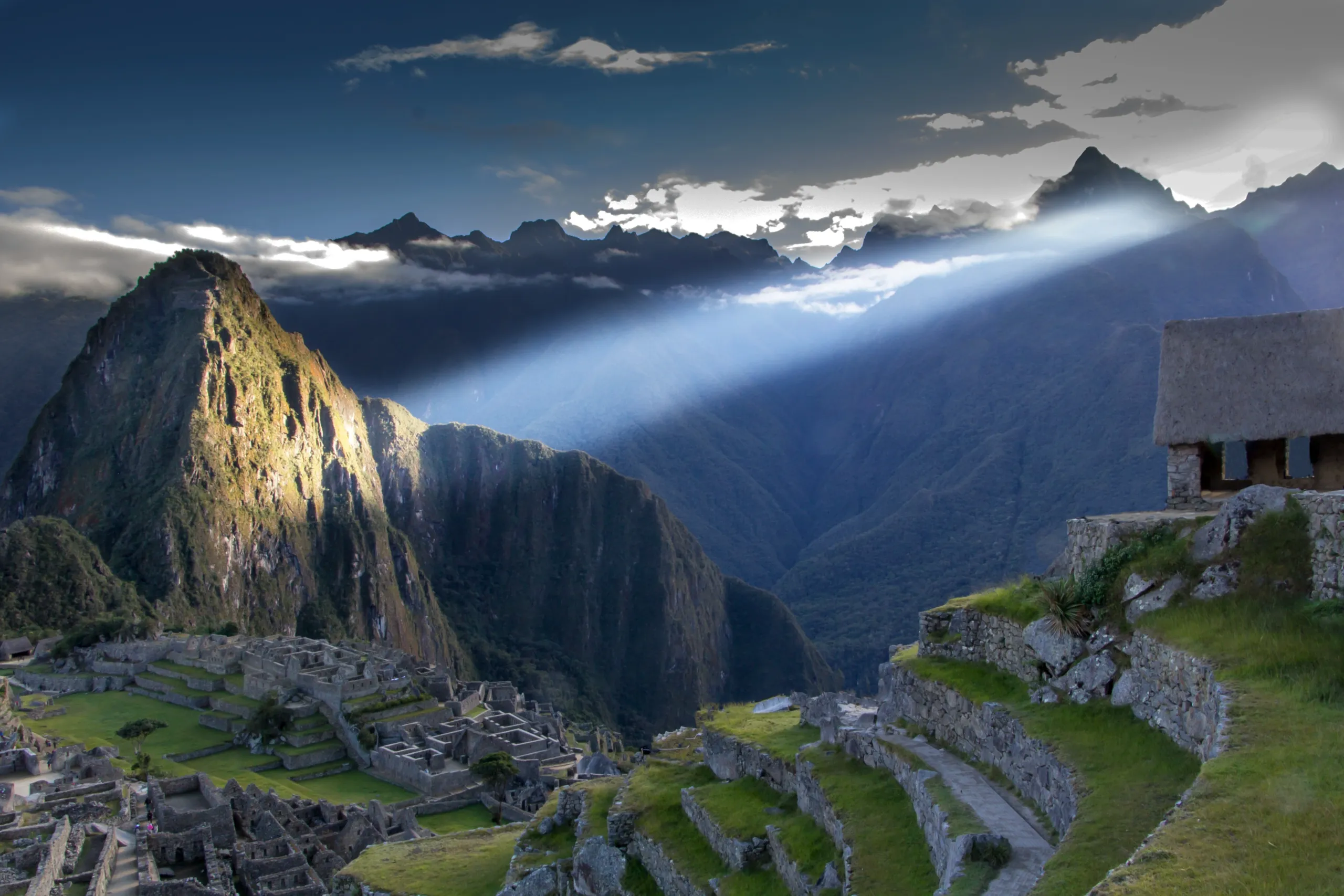
The location of Machu Picchu is not arbitrary. Satellite imagery reveals a pattern of concentric mountain ranges with the citadel at their geometric center — a positioning that connects to the Van Allen belt and to a cosmological understanding of the earth’s energetic geography that the Inka encoded into their most significant sites. At the center of the citadel, a small pyramid structure whose function remains officially unexplained is the key to reading this alignment.

The mountain that appears in every photograph of Machu Picchu — visible behind the citadel in the iconic image — is Huaynapicchu: young mountain in Quechua. The larger mountain behind the camera, unseen in the famous view, is Machu Picchu itself: old mountain. The Inka named these two peaks deliberately and positioned their citadel between them to transmit a message that has been in plain sight for six centuries: the young must learn from the old.

This is the kind of knowledge this program is designed to deliver. Not facts about construction dates and archaeological phases, but the living intelligence of a civilization that encoded its understanding of the cosmos, the earth, and the human condition into the geography of its most sacred place.


Why is plus?

Hiran Binghan train provides exclusive services in the world and you can see it on their website, Therapeutic Tourism offers an extra night is not all we offer, what gives a plus to our program is the essence and purpose of Therapeutic Tourism,Org – sponsoring life, using ancestral wisdom for life therapy. If you are looking for exclusivity threapeutic thurismo is for you, dare yourself to something unique of cosmic proportions.
Cusco → Poroy Station → Sacred Valley → Aguas Calientes | Hiram Bingham Train | Easy

Morning pickup and transfer to Poroy station, where the Hiram Bingham is boarded. The train moves through the Inka heartland — terraced mountains, the Sacred Valley corridor, the point where the valley narrows and the cloud forest begins and the Urubamba accelerates toward the Amazon. Gourmet breakfast is served as the landscape transforms outside the windows.

Aguas Calientes by midday. The afternoon is yours — the town sits in a narrow canyon between vertical mountain walls with the river running fast through its center, the air considerably warmer and more humid than Cusco. Rest, explore the town, prepare for tomorrow’s early entry.

  • Distance: 13 km / 8.1 miles by car + 99 km / 61.5 miles by train
  • Altitude range: 2,040m / 6,693ft – 3,499m / 11,480ft
  • Overnight: Hotel in Aguas Calientes

Aguas Calientes → Machu Picchu → Cusco | Easy

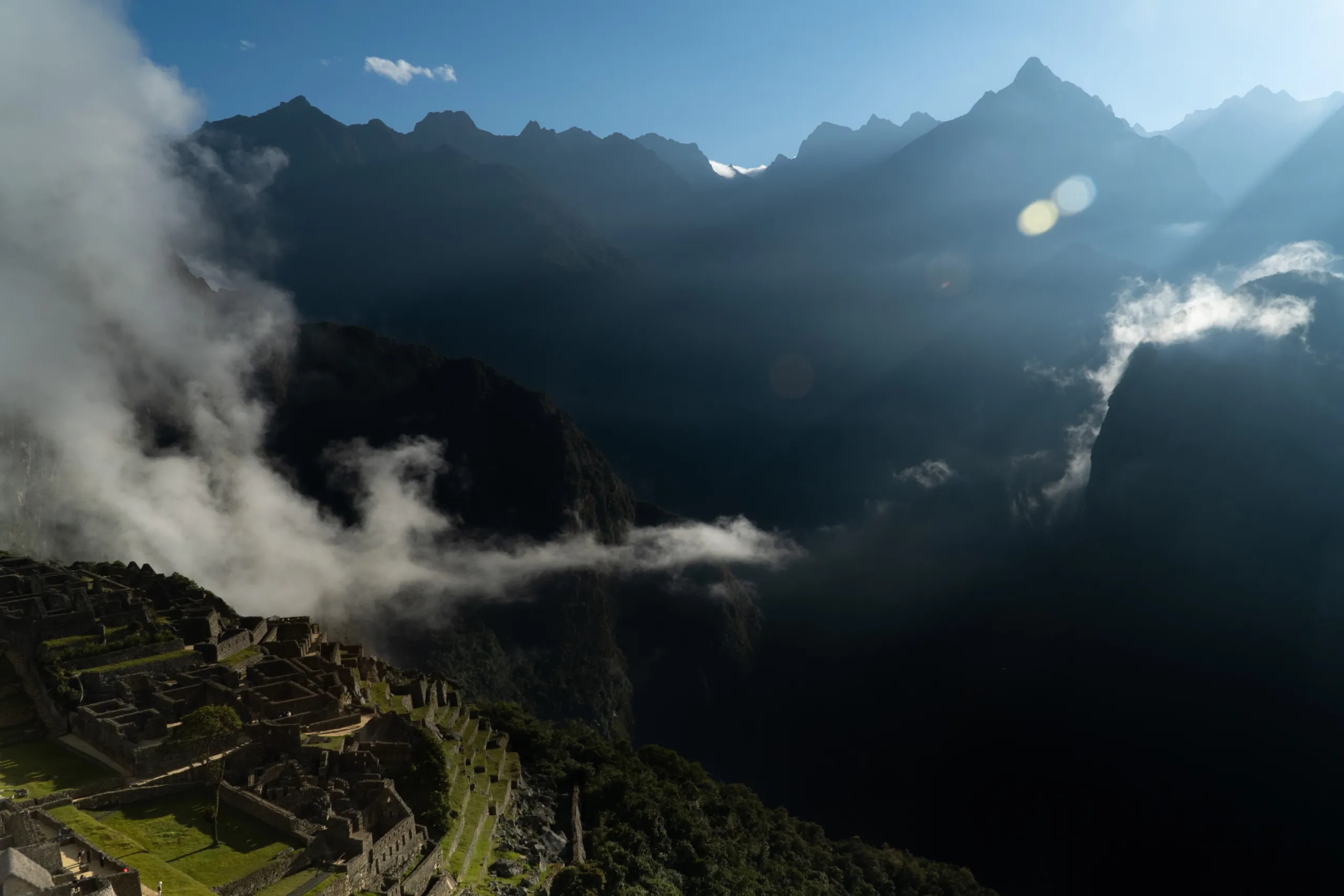
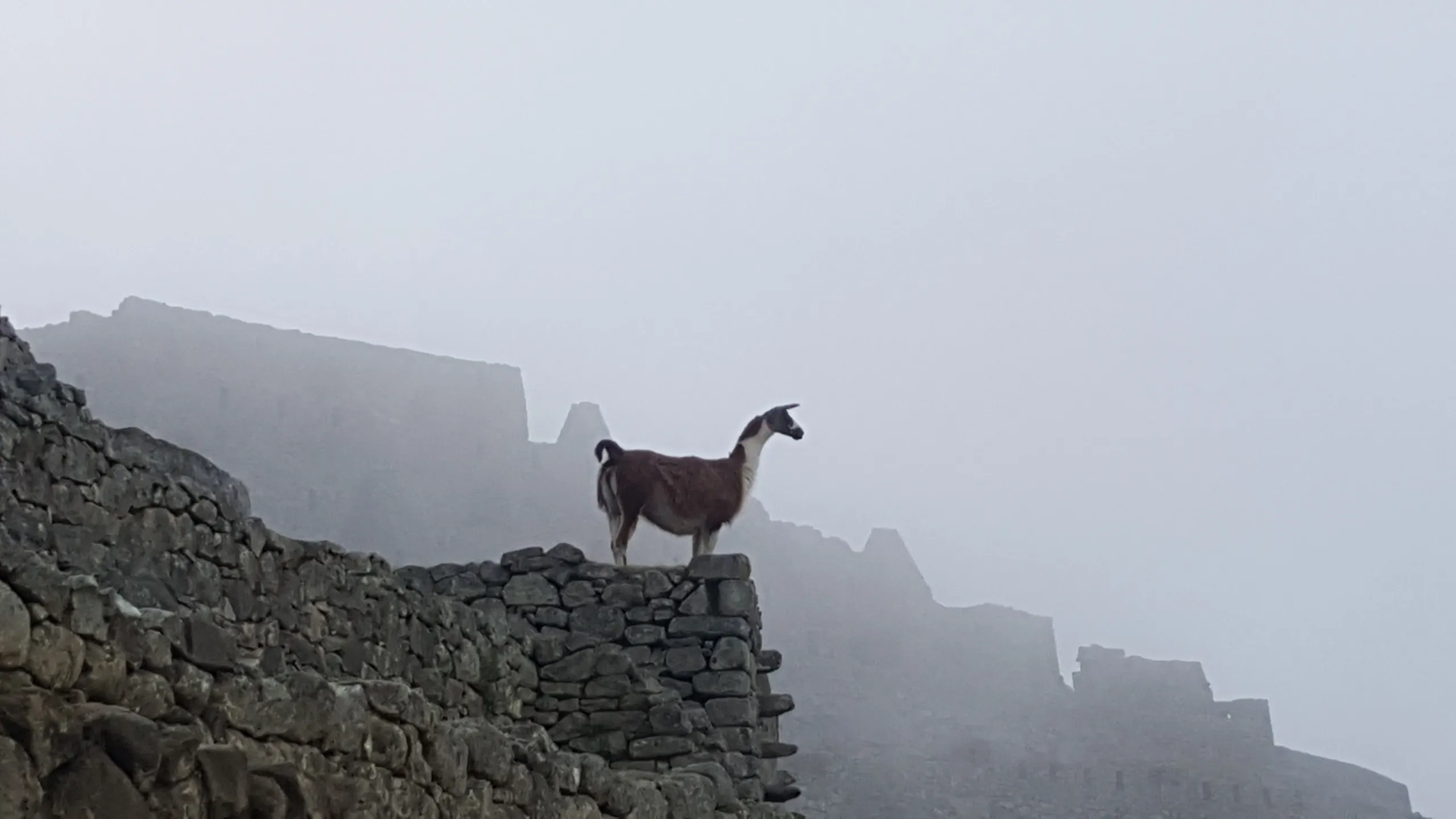
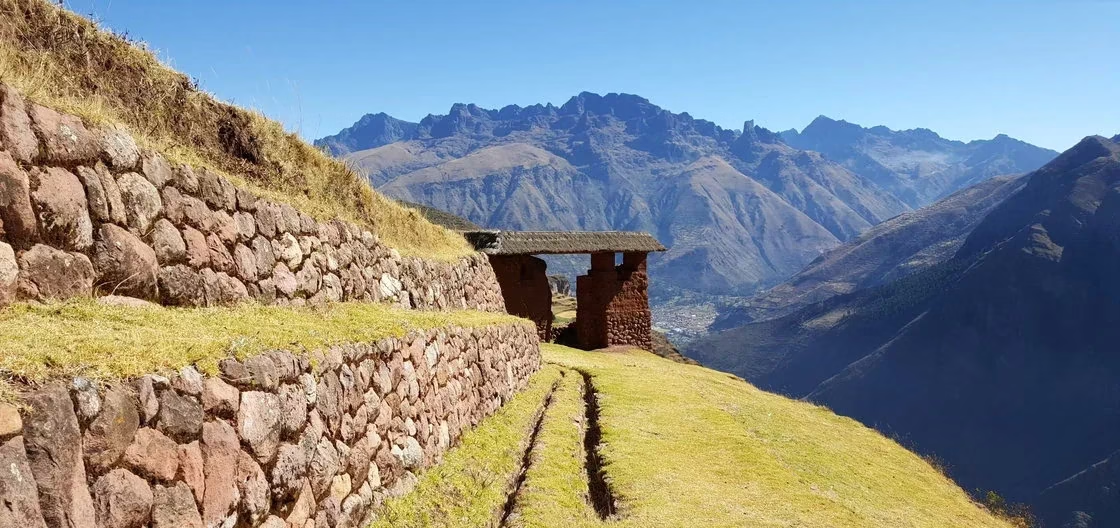
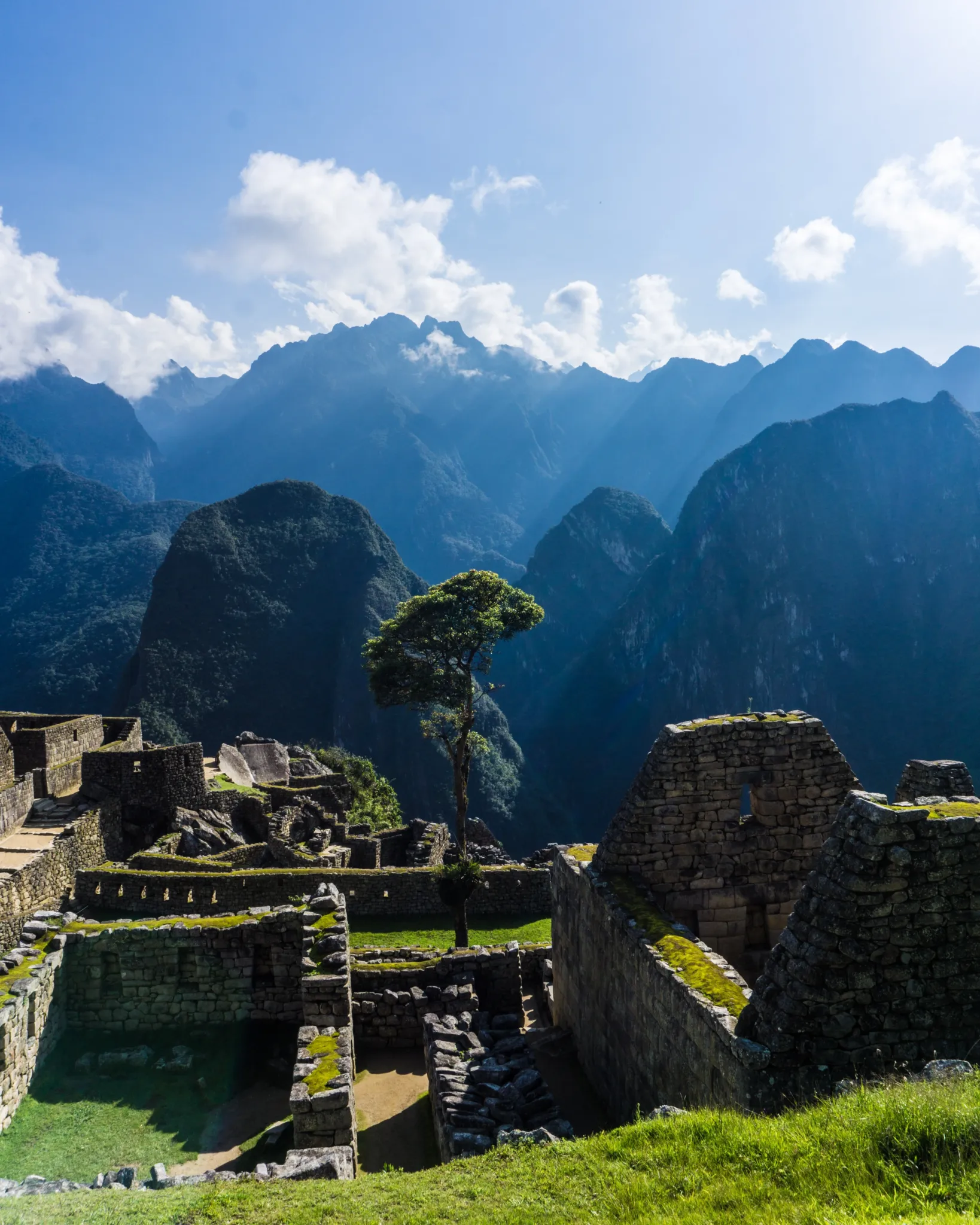
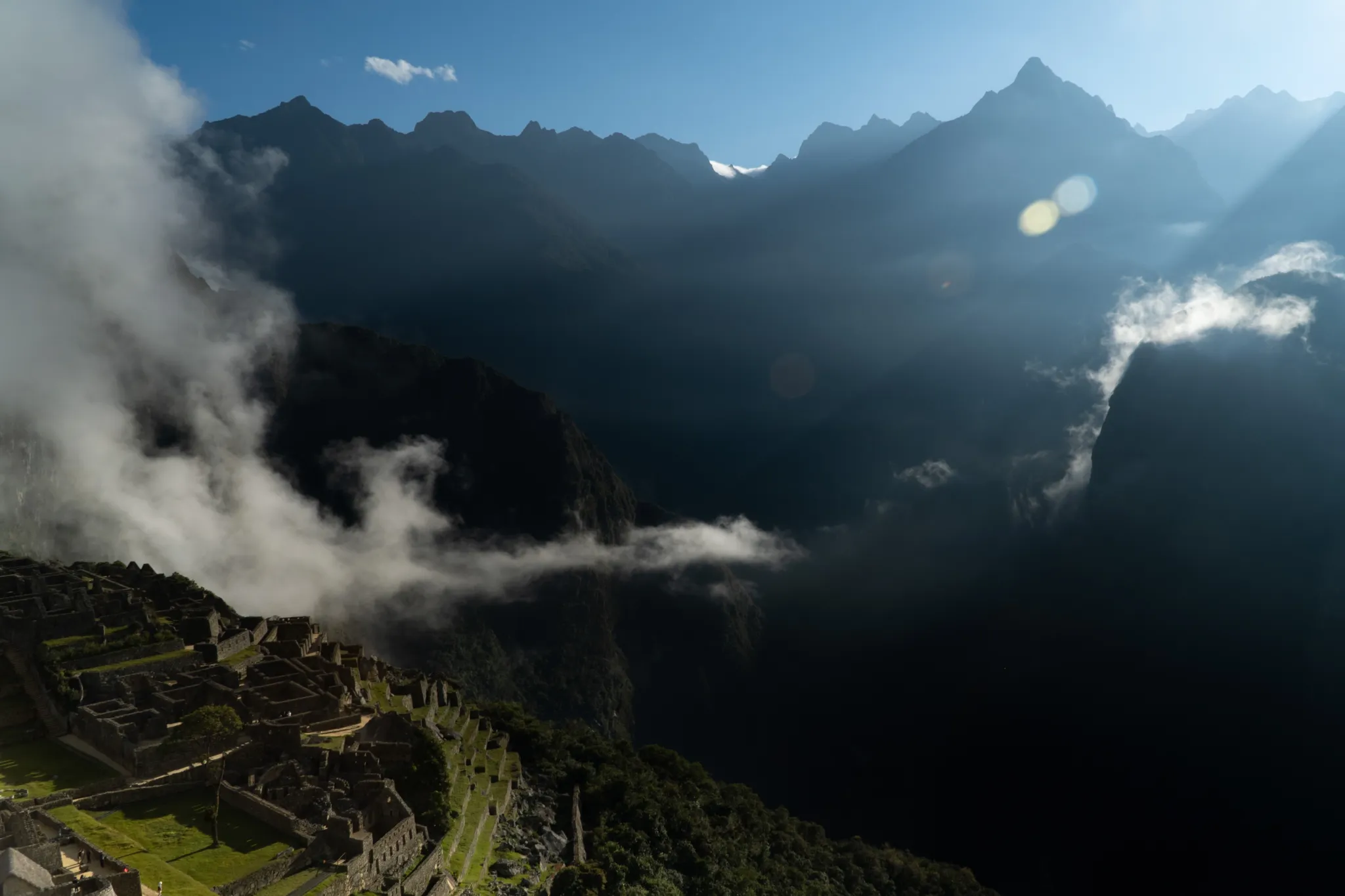
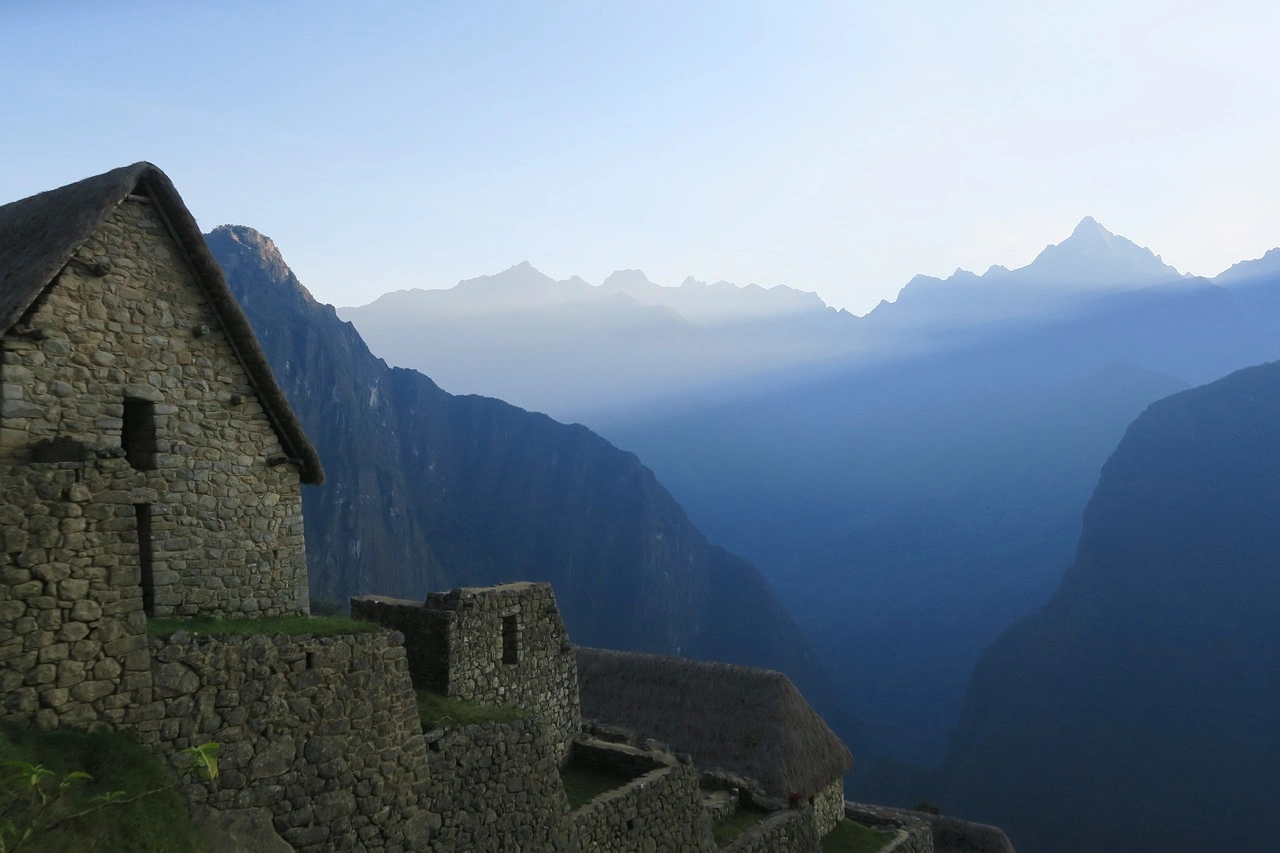
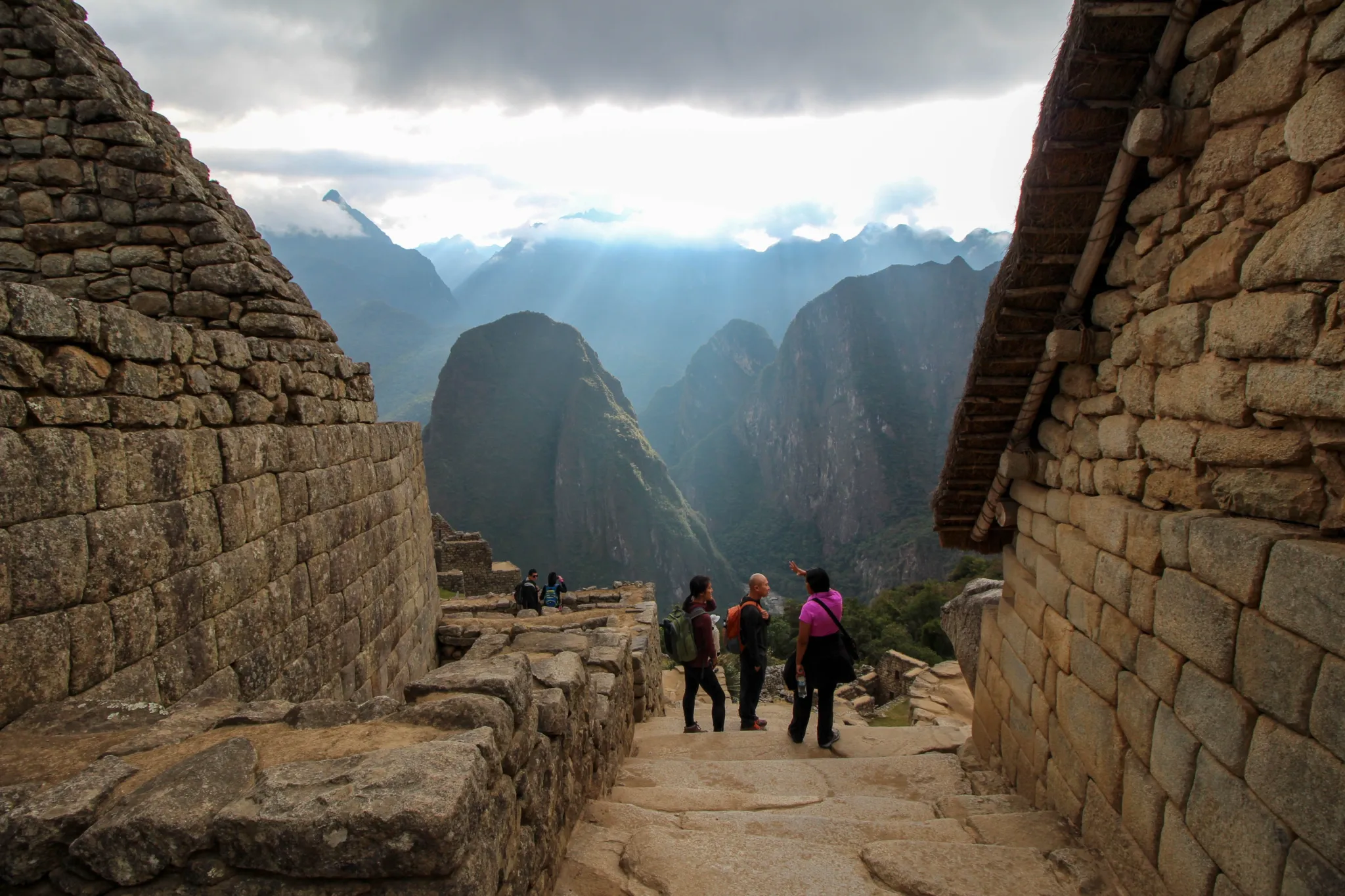
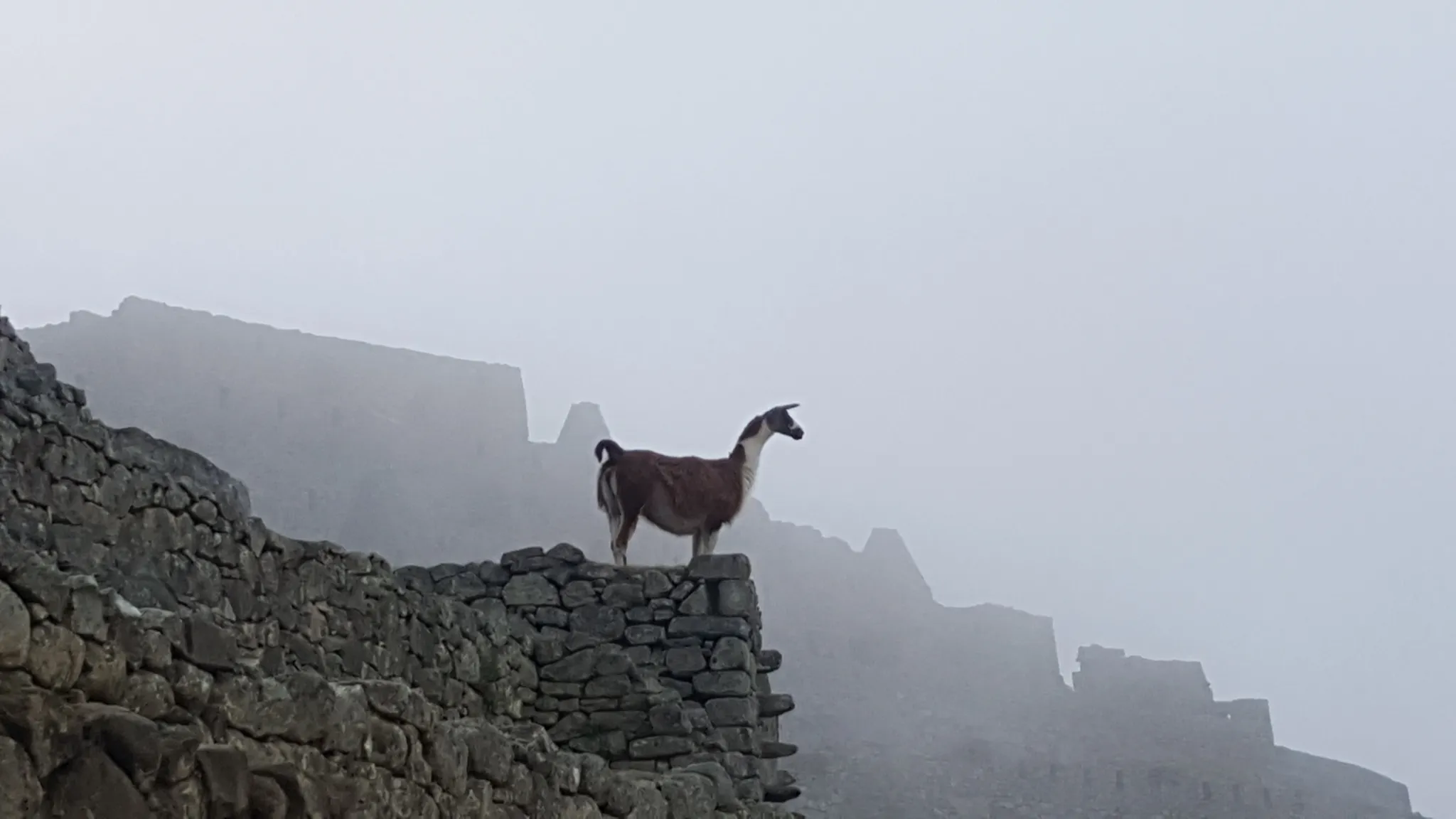
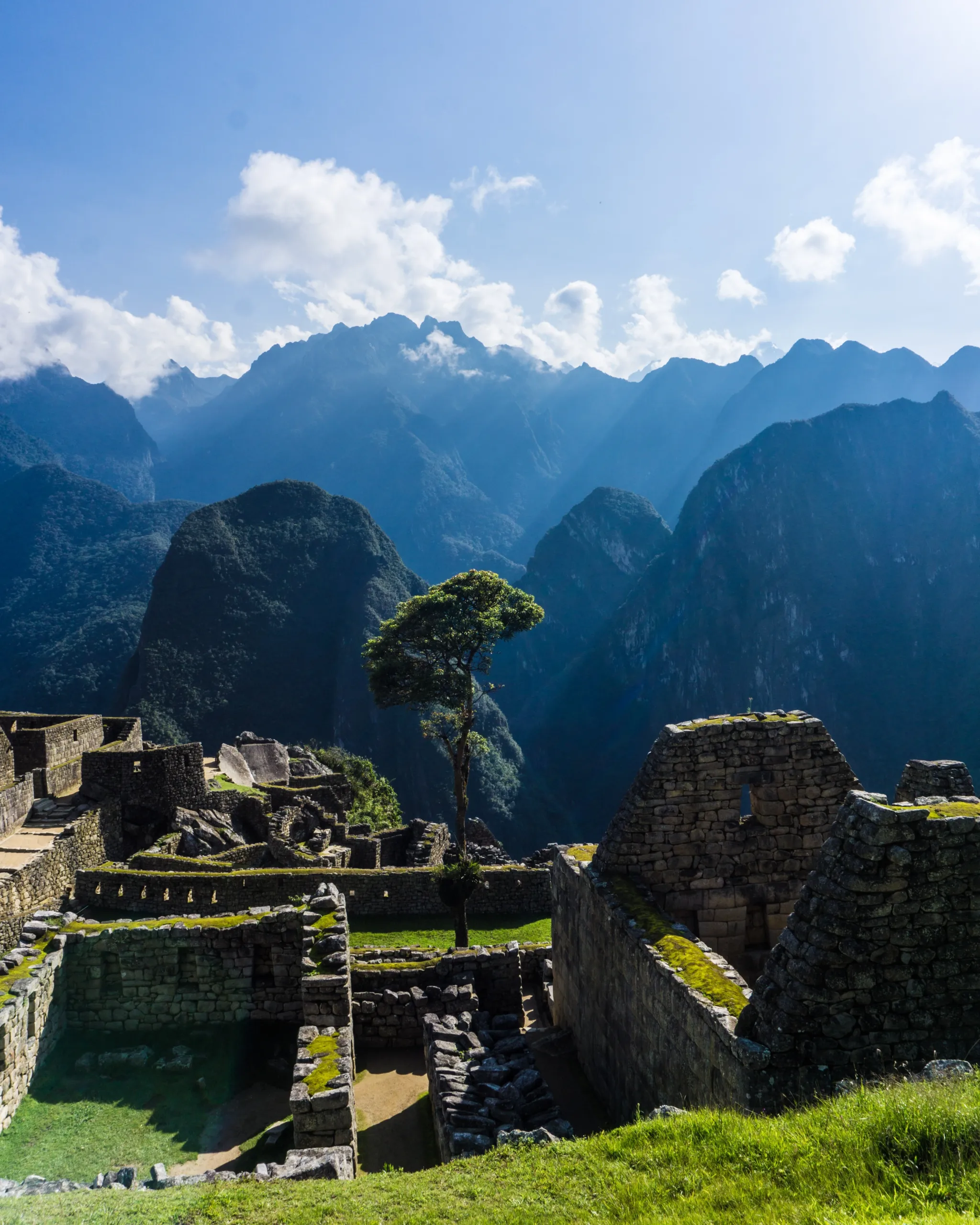
Early bus to the entrance before the day’s full visitor count arrives. Two hours inside the citadel before the midday crowd — the mist still in the agricultural terraces, the surrounding peaks only partially revealed, the stones holding the particular silence of a place that was built to be inhabited by people who understood what silence was for.

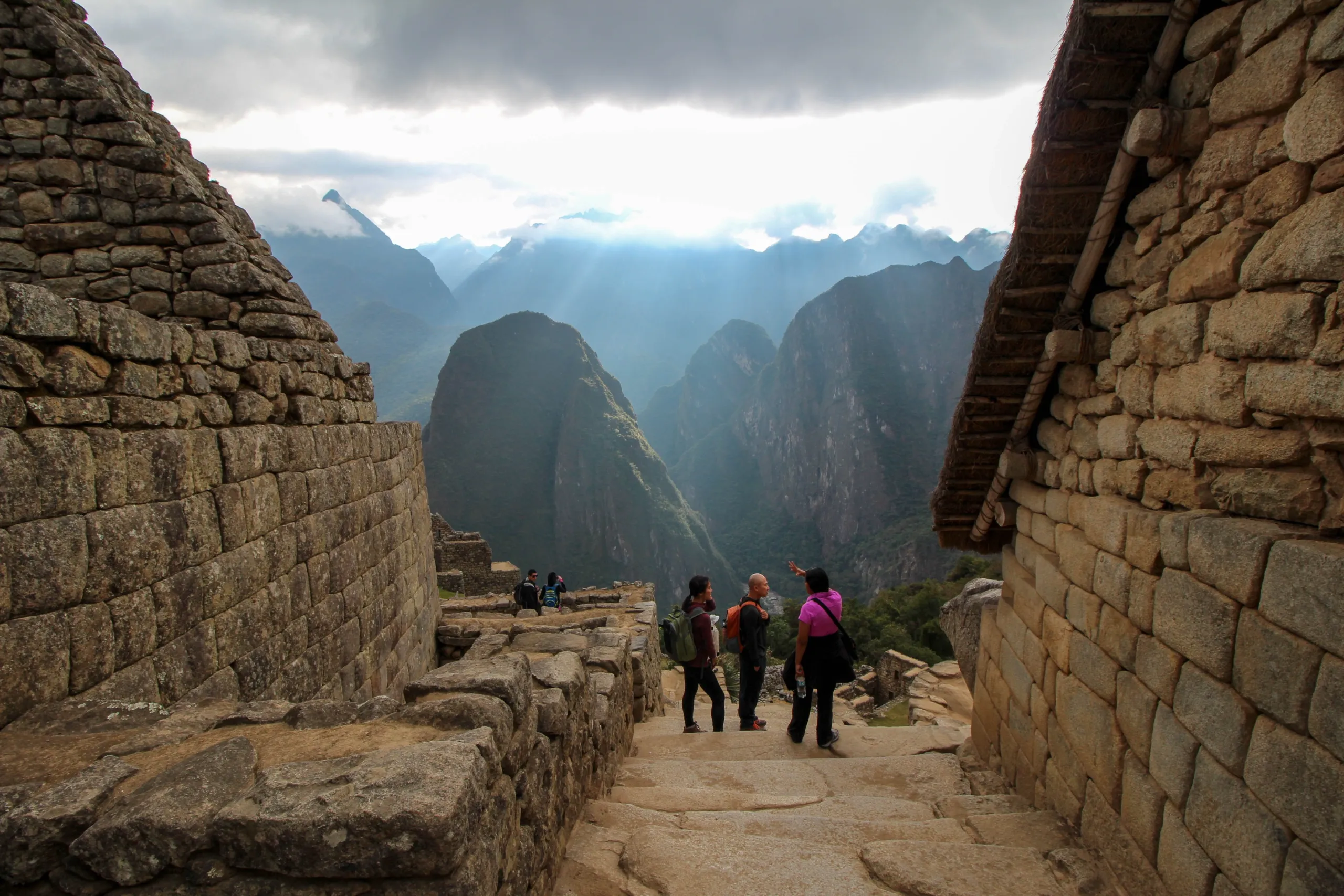
Your guide moves through the site through the Inka method lens — not the standard archaeological narrative but the deeper cosmological and therapeutic intelligence encoded into the citadel’s design. The Temple of the Sun’s seismic reinforcement techniques. The agricultural terracing system’s relationship to Andean vertical ecology. The Intihuatana stone’s function as astronomical calendar and geopolitical instrument. The sightlines that connect this site to the broader network of sacred places throughout the Sacred Valley. And the knowledge that the guidebooks have never carried — the mountain names, the Van Allen positioning, the pyramid at the center, the message the Inka left in plain sight for anyone who knows how to read it.

Lunch at a restaurant beside the sanctuary. The Hiram Bingham receives you again in the afternoon — this time with cocktails, gourmet dinner, live Andean music, and the Sacred Valley moving past the windows in the direction of Cusco as the day settles into the kind of quiet that follows an experience that has actually reached somewhere.

  • Maximum altitude: 2,430m / 7,972ft
  • Difficulty: Easy
Tour route
The Hiram Bingham — Poroy to Aguas Calientes

Frequently Asked Questions

What makes two days at Machu Picchu meaningfully different from one?

Machu Picchu operates on timed entry circuits that limit what can be seen in a single visit. Two days allows the full range of the site's sectors — the agricultural zone, the urban sector, the Temple of the Sun, the Intihuatana plaza, the sacred rock, the cemetery — to be covered without rushing any of them. More significantly, the second day at a site of this complexity and energetic density is a fundamentally different experience from the first. The first day is overwhelm. The second day is comprehension. This program is designed around that distinction.

What is the Hiram Bingham train experience actually like?

The Hiram Bingham is a Belmond luxury train — one of the most celebrated rail journeys in South America. The carriages are fitted with polished wood interiors, large panoramic windows, and full restaurant and bar service. Breakfast is served on the outbound journey through the Sacred Valley. The return carries cocktails, a gourmet dinner, and live Andean music as the mountains pass outside the windows in the last light. It is not the fastest way to travel between Cusco and Aguas Calientes. It is the most appropriate way to arrive at and depart from a place of this significance.

What is the ancestral knowledge about Machu Picchu's positioning — is it scientifically supported?

The relationship between Machu Picchu's geographic positioning, the surrounding mountain ring visible in satellite imagery, and the Van Allen belt is an interpretation rooted in Andean cosmological knowledge rather than published archaeology. Your guide presents it as what it is — ancestral knowledge carried through lineage, not peer-reviewed science — and invites you to engage with it on its own terms. The two mountain names and the message encoded in them are verifiable fact. The cosmological implications are an invitation to think differently about a place that conventional archaeology has not fully explained.

Is this program suitable for travelers with limited mobility?

The Machu Picchu visit involves walking on uneven stone surfaces and some gradients within the citadel. The Hiram Bingham journey and the Aguas Calientes hotel involve no physical demands. We can design the citadel visit around specific mobility requirements and will work with the Machu Picchu entry system to ensure the most appropriate circuit is booked. Contact us before booking to discuss your specific situation.

How does this program connect to Therapeutic Tourism's therapeutic tourism mission?

The Hiram Bingham Plus is the most accessible entry point into Therapeutic Tourism's therapeutic tourism approach — two days rather than five or thirty, without physical trekking demands, but with the full depth of the Inka method framework applied to the most significant ancestral site in the Americas. For travelers who want to understand what therapeutic tourism means before committing to a longer program, this is the experience we recommend starting with.

Included/Excluded

  • Incluido All transportation.
  • Incluido Guide service
  • Incluido Entrance tickets and permits to the detailed visit places.
  • Incluido 2 days visit to Machupicchu
  • Incluido Roundtrip Hiram Bingham train tickets
  • Incluido Filtered water.
  • Incluido Food as described (breakfast=B, Lunch=L, dinner=D).
  • Incluido Accommodation 5 stars hotel
  • No Included Bottle of water or sports drink.
  • No Included Tipping for staff.
  • No Included Travel insurance.
  • No Included Flight tickets.

Attractions

Machupicchu, Sacred valley

Activities

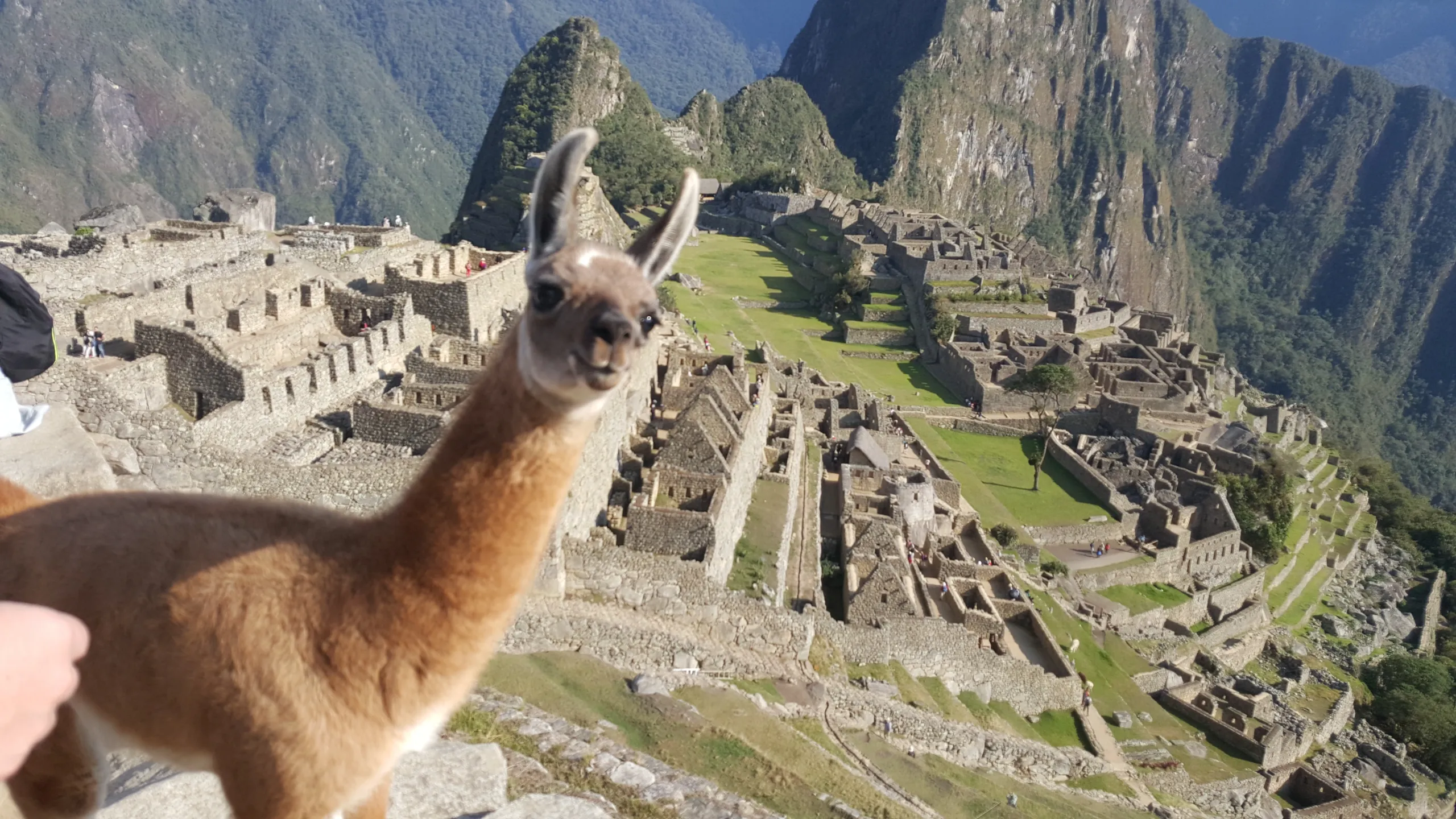
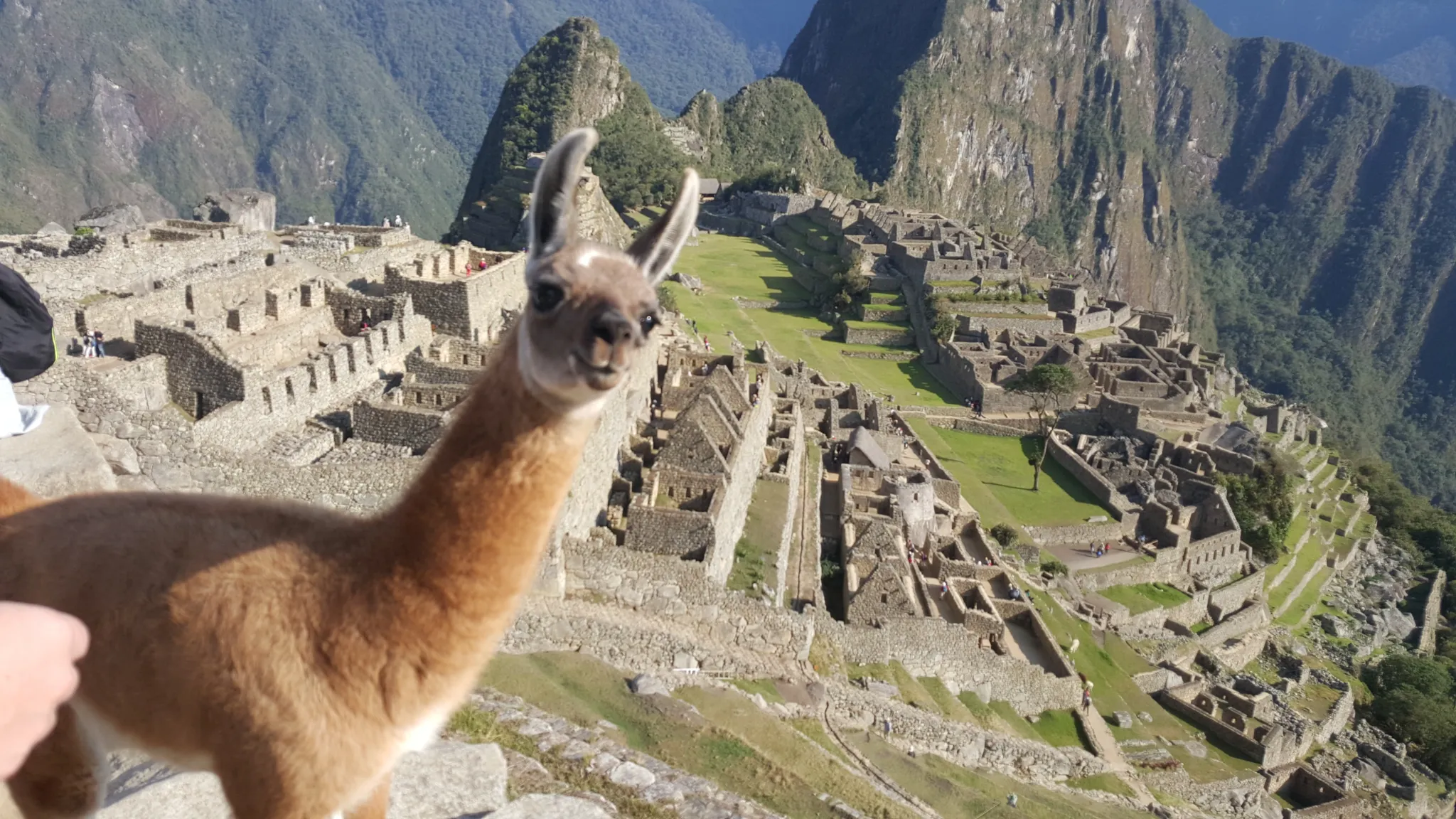
Culinary, Discoveries, Hiking, Llama experience

Nothing to show, please go to blogs.

Journey Investment

From: $5,670.00

Book This Journey

Top Trending
Salkantay trek has more epic landscapes for an experience of a lifetime.
Salkantay Trek 6 days
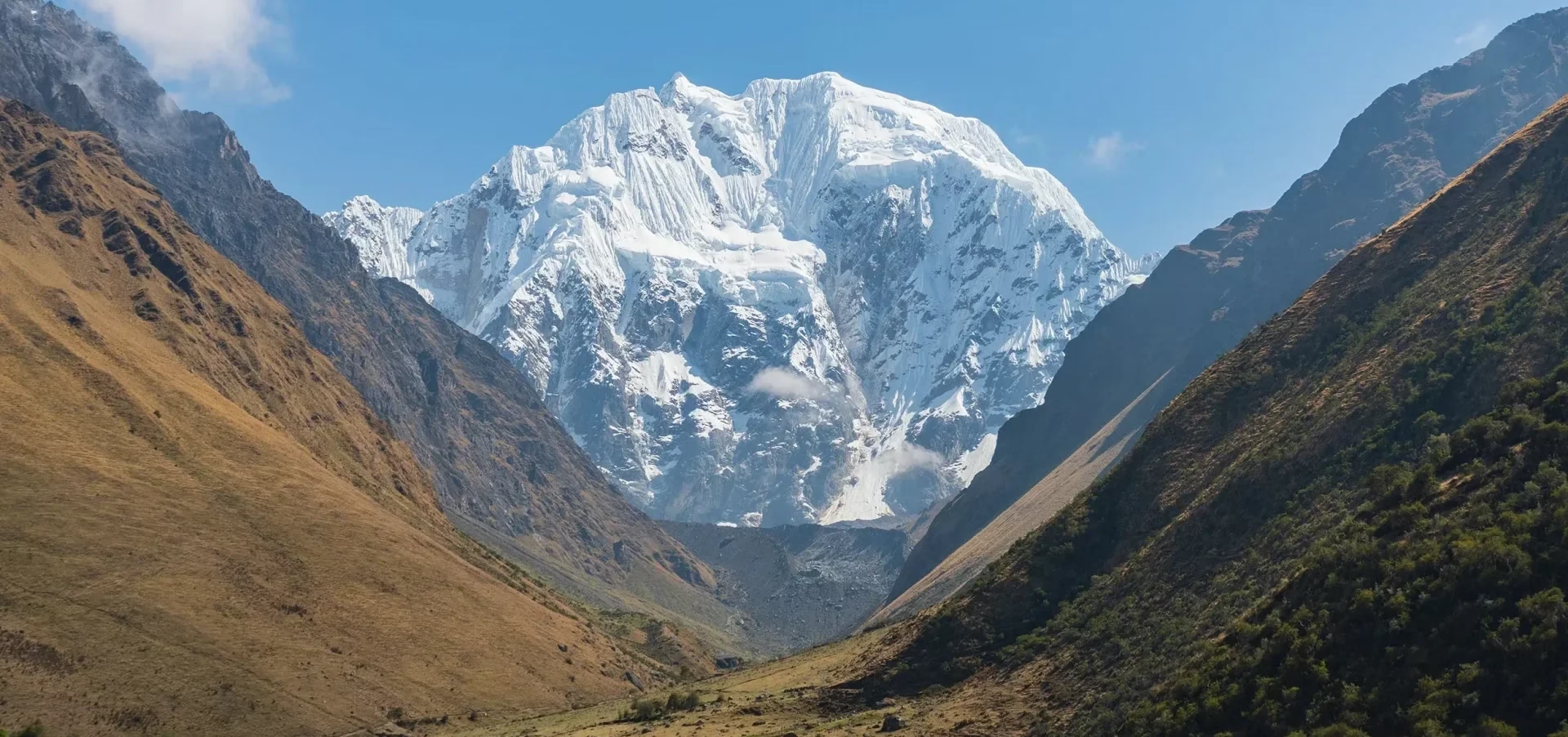
Salkantay — the savage mountain — at 6,271m / 20,574ft on one side, Humantay's glacial lake on the other, and six days of Andean terrain that moves from ice to cloud forest to Machu Picchu without repeating itself once.
Picchu Machu Picchu
It is an Andean journey that combines nature, culture and ancient wisdom. A journey with purpose and deep connection through the most exciting tours with stunning scenery, to approach you to the therapeutic goal.
Only the deepest of the andes could give you a true experience, dare to the Inka journey.
Inka Journey

A deep journey through Cusco’s natural and cultural sanctuaries — blending trekking, therapy, and ancestral wisdom to rediscover yourself in the heart of the Andes.

Memories and more experiences fo you
Full experience
Huchuy Qosqo, the Inca Trail, Rainbow Mountain, Machu Picchu, and the capital itself — the complete arc of what this civilization built, walked in the sequence that makes it fully legible.
Andes adventure
Andes Adventure
Fourteen days through the most remote high-altitude terrain in the Cusco region — Sibinacocha, Ausangate, Rainbow Mountain, and passes above 5,400m / 17,717ft. The long version of the Andes, walked in full.
Get a different perspective on life with our experiential tourism category. Fantastic experiences await you, but upgrade it with Facing the Andes program
Facing the Andes
Thirty days — as a member of a village. The Andes at full exposure: its labor, its language, its ancient sciences, and the version of yourself that only emerges at the edge of the familiar
Couple experience
Couple Experience
Stripped of language, routine, and every social script you perform together — what remains is the relationship you actually have. One week in the Andes to find out what that is.

You may like

Cart0
Cart0