The Historic Center and the Inka Streets
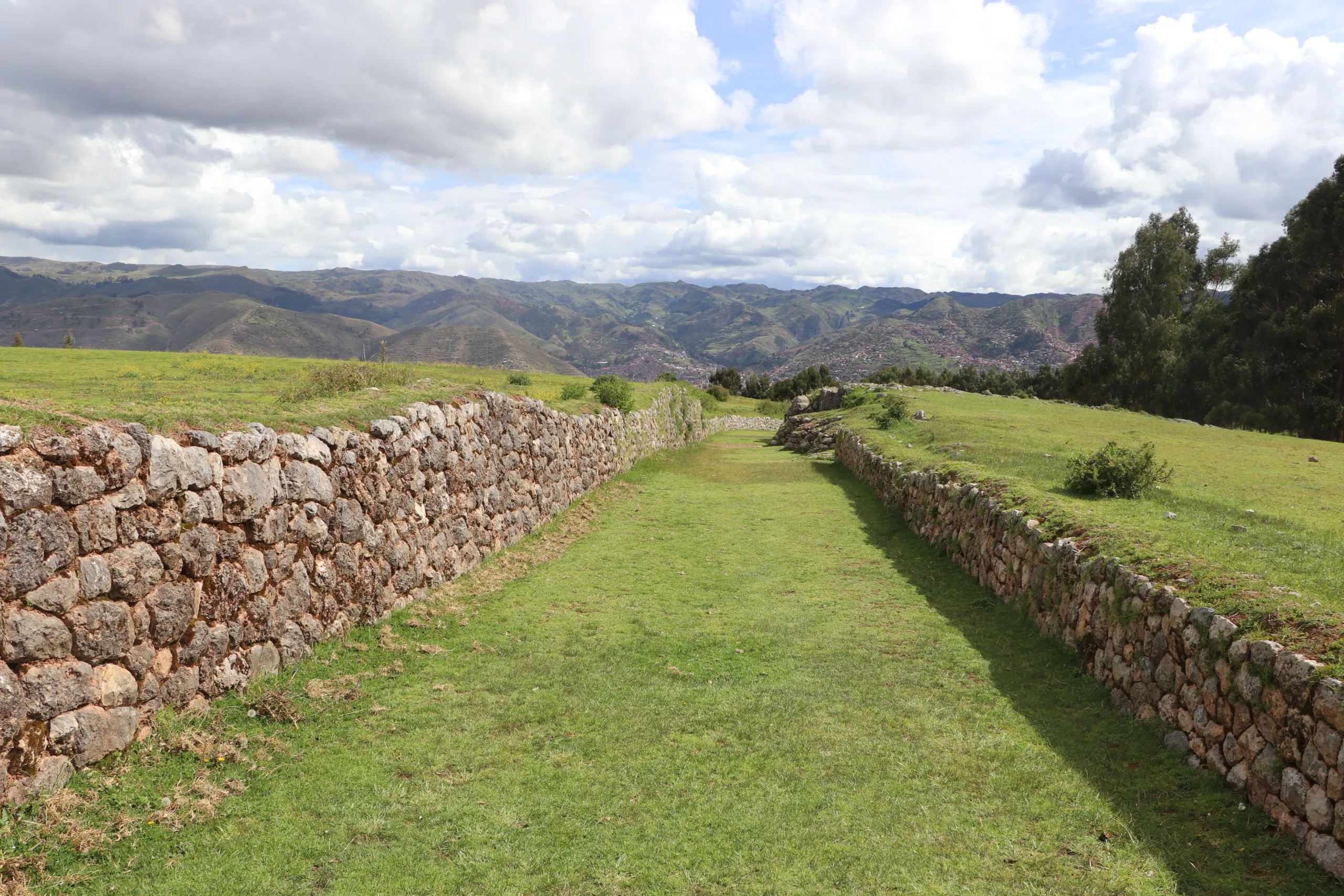
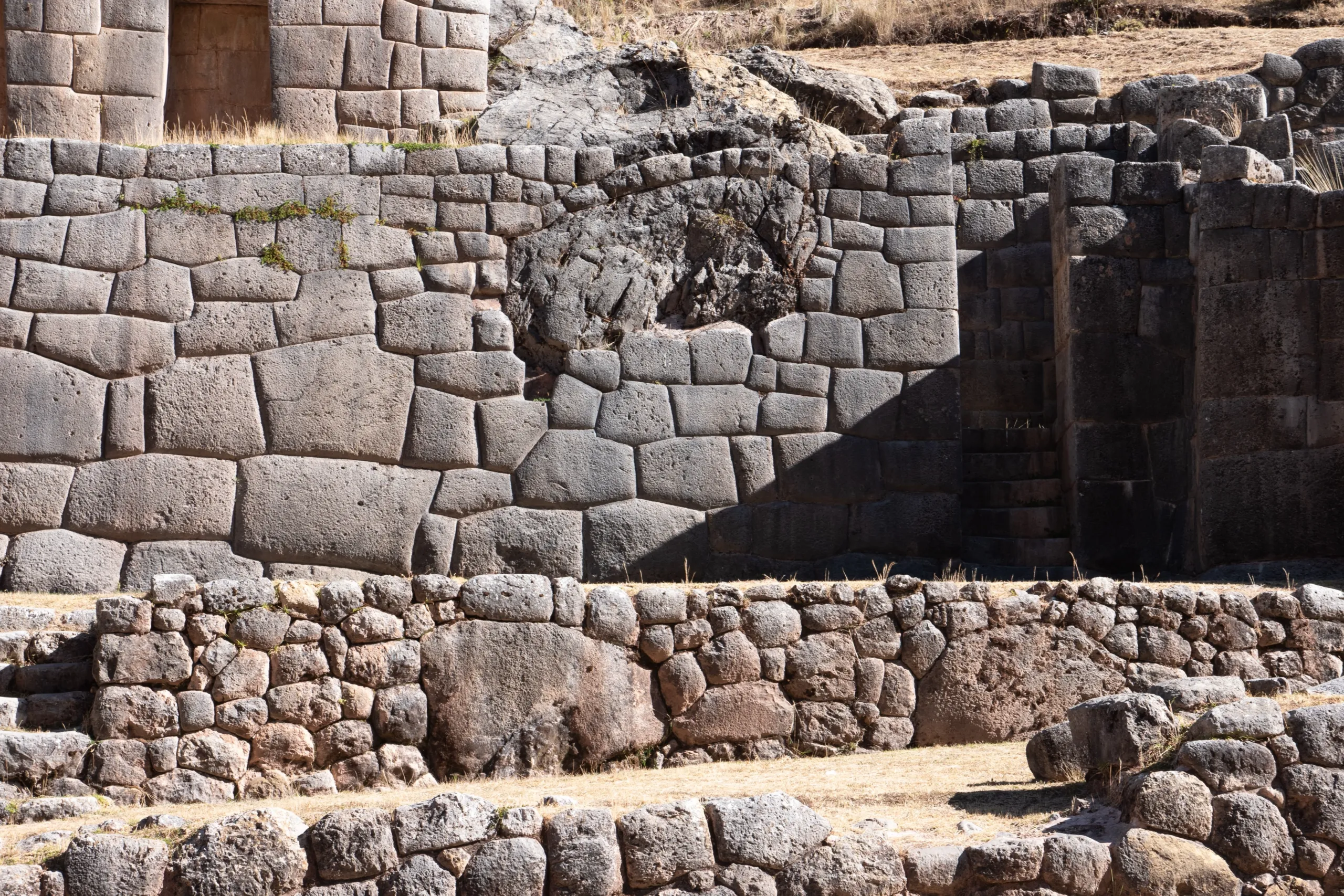
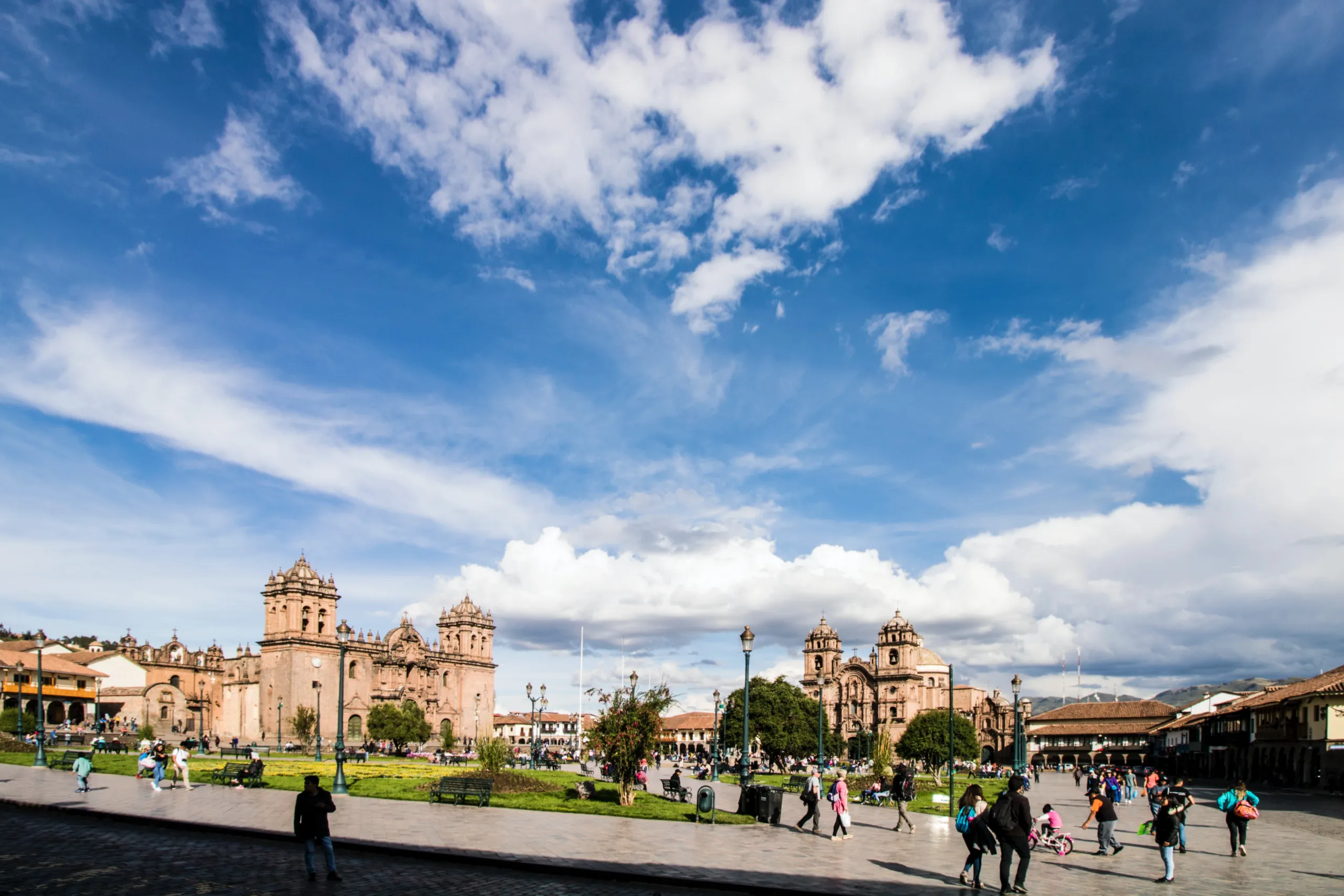
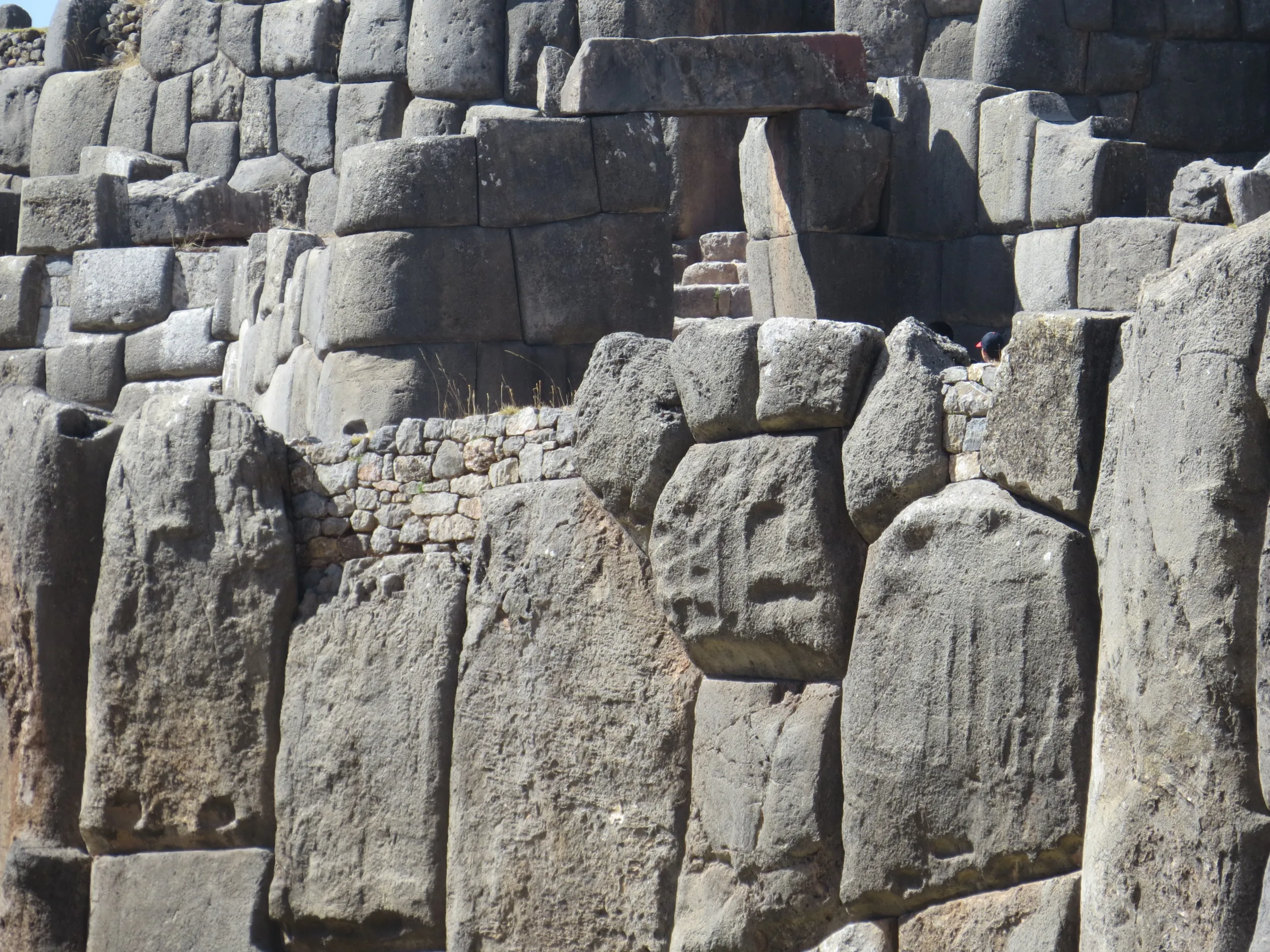
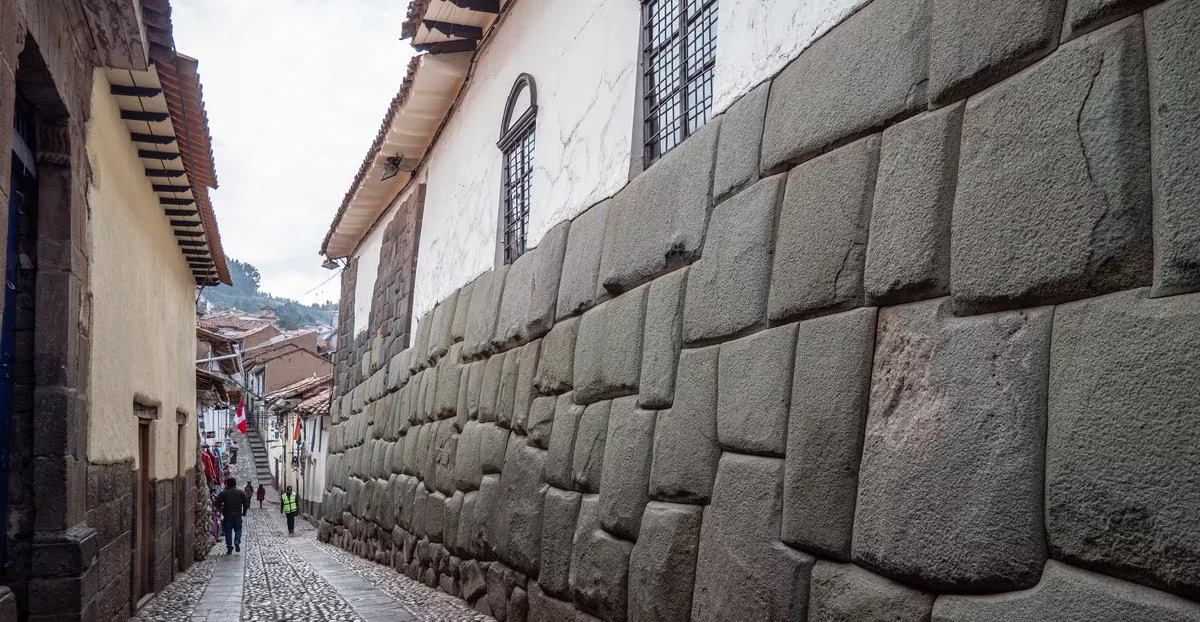
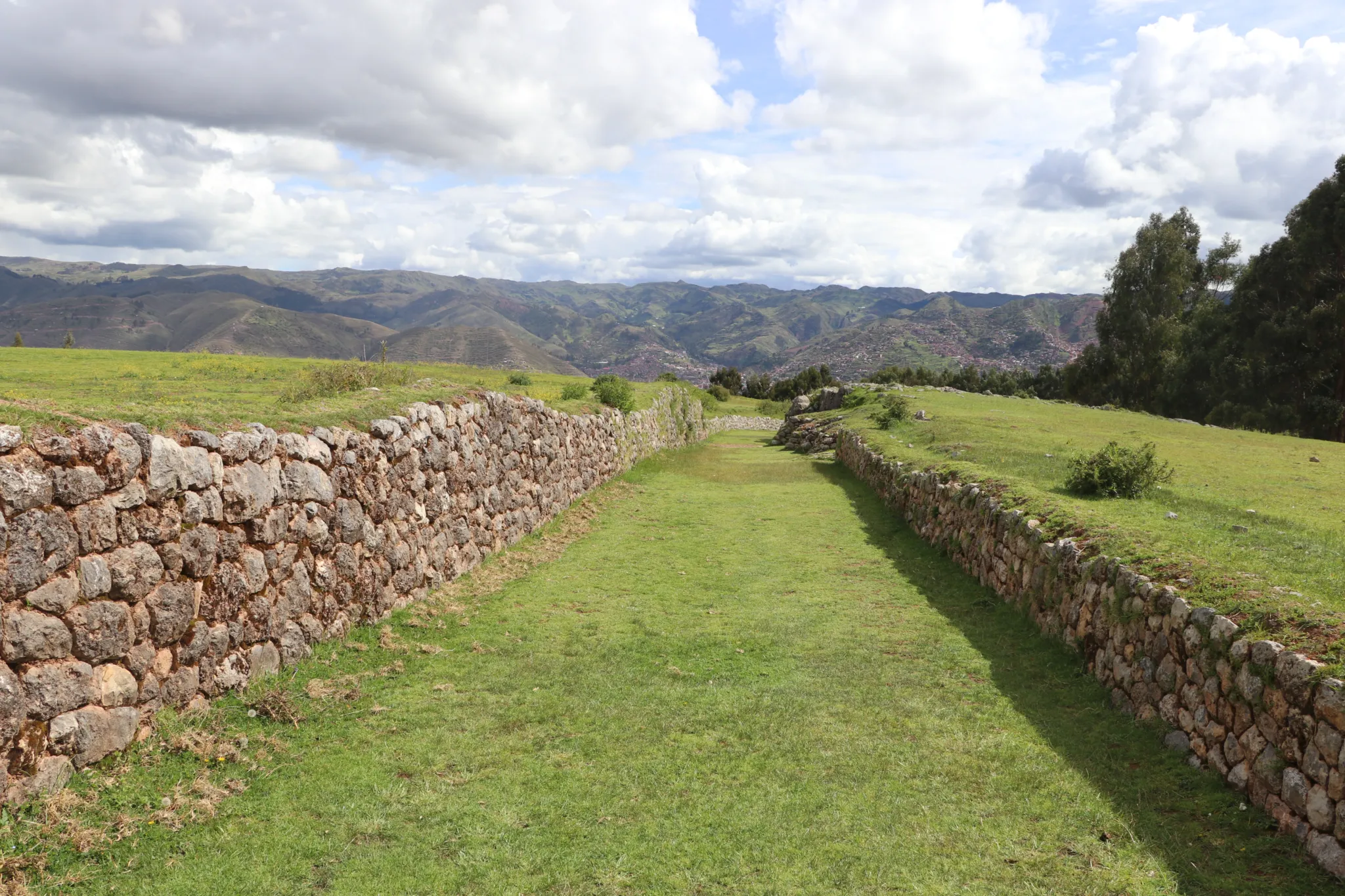
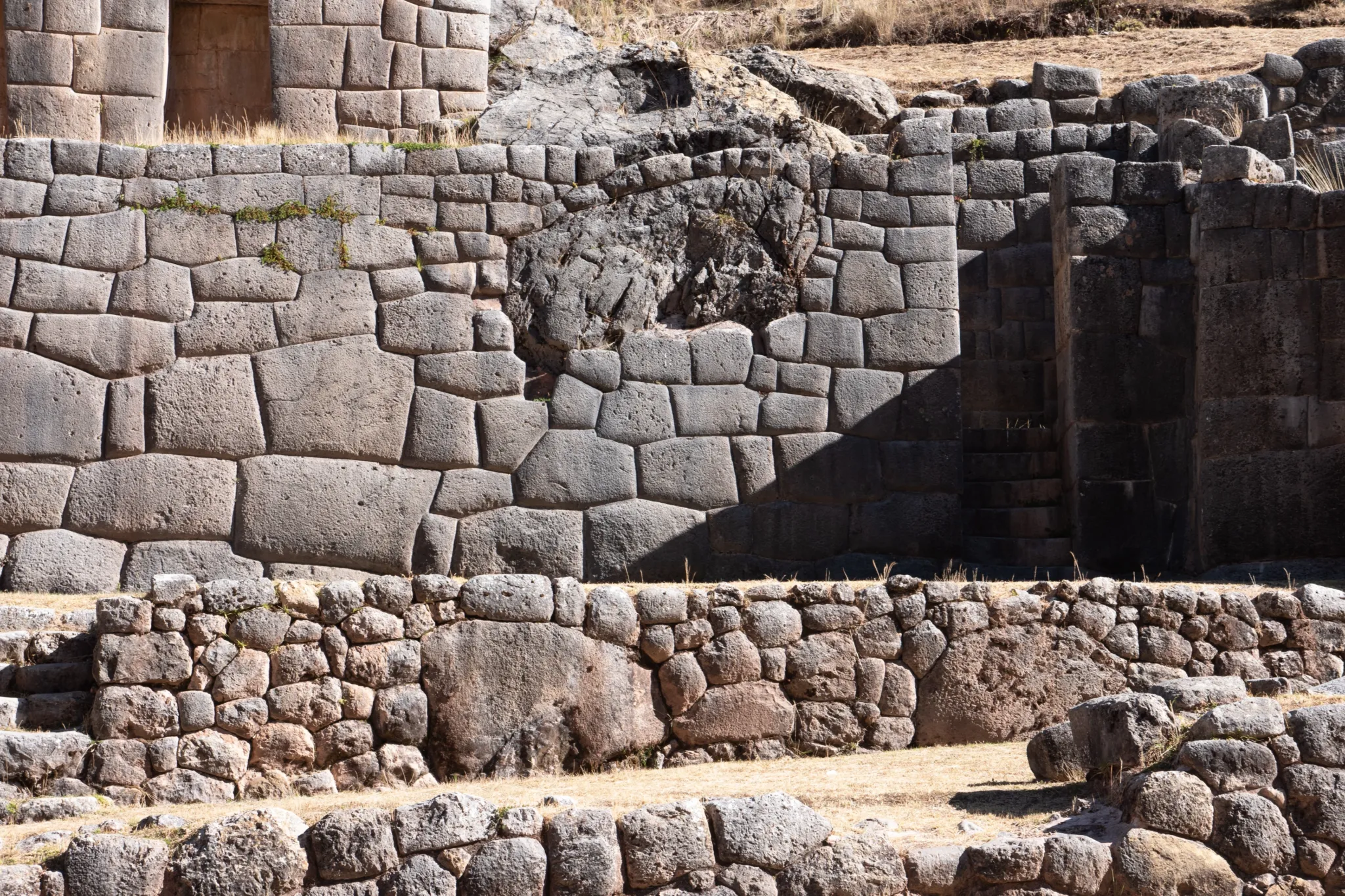
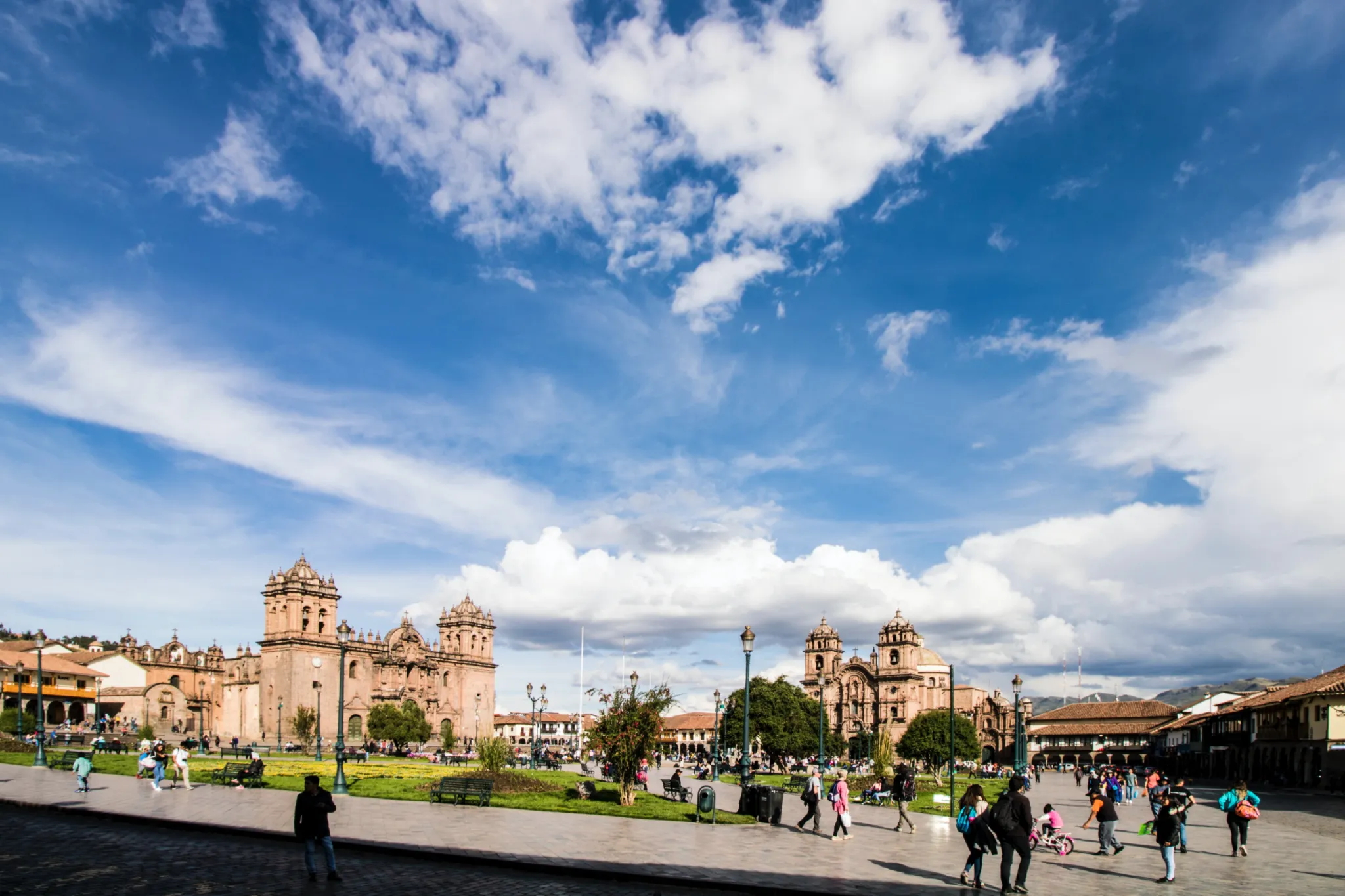
The program begins in the Plaza de Armas — the ceremonial heart of the capital, built over the original Inka plaza where the most significant events of the empire were conducted. The Inka walled streets that radiate from the center consistently surprise visitors who expect a colonial city and find instead stonework of extraordinary precision that has outlasted every earthquake since its construction.
The route follows these streets toward Qoricancha — the walls speaking a language that your guide makes audible as you walk, each stone placement and corner angle encoding spatial relationships that the colonial builders who used them as foundations did not understand and could not replicate.
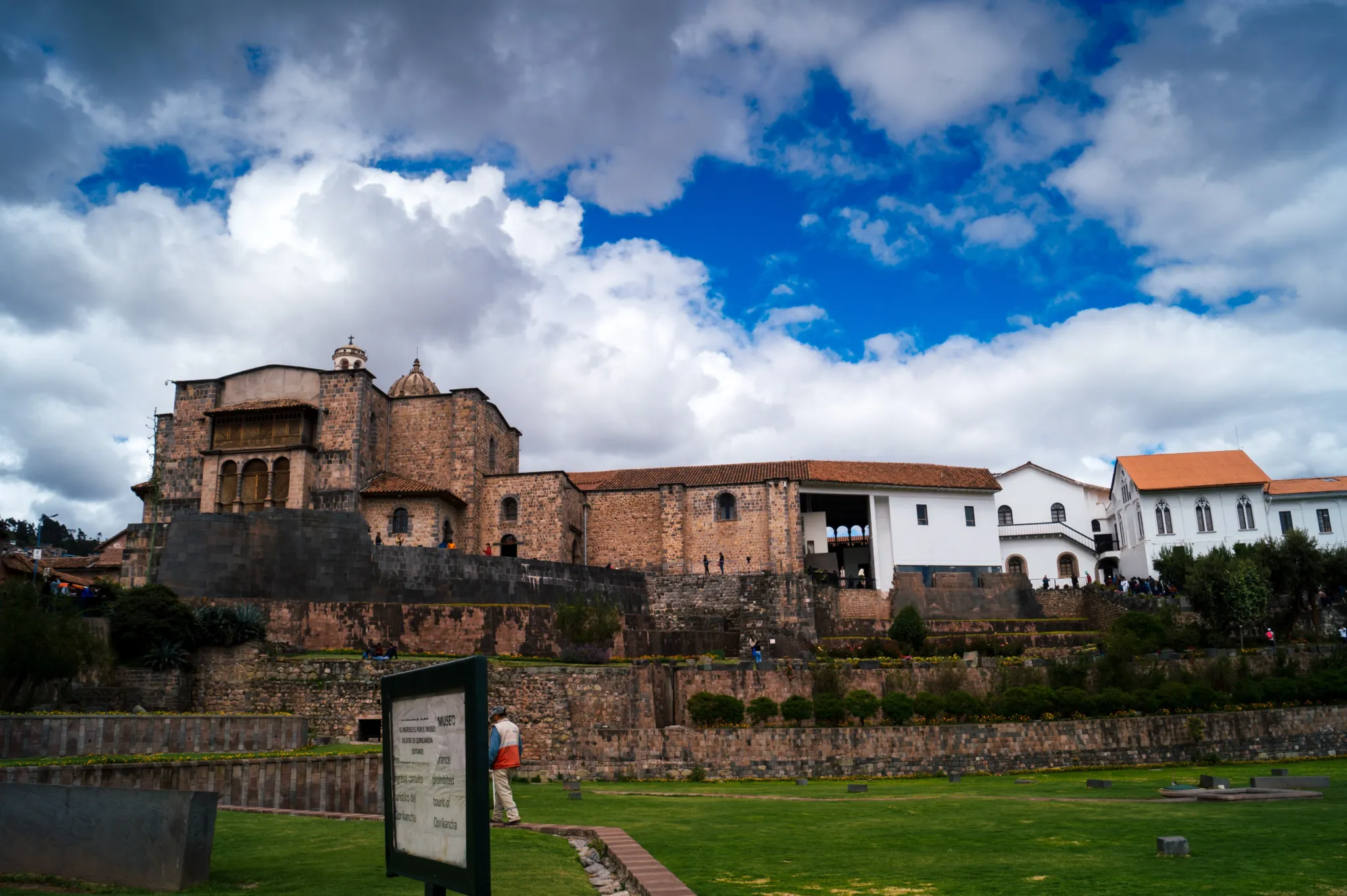
Qoricancha — Where All the Wisdom Was Kept
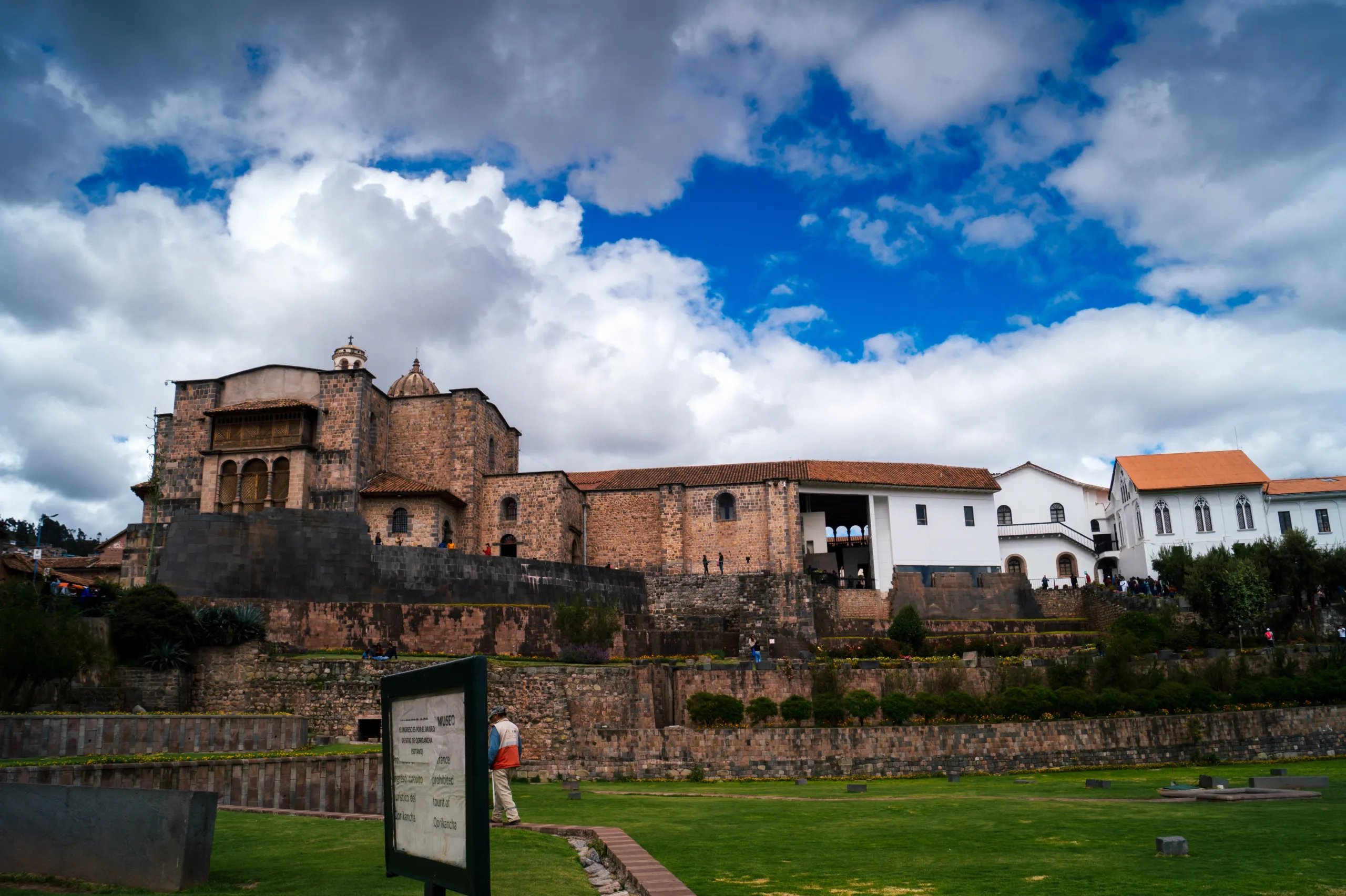
The spiritual and intellectual axis of the empire at 3,399 m / 11,151 ft. Its walls were once covered in gold panels. Its interior housed the astronomical knowledge that governed the empire’s calendar, trade routes, and agricultural cycles. Its alignment with the solstices created a celestial calendar encoded into the building’s geometry that continues to function exactly as designed.
Modern architects study Qoricancha’s golden ratios. Astronomers study its solar alignments. The colonial church built on top of it is visibly cracking and shifting. The Inka walls beneath remain perfectly intact.
Your guide decodes the site as a working document of Inka cosmological and scientific intelligence — not as history but as a set of still-functional answers to questions that contemporary civilization has not stopped asking.
Sacsayhuaman — The Seismic Engineering Masterpiece
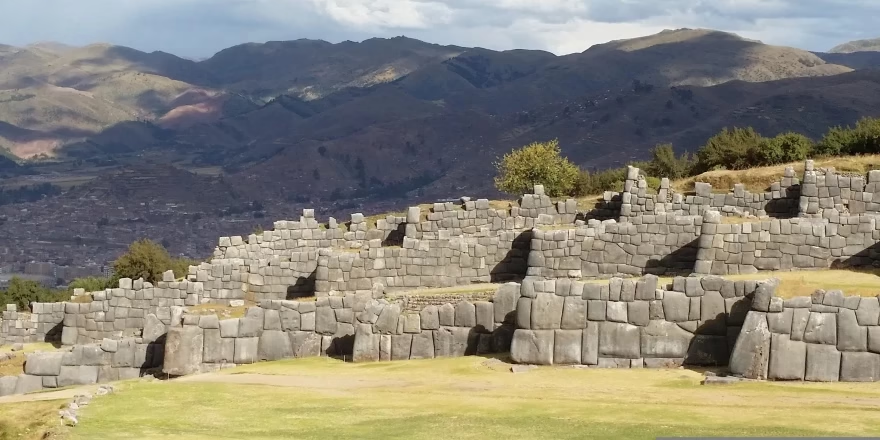
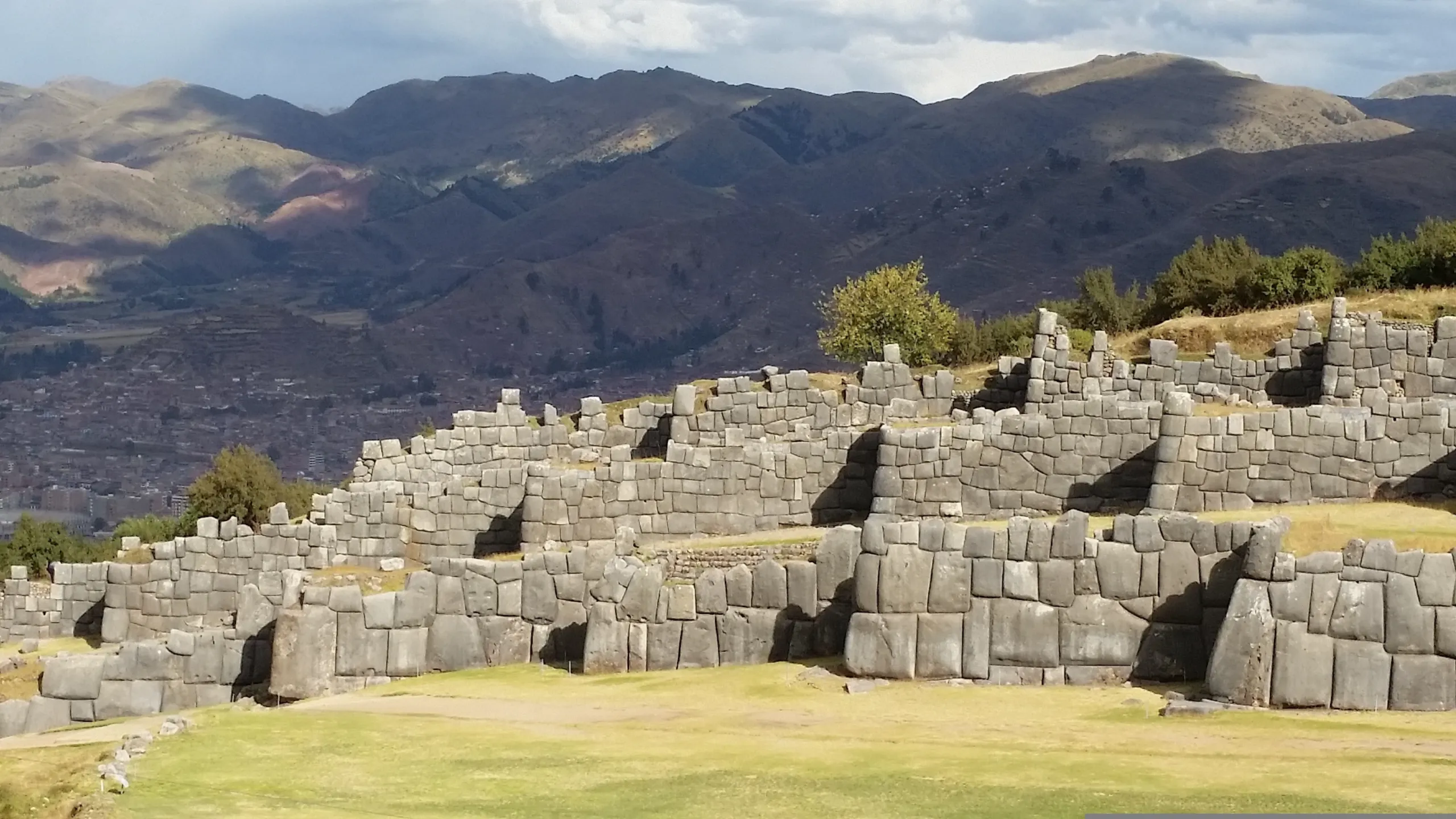
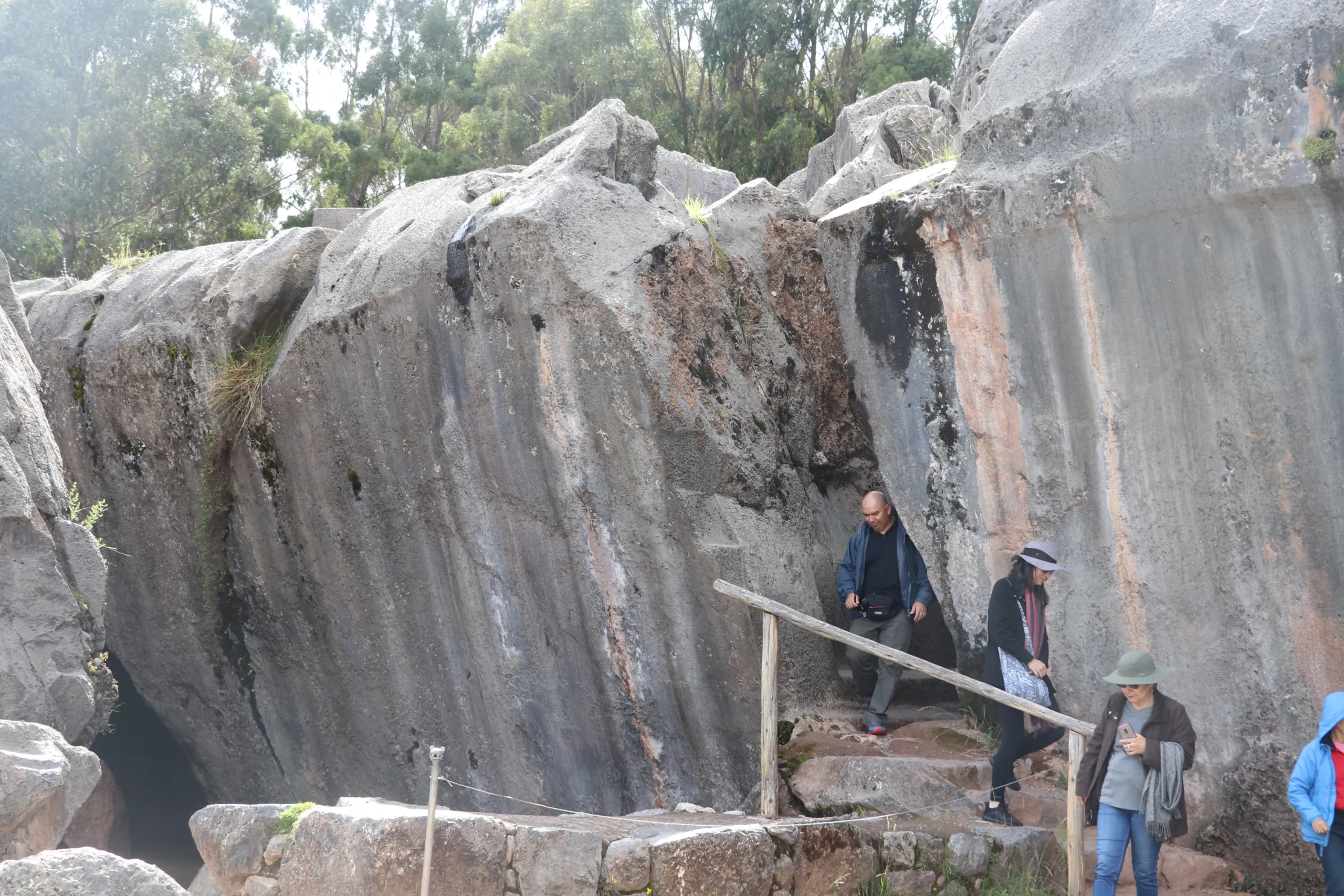
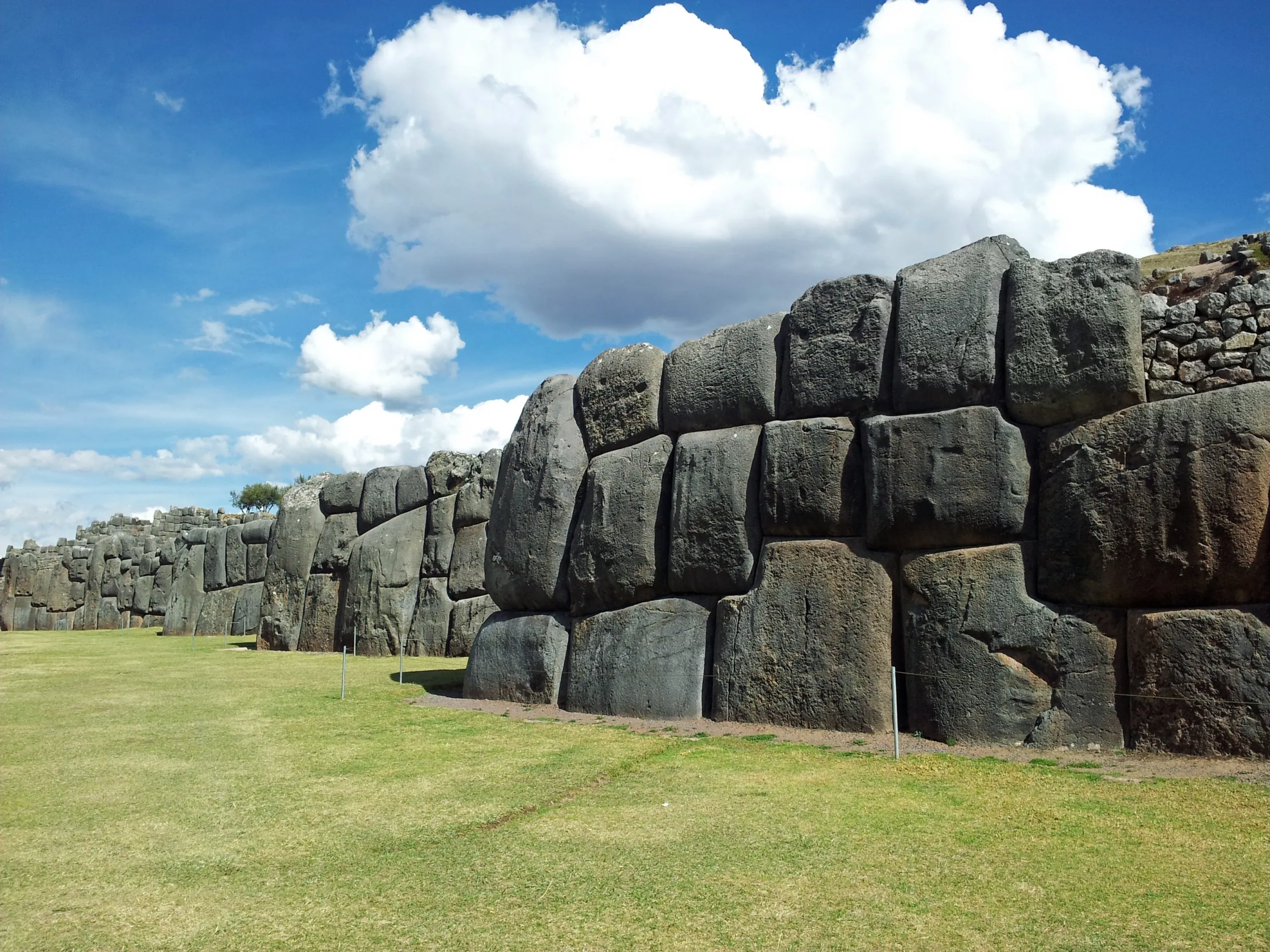
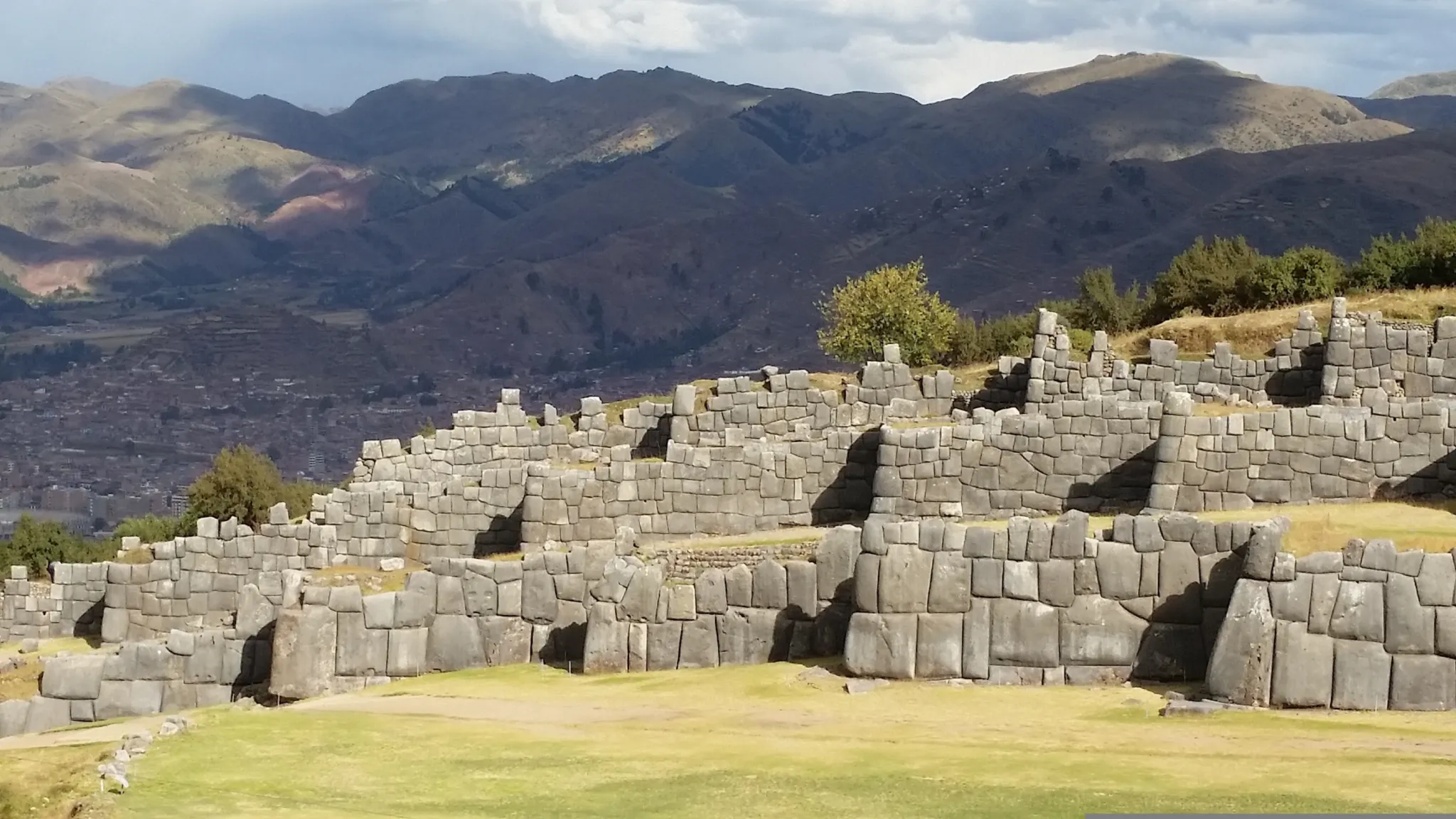
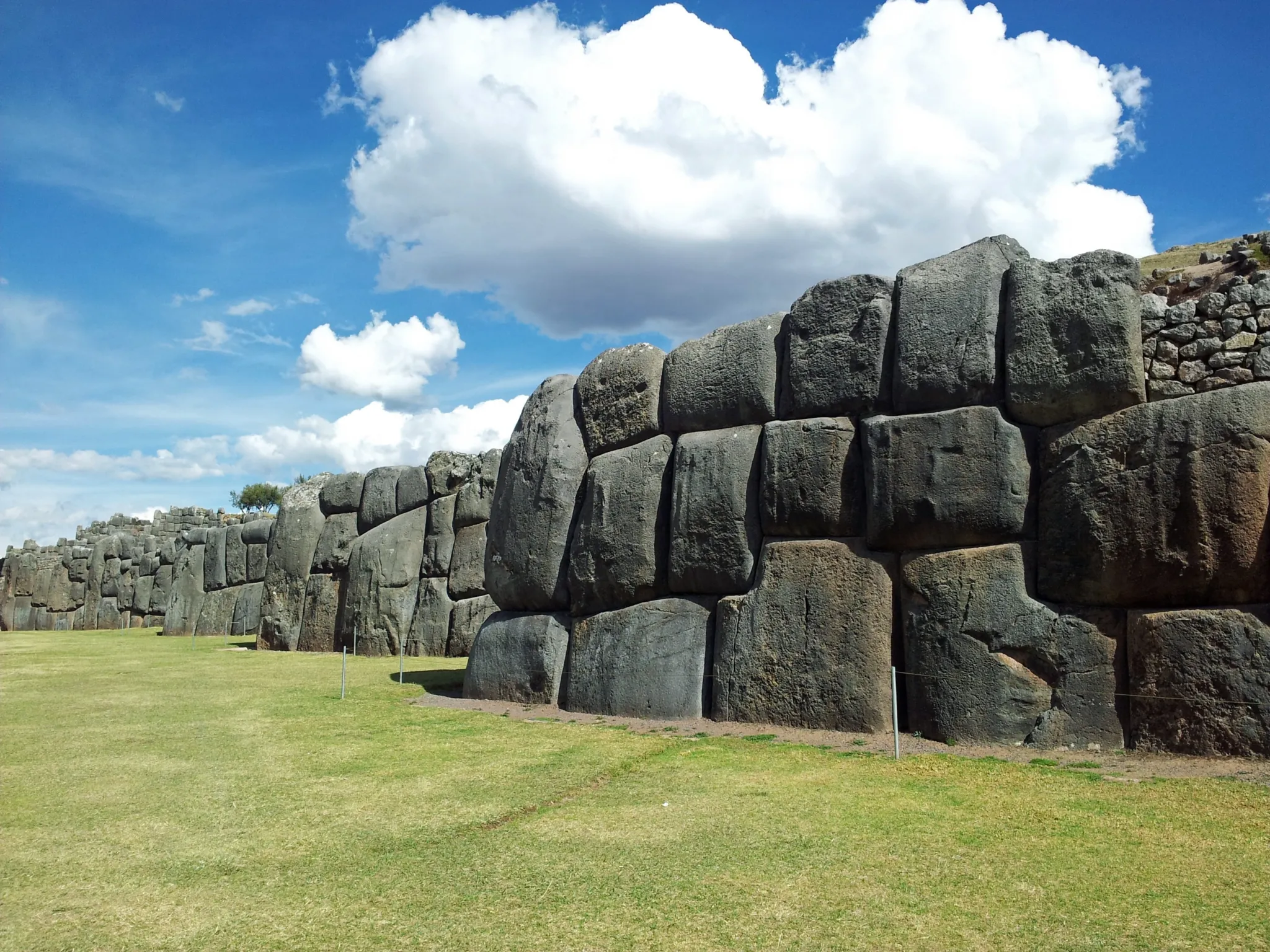
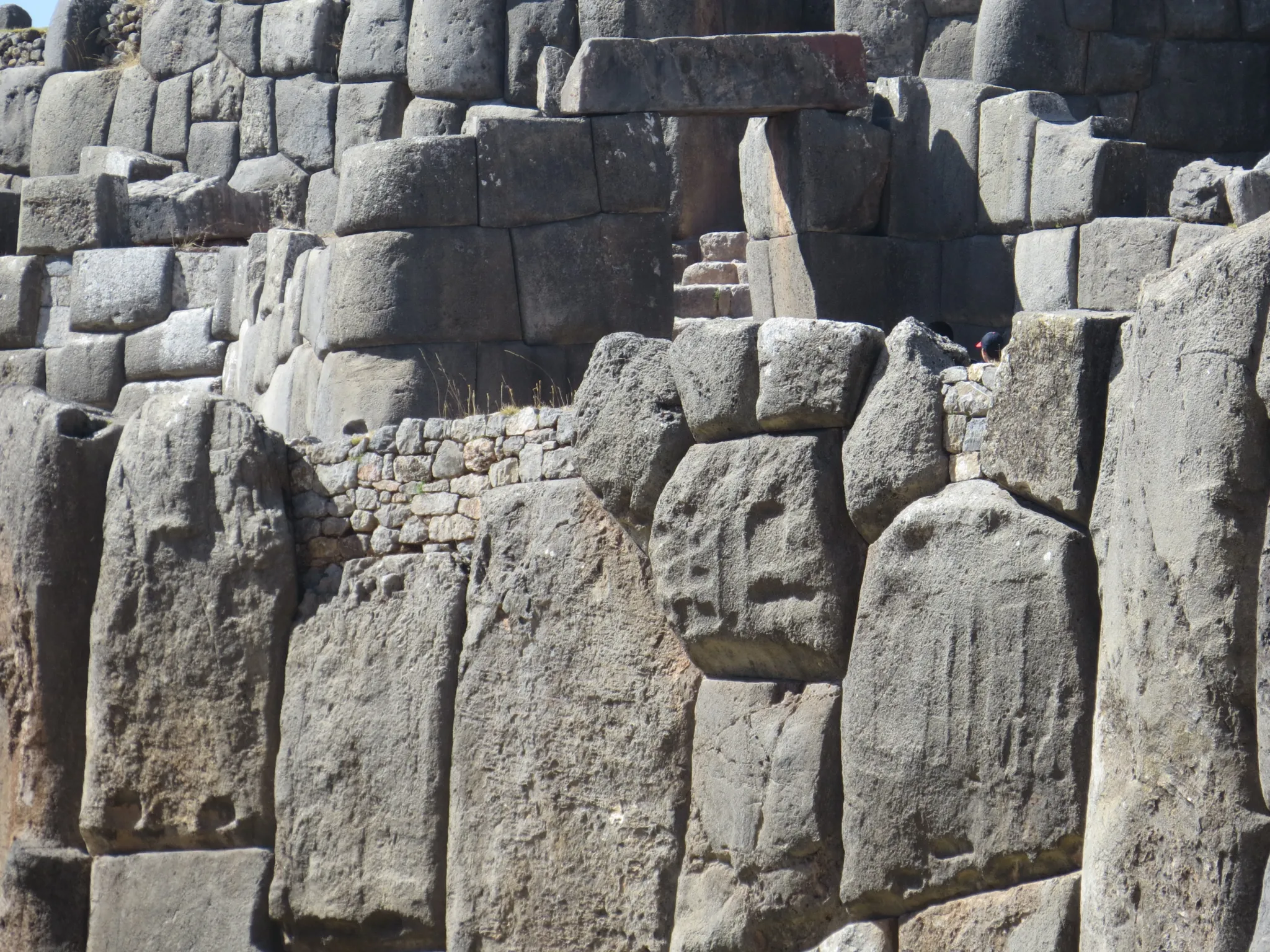
Above the city at 3,701 m / 12,143 ft, limestone blocks of up to 300 tons fitted without mortar in a zigzag wall pattern whose design channels seismic energy rather than resisting it — the reason these stones have remained in position through every earthquake that has destroyed the colonial buildings around them since the sixteenth century.
The scale stops conversation. The engineering sustains it. Your guide moves through Sacsayhuaman not as an impressive ruin but as a working demonstration of the Inka’s understanding of geological forces — a technology developed through profound observation of natural laws that modern seismic engineering has only recently begun to approximate.
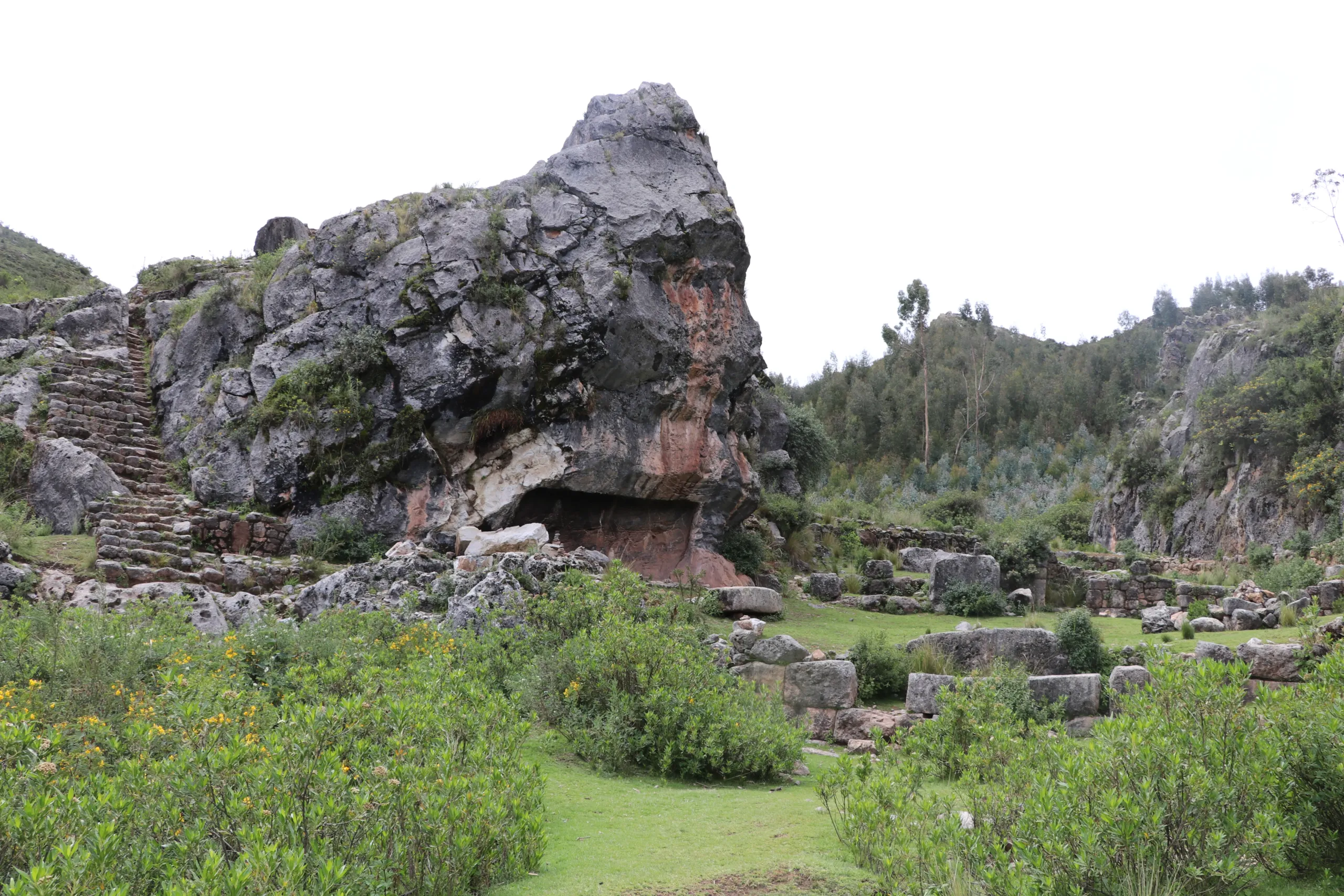
Q’enqo — The Tunnels in the Living Rock
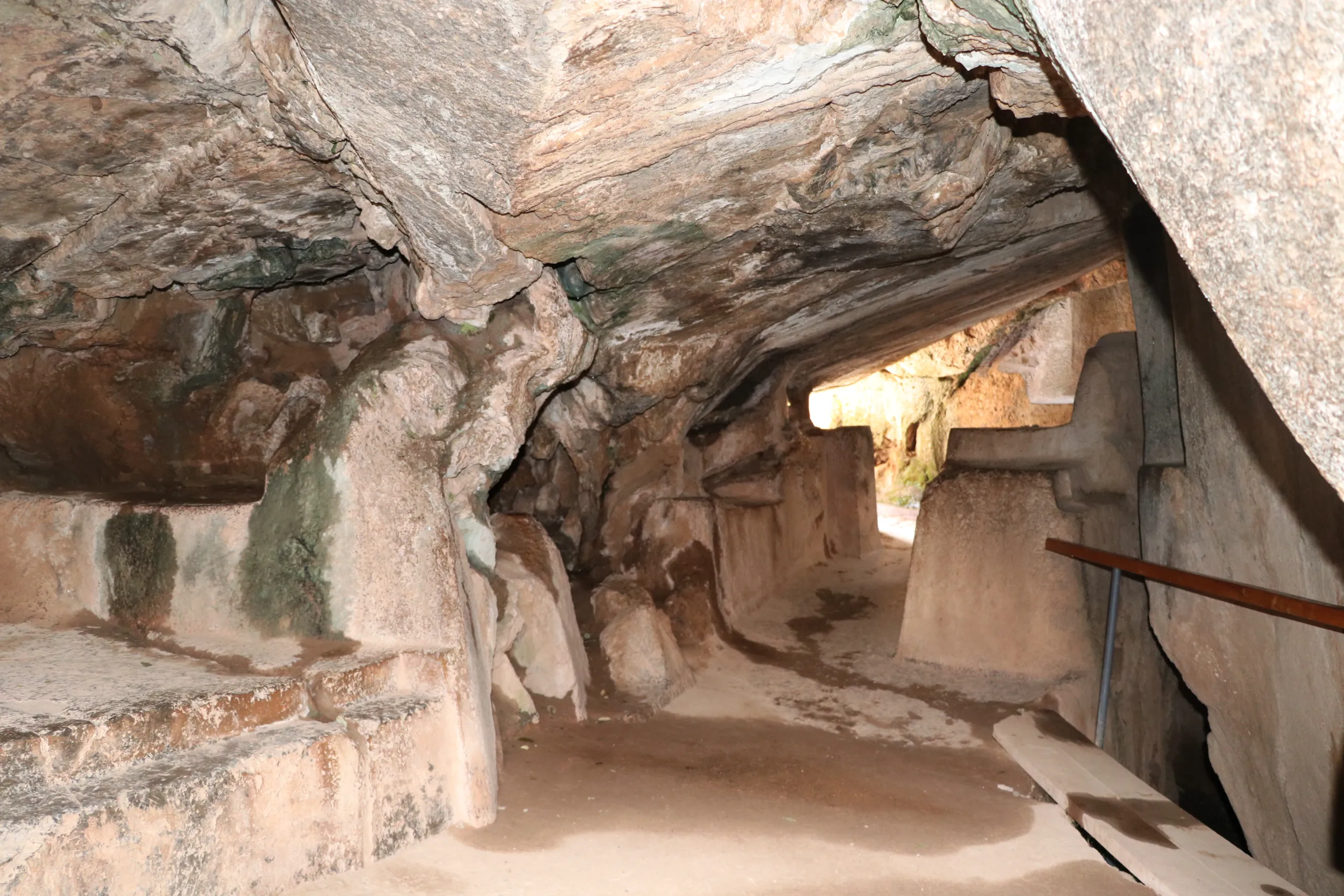
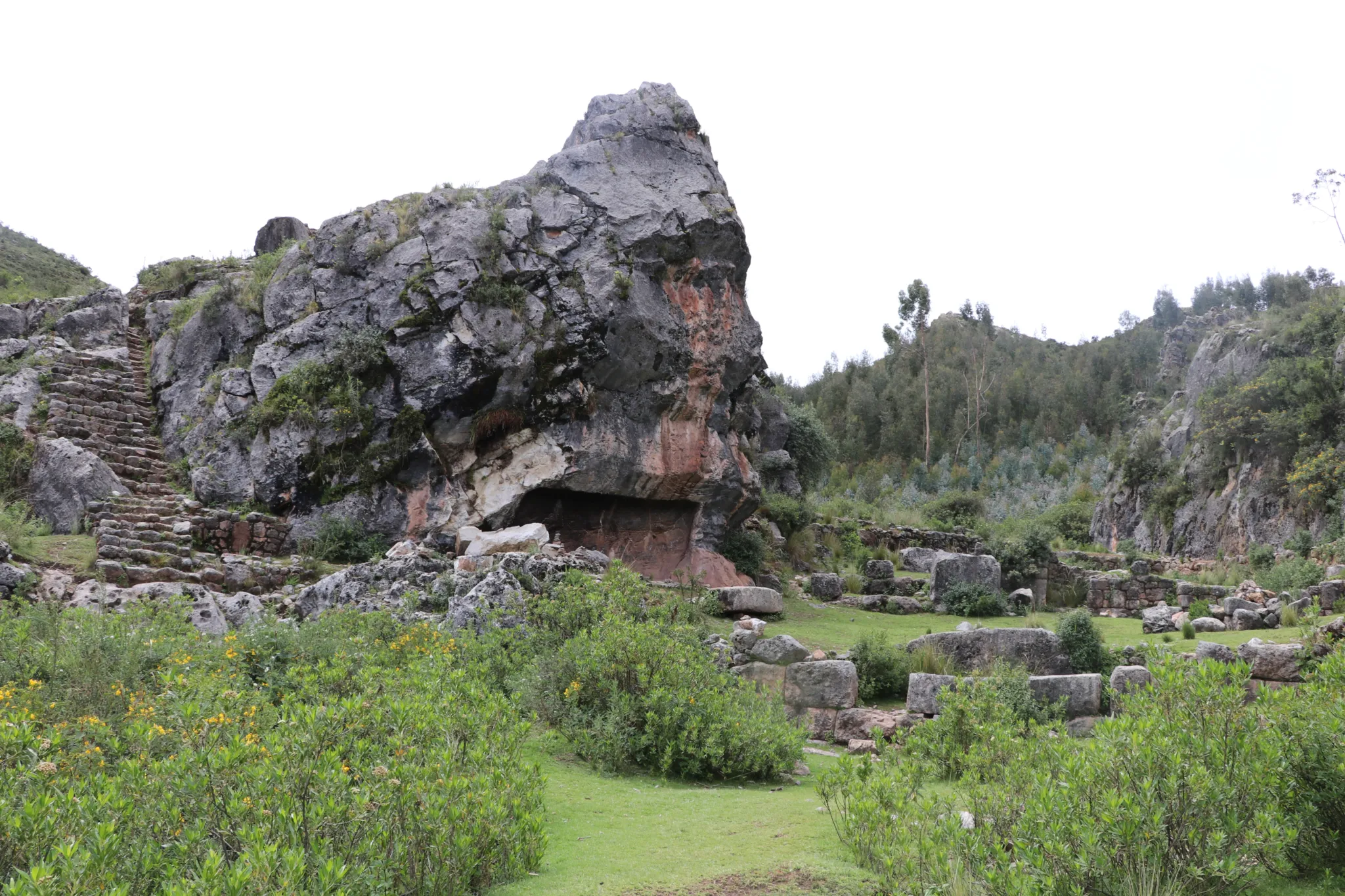
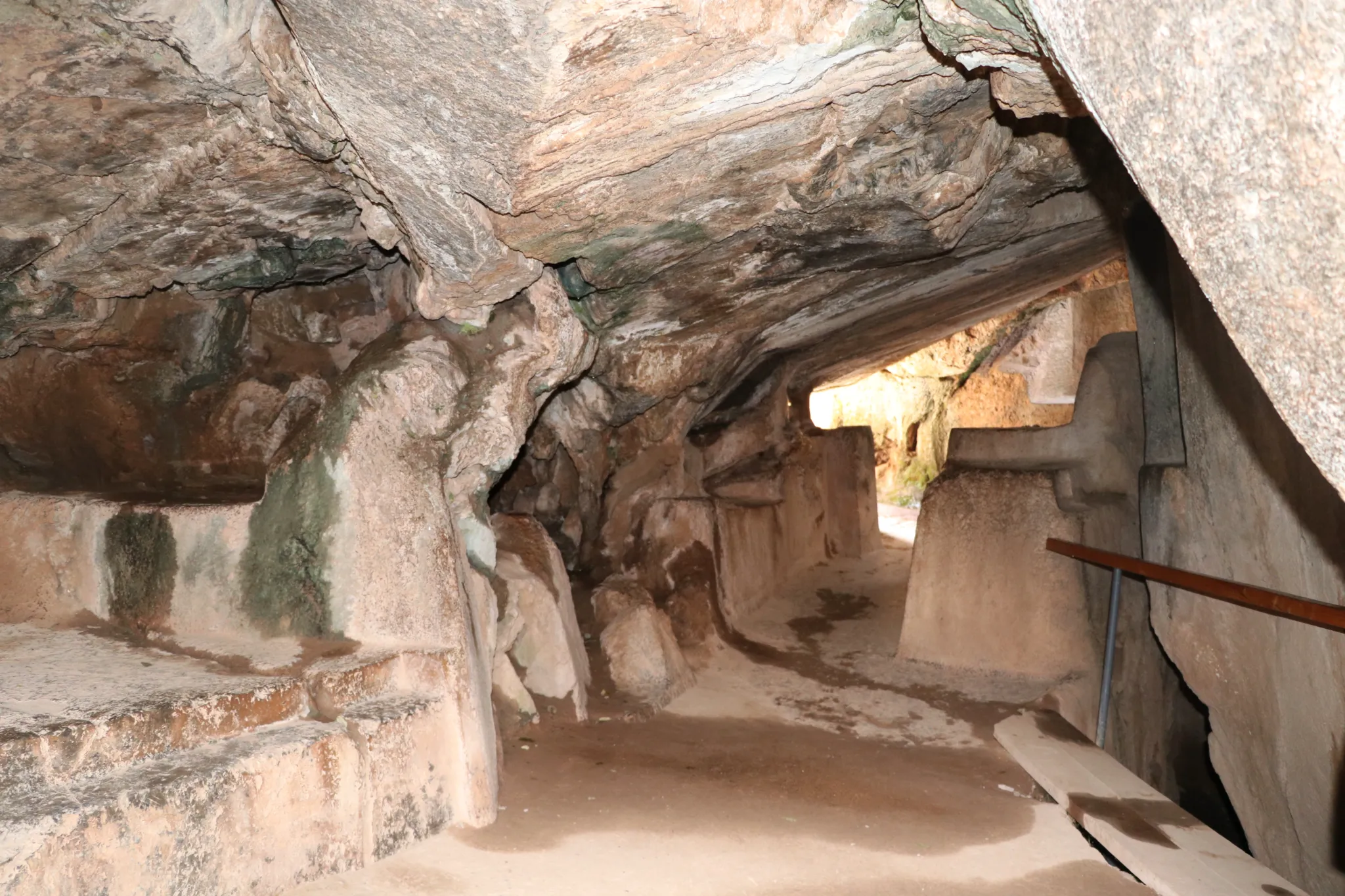
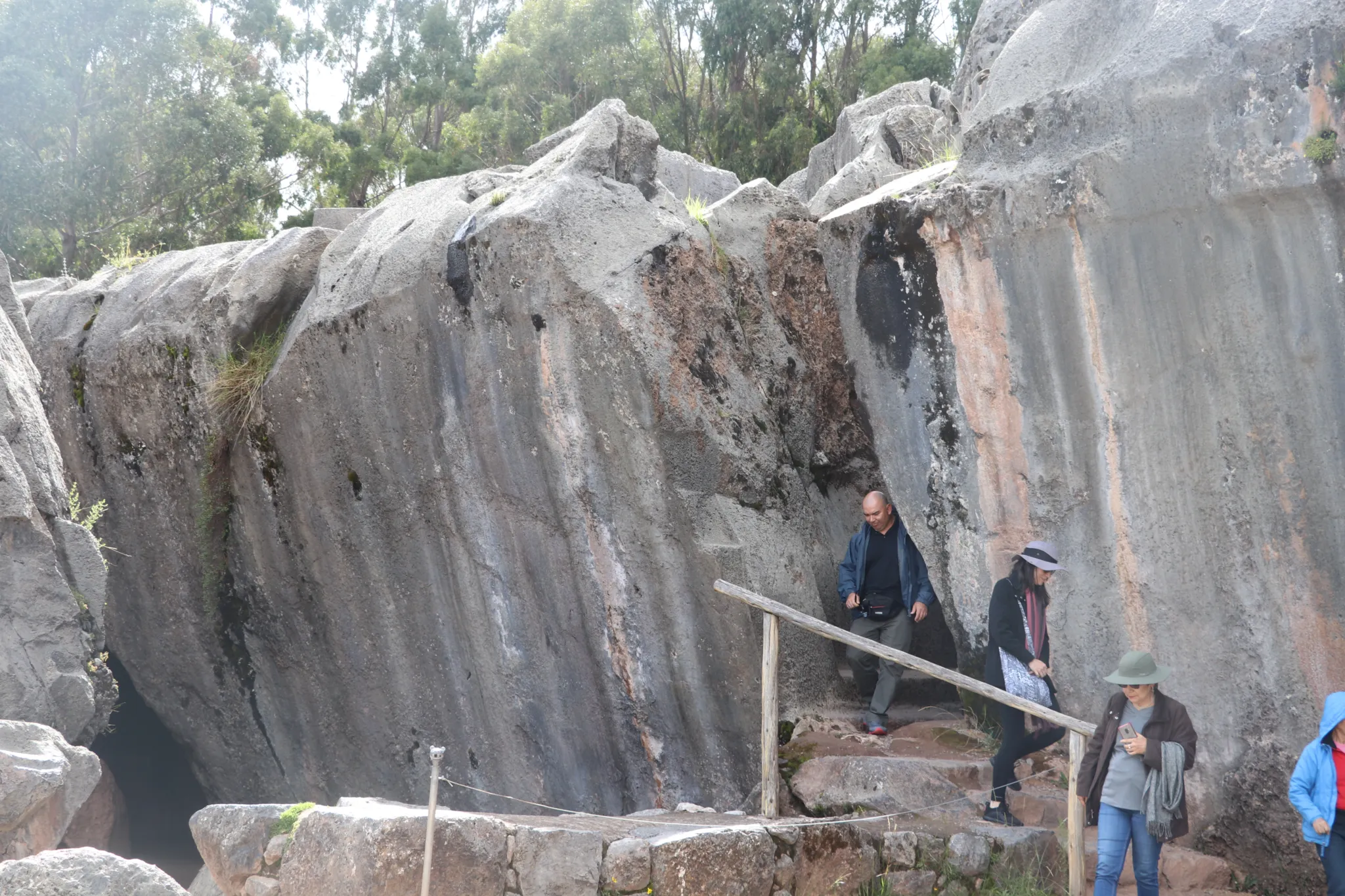
A massive rock outcrop carved into channels, niches, and underground tunnels at 3,580 m / 11,745 ft that encode Andean knowledge of the relationship between the living world and the one below it. Q’enqo’s hydraulic channels demonstrate the same water management intelligence visible at Tipon and Tambomachay — a civilization that understood fluid dynamics, gravity, and mineral chemistry well enough to build systems that have required no maintenance in six centuries.
The tunnels are walked rather than viewed. The experience of moving through carved rock knowing that the people who made these passages understood their purpose completely is one of the program’s most quietly significant moments.
Pucapucara, Tambomachay, and the Hidden Sites
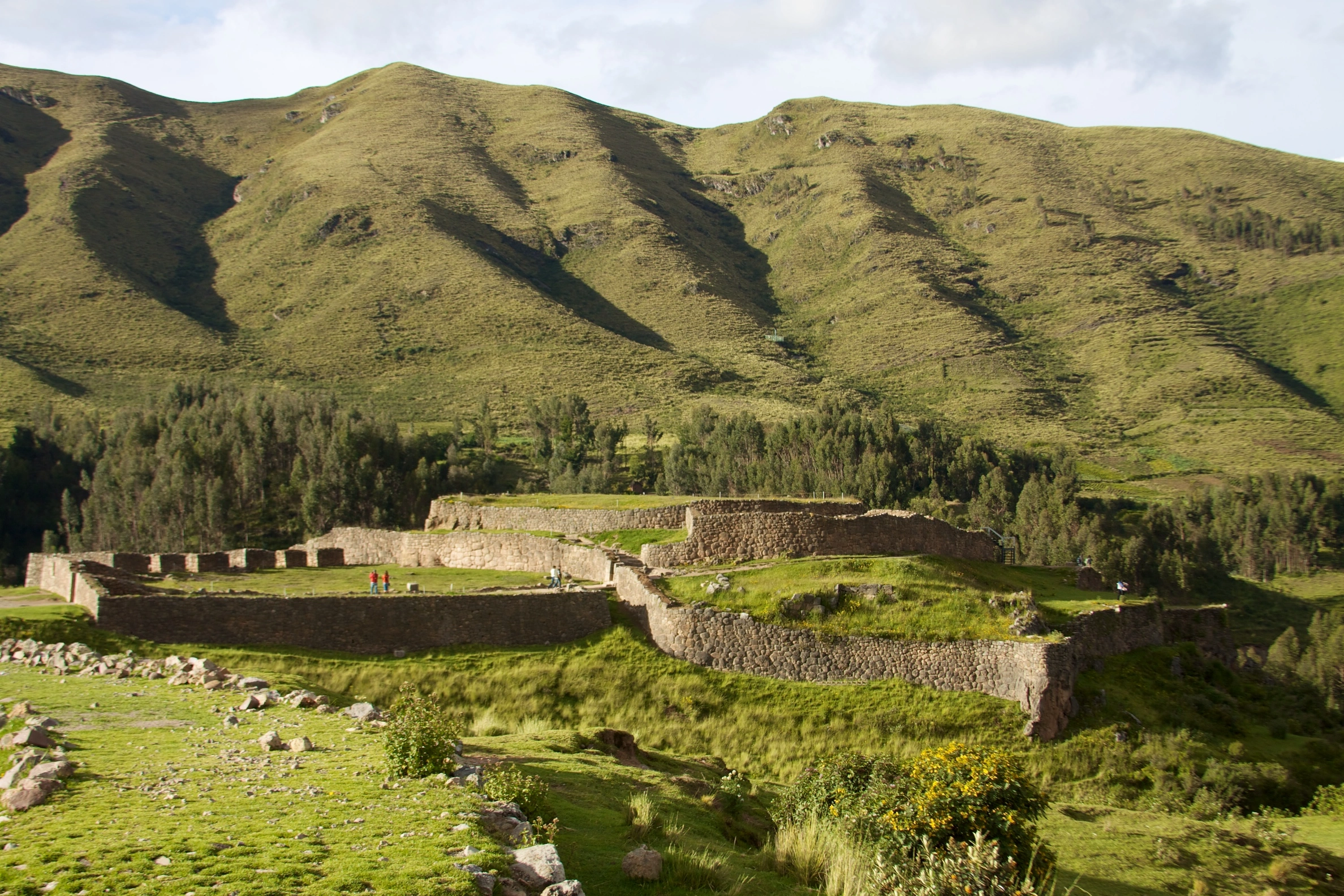
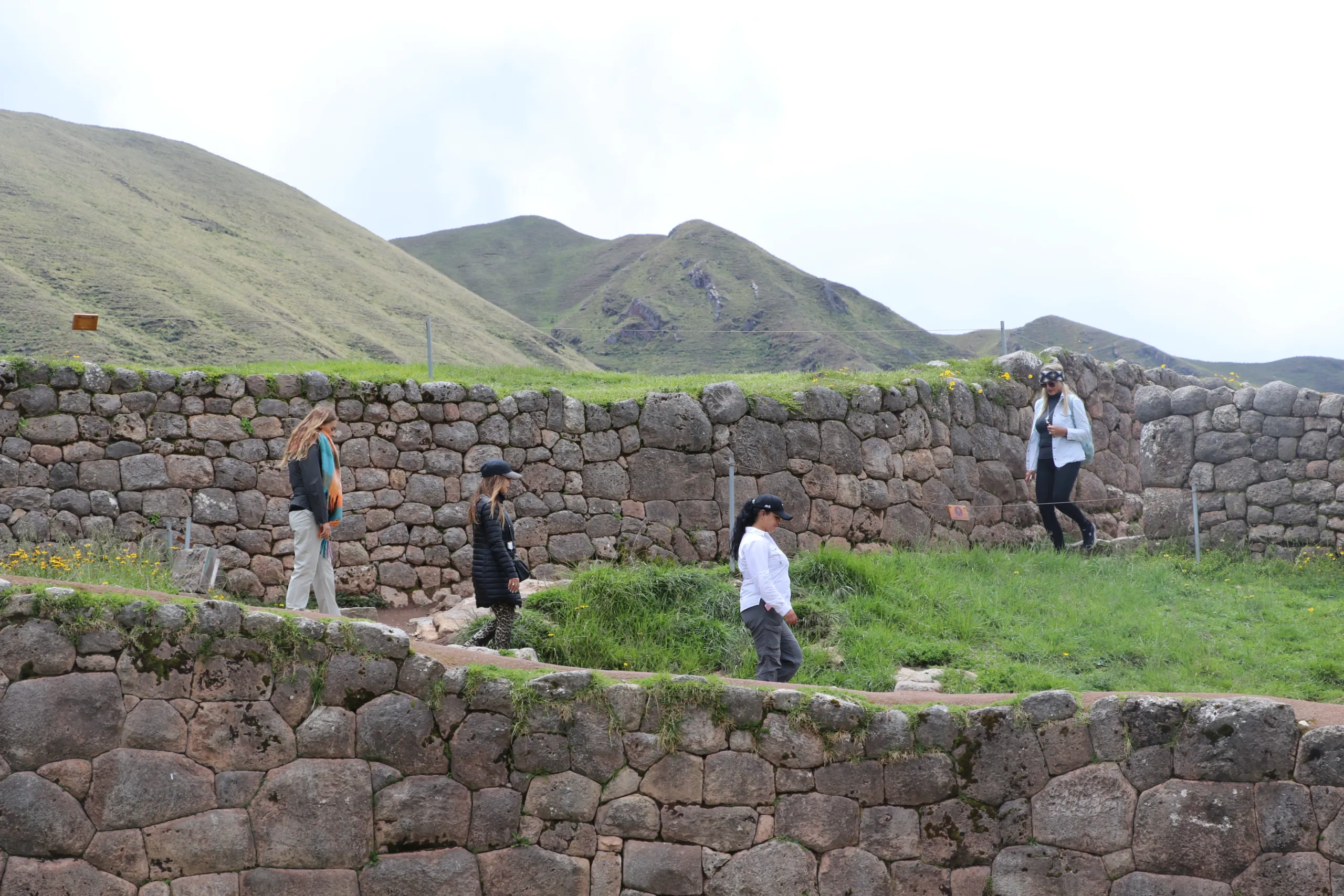
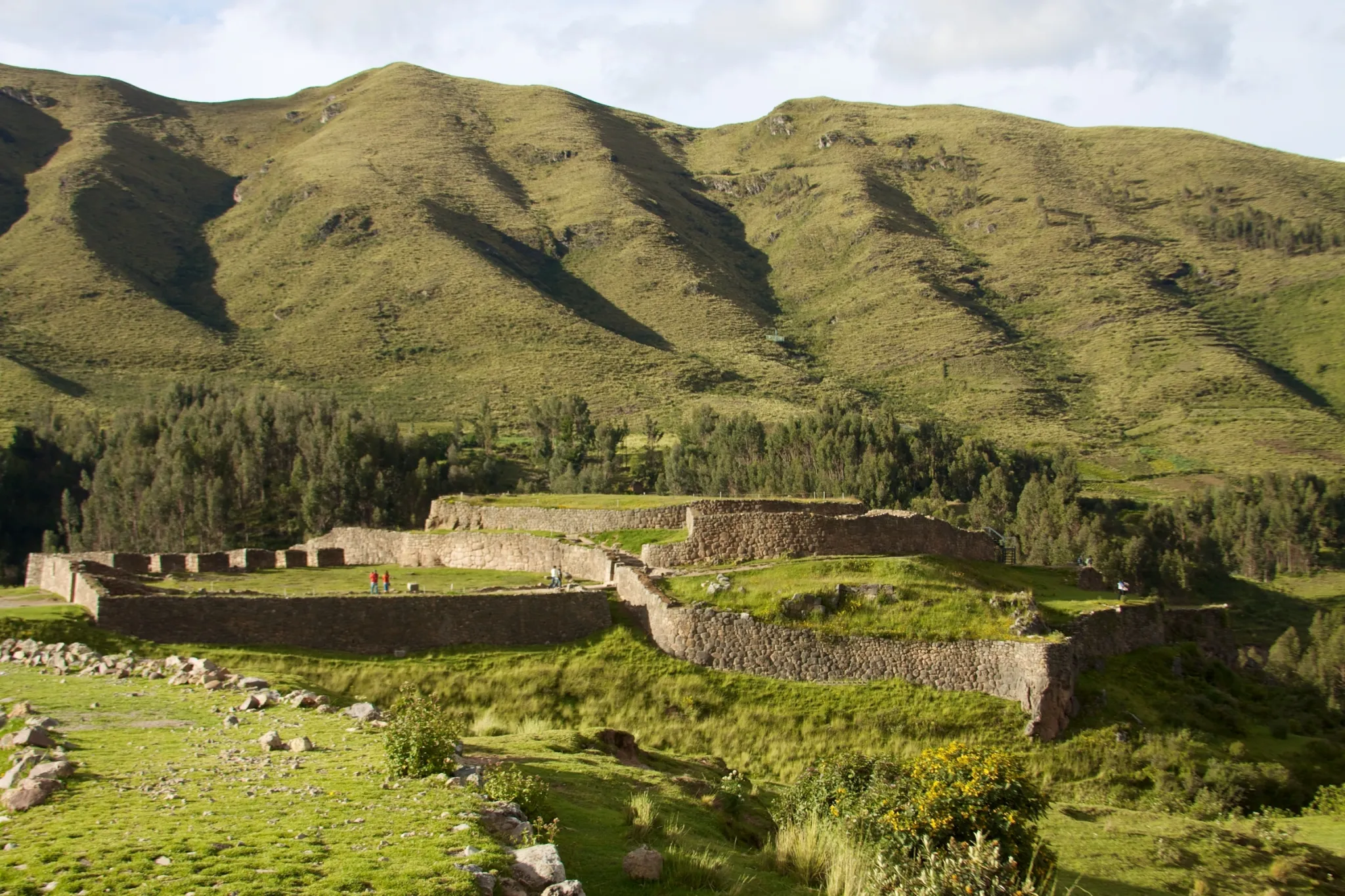
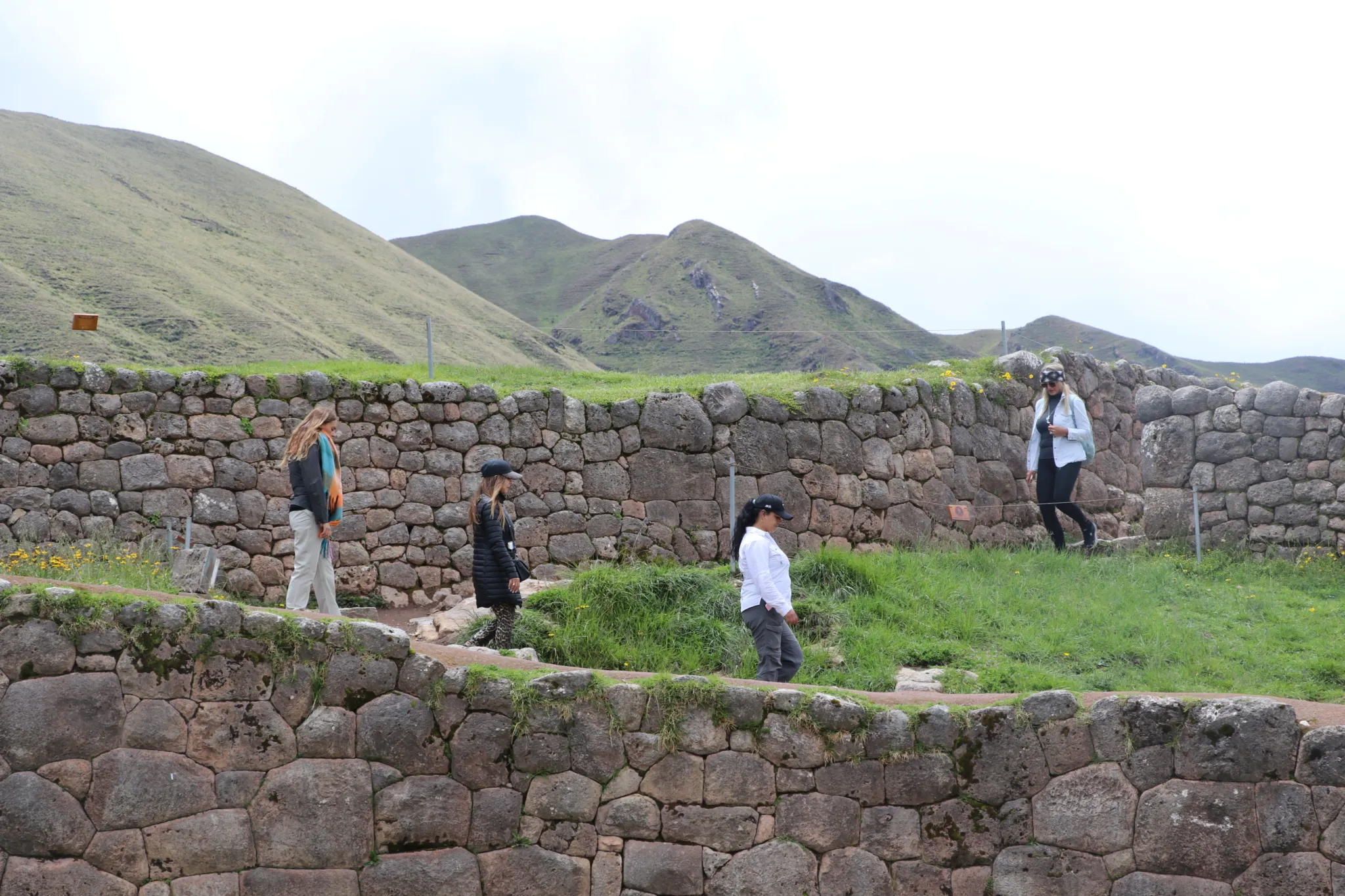
Pucapucara at 3,700 m / 12,139 ft — the Red Fort, positioned above the valley with strategic sightlines that reveal the military and cosmological intelligence of the empire’s outer defensive ring. Tambomachay adjacent — a water shrine where original Inka channels still flow with the same precision they were built to maintain, demonstrating hydrodynamic engineering that has outlasted every modern plumbing system installed in the city below.
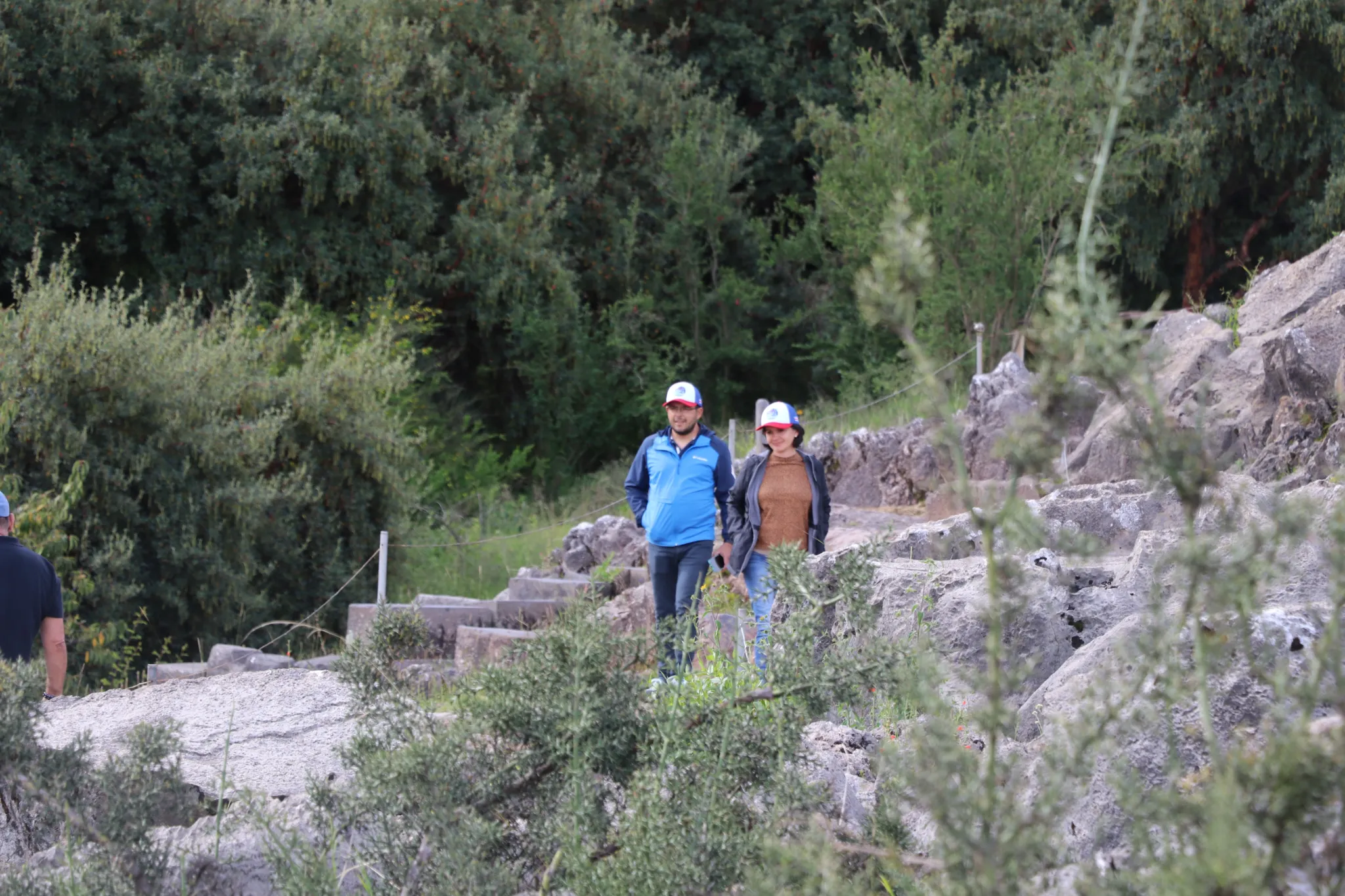
The program then moves to lesser-visited archaeological sites that the standard city tour does not include — sites partially reclaimed by vegetation, returning something of the quality of genuine discovery that the major sites’ infrastructure has made difficult to access. Your guide reads them in relationship to everything the day has already built.
The Inka Trail Descent and Lunch in Nature
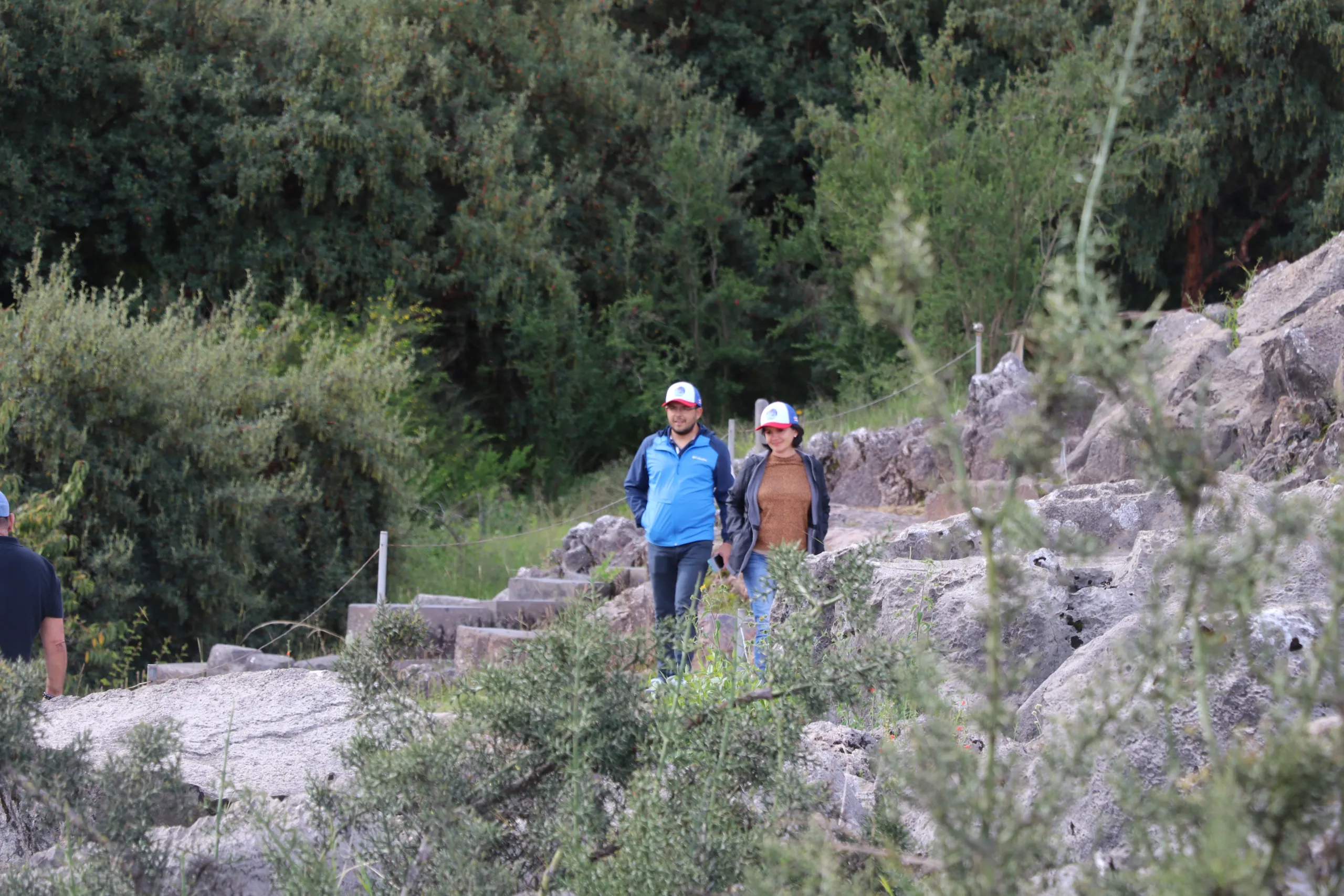
The program closes with a section of original Inka trail — stone paving that has outlasted every road built in this territory since the fifteenth century, descending through the archaeological landscape above Cusco toward the city below. The trail is walked downhill, at the pace the stones were designed for, with the full accumulated context of the day making each section of original infrastructure speak in a language it cannot offer to visitors who arrive without preparation.
Lunch at a viewpoint beside a lesser-visited site — the perfect excuse, as your guide will say, to spend more time in nature with the city visible below and the mountains visible above, before the Inka trail delivers you back.
Details:
– Distance: 13 km driving, 12 km walking.
– Duration: 8 hours
– Maximum altitude: 3773 m Huayllarcocha
– Minimum altitude: 3399 m Cusco
– Accessibility: Transportation, Inca Trail
– Difficulty: Easy – Moderate
– Activities: Scenic, Cultural, Historical, Visits to archaeological centers: Qoricancha, Saqsayhuaman, q’enqo, Pucapucara, Tambomachay, and Inca Trail.
Reviews
There are no reviews yet.