Lares Trek

Price

From: $2,300.00

Duration

5 days

Max People

10

Tour Type

Expeditions

Attractions

4

Activities

12

Min Age

12


Overview


The Andes That Tourism Hasn’t Reached Yet

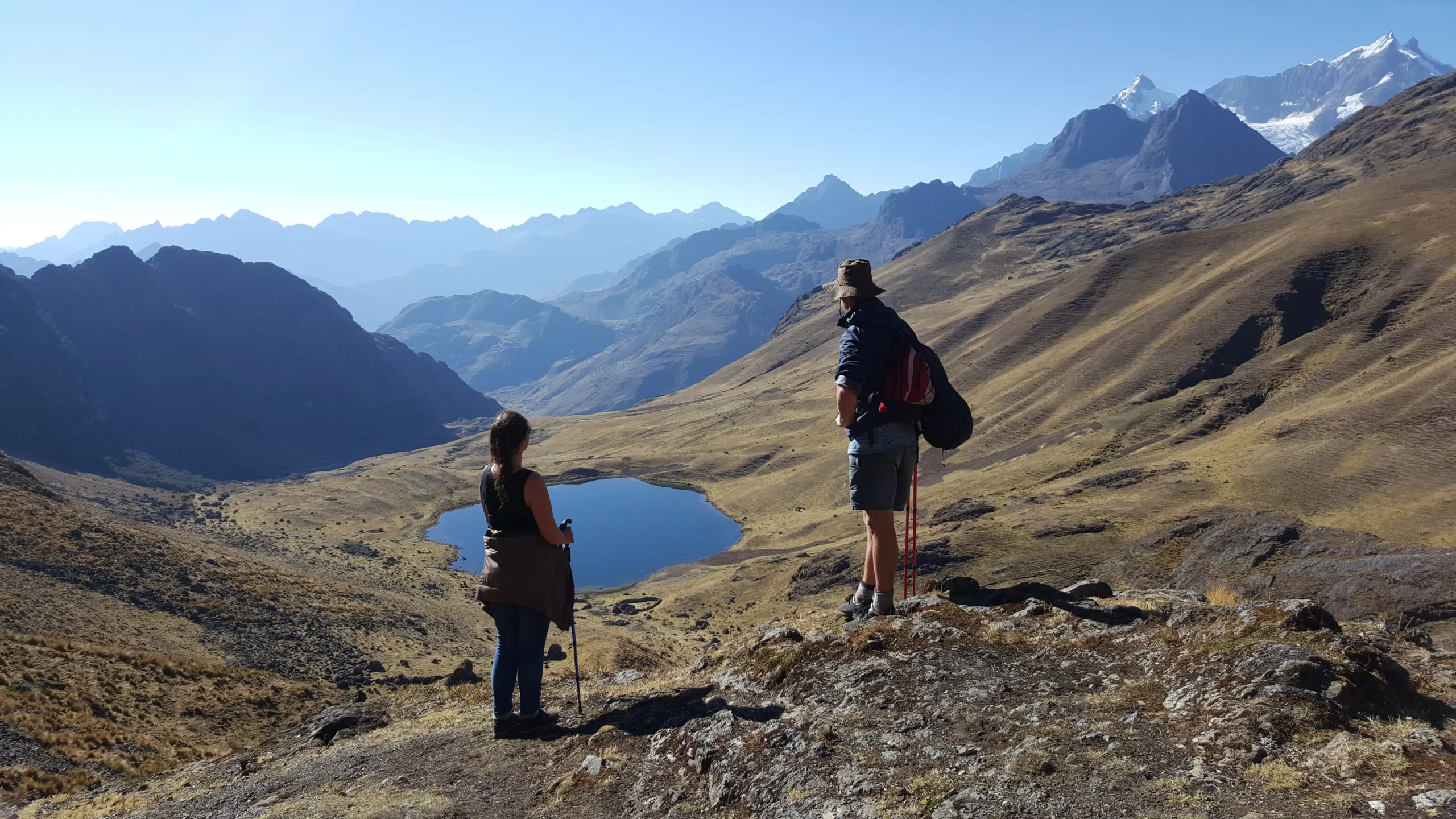
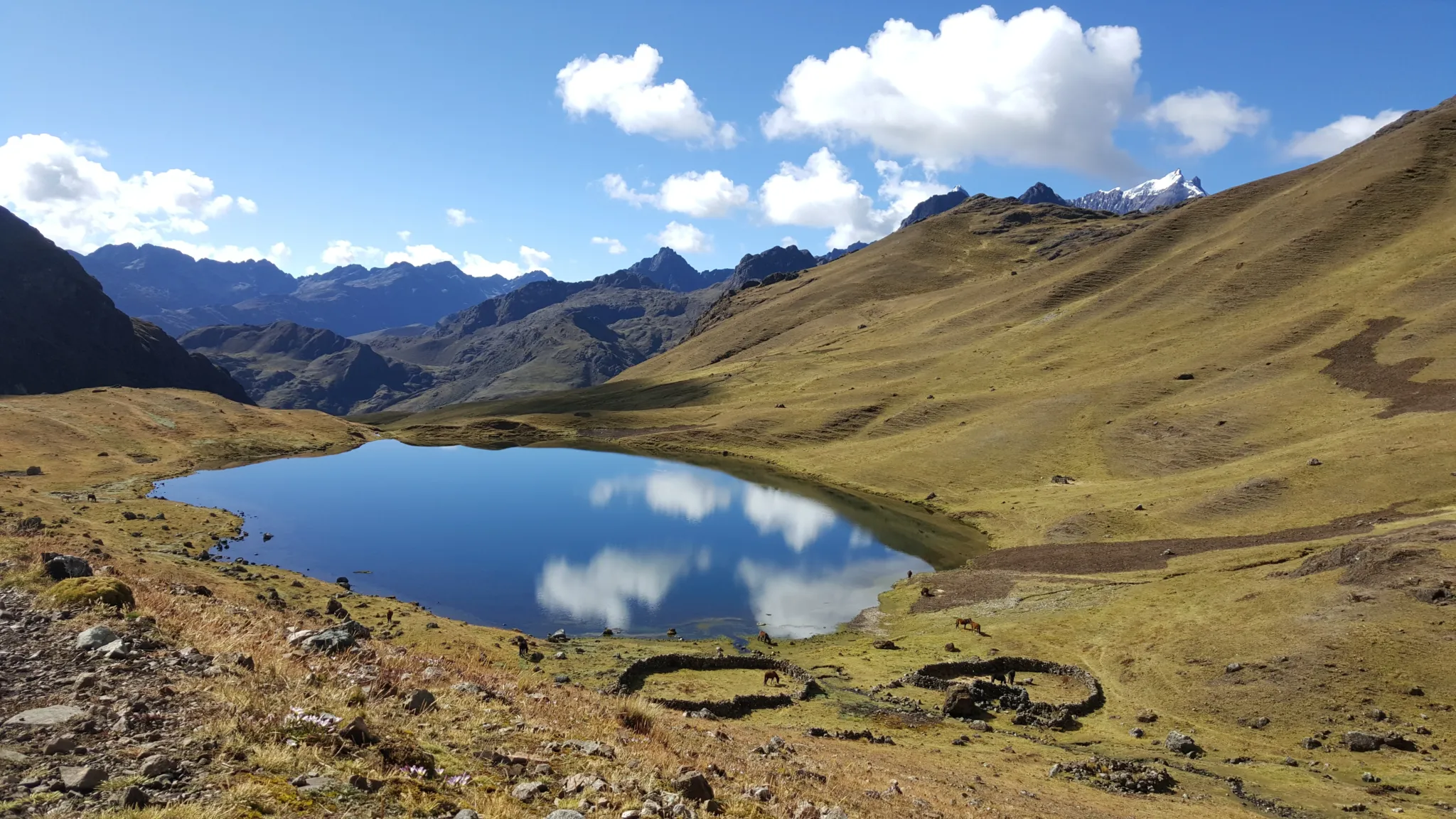
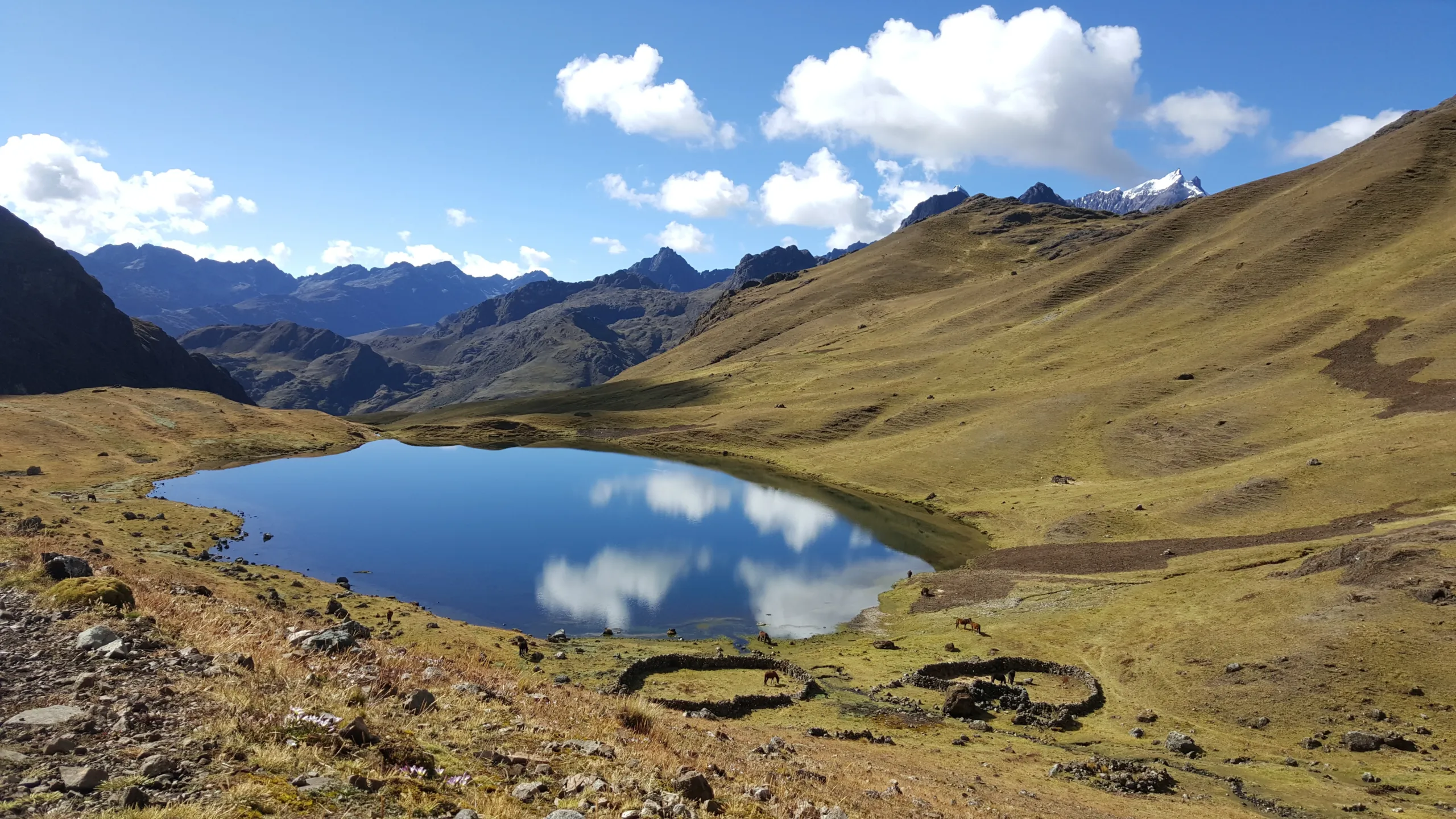
There is a version of the Andes that exists beyond the permit queues and the guidebook circuits — where the trade routes are still walked by shepherds, where the textile patterns still encode cosmological knowledge that no university has fully decoded, where a lagoon at 4,750 meters reflects a glacier that has no name in any language you speak.

The Lares Valley is that version.

This five-day expedition moves through one of the least-visited trekking corridors in the Cusco region — three high passes, remote Quechua communities, glacial lakes of colors that shift with the light, thermal springs fed by the same geological forces that built the Andes, and an archaeological landscape that most visitors to Peru will never find on their own. It ends at Machu Picchu — but by the time you arrive, you will have spent four days inside the living culture that built it, which changes everything about how the stones receive you.


 4 best attractions of Cusco

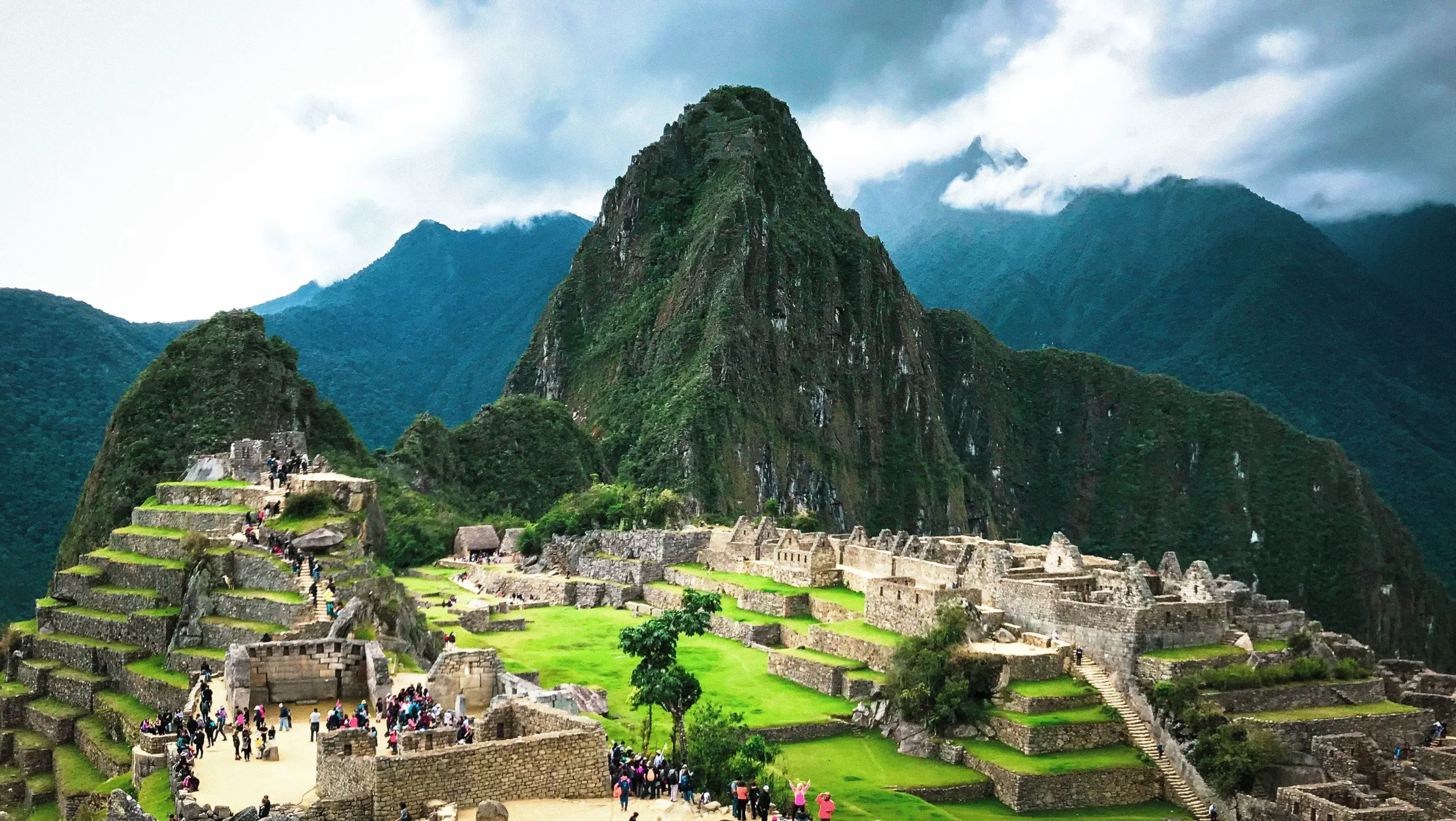
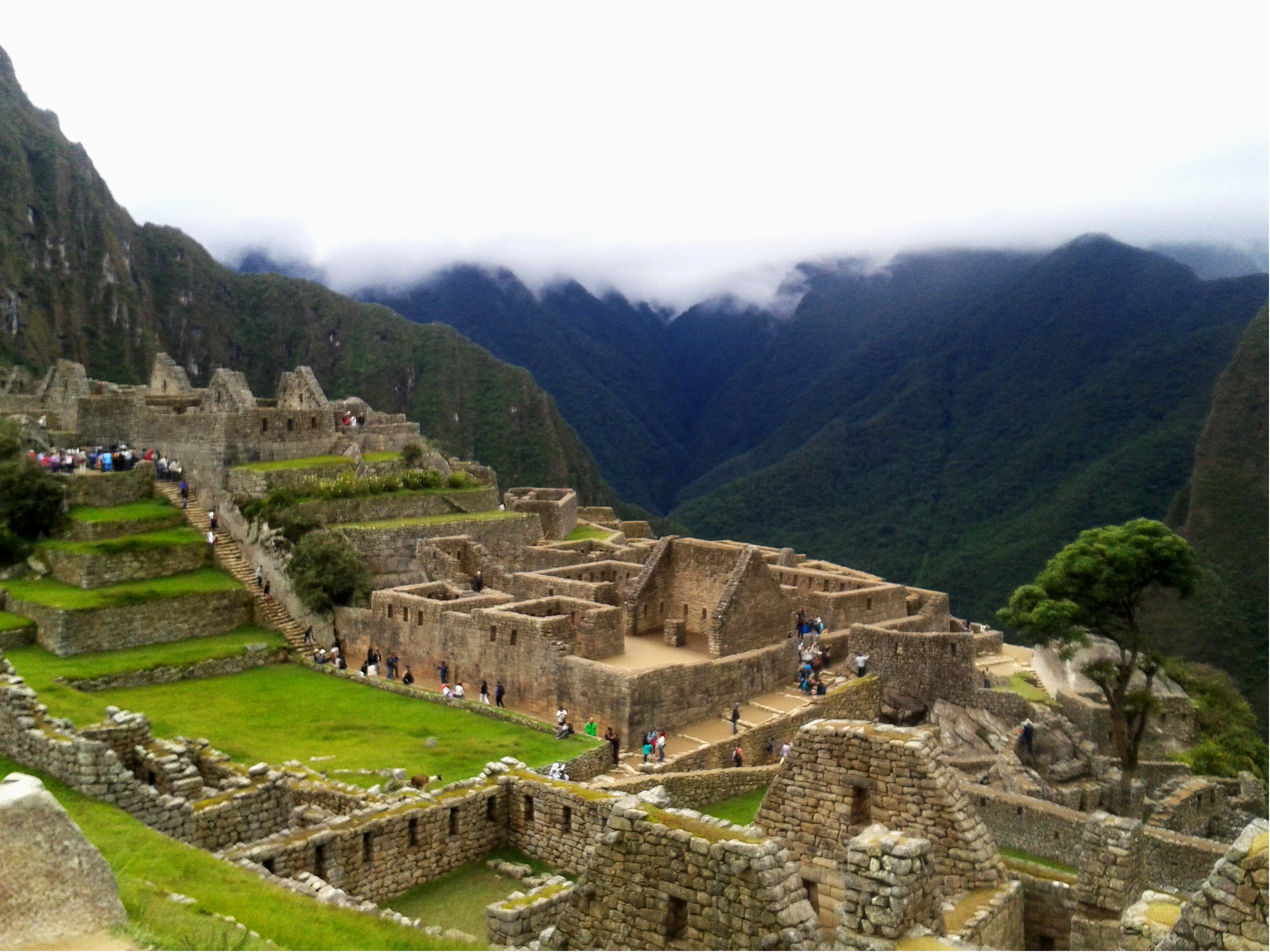
# Machupicchu

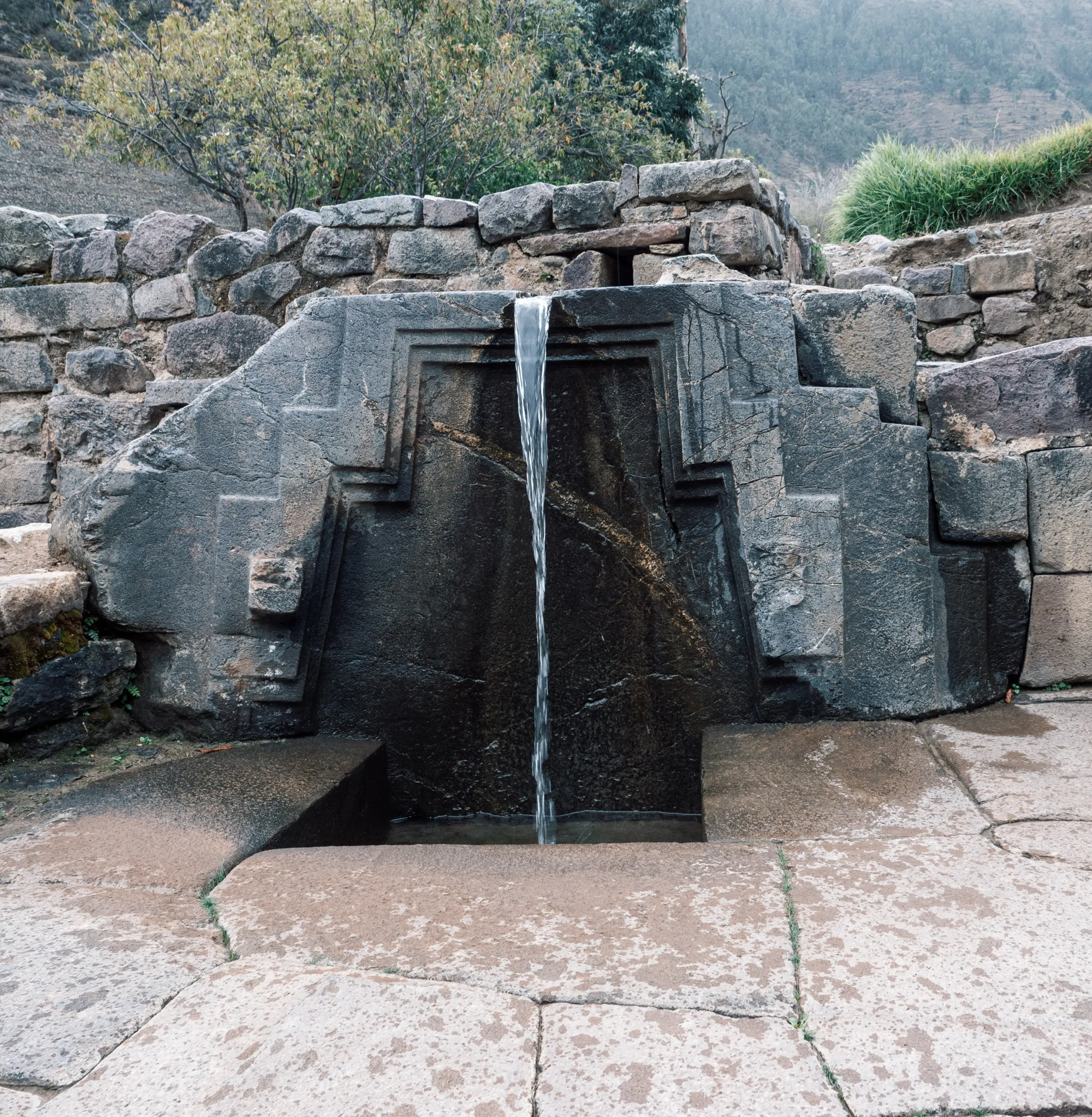
# Sacred valley

# Glaciers

# Lares

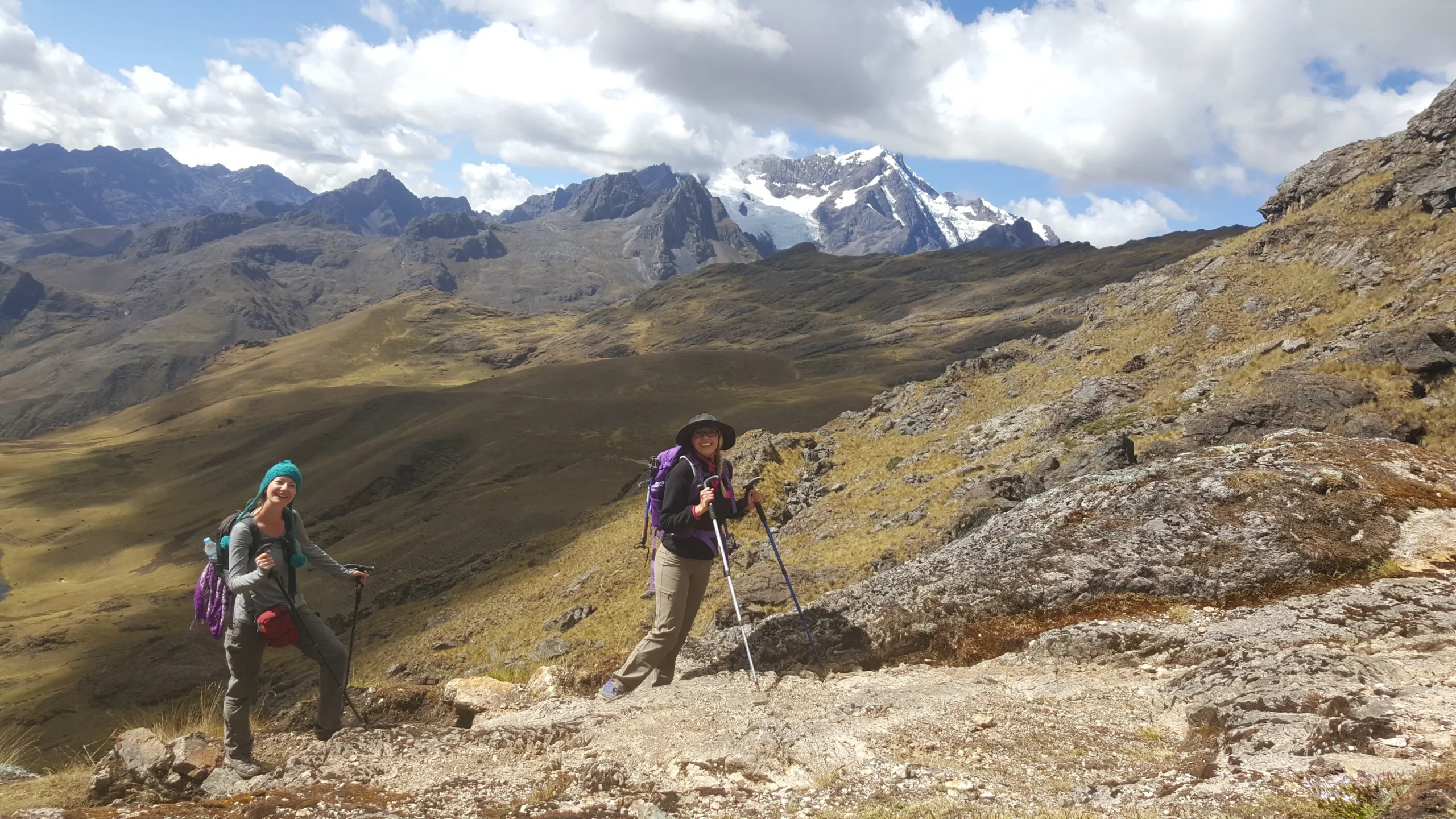
Pachakutec Pass

Lares Trek


What Makes This Trek Different From Every Other Route to Machu Picchu

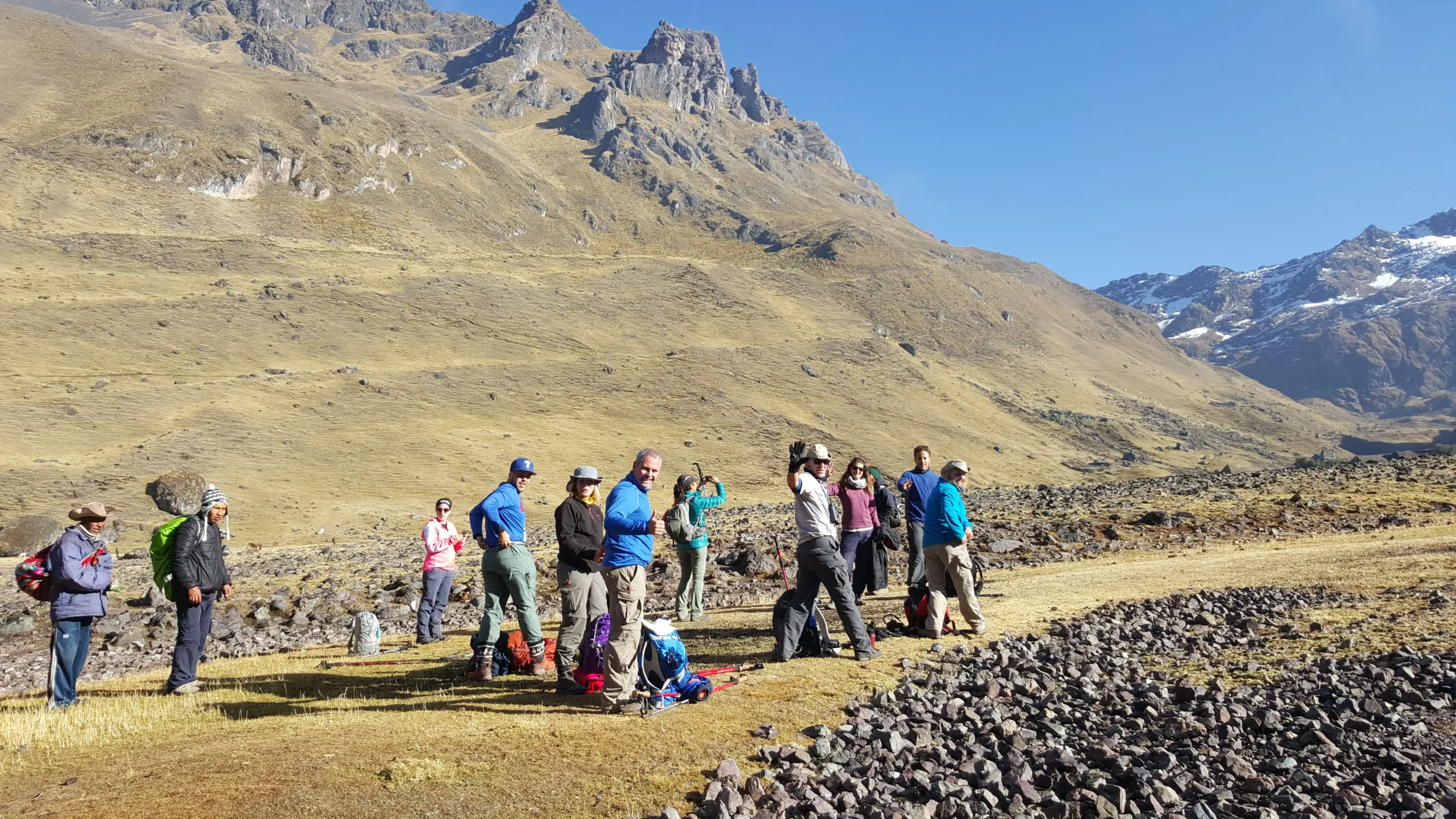
The Lares Trek is not an alternative to the Inka Trail. It is a completely different kind of journey — one that moves through inhabited Andean landscape rather than protected archaeological corridor, through communities that have maintained their way of life with a continuity that the conquest interrupted but never fully broke.

The therapeutic value here is relational as much as physical. The master weavers of Cuncani and Cancha Cancha carry knowledge in their hands that took generations to accumulate — pattern systems that encode cosmology, natural dye techniques derived from plants and minerals that Andean communities have used for centuries, textile traditions that are not performed for tourists but practiced as daily life. When you sit beside a Quechua woman and card wool or learn to work a spindle, you are not attending a cultural demonstration. You are participating in something that has survived everything modernity has thrown at it.

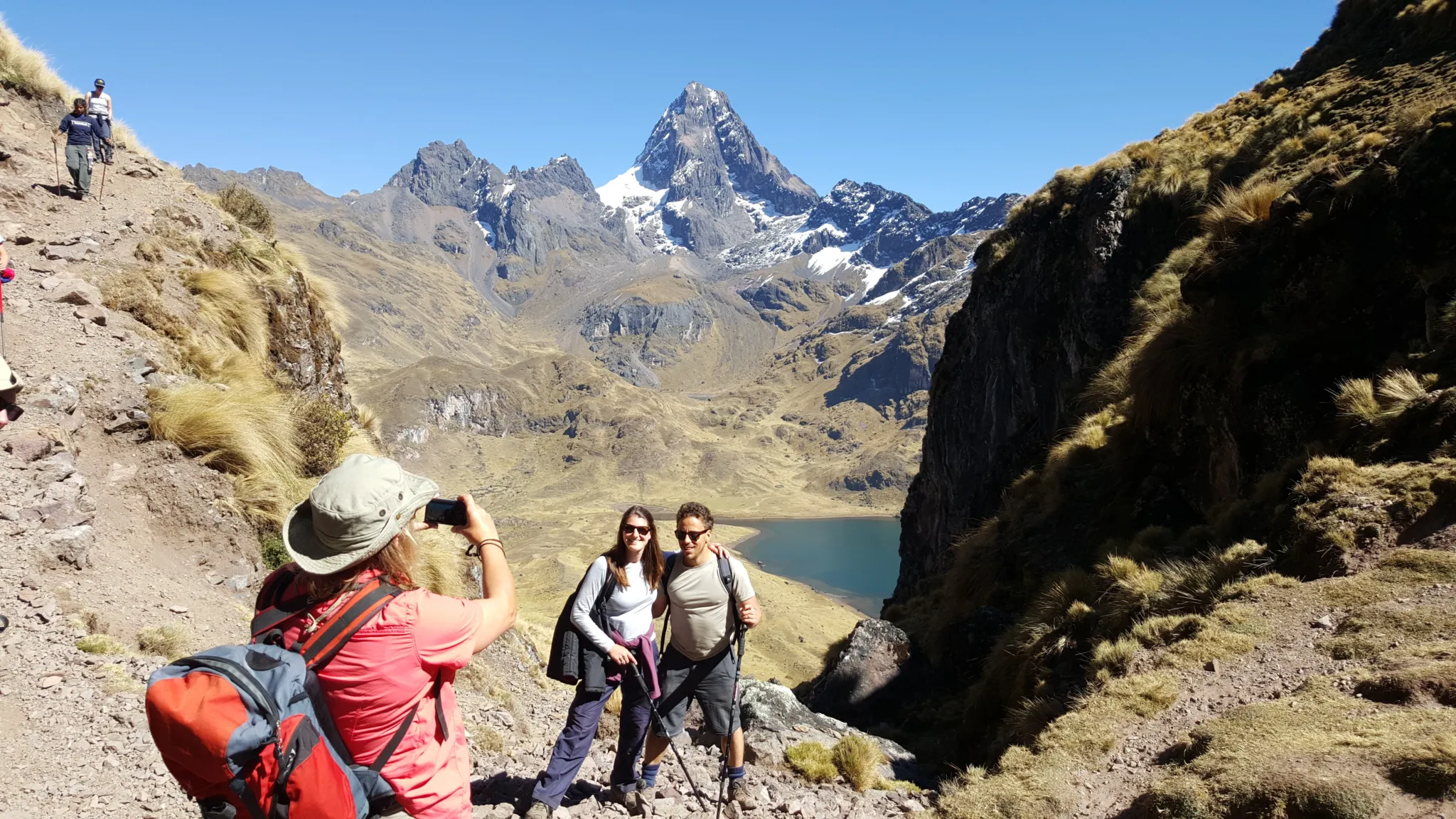
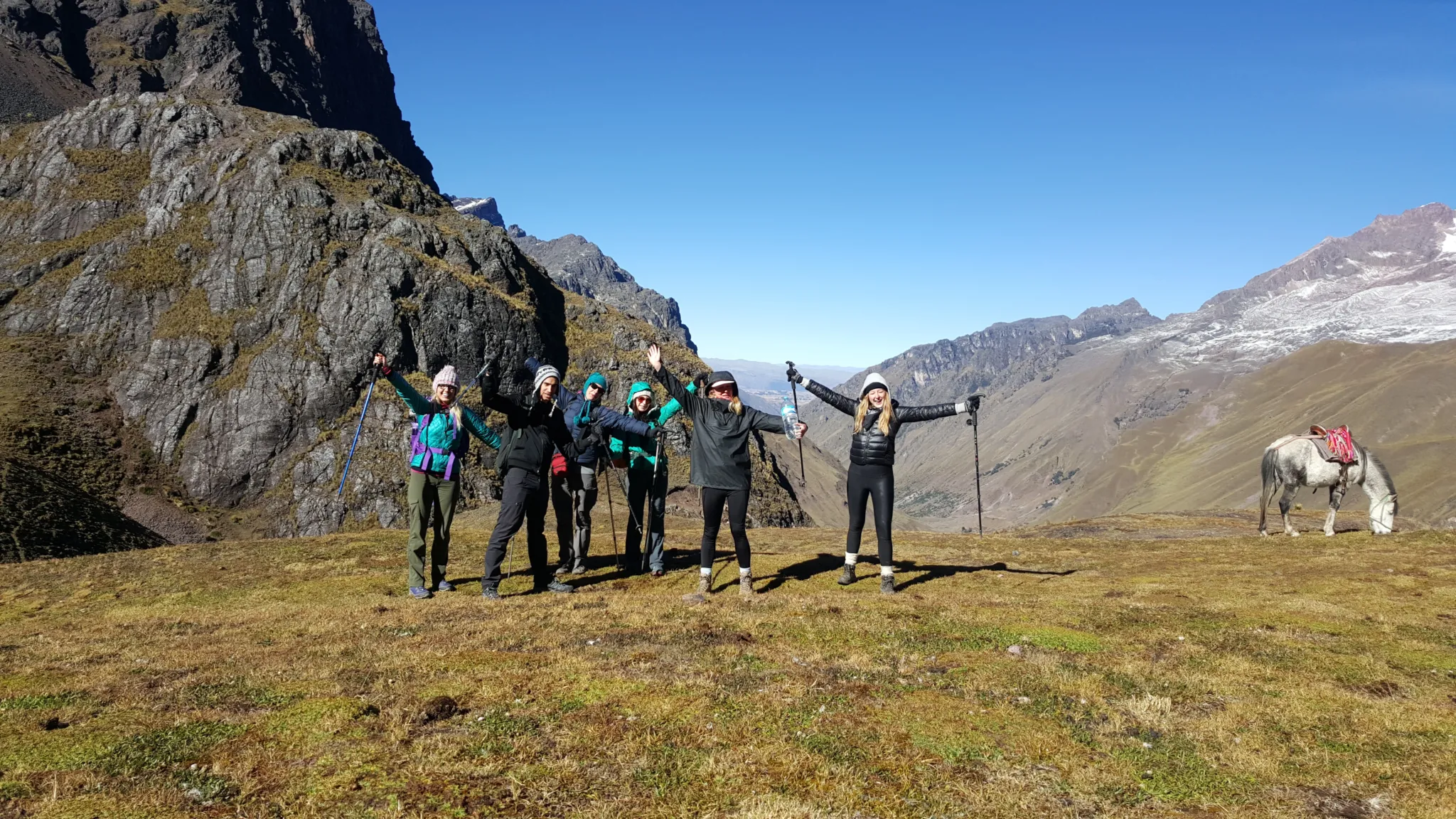
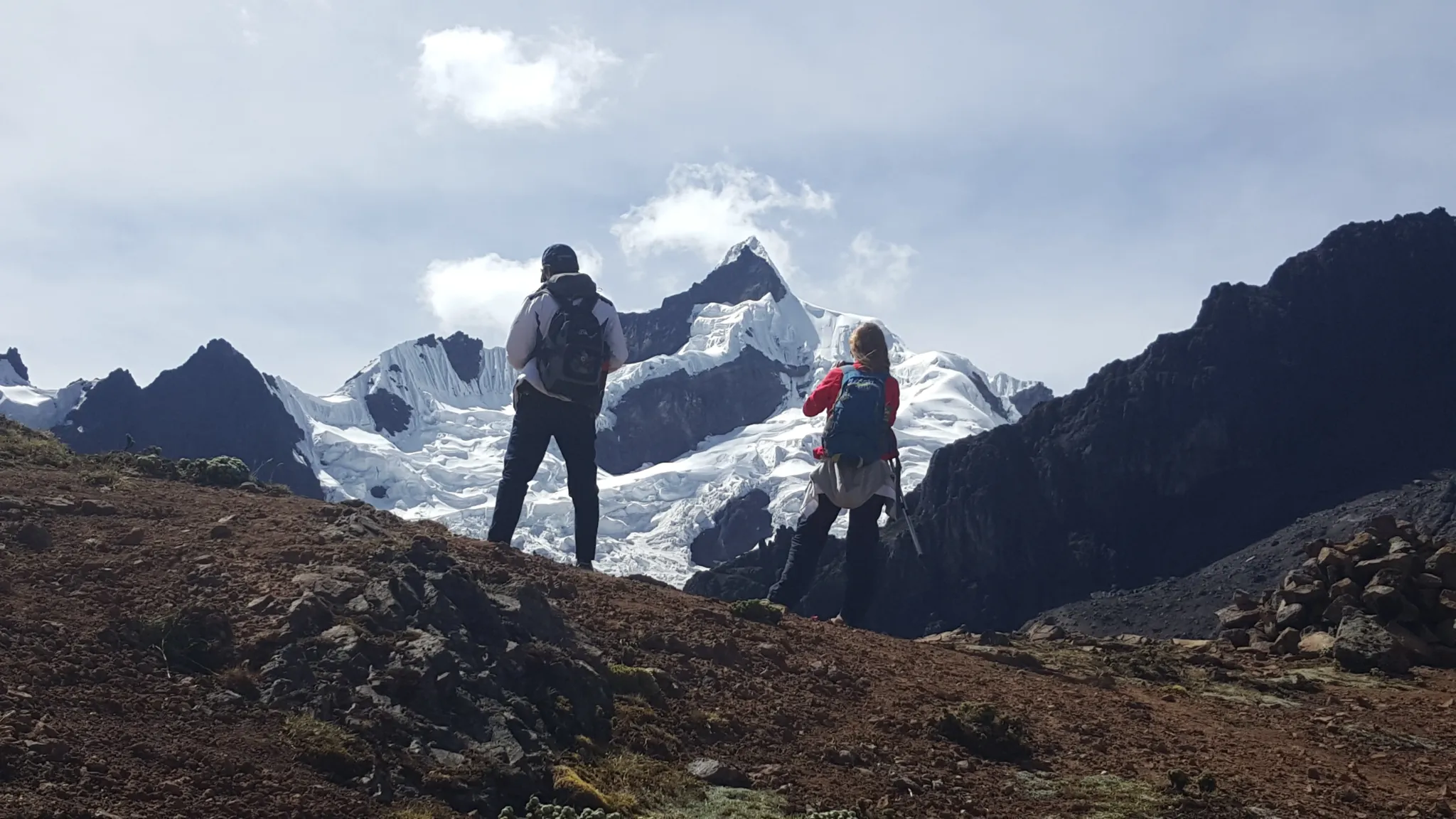
The passes — Pachacuteq at 4,750 meters, Huillcac’asa at 4,200 meters — are the physical counterpart to this cultural depth. The altitude demands everything your body has, and gives back proportionally: views across an Andean range that has no visible limit, the particular clarity of mind that only thin air and genuine physical effort produce, and the thermal springs of Lares waiting at the end of Day 3 like something the mountains arranged deliberately.


The Lares District — One Valley, Fourteen Ways In

Lares is not a trail. It is an entire Andean district — a vast, largely untouched territory in the highlands of Cusco that contains within it some of the most authentic community life, dramatic mountain passes, and living cultural tradition left anywhere in the Andes.

What most travelers don’t know is that the Lares district has seven distinct access routes — and since every route can be walked in either direction, that becomes fourteen possible ways to enter, exit, or traverse this territory. Combined with each other, extended, or reversed, these routes can become a two-day introduction or a multi-week immersion. No two combinations produce the same experience.

We know all fourteen. We have walked all fourteen.

The route we offer — and the only one we offer — is the one we consider the most complete expression of what Lares has to give: the highest passes, the most significant weaving communities, the glacial lakes at their most dramatic, the thermal springs at the end of the hardest day, and a cultural depth that the shorter or more accessible routes simply cannot match. It is not the easiest way into Lares. It is the most rewarding way through it.

If you are interested in a different combination — a longer stay in the district, an alternative entry point, a route that connects Lares to another part of the Andean experience — we are happy to design it. Every route is possible. This one, however, is where we put our name.

Contact us to explore what Lares can be built into for you specifically.
Cusco → Huaran → Cancha Cancha | 14 km | Moderate

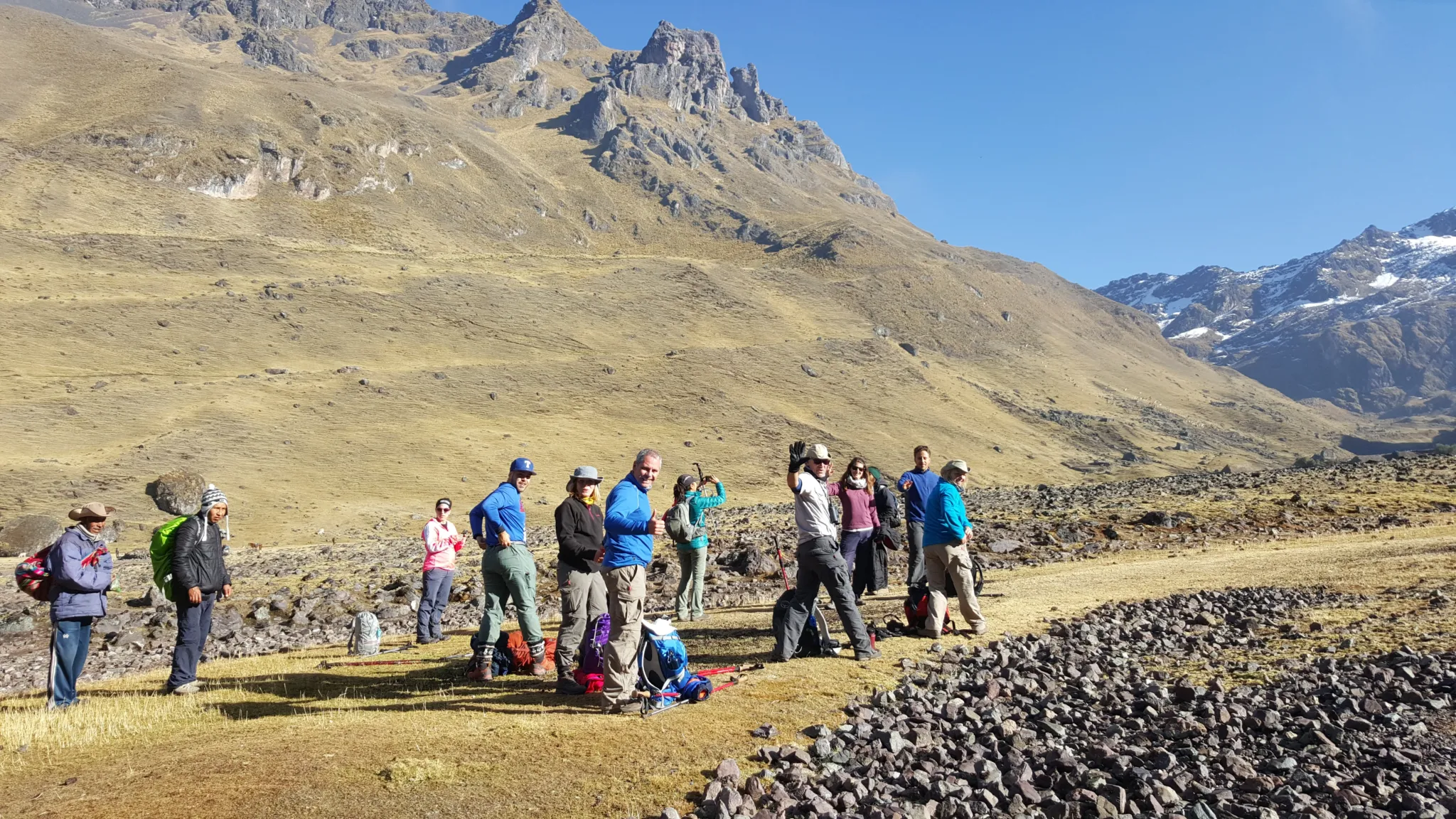
Departure from Cusco to Huaran — a village in the Sacred Valley where the trek begins in warm valley air, following a river that descends from the heights above. The path climbs steadily through dense vegetation, the Sacred Valley opening behind you with every gain in altitude, until a forest of ancient trees signals the threshold of Cancha Cancha — a high community where the mountains arrive from every direction at once.

Camp in the upper section of Cancha Cancha, where the evening light on the surrounding peaks justifies every step of the ascent.

  • Distance: 14 km
  • Altitude range: 2,900 m – 3,950 m
  • Overnight: Camp at Cancha Cancha Alto


Cancha Cancha → Pachacuteq Pass → Quiswarani | 14 km | Moderate to Difficult

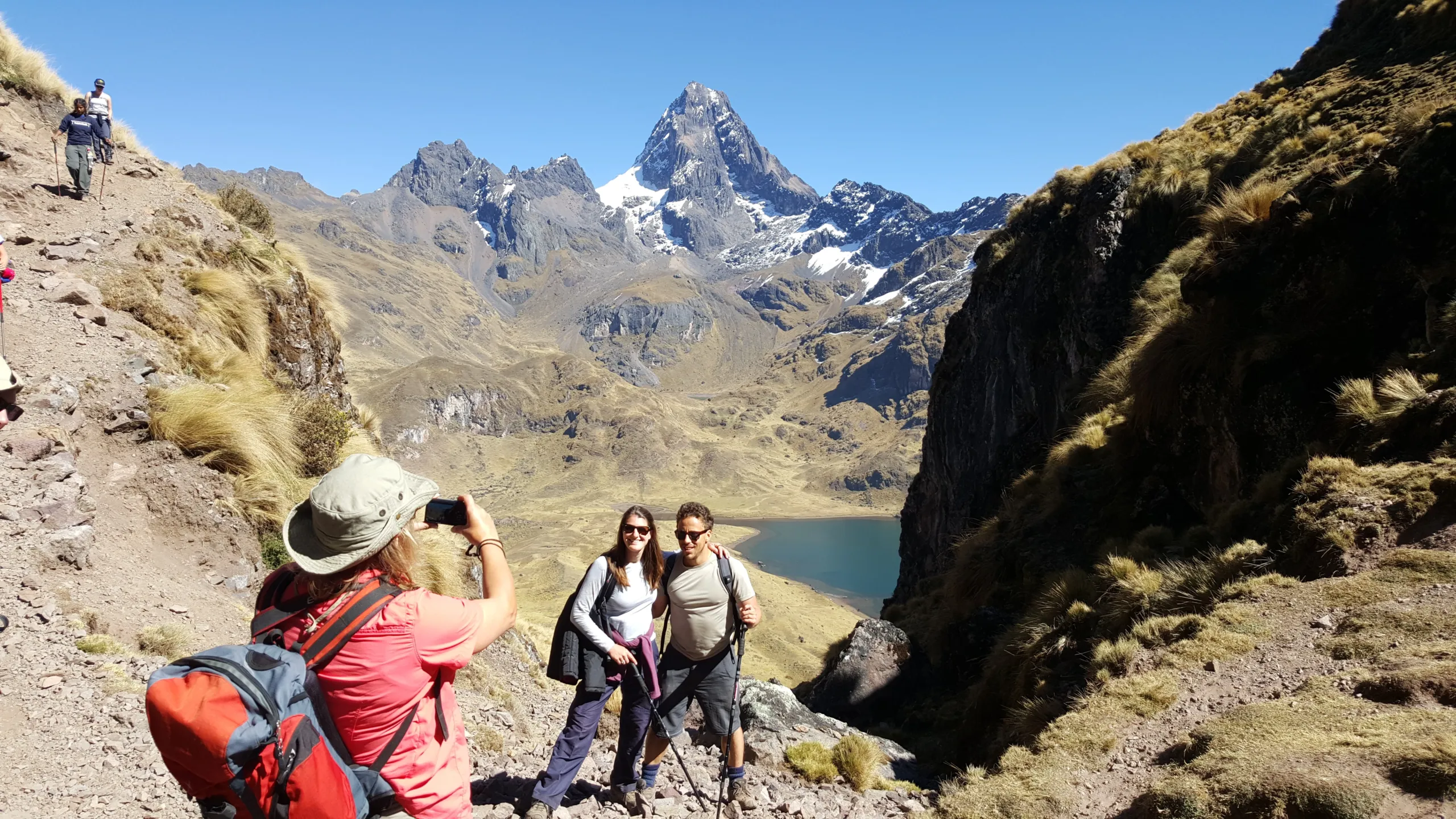
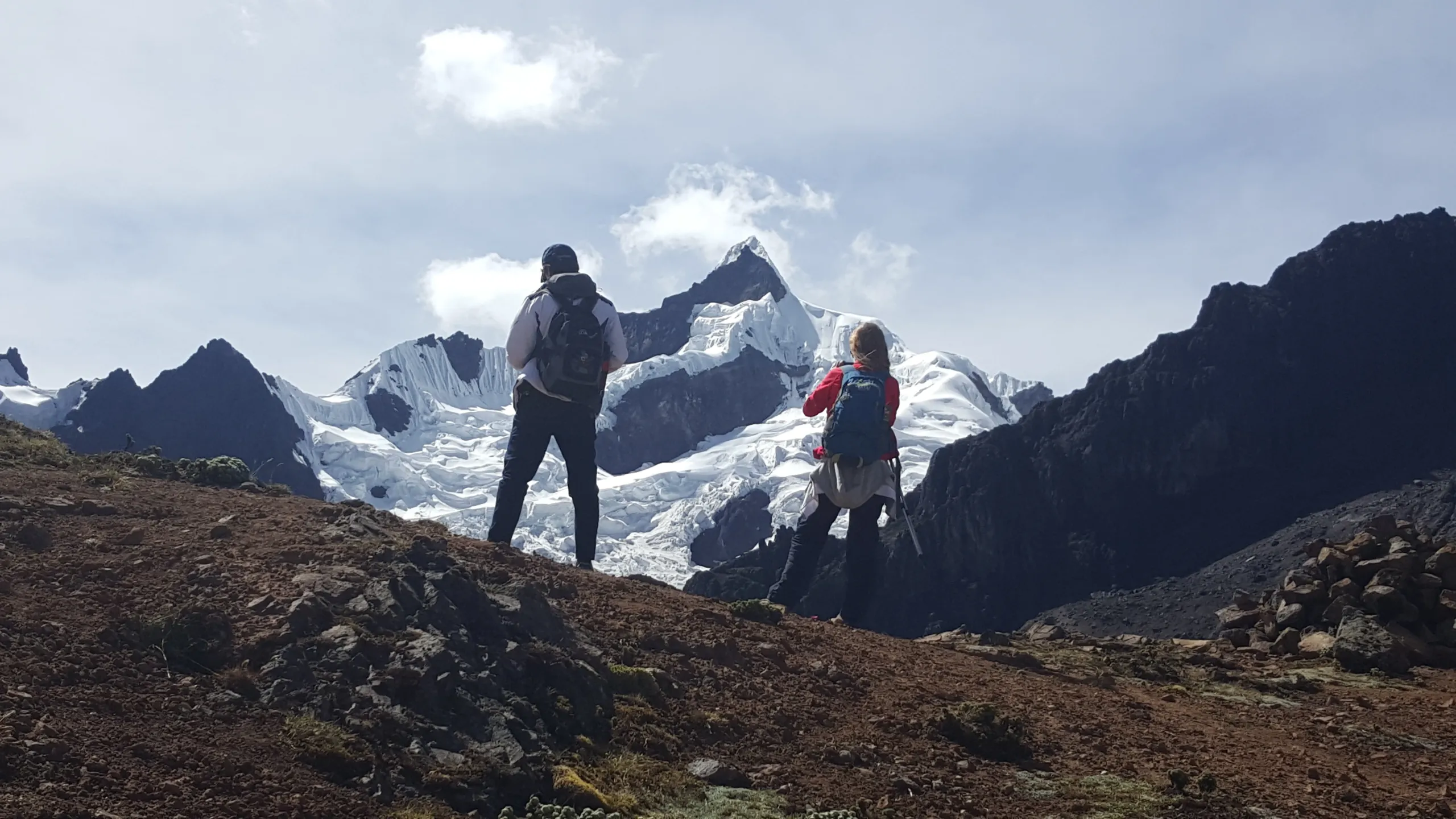
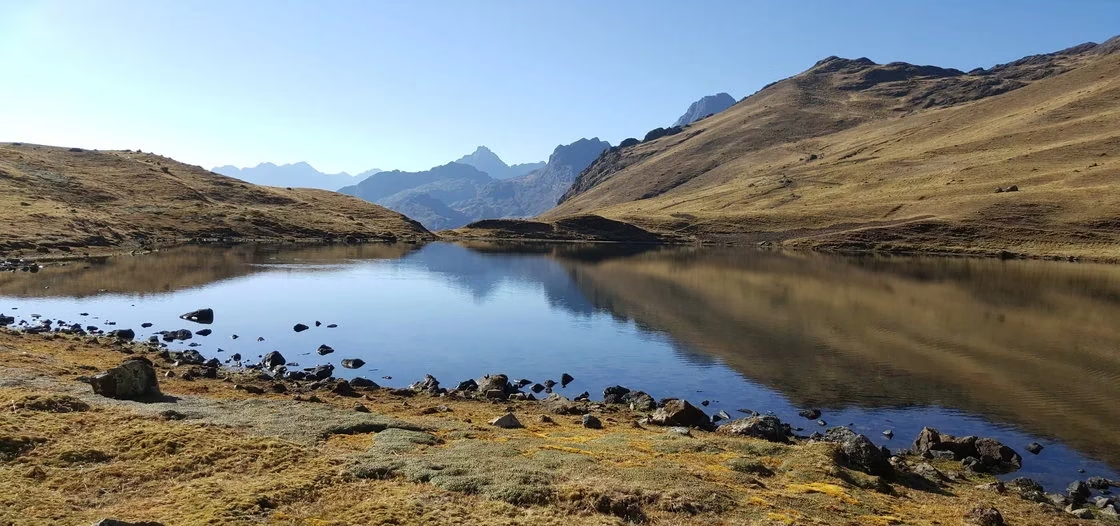
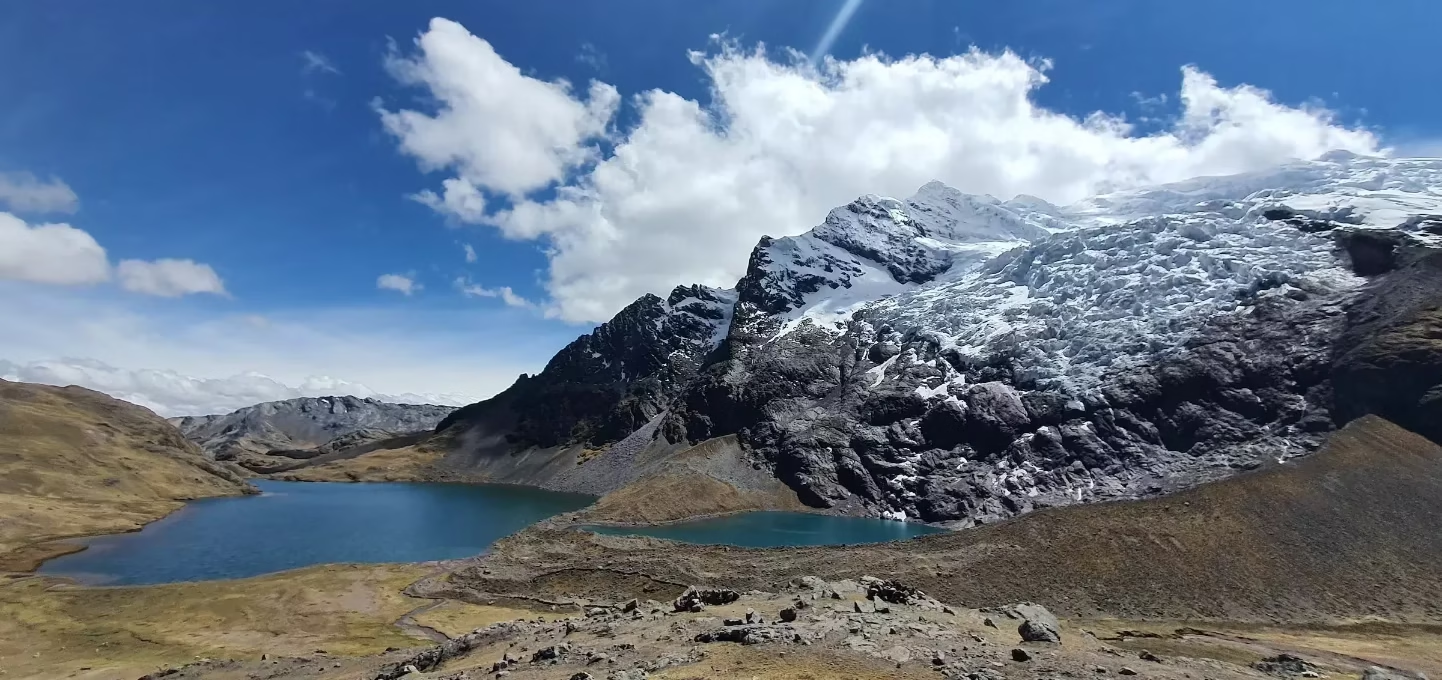
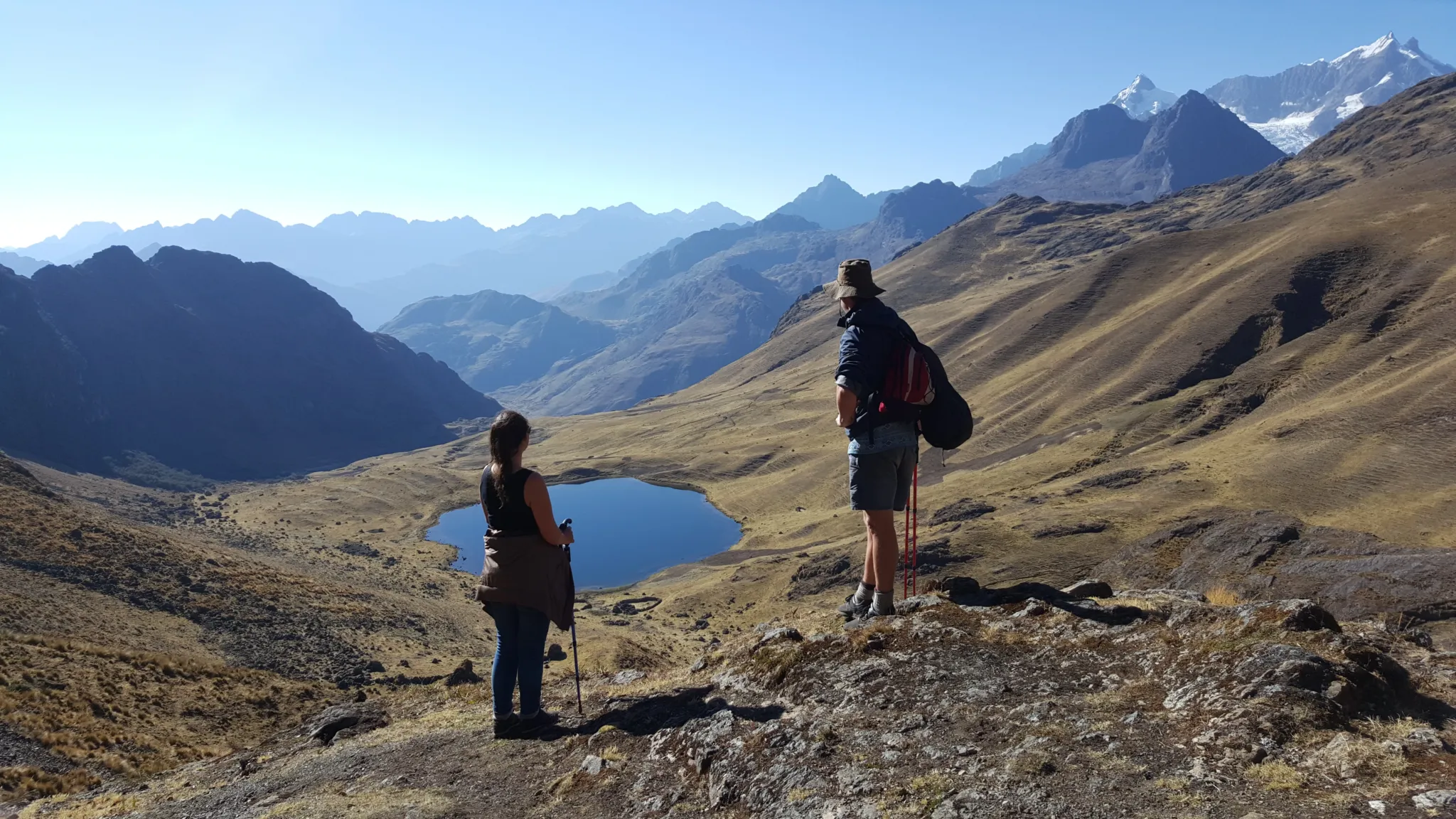
The day’s defining moment arrives at the Pachacuteq Pass — 4,750 meters, the highest point of the entire trek, where the Sahuasiray Glacier appears on the horizon with the kind of sudden completeness that stops conversation. The approach winds past lagoons of shifting color — turquoise, jade, deep copper — each one a product of the particular minerals the glacial melt carries through the rock.

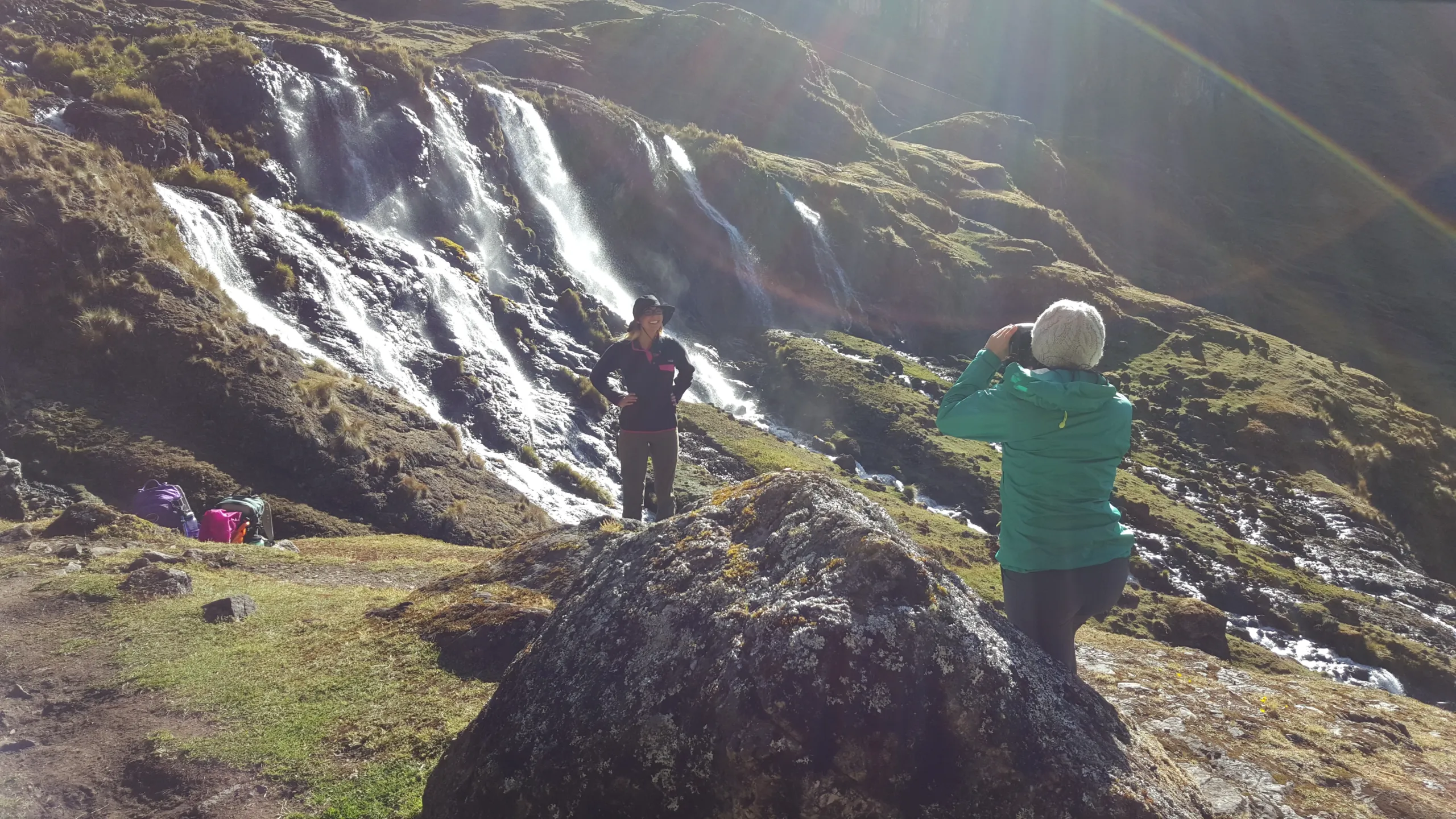
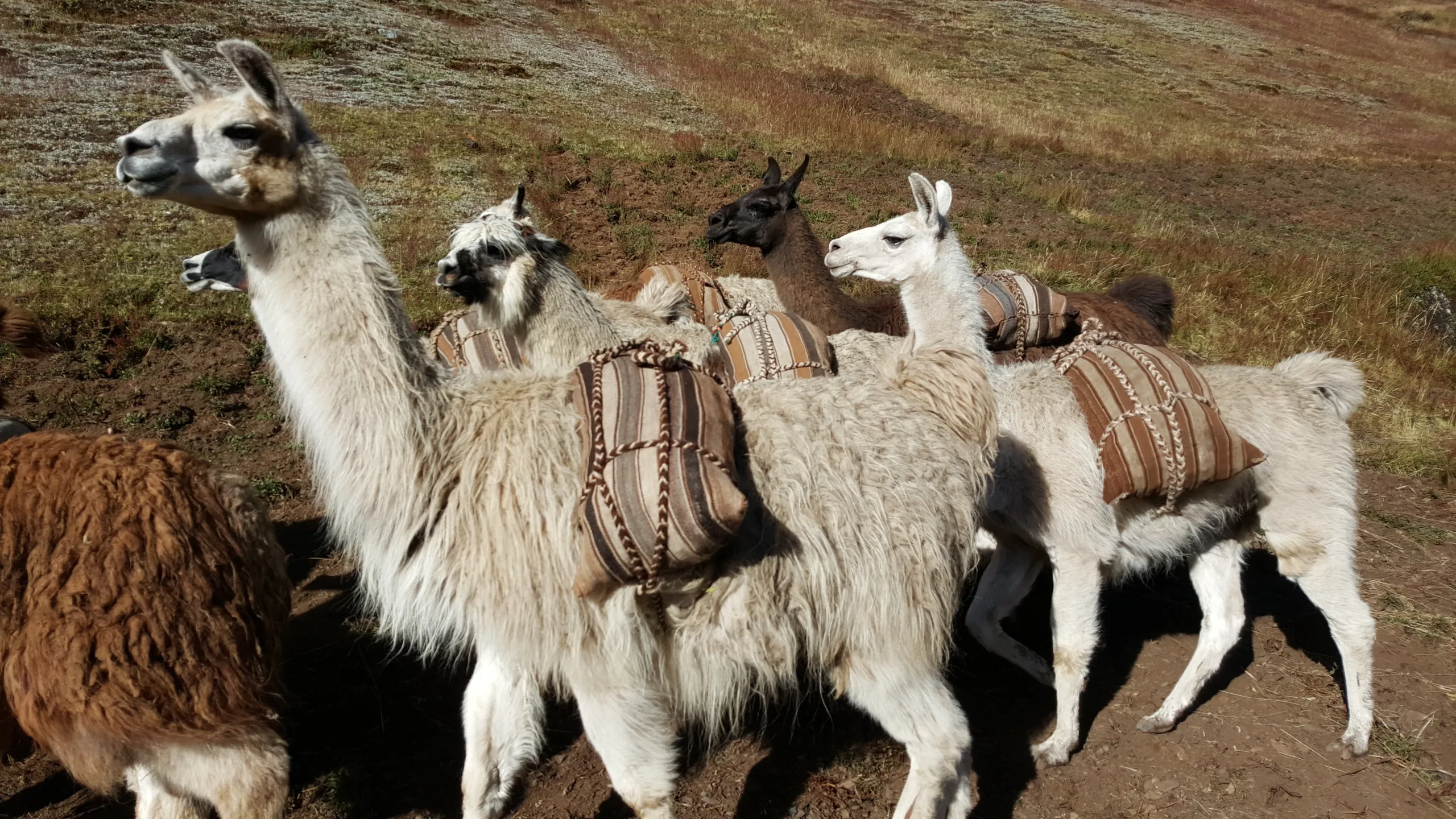
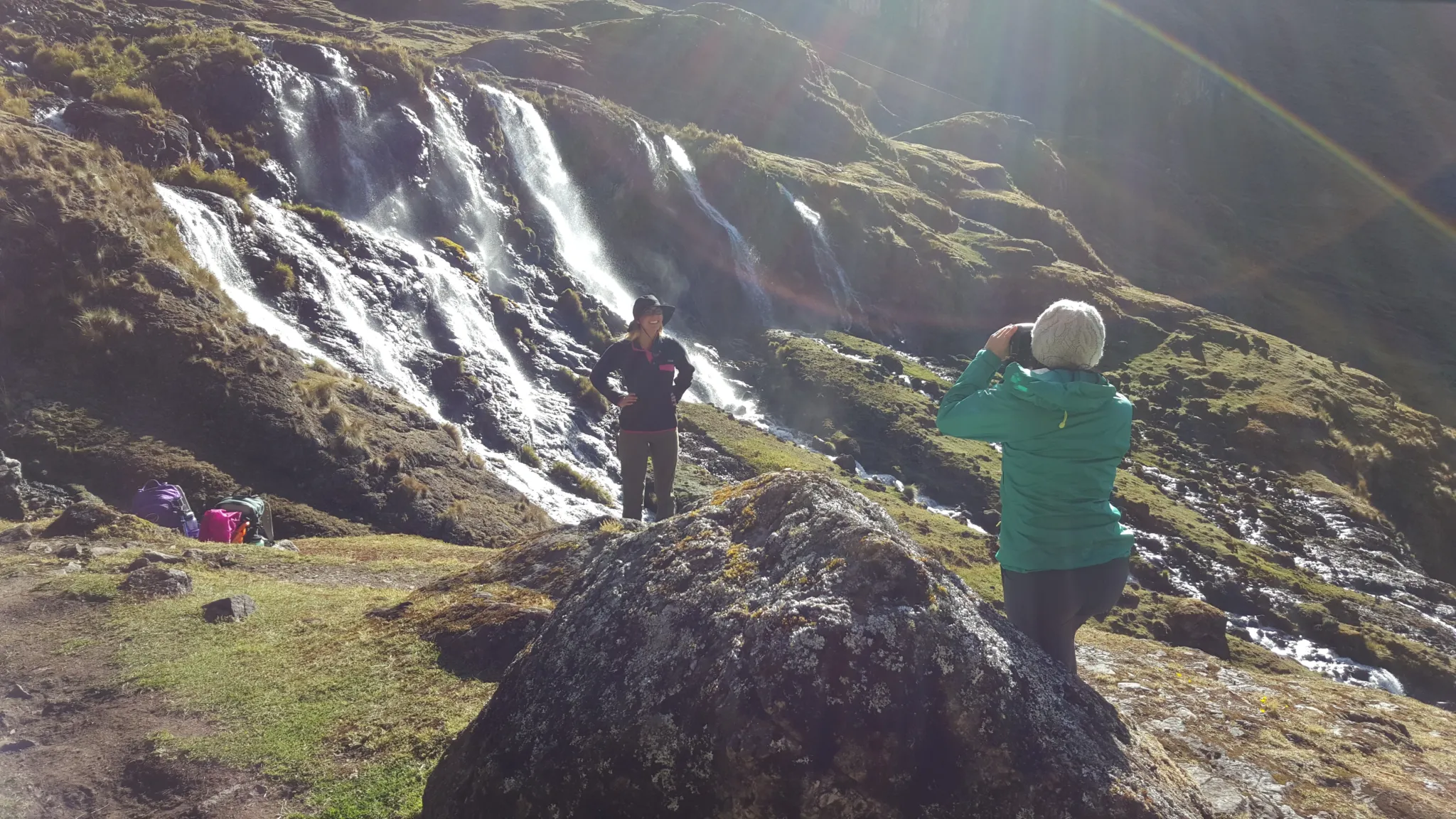
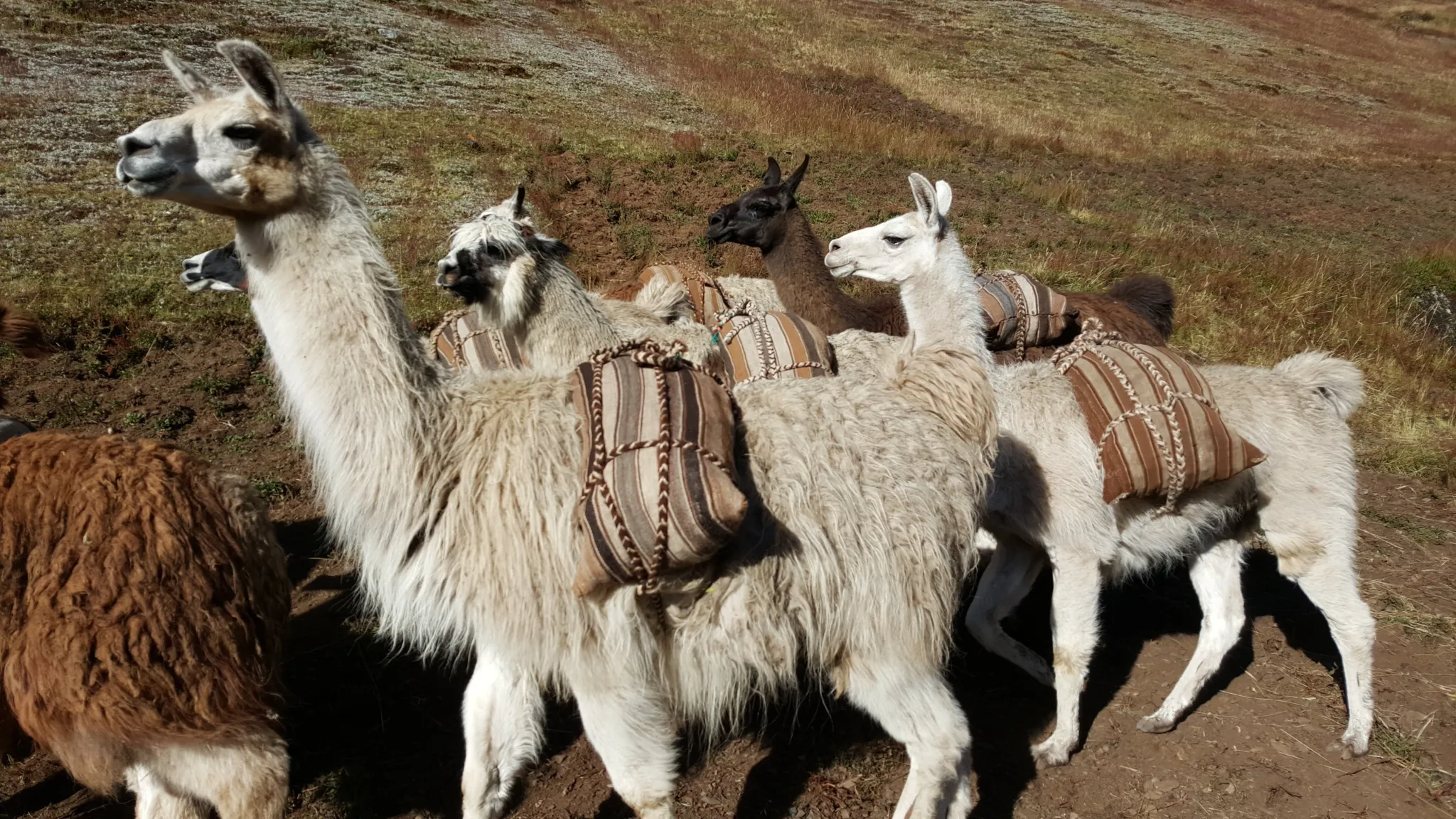
The descent on the far side moves through a landscape populated by llamas and alpacas grazing at altitudes that would make most animals reconsider, past waterfalls fed by snowmelt, down to the camp at Quiswarani where the mountains close in from three sides and the sky above is the only opening.

  • Distance: 14 km
  • Altitude range: 3,700 m – 4,750 m
  • Overnight: Camp at Quiswarani

Quiswarani → Huillcac’asa Pass → Cuncani → Lares Thermal Springs → Ancasmarka | 15 km | Moderate to Difficult

The last pass of the trek — Huillcac’asa at 4,200 meters — arrives through a landscape of shepherds and potato fields, llamas moving across the high grassland with the unhurried confidence of animals that belong completely to where they are. The lagoons on the approach carry warm colors — amber, rust, gold — that feel, in the morning light, almost hallucinatory.

Cuncani waits on the far side of the descent: a community where the textile tradition runs so deep that the patterns woven here encode family lineage, agricultural knowledge, and cosmological understanding in combinations that took generations to develop. Time here is not scheduled. It unfolds according to what is happening and who is present.

Transportation then carries you to the thermal springs of Lares — hot water emerging from the earth at the base of the mountains, used by travelers on this route since Inka times, and still the most reliable cure for three days of high-altitude walking that exists anywhere in the region.

The evening camp at Ancasmarka sits beside one of the Sacred Valley’s lesser-known archaeological centers — a site worth the morning light it will receive tomorrow.

  • Distance: 15 km on foot + transport to thermal springs
  • Altitude range: 3,200 m – 4,200 m
  • Overnight: Camp at Ancasmarka

Ancasmarka → Pisac → Ollantaytambo → Aguas Calientes | Easy

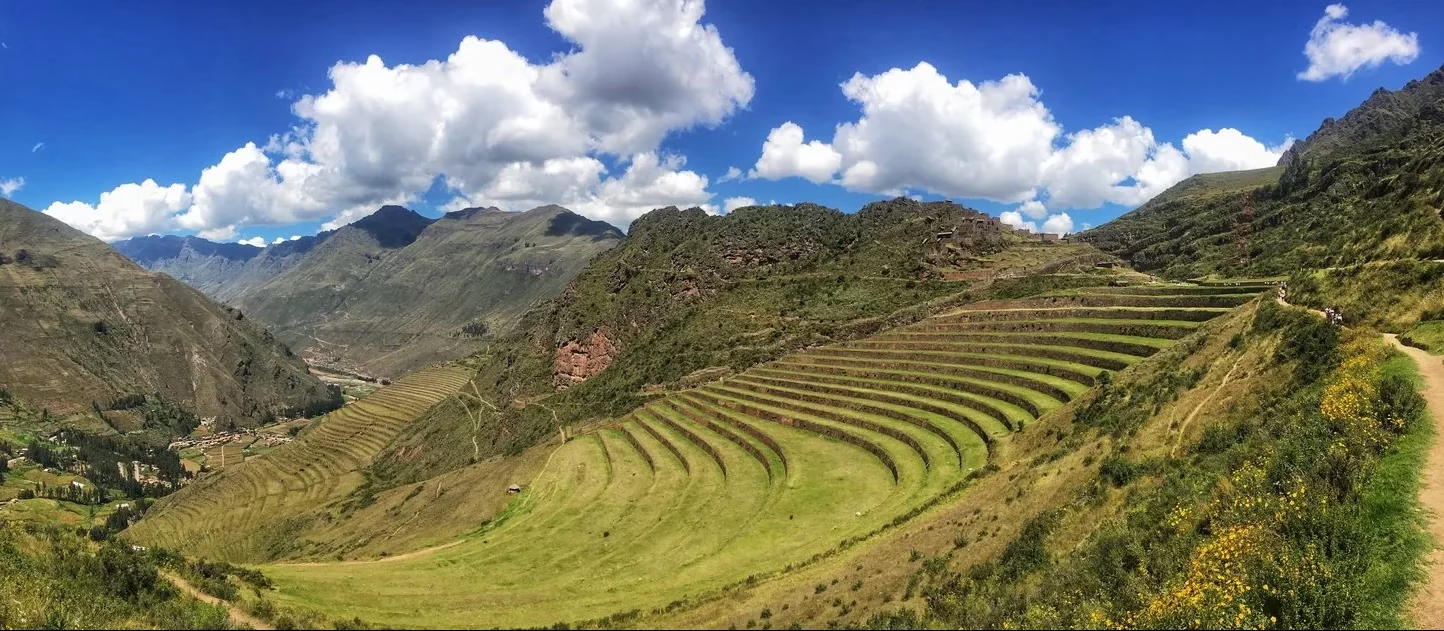
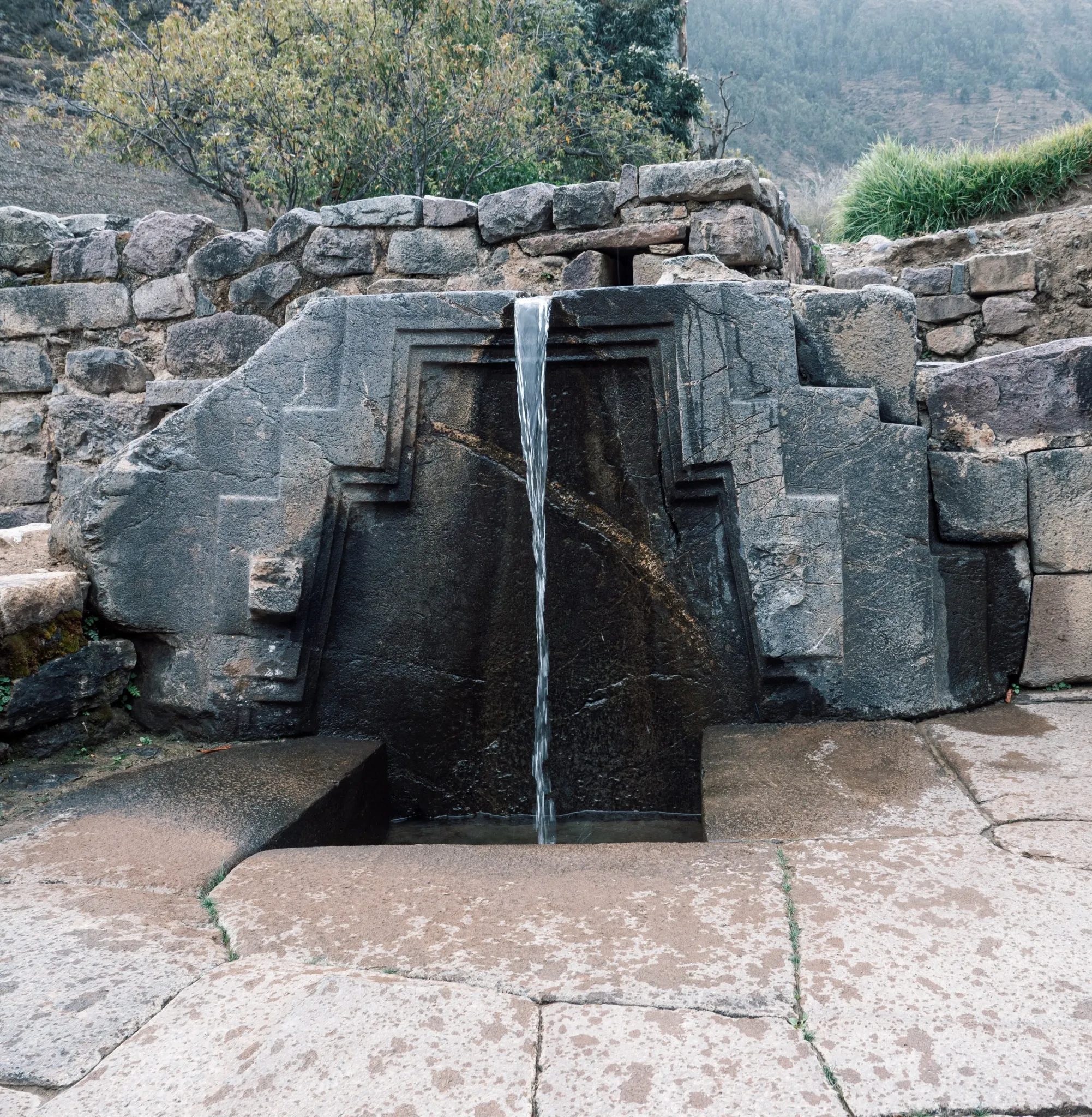
A day of transition — moving through the Sacred Valley by road, stopping at Pisac to walk its extraordinary archaeological complex above the valley floor, then continuing to Ollantaytambo where the train to Aguas Calientes departs in the afternoon.

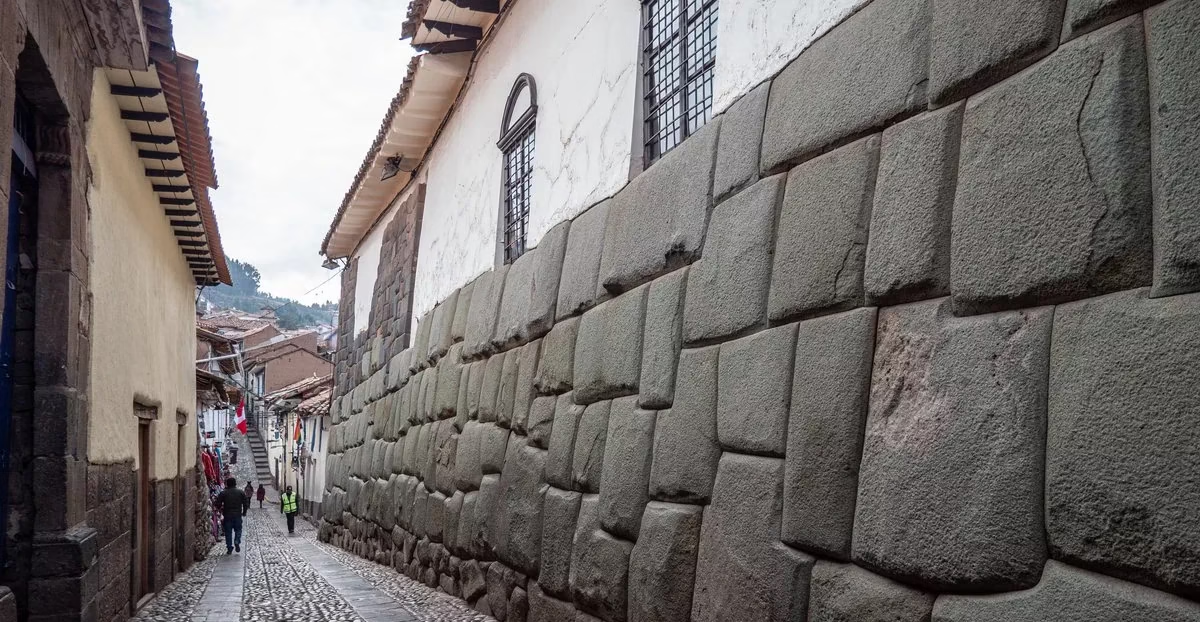
Ollantaytambo itself deserves more time than most itineraries give it — a living Inka town where the street grid has remained unchanged since the fifteenth century, and where the fortress above it represents some of the most ambitious stone construction the empire ever attempted. Your guide moves through it with the Inka method lens, not as a history lesson but as preparation for what tomorrow holds.

The train descends through the Sacred Valley and into the cloud forest, arriving at Aguas Calientes as the mountains close in above and the Urubamba runs fast below. Hotel. Rest.

  • Distance: 80 km by road + 43 km by train
  • Overnight: Hotel in Aguas Calientes

Aguas Calientes → Machu Picchu → Cusco | Easy

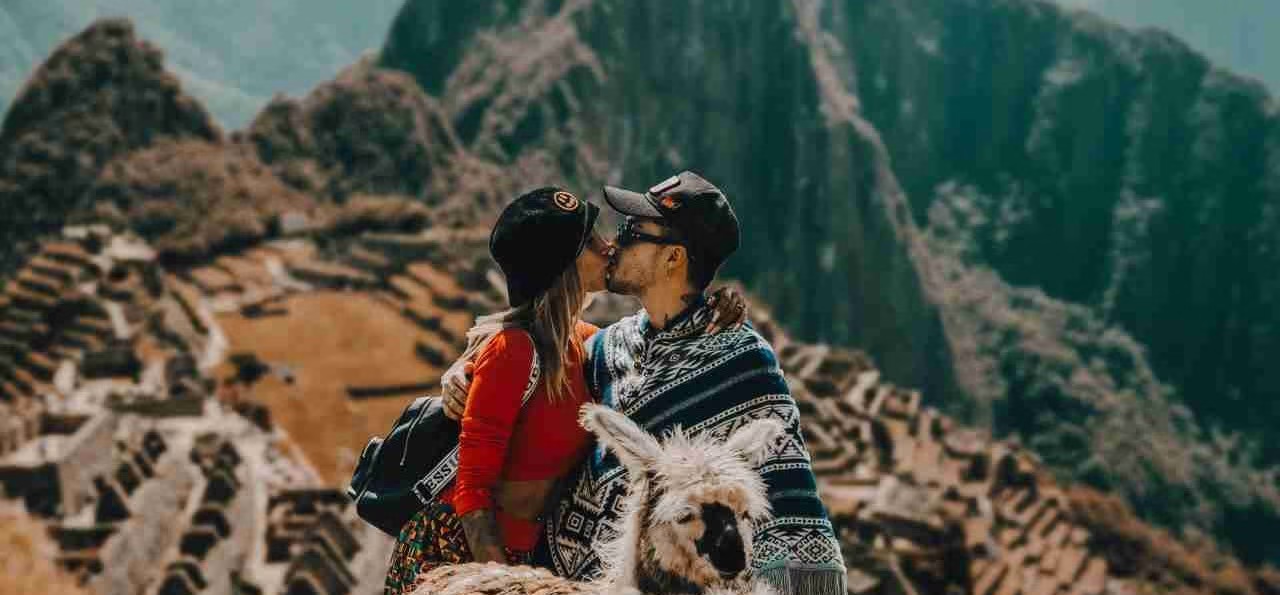
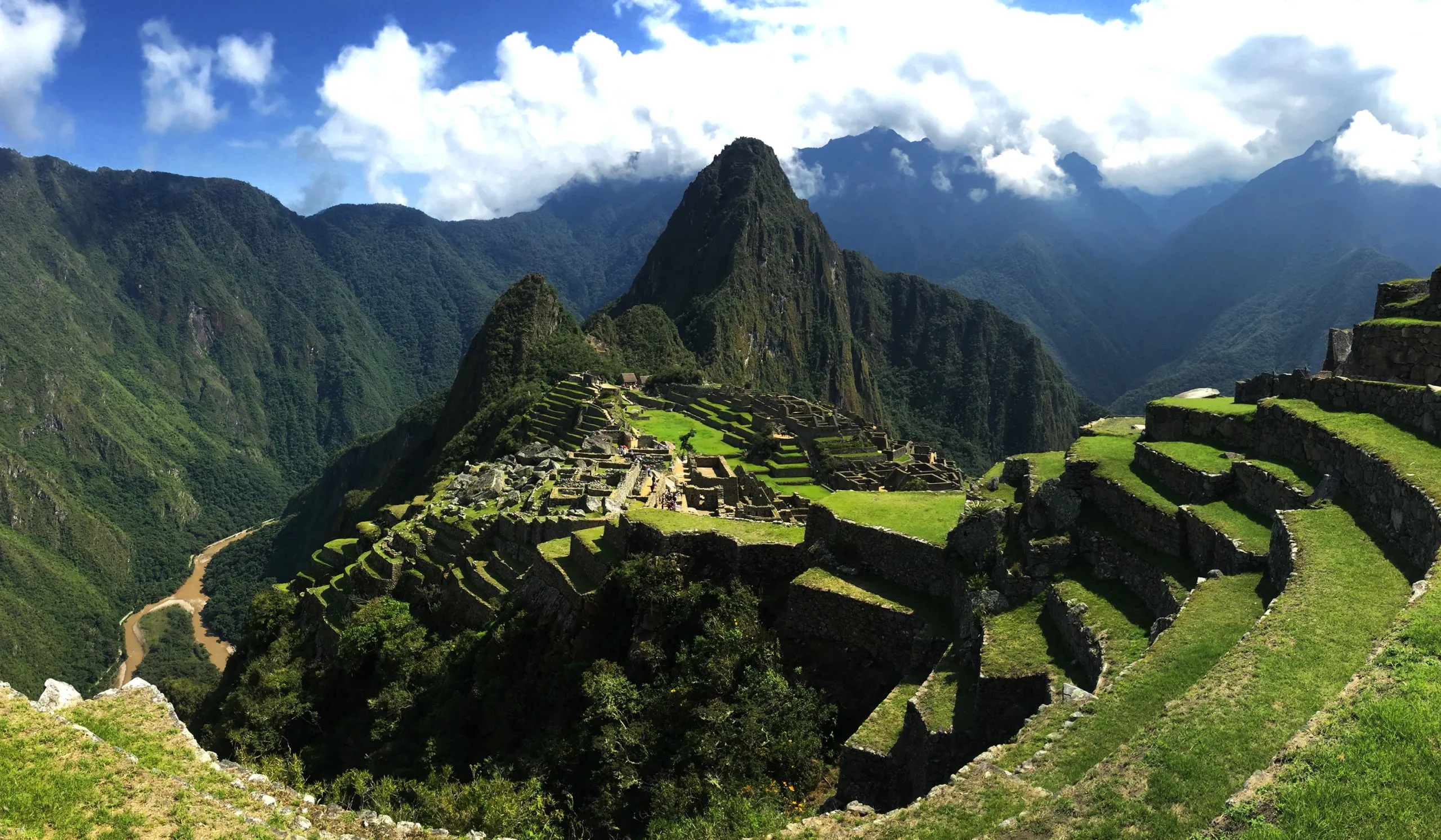
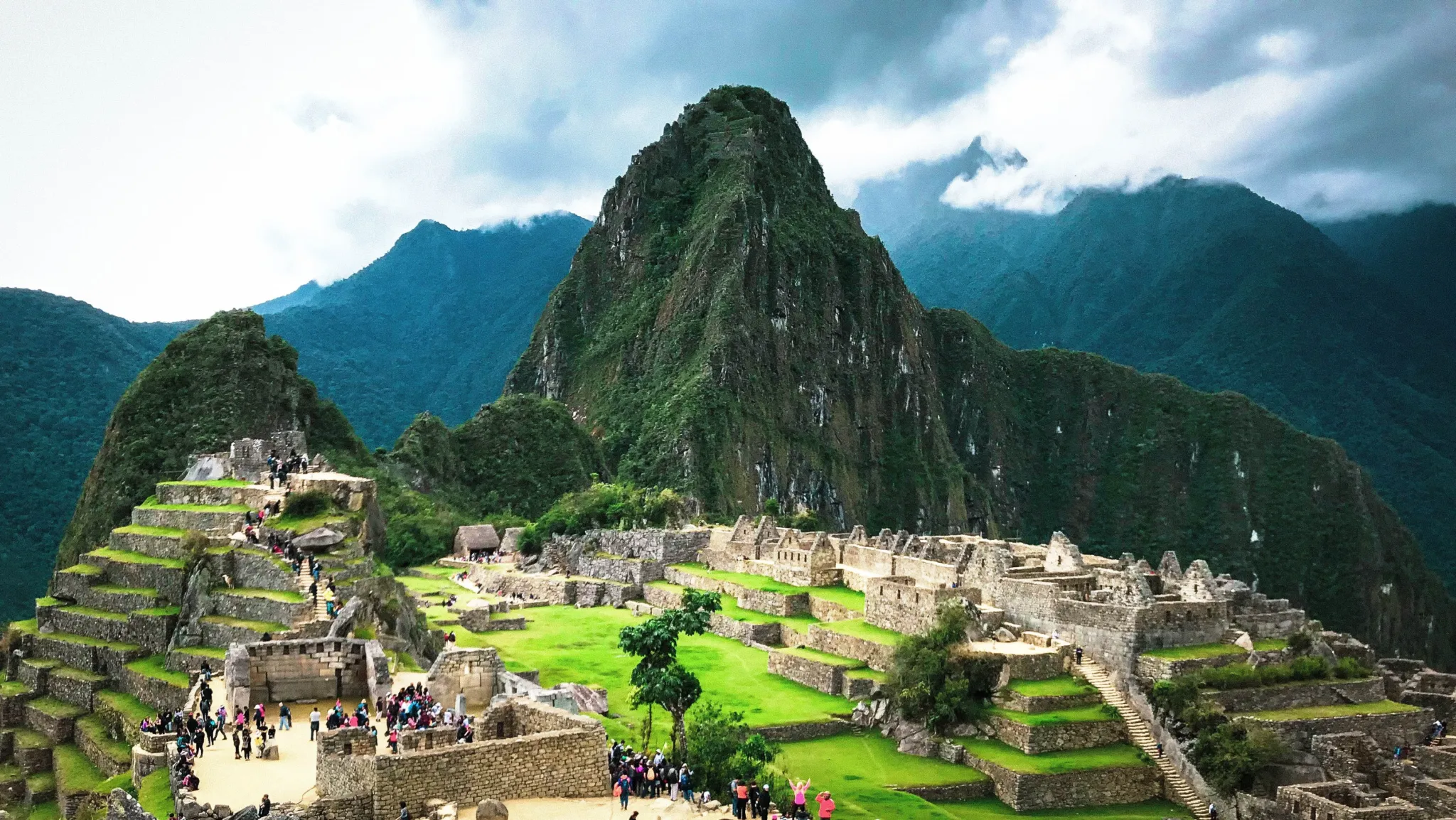
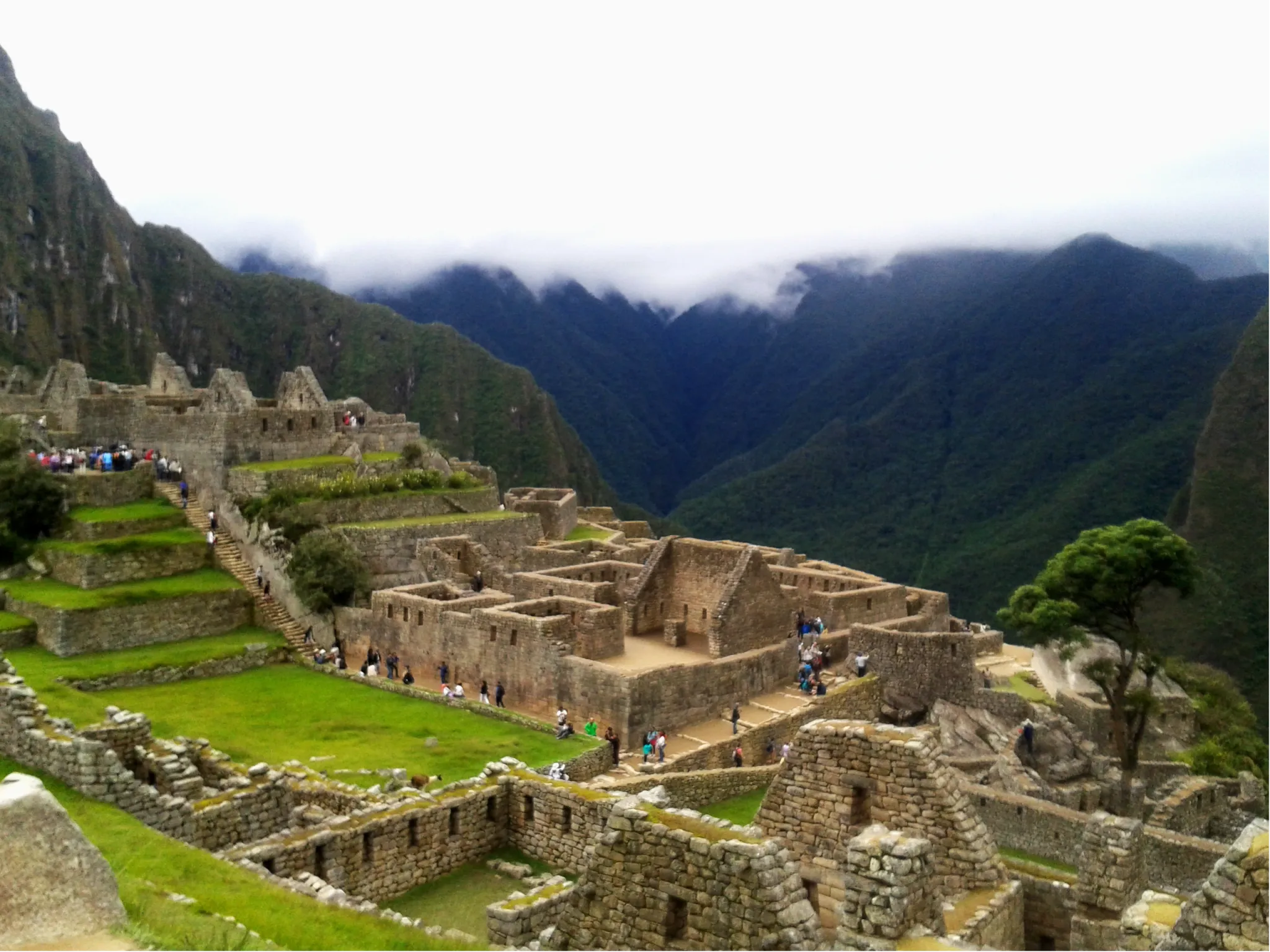
Four days inside the living culture of the Andes changes what Machu Picchu means. You arrive not as someone who has flown in and bused up, but as someone who has walked through the communities that share ancestry with the people who built this place — who has sat with their weavers, crossed their passes, soaked in their springs.

The citadel receives you differently when you arrive this way. The agricultural terraces are not decoration — you have worked Andean soil. The textile fragments in the museum cases are not artifacts — you have held the thread. The cosmological orientation of the temples is not abstraction — you have slept under the same sky they were built to read.

Your guide moves through the site through the Inka method framework — not narrating history but completing a conversation that began four days ago on the trail.

Lunch at the Tinkuy Belmond Restaurant beside the sanctuary. The train back to Cusco in the afternoon.

  • Maximum altitude: 2,430 m
  • Difficulty: Easy
Lares, Machu Picchu

Reviews

Reviews

There are no reviews yet.

Be the first to review “Lares Trek”

Your email address will not be published. Required fields are marked *

Included/Excluded

  • Incluido All transportation.
  • Incluido Guide service.
  • Incluido Food as described (breackfast=B, Lunch=L, dinner=D).
  • Incluido Entrance fees and permits for the detailed visit sites.
  • Incluido Chef for the trek.
  • Incluido Cooking equipement.
  • Incluido Camping equipement.
  • Incluido Transport mules.
  • Incluido Horseman – mule driver.
  • Incluido Accomodation 5 stars hotel as detailed.
  • Incluido Boiled or purified water.
  • No Included Entrance fees to Waynapicchu Mountain and Machupicchu Mountain and others are optional.
  • No Included Bottle of water or sports drink.
  • No Included Tipping for staff.
  • No Included Travel ensurance.
  • No Included Flight tickets.
  • No Included Sleeping bag.

Attractions

Lares, Machu Picchu, Sacred Valley

Activities

Camping, Culinary, Discoveries, Experiential tourism, Full nature, Glaciers, Hiking, Hot springs, Lakes, Lama experience, Picnic, Trekking

FAQs

Nothing to show, please go to blogs.

Application Process

Contexto personal
Estado mental actua
Preferencias y límites
Datos de contacto

Book This Tour

Top Trending

You may like

Cart0
Cart0