
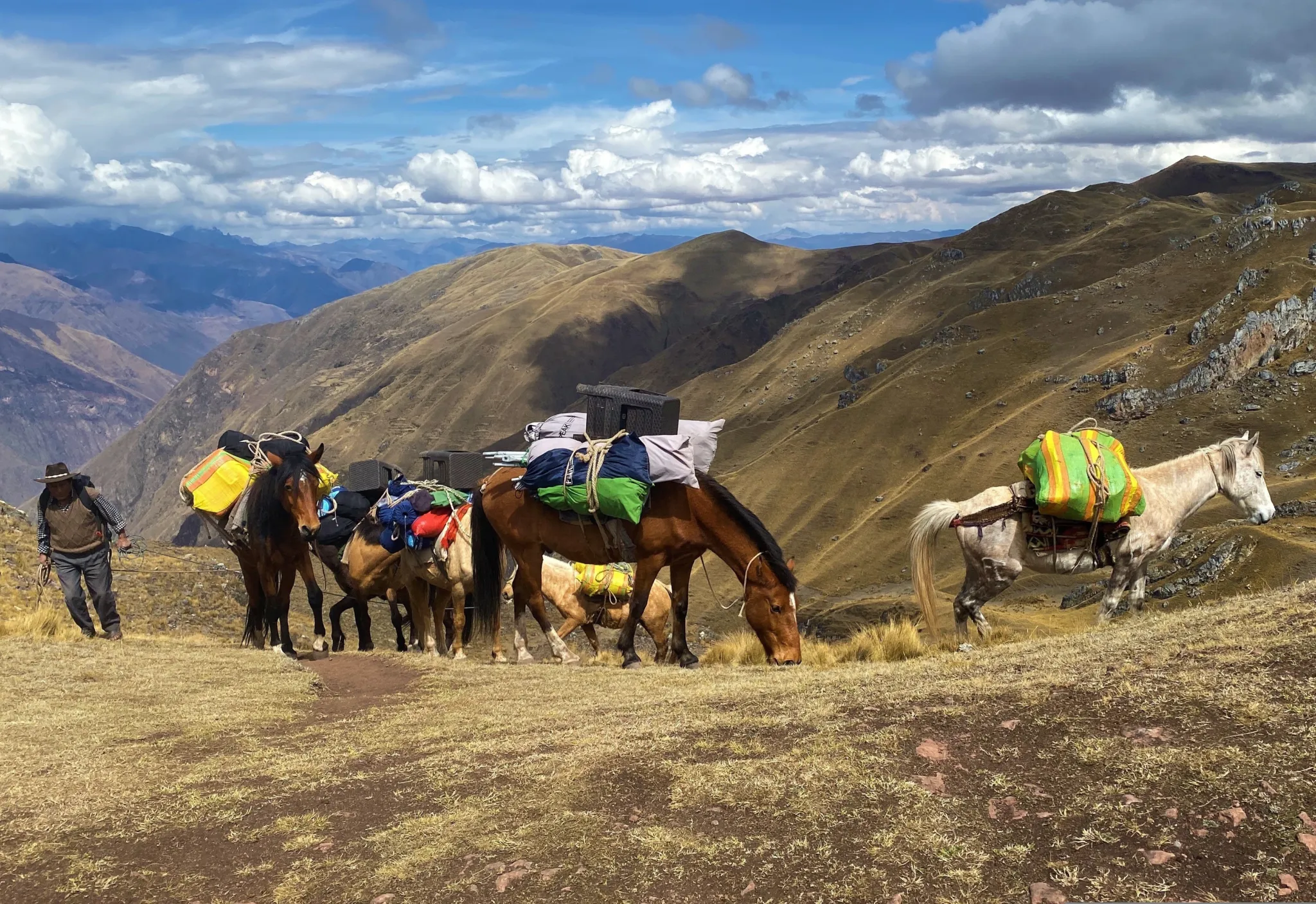
Two Cities. One Route. No Shortcuts.
Most people choose between Choquequirao and Machu Picchu. This expedition refuses that choice.
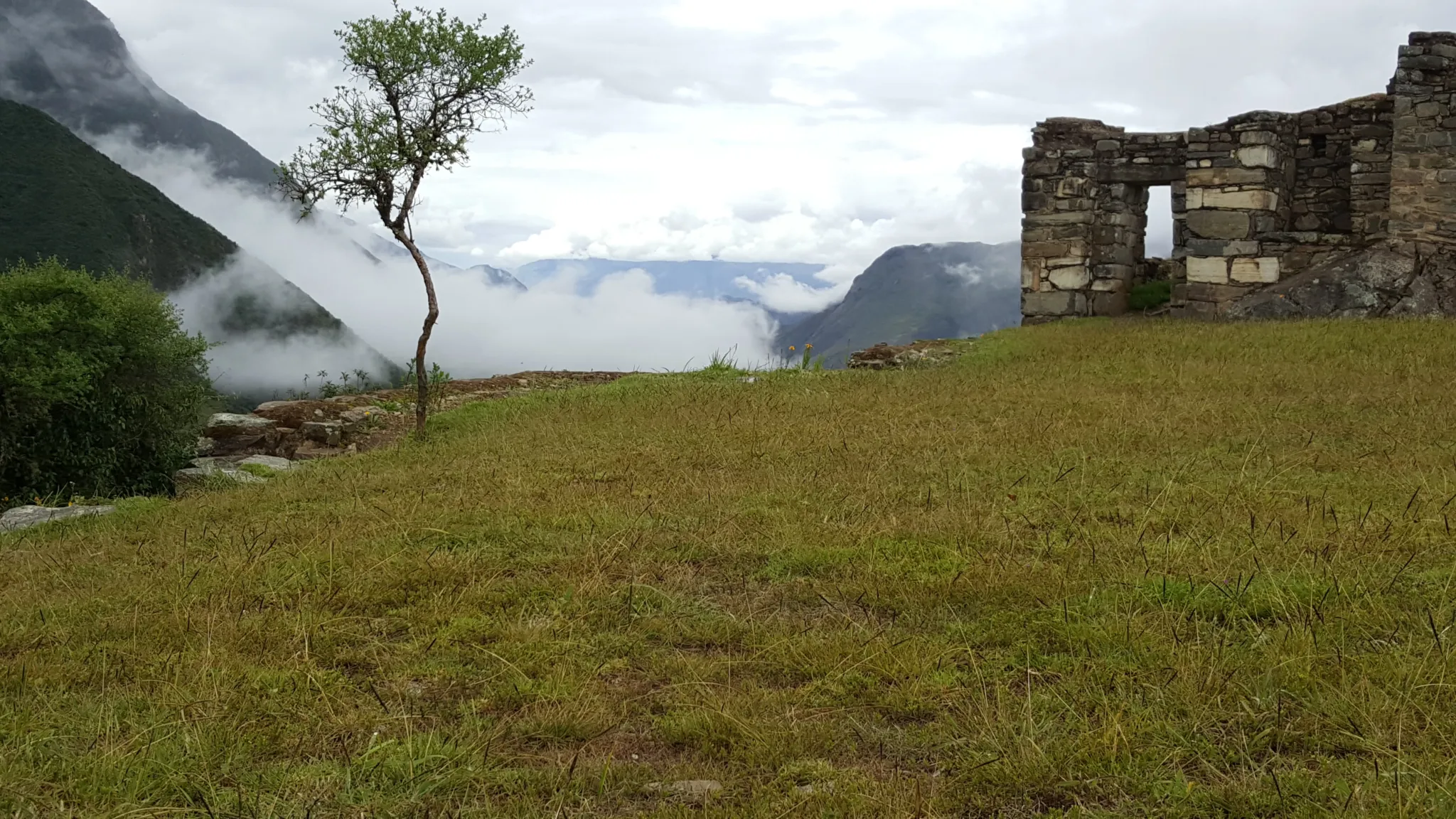
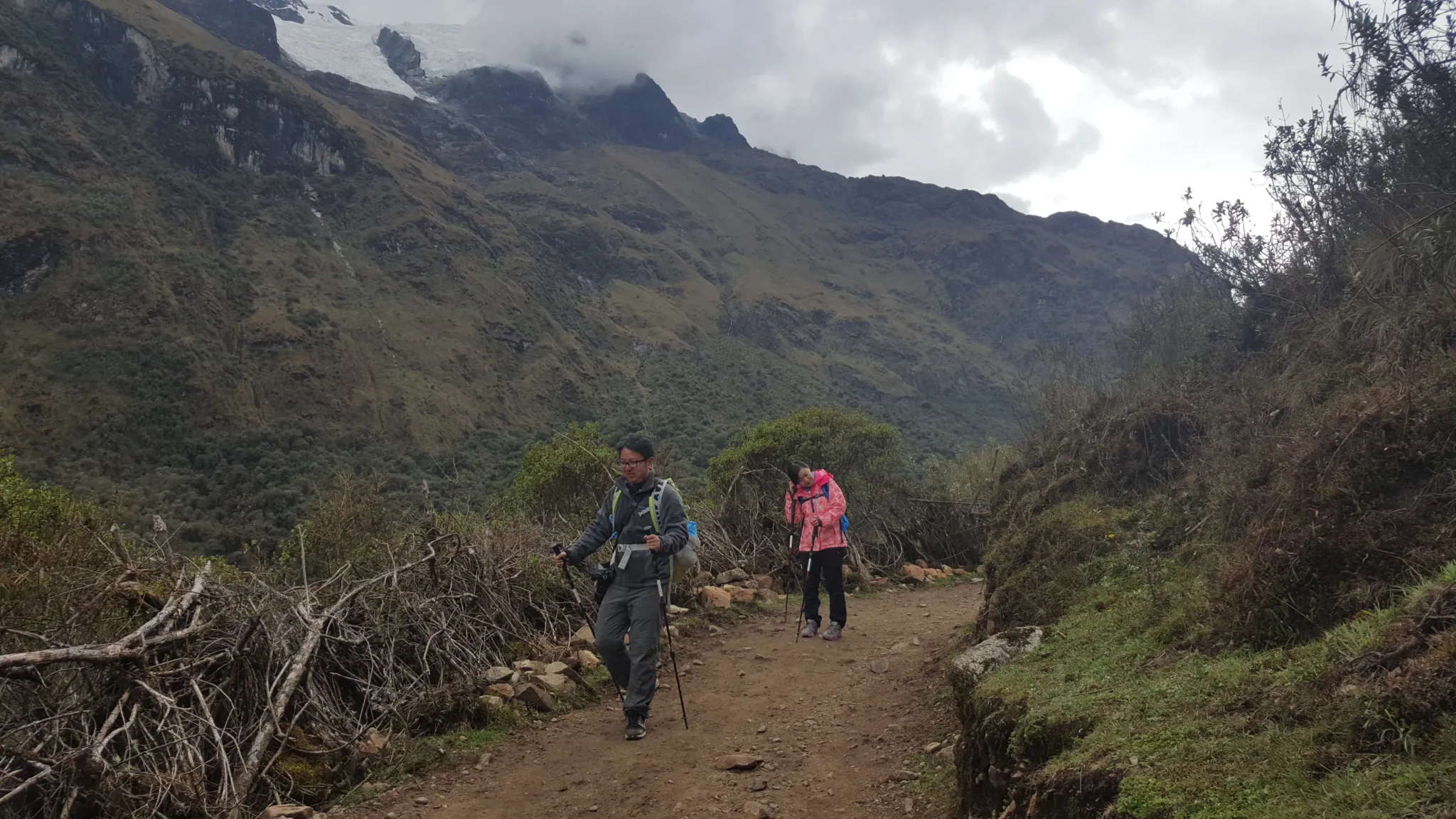
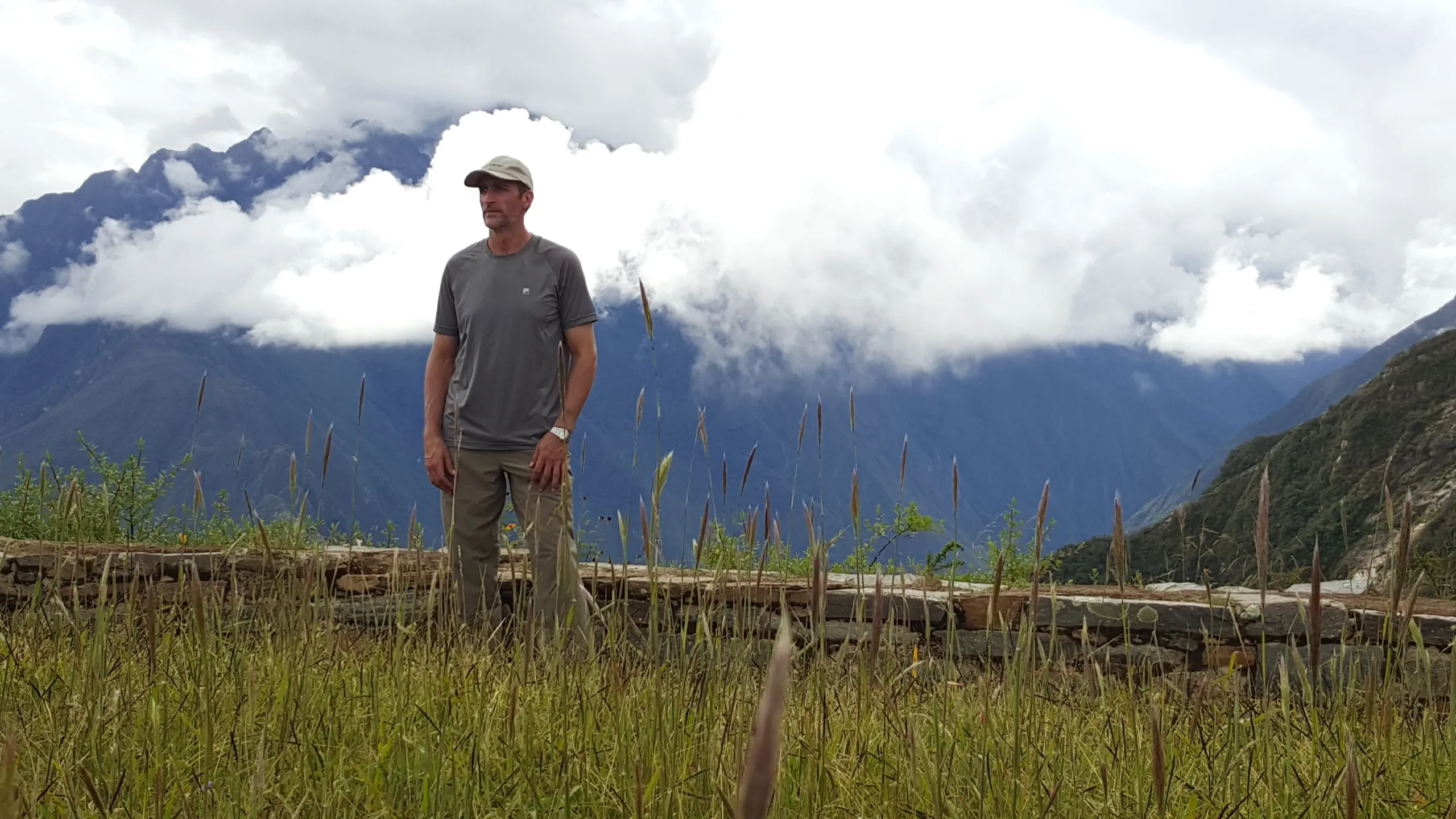
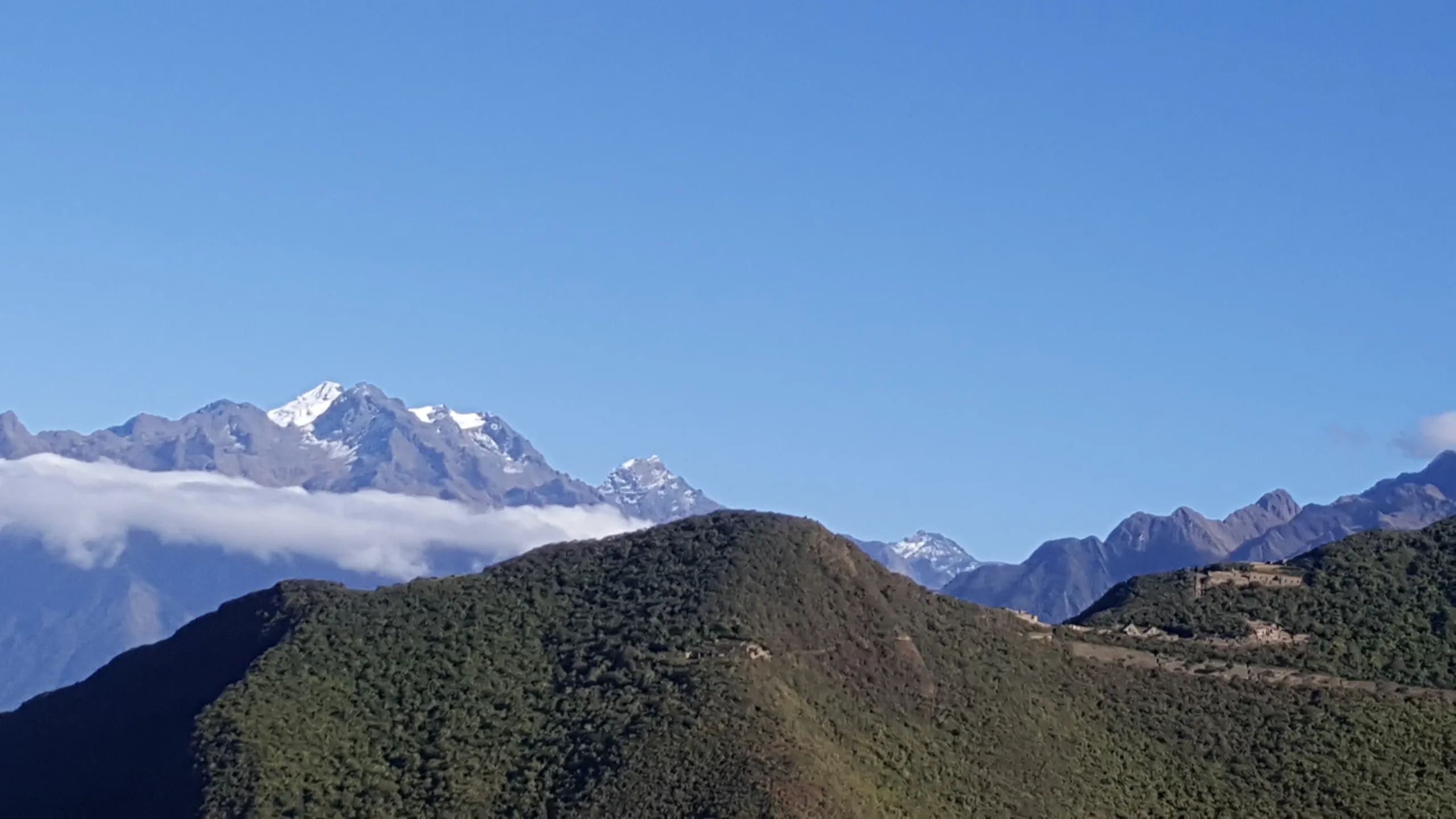
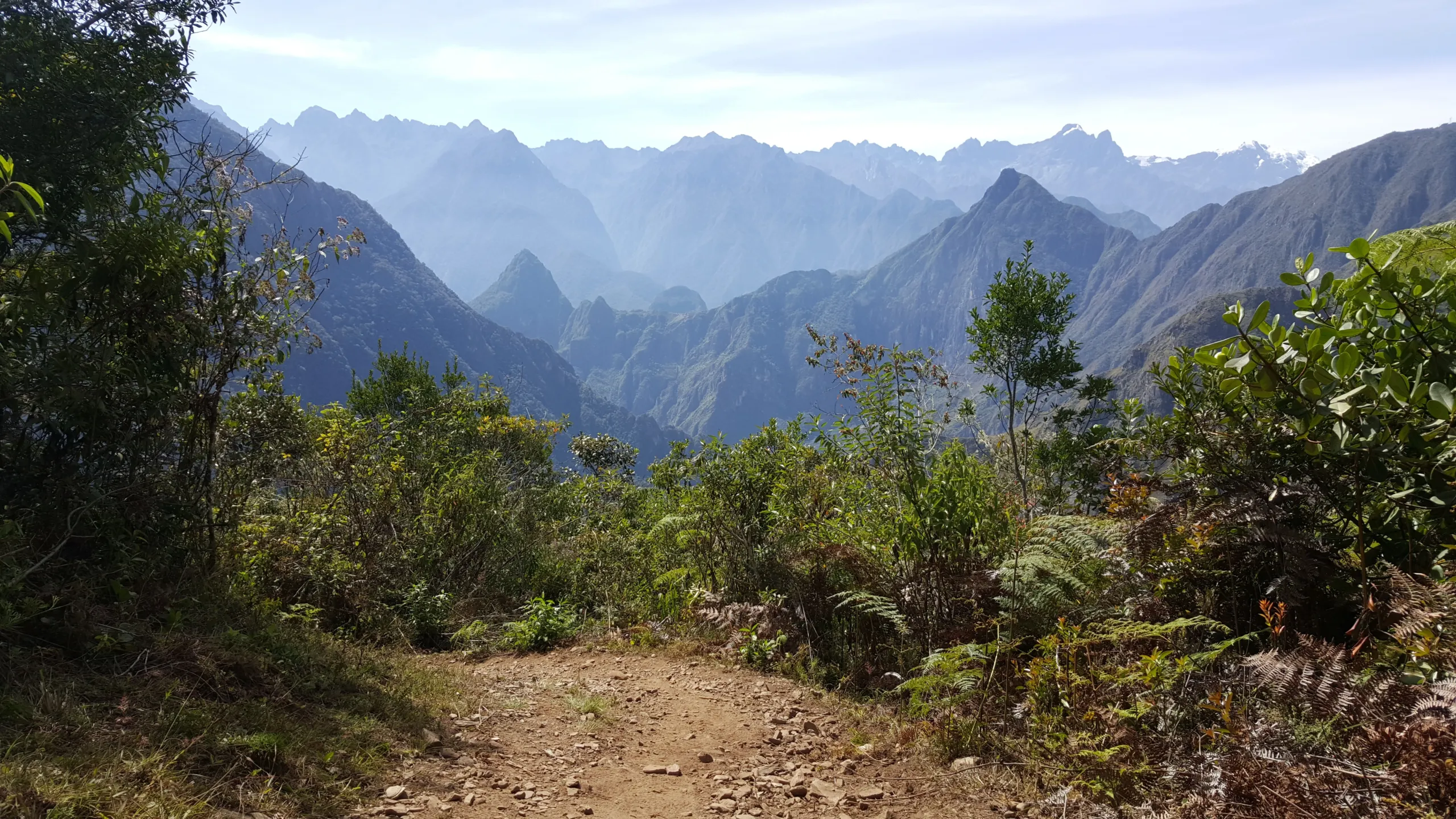
For ten days, the route connects the Andes’ two greatest Inka cities on foot — moving from the raw remoteness of Choquequirao, still 80% unexcavated and receiving a handful of visitors on any given day, through the Vilcabamba mountain range, down through cloud forest and subtropical valley, and arriving at Machu Picchu from the Llactapata ceremonial viewpoint where the citadel appears across the valley before you ever set foot inside it.
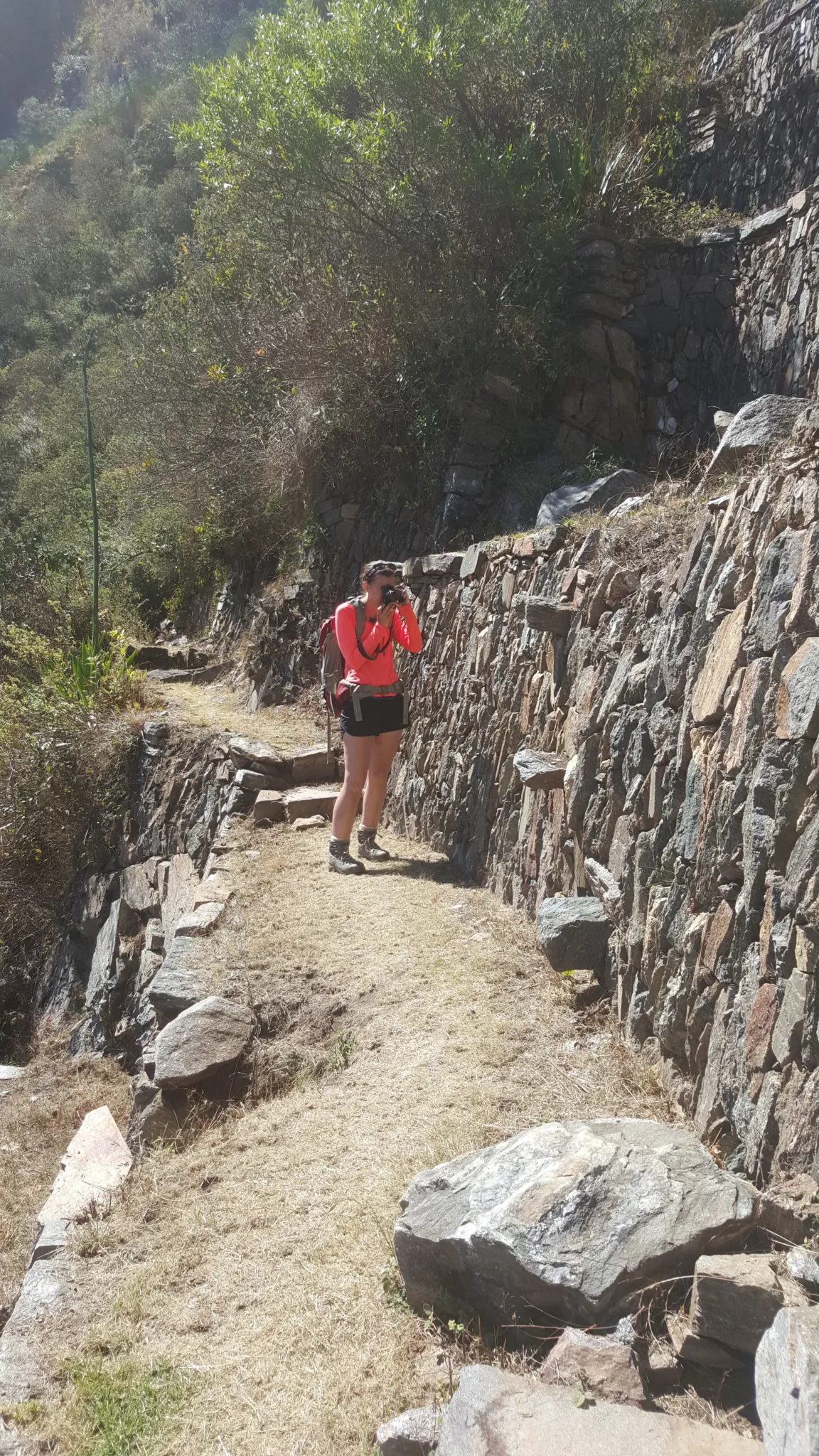
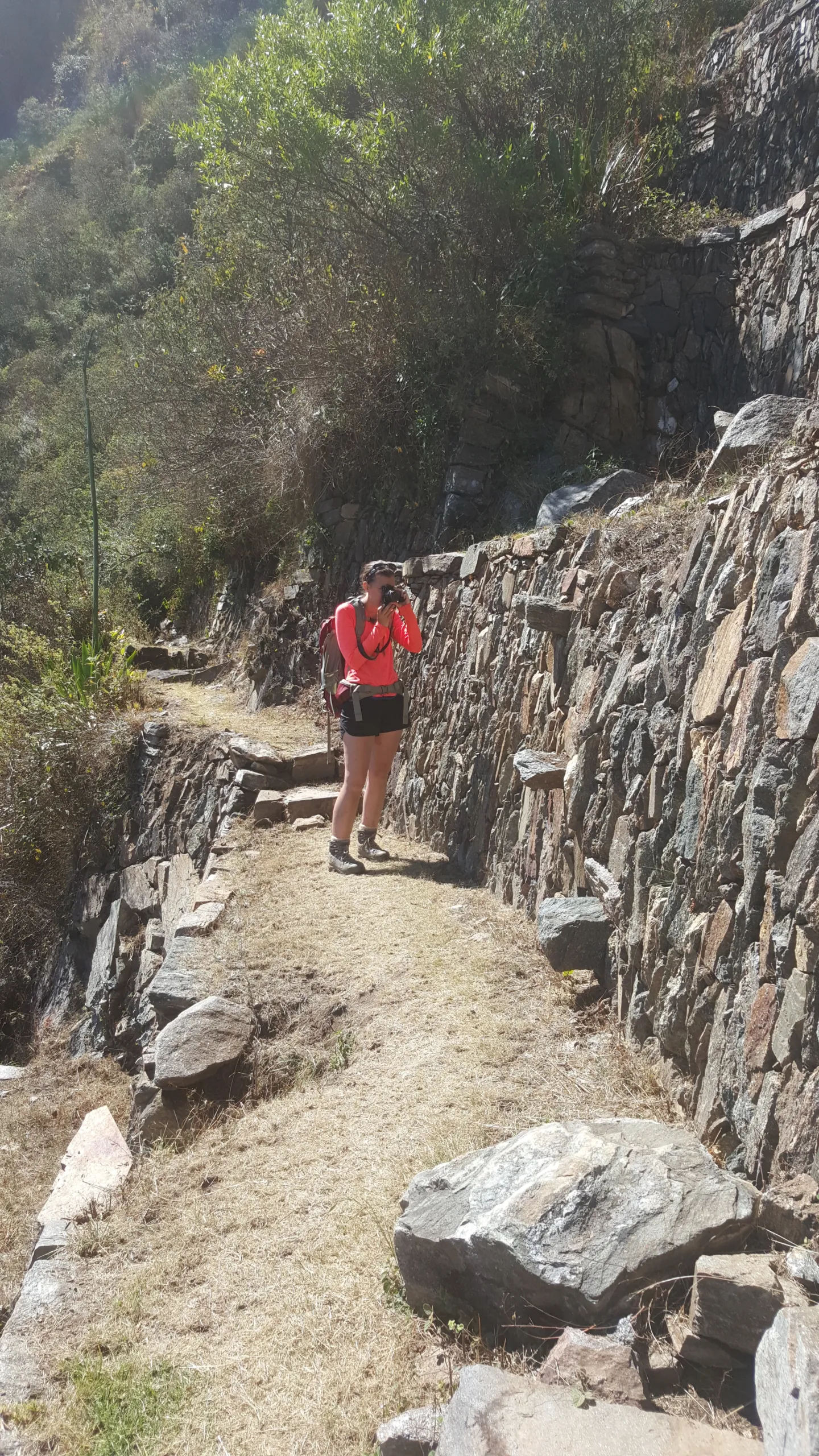
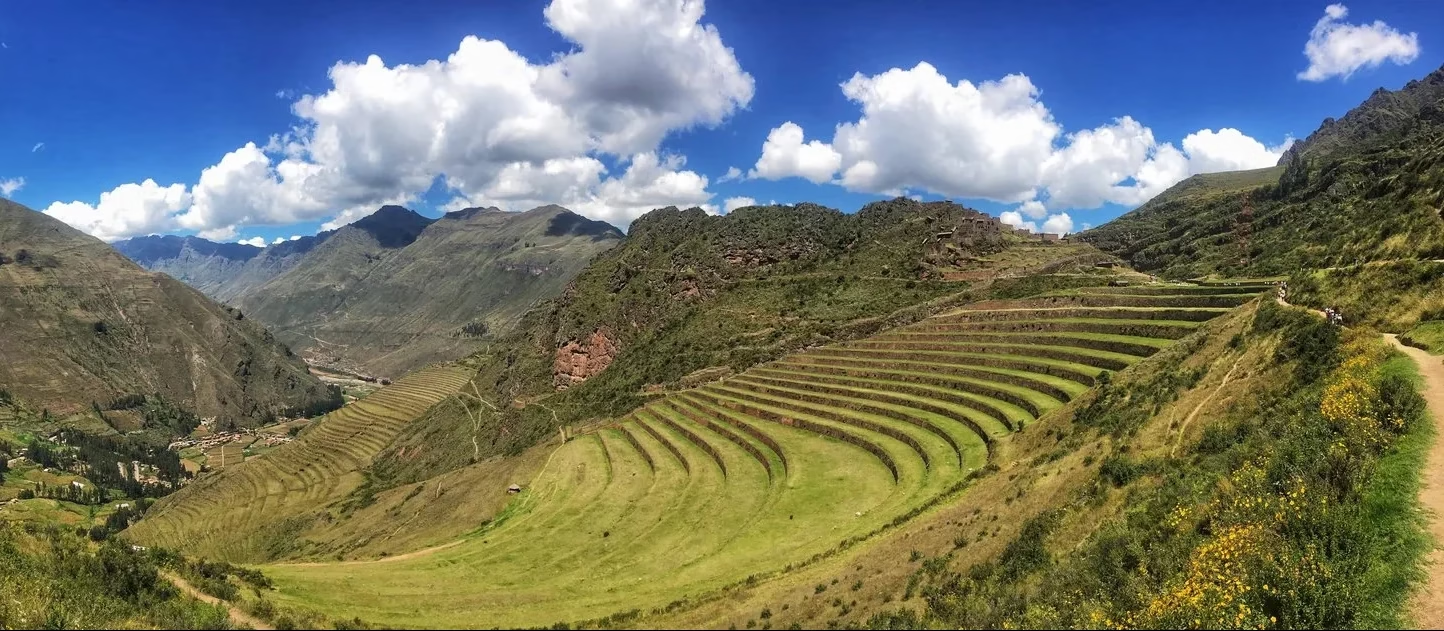
This is the route the Inka used. The trail sections are original. The logic of the journey — the way it moves through altitude zones, archaeological sites, and landscape types in a specific sequence — is not a modern trekking itinerary. It is a road that was built with intention, connecting two places that were never meant to be visited separately.
7 stonishing places
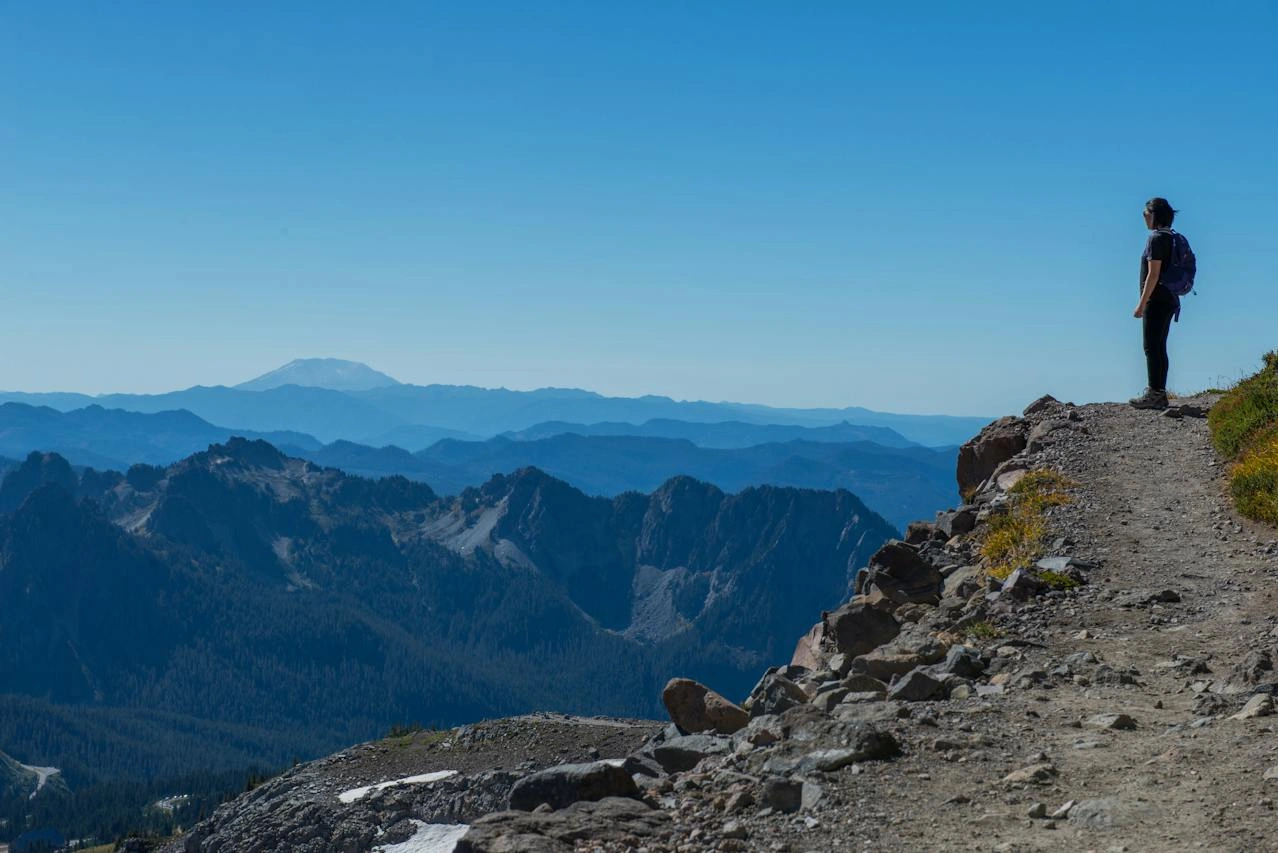
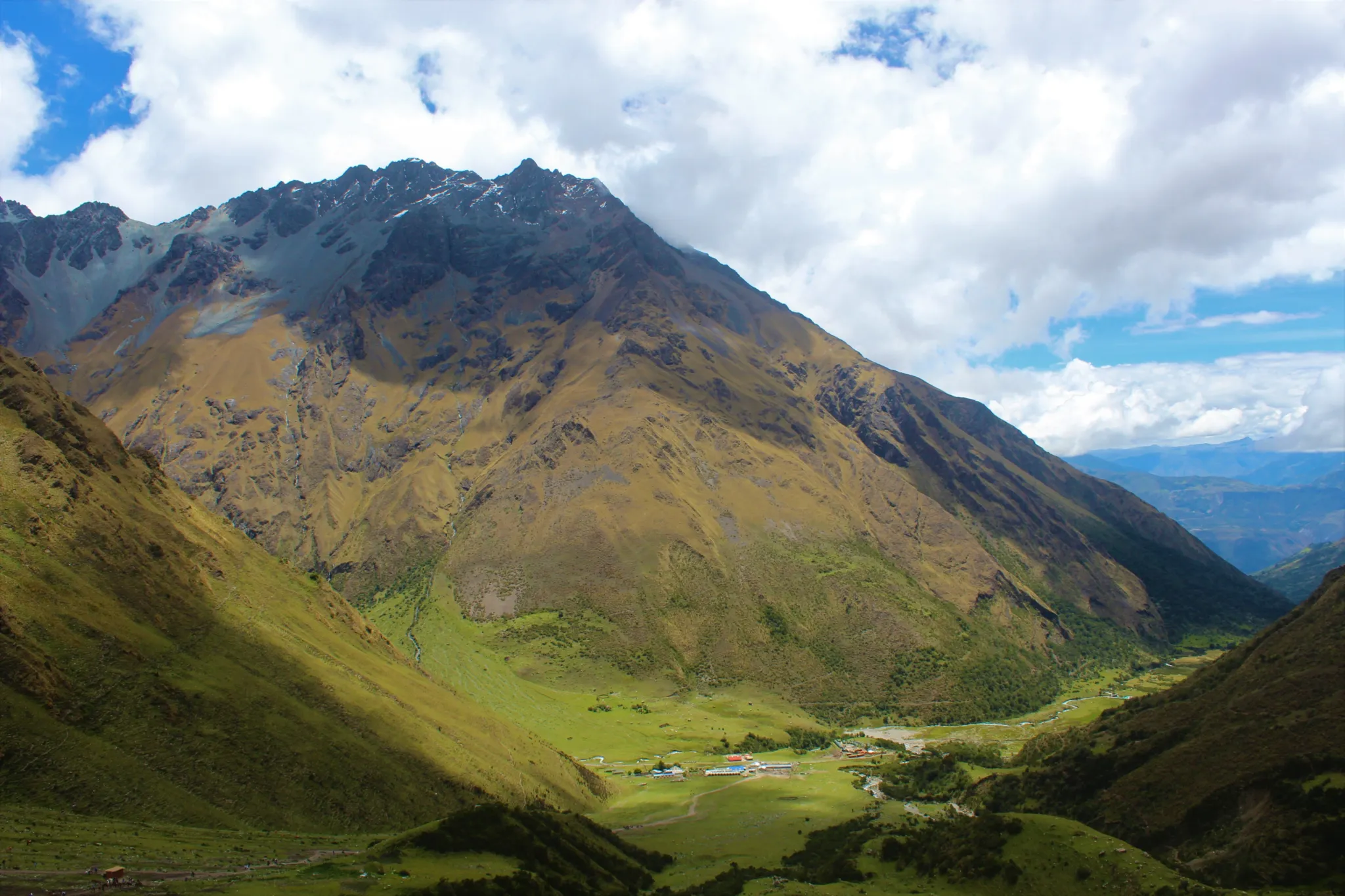
- Capuliyoc’s eagle-eye vantage, where the Apurímac Canyon drops away beneath your boots like the earth’s own exhale.
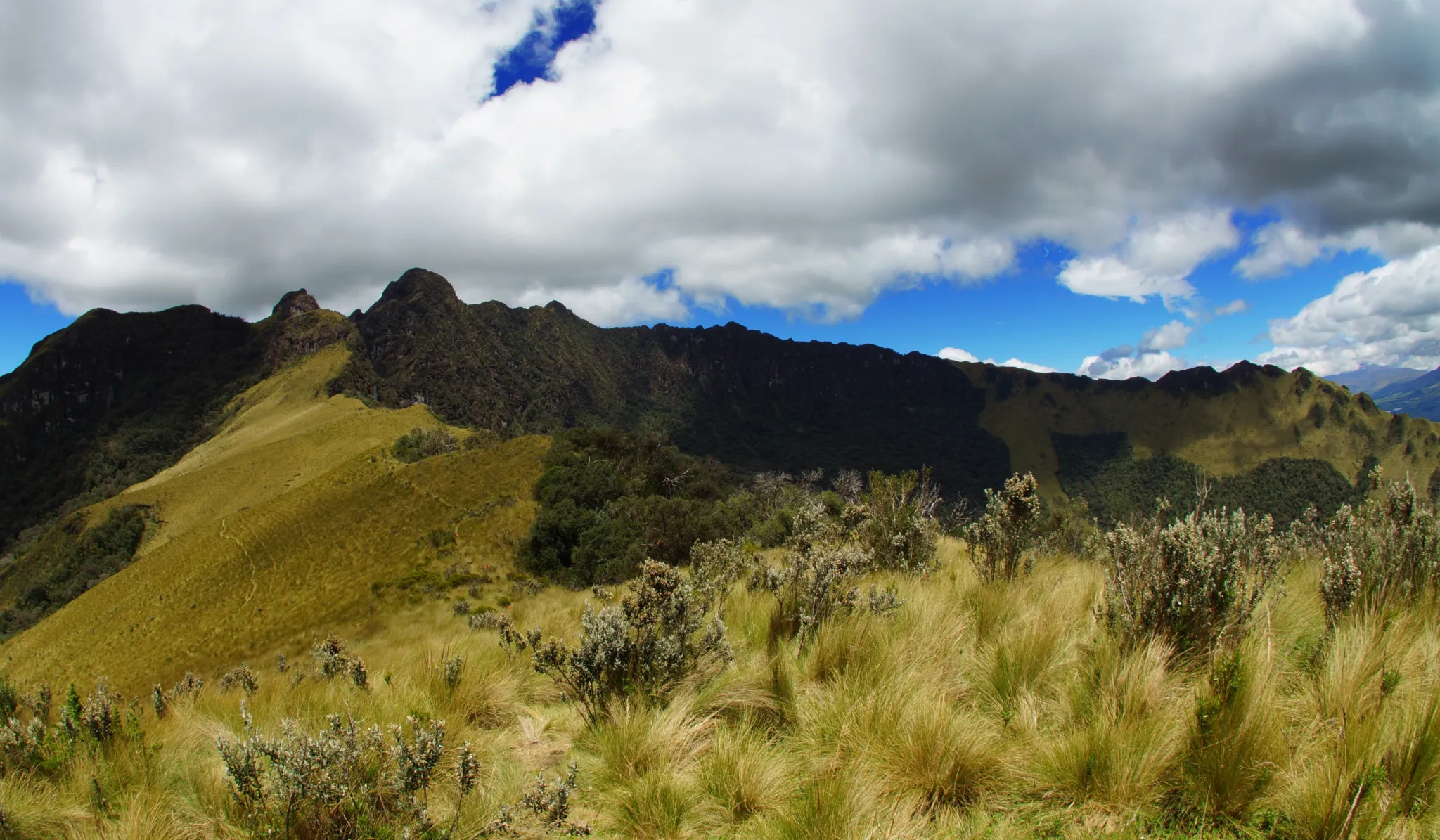
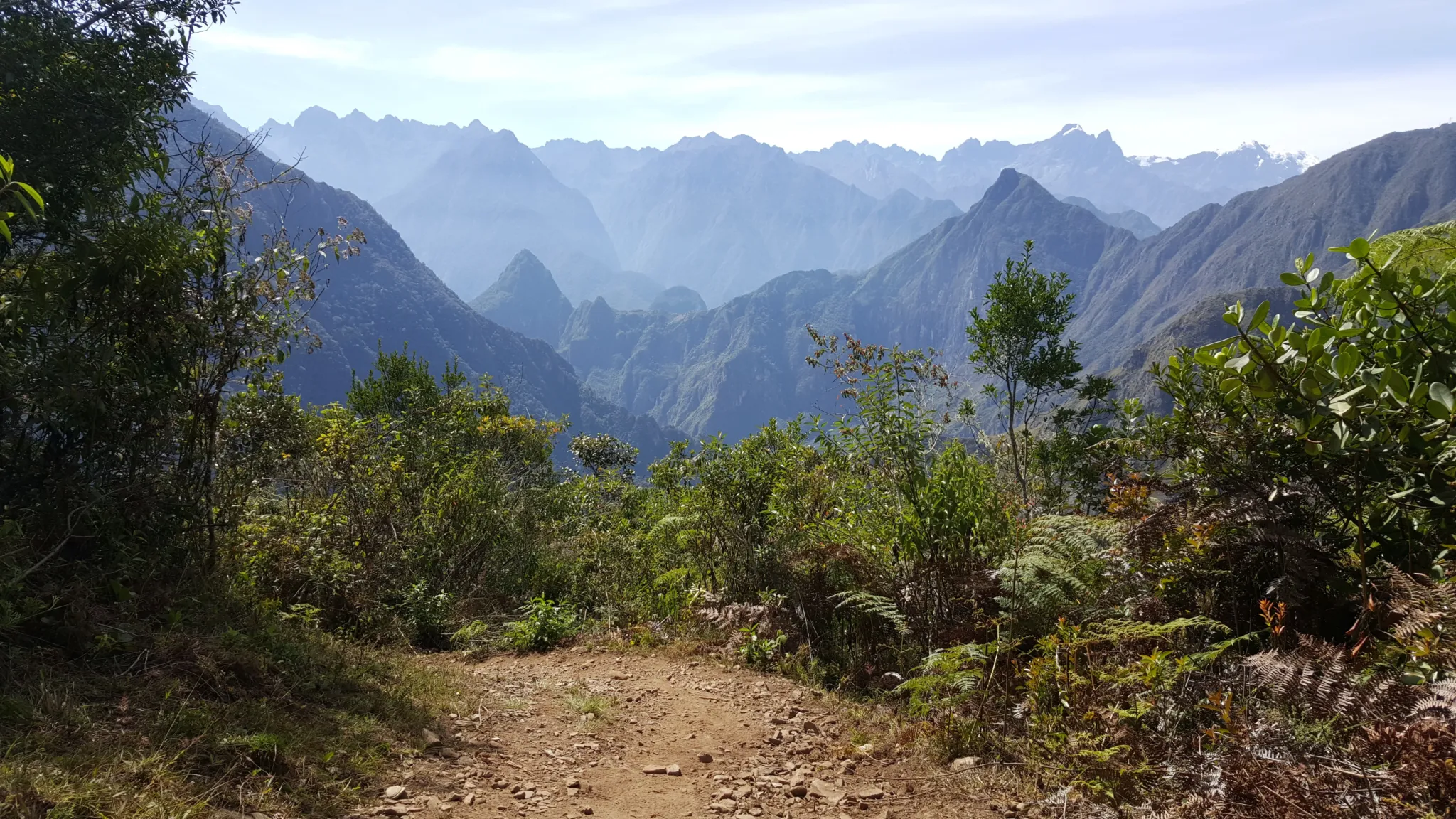
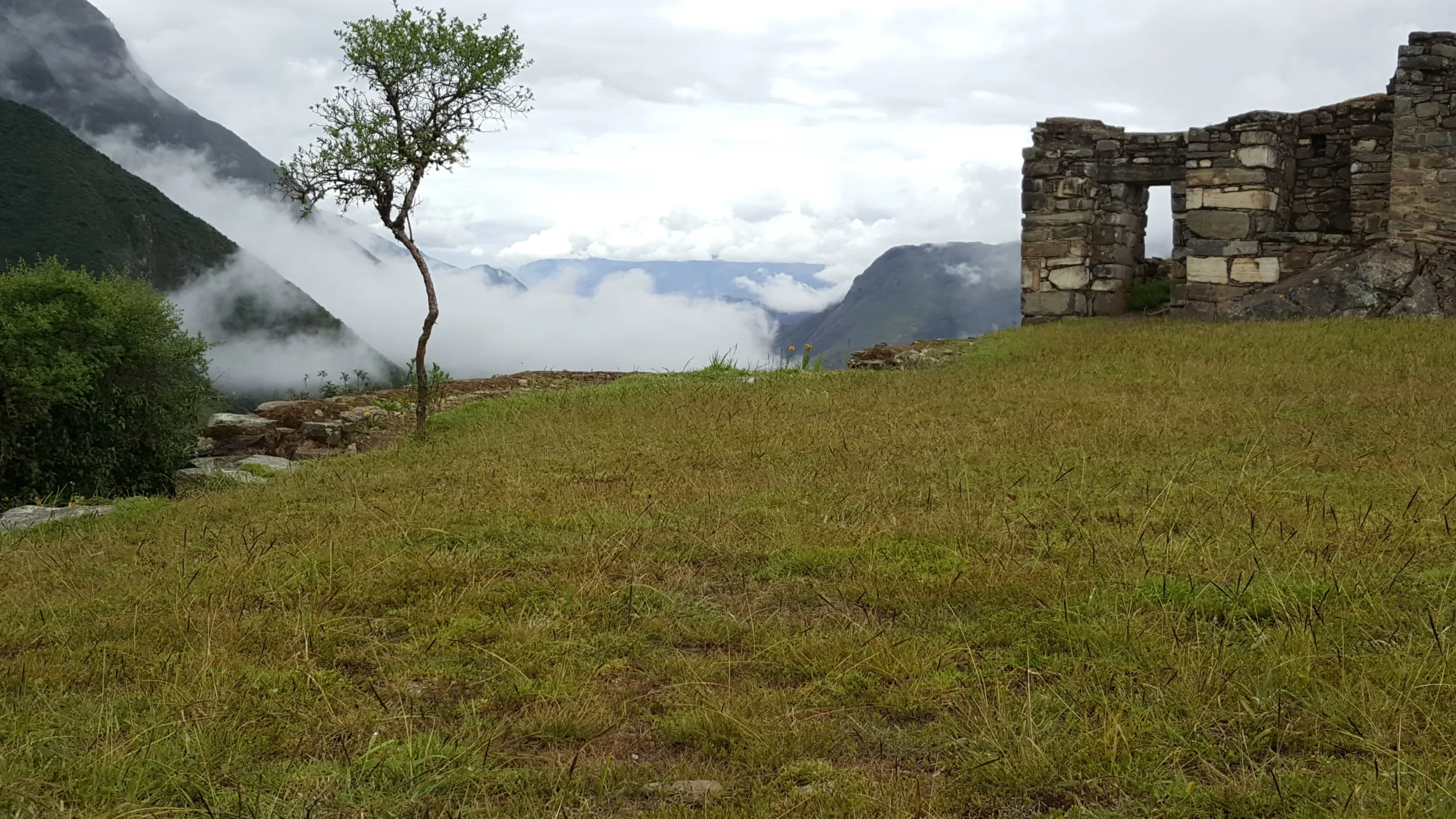
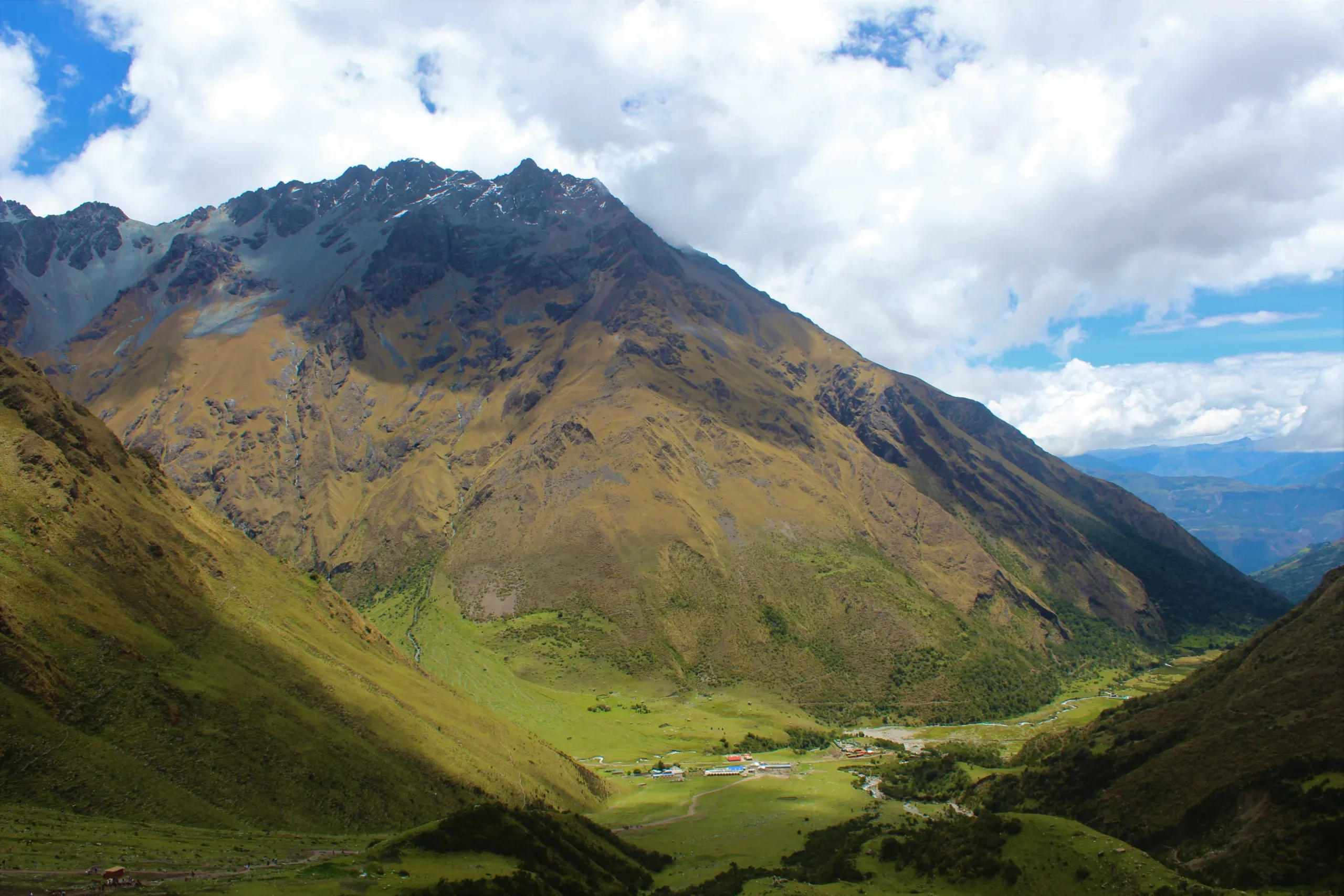
- Maranpata’s cloud-kissed ridges, where the high jungle begins its slow reclamation of Inka ambition.
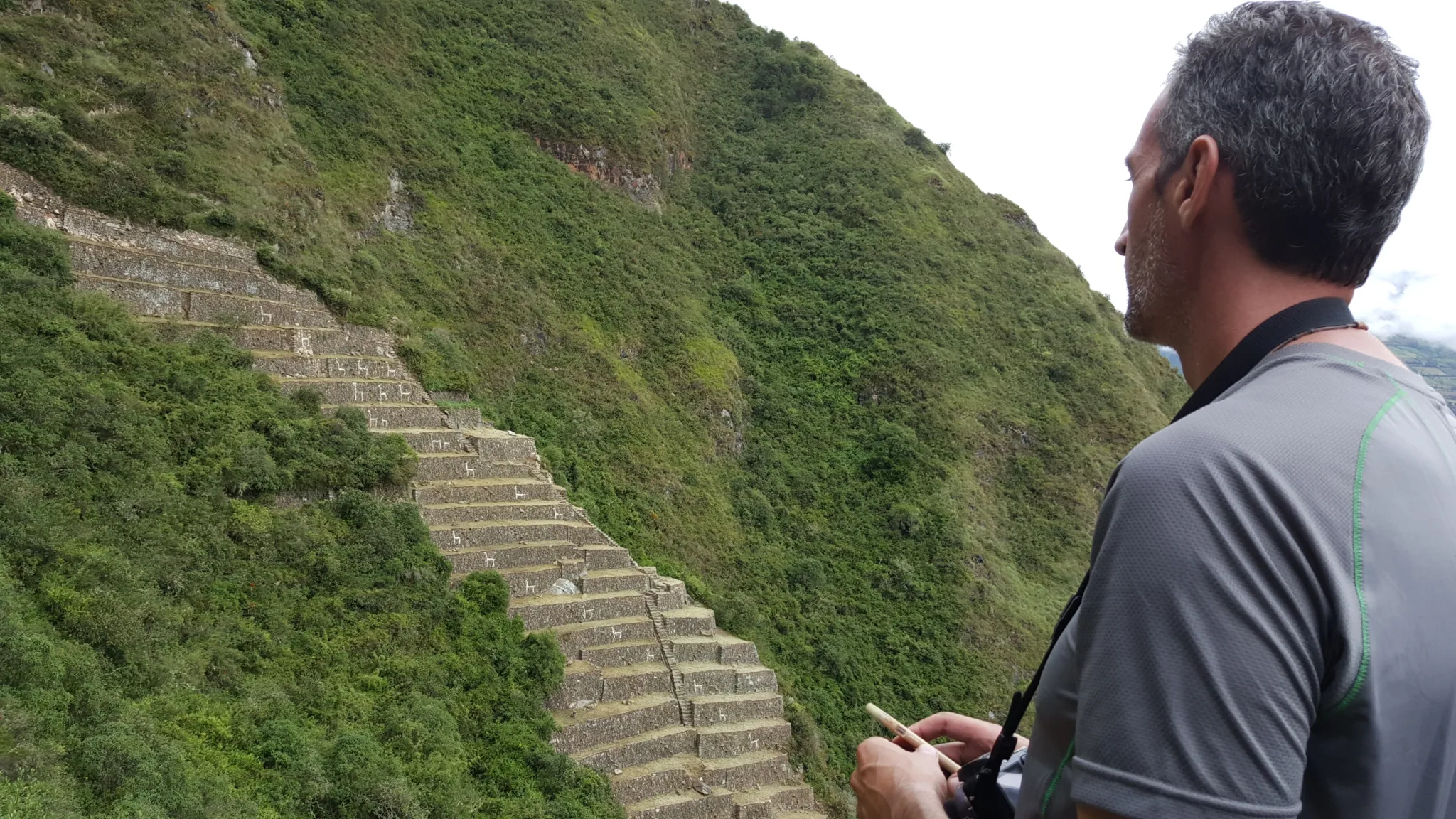
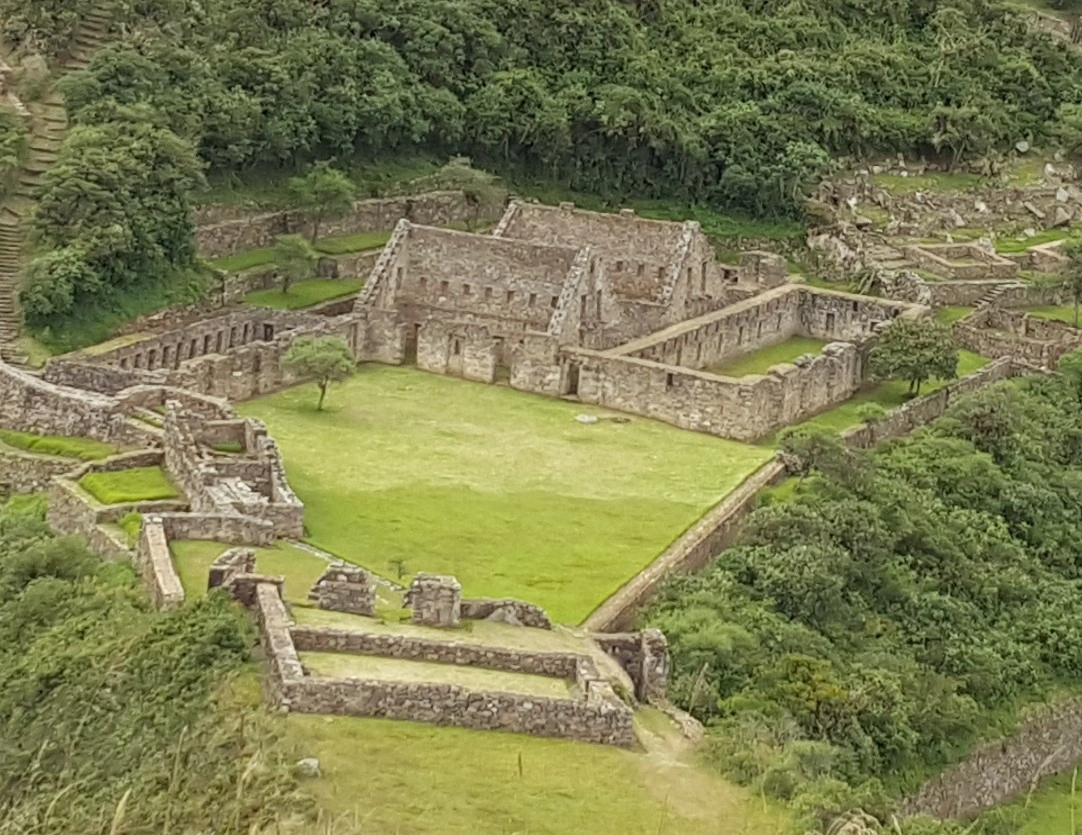
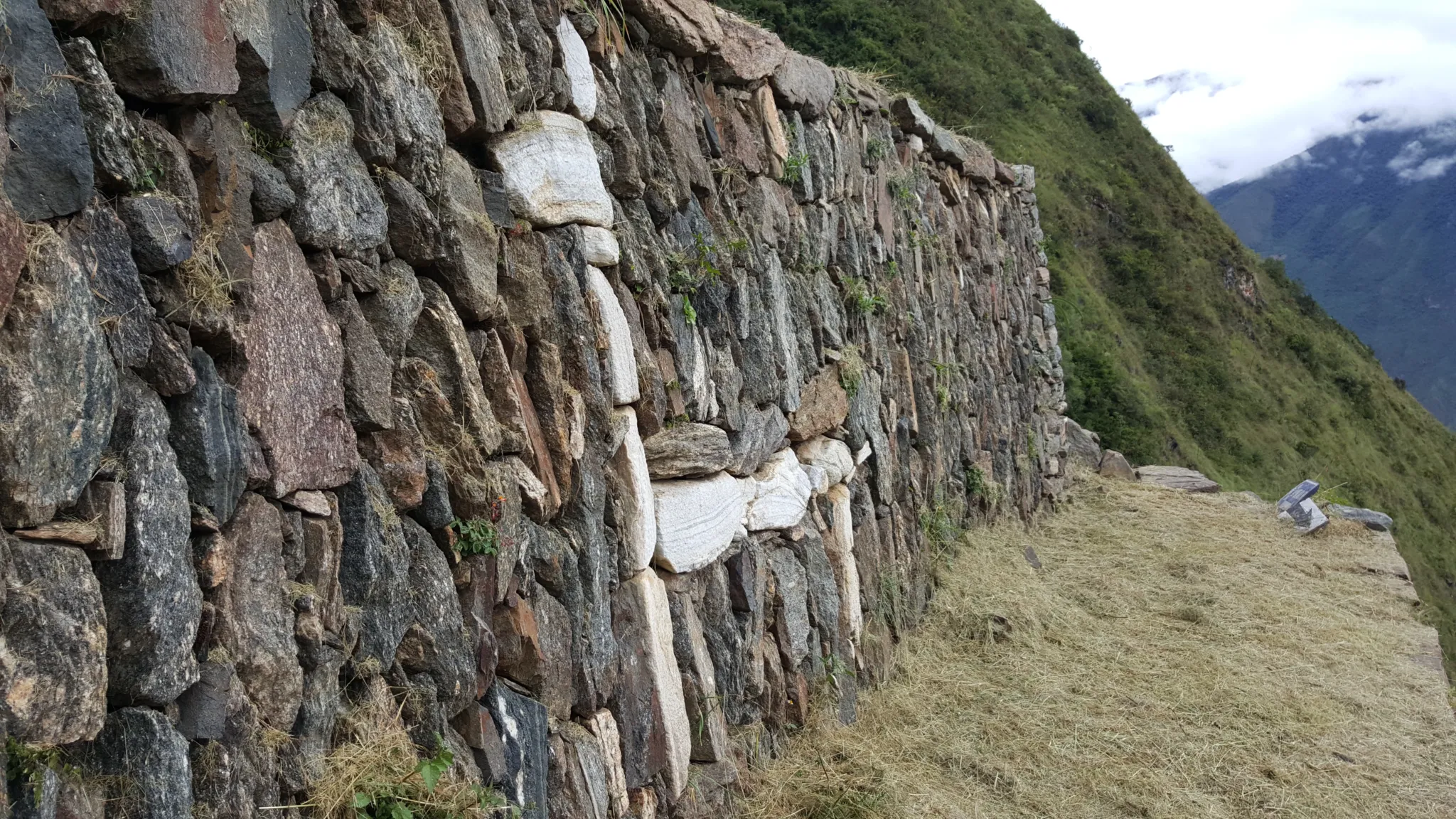
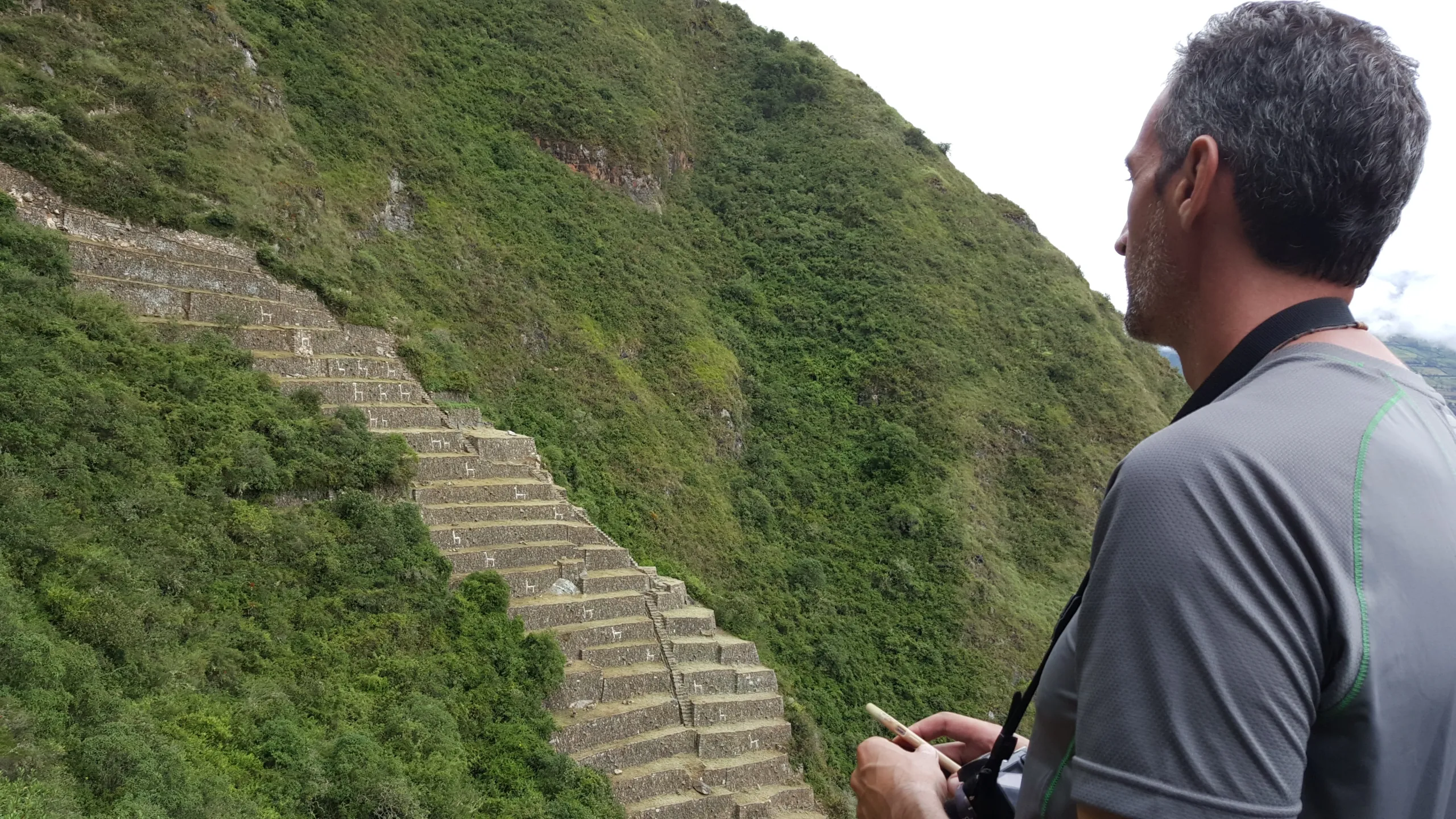
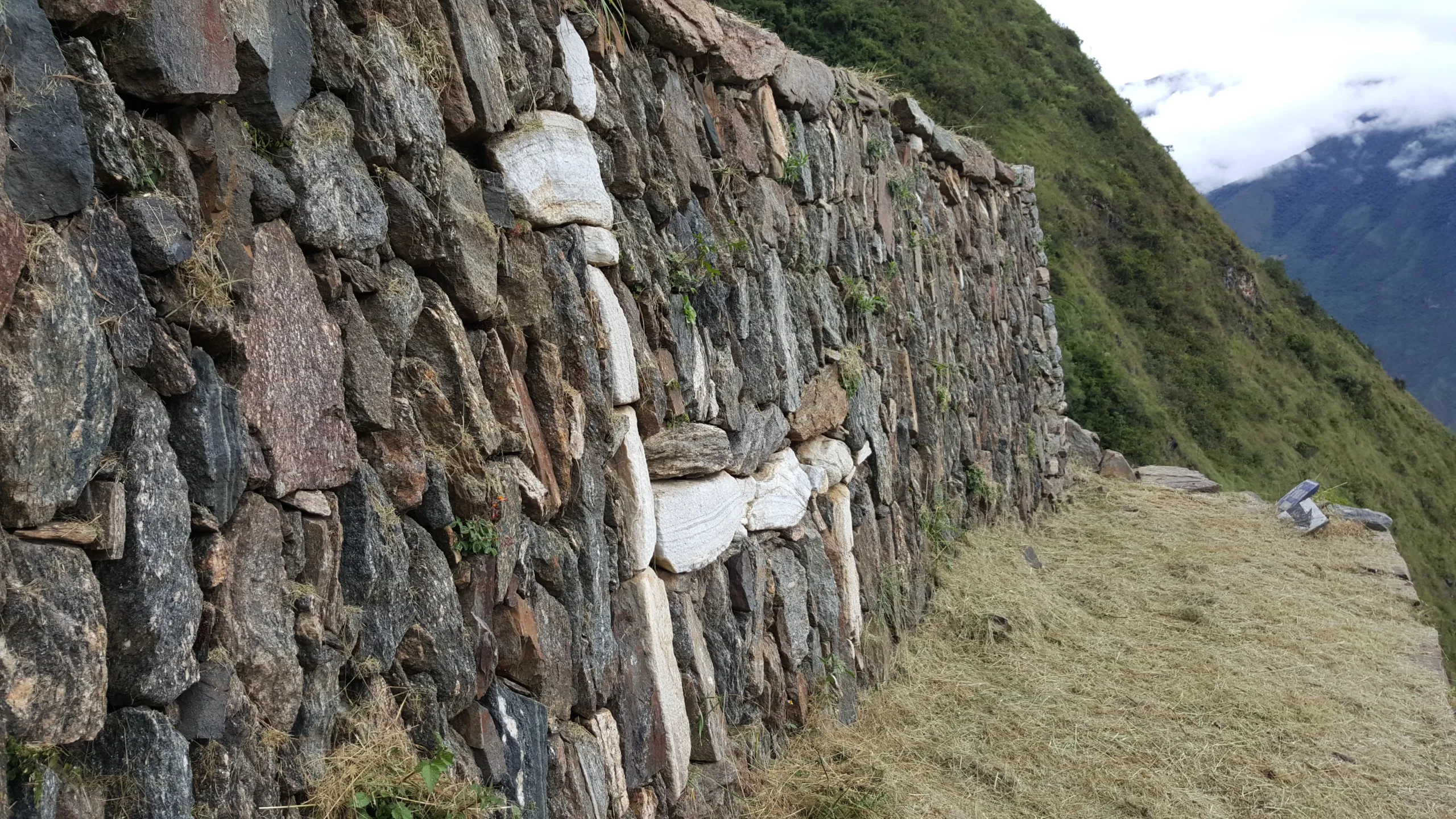
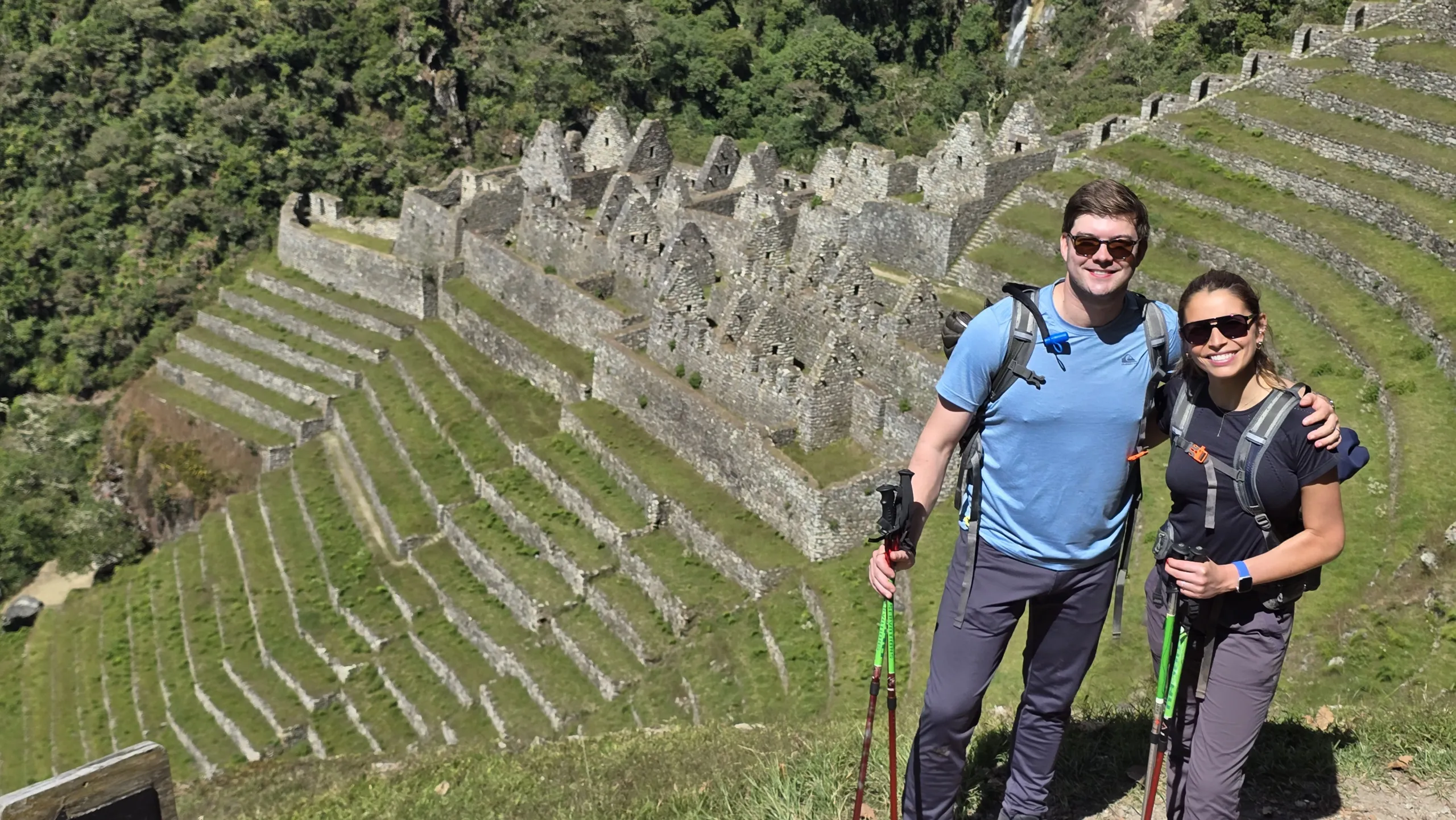
- Choquequirao itself—the “Golden Cradle” emerging through morning mist, its terraces stepping down the mountainside like a frozen cascade of imperial resolve.
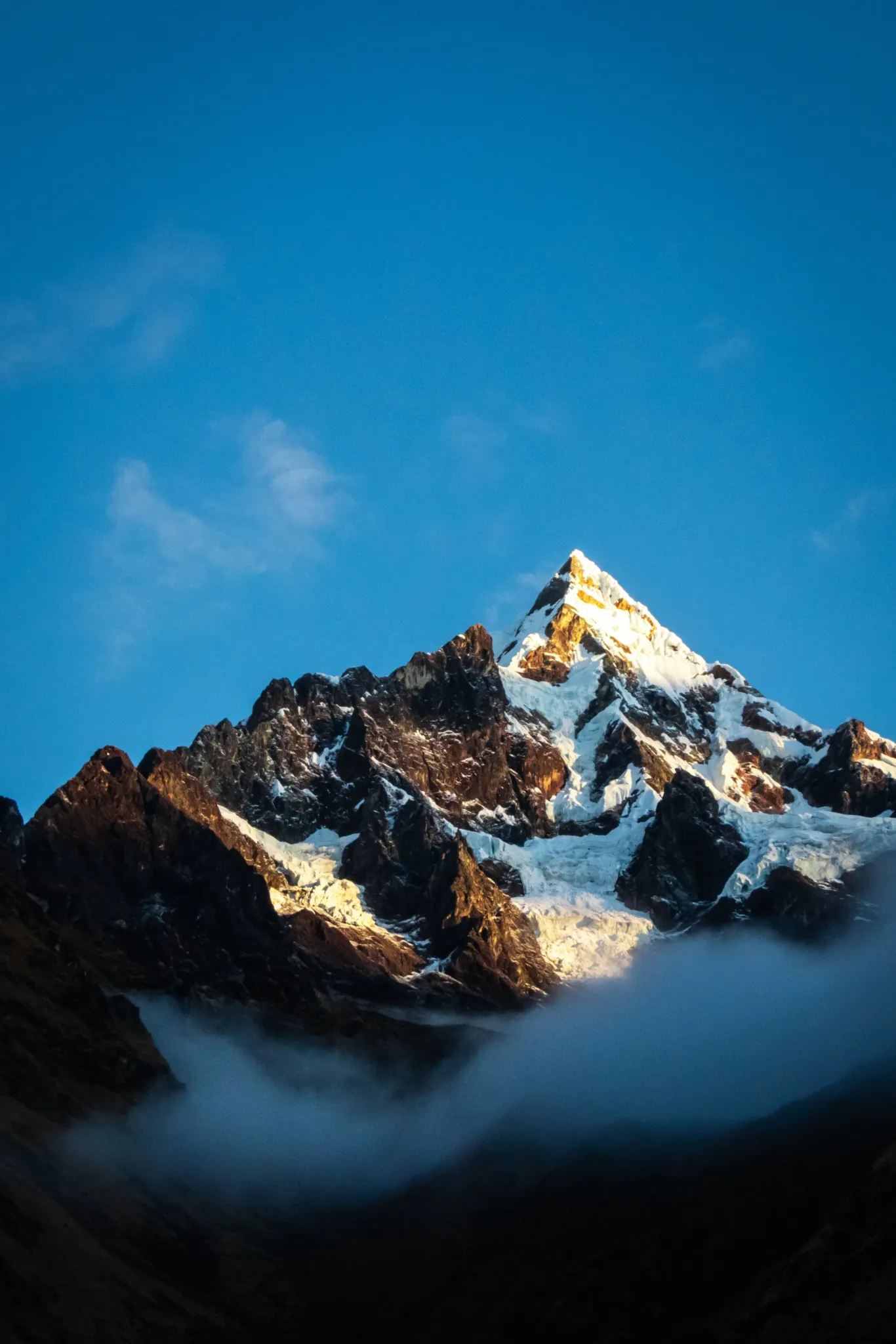
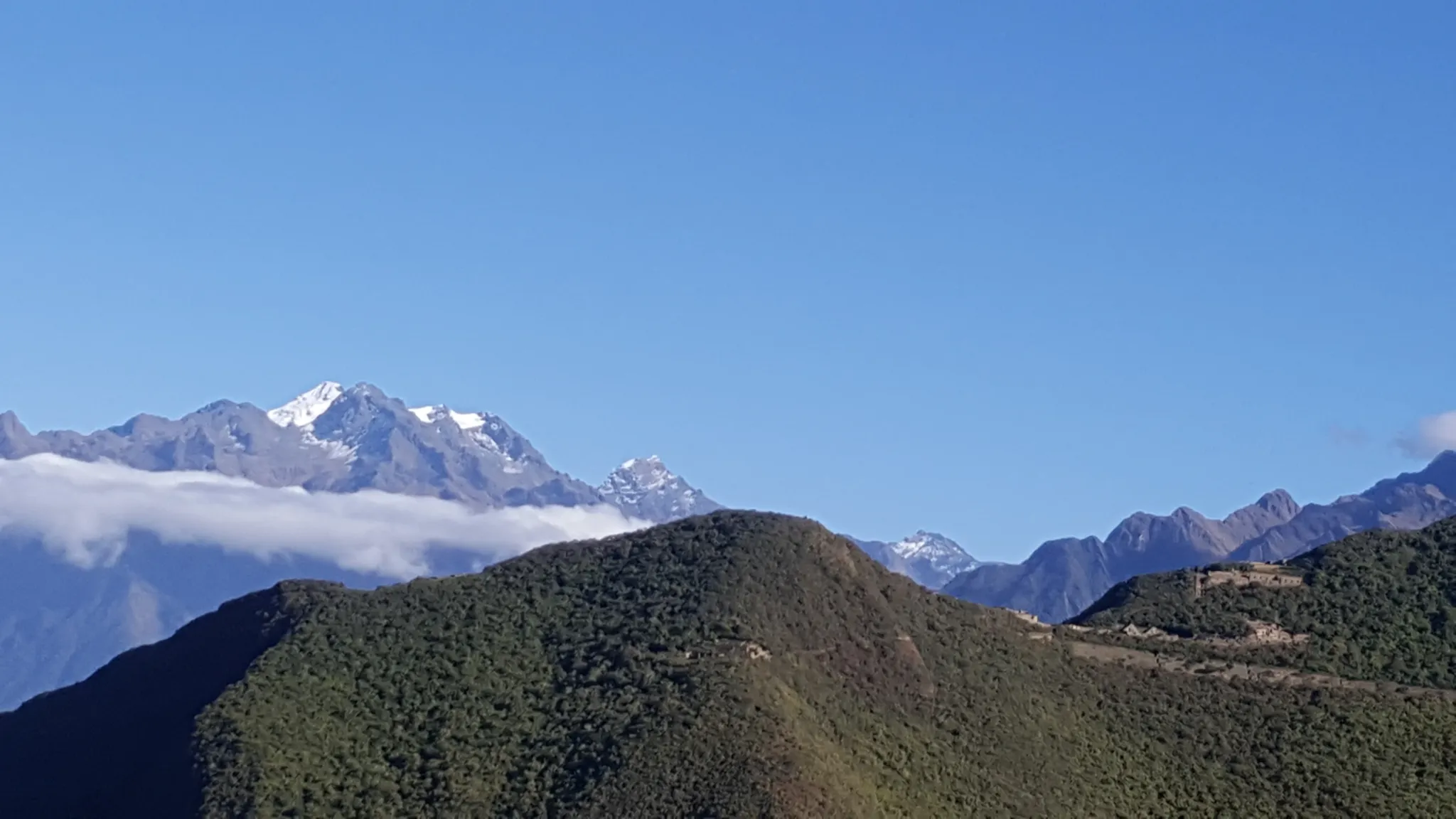
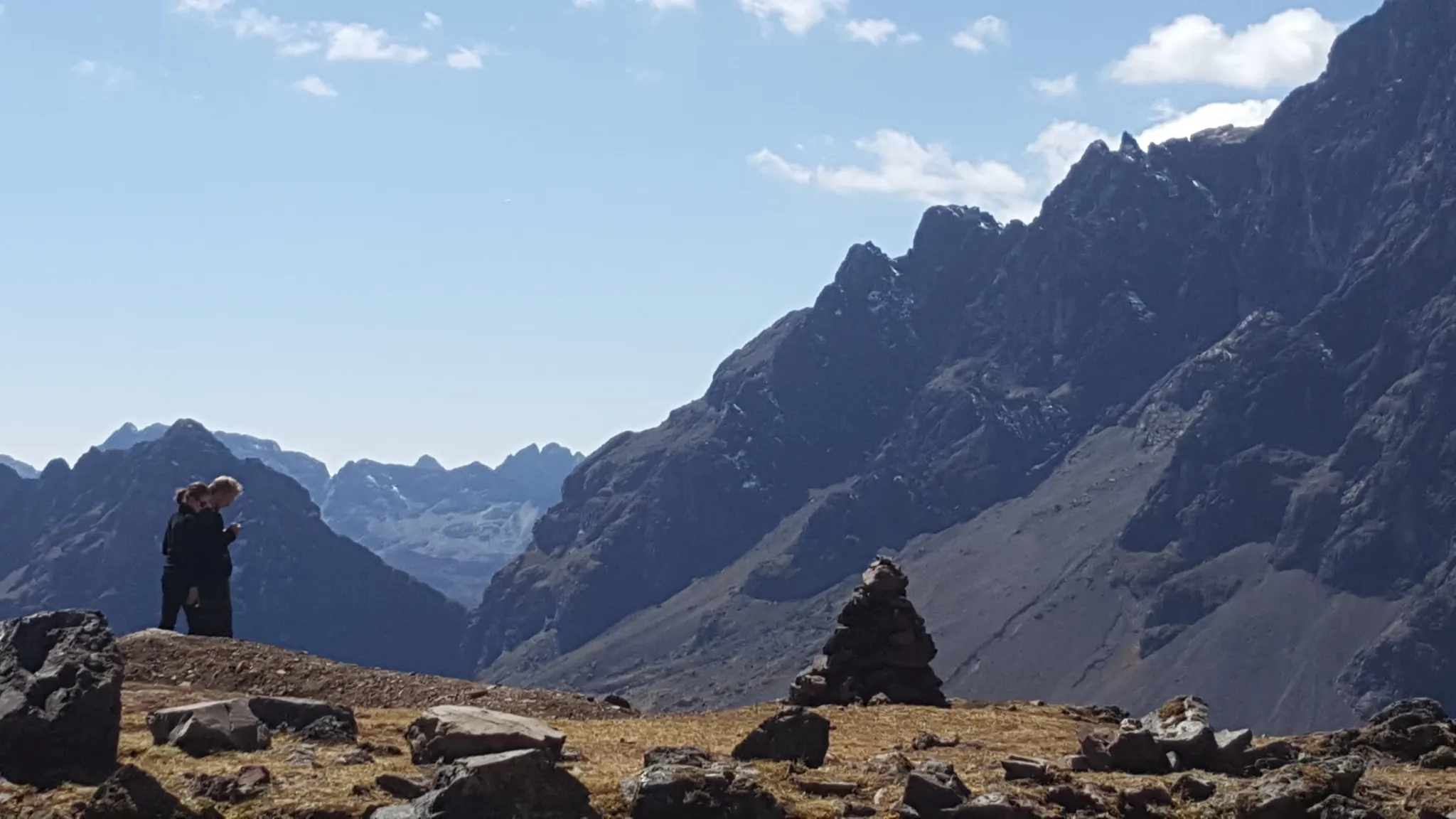
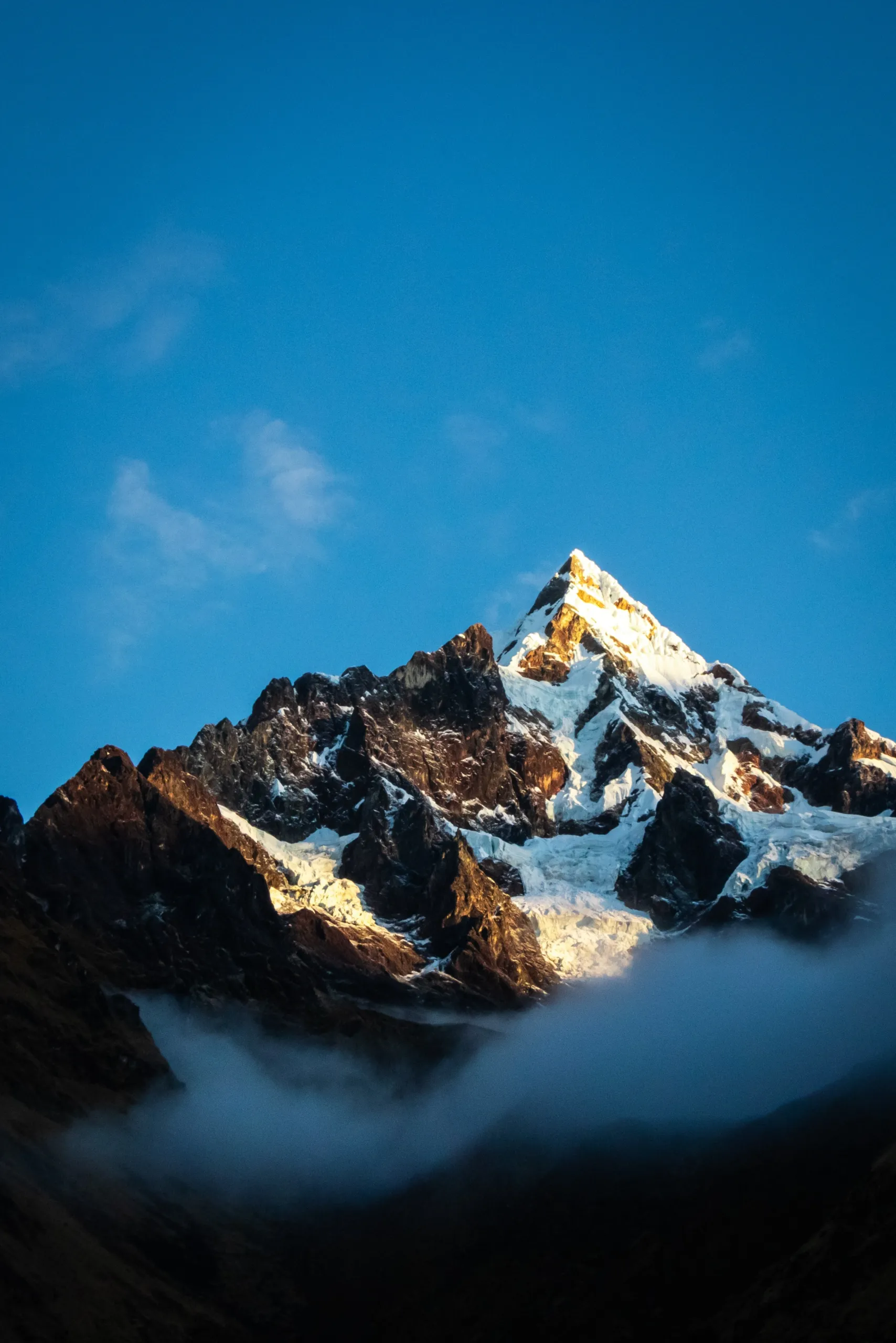
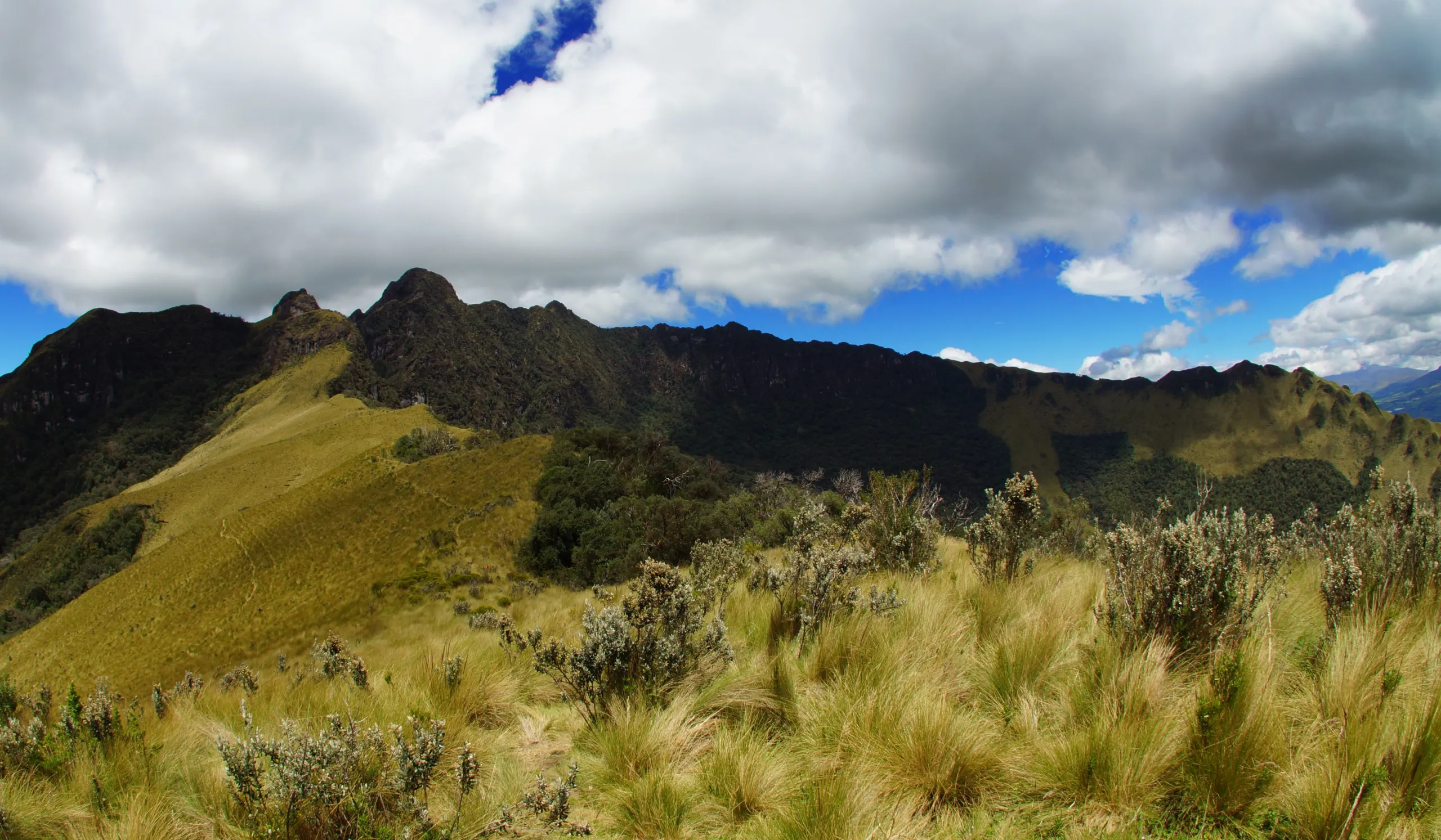
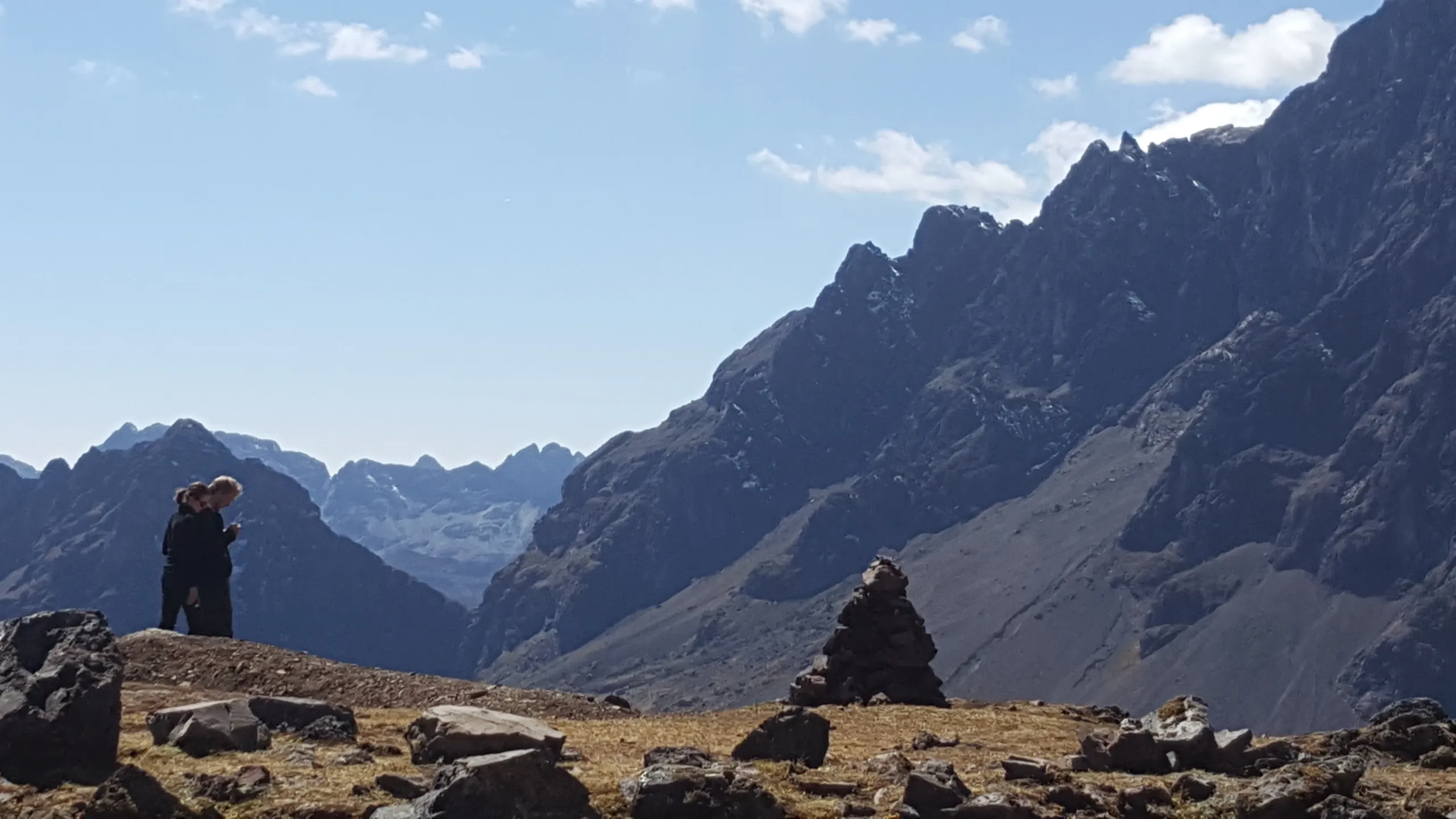
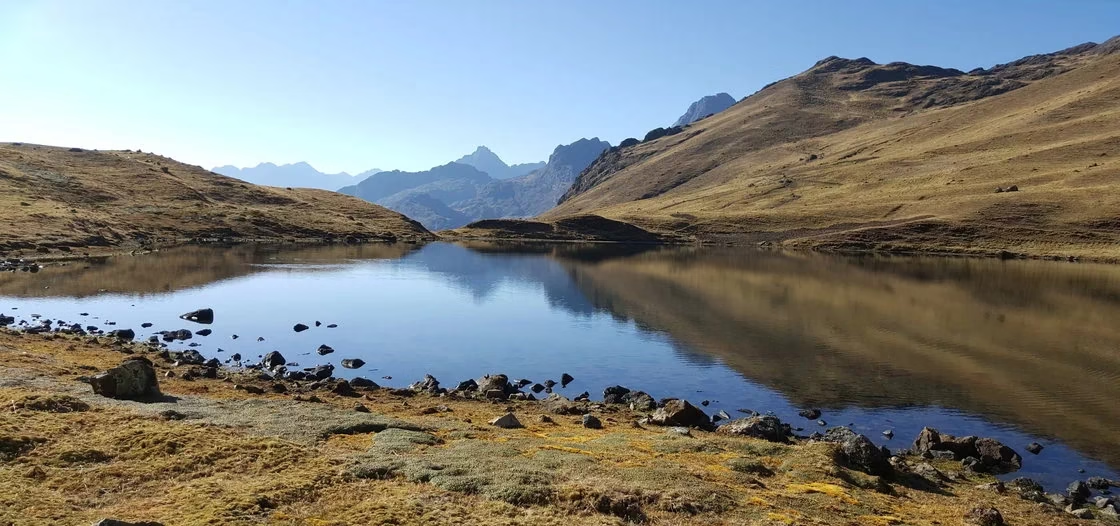
- The Yanama Pass, where thin air hums with the silence of glaciers and your breath becomes a meditation.
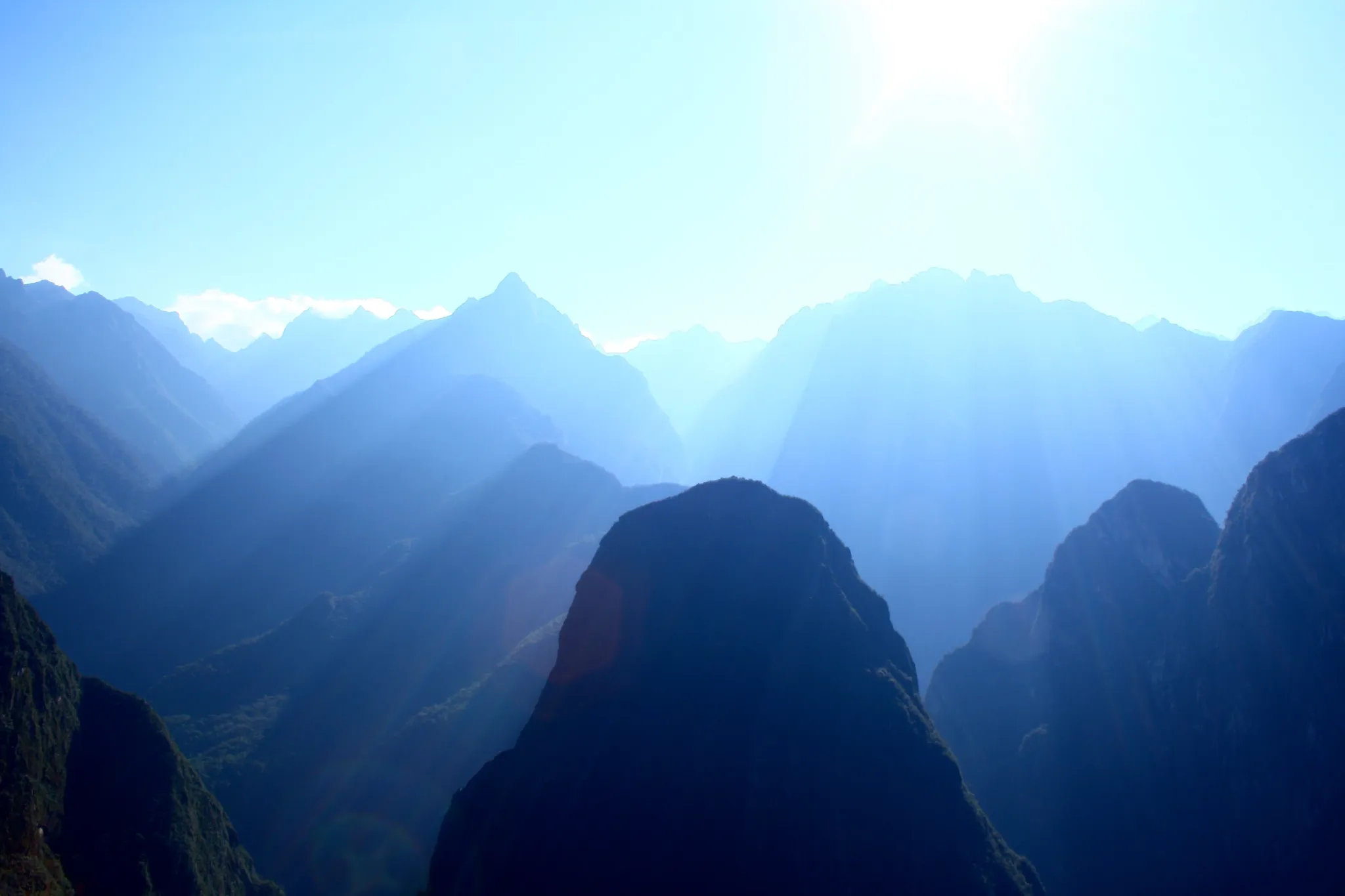
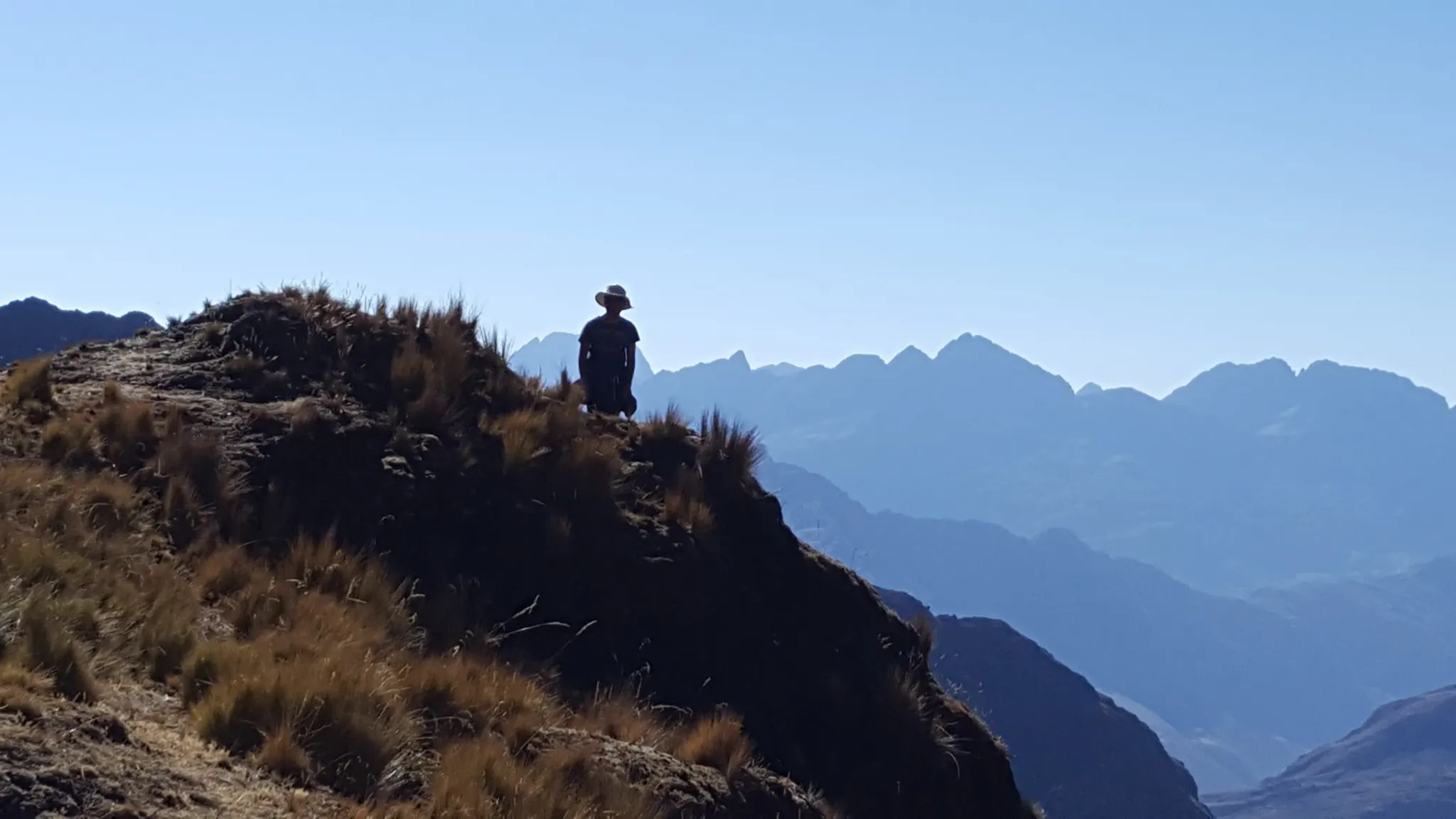
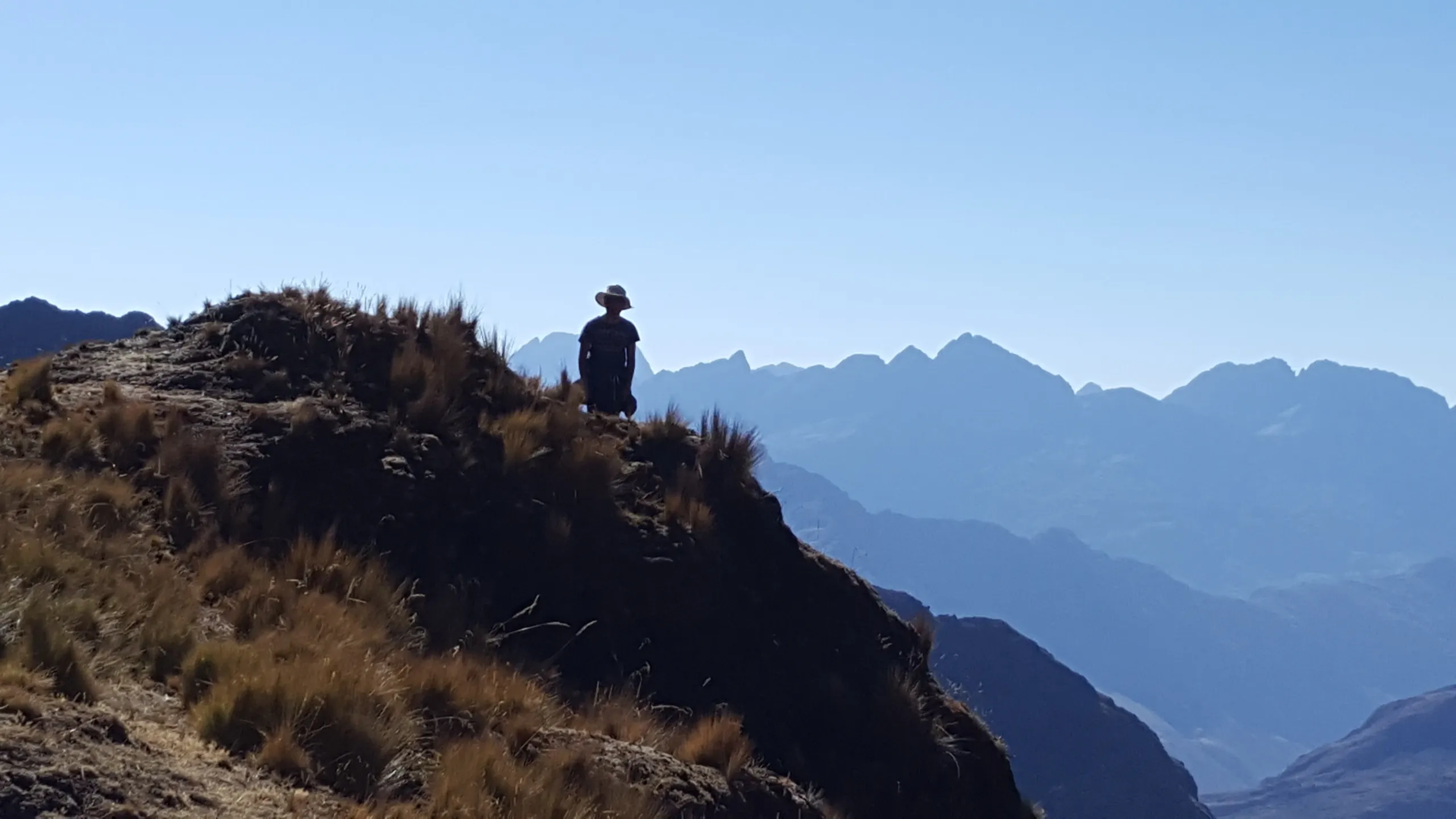
- Mariano Llamocca’s razorback traverse, a high-altitude tightrope walk between valleys carved by ancient waters.
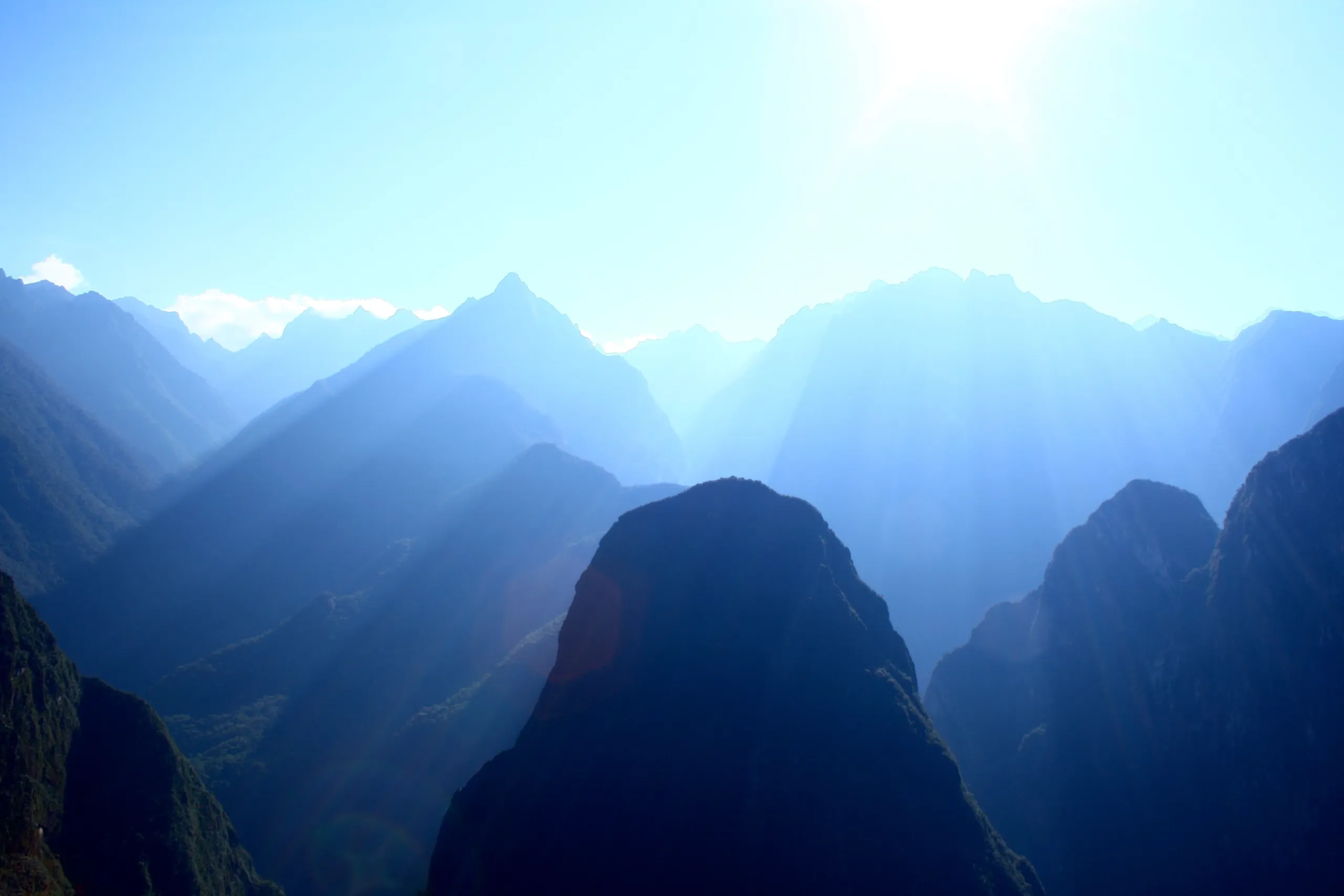
- Llactapata’s ceremonial reveal, where Machu Picchu first materializes through the dawn vapors—a citadel suspended between mist and myth.
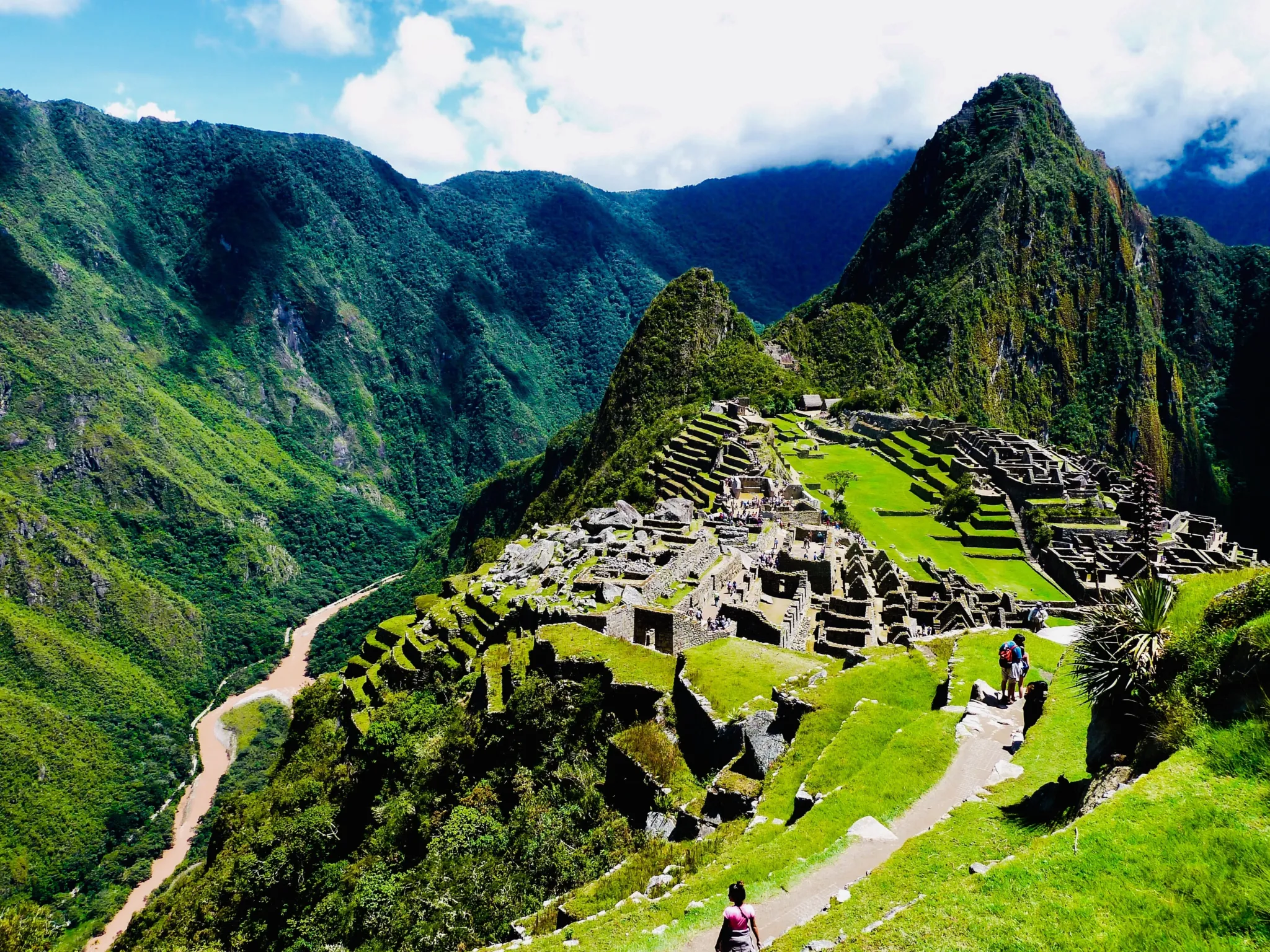
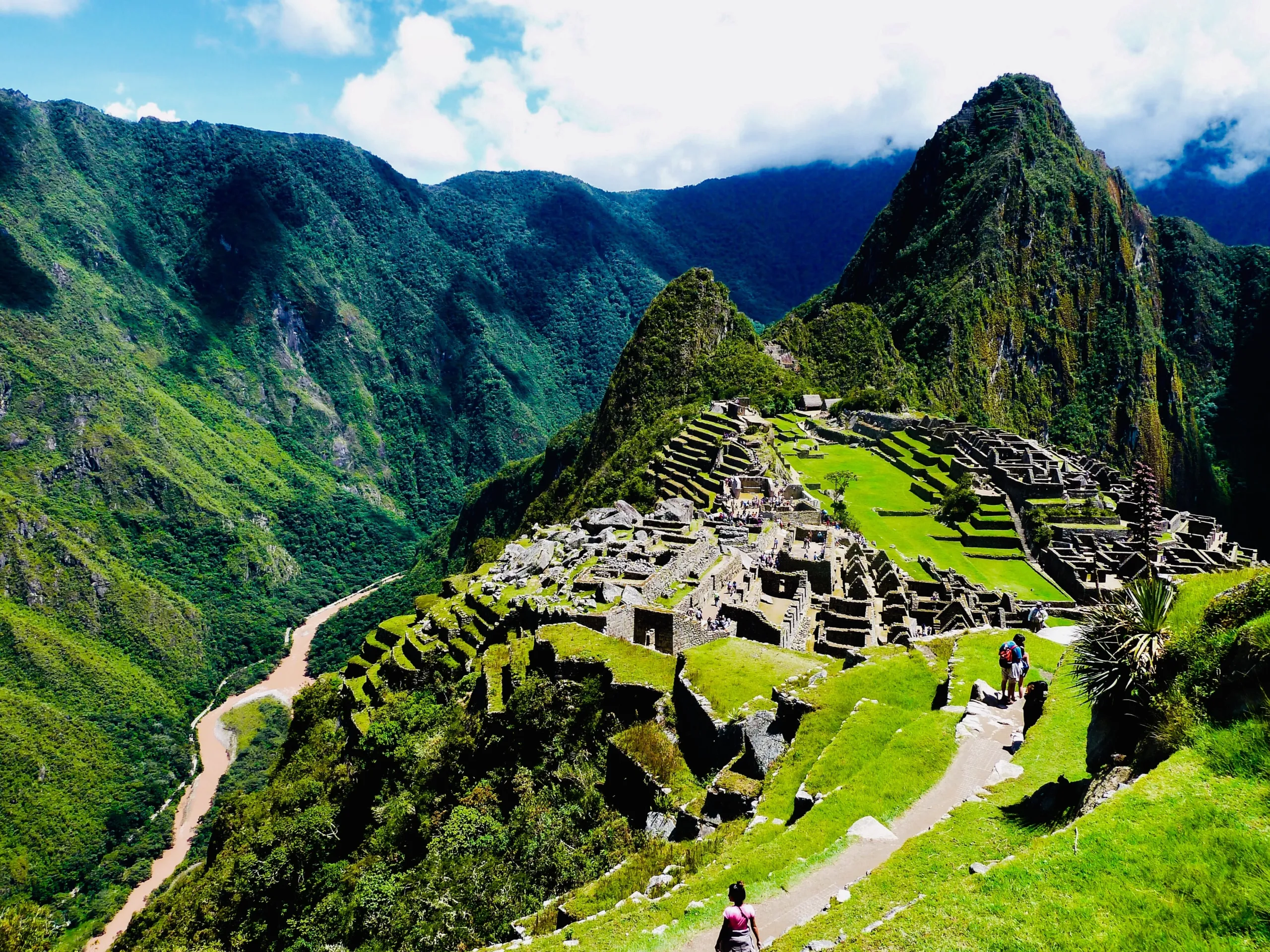
- Machu Picchu is not an endpoint but an awakening, its stones radiating the quiet certainty of those who built to last. Each site a chapter, each step a verse in this Andean epic.

Choquequirao Expedition
Ten days of walking this road does something that no other route in the Andes can replicate — because no other route covers this much ground, this much history, and this much vertical change in a single continuous journey.

What Ten Days Between Two Civilizations Produces
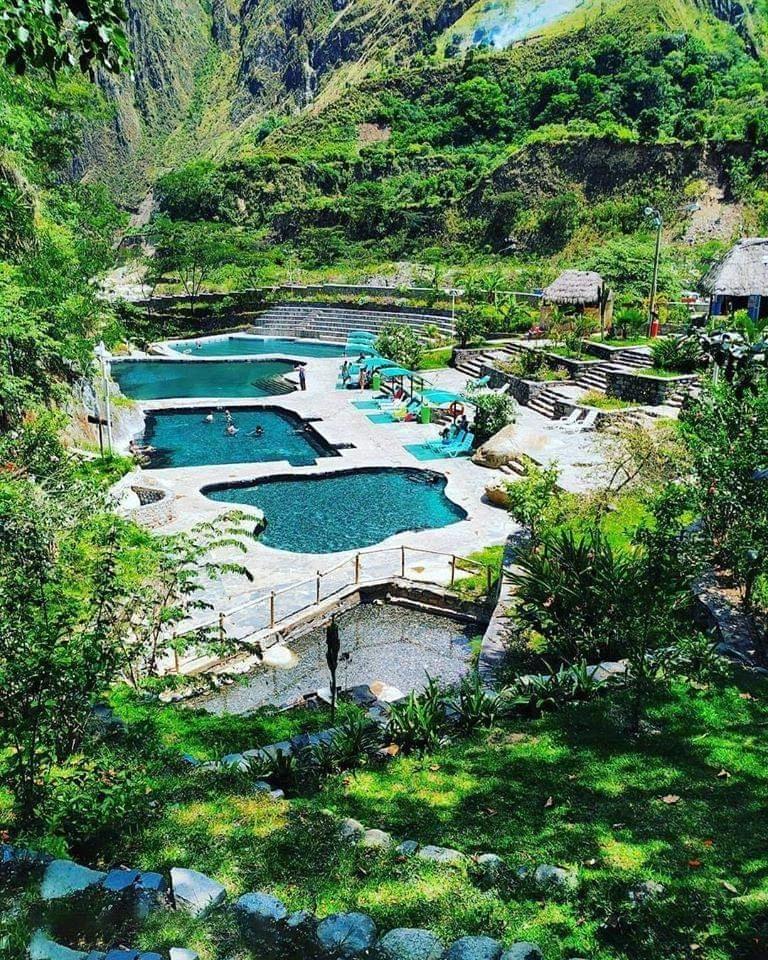
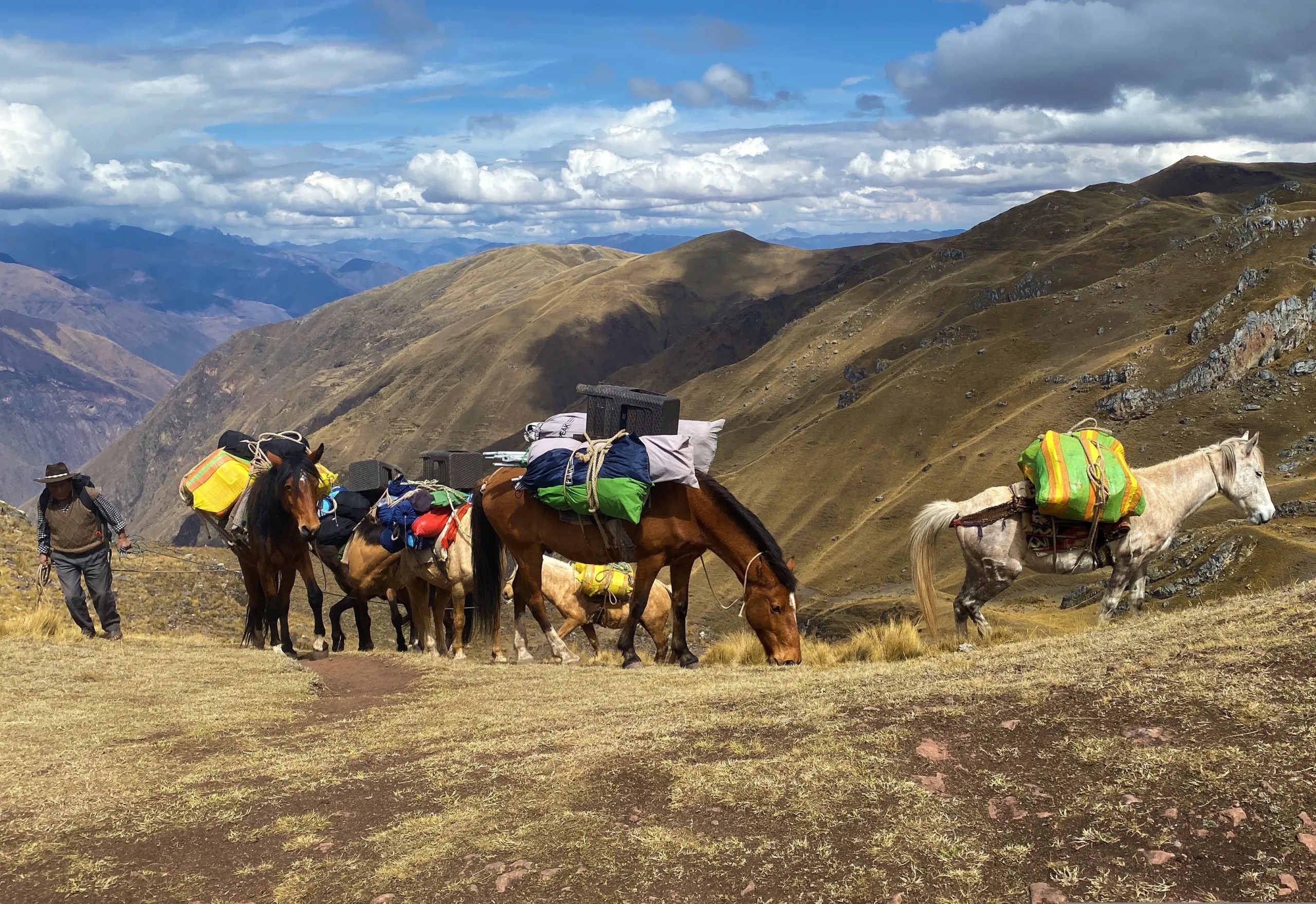
The therapeutic architecture of this expedition is built into its length and its direction. The first three days are the hardest — the Apurímac Canyon crossing, the ascent to Choquequirao, the initial exploration of a site so large and so empty that its scale takes time to comprehend. Days four through seven move through the Vilcabamba range in a sequence of passes, valleys, and cloud forest sections that progressively shift the landscape from the austere world of the canyon to the lush subtropical terrain of the Urubamba watershed. Days eight through ten complete the approach to Machu Picchu via zip-line, coffee valley, and the Llactapata viewpoint — arriving at the most visited site in South America having walked to it from its forgotten twin.
By the time Machu Picchu appears from Llactapata on Day 8, you will have spent seven days inside Inka territory without a road, a hotel, or any of the infrastructure that normally mediates the relationship between a traveler and a place. What that produces in the encounter with Machu Picchu is not describable in advance. It is the point of the journey.


Reviews
There are no reviews yet.