Ausangate Trek

Price

From: $2,225.00

Duration

9 days

Max People

10

Tour Type

Expeditions

Attractions

2

Activities

13

Min Age

12

THE ULTIMATE ANDES JOURNEY


This is where the Andes reveal their true nature – not as a landscape to be conquered, but as a mirror to be contemplated.
IntiTravel.Org redefines high-altitude exploration through a synthesis of raw wilderness and refined executive experience.
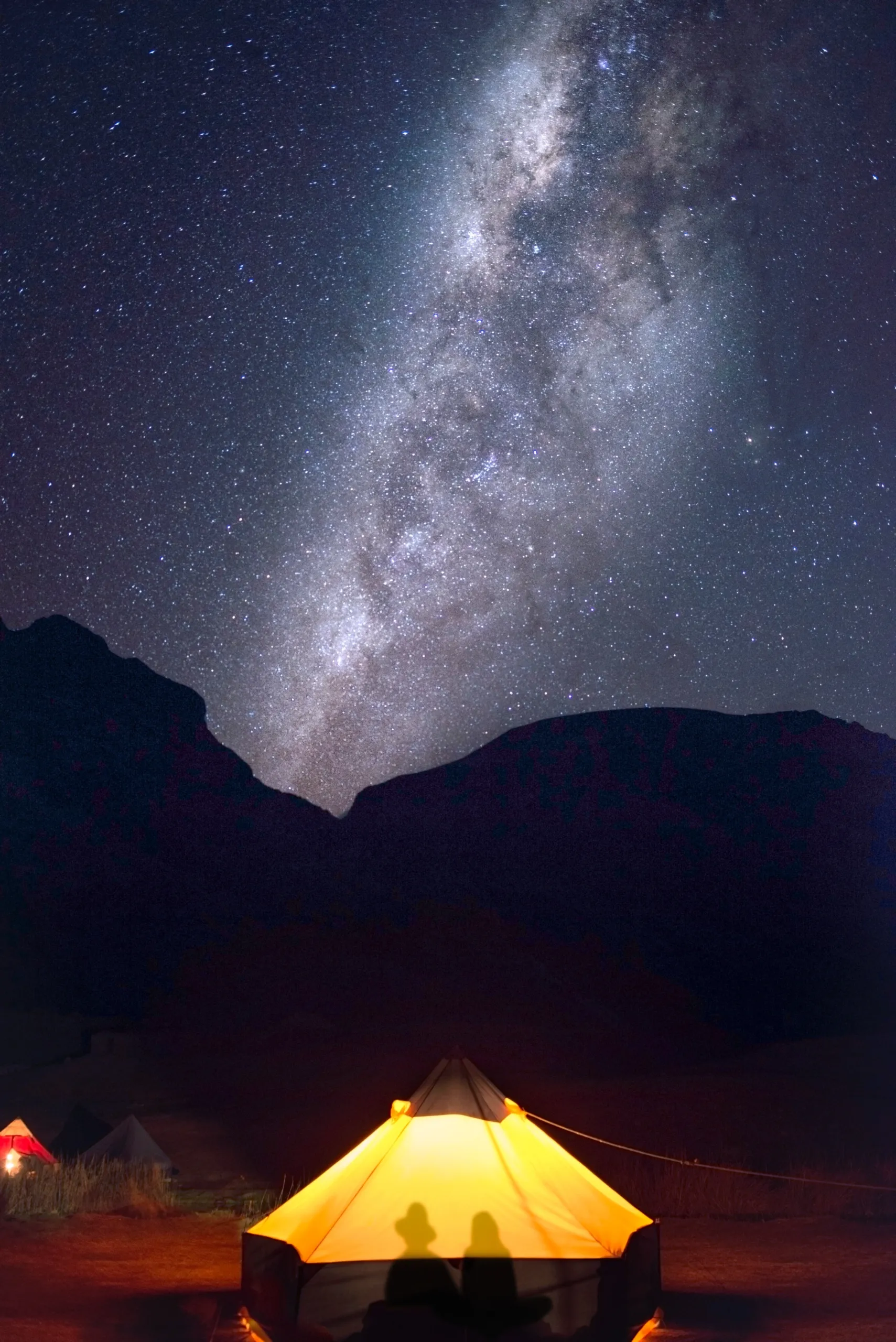
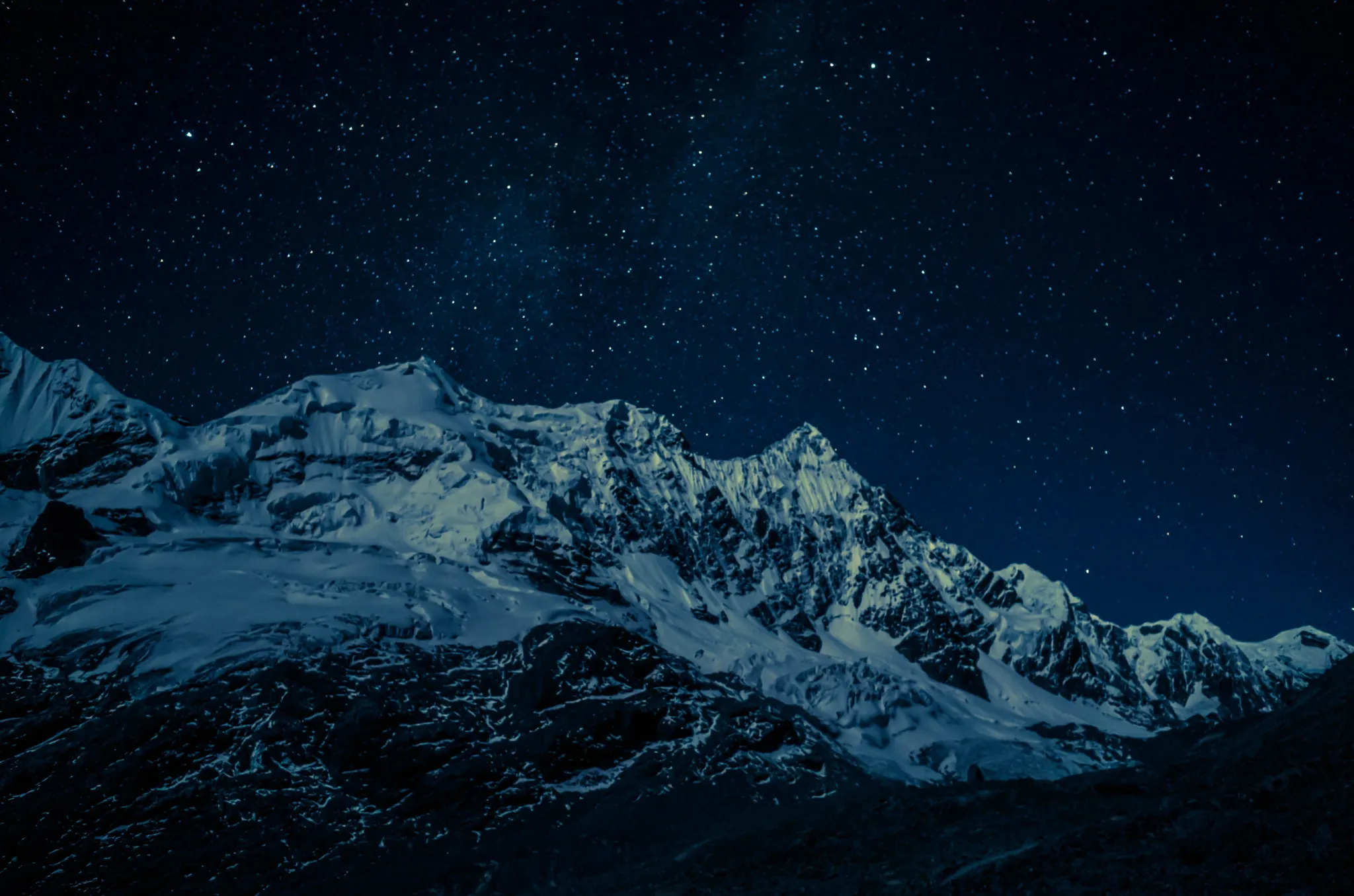
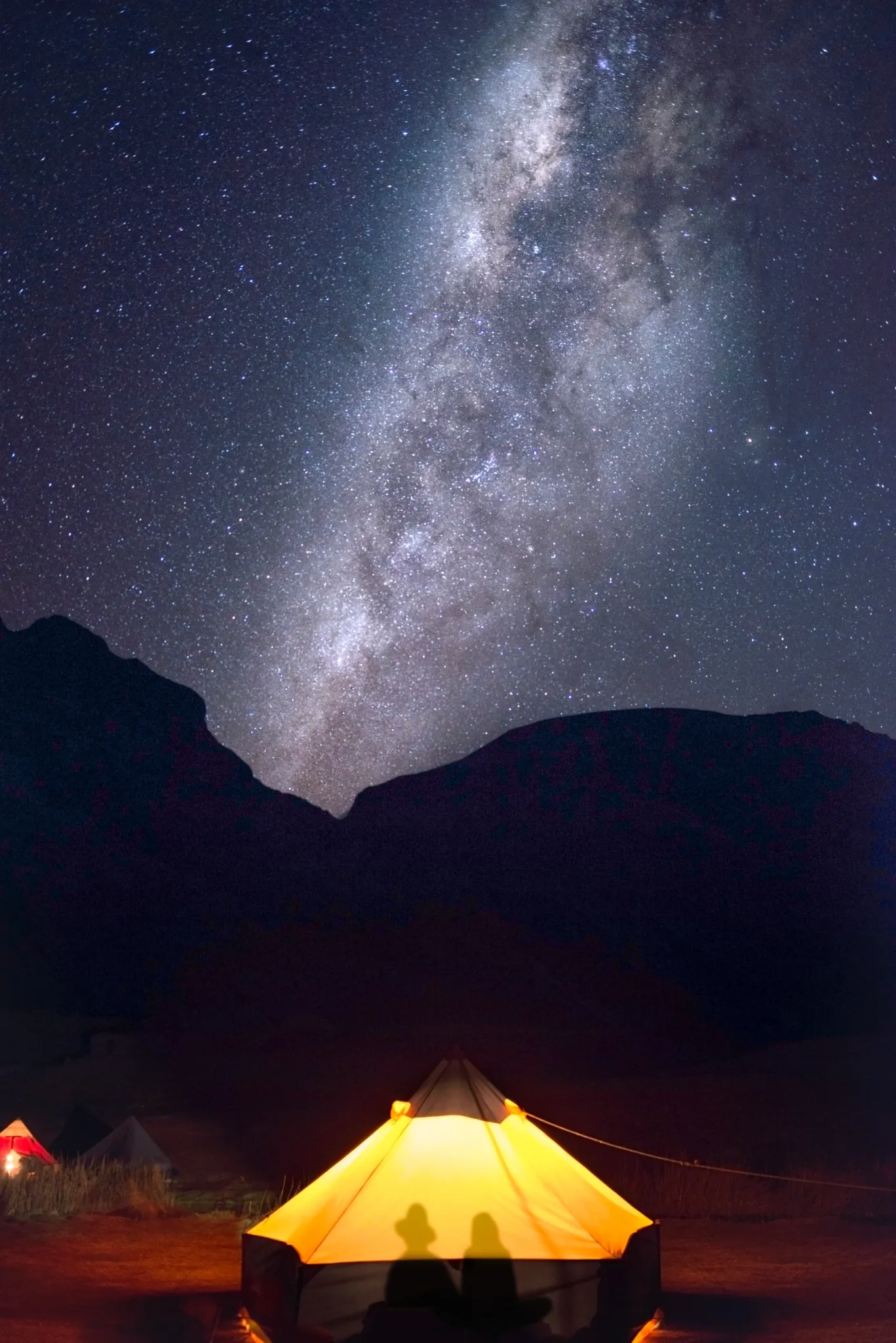
Our Ausangate immersion transforms the trek into a moving sanctuary, where private oxygen-enriched sleeping tents replace traditional tents, where gourmet altitude cuisine is served on traditional plates under the Milky Way’s glare, and where our team of Quechua guides and mountain therapists operate with silent precision.

This isn’t adventure travel—it’s alchemy, where the crucible of thin air forges executives into visionaries by Inka Method at the roof of the Andes.


Overview


The Roof of the Andes Has Been Waiting

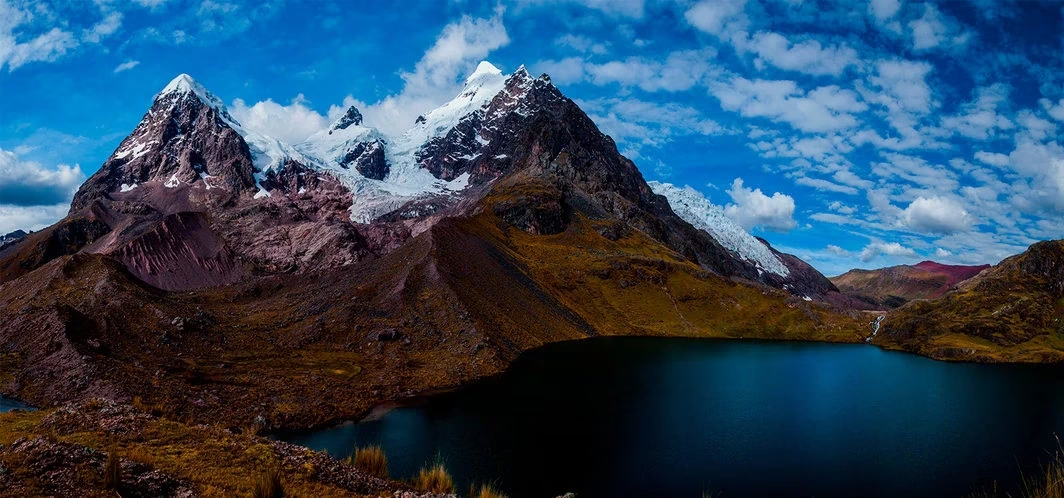
Ausangate is not a destination in the way that Machu Picchu is a destination. It is a presence — the most powerful Apu in the Cusco pantheon, a glacial massif at 6,372 meters that governs the weather, the water, and the spiritual orientation of the entire southern Andes. The communities that live beneath it do not think of it as a mountain. They think of it as a living authority.

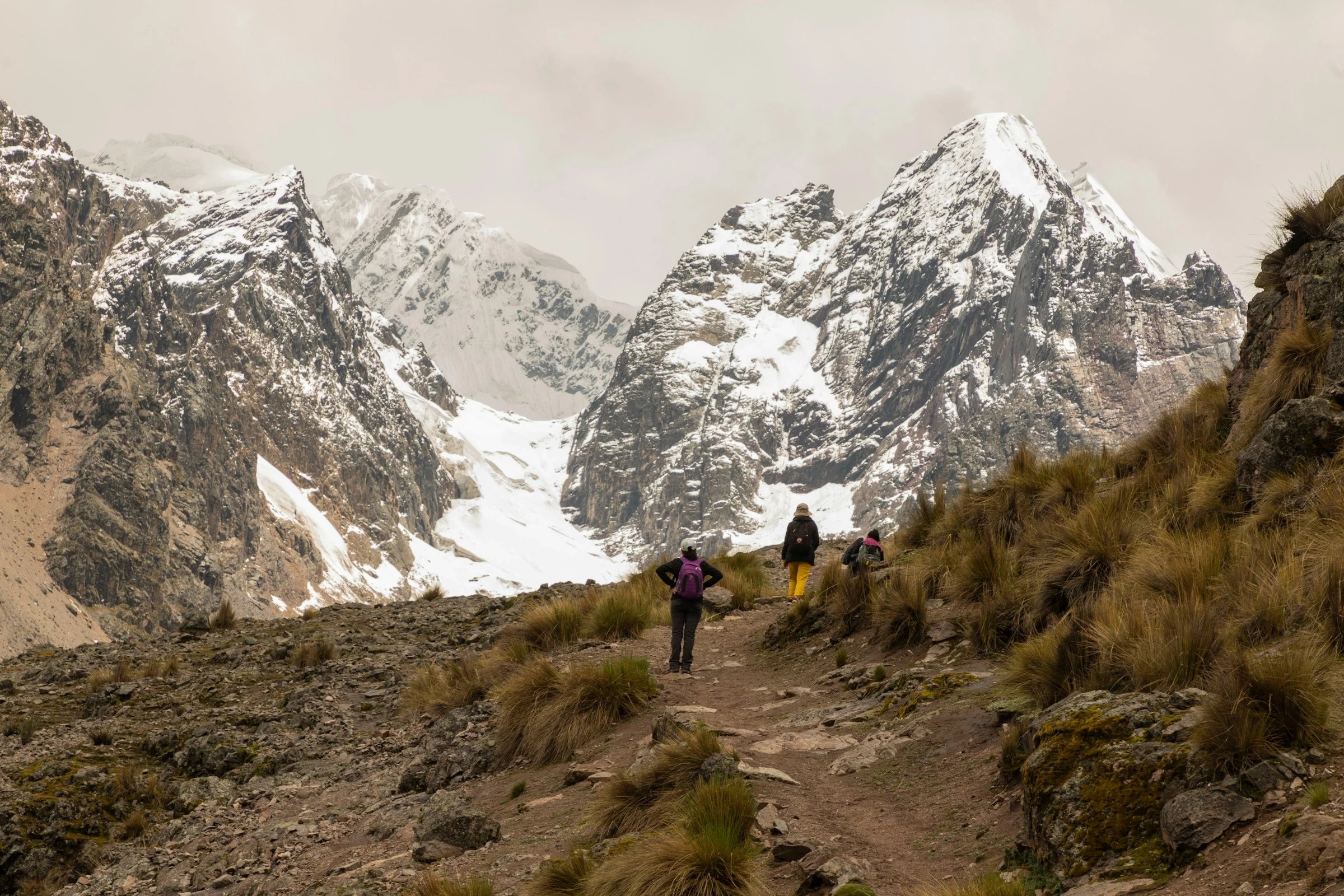
The 80-kilometer circuit around Ausangate follows an ancient pilgrimage route that Andean communities have walked for centuries — not for recreation, not for fitness, but because moving through this landscape in full was understood to do something to a person that no other experience could replicate. Nine days at extreme altitude, through a terrain of glaciers, multicolored mountains, high-altitude lagoons, and open puna grassland where the only movement is vicuñas and wind, produces a recalibration of perspective that operates below the level of conscious decision.

This is the most demanding and most remote trek in the Cusco region. It is also, for those who complete it, consistently described as the most significant experience of their lives.

6 Best Attractions in Ausangate


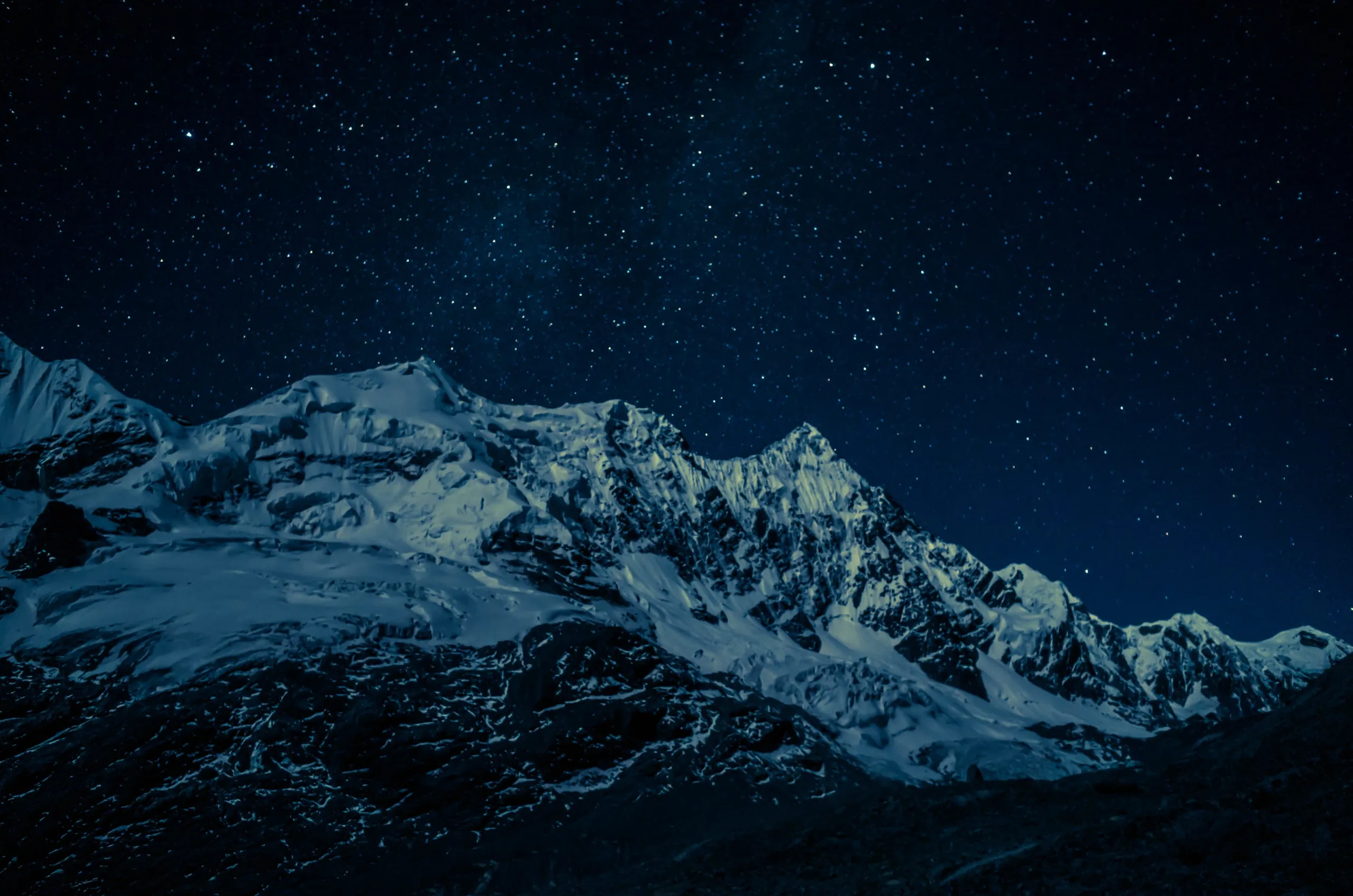
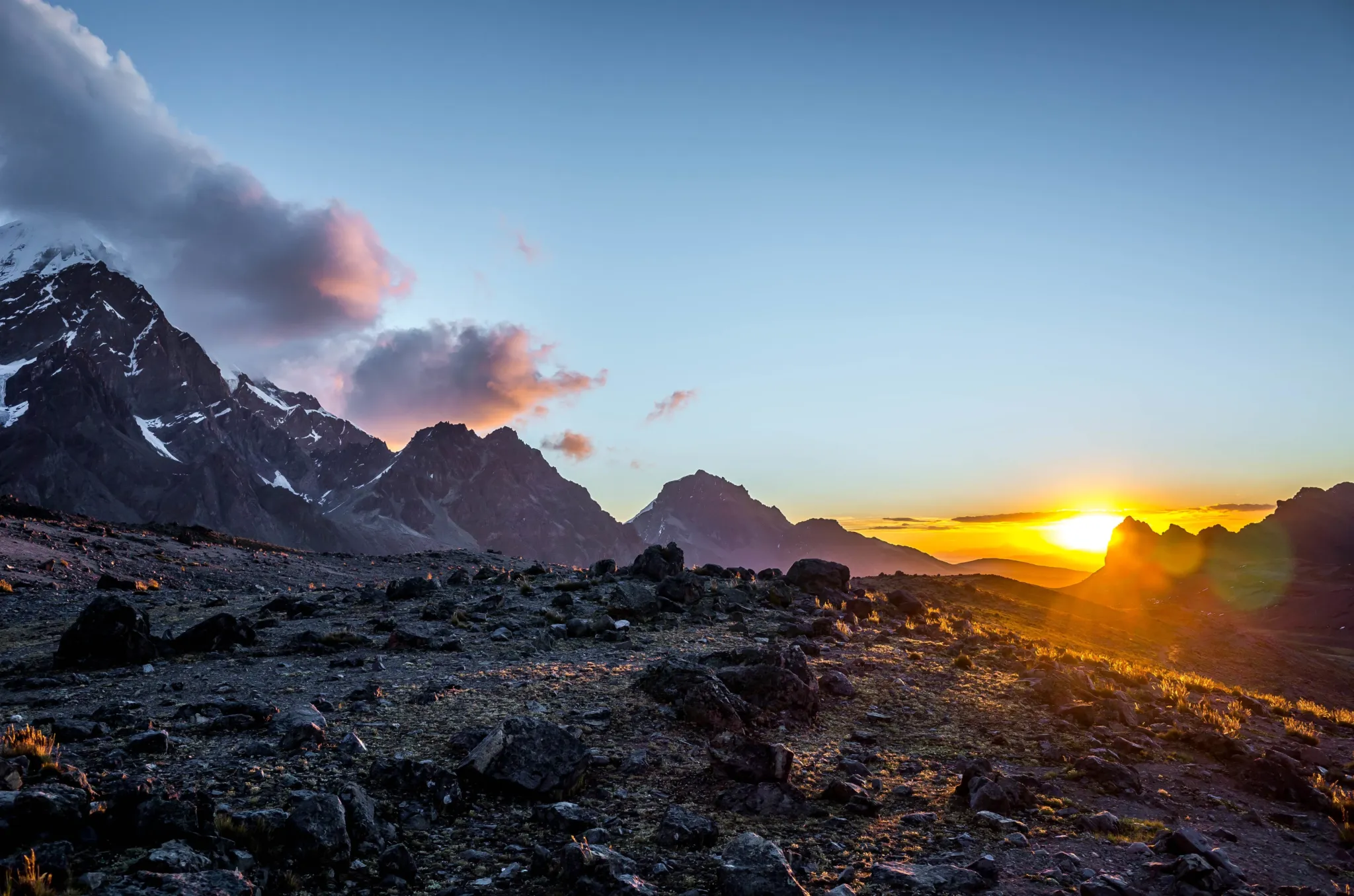
  • Ausangate’s glacial crown glows with primordial light, its blue ice radiating cold fire at dusk—a living lesson in sustainable power.
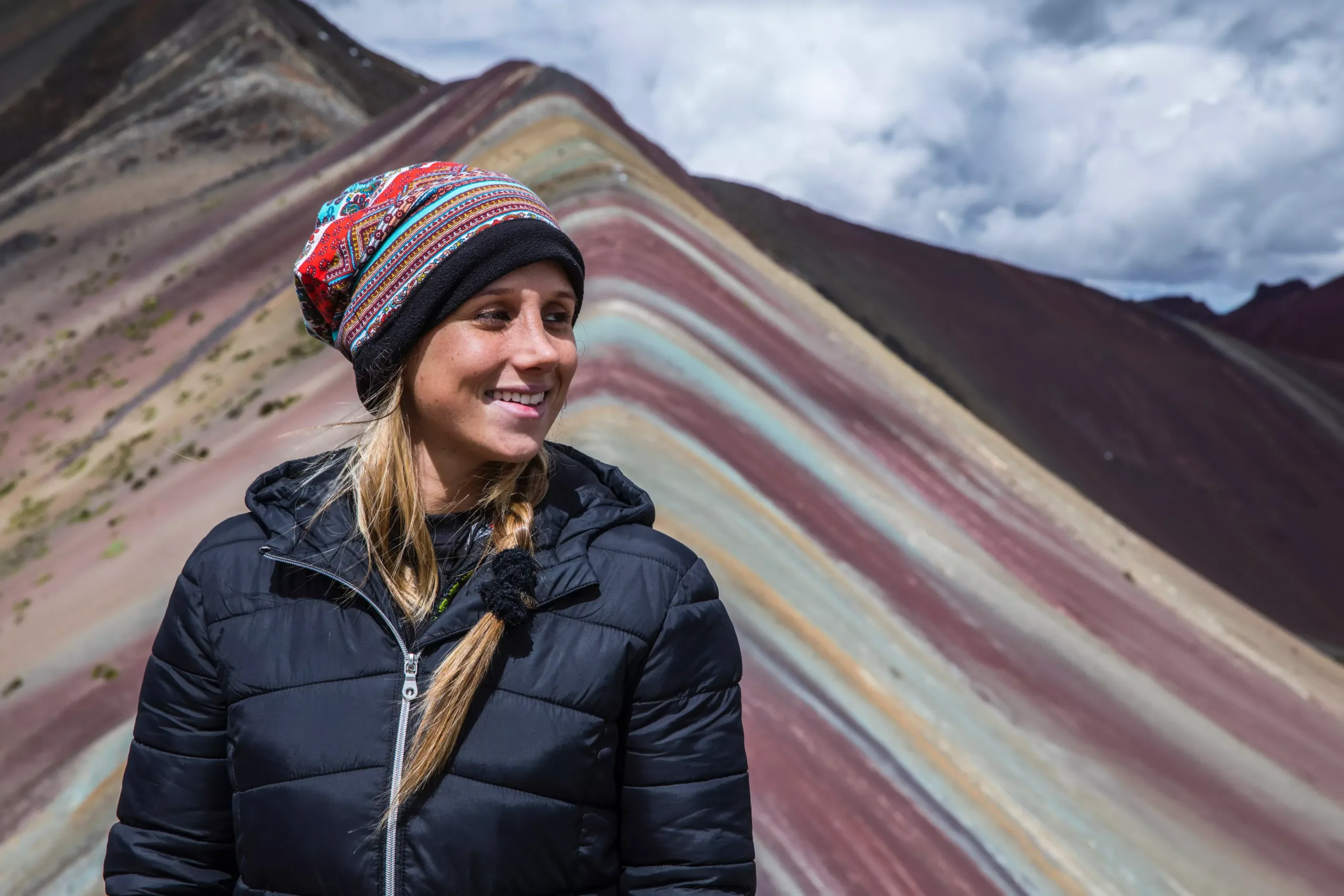
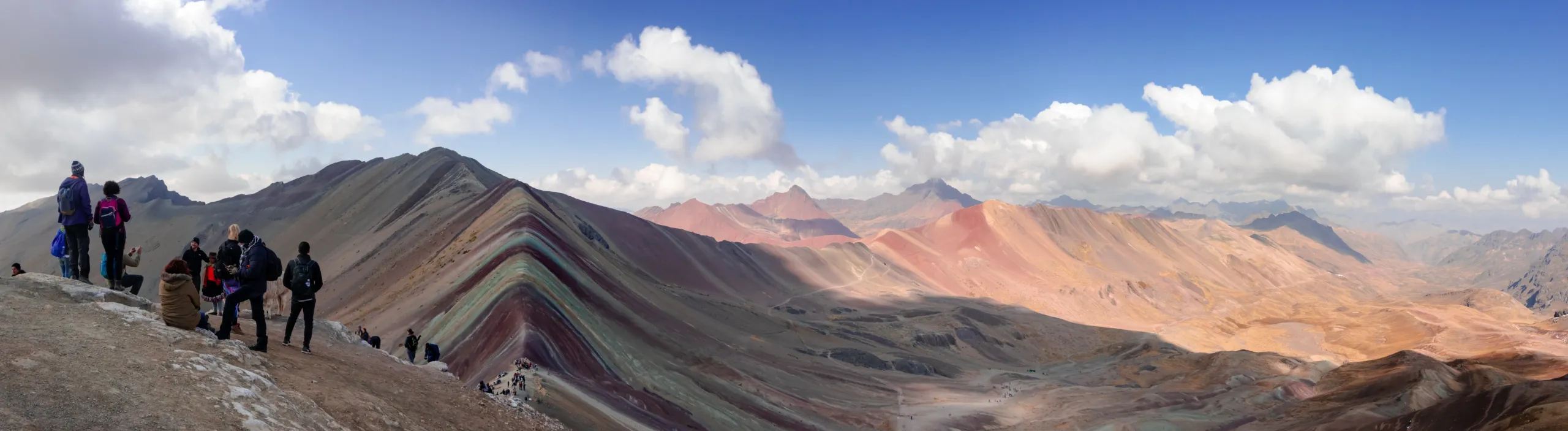
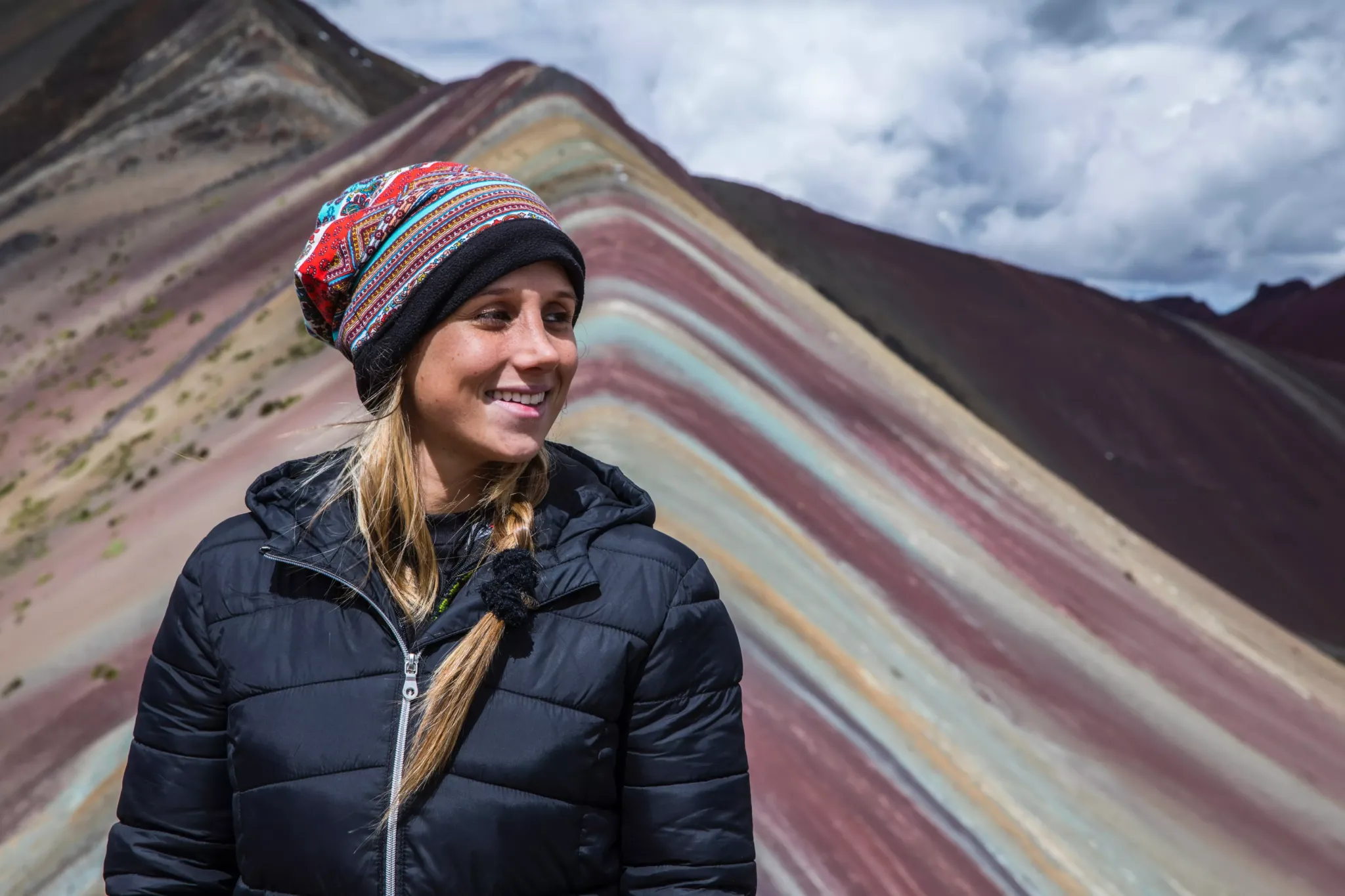
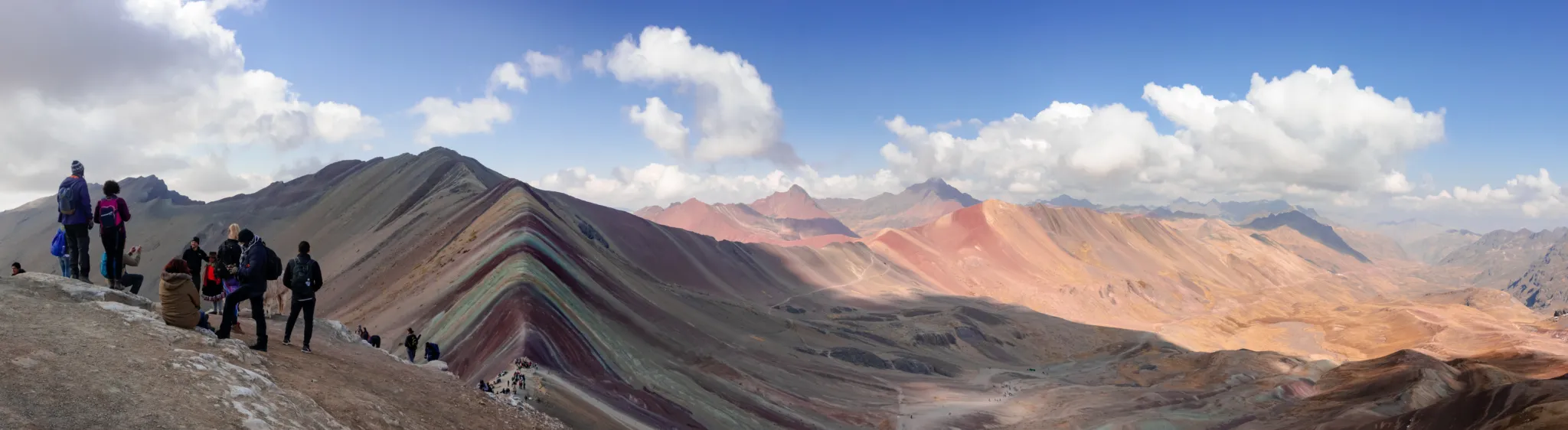
  • Rainbow Mountain’s striations vibrate like exposed nerve endings of the earth, their mineral hues shifting with the sun’s arc.
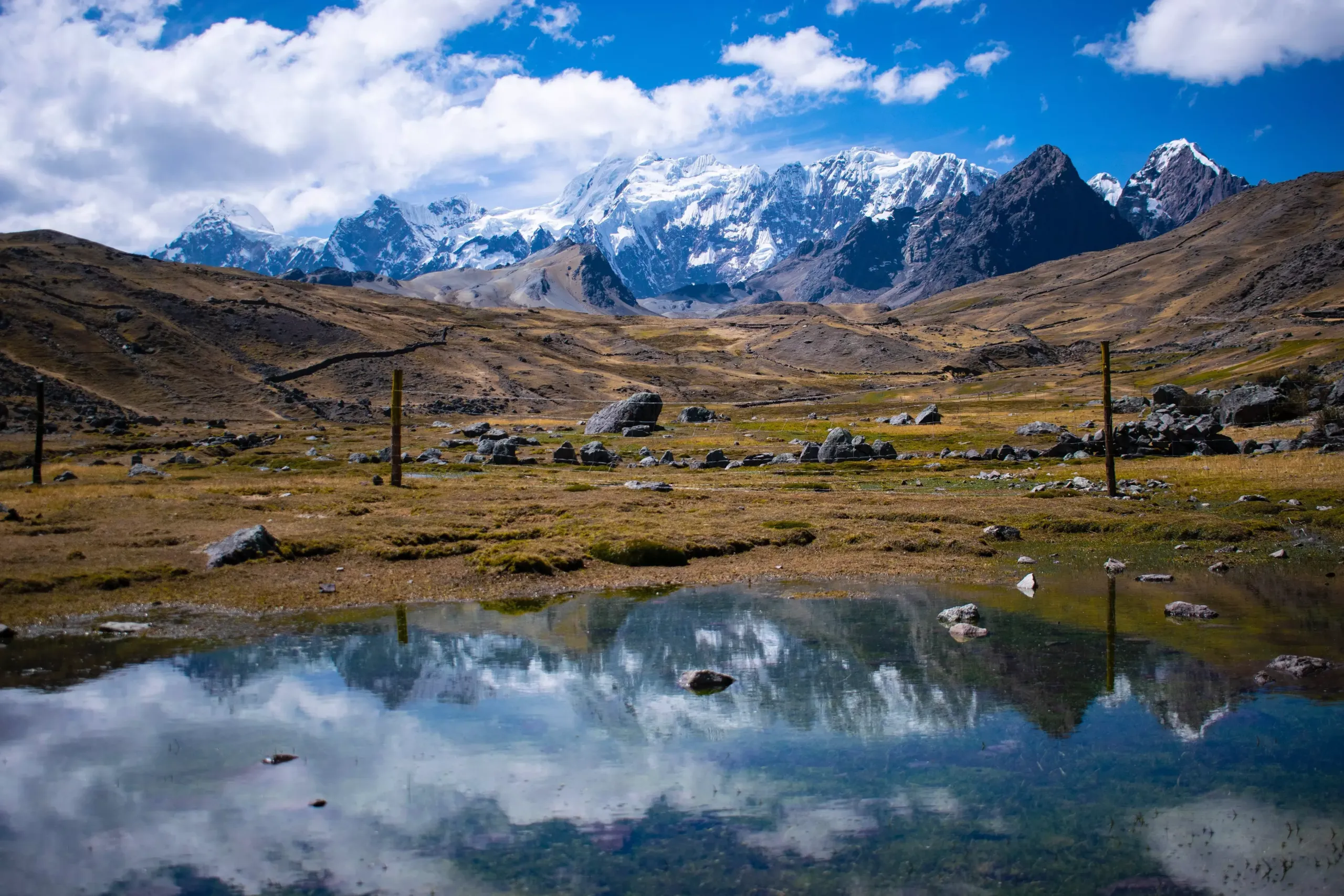
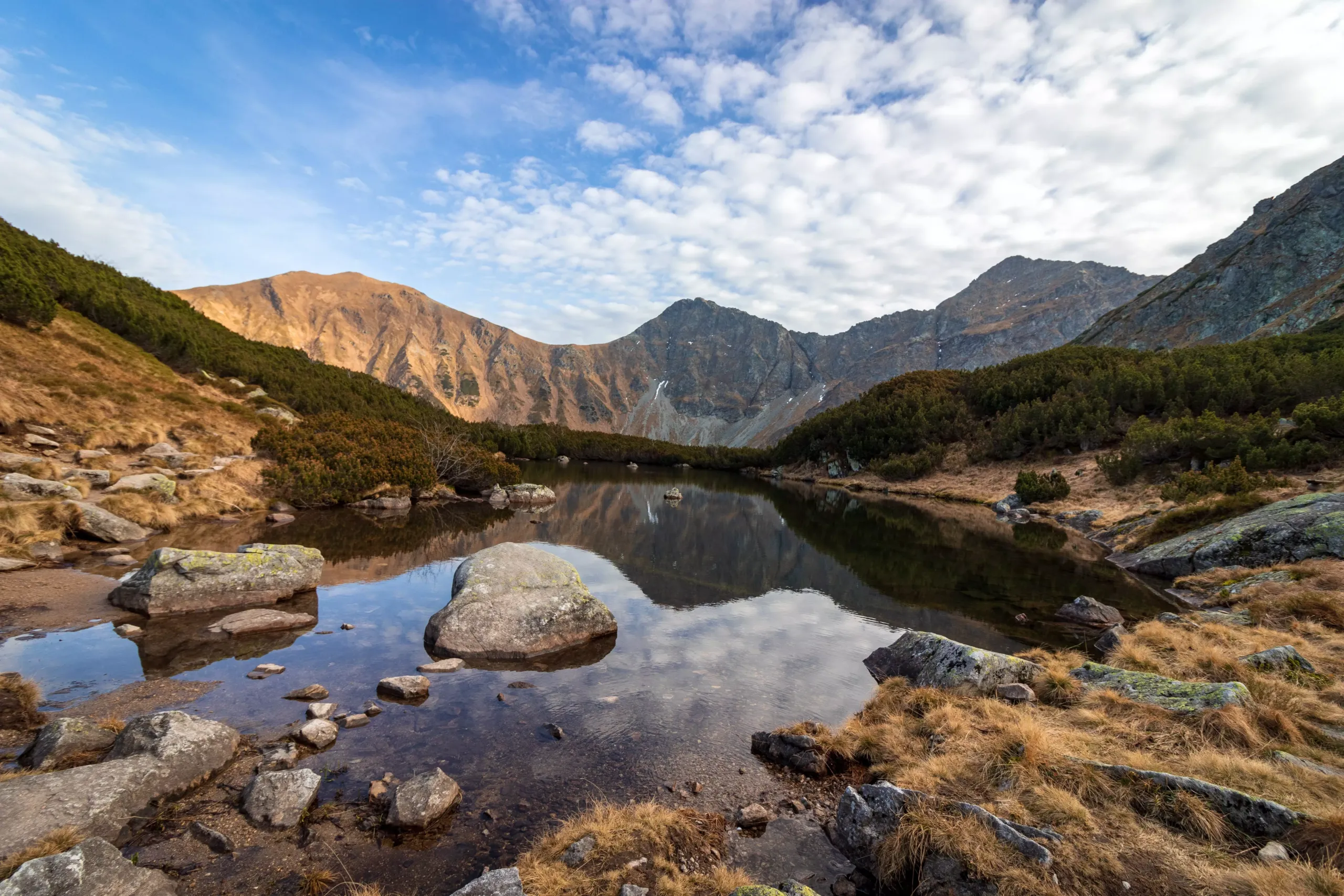
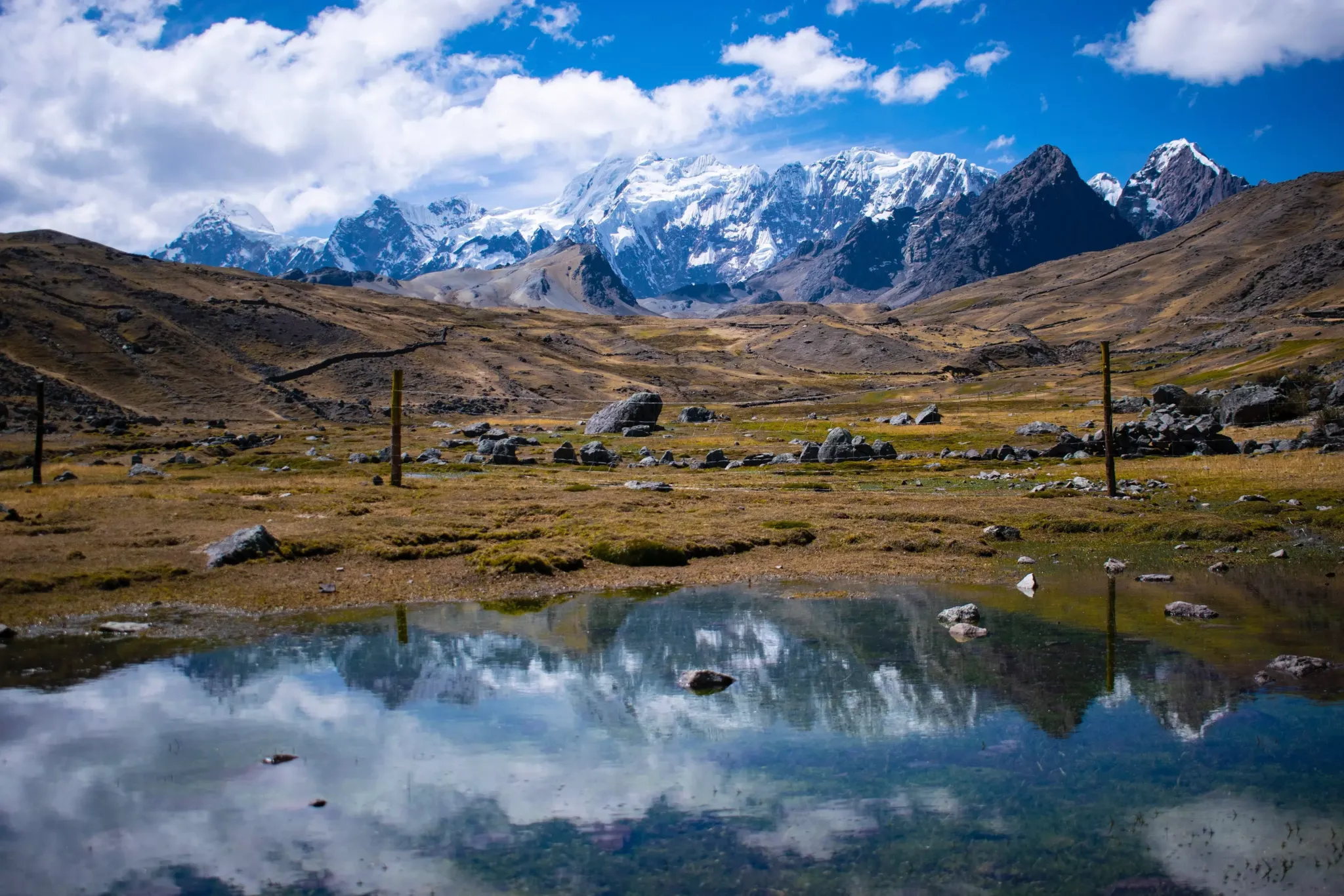
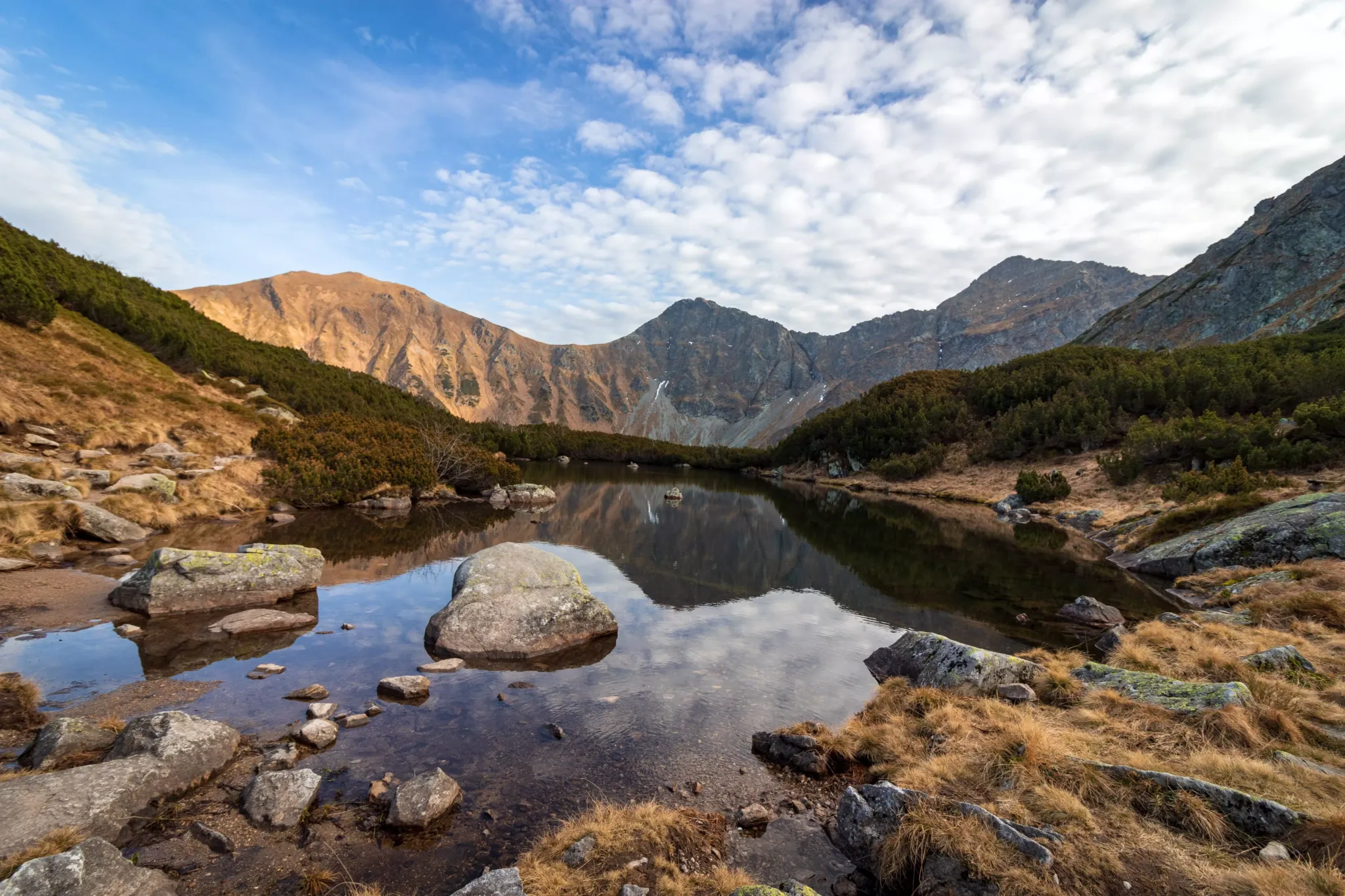
  • The lakes here don’t merely reflect—they absorb, their mirrored surfaces swallowing ego whole.
  • Pajchanta’s thermal waters emerge from the mountain’s molten heart, their mineral content precisely calibrated to rebuild weary muscles.
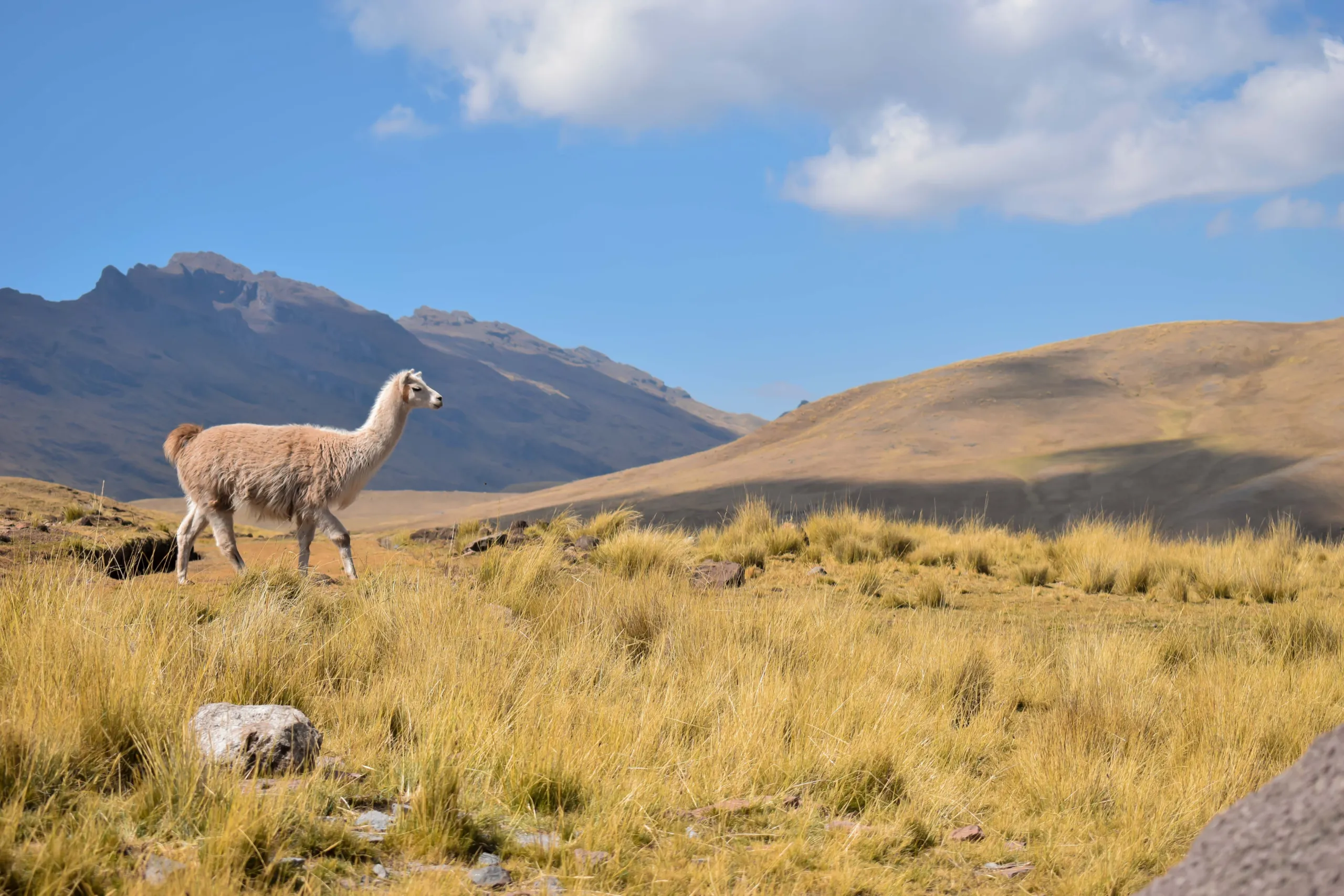
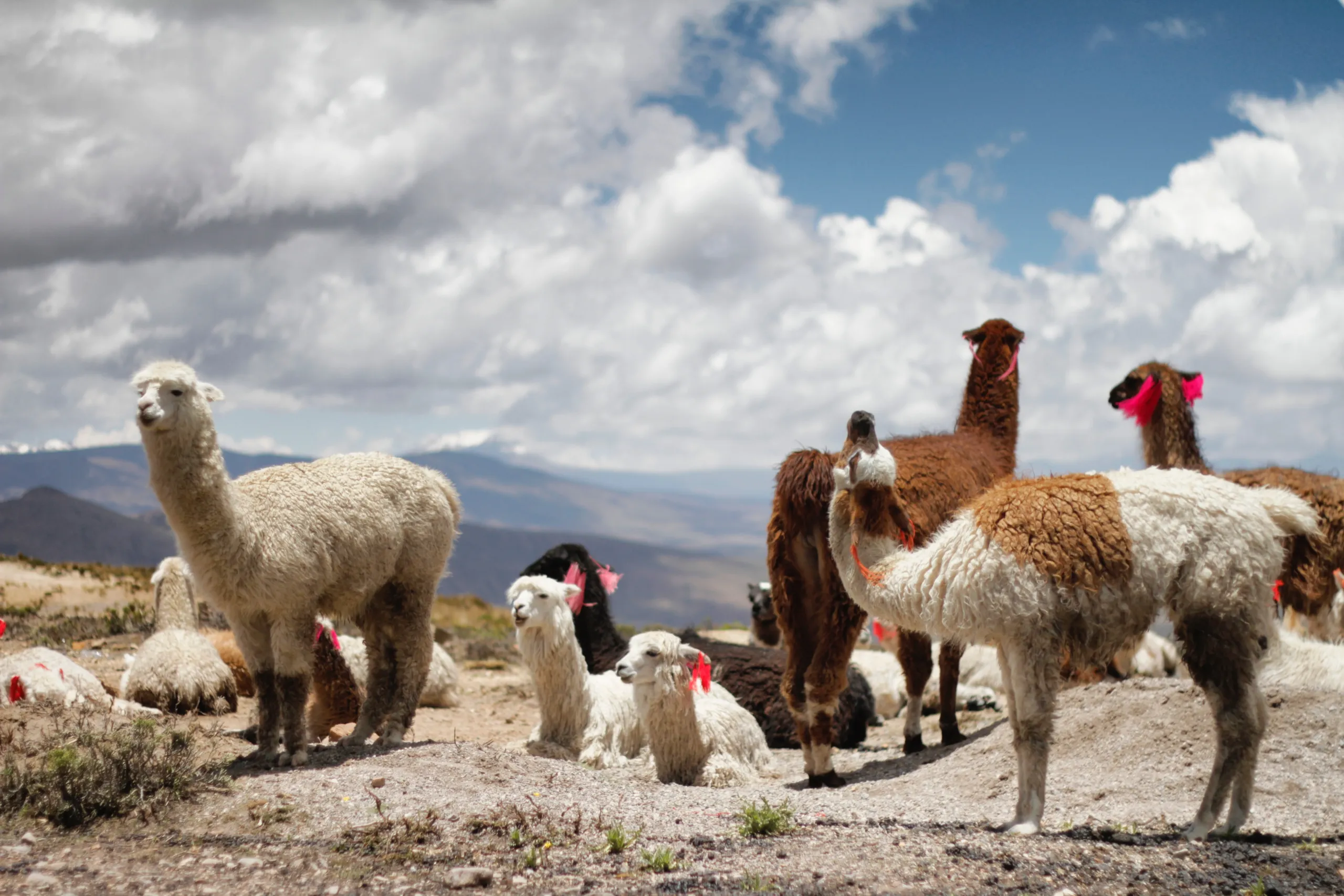
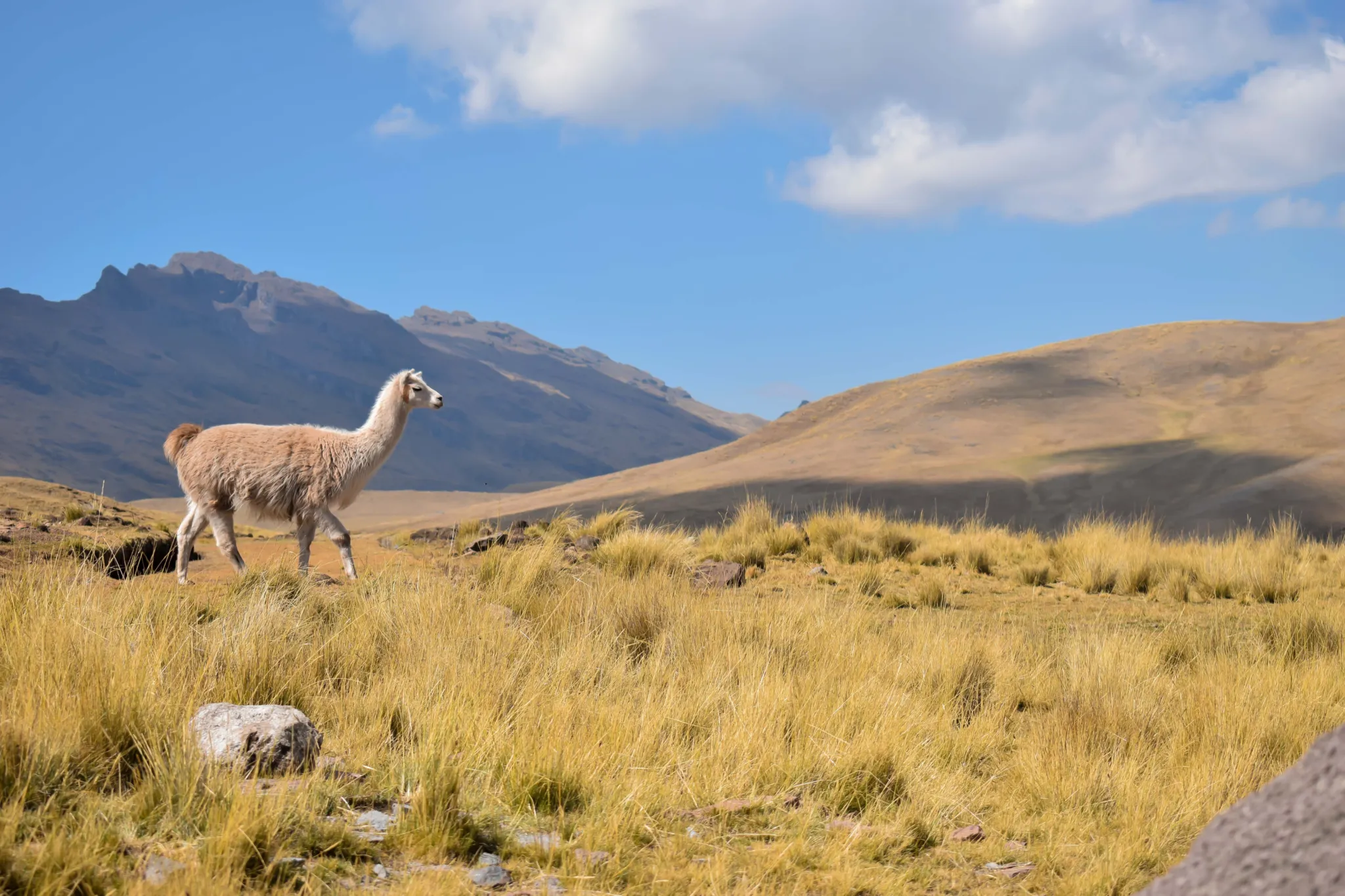
  • Vicuñas move like golden whispers across the tundra, their wildness a rebuke to domestication.
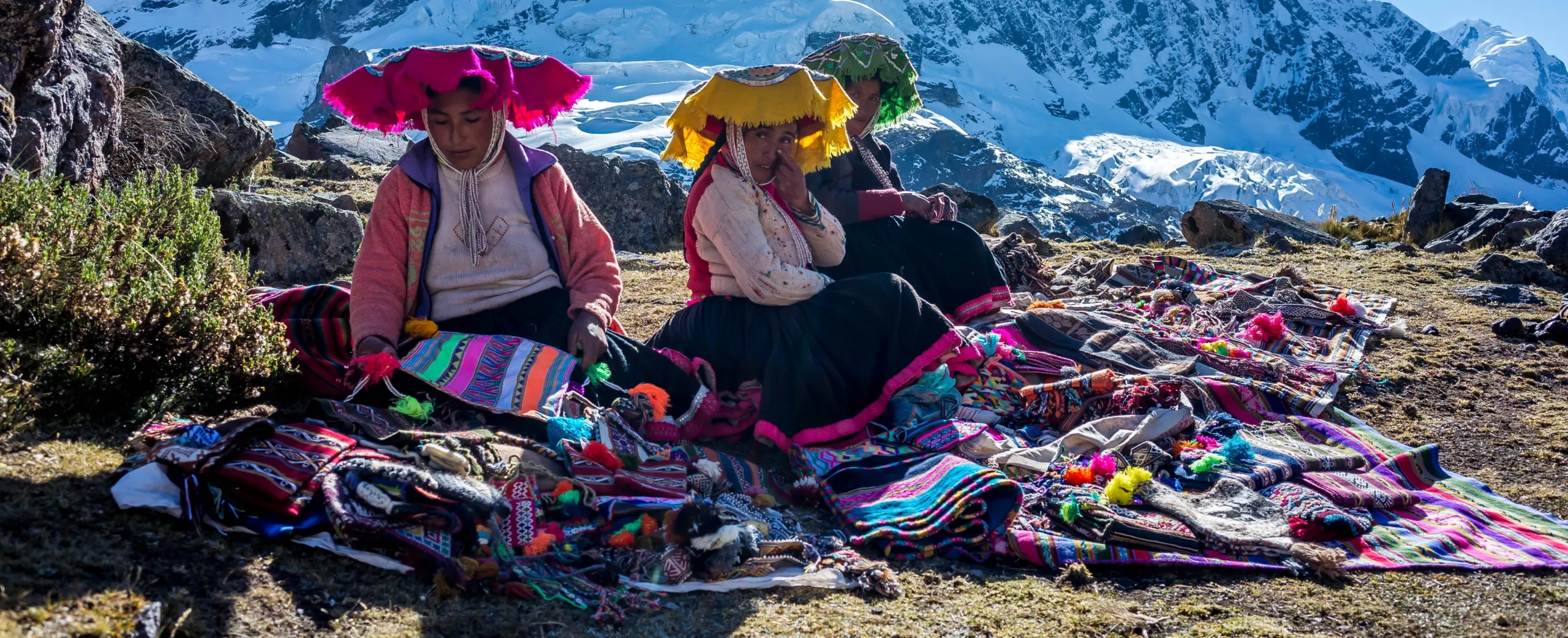
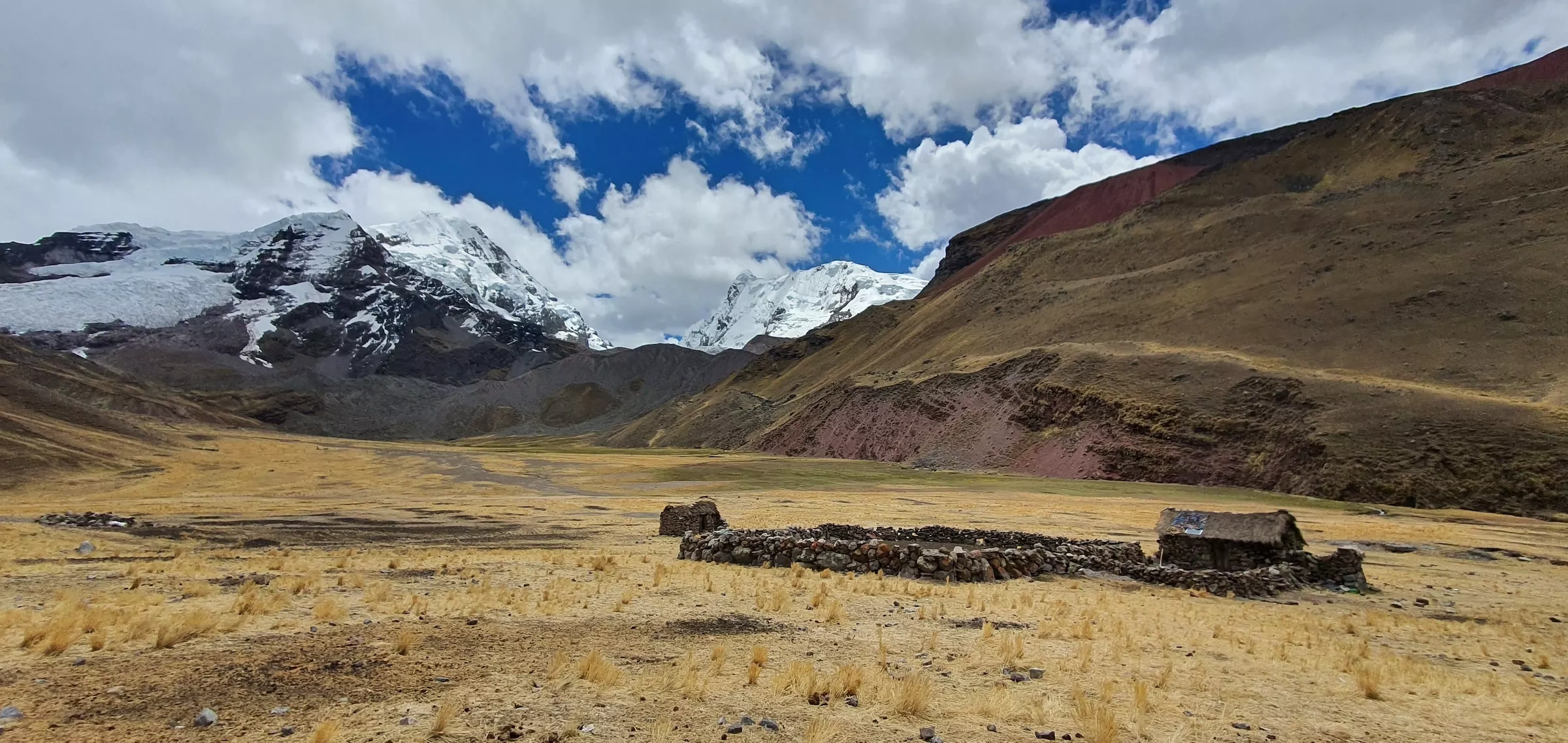
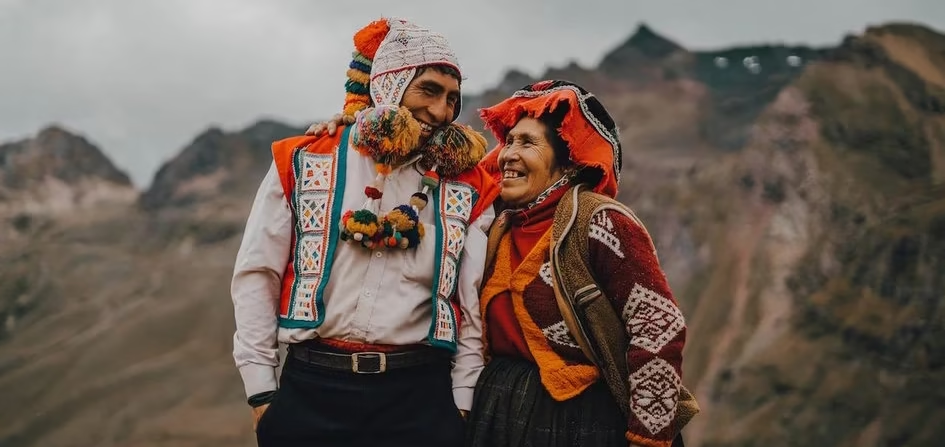
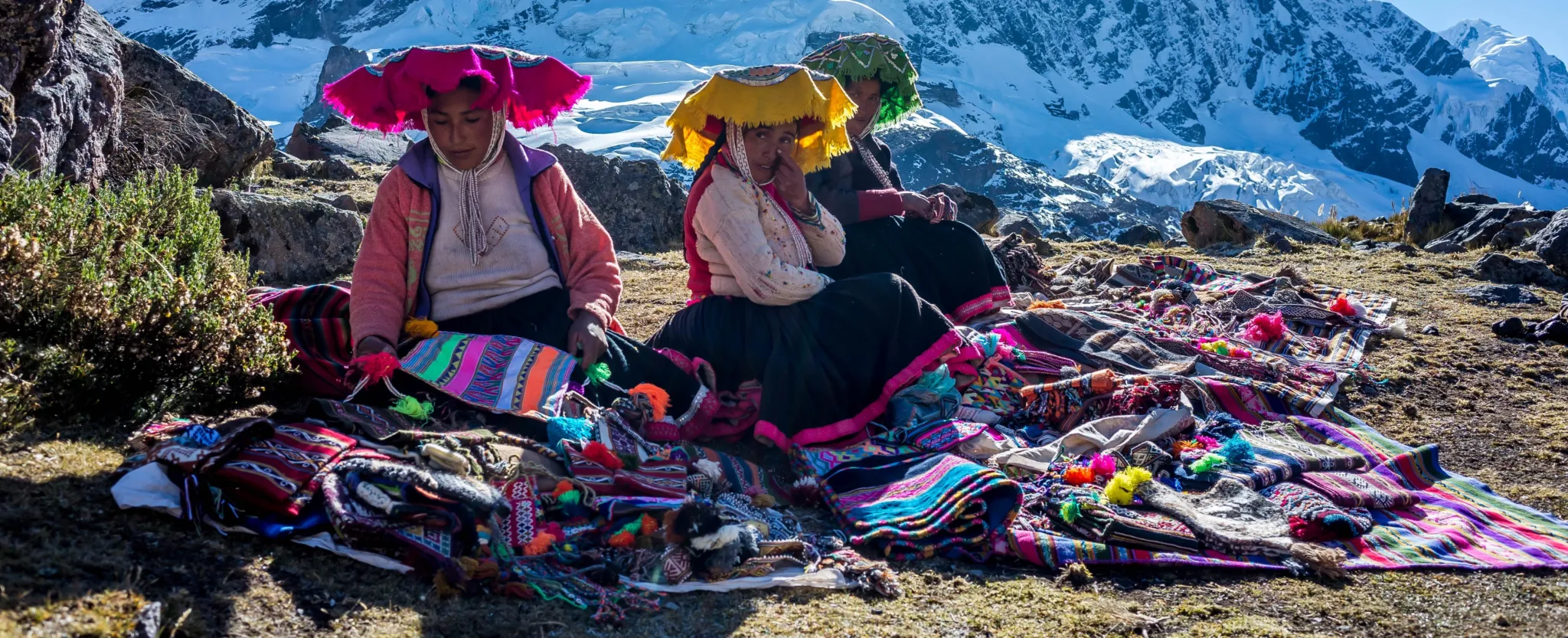
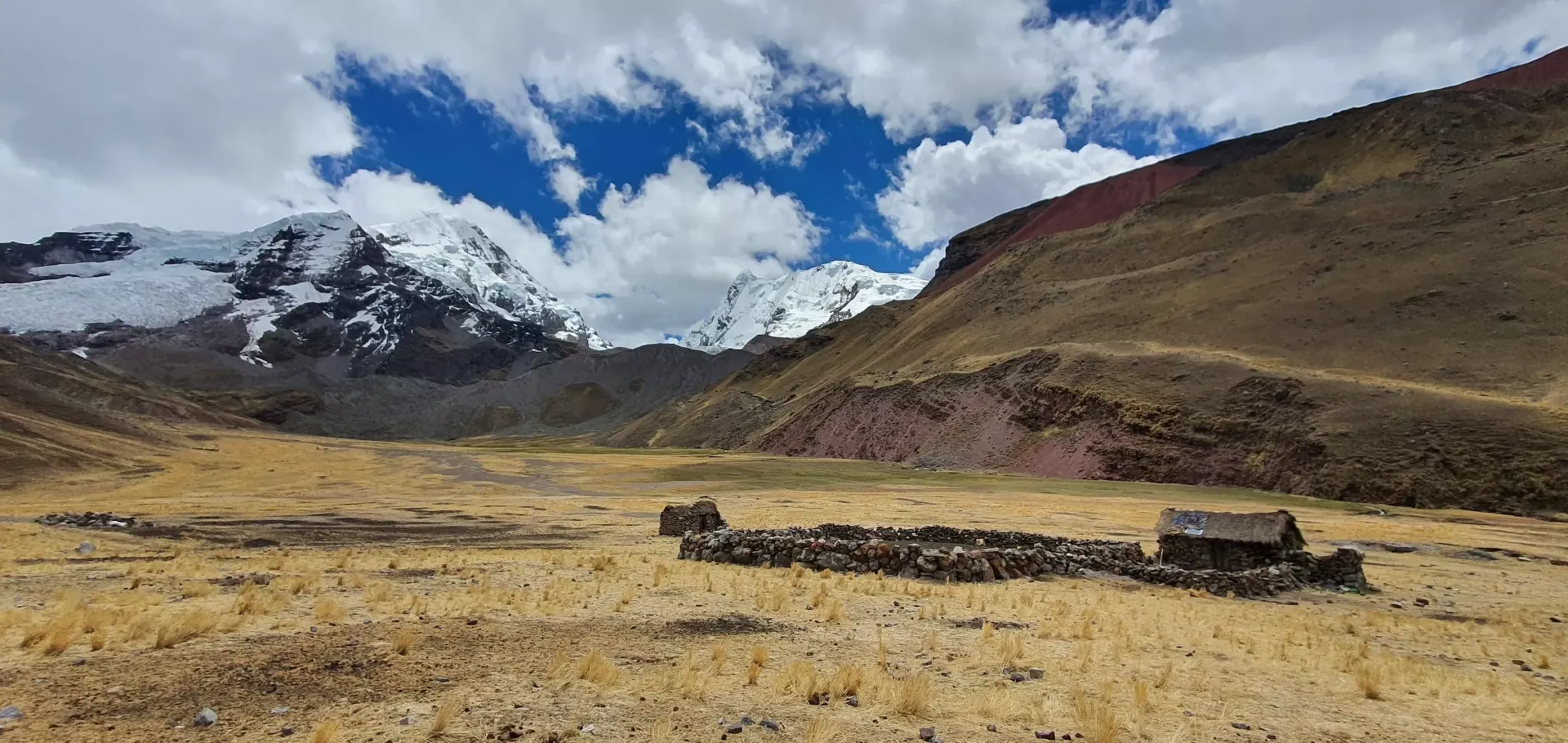
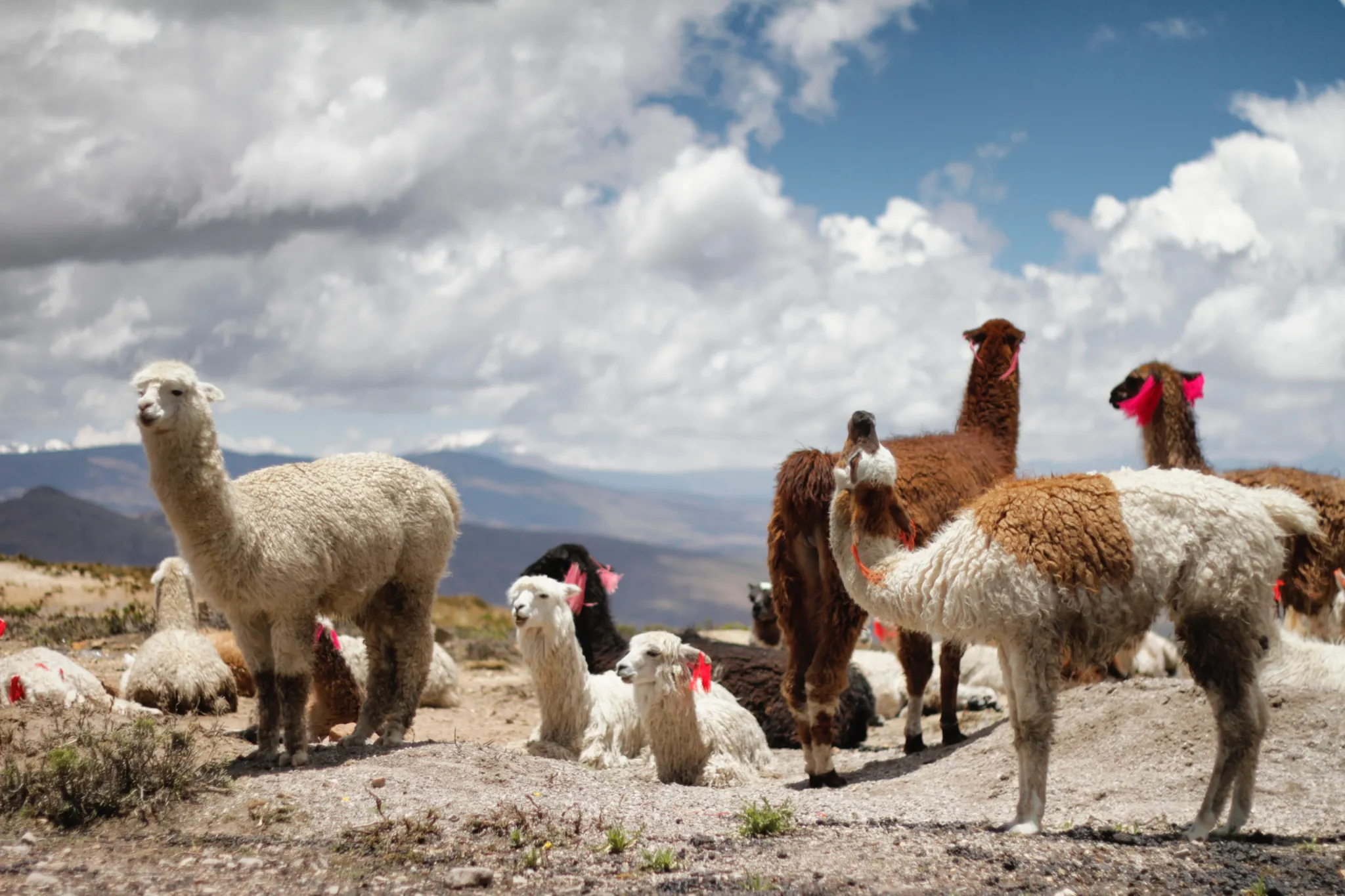
  • The Quechua herders’ stone huts become unexpected temples, where the simple act of sharing chicha unlocks ancestral wisdom.


Experiencing the cosmos


Ausangate Trek


What Happens at 5,000 Meters

The body at extreme altitude is not the body at sea level. The cognitive noise that most people carry continuously — the planning, the reviewing, the low-grade anxiety of an overstimulated nervous system — quiets at altitude not by choice but by physiological necessity. The brain, receiving less oxygen, becomes selective. What remains is what matters.

Nine days of this, in a landscape so vast and so indifferent to human concerns that the ego has nothing to push against, produces a quality of clarity that most people have never experienced and cannot fully describe afterward. The Inka method framework applied throughout by your guide gives that clarity somewhere to go — a interpretive structure rooted in Andean ancestral knowledge that makes the experience legible without diminishing it.

The therapeutic dimension of Ausangate is not an addition to the trek. It is the trek, read correctly.

The Ausangate Circuit — More Days, More Depth

The market around Ausangate offers several options. A one-day excursion to Rainbow Mountain from Cusco — the most common — delivers the photograph and returns you to the city before dinner. A two-day version adds an overnight at the base. Three and four-day circuits exist that cover portions of the glacier route, touching the highlights before looping back.

All of them are valid. None of them are what this is.

The difference is not duration for its own sake. It is what sustained time at extreme altitude, inside a landscape of this magnitude, actually does to the nervous system — and how long that process genuinely requires to complete itself. The one-day visitor arrives, is overwhelmed, and leaves before the overwhelm has anywhere to go. The three-day trekker begins to acclimatize and returns home just as the real experience is beginning. The body needs approximately four days at these elevations before the cognitive noise genuinely quiets. The therapeutic shifts that Ausangate produces — the clarity, the perspective recalibration, the encounter with one’s own internal state without the usual distractions — begin to consolidate only in the second half of the circuit.

Nine days is not indulgence. It is the minimum honest time required for this landscape to do what it does.

Every additional day in contact with this terrain produces measurable returns — physiologically, psychologically, and in the ancestral knowledge framework of the Inka method that runs through the entire circuit. The market sells access to Ausangate. This expedition gives the mountain enough time to work.

Cusco → Pikillacta → Andahuaylillas → Upis Camp | 4 km | Easy to Moderate

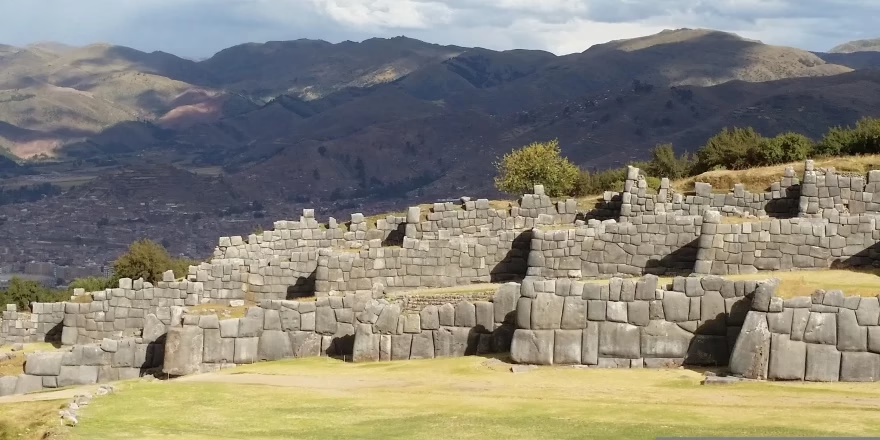
The departure from Cusco moves through two sites that most Ausangate operators drive past without stopping — Pikillacta, a pre-Inka city of two square kilometers built by the Wari culture centuries before the Inka existed, and Andahuaylillas, a colonial church whose interior gold artwork earned it the name the Sistine Chapel of the Americas. These are not detours. They are the opening of a historical conversation that the trek will continue for nine days.

Camp at Upis at 4,437 meters — a first encounter with the full team, the mountain air, and the Ausangate massif appearing above the valley in a scale that the approach road does not prepare you for. The afternoon walk to Upiscocha lagoon is the day’s gentle introduction to a landscape that will be anything but gentle for the days ahead.

  • Distance: 138 km by road + 4 km on foot
  • Altitude range: 3,122 m – 4,578 m
  • Overnight: Camp at Upis

Upis → Arapa Pass (4,800 m) → Pucacocha | 12 km | Easy to Moderate

The Arapa Pass marks a threshold that this itinerary takes seriously — the point beyond which the landscape is intact, unmodified, and entirely indifferent to the modern world. The pass at 4,800 meters opens onto natural landscapes that have looked this way since before the Inka named them, and will look this way long after every name is forgotten.

The descent from Arapa moves between mountains and lagoons in a terrain that has no roads, no buildings, and no evidence of the century you came from. Lunch between rocks. Camp at Pucacocha, where the evening sky at this altitude contains more stars than most people have ever seen in one place.

  • Distance: 12 km
  • Altitude range: 4,500 m – 4,800 m
  • Overnight: Camp at Pucacocha

Pucacocha → Puca Pass (4,870 m) → Warmisaya Pass (5,050 m) → Yanacocha | 12 km | Moderate to Challenging

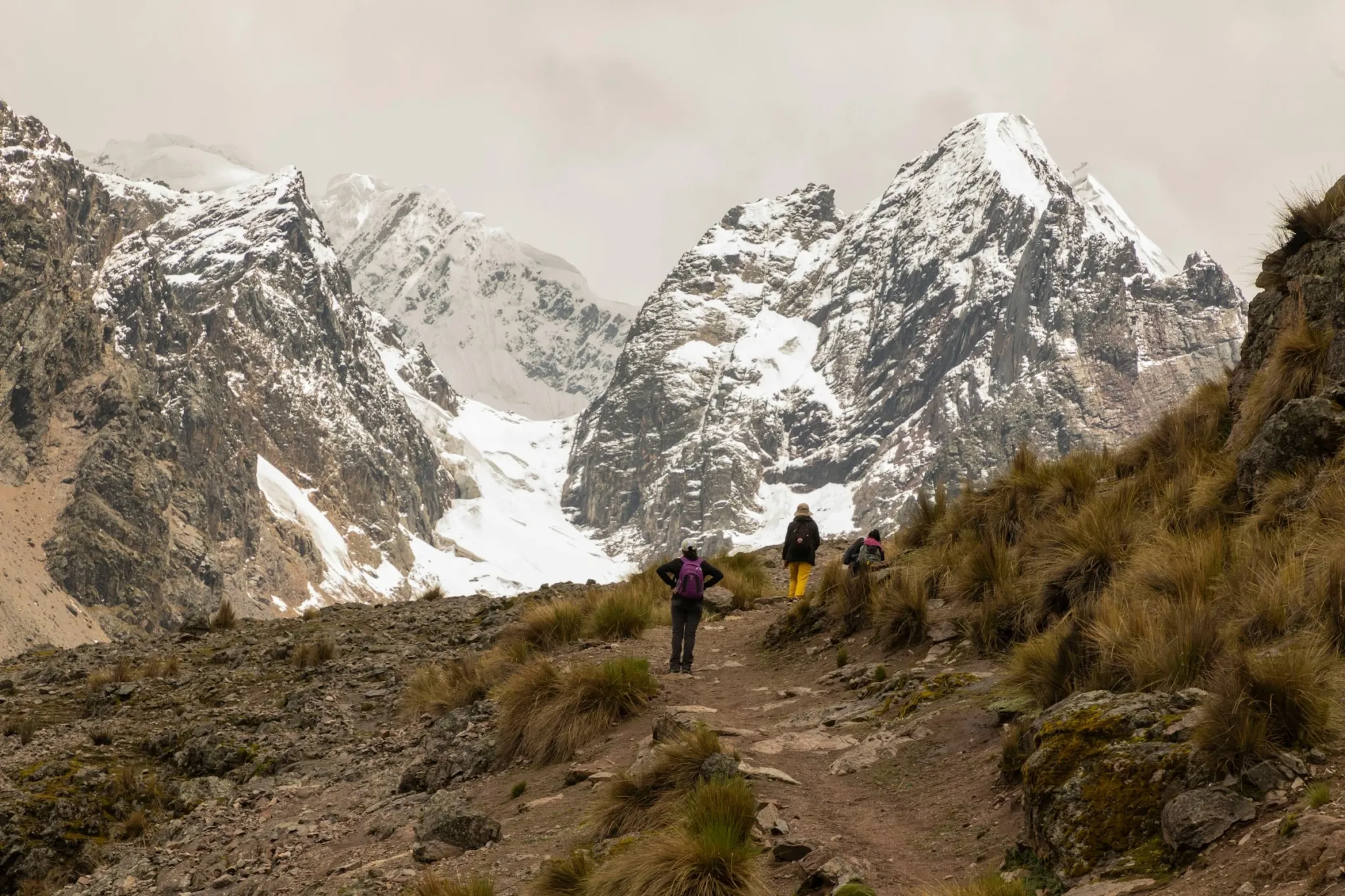
Two passes in one day — the first at 4,870 meters, the second at 5,050 — with lunch on the ridge between them and views in every direction that have no visible limit. This is also the day the route departs from the traditional Ausangate circuit, deliberately veering to position the group for the Rainbow Mountain approach that Day 4 will deliver from the inside rather than from the tourist access road.

The deviation is not logistical. It is therapeutic — the Rainbow Mountain experienced after two days of high-altitude immersion, approached from the mountain’s own territory rather than from a parking lot, is a categorically different encounter.

Camp at Yanacocha, 4,487 meters. The name means Black Lake. At dusk, it earns it.

  • Distance: 12 km
  • Maximum altitude: 5,050 m at Warmisaya Pass
  • Overnight: Camp at Yanacocha

Yanacocha → Rainbow Mountain (5,200 m) → Red Valley → Quesouno → Ausangate Cocha | 16 km | Moderate to Challenging

Rainbow Mountain — Vinicunca — receives thousands of visitors daily, most of them bused from Cusco at 3am to arrive at dawn in a crowd. This itinerary arrives differently: from the mountain’s own territory, after three days of high-altitude immersion, in the first light of a morning that the day-trippers are still driving toward.

The mineral striations of the mountain — rust, gold, lavender, jade, deep ochre — shift with the angle of the early light in a way that photographs have made famous and reality consistently surpasses. The Red Valley adjacent to it receives a fraction of the visitors and delivers a landscape so dramatically colored it reads as geological hallucination.

The afternoon descends through Quesouno to rejoin the Ausangate circuit, arriving at Ausangate Cocha camp at 4,700 meters as the mountain’s glacial crown catches the last light above.

  • Distance: 16 km
  • Maximum altitude: 5,200 m at Rainbow Mountain
  • Overnight: Camp at Ausangate Cocha

Ausangate Cocha — Free Day | 4,549 m average

No itinerary. No objectives. A day inside one of the most remote and beautiful places in the Americas, with nothing required of you except presence.

Explore the surrounding terrain, climb a ridge, sit beside a lagoon, observe the local herder communities and their relationship to this landscape, wash clothes in glacial water, sleep in the afternoon. The Inka method session on this day works with what five days at extreme altitude has already produced — the quieting of cognitive noise, the sharpening of sensory attention, the particular quality of mind that emerges when the usual inputs are absent.

This day is not a rest day inserted into an itinerary. It is one of the most important days of the nine.

  • Altitude: 4,549 m
  • Overnight: Camp at Ausangate Cocha

Ausangate Cocha → Palomani Pass (5,327 m) → Huchuyphinaya | 10 km | Moderate to Challenging

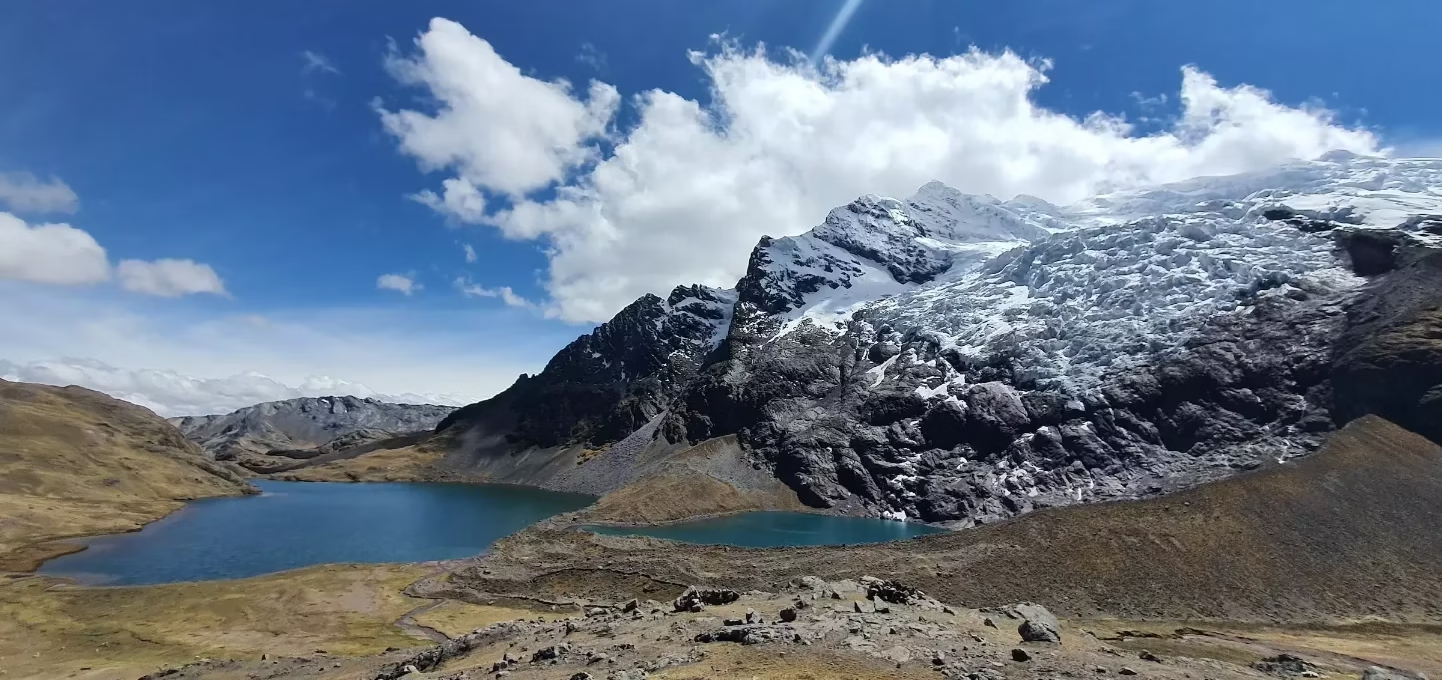
The Palomani Pass at 5,327 meters is the closest approach to the Ausangate glacier on the entire circuit — a point at which the blue ice of one of the Andes’ most sacred mountains is close enough to read its texture, and the cold it radiates is a physical presence rather than an atmospheric condition.

The pass is not the highest point of the trek. That comes later. But for its relationship to the mountain itself — the Apu whose presence has been felt since Day 1 — Palomani carries a weight that altitude alone does not explain. Your guide works with this moment specifically within the Inka method framework.

The descent to Huchuyphinaya is gradual and long, the glacier receding behind you as the valley opens ahead.

  • Distance: 10 km
  • Maximum altitude: 5,327 m at Palomani Pass
  • Overnight: Camp at Huchuyphinaya

Huchuyphinaya → Campa | 10 km | Easy to Moderate

A day of gradual ascent through open puna where the glacier fields expand as the terrain rises — not the concentrated mass of Ausangate but the broader glacial system of the southern Andes, more extensive and in many ways more disorienting in its scale.

Vicuñas appear here with reliable frequency — the wild camelid whose fiber is the most expensive natural textile in the world, moving across the tundra in groups that maintain exactly the distance from human presence that their wildness requires. The sight of them at this altitude, in this landscape, carries a quality of rightness that domesticated animals cannot produce.

Camp at Campa. Tomorrow brings the highest point of the entire circuit.

  • Distance: 10 km
  • Altitude range: 4,530 m – 4,827 m
  • Overnight: Camp at Campa

Campa → Campa Pass (5,400 m) → Otorongo Cocha → Seven Lagoons | 10 km | Moderate

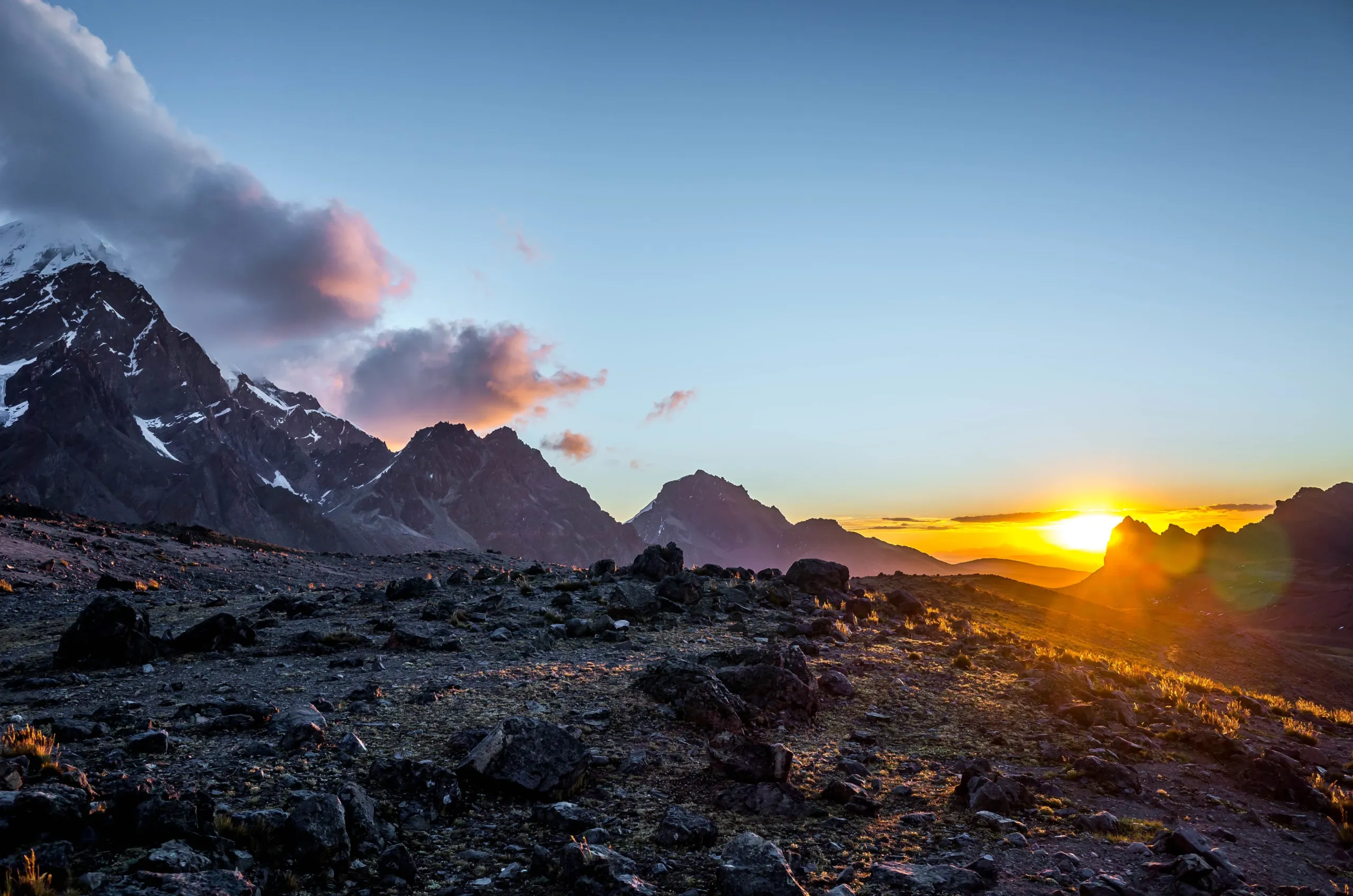
The Campa Pass at 5,400 meters is the highest point of the Ausangate circuit and the farewell to the high mountain world that has been the expedition’s home for eight days. From this altitude the Andes mountain range extends in every direction without interruption — a view that has no urban edge, no road, no evidence of the century you came from.

The descent leads to Otorongo Cocha and the afternoon visit to the seven lagoons circuit — a sequence of high-altitude lakes whose colors shift from turquoise to jade to deep blue within a few kilometers of each other, each one fed by different mineral compositions in the glacial melt above. The reasons for those colors are geological. The effect they produce is something else entirely.

  • Distance: 10 km
  • Maximum altitude: 5,400 m at Campa Pass
  • Overnight: Camp at Otorongo Cocha

Otorongo Cocha → Pajchanta Thermal Springs → Cusco | 6 km + road | Moderate

The final descent moves through the last of the circuit’s terrain to the Pajchanta thermal springs — hot mineral water emerging from the earth at the base of the Ausangate massif, used by pilgrims on this route for centuries as the closing ritual of the circuit. Eight days of extreme altitude, cold, physical demand, and sensory immersion meet thermal water and mountain air in a combination that the body receives with something close to disbelief.

The drive back to Cusco follows. Most people are quiet for most of it — not from exhaustion, but from the particular quality of silence that nine days at the roof of the Andes produces and that the city, when it reappears, has not yet broken.

  • Distance: 6 km on foot + road to Cusco
  • Final altitude: 3,390 m Cusco
Apu Ausangate

Reviews

Reviews

There are no reviews yet.

Be the first to review “Ausangate Trek”

Your email address will not be published. Required fields are marked *

Included/Excluded

  • Incluido All transportation.
  • Incluido Guide service.
  • Incluido Food as described (breackfast=B, Lunch=L, dinner=D).
  • Incluido Entrance fees and permits for the detailed visit sites.
  • Incluido Chef for the trek.
  • Incluido Cooking equipement.
  • Incluido Camping equipement.
  • Incluido Transport mules.
  • Incluido Horseman – mule driver.
  • Incluido Boiled or purified water.
  • No Included Bottle of water or sports drink.
  • No Included Tipping for staff.
  • No Included Travel ensurance
  • No Included Flight tickets
  • No Included Sleeping bag

Attractions

Andahuaylillas, Ausangate, Pikillacta, Rainbow mountain

Activities

Camping, Cooking classes, Culinary, Discoveries, Experiential tourism, Full nature, Glaciers, Hot springs, Lakes, Lama experience, Picnic, Trekking, Viewpoint of Condors

FAQs

Nothing to show, please go to blogs.

Application Process

Contexto personal
Estado mental actua
Preferencias y límites
Datos de contacto

Book This Tour

Top Trending

You may like

Cart0
Cart0