Chinchero — Where the Inka Streets Are Still Lived In
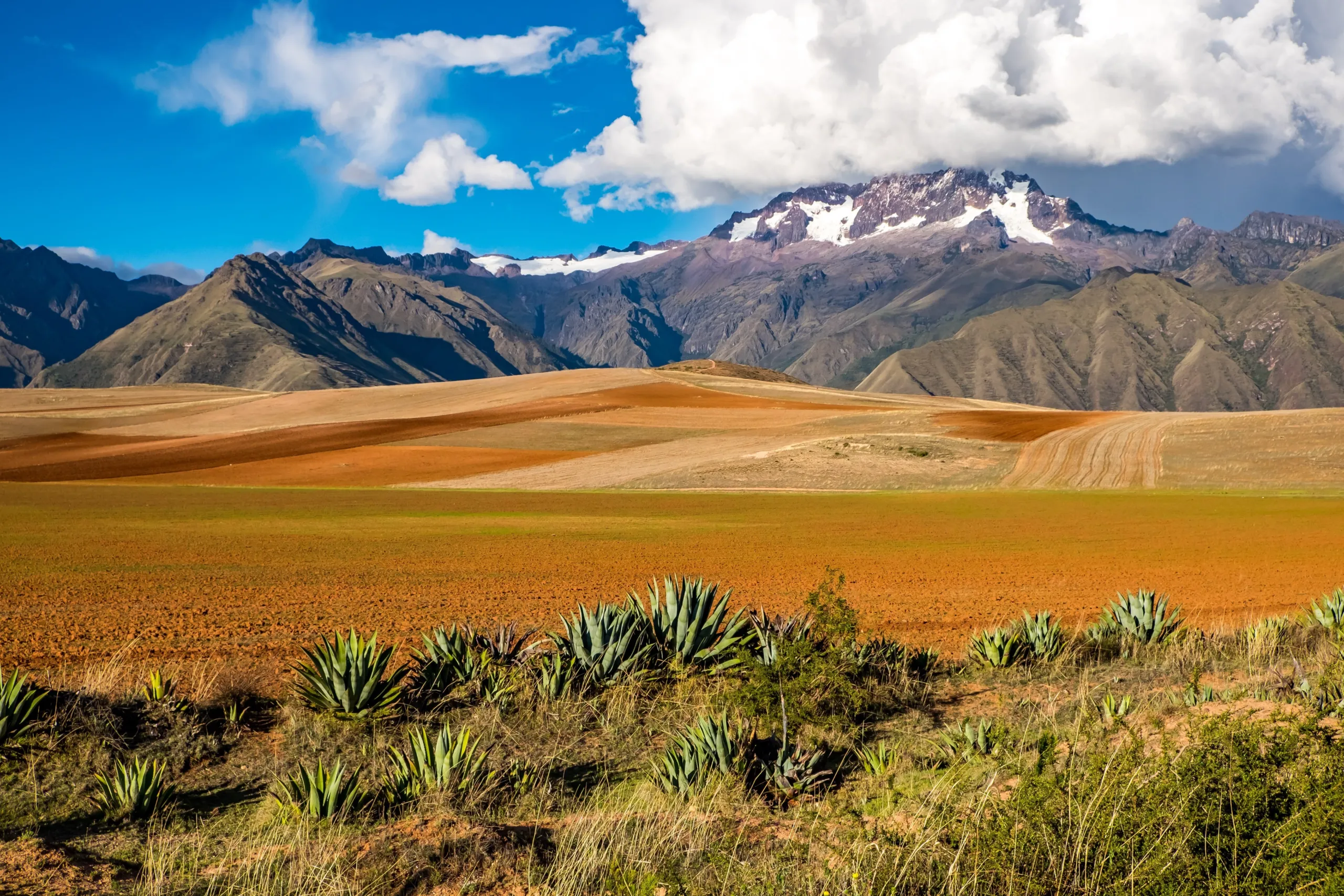
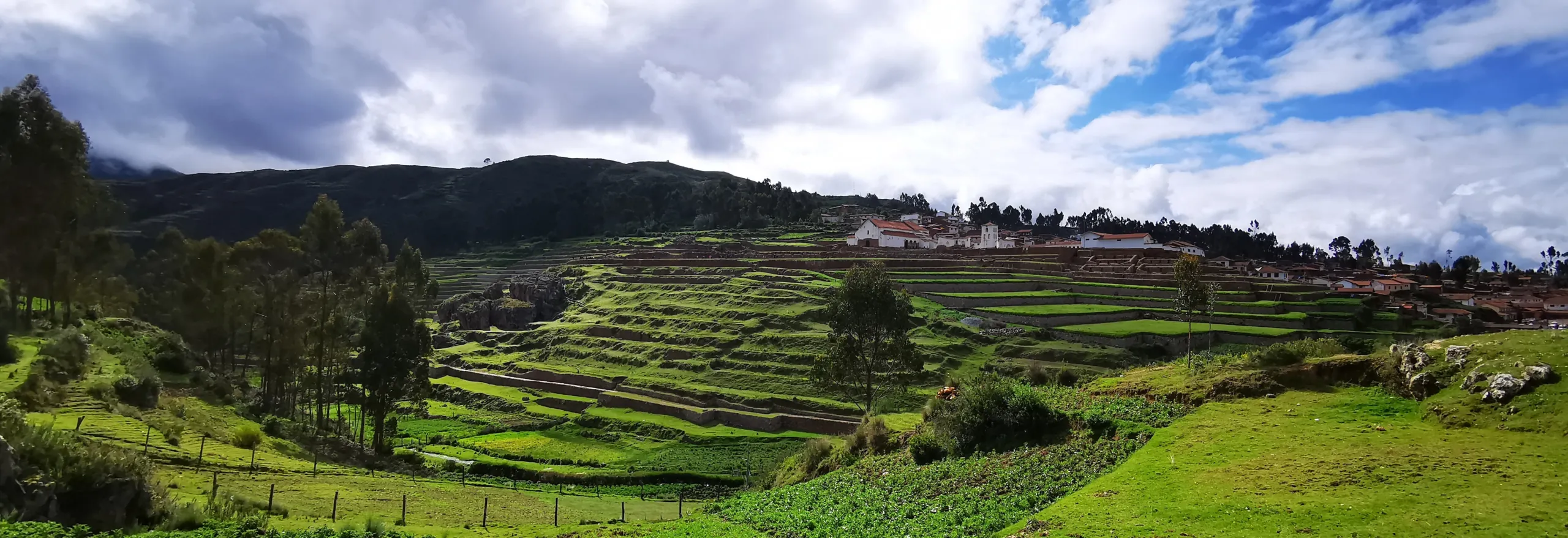
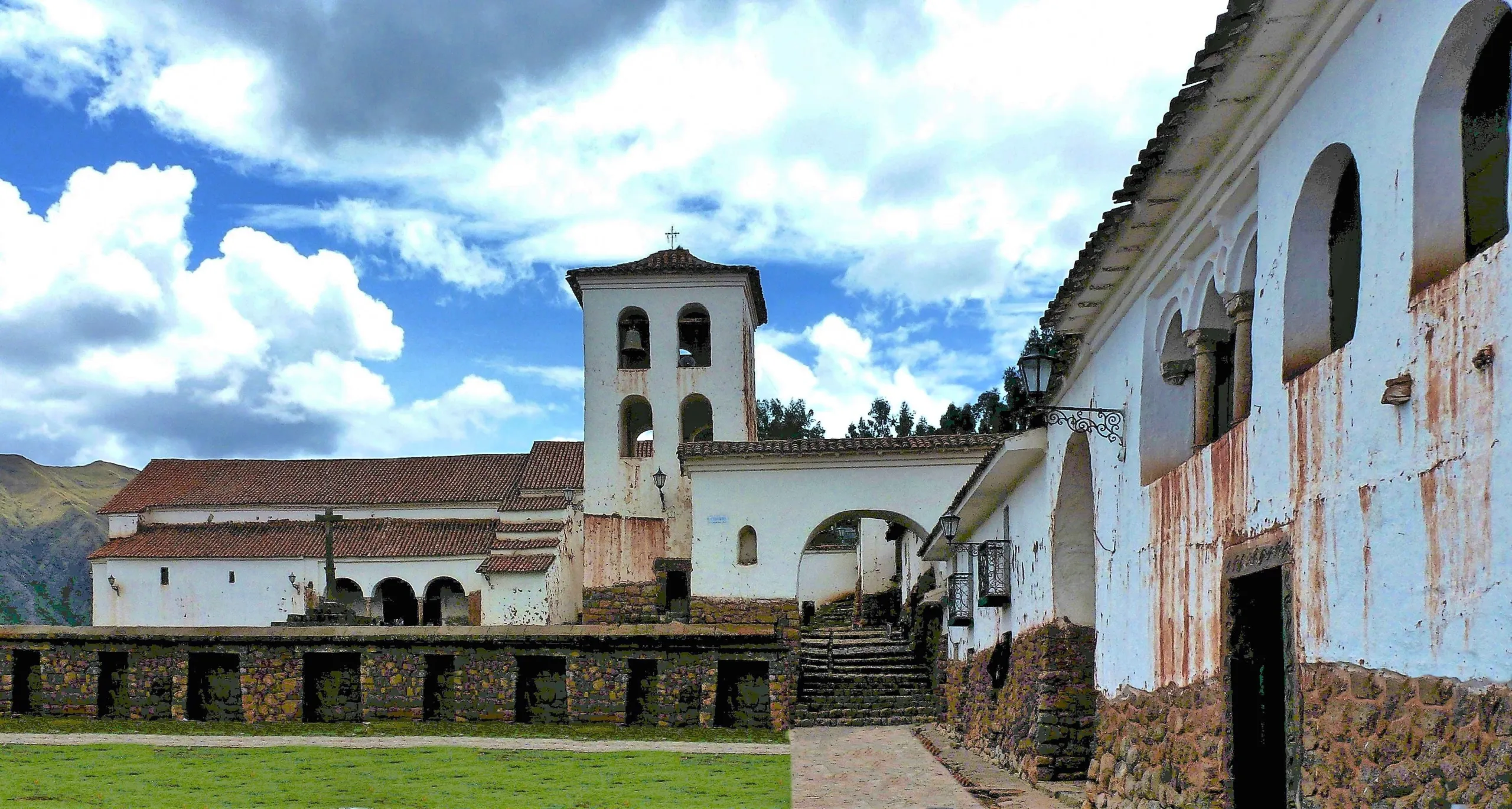
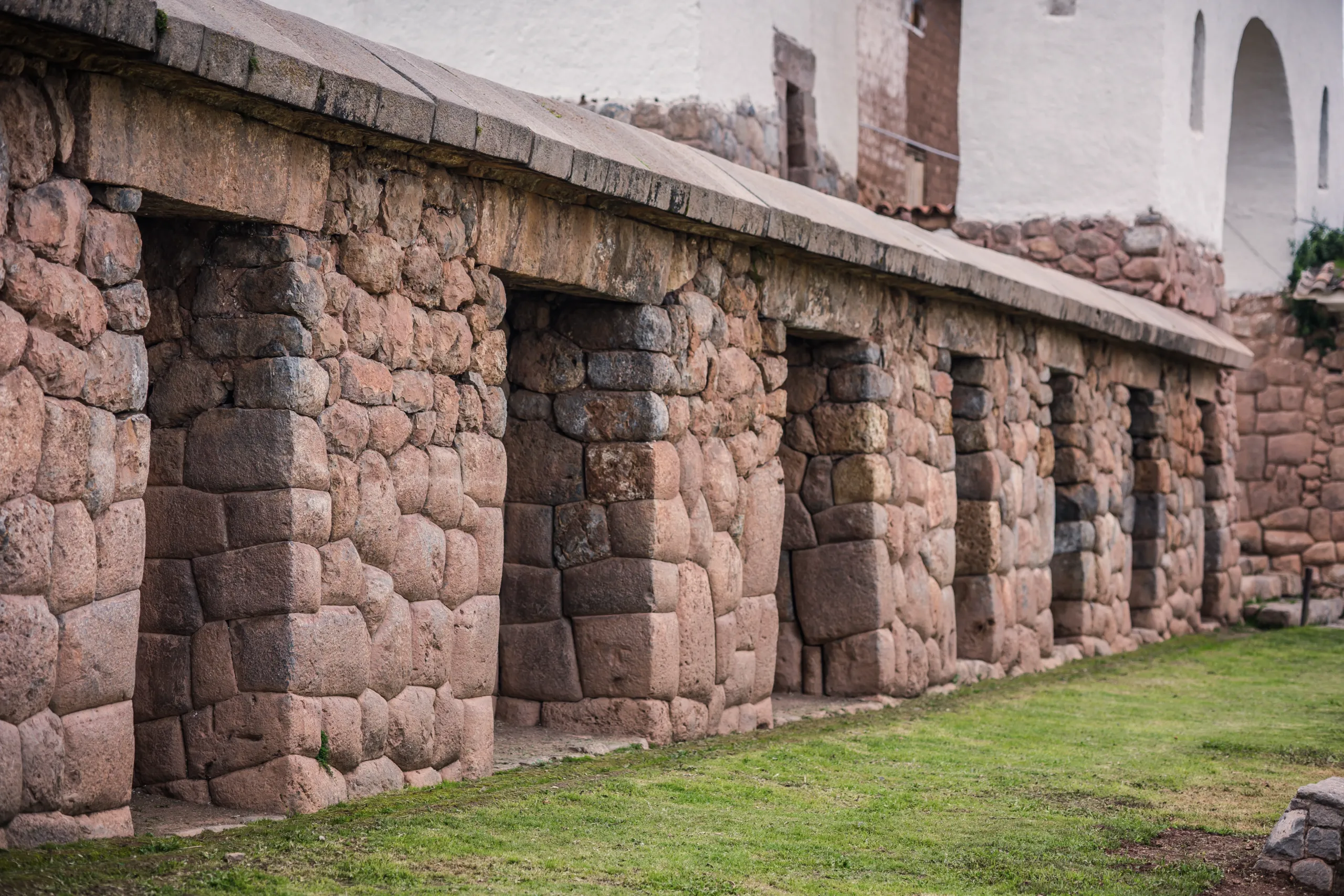
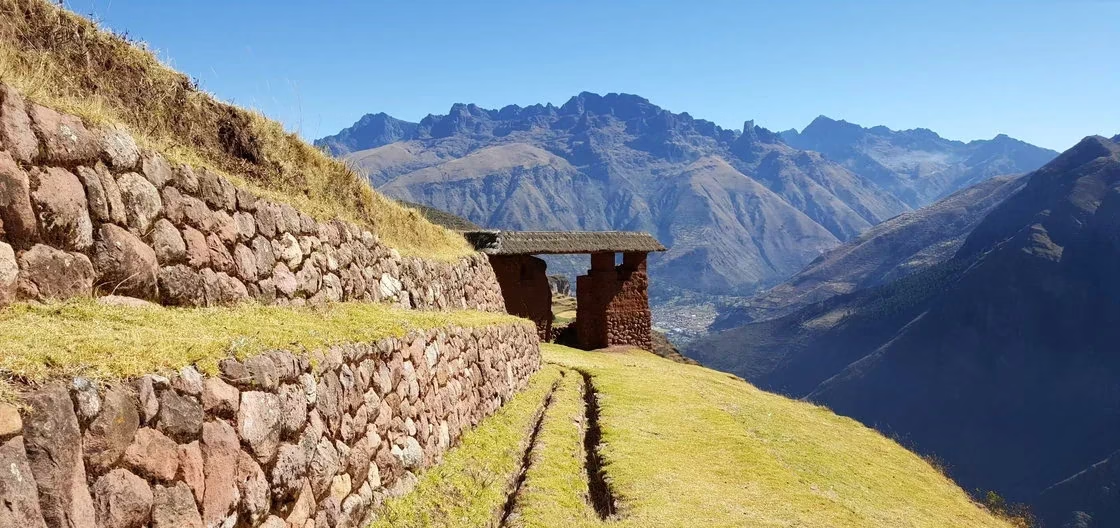
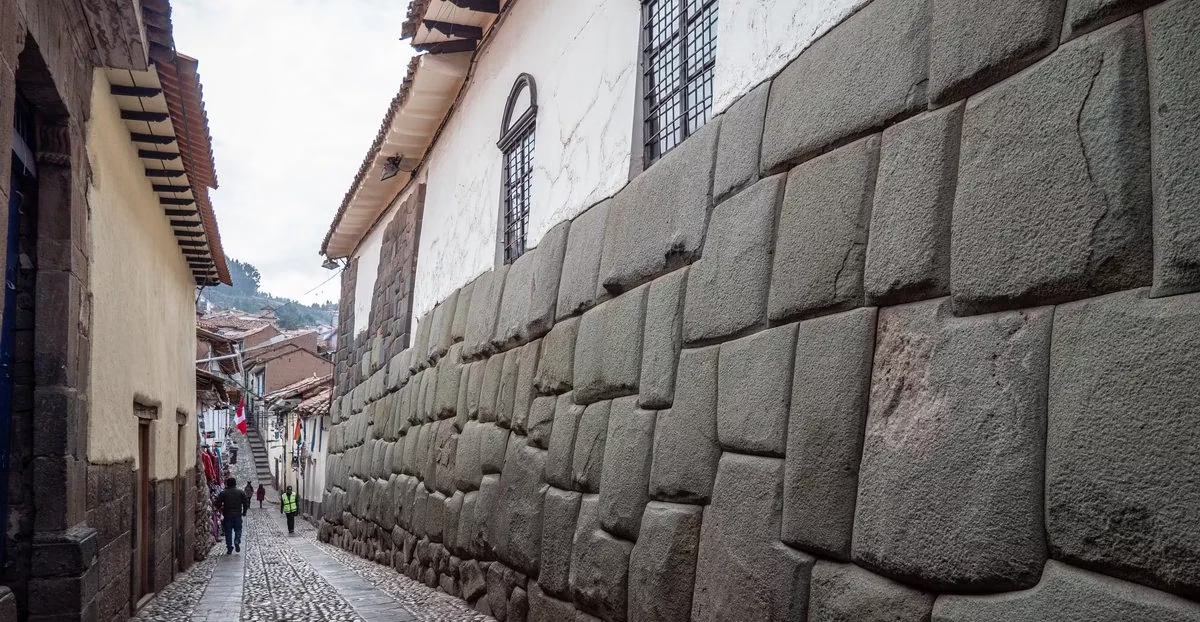
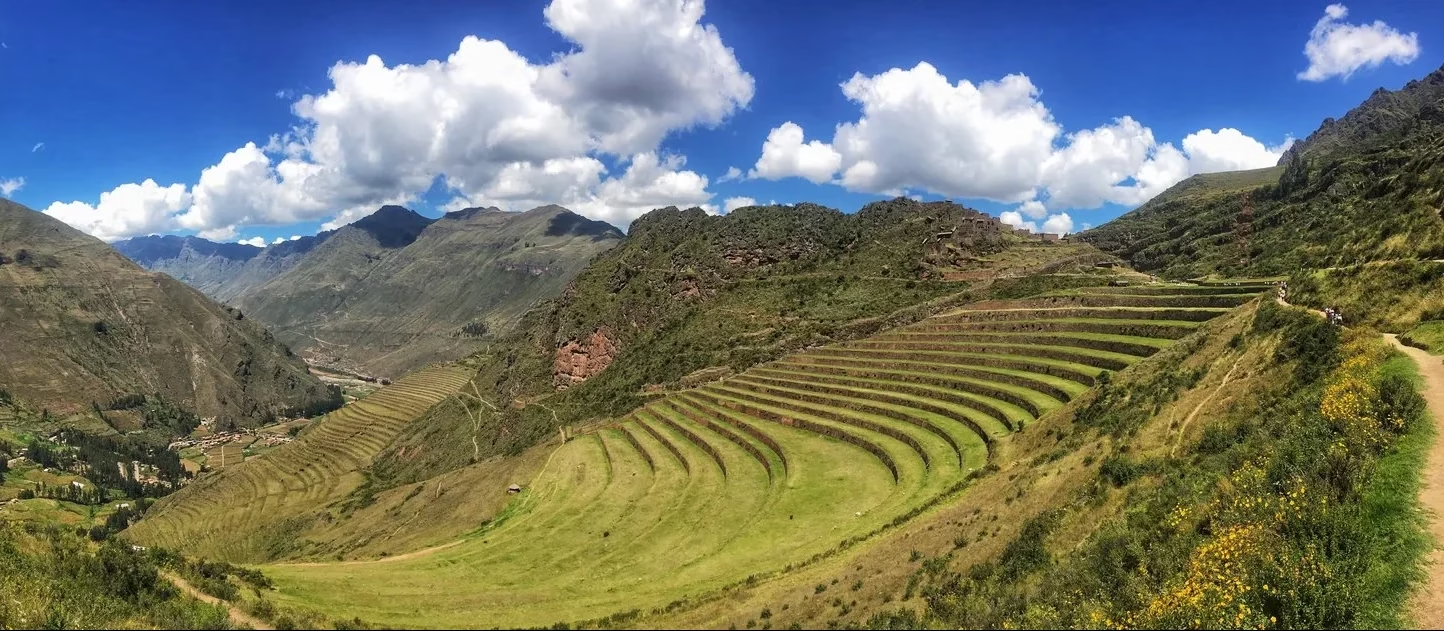
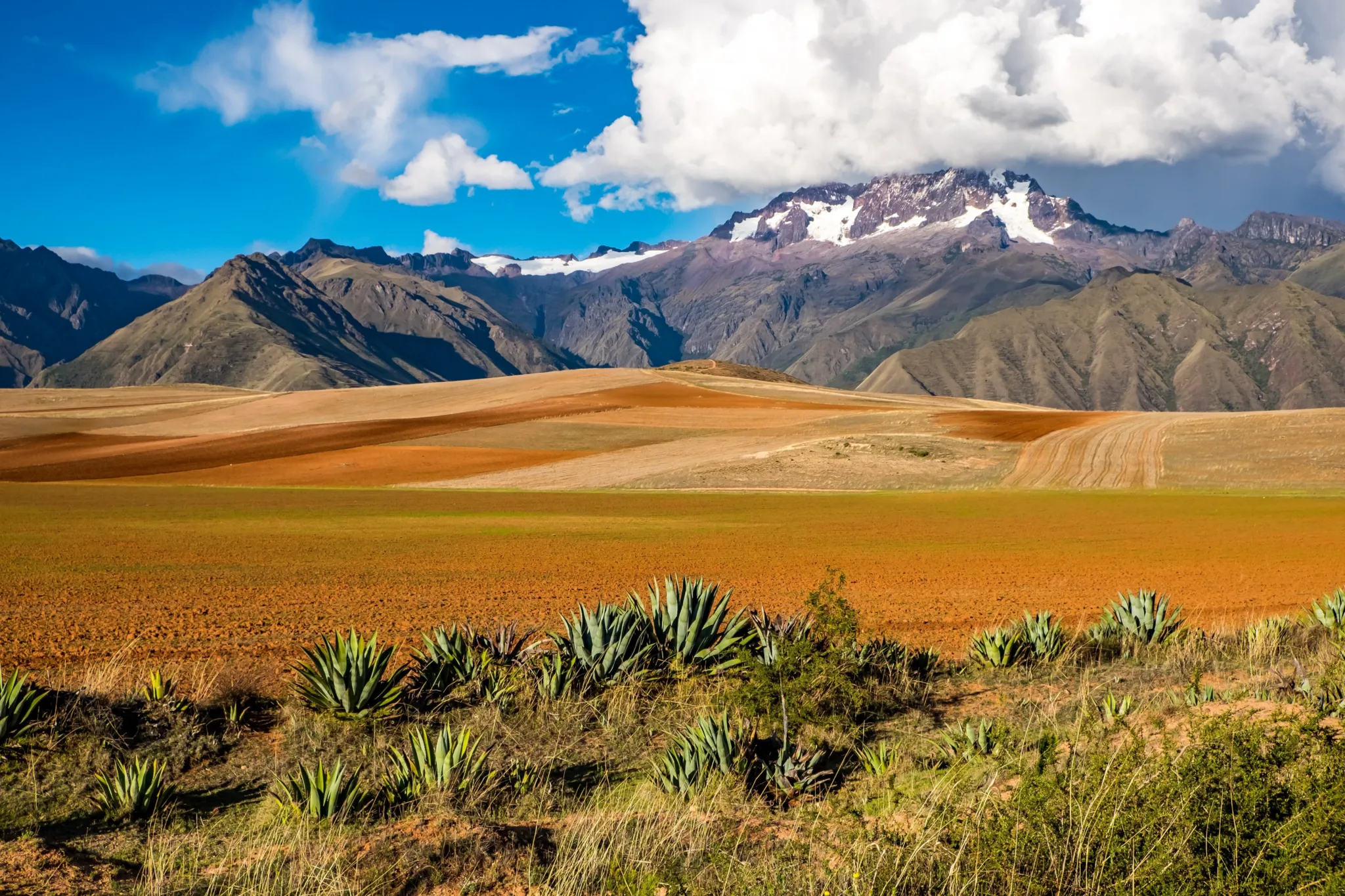
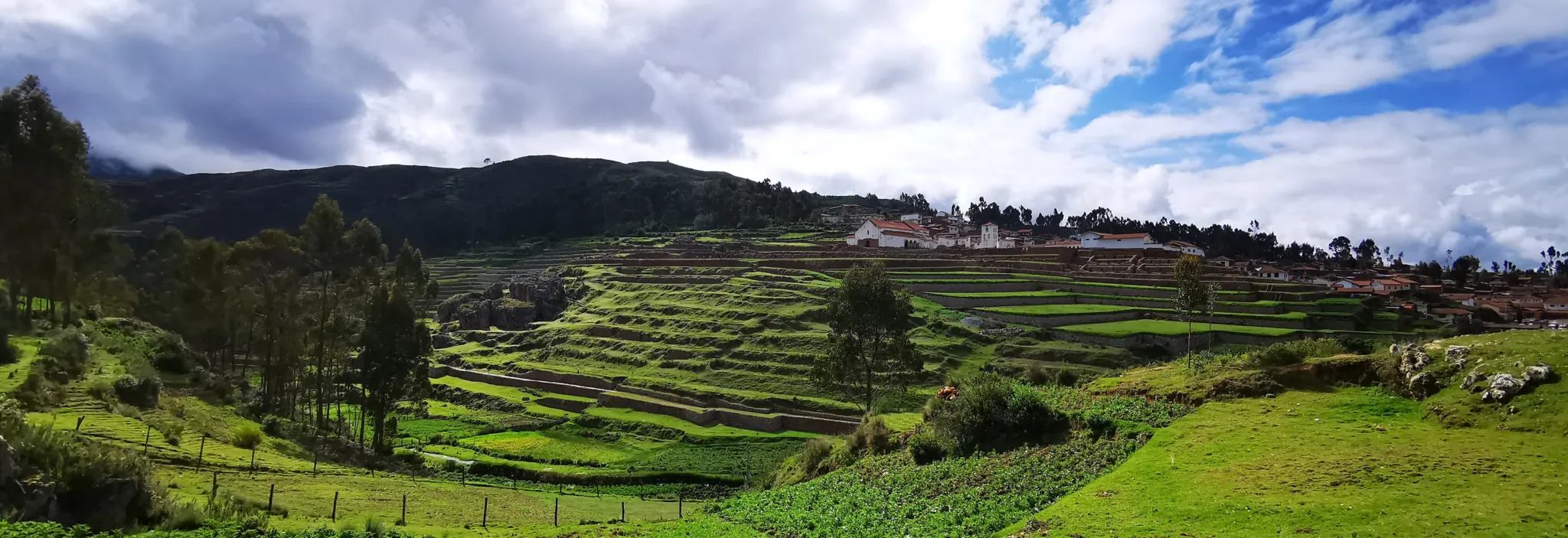
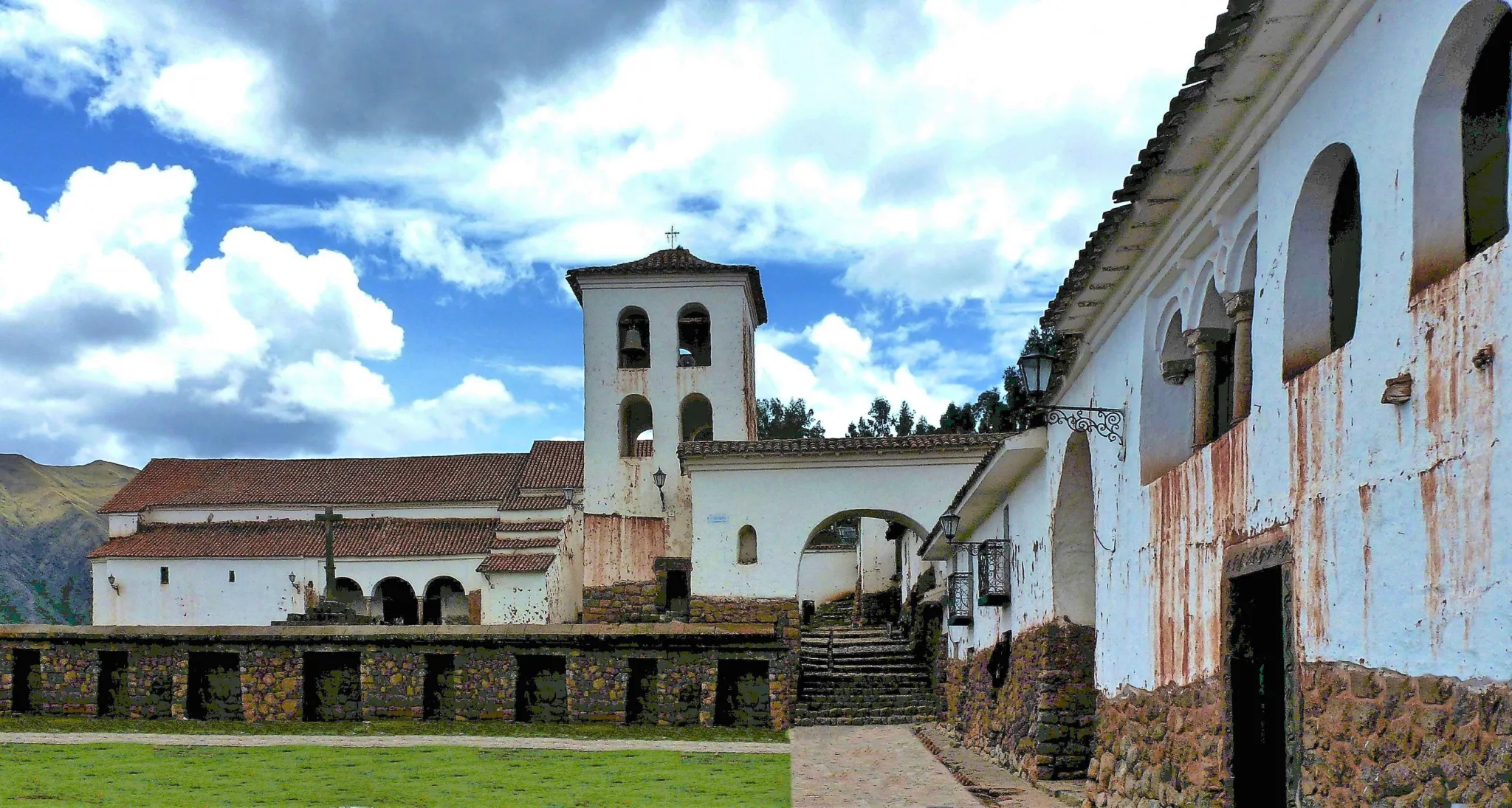
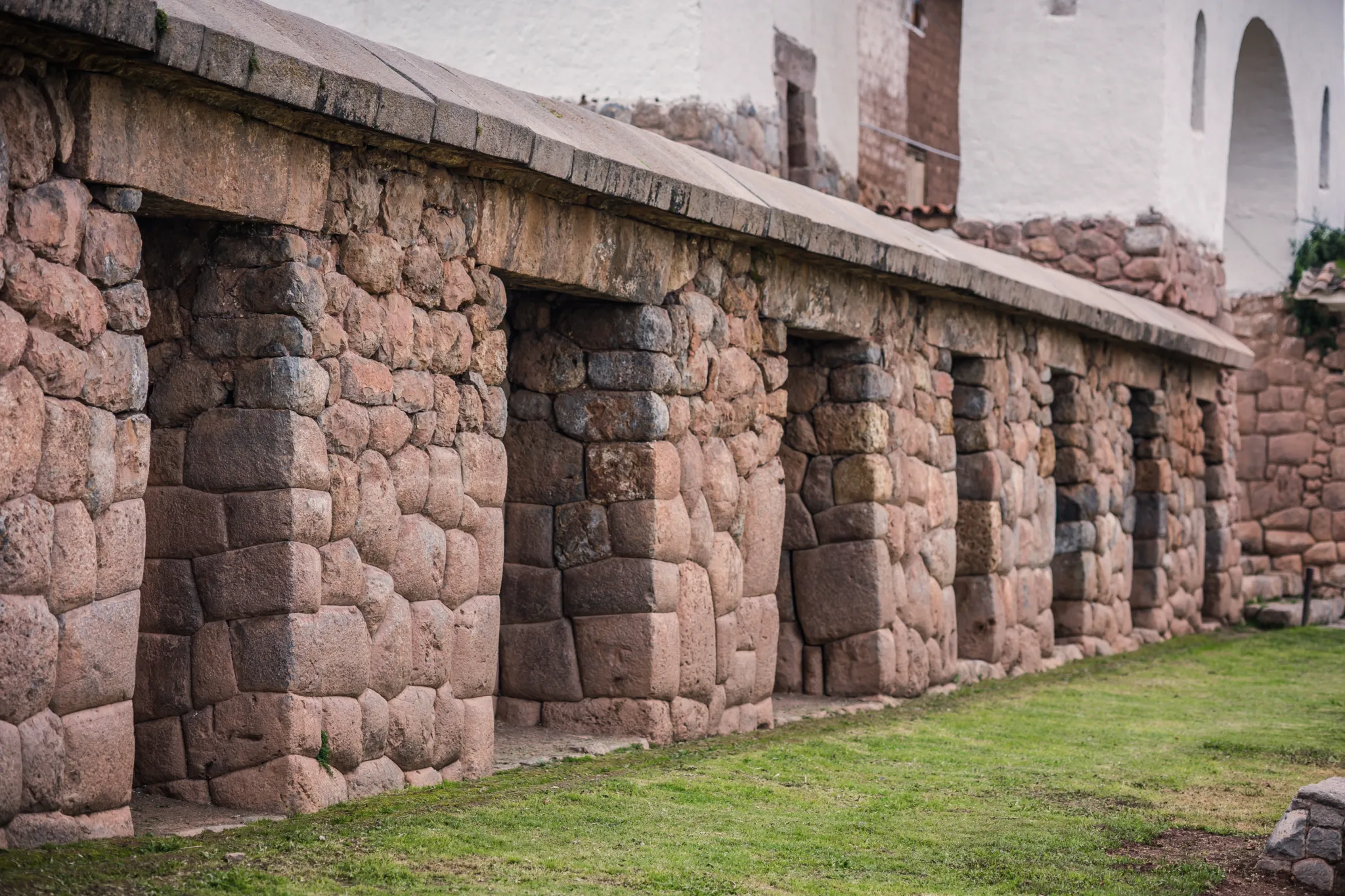
The day begins at the valley’s highest point — Chinchero at 3,700 m / 12,139 ft, a highland community where Inka street foundations and colonial structures occupy the same space without contradiction. The wide agricultural terraces that cascade from the town demonstrate the Inka’s relationship to the land at its most immediately visible — not as historical artifact but as living agricultural practice still maintained by the community above them.
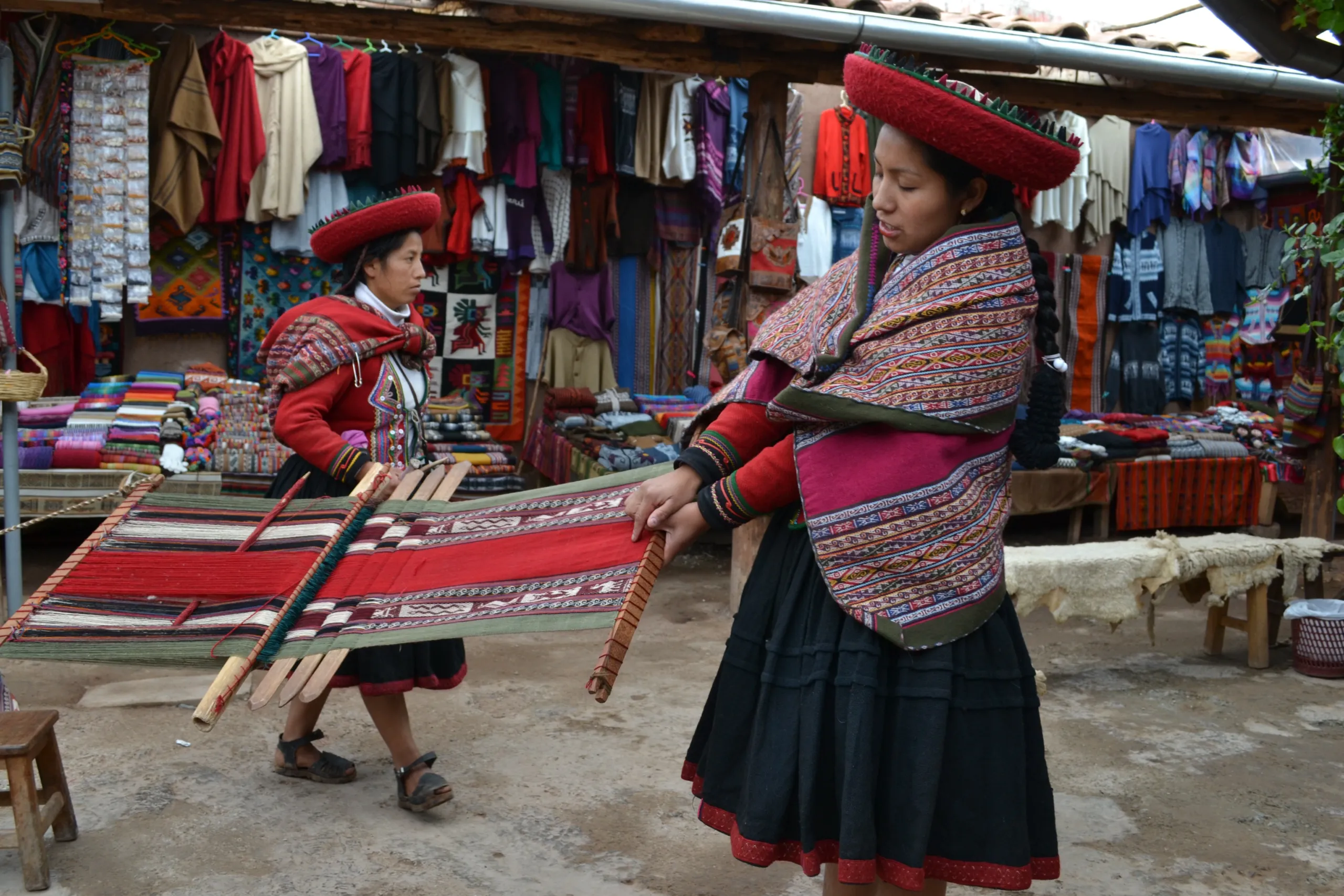
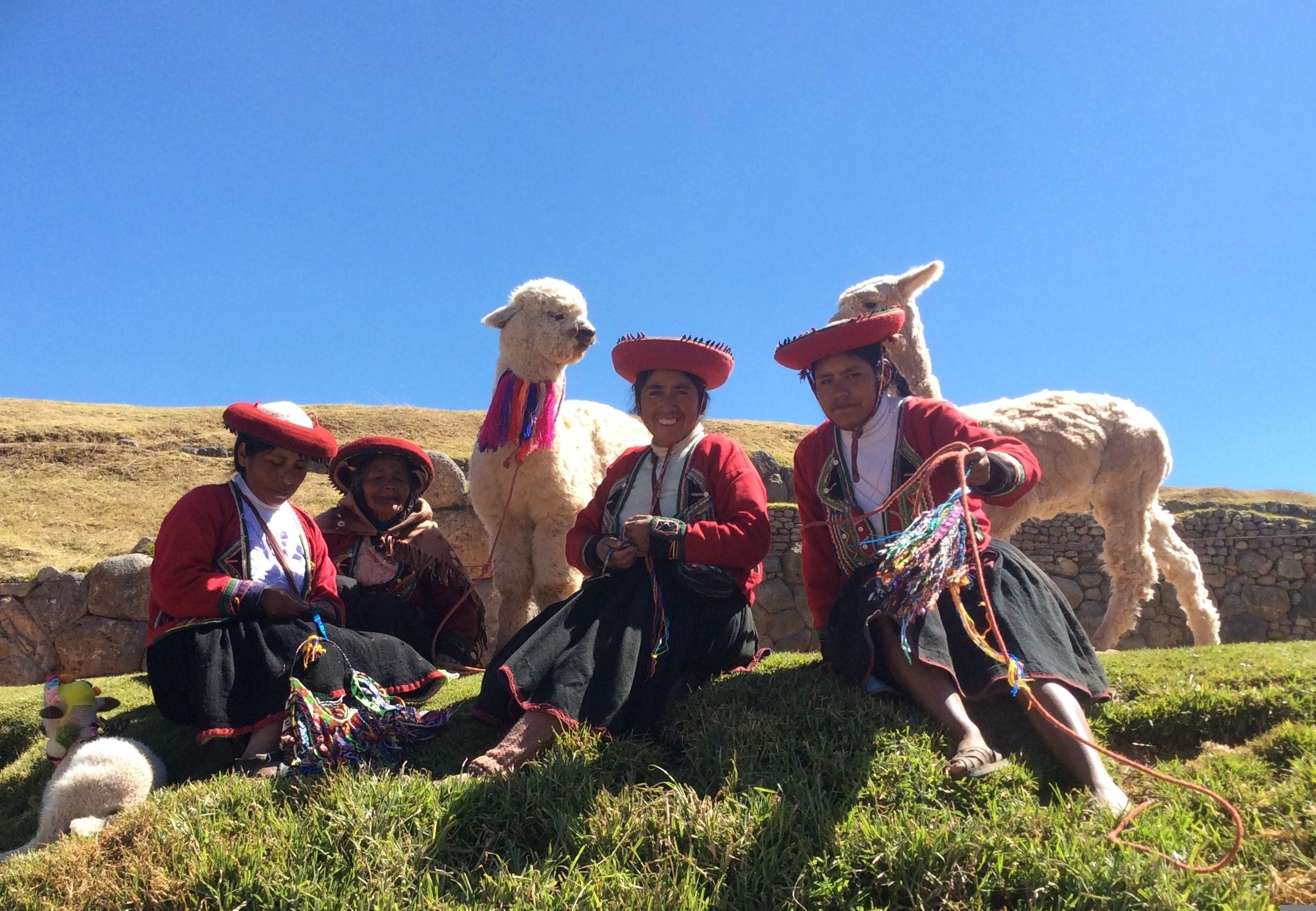
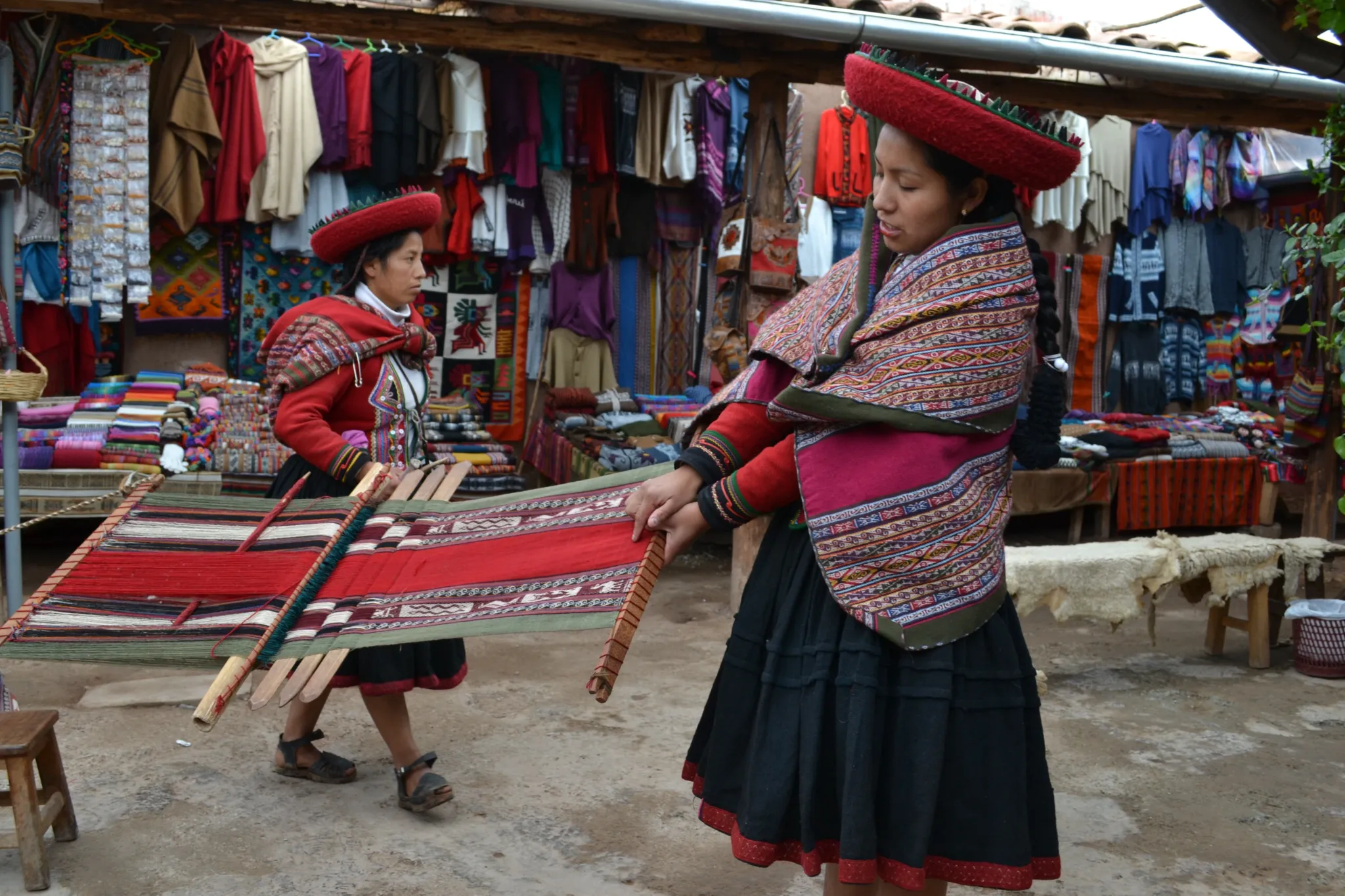
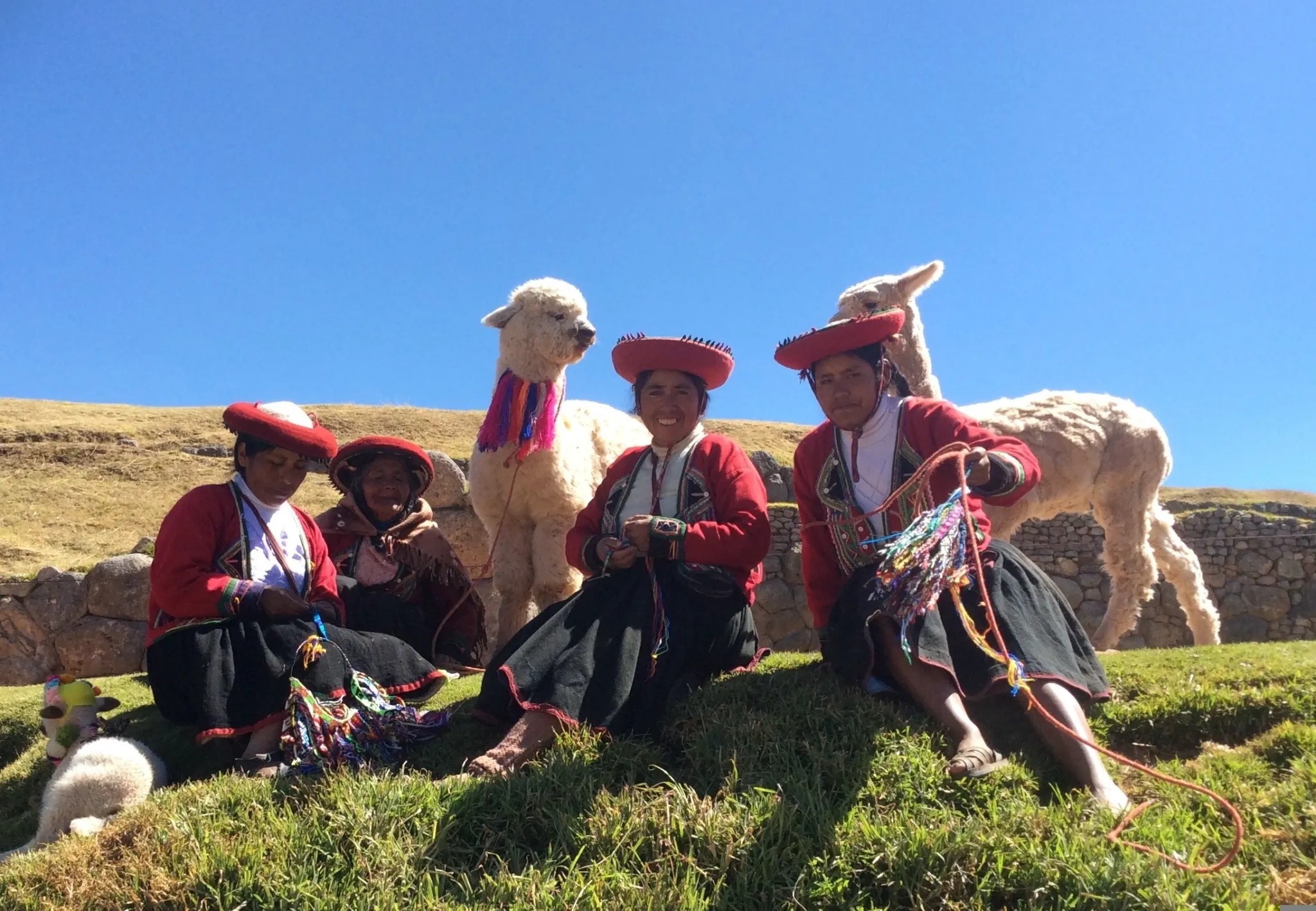
The natural dye traditions of Andean textiles are practiced here by women whose hands carry knowledge that took generations to accumulate — plant and mineral sources producing colors that synthetic chemistry has never fully replicated, patterns encoding cosmological information that the weaving tradition has carried intact through five centuries. This is not a cultural demonstration. It is a living practice encountered in the place where it has always been practiced.
Ollantaytambo — The Fortress That Stopped the Conquest
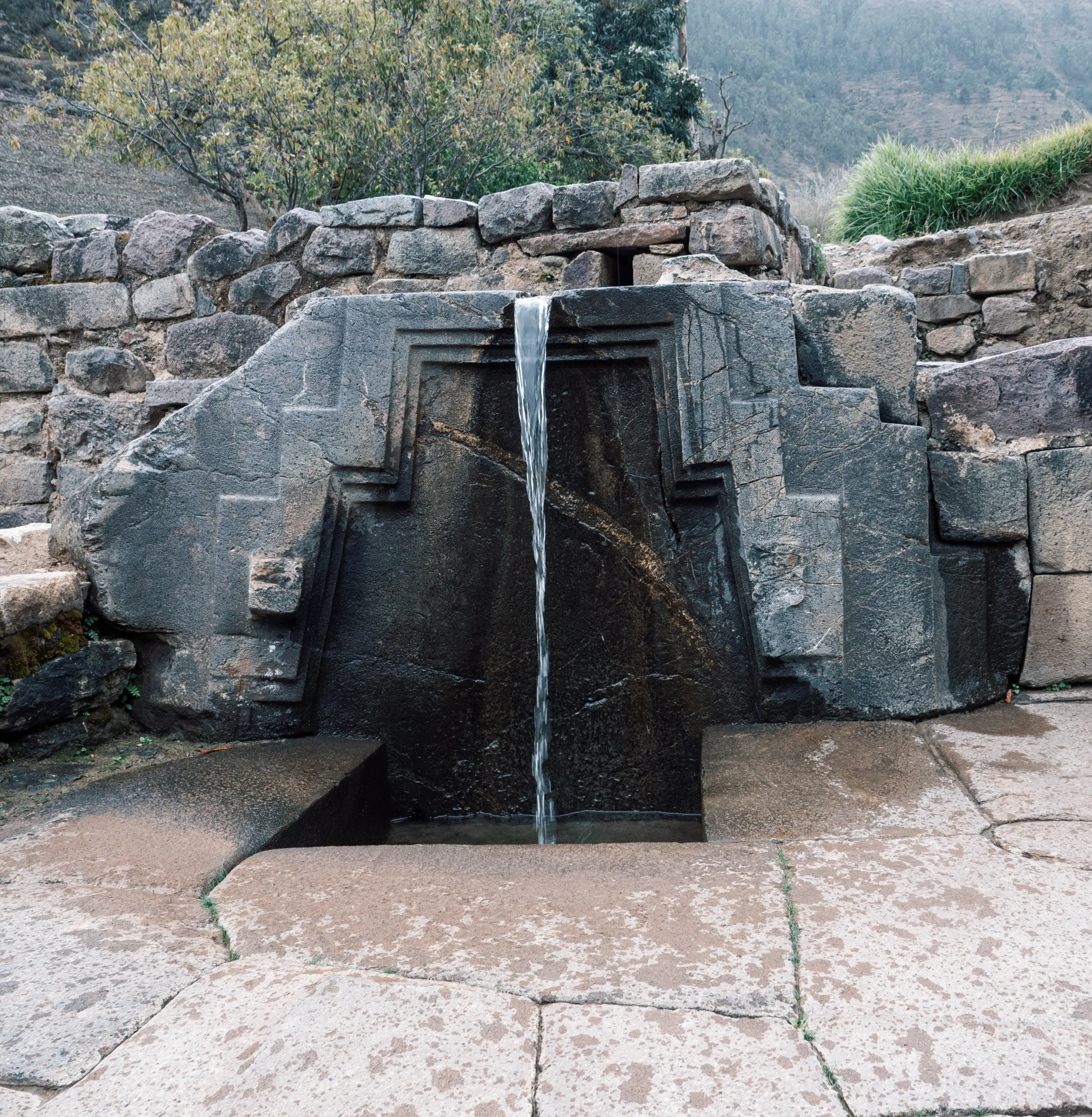
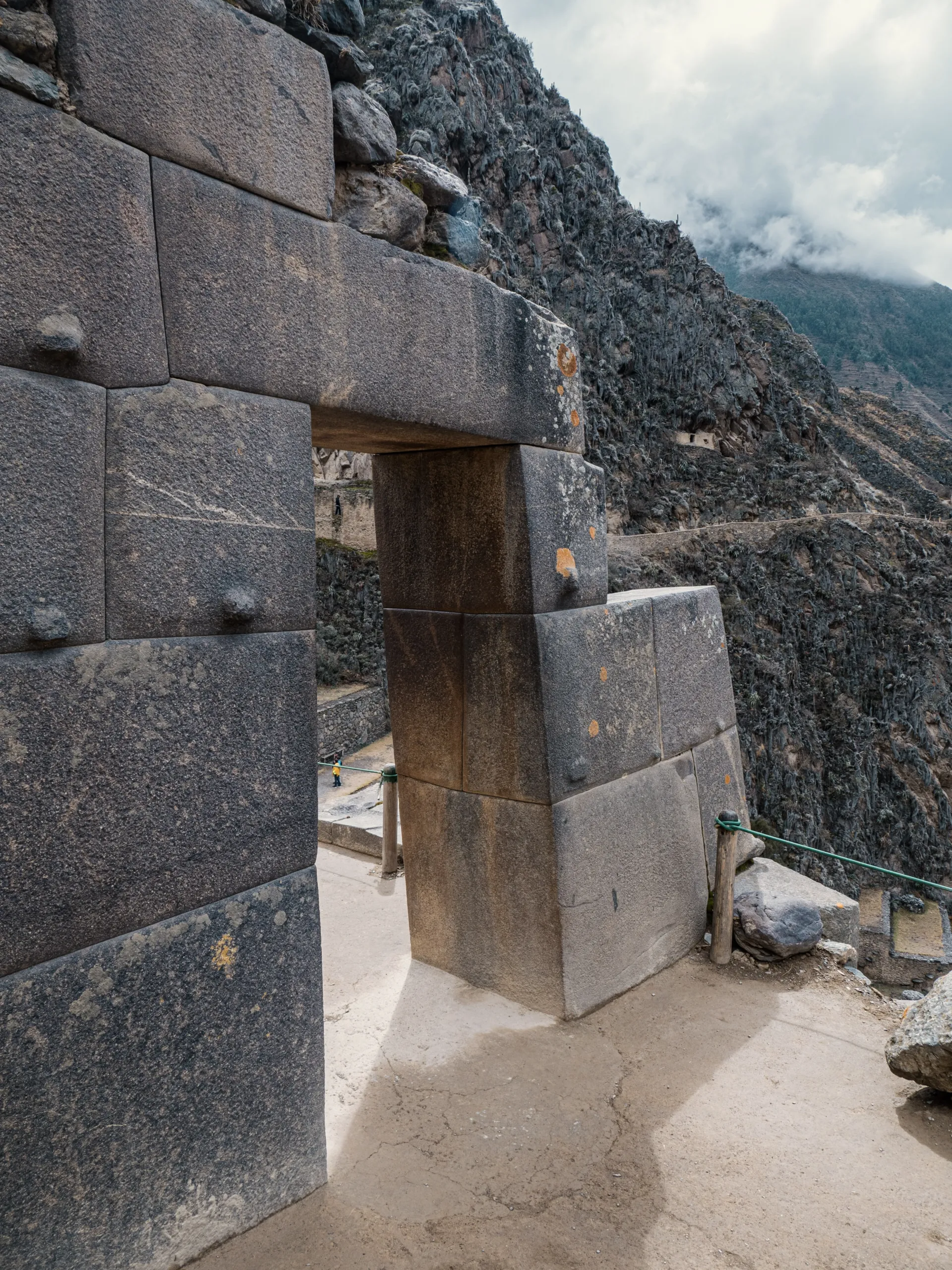
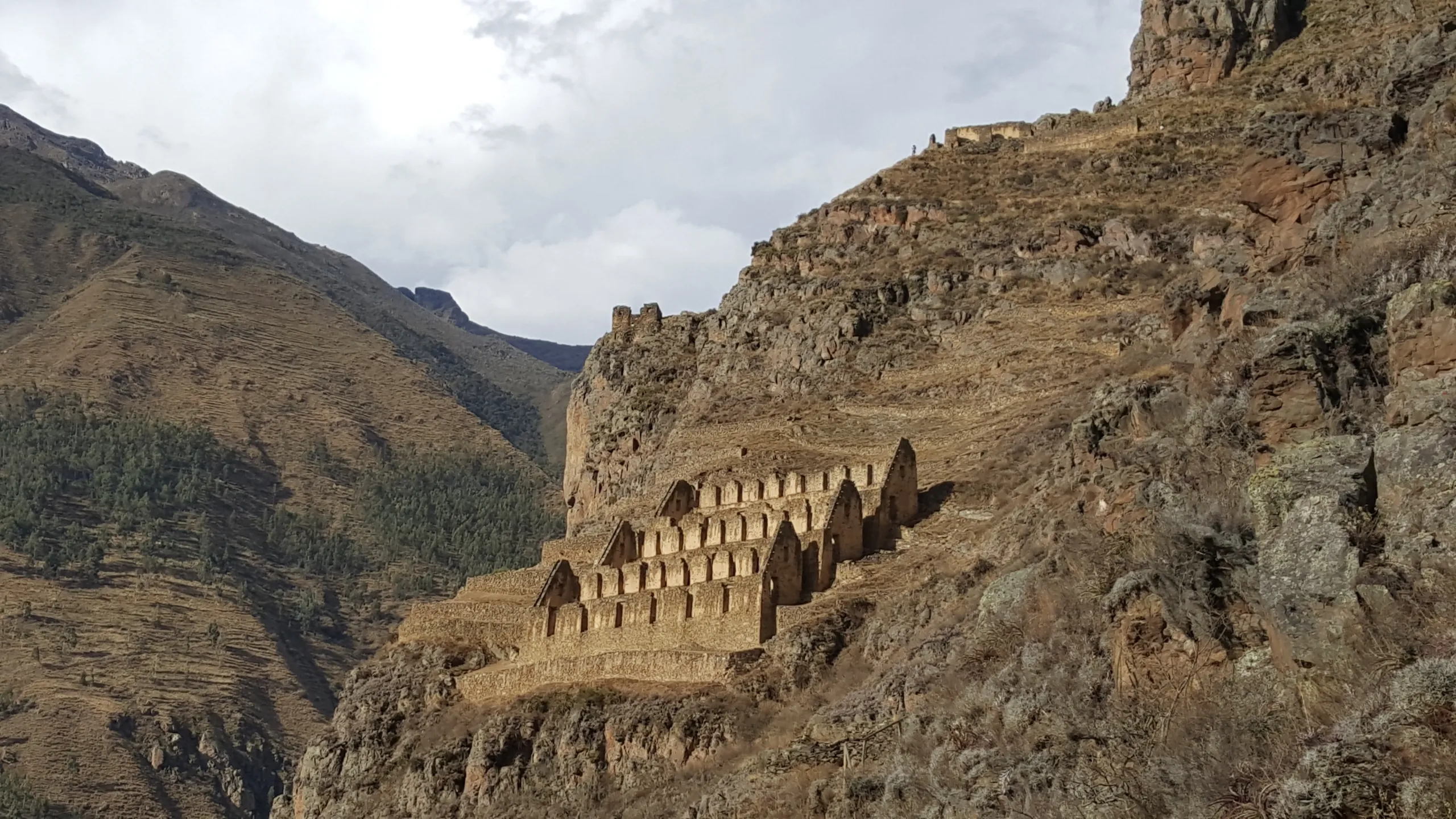
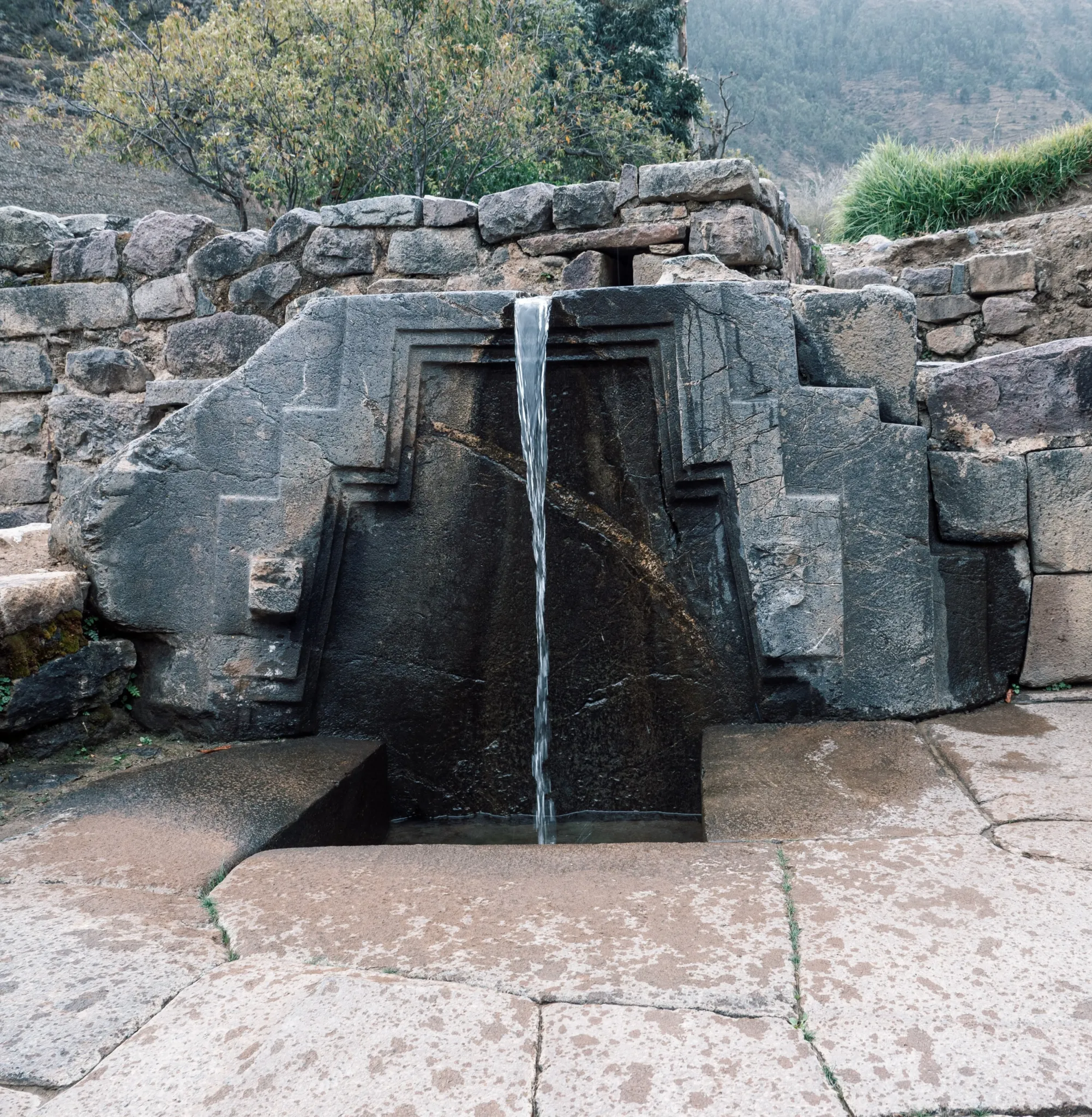
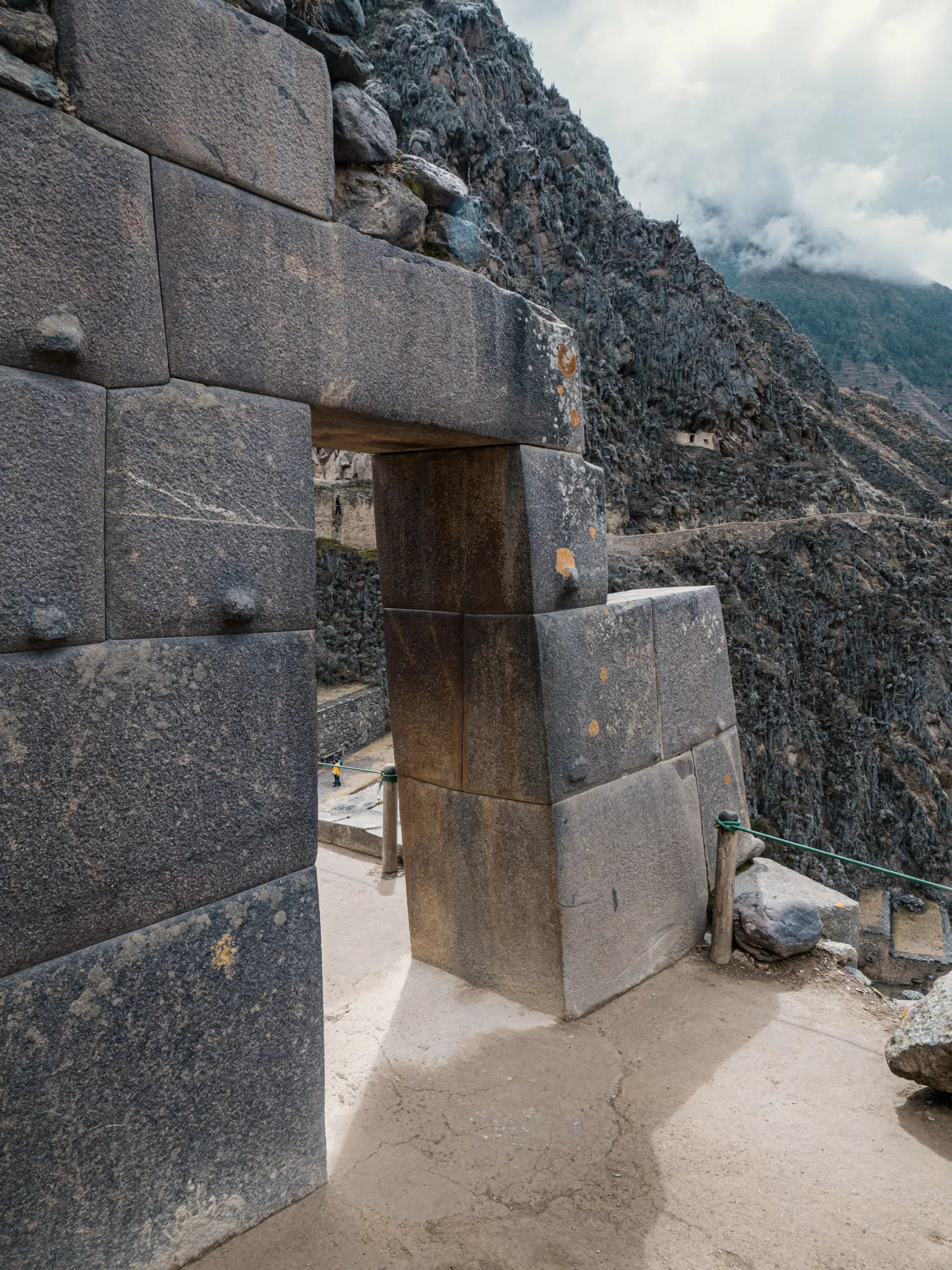
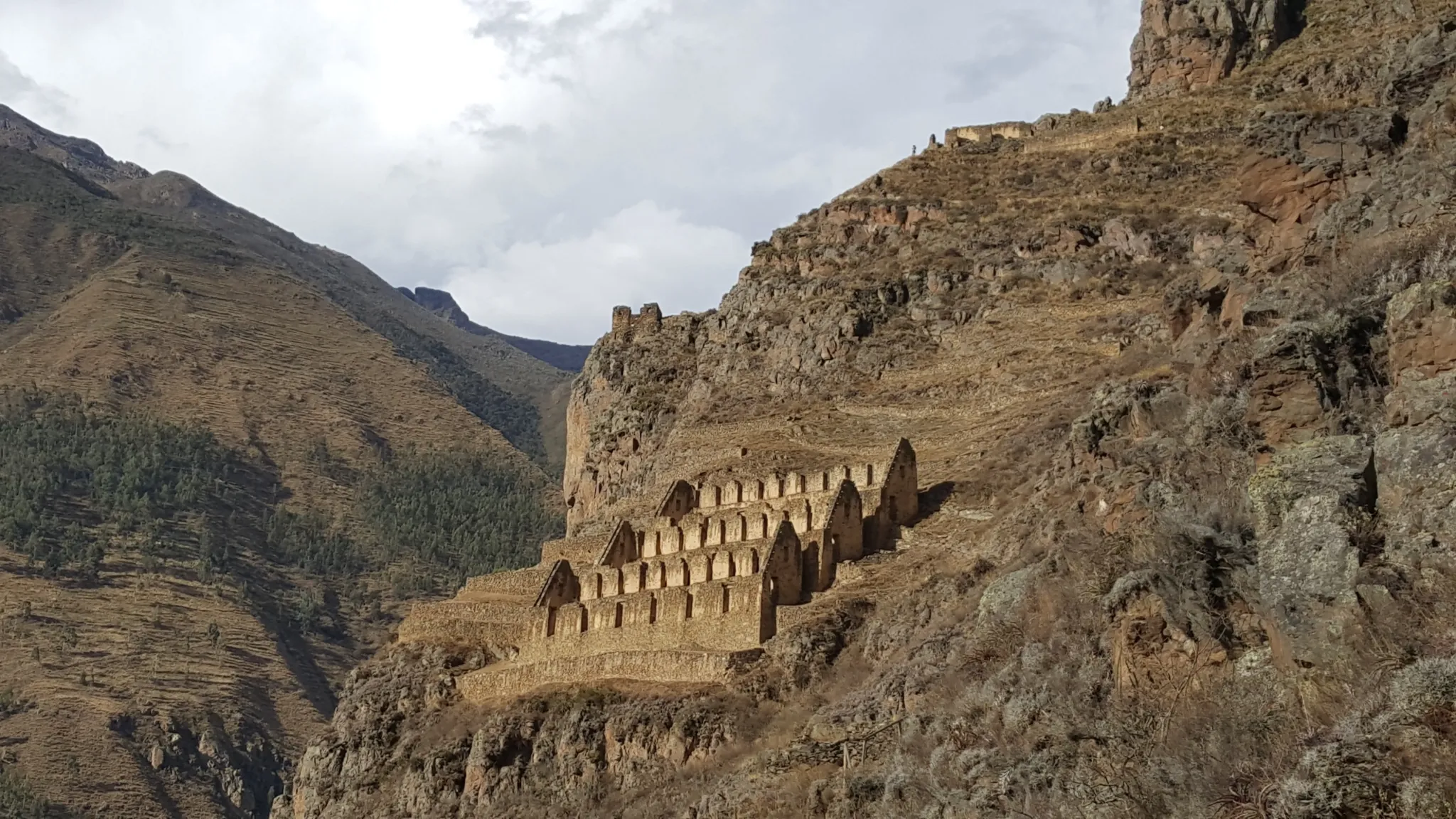
At 2,792 m / 9,160 ft, Ollantaytambo is the only place in Peru where the Inka successfully defeated a Spanish military force — a fact encoded into the fortress’s design as surely as its astronomical alignments. The massive stone blocks of the unfinished Temple of the Sun were transported from a quarry across the valley by methods that engineering analysis has not fully resolved. The construction was interrupted by the conquest, leaving the building process visible in a way that finished sites cannot show — the stones partially placed, the ramps still in position, the sequence of work readable in the exposed structure.
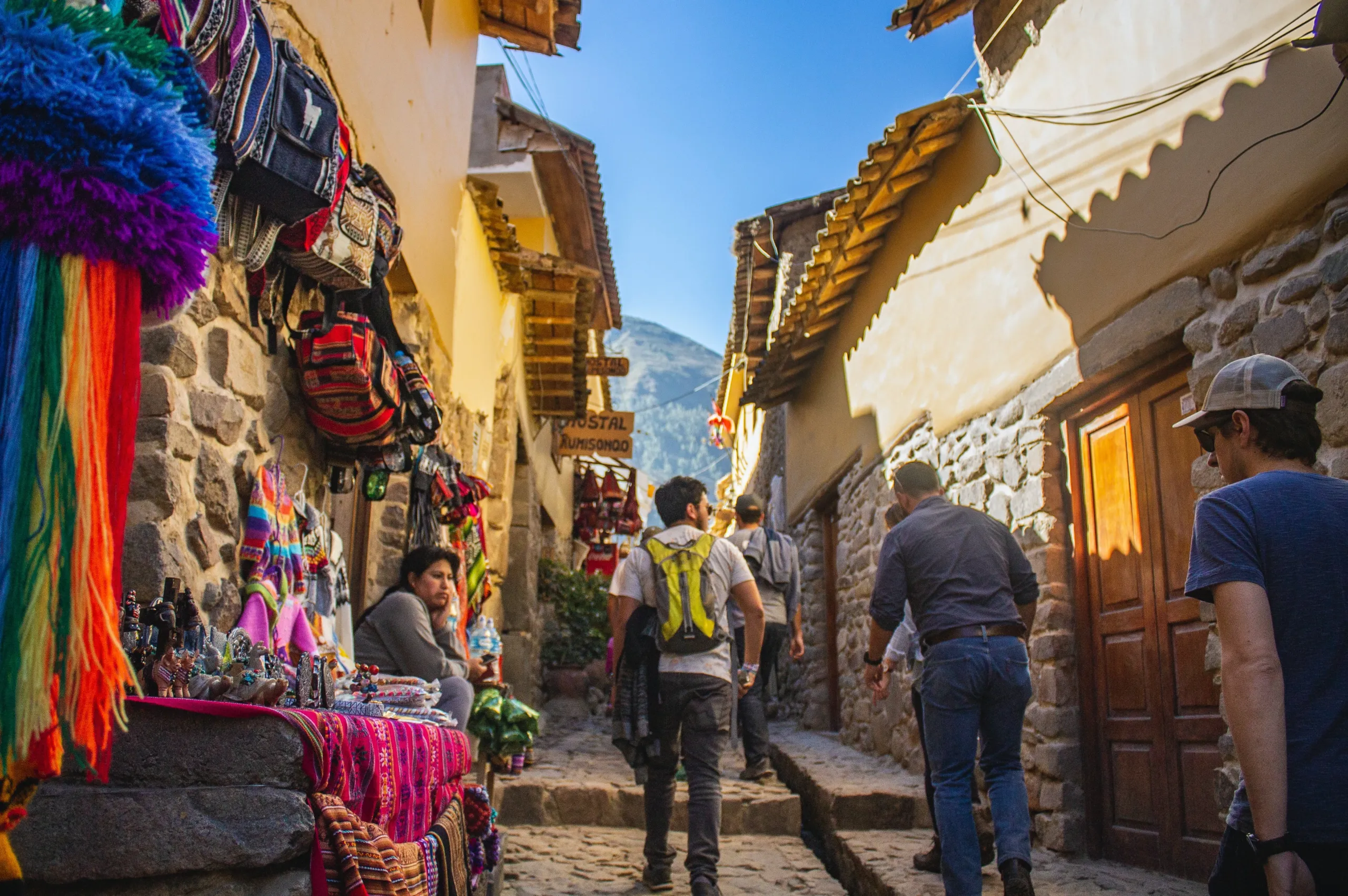
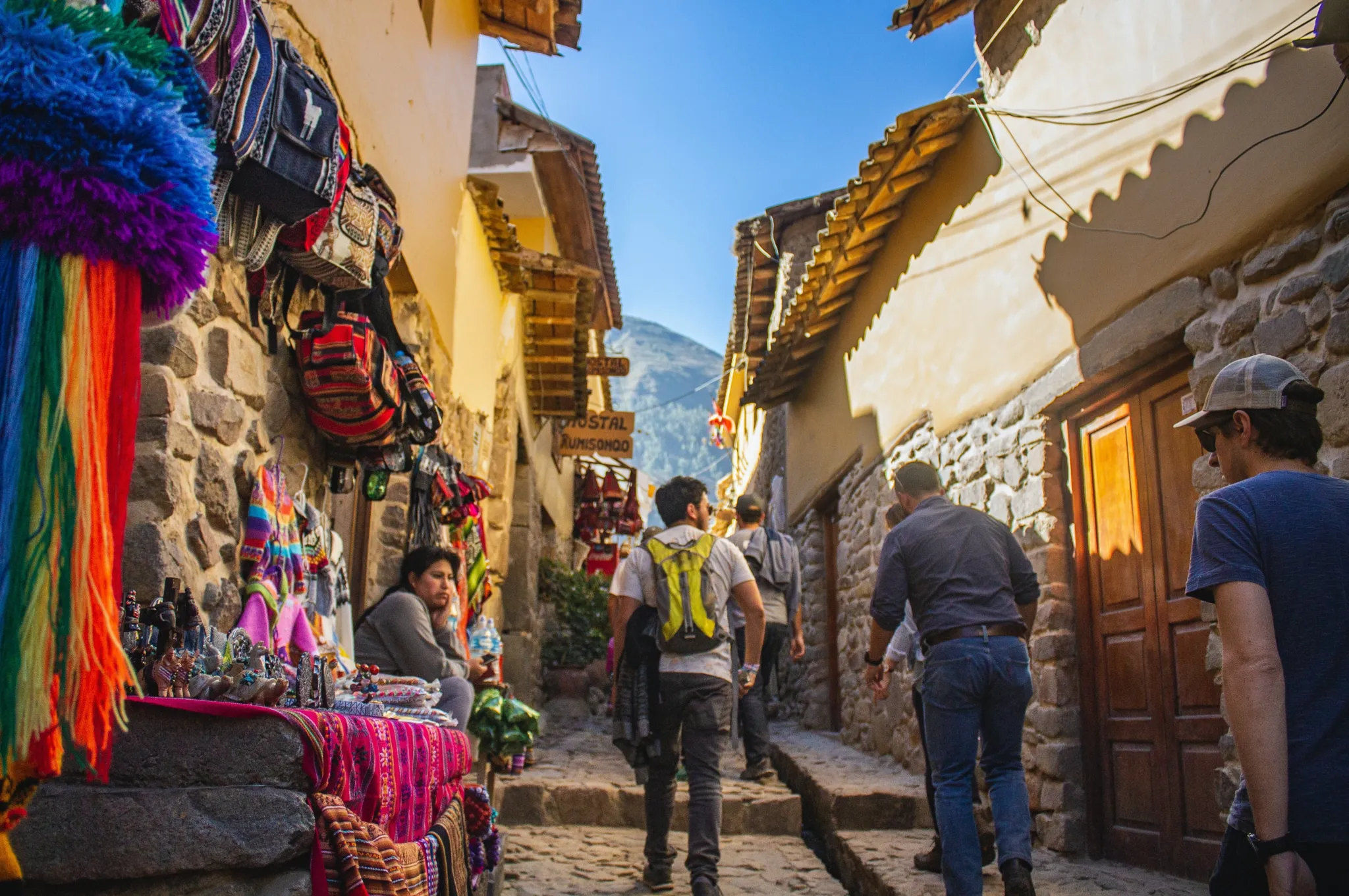
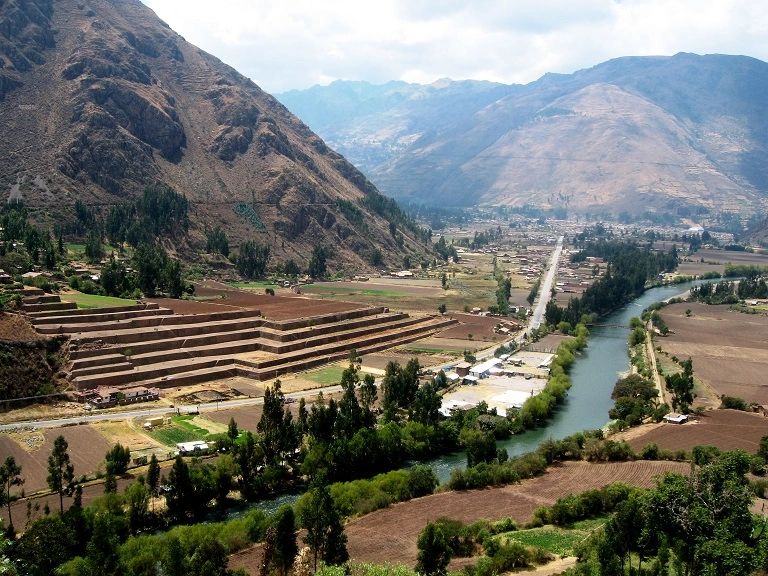
The living Inka town below the fortress has maintained its original street grid without modification since the fifteenth century. Walking through it is one of the most direct physical encounters with the Inka civilization available anywhere in the region — not a reconstruction, not a museum, but a community that has never stopped living inside the infrastructure its ancestors built.
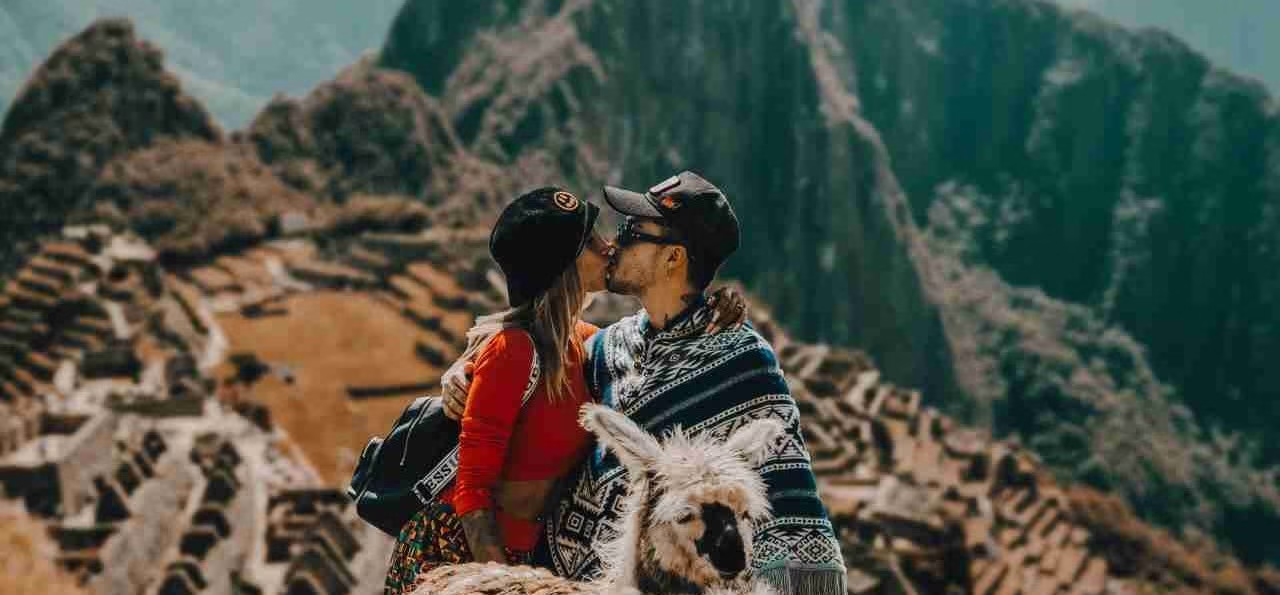
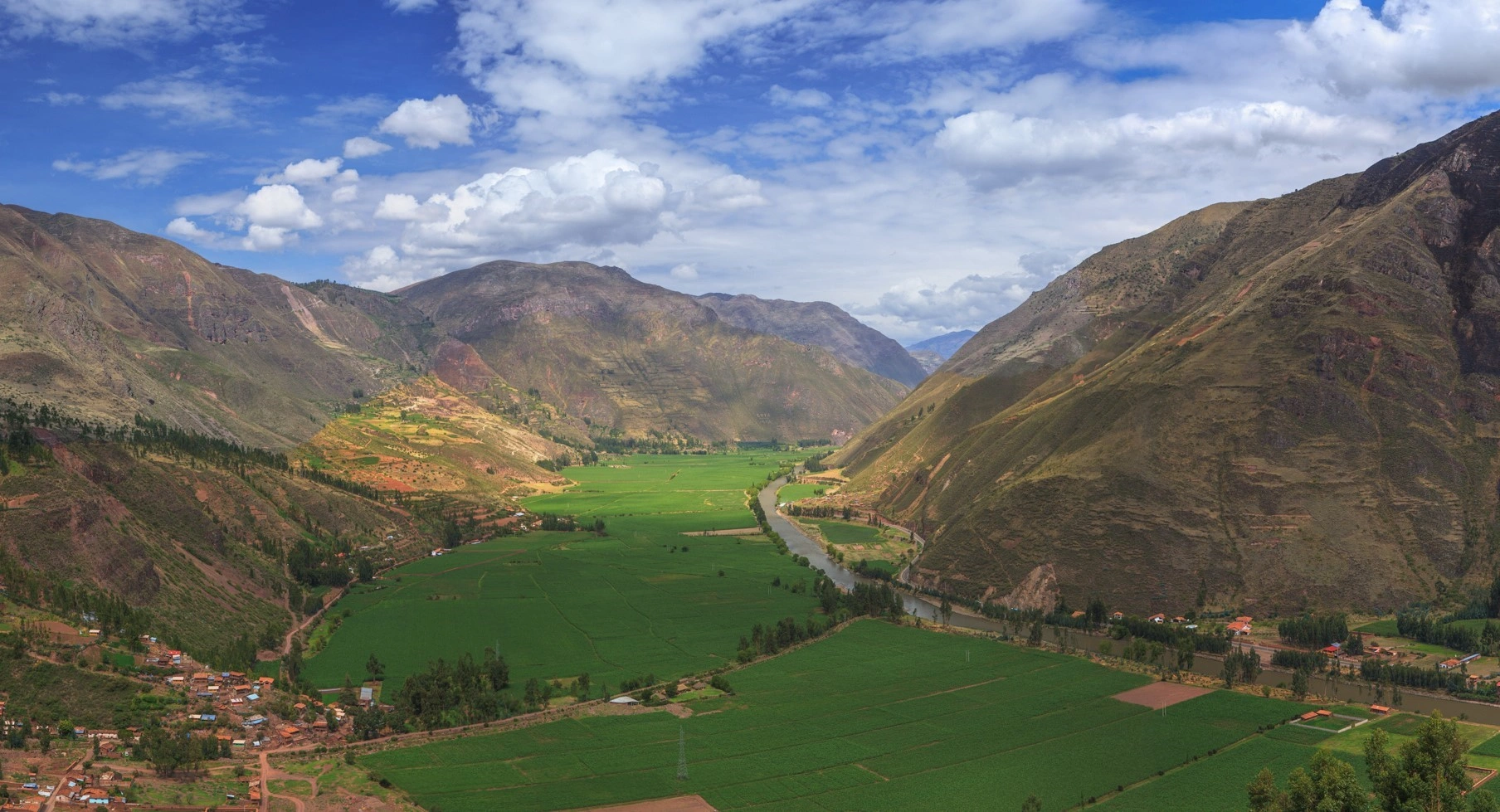
The viewpoints above the fortress deliver the full panorama of the valley — the river below, the terracing on both sides, the mountains framing it all in the configuration the Inka understood as a cosmological landscape rather than a geographical one.
Pisac — Three Times the Size of Machu Picchu
At the far end of the valley, Pisac’s archaeological complex at 3,399 m / 11,151 ft covers a ridge above the town in a scale that consistently surprises visitors who arrive expecting a manageable ruin. Three times the footprint of Machu Picchu — temples, agricultural terracing, astronomical observatories, and ceremonial spaces positioned in relationship to each other and to the surrounding mountains with the Inka’s characteristic cosmological precision.
Your guide decodes the site from the highest point, where the full geography of the valley becomes visible and the relationship between the archaeological complex and the landscape it inhabits becomes legible. The descent to the traditional market below closes the visit with the living cultural counterpart to the ancient one above — textiles, ceramics, and agricultural products whose traditions connect directly to what the terraces above have been producing for centuries.
The return journey follows the valley’s geography back toward Cusco — the landscape making its own argument for why the Inka named this place sacred, and why the name has outlasted everything else.
Details
– Distance: 160 km driving
– Maximum altitude: 3700 m Chinchero
– Minimum altitude: 2792 m Ollantayatambo
– Feasibility: Transportation
– Degree of difficulty: Easy
– Activities: Scenic, cultural, handicraft fairs, jewelry shops, historical, archaeological centers: Chinchero, Ollantaytambo and Pisaq.
1 review for Sacred Valley
There are no reviews yet.