Q’osqo trip

Price

From: $4,540.00

Duration

5

Max People

10

Tour Type

Packages

Attractions

13

Activities

8

Min Age

12


Overview


The Navel of the World Deserves More Than a Postcard

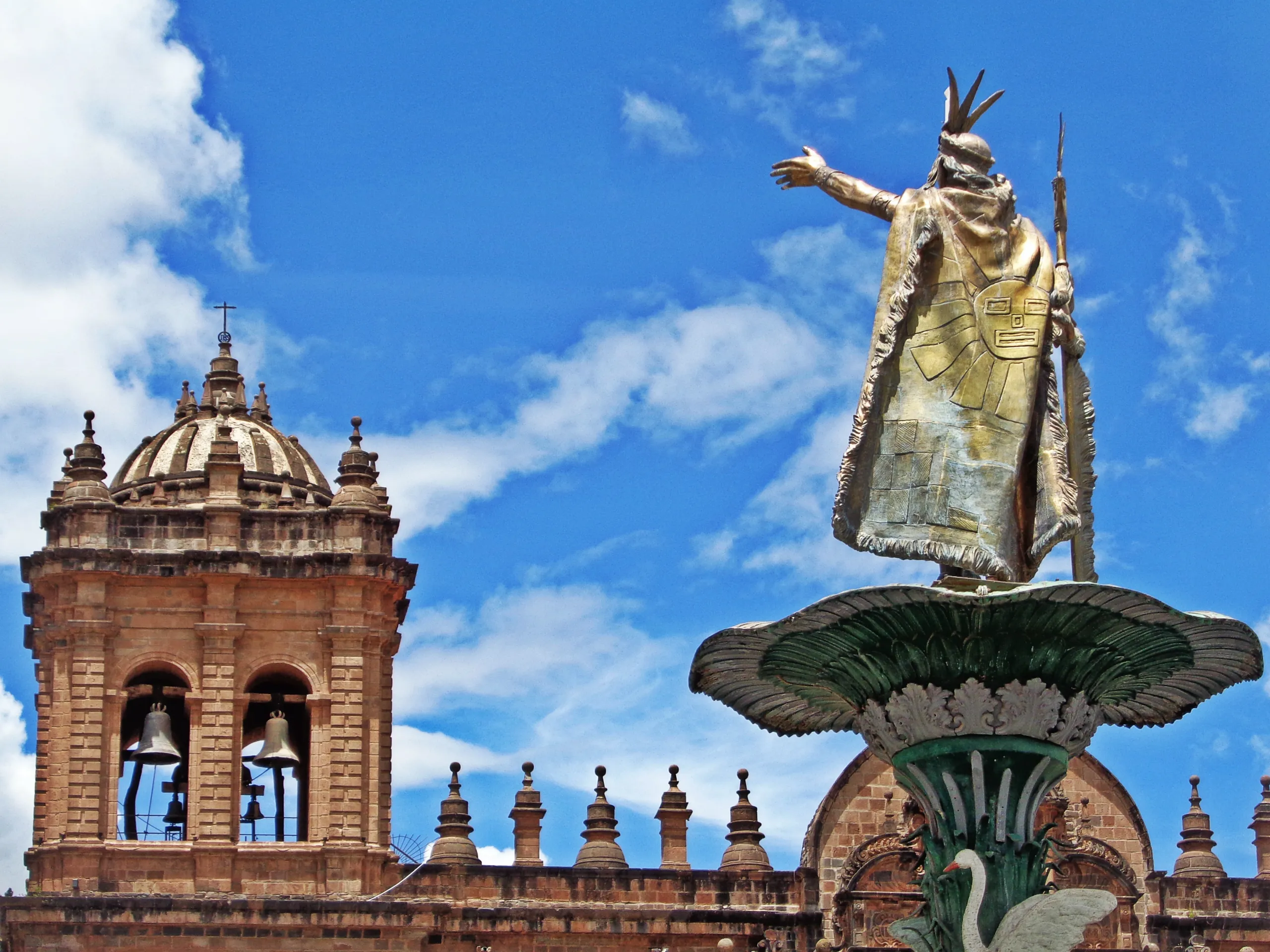
Q’osqo. The Inka named their capital the navel of the world — not as metaphor but as cosmological fact. This was the center from which the empire’s four roads radiated to every corner of the Andes, from Colombia to Argentina, possibly further. The city was not built to impress visitors. It was built to function as the physical and spiritual axis of a civilization that governed the longest mountain range on earth without money, without markets, and without a writing system in the conventional sense.


Q’osqo


The city of Cusco was founded by the Inkas with the name of Q’osqo which means navel of the world, so this trip you will see more of what happened for the mark of life (navel), our theme in your trip is committed to life and your mental world.


5 awesome Cusco wonders

# Cusco city

# Sacred valley

# Ollantaytambo

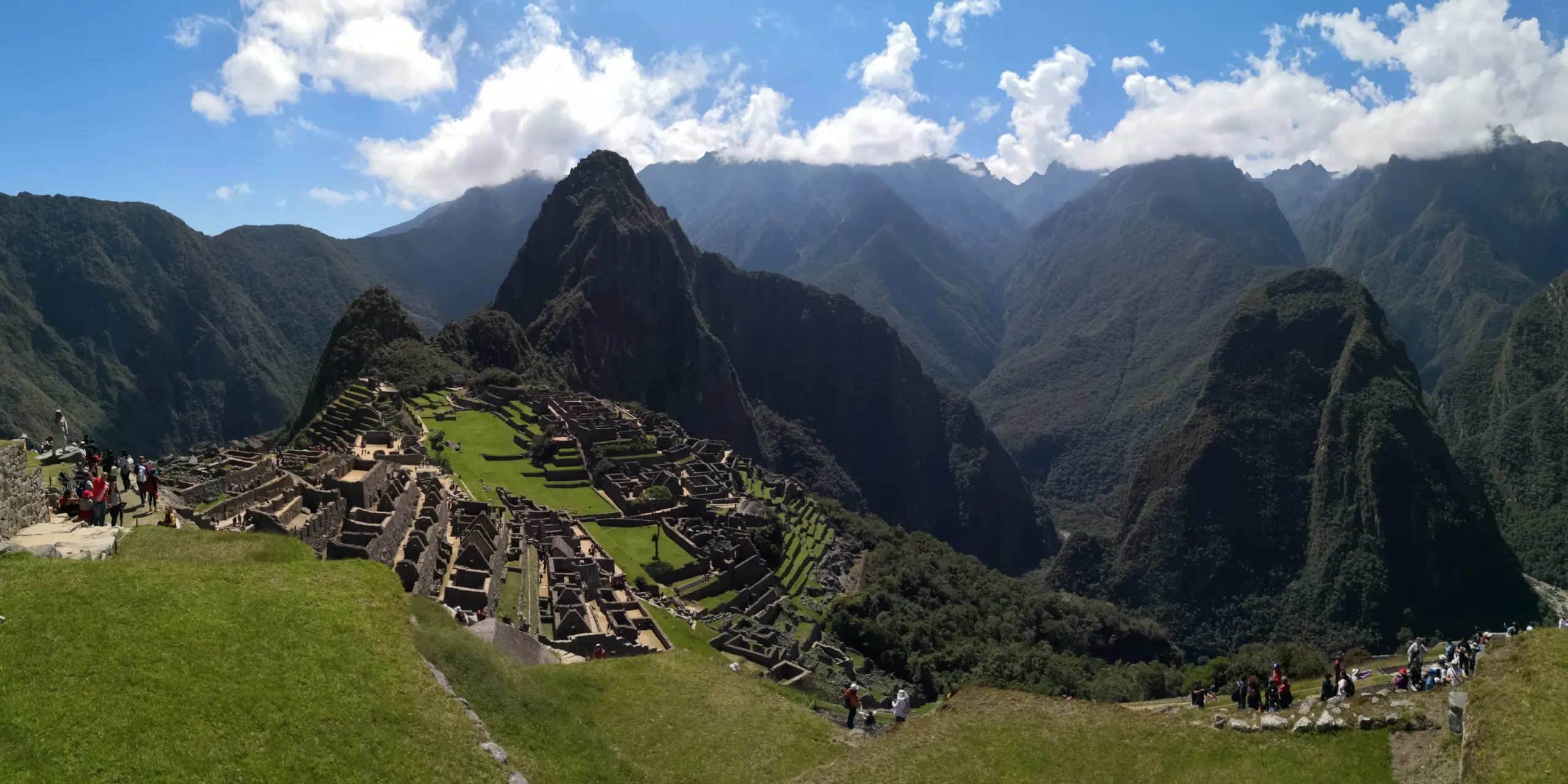
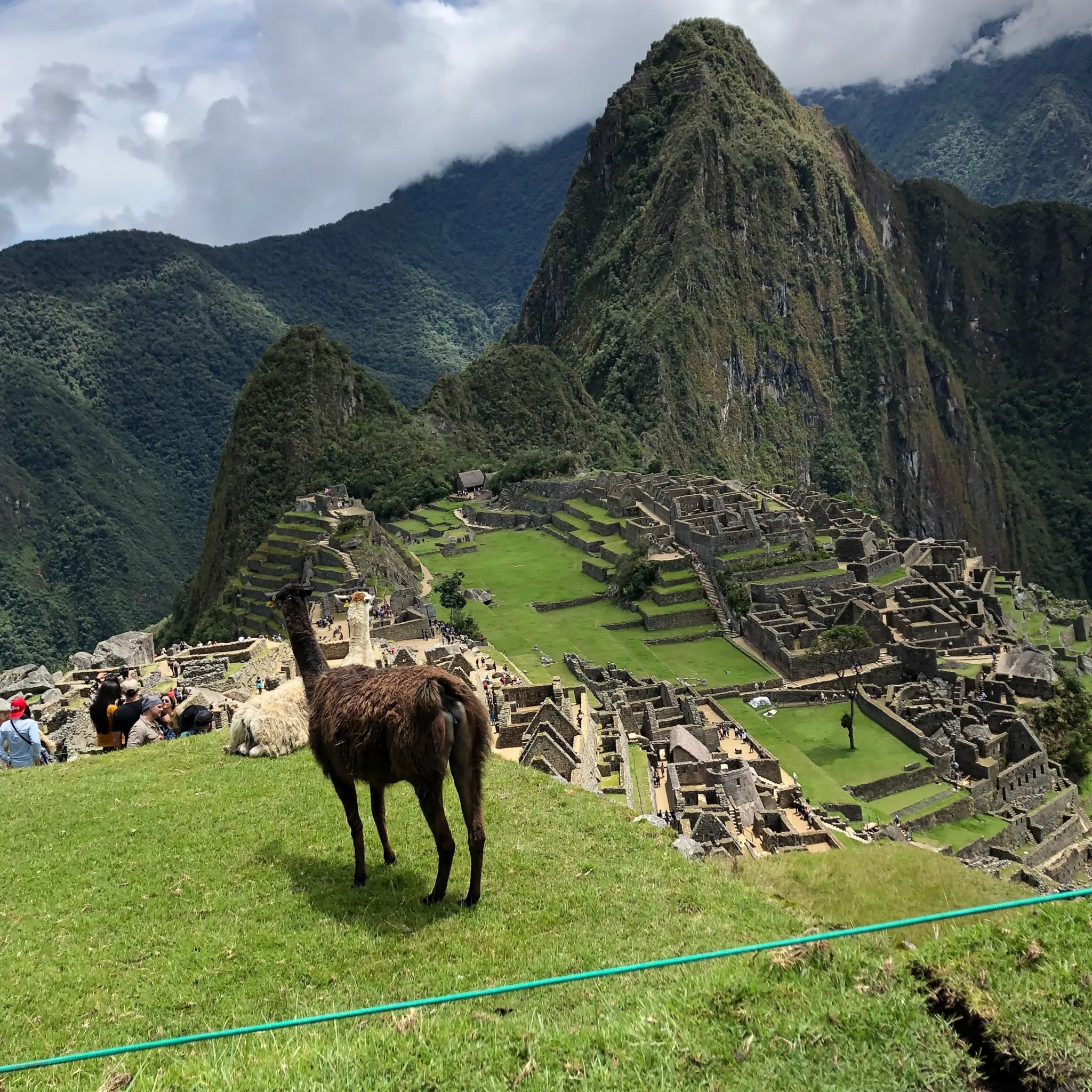
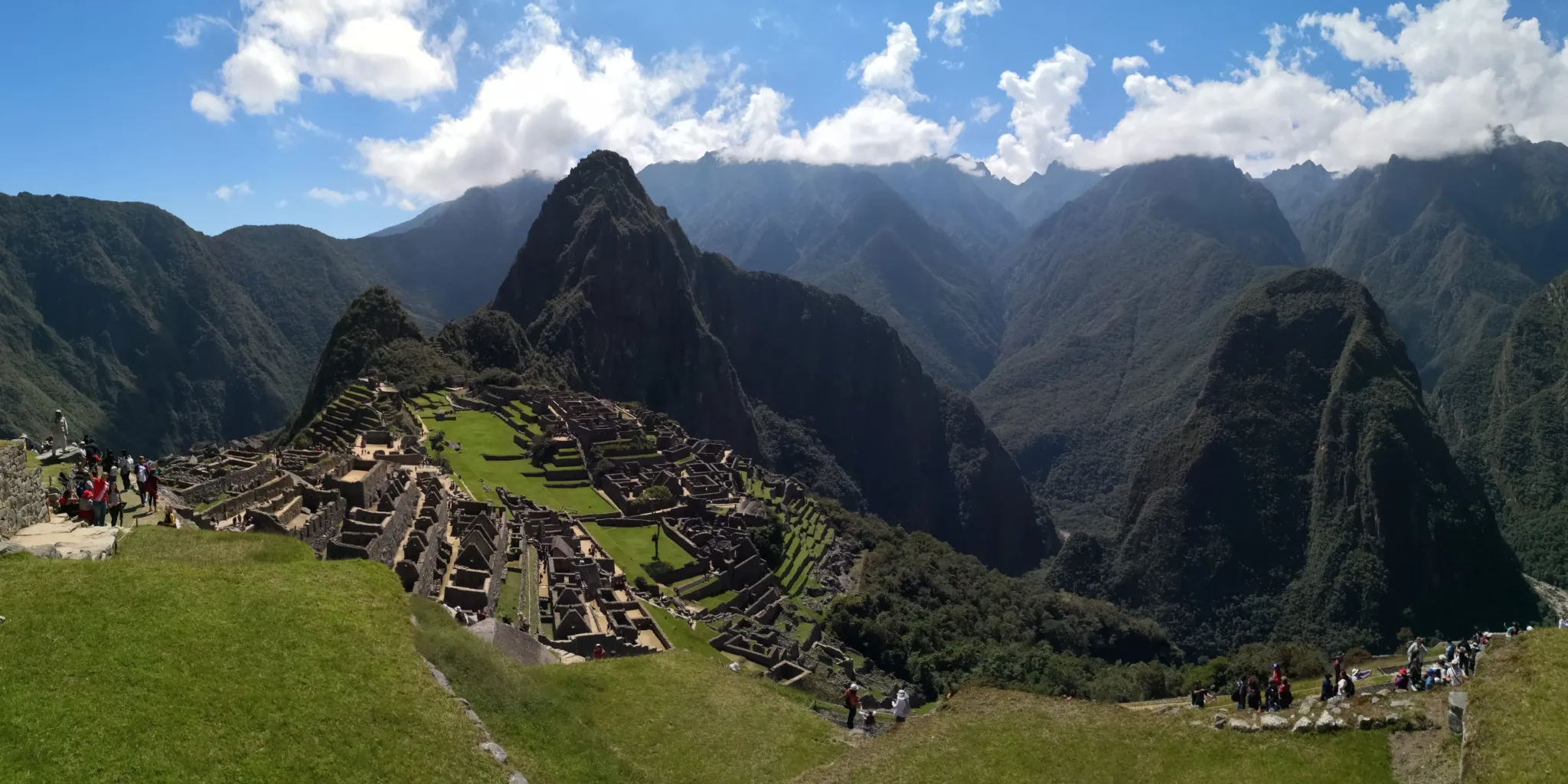
# Machupicchu

 # Maras & Moray


Q’osqo trip


Five days is what it takes to begin to understand what that actually means.

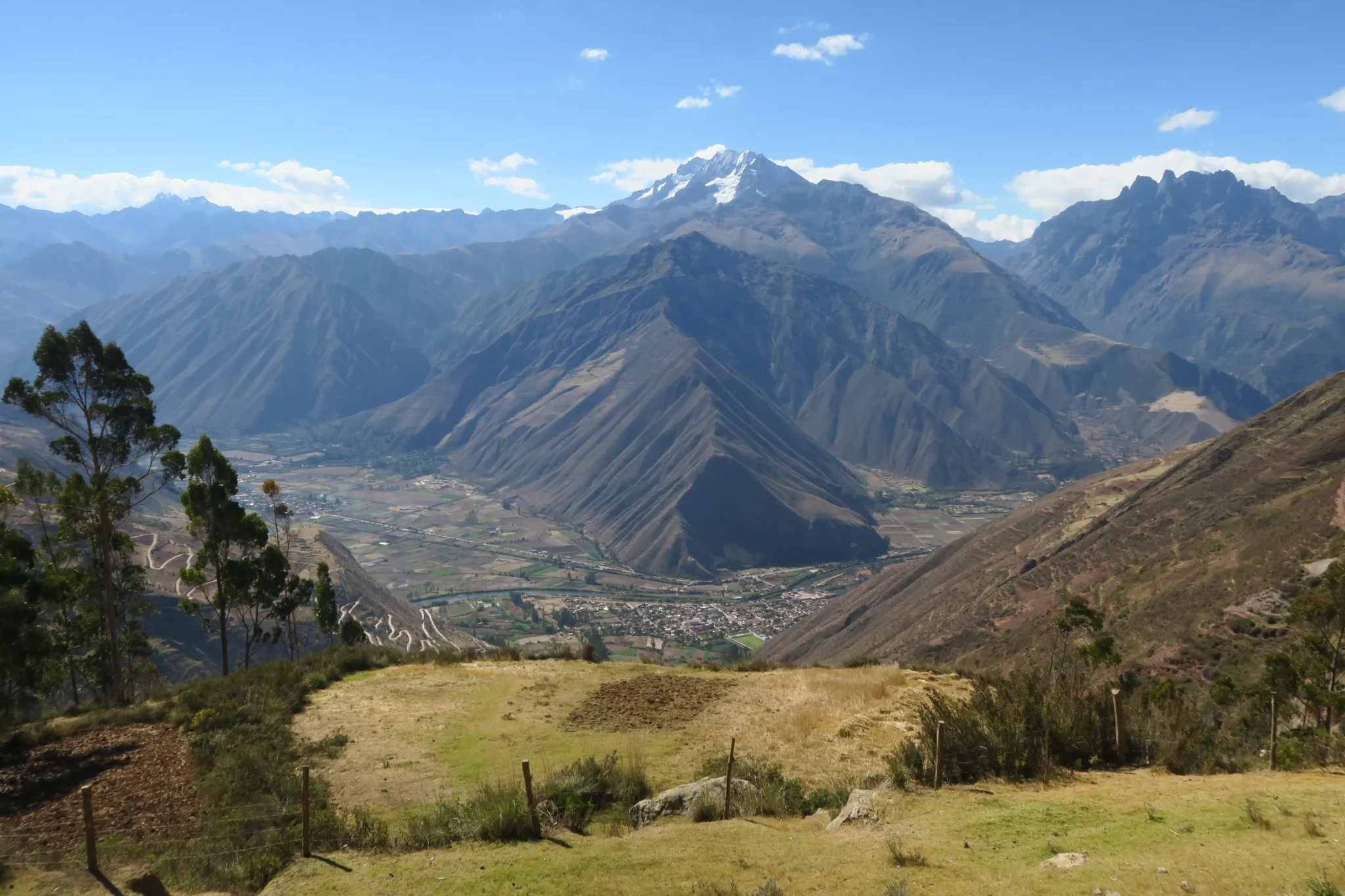
This program moves through the full arc of the Cusco region — arriving gently in the Sacred Valley to ease the altitude, building context through Chinchero, Moray, Maras, and Ollantaytambo, reaching Machu Picchu on Day 3 with enough understanding to receive it properly, and returning to Cusco itself for two days of decoding the capital that the rest of the itinerary has been preparing you to read.

The sequence is deliberate. The Sacred Valley first — its agricultural intelligence, its textile traditions, its living connection to the civilization that built it. Machu Picchu in the middle — encountered not as a bucket list destination but as the culmination of two days of accumulated context. Cusco last — because the city makes the most sense when you arrive in it knowing what built it.
 

Airport → Sacred Valley → Camelid Center → Pisac → Overnight Sacred Valley | Easy

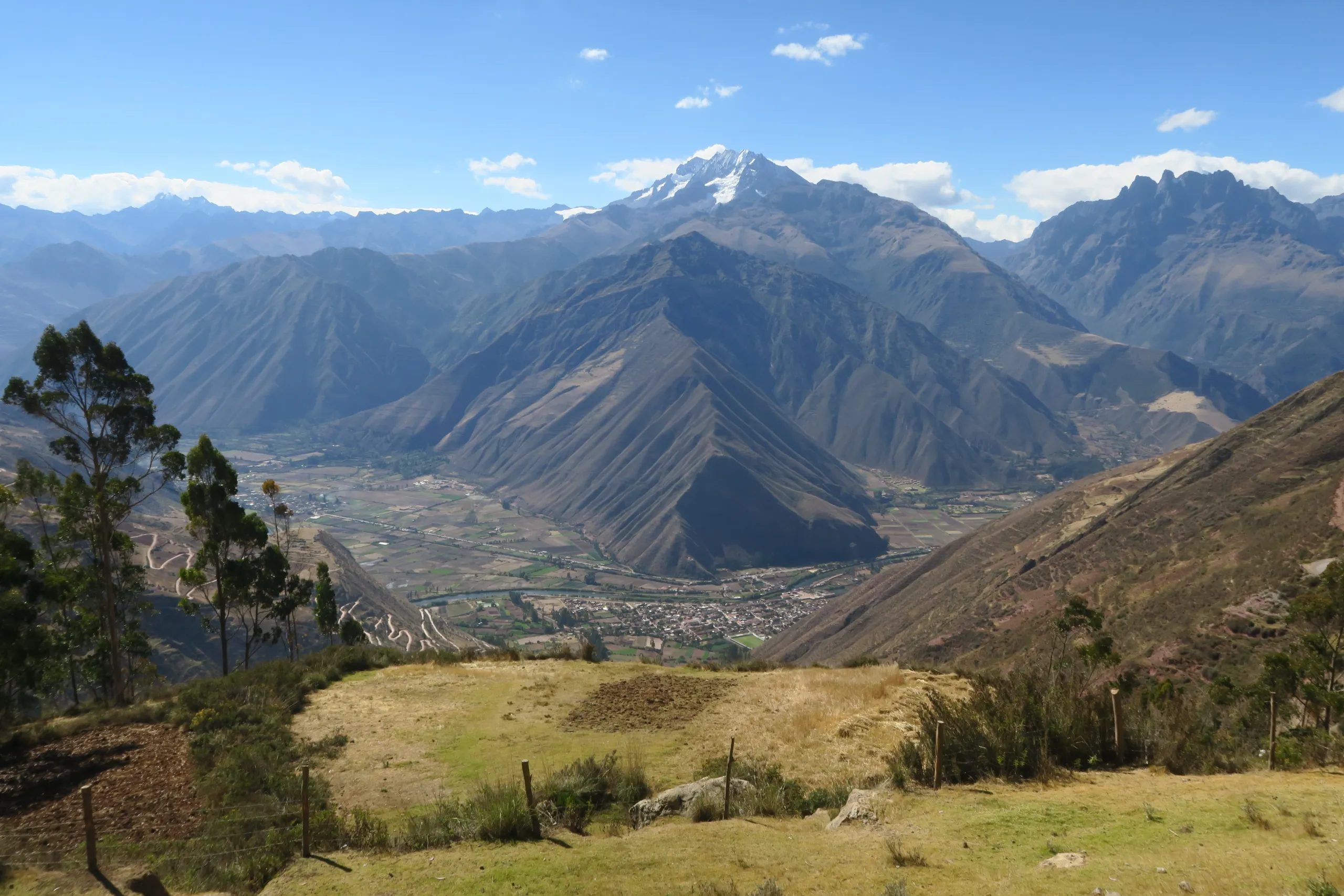
Arrival from the airport moves directly into the Sacred Valley — a deliberate choice that begins the altitude acclimatization at 2,900 meters rather than Cusco’s 3,399, giving the body its best possible introduction to the Andean air before the program’s more demanding days.

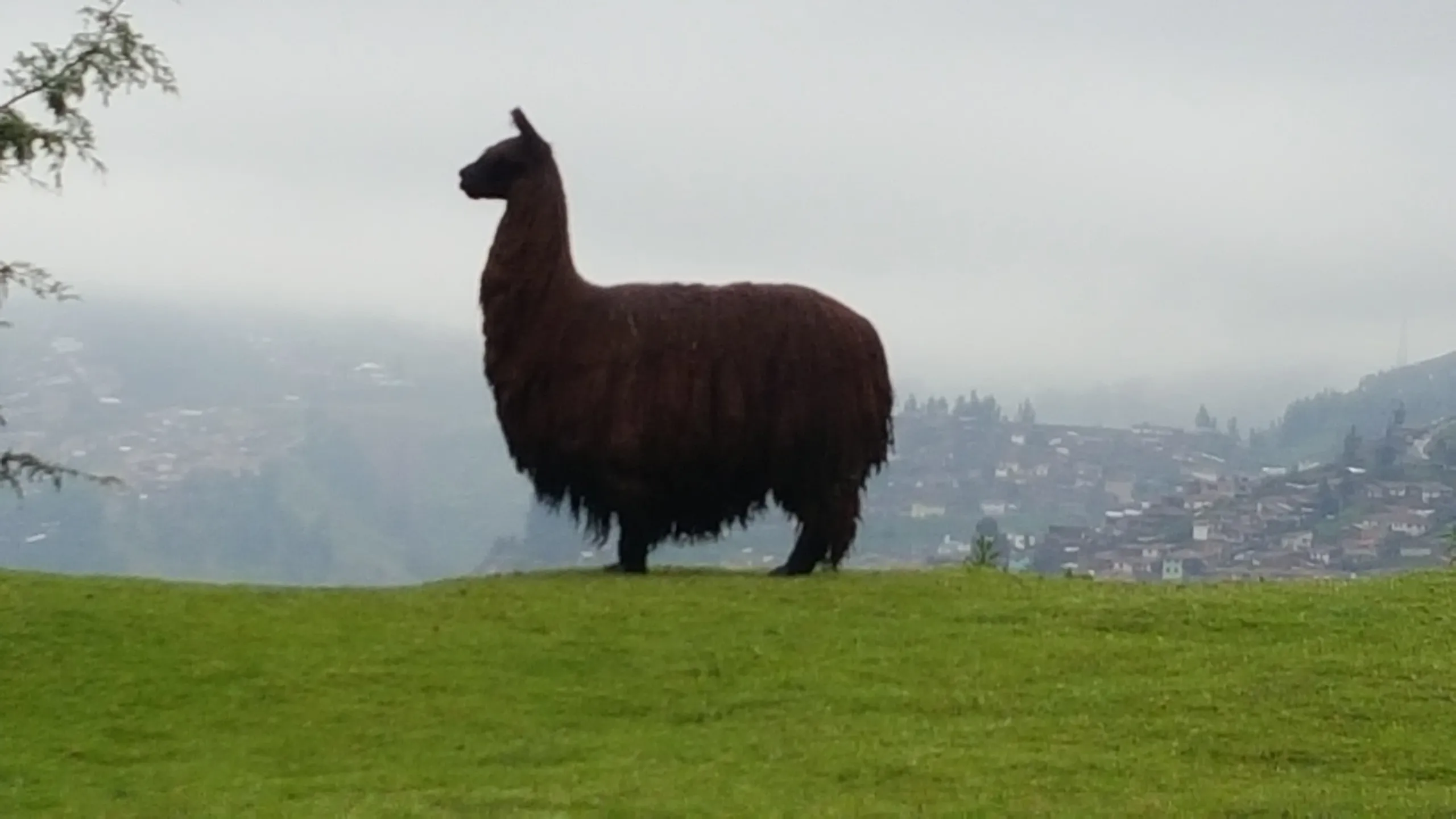
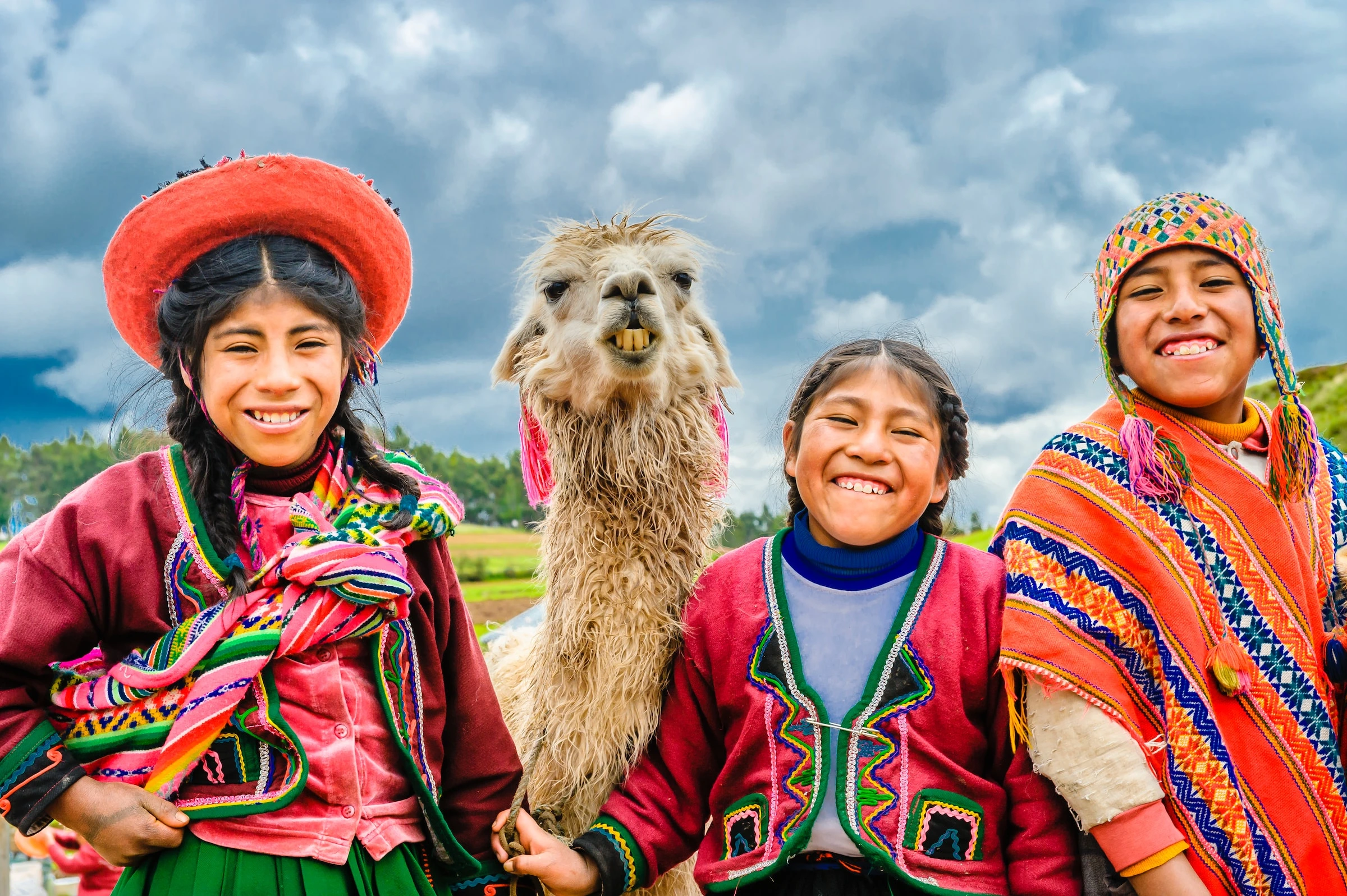
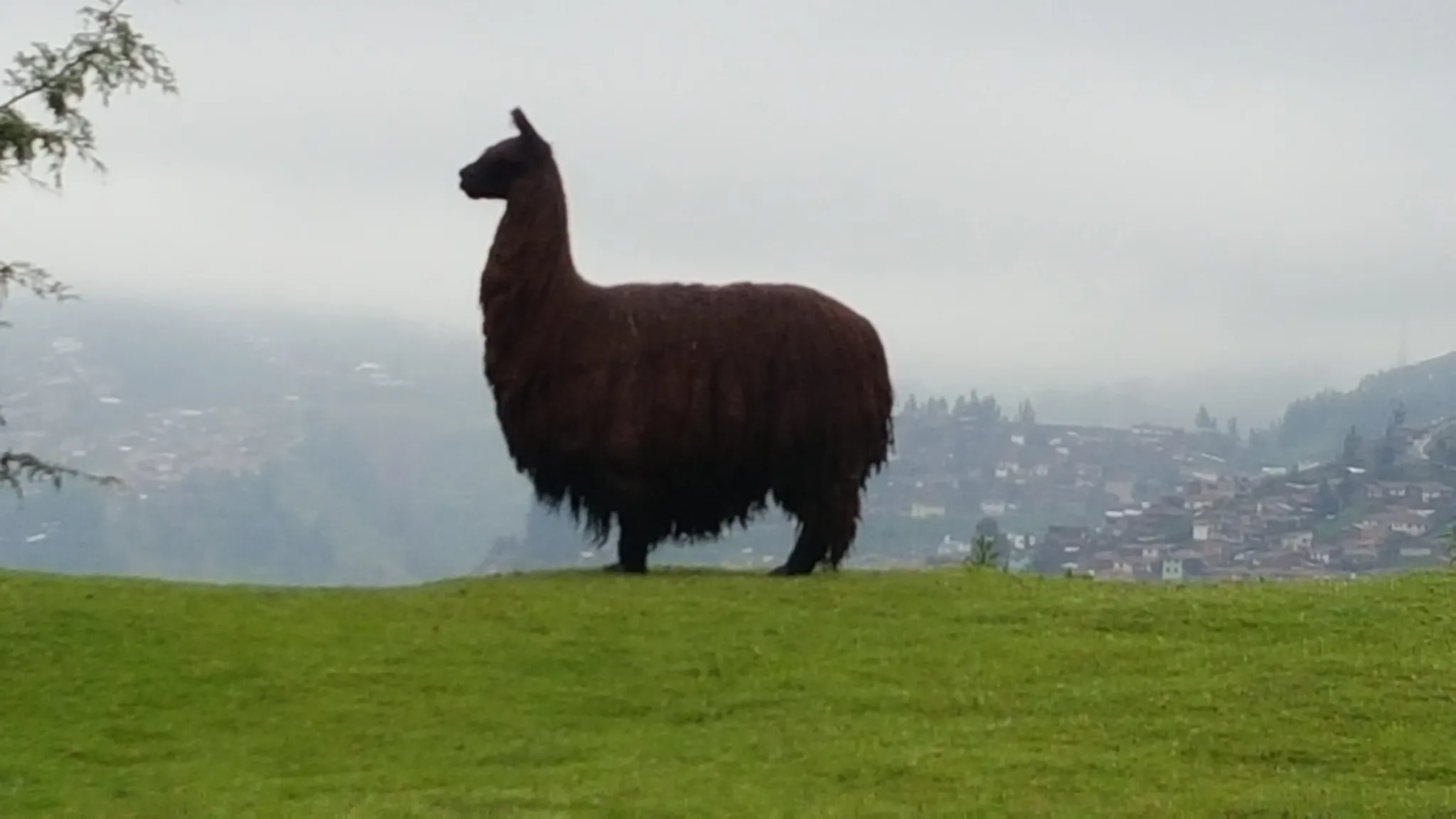
The camelid center introduces the four Andean camelid species — llama, alpaca, vicuña, huanaco — whose roles in Inka civilization extended far beyond the decorative. The llama was the empire’s primary transport animal on a road system with no wheeled vehicles. The vicuña’s fiber, the finest natural textile material in the world, was reserved exclusively for Inka royalty. Understanding these animals is understanding the logistics of how an empire without money moved goods across a continent.

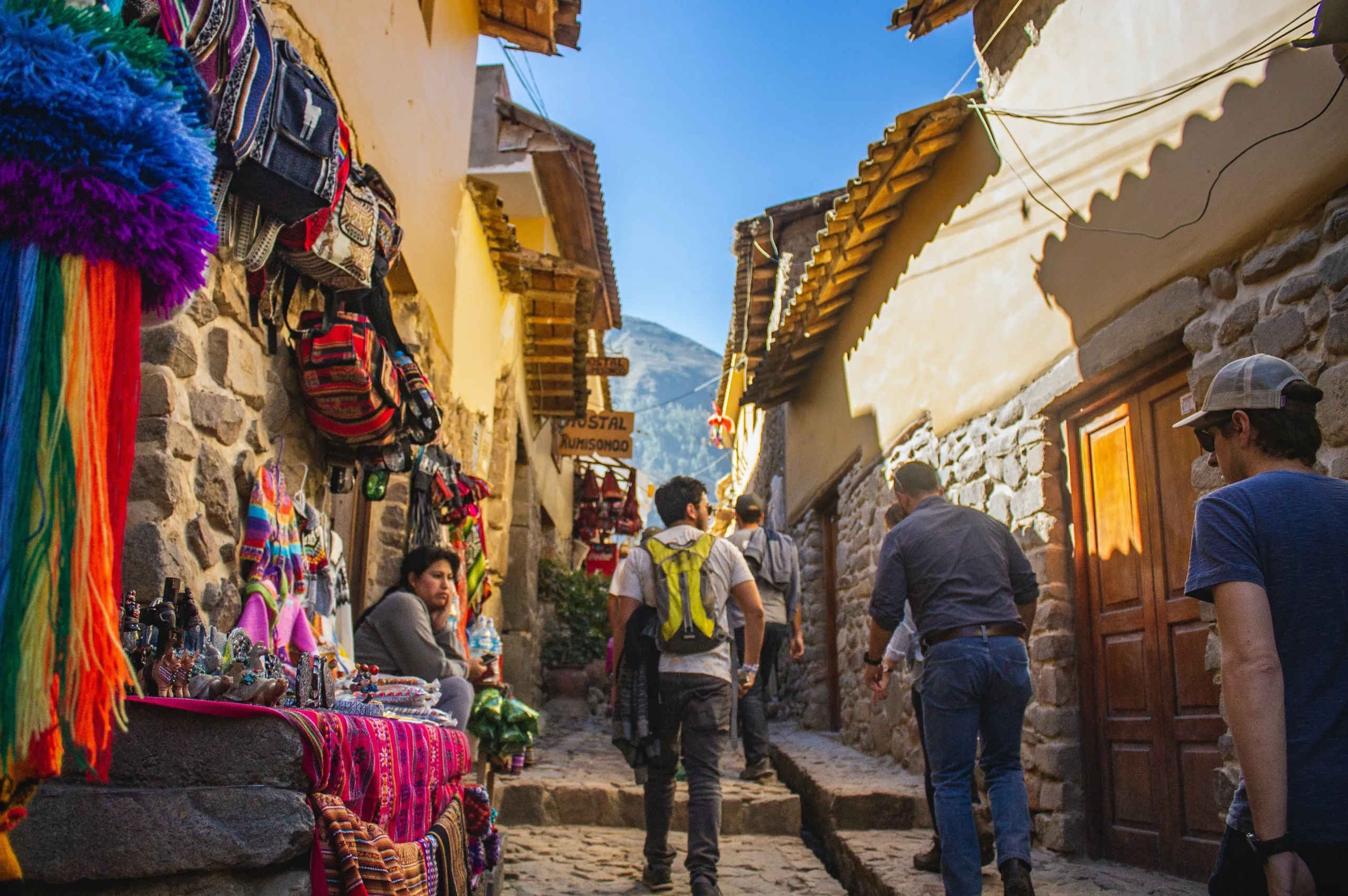
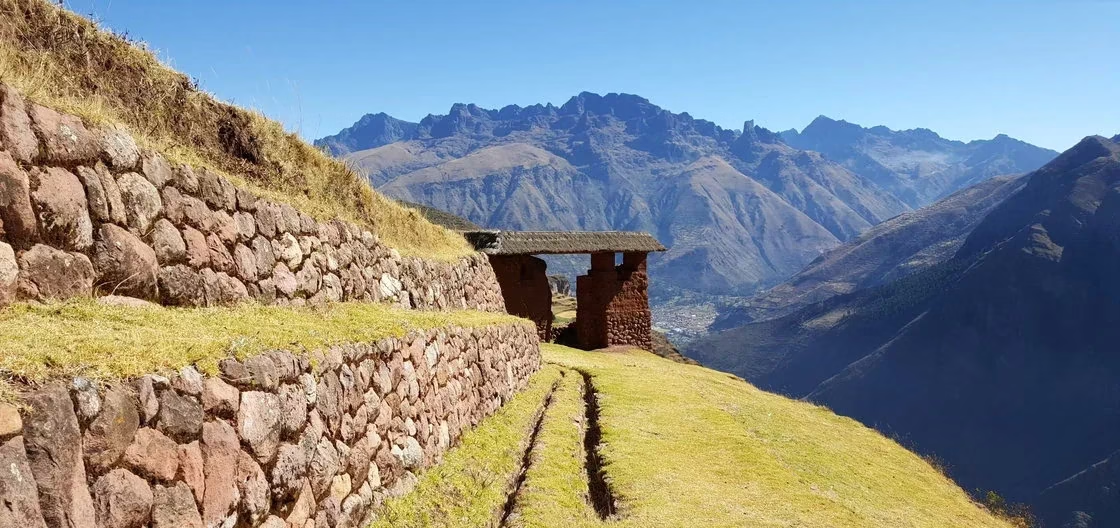
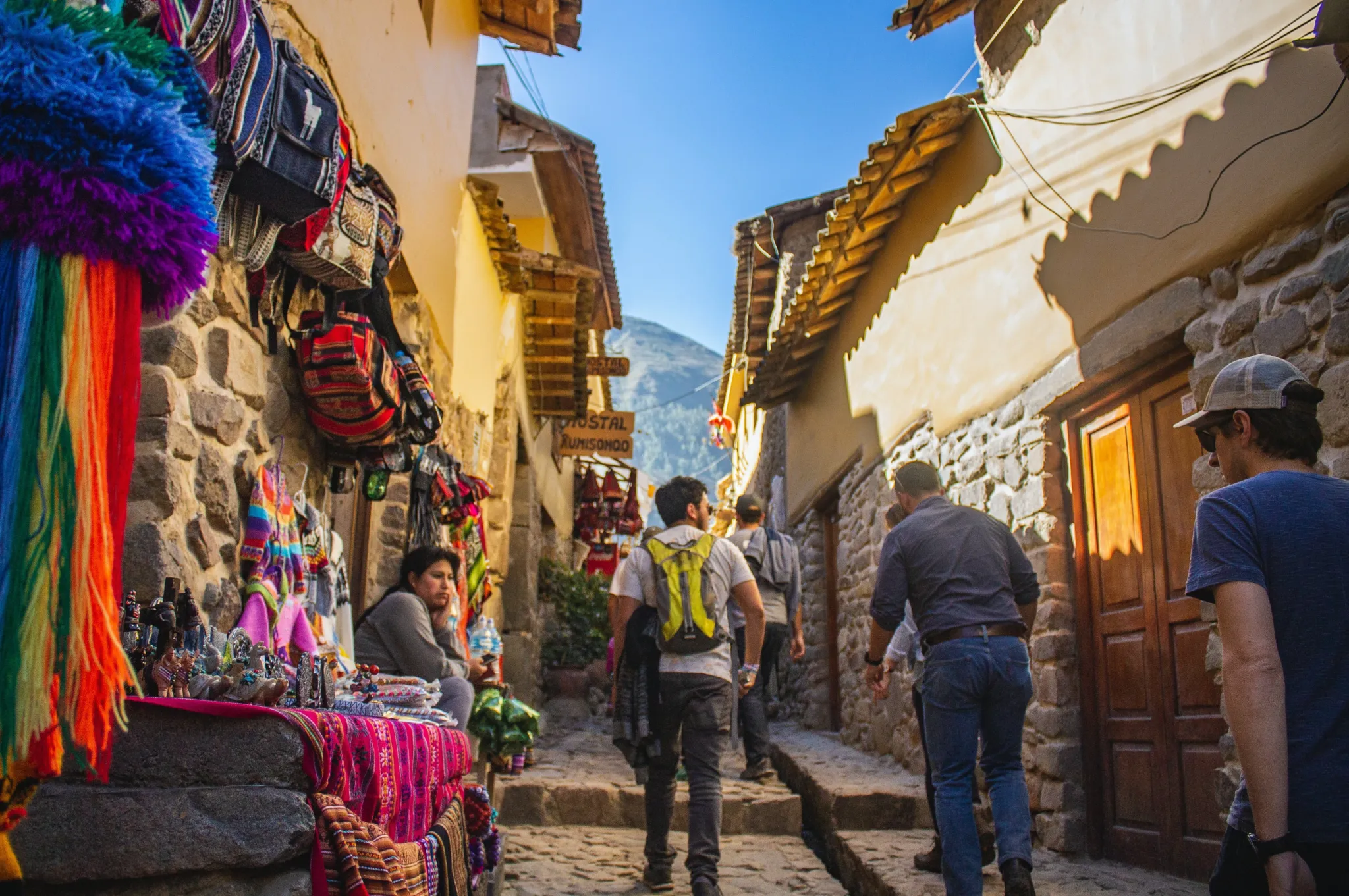
Pisac: the archaeological complex above the valley, its terracing and temple structures demonstrating the agricultural and cosmological intelligence that the following days will develop in depth. The traditional market below carries textile and craft traditions whose patterns encode the same knowledge as the architecture above.

  • Distance: 33 km by road
  • Altitude range: 2,900 m – 3,399 m
  • Overnight: Hotel in the Sacred Valley

Sacred Valley → Chinchero → Moray → Maras → Ollantaytambo → Aguas Calientes | Easy

A day of sites that reveal, collectively, the full range of Inka scientific and technical intelligence.

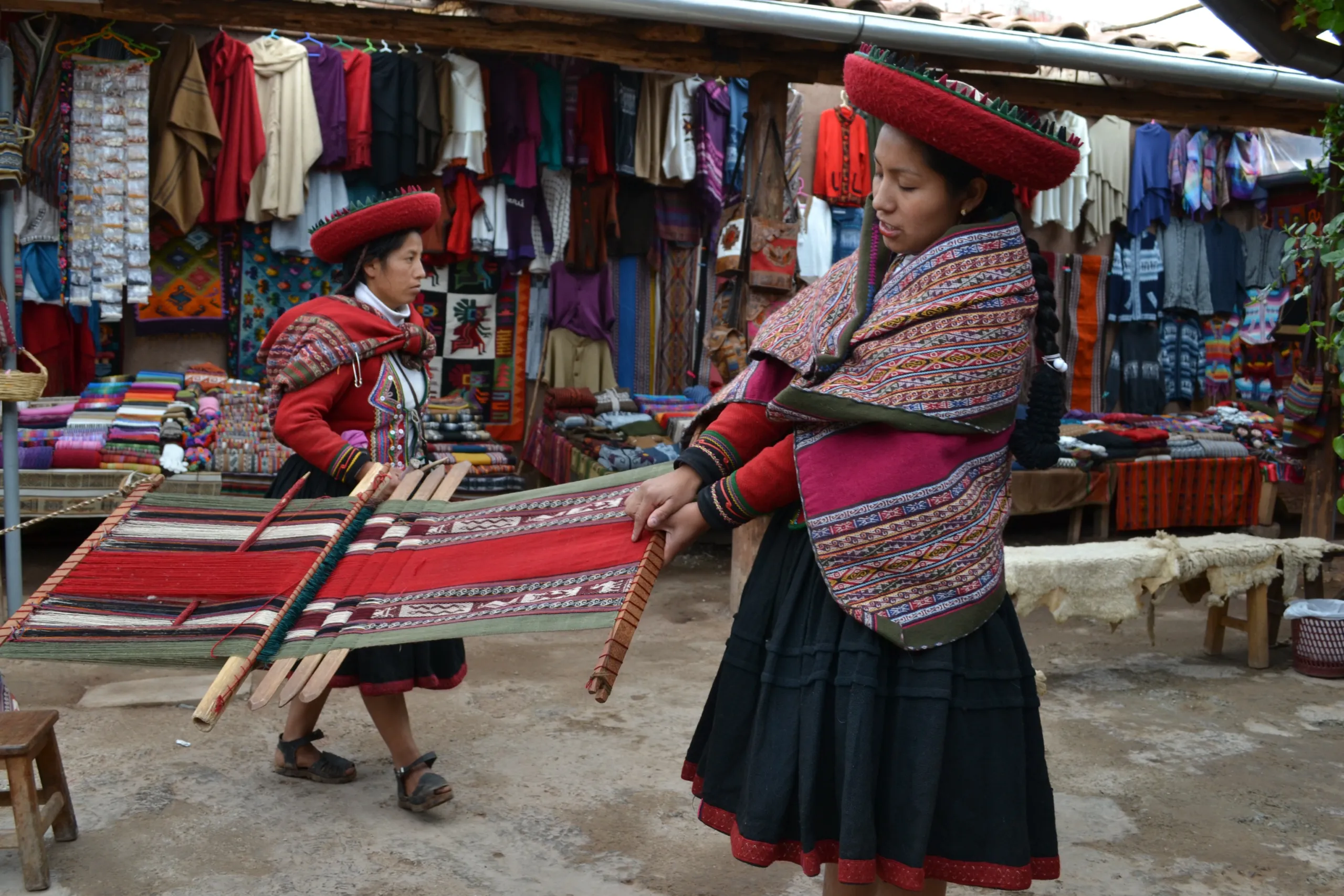
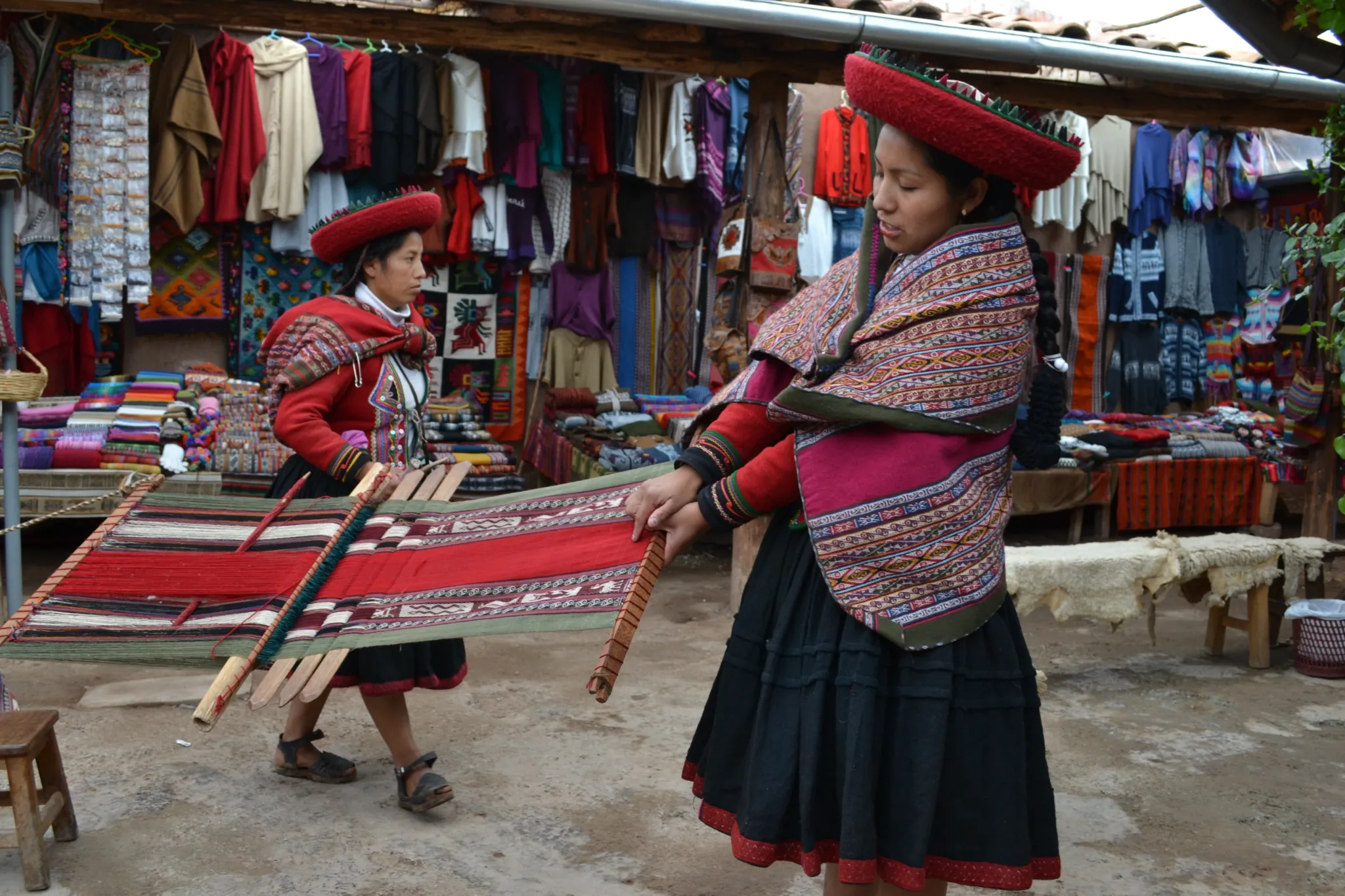
Chinchero: a highland community where natural dye techniques for Andean textiles are practiced from plant and mineral sources — the same methods the Inka developed, still producing the same colors, still encoded with the same cosmological meaning in the patterns they create.

Moray: concentric circular terraces descending into a natural depression, each ring maintaining a different microclimate. The temperature differential between the highest and lowest levels replicates the full range of Andean altitude zones — a controlled environment where the Inka developed and tested crops for different elevations. Modern agricultural scientists study it. The Inka built it centuries before the discipline existed.

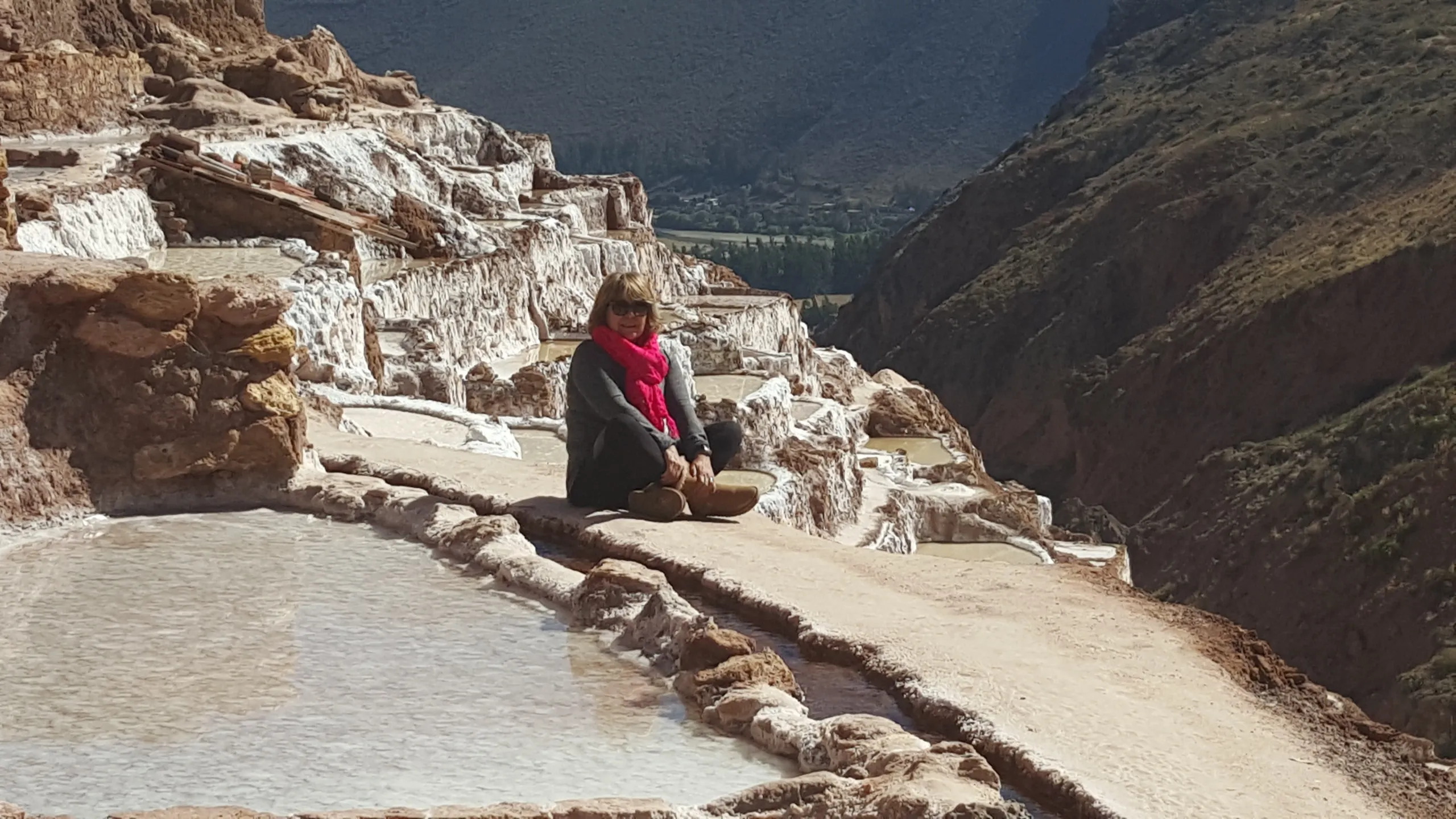
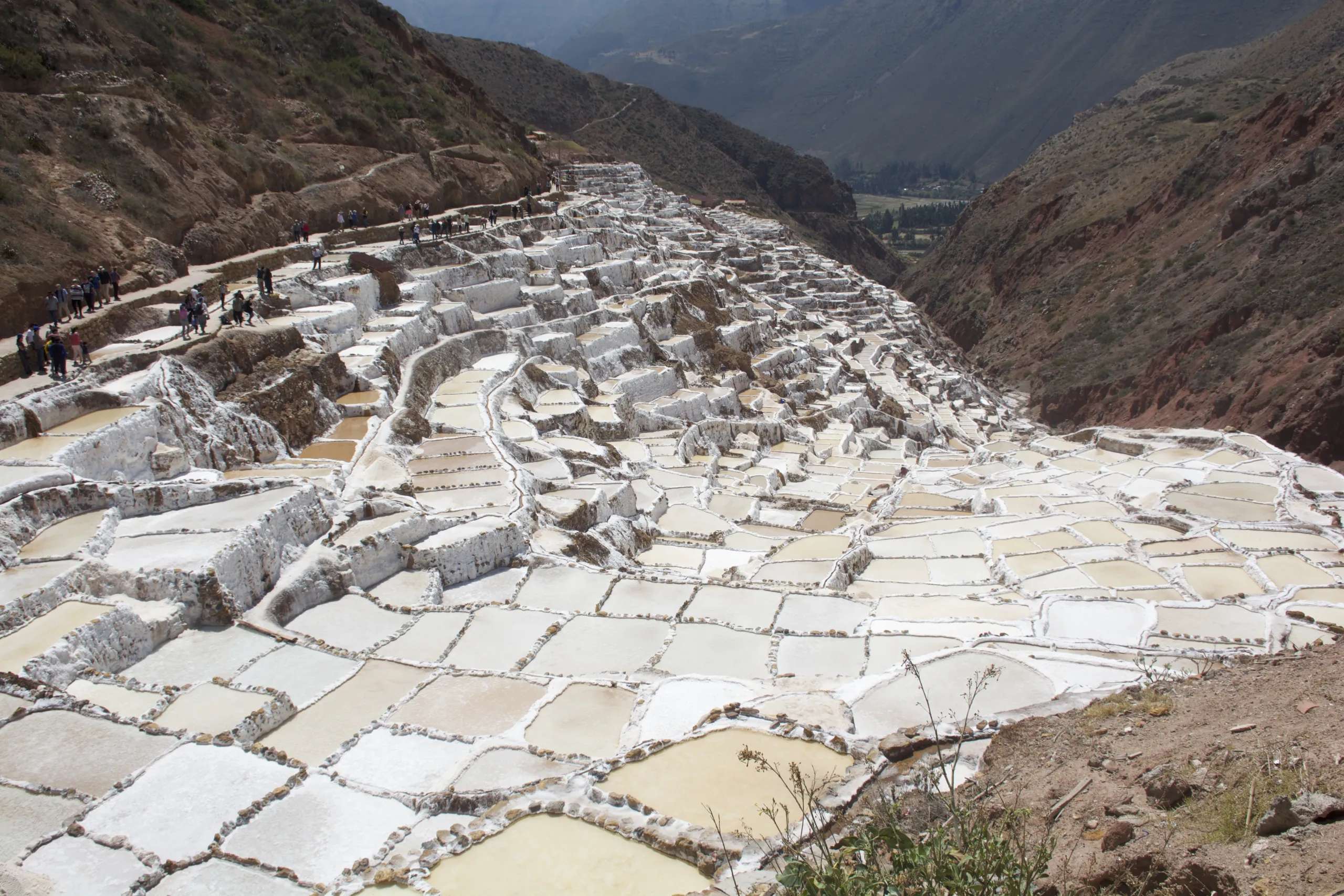
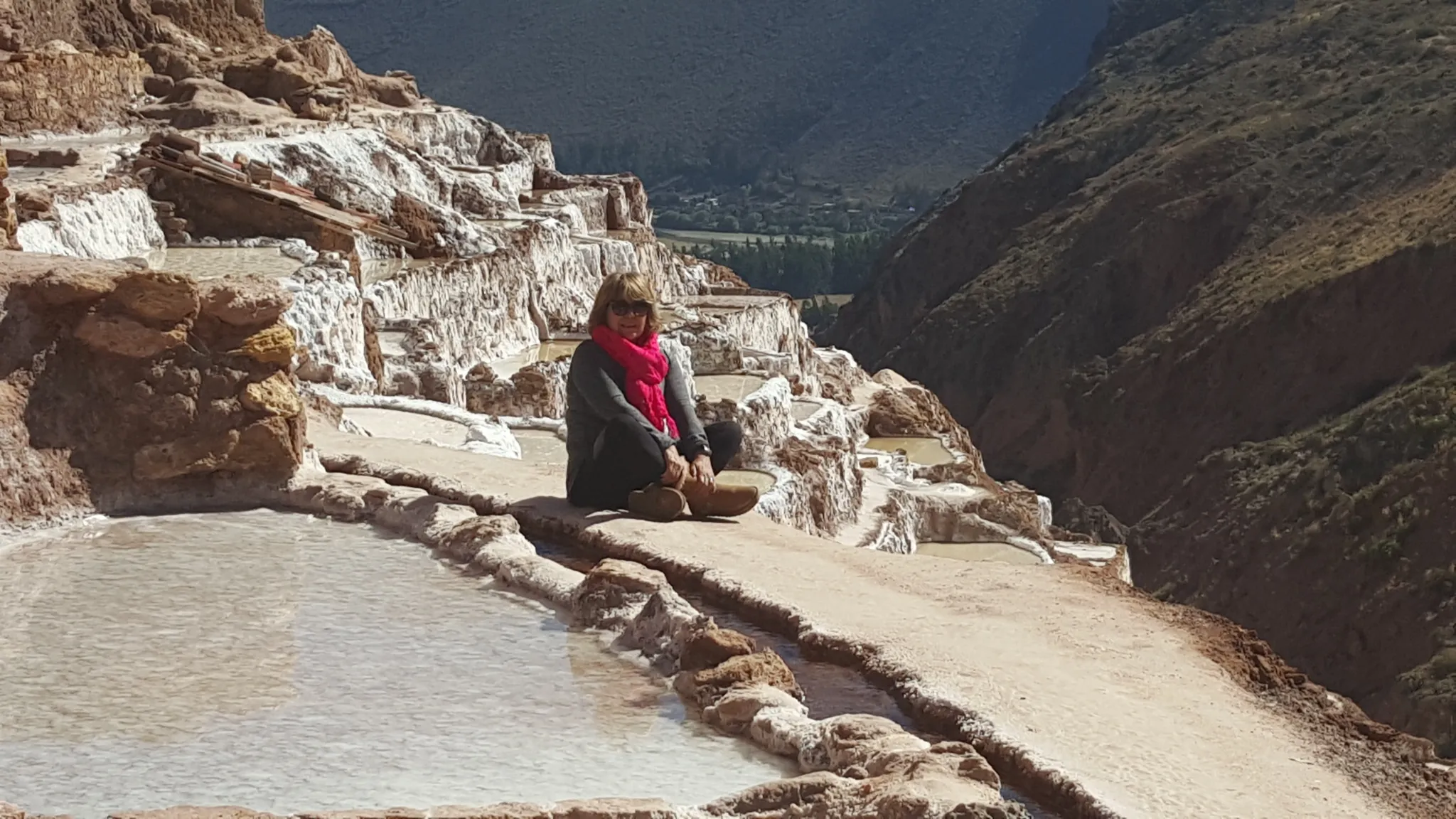
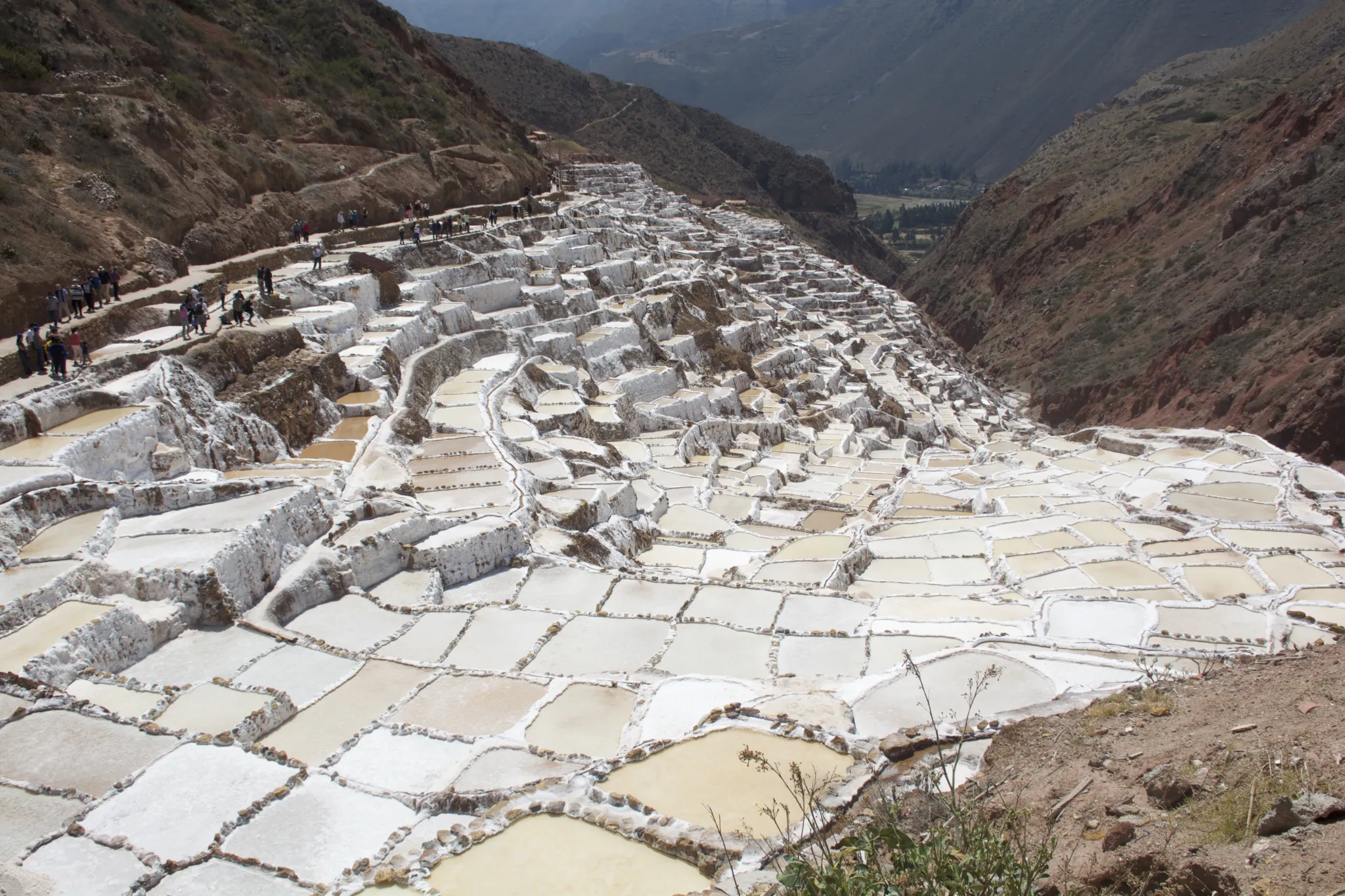
Maras: thousands of individual salt pans fed by a single saltwater spring, still managed by the same community system the Inka established, still producing salt by the same method. From the hillside above, the descending pattern of white pans against the mountain is among the most extraordinary visual experiences the Sacred Valley offers.

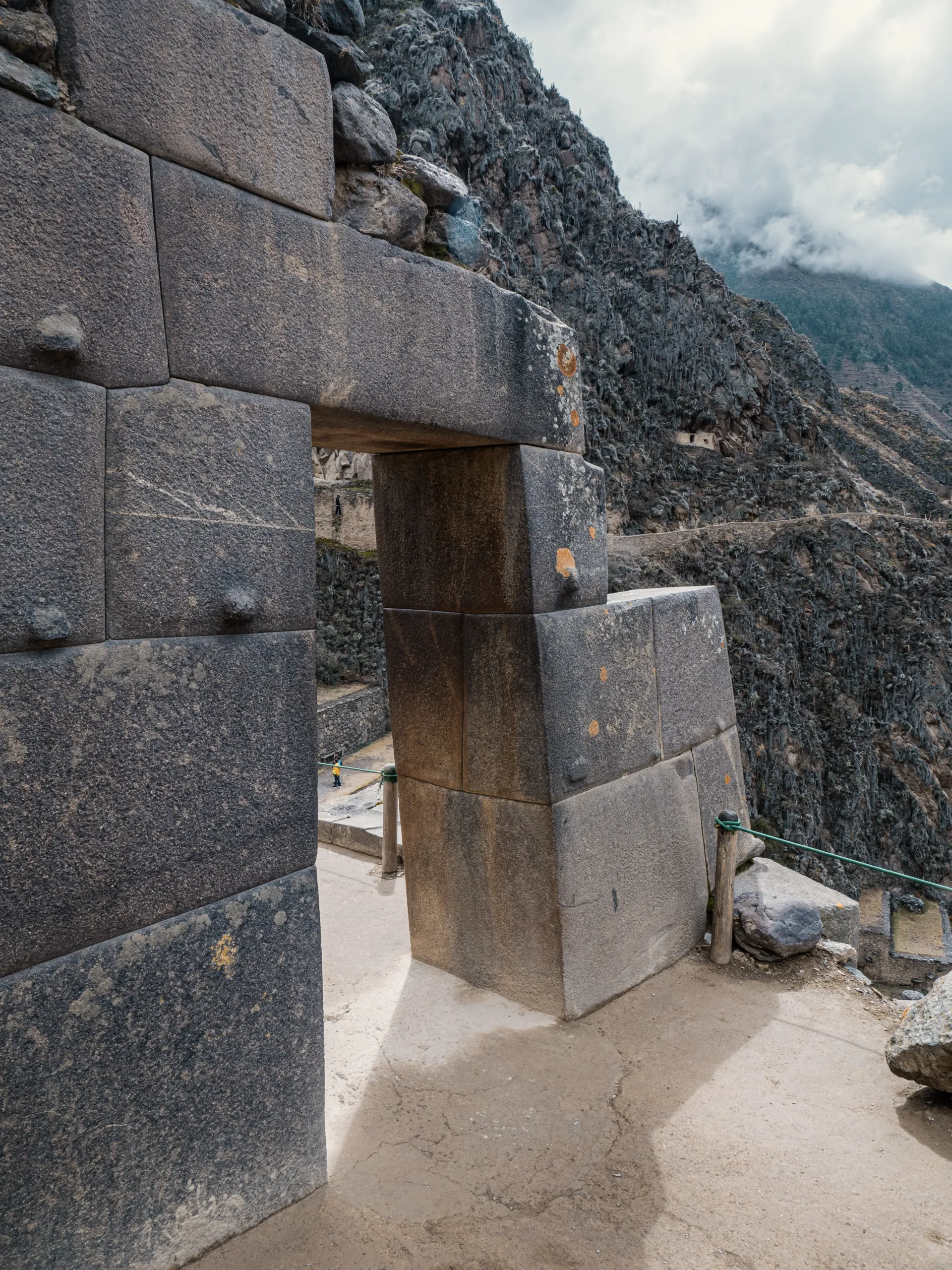
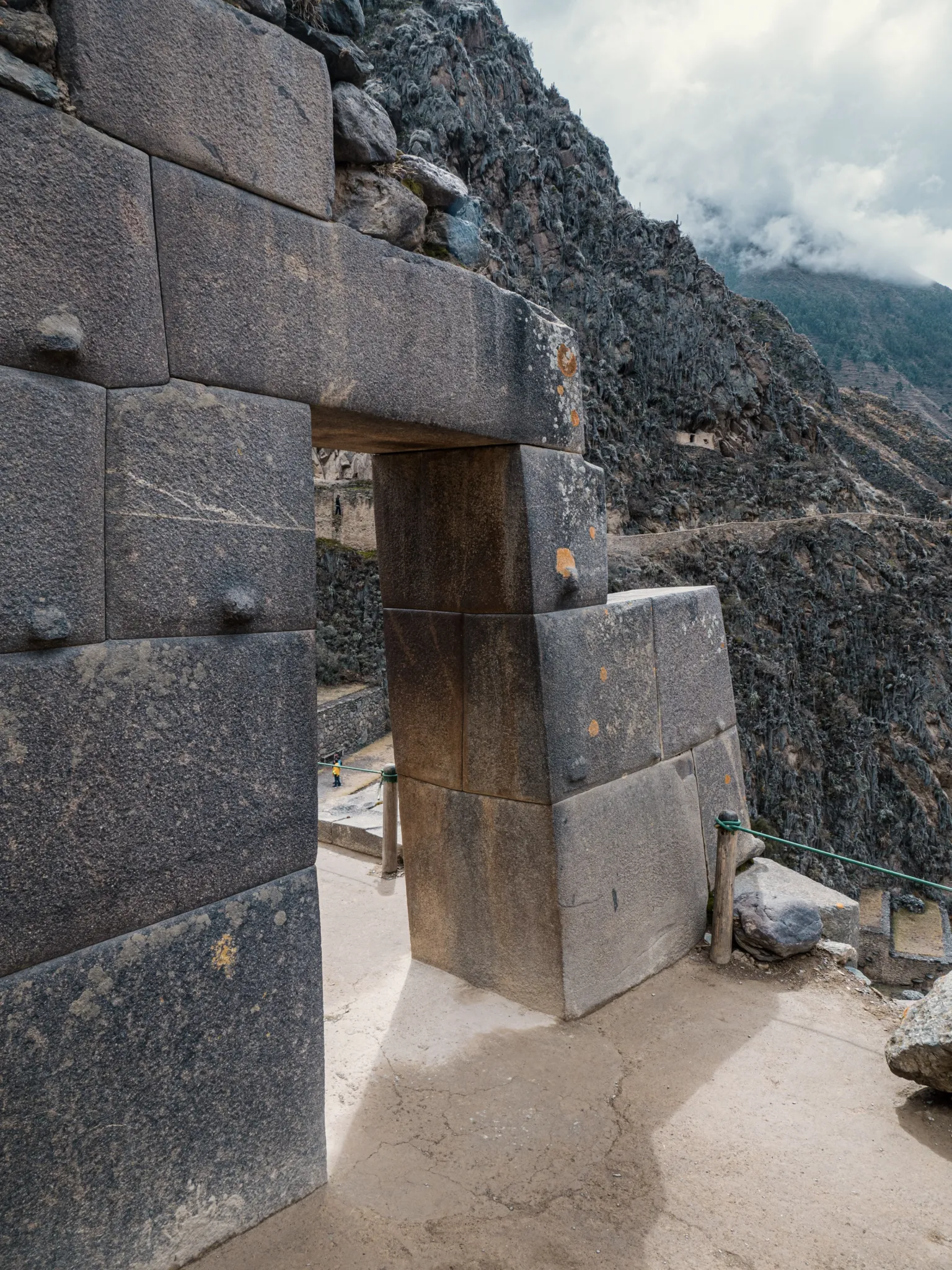
Ollantaytambo: a fortress and ceremonial complex whose construction was interrupted by the Spanish conquest — leaving it in a state that reveals the Inka building process more clearly than any finished site. The massive stone blocks of the unfinished temple were transported from a quarry across the valley by methods that engineering analyses have not fully explained. The living town around it has maintained the Inka street grid without modification since the fifteenth century.

The afternoon train to Aguas Calientes descends through cloud forest as the day’s accumulated knowledge settles into context.

  • Distance: 138 km by road + train
  • Altitude range: 2,792 m – 3,700 m
  • Overnight: Hotel in Aguas Calientes

Aguas Calientes → Machu Picchu → Cusco | Easy

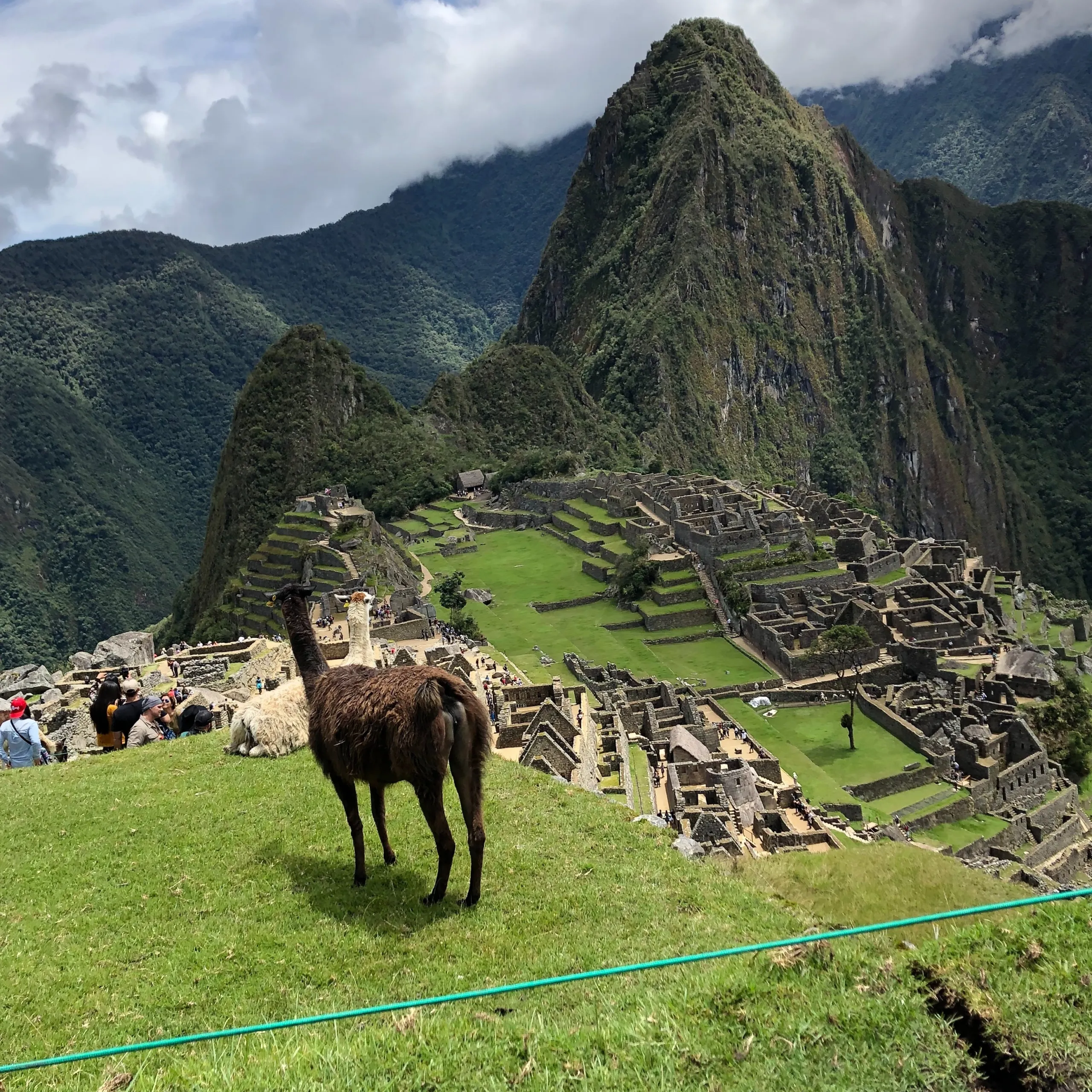
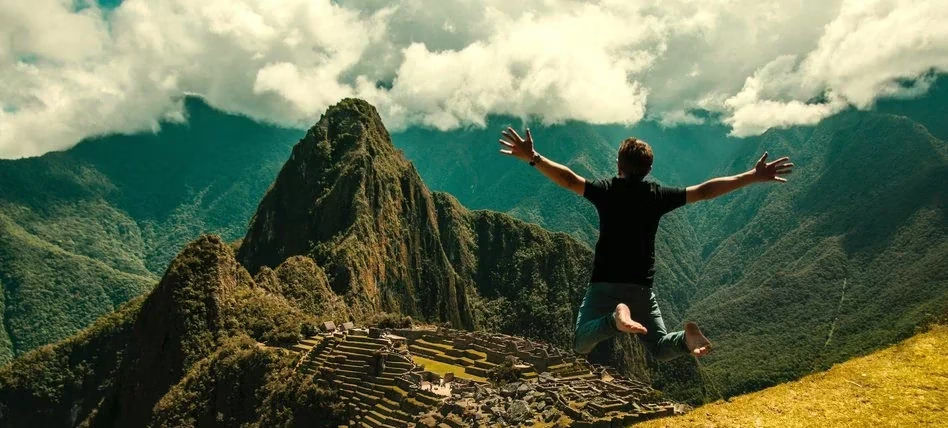
Two days of context — the agricultural systems, the textile traditions, the engineering logic, the cosmological framework — make Machu Picchu a different place from the one that travelers encounter without that preparation. The terraces are not decorative. The water channels are not incidental. The astronomical alignments are not coincidental. The positioning of the citadel relative to the surrounding mountains follows the same intelligence that placed Moray’s rings, Ollantaytambo’s blocks, and Pisac’s temples exactly where they are.

Your guide moves through the site through the Inka method lens — the Temple of the Sun, the Intihuatana stone, the agricultural sectors, the urban planning — completing a conversation about Andean cosmological and technical knowledge that began in the Sacred Valley two days ago.

Lunch beside the sanctuary. The train returns to Cusco in the afternoon — the city arriving at dusk with the remaining two days ahead to decode it on foot.

  • Maximum altitude: 2,430 m
  • Overnight: Hotel in Cusco

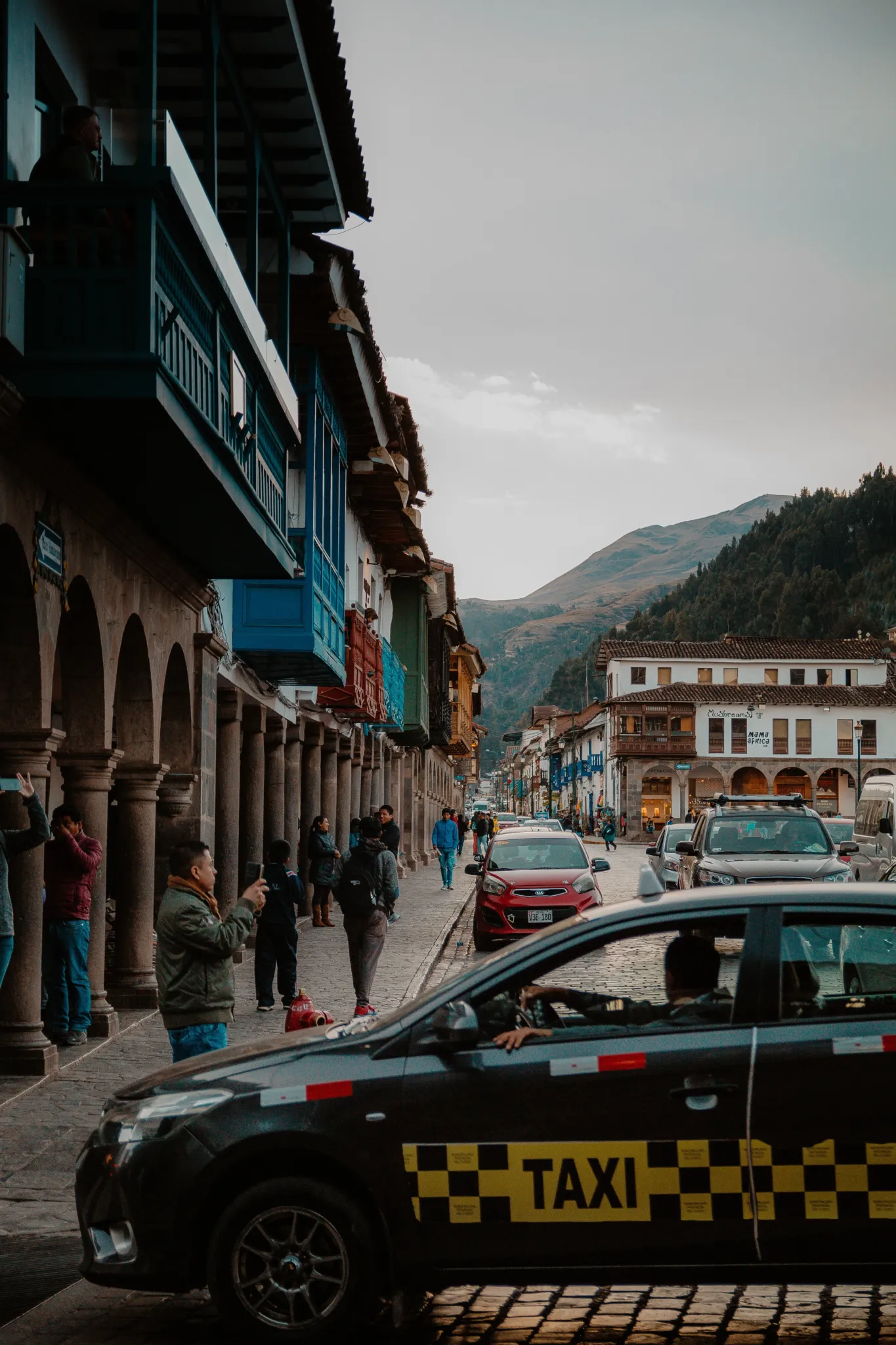
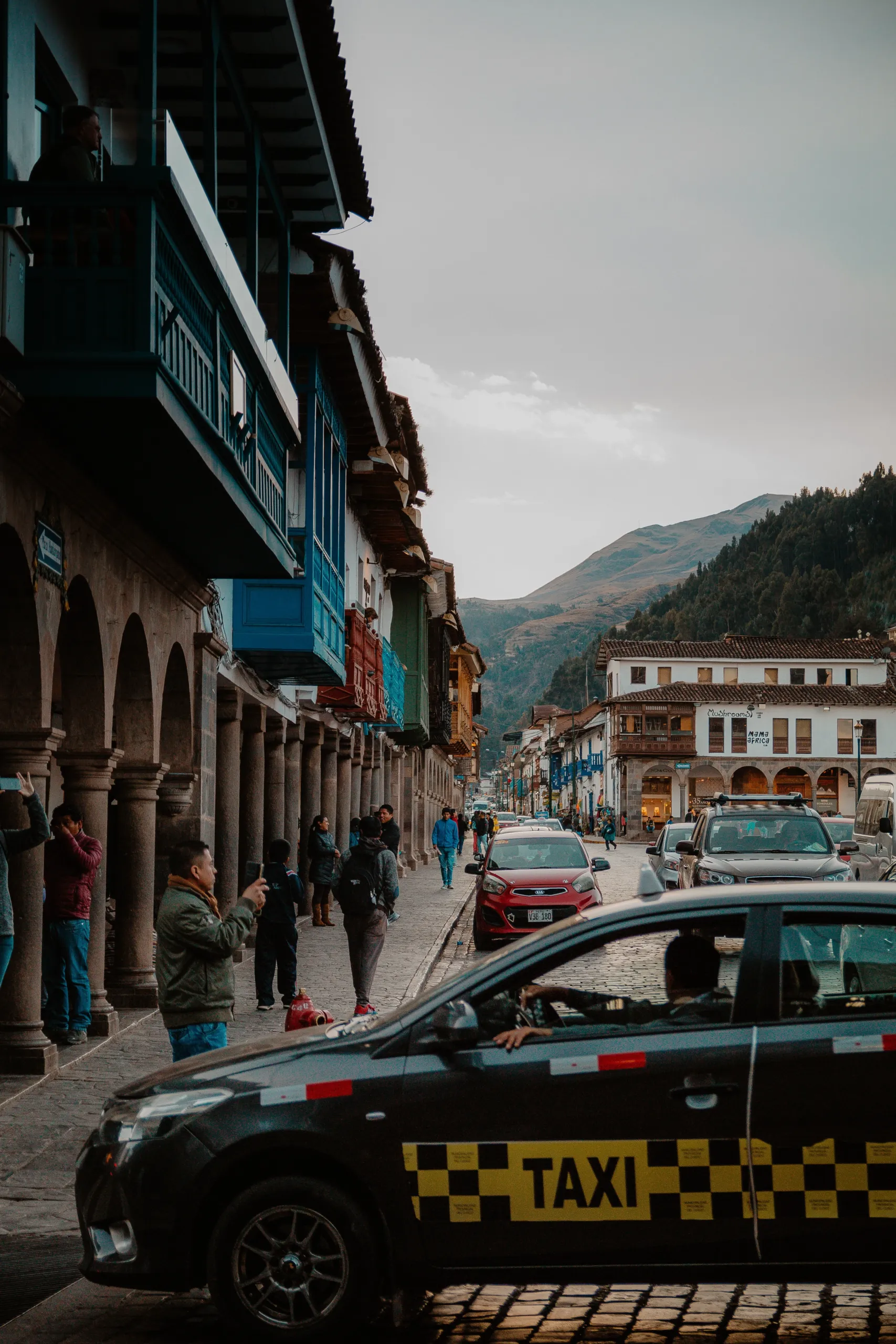
Cusco → Sacsayhuaman → Q’enqo → Pucapucara → Qoricancha → San Pedro Market | Easy

The archaeological sites above Cusco establish the city’s outer ring before the center is approached.

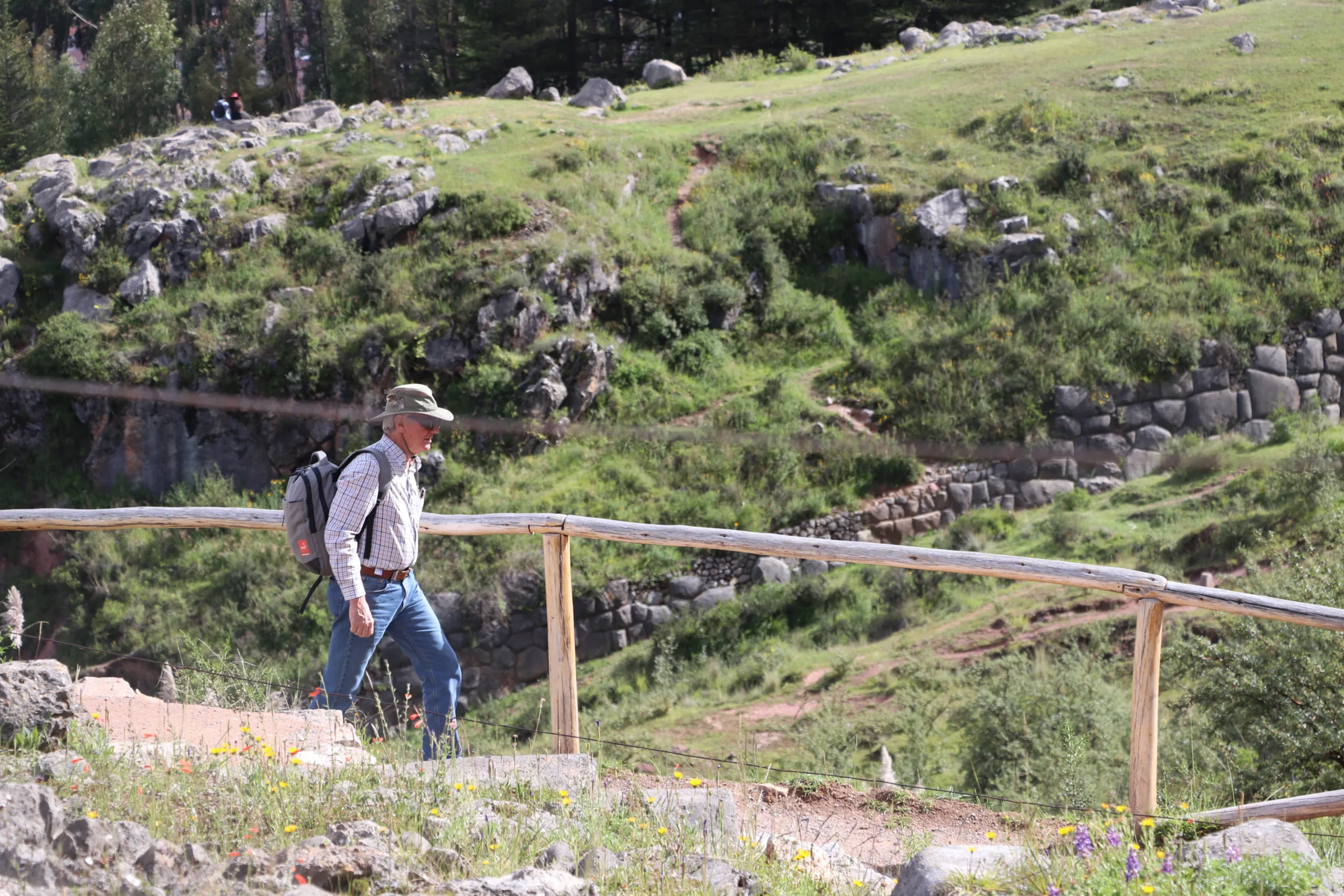
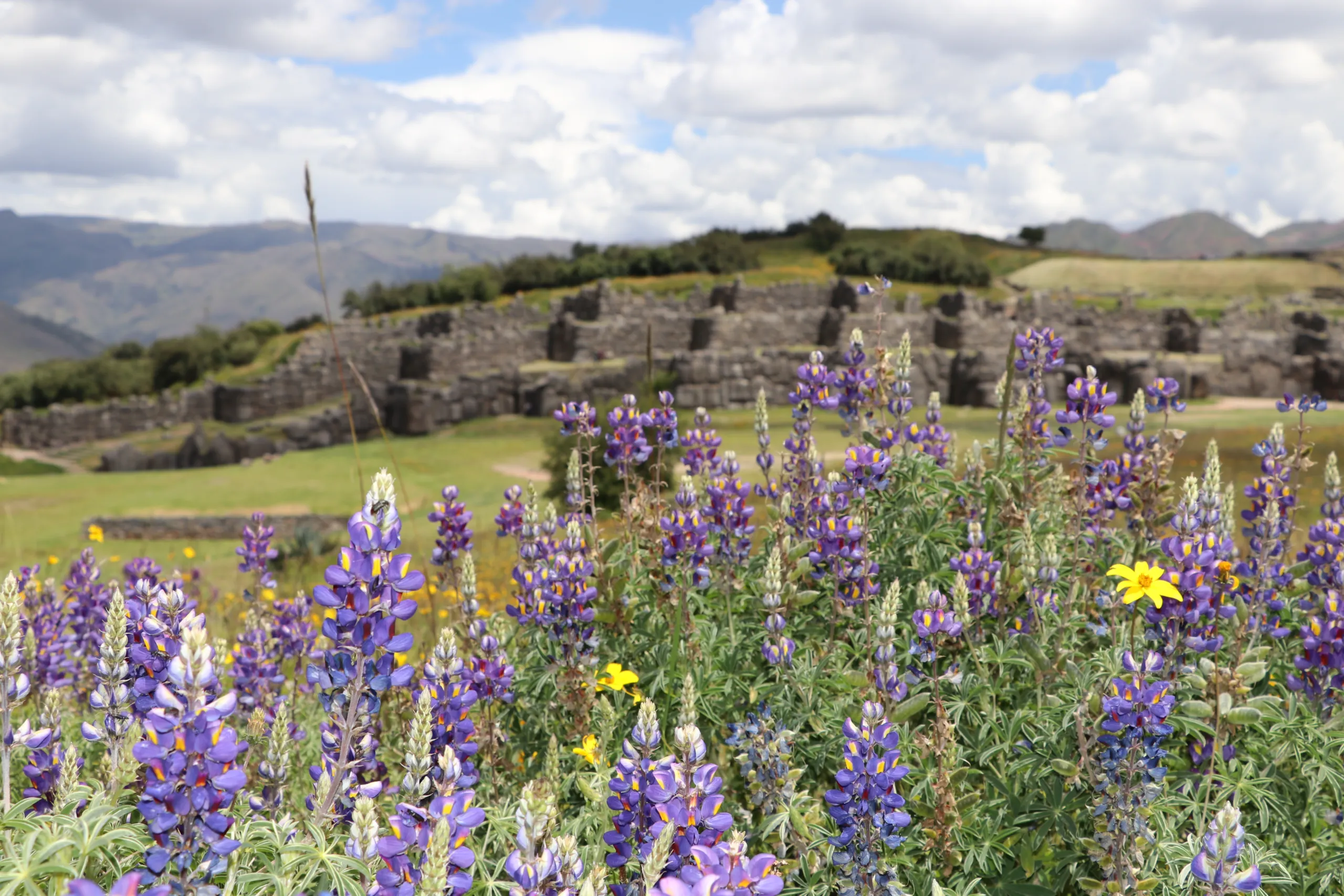
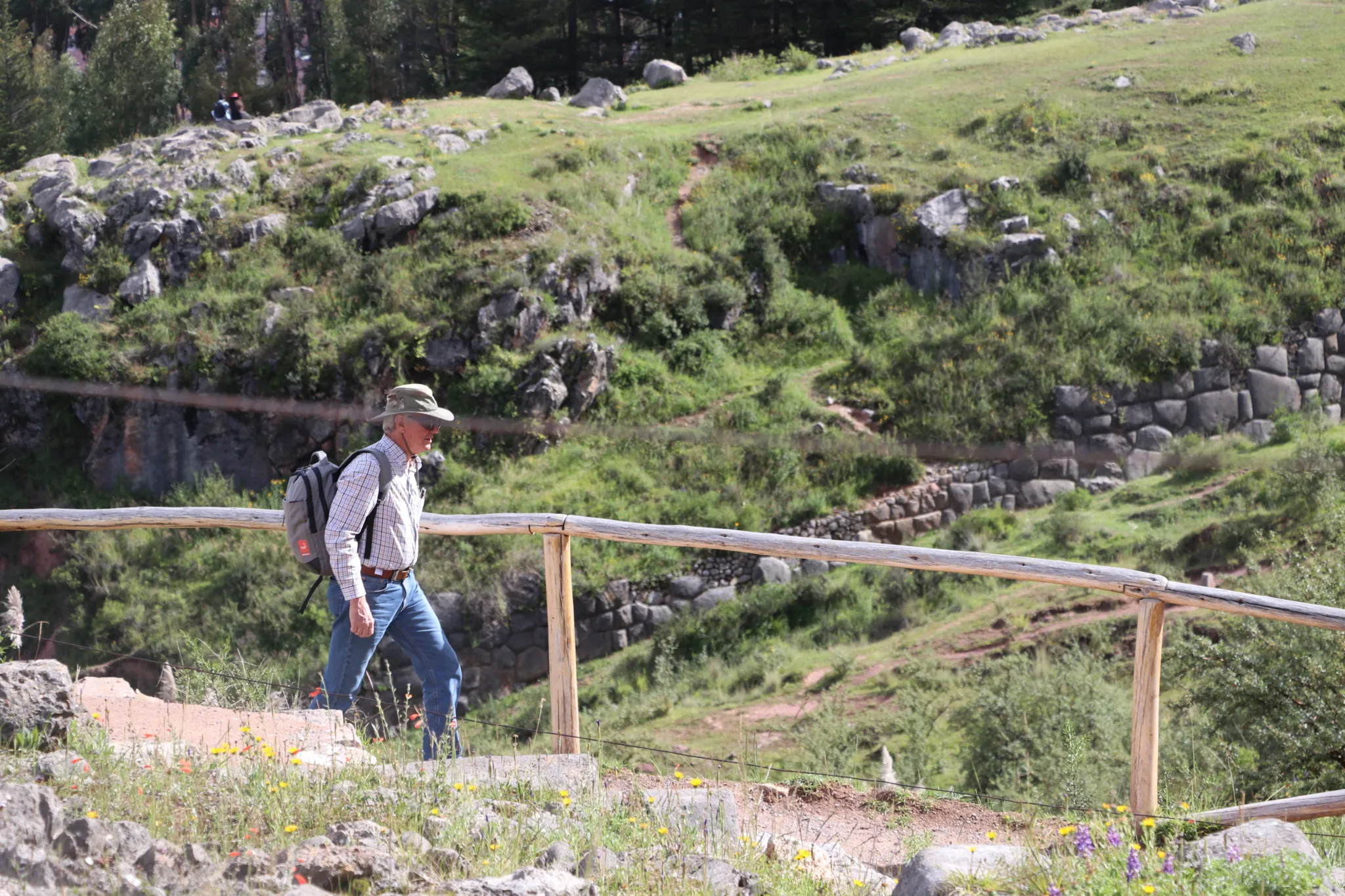
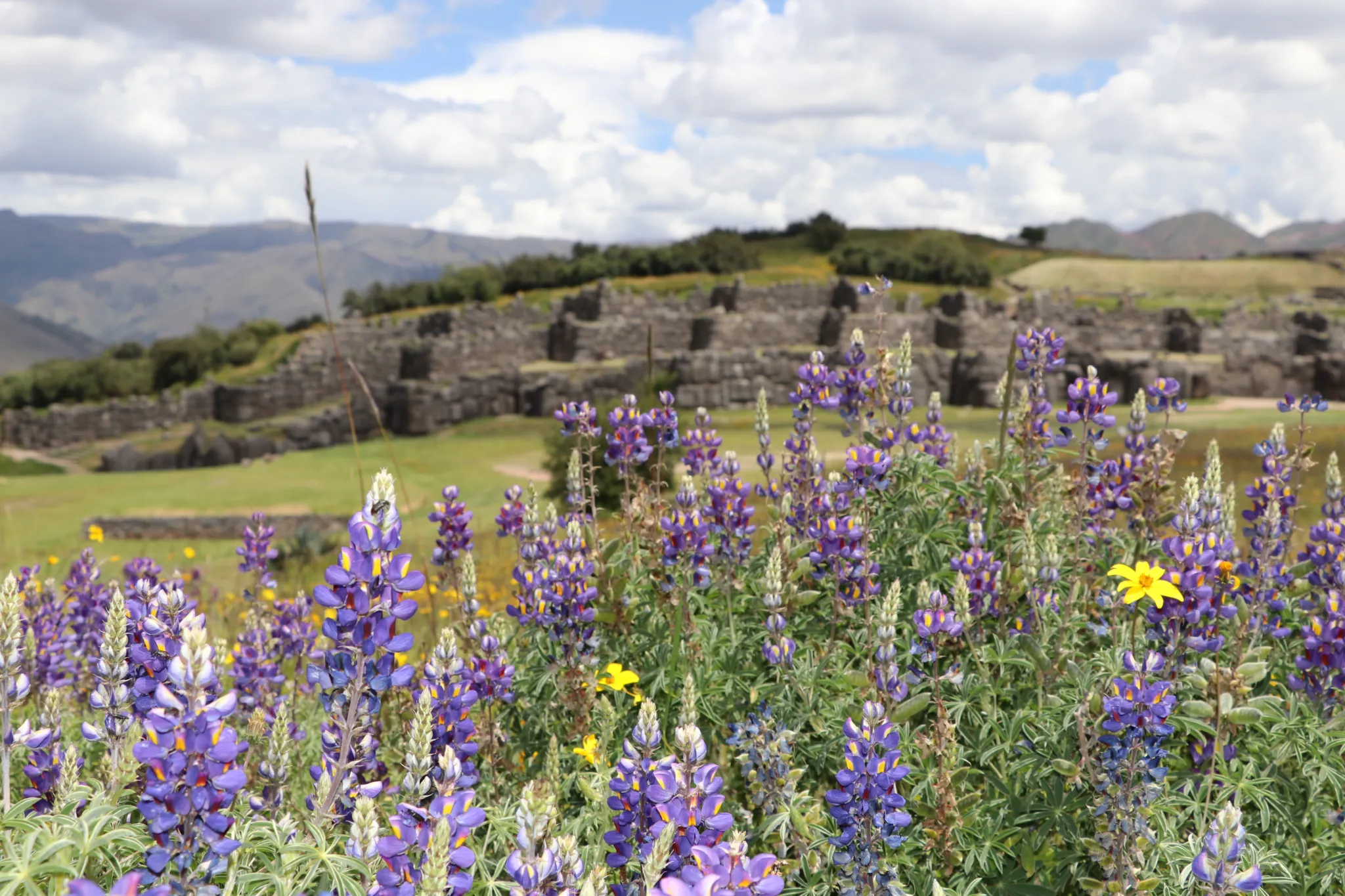
Sacsayhuaman: limestone blocks of up to 300 tons fitted without mortar to earthquake tolerances that modern construction cannot replicate. Officially understood as a fortress. The Inka understood it as the head of the puma-shaped city plan — the ceremonial center from which the capital’s cosmological geometry was organized.

Q’enqo: an astronomical center carved directly from a single massive rock outcrop — channels, niches, and underground chambers whose function encodes Andean knowledge of celestial cycles, sacrifice, and the relationship between the living world and the one below it.

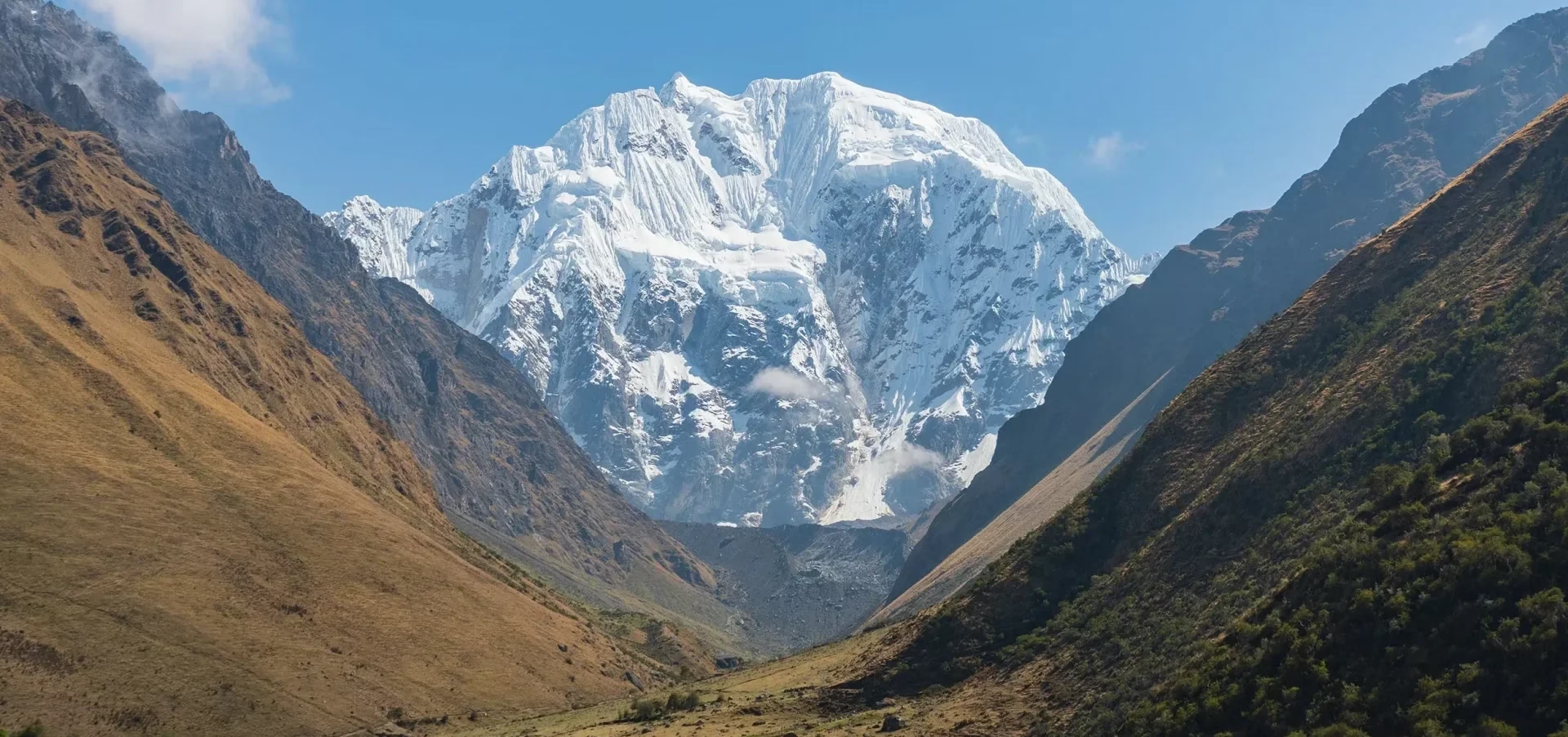
Pucapucara: the Red Fort at 3,580 meters, positioned above the valley with views across the mountain guardians of Cusco — the Apus that the city was built in deliberate relationship to, their positions visible from this point in the configuration the Inka mapped.

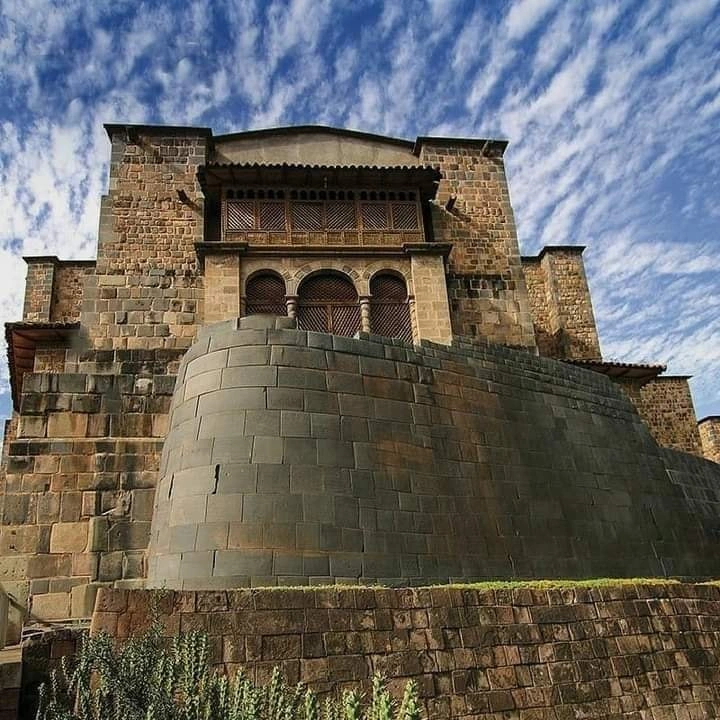
Qoricancha: the spiritual and intellectual axis of the empire, built with the most refined stone masonry in the Americas. The colonial church constructed on top of it has cracked and shifted. The Inka walls beneath remain perfectly intact.

San Pedro market closes the afternoon — the full sensory range of Andean agricultural production, textile tradition, and culinary culture in a single space.

  • Distance: 45 km by road
  • Altitude range: 3,399 m – 4,089 m
  • Overnight: Hotel in Cusco

Cusco → Airport

Transfer to the airport. The city you leave is not the city you arrived in — not because it has changed, but because you now know how to read it.

Machu Picchu

Reviews

Reviews

There are no reviews yet.

Be the first to review “Q’osqo trip”

Your email address will not be published. Required fields are marked *

Included/Excluded

  • Incluido All transportation.
  • Incluido Guide service.
  • Incluido Food as described (breackfast=B, Lunch=L, dinner=D).
  • Incluido Entrance fees and permits for the detailed visit sites.
  • Incluido Round trip train tickets.
  • Incluido Round trip Machupicchu bus tickets.
  • Incluido Accomodation 5 stars hotel as described.
  • Incluido Boiled or purified water.
  • No Included Entrance fees to Waynapicchu Mountain and Machupicchu Mountain and others are optional.
  • No Included Bottle of water or sports drink.
  • No Included Tipping for staff.
  • No Included Travel ensurance.
  • No Included Flight tickets.

Attractions

Chinchero, Coricancha, Cusco, Huanacaure, Machu Picchu, Maras & Moray, Ollantaytambo, Pisac, Pucapucara, Q’enqo, Sacred Valley, Sacsayhuaman, Tambomachay

Activities

Cooking classes, Culinary, Discoveries, Experiential tourism, Full nature, Lakes, Lama experience, Picnic

FAQs

Nothing to show, please go to blogs.

Application Process

Contexto personal
Estado mental actua
Preferencias y límites
Datos de contacto

Book This Tour

Top Trending

You may like

Cart0
Cart0