Relics of Cusco

Price

From: $6,927.00

Duration

7 days

Max People

10

Tour Type

Packages

Attractions

16

Activities

9

Min Age

6


Overview


The Navel Is Not a Metaphor

Q’osqo — navel of the world. The Inka chose this name with the same precision they applied to everything else. The navel is the mark of life — the point of connection between one existence and the next, the scar that proves where sustenance once flowed. A civilization that named its capital after that mark was making a cosmological claim: this city is where the world connects to its source.

Six days is what it takes to begin to understand what they meant.


About the relics


In the Andean worldview, true relics are not objects but enduring wisdom
– the intellectual heritage encoded in perfect stonework, terrace systems, and celestial observatories.
Cusco, the cosmological “navel” of a civilization stretching across the Andes..

Cusco is the capital of one of the most intriguing civilizations of mankind, the first chronicles about the Inkas say: their territory extended from Argentina to Colombia. Covering the entire territory of the Andes mountain range, local stories in Brazil tell the Inka reached until Rio de Janeiro. The name of Cusco means navel of the world, and if you comprehend the meaning of the navel mark wich means for life we will show you that fiction overcomes reality, keeping always the therapeutic purpose of IntiTravel.Org – Sponsoring life.


Chuspiyoc - Cusco


5 Inspiring Wonders

# Cusco city

# Sacred valley

# Ollantaytambo

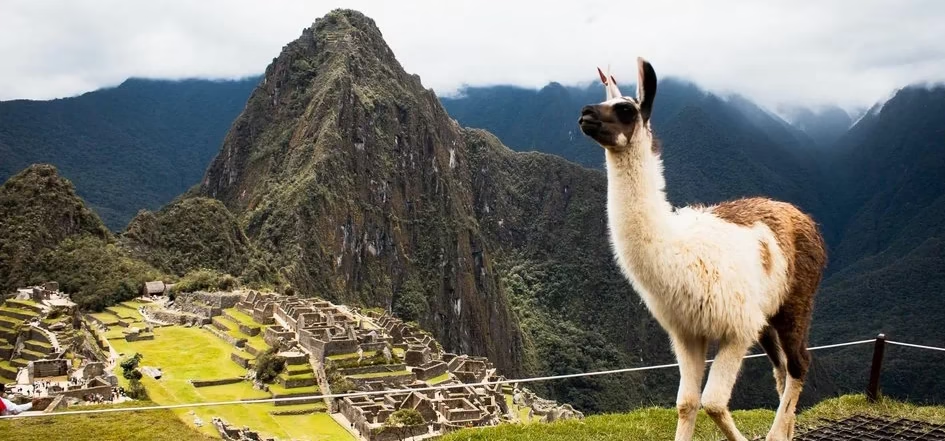
# Machu Picchu

# Maras & Moray


Relics of Cusco

This program moves through the Cusco region not as a sequence of attractions but as a progressive reading of a single document — one that begins in the Sacred Valley where the agricultural intelligence is most visible, passes through the engineering masterpieces of Ollantaytambo and Machu Picchu, and returns to Cusco itself for two full days of decoding the city from its outermost relics to its innermost chambers.

The word relic in the Andean worldview does not mean an object in a glass case. It means living wisdom — the intellectual heritage encoded into the stonework, the terrace systems, the astronomical observatories, the tunnel networks, and the mountain that the Inka founders climbed before deciding where to place the navel of the world. That mountain — Huanacaure at 4,089 meters — is where Day 5 ends, at sunset, with five days of accumulated context and the full view of what the founders saw.

Fiction, as the Inka understood, consistently overcomes reality. Six days here will demonstrate why.
 

Airport → Sacred Valley → Camelid Center → Pisac → Overnight Sacred Valley | Easy

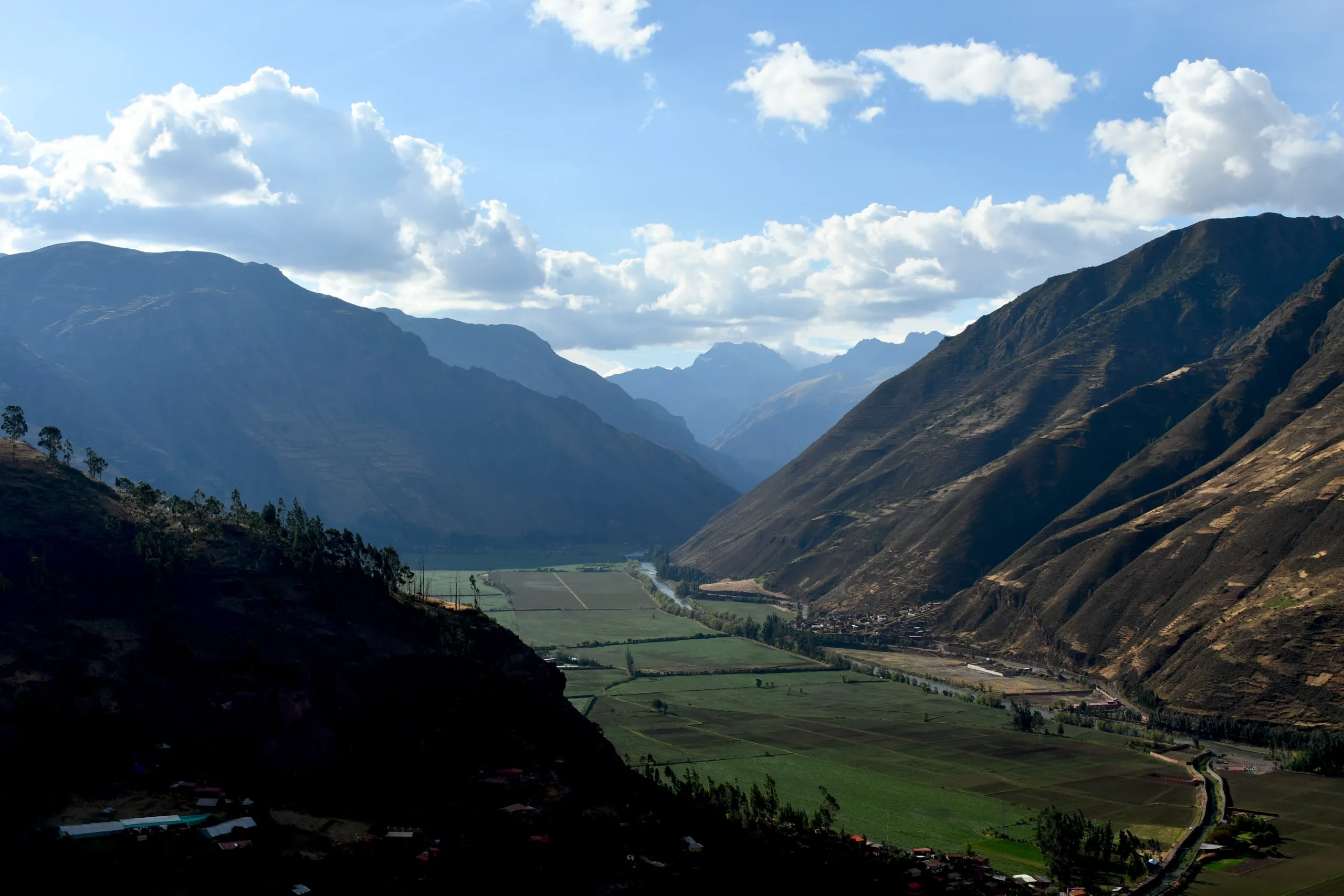
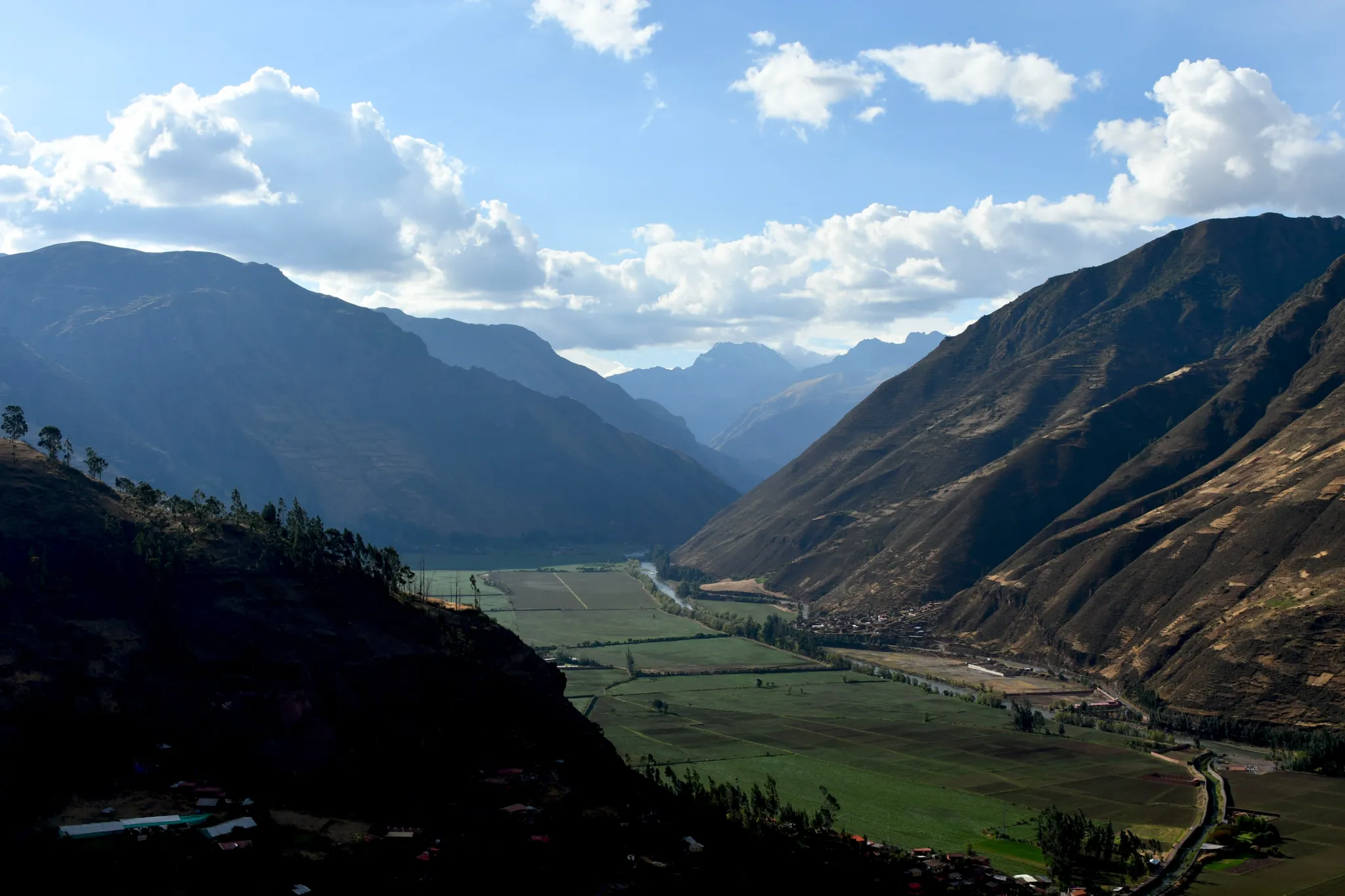
The arrival moves into the Sacred Valley before Cusco — the altitude beginning gently at 2,900 meters, the mountains opening around the route with the particular quality of welcome that this valley has extended to travelers since long before the tourism industry existed.

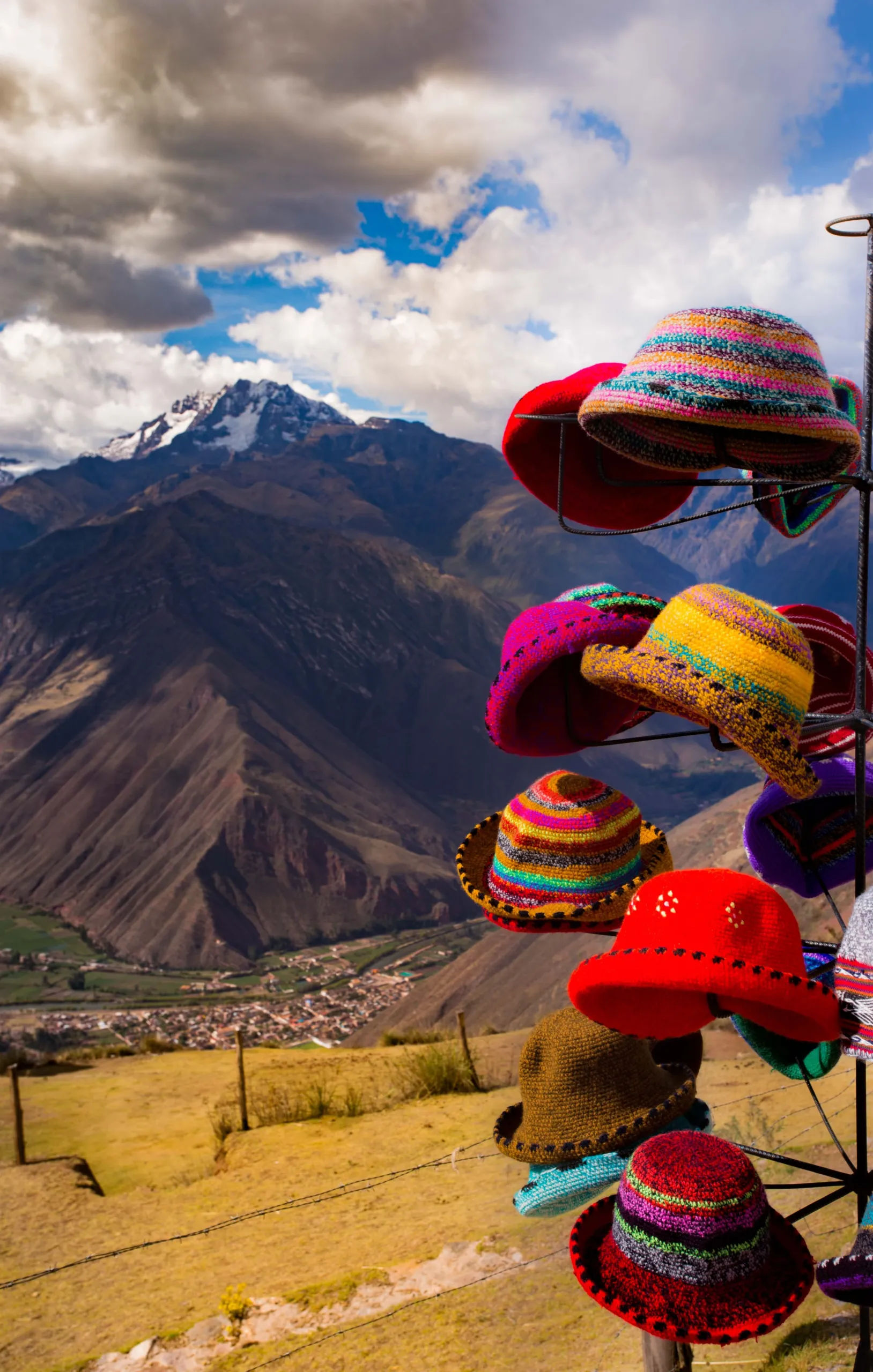
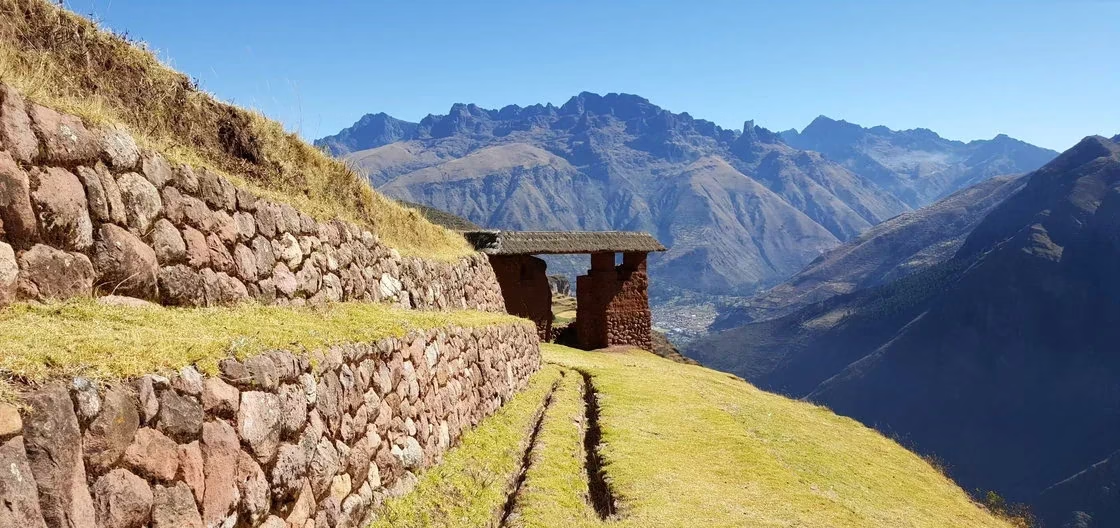
The camelid center introduces the four Andean species whose roles in Inka civilization extended far beyond the decorative — transport, fiber, ceremony, protein, and the wool that the textile tradition encoded with the same cosmological knowledge as the architecture. Pisac: the archaeological complex above the market town, its terracing and temples demonstrating from the first afternoon the intelligence that the following days will develop in full depth.

  • Distance: 33 km by road
  • Altitude range: 2,900 m – 3,399 m
  • Overnight: Hotel in the Sacred Valley

Sacred Valley → Chinchero → Moray → Maras → Sacred Valley | Easy

Three sites that together reveal the full range of Inka scientific and technical application — each one a different expression of the same underlying intelligence.

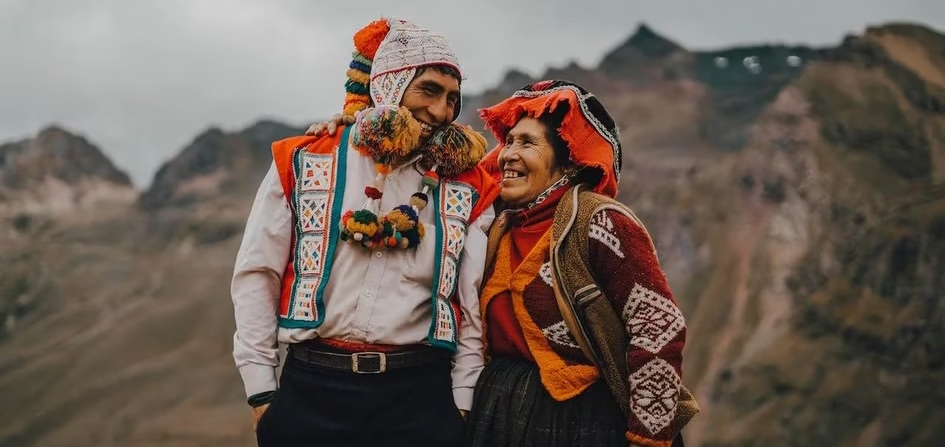
Chinchero: the highland community where natural dye techniques for Andean textiles are still practiced from plant and mineral sources, the colors achieved without synthetic chemistry matching anything industrial production can offer, the patterns encoding cosmological knowledge that the weaving tradition has carried intact through five centuries of suppression.

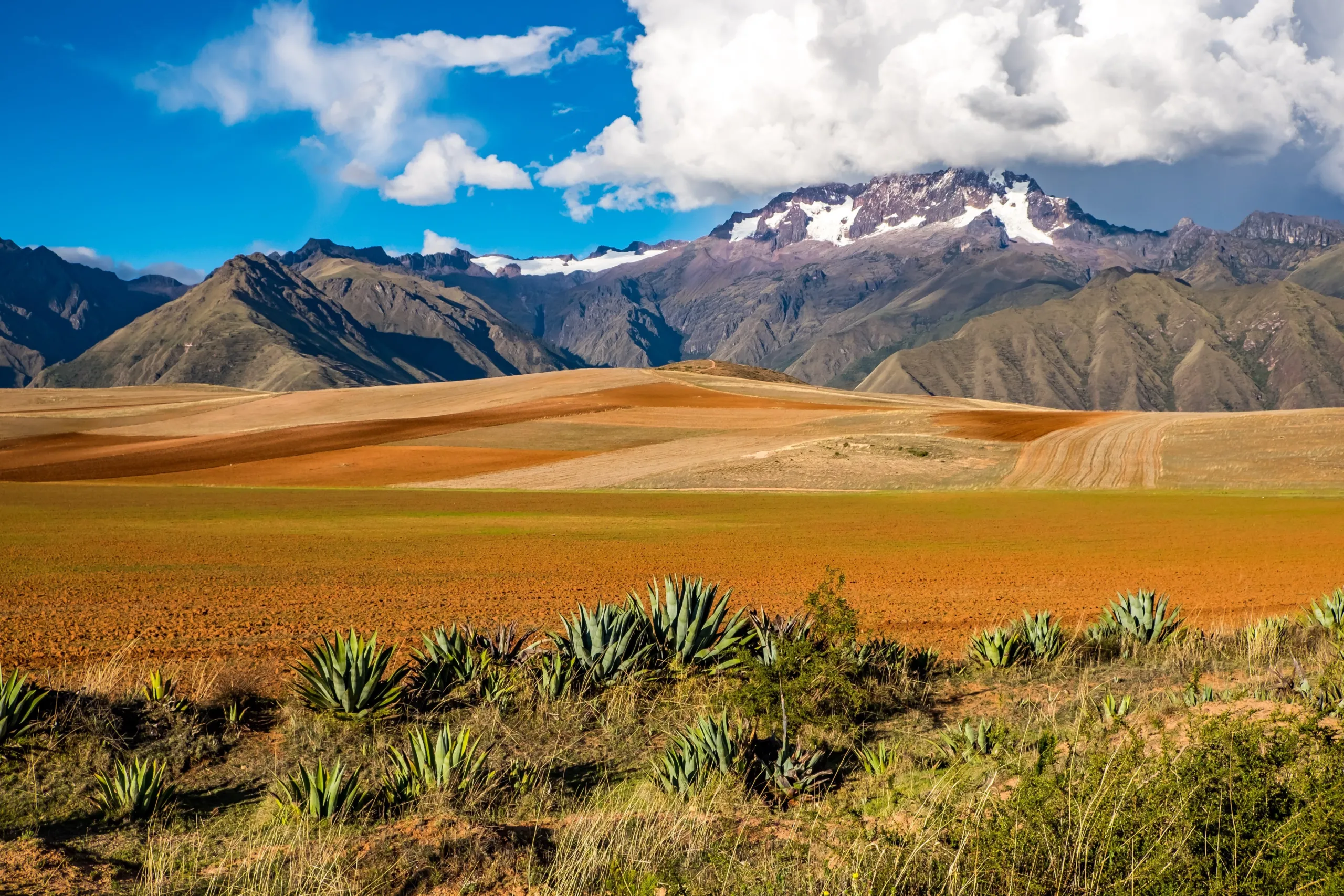
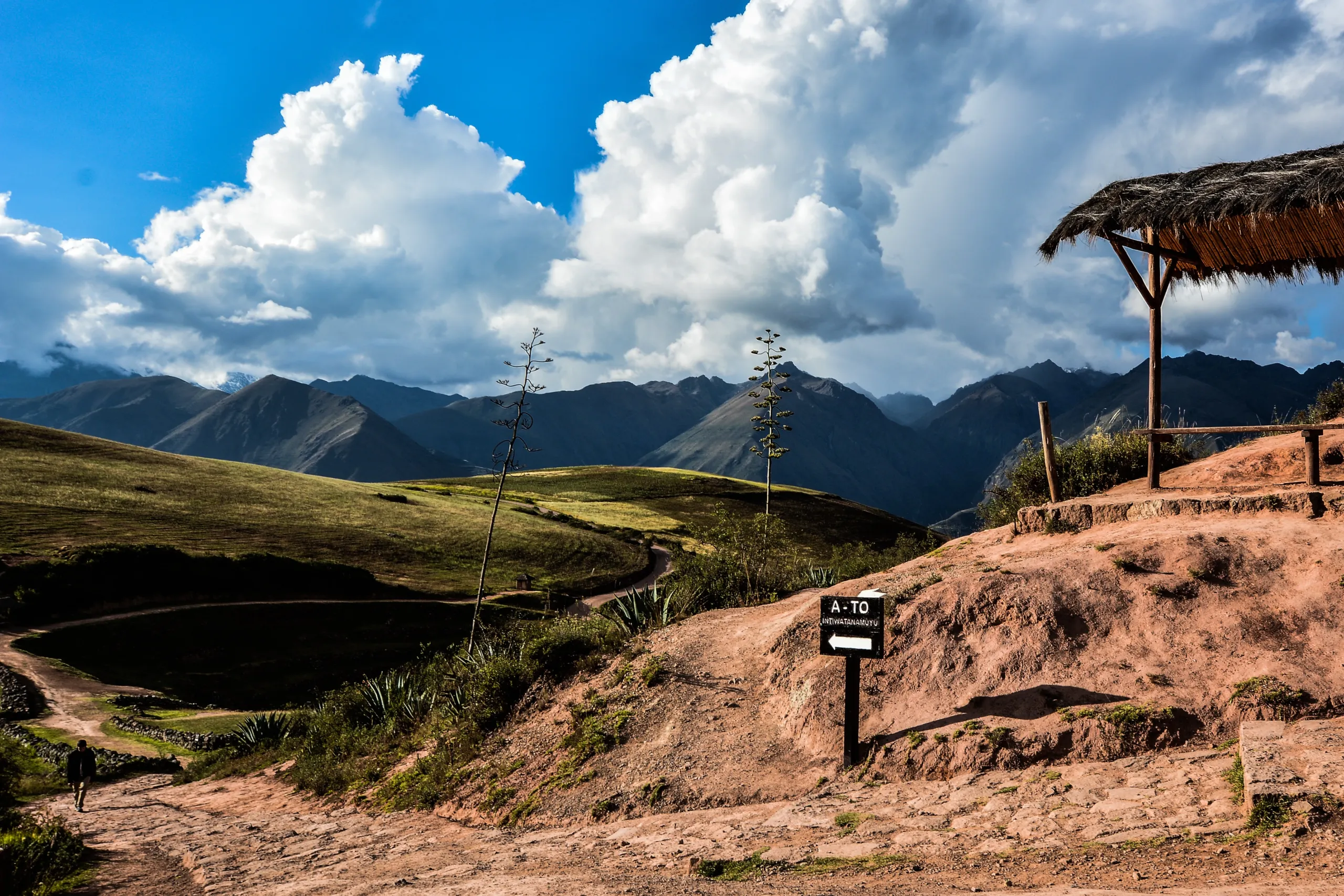
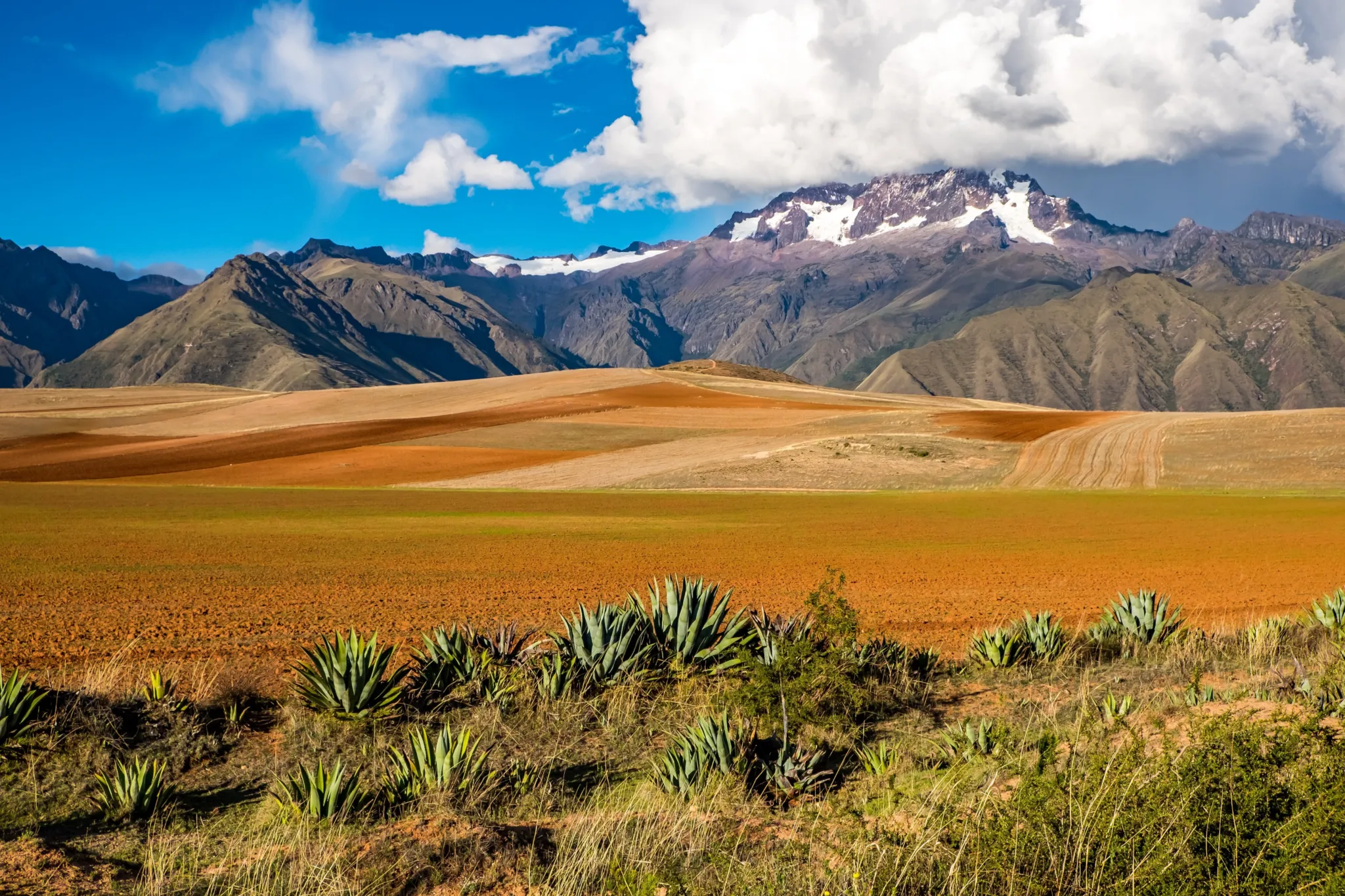
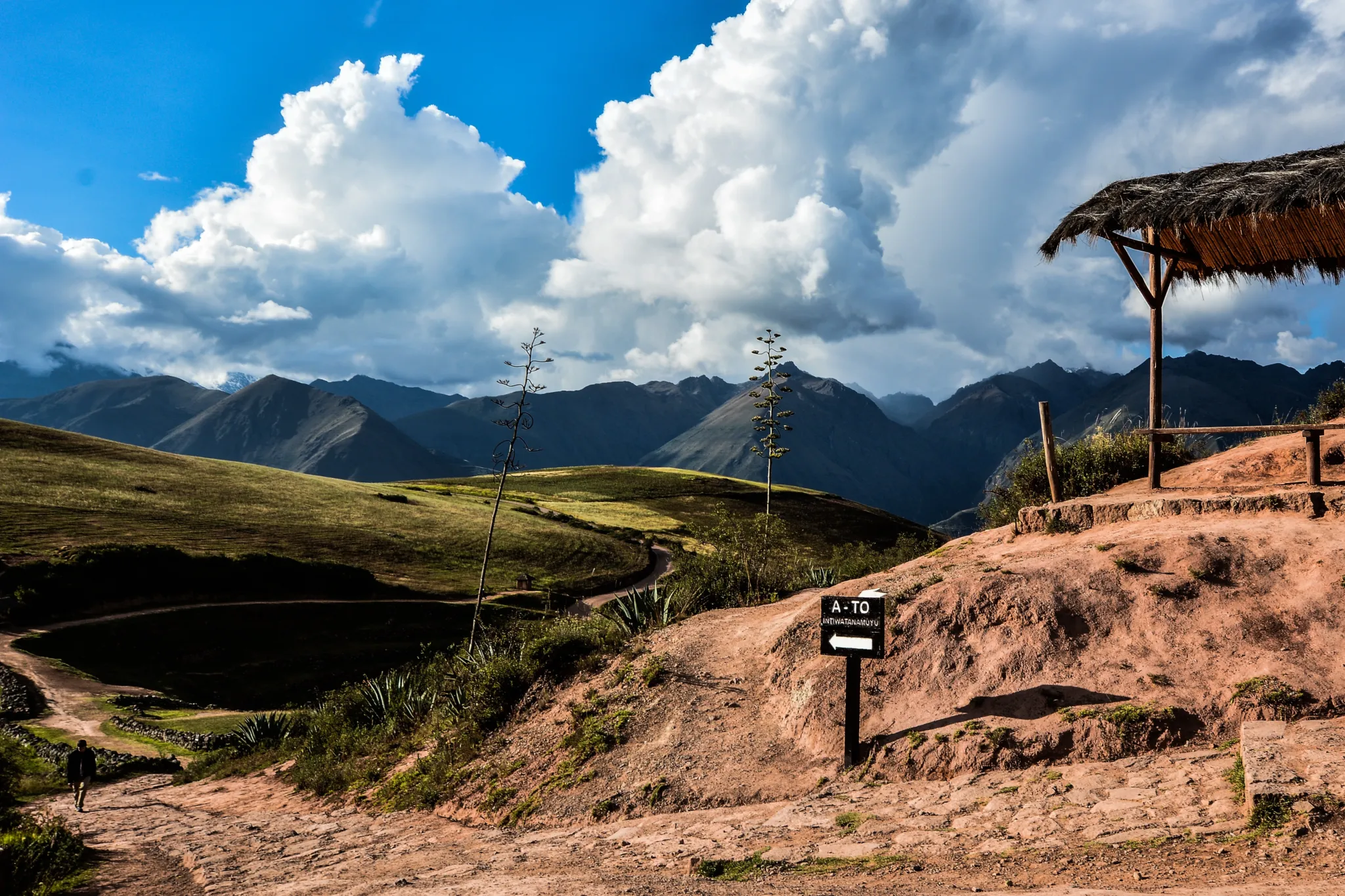
Moray: the agricultural laboratory whose concentric circular terraces replicate the full range of Andean altitude zones in a single structure — each ring a different microclimate, the whole system a controlled environment for developing crops adapted to different elevations. Modern permaculture researchers study it. The Inka built it without the vocabulary to name what they were doing, because the knowledge preceded the discipline.

Maras: thousands of individual salt pans fed by a single saltwater spring, still managed by the same community system the Inka established. From the hillside above, the descending pattern of white pans against the mountain terrain is among the most visually extraordinary experiences the Sacred Valley offers and one of the least adequately described by photographs.

  • Distance: 35 km by road
  • Altitude range: 2,800 m – 3,700 m
  • Overnight: Hotel in the Sacred Valley

Sacred Valley → Ollantaytambo → Train → Aguas Calientes | Easy

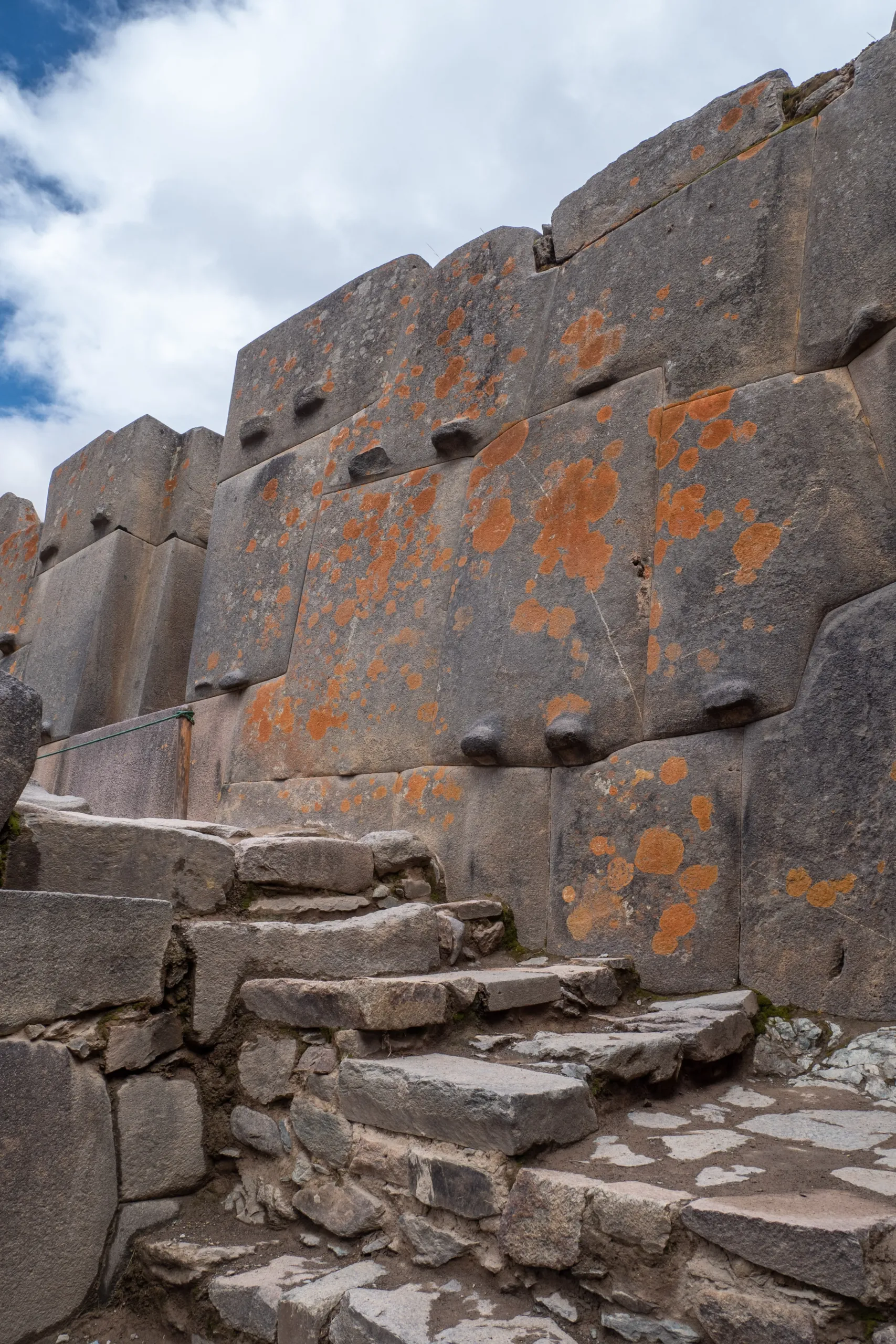
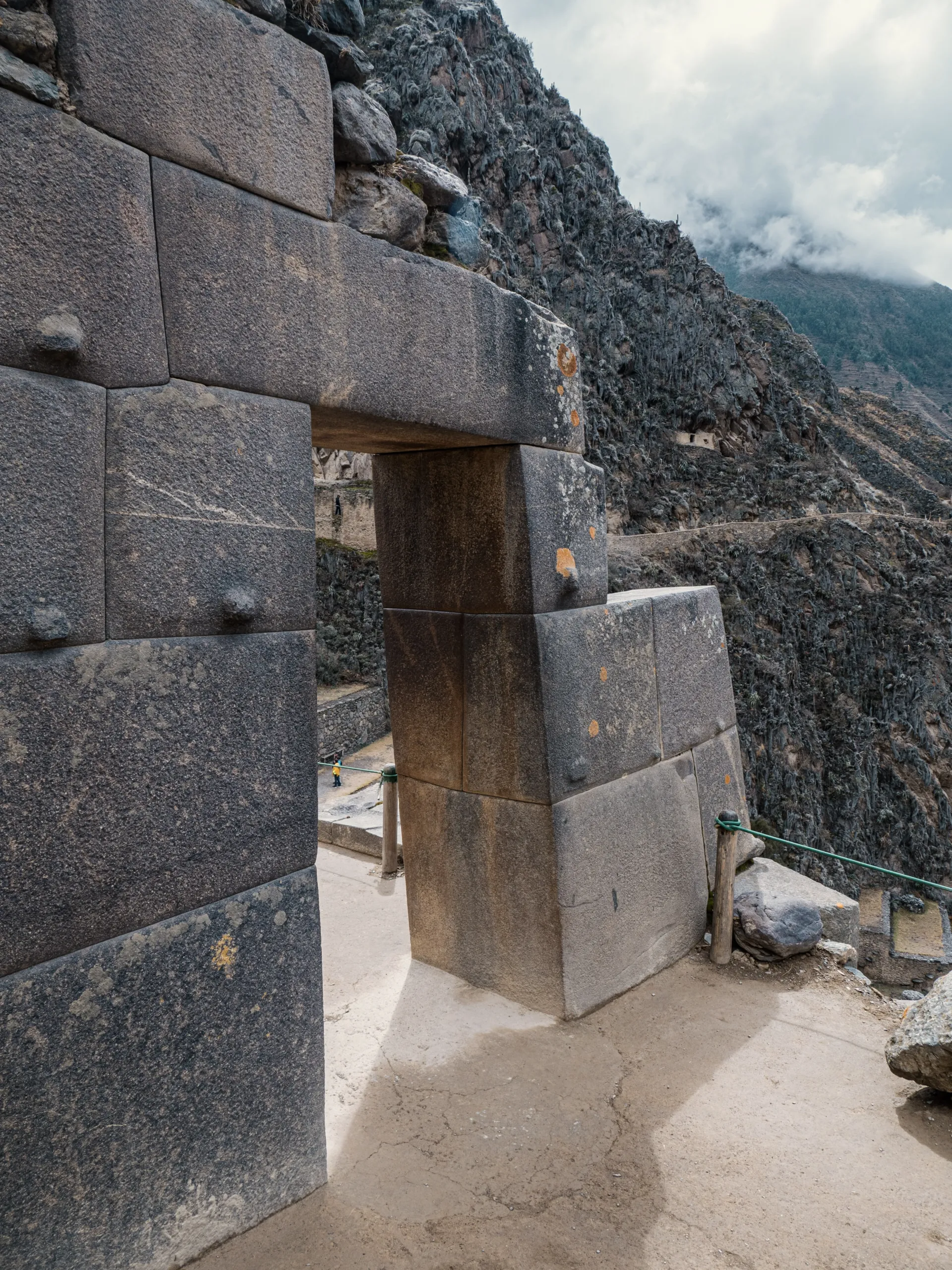
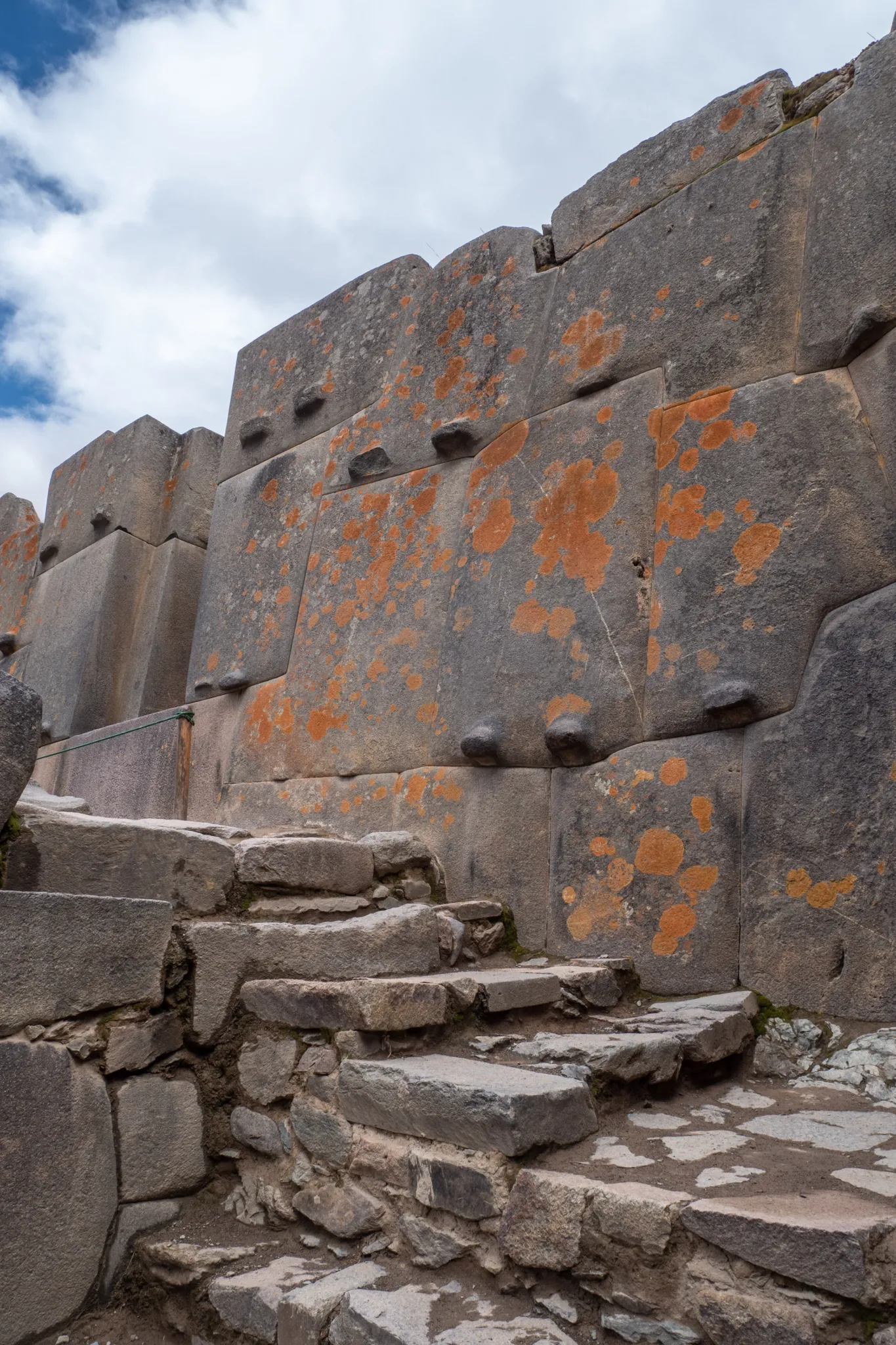
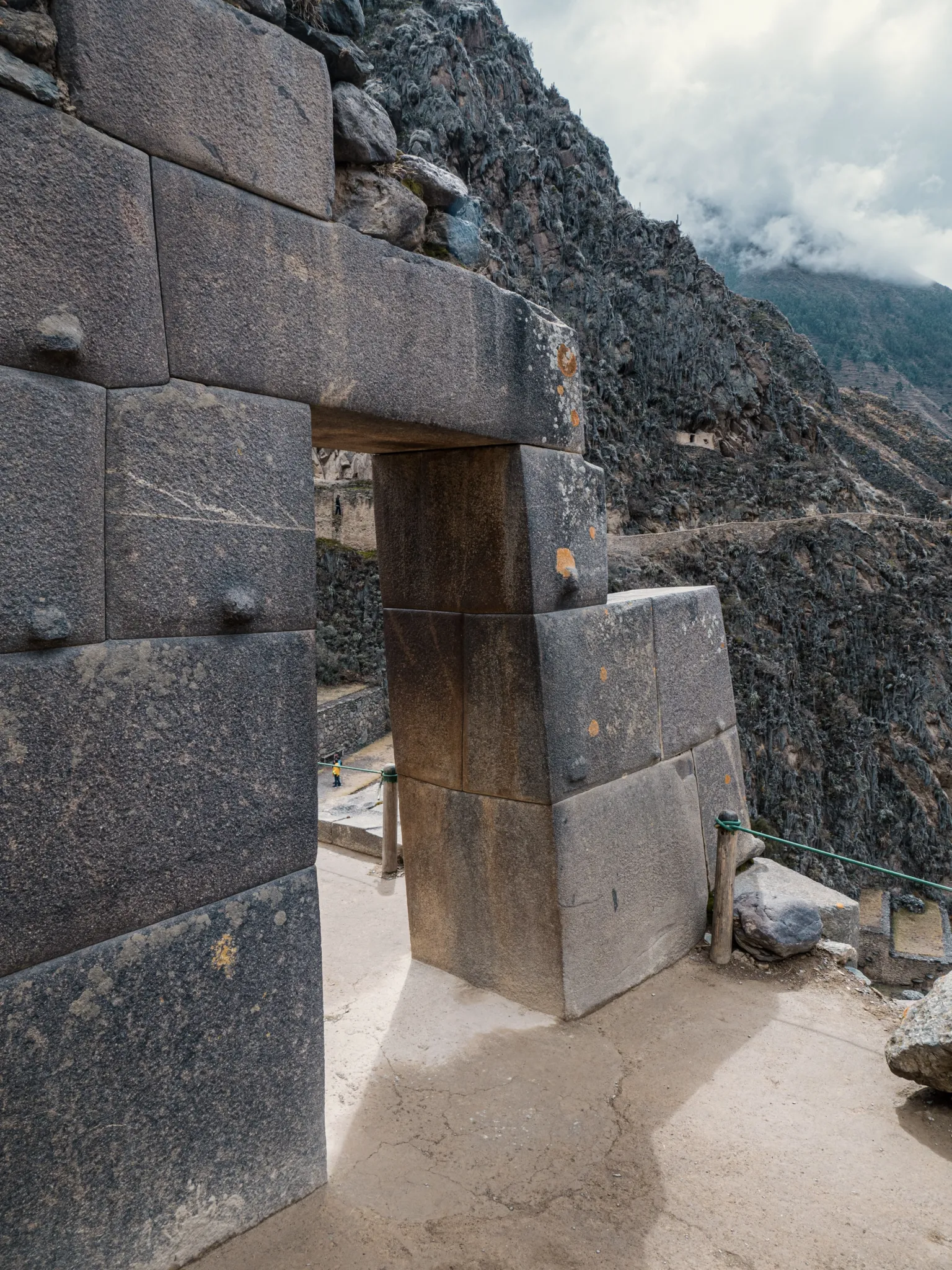
The morning in Ollantaytambo — a living Inka town whose street grid has not been modified since the fifteenth century, whose fortress above it contains stone blocks transported from a quarry across the valley by methods that engineering analysis has not fully resolved. The unfinished temple is particularly instructive: the construction interrupted by the Spanish conquest left the building process visible in a way that finished sites cannot show — the stones partially placed, the ramps still in position, the sequence of work readable in the exposed structure.

The train to Aguas Calientes departs in the afternoon — the Sacred Valley narrowing into cloud forest, the Urubamba River accelerating, the vegetation becoming extraordinary in density and variety as the altitude drops and the Amazon watershed begins. Arriving at Aguas Calientes as the canyon walls rise on both sides and the river runs fast below is its own form of arrival — a town that exists because of what is above it, in a setting that justifies its existence entirely.

  • Distance: 20 km by road + 52 km by train
  • Altitude range: 2,040 m – 2,800 m
  • Overnight: Hotel in Aguas Calientes

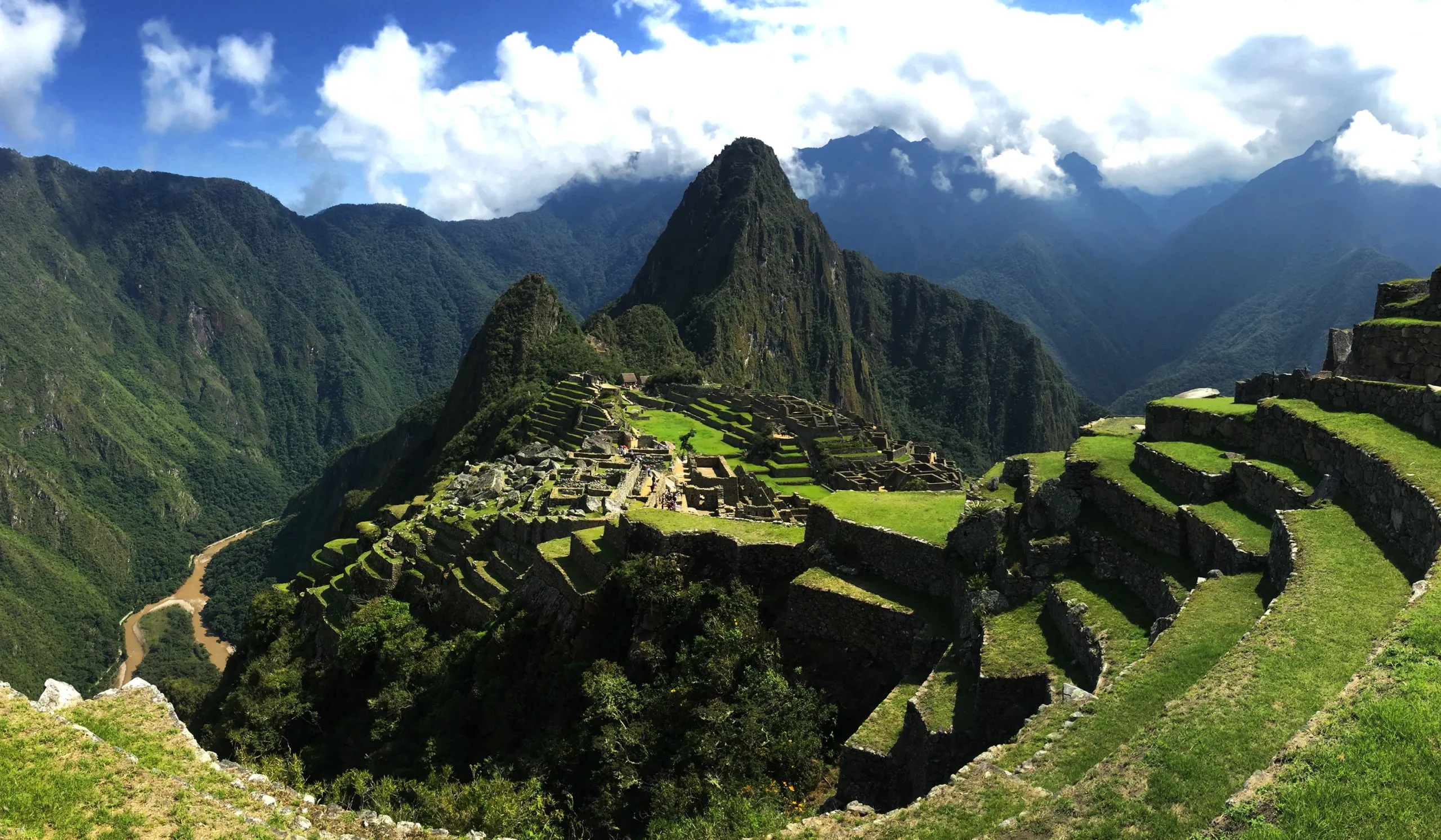
Aguas Calientes → Machu Picchu → Train → Cusco | Easy

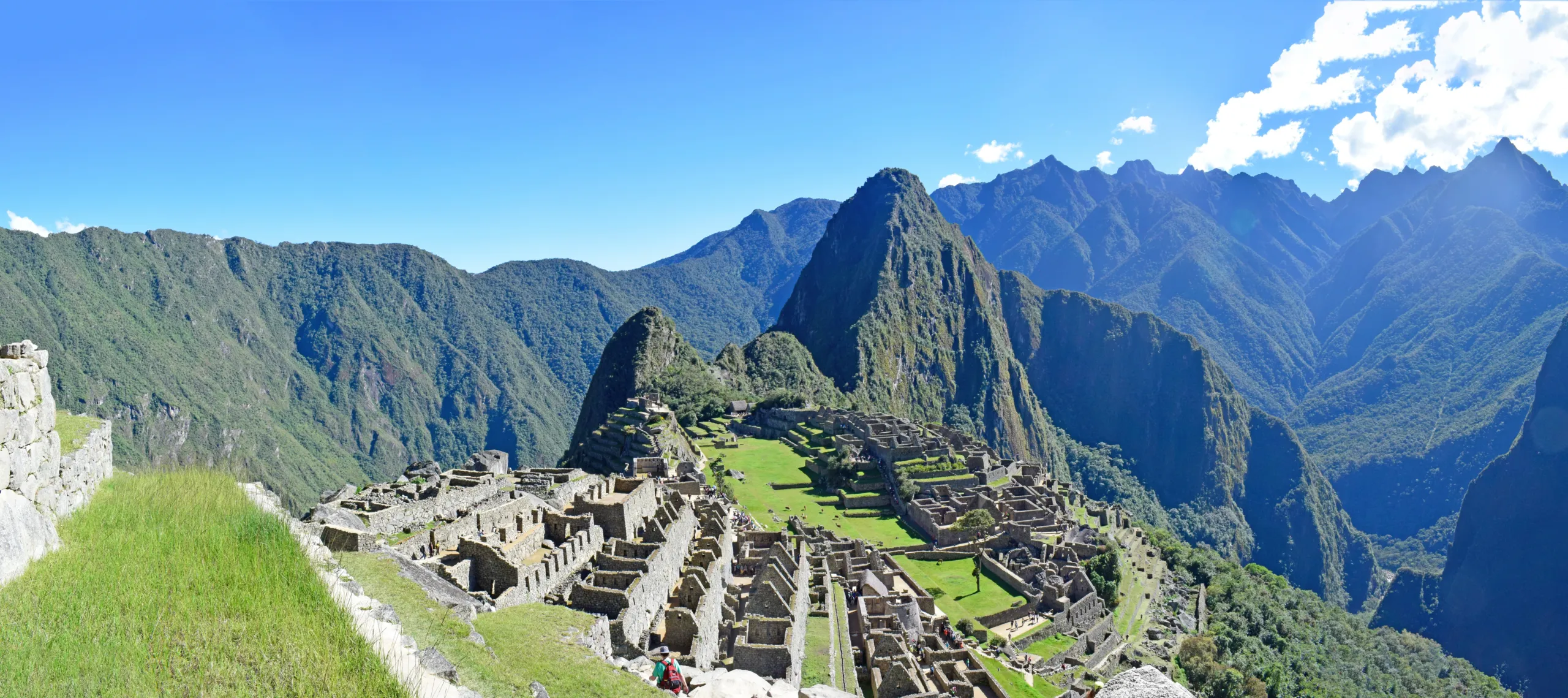
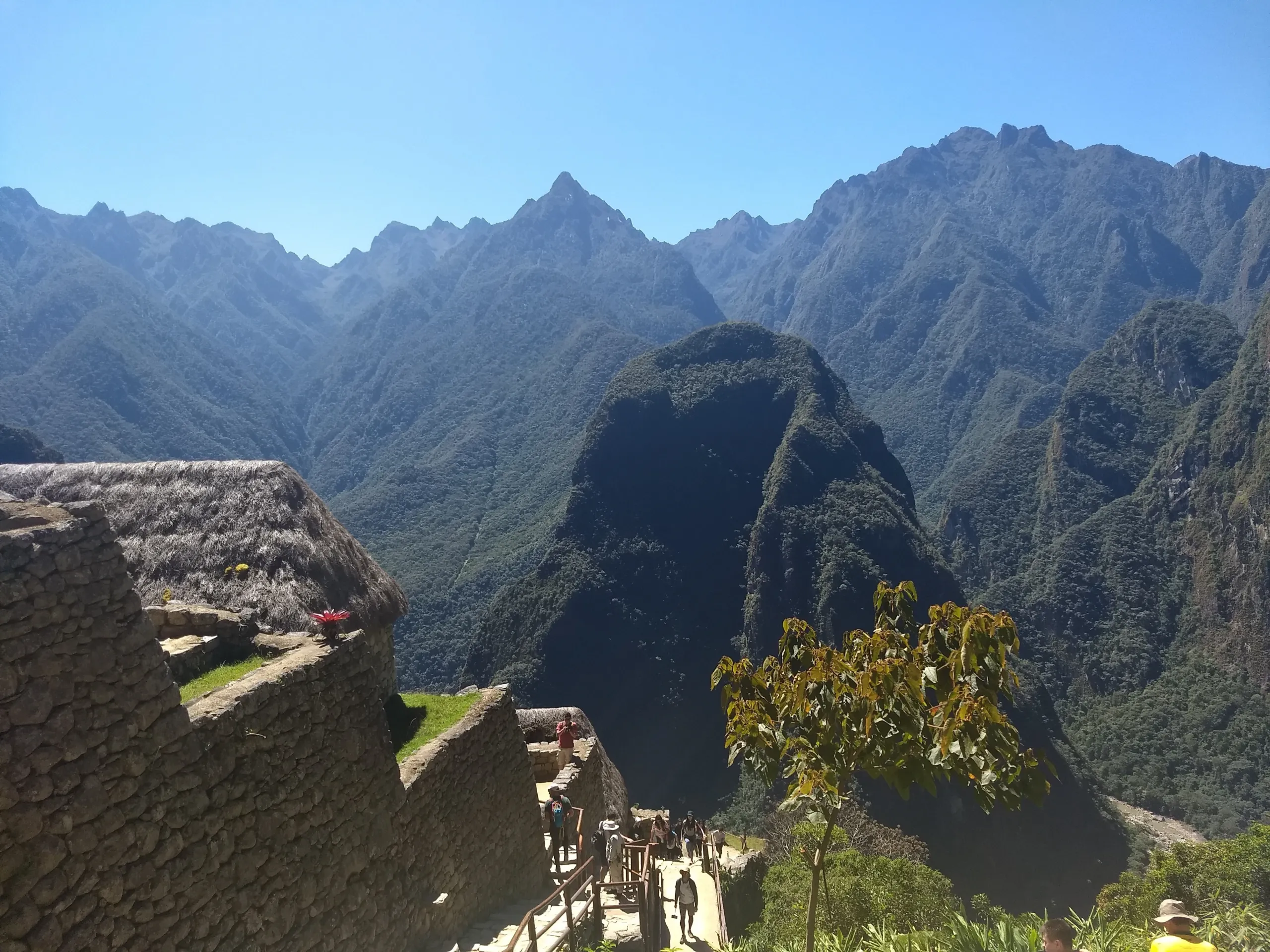
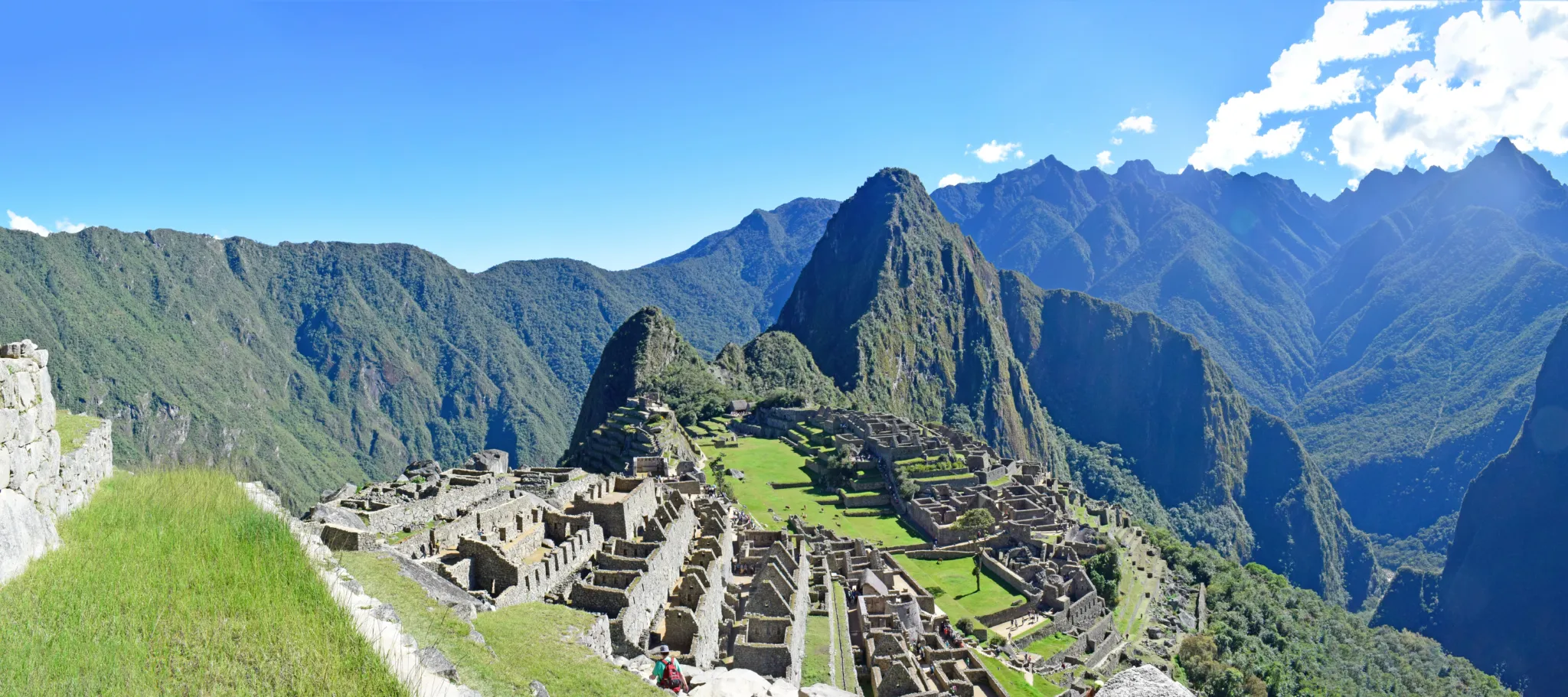
Three days of context — the agricultural systems, the textile traditions, the engineering logic, the cosmological framework, the living community practices that have maintained this knowledge through centuries of suppression — make Machu Picchu a different place from the one that unprepared visitors encounter.

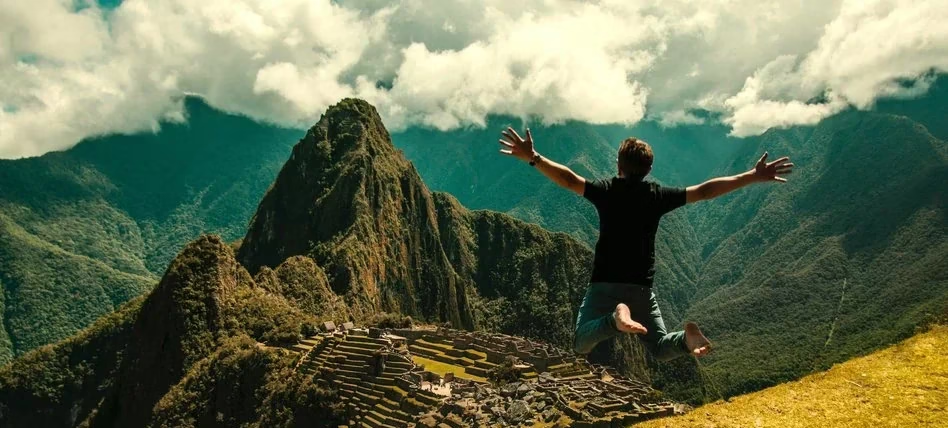
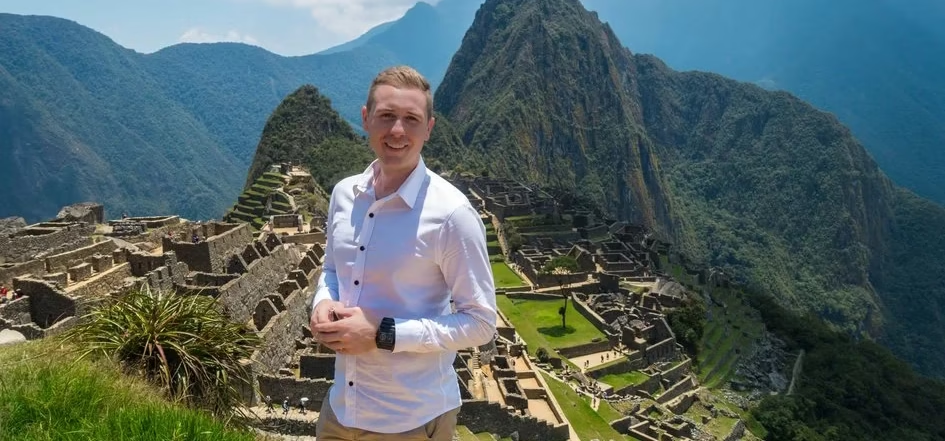
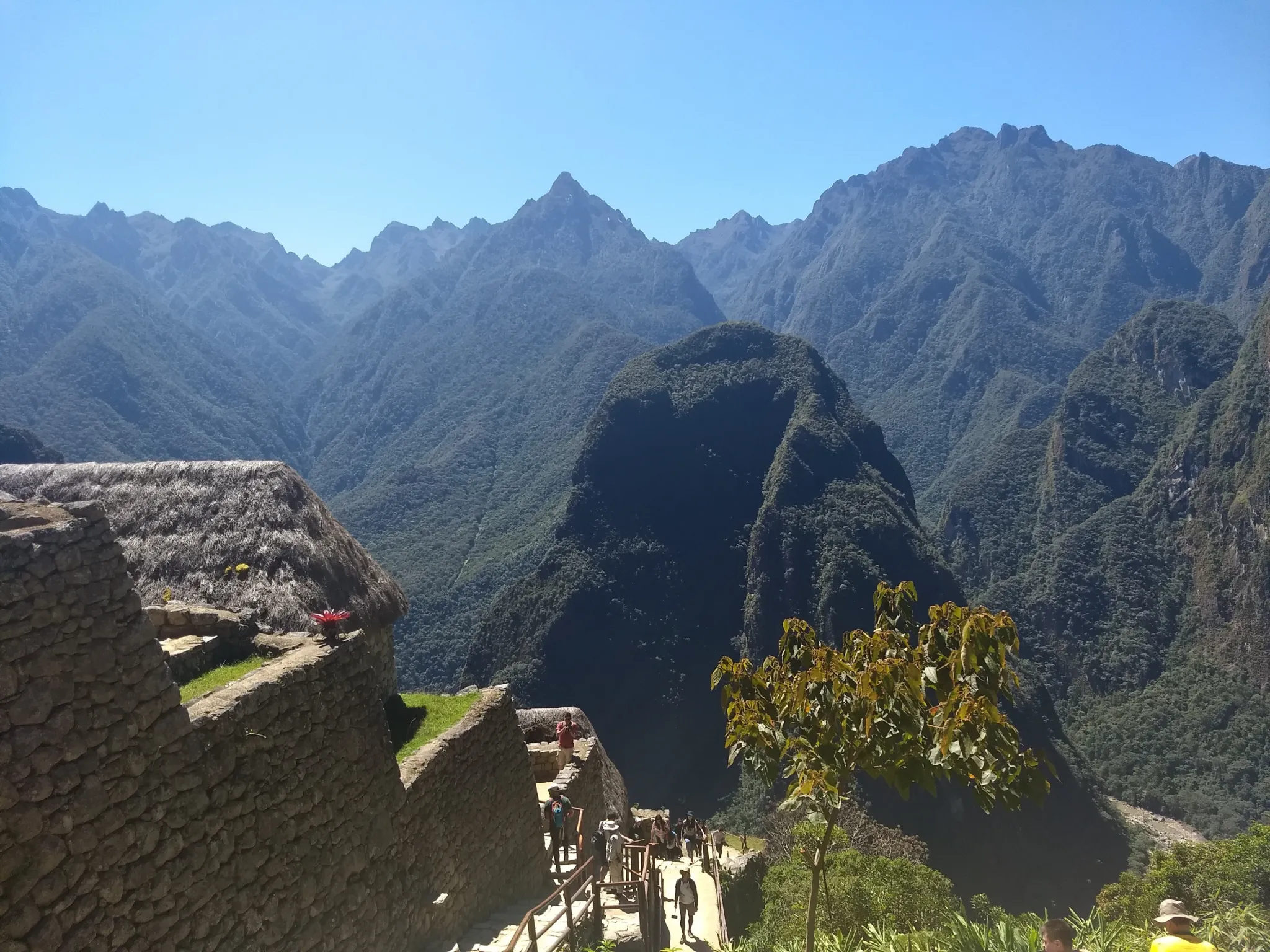
The Inka method guide moves through the citadel not as a narrator of historical facts but as an interpreter of living intelligence — the Temple of the Sun’s seismic engineering, the Intihuatana stone’s astronomical and geopolitical functions, the water systems that moved glacial meltwater through the city with a precision that modern plumbing respects, the message encoded into the two mountain names that frame the site in the most famous photograph in South America: the young must learn from the old.

Lunch beside the sanctuary. The train returns to Cusco in the afternoon. Two days remain to decode the capital.

  • Maximum altitude: 2,430 m
  • Overnight: Hotel in Cusco

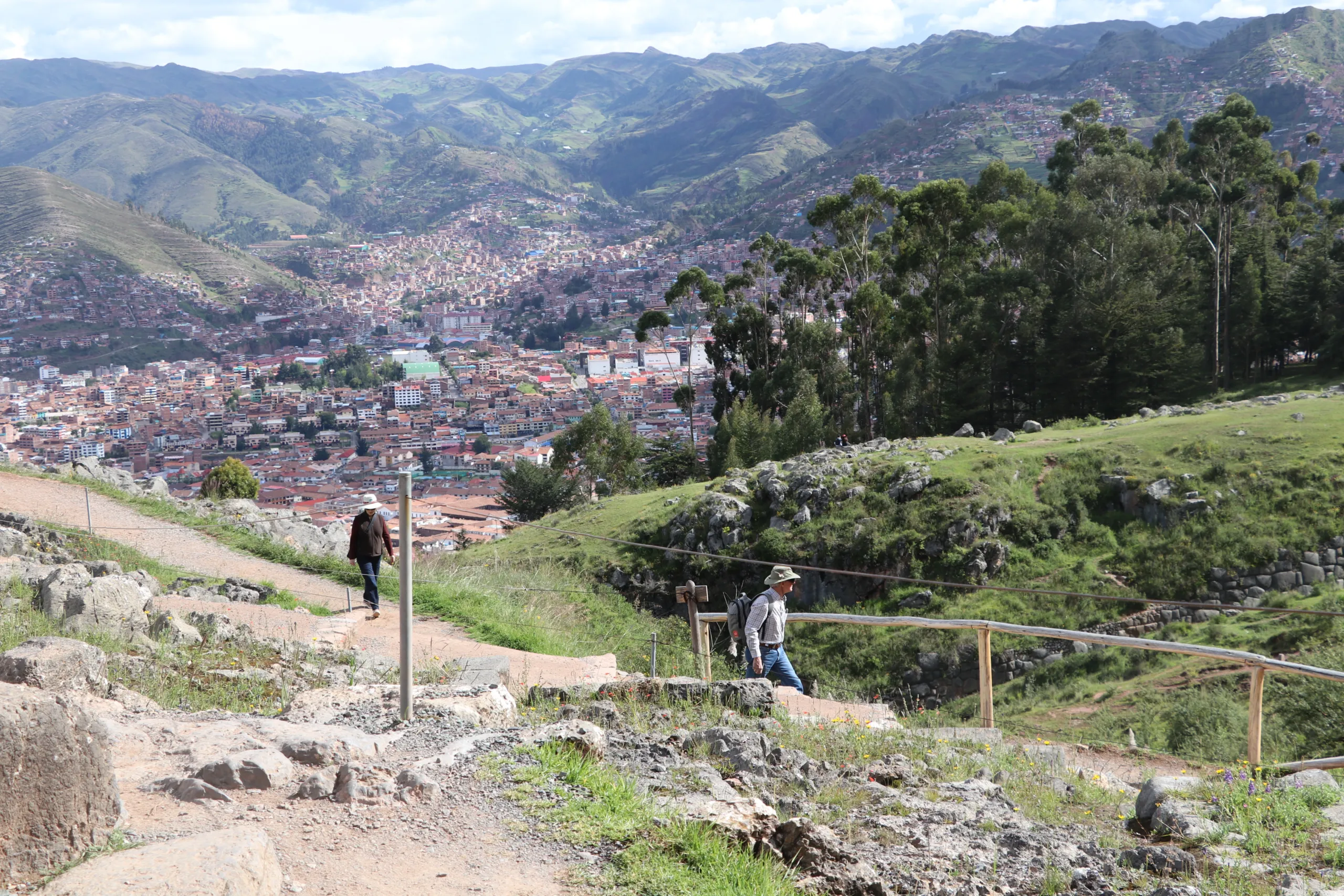
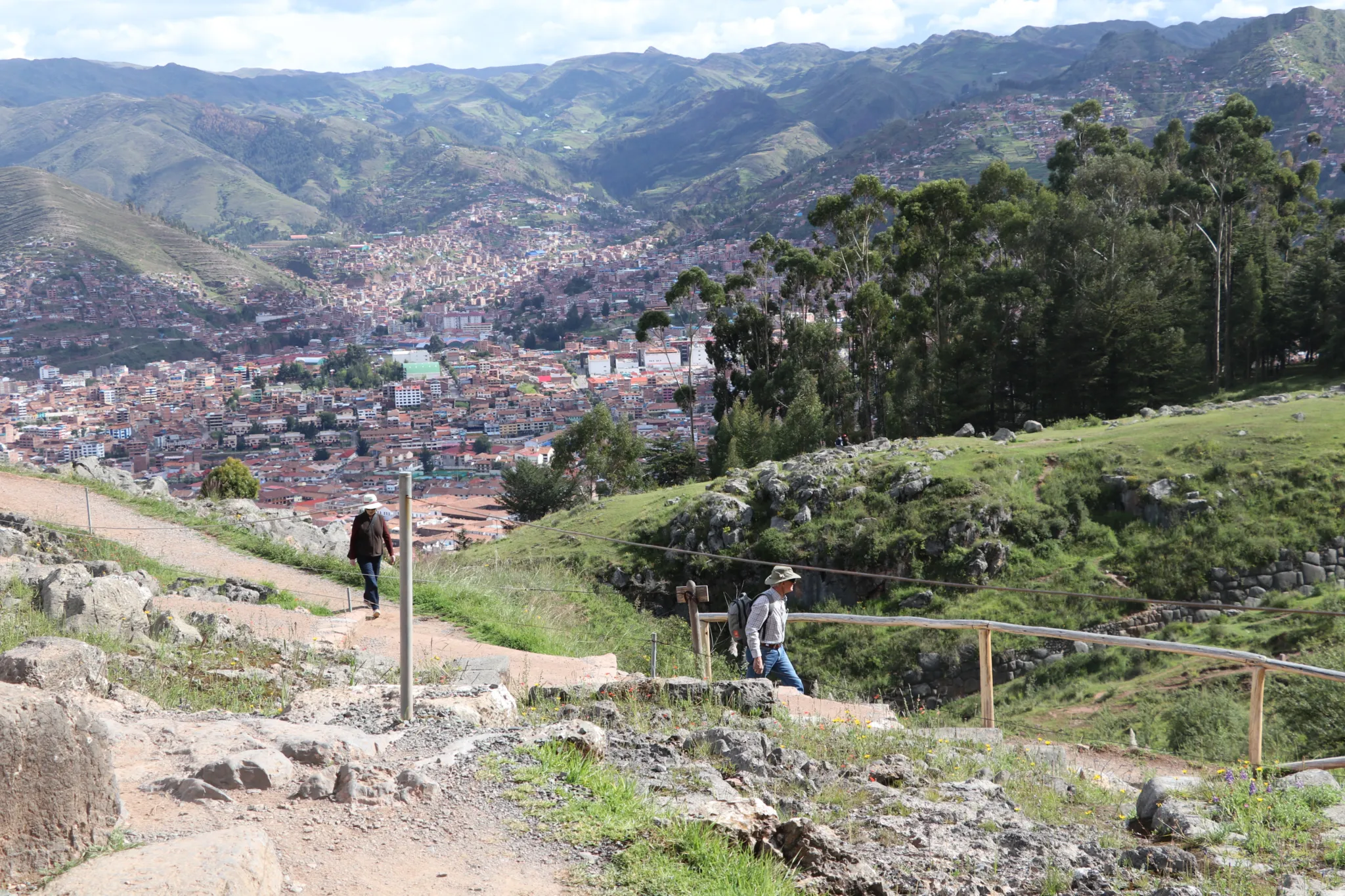
Cusco → Sacsayhuaman → Q’enqo → Pucapucara → Tambomachay → Archaeological Trek → Huanacaure (4,089 m) | Moderate

The day moves through the archaeological ring above Cusco in sequence — each site a different dimension of the capital’s intelligence.

Sacsayhuaman: limestone blocks of up to 300 tons fitted without mortar to earthquake tolerances that modern construction has not replicated. The head of the puma-shaped city plan, the ceremonial center from which the empire’s four roads radiated.

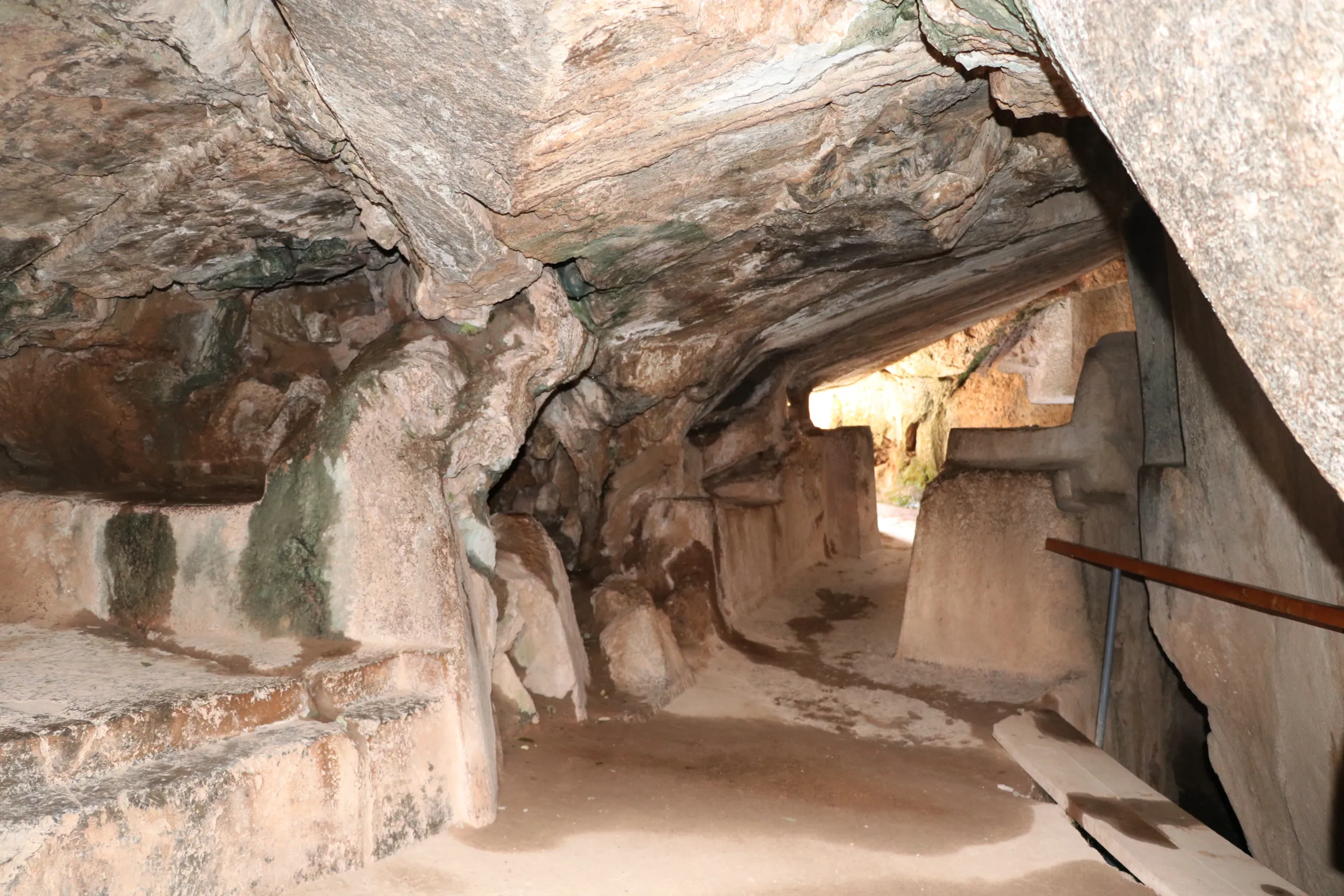
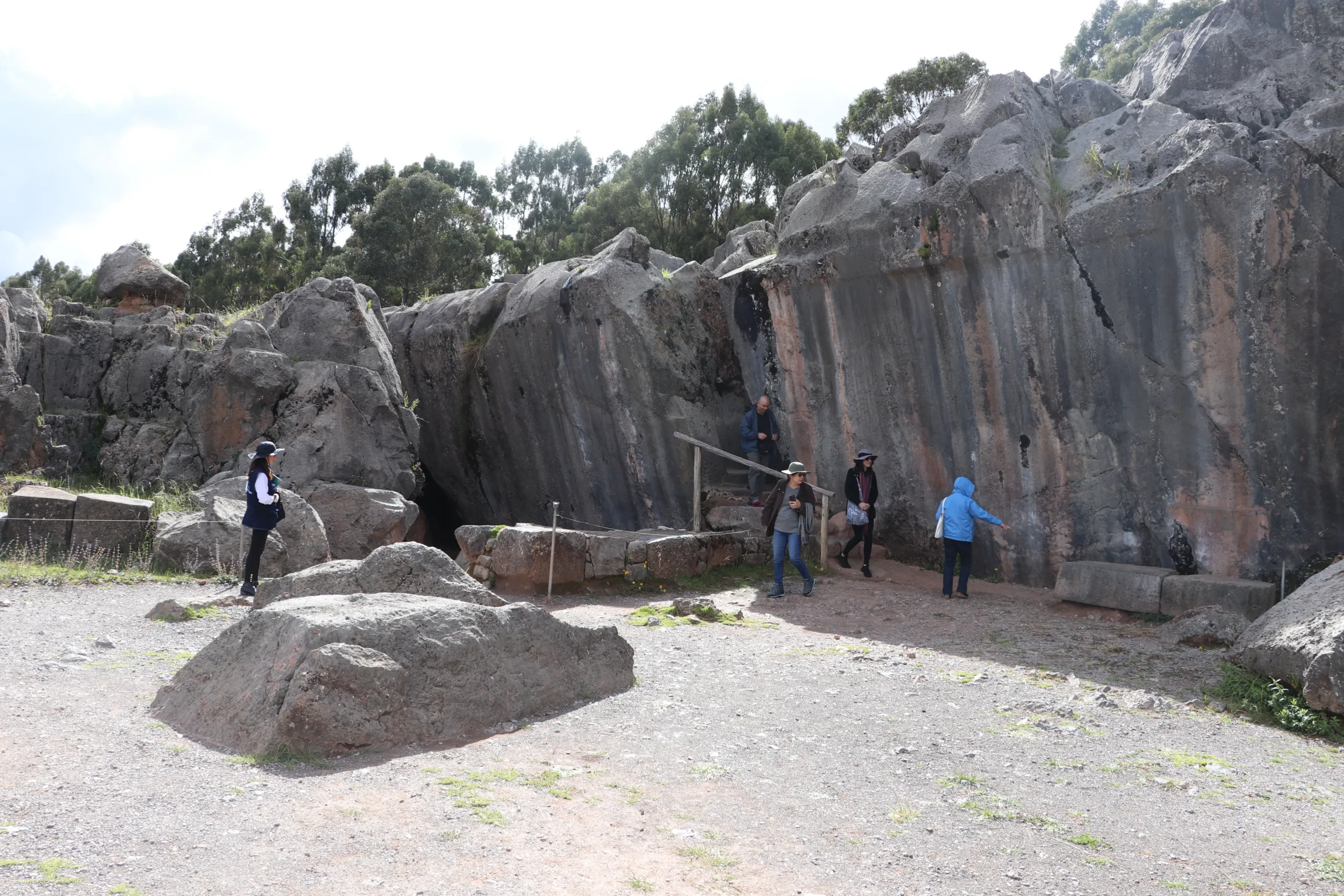
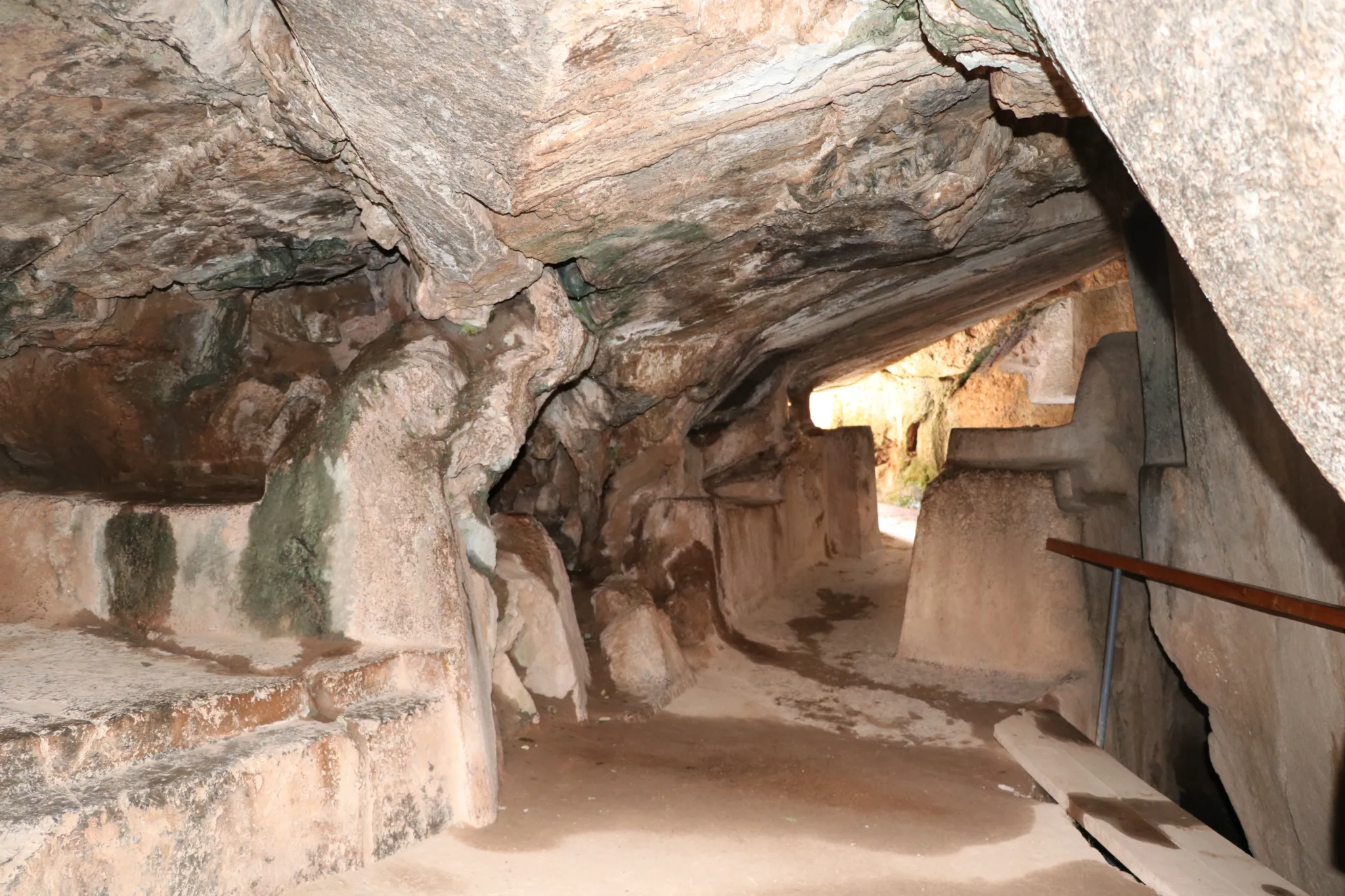
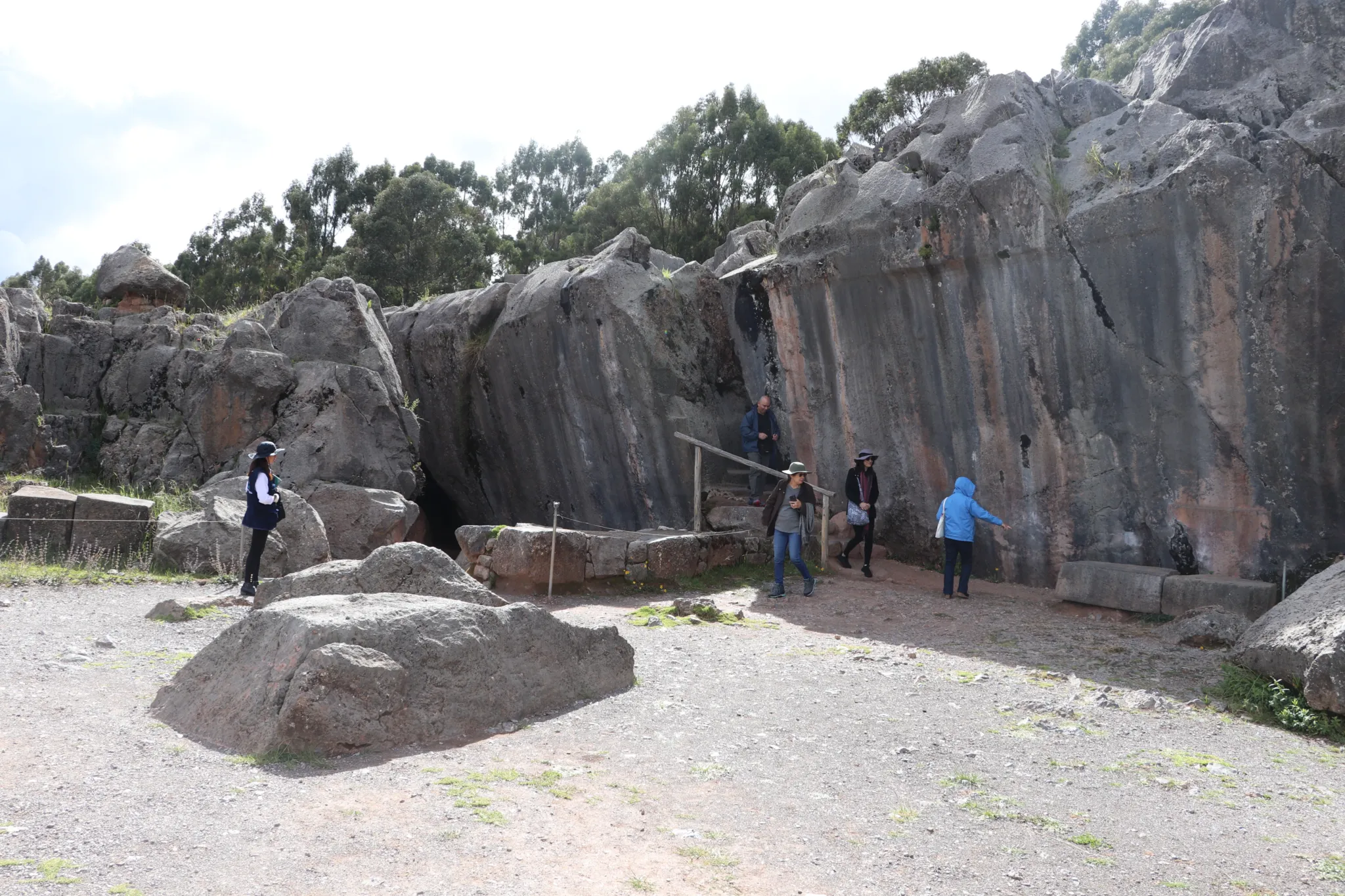
Q’enqo: tunnels carved directly into a massive rock outcrop, channels and niches and underground chambers encoding Andean knowledge of the relationship between the living world and the one beneath it. The tunnels are walked, not viewed — a physical engagement with the rock that Sacsayhuaman’s scale does not allow.

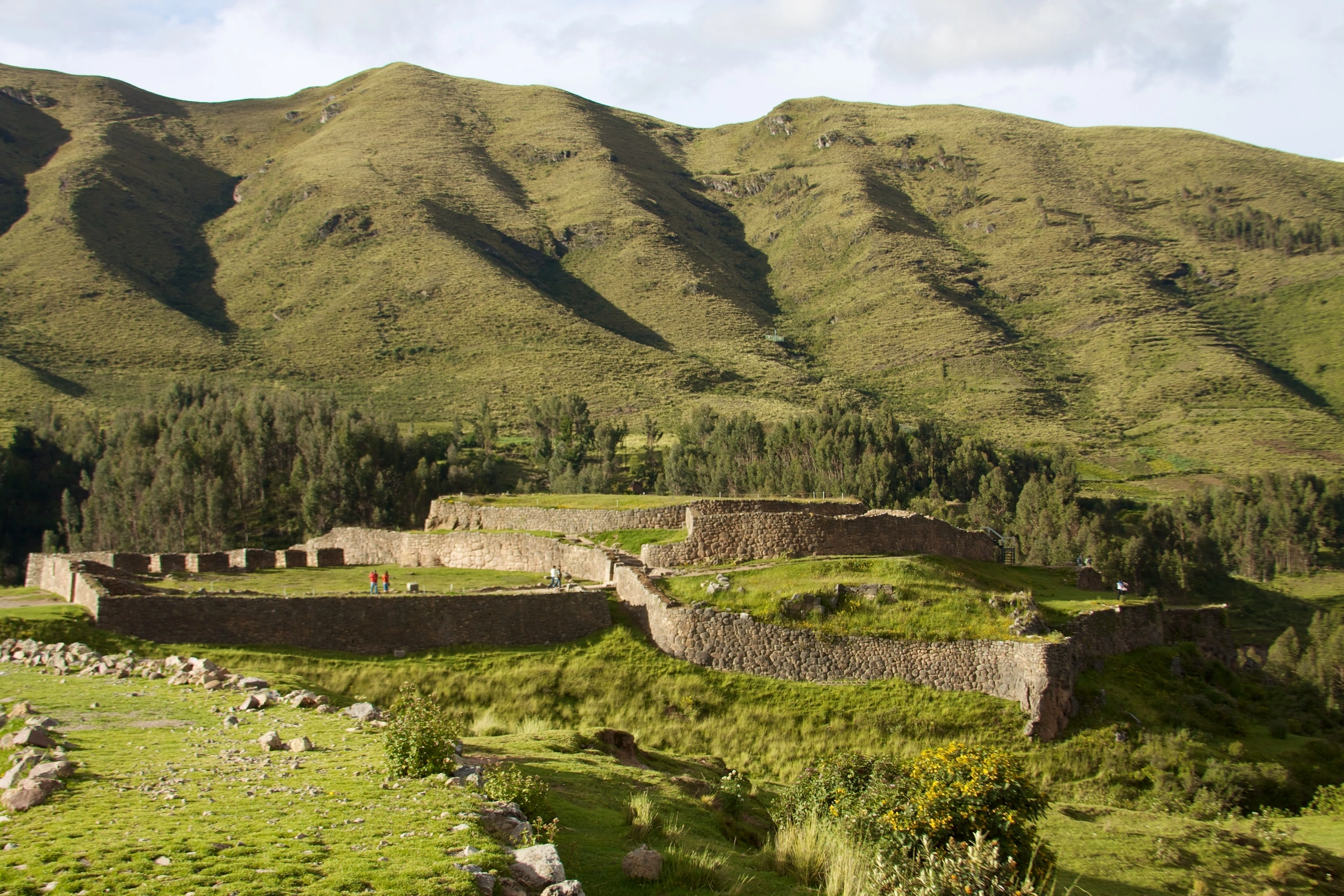
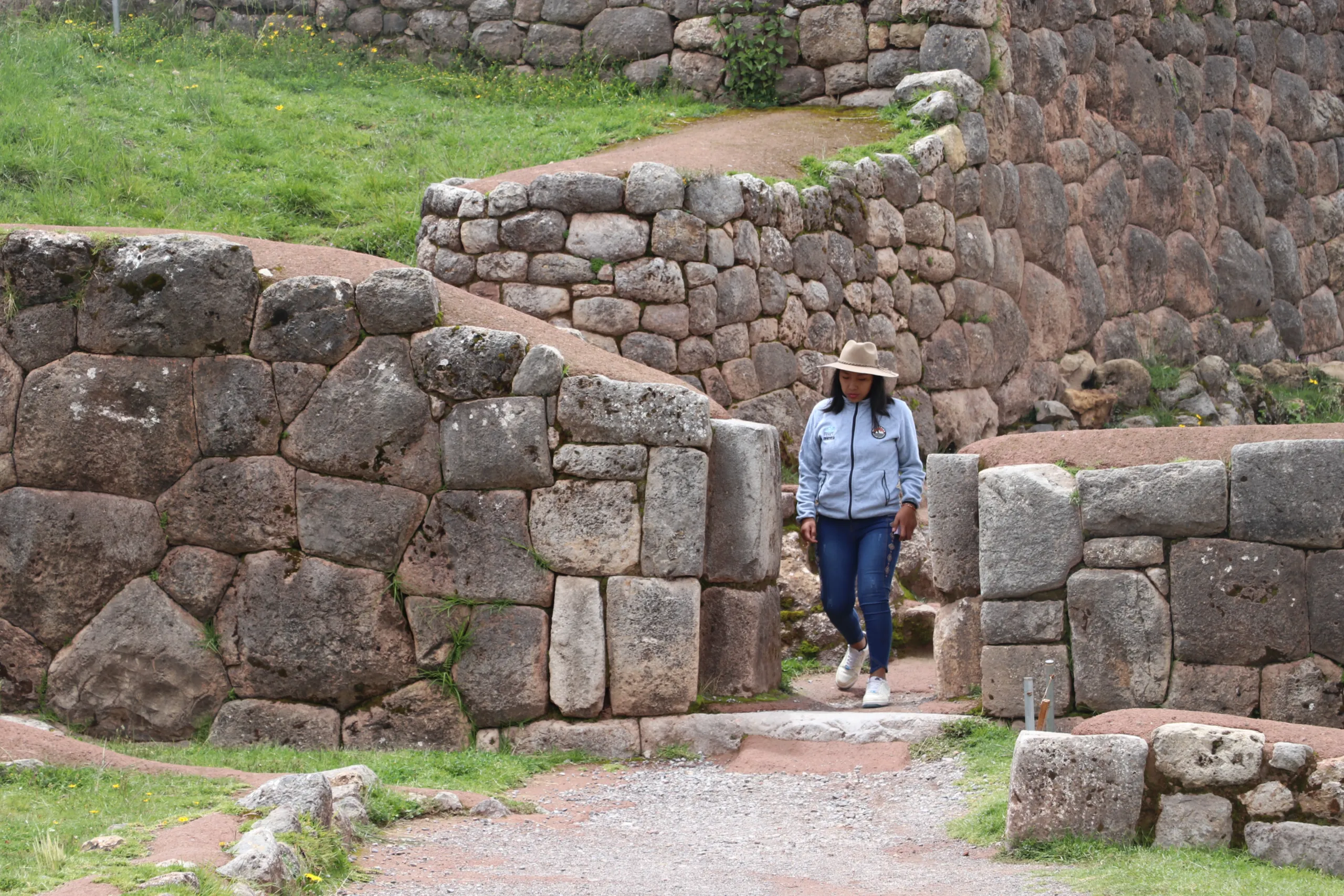
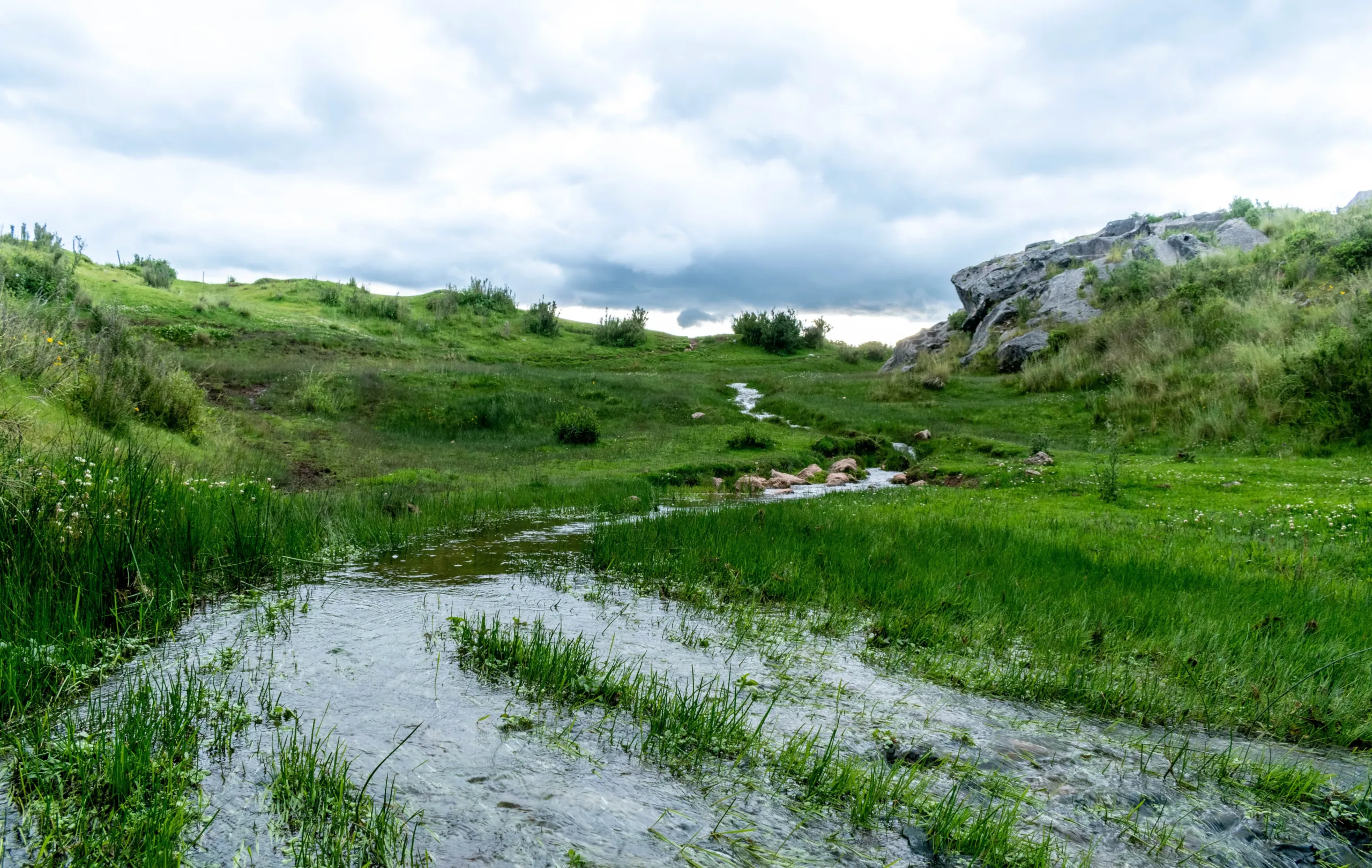
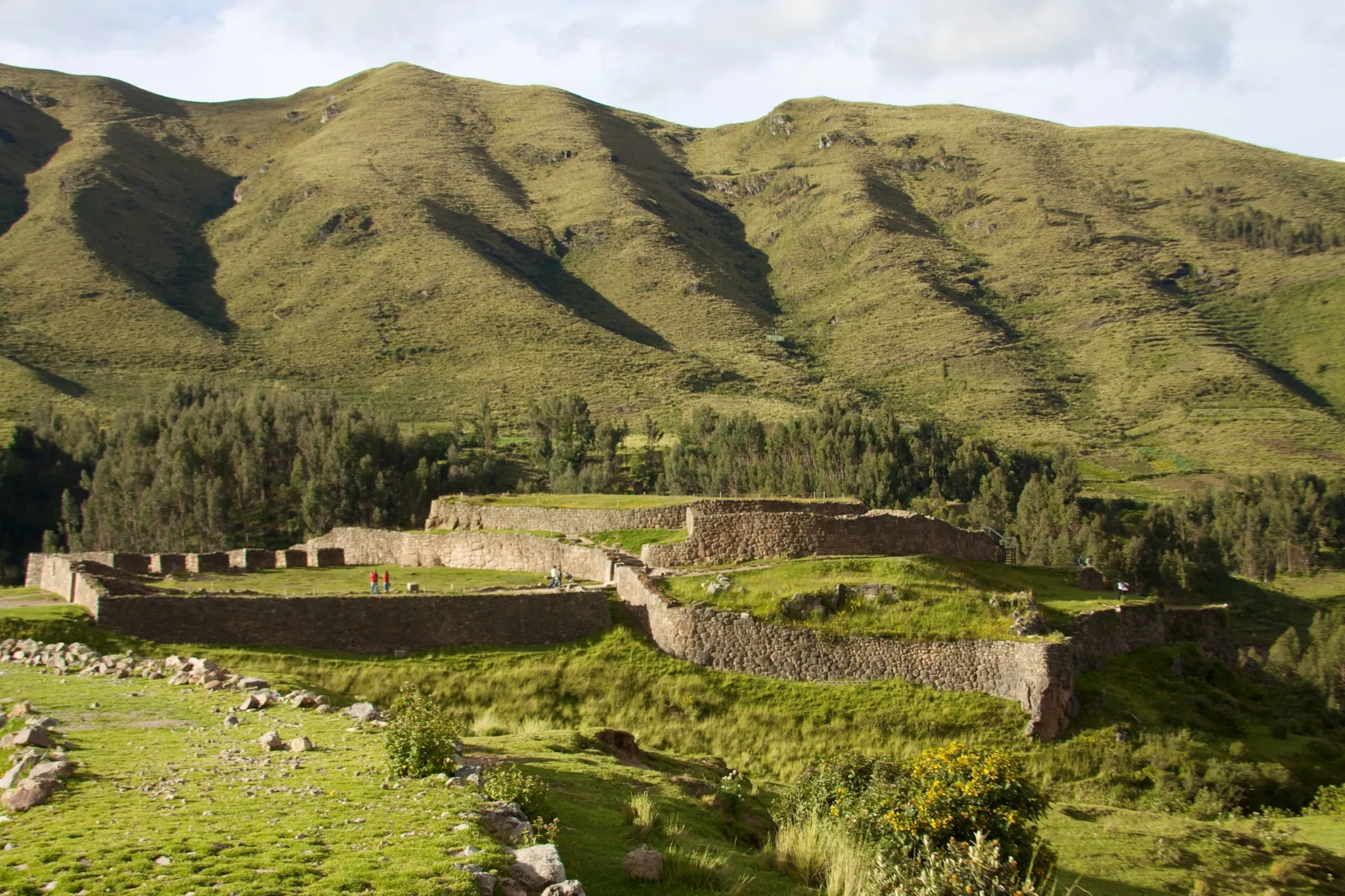
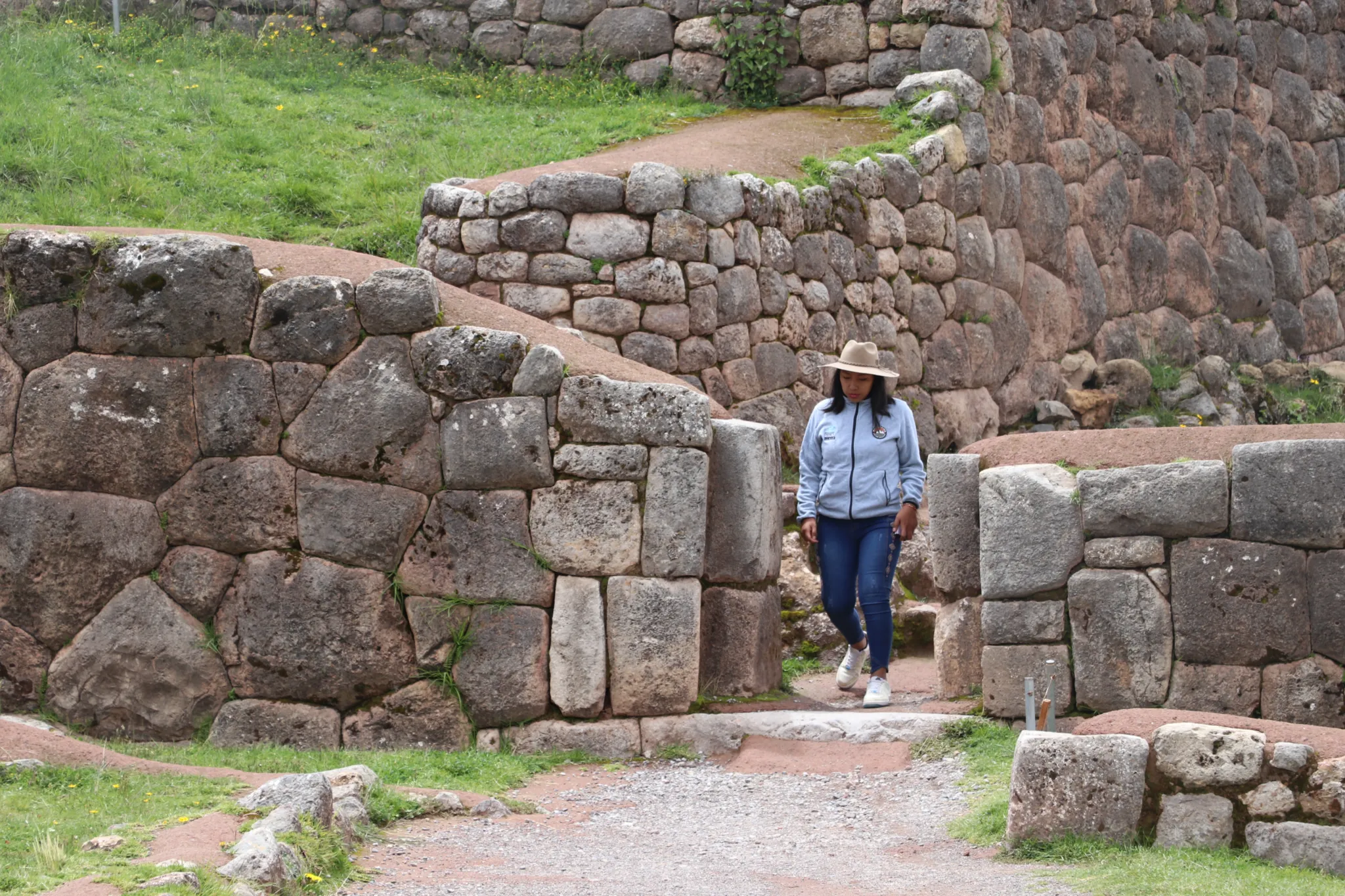
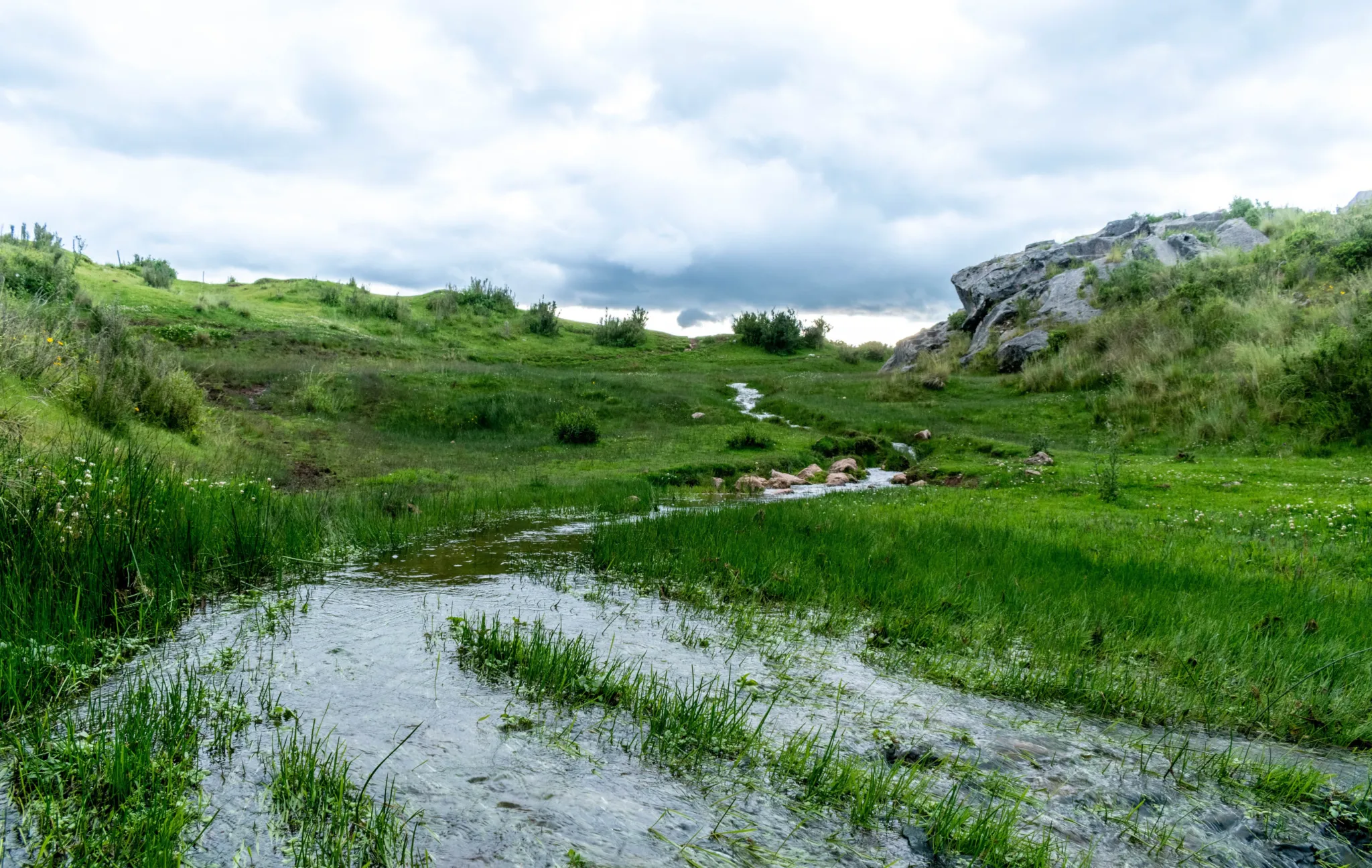
Pucapucara and Tambomachay complete the ring — the Red Fort’s panoramic position above the valley, the water shrine at Tambomachay where original Inka channels still flow with the same water management that the empire built and that has not required maintenance in five centuries.

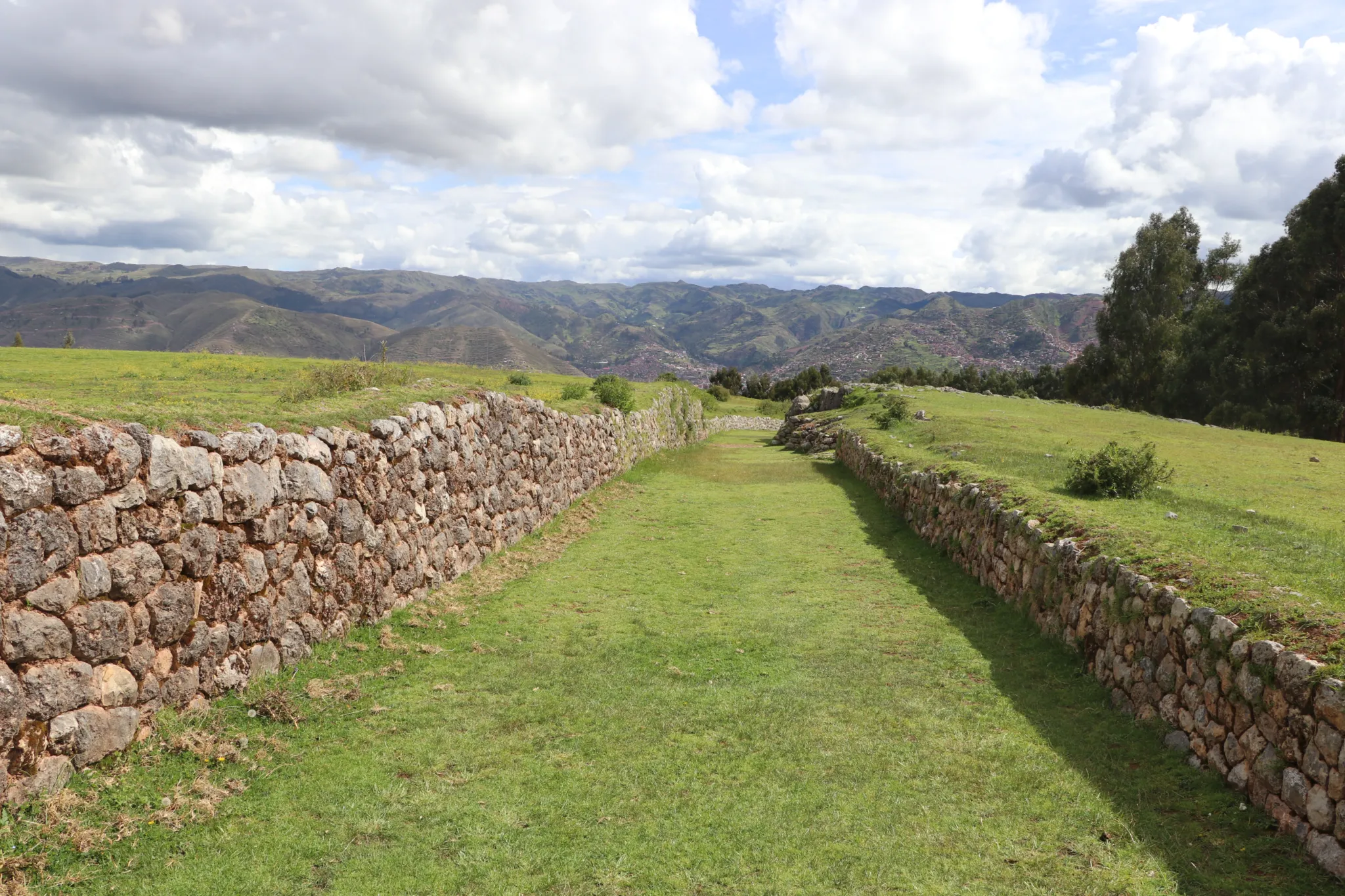
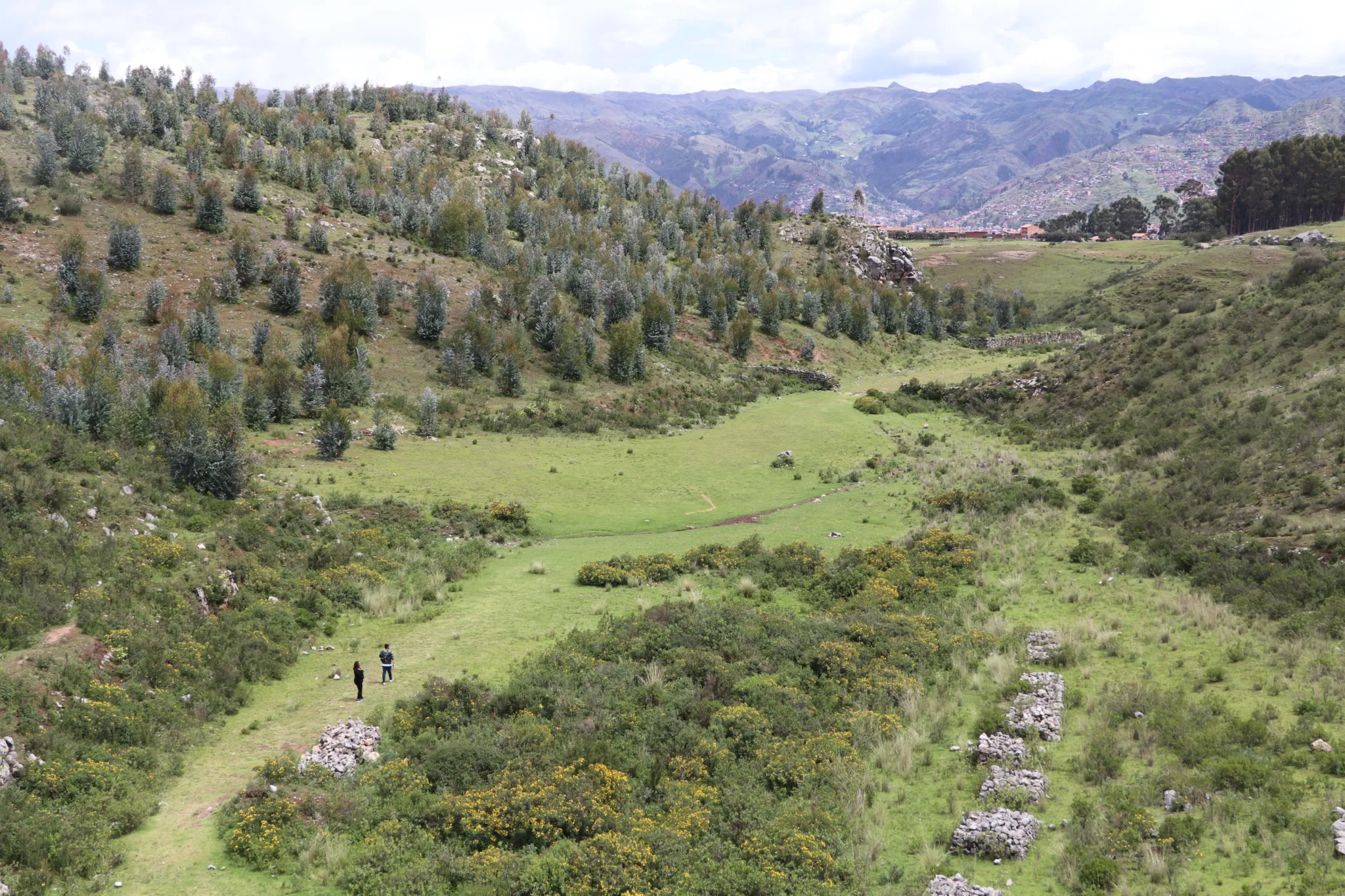
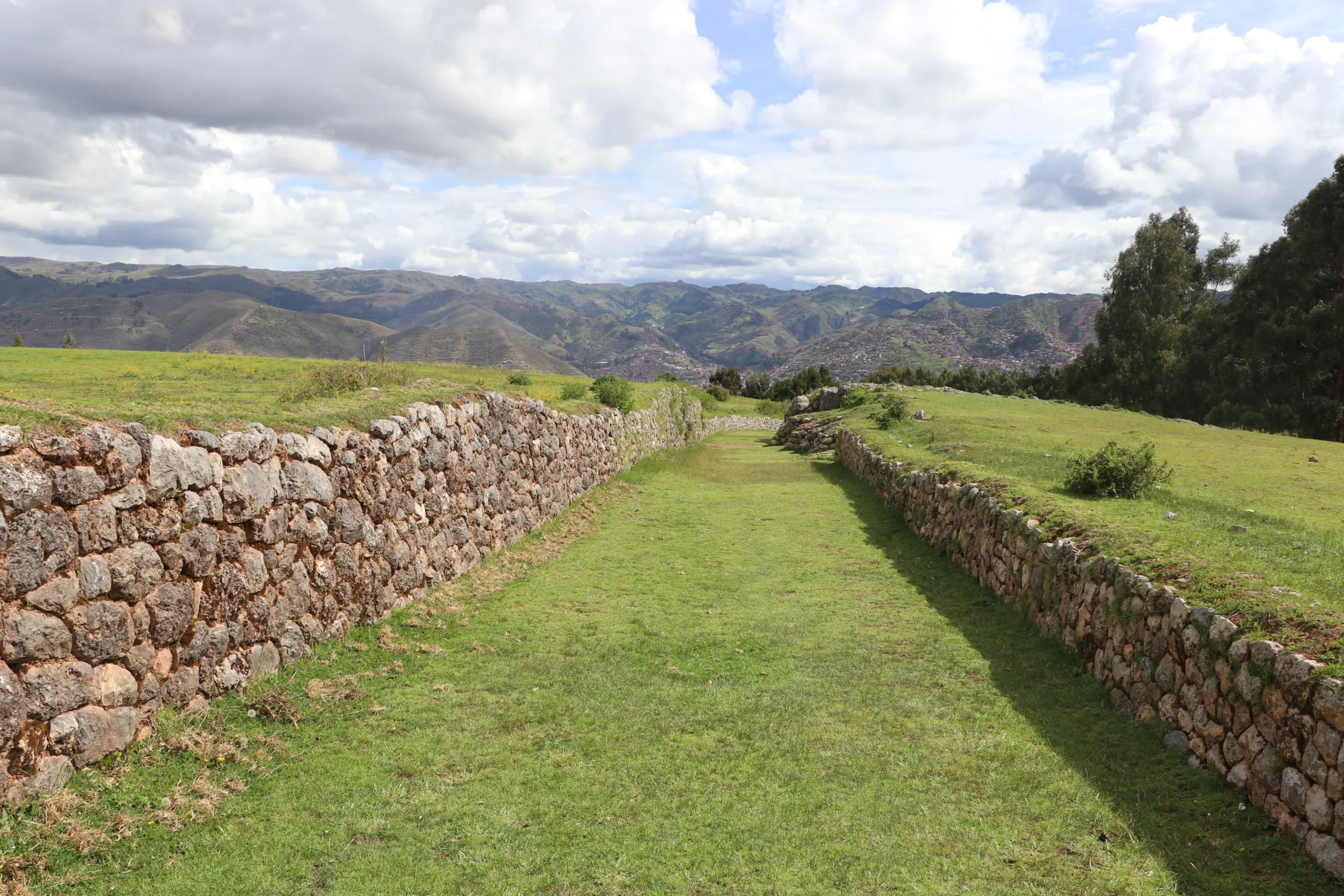
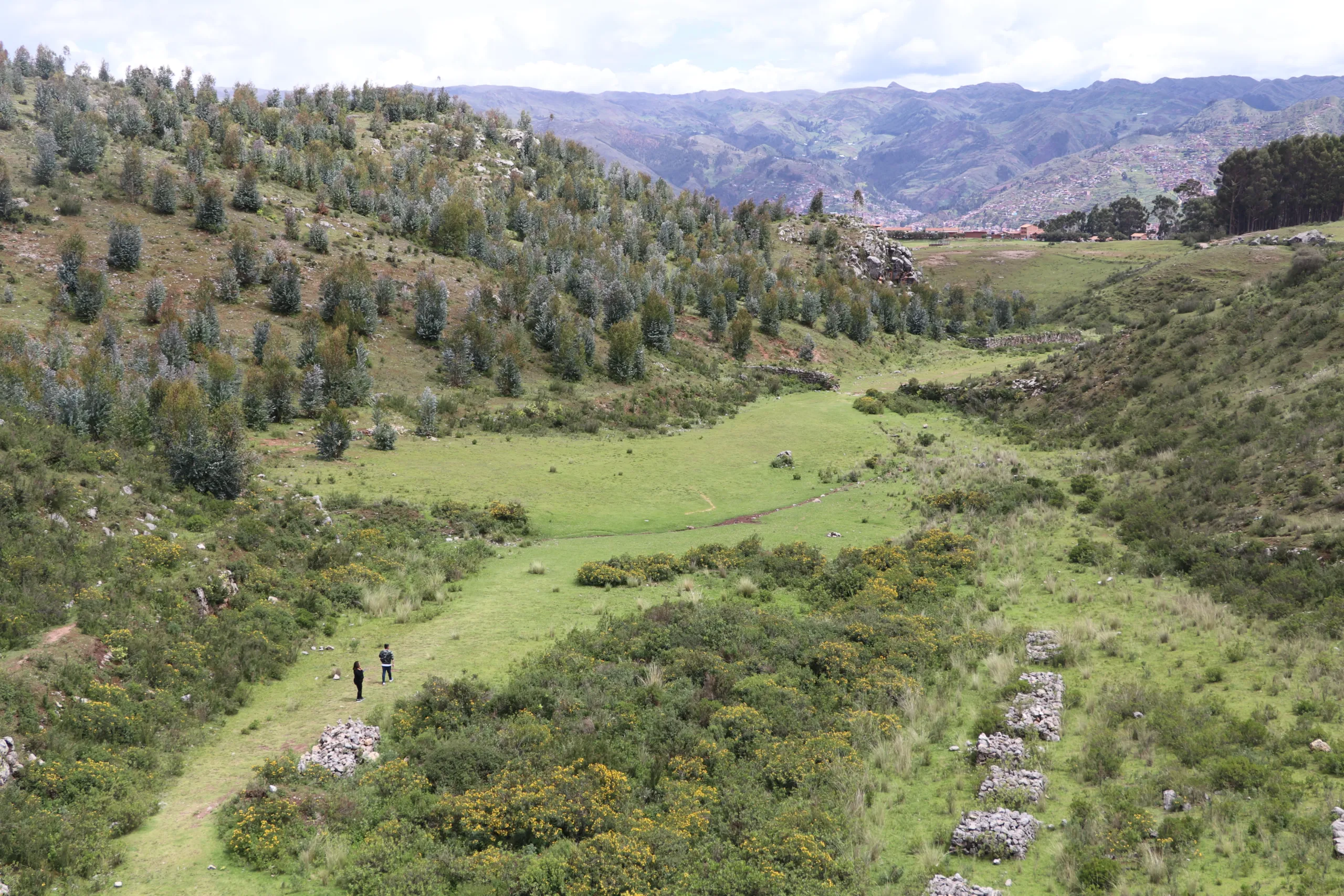
The hike continues through lesser-known archaeological sites partially reclaimed by vegetation — the forgotten list that the program’s overview promised — before the final ascent to Huanacaure at 4,089 meters. This is the mountain that the Inka founders climbed before deciding where to place their capital. The view from its summit — Cusco below, the surrounding mountains in every direction, the Sacred Valley visible to the north — is what they saw when they made that decision. At sunset, with five days of accumulated understanding, it is among the most significant moments the program offers.

  • Distance: 45 km by road + 11 km on foot
  • Maximum altitude: 4,089 m at Huanacaure
  • Overnight: Hotel in Cusco

Cusco → Pikillacta → Andahuaylillas → Qoricancha → Inka Streets → San Pedro Market | Easy

The final day inverts the previous one — moving outward from the city to its pre-Inka context, then returning to its sacred center.

Pikillacta: a Wari city of two square kilometers that predates the Inka by centuries — evidence that the Cusco valley was a center of civilization before the empire that made it famous. Understanding what existed before the Inka deepens the understanding of what the Inka built on top of and in response to.

Andahuaylillas: the colonial church whose gold interior artwork earned it the name the Sistine Chapel of the Americas — built over and around Andean sacred sites, its gold a deliberate appropriation of the material the Inka had used to cover Qoricancha’s walls. The sequence matters: Pikillacta first, then Andahuaylillas, then Qoricancha — the full historical layering of this valley visible in one day.

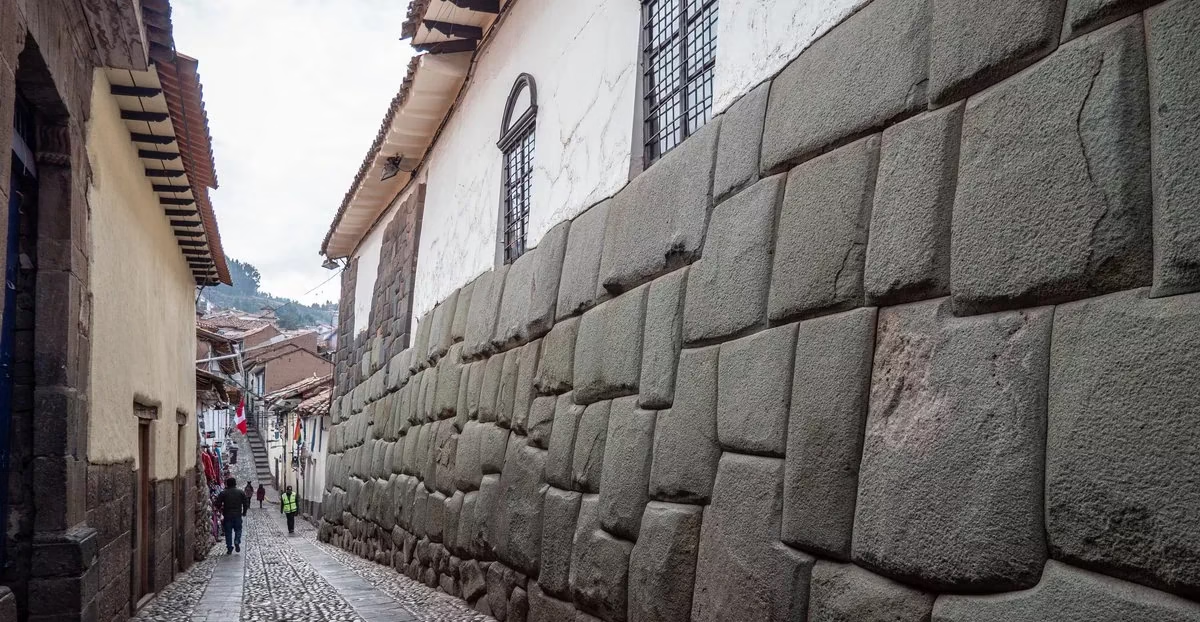
Qoricancha: the spiritual and intellectual axis of the empire, its stonework the most refined in the Americas, the colonial church constructed on top of it now visibly cracking and shifting while the Inka walls beneath remain perfectly intact. The Inka streets of Cusco on foot — the city’s cosmological grid still readable in the narrow lanes between original stone walls. San Pedro market closing the day with the full sensory range of Andean life.

  • Altitude: 3,390 m Cusco average
  • Overnight: Hotel in Cusco

Cusco → Airport

Transfer to the airport. The city the founders chose for its position at the navel of the world is behind you. What it gave you over six days travels with you.

Sacred Valley - Machupicchu - Cusco & Hikes

Reviews

Reviews

There are no reviews yet.

Be the first to review “Relics of Cusco”

Your email address will not be published. Required fields are marked *

Included/Excluded

  • Incluido All transportation.
  • Incluido Guide service.
  • Incluido Food as described (breackfast=B, Lunch=L, dinner=D).
  • Incluido Entrance fees and permits for the detailed visit sites.
  • Incluido Round trip train tickets.
  • Incluido Round trip bus to Machupicchu tickets.
  • Incluido Chef for the hikes.
  • Incluido Cooking equipement.
  • Incluido Camping equipement.
  • Incluido Accomodation 5 stars hotel as described.
  • Incluido Boiled or purified water.
  • No Included Entrance fees to Waynapicchu Mountain and Machupicchu Mountain and others are optional.
  • No Included Bottle of water or sports drink.
  • No Included Tipping for staff.
  • No Included Travel ensurance.
  • No Included Flight tickets.

Attractions

Andahuaylillas, Chinchero, Coricancha, Cusco, Inca Trail, Inkiltambo, Machu Picchu, Maras & Moray, Ollantaytambo, Pikillacta, Pisac, Pucapucara, Q’enqo, Sacred Valley, Sacsayhuaman, Tambomachay

Activities

Culinary, Discoveries, Experiential tourism, Full nature, Hiking, Lakes, Lama experience, Picnic, Planetarium

FAQs

Nothing to show, please go to blogs.

Application Process

Contexto personal
Estado mental actua
Preferencias y límites
Datos de contacto

Book This Tour

Top Trending

You may like

Cart0
Cart0