Qoricancha — The Place of Gold
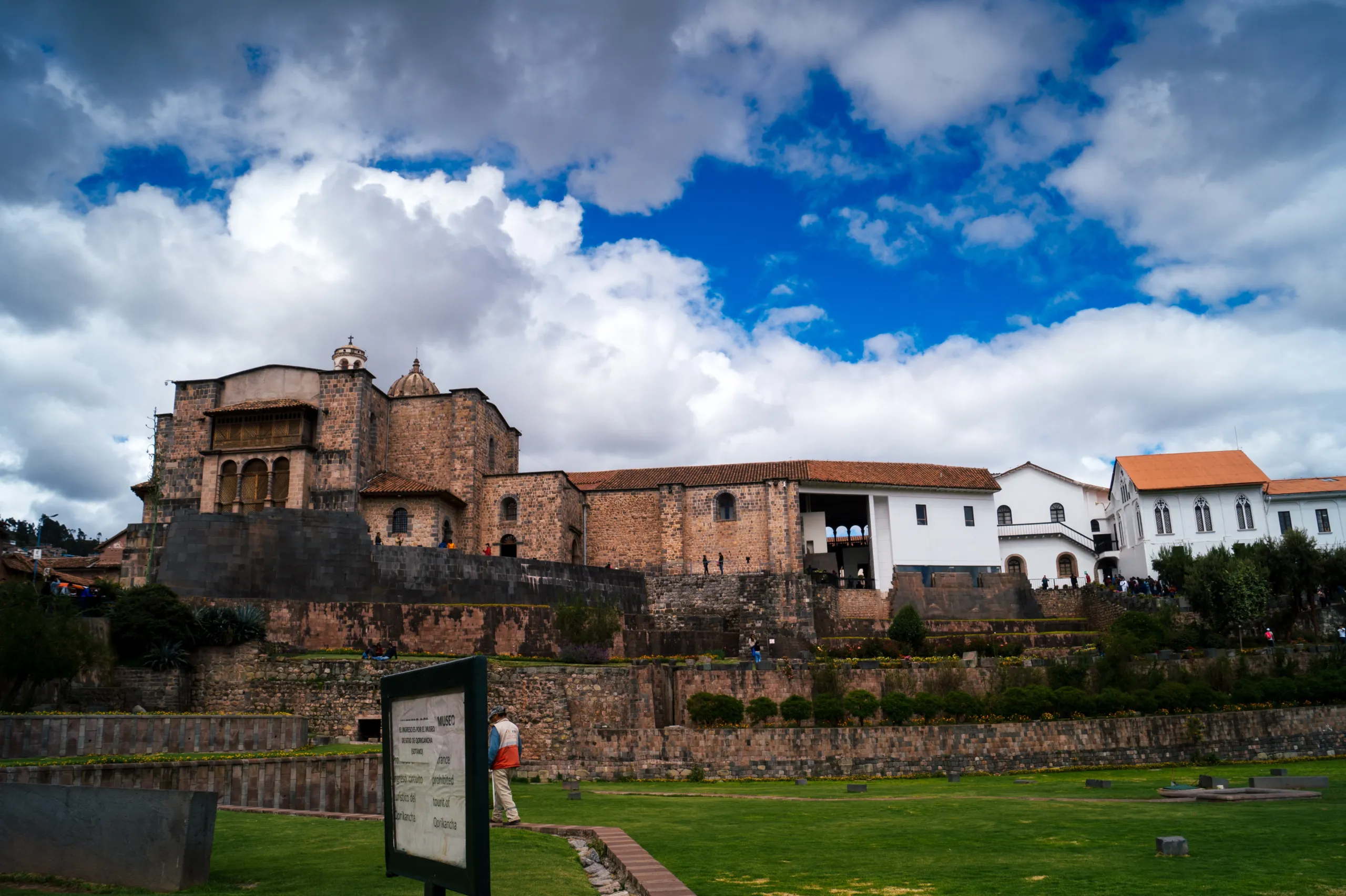
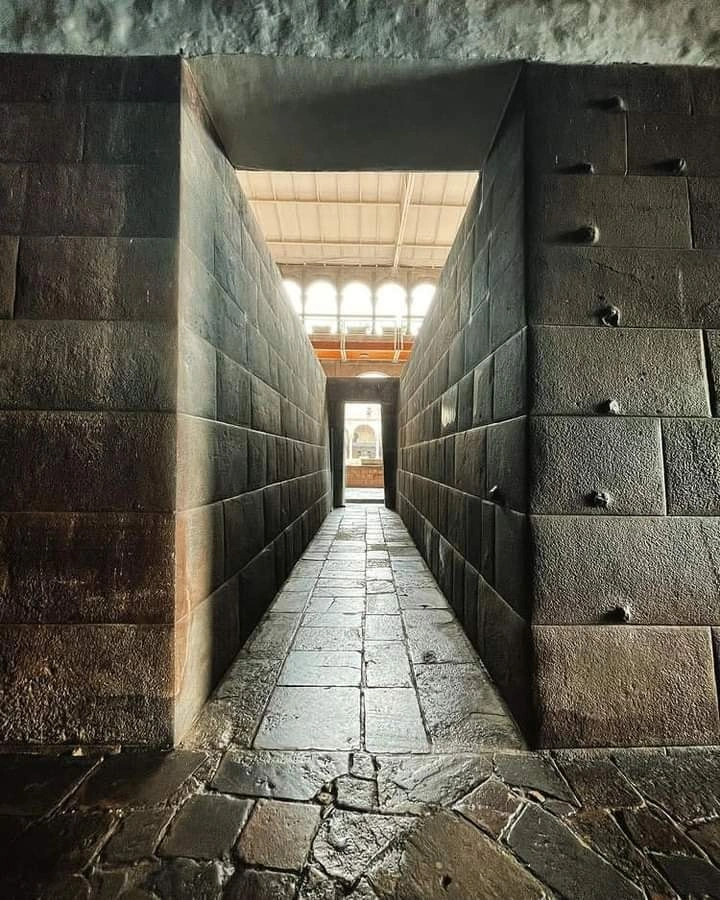
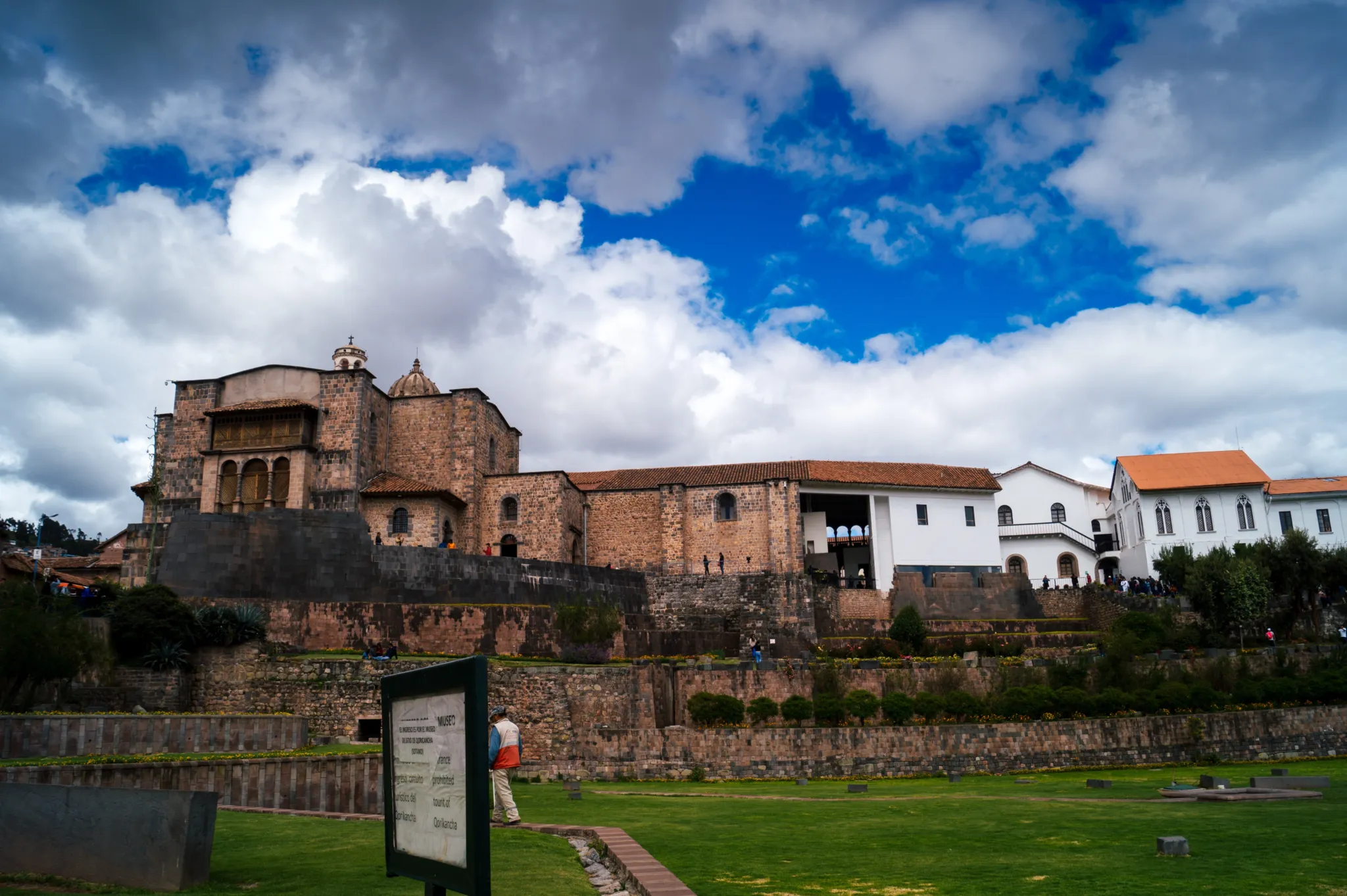
The spiritual and intellectual center of the Inka empire at 3,399 m / 11,151 ft. Its walls were once covered in gold panels representing the sun. Its interior housed the mummies of Inka rulers, the most sacred objects of the civilization, and the astronomical knowledge that governed the empire’s agricultural calendar and road system.
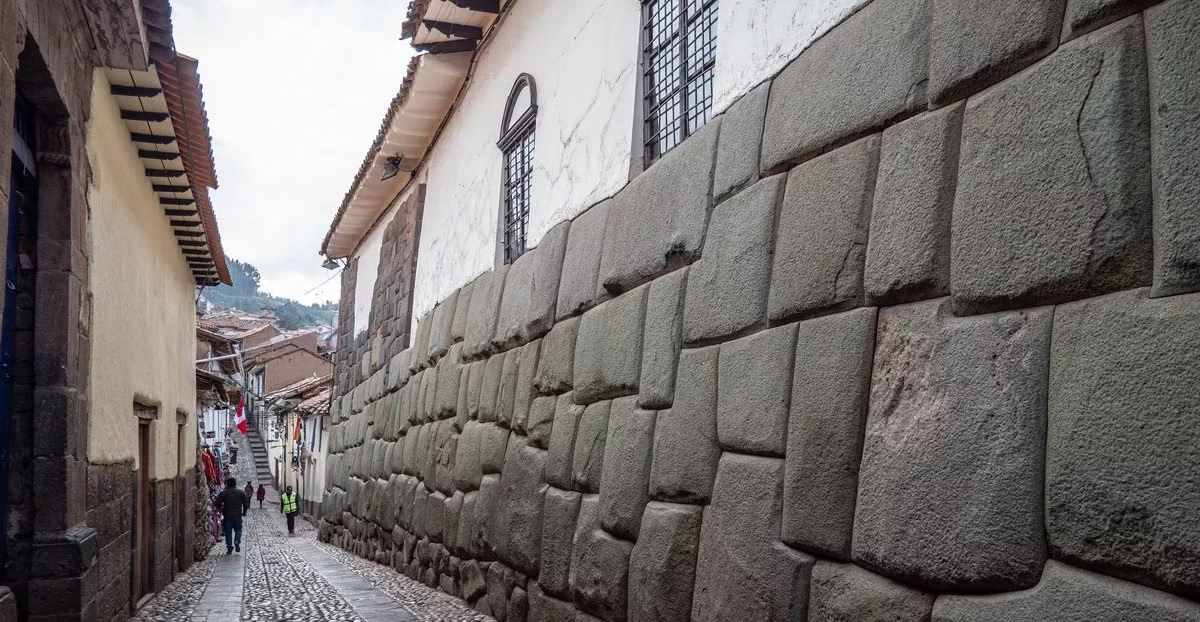
The Spanish built the Santo Domingo church directly on top of it — a deliberate act of cultural replacement that has not aged well. The colonial masonry above is visibly cracking and shifting. The Inka walls beneath remain perfectly intact. The contrast visible in a single building is the clearest image the Cusco region offers of what happened here in the sixteenth century, and what proved stronger.
Your guide decodes the site not as a historical artifact but as a living document — the cosmological intelligence encoded into its stone alignments and spatial organization still readable for those who know how to look.
Sacsayhuaman — The Head of the Puma
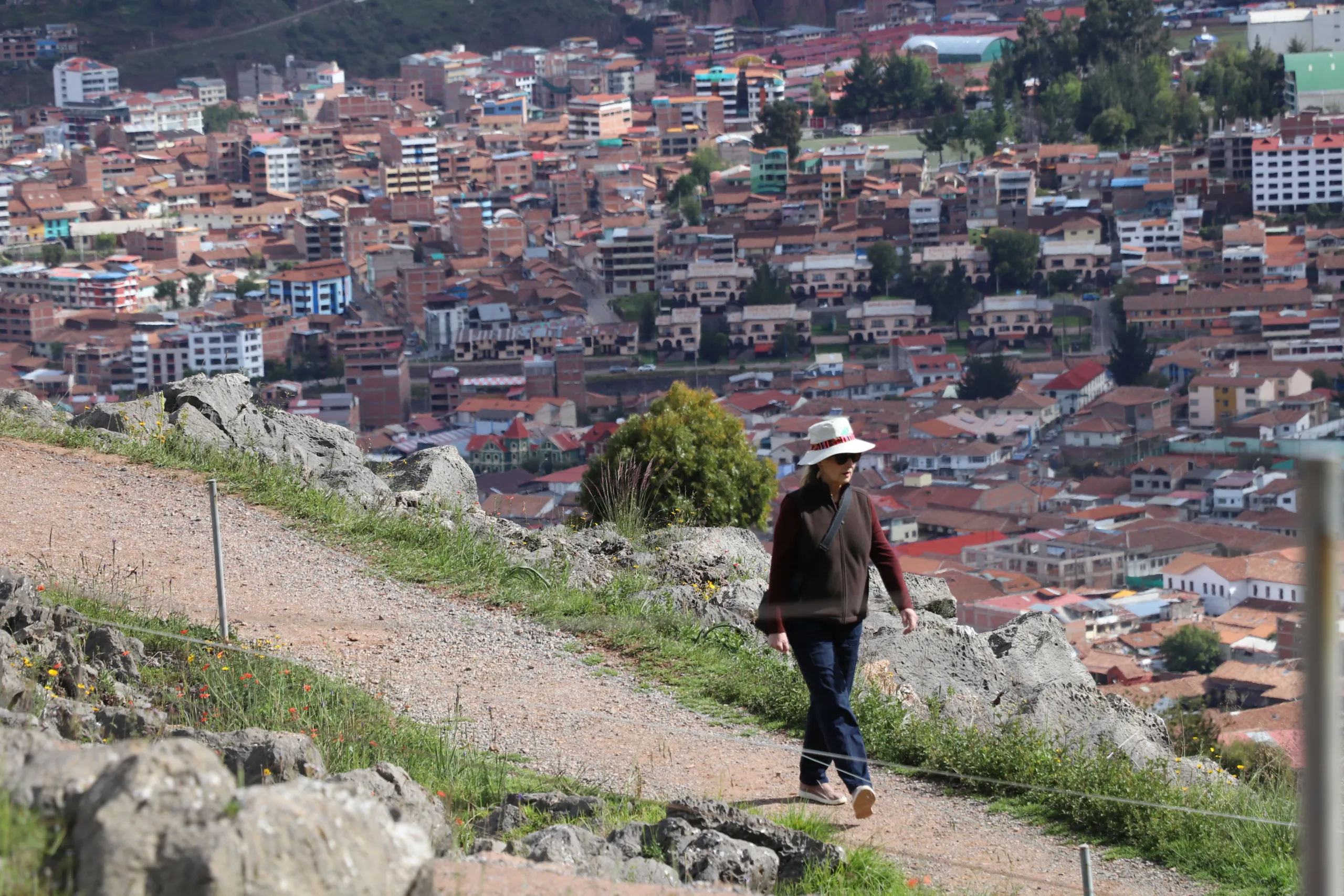
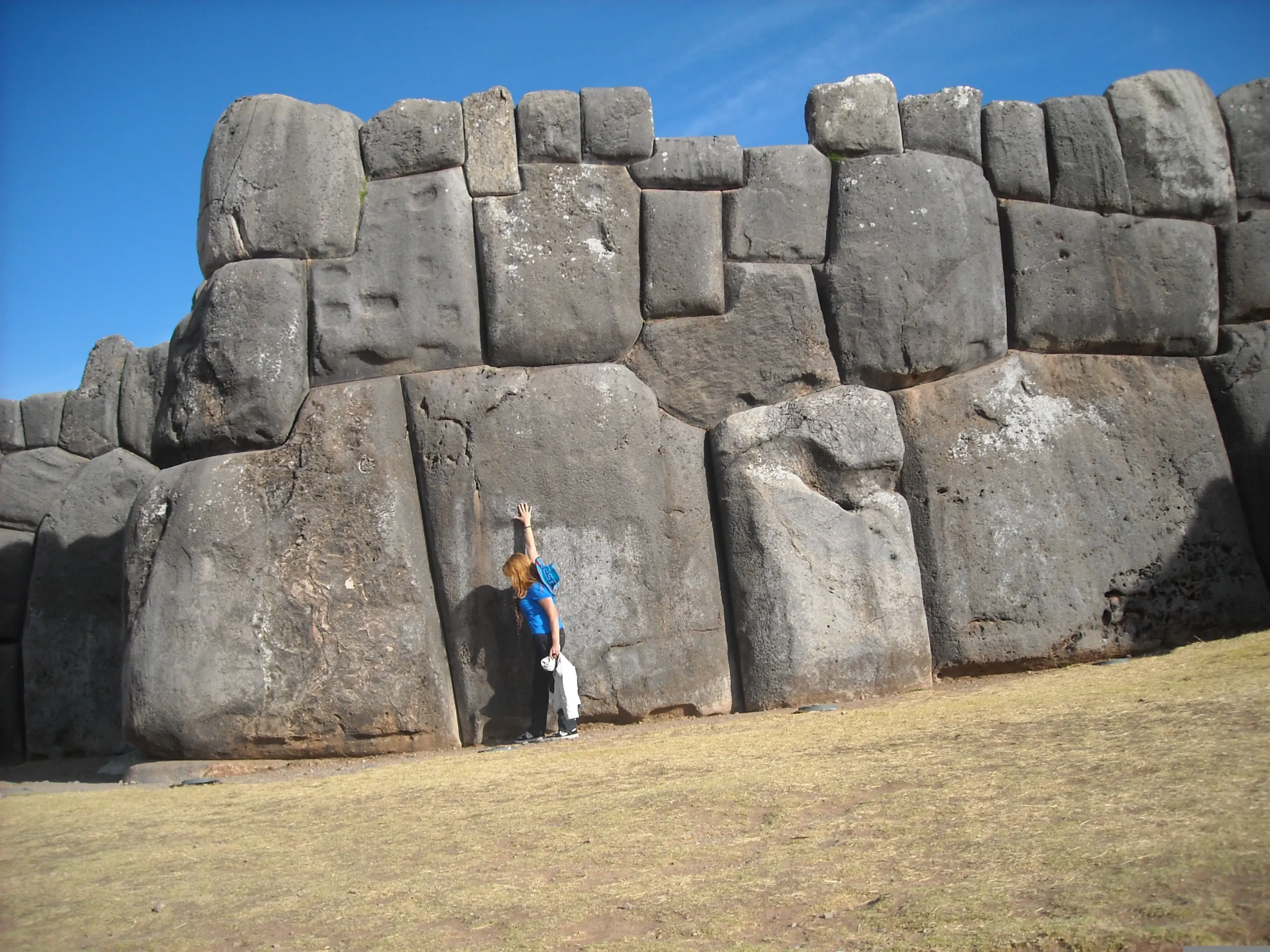
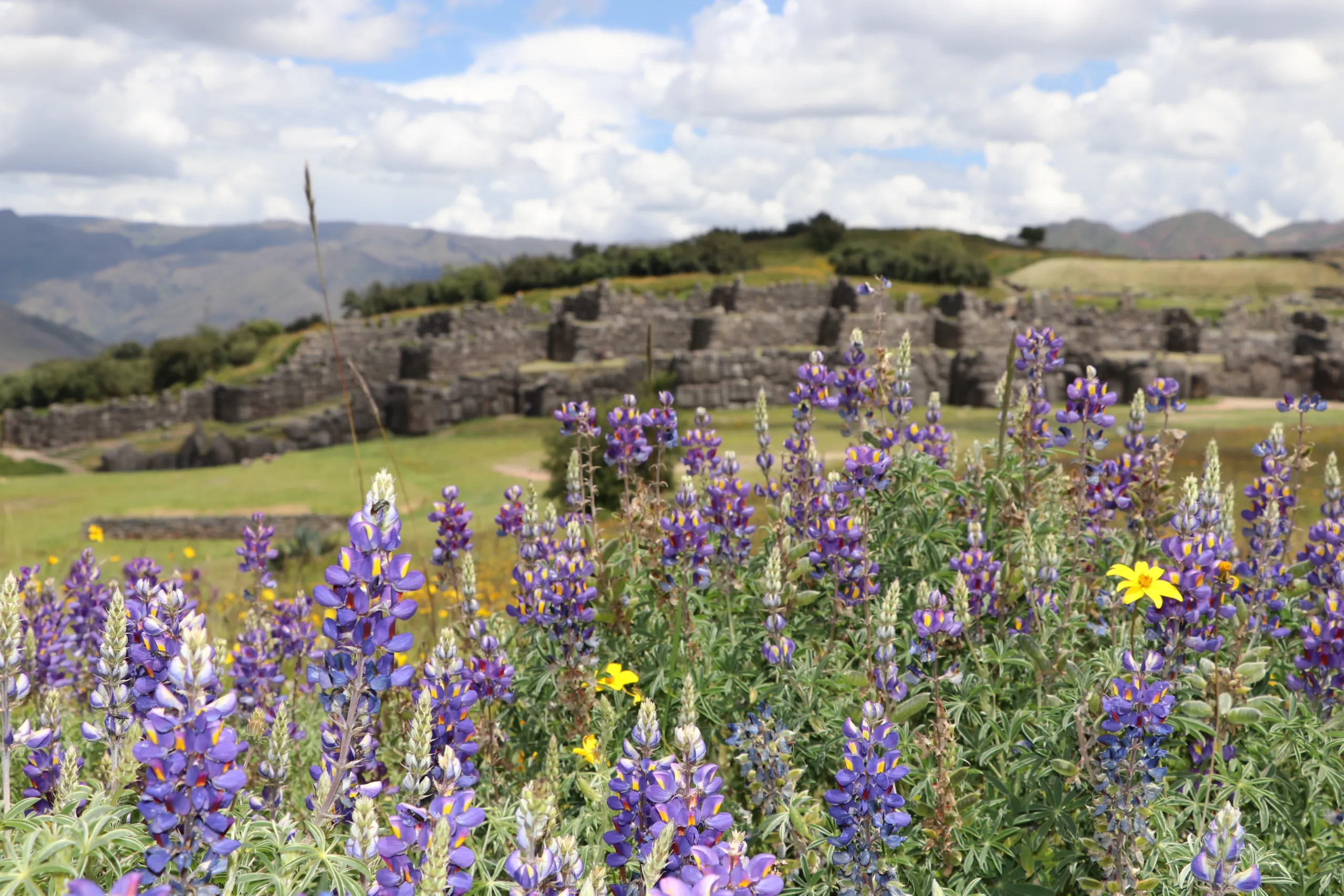
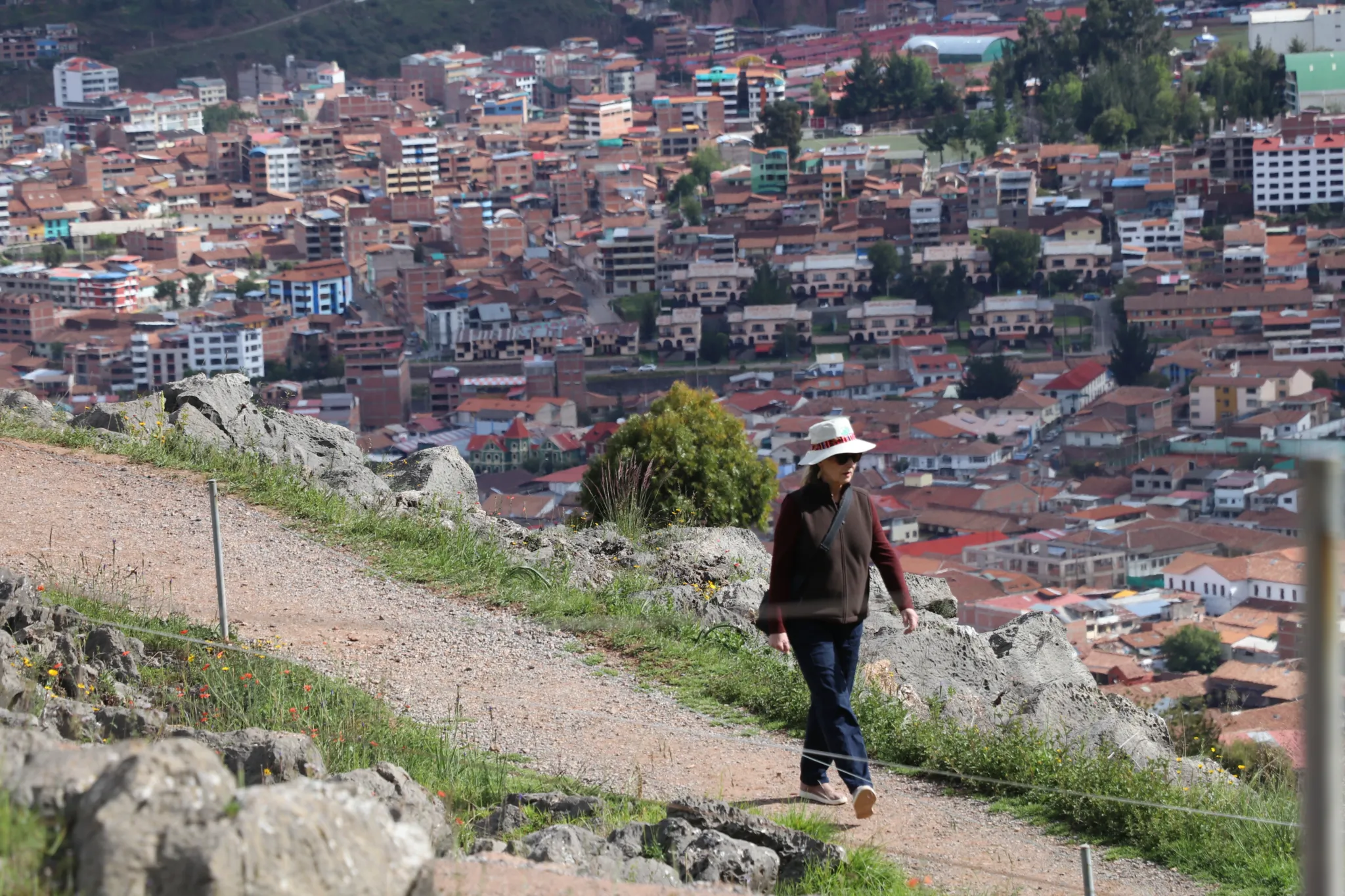
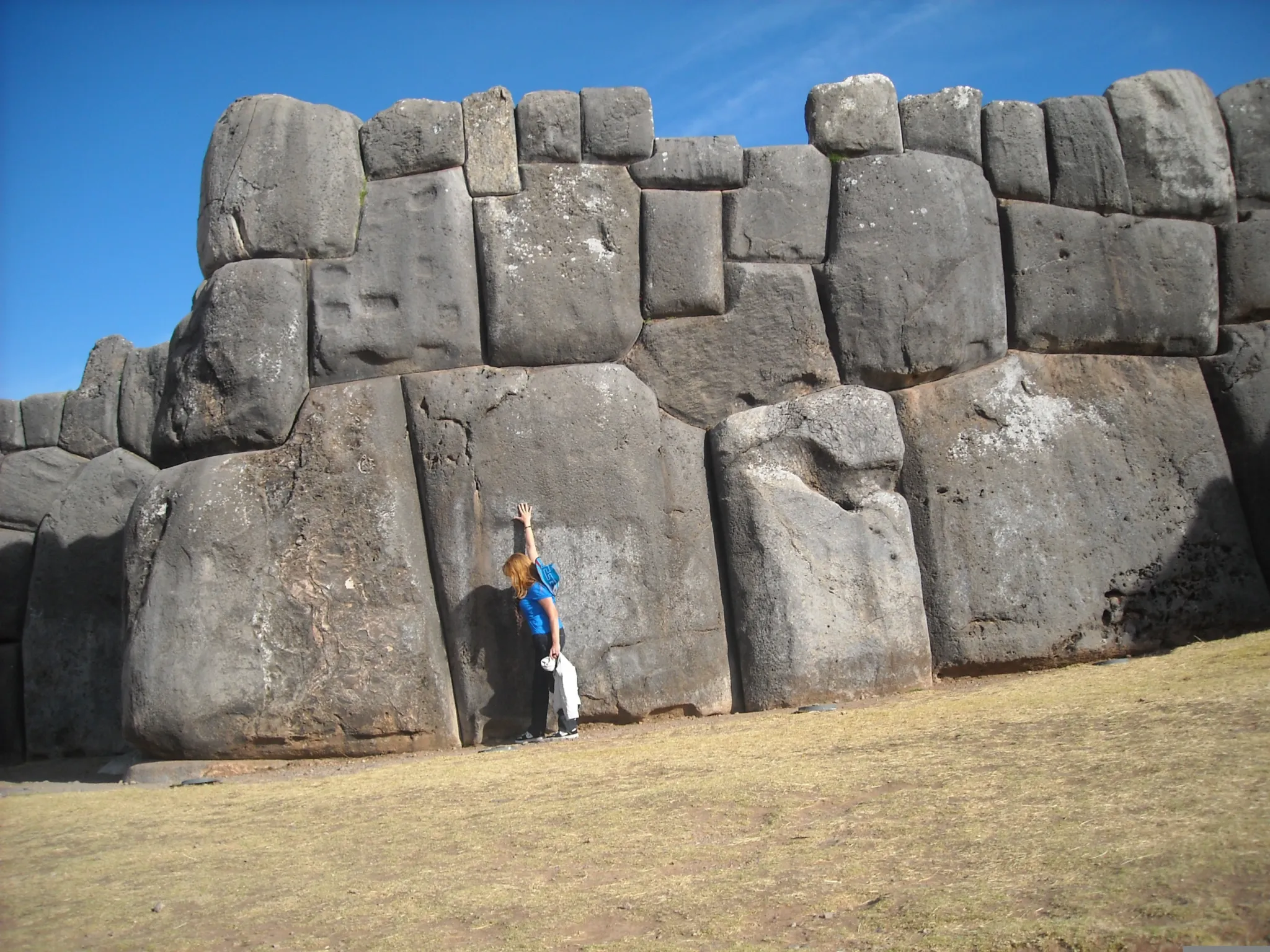
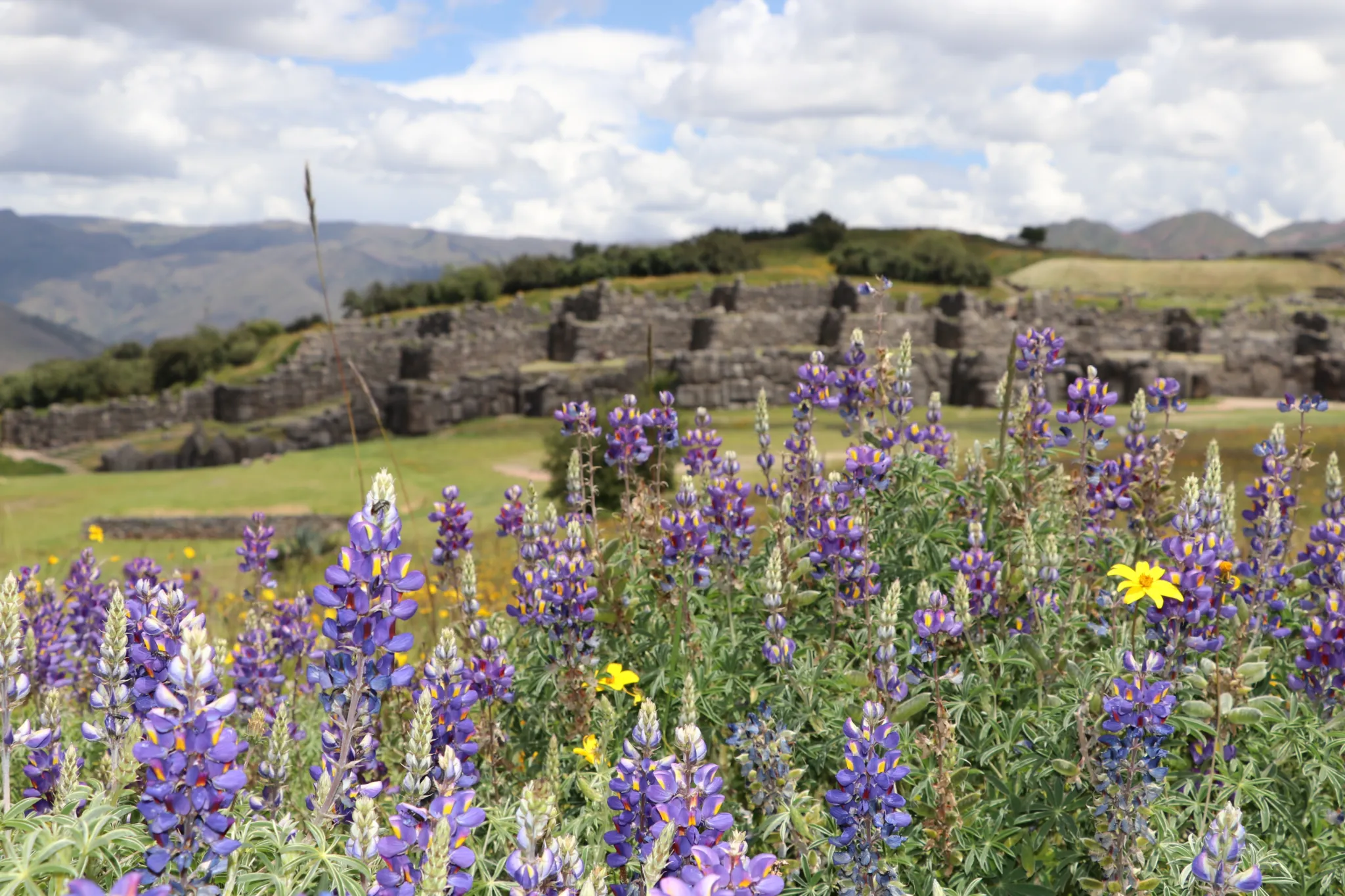
Above the city at 3,701 m / 12,143 ft, limestone blocks of up to 300 tons fitted without mortar to earthquake tolerances that modern construction has not replicated. The official interpretation calls it a fortress. The Inka understood it as the head of the puma-shaped city plan — the ceremonial center from which the empire’s four roads radiated to every corner of the Andes.
The scale of the stones is the first thing that stops conversation. The second thing — that they were fitted with a precision measurable in millimeters — is what stays with people long after the visit.
Q’enqo — The Tunnels in the Rock
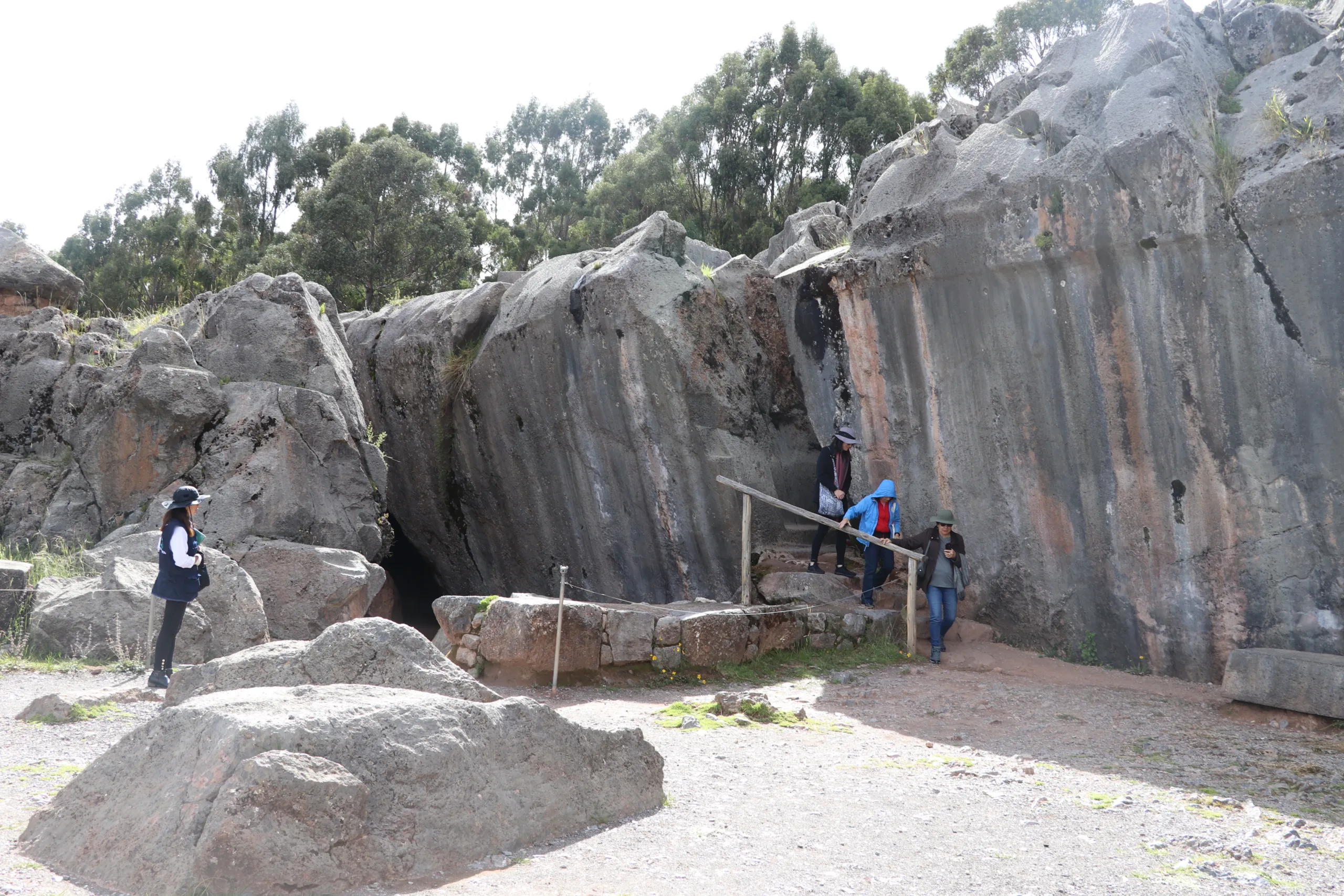
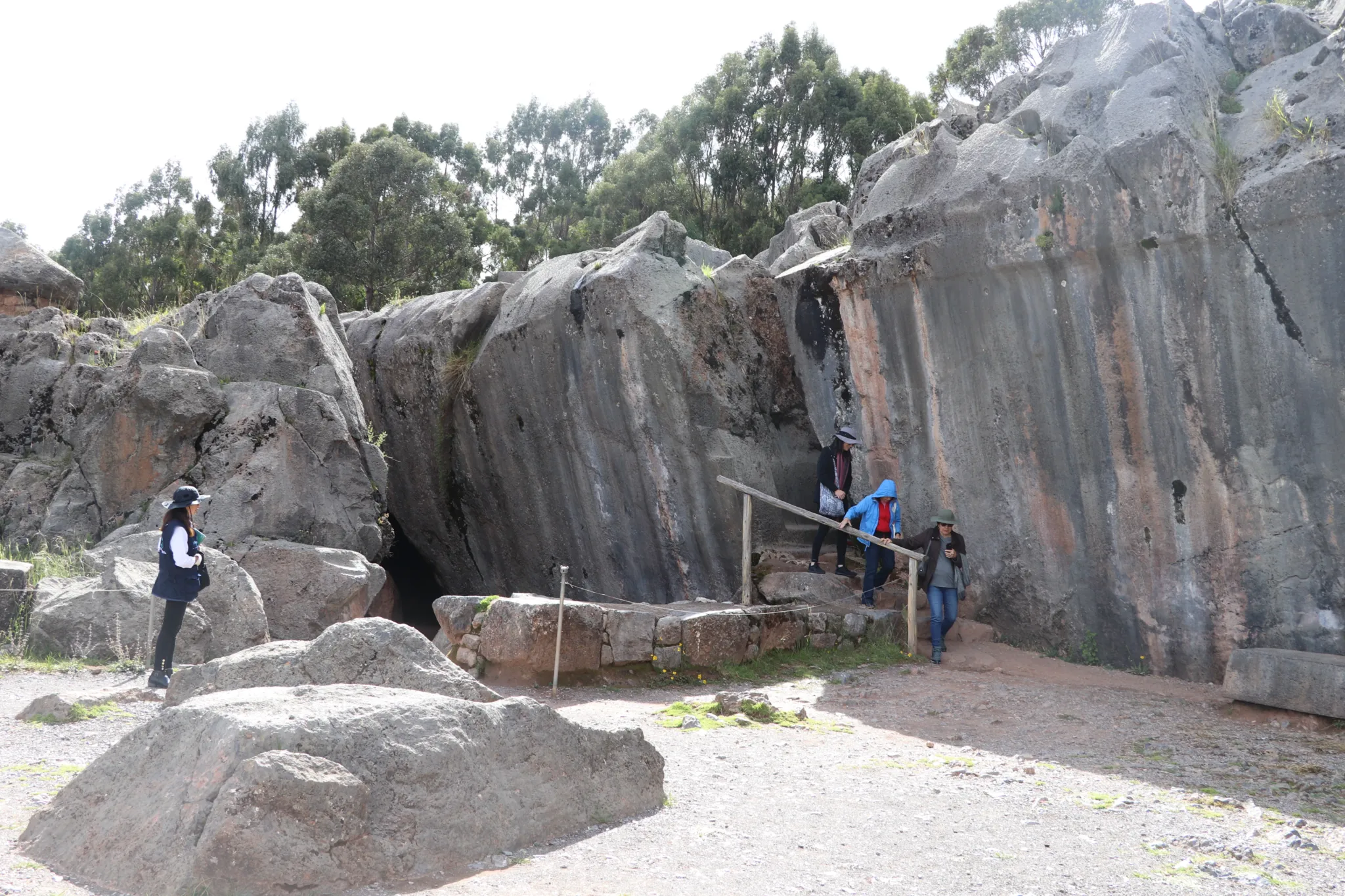
A massive rock outcrop carved into channels, niches, and underground tunnels that encode Andean knowledge of the relationship between the living world and the one below it. Q’enqo is not large. It is dense — a concentrated expression of Andean cosmological understanding carved directly into the mountain, requiring proximity and guidance to read properly.
The tunnels are walked, not viewed. The experience of moving through carved rock at 3,580 m / 11,745 ft, knowing that the people who made these passages understood their purpose completely, is one of the tour’s most quietly significant moments.
Pucapucara and Tambomachay — The Guardians
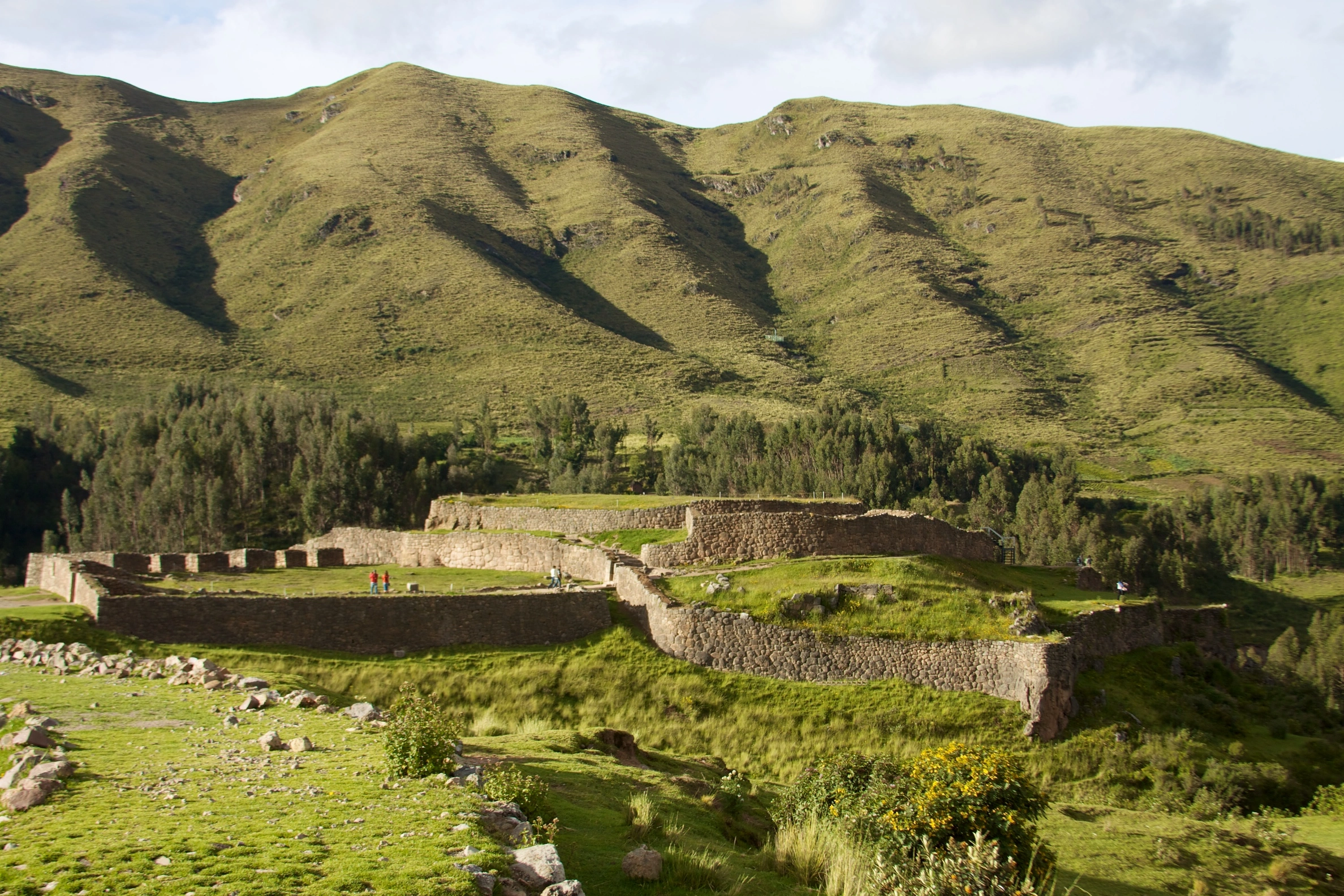
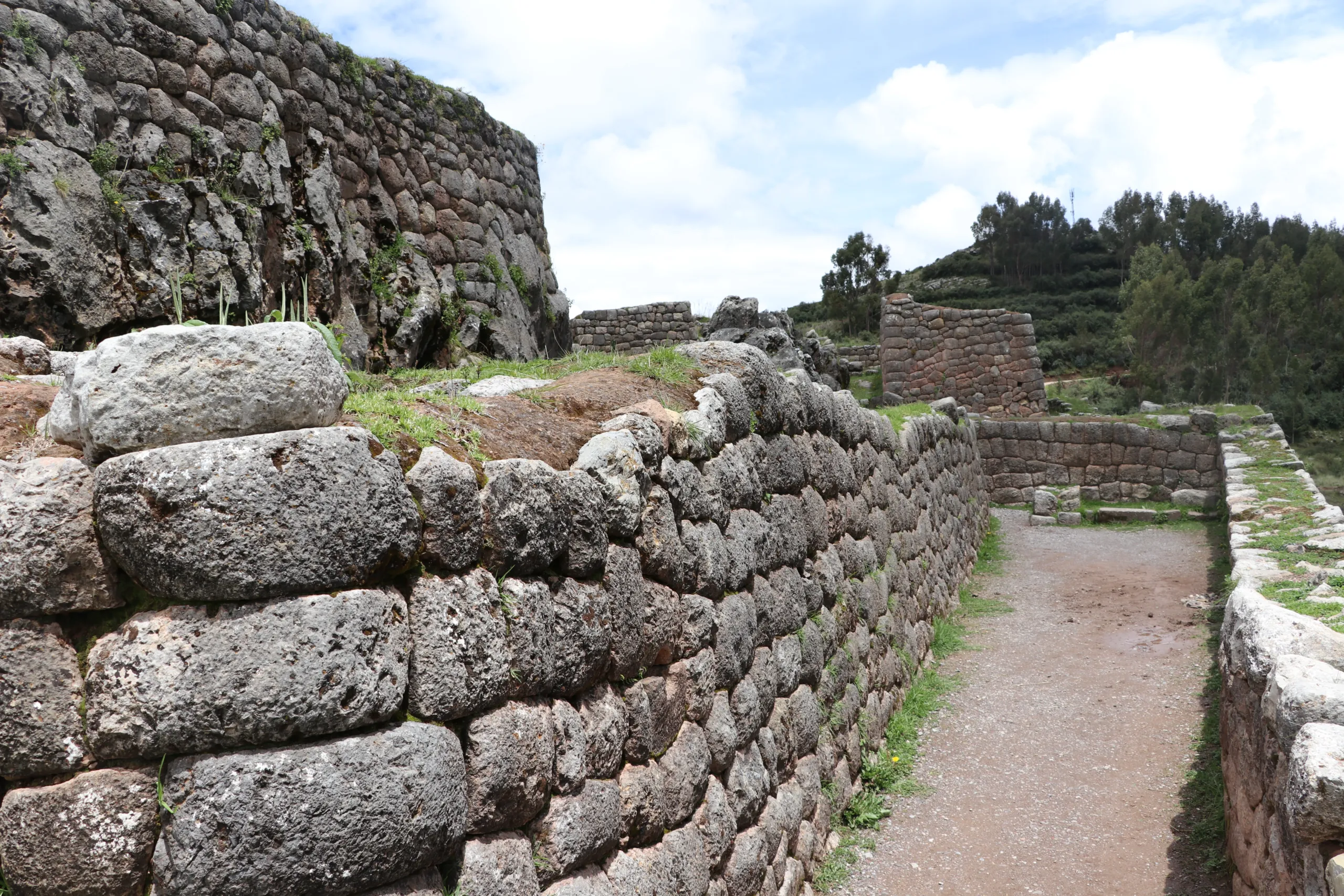
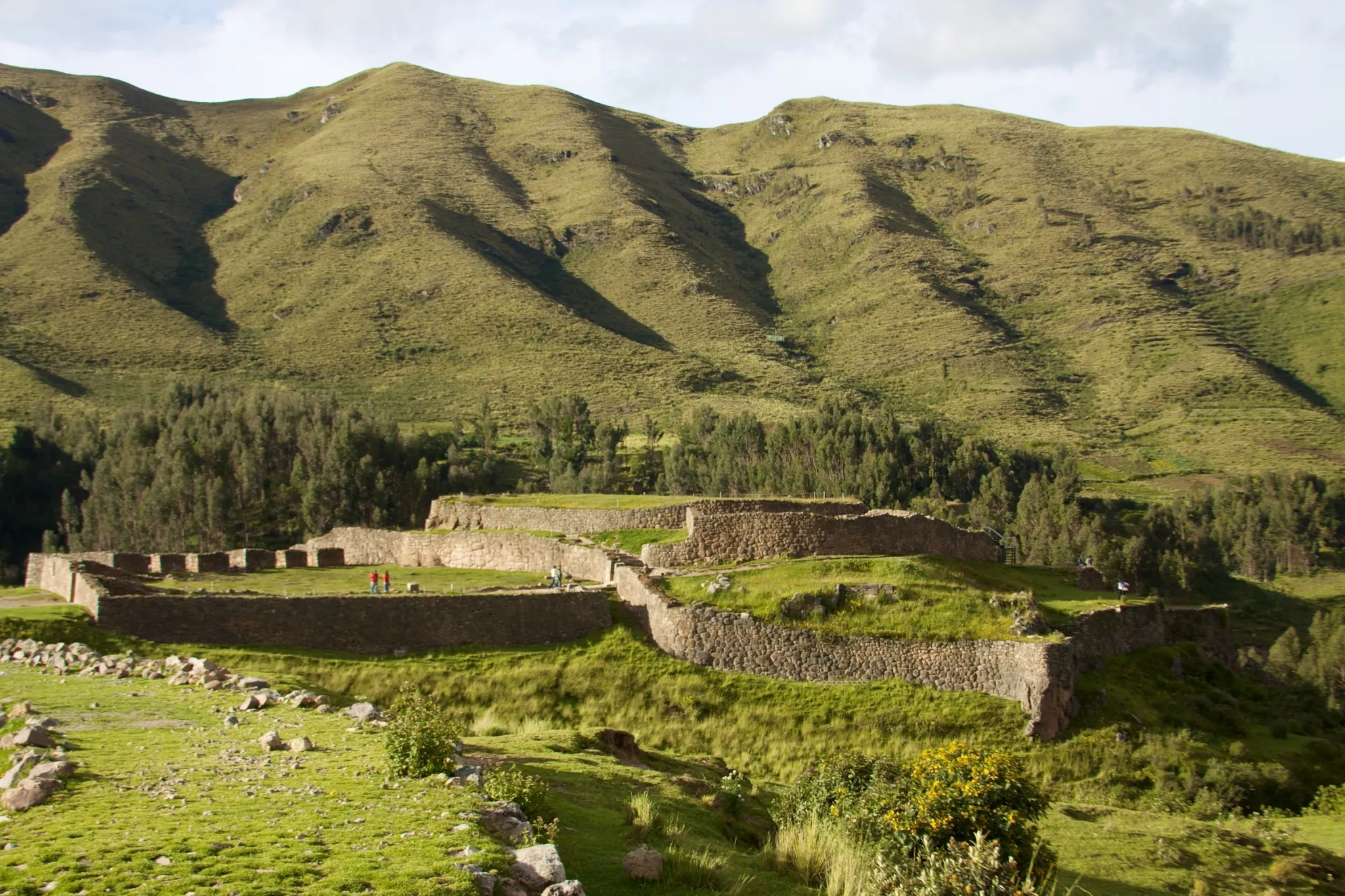
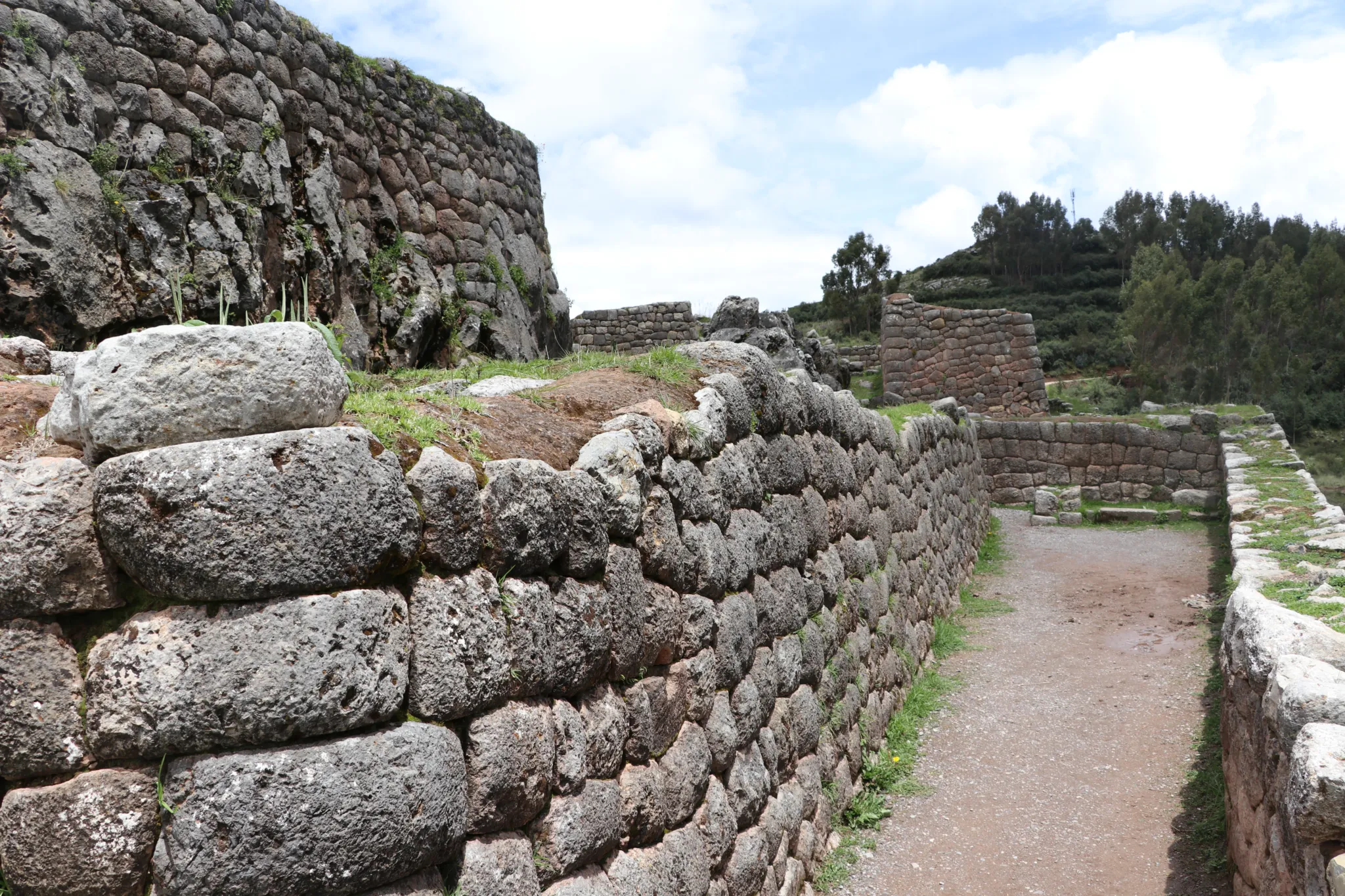
Pucapucara — the Red Fort — at 3,700 m / 12,139 ft, positioned above the valley with the mountain guardians of Cusco visible in every direction. Tambomachay adjacent to it — a water shrine where original Inka channels still flow with the same water management system that the empire built and that has required no maintenance in six centuries. Two sites that close the outer ring of the capital’s archaeological system, each one demonstrating a different dimension of the Inka’s relationship with the landscape they inhabited.
San Pedro Market — The Living City
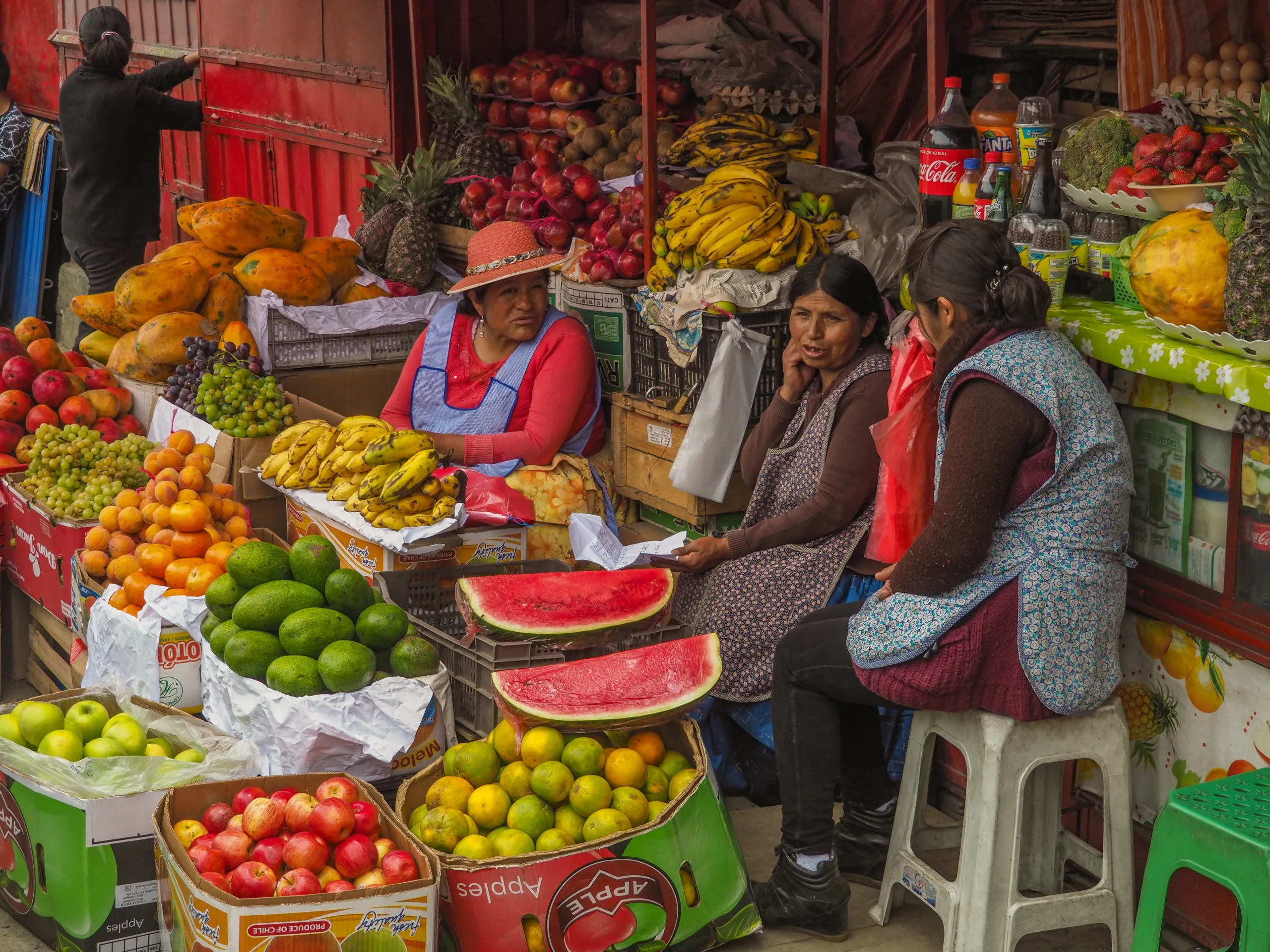
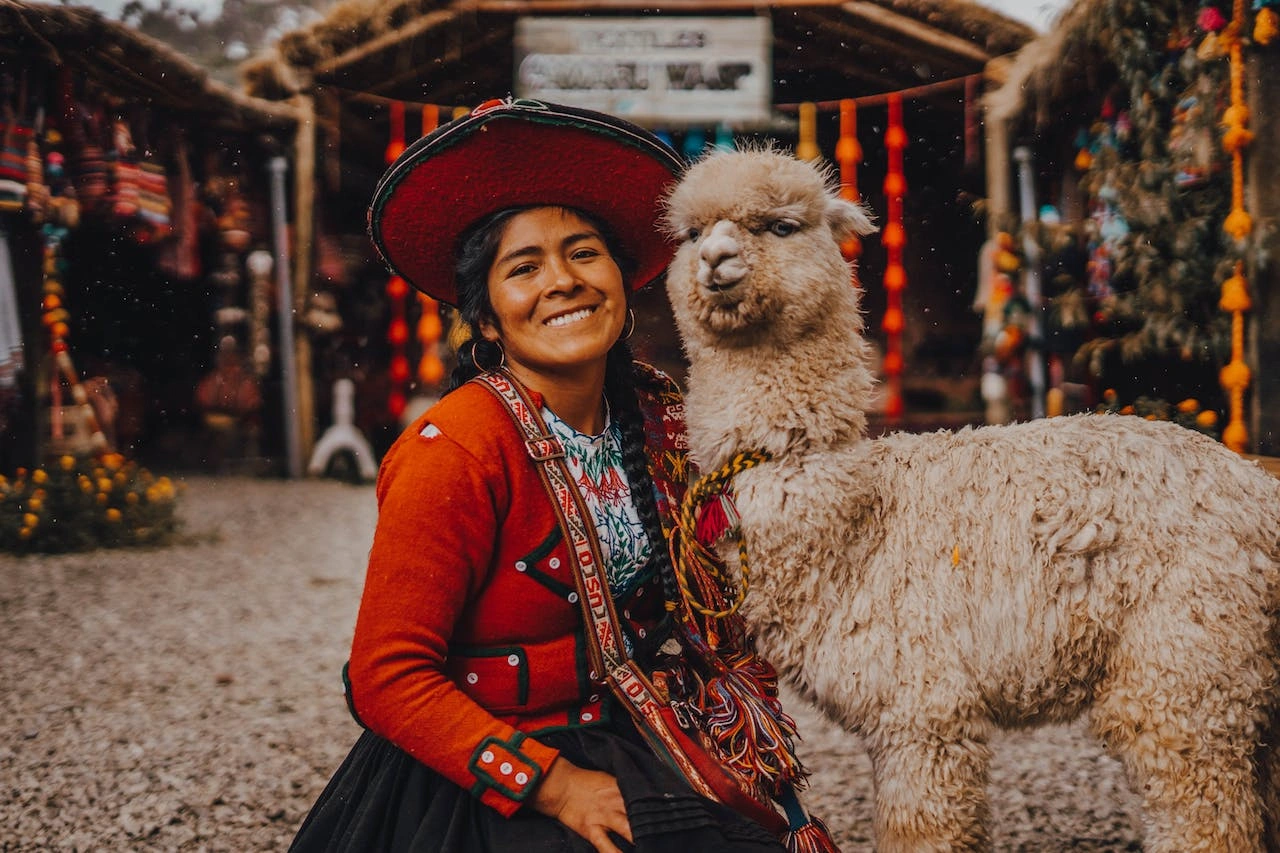
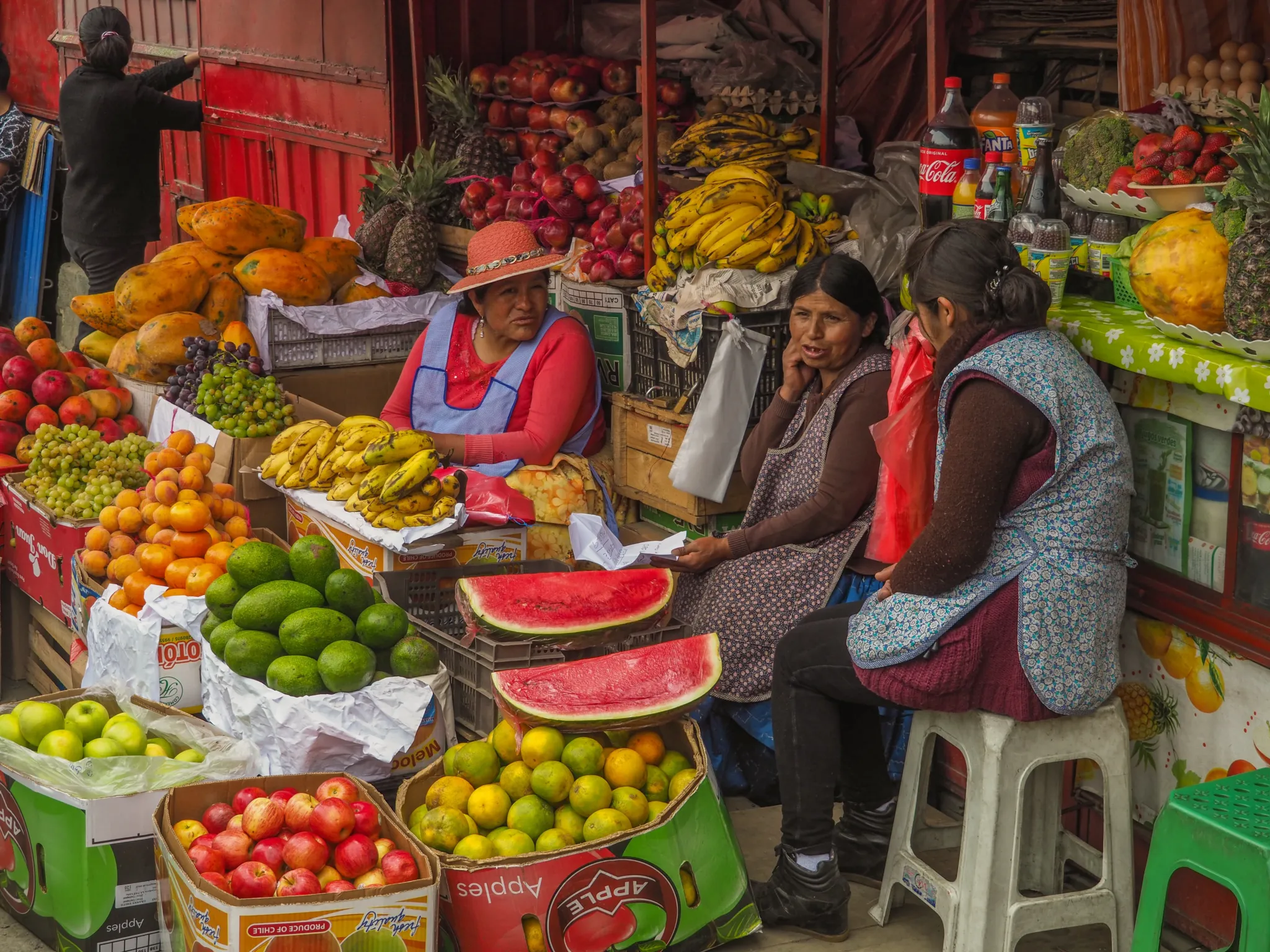
The traditional market of San Pedro closes the tour with the full sensory range of Andean life — agricultural products, textiles, prepared food, herbs, and the particular atmosphere of a market that serves the local community first and tourists second. After half a day of reading the city’s ancient layers, the market is where those layers are still alive.
Details:
– Distance: 13 km driving
– Duration: 5 hours
– Maximum altitude: 3773 m Huayllarcocha
– Minimum altitude: 3399 m Cusco
– Accessibility: Transportation
– Difficulty: Easy – Moderate
– Activities: Scenic, cultural, historical, visits to archaeological centers: Qoricancha, Saqsayhuaman, Q’enqo, Pucapucara and Tambomachay.
Reviews
There are no reviews yet.