

The Train Knows Something the Bus Does Not
There is a version of Machu Picchu that arrives by bus from Cusco — efficient, functional, and entirely disconnected from the landscape it passes through. And then there is this version: the Hiram Bingham, one of the great luxury rail journeys of South America, moving through the Sacred Valley and into the cloud forest with a quality of unhurried intention that sets the internal register before the destination arrives.
The journey is not transit. It is preparation.
From the moment the polished brass carriages depart Poroy station, the Andes begin their work — panoramic windows framing the Inka heartland, the Sacred Valley deepening into cloud forest, the Urubamba River accompanying the route that has connected Cusco to Machu Picchu since before the Spanish knew either place existed. White-glove service, live Andean music, and a champagne toast in the observation car are not decorative additions. They are the appropriate register for a journey toward one of the most significant human constructions on earth.
7 best Amenities of the tour
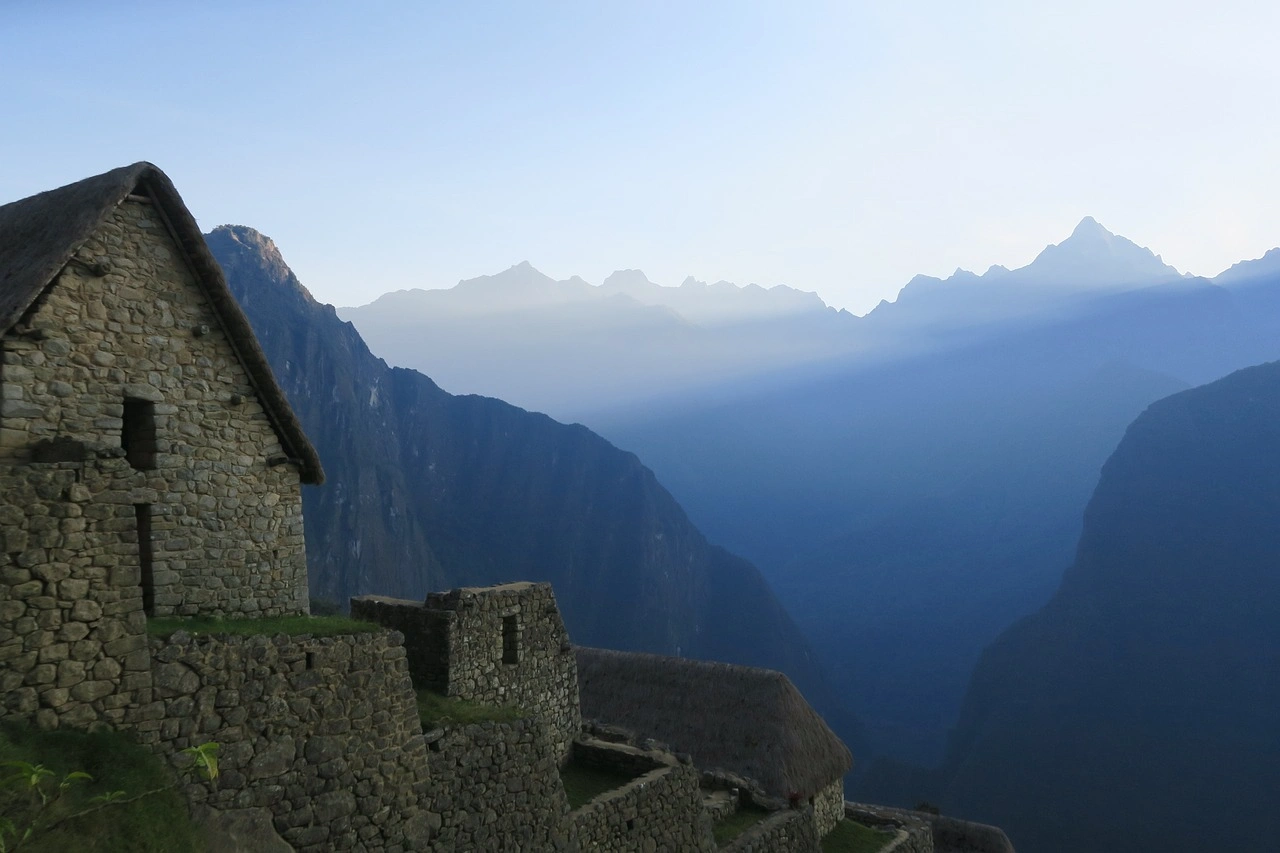
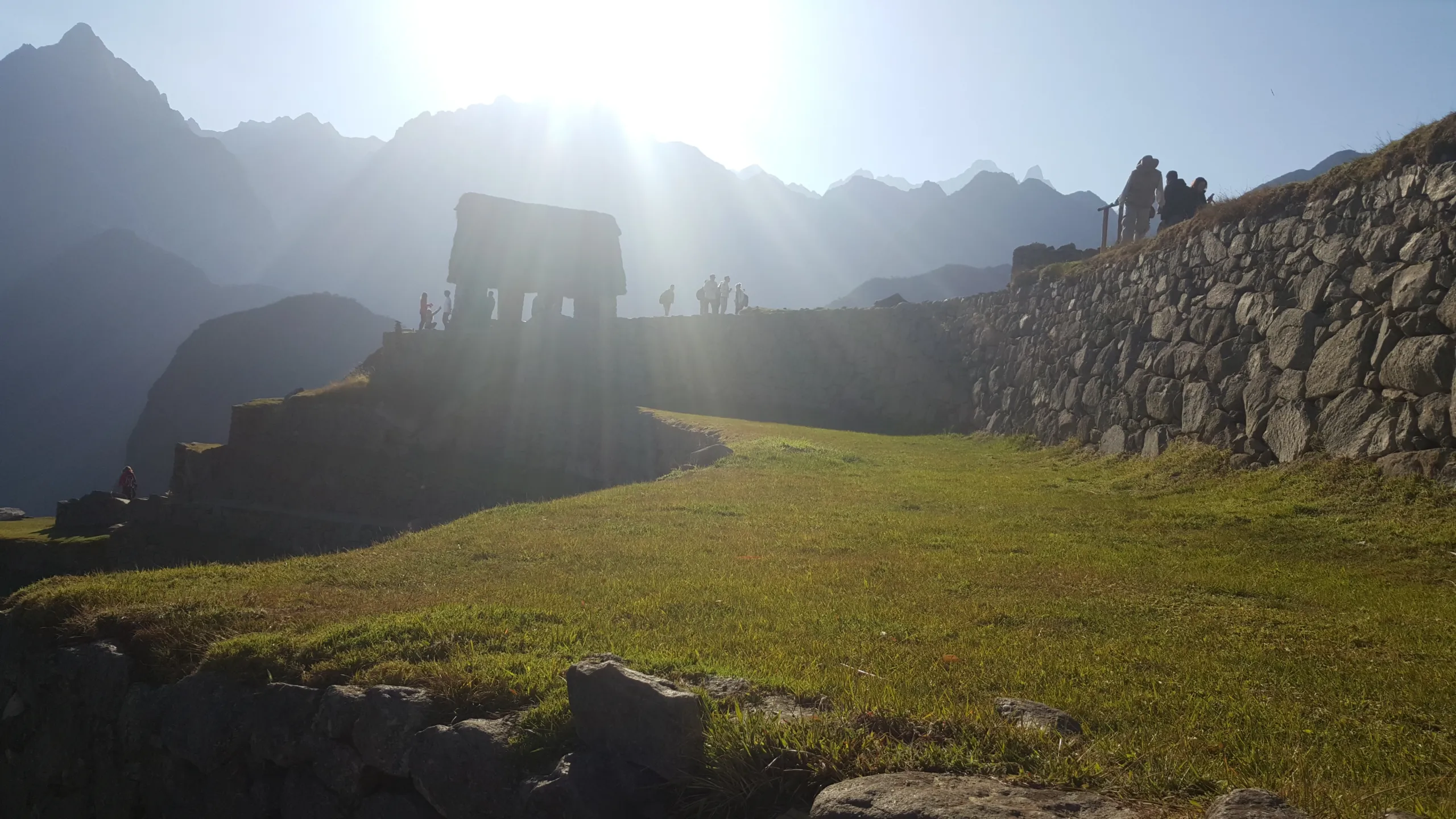
# Guardian’s house
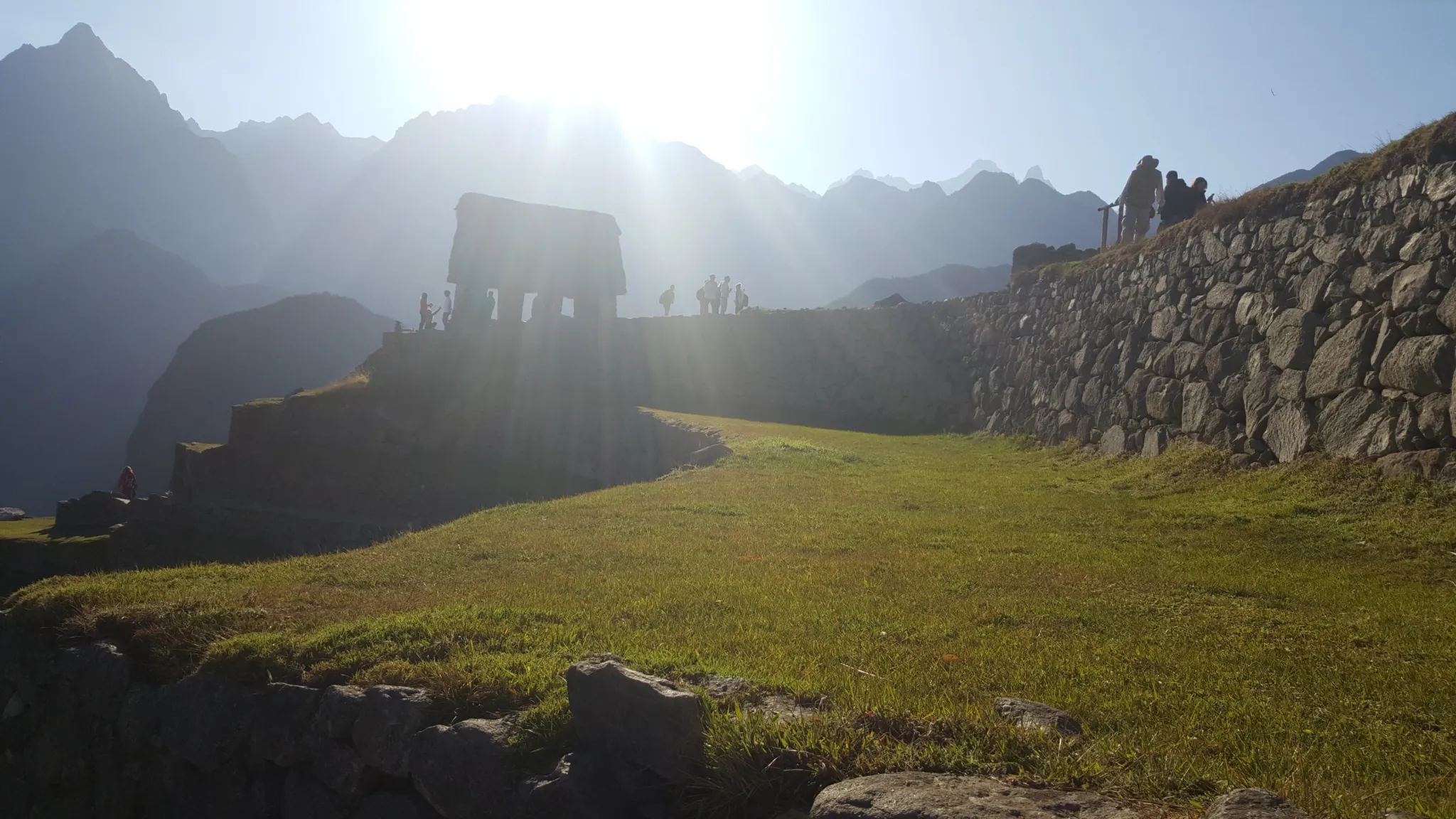
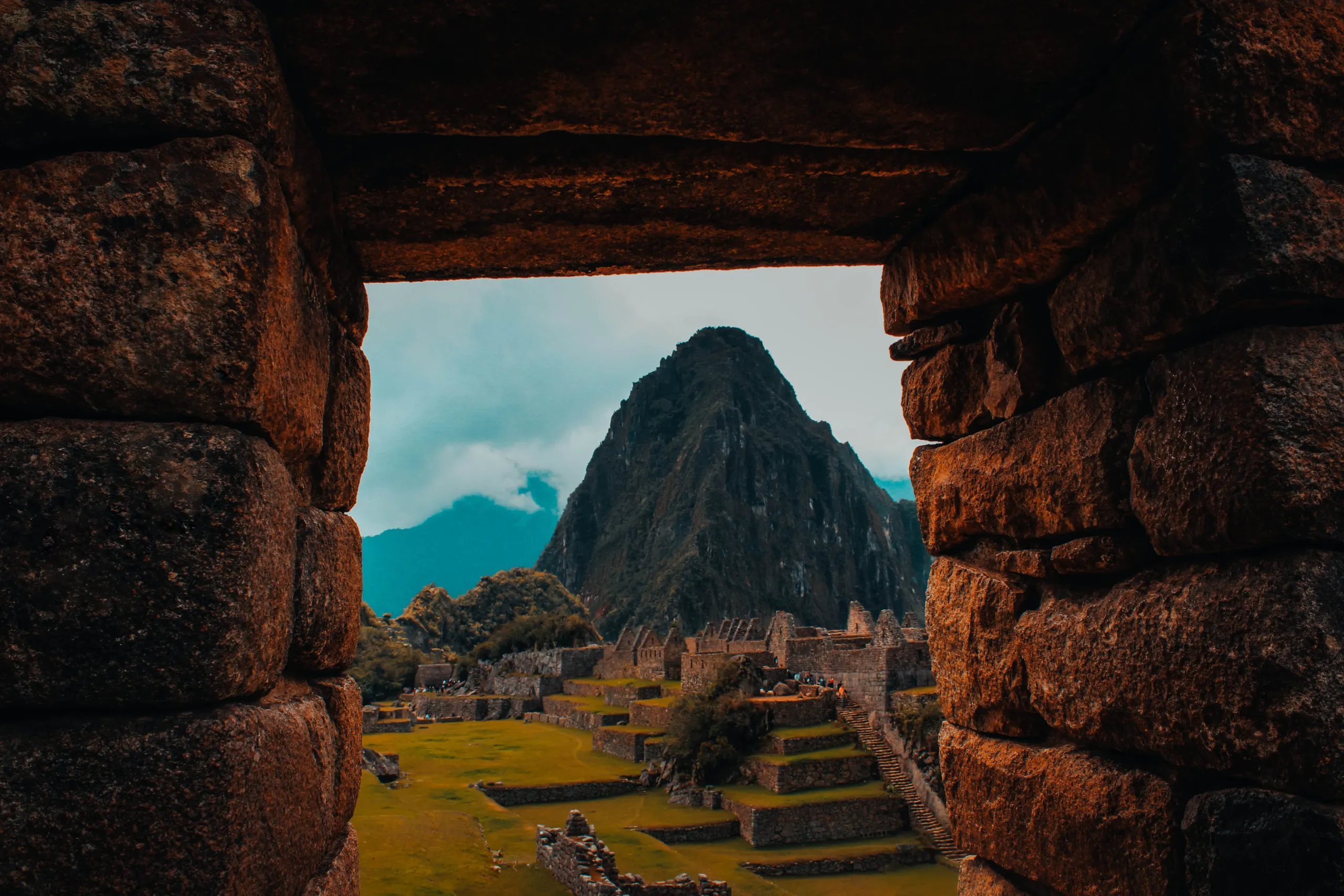
# Machupicchu gate
# Temple of the sun
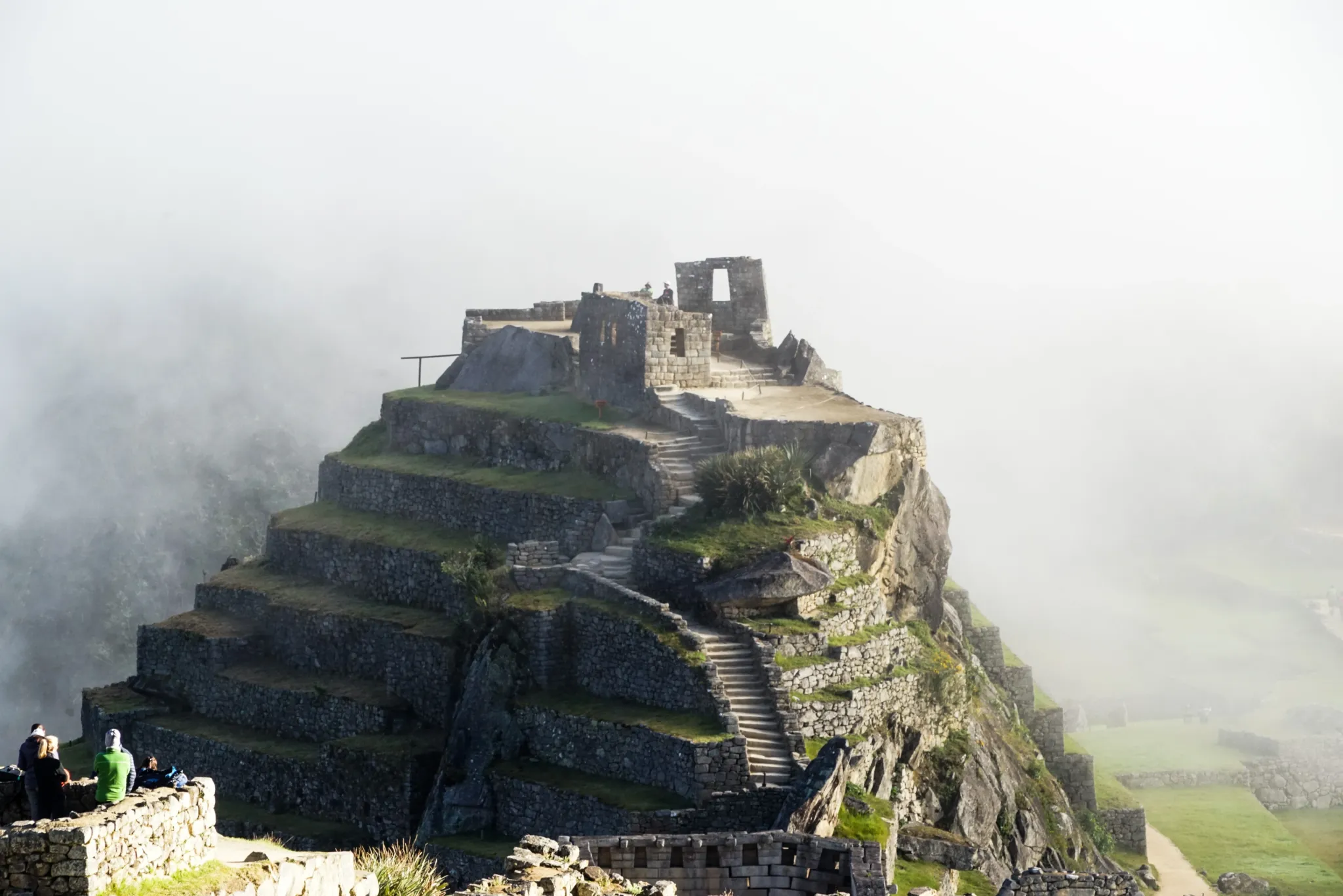
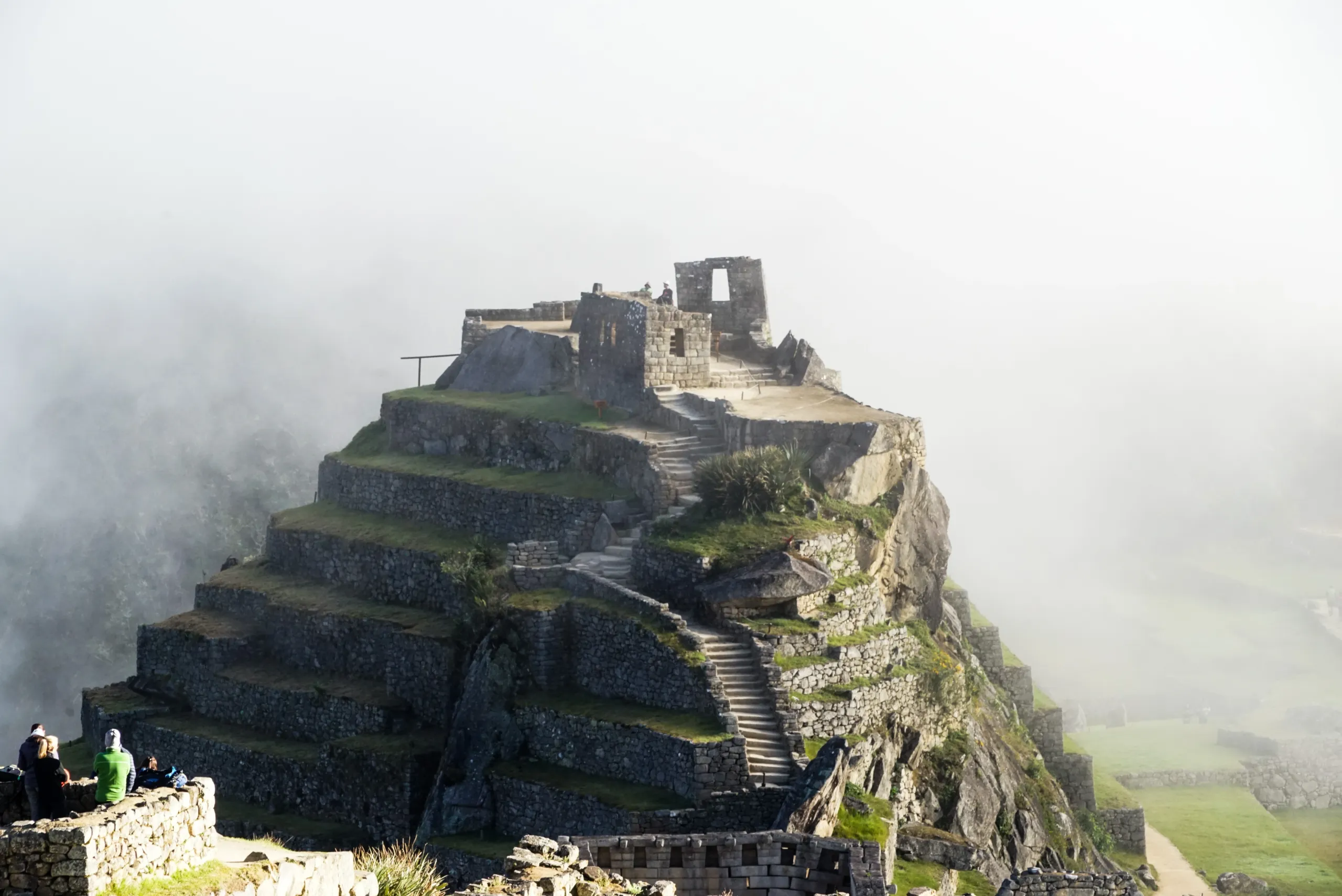
# Intihuatana
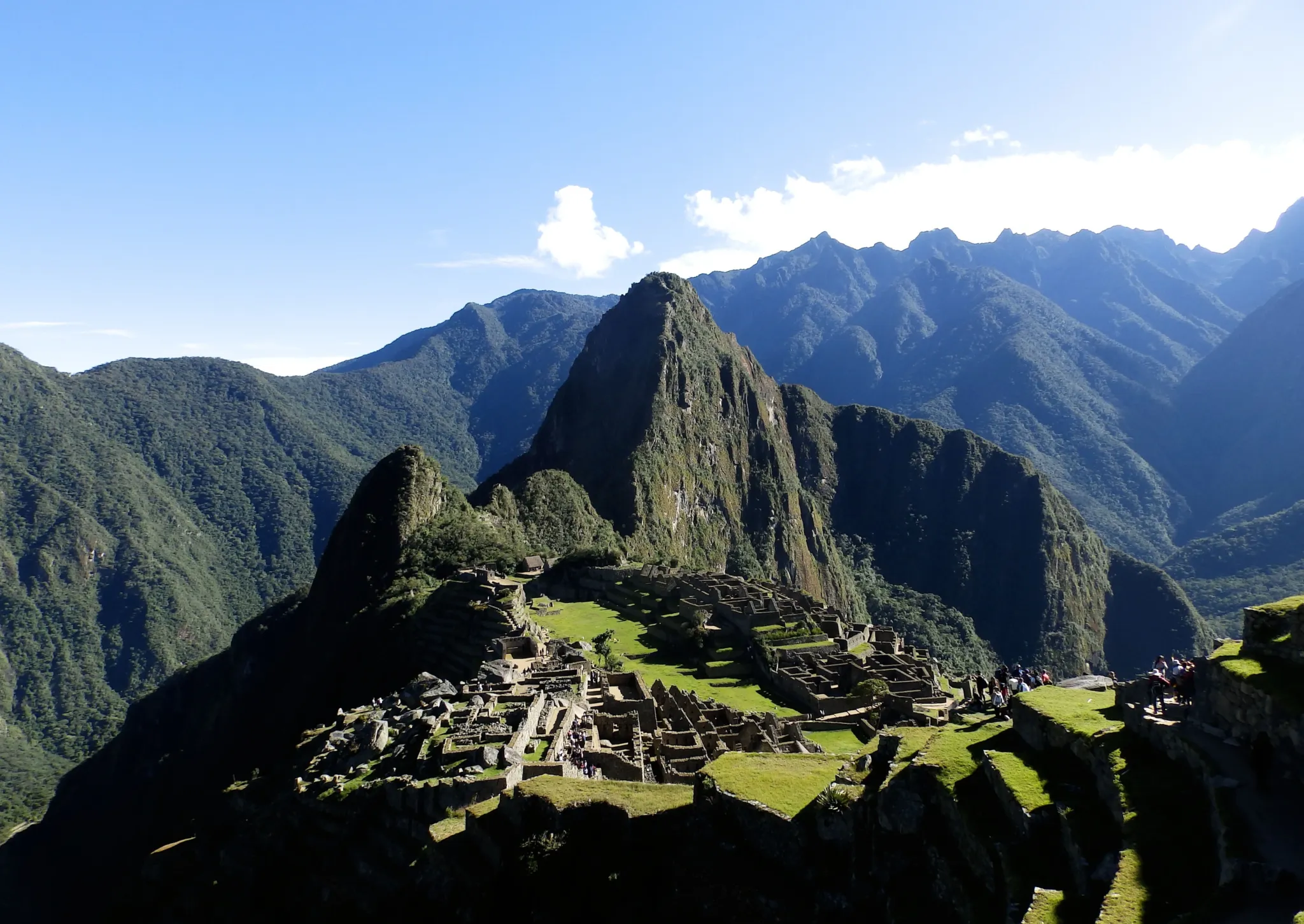
# Urban sector
# Condor temple
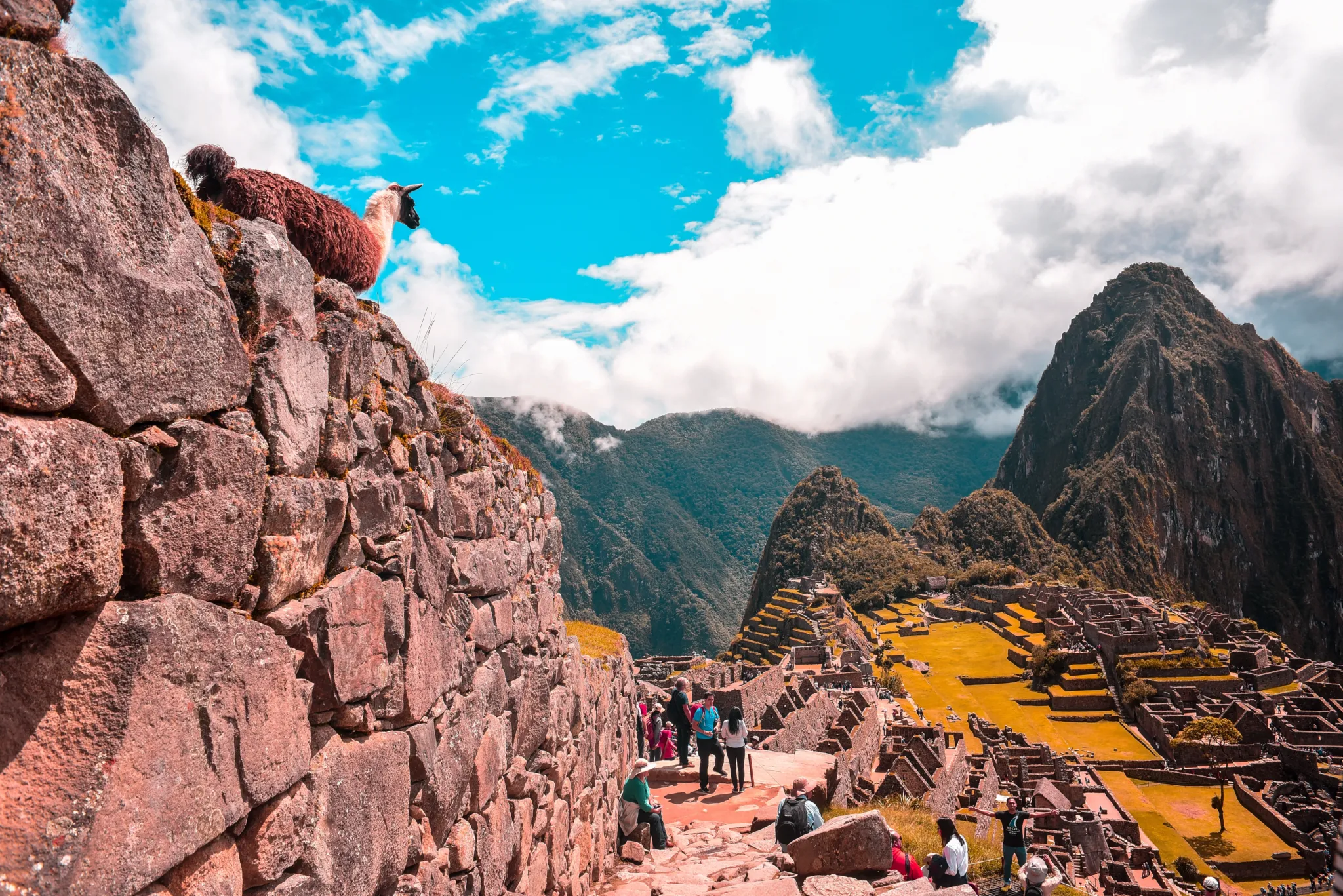
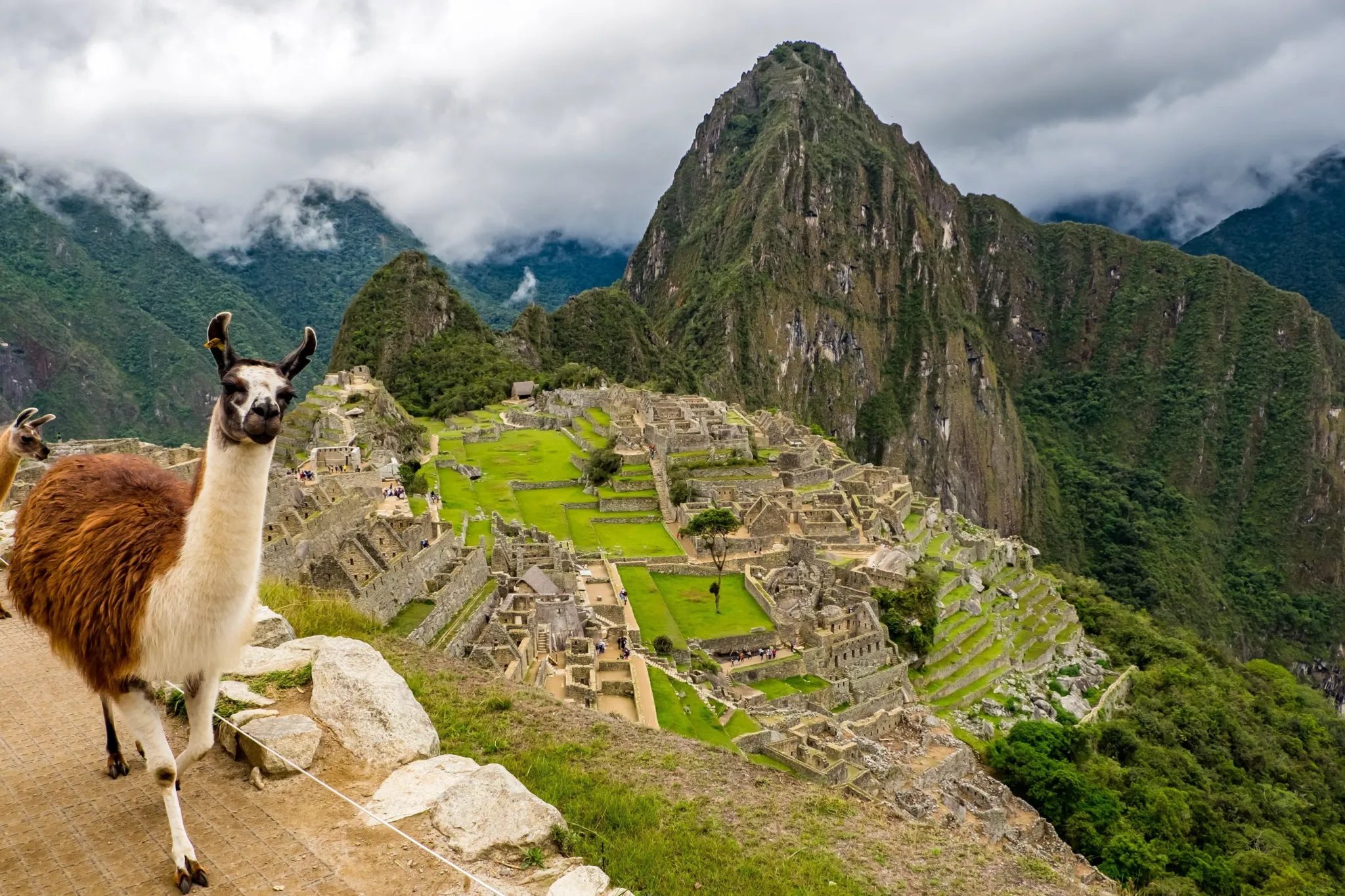
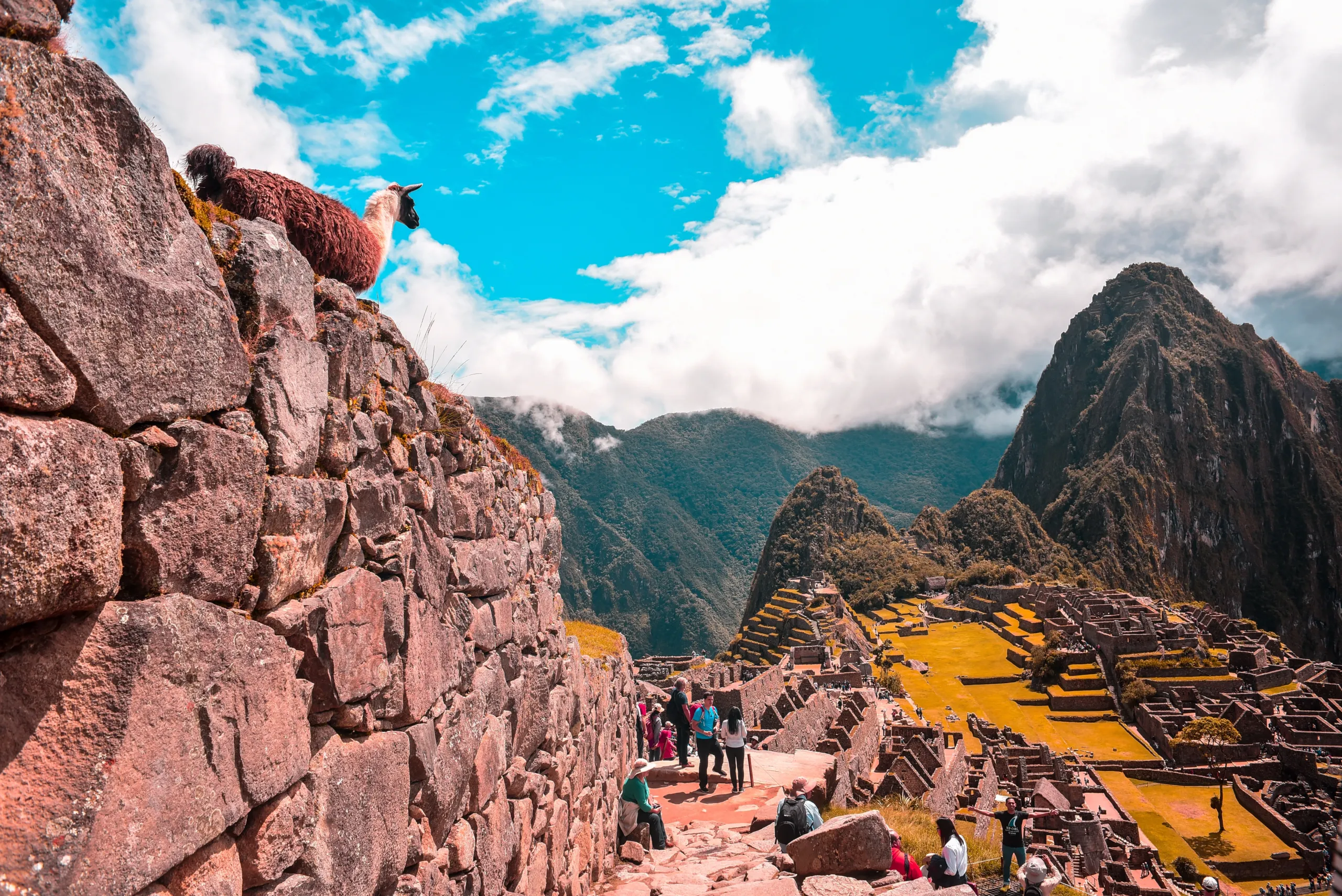
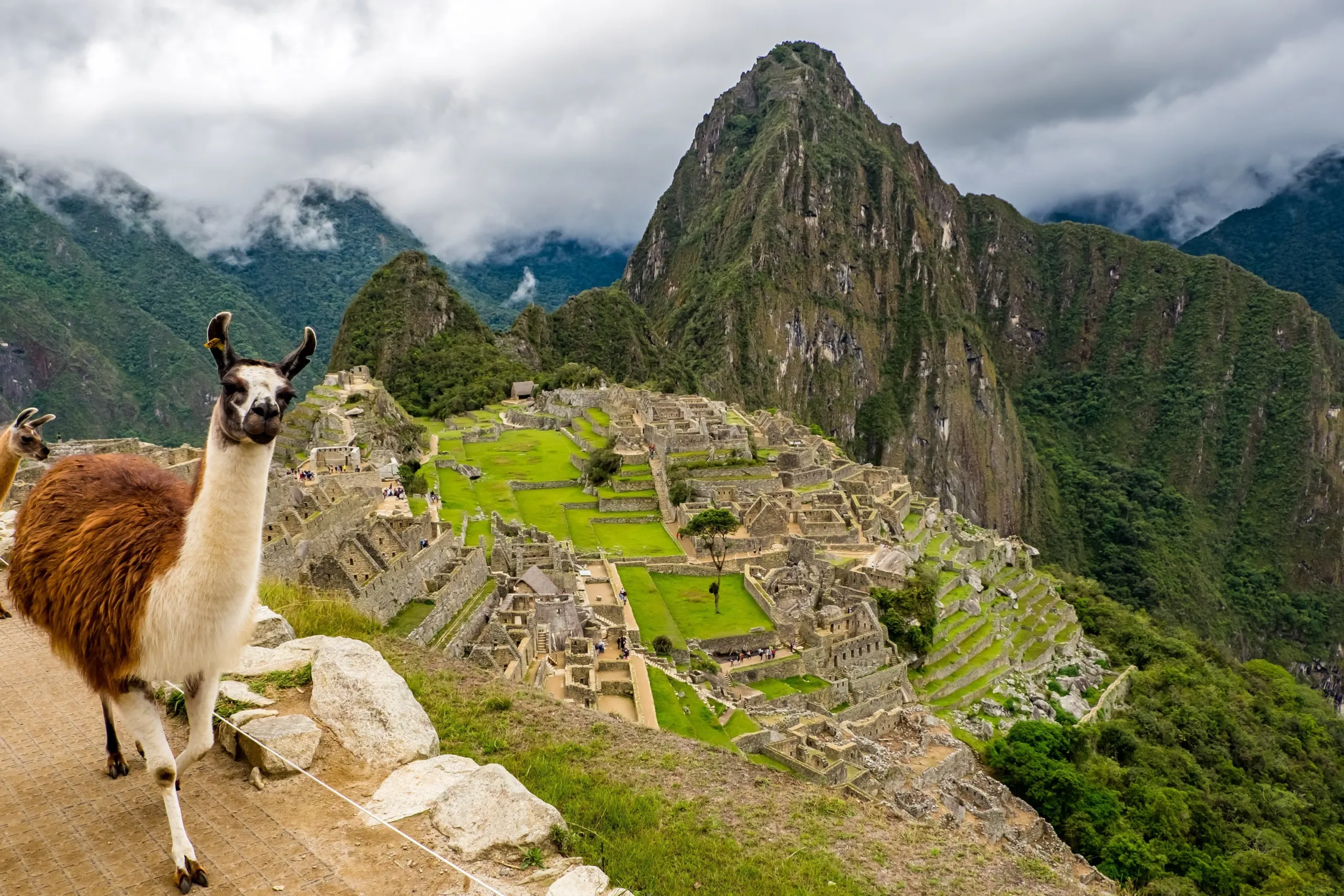
# Llama experience

Machu Picchu Train+
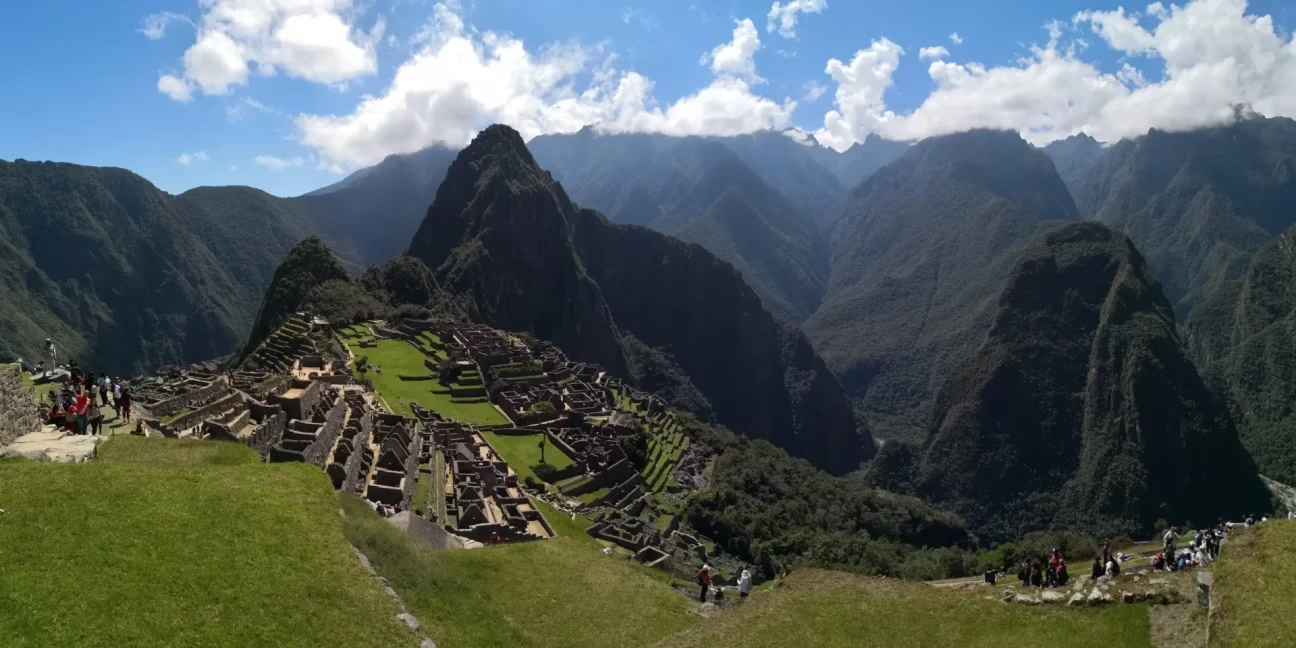
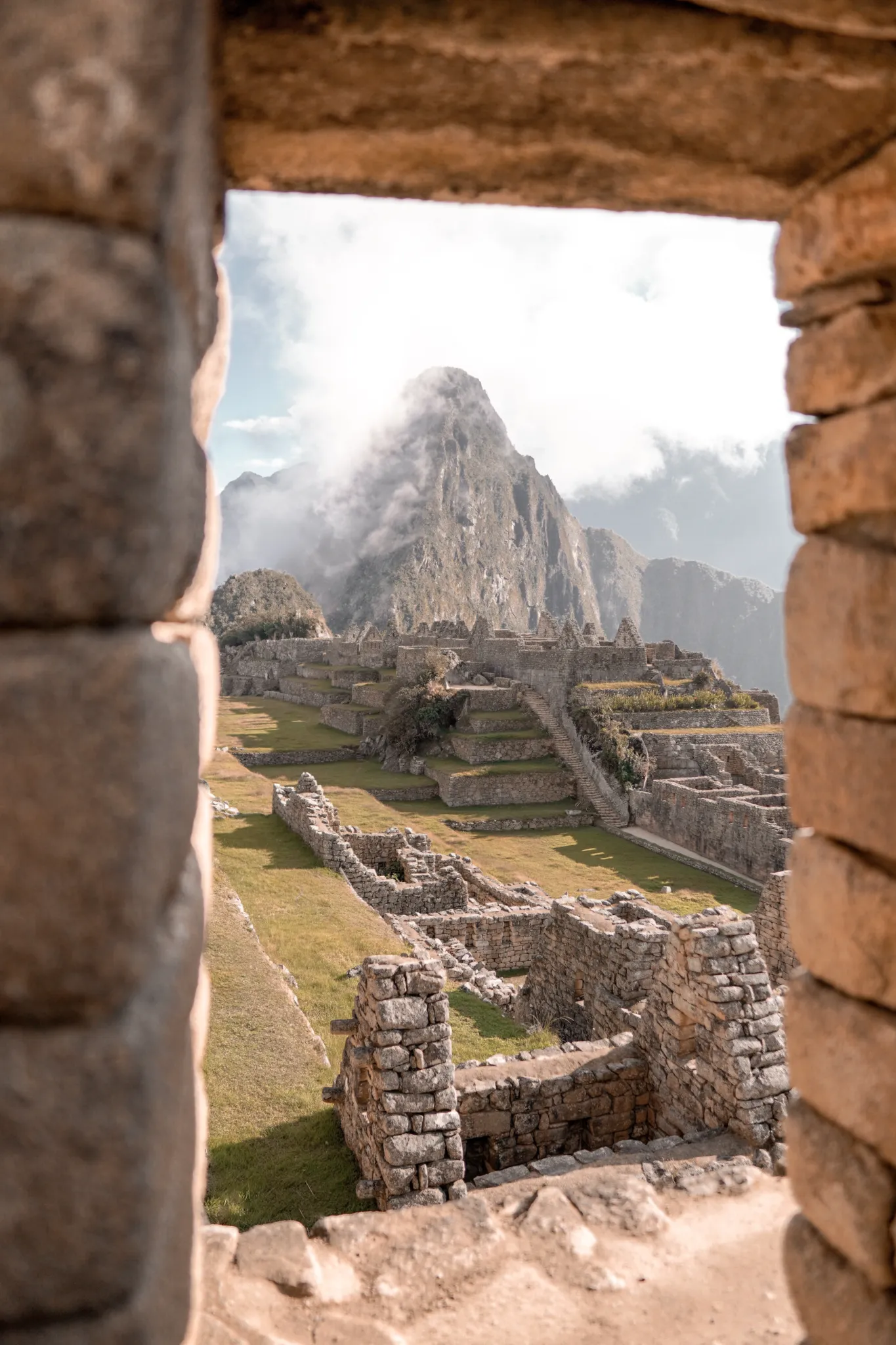
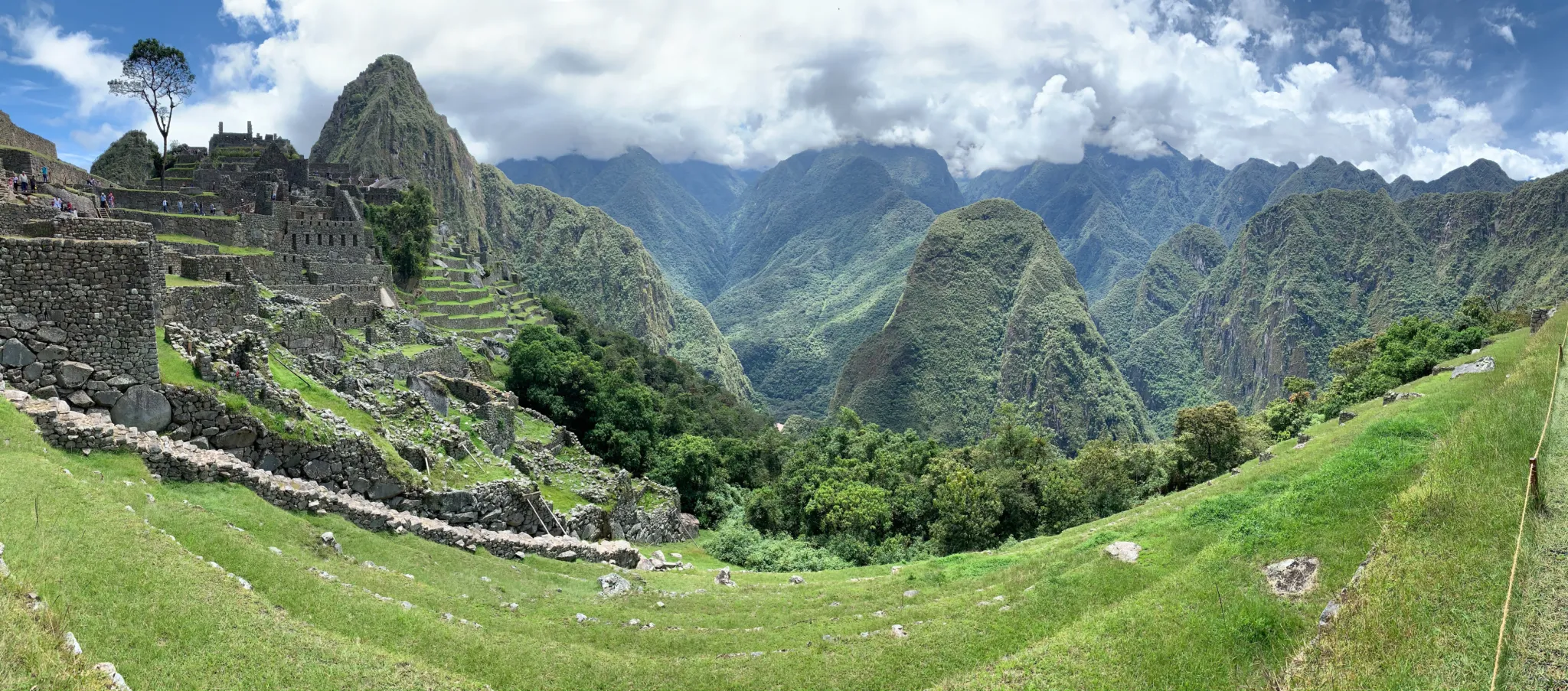
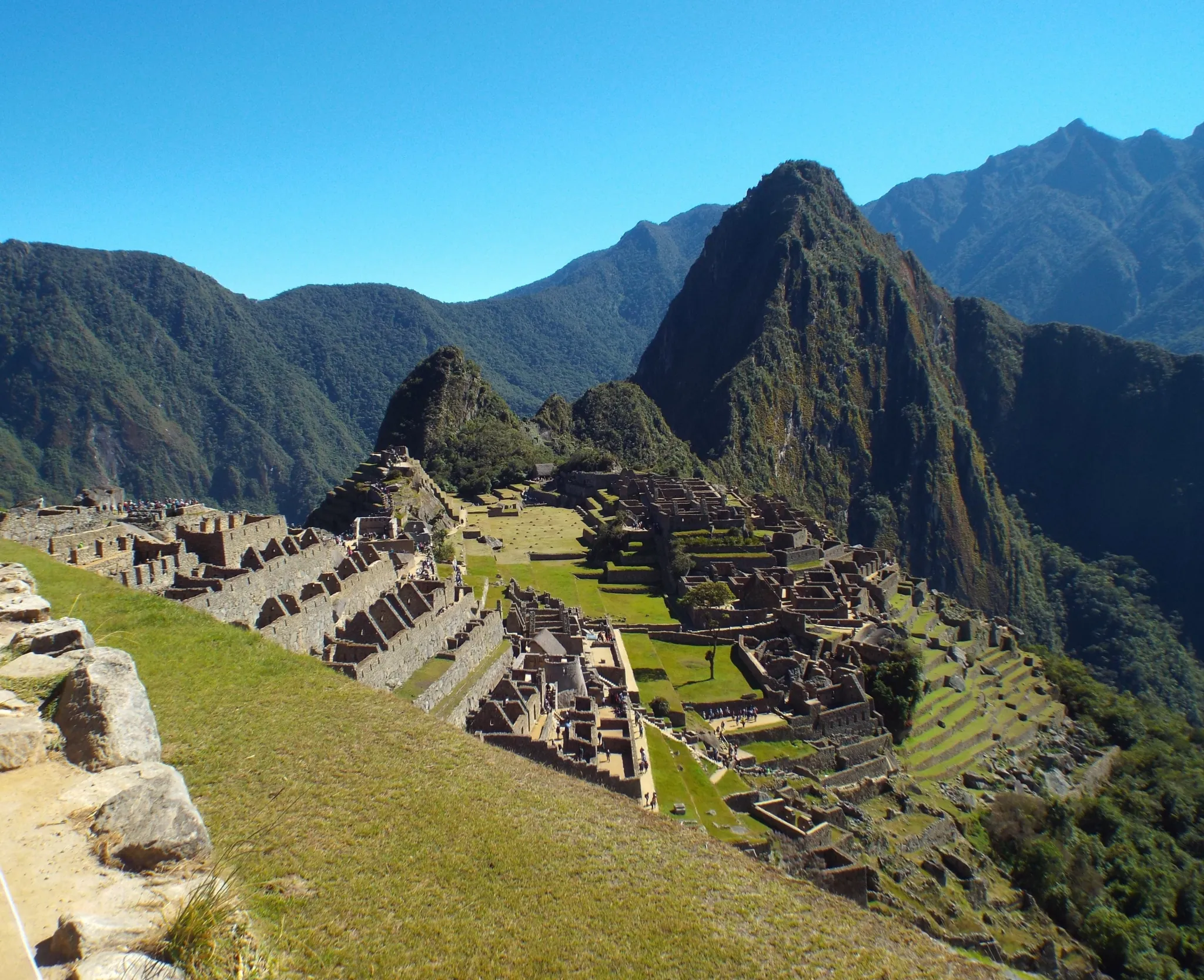
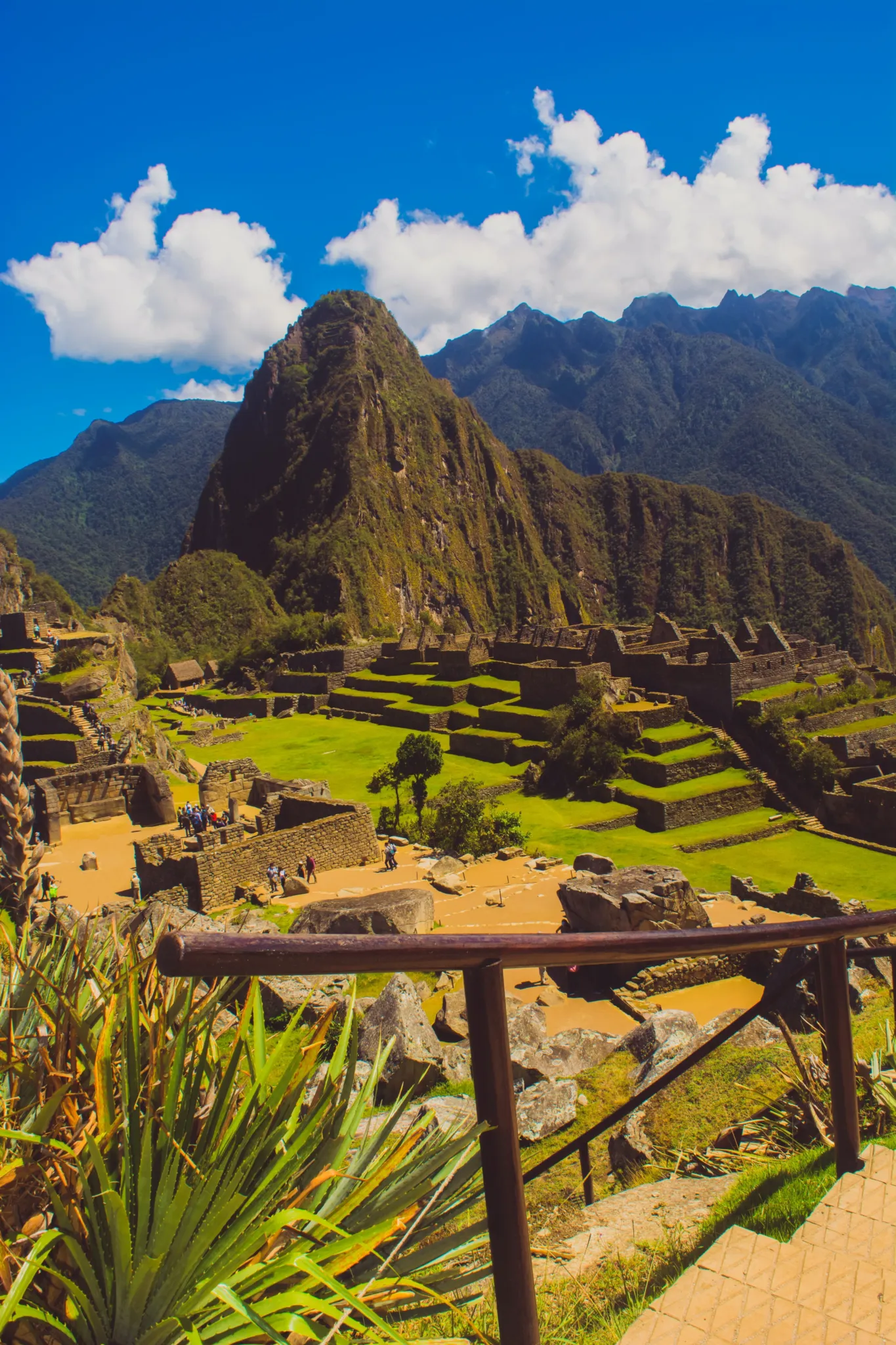
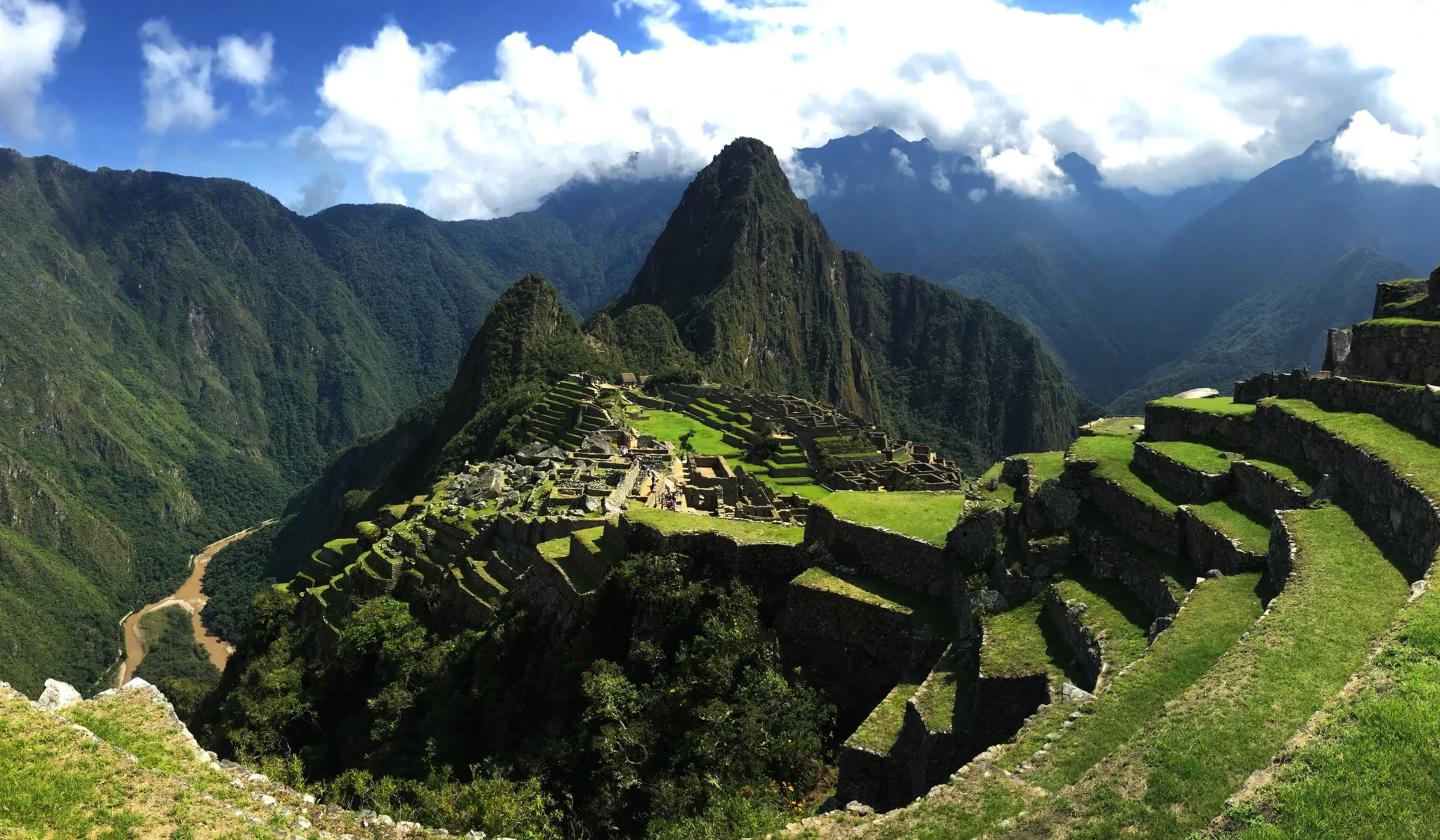
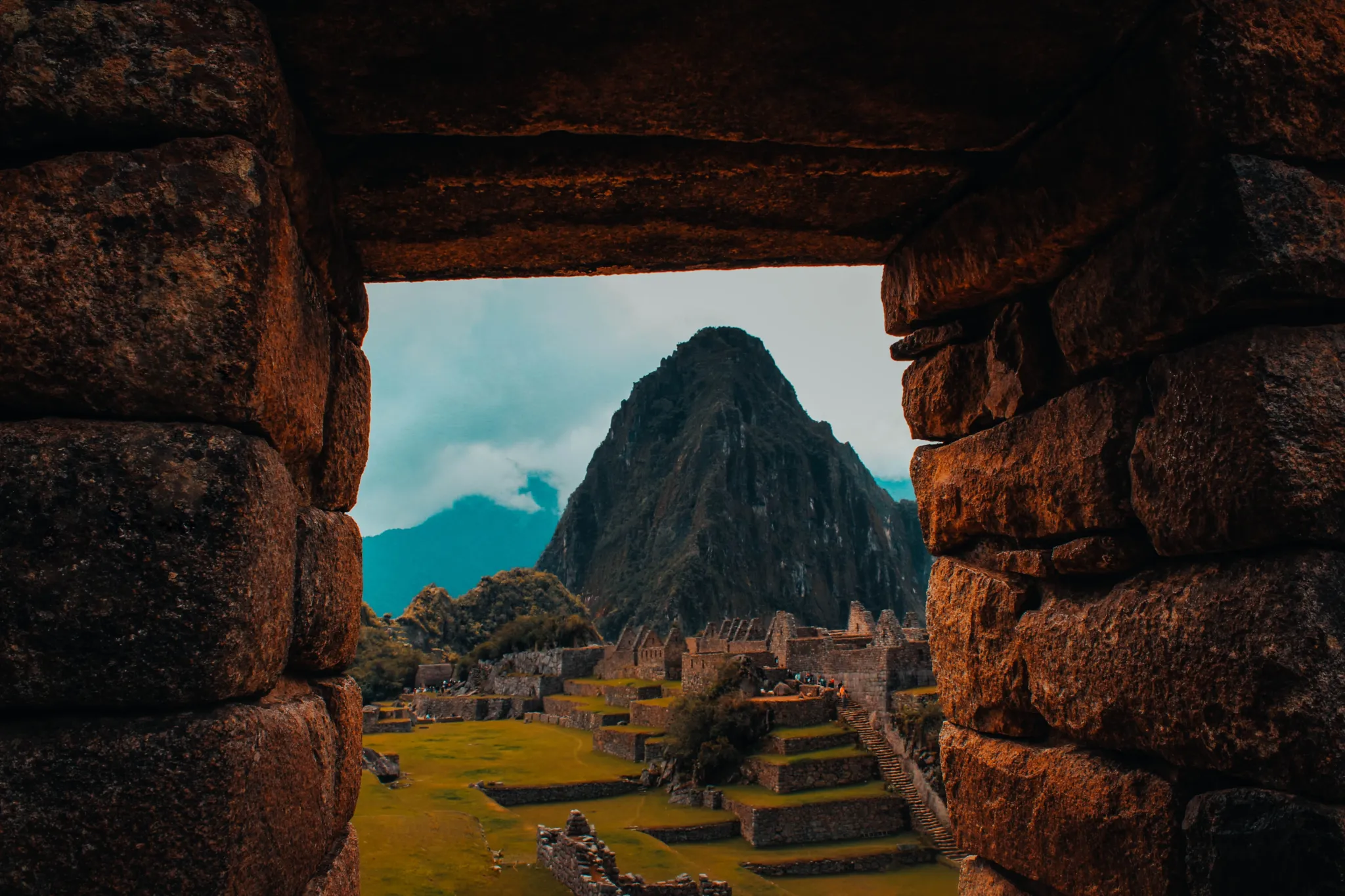
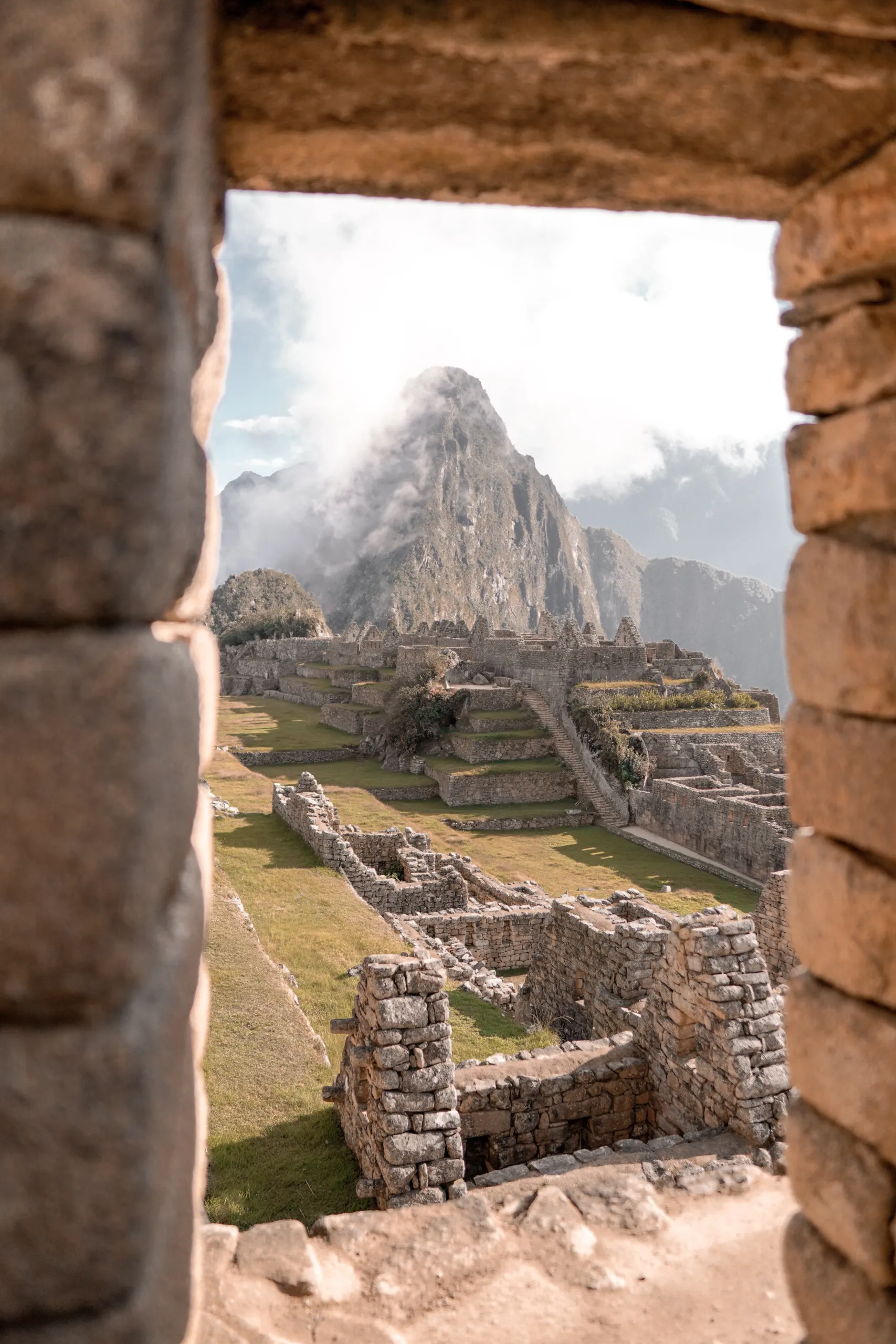
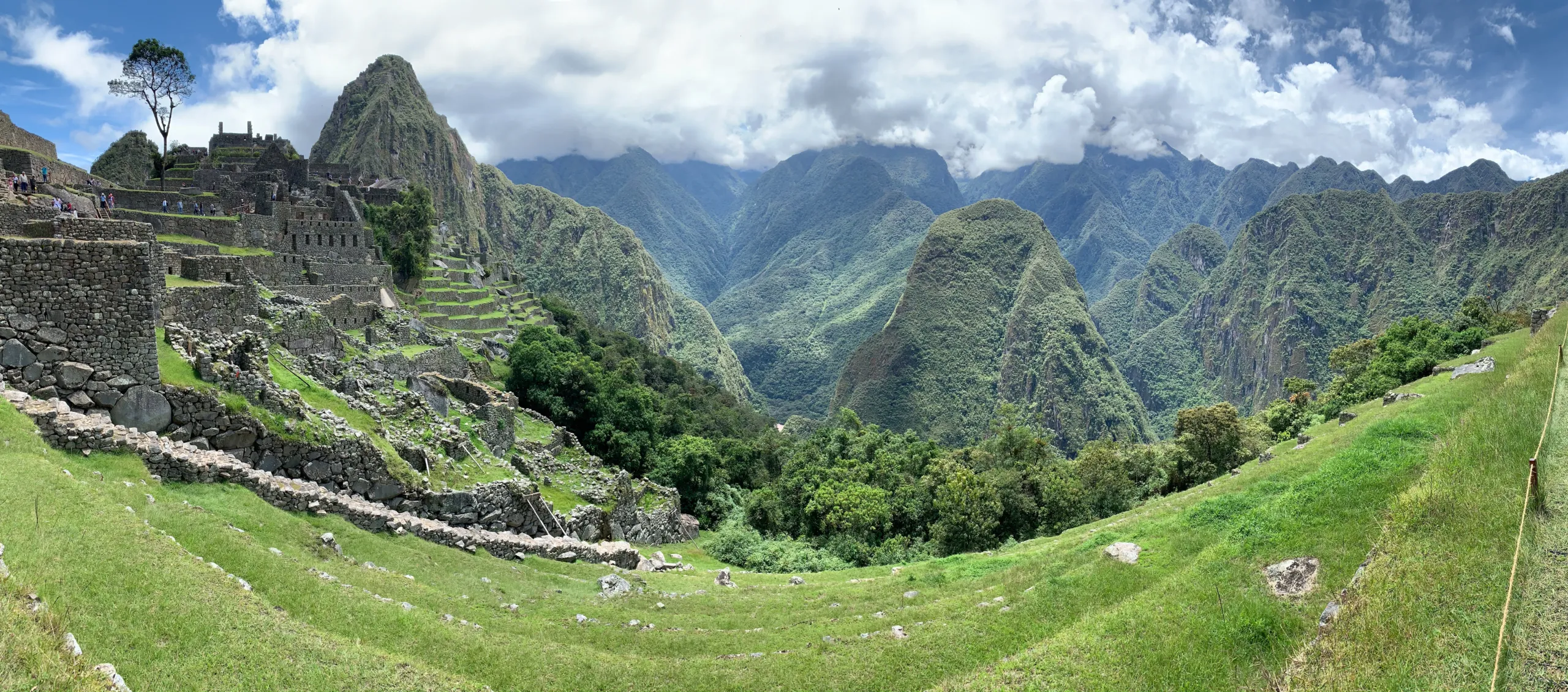
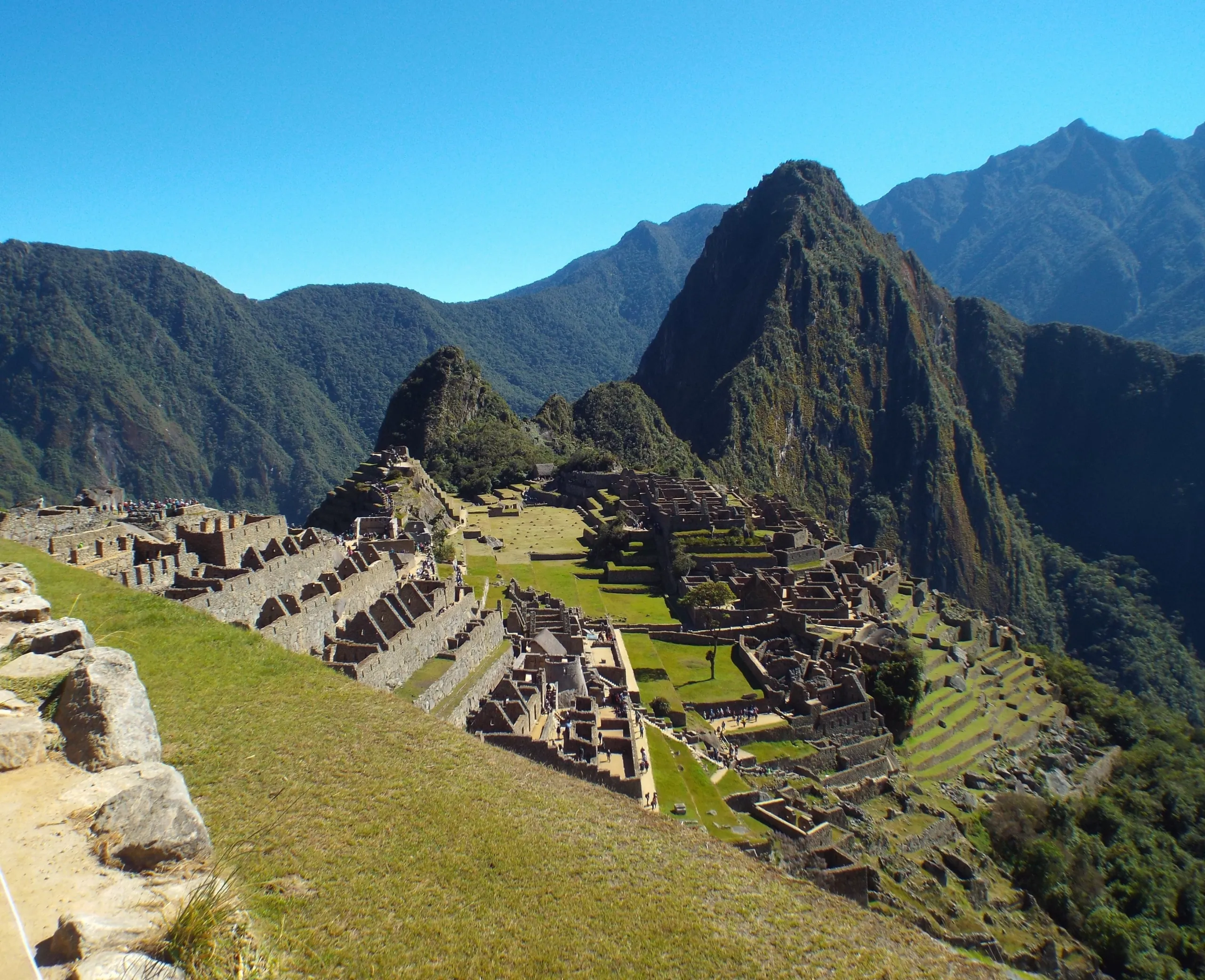
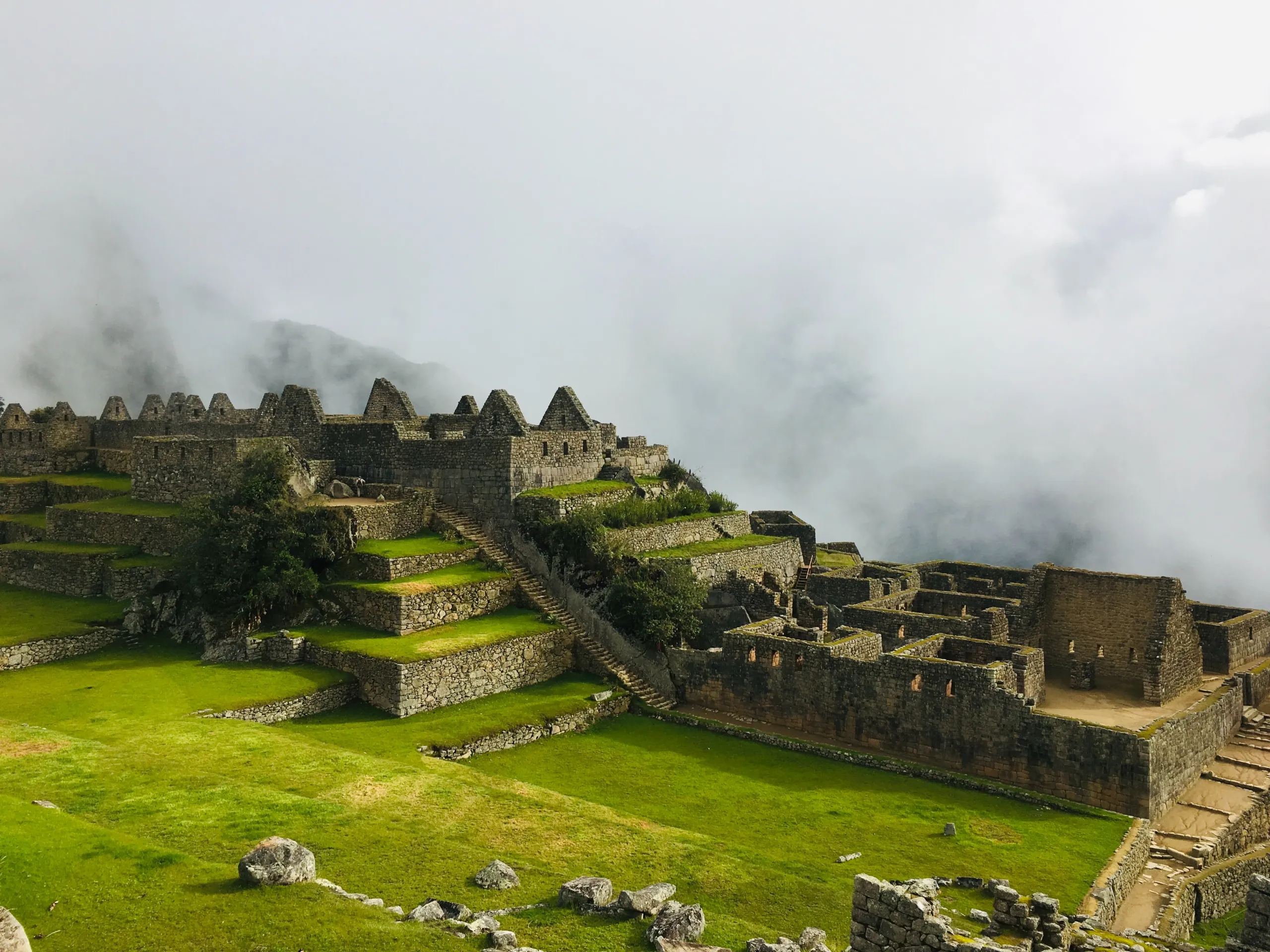
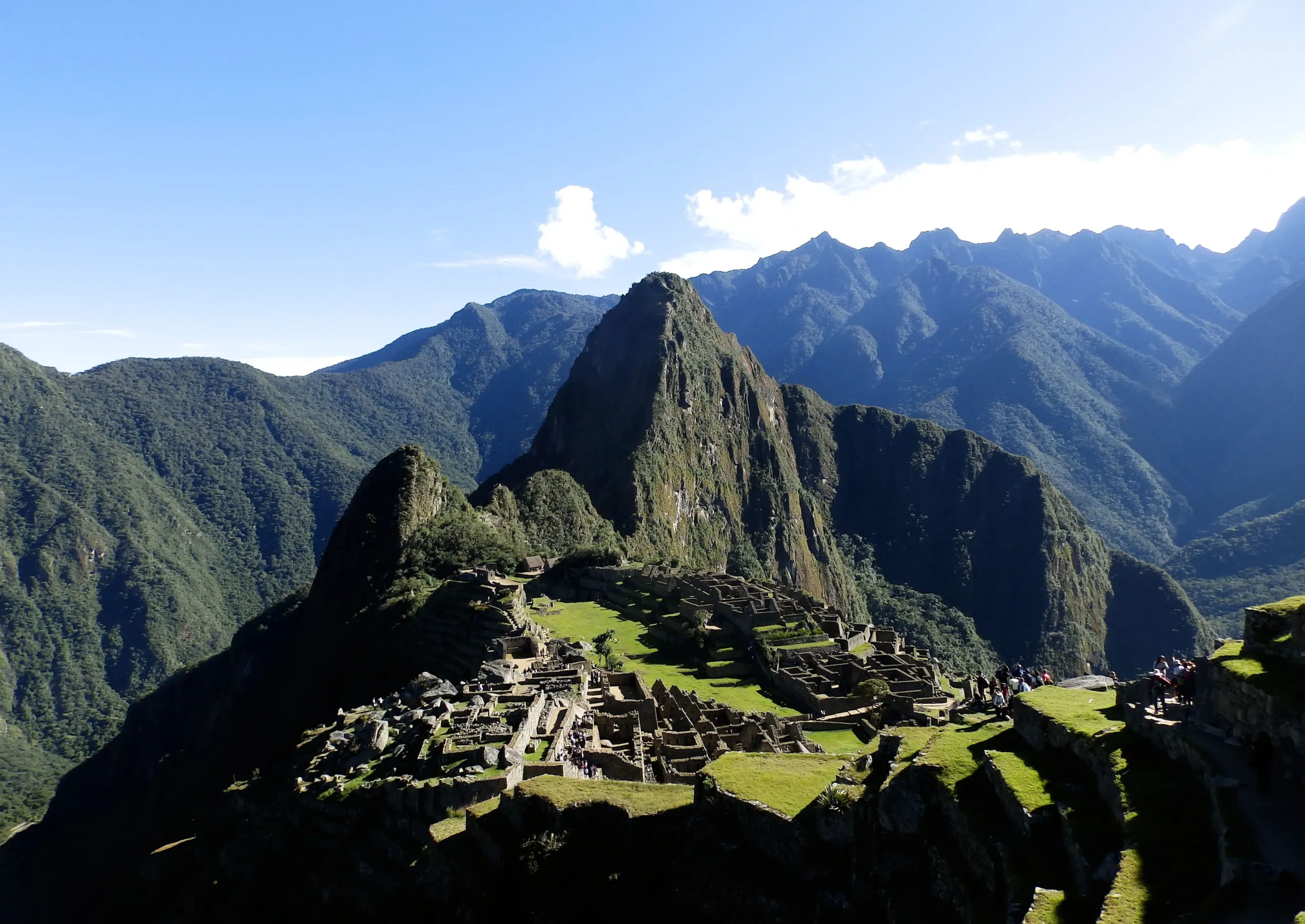
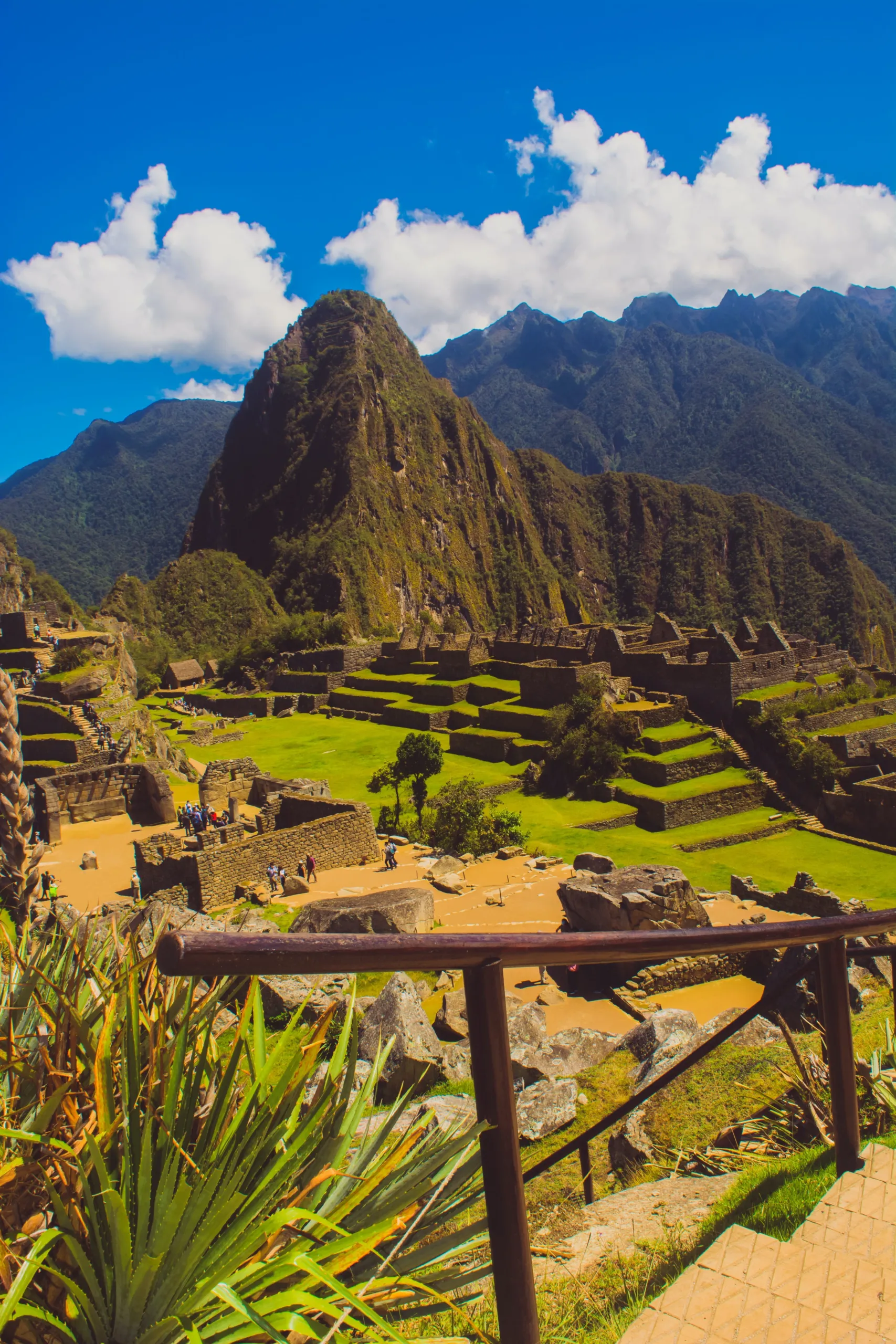
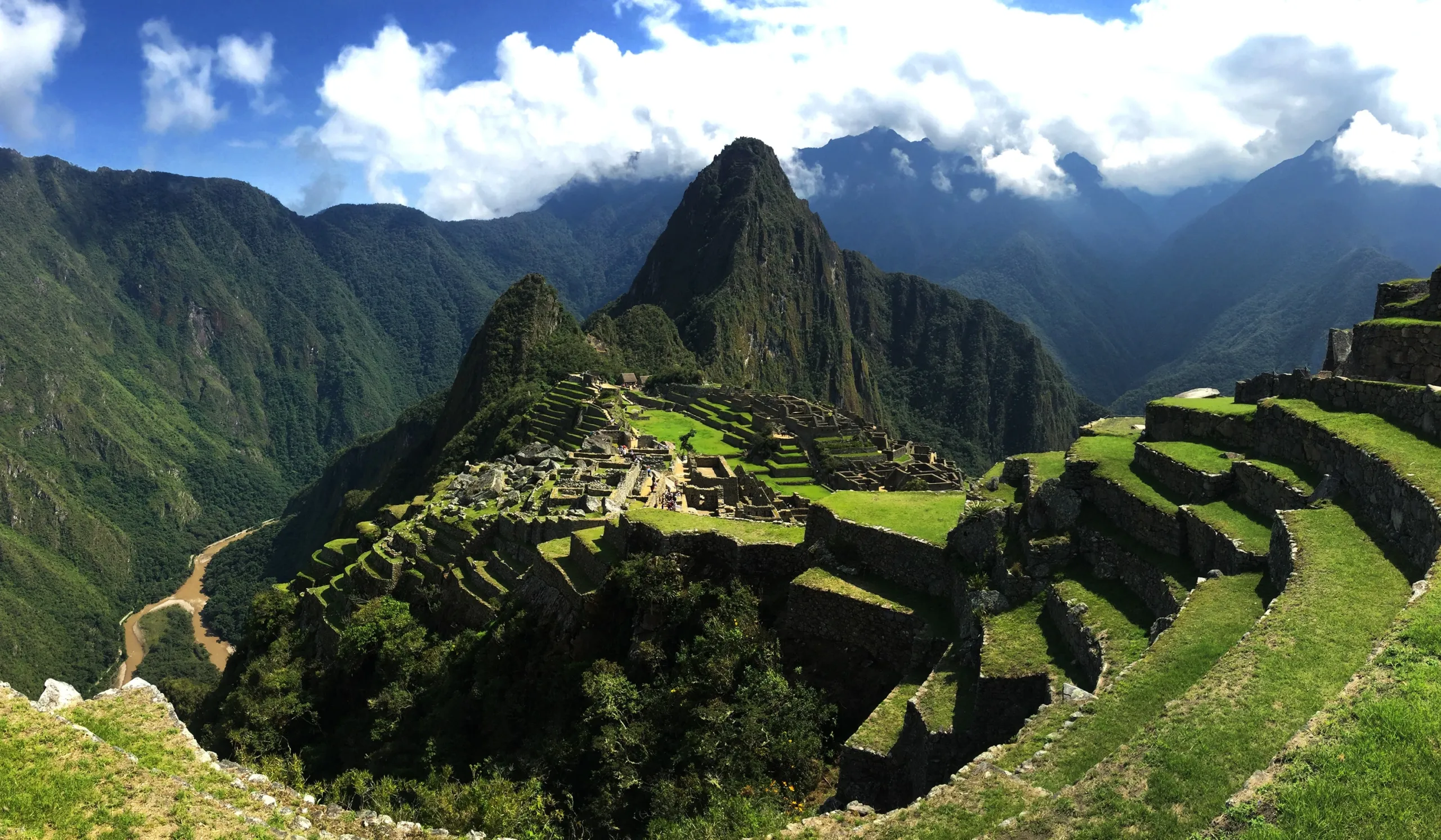
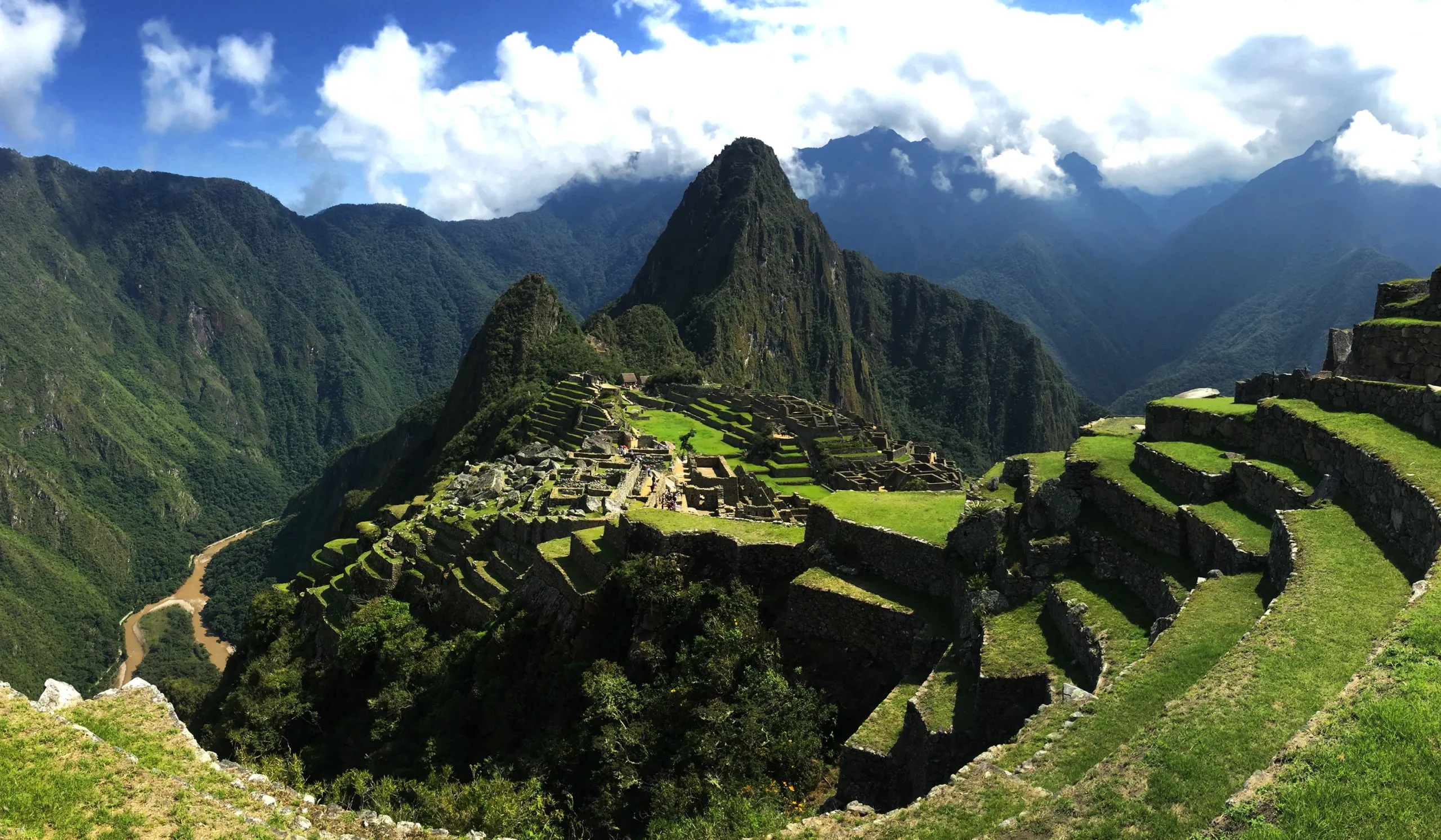
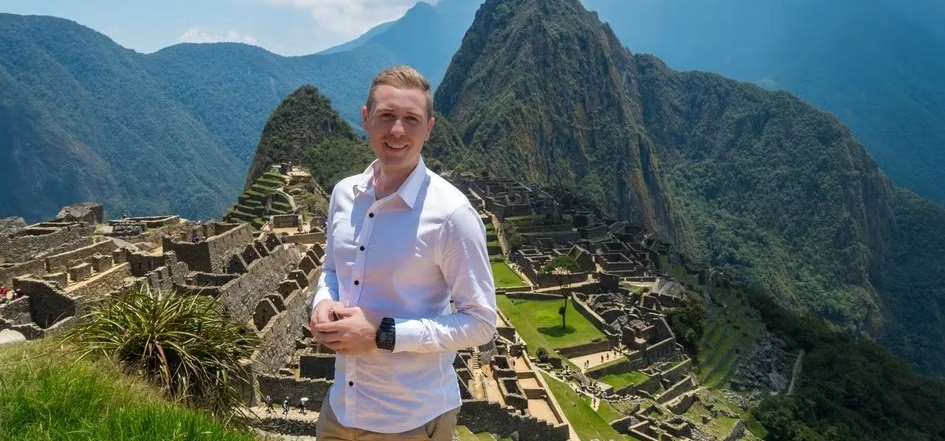
Machu Picchu, arrived at this way — with the Sacred Valley behind you and the cloud forest still clinging to the citadel’s terraces — is a different place from the one that buses deliver. The Inka method guide moves through the site decoding the Guardian’s House, the Temple of the Sun, the Intihuatana stone, the Condor Temple, and the urban sector’s astronomical alignments — not as a tour but as a private conversation with the intelligence that built it.
The return aboard the Hiram Bingham closes the day as it began — gourmet dinner, pisco sours, live music, and the Sacred Valley moving past the windows in the direction of Cusco as the citadel recedes and whatever it gave you begins to settle.





Reviews
There are no reviews yet.