Andahuaylillas Route

Price

From: $550.00

Duration

8 hours

Max People

10

Tour Type

Day trips

Attractions

3

Activities

4

Min Age

None


Overview


The South Valley Has Been Waiting for the Right Question

Most visitors to Cusco never cross to the south side of the valley. The classic circuit pulls north — Sacred Valley, Ollantaytambo, Machu Picchu — and the south remains largely to itself, receiving a fraction of the traffic that its sites deserve and offering, in that relative quiet, an encounter with Andean history that the crowded northern corridor cannot replicate.

The Andahuaylillas Route moves through five sites in a single day — each one a different layer of the same territory, each one adding something to the reading of the others. A geological lake that predates humanity. A Wari city larger than Machu Picchu that predates the Inka by five centuries. A hydraulic engineering system still functioning without maintenance after six hundred years. A colonial church whose gold interior encodes the full story of what happened when two civilizations collided. A bakery whose starter culture has been alive for two hundred years.


5 best attractions

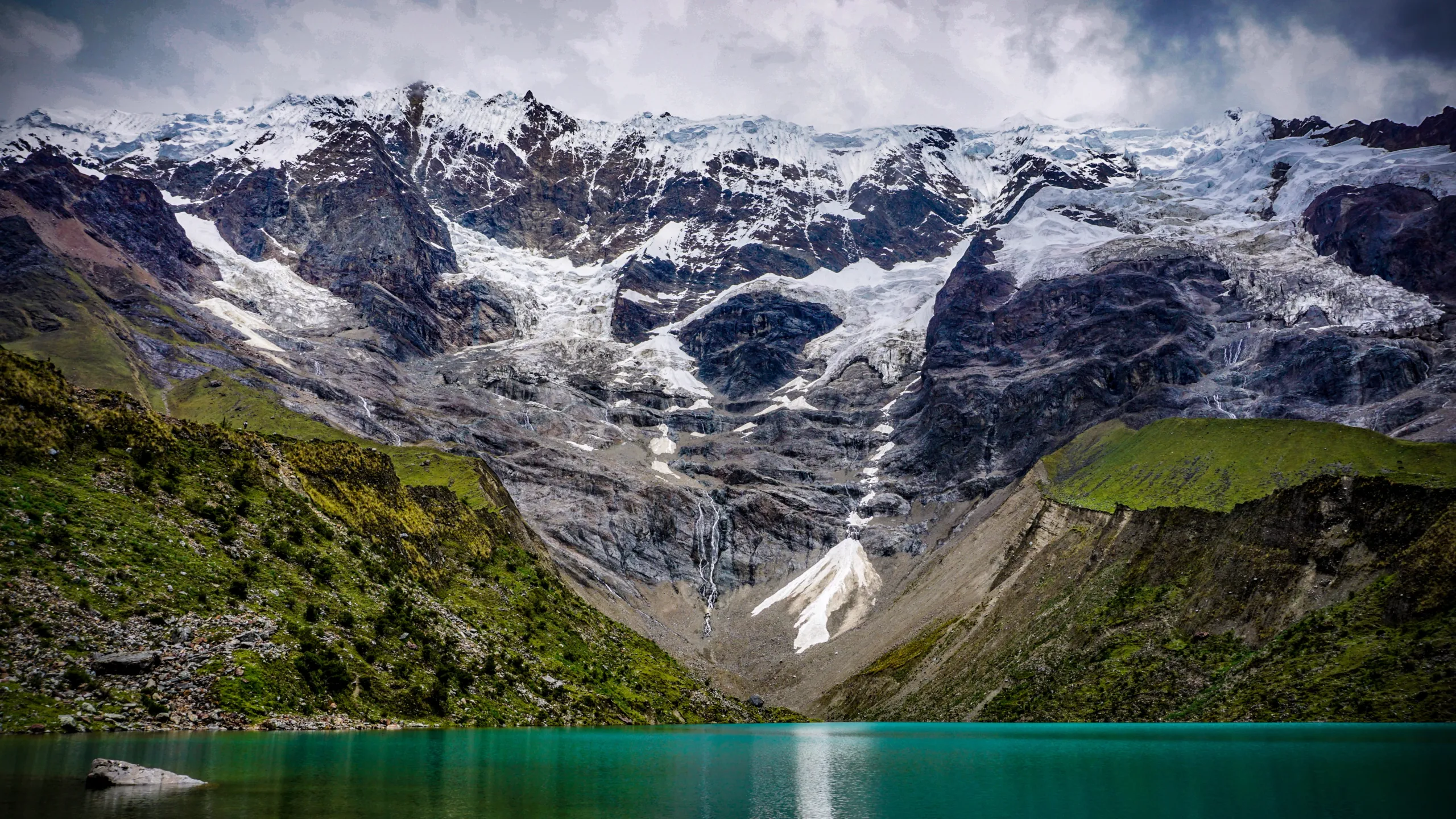
# Huacarpay lake

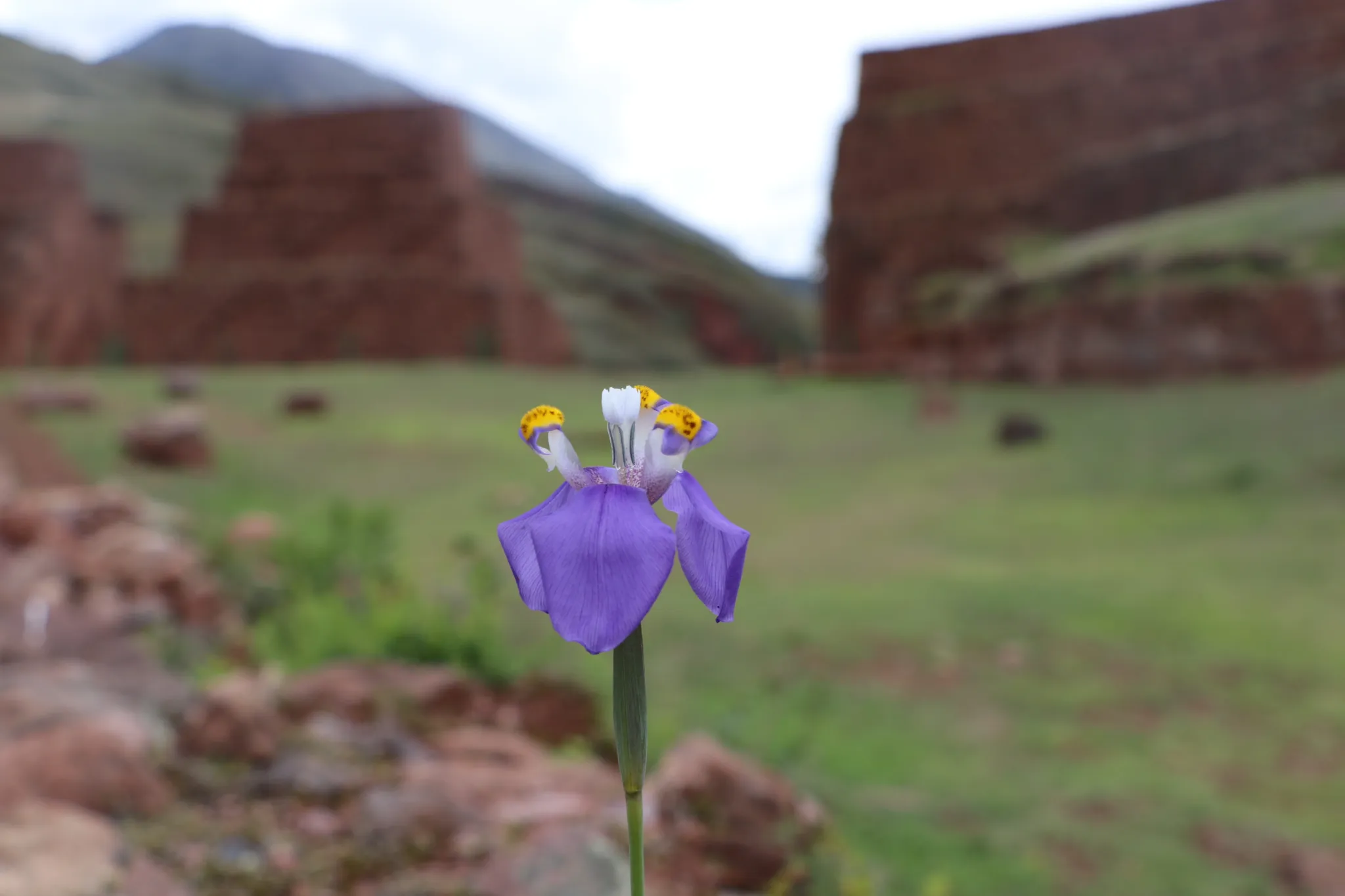
# Pikillacta

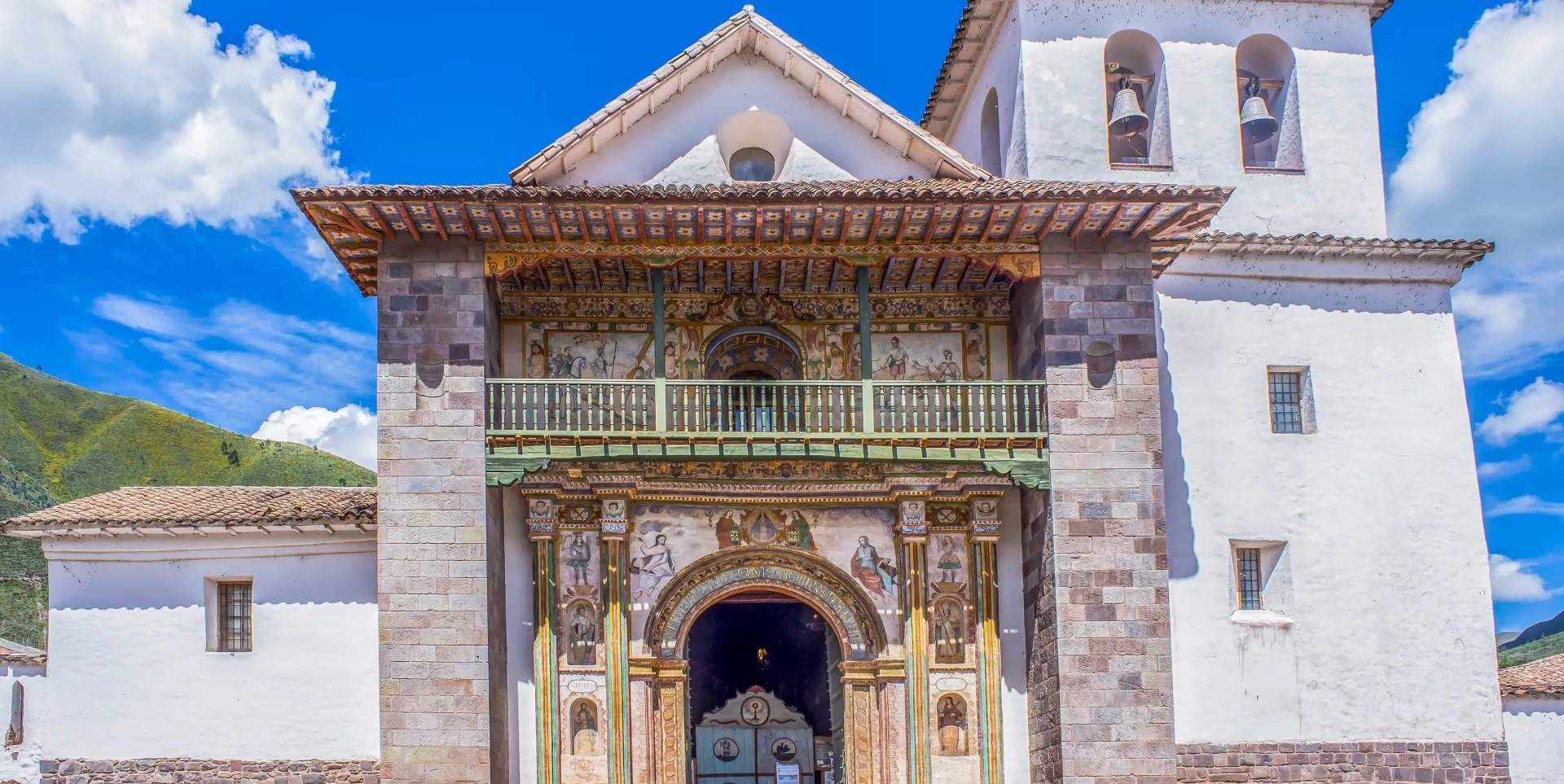
# Andahuaylillas

# Oropesa

# Tipon

Andahuaylillas Route

None of these sites are on the standard tourist circuit. All of them are extraordinary. The Inka method framework applied throughout by your guide transforms what could be a pleasant day of sightseeing into something considerably more useful — a direct encounter with the knowledge that history could not erase, read in the landscape that has been holding it.


For a truly transformative travel experience, our Service turns expectations into extraordinary memories to relearn about life with the Inka method.

Details:

  • Distance: 76 km driving
  • Duration: all day
  • Maximum altitude: 3399 m Cusco
  • Minimum elevation: 3020 m Huacarpay during the tour
  • Accessibility: Transportation
  • Difficulty level: Easy


Huacarpay Lake — Where the Earth Remembers

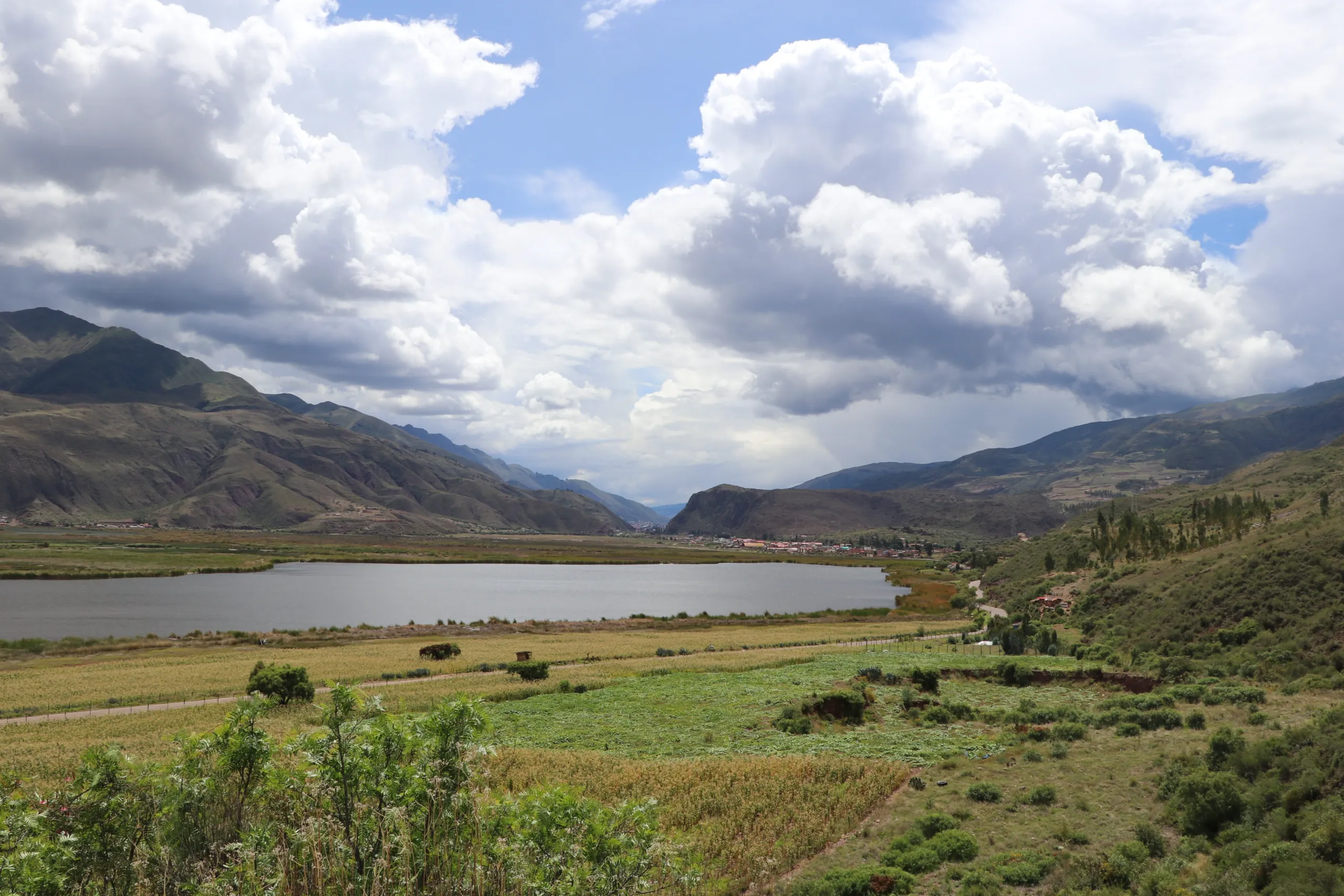
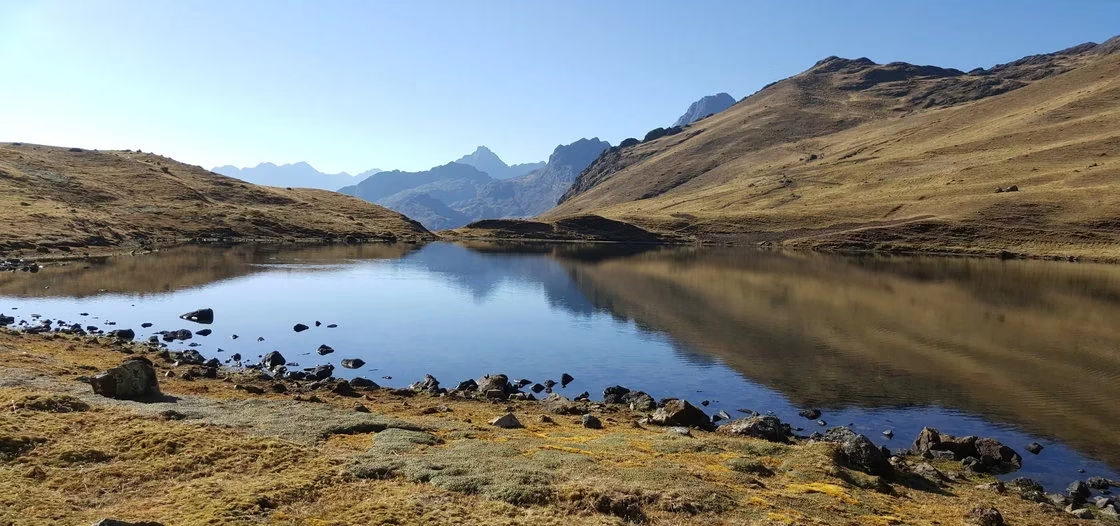
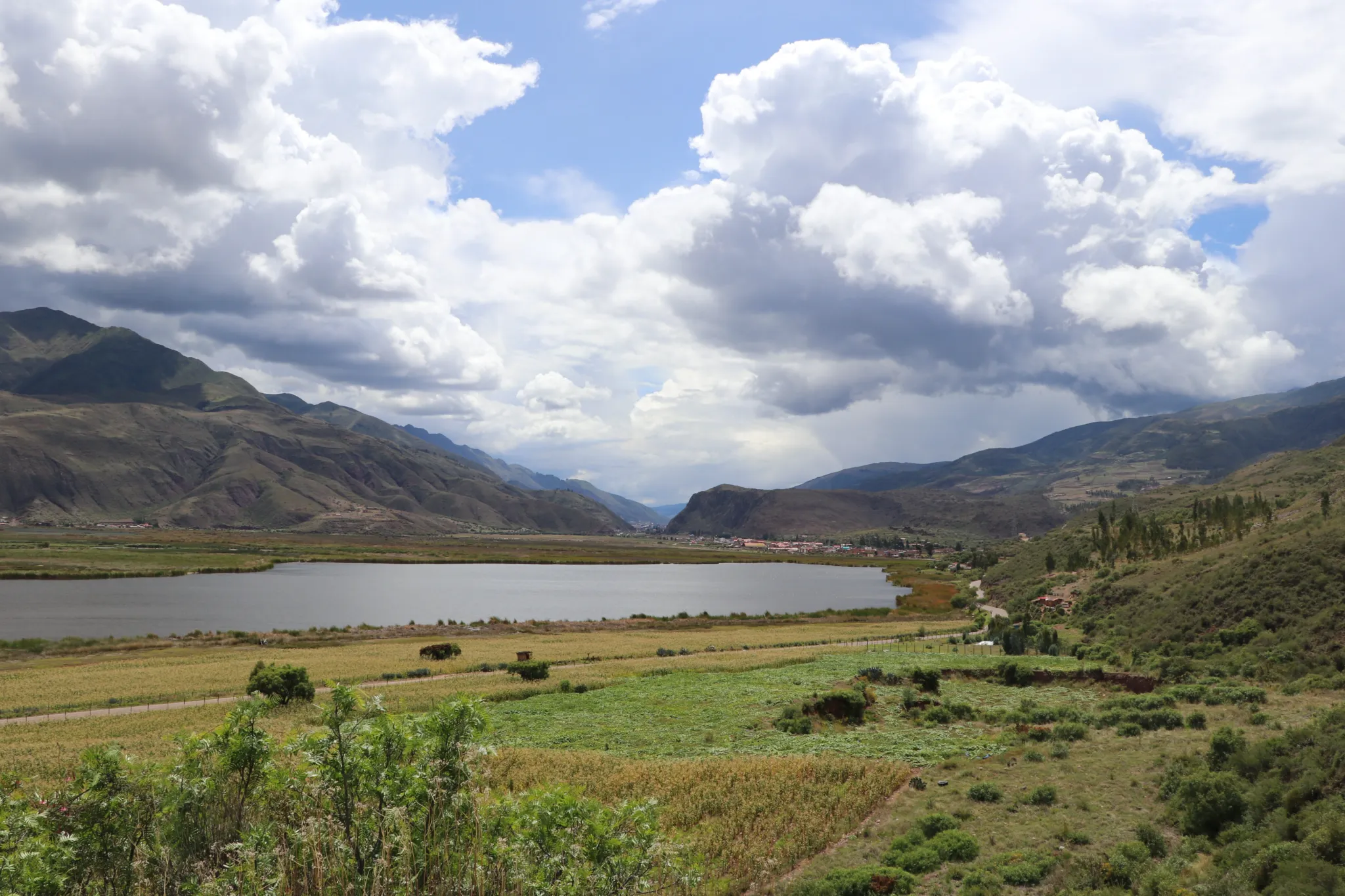
The day begins at a lagoon that has no equivalent on the northern circuit — a primordial body of water at 3,020 m / 9,908 ft whose geological history extends sixty million years before the first human footstep arrived in the Andes. The forces that shaped this landscape — the tectonic collisions, the volcanic activity, the glacial cycles — are readable in the rock formations around the water in a way that the Inka understood as a living document of the earth’s intelligence. Your guide opens the day here deliberately: a landscape that places human history in its proper proportion before the human history begins.


Pikillacta — The City That Predated the Empire

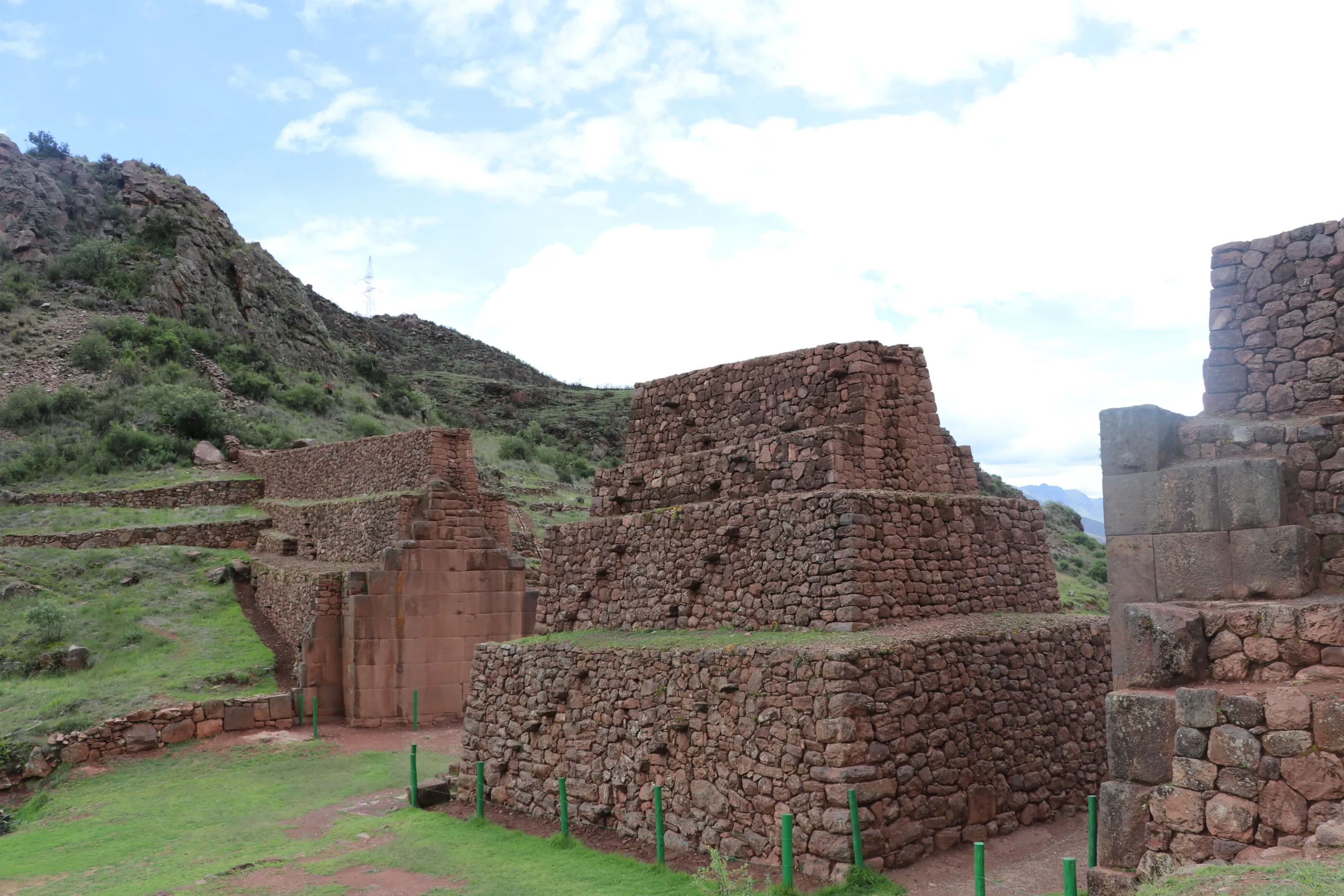
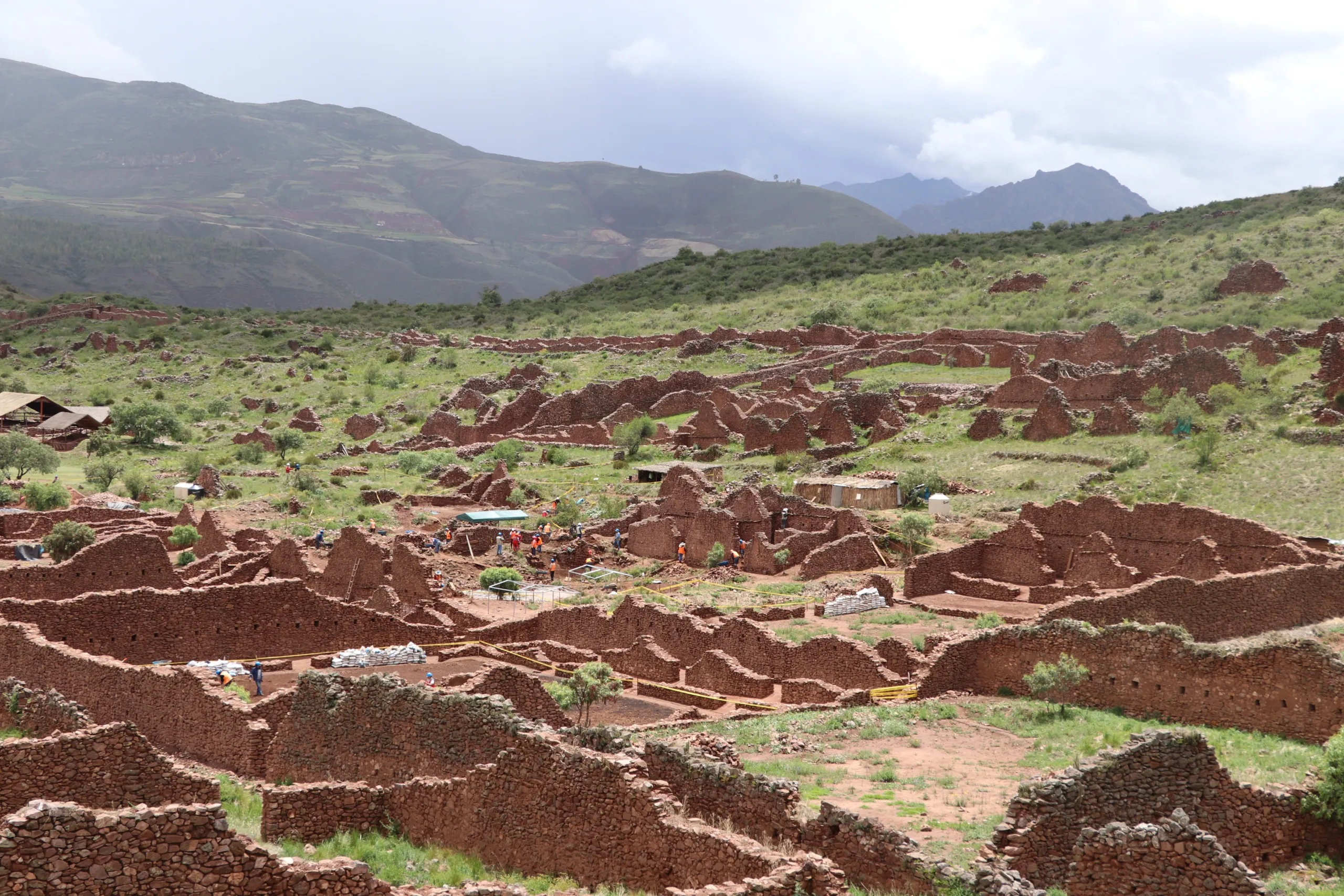
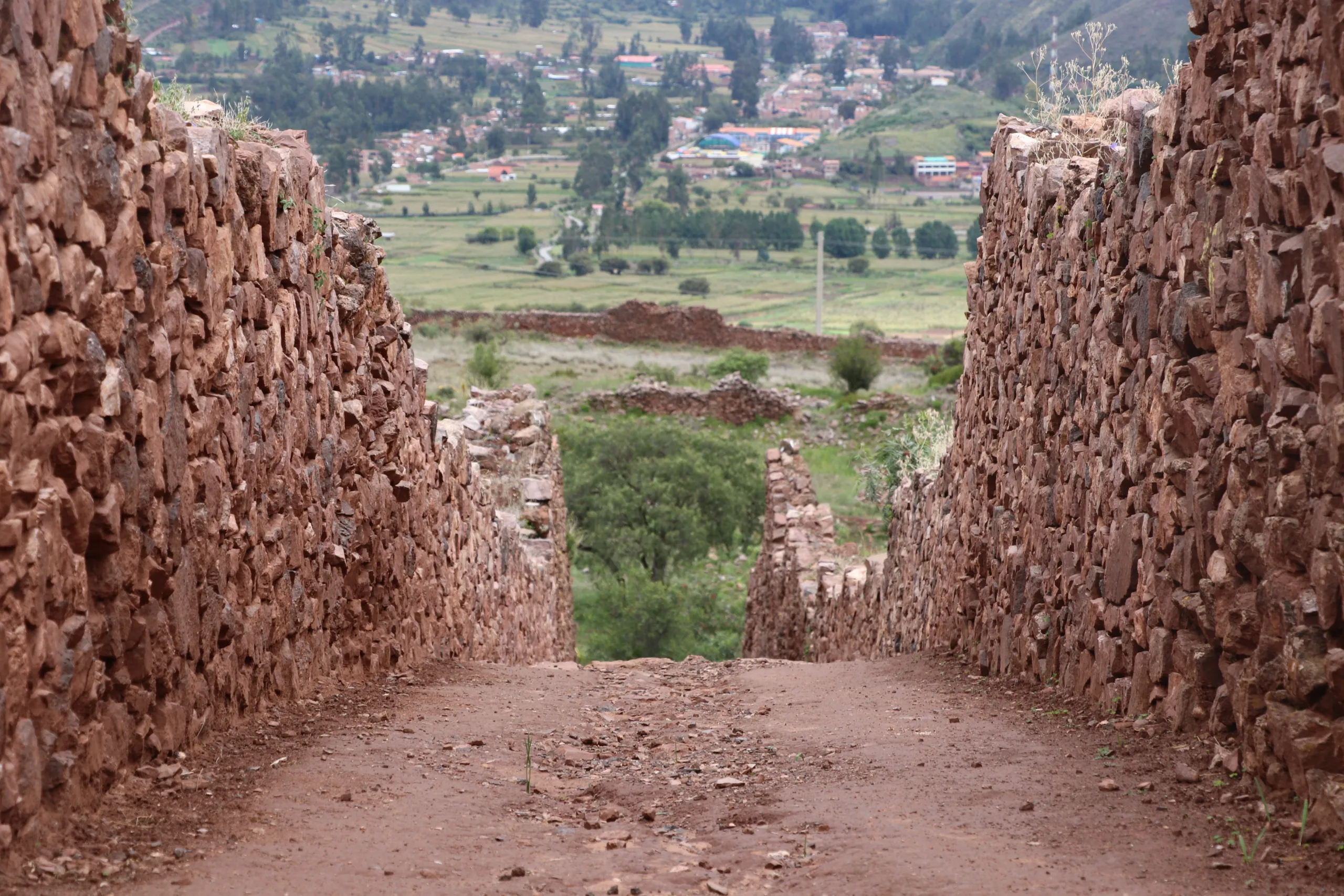
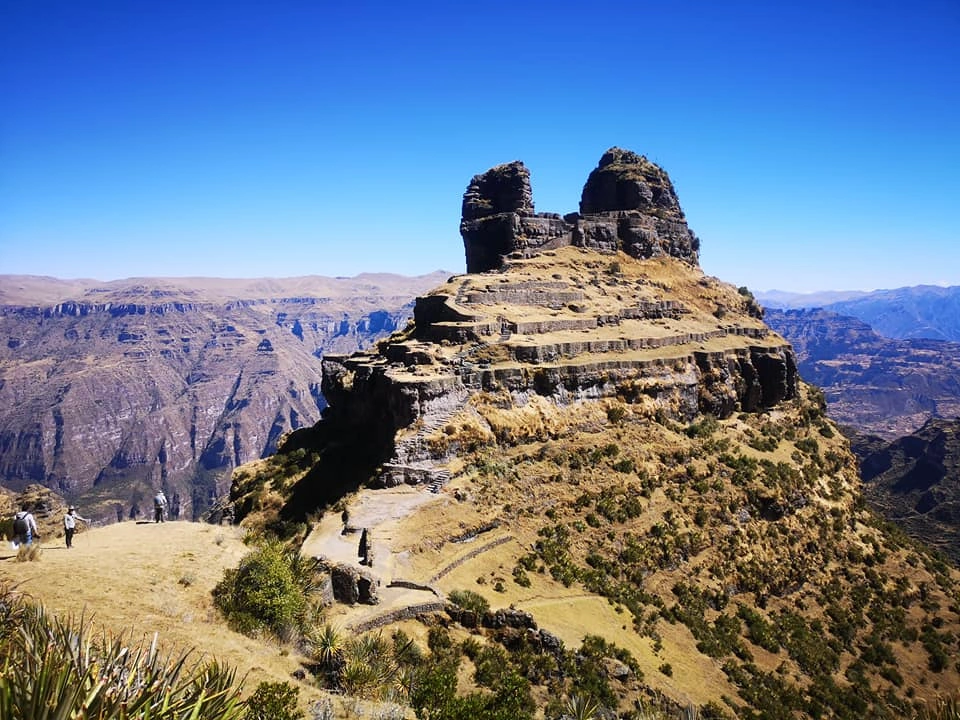
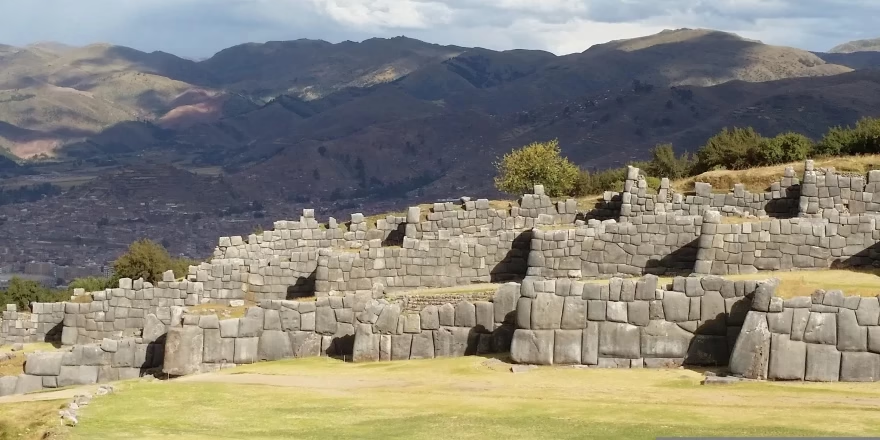
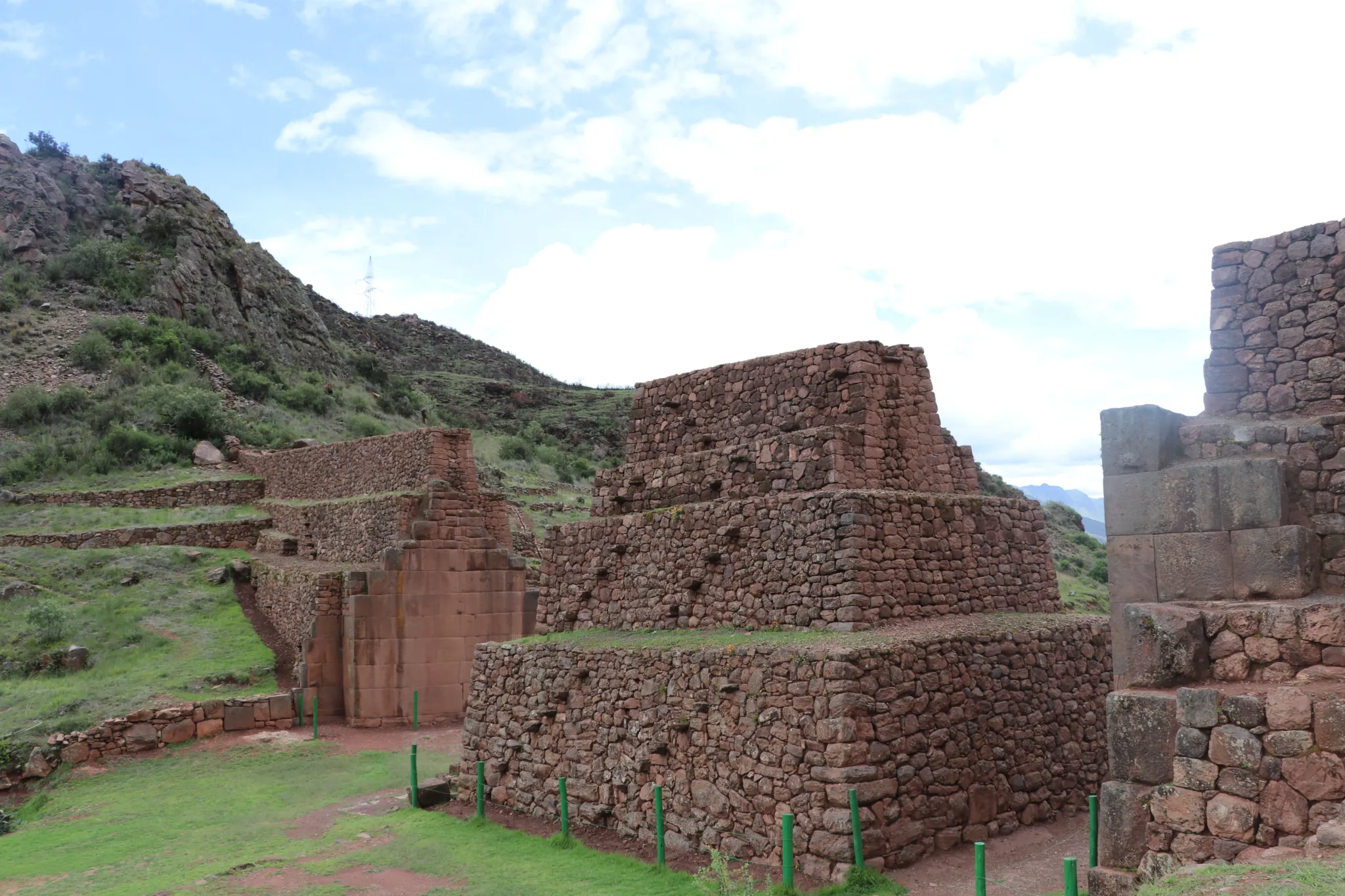
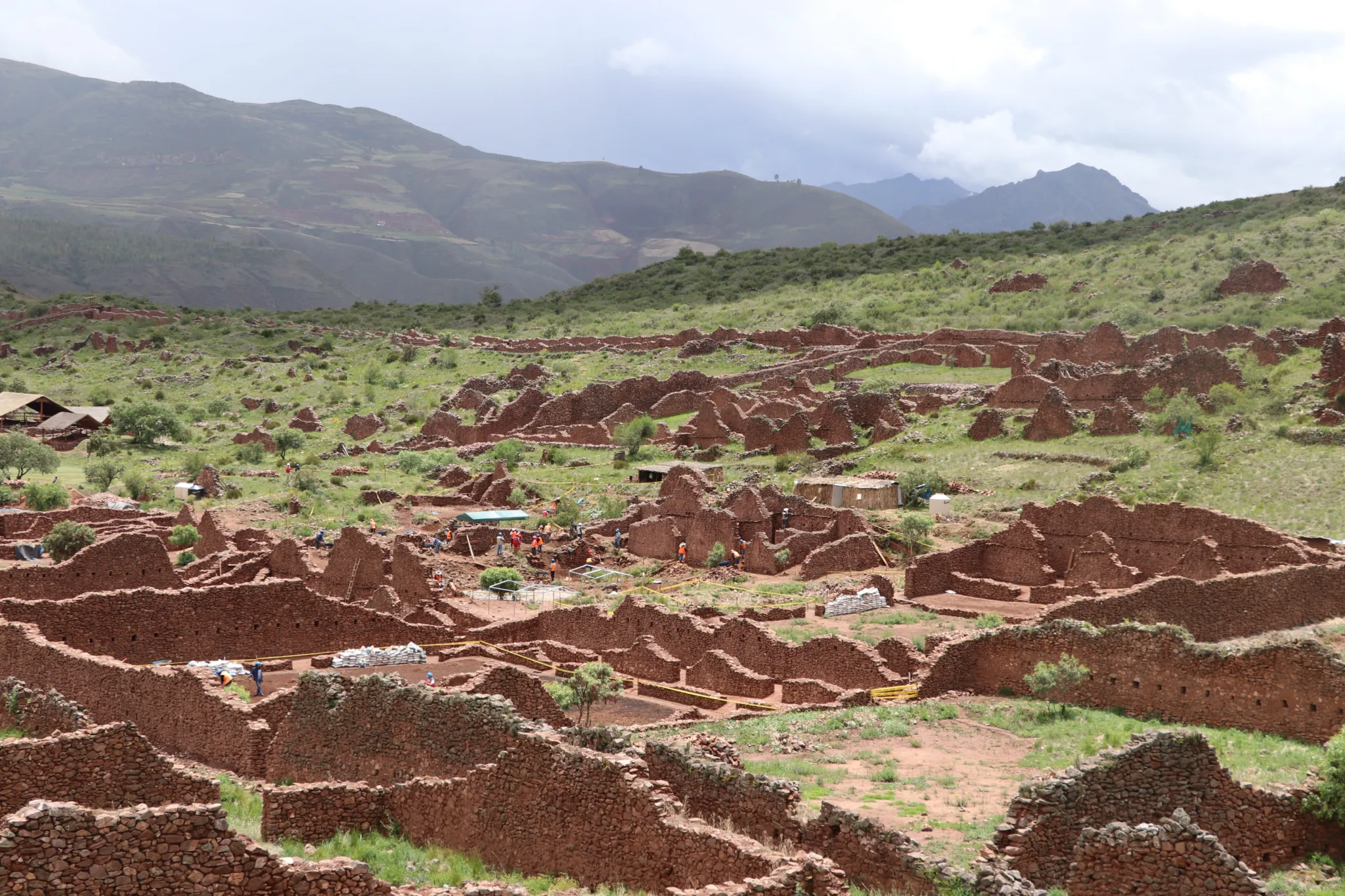
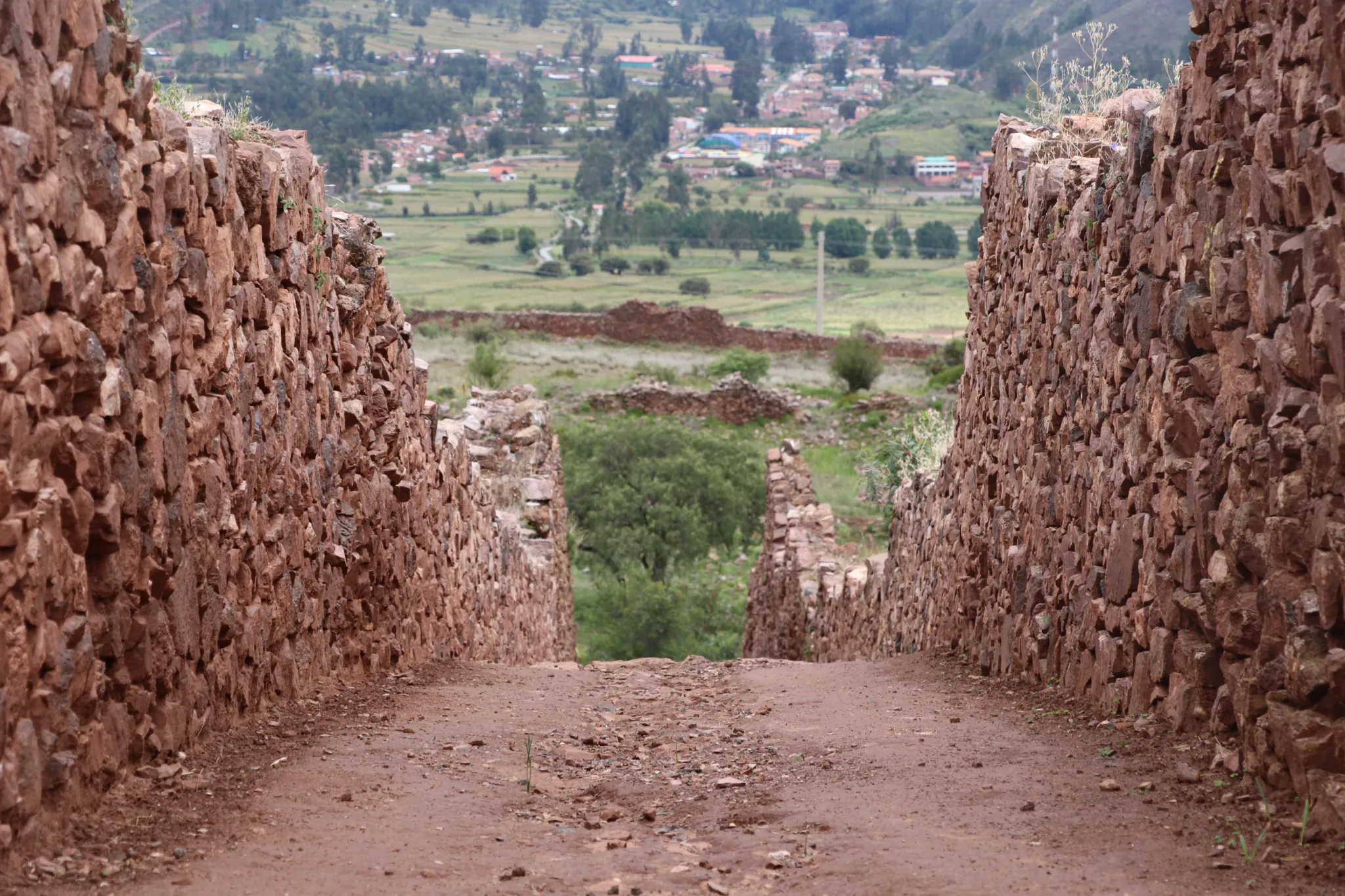
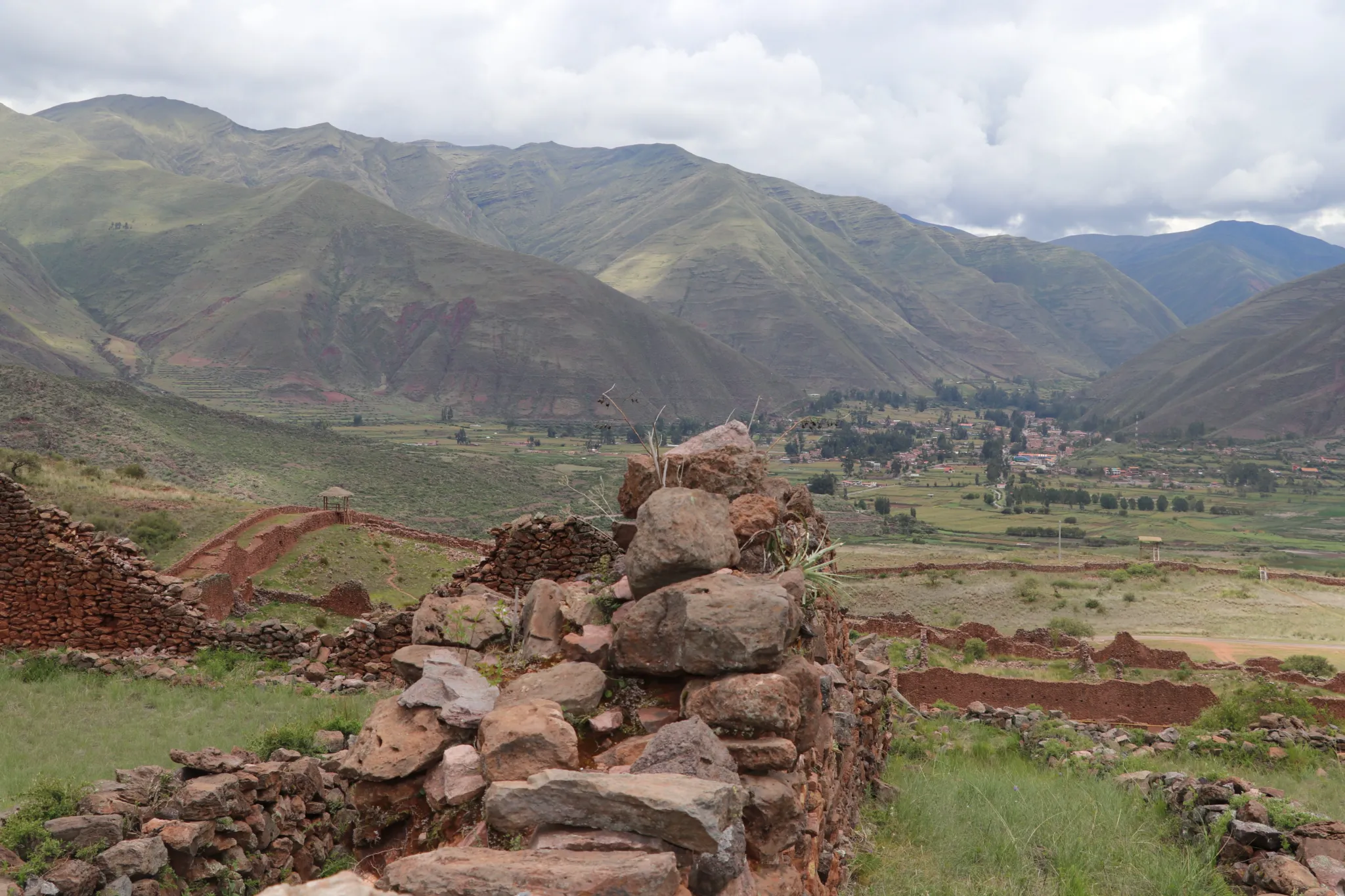
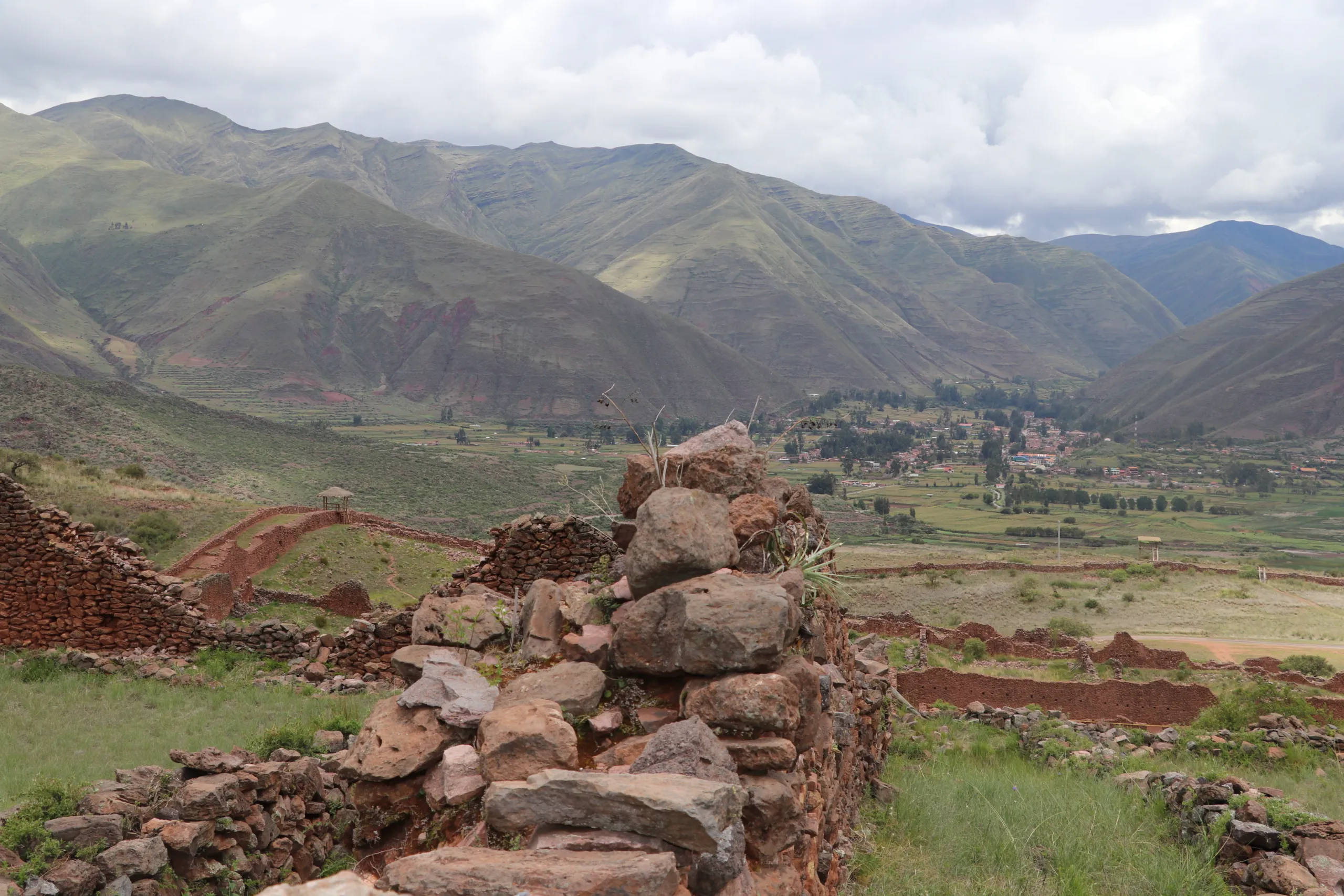
Larger than Machu Picchu. Five centuries older than the Inka. The Wari city of Pikillacta at approximately 3,200 m / 10,499 ft is one of the most significant and least visited archaeological sites in the Cusco region — a planned urban center of two square kilometers whose grid layout, granary systems, and paved road network demonstrate that sophisticated Andean civilization did not begin with the Inka. It was inherited, developed, and in many ways surpassed.

The Inka built on Wari foundations — literally, in some cases — and understanding Pikillacta deepens the understanding of everything the Inka subsequently achieved. A civilization that already knew how to feed ten thousand inhabitants, connect distant provinces by road, and plan a city of this scale is not a primitive antecedent to the Inka. It is the context without which the Inka cannot be fully read.


Tipon — Six Centuries Without Maintenance

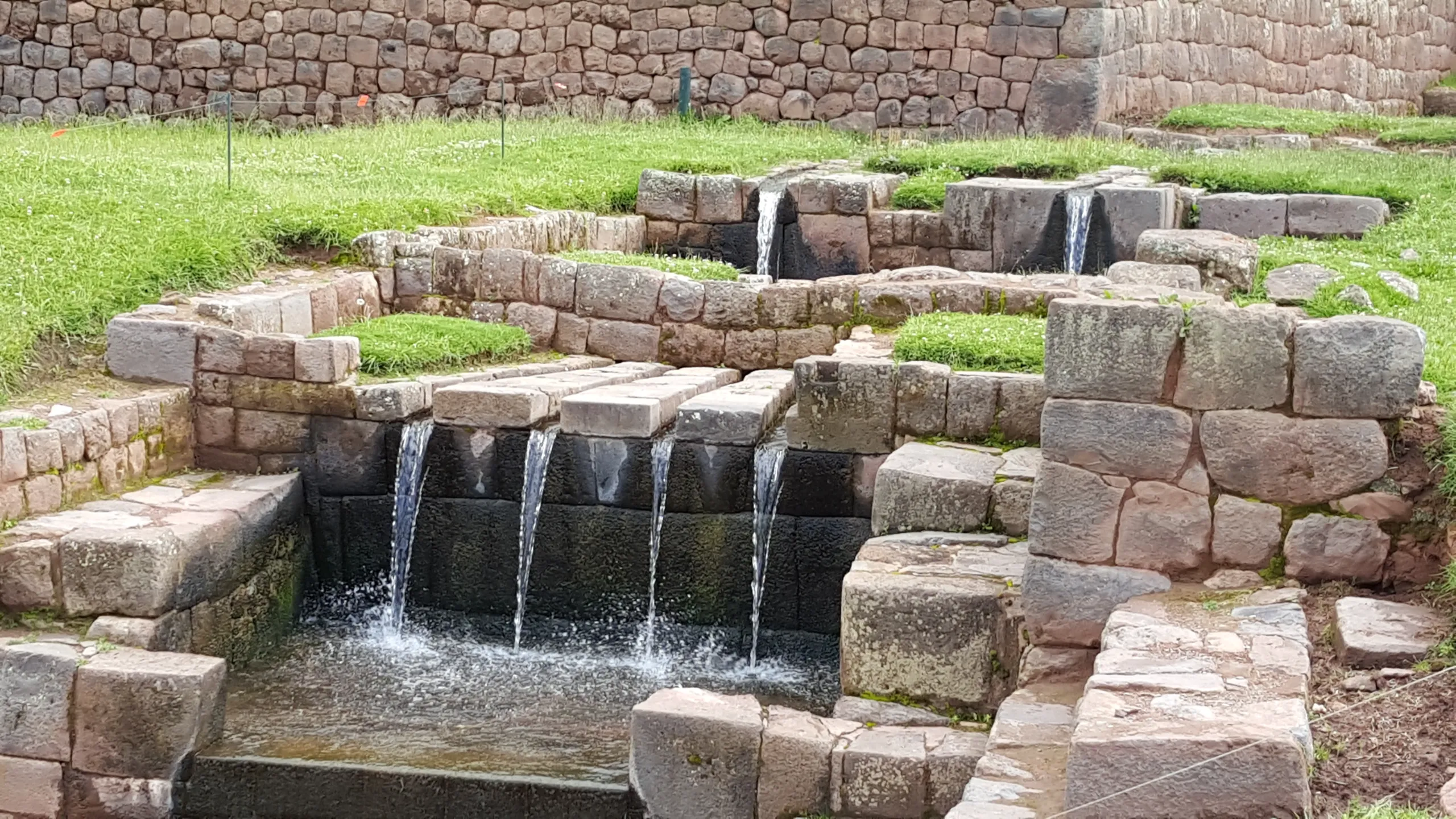
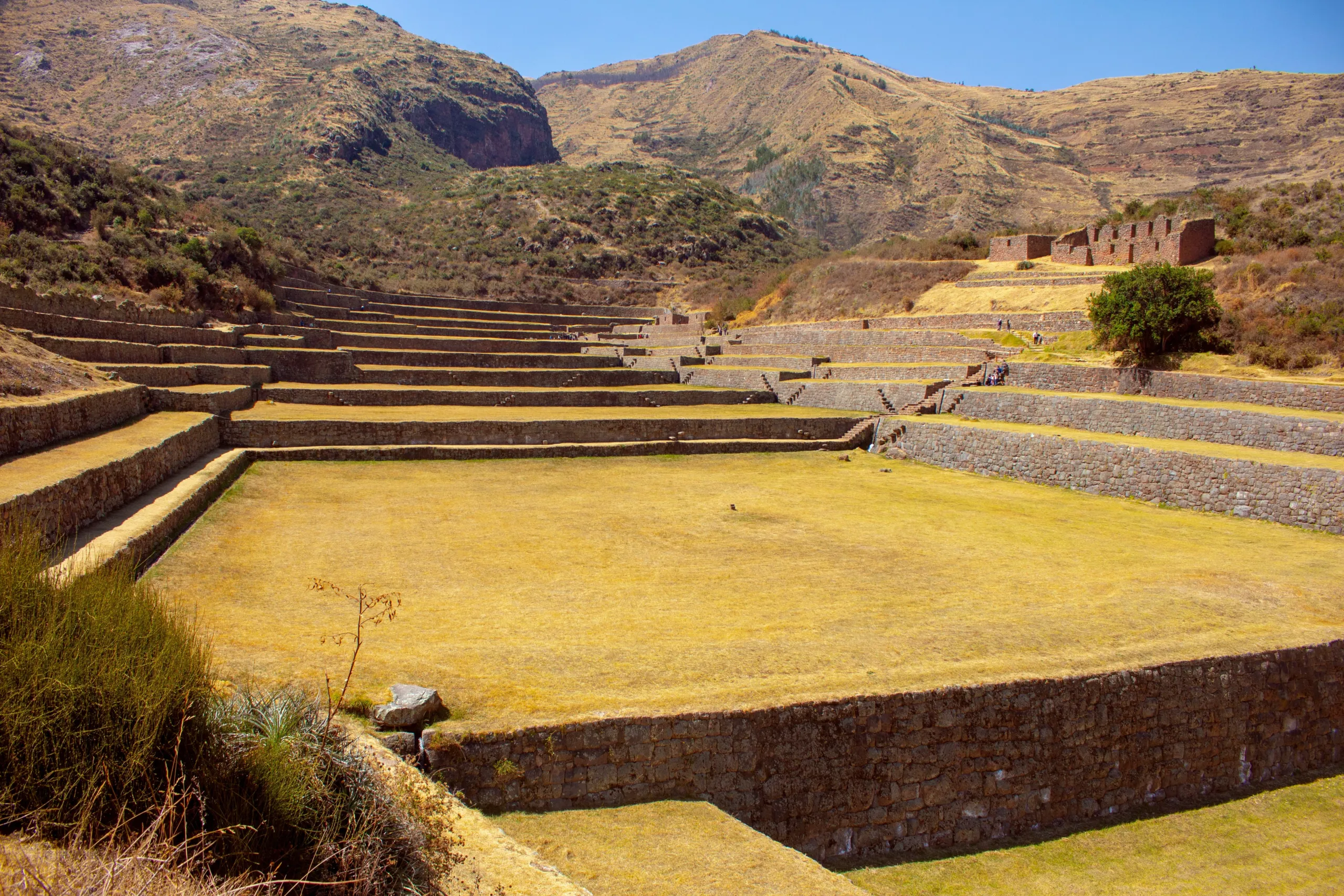
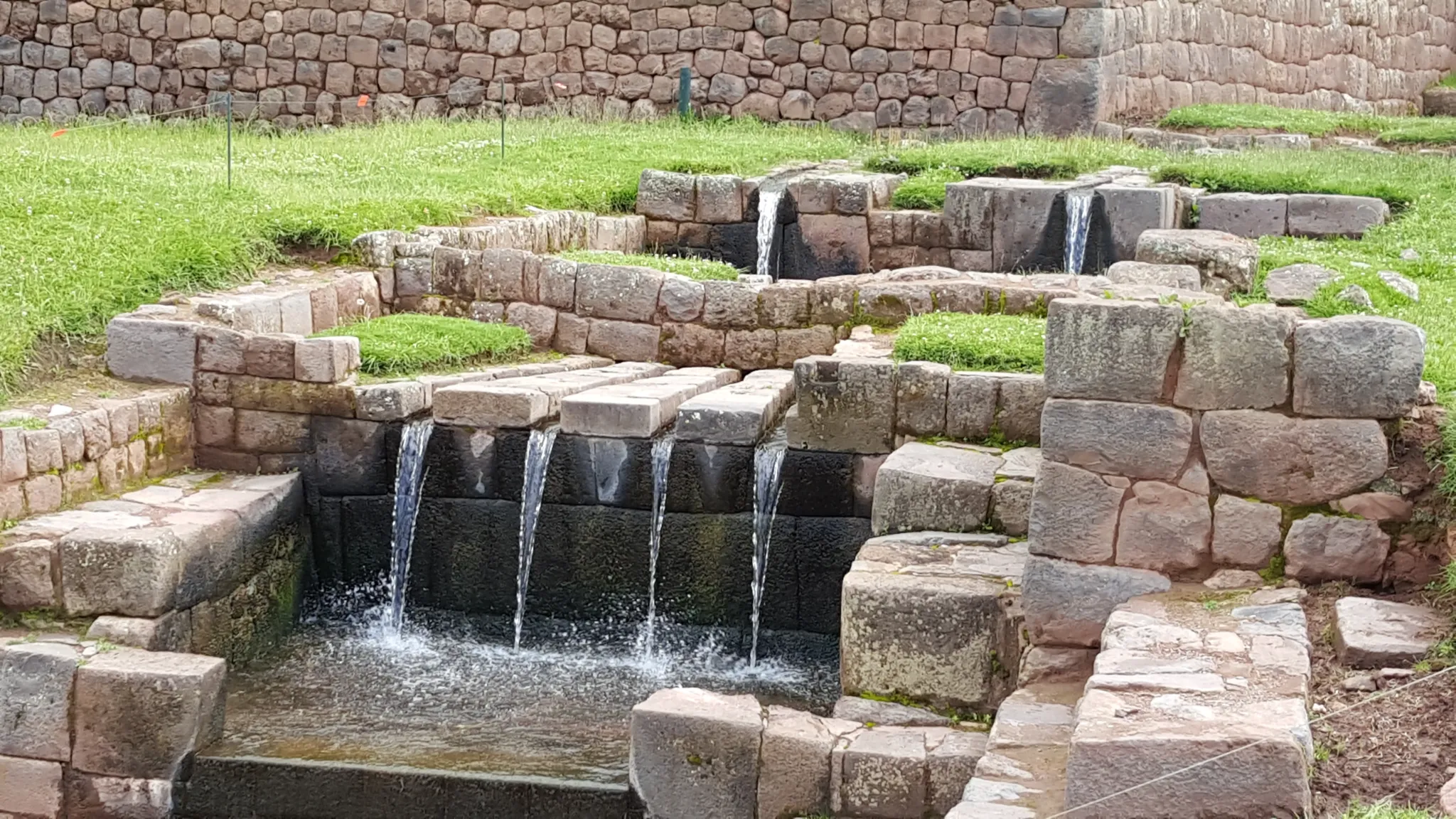
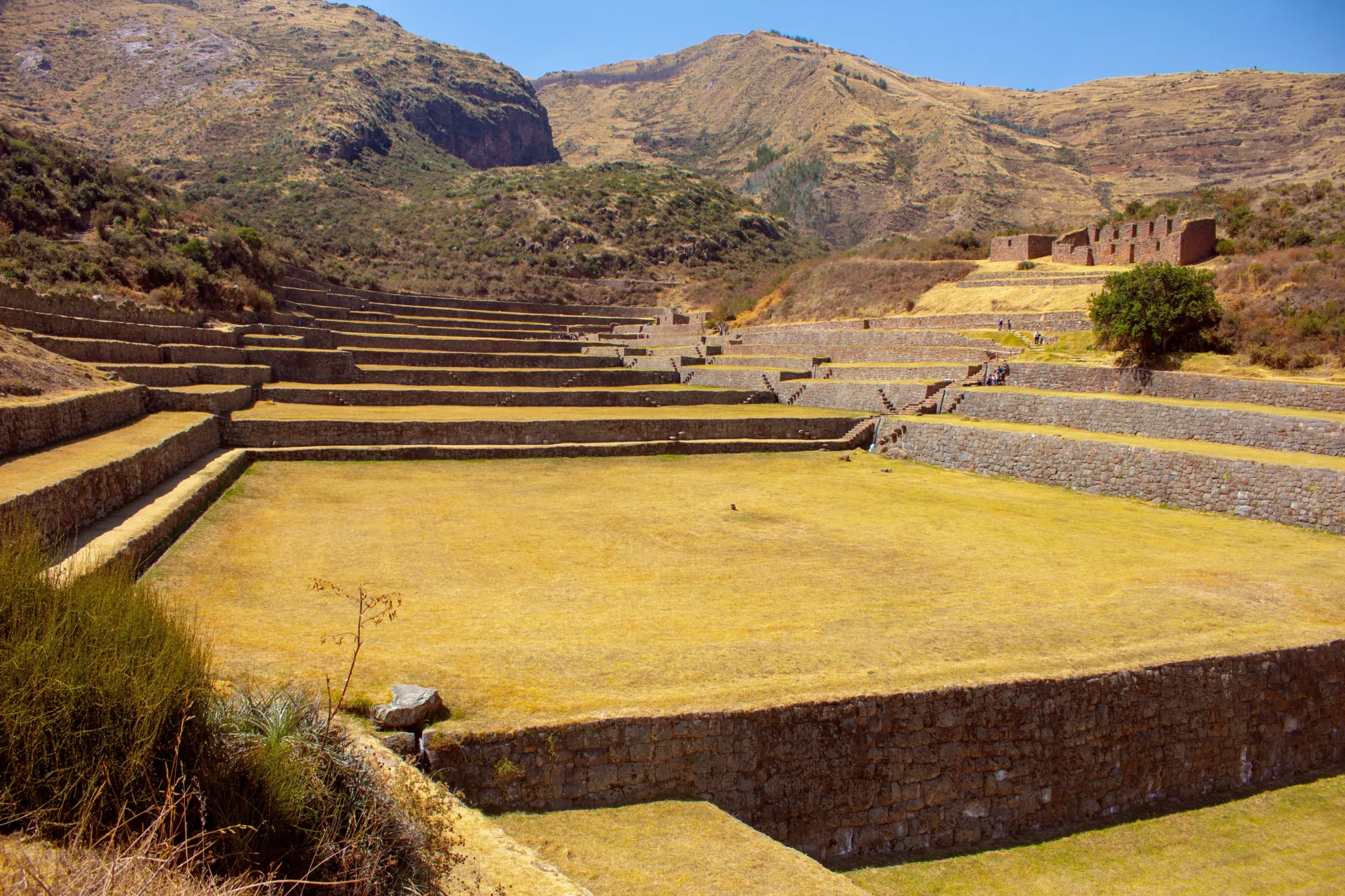
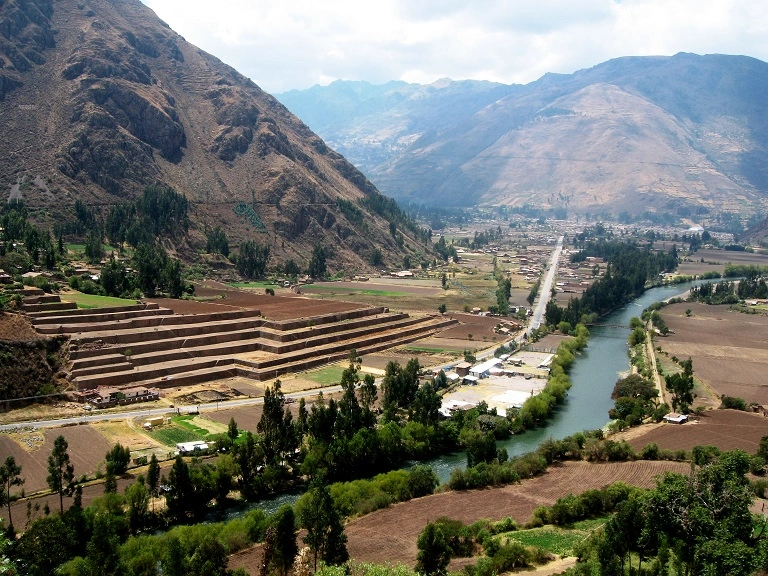
The hydraulic engineering center of Tipon at 3,260 m / 10,696 ft is the Inka method at its most precisely demonstrable — a system of ceremonial fountains, water channels, and agricultural terraces fed by a single spring whose flow has been managed with mathematical precision for six centuries without a single maintenance intervention.

Modern hydraulic engineers visit Tipon to study it. The Inka built it as a working demonstration of their understanding of hydrodynamic engineering, astronomical alignment, and agricultural terracing — three disciplines that contemporary science treats as separate fields and that the Inka understood as expressions of a single underlying intelligence. Your guide moves through the site as a working document of that intelligence, decoding its systems rather than simply describing its beauty.


Andahuaylillas — The Sistine Chapel of the Americas

The church of Andahuaylillas at 3,100 m / 10,171 ft was built in the sixteenth century over Andean sacred ground — a deliberate act of cultural replacement whose irony has deepened with time. The gold-leaf ceiling, the baroque frescoes, the indigenous symbolism hidden in plain sight within the colonial imagery — the syncretism visible in this building is the story of what happened when two civilizations with incompatible cosmologies occupied the same territory.

Your guide decodes it not as an art history tour but as a therapeutic encounter with the history that shaped this place and its people — the knowledge that the colonial project attempted to erase and that survived, encoded in the very images that were meant to replace it.


Oropesa — Two Hundred Years of Living Culture

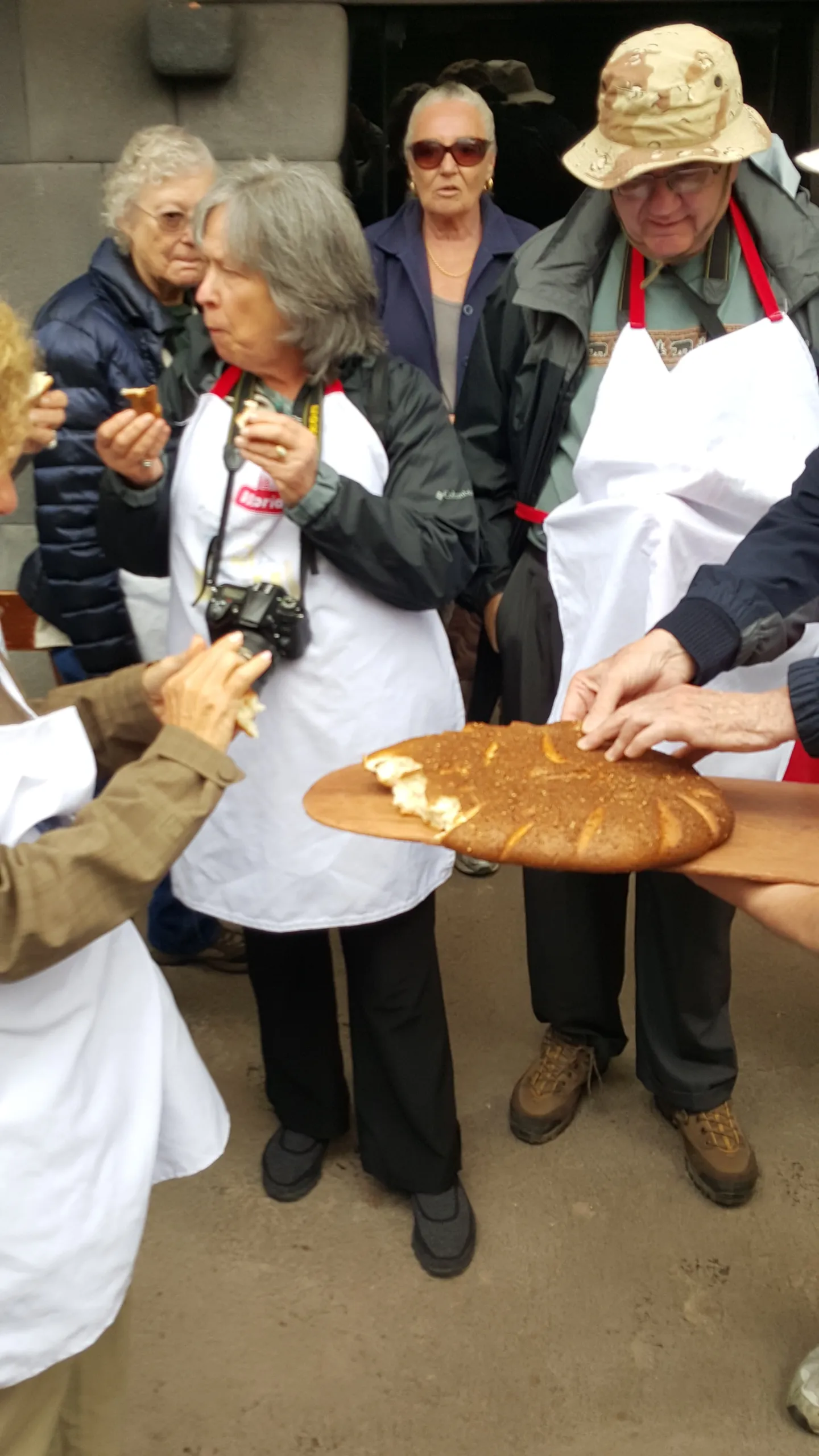
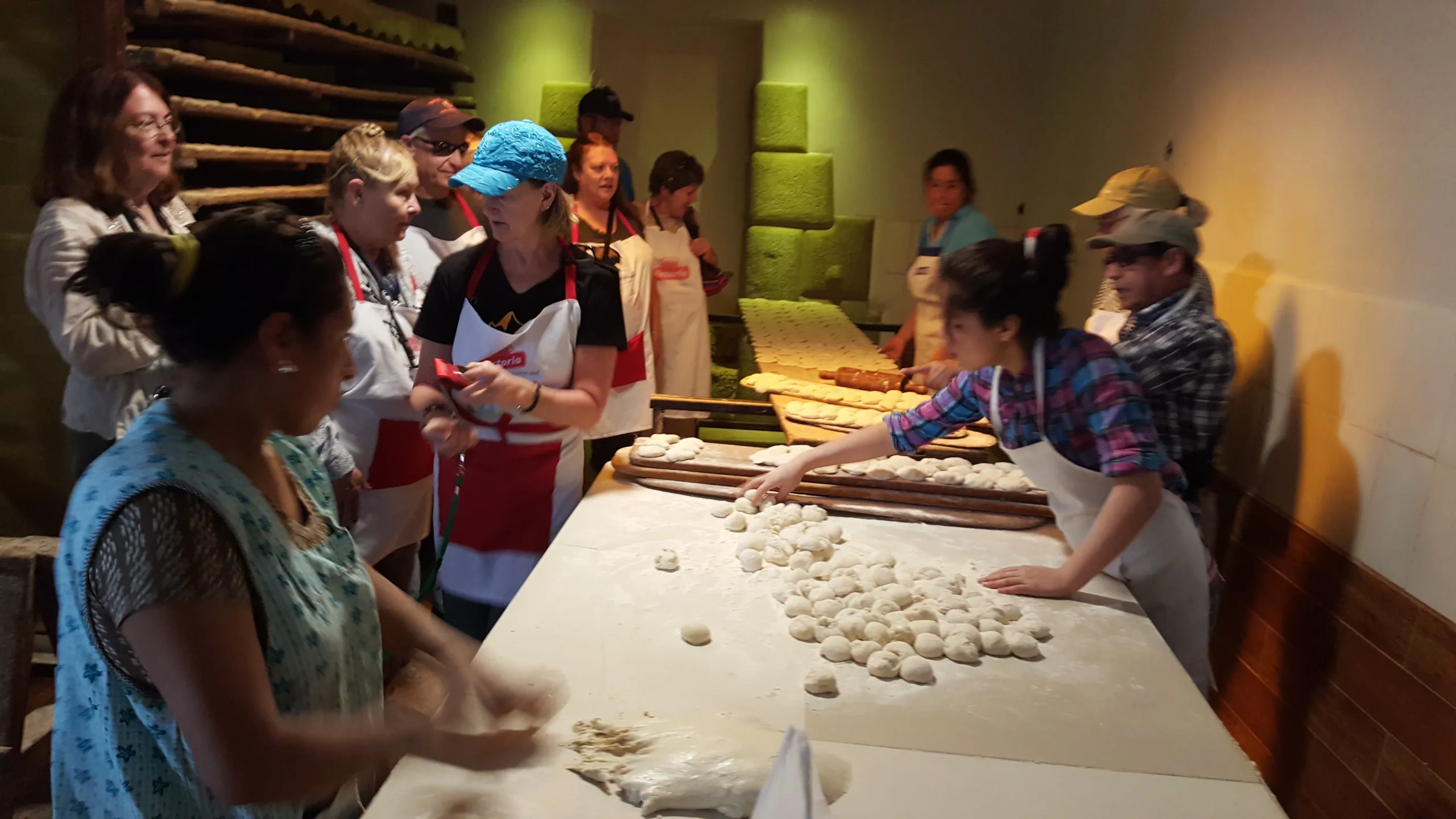
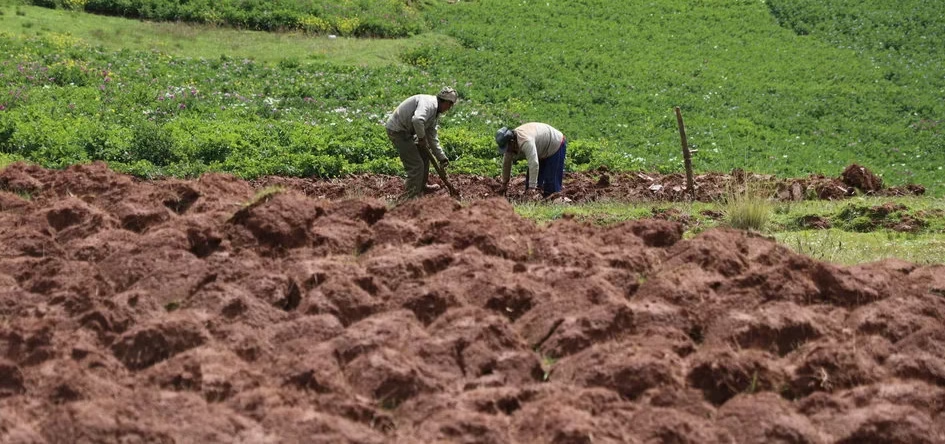
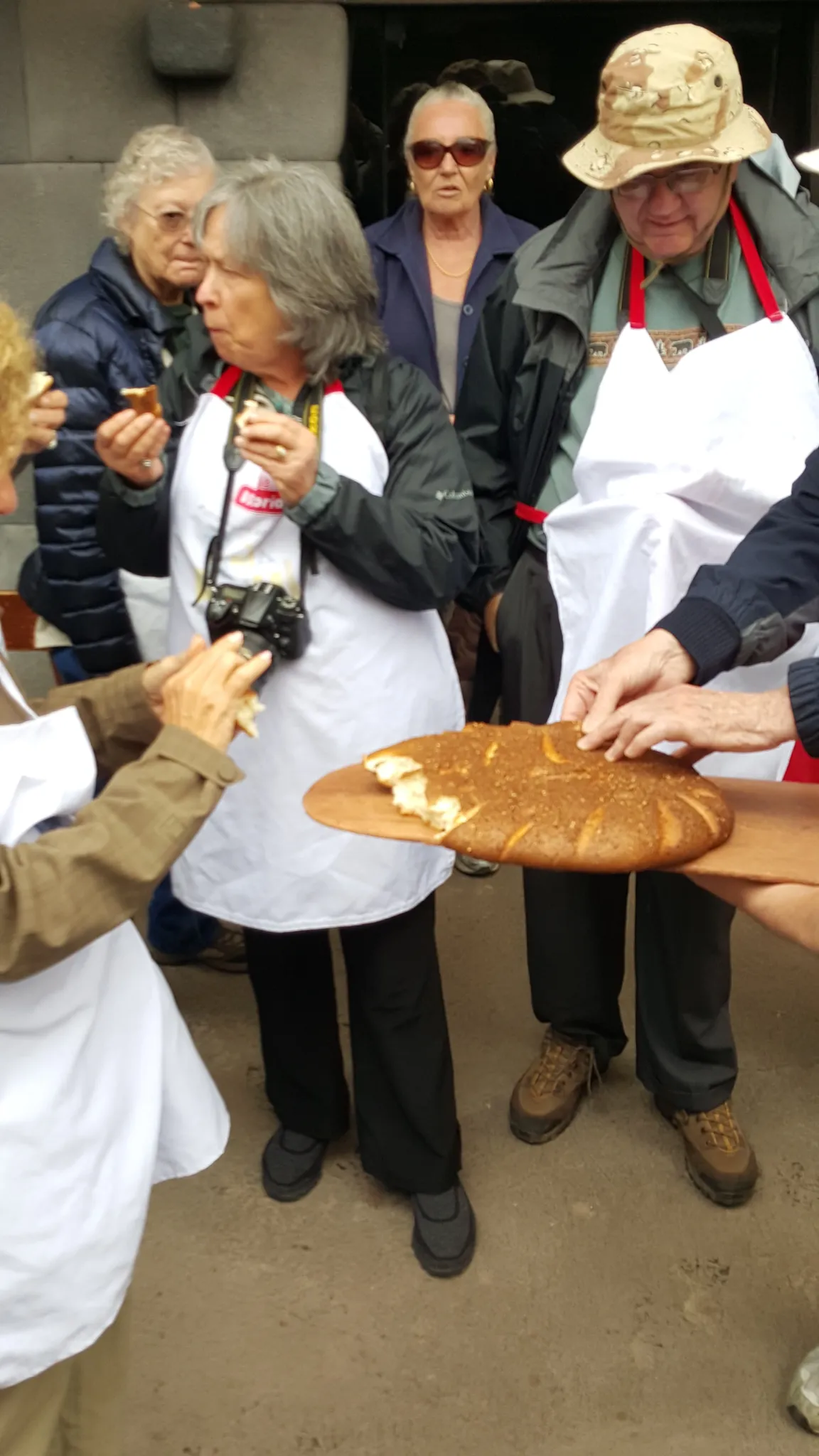
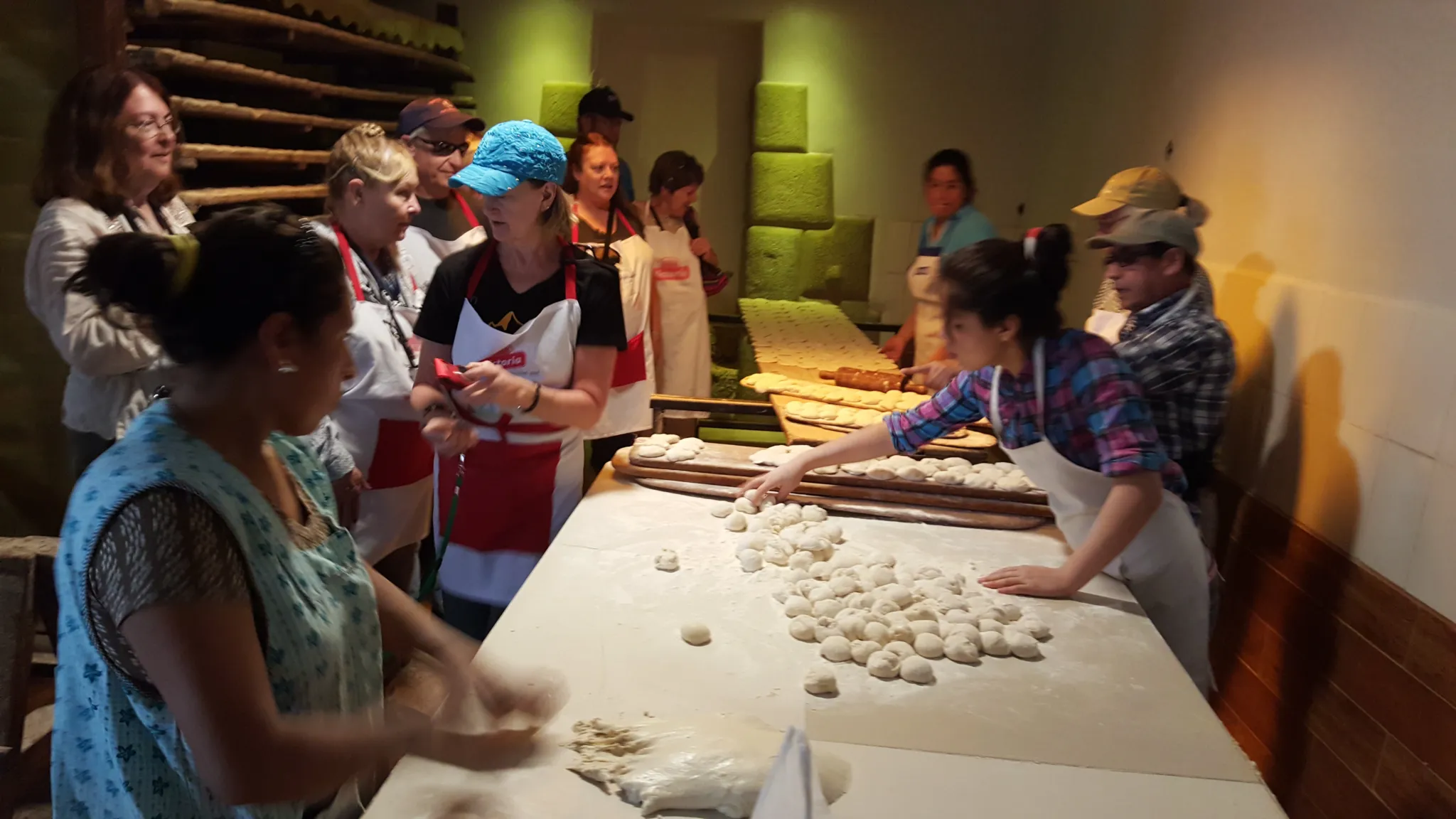
The final stop is the most quietly extraordinary — a village whose master bakers maintain a starter culture that has been alive for two hundred years, producing chuta in traditional adobe ovens using techniques unchanged by the industrial food system that has homogenized bread production everywhere else. The private tasting pairs the bread with rare mountain honeys in a combination that the altitude, the baker’s knowledge, and the quality of the ingredients make impossible to replicate at sea level.

Oropesa is not an archaeological site. It is living culture — the kind that survives not in museums but in hands and ovens and the daily practice of making something real from local ingredients. After a day of reading history in stone, ending with a culture that carries its history in bread is the kind of closing the Inka method designs deliberately.


Day Highlight:

Scenic, Cultural, Historical, Bread making in the ovens, Visit to archaeological centers: Tipon, Pikillaqta and Colonial Temple.


Tipon Cusco

Reviews

Reviews

There are no reviews yet.

Be the first to review “Andahuaylillas Route”

Your email address will not be published. Required fields are marked *

Included/Excluded

  • Incluido All transportation.
  • Incluido Professional guide service.
  • Incluido Picnic lunch.
  • Incluido Entrance fees and permits for the detailed visit sites.
  • Incluido purified water.
  • Incluido Activities.
  • Incluido Inka method.
  • No Included Bottle of water or sports drink.
  • No Included Tipping for staff.
  • No Included Travel insurance.
  • No Included Flight tickets.

Attractions

Andahuaylillas, Pikillacta, Tipon

Activities

Culinary, Experiencial tourism, Discovery, Lakes visit

FAQs

Features:


 Fully Customizable Itineraries:

  • Core activities follow our curated programs for seamless execution.

  • Optional Enhancements: Exclusive add-ons available to elevate your journey beyond the standard offerings.

 White-Glove Flexibility:

  • Adaptable scheduling to prioritize your interests.

  • Bespoke experiences designed solely at your request.

✔ Uncompromising Excellence:

  • Every detail is crafted to exceed expectations, from private guides to luxury transport.

Application Process

Contexto personal
Estado mental actua
Preferencias y límites
Datos de contacto

Book This Tour

Top Trending

You may like

Cart0
Cart0