Every human being once knew how to read the sky. Not as a hobby or a curiosity, but as a survival skill — the ability to look at clouds, feel the air, observe animals and plants, and know what was coming. This knowledge governed when to plant, when to harvest, when to travel, and when to take shelter. Today almost no one has it. We check an app instead. The convenience is real, but so is the loss — and understanding what was lost reveals something important about the relationship between a person and the world they live in.
A Skill Every Human Once Had
Reading the weather was never specialist knowledge. It was ordinary competence, held by nearly everyone, because life depended on it. A farmer who misread the season lost a harvest. A traveler who ignored the sky risked their life. This created a population of careful, continuous observers of the natural world.
Reading the sky was not a specialist skill. It was ordinary human competence — held by nearly everyone, for as long as there have been people.
This observation was built on generations of accumulated pattern recognition: the behavior of birds before a storm, the color of the sky at particular hours, the way certain plants respond to coming rain, the feel of pressure and humidity. It was empirical knowledge, tested constantly against reality.
What the Civilización Inka Built On It
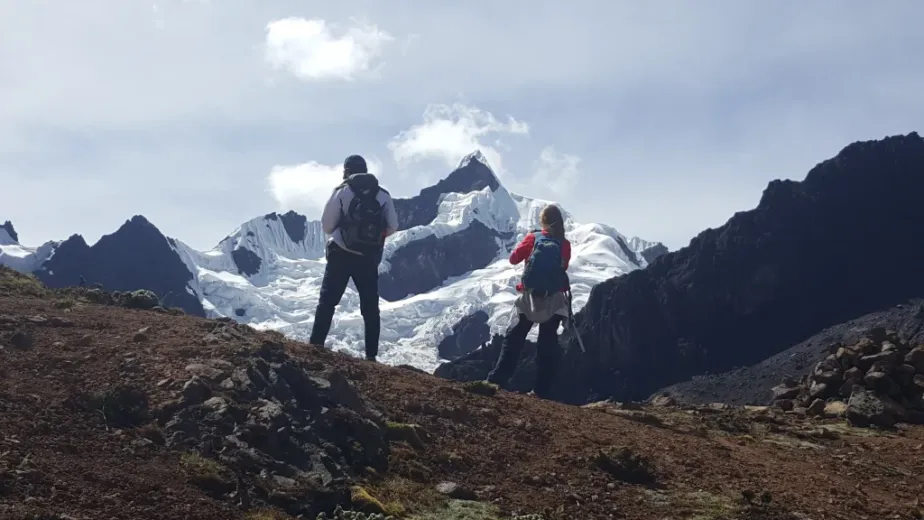
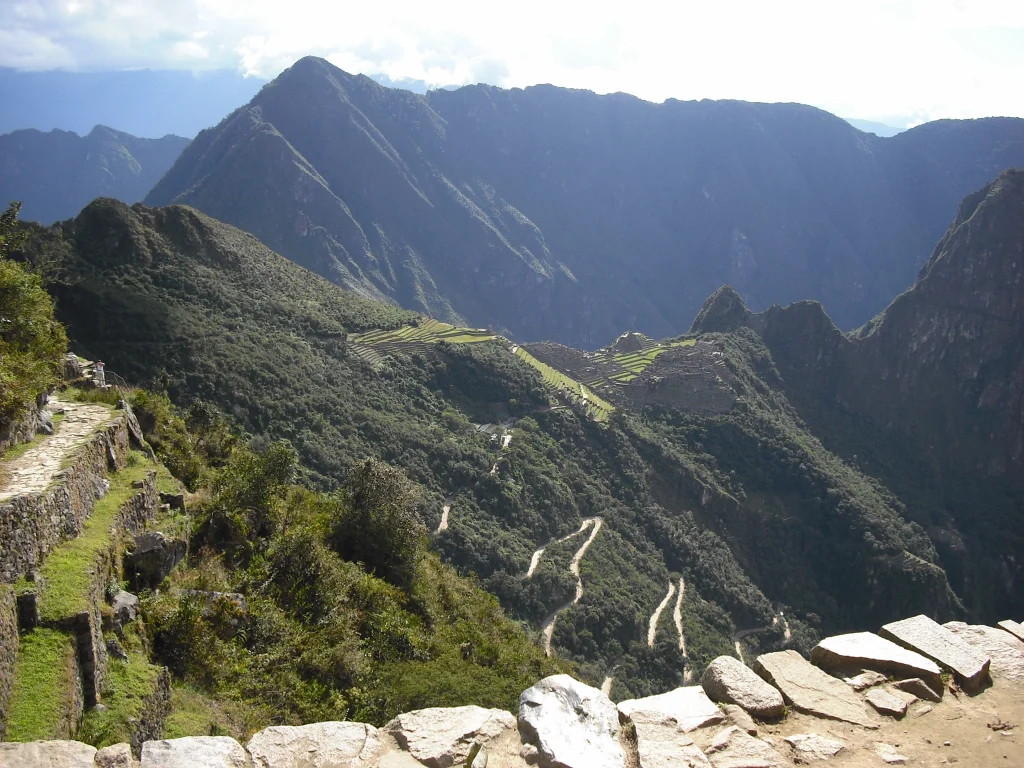
The civilización inka developed this understanding to an extraordinary degree, because the Andes demanded it. Agriculture across radically different ecological floors, at extreme altitude, in a landscape of dramatic variation, required precise knowledge of climate, season, and cycle.
They studied celestial movement carefully — not merely for ritual but to regulate agriculture and anticipate seasonal change. Modern archaeoastronomy continues to examine how Inka sites align with astronomical events. This was applied science: observation of natural cycles turned into the timing that fed a civilization across some of the most difficult terrain on earth.
What We Traded Away
The forecast app is genuinely useful, and no one should pretend otherwise. But something disappeared in the exchange. A person who checks an app receives an answer without ever observing anything. They know what the weather will be without knowing anything about the sky.
The app gives you the answer without the observation. You learn what tomorrow holds while learning nothing about the world you live in.
The result is a strange condition: modern people live under a sky they no longer read, in an environment they no longer observe. The natural world becomes background — scenery rather than a system they are part of and can understand. This disconnection is not trivial. It is the same disconnection that leaves people feeling estranged from the living world without being able to name why.
Observation as a Cognitive Act
There is a further loss. Reading the weather is an act of sustained attention to the environment — exactly the kind of soft, engaged observation that research from institutions including the University of Michigan has associated with attentional restoration. Watching the sky is not just practical. It engages the mind in a way that restores rather than depletes it.
Modern life replaced this engaged observation with a glance at a screen — which does the opposite, draining the attention it demands. The trade was not just knowledge for convenience. It was restorative engagement for cognitive cost.
Recovering the Sky
Learning to read the weather again is not about abandoning forecasts. It is about recovering a relationship with the environment that dependence erased — becoming, again, a person who observes the world they live in rather than one who merely receives information about it.
This is why it belongs among the capacities that the Inka Method points toward. Along with producing food, clothing, shelter, and medicine, the ability to read the sky is one of the fundamental competences of a human being living in genuine relationship with the conditions that sustain them. To look up and actually understand what you are seeing is a small recovery — and a real one.
To read the sky again is to stop being a spectator of the natural world and become, once more, a participant in it.