It tends to arrive quietly. Not a crisis with a date, but a slow recognition: the life you built is running on decisions made by a much younger person — and you are no longer sure they were yours. If you are feeling lost at 40, or at 50, this is usually what the feeling is made of.
The popular label is “midlife crisis,” and it does the experience a disservice. Nothing about it is ridiculous, and very little of it is about age. Researchers who study adult development describe midlife as a genuine transition point: the stage where the questions change from how do I build a life to is this the life — and where the strategies that answered the first question are useless for the second.
What Feeling Lost at 40 or 50 Actually Means
Feeling lost is usually read as a malfunction. Read it instead as a signal with content. Three things are typically true when it appears:
The map ran out. Until roughly midlife, the culture hands you a map: study, build, acquire, raise, advance. Whatever its flaws, it tells you where to go next. At some point the map simply ends — not because you failed, but because you completed it. The lostness is real: there is genuinely no more map. What comes next has to be navigated, not followed.
The evidence changed. At 25, beliefs about what would make life meaningful were hypotheses. At 45 or 55, you have data. Some hypotheses failed — and the mind knows it before it admits it. The discomfort is the gap between what you now know and how you still live.
The time horizon became real. Midlife is when the future stops being abstract. This is not morbid; it is clarifying. Questions that could be postponed indefinitely suddenly acquire a deadline, which is precisely why they become loud.
Why You Can’t Think Your Way Out From Inside
The instinct is to resolve it mentally — analyze, journal, plan. But a life cannot be evaluated from inside its own routine, for the same reason you cannot proofread a page while still writing it. Perspective is not a mental act; it is a change of conditions. Distance, time, and environments that quiet the noise are not luxuries in this process — they are its instruments.
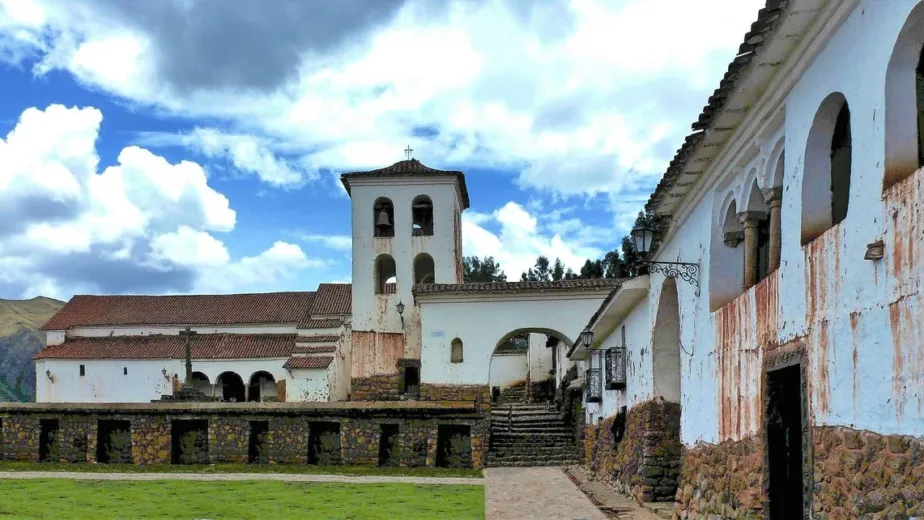
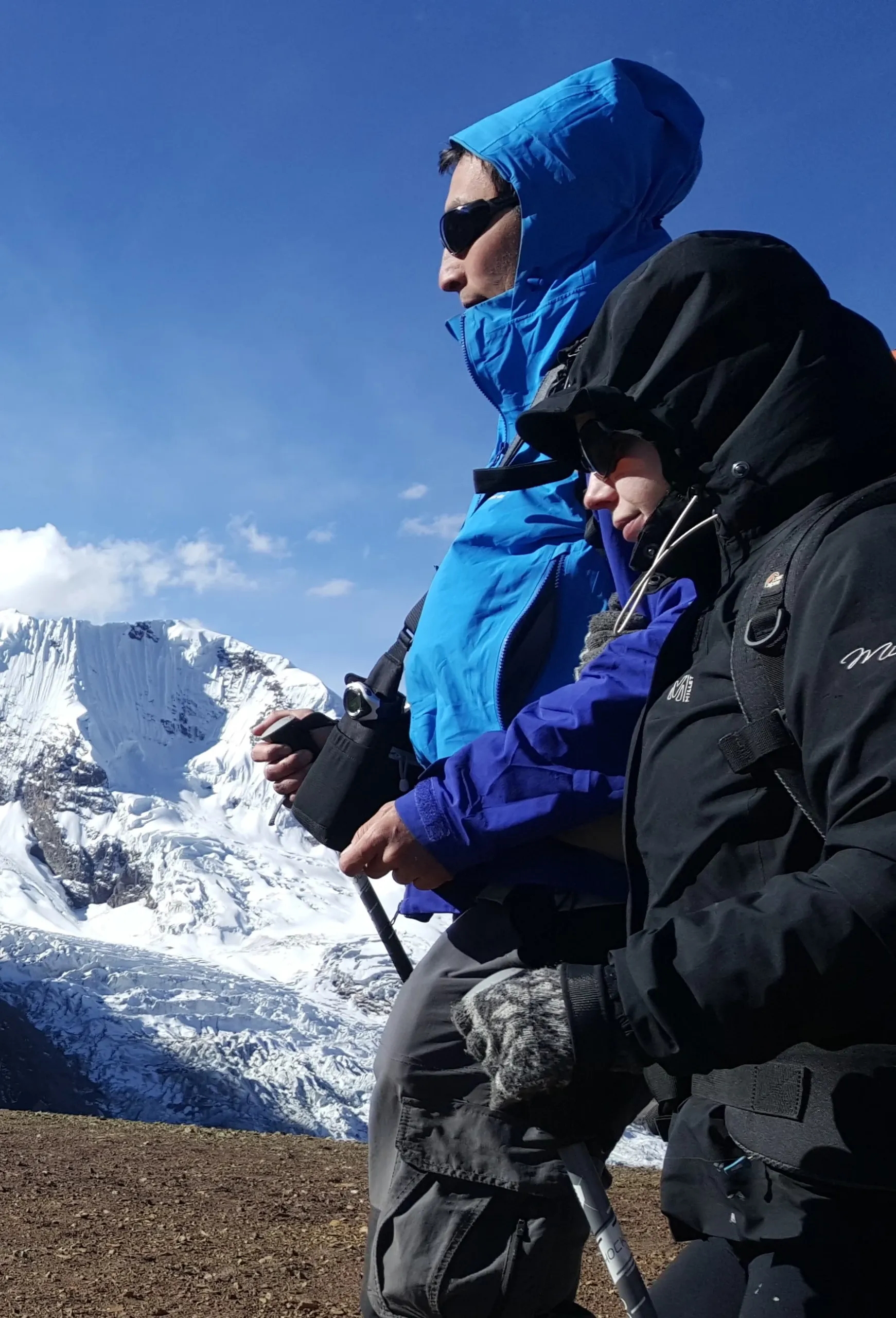
This is the reasoning behind the Inka Method: structured journeys through Andean environments selected for their effect on perception, where time recovers its natural length and ancestral context gives the questions of midlife something to push against. Not an escape from your life — a vantage point on it.
Feeling lost at this stage is not the end of direction. It is the beginning of navigation — and navigation, unlike map-following, can be learned.