The phrase self-discovery is used so often in travel marketing that it has nearly lost meaning. Yet beneath the cliche lies something real: genuine cultural immersion can reveal aspects of a person to themselves that ordinary life keeps hidden. This happens not through introspection alone, but through a specific mechanism — encountering a different way of being human, which throws one’s own assumptions into sharp relief. Understanding how this works separates real self-discovery from the marketing version.
The Self Is Shaped by Its Context
A person’s sense of who they are is largely constructed within a particular cultural context. The values they hold, the goals they pursue, the way they measure success, even the emotions they consider acceptable — all are shaped by the culture they were raised in. Much of this feels like simply who they are, when in fact much of it is who their culture taught them to be.
Most of what a person takes to be their fixed self is actually the reflection of a culture they never chose and rarely questioned.
This is why self-discovery is so difficult within one’s own culture. The assumptions that shape a person are invisible precisely because everyone around them shares them. There is no contrast against which to see them clearly.
How Cultural Immersion Creates Contrast
Genuine immersion in a different culture provides the contrast that makes self-examination possible. When a person encounters a society that organizes life around different values — different relationships to time, work, community, nature, and meaning — the assumptions they took for granted suddenly become visible as choices rather than necessities.
Research in cultural neuroscience has shown that culture shapes perception and cognition at a deep level. Encountering a genuinely different cultural framework does not just provide new information; it reveals the structure of one’s own mind by contrast. A person begins to see which parts of themselves are genuinely theirs and which were simply absorbed.
The Andean Example
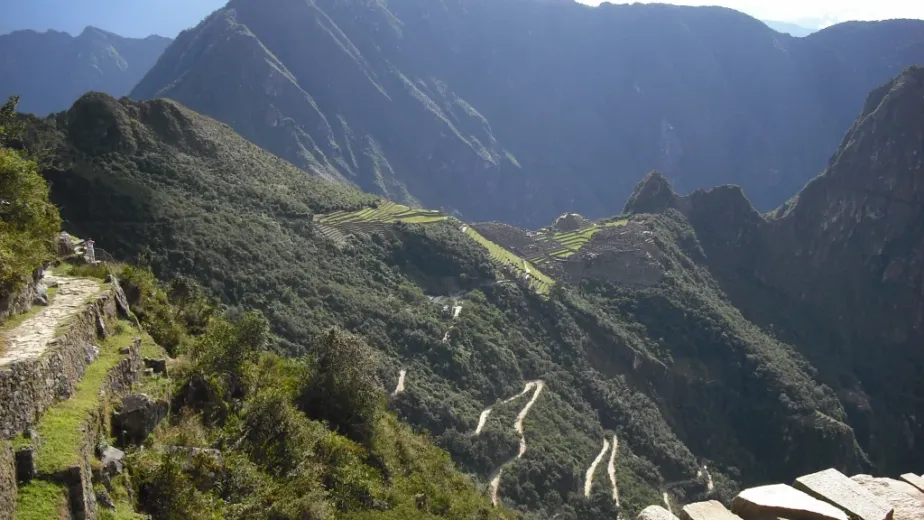
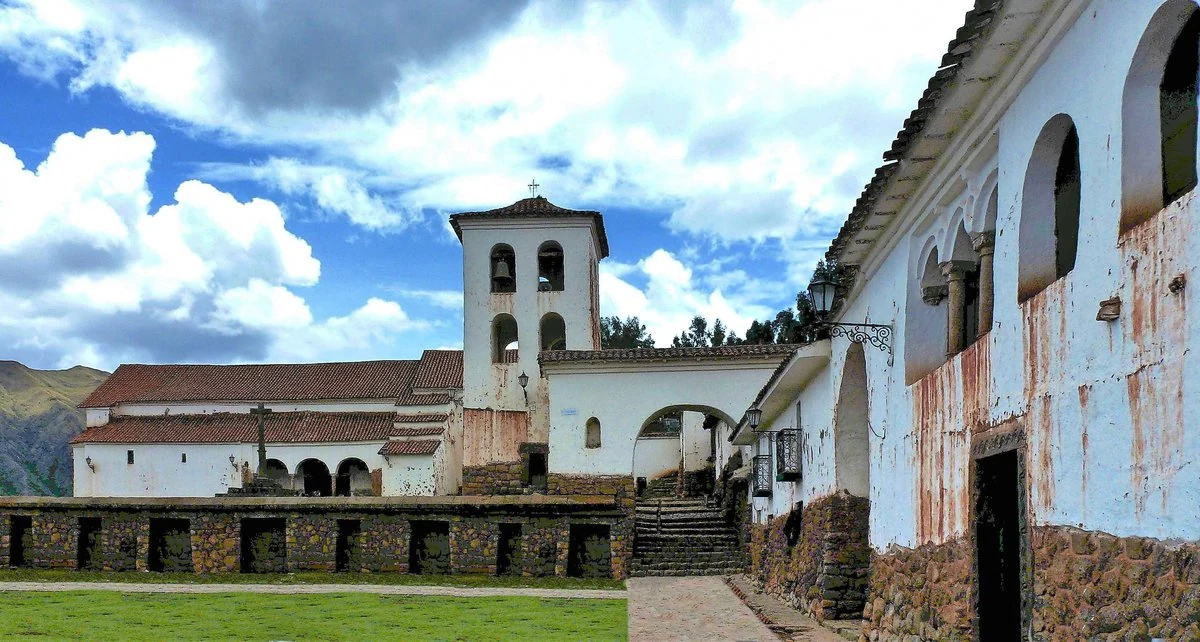
The living culture of the Andes offers a particularly powerful contrast to modern industrial life. Where modern culture often emphasizes individual achievement, constant productivity, and the accumulation of material success, Andean traditions rooted in the civilización inka emphasized community, reciprocity, relationship with the natural environment, and a different conception of time and value.
Encountering a culture built on entirely different priorities is like seeing your own life reflected in a mirror you did not know existed.
Encountering these principles is not about adopting them wholesale. It is about the reflection they provide — the way they reveal what a person has been pursuing, what they have neglected, and whether the life they are living reflects their genuine values or merely inherited ones.
Beyond Surface Tourism
The crucial caveat is that surface tourism produces none of this. Observing a culture from a distance, consuming it as spectacle, changes nothing about the observer. Self-discovery through cultural immersion requires genuine engagement — understanding the reasoning and values behind a way of life, not merely photographing its surface.
This depth of engagement is what distinguishes meaningful cultural immersion from ordinary sightseeing. It requires slowing down, paying attention, and genuinely trying to understand a different framework of human life rather than viewing it through the lens of one’s own assumptions.
Turning Reflection Into Self-Knowledge
The final step is integration. The contrast that cultural immersion provides is only valuable if a person reflects on what it reveals and carries those insights forward. Without reflection, even a powerful cultural encounter fades into a collection of memories.
This is why structured therapeutic travel pairs cultural immersion with a framework for understanding and reflection. The Inka Method helps a person process what the encounter reveals — turning the raw contrast of cultural difference into genuine self-knowledge that lasts. This is what self-discovery actually means: not a vague feeling, but a clearer understanding of who one genuinely is, revealed through the mirror of a different way of life.
Self-discovery is not found by looking harder at yourself. It is found by encountering a different way of being human, and seeing yourself clearly in the contrast.