Travel is often described as broadening the mind, but this is usually meant as a figure of speech. In fact, the phrase is more literal than most people realize. When a person moves through an unfamiliar environment, measurable changes occur in the brain — in how it processes information, regulates stress, and forms memory. Understanding these mechanisms reveals why travel, when structured with intention, can genuinely transform the way a person thinks and lives.
The Brain Evolved to Move Through Environments
Human cognition did not develop in fixed, repetitive surroundings. It evolved across hundreds of thousands of years in dynamic landscapes, where survival required constant adaptation to new terrain, new resources, and new conditions. Navigating unfamiliar environments engaged spatial reasoning, problem-solving, and environmental awareness on a daily basis.
Modern neuroscience shows that these same systems activate when a person explores an unfamiliar place today. Research associated with institutions such as the National Institutes of Health (NIH) highlights the central role of the hippocampus — a brain structure essential to spatial memory and cognitive mapping — in helping humans build internal models of new environments. When you navigate a place you have never been, this system comes alive in a way that routine environments never demand.
Novelty and Neuroplasticity
One of the most significant effects of travel is its capacity to stimulate neuroplasticity — the brain’s ability to reorganize its neural connections in response to new experience. Familiar environments reinforce existing pathways; the brain runs on autopilot because it has seen everything before. Novel environments do the opposite. They introduce new sensory input, new spatial challenges, and new information that the brain must actively integrate.
This process supports cognitive flexibility, curiosity, and adaptive thinking. Studies in cognitive science indicate that exposure to genuinely new environments can loosen rigid mental patterns and open the capacity for fresh perspective — one reason people often report thinking differently, or seeing their problems in a new light, while traveling.
Routine reinforces the mind you already have. Novelty makes room for a different one.
Interrupting Habitual Cognitive Patterns
Daily life reinforces stable neural pathways tied to repetitive behavior and predictable surroundings. These patterns are efficient, but they can also become cognitive ruts — the same thoughts, the same reactions, the same sense that nothing changes. Much of the mental fatigue people experience is the exhaustion of running the same loops without relief.
Travel interrupts this. By removing a person from familiar stimuli, it forces the brain to engage new perceptual and attentional processes. Research in environmental psychology suggests that this interruption is not merely pleasant — it creates the conditions for reflection and mental clarity that habitual environments actively suppress. The break in pattern is itself part of the therapeutic effect.
Natural Environments Amplify the Effect
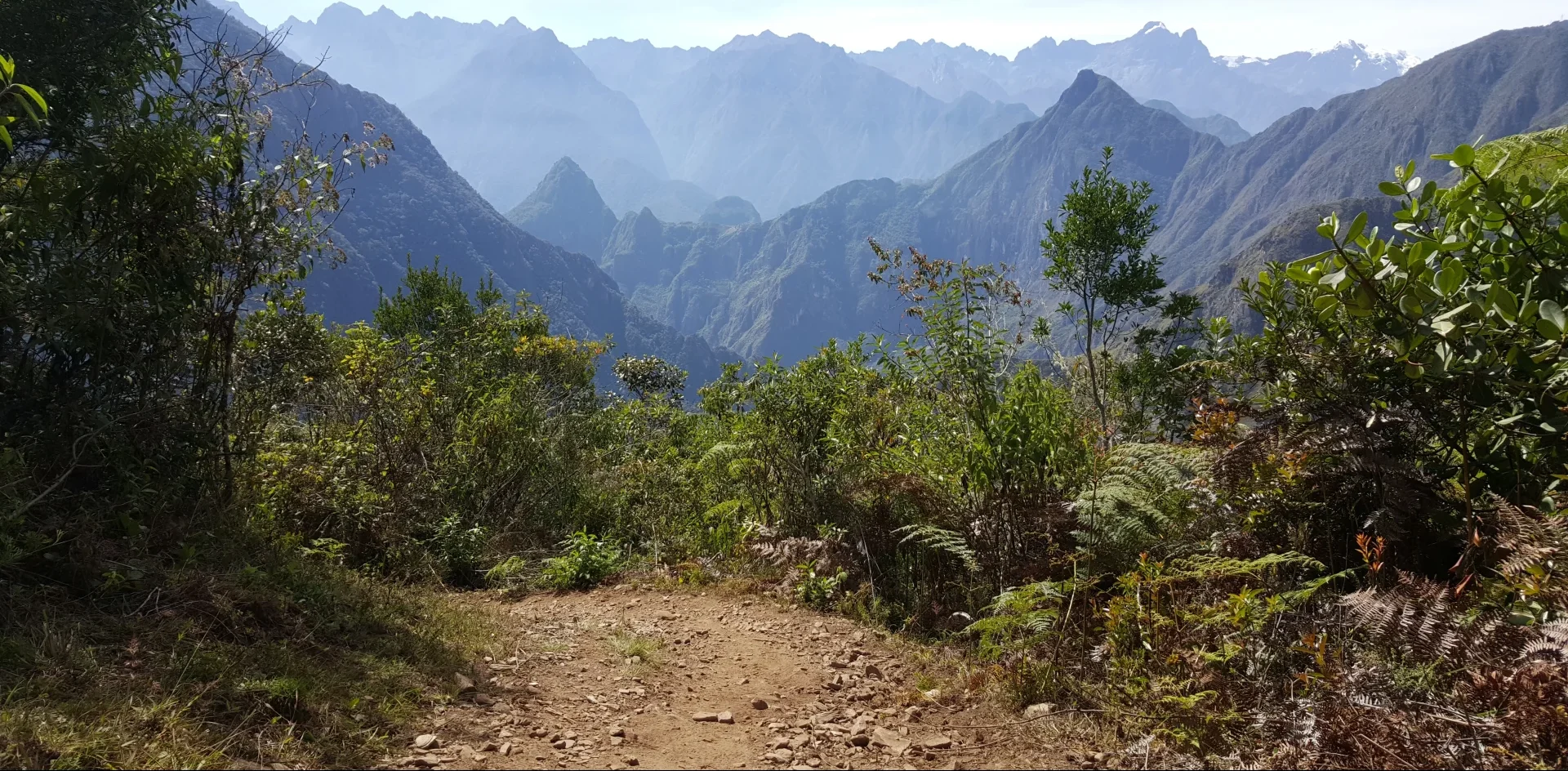
Not all environments affect the brain equally. Research in environmental psychology, including work catalogued by the National Library of Medicine (NCBI), shows that natural landscapes — forests, mountains, open spaces — reduce physiological stress responses and restore attentional capacity more effectively than urban settings.
The reason lies in cognitive load. Urban environments bombard the brain with artificial signals that demand constant filtering. Natural environments have lower informational density and a more coherent sensory field, which allows the attentional systems responsible for focus and emotional regulation to recover. When travel takes place in natural settings, the cognitive benefits of novelty combine with the restorative benefits of nature.
Why Structure Turns Travel Into Transformation
Here lies the crucial distinction. The mechanisms described above — hippocampal activation, neuroplasticity, pattern interruption, attentional recovery — occur to some degree during any travel. But whether they produce lasting change or fade within days depends on structure.
A chaotic, overscheduled trip can activate these systems while simultaneously overwhelming them, leaving a person more depleted than before. A structured journey does the opposite: it sequences environments, regulates pace, and pairs the experience with knowledge that gives it meaning. This is the principle behind the Inka Method, which frames travel not as escape but as a structured process of understanding.
Environmental change alone is not enough. The sequence, the pace, and the framework of understanding determine whether travel simply entertains — or genuinely transforms.
Travel can change the brain. Structure decides whether it changes the life.