Environment is central to therapeutic tourism, but environment is not a single thing. The therapeutic journey draws on three distinct types of environment — natural, cultural, and rural — each of which affects the human mind in a different way, and each of which contributes something the others cannot. Understanding how these three environments work, individually and together, reveals how a therapeutic journey produces its full effect.
Natural Environments: Restoring the System
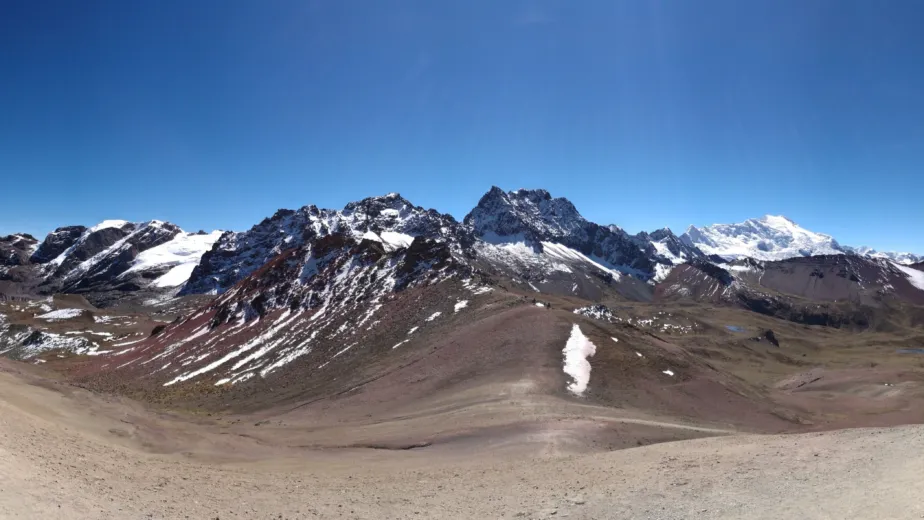
Natural environments — mountains, forests, rivers, open landscapes — are the foundation of therapeutic restoration. Their effect is primarily physiological and cognitive. Research catalogued by the National Library of Medicine (NCBI) documents how natural settings lower stress hormones, restore attention, and support the biological systems on which mental health depends.
Natural environments do the foundational work: lowering stress, restoring attention, and re-synchronizing the rhythms that modern life disrupts.
The mechanism is well understood. Natural environments have lower information density than built ones, engaging attention gently rather than demanding it constantly. This allows the depleted attention systems to recover. The natural light, clean air, and physical demand of natural terrain further support the body’s fundamental systems. Natural environments restore the human system to its baseline health.
Cultural Environments: Expanding Perspective
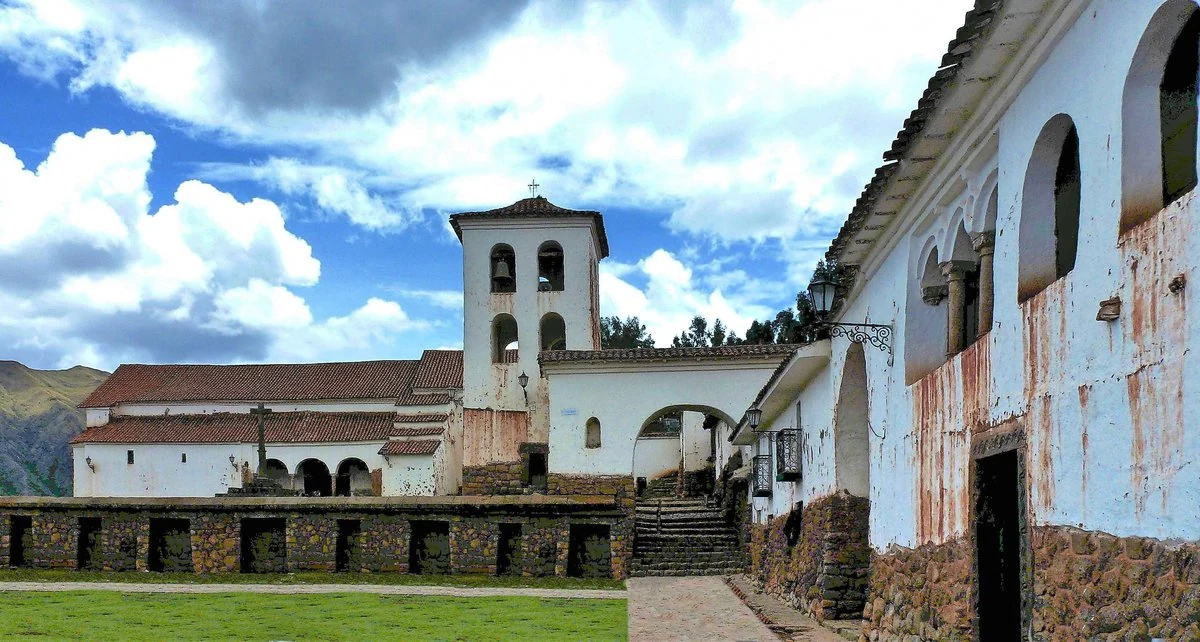
Cultural environments work differently. Where natural environments restore the system, cultural environments expand perspective. Encountering a coherent culture organized around different values and assumptions reveals the invisible framework of one’s own life, opening the mind to possibilities it could not previously see.
The cultural environment of the Andes, carrying the living heritage of the civilización inka, offers a particularly powerful encounter. It demonstrates a way of life organized around principles — community, reciprocity, relationship with nature — that modern life has largely abandoned. This encounter provides the shift in perspective that genuine transformation requires, revealing that one’s own assumptions are choices rather than necessities.
Rural Environments: Recovering Direct Life
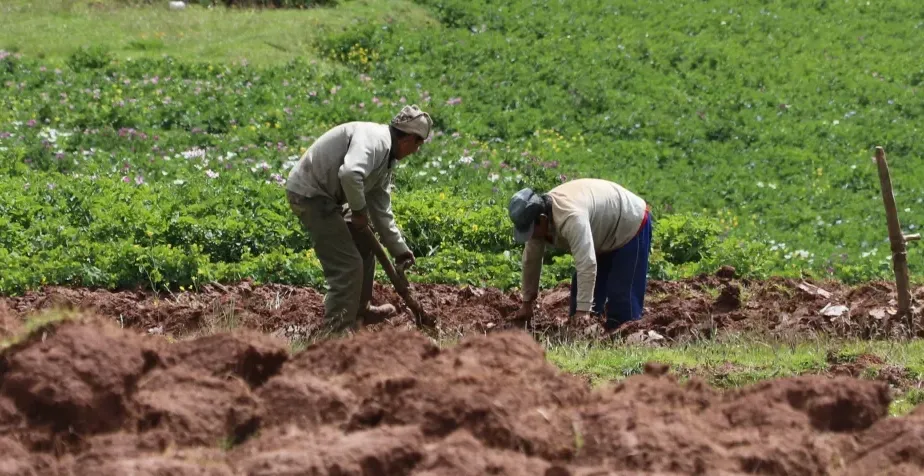
Rural environments contribute a third distinct effect: the recovery of a direct, engaged relationship with the conditions of life. In rural settings, life is lived in closer contact with natural rhythms, physical work, genuine community, and the tangible realities that modern urban life abstracts away.
Rural environments restore something neither pure nature nor culture alone can: the direct, physical, engaged relationship with life that modern existence replaced with abstraction.
Experiencing a rural way of life reactivates capacities that modern existence leaves dormant — physical engagement, direct relationship with the natural world, participation in genuine community. This recovery of direct life is central to the simplicity that the Inka Method emphasizes, and it produces a restoration that neither pure nature nor culture alone can provide.
Why All Three Are Necessary
Each environment addresses a different dimension of what modern life depletes. Natural environments restore the physiological and cognitive system. Cultural environments expand perspective and reveal hidden assumptions. Rural environments recover the direct, engaged relationship with life. A person needs all three, because modern life has depleted all three dimensions.
A journey drawing only on natural environments would restore the system but leave perspective unchanged. One drawing only on cultural encounter would shift perspective but not restore the body. The integration of all three produces the comprehensive effect that genuine realignment requires — addressing the whole person rather than a single dimension.
The Integration in Practice
In a therapeutic journey through the Andes, these three environments are not experienced separately but woven together. The natural landscapes restore the system while the living culture expands perspective and the rural way of life recovers direct engagement — often simultaneously, in the same immersive experience.
This integration is what makes the Andean setting so well suited to therapeutic tourism. It offers all three environments in coherent combination: extraordinary natural landscapes, the living culture of the civilización inka, and rural communities that retain a direct relationship with life. Together, guided by the understanding of the Inka Method, they produce the full therapeutic effect — restoring the system, expanding perspective, and recovering the direct engagement with life that modern existence took away.
Natural environments restore the body, cultural environments expand the mind, and rural environments recover direct life. Genuine realignment requires all three — and the Andes offer them together.