The human body is the only machine that improves when it is used and degrades when it is spared. Every other mechanism wears down with operation and preserves itself at rest. The body inverts this rule entirely — and understanding that inversion reveals something modern life has fundamentally misread. Movement is not what wears a person out. Movement is how a person is rebuilt.
The Machine That Works Backwards
Consider any manufactured object. A car deteriorates with mileage. A tool dulls with use. Rest preserves them; operation costs them. This is so intuitive that we unconsciously apply it to ourselves — assuming that using the body wears it down and that rest is what preserves it.
Every machine degrades with use and is preserved by rest. The human body does the opposite — and modern life was designed as if it didn’t.
But the body does not work this way. Muscles that are used grow stronger; muscles that are spared atrophy. Bones under load densify; bones without it thin. The cardiovascular system strengthens with demand and weakens without it. Rest beyond what recovery requires does not preserve the body — it dismantles it.
Regeneration Is Triggered, Not Automatic
The crucial point is that regeneration does not happen on its own. It is triggered. The body’s repair and rebuilding processes activate in response to demand — they are called by movement and remain dormant without it.
Research from institutions including the National Institutes of Health (NIH) has documented how physical activity drives cellular repair, metabolic regulation, and neuroplasticity — the brain’s ability to form new neural connections. Notably, these effects reach the brain as much as the body. Movement improves mood, cognition, and mental clarity through mechanisms that no amount of rest can replicate.
The Brain Rebuilt by the Body
The connection between movement and mental function is among the most underappreciated findings in modern science. Physical activity is associated with improved memory, sharper attention, better emotional regulation, and the growth of new neural connections. The mind, in a real sense, is regenerated through the body.
The mind is not repaired by thinking about itself. It is repaired, in large part, by a body that moves.
This has an uncomfortable implication for the modern person seeking mental clarity. They pursue it through techniques, apps, and mental exercises while sitting still — when one of the most powerful mechanisms available to them is simply moving their body through the physical world.
Why Ancient Life Regenerated Automatically
Ancient peoples did not exercise, because they did not need to. Movement was not a scheduled activity separated from life — it was the substance of life itself. Walking, carrying, building, cultivating: the day was movement, and regeneration was continuous and automatic.
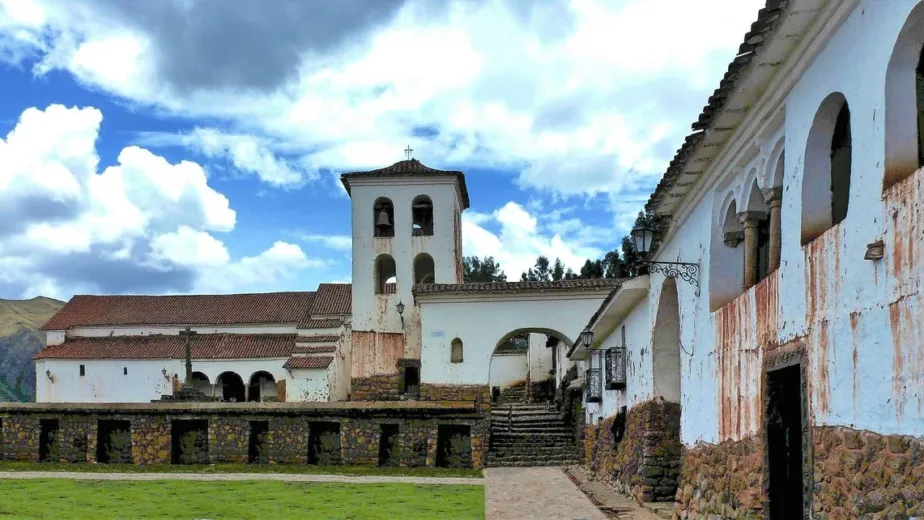
The civilización inka lived in a landscape that made this unavoidable. Moving through Andean terrain, farming terraced slopes, traveling the Qhapaq Ñan on foot — this was a life of constant physical demand, and therefore a life of constant regeneration. The body was maintained by the way life was organized, not by a separate activity added to compensate for how it wasn’t.
Movement as Part of Simplicity
This is why movement belongs at the center of simplicity in the Inka Method. Simplicity restores the direct relationship with what sustains life — and moving the body is not preparation for living. It is living.
The person who recovers genuine physical engagement does not merely get fitter. They activate the regenerative processes that maintain the entire organism, mind included. The body rebuilds itself, but only when asked. Movement is how you ask.
You are not worn out by moving. You are worn out by not moving — because regeneration only runs when something calls it.