It is an uncomfortable observation, but a revealing one: many people in modern society have, in a sense, lost their genuine personality. Not that they lack character entirely, but that their thoughts, desires, opinions, and even their sense of self have been so thoroughly shaped by external forces that little of what they express is genuinely their own. Understanding the characteristics of this condition — and it is a condition, not a judgment of individuals — reveals something important about modern life and about the possibility of recovering a genuine self.
A Condition, Not an Insult
First, an important clarification. To speak of people without personality is not to insult anyone or to claim some people are empty. It is to describe a condition produced by modern life — a condition in which a person’s genuine individuality has been overwritten by absorbed influences to the point where their authentic self is obscured. This can happen to anyone, and recognizing it in oneself is the beginning of recovering genuine personality.
To have lost one’s genuine personality is not a personal failing. It is a condition modern life produces — and recognizing it is the first step to recovering the authentic self.
Absorbed Opinions Presented as One’s Own
One characteristic is holding opinions that were entirely absorbed rather than genuinely formed. A person may hold strong views on many subjects, yet if examined, these views turn out to be exactly the views of their media, their social group, or their cultural moment — absorbed wholesale and presented as personal conviction.
The genuine personality forms opinions through genuine thought and examination. The overwritten personality receives opinions ready-made and mistakes them for its own. The difference is not the strength of the opinion but its origin — whether it was genuinely thought through or simply absorbed.
Desires Installed From Outside
Another characteristic is pursuing desires that were installed rather than genuinely felt. A person may pursue certain goals — particular kinds of success, possessions, or status — with great energy, yet these desires often turn out to be exactly the desires that advertising, culture, and social pressure install. The person wants what they were shaped to want, not what genuinely reflects their authentic self.
Much of what a person pursues so energetically was never genuinely their desire. It was installed from outside — and mistaken for their own.
This is why the achievement of these desires so often fails to satisfy. When a person achieves a goal that was installed rather than genuinely felt, the fulfillment does not come, because the goal was never truly theirs. The emptiness that follows achievement is often the emptiness of pursuing borrowed desires.
The Inability to Be Alone With Oneself
A further characteristic is the inability to be alone with oneself. When a person has little genuine inner life — when their personality is largely absorbed rather than authentic — solitude becomes uncomfortable, because there is no genuine self to keep company with. The person reaches constantly for distraction, unable to tolerate their own presence.
This restless need for constant external input often signals that the inner self has been crowded out by absorbed influences. The genuine personality can rest in its own company; the overwritten one cannot, and must constantly fill the silence with distraction.
Recovering Genuine Personality
The recovery of genuine personality begins with awareness — recognizing which of one’s opinions, desires, and beliefs were genuinely formed and which were merely absorbed. This examination is uncomfortable but liberating, because it allows a person to begin distinguishing their authentic self from the layers of installed influence.
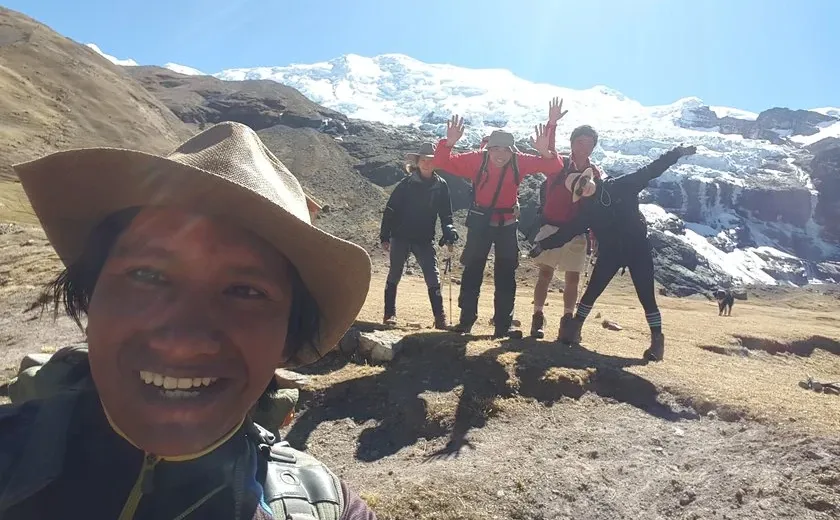
This recovery is part of what the Inka Method makes possible. By stepping outside the systems that shape and overwrite the self, and by encountering a genuinely different way of understanding life, a person gains the distance to see how much of their personality was absorbed — and to begin recovering the authentic self beneath. To recognize the condition is to begin to be free of it.
The recovery of genuine personality begins with an uncomfortable question: how much of what I think, want, and believe is truly mine? To ask it honestly is to begin becoming genuinely yourself.