Of all the factors that shape a person’s mental state, environment is among the most powerful and the most underestimated. People tend to believe their thoughts, feelings, and behaviors come primarily from within — from willpower, character, or choice. In reality, the environment a person inhabits continuously shapes all of these, often more than any internal effort. This is why environment is central to personal realignment, and why changing environment can accomplish what willpower alone cannot.
The Underestimated Power of Environment
The human organism responds continuously and automatically to its surroundings. The light a person is exposed to regulates their circadian rhythm. The level of stimulation shapes their stress response. The presence or absence of natural elements affects their attention and mood. These responses happen below conscious awareness, which is precisely why environment’s power is so easily underestimated.
People believe their state of mind comes from within. In truth, the environment shapes it continuously — and usually without their awareness.
Because these effects operate automatically, a person cannot simply override them through willpower. A person in a stressful, overstimulating environment cannot think their way to calm, because the environment continuously triggers the stress response. This is the key insight: to change the state, one must often change the environment.
Why Willpower Is Not Enough
Modern self-improvement culture places enormous emphasis on willpower — the idea that a person can change themselves through sufficient effort and discipline. But willpower is limited and easily overwhelmed by environment. A person trying to change while remaining in the environment that shapes their current patterns is fighting a continuous, uphill battle against forces that operate automatically and never rest.
This is why so many attempts at personal change fail. The person relies on willpower while remaining in an environment that reinforces exactly the patterns they are trying to change. The environment wins, because it operates constantly while willpower depletes. Genuine change requires changing the environment, not merely trying harder within it.
How Environment Enables Realignment
Personal realignment — the restoration of coherence between how a person lives and how they are built to live — depends on environment precisely because environment shapes so much automatically. Placing a person in an environment aligned with their biological needs triggers the realignment automatically, without requiring constant effort.
Change the environment, and much of the change you were struggling to force through willpower begins to happen on its own.
In a natural environment, stress decreases automatically. Natural rhythms re-synchronize on their own. Attention recovers without effort. The person does not have to force these changes — the environment produces them. This is why changing environment is so much more effective than willpower for producing genuine realignment: it works with the automatic responses of the organism rather than against them.
The Environment as an Active Partner
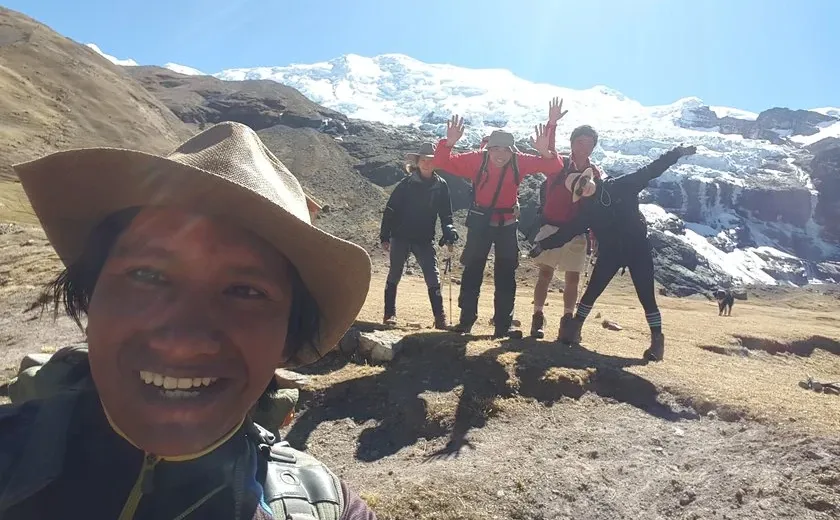
In therapeutic tourism, environment is treated not as a backdrop but as an active partner in the process of realignment. The natural landscapes, the cultural context, the rural way of life — each is chosen for its effect on the person, and together they create conditions that produce realignment naturally.
This is a fundamentally different approach from methods that rely on internal effort. Rather than asking a person to change themselves through willpower against a hostile environment, therapeutic tourism changes the environment to one that produces the desired change automatically. The person’s effort is directed toward genuine engagement, while the environment does the deeper work.
Carrying the Insight Home
Understanding the power of environment offers a lasting insight that a person can carry beyond the journey. Once a person truly grasps how much their environment shapes their state, they gain a powerful tool for their own life: the recognition that changing their circumstances, surroundings, and daily conditions can accomplish what willpower alone cannot.
This understanding is part of what a therapeutic journey provides. The realignment that the environment produces during the journey demonstrates, directly and undeniably, the power of environment — and equips a person to shape their own environment more consciously when they return. Environment shaped their depletion; understanding environment becomes a tool for maintaining their realignment.
The deepest lesson of a therapeutic journey may be this: you are not fixed, and you do not change by force. Change your environment, and you change yourself.