A therapeutic journey may feel effortless to the person experiencing it, but that ease is the product of deliberate design. Every element — the sequence of environments, the pace, the balance of movement and rest, the moments of understanding — is chosen for its effect. Understanding how these experiences are designed reveals why they produce results that an unplanned trip cannot, and what separates therapeutic travel from ordinary tourism.
Designing for the Nervous System, Not the Itinerary
Conventional travel is designed around attractions: a list of sights to see and activities to complete. Therapeutic travel is designed around the nervous system — around how a human being actually decompresses, recovers, and gains clarity. This is a fundamentally different design principle.
Ordinary travel is designed around what there is to see. Therapeutic travel is designed around what the mind needs to heal.
This means the design begins not with a map of destinations, but with an understanding of the process a person must move through: the removal of overload, the downshifting of stress, the restoration of attention and rhythm, and the emergence of perspective. The destinations serve the process, not the other way around.
Sequencing Environments Deliberately
The order in which a person encounters environments matters enormously. A well-designed journey does not begin with the most intense or demanding experience. It sequences environments to guide the nervous system gradually from a state of overload toward a state of clarity.
Early stages emphasize decompression — quieter settings that allow the initial downshift. As the journey progresses and the person’s capacity for presence grows, the environments can offer more: greater natural immersion, more demanding terrain, deeper cultural encounter. This progression mirrors the actual process of recovery documented in stress research from institutions such as the American Psychological Association (APA).
Balancing Movement and Rest
Physical movement is essential to the therapeutic effect, but so is rest, and the balance between them is carefully designed. Too much exertion overwhelms an already depleted system; too little fails to activate the regenerative processes that movement triggers. The design calibrates this balance to the person and the stage of the journey.
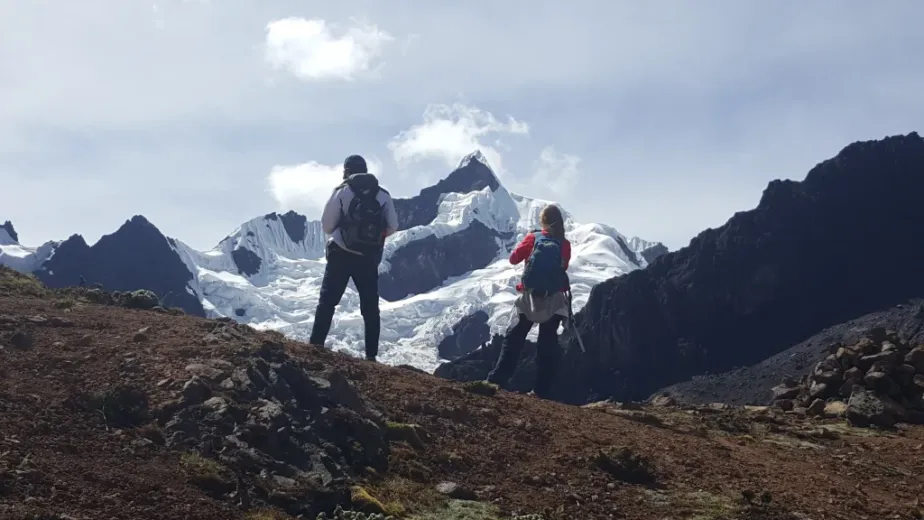
Movement through natural terrain — walking the landscapes of the Andes — activates neuroplasticity and physical regeneration, while adequate rest allows the nervous system to consolidate recovery. The rhythm between them is not accidental; it reflects how the body actually rebuilds itself.
The balance of effort and rest is not left to chance. It is calibrated to how the human body regenerates.
Weaving in Understanding
Perhaps the most sophisticated aspect of the design is the integration of knowledge. The Inka Method’s pillars — history, science, and simplicity — are not delivered as separate lessons but woven into the journey at the moments they become most meaningful.
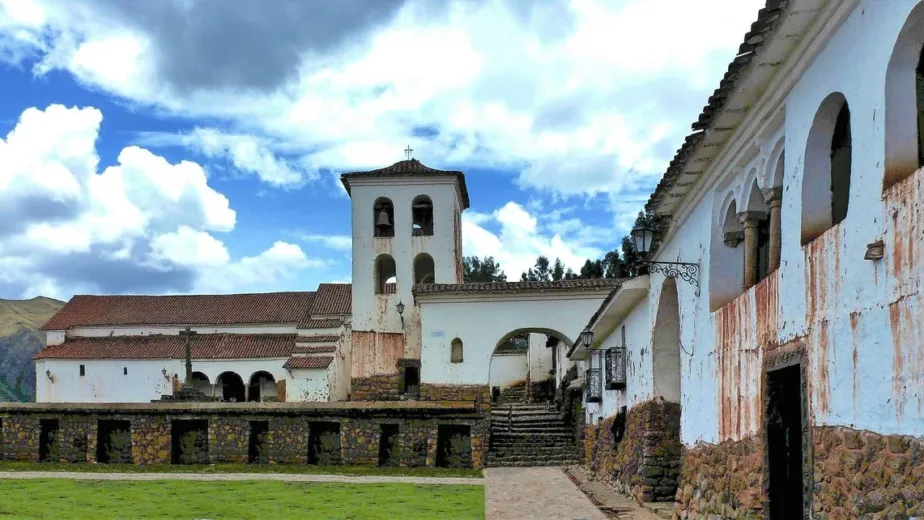
Understanding the science of why a natural environment lowers stress lands differently when a person is standing in that environment, feeling the effect. Learning how the civilización inka organized life in coherence with its environment resonates more deeply when a person is walking through the landscapes where that civilization thrived. The design places understanding at the moments it illuminates experience, transforming sensation into insight.
Designing for the Individual
Finally, therapeutic travel is designed with the recognition that no two people arrive in the same state. The depth of disconnection, the specific sources of overload, and the readiness for change vary. A well-designed experience accounts for this, adapting the intensity and focus to the individual rather than applying a fixed formula.
This is why genuine therapeutic tourism operates by application and personalization rather than mass packaging. The design must fit the person, because the process it guides is deeply personal.
Design as the Difference
The careful design of a therapeutic journey is precisely what elevates it above ordinary travel. The same landscapes, encountered without design, would produce a pleasant trip. Encountered through deliberate sequencing, pacing, balance, and understanding, they produce something far greater: a structured process of realignment and clarity.
The mountains are the same for everyone. What changes everything is the design that turns them from scenery into a process.