Machupicchu
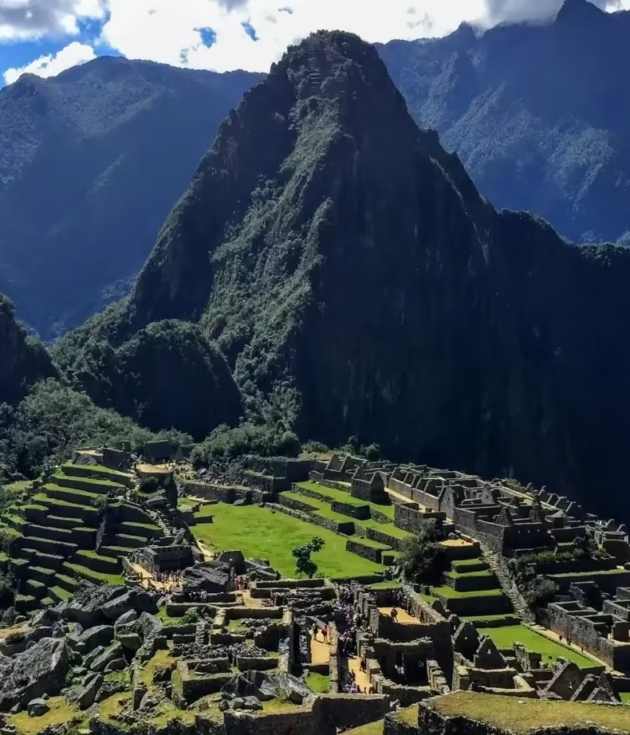
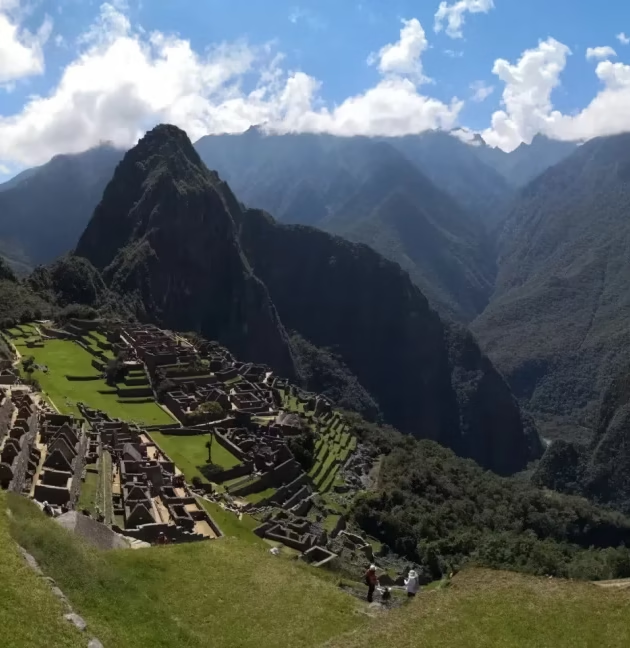
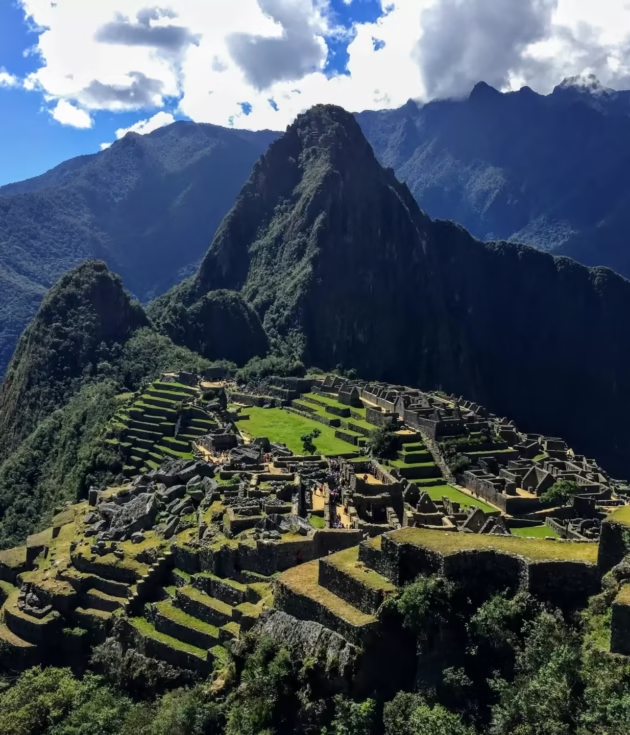
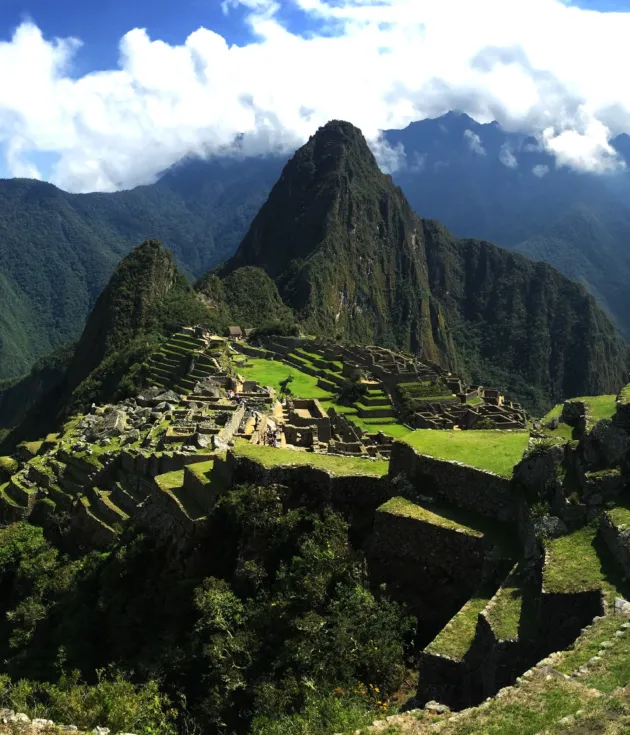
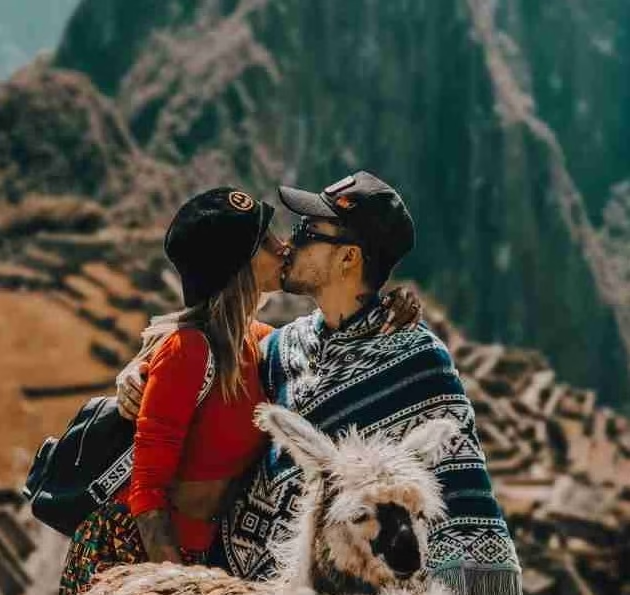
At 2,430 meters above sea level, Machu Picchu is not a backdrop. It is the final condition of the therapeutic process — the environment where everything accumulated during the journey becomes visible as clarity, not as concept.
Not selected for its beauty
Machu Picchu was selected as a therapeutic environment because of what it does neurologically. Its spatial design — open terraces, unobstructed horizons, absence of modern acoustic noise — produces measurable changes in cortisol levels within hours of arrival.
The architecture of Machu Picchu was not designed for permanence. It was designed for arrival — for the moment a person stops moving and begins to understand where they are.
The neurological effect
Sustained exposure to open natural environments at altitude reduces default mode network activity — the mental pattern associated with rumination and unresolved tension.
Point of arrival
Within the Inka Method, Machu Picchu is always the final destination — never the first. When the participant reaches this environment, the mind is no longer processing. It is integrating.
Routes and access
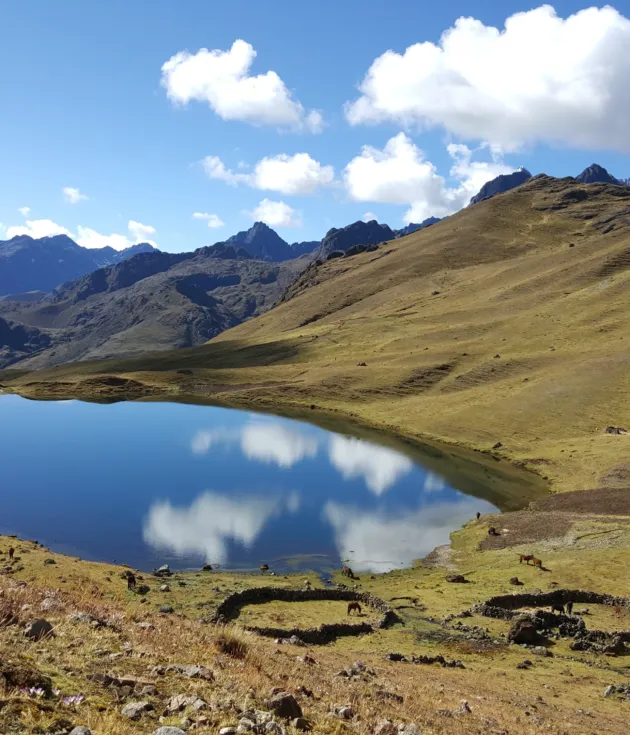
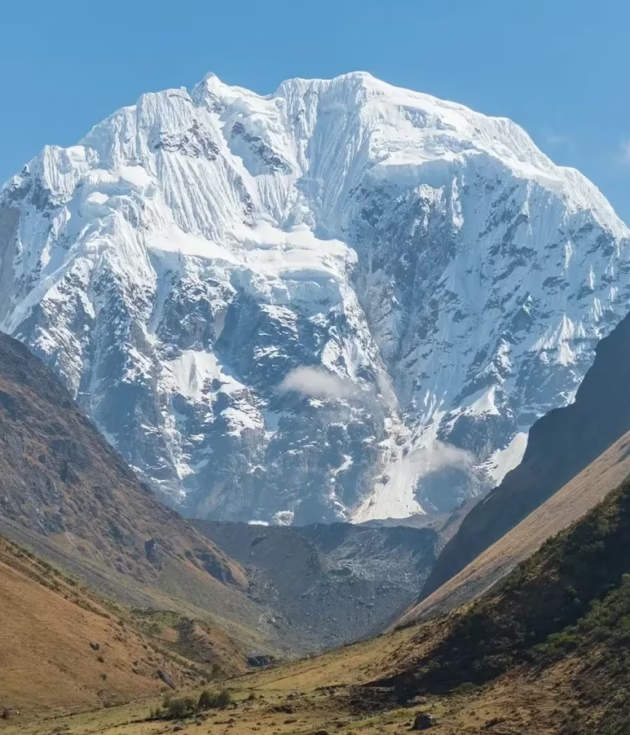
The standard route is by train from Ollantaytambo to Aguas Calientes — comfortable, scenic, and efficient. For those who prefer to arrive on foot, the Inca Trail, Salkantay, and Lares routes all terminate at Aguas Calientes. We select the access point based on your journey design and physical context, and can adjust it at any stage of the application process.
Machu Picchu is included in specific Guided Journey proposals. Access is determined by the journey design, not selected independently.
Showing 10–18 of 18 results