Choquequirao
Accessible only by a two-day trek through remote Andean terrain, Choquequirao remains one of the least visited Inka sites in Peru. Its isolation, scale, and historical significance as the last refuge of the Inka civilization create an environment of profound solitude and reflection.
Genuine remoteness
For individuals seeking deep disconnection from modern systems, Choquequirao offers something increasingly rare: genuine silence, genuine remoteness, and genuine encounter with human history. Only those who walk in can enter. That physical commitment is part of what the site gives back.
Choquequirao is not visited. It is earned. And what it gives those who arrive is proportional to what it asked of them on the way.
A citadel still being uncovered
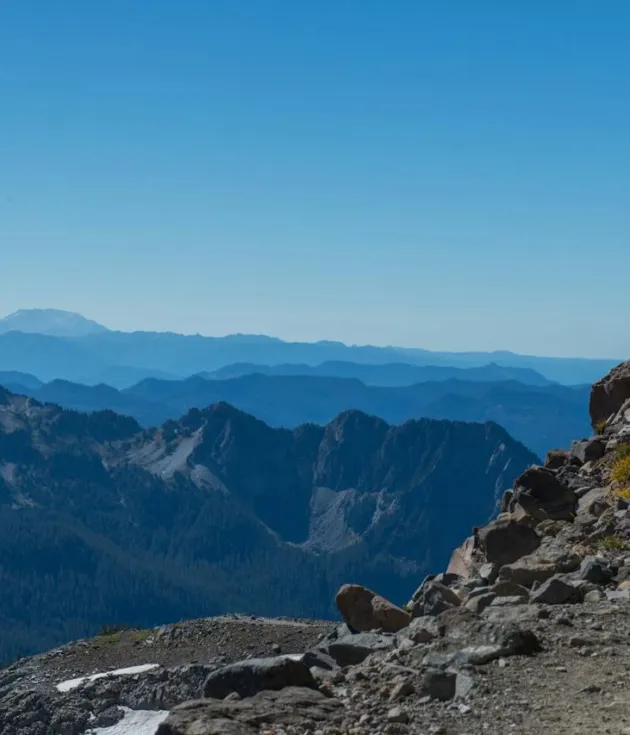
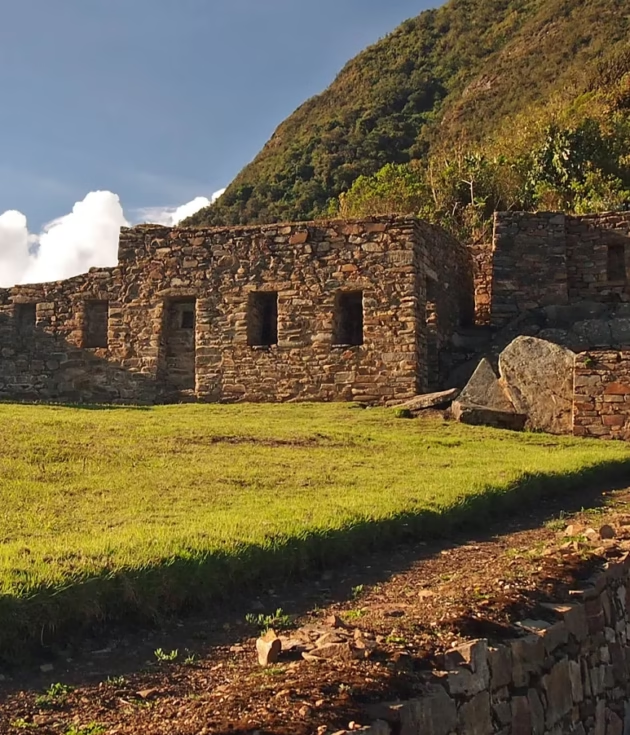
Only 40% of Choquequirao has been excavated. Terraces, ceremonial platforms, and residential sectors emerge from the cloud forest. The site sits above the Apurímac canyon, with views that recalibrate the sense of scale completely.
Where effort meets meaning
Within the Inka Method, Choquequirao is used in journeys where physical challenge is a deliberate therapeutic element. The effort of access is not incidental — it is part of the design. What is understood at the citadel is understood differently because of what it took to get there.
Routes and access
The classic route departs from Cachora, 3 hours from Cusco, and involves a 2-day trek to the citadel descending into and climbing out of the Apurímac canyon. A longer route connects Choquequirao to Machu Picchu via a 7 to 9-day traverse through some of the most remote terrain in the region. We adjust the entry point and pace based on your physical profile and journey duration, all determined during the application process.
Choquequirao requires solid physical condition. Fitness and readiness are assessed during the application process.
Showing all 2 results