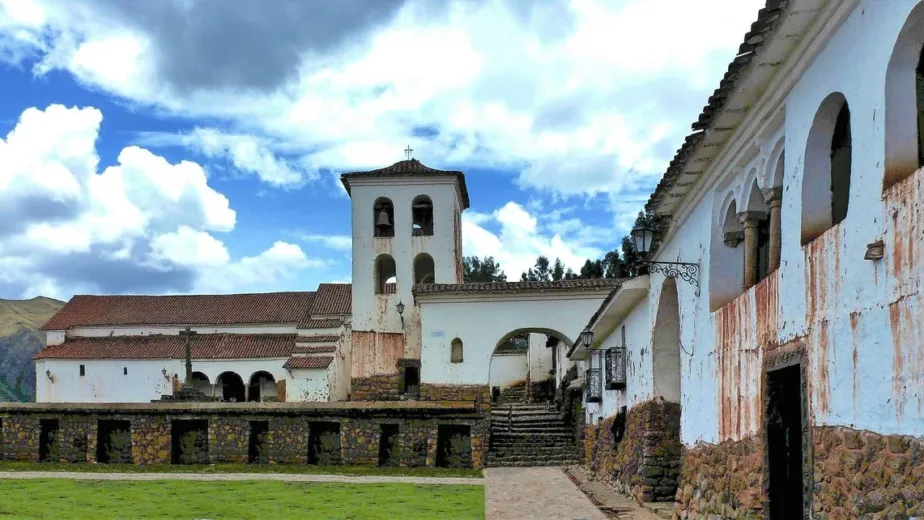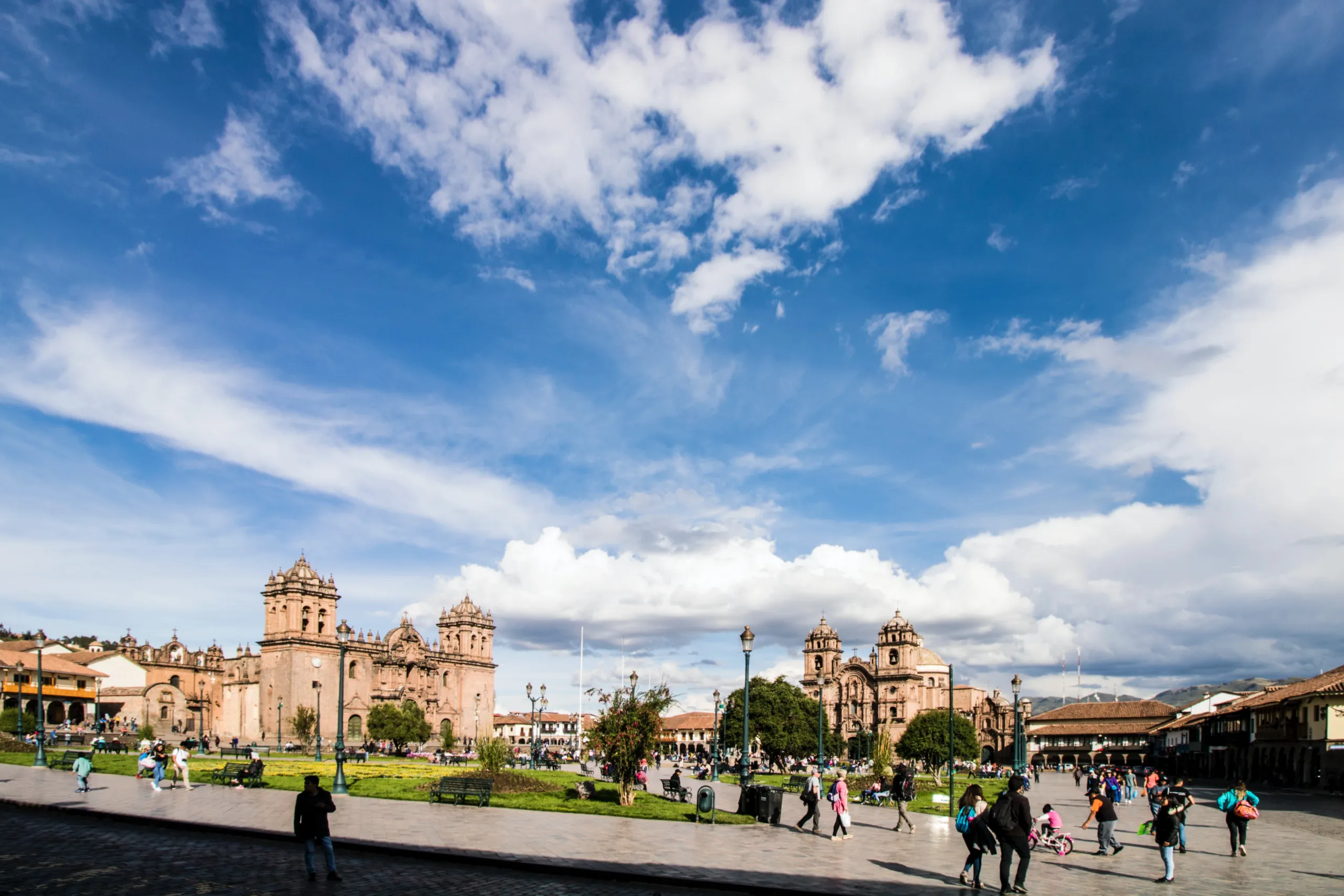
I never had to leave Cusco to encounter the world. The world came here — continuously, from everywhere, carrying whatever it knew. Over years I met people from more countries than I can count: scientists, philosophers, people who had spent their lives pursuing understanding in traditions I had never heard of. This turned out to be the most formative thing that has ever happened to me, and not for the reason you would expect.
An Accidental Education
I did not plan this. There was no program, no study, no intention to assemble a worldview from international sources. People simply arrived, and I talked with them, and some of them carried real knowledge.
I never had to leave to meet the world. It kept arriving, carrying everything it knew — and I was standing right where it landed.
Looking back, it was an education no institution could have designed. Not a curriculum, but a long accumulation of encounters with people who had gone deep into something — and who, for whatever reason, were willing to share it with someone in the Andes.
What Happened in My Head
Here is the part that mattered. It was not what they taught me. It was what my mind did with it.
Everything they shared, I found myself connecting back to the culture I came from. A scientist would explain something about the body, and I would recognize it in what the civilización inka understood. Someone would describe a philosophical tradition from the other side of the world, and it would echo something Andean. I was not doing this deliberately. My mind simply refused to file the information separately.
The Recognition
After enough of these encounters, the pattern became impossible to ignore, and it reorganized everything: the world’s oldest cultures all carry the same essential knowledge, expressed in different languages and images.
Cultures that never met arrived at the same understanding. Either they were all equally wrong, or they were all seeing something real.
These were not separate wisdoms competing for correctness. They were one understanding, described many ways by people who never met. That recognition is the foundation of everything I built afterward — and I could not have reached it by studying any single tradition, including my own.
Why the Andes Made It Visible
I have thought about why this happened to me rather than to the visitors themselves. I think it is because I had a lens they did not.
I grew up inside the living evidence of the civilización inka — not studying it from outside, but formed by it. So when knowledge arrived from elsewhere, it landed against something. The travelers had knowledge but no Andean lens; they could not see the convergence because they had nothing to converge with. I had the lens and kept receiving the material to test it against.
What It Cost Me
I should be honest that this recognition was not comfortable. If the oldest cultures all understood the same thing, then a great deal of what I had been taught about history collapses — including the idea that knowledge accumulates forward and that ancestors were primitive precursors.
I came to see that the age of discovery is a story full of distortions. Much of what was presented as newly discovered had always existed, held by cultures around the world long before it was claimed by others. Once you see that, you cannot trust the inherited account of the past — and that is a lonely thing to carry.
Why This Is in the Method
This is why the Inka Method does not present Andean knowledge as uniquely superior. That would contradict what the encounters taught me. The civilización inka is the lens this method uses because it is the one I was given and it is where I stand — and because Peru is where the living evidence is.
But the understanding is not Andean property. It appears everywhere the oldest cultures survive, in different words. Meeting the world in Cusco is what let me see that — and it is why the method points at something universal through a specific door.
The knowledge was never Andean. It is human. The Andes are simply where I was standing when the world arrived to show me.