The entire travel industry is organized around destinations. Where to go, what to see, which place is best. Every recommendation, every guide, every advertisement operates on a shared assumption: that the place is the product. Choose the right destination and the experience follows. This assumption is so universal that questioning it seems absurd. But it is wrong — and understanding why explains the difference between people who travel constantly and change nothing, and people who go once and return different.
The Destination Assumption
The logic seems airtight. Extraordinary places produce extraordinary experiences. So the task is finding the right place — the most beautiful, the most remote, the most authentic. Get the destination right and the transformation takes care of itself.
The entire industry sells places, because places are easy to sell. Understanding cannot be photographed.
The problem is that this is not what happens. People visit the most extraordinary places on earth and return unchanged, with excellent photographs and the same life. If destinations produced transformation, the well-traveled would be the most transformed people alive. They are not.
Why the Same Place Produces Different People
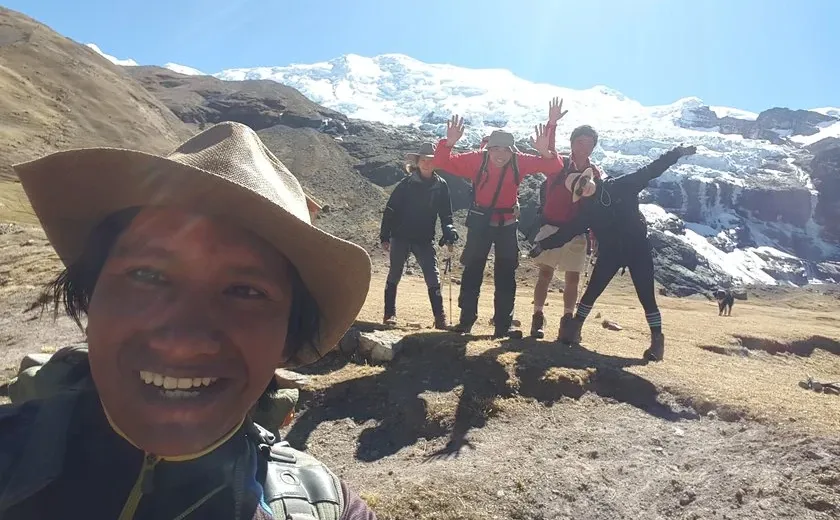
Consider two people standing in the identical spot in the Sacred Valley. Same view, same altitude, same air. One returns with a photograph. The other returns having genuinely reconsidered how they are living.
The destination was identical. Everything that differed was internal — what each person understood about what they were seeing. One saw a beautiful ruin. The other saw evidence of a civilization that organized life around principles their own society abandoned, and recognized a question about their own existence in it.
The place cannot account for the difference. Only the framework can.
What a Framework Actually Does
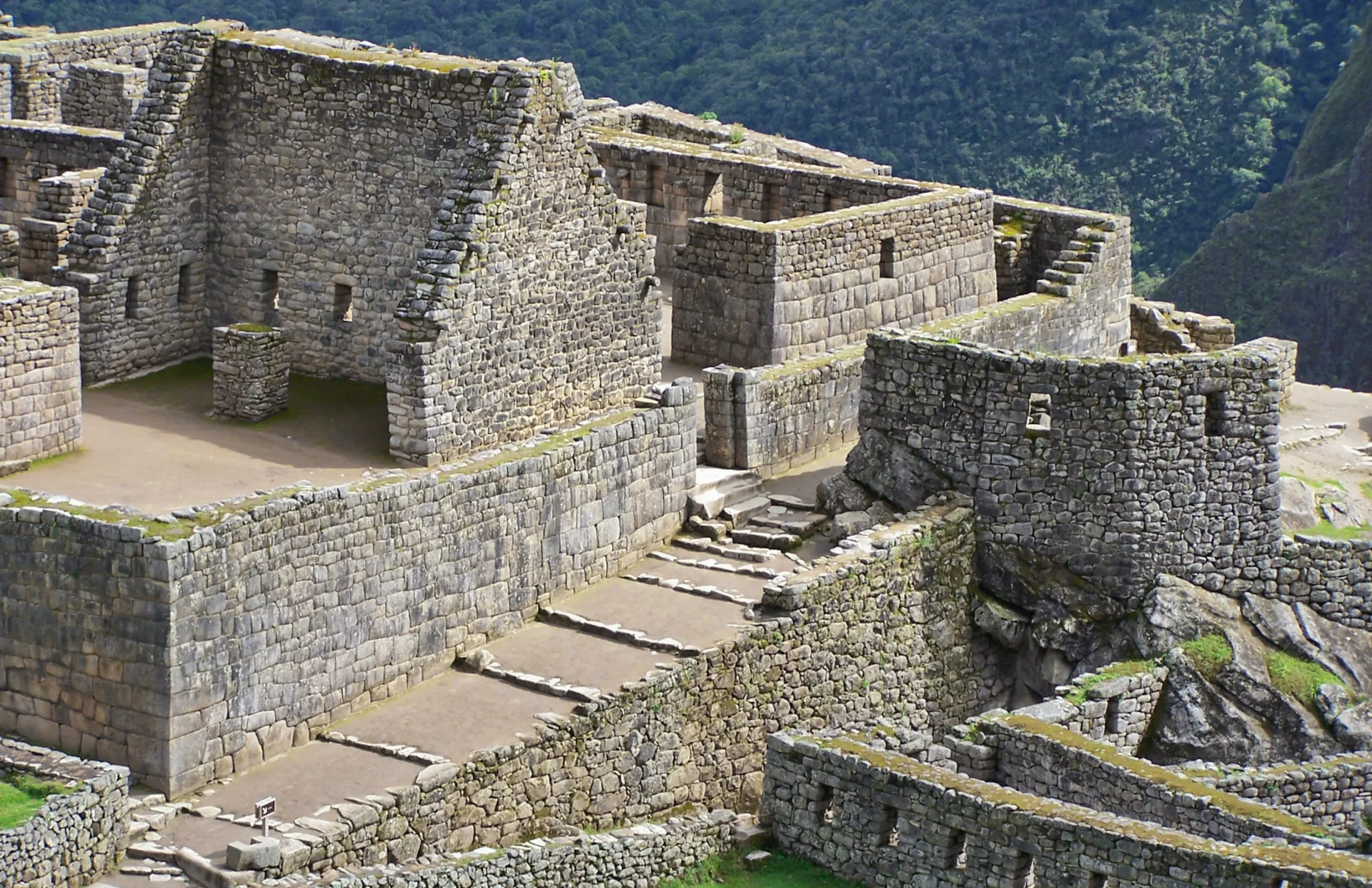
A framework determines what a person is capable of perceiving. Without one, an Inka wall is attractive stonework. With one — knowing that its precision still resists explanation, that it survives earthquakes which topple modern buildings, that the official narrative called its builders primitive — the same wall becomes an argument that something in the inherited story is false.
Two people see the same wall. One sees stones. The other sees proof that the story they were told is wrong. The wall did nothing.
The stones did not change. The capacity to perceive them changed. This is what a framework provides: not information about a place, but the ability to see what is actually there.
Why Frameworks Travel and Destinations Do Not
Here is the decisive difference. A destination is location-bound. Whatever it produces, it produces only while you are standing in it. Leave, and the effect begins decaying immediately — which is why the calm of a retreat evaporates within days of returning home.
A framework has no such limitation. Once a person understands why natural environments restore them, why effort regenerates the body, why the official history was written by the victors — that understanding is portable. It works in their kitchen. It works ten years later. It cannot be left behind at the airport because it is not in the place; it is in them.
The Uncomfortable Implication
This produces a conclusion the travel industry cannot accept: the destination is the least important variable in transformative travel.
It is not irrelevant — the Andes provide restorative conditions and the living evidence of the civilización inka, which few places can match. But the place is the classroom, not the lesson. Without the framework, even the most extraordinary destination on earth produces an extraordinary holiday and an unchanged person.
This is why the honest admission stands: without the Inka Method, this could simply be another extraordinary journey through Peru. The framework is not an accessory to the destination. It is the thing that makes the destination mean anything at all.
You do not need a better destination. You need a framework — because the place stays behind and the understanding comes home with you.