Travel is classified as recreation. It sits in the category of leisure — alongside entertainment and holidays — as something a person does to escape their real life before returning to it. This classification is so automatic that almost no one questions it. But it describes only one kind of travel. Under different conditions, travel becomes something else entirely: not recreation, but education. And the difference is not the destination. It is whether anything was understood.
The Recreation Frame
Recreational travel has a clear structure. A person leaves their life, consumes experiences, and returns. The value is in the break itself and the memories collected. Nothing about the person is expected to change; that was never the point.
Recreational travel asks nothing of you and changes nothing about you. That is not a criticism — it is the design.
There is nothing wrong with this. Rest and pleasure are legitimate. But it explains why so many people travel extensively and return exactly as they left: they were never doing anything that could change them.
What Education Actually Means
Education is not the accumulation of information. It is a change in how a person understands — a permanent alteration in their capacity to see, interpret, and act. A person who has been genuinely educated does not merely know more facts. They think differently.
This is a demanding standard, and most of what passes for education fails it. But it clarifies what would have to be true for travel to qualify: the traveler would have to return with a changed understanding, not a full camera roll.
Why the Environment Makes It Possible
Here is what most people miss. Travel has a structural advantage over the classroom for producing genuine understanding — and it is biological.
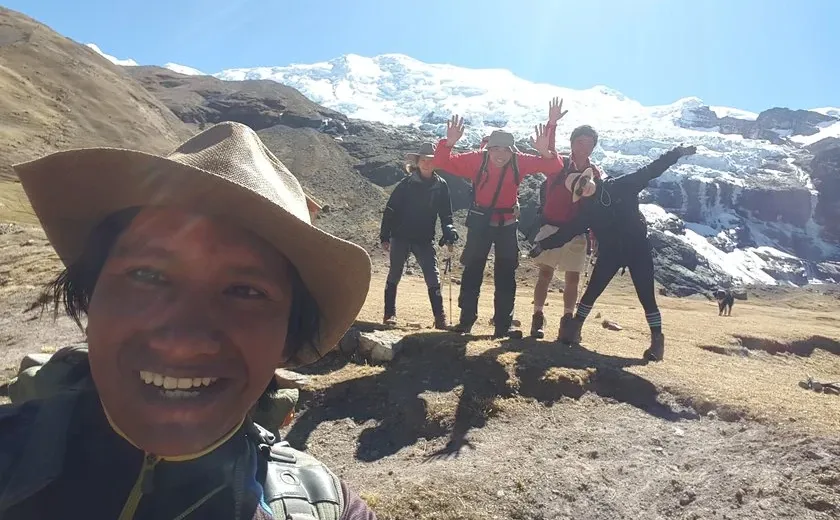
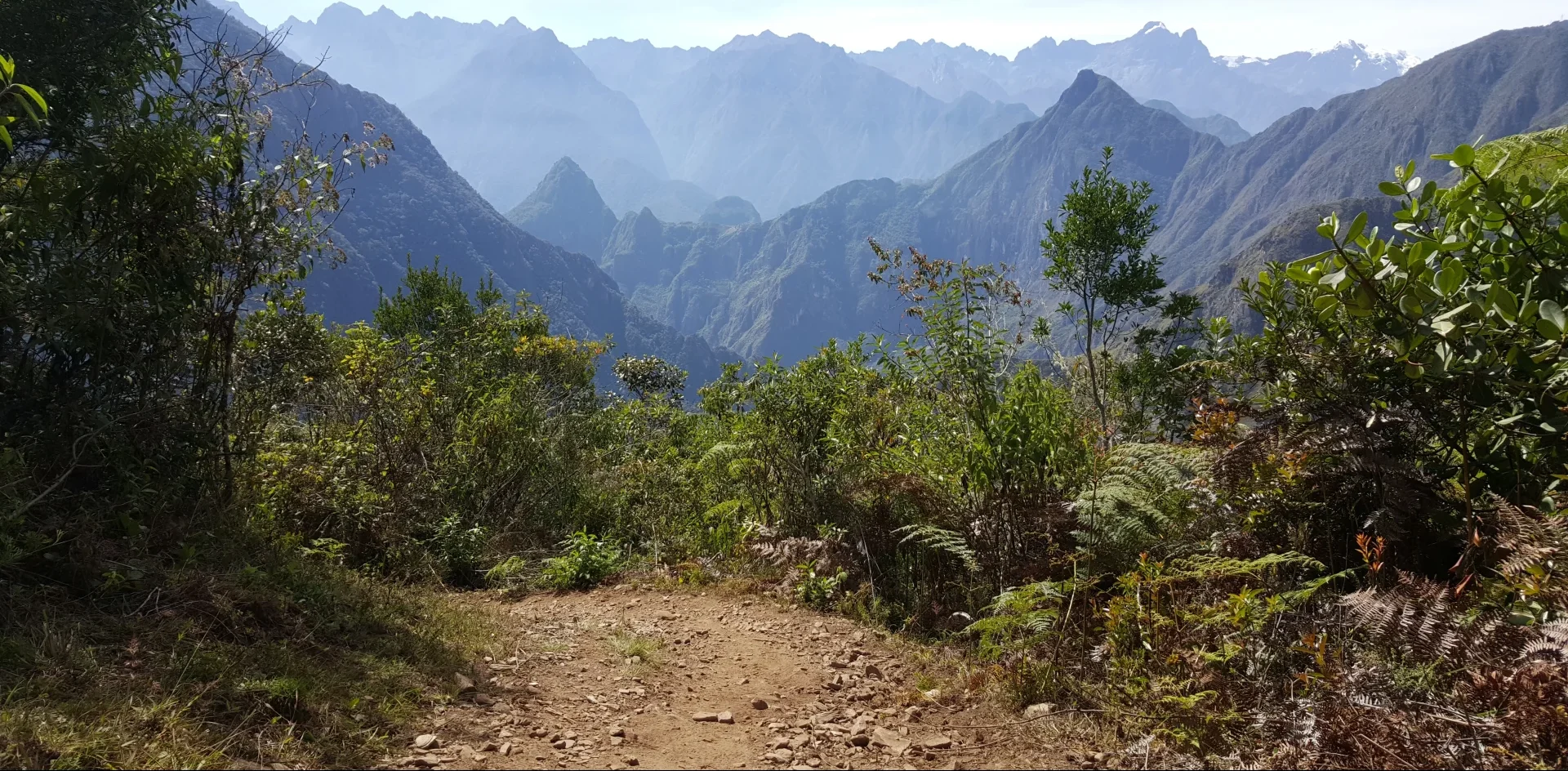
Novel environments engage the hippocampus and stimulate neuroplasticity, as research associated with the National Institutes of Health (NIH) documents. Natural environments lower cortisol and restore the attention that chronic stress depletes. Physical movement through terrain drives regeneration. A person in the Andes is, quite literally, in a better neurological state to understand something than the same person at home.
The traveler in the mountains is in a measurably better state to learn than the same person at a desk. The environment does half the work.
The Missing Half
But this advantage is squandered without content. A person can be in the ideal neurological state for understanding and encounter nothing worth understanding. The brain is primed, the attention restored, the patterns interrupted — and all of it is spent photographing a view.
This is the tragedy of ordinary travel. It creates, accidentally, the exact conditions in which a person could learn something that would change their life — and then gives them nothing to learn.
What Turns One Into the Other
Travel becomes education when the restored conditions meet a framework worth receiving. In the Inka Method, that framework is history, science, and simplicity — delivered not as lectures but woven into the journey at the moments each becomes visible.
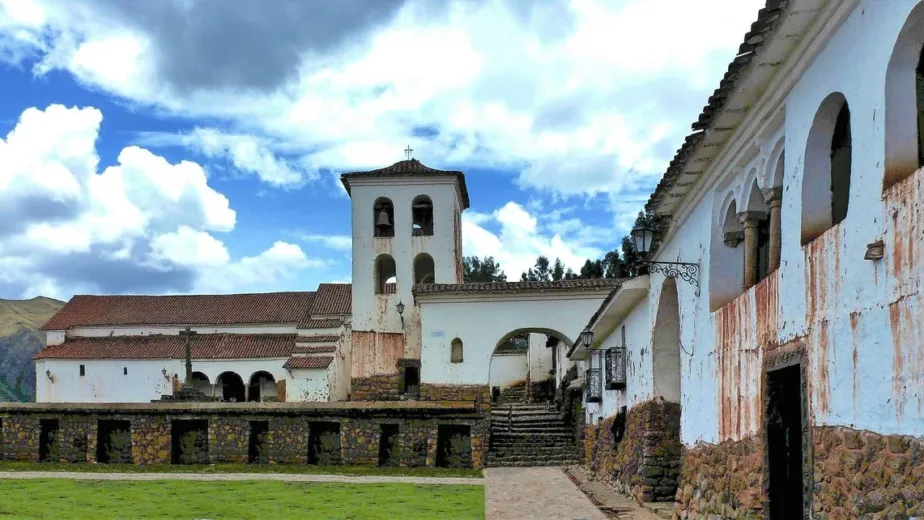
Standing among Inka stonework that engineers still cannot fully explain, a person does not receive a fact about masonry. They encounter evidence that the official story of primitive ancestors is wrong — and that opens a question about what else they have been told. Walking terrain that demands genuine effort, they do not merely exercise. They feel biological processes activate that a sedentary life left dormant, and understand why. The landscape stops being scenery and becomes argument.
The Test
There is a simple way to know which kind of travel a person had. Recreation ends when the trip ends; its effects fade within days, and what remains is memory. Education does not end, because a change in understanding travels home and continues working — in how a person organizes their days, what they pursue, and what they finally recognize as unnecessary.
This is what it means to say travel becomes education. Not that the traveler learned facts about Peru, but that they returned understanding something about how a human being is meant to live — and could no longer unsee it.
Recreation gives you something to remember. Education gives you something you cannot go back from.