The mental health benefits of travel depend heavily on one factor that is often overlooked: the environment traveled to. Not all destinations affect the mind equally. The specific qualities of an environment — whether natural or built, calm or overstimulating, coherent or chaotic — determine whether travel genuinely restores mental health or simply relocates a person’s stress. Understanding the relationship between travel, environment, and mental health reveals why where a person goes matters as much as the fact of going.
Environment as the Active Ingredient
When travel improves mental health, the environment is doing much of the work. A person does not simply feel better because they have traveled; they feel better because they have placed themselves in an environment that affects their nervous system differently than their ordinary surroundings. The environment is the active ingredient, and its qualities determine the effect.
The question is not simply whether you travel, but where. The environment you travel to is what actually acts on your mind.
This is why two trips of the same length can produce completely different mental health outcomes. A journey to a calm, natural environment restores; a journey to an overstimulating, chaotic one may deplete. The environment, not merely the act of traveling, produces the result.
The Mental Health Cost of Certain Environments
Some environments actively harm mental health, even during travel. Dense, noisy, overstimulating destinations — crowded cities, chaotic tourist hubs — place the same kind of demand on the nervous system that produces stress in ordinary life. A person can travel to such a place and return more depleted than before, because the environment kept their stress systems activated throughout.
This is a crucial point often missed in the assumption that any travel benefits mental health. The environment matters enormously. Travel to a mentally taxing environment can undermine the very benefits travel is supposed to provide.
Why Natural Environments Restore
Natural environments have the opposite effect, and the evidence is substantial. Research catalogued by the National Library of Medicine (NCBI) documents how natural settings lower stress hormones, reduce anxiety, and support psychological wellbeing. The mechanisms are well understood: natural environments have lower sensory demand, engage attention gently, and signal safety to deep systems in the brain.
Natural environments restore mental health not by chance, but through specific mechanisms the human nervous system evolved to respond to.
Travel to natural environments therefore combines the general benefits of travel — escape from routine, novelty, new experience — with the specific restorative power of nature. This combination is what makes nature-based travel so effective for mental health, and why the environment traveled to is so decisive.
The Importance of Coherence and Calm
Beyond nature versus city, the coherence and calm of an environment matter. An environment that is coherent — where the sensory experience fits together and does not demand constant filtering — allows the mind to rest. A calm environment, free of the constant demands and stimulation of modern life, permits the nervous system to downshift.
These qualities are found most reliably in natural and rural environments, and in places with a coherent cultural character. The environments best suited to restoring mental health share these features: natural, calm, coherent, and free of the overstimulation that keeps the mind activated.
Choosing the Right Environment
The practical implication is clear: for travel to genuinely benefit mental health, the environment must be chosen with its mental effects in mind. This means favoring natural over built, calm over chaotic, coherent over overstimulating, and immersive over superficial. The destination should be selected not only for its beauty or interest, but for its effect on the mind.
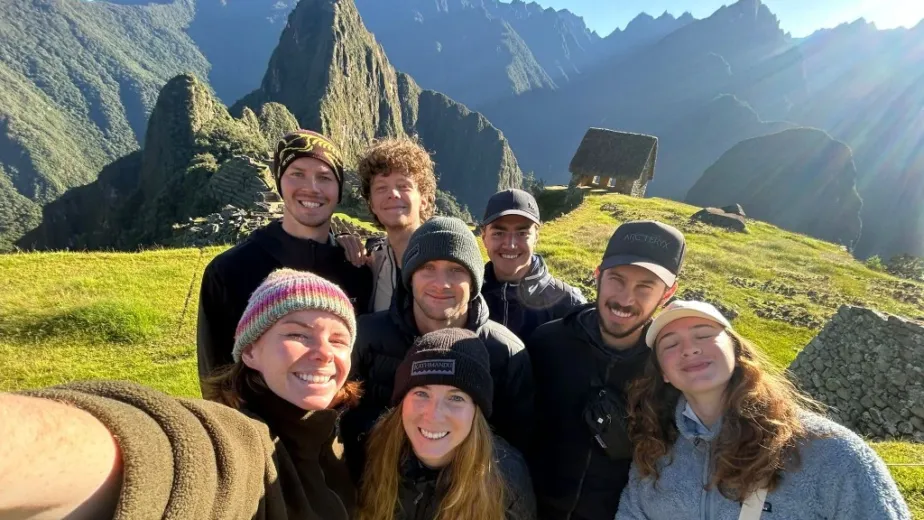
This is precisely the principle behind structured therapeutic travel. The environments are chosen specifically for their restorative effect on mental health — natural Andean landscapes, coherent living culture, calm rural settings. Rather than leaving the mental health benefits of travel to the chance of destination, it deliberately selects and sequences environments to maximize their restorative power, ensuring that travel genuinely heals rather than merely relocating a person’s stress.
The right environment can restore a mind that ordinary life has depleted. Choosing it deliberately is what turns travel from escape into genuine healing.