Machu Picchu appears on nearly every list of places to see before you die, and millions travel to witness it each year. But most visitors experience it as a spectacular photograph — a stunning view, a checked box, a moment of awe that fades. Approached through the framework of the Inka Method, Machu Picchu offers something far deeper: not merely a sight to see, but an encounter with a civilization’s understanding that can genuinely shift how a person sees their own life. Here is why it deserves to be visited — and how to visit it meaningfully.
Beyond the Photograph
The conventional visit to Machu Picchu treats it as a visual destination — arrive, photograph, marvel, depart. This produces a memorable image but little lasting insight. The site becomes a backdrop rather than a teacher, and its deeper significance goes unnoticed beneath the surface of a beautiful view.
Most people photograph Machu Picchu and understand nothing about it. The image lasts; the meaning is missed entirely.
To visit Machu Picchu meaningfully requires seeing past the photograph to what it actually represents: the achievement of a civilization whose understanding of engineering, environment, and human life challenges modern assumptions. This shift in how one sees the site transforms the visit from sightseeing into genuine encounter.
A Masterpiece of Understanding
Machu Picchu is not merely beautiful — it is a demonstration of profound knowledge. Its construction reflects sophisticated understanding of engineering, hydraulics, astronomy, and environmental adaptation. The precise stonework, assembled without mortar, has survived centuries of earthquakes that toppled later constructions. The water systems still function. The alignment with astronomical events reflects deep knowledge of natural cycles.
Encountering Machu Picchu with awareness of these achievements changes the experience entirely. It becomes evidence of what the civilización inka understood — a sophistication that the conventional narrative of primitive ancestors cannot account for. The site itself becomes an argument for taking ancestral knowledge seriously.
The Setting as Part of the Meaning
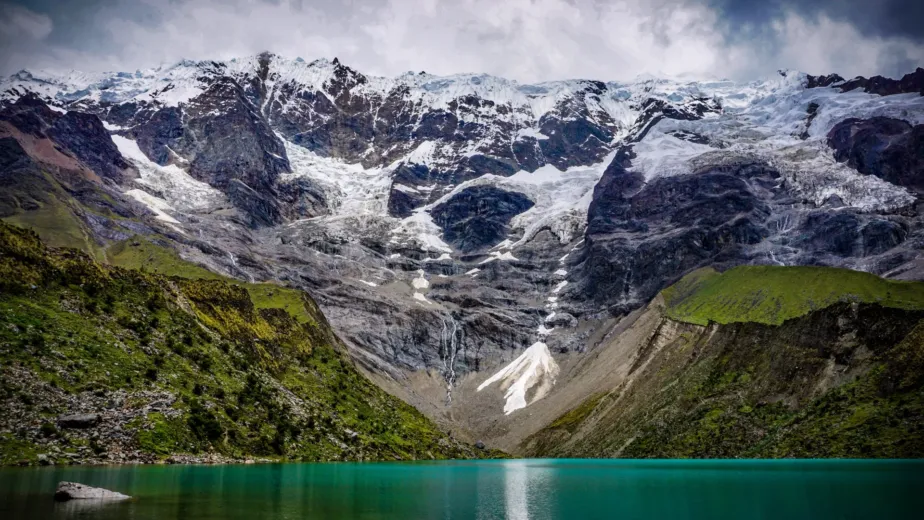
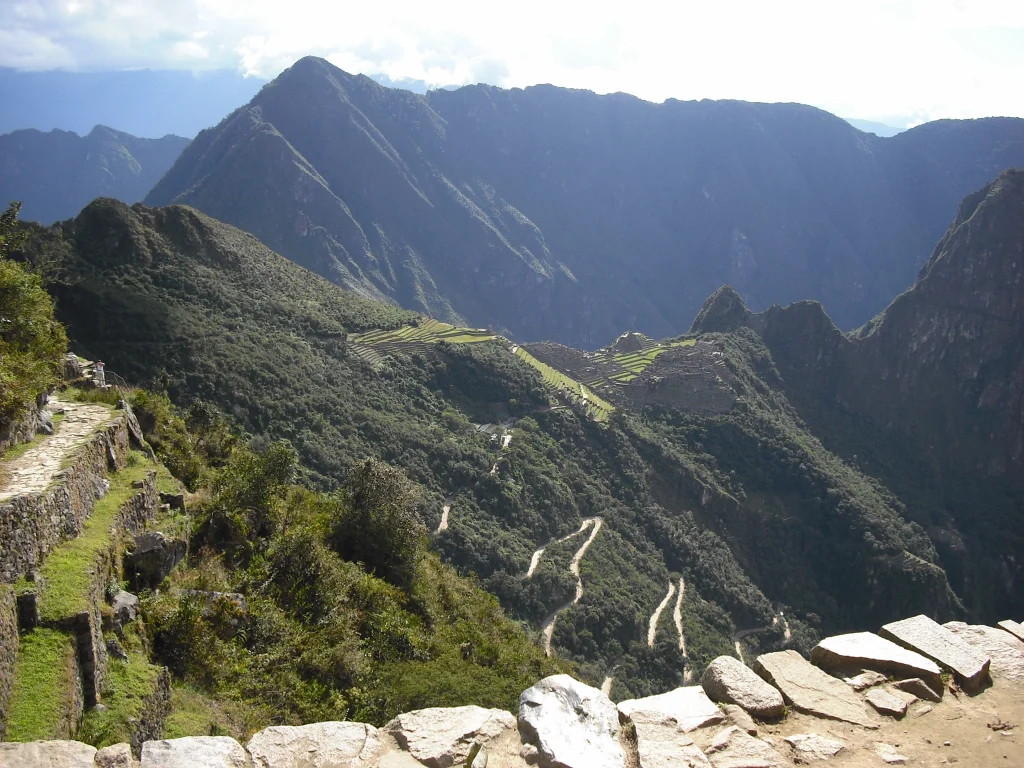
Machu Picchu’s location is not incidental. Set high among dramatic peaks, surrounded by the natural grandeur of the Andes, it demonstrates the Inka understanding of the relationship between human construction and natural environment. The site was placed in coherence with its surroundings, integrated with the landscape rather than imposed upon it.
The Inka did not conquer the mountain to build Machu Picchu. They understood it — and built in coherence with it. That understanding is the real monument.
Experiencing this integration — the way the construction relates to the mountains, the water, the sky — offers a direct lesson in the Inka relationship with nature. It is a physical demonstration of a way of understanding the human place within the natural world that modern life has lost.
The Journey as Part of the Experience
Reaching Machu Picchu, particularly through the surrounding landscapes of the Sacred Valley, is part of what makes the visit meaningful. The physical journey through the Andes — the movement, the altitude, the immersion in the natural environment — prepares a person to encounter the site with the restoration and clarity that the therapeutic approach provides.
This is why the destination is best approached not as an isolated stop but as the culmination of a genuine journey. The restoration that occurs along the way opens a person to experience Machu Picchu more deeply than a person who simply arrives, depleted and distracted, to take a photograph.
What You Actually Take Home
Visited through the Inka Method, Machu Picchu offers something a person can carry home far beyond a photograph. It offers a direct encounter with the evidence that another way of understanding life once existed — sophisticated, coherent, and sustainable. It challenges the assumption that the modern way is the only way or the best way. And it provides the perspective that comes from standing before the achievement of a civilization that understood things we have forgotten.
This is why you should visit Machu Picchu: not to check it off a list, but to encounter, directly and physically, a demonstration of human understanding that can genuinely shift how you see your own life. Approached with understanding, it is not merely one of the world’s great sights — it is one of its great teachers.
Visit Machu Picchu not to see it, but to understand it. The view will fade in memory; the understanding can change how you live.