It is one thing to define therapeutic tourism and another to understand how it actually works — the specific mechanisms through which a structured journey produces mental clarity and lasting change. The process is not mysterious, and it is not based on belief. It works by deliberately combining several distinct effects, each grounded in how the human mind and body respond to environment, movement, and understanding.
It Begins by Removing Interference
The first thing therapeutic tourism does is subtractive. Before anything can be added, the sources of chronic overload must be removed. Modern life keeps the nervous system in a state of constant low-grade activation — the notifications, the demands, the artificial pace. As long as a person remains within that environment, no amount of technique will fully restore them.
The first step is not to add something new. It is to remove everything that has been quietly draining the system.
By physically relocating a person to a natural environment, genuinely separated from the triggers of daily stress, therapeutic tourism allows the overloaded nervous system to begin downshifting. Research from institutions such as the American Psychological Association (APA) has documented how difficult this is to achieve without leaving the environment that sustains the stress.
The Environment Does Part of the Work
Once interference is removed, the environment itself becomes an active agent. Natural settings lower cortisol, restore attention, and re-synchronize the biological rhythms that modern life disrupts. This is not something the person has to do — it happens to them, through sustained exposure to the right conditions.
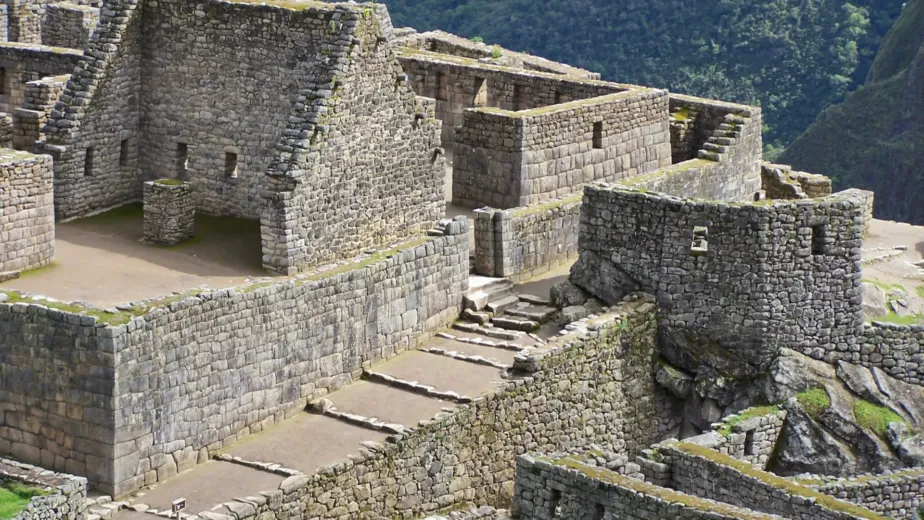
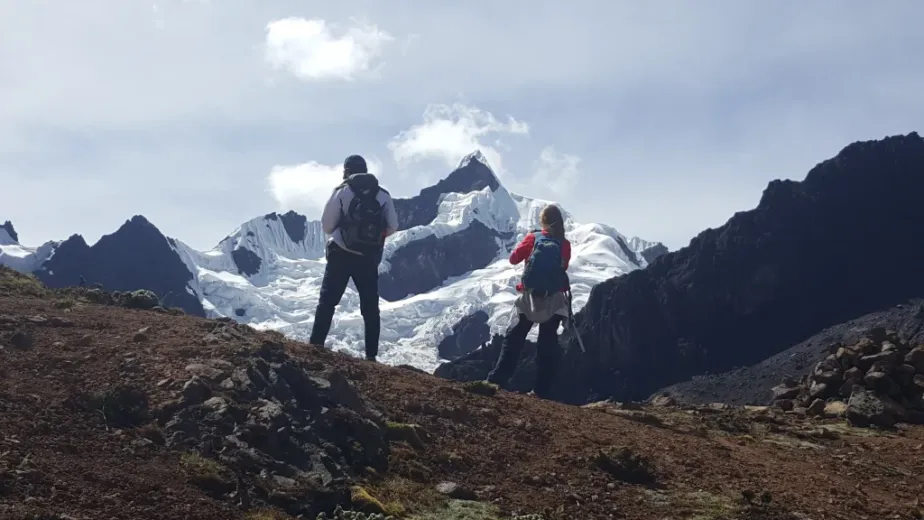
Altitude, silence, natural light, physical movement across terrain, and the coherent sensory quality of natural landscapes all contribute. The mountains and valleys of the Andes are not merely a backdrop; they are part of the mechanism. Research catalogued by the National Library of Medicine (NCBI) has documented the measurable effects of these conditions on stress and cognition.
Movement Reactivates the Body
Therapeutic tourism deliberately reintroduces physical effort, because movement is not incidental to human wellbeing — it is essential to it. The human body evolved to move, and physical activity triggers processes of regeneration, adaptation, and neuroplasticity that sedentary modern life suppresses.
Physical effort is not simply labor. It is part of the biological software embedded in the human organism.
Walking through demanding terrain, engaging with the physical world directly, activates systems that a sedentary lifestyle leaves dormant. This is why therapeutic journeys involve genuine physical engagement rather than passive relaxation — the movement itself is part of the recovery.
Knowledge Turns Experience Into Understanding
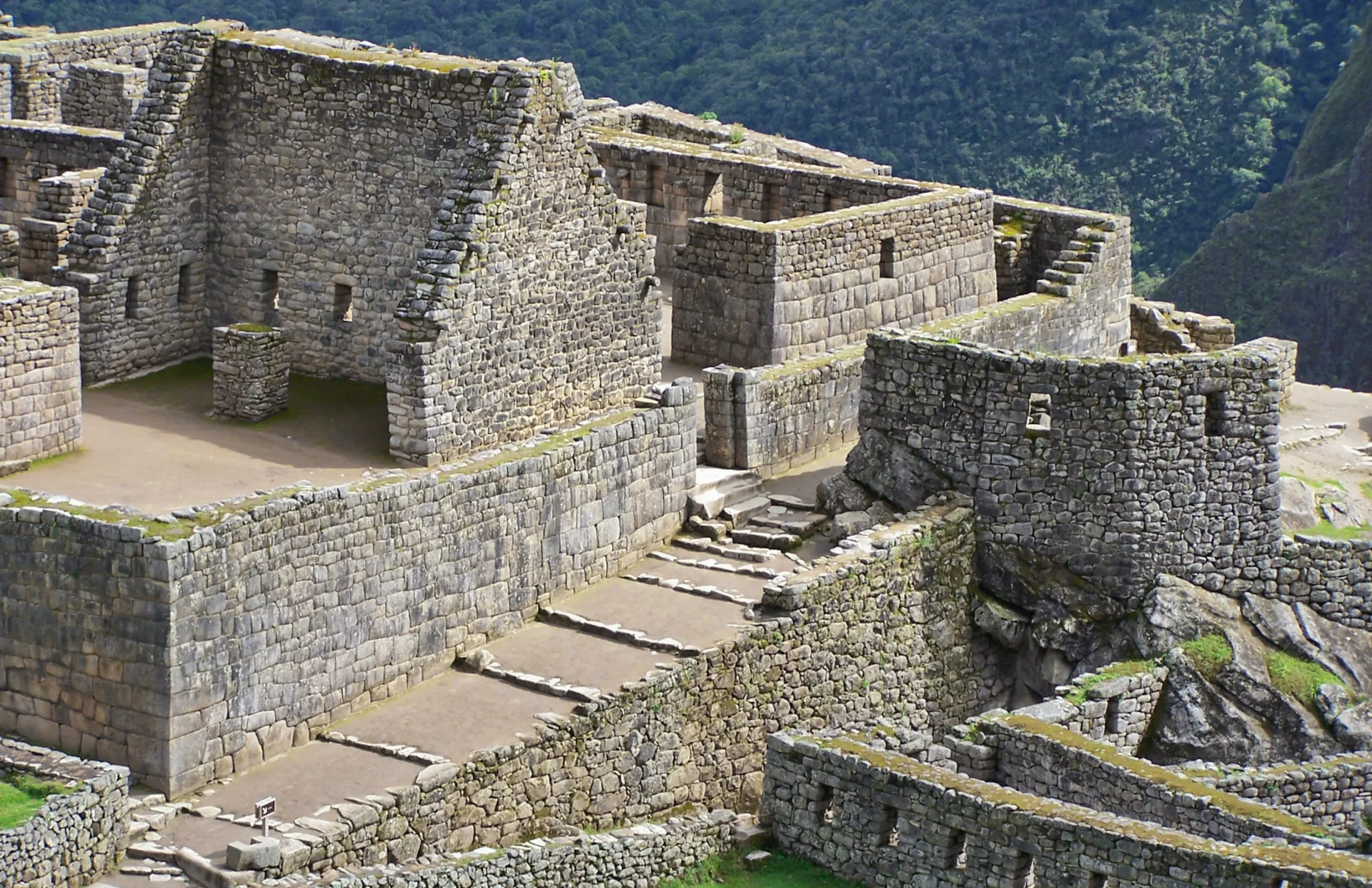
Here is what most distinguishes therapeutic tourism from a simple nature retreat. Environmental and physical recovery alone can make a person feel better temporarily, but without understanding, the effect fades once they return home. The Inka Method pairs the experience with a framework of knowledge — history, science, and simplicity — that gives it meaning and makes it durable.
When a person understands why they feel clearer, what conditions produced the change, and how human life can be organized differently, the insight becomes portable. They do not simply have a good experience; they gain a framework they can carry forward. This is what turns a temporary reset into a genuine realignment.
Perspective Emerges From Distance
The combined effect of these mechanisms is distance — the ability to step outside habitual patterns and observe one’s own life from the outside. Problems that seemed insurmountable appear differently. Priorities that were obscured become visible. The person sees the structure of their life clearly, often for the first time in years.
This perspective is the true product of the process. Not relaxation, though relaxation occurs. Not knowledge alone, though understanding is essential. The genuine outcome is a clarified view of one’s own existence, and the understanding of what a coherent life actually requires.
Why It Lasts
The reason therapeutic tourism can produce lasting change, where an ordinary vacation cannot, is that it operates on all these levels at once and grounds the experience in understanding. A person returns not only rested, but changed in how they perceive their life — carrying a framework that continues to work long after the journey ends.
A vacation gives you a break from your life. A therapeutic journey changes how you see it.