

The Science Behind Therapeutic Tourism
Therapeutic Tourism is grounded in an interdisciplinary understanding of how the human mind, biology, and environment interact. Modern neuroscience, behavioral science, and historical observation increasingly confirm what long-standing human societies already practiced: mental clarity and stability are deeply influenced by environment, rhythm, and lifestyle structure.
By integrating scientific insight with historical patterns of human organization, Therapeutic Tourism provides a framework where travel becomes a catalyst for mental reset, biological balance, and renewed life direction.


Biological Evolution
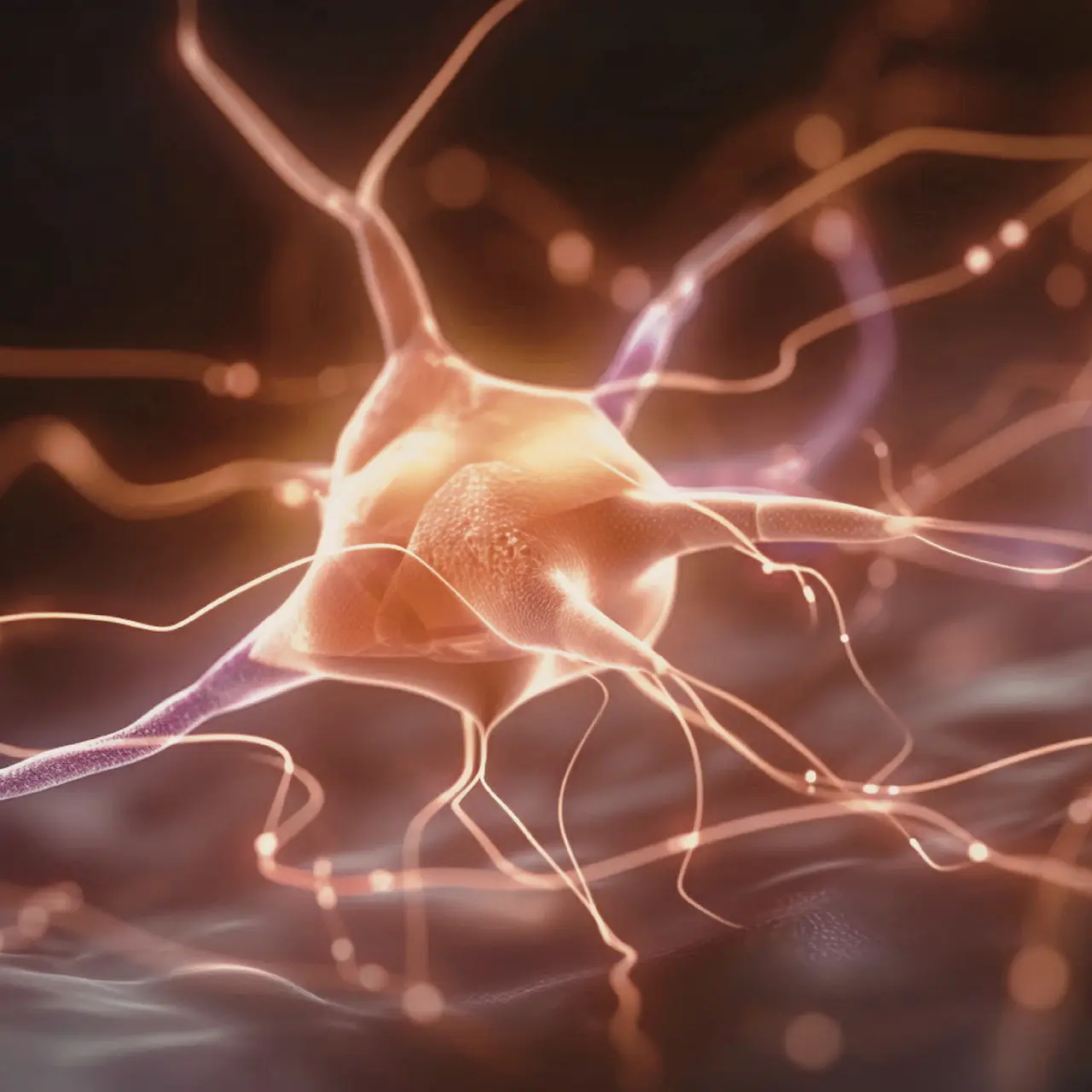
Neural Systems

Cognitive Environment
Understanding the Human Mind
The human brain evolved to operate within environments that provide rhythm, social cohesion, and natural stimuli. Modern lifestyles, however, often expose individuals to constant cognitive pressure, digital stimulation, and fragmented attention.
Understanding how the mind processes stress, decisions, and environmental signals allows us to design experiences that restore clarity, reduce cognitive overload, and support a more stable mental structure.
Stimulus → Neural Structure → Cognitive Function
Origin of Mental Development
Mental development emerged from the basic law of biology: survival. Early organisms evolved the ability to detect environmental stimuli—light, sound, movement, and touch—to locate food and avoid danger. These pressures shaped perception, memory, and attention, allowing living beings to recognize patterns and navigate their environment.
In modern life the same neural systems remain active, but many stimuli now come from comfort, entertainment, and emotional reward rather than survival. Neuroscience shows that memories, expectations, and imagination can activate the brain’s reward circuits, meaning the brain often responds strongly to experiences that exist only in thought.
Impact
+0%
Cognitive wellbeing
Understanding how stimuli and attention work helps us recognise modern stress.
Neural Circuits
The human brain represents about 2% of body weight yet consumes around 20% of the body’s total energy, reflecting the enormous metabolic demand of neural communication.
Billions of neurons communicate through synapses, forming neural circuits that extend throughout the nervous system and coordinate perception, memory, emotion, and movement. These circuits rely on oxygen, glucose, fatty acids, and micronutrients to maintain electrical signaling and synaptic plasticity.
However, cognitive health is not determined by nutrition alone. Research in neuroscience and psychology shows that social environment, emotional state, and lifestyle strongly influence brain performance. Phenomena such as the placebo effect demonstrate that belief and expectation can trigger real physiological responses within the brain and body.
Impact
+0%
Cognitive Wellbeing
Nutrition, brain energy metabolism, and lifestyle directly influence cognitive performance and mental resilience.
Cognitive Execution
Cognitive execution refers to how the brain transforms perception, memory, and emotion into decisions and behavior. Some species are born with highly developed survival instincts, allowing them to act independently from birth. Humans, by contrast, require a long developmental period, but they possess an extraordinary capacity for learning, adaptation, and imagination.
During childhood, the brain demonstrates remarkable neuroplasticity—the ability to reorganize neural connections based on experience and information. This plasticity allows knowledge, culture, and belief systems to influence how individuals interpret reality. Research in cognitive science shows that expectations, narratives, and repeated information can strongly shape perception and decision-making.
Because the brain constantly interprets signals through previous experiences and beliefs, the information individuals receive throughout life plays a critical role in shaping cognition. Environments that encourage curiosity, exploration, emotional balance, and meaningful experiences support healthier cognitive development and clearer perception of reality.
Impact
+0%
Cognitive Wellbeing
Beliefs, learning, and personal experiences shape perception, decision-making, and behavioral responses.
Environmental Influence on Mental Clarity
Modern neuroscience increasingly recognizes that cognition is deeply influenced by environment. Natural settings, meaningful social interaction, and coherent lifestyles help regulate stress systems, attention networks, and emotional balance.
When environments reduce cognitive overload and restore biological rhythms, the brain can redirect its resources toward perception, reflection, and clarity. This principle underlies approaches such as therapeutic travel, where carefully designed environments support mental reset and renewed perspective.
Impact
+0%
Cognitive Wellbeing
Changes in natural or social environments can significantly affect stress levels, attention capacity, and mental clarity.
From Science
to Human Experience
Scientific knowledge gains meaning when it becomes lived experience. The Inka Method applies principles from human biology, neuroscience, and environmental influence through immersive journeys designed to restore mental clarity and realign perspective. Rather than abstract theory, these environments allow the mind to experience the conditions in which human cognition naturally functions with balance and coherence.
The Role of Environment in Human Cognition
Human cognition does not operate in isolation. The environments people inhabit continuously shape attention, perception, emotional regulation, and mental clarity. Research in environmental psychology and neuroscience demonstrates that natural, cultural, and social environments influence how the brain processes information and manages stress.
From evolutionary biology to modern neuroscience, evidence suggests that human cognition functions most efficiently when environmental stimuli align with the conditions under which the human brain evolved.
Cultural Environments
Natural ecosystems expose humans to sensory and biochemical signals that interact directly with physiological and neurological systems. One of the most studied mechanisms involves phytoncides, volatile organic compounds released by trees such as α-pinene and β-pinene. These compounds can be inhaled and have been shown to influence immune activity and stress physiology.
Studies in forest environments demonstrate that exposure to these compounds increases the activity of natural killer (NK) immune cells, which are part of the body’s defense system. The increase in NK activity has been observed to persist for several days after forest exposure, suggesting measurable physiological effects beyond psychological relaxation.
Natural environments also influence stress regulation. Forest exposure has been associated with lower cortisol levels, reduced sympathetic nervous system activity, and improved parasympathetic regulation, all of which contribute to improved emotional balance and cognitive recovery.
These findings suggest that natural environments can influence both physiological resilience and cognitive restoration, linking environmental exposure with mental clarity.
Impact
+0%
Mental wellbeing
Direct impact on stress reduction, emotional regulation, and attention restoration.
Cultural Environments
Cultural environments provide complex cognitive stimuli that influence learning, perception, and identity formation. Culture introduces symbolic systems—language, traditions, history, and social structures—that engage neural circuits responsible for memory, interpretation, and social cognition.
Research in cultural neuroscience demonstrates that cultural experiences shape neural organization by exposing the brain to different cognitive frameworks and behavioral norms.
Exposure to new cultural contexts can also stimulate neuroplasticity, the brain’s capacity to reorganize neural connections through experience. Studies on multicultural learning and second-language acquisition show structural and functional changes in brain regions associated with memory, executive control, and attention.
This process allows individuals to expand cognitive flexibility, reinterpret beliefs, and integrate new perspectives into existing mental frameworks.
Impact
+0%
Mental Wellbeing
Expands perspective, meaning, identity, and cognitive flexibility.
Rural Environments
Rural environments typically contain lower levels of artificial sensory stimulation than dense urban environments. Urban environments expose the brain to constant noise, digital signals, electromagnetic emissions, and high levels of information processing demands.
Although research on electromagnetic exposure and cognition is still developing, environmental psychology consistently shows that high sensory load environments increase cognitive fatigue and stress levels.
In contrast, rural environments provide:
lower noise intensity
reduced digital signal density
slower rhythms of activity
more stable social structures.
These conditions allow the brain to reduce continuous attentional demands and allocate more resources to memory consolidation, emotional regulation, and sleep quality.
Adequate sleep and reduced cognitive overload are essential for processes such as memory consolidation, synaptic regulation, and neural recovery, which support cognitive clarity and mental stability.
Impact
+0%
Mental Wellbeing
Reduces cognitive overload and sensory stress from urban environments.
What Modern Science Is Rediscovering
Human cognition does not operate in isolation. The environments people inhabit continuously shape attention, perception, emotional regulation, and mental clarity. Research in environmental psychology and neuroscience demonstrates that natural, cultural, and social environments influence how the brain processes information and manages stress.
From evolutionary biology to modern neuroscience, evidence suggests that human cognition functions most efficiently when environmental stimuli align with the conditions under which the human brain evolved.
Ancient Knowledge and Neuroscience
Natural ecosystems expose humans to sensory and biochemical signals that interact directly with physiological and neurological systems. One of the most studied mechanisms involves phytoncides, volatile organic compounds released by trees such as α-pinene and β-pinene. These compounds can be inhaled and have been shown to influence immune activity and stress physiology.
Studies in forest environments demonstrate that exposure to these compounds increases the activity of natural killer (NK) immune cells, which are part of the body’s defense system. The increase in NK activity has been observed to persist for several days after forest exposure, suggesting measurable physiological effects beyond psychological relaxation.
Natural environments also influence stress regulation. Forest exposure has been associated with lower cortisol levels, reduced sympathetic nervous system activity, and improved parasympathetic regulation, all of which contribute to improved emotional balance and cognitive recovery.
These findings suggest that natural environments can influence both physiological resilience and cognitive restoration, linking environmental exposure with mental clarity.
Impact
+0%
Emotional regulation
Brain systems associated with emotion and stress become more stable with repeated practice.
Human Behavior Across Civilizations
Human behavior is shaped not only by biology but also by cultural systems. Anthropological and neuroscientific research shows that cultural practices influence cognition, identity formation, and emotional development across societies.
Modern fields such as cultural neuroscience and neuroanthropology study how cultural experiences shape neural development and cognitive processes. These studies show that culture influences how individuals perceive themselves, interpret experiences, and regulate emotions.
Research also indicates that cultural belonging and social integration are strongly associated with improved physical and mental health outcomes. Individuals with stronger cultural integration and social connection tend to report better overall wellbeing compared to those with lower levels of cultural integration.
From an evolutionary perspective, human behavior results from an interaction between biological evolution and cultural learning. This interaction—often described as gene–culture coevolution—suggests that culture itself acts as a system shaping human cognition and social behavior across generations.
Impact
+0%
Identity formation
Cultural context shapes self-concept and social belonging.
Biological Foundations of Wellbeing
Human wellbeing is strongly influenced by biological systems that regulate stress, cognition, and emotional stability. These systems evolved in environments where physical activity, social interaction, and environmental exposure were central components of daily life.
Modern biocultural research demonstrates that stress responses are shaped by interactions between biology, behavior, and environment. The human stress system—particularly the hypothalamic-pituitary-adrenal (HPA) axis—responds not only to physical threats but also to social and environmental conditions.
Anthropological and health research suggests that wellbeing is not determined solely by biological factors but emerges from the interaction between biological systems, cultural practices, and environmental conditions.
These findings support a growing scientific understanding that mental clarity, emotional balance, and overall wellbeing depend on the integration of biological processes with social and environmental contexts.
Impact
+0%
Stress regulation
Biological stress systems strongly influence emotional stability.
Astronomical Knowledge
Across many ancient civilizations, astronomical observation played a central role in organizing agriculture, social activities, and ceremonial calendars. Long-term observation of celestial cycles allowed societies to predict seasonal changes, solar solstices, and lunar phases with remarkable precision.
Modern research in archaeoastronomy demonstrates that many ancient structures were intentionally aligned with astronomical events such as equinoxes and solstices. These alignments reveal systematic observation of celestial mechanics and an understanding of cyclical environmental patterns.
Beyond navigation and agriculture, celestial observation also helped regulate human biological rhythms, particularly through exposure to natural light cycles that influence circadian regulation.
Impact
+0%
Cognitive orientation and spatial perception
Observing celestial bodies helped early civilizations develop spatial awareness and navigation skills. Research in cognitive science shows that orientation in natural environments strengthens spatial memory and brain regions involved in navigation such as the hippocampus.
Perception and Quantum Reality
Modern physics has demonstrated that the fundamental structure of reality operates according to principles that differ significantly from classical mechanics. Quantum physics reveals that matter and energy behave as probabilistic systems influenced by observation and interaction.
Although ancient cultures did not possess modern physics, many philosophical traditions described reality as an interconnected system in which perception plays a role in shaping experience. Contemporary discussions in physics and philosophy explore how observation and measurement influence quantum systems.
In cognitive science, perception itself is understood as an active process in which the brain continuously interprets sensory information to construct reality. Neural networks integrate signals from the environment, memory, and expectation to produce coherent perception.
While quantum mechanics does not directly validate ancient metaphysical concepts, modern research highlights how perception, observation, and reality are deeply interconnected processes in both physics and neuroscience.
Impact
+0%
Perceptual awareness
Research in cognitive neuroscience shows that perception is not passive; the brain actively constructs reality by interpreting sensory input through neural prediction systems. Understanding this mechanism increases awareness of how thoughts, expectations, and perception shape human experience.
Why Environment Changes the Mind
Neuroscience, environmental psychology, and anthropology show that the brain continuously interacts with the surrounding environment. Sensory inputs, natural stimuli, social context, and levels of artificial stimulation influence neural activity, stress regulation, and cognitive performance.
For most of human history, the human brain evolved in natural environments characterized by dynamic landscapes, natural light cycles, and relatively low levels of artificial stimuli. Modern urban and digital environments introduce constant information streams that can overload attentional systems and increase physiological stress.
Understanding how environments influence the brain helps explain why changes in setting—especially exposure to nature, silence, and reduced digital stimulation—can significantly alter mental states and cognitive clarity.
Ancient cultures often recognized these effects intuitively, organizing settlements, rituals, and daily life around natural landscapes, seasonal rhythms, and moments of silence or reflection. Modern science is now providing empirical evidence explaining why these environmental conditions influence human cognition and wellbeing.
Nature and Cognitive Restoration
Research in environmental psychology and neuroscience demonstrates that natural environments can restore cognitive resources that become depleted during prolonged mental effort. The Attention Restoration Theory (ART) proposes that exposure to natural landscapes engages involuntary attention systems in the brain, allowing directed attention—used in work and problem-solving—to recover.
Studies using neuroimaging and physiological markers show that time spent in natural environments reduces activity in brain regions associated with rumination and stress while improving working memory, attention, and emotional regulation.
Traditional cultures across the world, including Andean civilizations, structured agriculture, settlements, and daily life around direct interaction with mountains, forests, rivers, and celestial cycles. These environments provided continuous sensory variability that supported cognitive engagement without the constant cognitive demands typical of modern urban life.
Today, research confirms that immersion in natural landscapes can improve psychological restoration, cognitive clarity, and stress recovery.
Impact
+0%
Stress reduction
Exposure to natural environments lowers cortisol levels and reduces neural activity associated with rumination and anxiety.
Silence and Mental Reorganization
Silence is not simply the absence of sound. Neuroscientific research shows that periods of low sensory stimulation allow the brain to reorganize neural activity, consolidate memory, and regulate emotional processing.
Studies in neurobiology indicate that silence can stimulate the default mode network (DMN), a neural system involved in memory consolidation, self-reflection, and cognitive integration. Experimental research in animal models has also shown that exposure to silence can promote hippocampal neurogenesis, a process linked to learning and memory formation.
Ancient philosophical and spiritual traditions across many civilizations—including monastic traditions in Asia, contemplative practices in Mediterranean cultures, and Andean forms of reflection—recognized silence as a condition that allows deeper awareness and mental clarity.
Modern neuroscience provides biological explanations for these practices, demonstrating that reduced sensory input allows the brain to reorganize neural networks and process accumulated information.
Impact
+0%
Memory consolidation
Quiet environments support hippocampal processes involved in memory formation and neural consolidation.
Distance From Digital Overload
Modern digital environments expose the brain to continuous streams of information through smartphones, computers, social media, and wireless communication networks. Cognitive science research shows that this constant stimulation increases attentional fragmentation and mental fatigue.
Frequent task-switching—often triggered by digital notifications—activates stress pathways in the brain and increases the production of cortisol and adrenaline. Over time, this can reduce attention span, impair memory consolidation, and increase perceived stress.
Rural environments or locations with reduced digital connectivity provide conditions where the brain experiences significantly lower levels of artificial sensory input. This allows attentional systems to stabilize and circadian rhythms to recover.
Historically, human societies lived in environments with limited artificial signals, where cognitive activity followed natural cycles of daylight, social interaction, and environmental observation. Modern neuroscience suggests that temporarily disconnecting from digital overload may help restore attentional control and cognitive stability.
Impact
+0%
Attention stability
Reduced digital interruptions allow attentional networks to function with less fragmentation.
The Neuroscience of Travel
Travel changes how the brain processes the world. Neuroscience research shows that exposure to new environments activates neural systems involved in learning, spatial cognition, and memory, particularly within the hippocampus, a brain region responsible for cognitive mapping and environmental awareness.
When individuals encounter unfamiliar landscapes, cultures, and sensory stimuli, the brain increases neuroplastic activity, reorganizing neural pathways and strengthening adaptive thinking. This process can enhance cognitive flexibility, curiosity, and perception.
Travel also interrupts repetitive routines that reinforce fixed neural patterns. By stepping outside habitual environments, the brain engages new attentional networks and sensory processing mechanisms.
In natural environments, these effects are amplified. Research in environmental psychology indicates that exposure to landscapes such as forests, mountains, and open spaces can reduce physiological stress and support cognitive restoration.
For this reason, travel—particularly in natural and culturally meaningful environments—can contribute to mental clarity, psychological balance, and cognitive renewal.
When individuals return to environments closer to these evolutionary conditions, measurable biological responses occur. Research in neuroscience, environmental psychology, and human physiology shows that natural environments can regulate stress systems, restore attentional capacity, and support neuroplastic processes linked to cognitive clarity and mental reorganization.
Science and the Inka Method
The Inka Method is not presented as a philosophical concept, but as a structured framework grounded in multiple scientific disciplines that explore how human stability and well-being emerge. Research in anthropology, neuroscience, biology, and psychology consistently shows that mental health is deeply shaped by the interaction between environment, culture, and human biological systems.
For most of human history, societies developed within environments where daily life followed natural cycles, strong social cohesion, and shared cultural structures. These conditions supported cognitive stability, identity formation, and the physiological balance necessary for human development.
The Inka Method applies this understanding by integrating three fundamental dimensions recognized by science: history, science, and simplicity. Together, these principles form the conceptual foundation of the experiences designed within therapeutic tourism, enabling individuals to rediscover essential aspects of life. As modern systems increasingly distance humanity from its natural conditions, this process becomes a pathway for relearning how human life can function in balance.
History
Historical knowledge provides cognitive frameworks that help individuals understand their place within society and within the natural world. Anthropological and sociological research shows that cultural continuity and historical awareness contribute to identity formation, psychological stability, and social cohesion.
Ancient civilizations often developed sophisticated systems of environmental knowledge, architecture, agriculture, and astronomy that allowed societies to maintain long-term stability in complex environments. These knowledge systems were not only practical technologies but also cultural frameworks that helped individuals interpret reality and maintain a sense of belonging.
Modern research in cultural neuroscience shows that cultural identity influences neural processing, emotional regulation, and cognitive interpretation of social environments. Understanding history therefore supports psychological orientation and reinforces cognitive stability.
Within therapeutic tourism, historical environments and ancient landscapes can provide a context where individuals reconnect with deeper cultural narratives and broaden their perception of human experience.
Impact
+0%
Psychological orientation
Historical context helps individuals interpret their environment and their place within society.
Science
Scientific research provides the framework for understanding how biological systems, neural circuits, and environmental conditions influence human cognition and wellbeing. Neuroscience shows that mental clarity depends on stable neural activity, balanced stress regulation, and efficient energy metabolism in the brain.
The human brain consumes approximately 20–25% of the body’s total energy, despite representing only about 2% of body weight. Because of this high metabolic demand, cognitive performance is strongly influenced by factors such as sleep quality, nutrition, stress levels, and environmental stimuli.
Modern scientific research also confirms that exposure to natural environments, physical movement, and reduced cognitive overload can improve attention, emotional balance, and decision-making capacity.
The Inka Method incorporates these insights by designing experiences that support biological regulation and cognitive clarity within natural and cultural environments.
Impact
+0%
Cognitive performance
Biological conditions strongly influence attention, memory, and decision-making processes.
Simplicity
Environmental complexity plays a major role in cognitive load and psychological stress. Modern urban environments expose individuals to constant sensory stimulation including digital notifications, artificial lighting, traffic noise, and high information density.
Research in environmental psychology shows that excessive stimulation can overload attentional systems and increase physiological stress responses. Simpler environments—particularly natural or rural settings—reduce sensory overload and allow neural systems responsible for attention and emotional regulation to stabilize.
Many ancient societies developed lifestyles characterized by relatively simple environmental structures, where daily activities followed natural rhythms and social interaction occurred within smaller communities. These conditions supported stable cognitive environments with lower levels of artificial stimulation.
Scientific studies increasingly suggest that periods spent in simpler environments can improve attention recovery, emotional balance, and mental clarity.
In therapeutic tourism, environmental simplicity helps create conditions where individuals can temporarily disconnect from cognitive overload and restore attentional capacity.
Impact
+0%
Attention restoration
Reduced sensory stimulation allows attentional networks to recover from cognitive fatigue.
The Scientific Foundation of Therapeutic Tourism
Therapeutic Tourism emerges from the intersection of science, human history, and environmental simplicity. Research in neuroscience, biology, anthropology, and environmental psychology shows that human wellbeing is strongly influenced by the environments in which people live and the cultural frameworks through which they interpret reality.
For most of human history, human societies developed in close relationship with natural landscapes, seasonal cycles, and cultural knowledge systems. These conditions supported biological regulation, cognitive stability, and psychological balance.
Modern scientific research increasingly explains why these conditions influence mental clarity and wellbeing. The Inka Method applies these insights by integrating historical knowledge, scientific understanding, and simple environments into experiences designed to support cognitive restoration and human perspective.
The Science Behind Ancient Wisdom
Ancient human roots have often been misunderstood intentionally or overlooked in modern narratives. Reexamining this heritage is essential for restoring a deeper sense of identity, continuity, and purpose.
Understanding where we come from strengthens our capacity to move forward as a species. Reconnecting historical knowledge with modern science is not about returning to the past, but about rediscovering foundations that support human life.
This exploration begins step by step. What follows is only the beginning.
Nature–Health Interaction
1. Environmental Medicine
Many ancient cultures considered nature an essential component of human wellbeing. Modern science now studies this relationship within fields such as environmental medicine and forest medicine.
Scientific research shows that trees release phytoncides, natural volatile organic compounds such as α-pinene and β-pinene. When inhaled, these compounds interact with the human immune system.
Studies conducted in Japan demonstrate that exposure to forest environments can increase the activity of Natural Killer (NK) cells, an important component of the human immune defense system. Forest exposure has also been associated with lower cortisol levels and improved parasympathetic nervous system regulation.
These physiological responses indicate measurable biological effects beyond psychological relaxation.
Estimated Impact on Human Wellbeing
| Area | Estimated Influence |
|---|---|
| Stress reduction | 30–40% |
| Immune activity | 15–25% |
| Cognitive recovery | 20–30% |
Natural Rhythms of the Human Body
2. Circadian Biology
Ancient civilizations structured daily life according to natural cycles such as sunlight, seasonal changes, and lunar phases.
Modern biology now understands these rhythms as part of the circadian system, the internal biological clock that regulates physiological processes.
The human circadian rhythm is controlled by the suprachiasmatic nucleus (SCN) in the hypothalamus. This system regulates sleep, hormone production, metabolism, and cognitive alertness.
Research on circadian mechanisms was recognized with the Nobel Prize in Physiology or Medicine, awarded for discoveries of the molecular mechanisms controlling biological clocks.
Estimated Impact on Human Wellbeing
| Area | Estimated Influence |
|---|---|
| Sleep quality | 35–45% |
| Hormonal balance | 20–30% |
| Mental clarity | 20–25% |
Meditation and Cognitive Regulation
3. Mind–Body Neuroscience
Many contemplative practices found in ancient traditions—such as meditation and focused breathing—are now being studied using modern neuroimaging techniques.
Research shows that these practices influence brain regions involved in:
attention regulation
emotional processing
self-awareness
Functional MRI studies reveal changes in activity within the prefrontal cortex, amygdala, and attention networks, indicating that contemplative practices can affect neural circuits related to emotional regulation and cognitive control.
Repeated practice is also associated with experience-dependent neuroplasticity, meaning the brain can reorganize its neural pathways through sustained mental training.
Estimated Impact on Human Wellbeing
| Area | Estimated Influence |
|---|---|
| Emotional regulation | 25–35% |
| Attention control | 20–30% |
| Stress reduction | 20–30% |
Culture and Brain Development
4. Cultural Neuroscience
Human cognition develops within cultural systems that shape perception, identity, and social behavior.
The interdisciplinary field of cultural neuroscience studies how cultural experiences influence brain structure and neural processing.
Research indicates that cultural frameworks affect how individuals interpret social information, regulate emotions, and construct identity.
Neuroimaging studies show differences in neural activation patterns depending on cultural background, particularly in brain networks associated with self-representation and social cognition.
Estimated Impact on Human Development
| Area | Estimated Influence |
|---|---|
| Identity formation | 25–35% |
| Social cognition | 20–30% |
| Psychological resilience | 20–25% |
Architecture Aligned with Nature
5. Biophilic Design
Many traditional societies designed living spaces in close relationship with natural elements such as sunlight, airflow, vegetation, and landscape orientation.
Modern architecture now studies this approach under the concept of biophilic design, which integrates natural elements into built environments.
Research shows that environments incorporating natural features can improve productivity, reduce stress levels, and enhance cognitive performance.
Natural lighting, vegetation, and organic spatial patterns have measurable psychological and physiological benefits.
Estimated Impact on Human Wellbeing
| Area | Estimated Influence |
|---|---|
| Work performance | 15–25% |
| Stress reduction | 20–30% |
| Cognitive focus | 15–20% |
Traditional Diets and Health
6. Nutritional Anthropology
Many traditional diets developed within agricultural societies emphasize whole foods, seasonal ingredients, and minimal processing.
Modern nutrition science has identified strong health correlations in several traditional dietary patterns, such as the Mediterranean diet.
These diets typically include:
high levels of fiber
diverse plant nutrients
healthy fats
low consumption of processed foods.
Research shows that these dietary patterns are associated with improved metabolic health, cardiovascular protection, and cognitive resilience.
Estimated Impact on Human Health
| Area | Estimated Influence |
|---|---|
| Metabolic health | 30–40% |
| Brain health | 20–30% |
| Longevity | 20–30% |
Environment and Cognitive Function
7. Environmental Psychology
Environmental psychology studies how physical surroundings influence mental processes such as attention, emotional regulation, and stress management.
Research demonstrates that natural environments can restore cognitive function and reduce mental fatigue.
Two major theoretical models explain these effects:
Attention Restoration Theory (ART)
Stress Reduction Theory (SRT)
Both theories propose that environments containing natural patterns allow the brain’s attentional systems to recover from prolonged cognitive effort.
Estimated Impact on Mental Wellbeing
| Area | Estimated Influence |
|---|---|
| Attention recovery | 25–35% |
| Stress reduction | 30–40% |
| Emotional balance | 20–30% |
Selected References
Human Mind
Stanford University — Nature and mental processes
https://news.stanford.edu/2015/06/30/nature-walks-063015/
Yale University — Brain energy consumption
https://news.yale.edu/2016/04/07/times-energy-stress-brain-turns-emergency-generator
National Institutes of Health — Neuroplasticity and learning
https://www.nih.gov/news-events/nih-research-matters/how-brain-forms-new-memories
Scientific American — Environmental effects on the brain
https://www.scientificamerican.com/article/nature-that-nurtures/
Role of the Environment
PubMed — Forest bathing increases NK immune activity
https://pubmed.ncbi.nlm.nih.gov/18394317/
Nature — Experience-based neuroplasticity and brain adaptation
https://www.nature.com/articles/s41598-023-30326-3
PMC — Forest environment and immune / stress regulation
https://pmc.ncbi.nlm.nih.gov/articles/PMC2793341/
Scientific Discoveries
MDPI – Biology Journal, Biocultural Approaches to Stress and Health
https://www.mdpi.com/2673-9461/4/4/21
Oxford University Press – Social Cognitive and Affective Neuroscience, Neuroanthropology: Culture–Brain Interaction in Human Cognition
https://academic.oup.com/scan/article/5/2-3/138/1648167
Oxford Academic – Neuroscience of Consciousness, Neural Complexity Changes During Meditation
https://academic.oup.com/nc/article/2025/1/niaf013/8152225
Cambridge University Press – Archaeoastronomy Journal, Ancient Astronomy and Cultural Astronomy
https://www.cambridge.org/core/journals/archaeoastronomy
Stanford Encyclopedia of Philosophy, Quantum Mechanics and the Problem of Measurement
https://plato.stanford.edu/entries/qt-measurement/
Environment and the Mind
University of Michigan — Interaction with nature improves cognition and affect for individuals with depression
https://pubmed.ncbi.nlm.nih.gov/19121124/
Harvard Medical School — The brain’s default mode network and self-reflection
https://www.ncbi.nlm.nih.gov/pmc/articles/PMC3820015/
Harvard Medical School — Blue light and circadian rhythm disruption
https://www.health.harvard.edu/staying-healthy/blue-light-has-a-dark-side
The Inka Method and Modern Science
World Health Organization — Culture and mental health
https://www.who.int/publications/i/item/9789241506207
Yale University — Brain energy metabolism and stress response
https://news.yale.edu/2016/04/07/times-energy-stress-brain-turns-emergency-generator
National Institutes of Health — Digital media use and cognitive overload
https://www.ncbi.nlm.nih.gov/pmc/articles/PMC7366948/
Ancient Wisdom Explained by Science
Nippon Medical School, Tokyo, Qing Li — “Effect of forest bathing trips on human immune function”— Forest bathing increases NK immune activity
https://pubmed.ncbi.nlm.nih.gov/18394317/
Nobel Assembly — “The Molecular Mechanisms Controlling the Circadian Rhythm” Nobel Prize in Physiology or Medicine 2017
https://www.nobelprize.org/prizes/medicine/2017/summary/
Neuroscience & Biobehavioral Reviews — “Meditation and the Neuroscience of Consciousness”
https://www.sciencedirect.com/science/article/pii/S0149763425005214
Social Cognitive and Affective Neuroscience — “Neuroanthropology and the cultural brain”
https://academic.oup.com/scan/article/5/2-3/138/1648167
Sustainability Journal — “Biophilic Design and Human Health”
https://www.mdpi.com/2071-1050/12/5/1824
New England Journal of Medicine — “Primary Prevention of Cardiovascular Disease with a Mediterranean Diet”
https://www.nejm.org/doi/full/10.1056/NEJMoa1200303
Environmental Health and Preventive Medicine — “Forest Therapy and Stress Reduction”
https://pubmed.ncbi.nlm.nih.gov/41718142/
View Research Library
Explore Scientific Sources
See the Research
Explore the Evidence
La más equilibrada es:
Explore the Research
Human Mind
Laura Martinez
Operations Manager